If you only have a few hours in Budapest, planning is everything.

The city is full of stunning architecture, rich history, and beautiful viewpoints — but without a clear route, it’s easy to waste time going back and forth.

This guide will help you focus on the essential Budapest highlights, so you can experience the best of the city even on a tight schedule.

1. Heroes’ Square & City Park

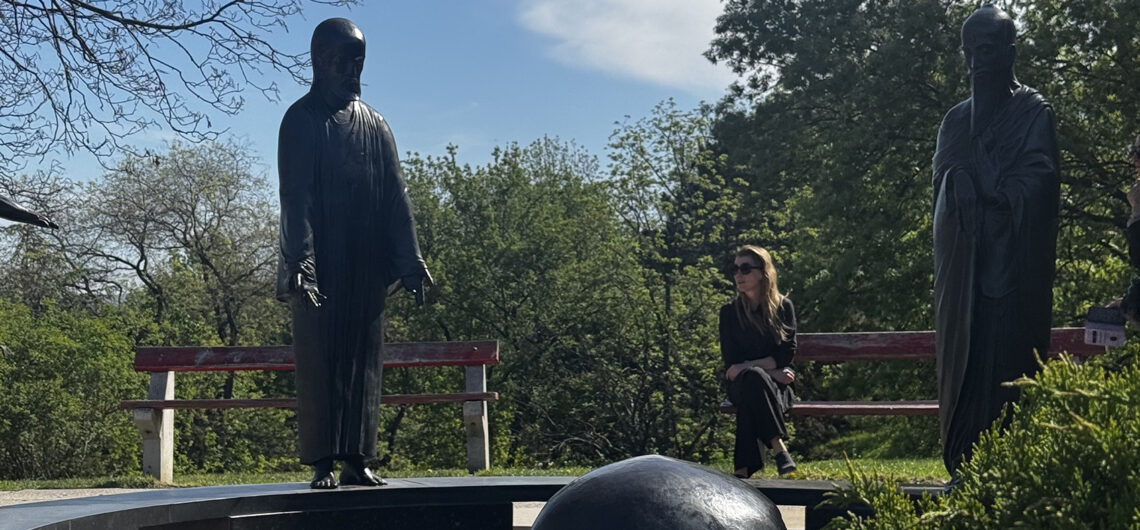
Start your visit at one of the most important squares in Hungary: Heroes’ Square. The statues here represent Hungary’s most important historical figures, making it a perfect introduction to the country’s past.

Just behind the square, you’ll find City Park, a green oasis with hidden gems like Vajdahunyad Castle — ideal for a short, relaxed stroll before heading into the city center.

Read more:  A Must-See in Budapest: City Park

2. Andrássy Avenue & the Opera House

From Heroes’ Square, follow Andrássy Avenue, one of Budapest’s most elegant boulevards and a UNESCO World Heritage site. Lined with historic buildings, cafés, and embassies, it leads you straight toward the city center.

On the way, you’ll pass the stunning Hungarian State Opera House, a masterpiece of 19th-century architecture.

Read more: Budapest public transport tips (Metro Line 1 runs here)

3. St. Stephen’s Basilica

Next, head to St. Stephen’s Basilica, the largest Catholic church in Budapest.

The interior is impressive — but if you have time, go up to the dome. The panoramic view offers one of the best perspectives over the city.

Local tip: Visit in the late afternoon for softer light and fewer crowds.

4. The Hungarian Parliament

No visit to Budapest is complete without seeing the Hungarian Parliament Building.

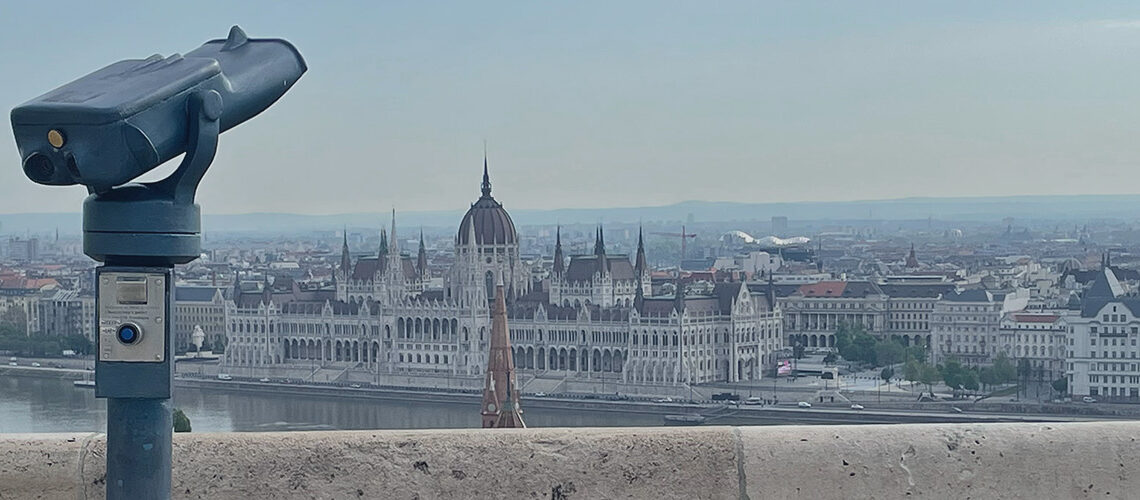
Standing right on the Danube, it’s one of the most iconic buildings in Europe. For the best view, take a short walk along the river — or admire it from the Buda side for a full panoramic perspective.

Read more: A Must-See in Budapest: Houses of Parliament

5. Buda Castle District

Cross the Danube and explore the historic Buda Castle District.

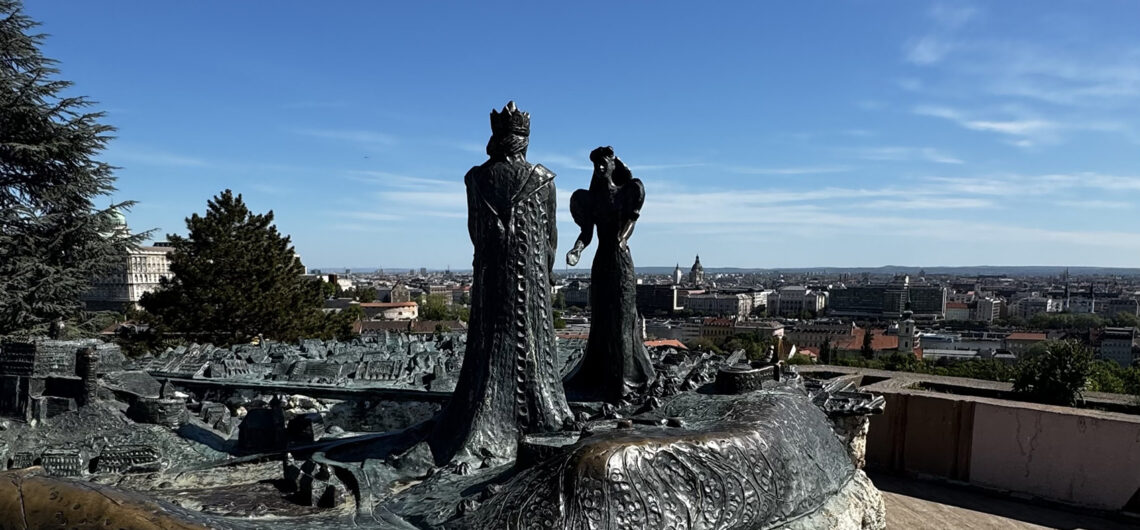
This area feels completely different from Pest — quieter, more atmospheric, and full of history. Wander through cobblestone streets, discover hidden corners, and enjoy some of the best views in Budapest.

Read more: the Buda Castle District.

Can You See All This in a Few Hours?

Yes — but it’s not always as easy as it looks on the map. Distances, hills (especially on the Buda side), and the depth of history at each stop can make it difficult to truly enjoy the experience without rushing.

Want to Make the Most of Your Time?

This route is exactly what I cover in my half-day tours — designed for travelers who want to see the highlights without the stress of planning.

Whether you prefer walking or a more relaxed pace by car, you’ll experience Budapest through stories, local insights, and carefully chosen viewpoints.

Final Thoughts

Budapest is a city that rewards curiosity. Even if you only have a few hours, you can experience its beauty — especially if you focus on the right places. And if you’d like to go beyond the surface, I’d be happy to show you the Budapest I know and love.

Budapest in a Few Hours 🇭🇺 Must-See Highlights

Few buildings define Budapest as instantly as Matthias Church. Rising above the Buda Castle District with its colourful tiled roof and fairy-tale silhouette, it is one of the most photographed landmarks in the Hungarian capital.

And yet, many visitors admire it from a distance without discovering what makes it truly remarkable.

Taking a closer look reveals centuries of history, architectural details often missed at first glance, and one of the most rewarding cultural experiences in Budapest.

A Church Shaped by Centuries of History

Matthias Church stands on a site where places of worship have existed since the 13th century. Over time, the building has witnessed royal ceremonies, coronations, Ottoman occupation, and major reconstructions that shaped its present appearance.

Despite its medieval origins, much of what visitors see today comes from a careful 19th-century restoration led by architect Frigyes Schulek, who created the distinctive Neo-Gothic character while preserving earlier historical elements.

This layered history is part of its charm — Matthias Church reflects the many chapters of Budapest itself rather than belonging to a single era.

Look Closer: Details Many Visitors Miss

From afar, the church almost feels unreal, but its beauty truly appears in the details.

The colourful roof, covered with decorative Zsolnay tiles, changes character depending on the light and weather throughout the day. Walking around the building reveals carved stone figures, patterned surfaces, and unexpected viewpoints that many visitors miss when remaining near the main square.

Even a slow walk around the church can feel like discovering a different monument from every angle.

Step Inside Matthias Church

While the exterior alone is impressive, stepping inside offers a completely different experience.

From the outside, Matthias Church appears bright, colourful, and almost newly restored. The interior, however, reveals an unexpected contrast — darker, more atmospheric, and deeply historic. Medieval architectural elements blend with decorative patterns influenced by the Ottoman period, reminding visitors of the many eras the building has lived through.

Standing inside, Hungarian history feels almost tangible. The richly decorated walls, painted motifs inspired by medieval designs, and filtered light from stained glass windows create a calm and contemplative atmosphere — a striking change from the lively square just outside.

Even visitors with limited time often find that a short visit inside adds depth to their understanding of Budapest’s past and cultural heritage.

Climb the Tower for One of Budapest’s Best Views

While most visitors admire Matthias Church from the square below, one of its most memorable experiences lies above the rooftops.

The tower visit offers a completely different perspective of Budapest — and remains surprisingly overlooked. Reaching the top requires climbing a series of narrow stairs, but the ascent itself becomes part of the experience. On the way up, visitors can see the church bells up close, offering a rare glimpse into the inner workings of this historic landmark.

From the very top, panoramic views open over the Buda Castle District, the Danube, and the Pest side of the city, including the Hungarian Parliament. The climb also reveals one of the church’s most remarkable features from a completely new angle: the magnificent Zsolnay roof tiles, fully visible only from above, creating a true bird’s-eye view of the building’s intricate patterns and colours.

Unlike larger viewpoints, the experience feels intimate and immersive, allowing you to see Budapest from within one of its most historic monuments rather than simply looking at it from afar.

For visitors willing to take the climb, the tower provides one of the most unique viewpoints in Budapest — and often becomes an unexpected highlight of a visit to Matthias Church.

Visiting Tips for Matthias Church

If you’re planning to visit Matthias Church, a few practical tips can make the experience much more enjoyable:

  • Visit early in the morning or later in the afternoon to avoid peak crowds in the Buda Castle District.

  • Check opening hours carefully. The church interior may be closed on Saturday afternoons due to weddings, and it is closed on Sunday mornings during church services.

  • Walk around the entire building, not just the main entrance area — some of the most beautiful architectural details appear on the quieter sides.

  • Don’t miss the interior gallery. From here, you gain a stunning elevated view over the church’s richly decorated interior. The gallery also includes a small exhibition dedicated to Hungarian coronations, reflecting the church’s important role as a coronation church in the 19th and 20th centuries.
  • Climb the tower if you can. Although there are stairs to climb, the panoramic views make it truly worth the effort.

  • Combine your visit with Fisherman’s Bastion, located directly beside the church, for iconic views over the Danube and the Hungarian Parliament.

  • Comfortable shoes are recommended, as the surrounding streets are historic cobblestones.

Beyond the Postcard View

Budapest’s most famous landmarks often reveal their beauty slowly. Matthias Church is a perfect example — instantly recognisable, yet far richer when experienced with curiosity and time.

Looking beyond the postcard view transforms a quick photo stop into a meaningful moment in the Buda Castle District.

If you’re planning your first visit to the city, you can also find Matthias Church featured in my guide to Budapest’s must-see sights.

A Local Perspective

When I guide visitors through Budapest, I often encourage them to pause here a little longer. Taking time to notice the details, stepping inside the church, or climbing the tower often turns this famous landmark into a personal highlight of the visit.

Because sometimes, truly knowing a city begins with looking closer.

Matthias Church Budapest: Look Closer at This Icon

Today we celebrate the Budapest 152nd birthday. On November 17, 1873, three historic towns — Buda, Pest, and Óbuda — united to form one magnificent city: Budapest. I can’t help but reflect on why this place continues to capture my heart — and the hearts of travellers from all over the world.

It’s incredible to think how much history, resilience, and beauty fit into these 152 years. Budapest isn’t just Hungary’s capital — it’s a city that tells stories at every turn, from its majestic bridges to its cozy cafés.

A City of Timeless Beauty

If you’re looking for things to do in Budapest, you don’t have to go far. Start with the Hungarian Parliament, one of Europe’s most stunning government buildings, glowing golden at night on the banks of the Danube. Cross over the Chain Bridge, admire the Fisherman’s Bastion at sunrise, and don’t miss a ride on Tram 2, often called one of the most scenic tram routes in the world.

Whether you explore Buda Castle Hill for history or Andrássy Avenue for architecture, every view tells a story. So you will explore a mix of grandeur, resilience, and unmistakable charm. Need more ideas? Let me know!

Everyday Magic – Happy Birthday Beautiful Budapest!

What makes Budapest truly special is how easily beauty blends into everyday life.
You can enjoy a lazy morning at one of the city’s historic cafés, stroll along the Danube promenade, or simply watch the lights shimmer across the water as evening falls.
Even locals (like me!) still stop to take in the view — because it never gets old.

💙 My Beautiful Budapest

As a private tour guide in Budapest, I’ve had the joy of seeing visitors fall in love with the city — whether it’s their first visit or a long-awaited return. Each tour I lead feels like a love letter to this place: to its stories, flavours, and hidden corners that you won’t find in guidebooks.

Budapest is endlessly inspiring. It’s a city that makes you slow down, look up, and appreciate the details. Like the curve of a bridge, the scent of coffee, the sound of trams rolling by.

Here’s to the Next 152 Years – Happy Birthday Beautiful Budapest!

Budapest has lived through revolutions, rebuildings, and countless transformations. Yet, she always rises more beautiful, more vibrant, more alive.
So today, I raise my glass (of Tokaji, of course!) to 152 years of history, culture, and beauty.

Happy Birthday, Beautiful Budapest — and thank you for continuing to inspire all who walk your streets. 💫

How many Budapest bridges can fit into 30 seconds? More than you’d think! The Danube divides the city into Buda and Pest, and its bridges each carry their own personality: historic, modern, romantic, or simply practical. Whether you’re chasing the perfect Parliament view, a quiet sunset, or even an emperor’s silver nail, there’s a bridge waiting to share its secret.

Chain Bridge

“Budapest’s bridge has a twin”
The Chain Bridge was the first permanent crossing of the Danube, opened in 1849. But did you know it has a smaller twin in Marlow, England? Both were designed by William Tierney Clark, with the Marlow Bridge crossing the River Thames. Stroll across it and you’ll feel like you’ve stepped into a miniature Budapest, a little echo of the Danube in the English countryside. I’m happy to cross this beautiful bridge with you when you book a walking tour with me.

Liberty Bridge

“An emperor’s silver nail”
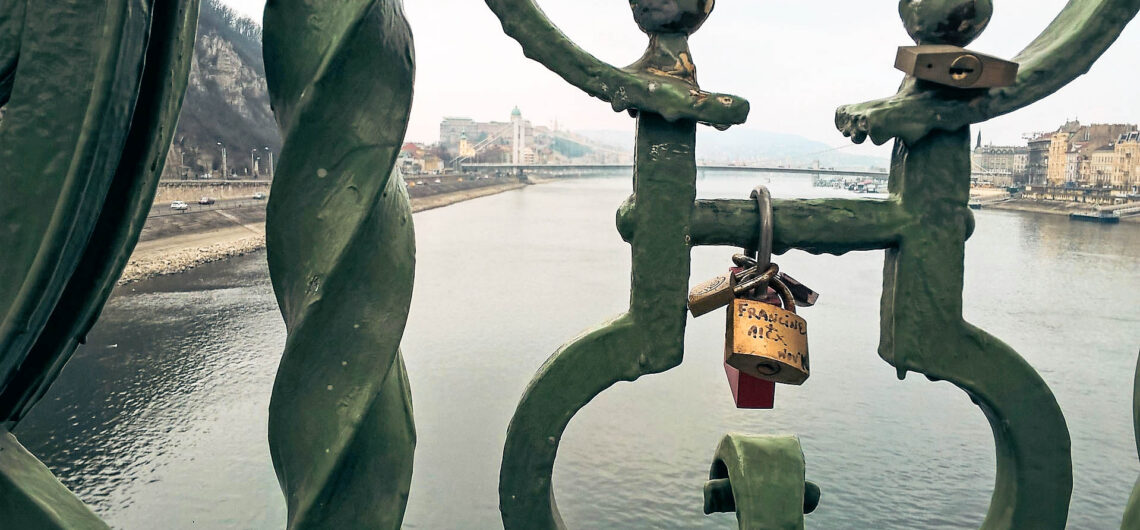
When Liberty Bridge was inaugurated in 1896, Emperor Franz Joseph himself hammered in the last, and only silver, nail. That ceremonial gesture gave the green bridge a unique story among its siblings. Today it’s beloved by locals and students, sometimes even closed for open-air picnics. And, it still carries the emperor’s mark in its foundation. We usually stop for a few minutes to admire the bridge from the Pest side of the river when we go to the Great Market during a Foodie Tour. Also, this is my all time favourite of all Budapest bridges.

Margaret Bridge

“A princess on an island”
Margaret Bridge doesn’t just connect Buda and Pest — it also bends gracefully toward Margaret Island. The island itself was once home to a royal convent, where young Princess Margaret, daughter of King Béla IV, was sent to live. Choosing the island meant giving up courtly life forever, but her presence left a story of sacrifice and faith woven into the bridge’s path. I love taking travellers to the Margaret bridge and island on a customised tour.

Elizabeth Bridge

“Modern white frame of Gellért”
The original Elizabeth Bridge, named after Queen Sisi, was destroyed during World War II. What stands today is a sleek, modern suspension bridge — its white lines perfectly framing Gellért Hill and the Citadel behind it. It’s the only one of the Budapest bridges that was not rebuilt to the original style. It’s a striking contrast to the ornate Budapest bridges nearby, and a favourite spot for photographers chasing symmetry. Want to learn more about the bridge and the story of Gellért? I’m happy to include those in any Budapest driving tour.

Petőfi Bridge

“The Danube’s lost blue bridge”
Before World War II, the bridge that stood here gleamed in a bold shade of blue — a flash of colour across the Danube. After its destruction, the rebuilt Petőfi Bridge was painted grey, practical but subdued. It does its job, but sometimes I wonder how different Budapest’s skyline would feel today if that vibrant blue had survived.

Rákóczi Bridge

“Budapest’s bold red pylons”
The newest bridge across the central Danube, Rákóczi is defined by its industrial steel and striking red pylons. It may not carry centuries of history, but it connects the city to its growing cultural quarter — the National Theatre and Palace of Arts — showing how Budapest keeps building its future across the river.


From twins in England to emperors’ nails, princesses, and lost colors, Budapest’s bridges are full of stories that go far beyond stone and steel. Next time you’re here, don’t just admire them from a tram window — walk across. Each crossing is a chance to step into the city’s history, one story at a time.

Budapest is magical at any time of day, but after sunset, the city transforms into something truly unforgettable, that is Budapest at night for you. The golden domes and bridges light up, the Danube sparkles with reflections, and the streets come alive with locals and visitors enjoying food, drinks, and vibrant nightlife. Whether you’re looking for romance, culture, or just a good time, Budapest at night has it all.

Why Budapest at Night is Special

  • Golden Danube Reflections – Both riverbanks are part of a UNESCO World Heritage site, and at night the view becomes pure magic.

  • Fairy-tale Landmarks – The Parliament glows like a palace, the Chain Bridge twinkles, and Fisherman’s Bastion looks straight out of a storybook.

  • Lively Atmosphere – Cafés, ruin pubs, and wine bars buzz with energy late into the night.

  • Safe & Walkable – The historic center is compact and safe, making it perfect for evening strolls.

Top Experiences After Dark

1. The Parliament & Chain Bridge Lit Up

The most iconic postcard view of Budapest. From either side of the Danube, the glowing Parliament and illuminated Chain Bridge create a breathtaking panorama.

2. Evening Walk or Danube River Cruise

A stroll along the Danube Promenade is always a treat, but for the ultimate night experience, hop on a Danube Legend river cruise. You’ll float past the Parliament, Buda Castle, and the bridges shimmering in gold.

3. Ruin Pubs & Wine Bars in the Jewish Quarter

Budapest is famous for its ruin pubs—quirky bars built inside abandoned buildings and courtyards. For a more refined evening, try a Hungarian wine tasting at Doblo Wine Bar, my favourite in the Jewish Quarter.

4. Gellért Hill & the Citadel Views

For those who don’t mind a short climb, the reward is one of the most spectacular panoramic views of Budapest by night. The entire city glitters at your feet.

5. Night Trams & Metros (Bonus Tip)

Budapest’s public transport is not just practical—it’s scenic, too. Tram 2 along the Danube is often called one of the world’s most beautiful tram rides, and it’s especially magical after dark.

Practical Tips for Enjoying Budapest at Night

  • Best Time for Photos: Start at blue hour (just after sunset) for the perfect golden glow, then stay as the city lights come on.

  • Safety: Central Budapest is generally very safe, even at night. Just keep an eye on your belongings in crowded bars.

  • Photography: Bring a tripod or use a steady surface for night shots.

  • What to Wear: Even in summer, evenings by the Danube can be breezy, so a light jacket is handy.

Final Thoughts

Budapest truly shines after dark. Whether you’re sipping wine in the Jewish Quarter, cruising the Danube, or watching the Parliament sparkle from Fisherman’s Bastion, the city offers a unique and unforgettable nighttime experience. Reach out if you have questions or would like to learn more about Budapest or private tours!

So next time you’re here, don’t call it a night too early—that’s when Budapest is just getting started.

Most visitors cross it. Few know its story.

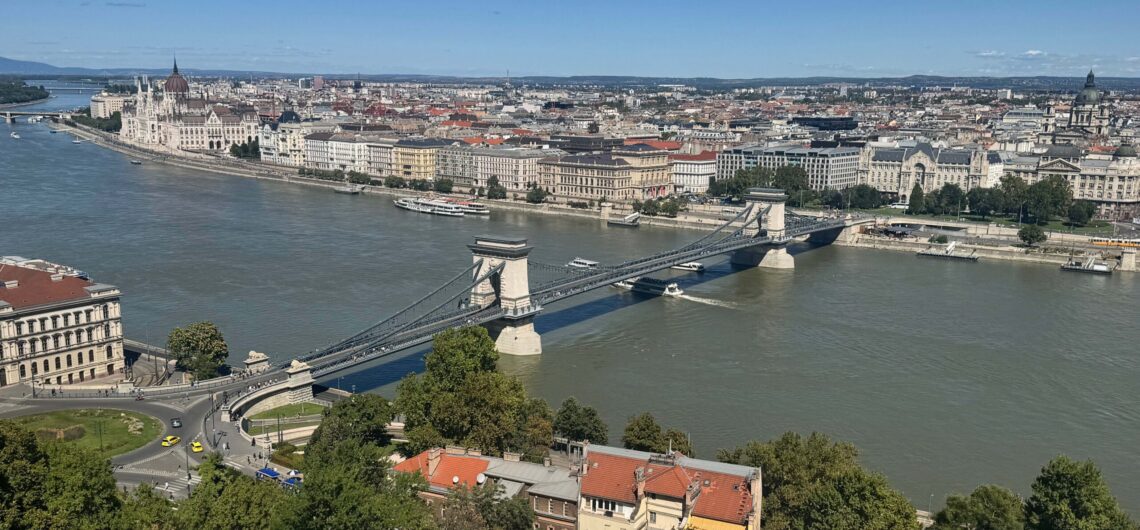
The Chain Bridge isn’t just a beautiful structure connecting Buda and Pest — it’s the bridge that changed Hungary. Before it existed, winter ice and ferry delays separated the two sides of the Danube. One tragic moment turned that inconvenience into a bold vision: to build a permanent connection that would unite a city — and a nation.

It all started with a funeral

In 1820, Count István Széchenyi — one of Hungary’s greatest reformers — missed his father’s funeral. The ferry couldn’t cross the river due to bad weather, and there was no bridge to take him from Pest to Buda. Heartbroken and frustrated, he made a promise: Hungary would have a bridge that connected both sides year-round. That promise became the Széchenyi Chain Bridge.

Building the Chain Bridge Budapest: A Marvel of Engineering

When construction began in the 1830s, the Chain Bridge was one of the most ambitious civil engineering projects in Europe. It was designed by English engineer William Tierney Clark and built by Adam Clark, a Scottish engineer (and namesake of Clark Ádám tér on the Buda side).

It officially opened in 1849 and became the first permanent bridge across the Danube in Hungary. Its suspension design was cutting-edge at the time — and symbolised progress, unity, and independence.

Chain Bridge Budapest: The Lion Legend & Missing Tongues

Four massive stone lions guard the entrances of the bridge. There’s a popular urban legend that the sculptor, János Marschalkó, forgot to carve tongues on them — and, in his shame, jumped into the Danube.

The truth? The lions do have tongues. They’re just not visible unless you look very closely from above.

This myth has survived for generations — and it’s one of the stories I love sharing on my tours. Budapest has a knack for hiding the truth in plain sight.

How the Chain Bridge Budapest Survived War and Reborn

In 1945, during World War II, retreating German troops destroyed the bridge along with all others in Budapest. Only the stone pillars remained. But just like the city itself, the bridge rose again. It was carefully reconstructed and reopened in 1949 — exactly 100 years after its original inauguration.

From your private tour guide

Whenever I guide a walking tour across the Chain Bridge, I pause in the middle and encourage my guests to look both ways. Behind us, Buda Castle rises like a fortress. Ahead, Parliament glows on the Pest side. This bridge isn’t just a route — it’s a symbol of resilience. Of connection. Of Budapest’s unbreakable spirit.

Local tip

Visit just before sunset to catch the golden glow on the river and buildings. And after dark, the bridge is beautifully lit — a perfect, romantic walk for couples or a quiet pause for solo travelers.

Want to explore it with me?

I include the Chain Bridge in many of my private walking tours — and always tailor the experience to your pace, interests, and curiosity. If you’d like to hear more stories like this in person, I’d love to show you the real Budapest.

  • Book a private tour with me here
  • Have questions? Reach out to me directly — I’m happy to help you plan the perfect Budapest experience.
  • And if you enjoyed this post, keep reading my blog for more hidden stories, local tips, and unforgettable sights in Budapest.

As a private Budapest tour guide, I’ve had the joy of leading over 2,000 tours in this incredible city—and I can honestly say that every single one has been special. No two tours are ever the same—because no two travellers are ever the same. That’s what makes being a private Budapest tour guide so rewarding.

Some come for the history, others for the food and wine, and many are simply curious to understand what makes this city so magical.

From Strangers to Friends

Whether it’s a half-day stroll through Pest or a full-day adventure across both sides of the Danube, something remarkable always happens.

We start as strangers, but somehow, by the end of the tour, we’re sharing stories like old friends. There’s a closeness that naturally forms when walking through streets filled with meaning and memory. As a result, these moments stay with me long after the tour is over.

Budapest Through My Eyes

Every corner I show holds personal significance—these aren’t just stops on a route; they’re part of my life in Budapest. For example the grandeur of Andrássy Avenue while the quiet courtyards of the Jewish Quarter still feel like hidden gems.

The Magic of a Shared Experience

I love seeing the city through fresh eyes again and again. Watching someone fall in love with Budapest—often without even realising it—is one of the best parts of my job. In fact, I especially love that moment when I catch the first sparkle in their eyes, when I know the city has started to work its magic on them.

Of course, it’s not just about sharing facts—though of course, I share plenty! It’s about creating an experience that reflects each guest’s curiosity, energy, and pace.

Tailored Tours, Every Time

Some guests want slow, thoughtful conversations about architecture and culture; others are eager to try lángos at the market or sip some sparkling wine in Etyek. Either way, I’m here for all of it.

These moments—spontaneous, personal, and often funny—make each tour unforgettable for me too. After all, that’s what makes being a private Budapest tour guide so rewarding.

Budapest is always changing, but it never loses its beauty. And after all these years, I still feel incredibly lucky to call it home—and to share it with others.

Let Me Show You Around

If you’re planning a trip, I’d be honoured to show you around the city that I love. Whether you’re after history, food, or just a warm local connection, consider booking with a private Budapest tour guide who truly knows the heart of the city.

My travellers often ask me to recommend some great museums to visit during their stay in Budapest. I’ve put together a list of the museums that I like and that I think would be a great addition to your Budapest experience. I’ve just updated the list, so that you can have the most amazing cultural Budapest experience.

A carefully selected list of Budapest museums for history, art, photography, and music lovers — recommended by a licensed local tour guide

History lovers

Hungarian National Museum – all about Hungarian history from the ancient times to nowadays. the most significant item on display is the coronation robe of the Hungarian kings from 1000. The interior of the museum is just magnificent.

Hospital in the Rock – a museum in the cave system of the Buda Castle District that served as an underground hospital during WW2. Amazing stories from the war and a very detailed presentation.

Budapest History Museum – dedicated to the history of the Buda Castle complex and Budapest. You can visit the old parts of the castle as well as the newly renovated royal halls.

Memento Park – although it’s located outside the city centre, it’s worth a visit. The cemetery of the old statues of the communist era puts on display Hungarian history in the second half of the 20th century.

Glass House – former Swiss consul Carl Lutz saved the life of thousands of Hungarian Jews during WW2. The museum is dedicated to his amazing work and to all people who found peace and safety in the Glass House of Budapest.

Art lovers

Fine Art Museum – hundreds of thousands of pieces from all the different periods of European fine arts. Plan to spend a couple of hours to see them all.

National Gallery – an amazing collection of Hungarian art form the Middle Ages to nowadays. The museum is located in the Royal Palace of Buda and offers magnificent views over the city.

Ludwig Museum – the contemporary art museum started from a private collection and is expanding dynamically year by year. You can admire art from the late 1960’s to present time.

Ráth György villa – the Art Nouveau fans (myself included) will love this exhibition near the City Park. It’s the home of György Ráth, former director of the Museum of Applied Arts with very unique interiors, furniture and art from the late 19th and early 20th century.

Kiscelli Museum – showcasing the cultural history of Budapest from the 18th century to nowadays. It’s located a little further from the city centre, but it’s worth the extra time.

Photography lovers

Robert Capa Contemporary Photography Center – located in the Art Nouveau Ernst House in Nagymező utca is named after Robert Capa, the first photo journalist of the world with his war reportage on the Spanish Civil War, WWII, China, and Vietnam.

Mai Manó Ház – the Hungarian House of Photographers with temporary exhibitions showcasing the works of some of the greatest Hungarian photographers from the 21th and 21st century.

Music lovers

Liszt Museum – the little museum is located in the home of composer and piano virtuoso Franz Liszt, and actually, you’ll feel like you’re visiting him personally. Most of the items are original and belonged to Franz Liszt.

House of Hungarian Music – one of Budapest’s newest and most exciting cultural institutions, located in City Park. The museum presents Hungarian and international music history in a highly interactive way, with immersive exhibitions, listening stations, and contemporary architecture designed by Japanese architect Sou Fujimoto. Even visitors who don’t usually go to music museums find this place engaging and memorable.


Don’t forget that most of the Budapest museums are closed on Mondays, always check the opening hours before your visit! Feel free to get in touch with me for further details and more information or if you feel like that there is something else you’d like to add to this list. Many of these museums can be easily combined with a custom Budapest walking tour — don’t hesitate to get in touch if you’d like a personalised itinerary built around your interests.

I’m a huge admirer of the Hungarian Art Nouveau movement, and I’m always proud to show travellers some of Budapest’s most beautiful Art Nouveau buildings. For me, the former home of György Ráth, the first director of the Museum of Applied Arts, is a true jewellery box — both the building itself and the artworks and furniture on display are absolutely unique.

Originally built as the Ráth family home, the villa today houses the permanent exhibition “Art Nouveau – A Hungarian Perspective.” Every room feels different, yet perfectly harmonious. The furniture, textiles, ceramics, and artworks were selected and arranged with such care that visiting the villa feels like stepping into the private world of a cultured, well-travelled family.

Walking through the rooms is an intimate experience — like visiting an elderly relative whose home is filled with authentic objects, each telling its own story. Nothing feels staged or distant; everything feels lived-in, warm, and deeply personal.

Tips for your Ráth György Villa Visit

When visiting the villa, don’t forget to take a walk along Városligeti fasor, one of Budapest’s most elegant avenues, lined with fascinating Art Nouveau villas. It’s the perfect continuation of the experience and an often-overlooked highlight of the City Park area.

If you’re fascinated by Art Nouveau, this villa is a beautiful stop to include in a custom Art Nouveau walking tour of Budapest.


With over 100,000 Hungarian and international artworks spanning from ancient civilisations to the end of the 18th century, the Museum of Fine Arts is the largest and most comprehensive art museum in Budapest — and an absolute must for culture lovers visiting the city.

Opened in 1906, the museum’s Classical Revival building is a work of art in itself. From the outside, it resembles an ancient Greek temple — and that’s no coincidence. The tympanum on the main façade is an exact replica of the Temple of Zeus in Olympia, giving the building a timeless, monumental presence on Heroes’ Square.

After being closed for almost four years of renovation, the museum has fully regained its original splendour. The restored interiors are just as breathtaking as the collections they house. Wandering through the building truly feels like stepping back in time.

My personal favourites are the Romanesque Hall and the Renaissance Hall — spaces so atmospheric that even visitors who don’t usually consider themselves “museum people” are often left speechless. Exploring the museum is not just about viewing artworks; it’s a journey through centuries of European and ancient history.

The Museum of Fine Arts collections at a glance

The Museum of Fine Arts is divided into six main departments:

  • Egyptian Antiquities

  • Classical Antiquities

  • Old Master Paintings

  • Sculptures

  • Prints and Drawings

  • Old Hungarian Collection

Thanks to this wide range, the museum works equally well for first-time visitors, returning travellers, and families with older children.

Visiting tips

The Museum of Fine Arts is located right at Heroes’ Square, making it easy to combine with a walk through City Park, a visit to Vajdahunyad Castle, or even a relaxing stop at Széchenyi Thermal Bath afterwards.

I often recommend it as an extra stop during a custom Budapest walking tour, especially for guests interested in art, architecture, or classical history.

    %For up-to-date opening hours and current exhibitions, I always suggest checking the museum’s official website before your visit.