The Royal Palace of Visegrád is one of the most fascinating stops in the Danube Bend and a highlight I always try to include when touring the area. Together with the Upper Castle, the palace forms a remarkable castle complex that offers insight into how Hungarian royalty lived at the height of their power.

Located above the Danube, in the historic town of Visegrád, this palace allows visitors to step directly into the world of 15th-century royal life.

From ruins to royal splendour

The fact that we can admire the palace today is thanks to the work of a passionate Hungarian archaeologist, who discovered the ruins hidden beneath an orchard. Thanks to decades of archaeological research and careful reconstruction, the palace has been brought back to life as a stunning example of Gothic and Renaissance architecture.

We owe a great deal to the archaeologists and historians who recreated the lavish interiors, gardens, and fountains that once impressed visiting dignitaries from across Europe.

A royal residence fit for King Matthias

The original stone residence, built in the 14th century, was relatively modest — just under 5,000 square feet. However, under the reign of Matthias Corvinus, the palace was transformed into a spectacular royal residence with around 350 rooms.

According to legend, during grand celebrations in the 15th century, marble fountains flowed with red wine — a detail that perfectly captures the wealth and prestige of the Hungarian royal court at the time.

What to see in the Royal Palace of Visegrád

Today, visitors can explore:

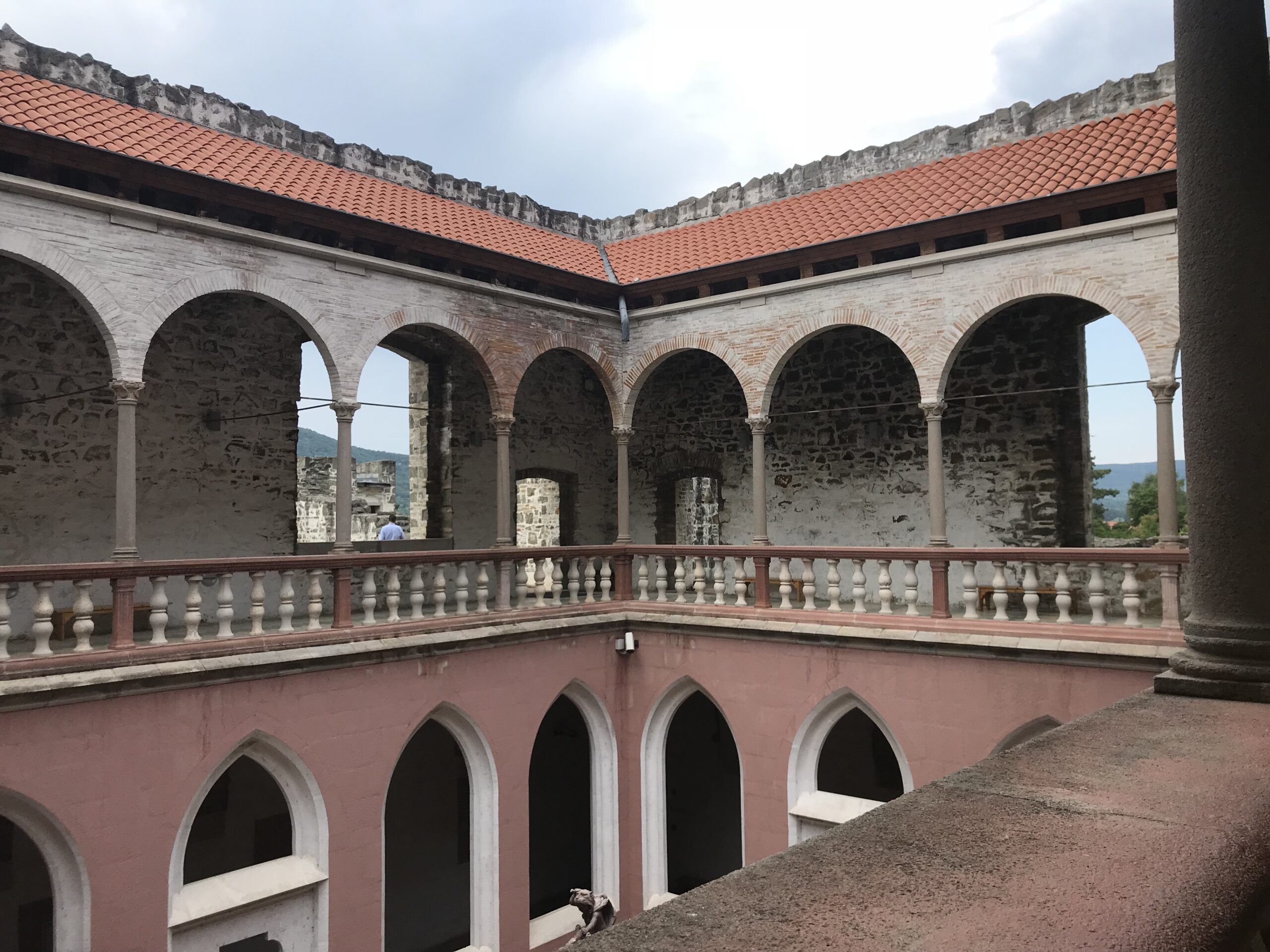
  • elegant Gothic cloisters

  • a refined Renaissance loggia

  • reconstructed living quarters of Hungarian kings and queens

  • decorative fountains and palace gardens

  • original artefacts and relics from the Middle Ages

The palace is beautifully laid out and easy to explore, making it both educational and visually impressive.

Visiting the Royal Palace on a Danube Bend tour

The Royal Palace of Visegrád is an essential stop on many Danube Bend day trips and works especially well as part of a private countryside tour from Budapest. Combined with the Upper Castle and views over the Danube, it offers a perfect balance of history, architecture, and scenery.


Yes, Pécs is one of my favorite destinations so I’d like to encourage you to book a tour at your earliest convenience. Once you have a look at the pictures below I’m sure you’ll fall in love with the city, too.

Pécs is very unique because the entire Hungarian history is on display in the city’s architecture, spirit and charm. You can learn so much while just walking around the cobblestoned streets.

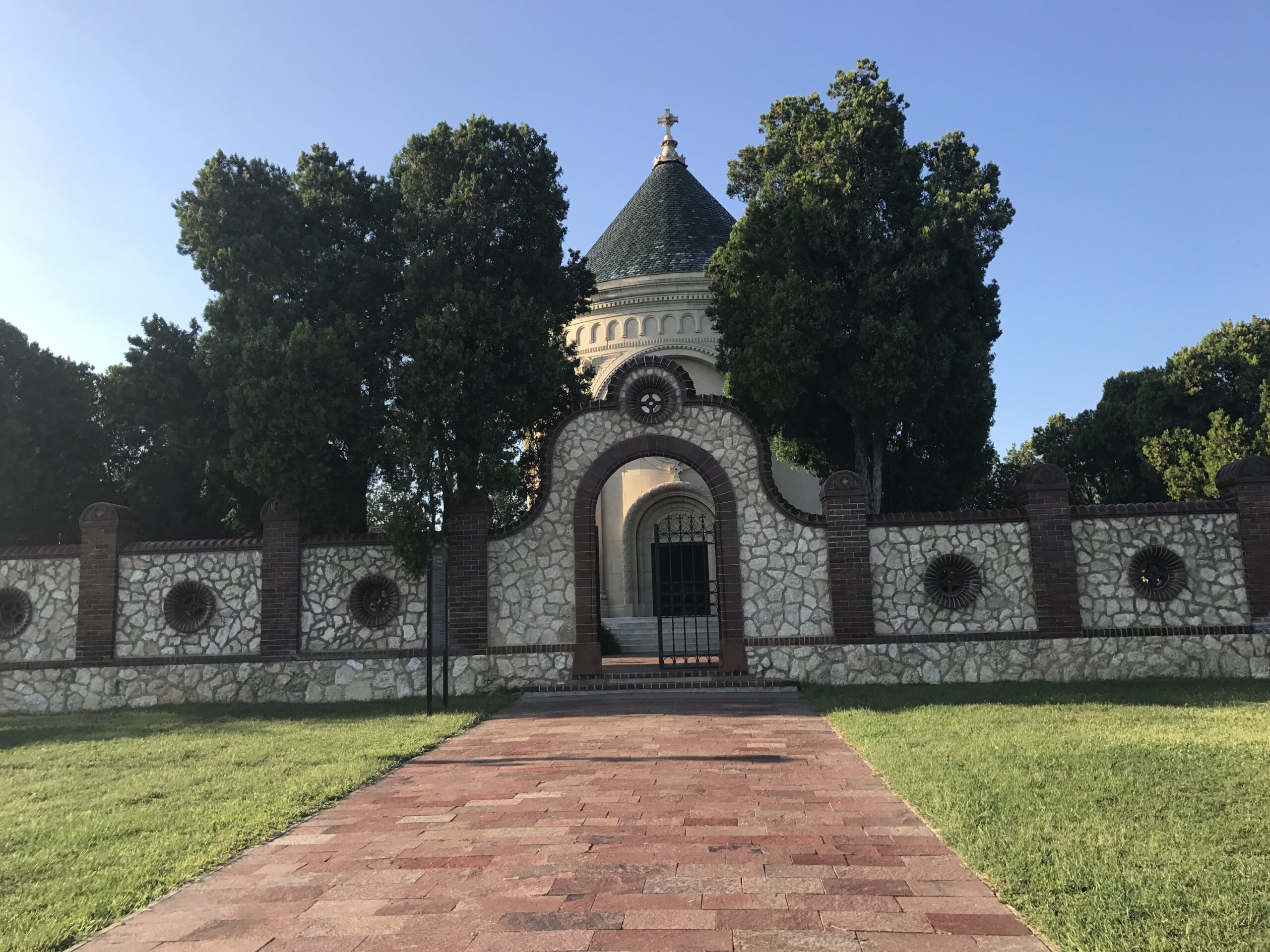
We start the tour discovering the 1700-year-old Early Christian Necropolis, the well preserved burial chambers of the Romans fron the 4th century. We continue in the 11th century Basilica on Dóm square, an important symbol of the continuous fight of the Hungarians for Christianity. We tour the ruins of the Turkish baths, the only Turkish age mosque in Hungary that has remained intact together with its minaret and the 13th century Catholic church converted into a mosque in the 1540’s and reconverted into a Catholic church in the 1680’s. I’m sure you’ll be surprised to notice the special combination of the Muslim crescent moon and the Christian cross topping the church, reminding us of the peaceful coexistence of different religions. We admire the harmonious Baroque architecture and also have a look at the Vasarely museum.

After the city tour I take you to the Zsolnay quarter, the completely renovated and restored Zsolnay factory buildings where the most beautiful Hungarian porcelain and ceramic products have been manufactured since 1853.


We visited this cute little village last week as it was part of a family research I was working on for my guests arriving from Australia. I’ve never been to Szentkút before but I’m very much impressed by this enormous pilgrimage site, it’s just too bad it was deserted this part of the year. I understand it’s much more crowded in August when open air masses are held for hundreds of thousands of people.

The fountains have been famous for their healing power for some 700 years now and is declared a National Shrine since 2006.


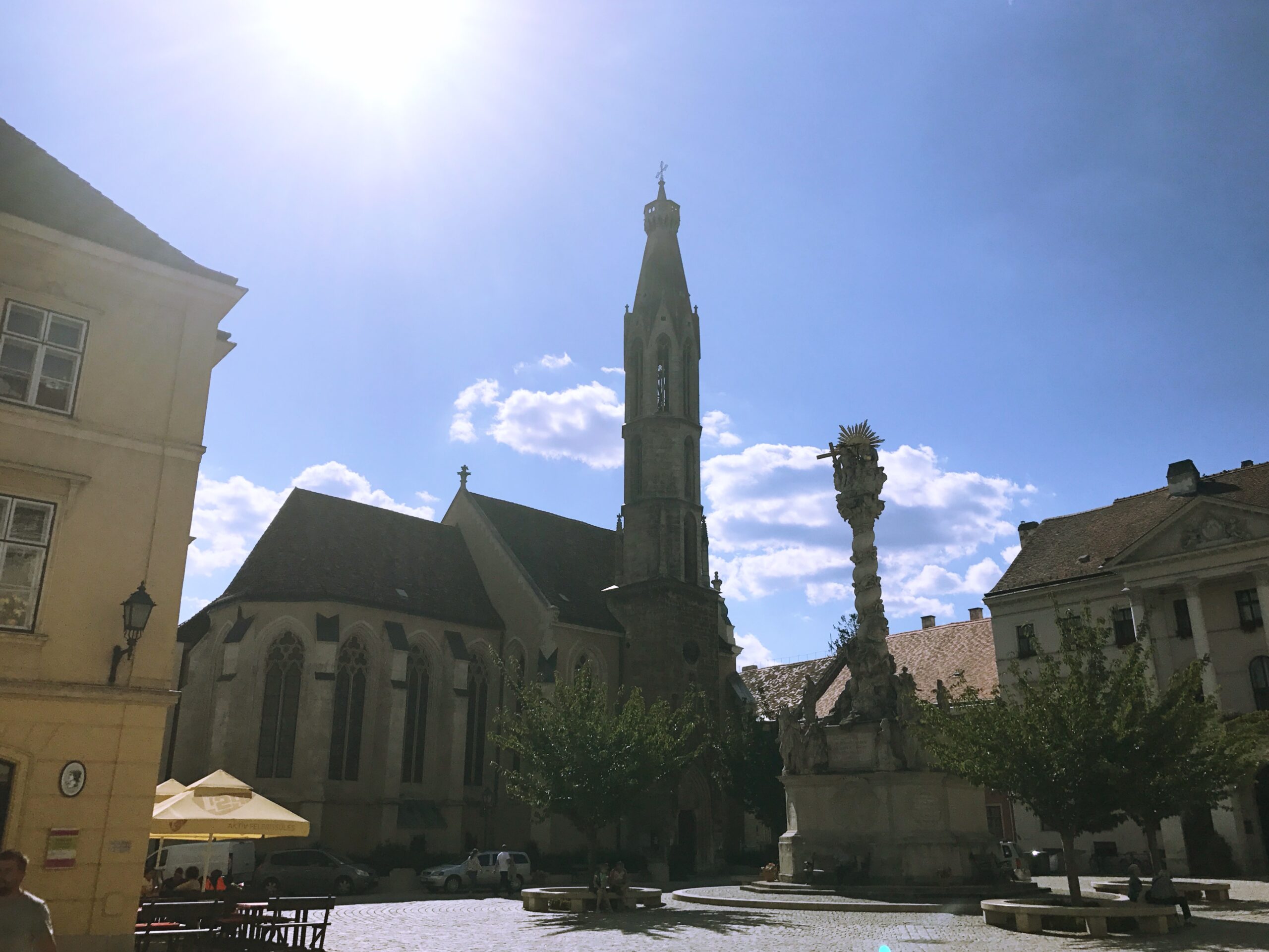
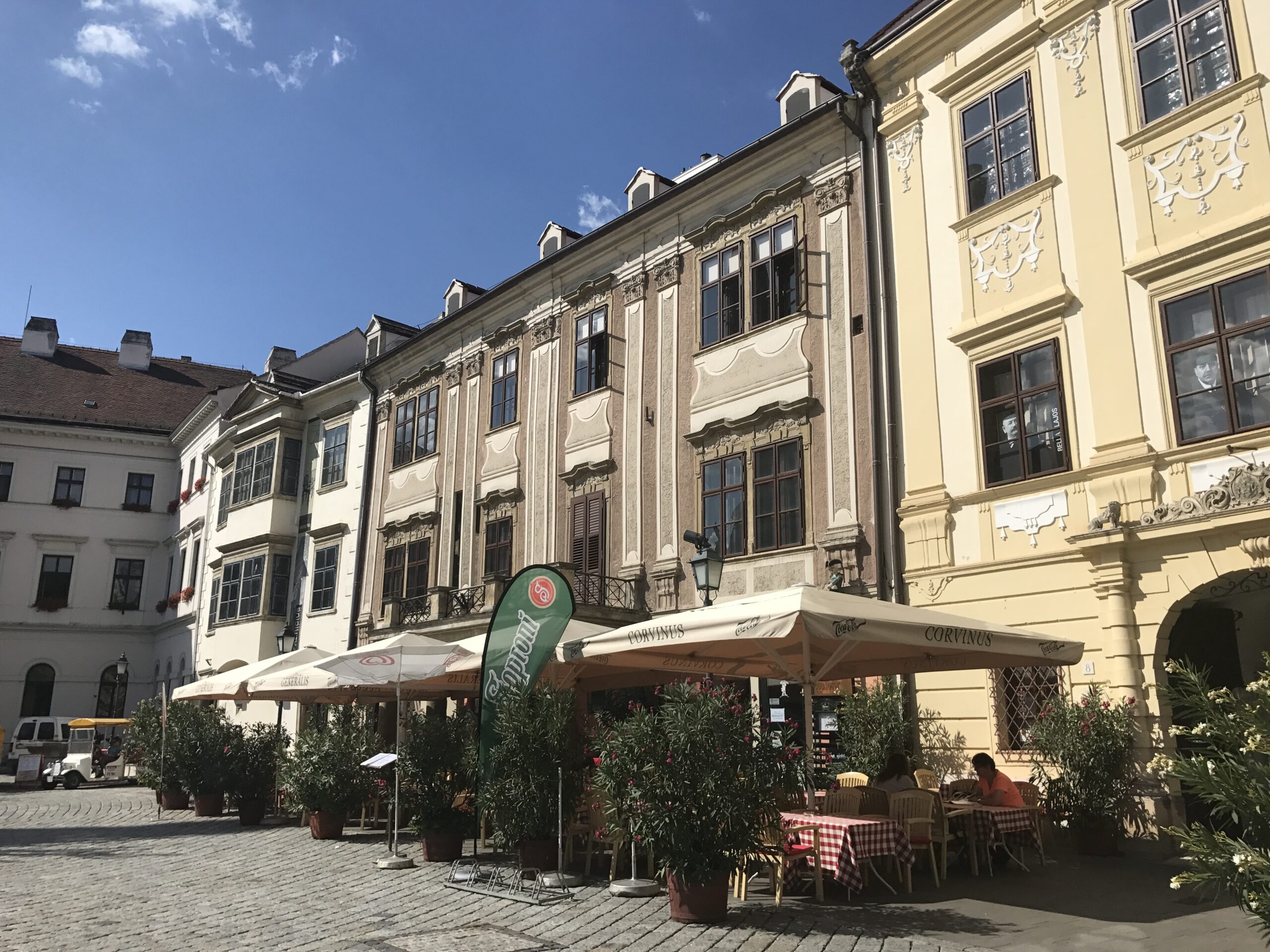
Located near the Austrian border, Sopron has quickly become one of my guests’ most loved day-trip destinations in western Hungary — and it’s easy to see why. Rich in medieval heritage and elegant Baroque architecture, Sopron is a beautifully preserved town that feels both intimate and historically layered.

After guiding several tours in northern Hungary, Sopron naturally became part of my Győr and Sopron private tour, combining two of the region’s most charming historic towns in one memorable itinerary.

Why Sopron Is Called “The Most Loyal Town”

Sopron is often referred to as Hungary’s “most loyal” town, a title earned after World War I. When two-thirds of Hungary’s territory were detached from the country, Sopron’s citizens were offered Austrian citizenship in a referendum.

In 1921, the people of Sopron voted to remain Hungarian — a decision that is still commemorated every year and remains a strong part of the town’s identity and local pride.

Medieval Churches and the Iconic Fire Tower

A guided walk through Sopron reveals architectural treasures from multiple eras. Highlights include:

  • 13th-century churches featuring Romanesque and Gothic elements

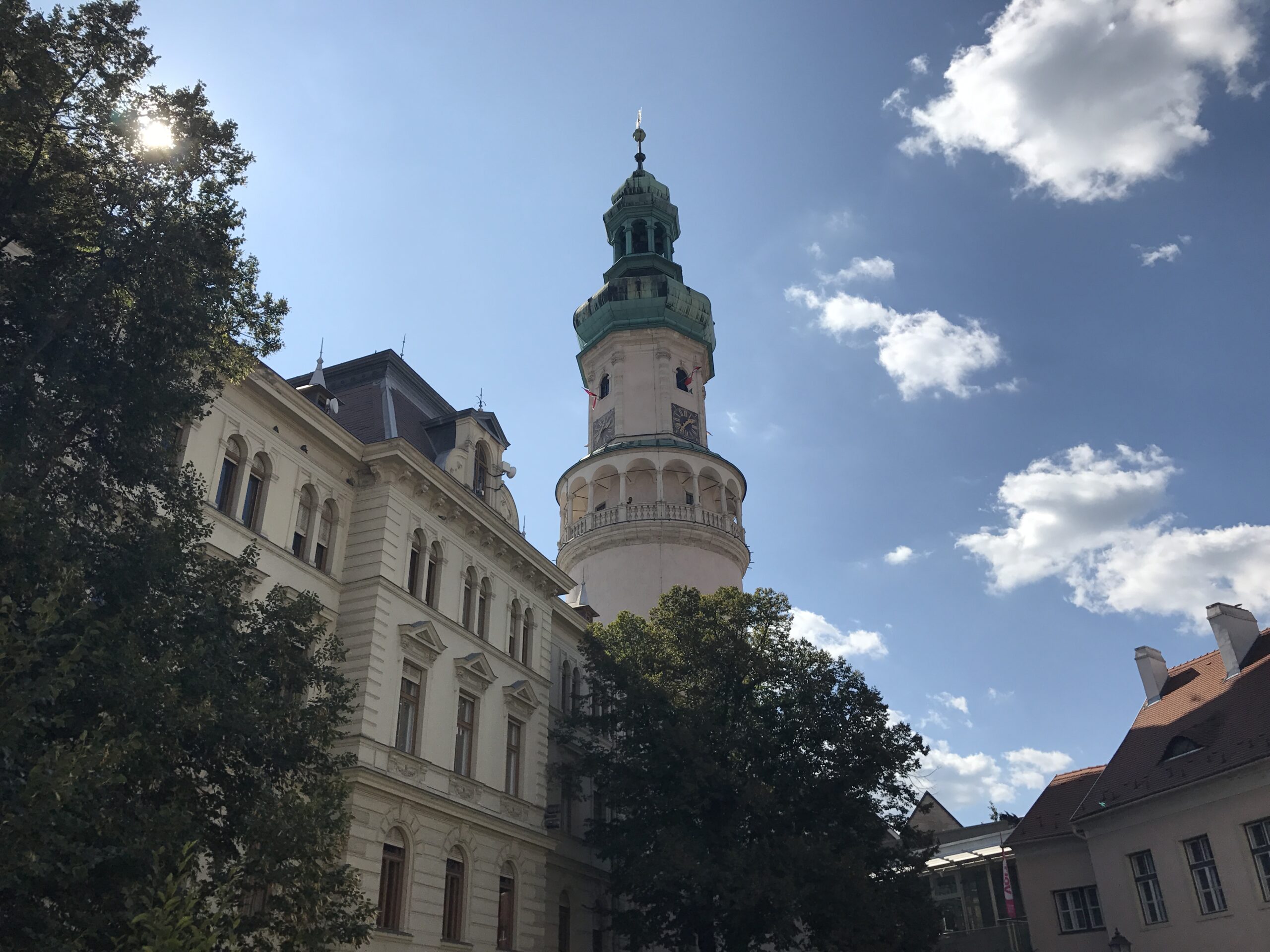
  • the iconic Fire Tower, the symbol of the town since the 17th century

  • elegant 18th-century Baroque townhouses lining narrow streets and hidden courtyards

From the top of the Fire Tower, visitors are rewarded with panoramic views over Sopron’s rooftops and the surrounding countryside.

Kings, Composers, and Roman Roots

Sopron’s streets have hosted remarkable historical figures. During the tour, you’ll see:

  • where Matthias Corvinus stayed while besieging Vienna in 1482

  • buildings associated with concerts given by Franz Liszt in the 19th century

Beneath the medieval and Baroque layers lie even older foundations. Sopron was built on the remains of a Roman settlement, and visitors can still see the ruins of the ancient Roman town hall and market, offering a fascinating glimpse into the city’s earliest past.

Visiting Sopron on a Private Tour

Sopron is an ideal destination for travelers interested in:

  • medieval and Baroque architecture

  • Hungarian history beyond Budapest

  • quiet, walkable historic towns

  • meaningful countryside experiences

It pairs perfectly with a visit to Győr, making the Győr and Sopron tour a well-balanced journey through western Hungary’s cultural highlights.


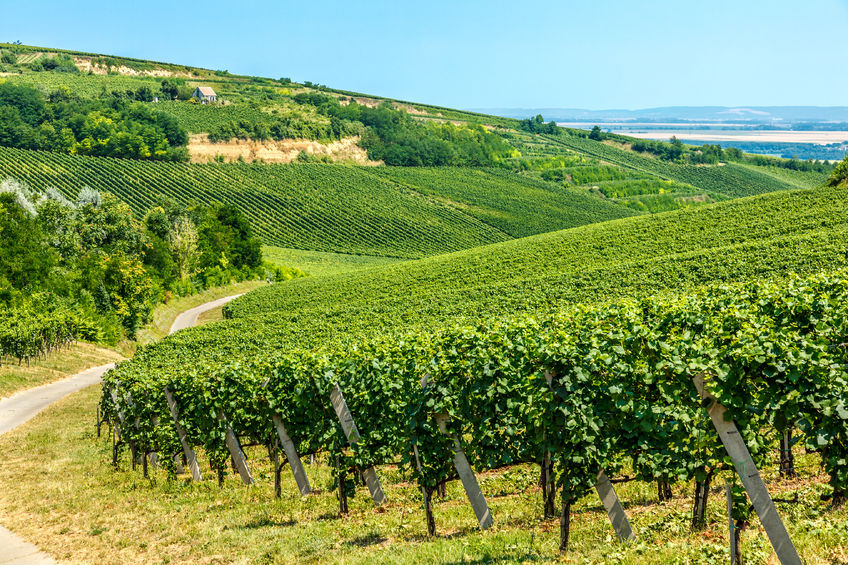
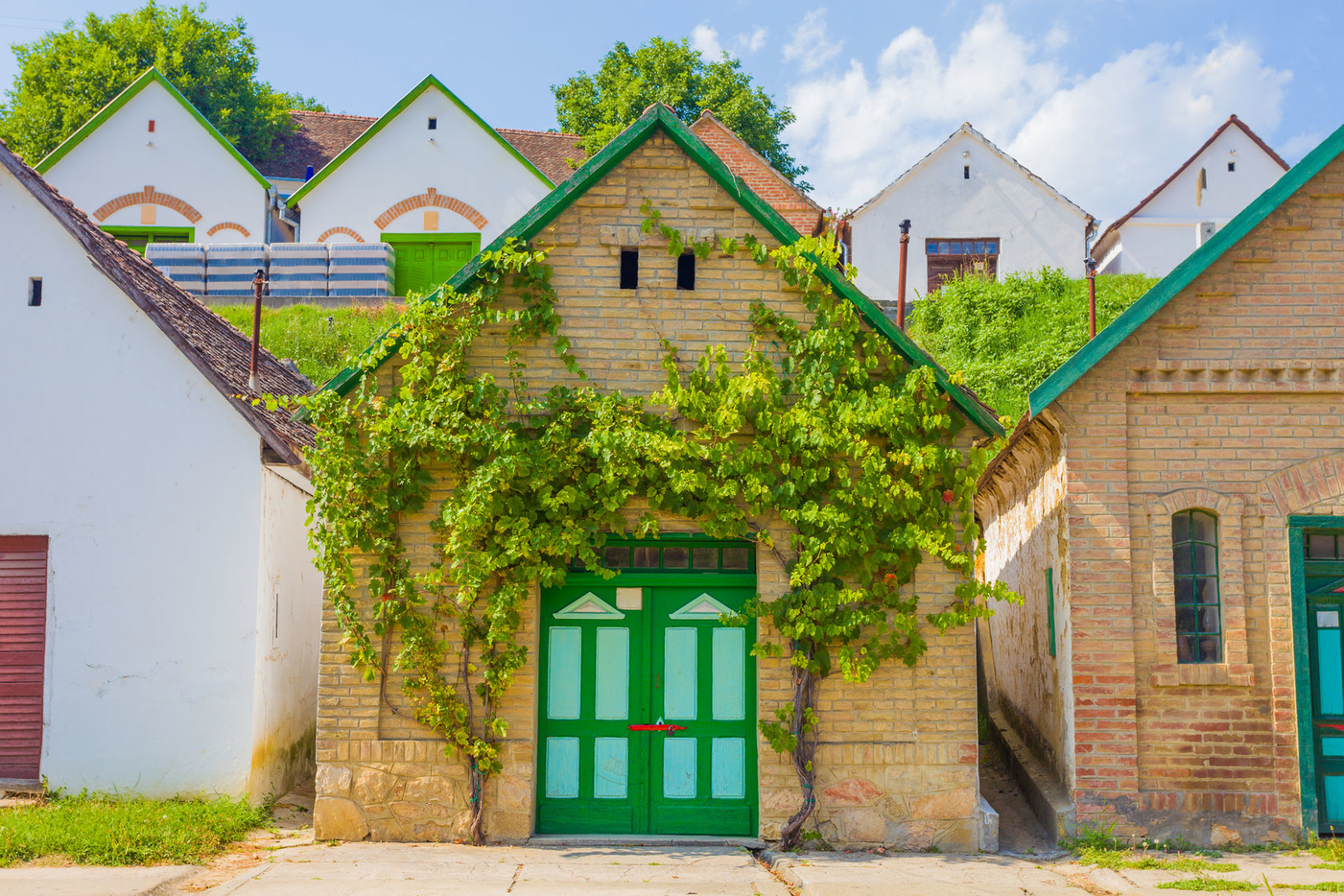
Often considered the most beautiful wine region in Hungary, the Villány Wine Region is famous for its high-quality red and rosé wines, scenic vineyard-covered hills, and outstanding wineries. Located in southern Hungary, Villány is the country’s leading destination for wine tourism and a perfect addition to a Pécs and Villány day tour.

Hungary’s Premier Red Wine Destination

At the heart of the region lies the Villány Wine Trail (Villányi Borút), the first official wine route in Hungary, created to showcase local producers, cellars, and traditions.

If you’d like to explore this region in depth, the Pécs and Villány Tour by Car offers an ideal combination of culture, history, and wine.

Climate and Geography: Ideal Conditions for Wine

The Villány wine region covers approximately 1,800 hectares and enjoys a sub-Mediterranean climate, unusual in Hungary. Summers are hot, winters are mild, and the area benefits from abundant sunshine throughout the year.

The southernmost mountain range of Hungary shelters the vineyards from cool northern winds, creating optimal conditions for ripening grapes — especially red varieties.

A Wine Region with Ancient Roots

Archaeological excavations show that the Romans cultivated grapes here over 2,000 years ago. Hungarian winemaking in the area likely began as early as the 11th century, around the 1060s.

Villány experienced its first golden age in the early 19th century, following the arrival of German settlers. They introduced advanced agricultural techniques and new grape varieties, including Kékoportó, which remains one of the region’s signature grapes today.

From Nationalization to Modern Excellence

During the second half of the 20th century, Villány’s vineyards were nationalized. Large-scale, quantity-focused production left a visible legacy: wide vine rows and low-density plantations designed for heavy machinery.

Today, these contrast clearly with privately owned vineyards, where quality-driven, small-scale production dominates. The revival of craftsmanship and terroir-focused winemaking has played a key role in Villány’s international success.

Villány Grape Varieties and Wines

The Villány wine region is best known for its structured reds, but also produces elegant whites. Key grape varieties include:

  • Kékoportó

  • Kékfrankos

  • Cabernet Sauvignon

  • Hárslevelű

  • Italian Riesling

  • Leányka

Award-Winning Winemakers

Villány winemakers are among the most successful in Hungary, frequently earning top honors at national and international wine competitions. Local producers and cellars have received the titles “Wine Producer of the Year” and “Wine Cellar of the Year” on multiple occasions — clear proof of the region’s prestige.

Visiting Villány on a Private Tour

Villány pairs beautifully with a visit to Pécs, one of Hungary’s most atmospheric historic cities. Together, they create a perfect wine, culture, and gastronomy experience in southern Hungary.

The Pécs and Villány wine tour is ideal for travelers interested in:

  • Hungarian wines and winemaking traditions

  • Scenic countryside and vineyard landscapes

  • Boutique wineries and cellar visits


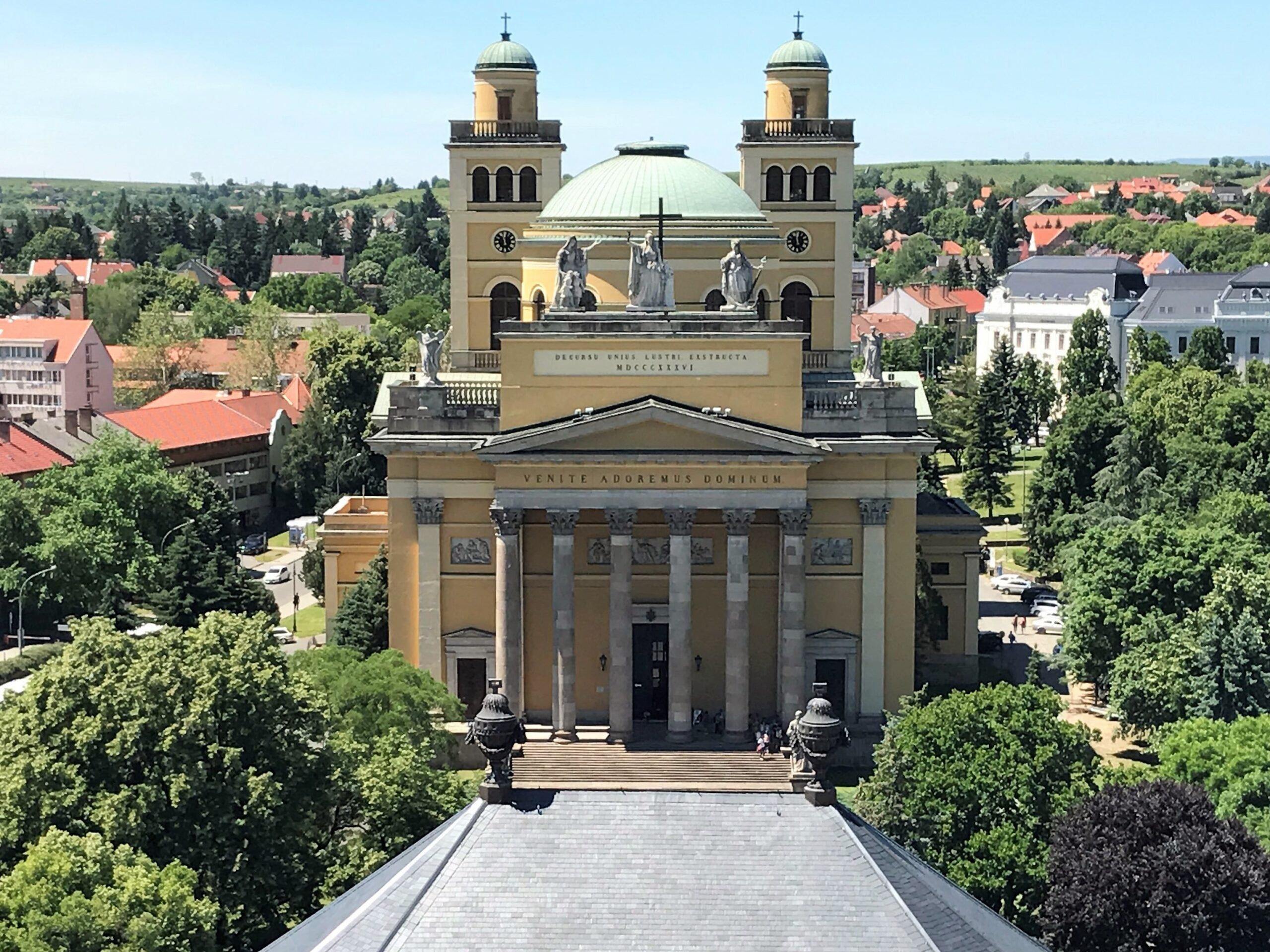
We’re just back from another great countryside tour, a beautiful day touring Eger and the Eger wine country. The Eger Castle witnessed the extreme courage and patriotism of its defenders who withstood the Ottomans’ 5-week-long siege in 1542.

We started by discovering Eger’s Basilica and the University, which is home to the Camera Obscura, Eger’s Eye, probably the most interesting thing in town. There are only 3 camera obscuras around the world, it’s so much fun to spy on what’s going on around the city.

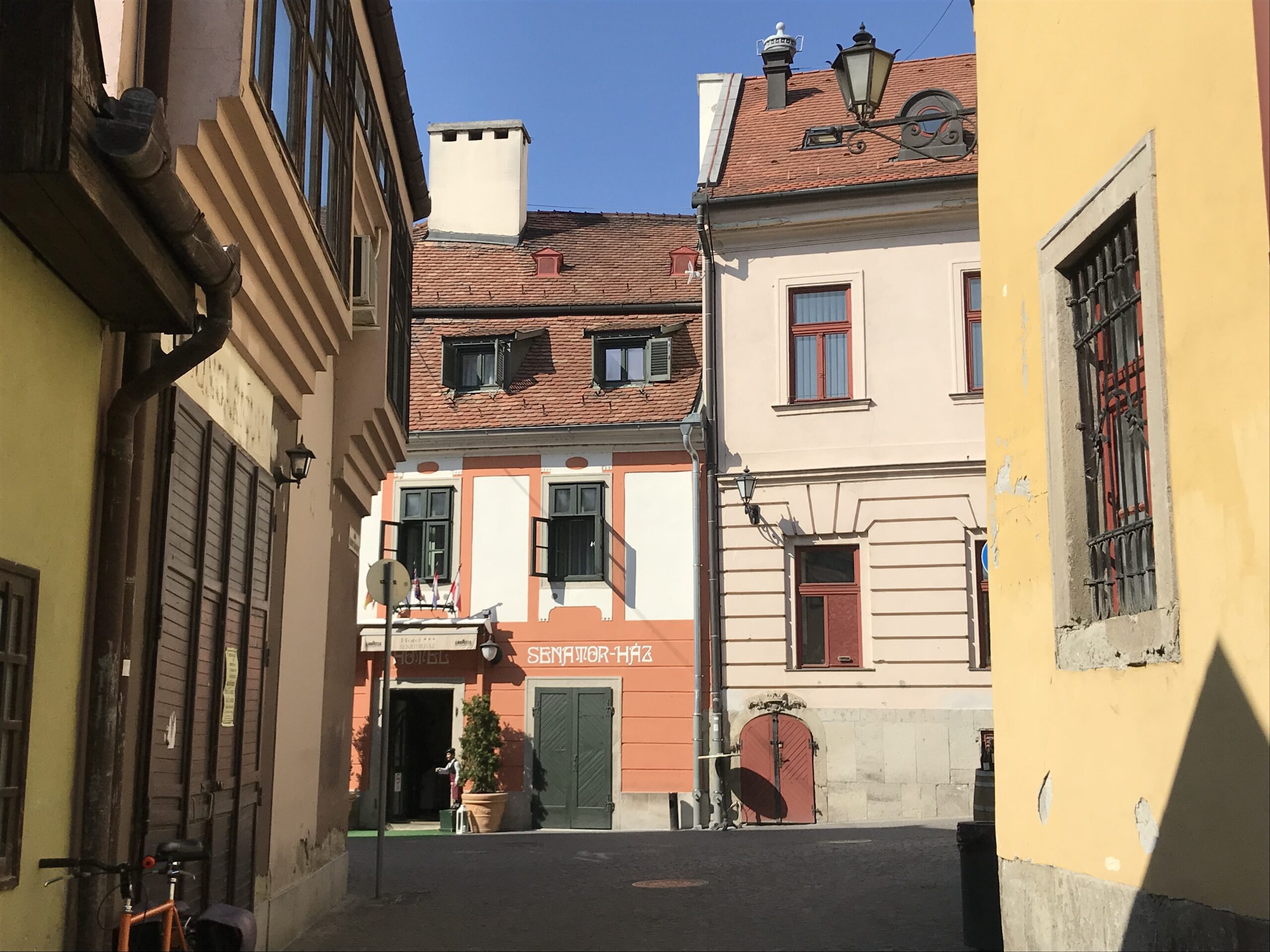
We took a pleasant walk in the old town and tasted some Lángos, which was delicious. We visited the castle, the scene of the fight in 1552, I was telling stories from ‘The eclipse of the crescent moon’, a Hungarian novel about the great victory of the Hungarian defenders of the Eger Castle.

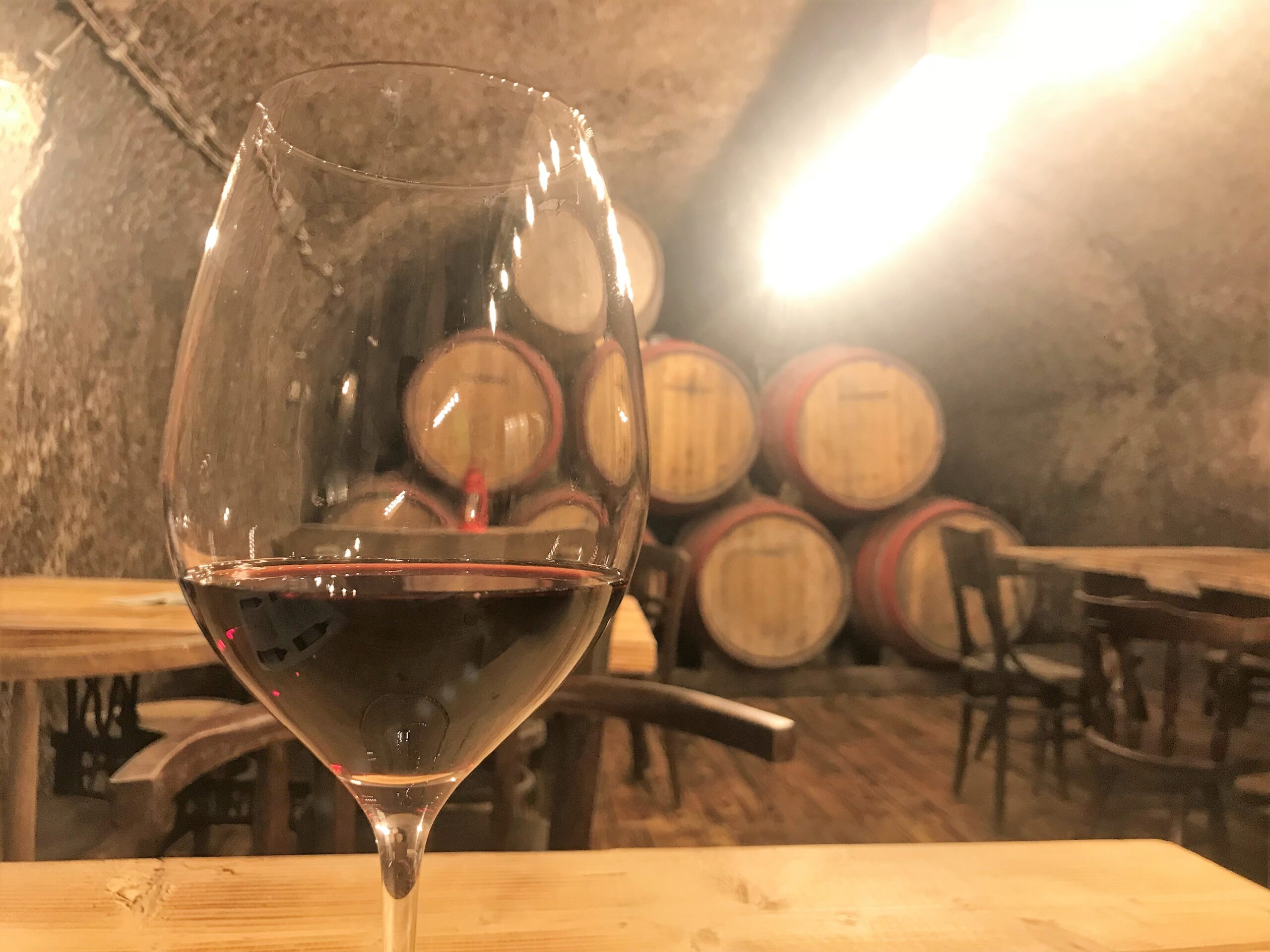
After visiting the local wine museum in the afternoon we drove to the Valley of the Beautiful Women and tasted the best red and white wines of the Eger wine country.

A day trip to Bratislava from Budapest is one of the easiest and most rewarding ways to explore another European capital while staying in Hungary. Located just two hours away by car, Bratislava is compact, walkable, and full of history. It is also the only capital city in Europe that borders two countries — Hungary and Austria — making it a perfect addition to a Central European itinerary.

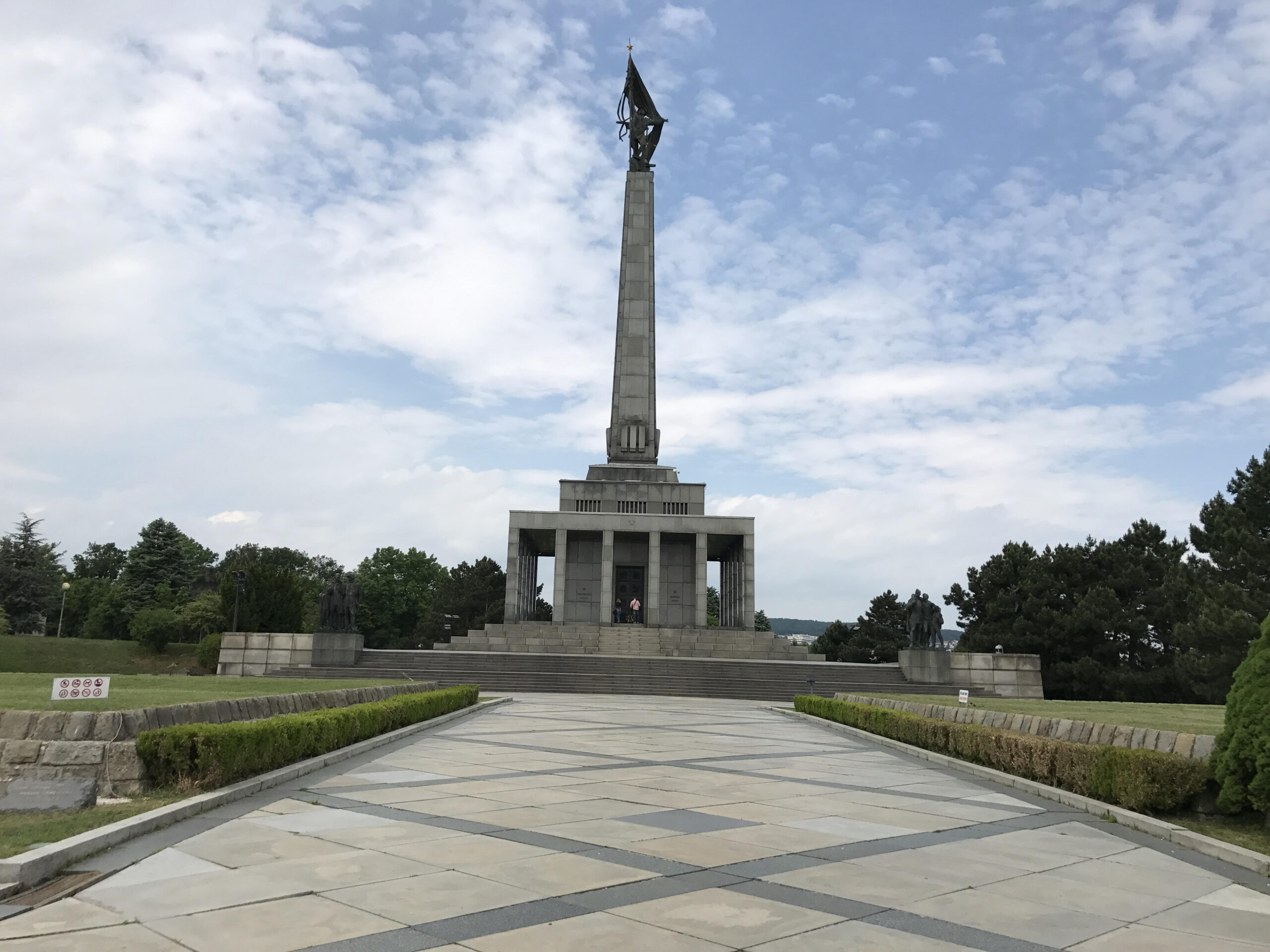
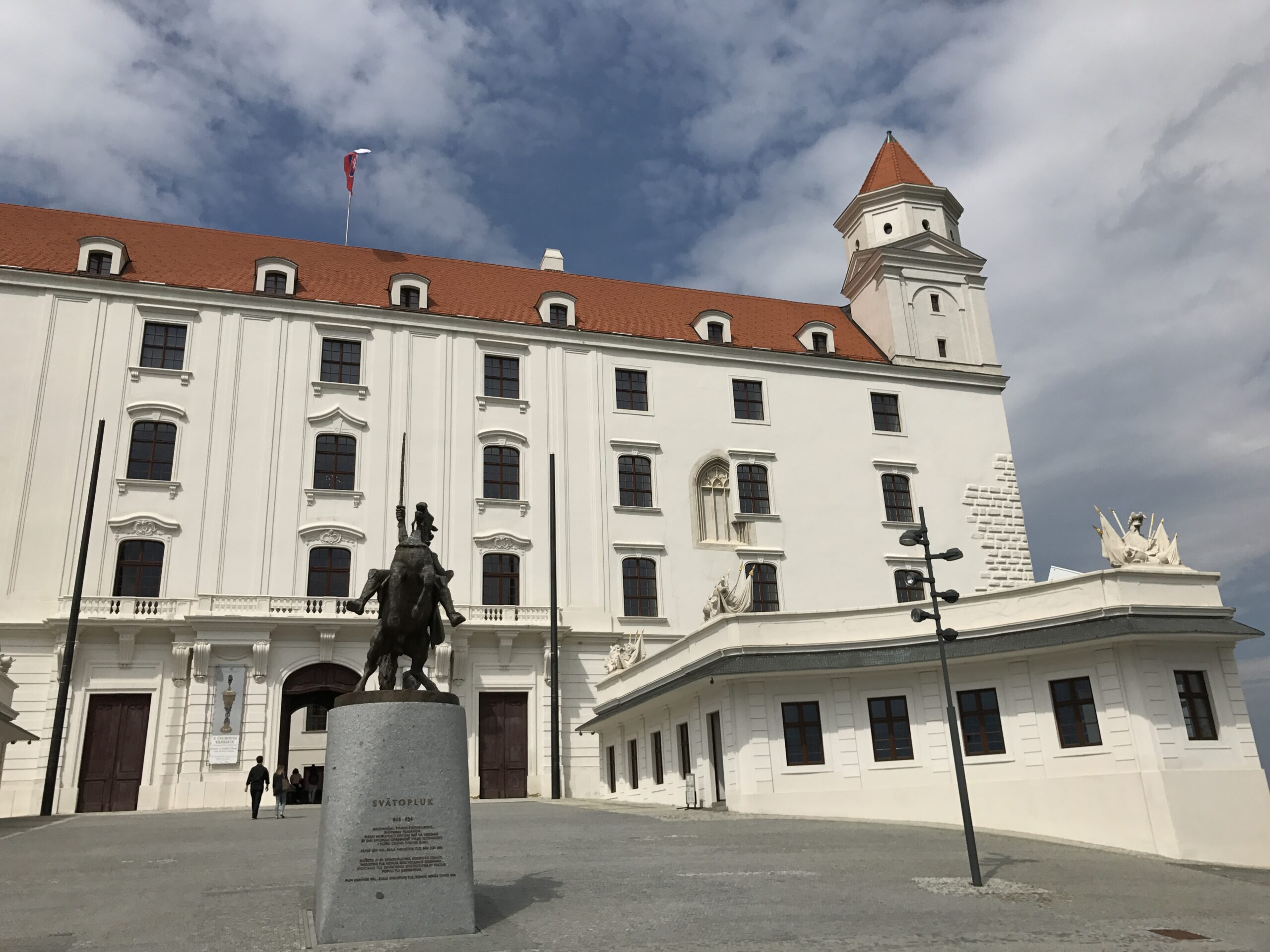
We started our day at Slavín Memorial, a powerful monument dedicated to the liberation of Slovakia in April 1945. From there, we enjoyed a relaxed walk up to Bratislava Castle, often described as looking like an upside-down table — its four towers resembling sturdy table legs.

Although the castle was largely destroyed by fire over 200 years ago, the panoramic views from the hilltop over the city and the Danube are absolutely worth it.

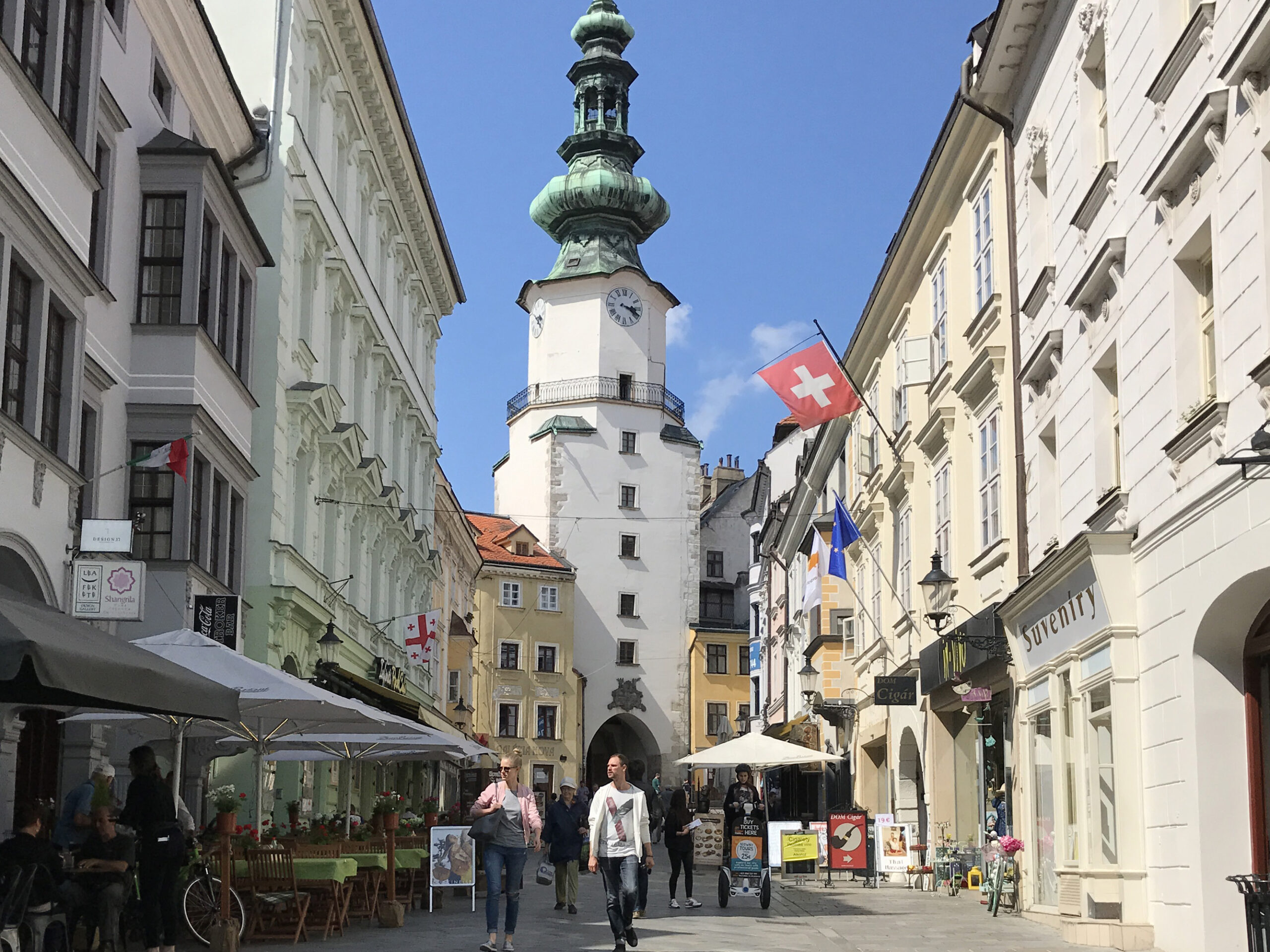
Next came the joy of wandering through Bratislava Old Town — full of narrow streets, pastel façades, and lively squares. We visited St. Martin’s Cathedral, once the coronation church of Hungarian kings, and admired the elegant Primatial Palace, famously topped with a giant cardinal’s hat.

Bratislava’s playful side reveals itself through its quirky street statues:

  • Čumil (the Man at Work)
  • the sneaky Paparazzo
  • and even Napoleon Bonaparte’s soldier resting casually on a bench

We wrapped up the day with a traditional Slovak lunch on the main square, soaking in the easygoing atmosphere before heading back to Budapest.

Bratislava is compact, elegant, and full of surprises — an ideal addition to a Vienna–Bratislava itinerary or a memorable standalone day trip.