Budapest Is Blue: Discover the Colour Hidden Across the City
- General
- Art Nouveau Budapest, beautiful Budapest, Budapest architecture, Budapest Private Tours, Budapest thermal baths, Budapest travel, Danube, Hidden Budapest, udapest, visit Budapest
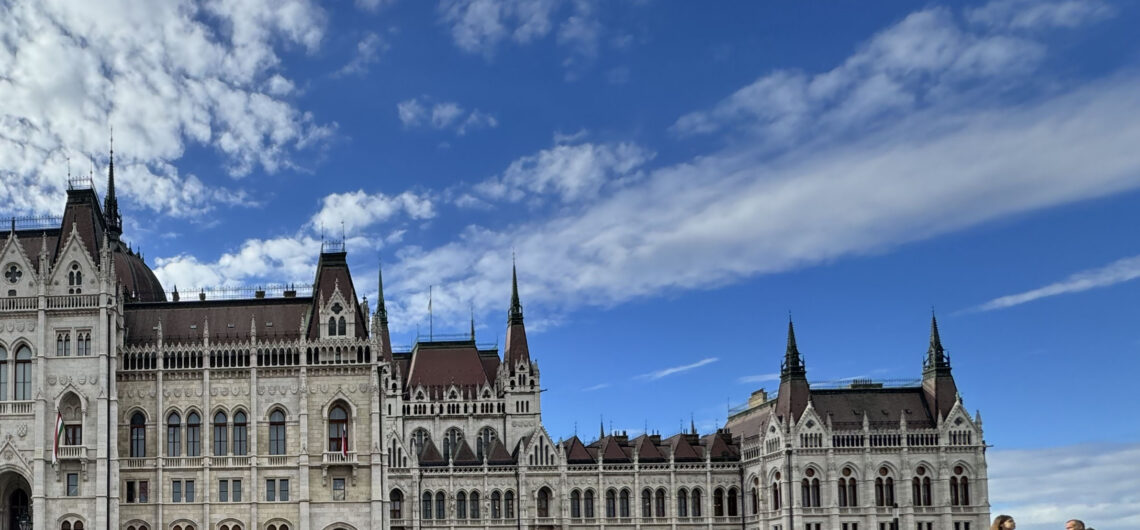
Budapest is blue—not just because of the Danube, but also because of its skies, thermal waters and beautiful Art Nouveau details. After more than a decade of guiding visitors through the city, I’ve realised that this colour quietly connects many of Budapest’s most memorable places.
When visitors describe Budapest, they often talk about its grand architecture, historic cafés or magnificent views over the Danube. But after spending more than a decade guiding travellers through the city, I’ve noticed something much quieter.
Budapest has a colour.
And that colour is blue.
Once you begin looking for it, you’ll find it almost everywhere. Not because someone planned it that way, but because nature, history and architecture have quietly combined to give the city its own distinctive palette.
The Danube: Budapest’s Blue Heart
The first place you’ll notice it is, of course, the Danube.
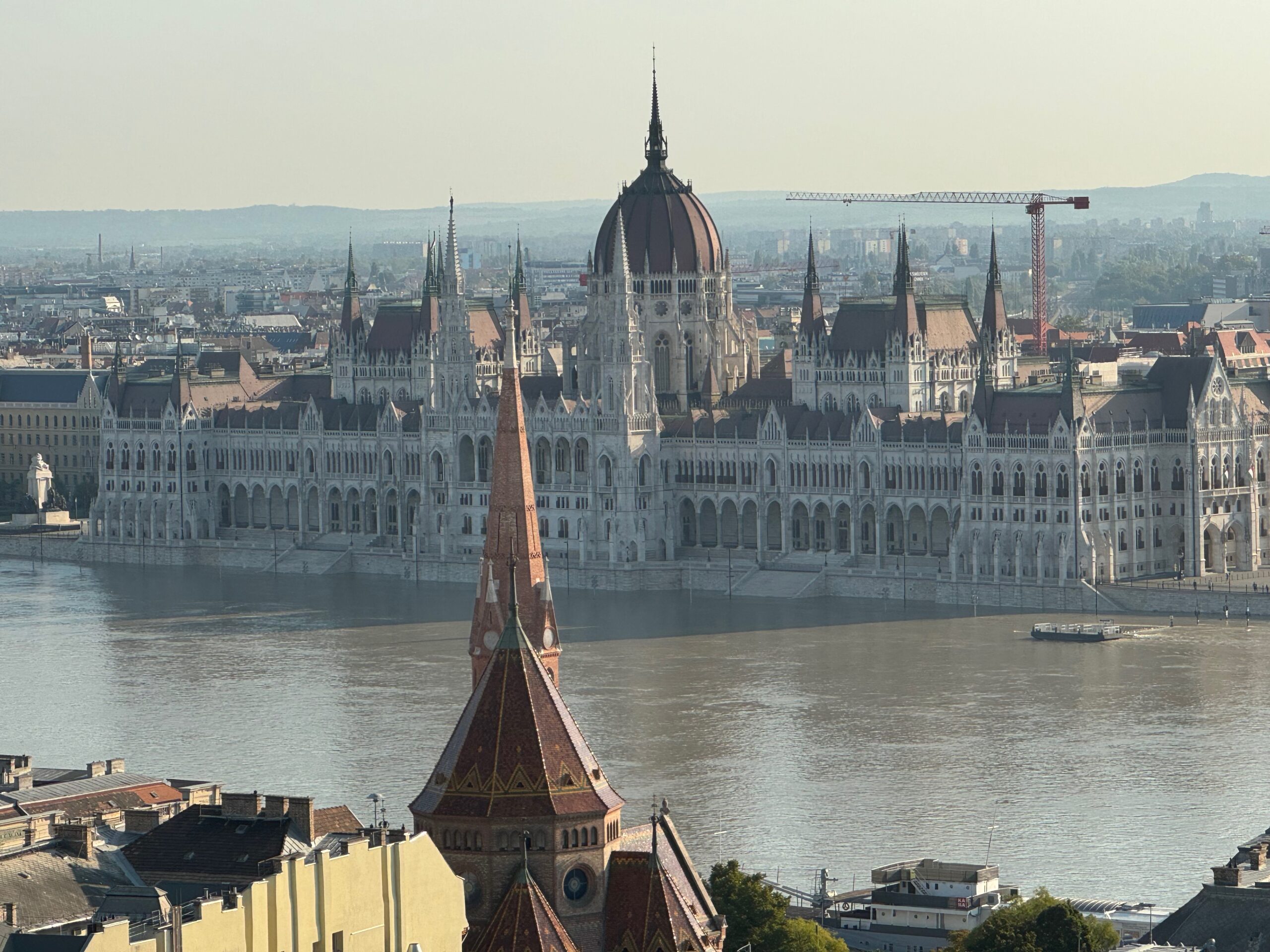
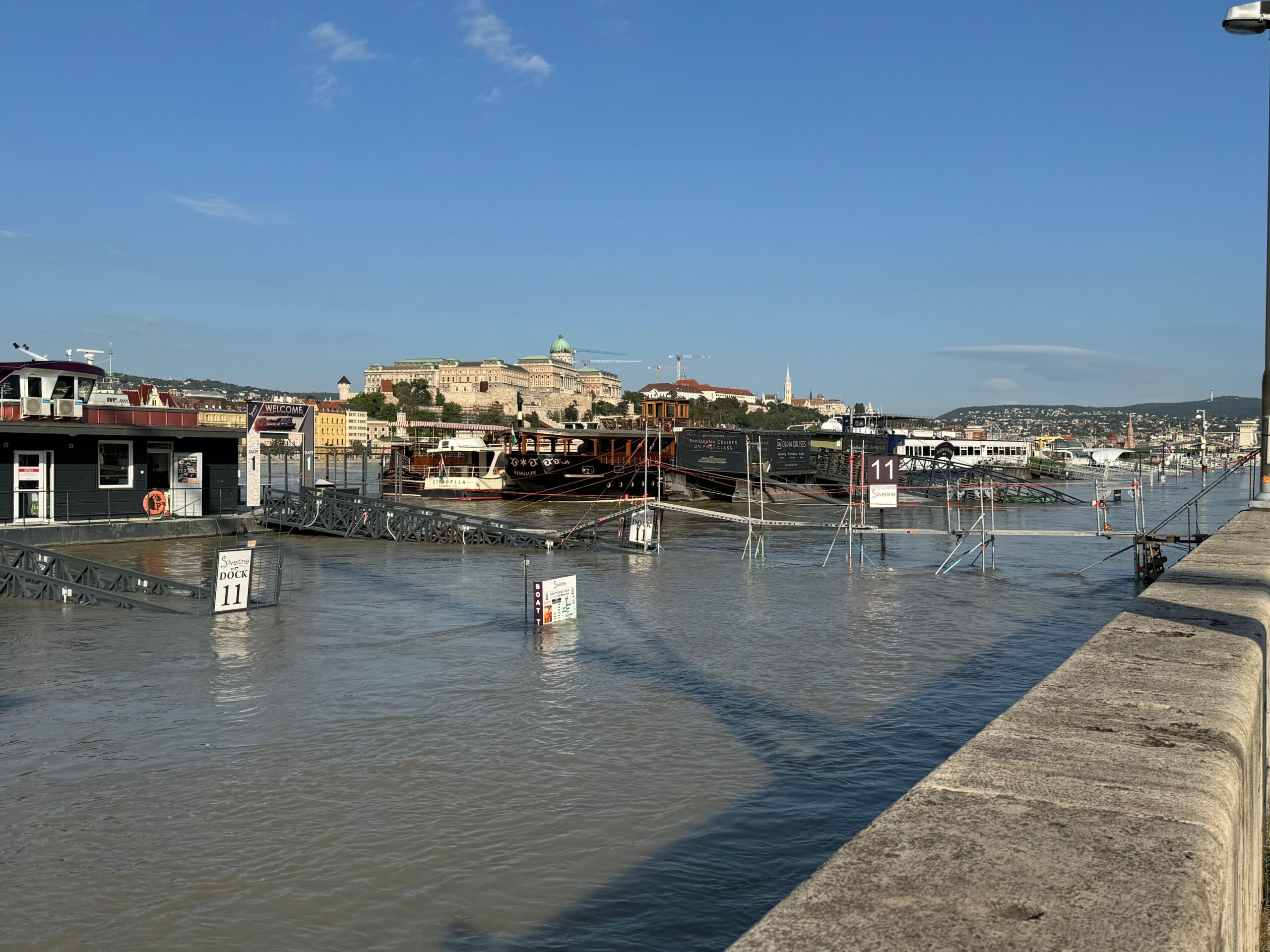
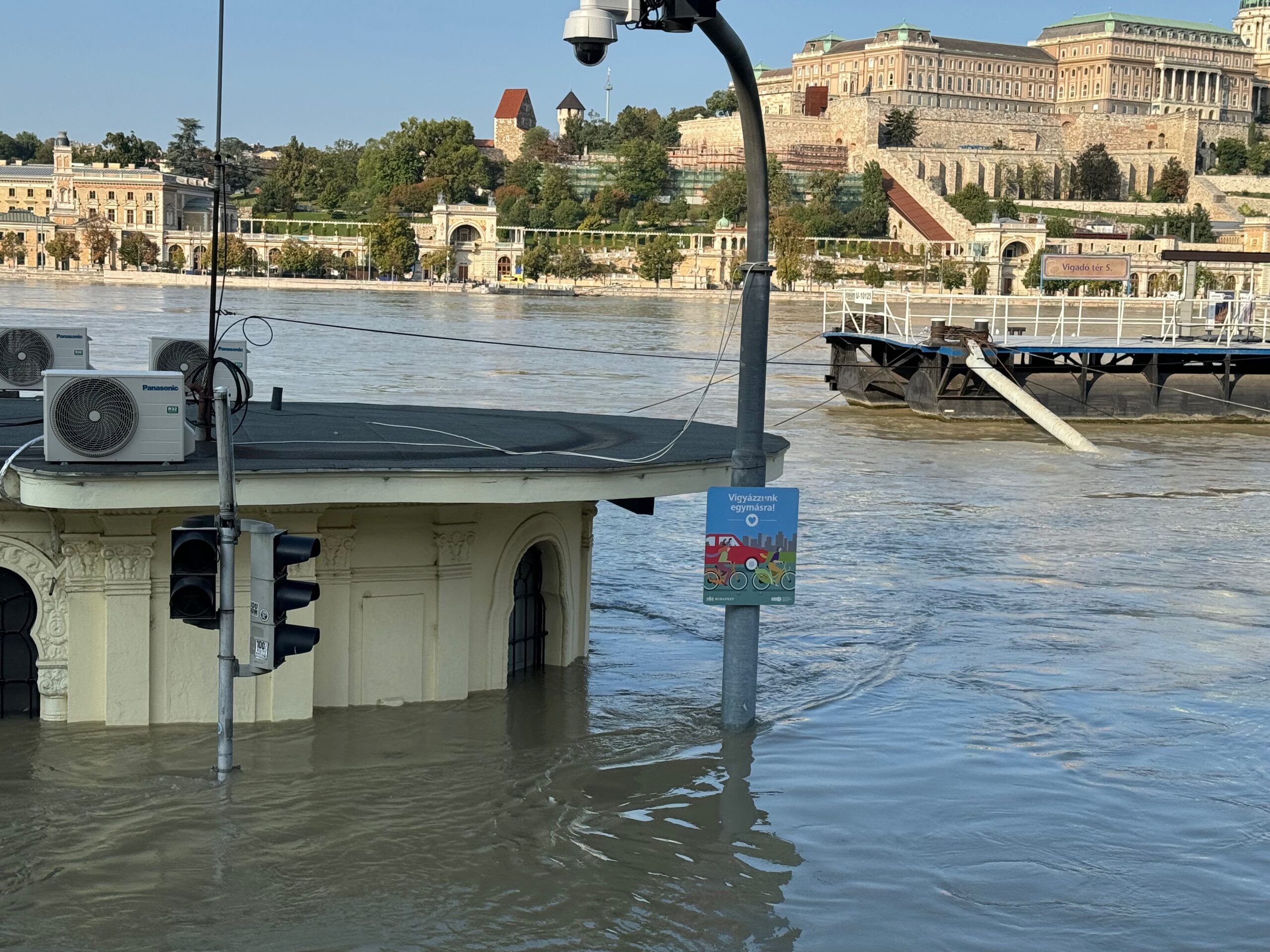
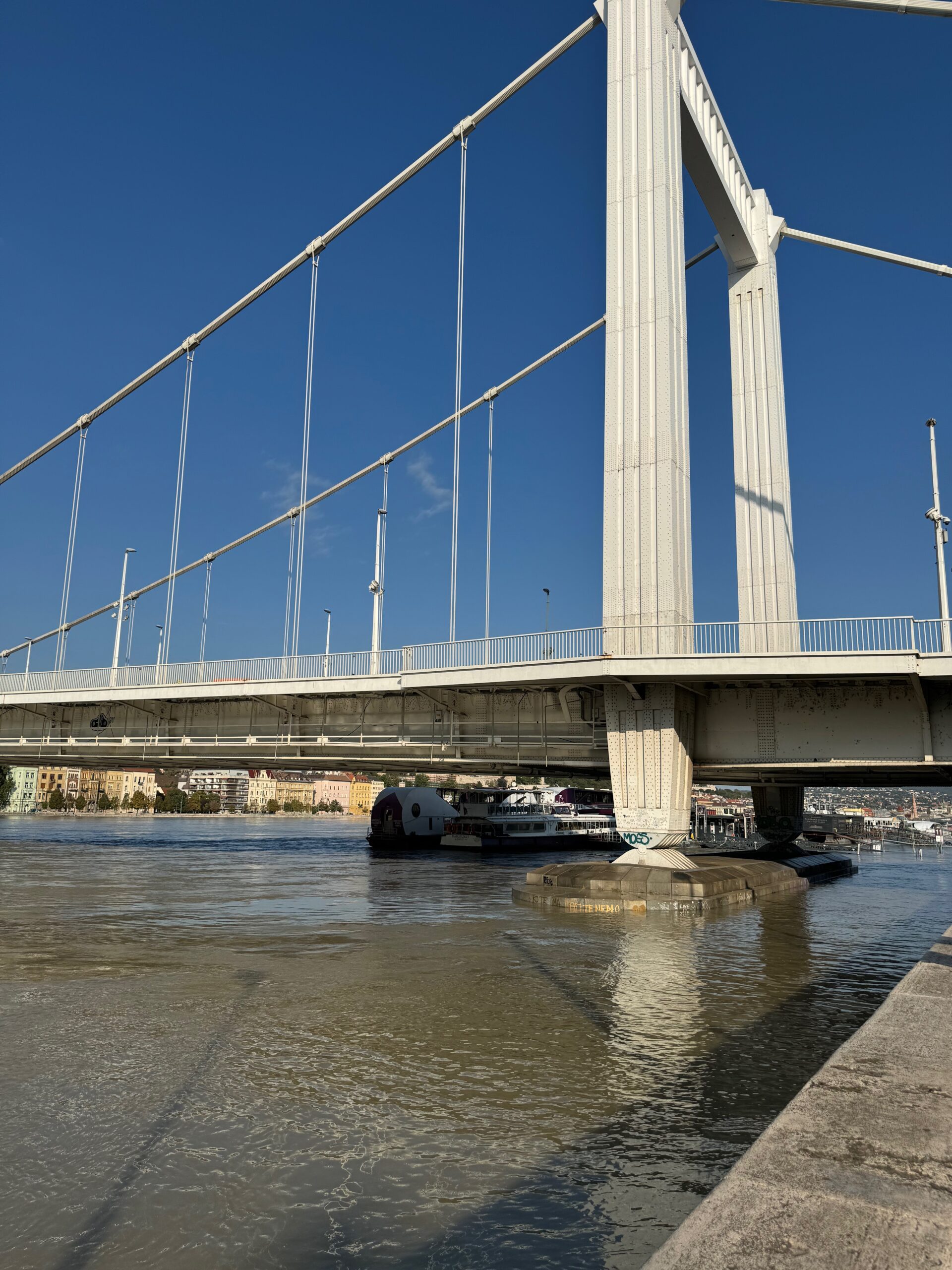
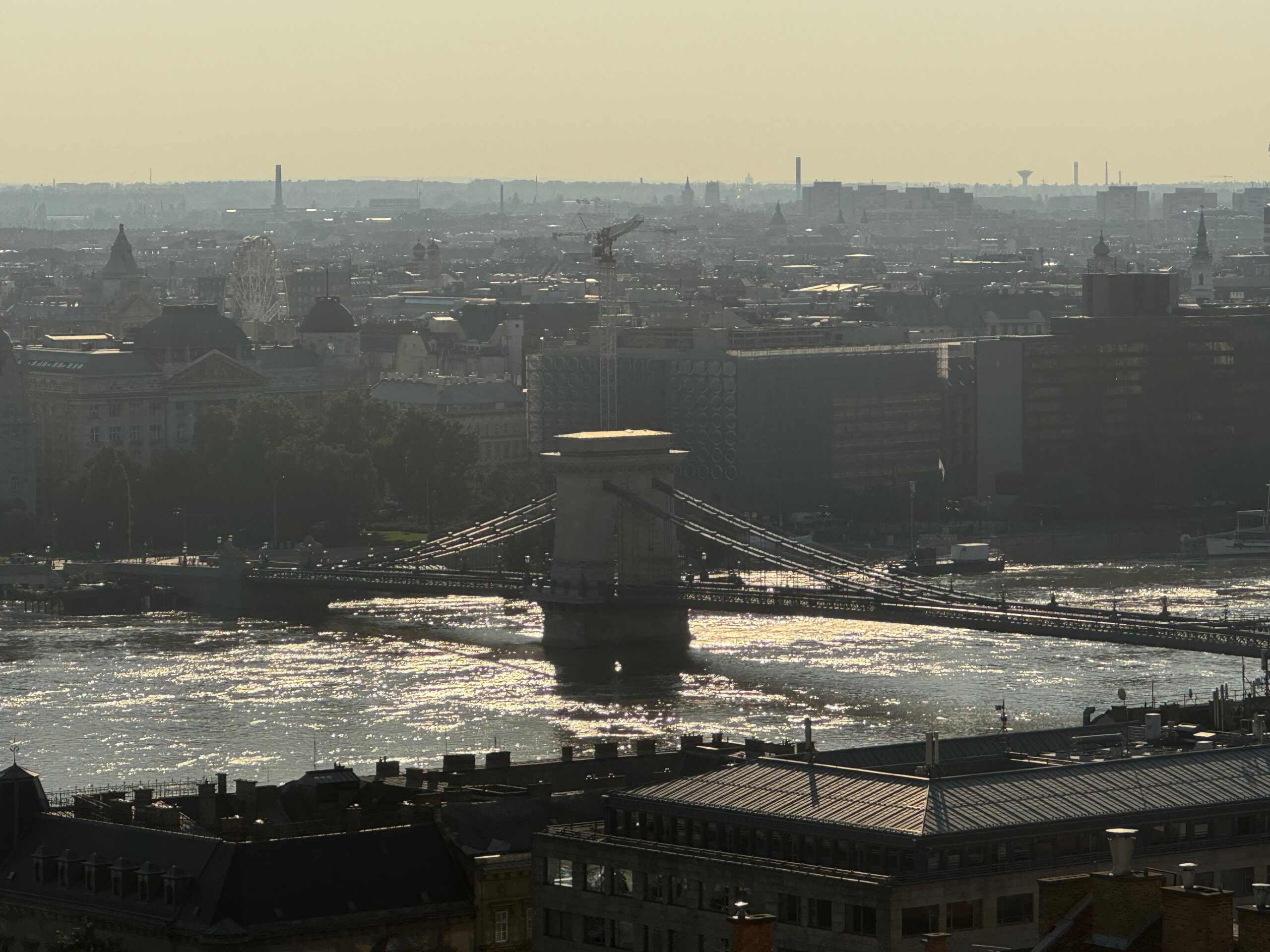
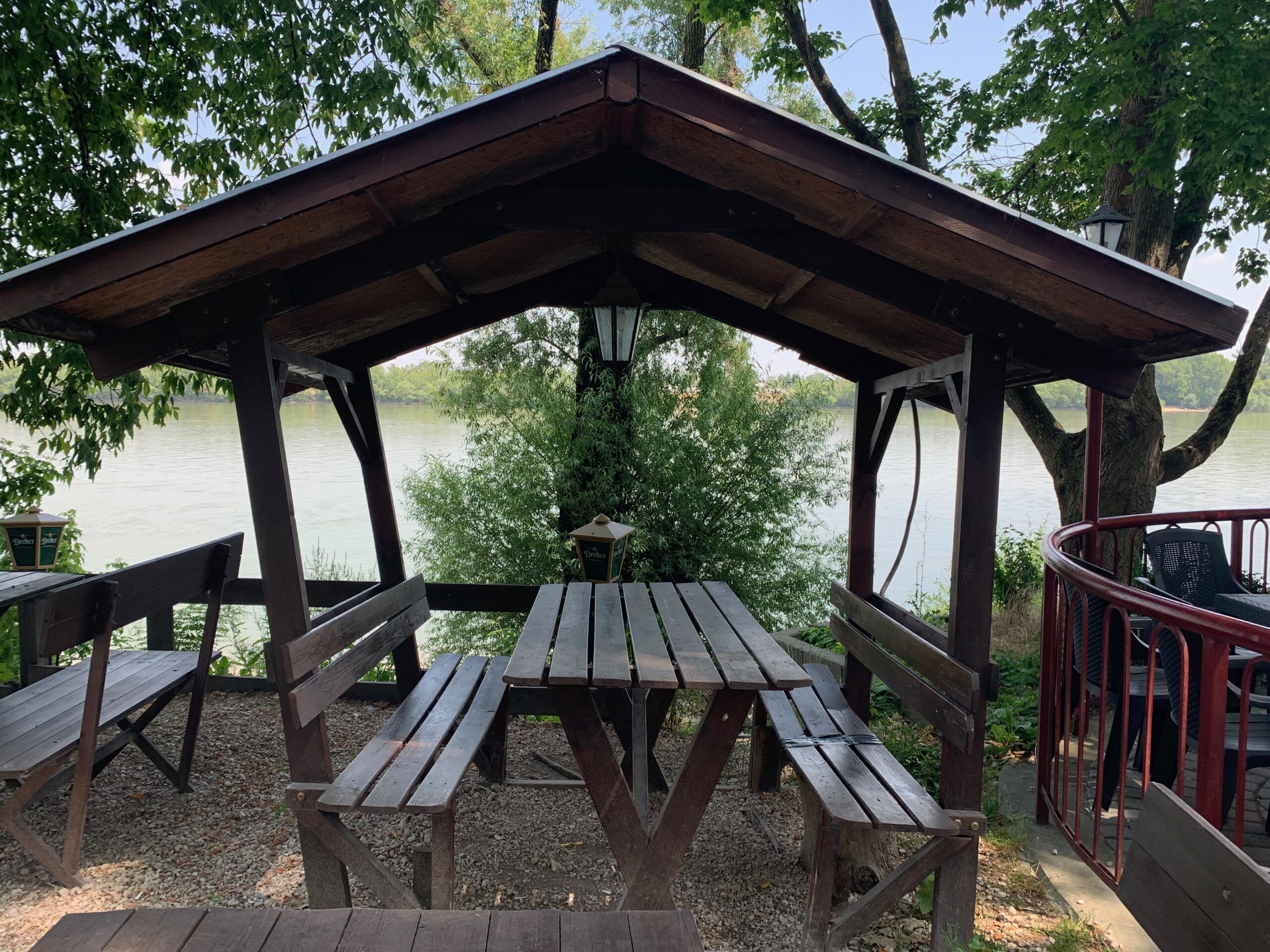
Flowing between Buda and Pest, the river has shaped the city’s history for centuries. Whether you’re standing on the Chain Bridge, enjoying the view from the Buda Castle District or watching the Parliament reflected in the water, the river provides a constant ribbon of blue running through Budapest.
It’s one of the reasons so many of my private Budapest tours include several viewpoints overlooking the Danube—the perspective changes throughout the day, but the river always remains the city’s defining feature.
Looking Up
Most visitors spend their time looking straight ahead.
Try looking up instead.
Many of Budapest’s beautiful Art Nouveau buildings are decorated with colourful ceramic tiles produced by the famous Zsolnay factory. Soft turquoise, cobalt and deep blue details appear on rooftops, façades and decorative ornaments, rewarding those who slow down and pay attention.
If you enjoy discovering these architectural details, you might also like my article about Budapest’s hidden Art Nouveau treasures.
The Colour of Water
Blue appears again in Budapest’s famous thermal baths.
Whether it’s the outdoor pools beneath the summer sky or the elegant indoor baths reflecting through historic windows, water has always been part of Budapest’s identity. It isn’t just a place to relax—it tells the story of a city built on more than one hundred thermal springs.
Every bath has its own atmosphere, but they all share the same connection between history and water.
Hidden Details
Sometimes the most memorable discoveries are also the smallest.
Blue mosaic tiles, ceramic decorations, painted doorways and unexpected architectural details appear throughout the city. They’re easy to miss if you’re rushing from one famous attraction to another, but they add another layer to Budapest’s character.
They’re also a reminder that the best way to explore the city is slowly.
Experience Budapest Beyond the Landmarks
One of my favourite parts of being a private tour guide is helping visitors notice the details they might otherwise walk straight past.
Whether it’s a hidden courtyard, an Art Nouveau façade or simply the changing colours of the Danube, these small discoveries often become the memories people talk about long after returning home.
If you’d like to experience Budapest at a relaxed pace and discover both its famous landmarks and its hidden stories, I’d be delighted to welcome you on one of my private Budapest tours.
Sometimes, all it takes is looking at the city a little differently.
And perhaps you’ll start seeing Budapest in blue too.