Budapest museums cover everything from Hungarian history and fine art to photography, music and some of the most difficult chapters of the city's 20th-century past. But with limited time in Budapest, deciding which museums are actually worth visiting isn't always easy. My travellers often ask which museums I would recommend, so I've put together this deliberately selective list of my favourites. These aren't simply the biggest museums in Budapest — they're places that I think can genuinely add something to your understanding and experience of the city. I've organised them by interest — history, art, photography and music — so you can quickly find the museums that suit you best. If You Only Have Time for a Few Budapest Museums If your time in Budapest is limited, these would be my personal top three. 1. Hospital in the Rock If I had to recommend just one museum in Budapest, I would choose the Hospital in the Rock. Hidden within the cave system beneath Buda Castle, it is one of the city's most authentic and unusual museums. What I value most is the way it helps visitors understand just how devastating the Siege of Budapest was in 1944–45 — a chapter of the city's history that many of my travellers know very little about before they arrive. The museum presents this difficult history honestly and professionally, and I think it adds an important layer to understanding Budapest. Best for: WWII, 20th-century history and visitors looking for something uniquely Budapest. 2. Museum of Fine Arts My second choice would be the Museum of Fine Arts — not only for its outstanding collection, but for the building itself. The permanent collection is spectacular, the temporary exhibitions are consistently excellent and thoughtfully curated, but even if you came simply to experience the magnificent interiors,
Budapest museums cover everything from Hungarian history and fine art to photography, music and some of the most difficult chapters of the city’s 20th-century past. But with limited time in Budapest, deciding which museums are actually worth visiting isn’t always easy.
My travellers often ask which museums I would recommend, so I’ve put together this deliberately selective list of my favourites. These aren’t simply the biggest museums in Budapest — they’re places that I think can genuinely add something to your understanding and experience of the city.
I’ve organised them by interest — history, art, photography and music — so you can quickly find the museums that suit you best.
If You Only Have Time for a Few Budapest Museums
If your time in Budapest is limited, these would be my personal top three.
1. Hospital in the Rock
If I had to recommend just one museum in Budapest, I would choose the Hospital in the Rock.
Hidden within the cave system beneath Buda Castle, it is one of the city’s most authentic and unusual museums. What I value most is the way it helps visitors understand just how devastating the Siege of Budapest was in 1944–45 — a chapter of the city’s history that many of my travellers know very little about before they arrive.
The museum presents this difficult history honestly and professionally, and I think it adds an important layer to understanding Budapest.
Best for: WWII, 20th-century history and visitors looking for something uniquely Budapest.
2. Museum of Fine Arts
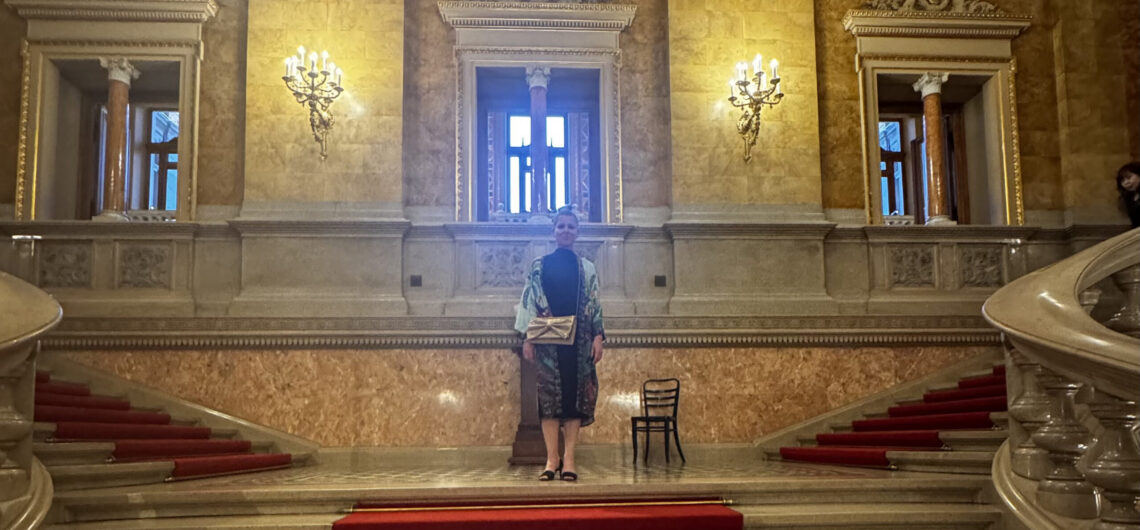
My second choice would be the Museum of Fine Arts — not only for its outstanding collection, but for the building itself.
The permanent collection is spectacular, the temporary exhibitions are consistently excellent and thoughtfully curated, but even if you came simply to experience the magnificent interiors, I would still recommend it.
It is one of those Budapest places where the setting is part of the experience. For me, the building itself deserves a visit almost as much as the art inside.
Best for: art lovers, beautiful interiors and anyone who believes a museum building can be part of the exhibition.
3. House of Hungarian Music
My third choice would be the House of Hungarian Music, one of Budapest’s newest cultural institutions and, for me, one of its most impressive.
What makes it special isn’t only the subject of music, but the way the entire experience has been designed. From the exhibitions below ground to the extraordinary contemporary architecture and the Music Dome above, everything feels fresh, imaginative and beautifully thought through.
Sound, technology, architecture and exhibition design work together rather than competing for attention. It’s a completely different kind of museum experience — playful and accessible, but also genuinely impressive.
Best for: music, contemporary architecture and anyone curious about a new generation of museums.
Budapest Museums for History Lovers
Hungarian National Museum
If you’d like a broad introduction to Hungarian history, this is an excellent place to start. Its collection takes you from the earliest periods of the country’s history through to modern times, while one of its most important treasures is the coronation mantle associated with Hungary’s first king, St Stephen.
The magnificent Neoclassical building and interiors are also very much part of the experience.
Best for: first-time visitors who want historical context.
Hospital in the Rock
Hidden in the cave system beneath Buda Castle, the former emergency hospital played a dramatic role during WWII and later during the 1956 Revolution. It’s one of my strongest recommendations for anyone interested in Budapest’s 20th-century history.
Best for: WWII, the Siege of Budapest and the Cold War.
Budapest History Museum – Buda Castle
What I particularly enjoy about this museum is the way moving through the building also takes you through different periods of Buda Castle’s history.
Medieval remains, later periods of the Royal Palace and newly reconstructed historic interiors create an experience where the building itself helps tell the story. If you’re already exploring the Castle District and would like to understand what happened here over the centuries, it’s well worth adding.
Best for: Buda Castle, medieval Budapest and architectural history.
Memento Park
Located outside the city centre, Memento Park brings together monumental statues and memorials from Hungary’s communist period.
It’s worth the journey if you’re particularly interested in communist history, propaganda and the way political regimes use public monuments to communicate power.
Best for: communist history and political symbolism.
Glass House
The Glass House is connected with one of the extraordinary rescue stories of the Holocaust in Budapest. Swiss diplomat Carl Lutz and his colleagues helped protect thousands of persecuted Hungarian Jews, and the building became a place of refuge during one of the darkest periods of the city’s history.
It’s a smaller and quieter experience than Budapest’s major museums, but an important one.
Best for: Holocaust history and the story of rescue and resistance.
Budapest Museums for Art Lovers
Museum of Fine Arts
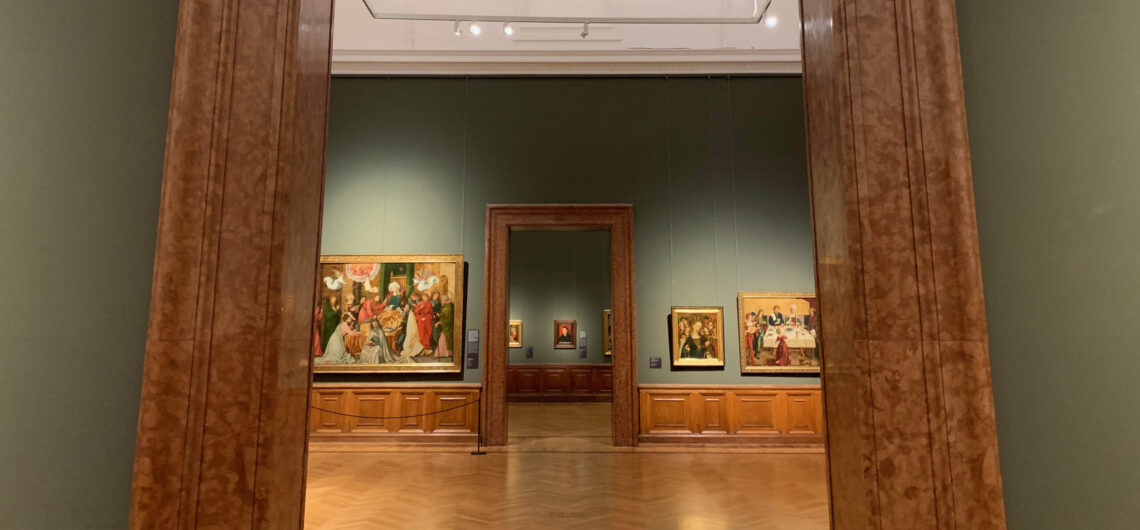
One of Budapest’s great cultural institutions, with an outstanding collection of European art and consistently impressive temporary exhibitions.
Allow at least a couple of hours for the highlights; serious art lovers could easily spend much longer.
Best for: European art and major exhibitions.
Hungarian National Gallery
Located in the Royal Palace of Buda, the National Gallery is the place I’d recommend for anyone who wants to explore Hungarian art in depth.
Its collections span several centuries, and its location also makes it particularly easy to combine with a day in the Castle District.
Best for: Hungarian art and visitors exploring Buda Castle.
Ludwig Museum
Budapest’s major museum of contemporary art focuses on Hungarian and international works from the second half of the 20th century onwards.
Its location in Müpa Budapest also takes you beyond the historic city centre into a very different architectural part of Budapest.
Best for: modern and contemporary art.
Ráth György Villa
One of my personal favourites.
If you love Art Nouveau, decorative arts and beautiful interiors, this former home of museum director György Ráth is a wonderful place to visit near City Park. The building, furniture and objects work together beautifully, making the house itself part of the experience.
Best for: Art Nouveau, decorative arts and interior design.
Kiscelli Museum
A little farther from the centre, Kiscelli Museum combines Budapest’s cultural history with an atmospheric historic setting.
It takes more effort to reach than some of the museums on this list, but that’s also part of its appeal — particularly if you’ve already visited Budapest’s best-known cultural institutions.
Best for: returning visitors and Budapest cultural history.
Budapest Museums for Photography Lovers
Robert Capa Contemporary Photography Center
Located in the beautiful former Ernst House on Nagymező Street, the centre is named after Hungarian-born photographer Robert Capa and hosts changing exhibitions devoted to contemporary photography.
Best for: photography and temporary exhibitions.
Mai Manó House
The Hungarian House of Photography occupies the former home and studio of royal court photographer Mai Manó.
I particularly like the combination of photography and architecture here: the historic building is an experience in itself, while the changing exhibitions introduce visitors to Hungarian and international photographers.
Best for: photography and beautiful historic interiors.
Budapest Museums for Music Lovers
Liszt Ferenc Memorial Museum
This small museum occupies the Budapest apartment where composer and piano virtuoso Franz Liszt lived during the final years of his life.
Many of the objects belonged to Liszt himself, which gives the museum an unusually intimate feeling — less like visiting a major institution and more like briefly stepping into someone’s home.
Best for: classical music and Franz Liszt.
House of Hungarian Music
One of Budapest’s most imaginative contemporary cultural institutions, combining music history, sound, technology and architecture in an interactive experience.
Even travellers who wouldn’t normally choose a music museum may find this one surprisingly engaging.
Best for: music, interactive exhibitions and contemporary architecture.
Before You Visit Budapest Museums
Many Budapest museums are closed on Mondays, and opening hours can change for holidays, temporary exhibitions and special events. I always recommend checking the museum’s official website before planning your visit.
Some museums on this list can easily fill several hours, while others work beautifully as shorter additions to a day of sightseeing. Rather than trying to visit as many as possible, choose the places that genuinely match your interests.
Museums as Part of Your Budapest Experience
A museum visit can be a wonderful addition to a day exploring Budapest, particularly if there’s a period of history, artist or subject you’d like to understand in more depth.
My Budapest private tours are fully customisable, so if one of these museums interests you, we can plan the rest of your day around it — combining the museum with the neighbourhood, architecture and stories that help put what you’ve seen into context.