If you’re searching for unique selfie spots in Budapest, you’ve come to the right place. Of course, the city is famous for its postcard-perfect views of the Parliament, Chain Bridge, and Fisherman’s Bastion — but if you’re looking for something different, modern, and a little unexpected, this guide is for you.

Here are six selfie spots that bring out the city’s creative side, from colourful murals to futuristic architecture.

Jewish Quarter Murals – Colourful & Playful

The old Jewish Quarter is full of life — not only in its cafés and ruin bars but also on its walls. Many buildings are decorated with large murals that change from time to time, making each photo unique. They’re bold, vibrant, and the perfect backdrop if you want a splash of colour in your Budapest memories.

Pro tip: Explore Kazinczy Street and its side streets for the best mural finds.

House of Music – Organic & Flowing

Set in City Park, the House of Music is one of Budapest’s newest and most impressive buildings. Its wavy, perforated roof looks like it grew out of the trees, blending architecture with nature. A dream location if you’re looking for something modern yet organic.

Pro tip: Visit during the golden hour — the light through the trees adds a magical touch.

Filatorigát Graffitis – Urban & Creative

By the suburban railway station at Filatorigát, you’ll find Budapest’s biggest open-air graffiti wall. It’s raw, ever-changing, and bursting with creativity. The perfect spot if you’re into street art or want a truly urban background.

Pro tip: Check it out on weekends when local artists often add new works.

Bálna (“The Whale”) – Geometric & Edgy

This glass-and-steel building on the Danube is impossible to miss. Its sharp angles and striking design make it one of the most eye-catching modern landmarks in Budapest. Geometric, edgy, and bold — ideal for a dramatic selfie.

Pro tip: Step inside for unique angles and reflections.

Hajógyári Sziget – Industrial & Raw

Best known as the site of the Sziget Festival, this island also has some quirky industrial corners. Old structures, pipes, and urban details provide a cool contrast to the city’s historic architecture. Perfect if you want something unusual and gritty.

Pro tip: Pair your visit with a walk along the Danube or a picnic in the park areas of the island.

MÜPA – Palace of Arts – Futuristic & Elegant

MÜPA is one of Budapest’s main cultural hubs, and its building is just as impressive as the performances inside. With its glass walls and striking lines, it’s a futuristic and elegant selfie spot that works day and night.

Pro tip: Visit in the evening when the building is beautifully lit.

Final Thoughts about Unique Selfie Spots in Budapest

Budapest is more than its classic sights. These modern, colourful, and sometimes quirky locations are perfect if you want your photos to stand out. Whether you’re drawn to colourful murals, organic architecture, urban graffiti, edgy glass buildings, raw industrial corners, or futuristic elegance, there’s a selfie spot waiting for you.

Want to discover even more hidden and unique selfie spots in Budapest? Follow me on Instagram, and book a private tour with me — I’ll show you the best photo backdrops and authentic local experiences in the city. Contact me here to plan your tour!

If you’re planning a trip and looking for the best photo spots in Budapest, you’ll quickly realize that most guides send you straight to Fisherman’s Bastion. While it’s beautiful, there are so many other iconic locations where you can capture unforgettable pictures. Budapest is one of the most photogenic cities in Europe, I can help you exploring some of the best Budapest spots.

Whether you’re a professional photographer, a casual Instagrammer, or just looking for great selfies, here are 7 classic photo spots in Budapest that go beyond the usual tourist clichés.

1. Parliament from Trianon Monument – Dramatic Backdrop

The Hungarian Parliament is the most recognizable landmark in Budapest. From the Trianon Monument on the Buda side, you’ll get a dramatic view across the Danube — ideal for wide shots and portraits.
Best time to visit: late afternoon for golden light.

2. Vajdahunyad Castle – Fairy-Tale Vibes

Located inside City Park, Vajdahunyad Castle looks straight out of a storybook. Its towers and courtyards provide romantic settings for photos in every season.
Best time to visit: autumn foliage or winter with the ice rink.

3. Philosopher’s Garden – Peaceful with a Panoramic View

On Gellért Hill, Philosopher’s Garden offers both tranquility and sweeping views of Budapest. With statues symbolizing famous thinkers, it’s a thoughtful and unique photo location.
Best time to visit: early morning for soft light and fewer people.

4. National Gallery Dome – Grand & Elevated Perspective

For one of the best panoramic views of Budapest, climb the dome of the Hungarian National Gallery in Buda Castle. It’s an elevated perspective that photographers love.
Note: Dome access is seasonal and ticketed.

5. Margaret Bridge (Middle) – Romantic Riverside Shot

The midpoint of Margaret Bridge offers incredible angles of Parliament, the Chain Bridge, and the Castle District. It’s one of the most romantic riverside spots for pictures.
Best time to visit: sunset for magical light over the Danube.

6. Gül Baba’s Tomb – Rose-Covered and Serene

A hidden gem in Budapest, Gül Baba’s Tomb is surrounded by rose gardens and history. It’s the northernmost Islamic pilgrimage site, and a peaceful place for unique photos.
Best time to visit: late spring or early summer for blooming roses.

7. Cave Church & Liberty Bridge – Spiritual + Edgy Contrast

The Cave Church inside Gellért Hill offers a mysterious and spiritual backdrop. Just outside, Liberty Bridge provides a colorful, urban edge — a great combination for creative photos.
Pro tip: Photograph both the church entrance and the bridge for variety.

Final Thoughts

These classic photo spots in Budapest prove that the city offers much more than Fisherman’s Bastion. From dramatic river views to hidden gardens, each location has its own unique mood. These are just a few of my favorite spots — join one of my private tours to explore more, or get in touch for personalized recommendations.

💡 Save this list for your trip and discover your favorite angles of Budapest. Don’t forget: sometimes the best photo is just around the corner!


Budapest is magical at any time of day, but after sunset, the city transforms into something truly unforgettable, that is Budapest at night for you. The golden domes and bridges light up, the Danube sparkles with reflections, and the streets come alive with locals and visitors enjoying food, drinks, and vibrant nightlife. Whether you’re looking for romance, culture, or just a good time, Budapest at night has it all.

Why Budapest at Night is Special

  • Golden Danube Reflections – Both riverbanks are part of a UNESCO World Heritage site, and at night the view becomes pure magic.

  • Fairy-tale Landmarks – The Parliament glows like a palace, the Chain Bridge twinkles, and Fisherman’s Bastion looks straight out of a storybook.

  • Lively Atmosphere – Cafés, ruin pubs, and wine bars buzz with energy late into the night.

  • Safe & Walkable – The historic center is compact and safe, making it perfect for evening strolls.

Top Experiences After Dark

1. The Parliament & Chain Bridge Lit Up

The most iconic postcard view of Budapest. From either side of the Danube, the glowing Parliament and illuminated Chain Bridge create a breathtaking panorama.

2. Evening Walk or Danube River Cruise

A stroll along the Danube Promenade is always a treat, but for the ultimate night experience, hop on a Danube Legend river cruise. You’ll float past the Parliament, Buda Castle, and the bridges shimmering in gold.

3. Ruin Pubs & Wine Bars in the Jewish Quarter

Budapest is famous for its ruin pubs—quirky bars built inside abandoned buildings and courtyards. For a more refined evening, try a Hungarian wine tasting at Doblo Wine Bar, my favourite in the Jewish Quarter.

4. Gellért Hill & the Citadel Views

For those who don’t mind a short climb, the reward is one of the most spectacular panoramic views of Budapest by night. The entire city glitters at your feet.

5. Night Trams & Metros (Bonus Tip)

Budapest’s public transport is not just practical—it’s scenic, too. Tram 2 along the Danube is often called one of the world’s most beautiful tram rides, and it’s especially magical after dark.

Practical Tips for Enjoying Budapest at Night

  • Best Time for Photos: Start at blue hour (just after sunset) for the perfect golden glow, then stay as the city lights come on.

  • Safety: Central Budapest is generally very safe, even at night. Just keep an eye on your belongings in crowded bars.

  • Photography: Bring a tripod or use a steady surface for night shots.

  • What to Wear: Even in summer, evenings by the Danube can be breezy, so a light jacket is handy.

Final Thoughts

Budapest truly shines after dark. Whether you’re sipping wine in the Jewish Quarter, cruising the Danube, or watching the Parliament sparkle from Fisherman’s Bastion, the city offers a unique and unforgettable nighttime experience. Reach out if you have questions or would like to learn more about Budapest or private tours!

So next time you’re here, don’t call it a night too early—that’s when Budapest is just getting started.

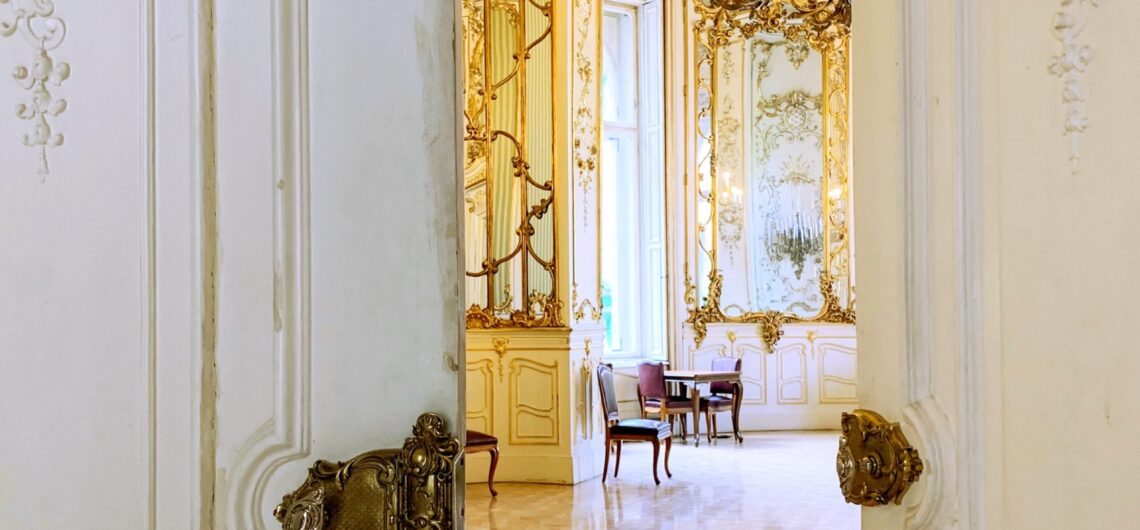
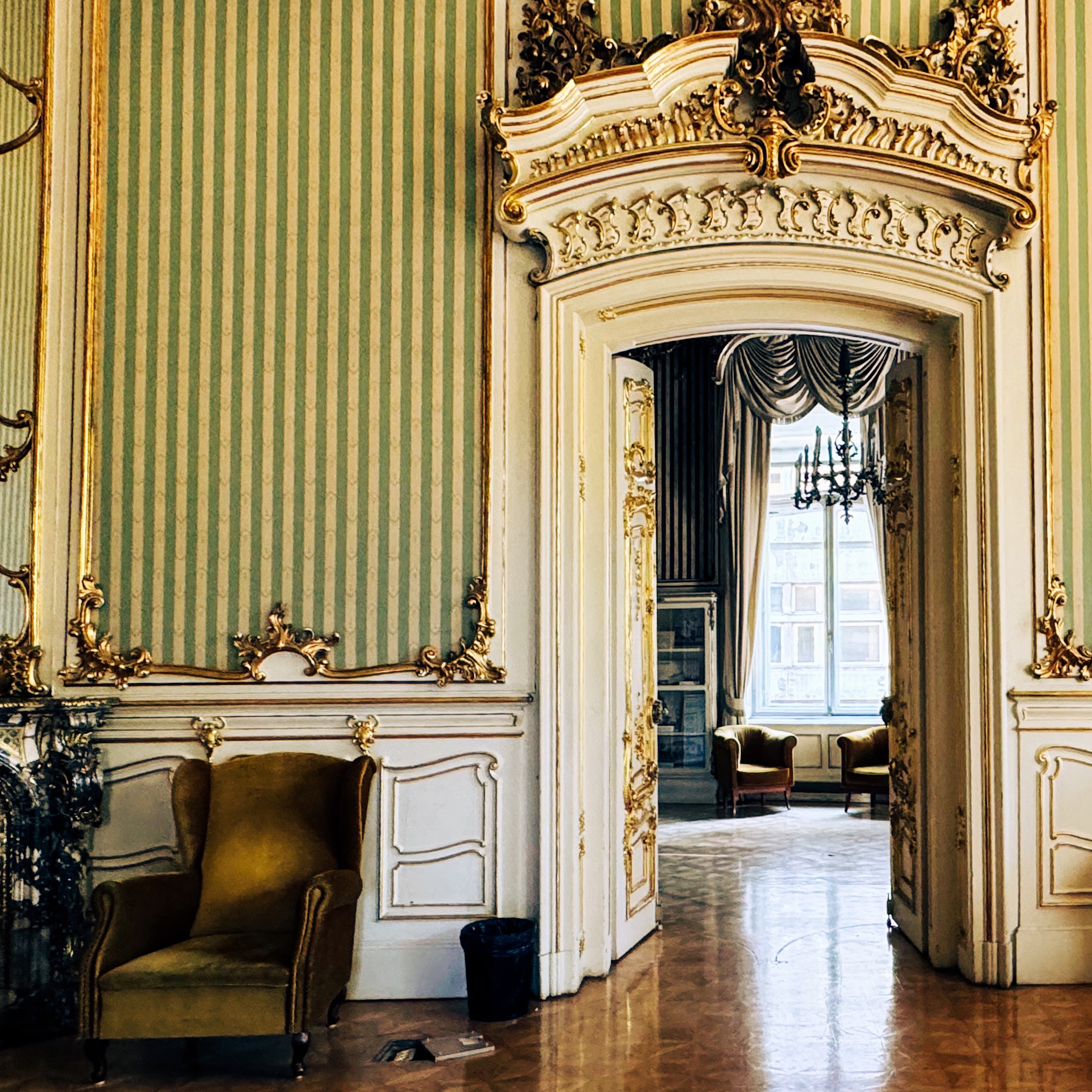
The Wenckheim Palace Budapest story begins quietly—behind heavy doors, beneath chandeliers, and far from the noise of the city outside.

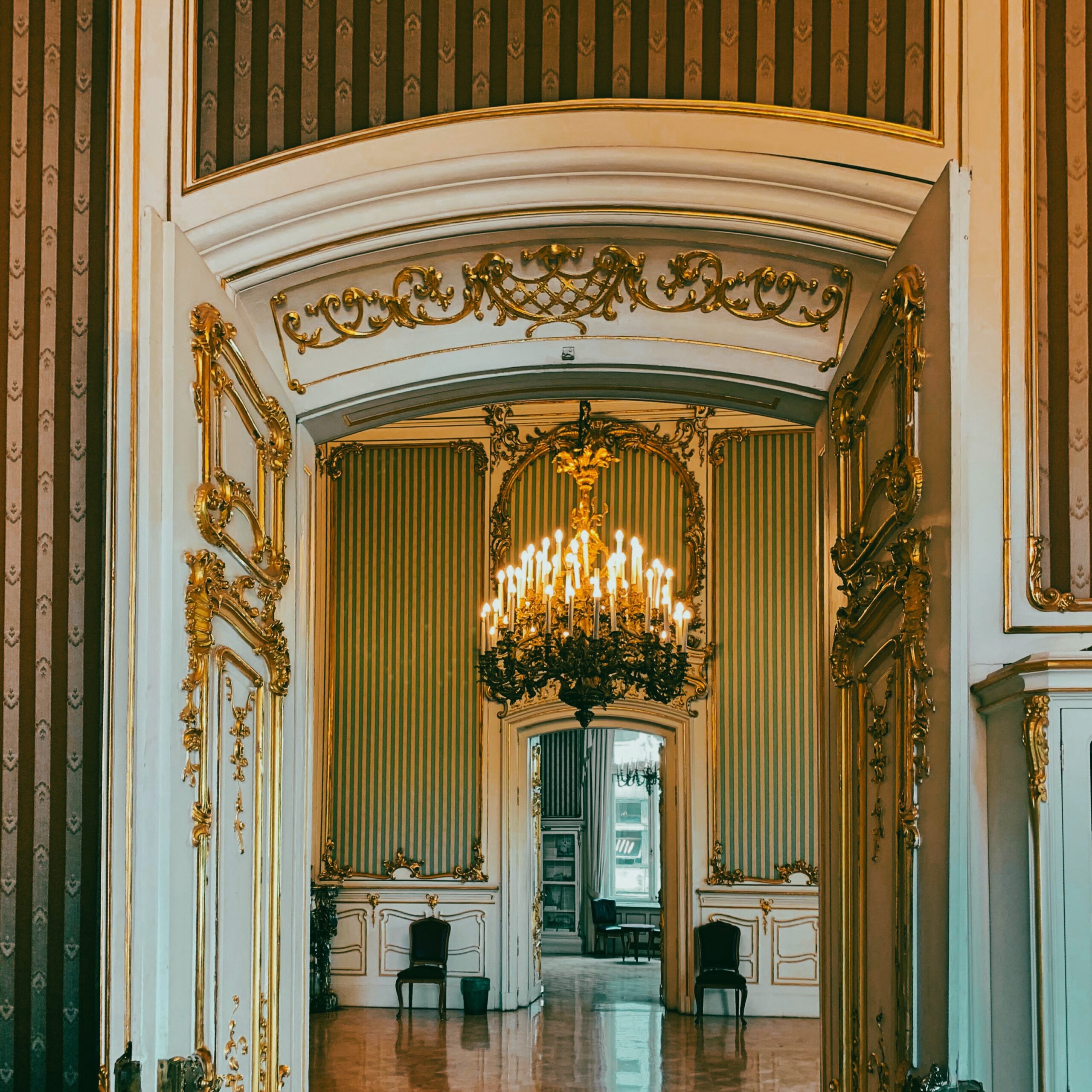
Some buildings in Budapest impress from the outside. Others reveal themselves slowly, once you step inside and let the silence, the light, and the details do the talking. Wenckheim Palace belongs firmly to the second category—a true jewel box hidden in the Palace Quarter.

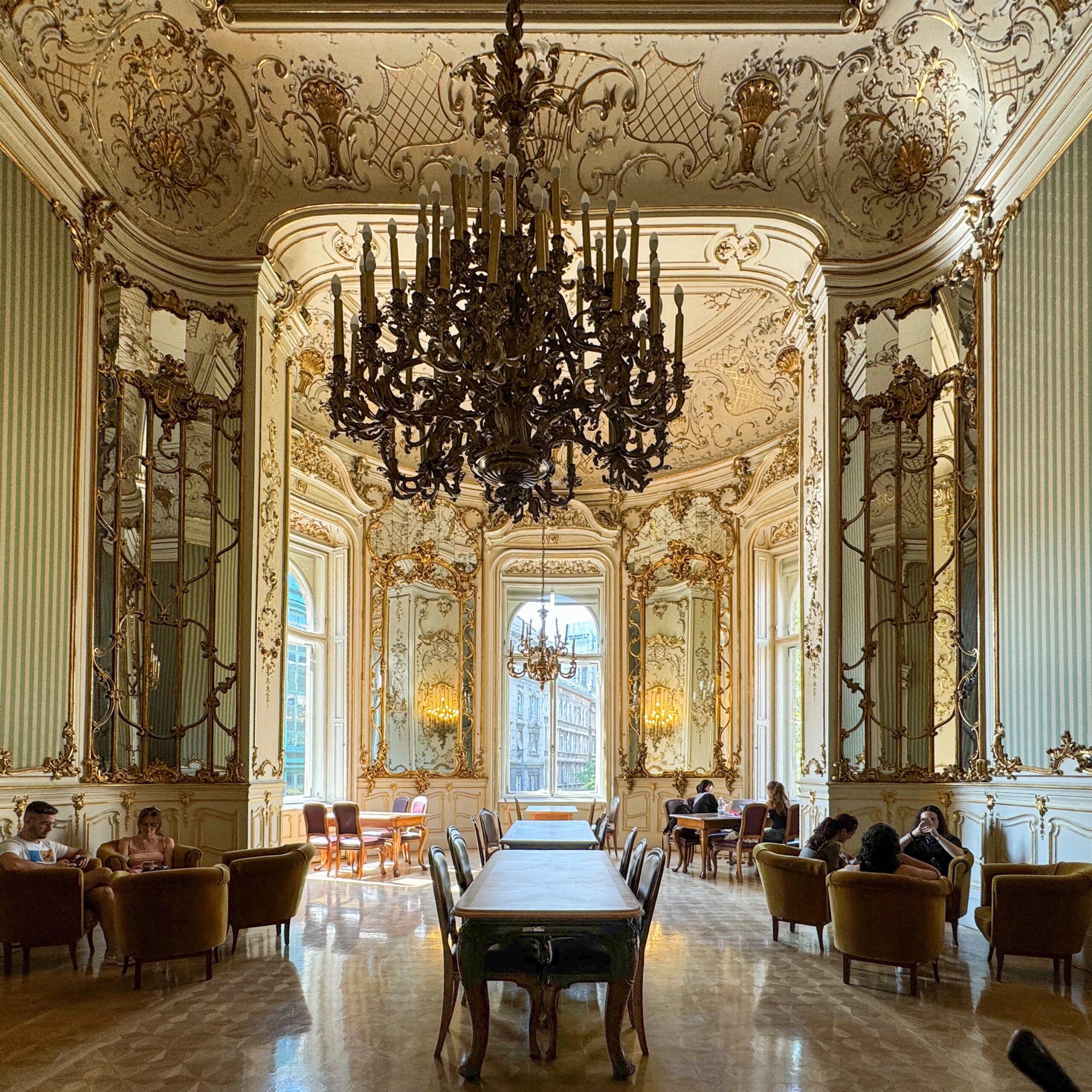
Built in 1889, the palace was commissioned by Count Frigyes Wenckheim and his wife, Krisztina Wenckheim (yes, they were first cousins), and designed by architect Artúr Meinig. Behind its Neo-Baroque façade, the interiors unfold in an elegant Louis XV style, rich with gilded details, carved woodwork, and soft symmetry. Count Wenckheim was a wealthy landowner and a Member of Parliament, and his Budapest residence quickly became one of the most admired palaces of the 8th district.

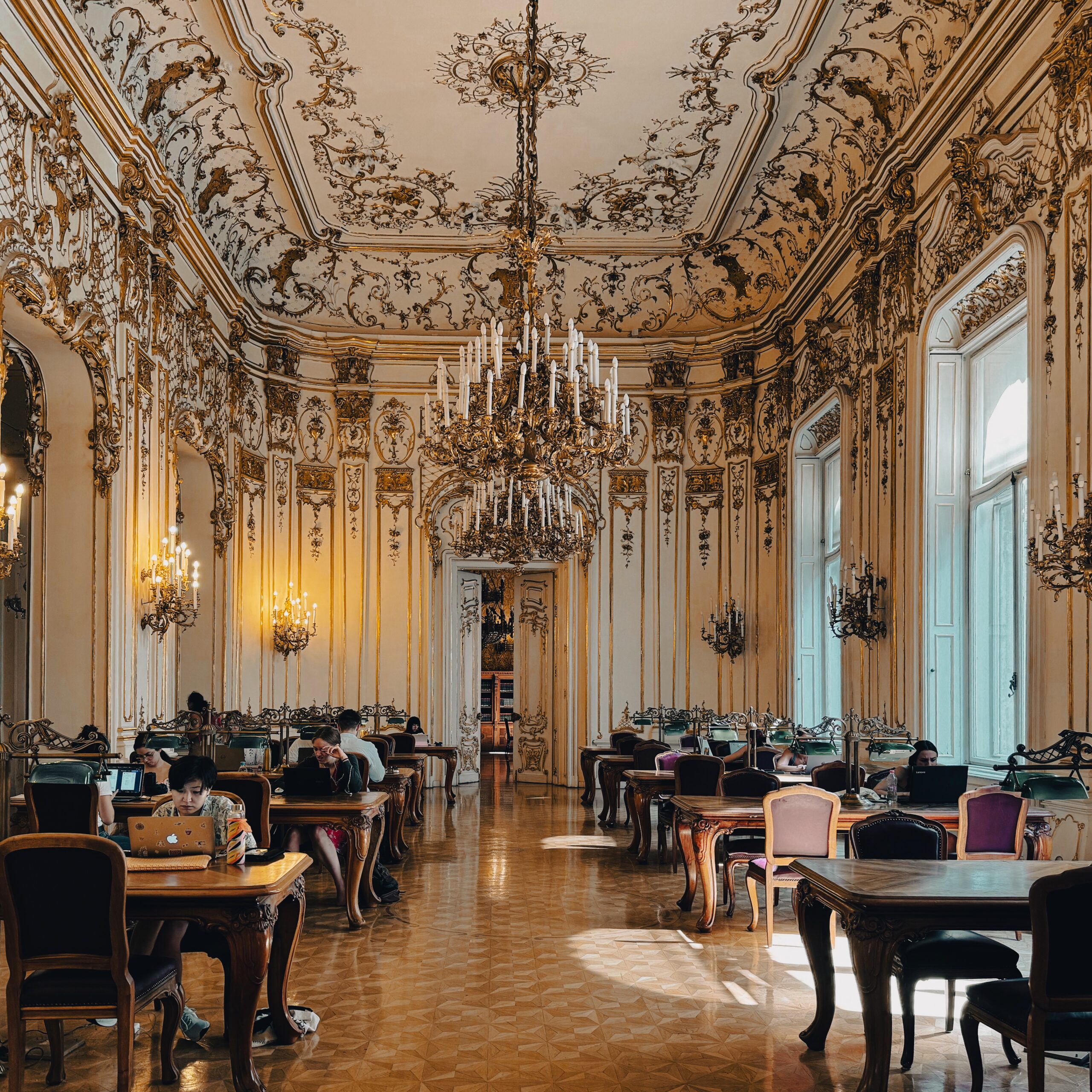
At the heart of the building lies the grand ballroom—ornate, luminous, and surprisingly vast. It could easily host up to 500 guests, and it almost certainly did. The Wenckheim family was known for their magnificent receptions and glittering balls, attended by the elite of the era, including Franz Joseph, Emperor of Austria and King of Hungary. One can still imagine the music, the movement, and the carefully choreographed elegance of late-19th-century high society lingering in the space.

But the Wenckheim Palace story in Budapest is not only one of architecture and aristocratic glamour—it is also rich in drama. The family’s history was so full of passion, scandal, and unexpected turns that it inspired Jókai Mór, one of Hungary’s greatest novelists. Elements of the Wenckheim legacy found their way into his famous novel A Hungarian Nabob, blurring the line between literature and real life in a way that feels quintessentially Budapest.

After Count Wenckheim’s death in 1912, the palace gradually lost its private function and was sold to the city in 1927. A new chapter began in 1931, when it became the central building of the Budapest Metropolitan Library. Since then, the palace has lived a wonderfully dual life: a former aristocratic residence where chandeliers now shine over reading desks, and quiet concentration has replaced the sound of orchestras.

Today, students, researchers, and curious visitors move through the same halls that once hosted lavish balls. The contrast is part of the magic—and perhaps the reason filmmakers are so drawn to the building. Wenckheim Palace has appeared in international productions such as Red Sparrow, The Alienist, Spy, and The Phantom of the Opera.

Wenckheim Palace is one of those places where Budapest’s layers come together effortlessly—aristocratic ambition, literary echoes, everyday life, and cinematic allure, all under one roof. It’s not just a building you visit; it’s a story you quietly step into.

If you’re planning your visit and wondering how to include Wenckheim Palace in your itinerary, you may find my Must-See guide to Wenckheim Palace useful. If you’d like to experience Wenckheim Palace as part of a personalised Budapest walk, I’m always happy to weave it into a tour—because places like this are best discovered through their stories.