Today we celebrate the Budapest 152nd birthday. On November 17, 1873, three historic towns — Buda, Pest, and Óbuda — united to form one magnificent city: Budapest. I can’t help but reflect on why this place continues to capture my heart — and the hearts of travellers from all over the world.

It’s incredible to think how much history, resilience, and beauty fit into these 152 years. Budapest isn’t just Hungary’s capital — it’s a city that tells stories at every turn, from its majestic bridges to its cozy cafés.

A City of Timeless Beauty

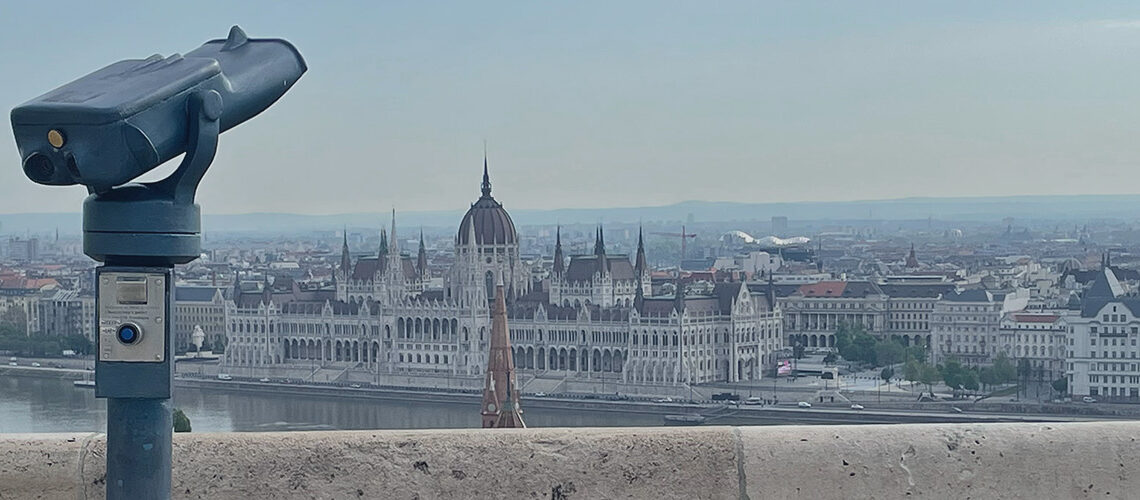
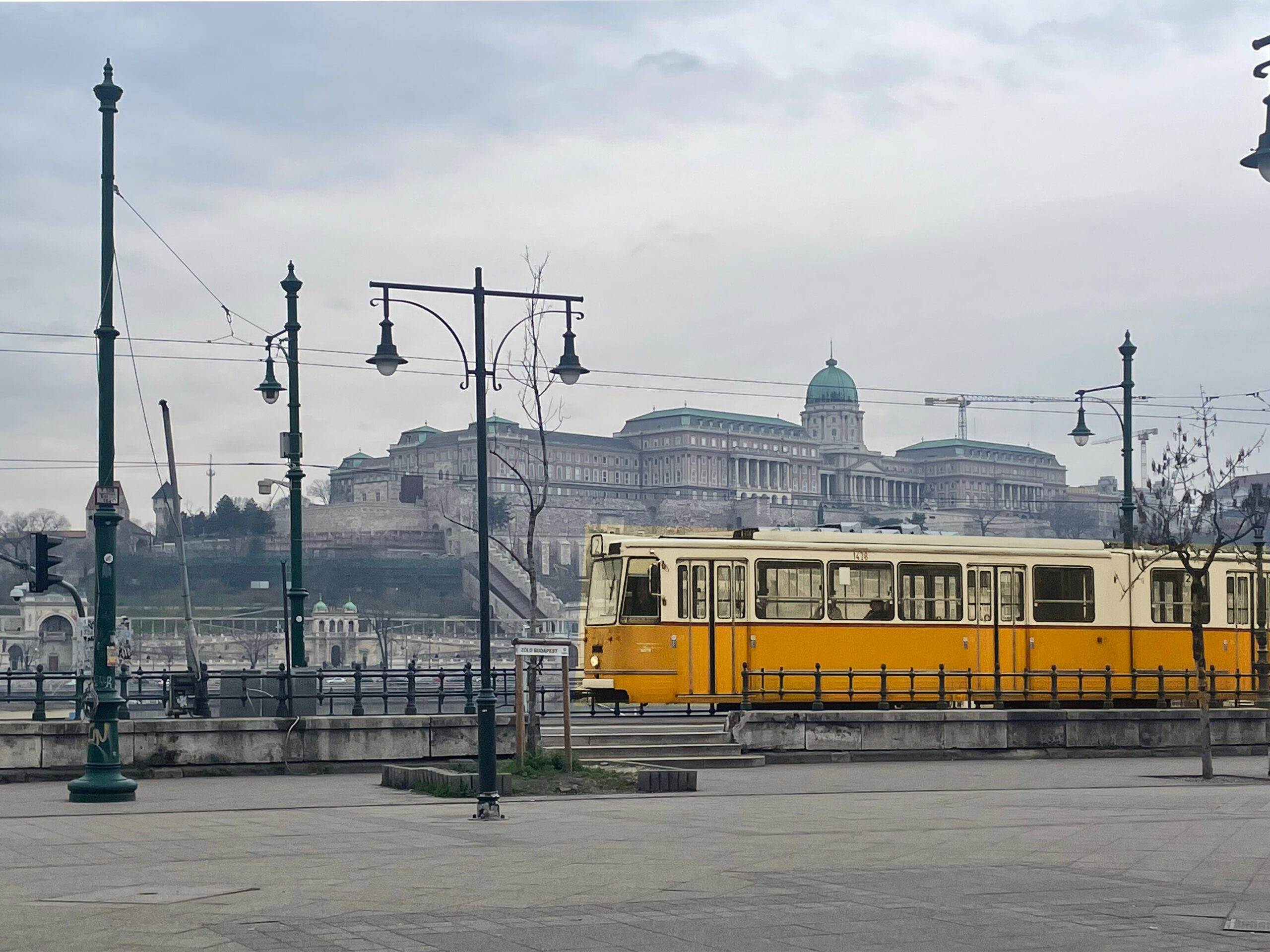
If you’re looking for things to do in Budapest, you don’t have to go far. Start with the Hungarian Parliament, one of Europe’s most stunning government buildings, glowing golden at night on the banks of the Danube. Cross over the Chain Bridge, admire the Fisherman’s Bastion at sunrise, and don’t miss a ride on Tram 2, often called one of the most scenic tram routes in the world.

Whether you explore Buda Castle Hill for history or Andrássy Avenue for architecture, every view tells a story. So you will explore a mix of grandeur, resilience, and unmistakable charm. Need more ideas? Let me know!

Everyday Magic – Happy Birthday Beautiful Budapest!

What makes Budapest truly special is how easily beauty blends into everyday life.
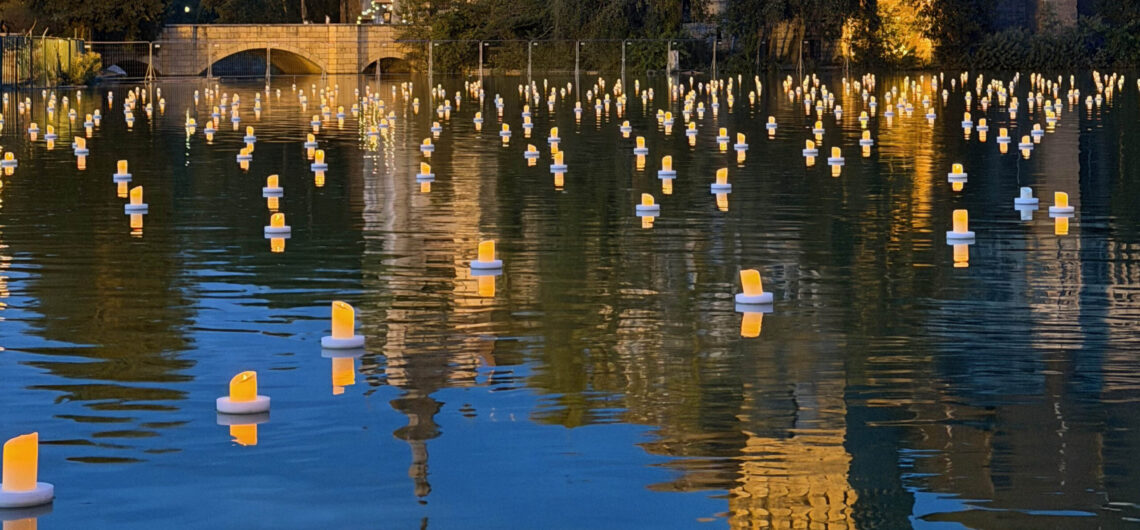
You can enjoy a lazy morning at one of the city’s historic cafés, stroll along the Danube promenade, or simply watch the lights shimmer across the water as evening falls.
Even locals (like me!) still stop to take in the view — because it never gets old.

💙 My Beautiful Budapest

As a private tour guide in Budapest, I’ve had the joy of seeing visitors fall in love with the city — whether it’s their first visit or a long-awaited return. Each tour I lead feels like a love letter to this place: to its stories, flavours, and hidden corners that you won’t find in guidebooks.

Budapest is endlessly inspiring. It’s a city that makes you slow down, look up, and appreciate the details. Like the curve of a bridge, the scent of coffee, the sound of trams rolling by.

Here’s to the Next 152 Years – Happy Birthday Beautiful Budapest!

Budapest has lived through revolutions, rebuildings, and countless transformations. Yet, she always rises more beautiful, more vibrant, more alive.
So today, I raise my glass (of Tokaji, of course!) to 152 years of history, culture, and beauty.

Happy Birthday, Beautiful Budapest — and thank you for continuing to inspire all who walk your streets. 💫

Budapest changes its rhythm in autumn. The summer crowds fade, the air turns crisp, and the city glows under a soft golden light that makes every familiar view feel new again. October is a time of quiet magic here — a season of colour, calm, and light.

The City in Gold – Autumn in Budapest

Everywhere you look, Budapest shines.
The Hungarian Parliament reflects in the Danube like liquid gold. At Fisherman’s Bastion, the morning sun catches the stone arches, lighting up the city below. The Chain Bridge is framed by amber trees, and trams roll past the riverbank, carrying locals wrapped in scarves and visitors soaking in the warmth of the season.

It’s the perfect time to slow down, wander, and let the city reveal itself in its warmest colors.

Iconic Views and Hidden Corners of Budapest

Autumn adds a cinematic touch to Budapest’s best-known landmarks — Buda Castle, Heroes’ Square, Gellért Hill, and the grand boulevards of Pest all look their most romantic beneath a golden canopy.

But some of the city’s quietest corners become just as beautiful:

  • the tree-lined paths of Margaret Island,

  • the courtyards of Buda’s Castle District,

  • the winding alleys near Gül Baba’s Tomb,

  • and the hidden cafés where time seems to slow down.

Everywhere, the light softens — and with it, the pace of life.

Autumn – The Perfect Season for Exploring

Autumn in Budapest is comfortable and relaxed. The days are sunny, the evenings cool, and the city feels peaceful again after summer’s buzz. It’s a wonderful time to experience both the famous highlights and the small, authentic details that make Budapest so special.

🍂 If you’re visiting this season, I’d love to design a private walking tour just for you.
My fully customisable Budapest tours can focus on the city’s autumn highlights, from iconic sights glowing in afternoon light to hidden gardens and cozy cafés.

Whether you’d like the Grand Budapest Walk, a Jewish Quarter Tour, or a Foodie Experience filled with local flavours, I can tailor every detail to your interests, pace, and style.
Let’s make your autumn day in Budapest unforgettable.

See the City Differently

Every season in Budapest has its beauty, but autumn is when the city truly feels like a painting — golden, calm, and full of light. If you’ve only seen Budapest in summer, come back when the leaves turn and the city slows down. You’ll discover a whole new side to it — peaceful, poetic, and absolutely beautiful. 💛

Budapest in autumn is pure magic

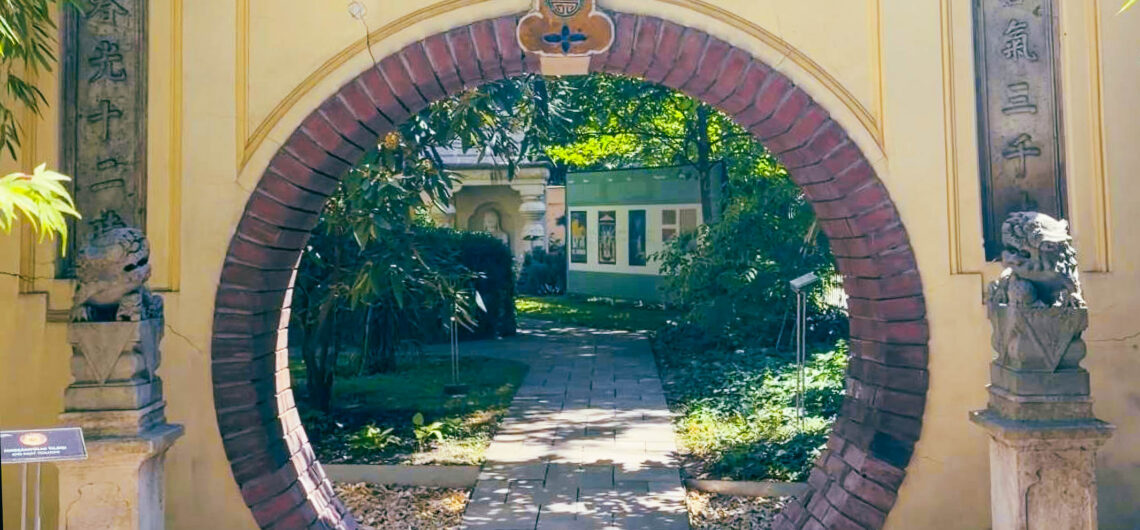
High above the Danube, tucked away in the quiet streets of Rózsadomb, lies one of Budapest’s most peaceful treasures: Gül Baba’s Tomb. It’s a place most visitors never find — a secret garden filled with roses, history, and calm.

A Hidden Piece of History

The story of Gül Baba’s Tomb stretches back to the 16th century, when the Ottoman Empire ruled Buda.
Gül Baba, a dervish and poet-warrior whose name means “Father of Roses,” was buried here after the Turkish conquest. For centuries the site served as a Muslim burial place, then later became a Jesuit monastery, and even, for a time, the home of a Hungarian architect.

Each chapter added new layers, just like the petals of the roses that still bloom here today.

From the Past to the Present

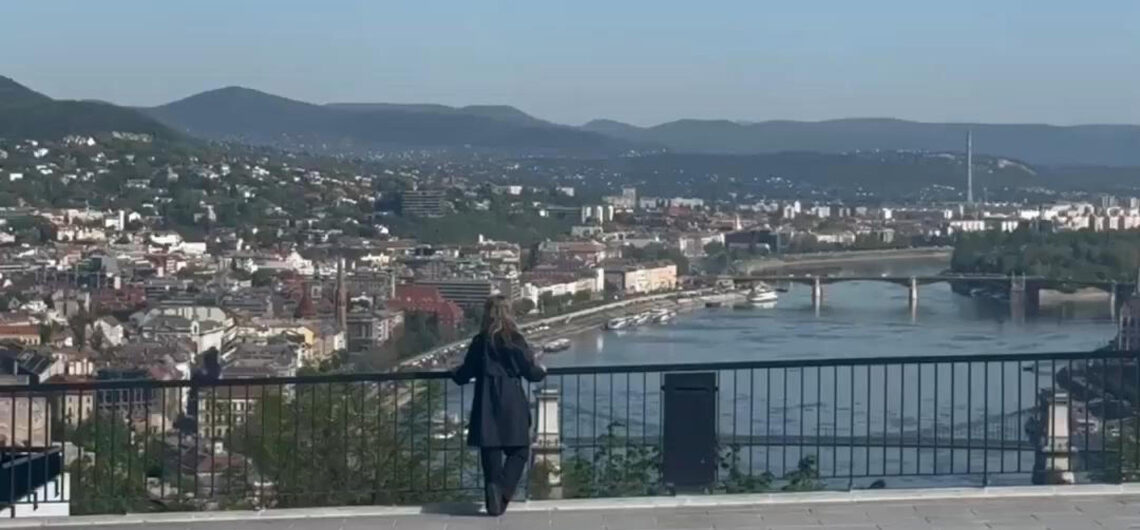
After years of neglect, the tomb and its gardens were fully restored in 2018, transforming the hilltop into a serene public space. Now visitors can stroll through terraced rose gardens, admire the simple octagonal mausoleum, and enjoy a stunning panoramic view over Pest.

Despite being so close to the city center, it feels miles away from the bustle — a place where you can still hear birds and footsteps instead of traffic.

Why You Should Visit

  • Roses everywhere: fitting for the resting place of the “Father of Roses.”

  • Cultural layers: Ottoman, Christian, and Hungarian heritage intertwined.

  • Beautiful views: especially at sunset, when the domes glow golden.

  • Peace and reflection: perfect for a quiet break during your Budapest explorations.

Whether you come for the history or just to breathe in the scent of roses, Gül Baba’s Tomb offers a side of Budapest that many miss — soft, spiritual, and timeless.

Visiting Info

Address: Mecset utca 14, II district, Budapest
Opening hours: Tuesday to Sunday 9 a.m. – 6 p.m. (check seasonal updates)
Admission: free
How to get there: Take Tram 4 or 6 to Margit híd budai hídfő, then a short, steep walk uphill through leafy streets.

If you’re exploring the city with me, Gül Baba’s Tomb can be a beautiful stop on a custom-designed itinerary — a gentle moment of calm and history that pairs perfectly with a cultural walk through Buda.

Whether you come for the history or just to breathe in the scent of roses, Gül Baba’s Tomb offers a side of Budapest that many miss. Vibes are soft, spiritual, and timeless.

A Peaceful Farewell

Whenever I visit, I’m reminded that Budapest isn’t only about grand buildings and lively cafés. It’s also about quiet corners like this one.
If you ever need a moment to slow down, follow the scent of roses up Rózsadomb. You’ll find a poet’s resting place — and perhaps a little bit of peace for yourself, too. 💛

The Secret Garden of Budapest 🌹 | Gül Baba’s Tomb

How many Budapest bridges can fit into 30 seconds? More than you’d think! The Danube divides the city into Buda and Pest, and its bridges each carry their own personality: historic, modern, romantic, or simply practical. Whether you’re chasing the perfect Parliament view, a quiet sunset, or even an emperor’s silver nail, there’s a bridge waiting to share its secret.

Chain Bridge

“Budapest’s bridge has a twin”
The Chain Bridge was the first permanent crossing of the Danube, opened in 1849. But did you know it has a smaller twin in Marlow, England? Both were designed by William Tierney Clark, with the Marlow Bridge crossing the River Thames. Stroll across it and you’ll feel like you’ve stepped into a miniature Budapest, a little echo of the Danube in the English countryside. I’m happy to cross this beautiful bridge with you when you book a walking tour with me.

Liberty Bridge

“An emperor’s silver nail”
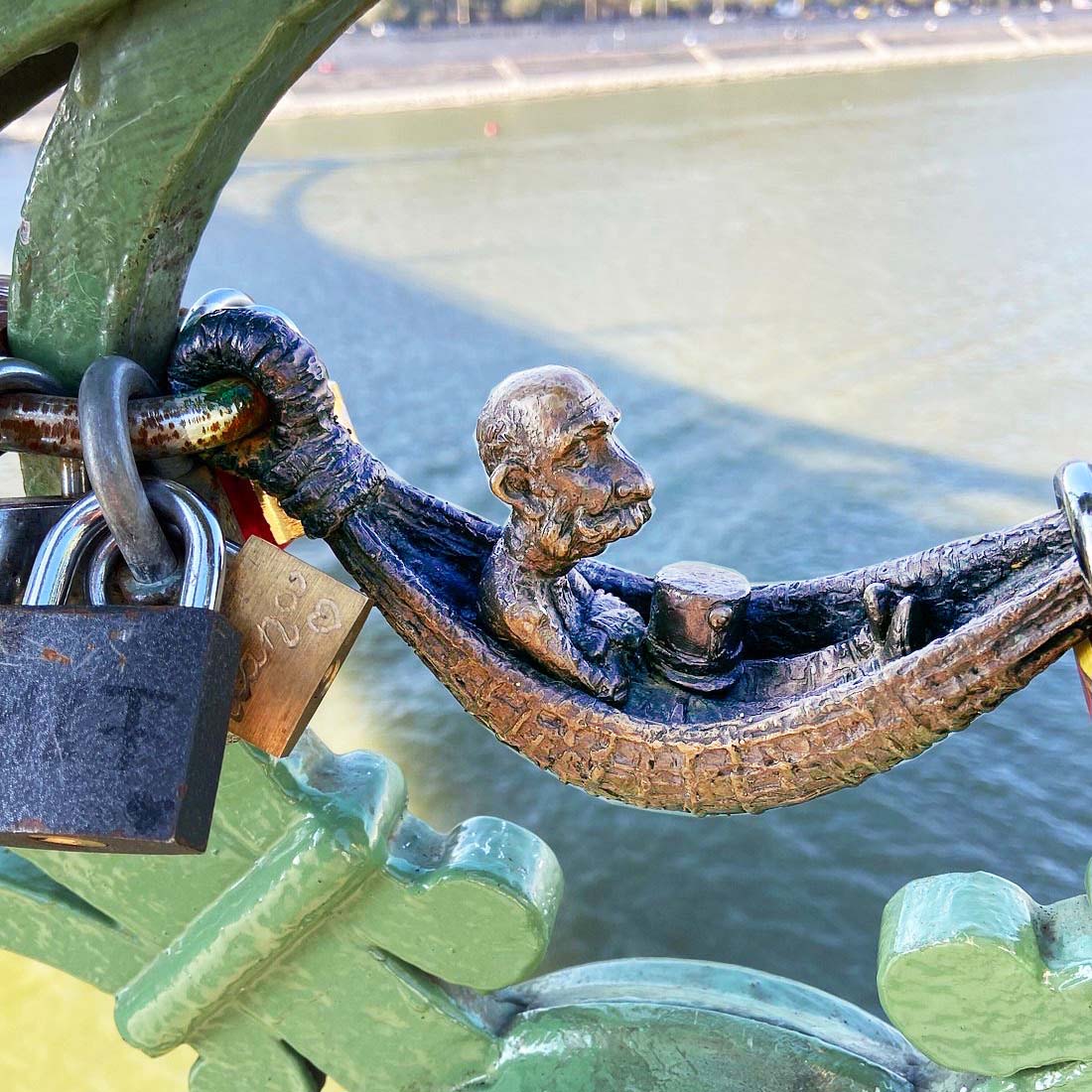
When Liberty Bridge was inaugurated in 1896, Emperor Franz Joseph himself hammered in the last, and only silver, nail. That ceremonial gesture gave the green bridge a unique story among its siblings. Today it’s beloved by locals and students, sometimes even closed for open-air picnics. And, it still carries the emperor’s mark in its foundation. We usually stop for a few minutes to admire the bridge from the Pest side of the river when we go to the Great Market during a Foodie Tour. Also, this is my all time favourite of all Budapest bridges.

Margaret Bridge

“A princess on an island”
Margaret Bridge doesn’t just connect Buda and Pest — it also bends gracefully toward Margaret Island. The island itself was once home to a royal convent, where young Princess Margaret, daughter of King Béla IV, was sent to live. Choosing the island meant giving up courtly life forever, but her presence left a story of sacrifice and faith woven into the bridge’s path. I love taking travellers to the Margaret bridge and island on a customised tour.

Elizabeth Bridge

“Modern white frame of Gellért”
The original Elizabeth Bridge, named after Queen Sisi, was destroyed during World War II. What stands today is a sleek, modern suspension bridge — its white lines perfectly framing Gellért Hill and the Citadel behind it. It’s the only one of the Budapest bridges that was not rebuilt to the original style. It’s a striking contrast to the ornate Budapest bridges nearby, and a favourite spot for photographers chasing symmetry. Want to learn more about the bridge and the story of Gellért? I’m happy to include those in any Budapest driving tour.

Petőfi Bridge

“The Danube’s lost blue bridge”
Before World War II, the bridge that stood here gleamed in a bold shade of blue — a flash of colour across the Danube. After its destruction, the rebuilt Petőfi Bridge was painted grey, practical but subdued. It does its job, but sometimes I wonder how different Budapest’s skyline would feel today if that vibrant blue had survived.

Rákóczi Bridge

“Budapest’s bold red pylons”
The newest bridge across the central Danube, Rákóczi is defined by its industrial steel and striking red pylons. It may not carry centuries of history, but it connects the city to its growing cultural quarter — the National Theatre and Palace of Arts — showing how Budapest keeps building its future across the river.


From twins in England to emperors’ nails, princesses, and lost colors, Budapest’s bridges are full of stories that go far beyond stone and steel. Next time you’re here, don’t just admire them from a tram window — walk across. Each crossing is a chance to step into the city’s history, one story at a time.

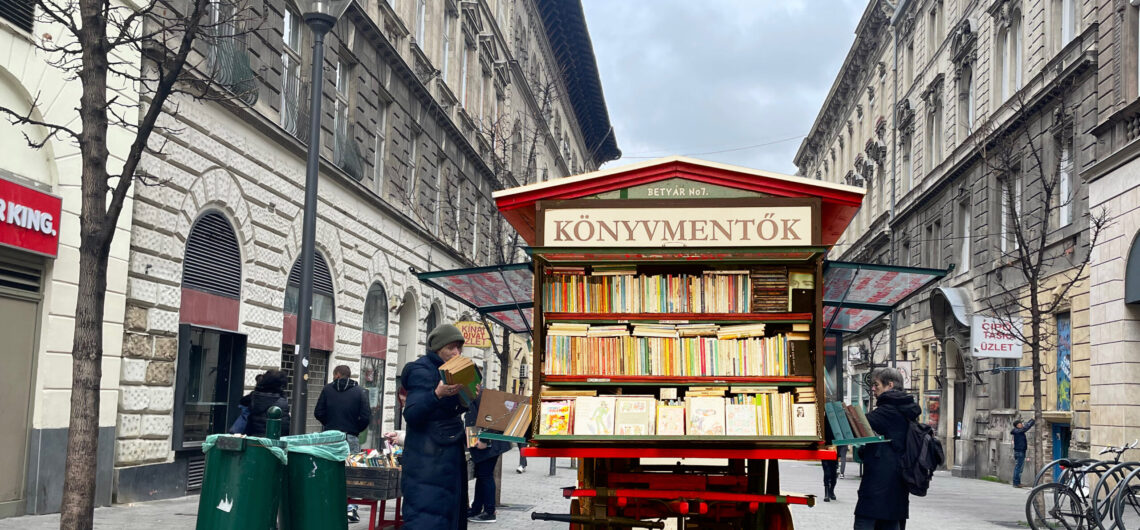
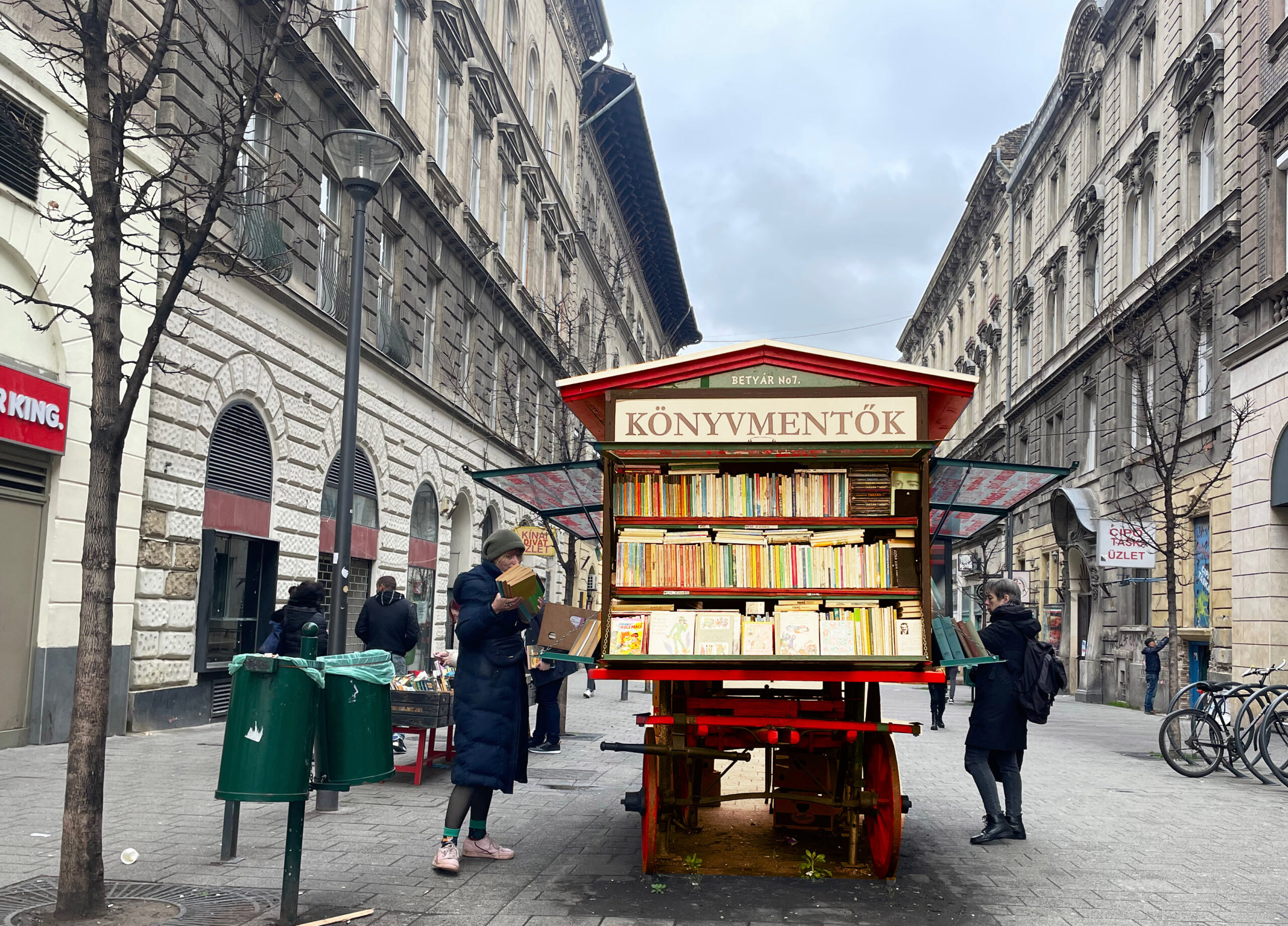
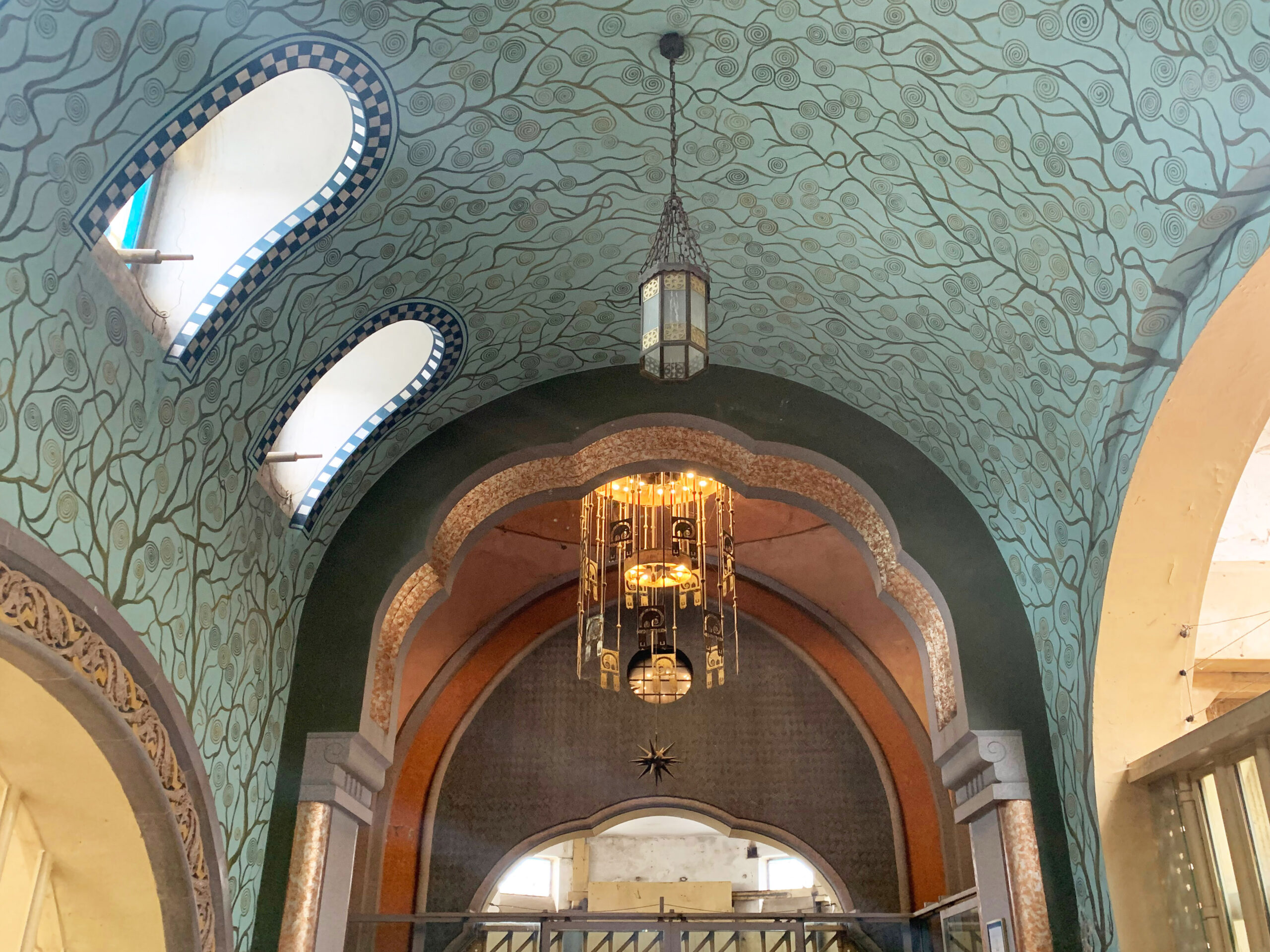
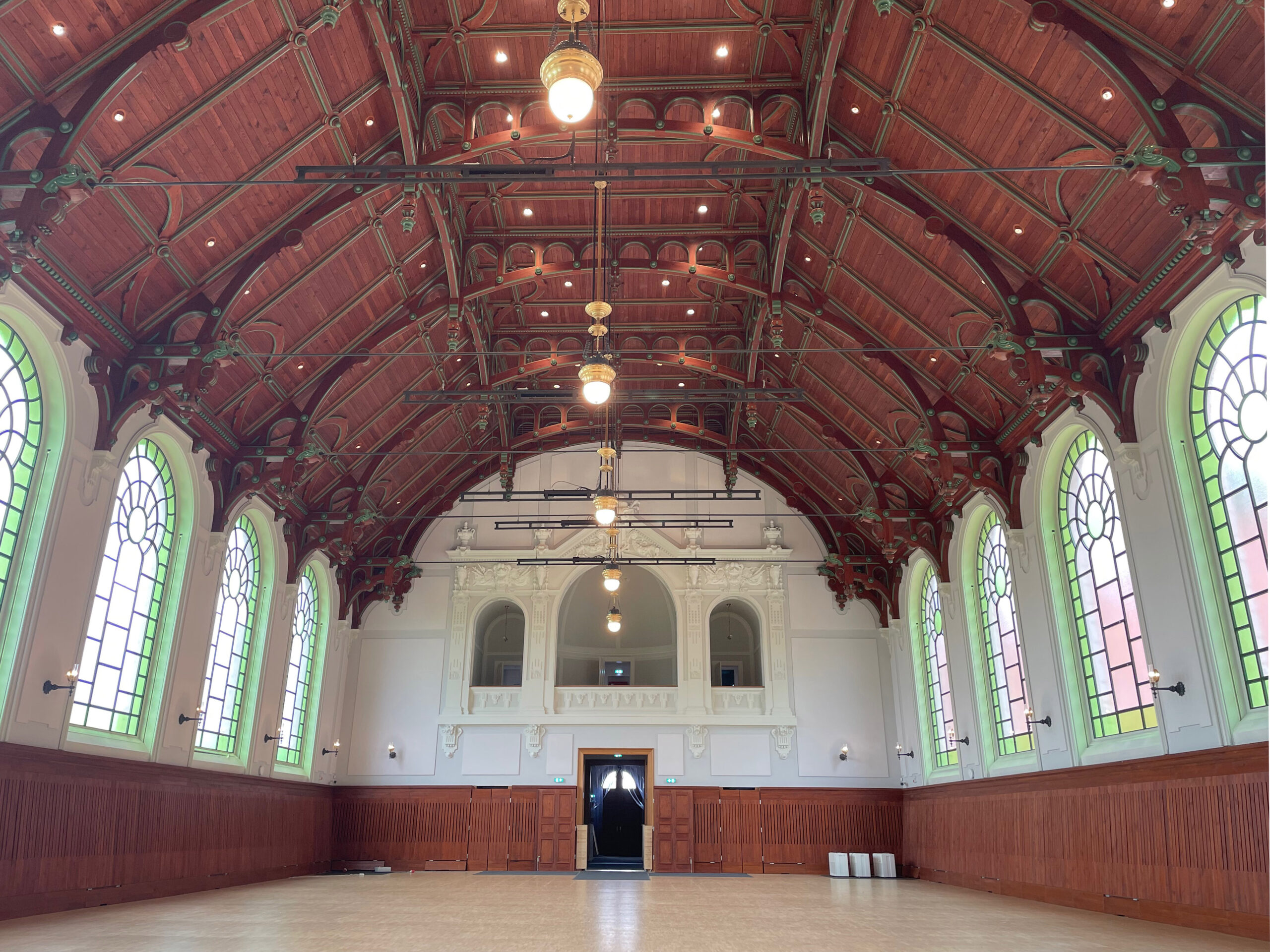
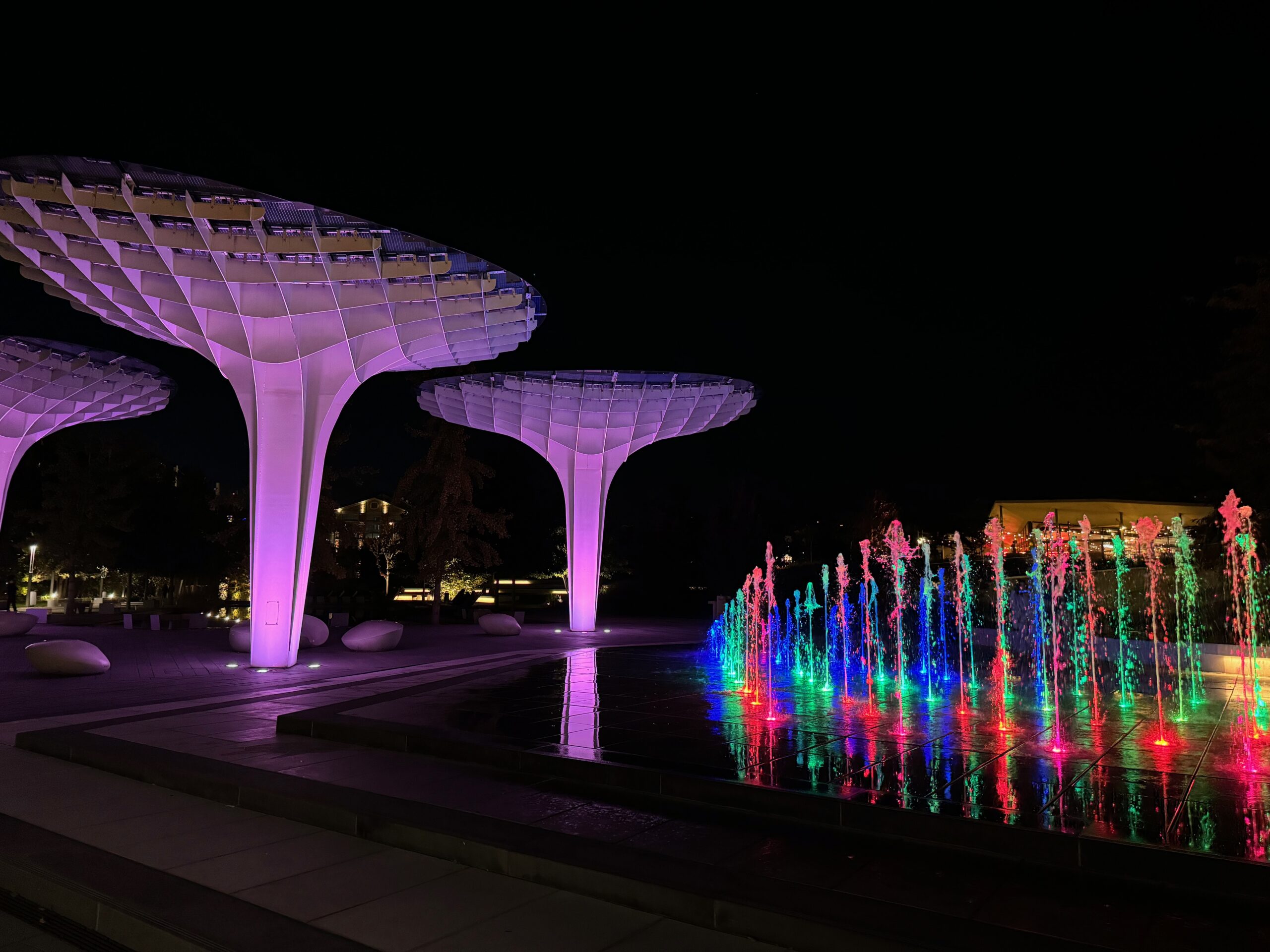
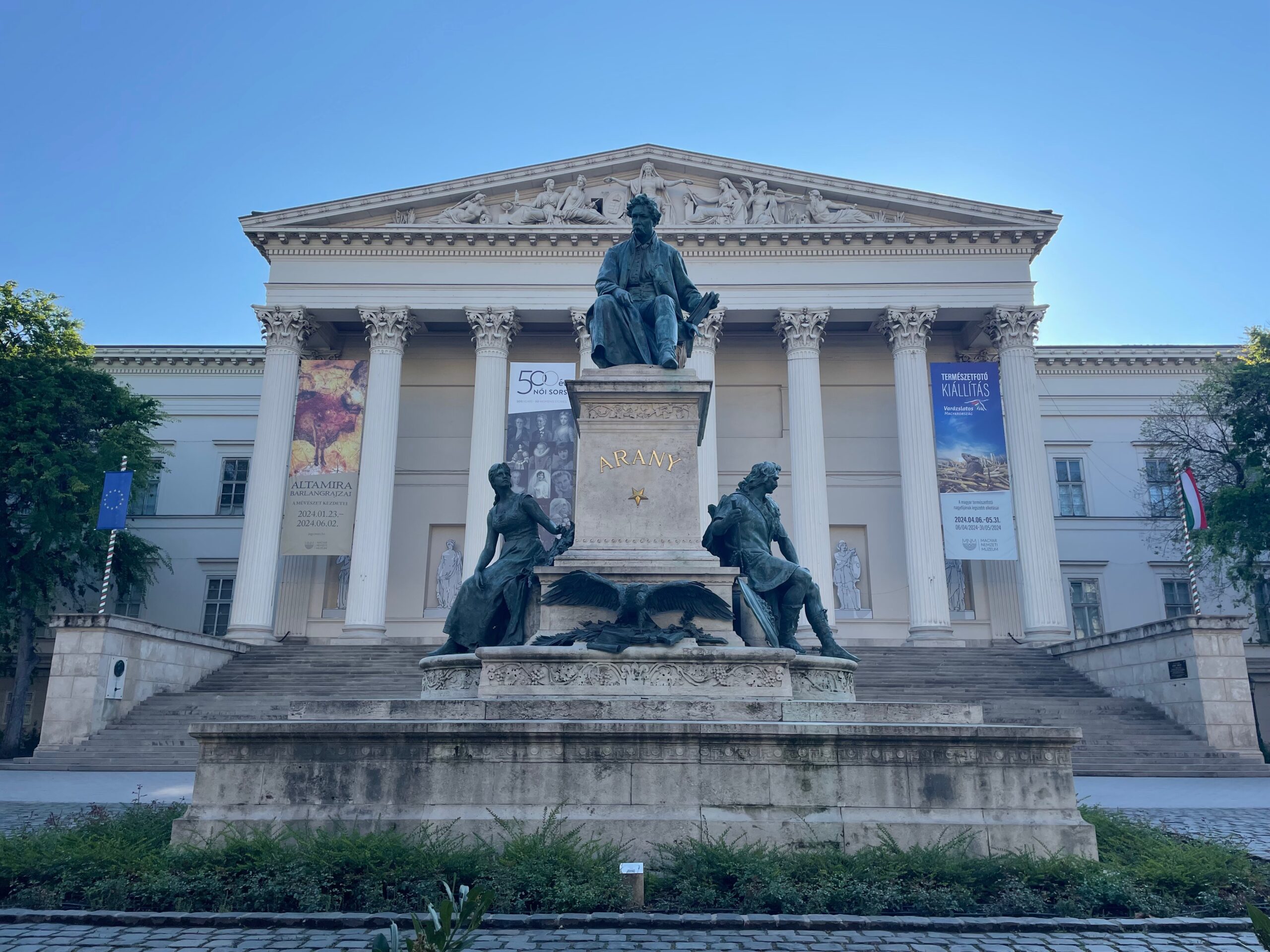
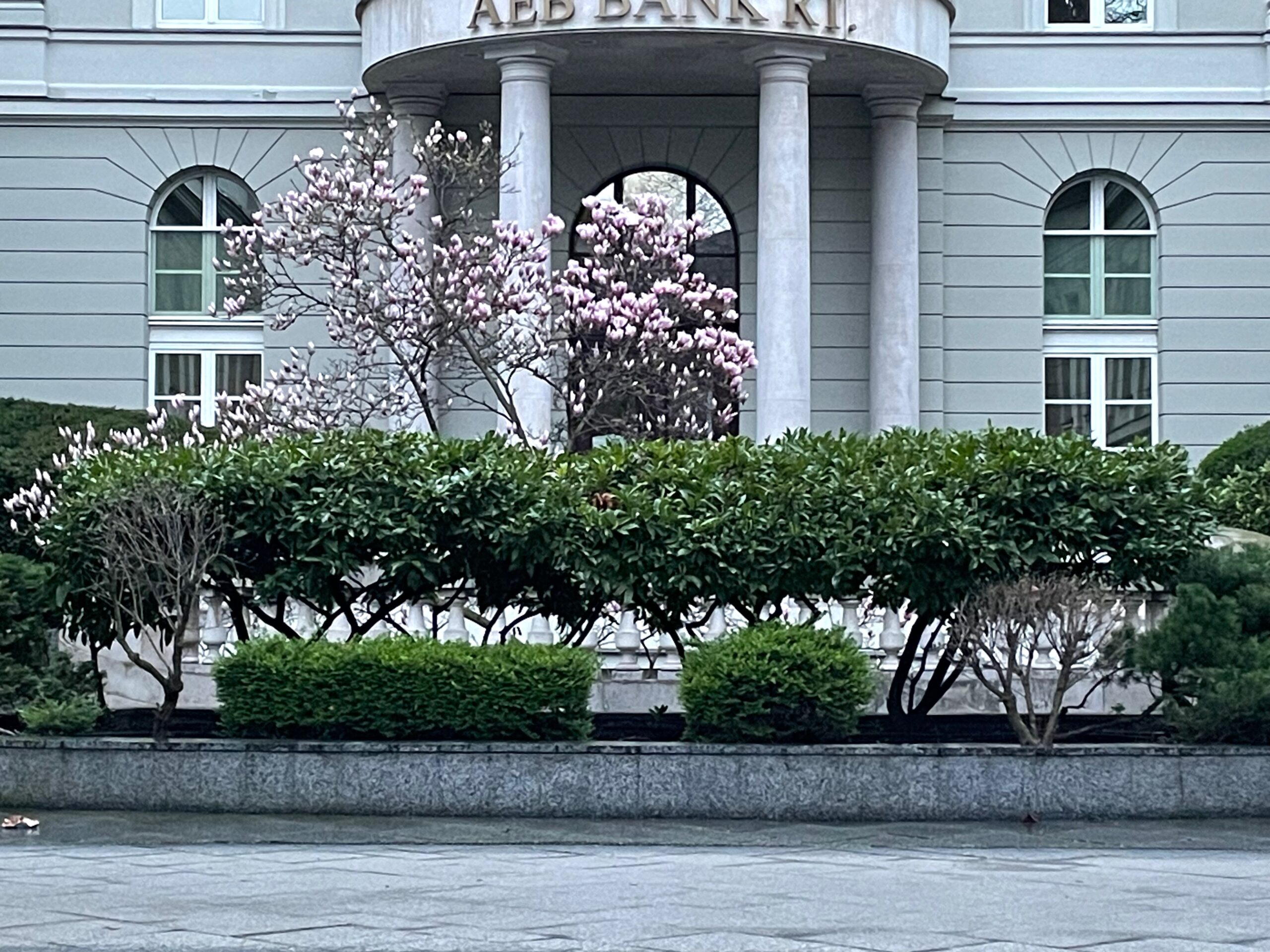
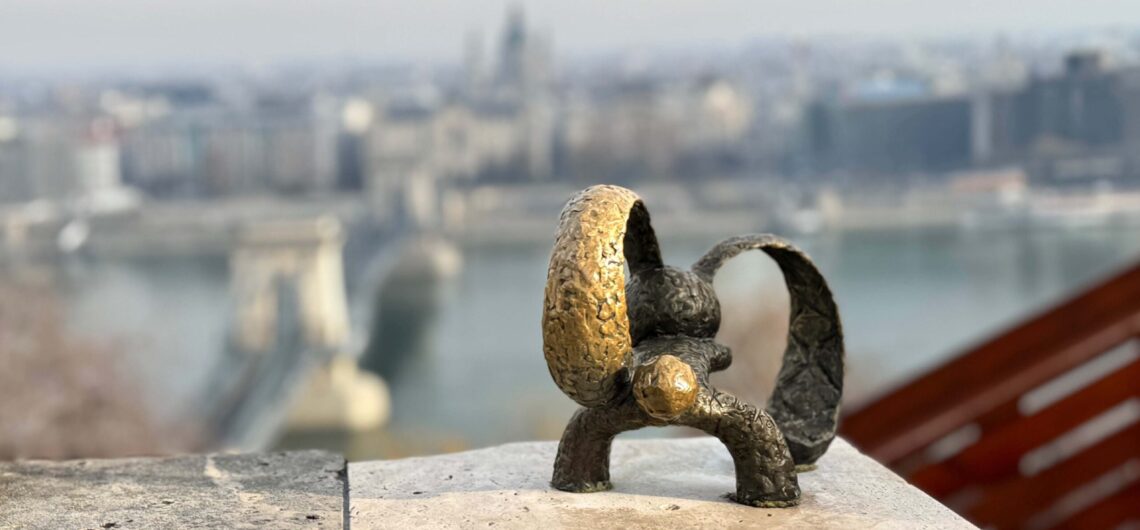
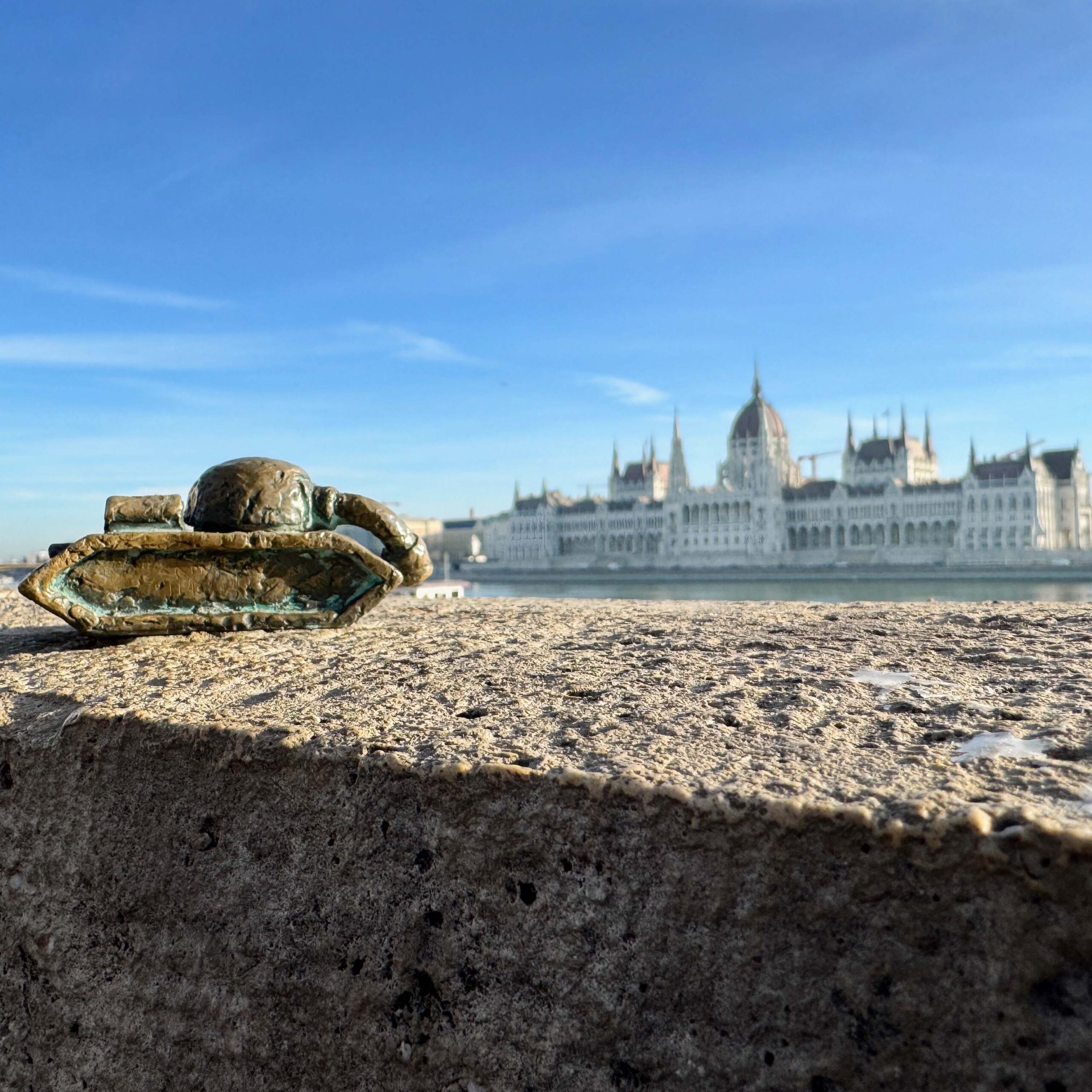
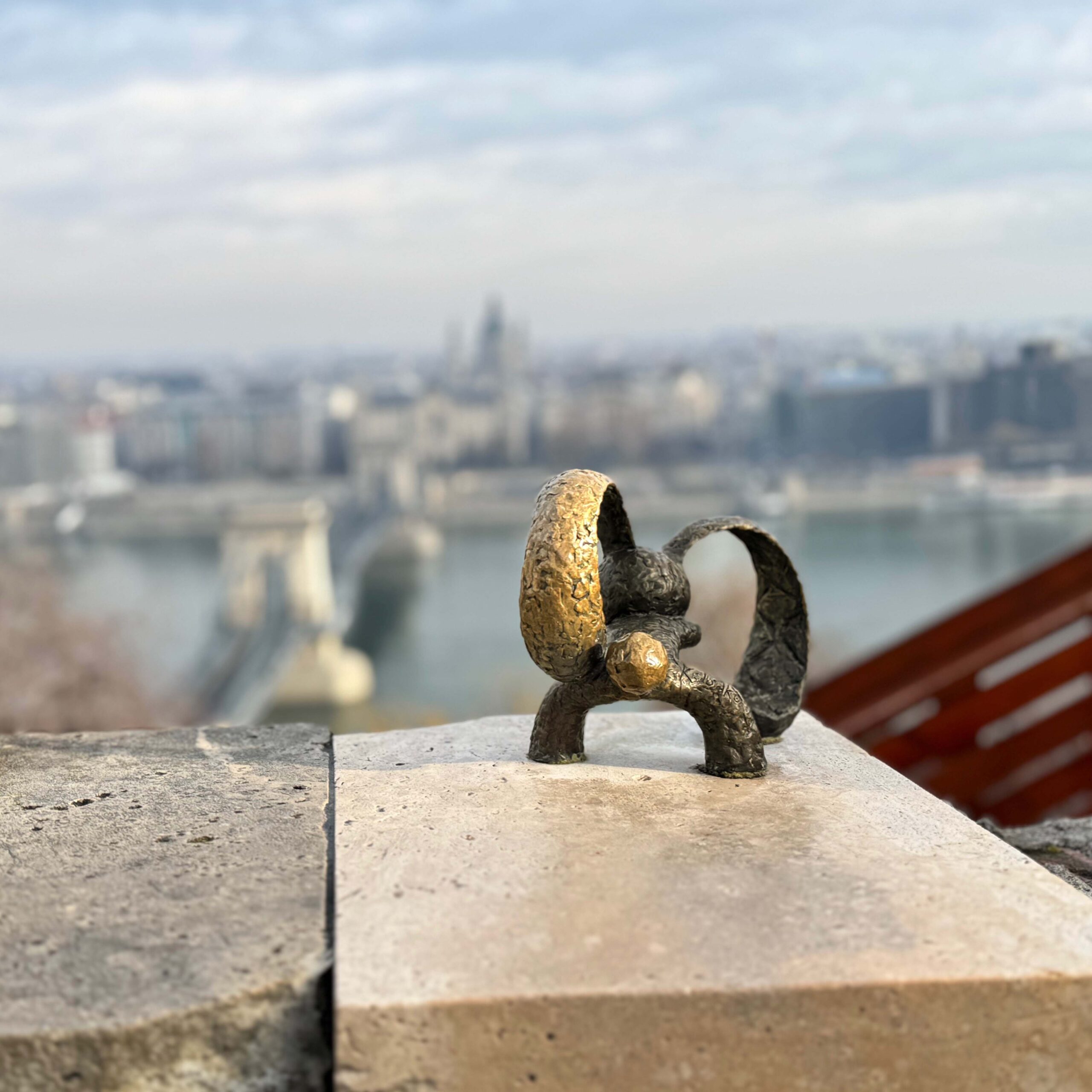
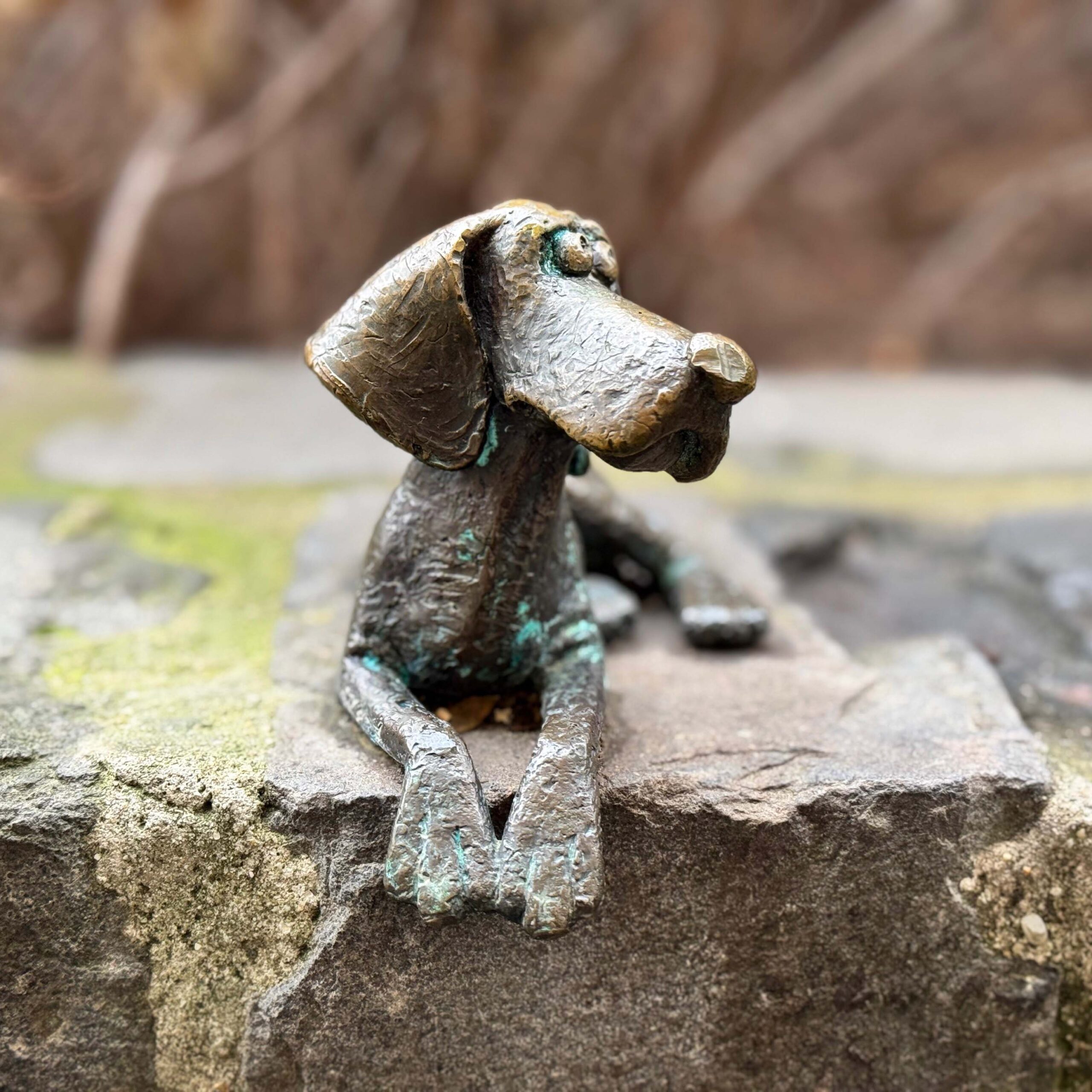
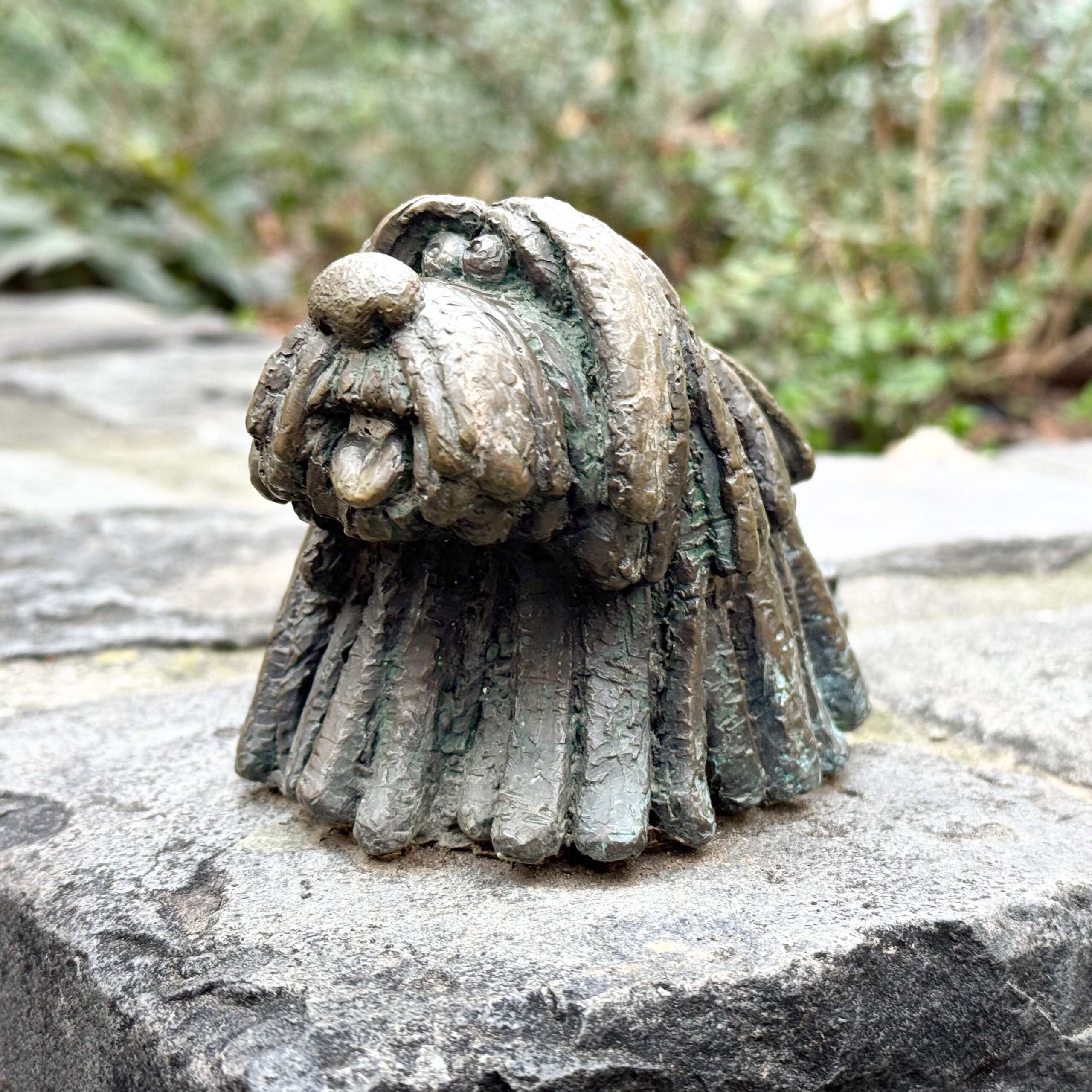
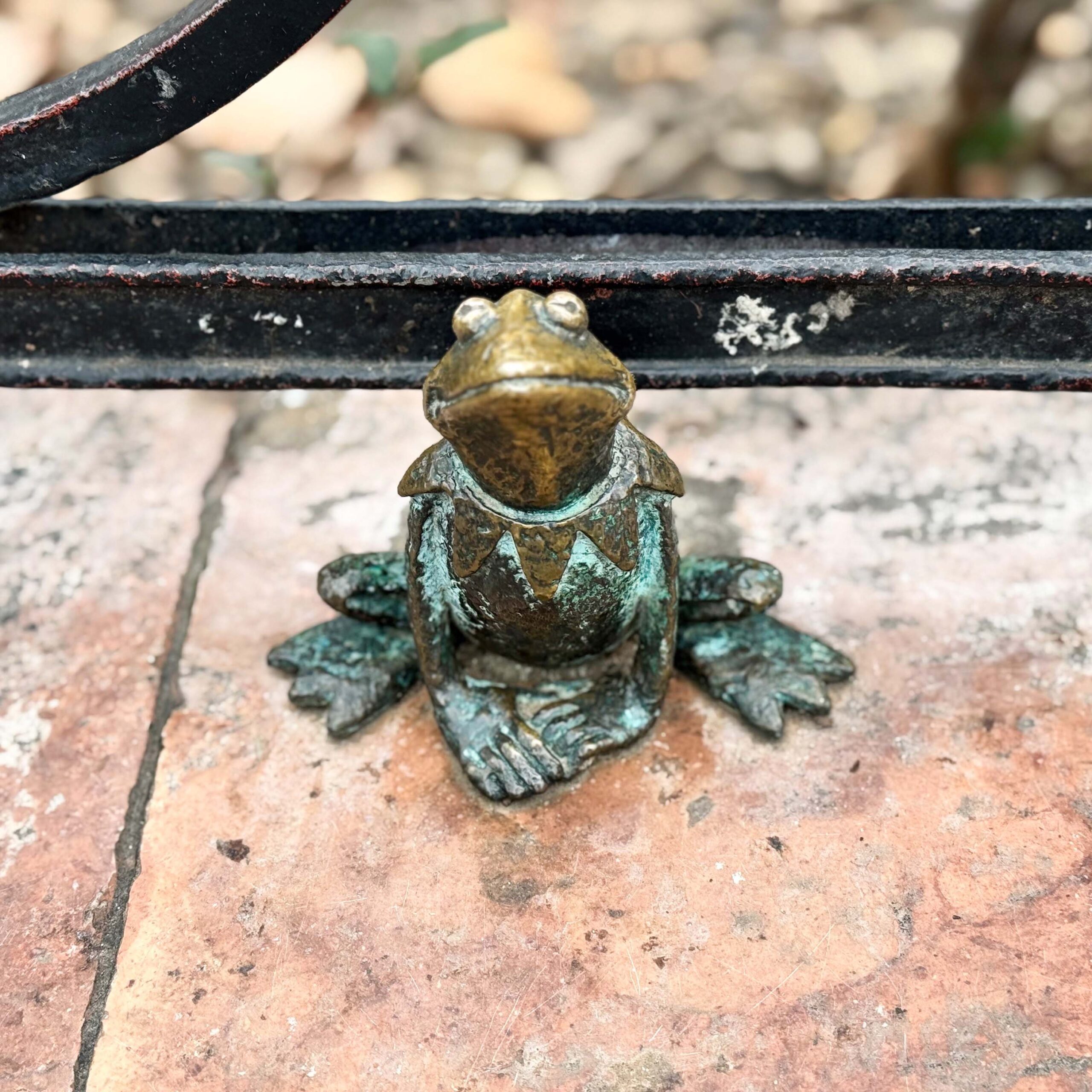
Guiding tours around Beautiful Budapest, I cannot help but snap random moments that are catching my eye. From the vibrant street art to the hidden alleyways, there’s magic in every corner. Sometimes the best shots come when you’re not looking for them at all. This city is full of surprises, and I’m so grateful for every photo I get to capture along the way. Here’s to the joy of spontaneous exploration and the stories each photo tells! Spring is coming, days are getting longer and there is no greater joy than exploring this wonderful city.

Book a tour with me so that you can see some of these attractions and many more! All the private tours are fully customisable, based on your interests and preferences.

With over 100,000 Hungarian and international artworks spanning from ancient civilisations to the end of the 18th century, the Museum of Fine Arts is the largest and most comprehensive art museum in Budapest — and an absolute must for culture lovers visiting the city.

Opened in 1906, the museum’s Classical Revival building is a work of art in itself. From the outside, it resembles an ancient Greek temple — and that’s no coincidence. The tympanum on the main façade is an exact replica of the Temple of Zeus in Olympia, giving the building a timeless, monumental presence on Heroes’ Square.

After being closed for almost four years of renovation, the museum has fully regained its original splendour. The restored interiors are just as breathtaking as the collections they house. Wandering through the building truly feels like stepping back in time.

My personal favourites are the Romanesque Hall and the Renaissance Hall — spaces so atmospheric that even visitors who don’t usually consider themselves “museum people” are often left speechless. Exploring the museum is not just about viewing artworks; it’s a journey through centuries of European and ancient history.

The Museum of Fine Arts collections at a glance

The Museum of Fine Arts is divided into six main departments:

  • Egyptian Antiquities

  • Classical Antiquities

  • Old Master Paintings

  • Sculptures

  • Prints and Drawings

  • Old Hungarian Collection

Thanks to this wide range, the museum works equally well for first-time visitors, returning travellers, and families with older children.

Visiting tips

The Museum of Fine Arts is located right at Heroes’ Square, making it easy to combine with a walk through City Park, a visit to Vajdahunyad Castle, or even a relaxing stop at Széchenyi Thermal Bath afterwards.

I often recommend it as an extra stop during a custom Budapest walking tour, especially for guests interested in art, architecture, or classical history.

    %For up-to-date opening hours and current exhibitions, I always suggest checking the museum’s official website before your visit.


The Buda Castle Funicular is one of those Budapest experiences that is both practical and charming — a short ride that connects the banks of the Danube with the historic heights of Castle Hill.

Since its opening in 1870, this small but iconic cable car has carried millions of passengers between the Chain Bridgeand the Royal Palace above. In just a few seconds, it offers sweeping views over the Danube and Pest, making the journey itself part of the sightseeing.

A bit of history

The Funicular was originally powered by steam and played an important role in everyday city life, helping residents and workers reach Castle Hill quickly. During the Second World War, it was almost completely destroyed.

When it was rebuilt decades later, it returned as an electric cable car, carefully designed to reflect its historic appearance while meeting modern standards. Today, it’s both a nostalgic landmark and a fully functioning part of Budapest’s transport system.

Film lovers may also recognise it from The Grand Budapest Hotel, where it appears briefly — a small but delightful cinematic connection.

How to include it in your visit

The Funicular is a lovely addition to a walk around Buda Castle, whether you’re exploring on your own or joining a Buda Castle Walking Tour, where it can be included as an optional extra depending on interest and timing.

It’s also a great standalone experience if you’re short on time but still want a memorable view.

An insider tip from a local guide

If you’d like to avoid long queues, don’t take the Funicular up to Castle Hill. Instead, walk up and use it for the descent, travelling from the Royal Palace down to the Chain Bridge. Lines are usually shorter — and the view is just as beautiful.

St Stephen’s mummified hand hides one of the most unusual and powerful Budapest stories, preserved for over a thousand years inside St Stephen’s Basilica.

Hidden inside St. Stephen’s Basilica, behind gilded doors and soft candlelight, you’ll find one of Hungary’s most extraordinary and deeply symbolic treasures: the mummified right hand of St. Stephen, Hungary’s first Christian king.

Who was St. Stephen?

St. Stephen (István király) was crowned in the year 1000 and became the founder of the Hungarian state and its Christian identity. His reign marked a turning point: Hungary officially joined Christian Europe, laying the foundations of the country we know today.

After his death, Stephen was revered as a saint — but the story of his right hand is anything but ordinary.

How did the mummified hand survive in Budapest?

Legend has it that when St. Stephen’s body was exhumed prior to his canonisation, his right hand and forearm were found miraculously preserved, while the rest of his body had decayed. This was interpreted as a divine sign.

The relic became known as the “Holy Right” (Szent Jobb) and, over the centuries, it travelled far beyond Hungary’s borders — hidden, stolen, rediscovered, and finally returned home.

Today, it rests in a dedicated chapel inside the Basilica, displayed in a richly decorated reliquary and illuminated like a jewel.

Seeing the Holy Right Hand of St Stephen today

Visitors to St. Stephen’s Basilica can still see the mummified hand up close. It’s not just a religious relic — it’s a powerful symbol of Hungarian history, identity, and continuity.

Even for non-religious visitors, the experience is striking. The silence, the atmosphere, and the sheer unexpectedness of seeing a thousand-year-old hand preserved in such detail often leave a lasting impression.

Visiting with a guide makes all the difference

The Basilica is included in many of my Budapest walking and driving tours, and the interior visit — including the Holy Right — is also possible. When you see the relic with a guide, the story behind it comes alive: the legends, the politics, and the very human history behind the saint.

Want to see it in person?

If you’d like to include St. Stephen’s Basilica and the Holy Right in your Budapest experience — whether on foot or by car — feel free to get in touch. I’m always happy to tailor a tour that matches your interests and pace.