Rubik’s Cube starts with a jumble of colours — tiny squares twisting over Budapest’s skyline until, suddenly, order appears from chaos. Just like Budapest itself — structured yet endlessly creative — the Rubik’s Cube is a perfect symbol of Hungarian innovation and imagination, a colourful symbol of Hungarian ingenuity.

Invented right here in the Hungarian capital, this colourful cube became one of the most recognized objects in the world. A design so simple it fits in your palm, yet so brilliant it’s captivated minds for half a century.

The Birth of the Rubik’s Cube in Budapest

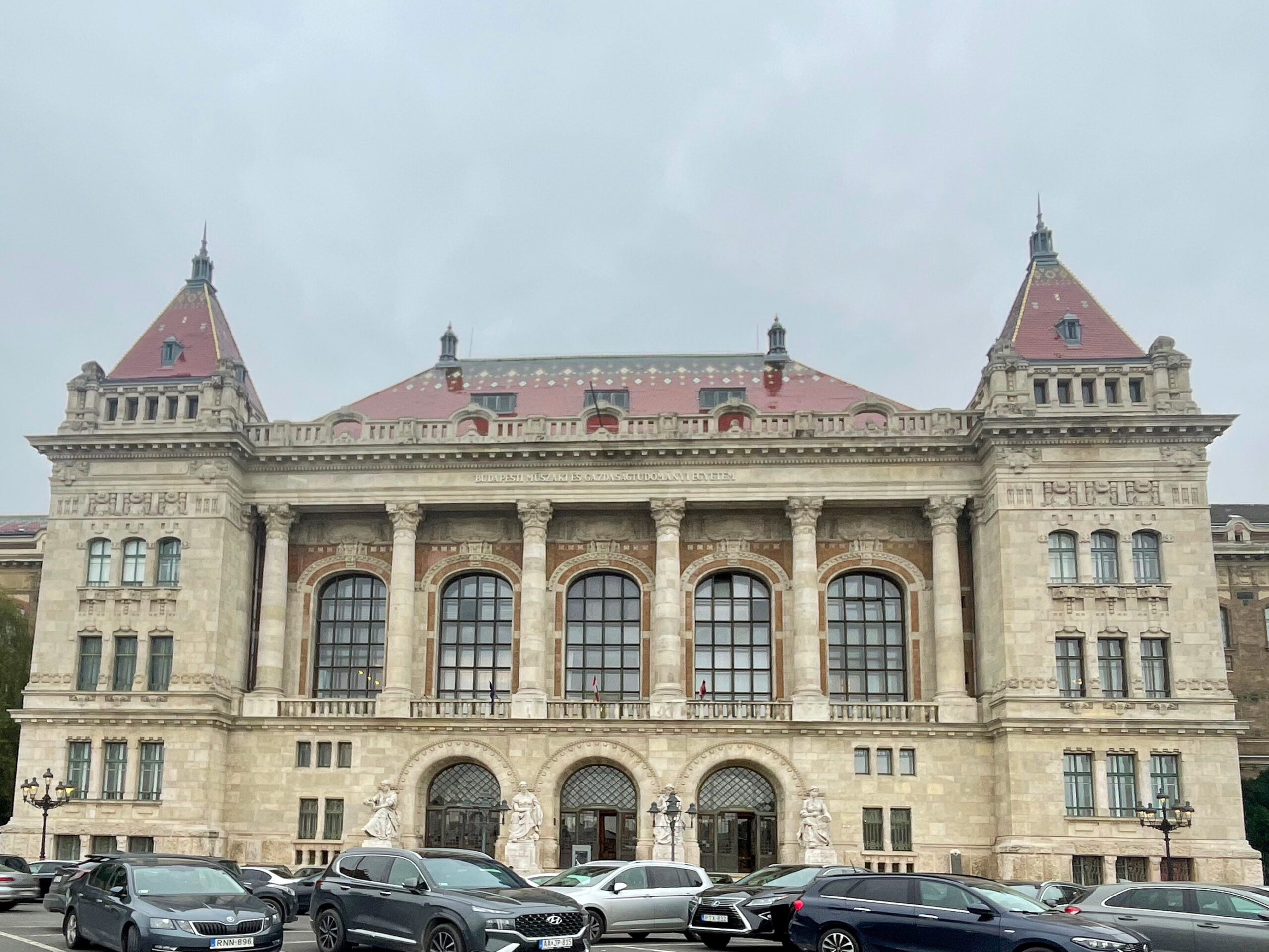
In 1974, Hungarian architect and professor Ernő Rubik created the first version of the Cube at the Budapest University of Technology. He originally called it the Bűvös Kocka, or Magic Cube. Rubik designed it as a teaching tool to help his students visualize three-dimensional movement. But soon, his puzzle took on a life of its own.

By 1980, after being licensed internationally, it had become a worldwide sensation. Millions of people were twisting, turning, and testing their patience trying to align the cube’s six colourful faces. From a quiet classroom in Budapest to living rooms and classrooms across the globe — the Cube became Hungary’s gift to the world.

The Numbers That Stun

Behind those six colours lies a universe of possibilities. The Rubik’s Cube is one of the most mathematically fascinating objects ever invented — and the stats are mind-blowing:

  • 43,252,003,274,489,856,000 possible configurations — that’s 43 quintillion different ways to mix it up.

  • Only one correct solution.

  • The fastest recorded human solve: 3.13 seconds (by Max Park, 2023).

  • More than 450 million cubes sold worldwide, making it the best-selling toy of all time.

  • The largest cube mosaic ever: 85,794 cubes, set in China in 2019.

  • The youngest official solver: just 8 years old.

  • The average number of moves to solve any scrambled cube: 20 or fewer, known as “God’s Number.”

Whether you’re a puzzle lover, mathematician, or simply curious traveller exploring Budapest, these numbers are a testament to Hungarian creativity at its best.

Hungarian Creativity on Display

Hungary has given the world more than goulash and thermal baths — it’s a country of inventors and dreamers. The Rubik’s Cube joins a long list of Hungarian inventions, from the ballpoint pen and holography to vitamin C and the safety match. You can still explore this legacy in Budapest today:

  • The Hungarian Museum of Science, Technology and Transport has featured Rubik’s Cube exhibits.

  • There’s also a small Rubik’s Cube Museum for die-hard fans and collectors.

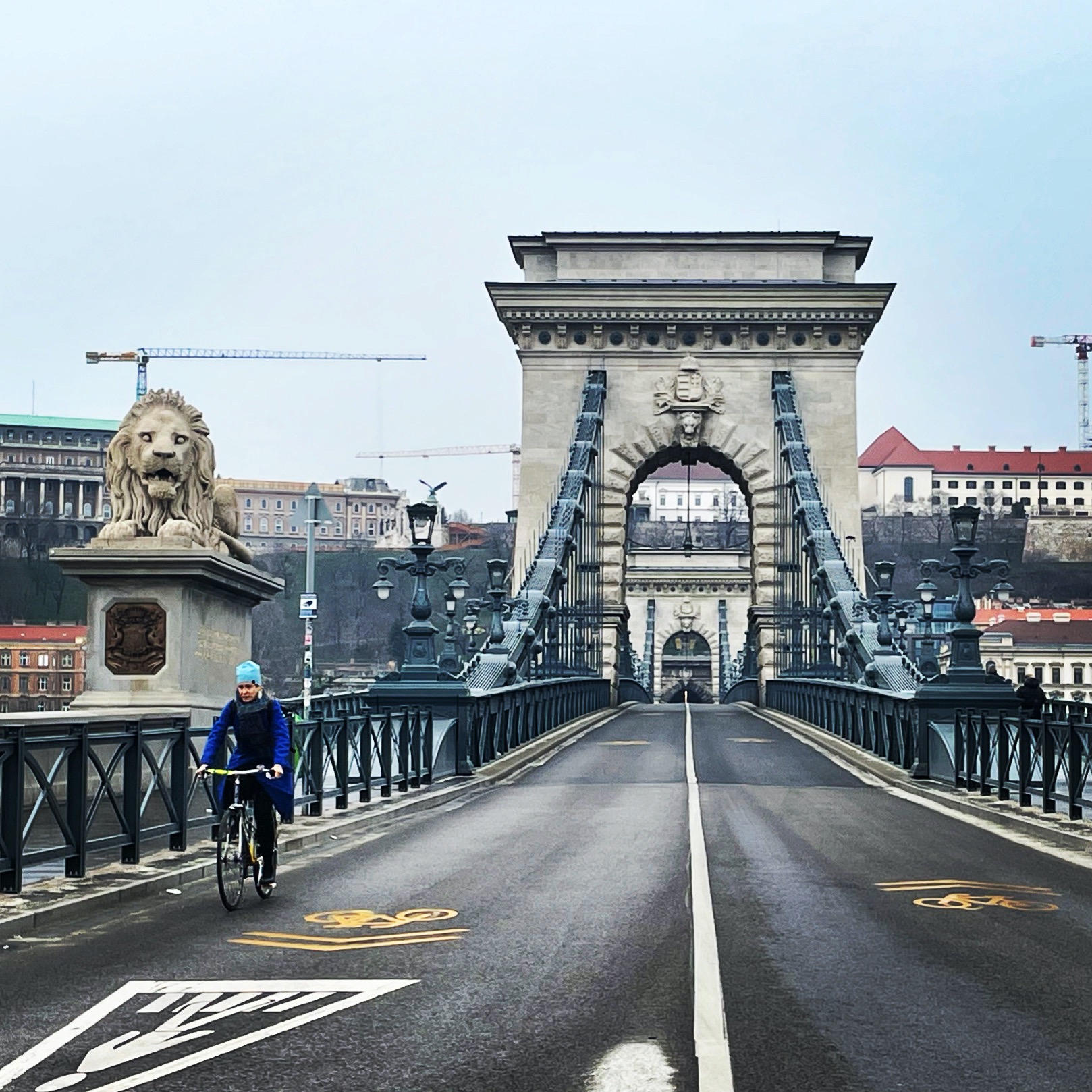
And perhaps it’s no surprise that the Cube feels at home here. The city itself is a visual puzzle — Art Nouveau façades, tile patterns, and geometric bridges reflecting perfectly in the Danube’s blue surface.

“From architecture to invention, Budapest is full of patterns waiting to be solved.”

The Final Twist

Next time you see the Danube sparkle or a Cube twist into place, remember — both are symbols of balance and brilliance born in Budapest. Solving a Rubik’s Cube isn’t just about logic and patience. It’s about connecting with a story that began in a creative Hungarian mind and still inspires millions around the world.

So if you’re planning your next trip to Budapest, take a moment to celebrate one of its brightest ideas — one colourful twist at a time.
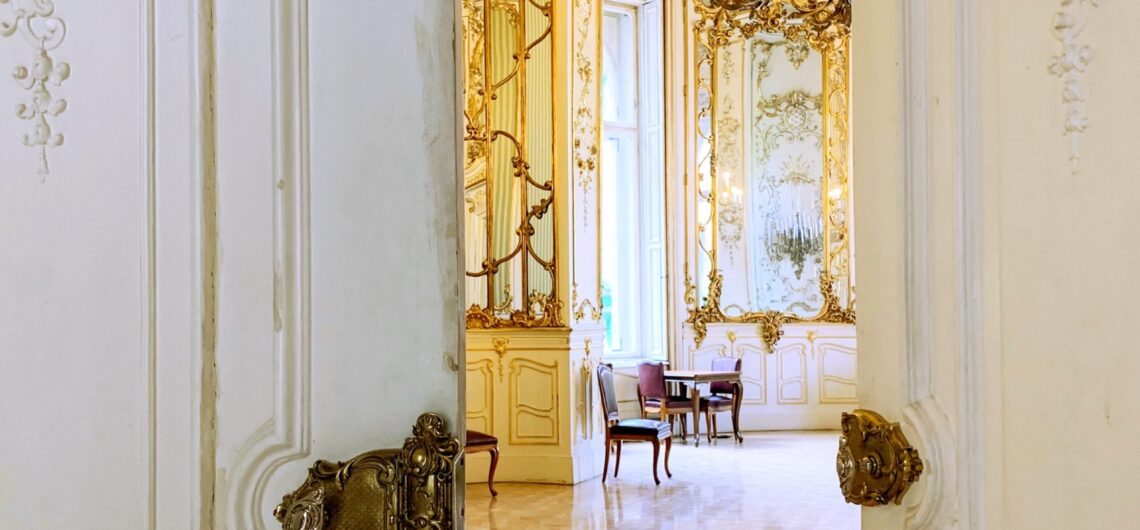
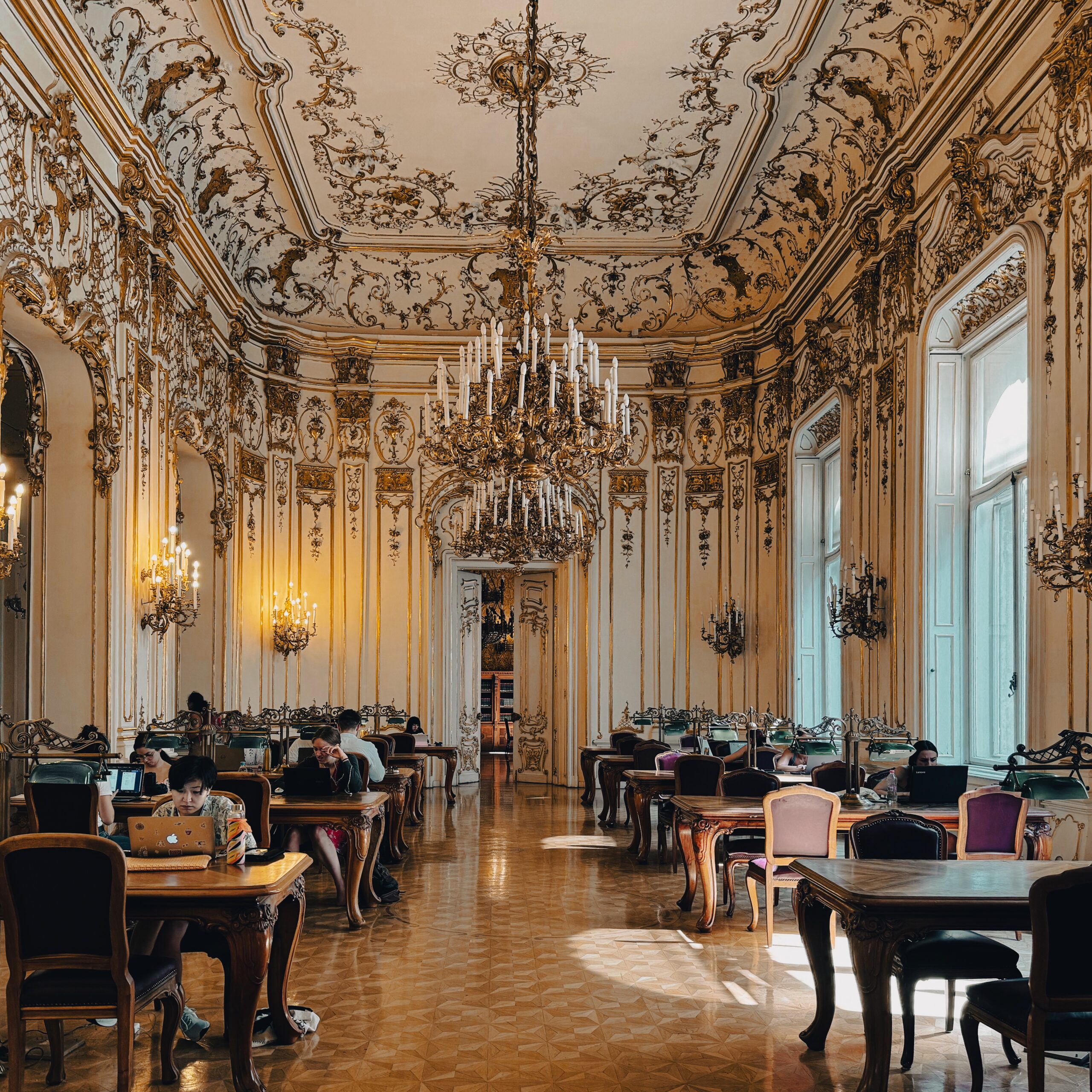
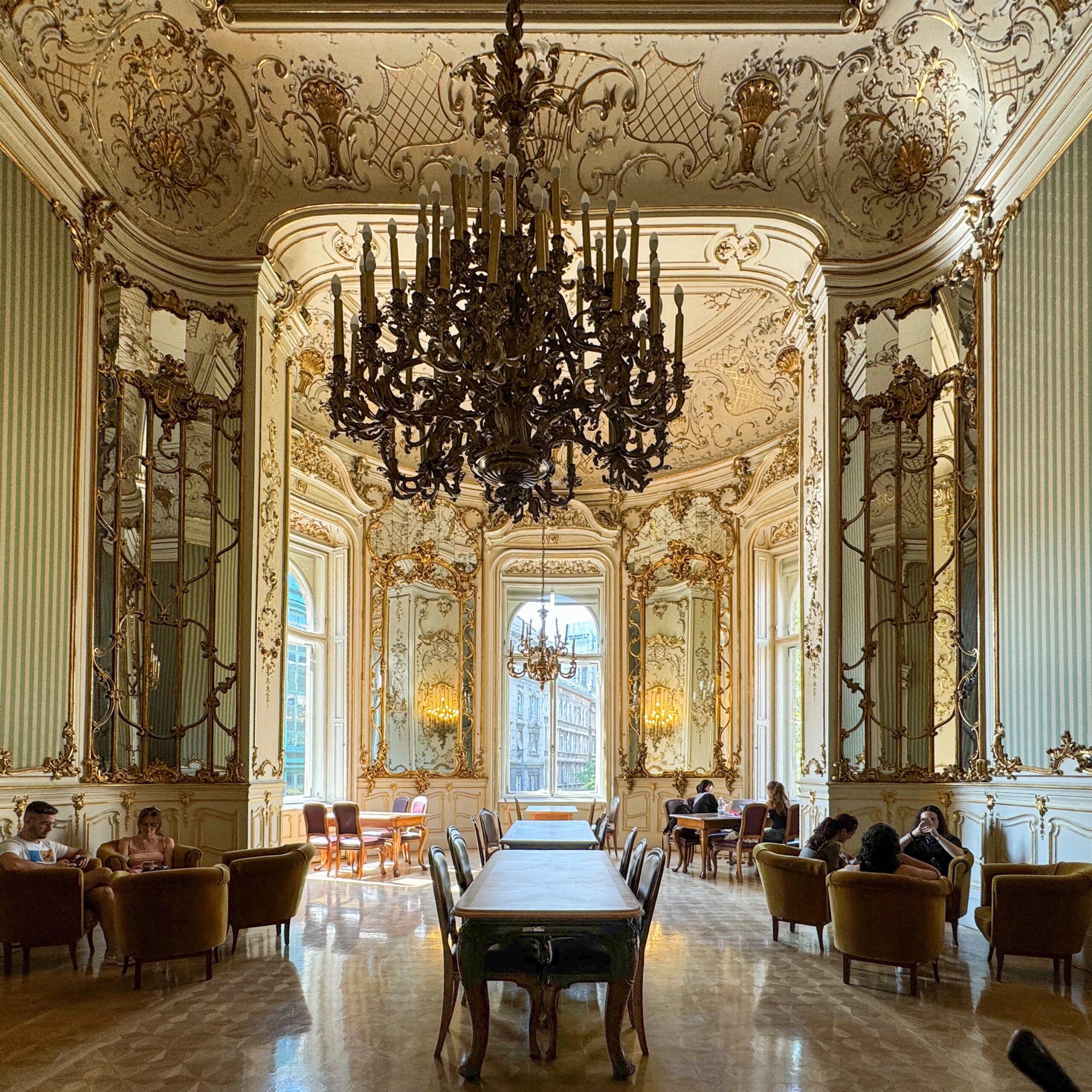
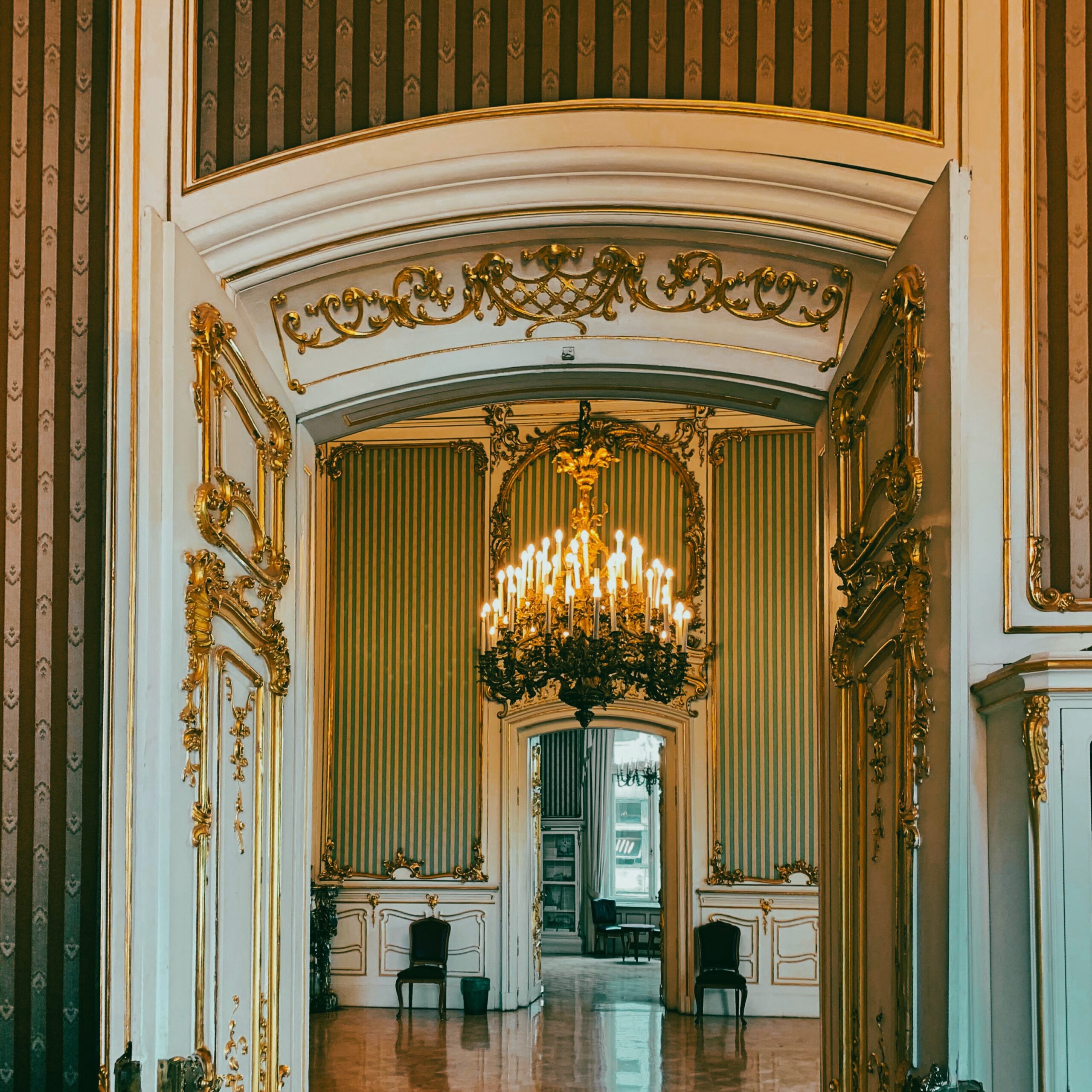
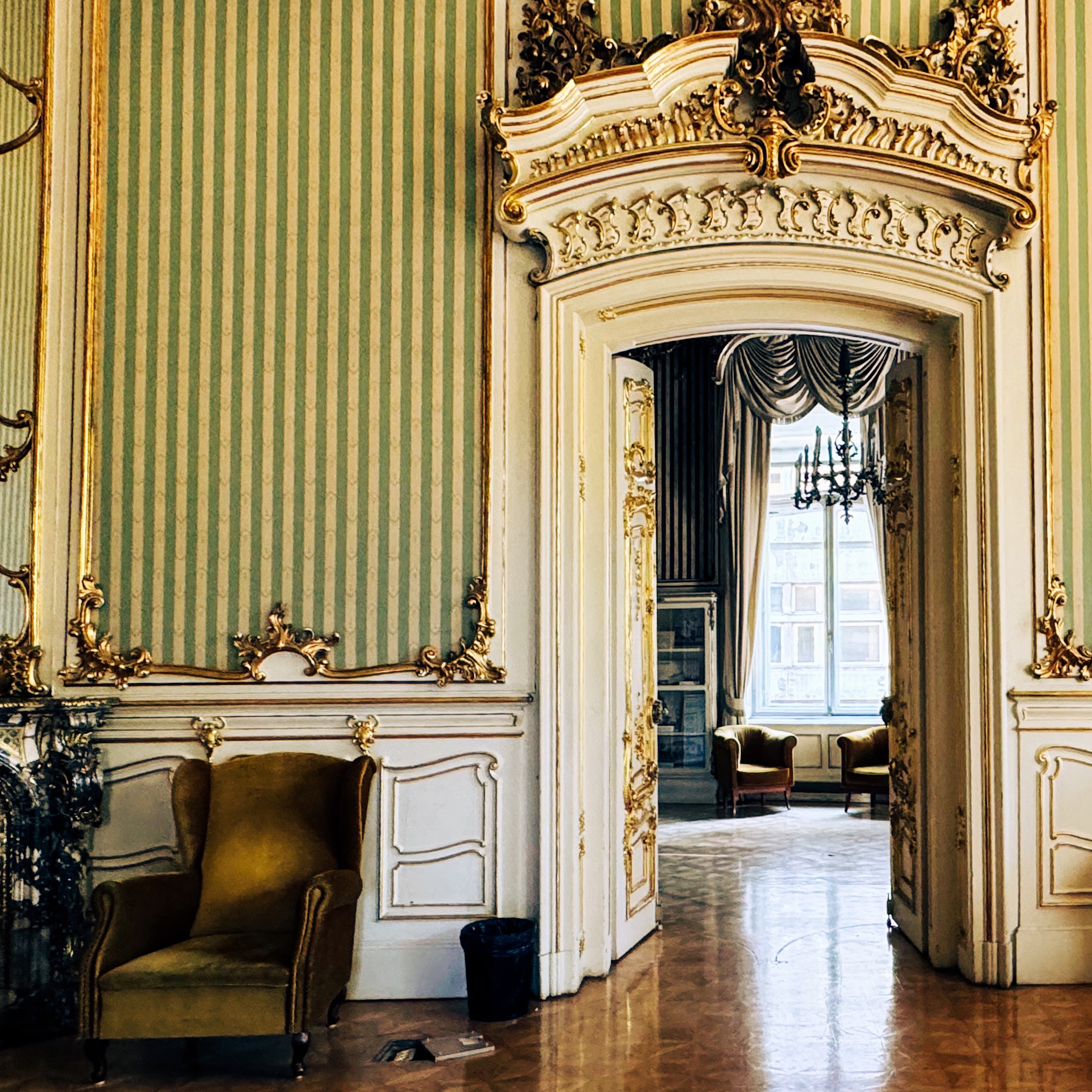
The home of the wealthy Wenckheim family, a jewellery box in the Palace Quarter of Budapest, the central building of the Budapest Metropolitan Library and an absolutely popular filming location: the Wenckheim Palace.

The palace is from 1889 and was built in Neo-Baroque style for the family of count Frigyes Wenckheim and his wife Krisztina Wenckheim (yes, they were first cousins), designed by architect Artúr Meinig. The interior is beautifully decorated in Lous XV style. Count Wenckheim was a rich landowner and Member of the Parliament. The building has always been considered one of the most beautiful palaces of the 8th district of Budapest. Its dance hall is beautifully ornate and spacious, it could – and probably did – accommodate 500 guests at a time. The Wenckheim family was famous for their elegant and magnificent receptions and balls, even Emperor Franz Joseph was one of the illustrious guests. Count Wenckheim died in 1912 and the building was sold to the city government in 1927.
The central building of the Budapest Metropolitan Library opened here in 1931 and it soon became a popular place for students, researchers and academics spending long hours in the historical halls.

The beautiful halls of the palace can be visited during the opening hours of the library (10.00 AM to 8.00 PM on weekdays, 10.00 AM to 4.00 PM on Saturdays). The palace halls might be closed for shooting or for special events, and it’s also closed for a few weeks during the summer school break. Many Hollywood movies were filmed in the Wenckheim Palace, including “𝑹𝒆𝒅 𝑺𝒑𝒂𝒓𝒓𝒐𝒘”, “𝑻𝒉𝒆 𝑨𝒍𝒊𝒆𝒏𝒊𝒔𝒕”, “𝑺𝒑𝒚” and “𝑻𝒉𝒆 𝑷𝒉𝒂𝒏𝒕𝒐𝒎 𝒐𝒇 𝒕𝒉𝒆 𝑶𝒑𝒆𝒓𝒂”. Please let me know if you would like to include the visit of the palace when you book a tour with me.
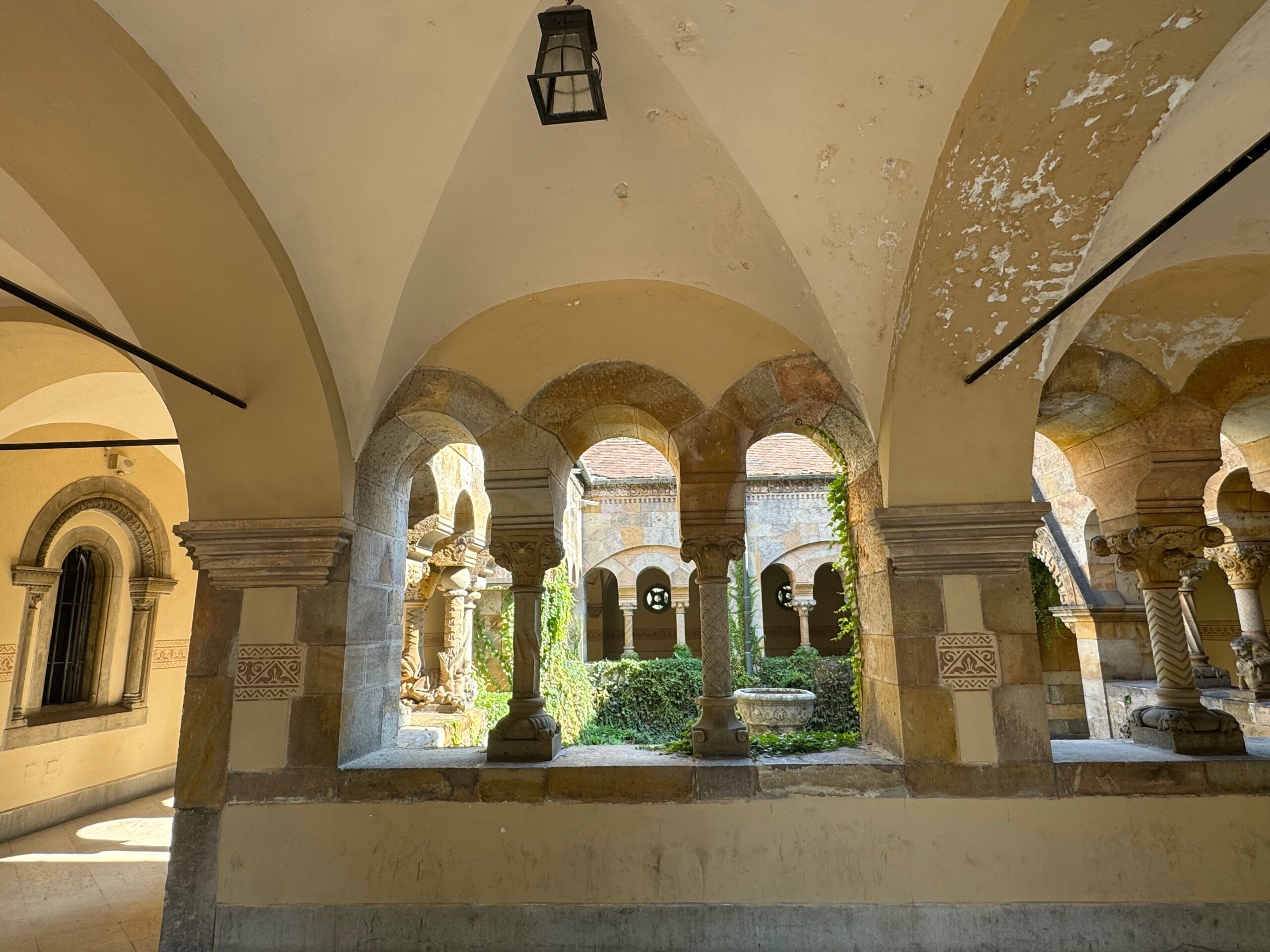
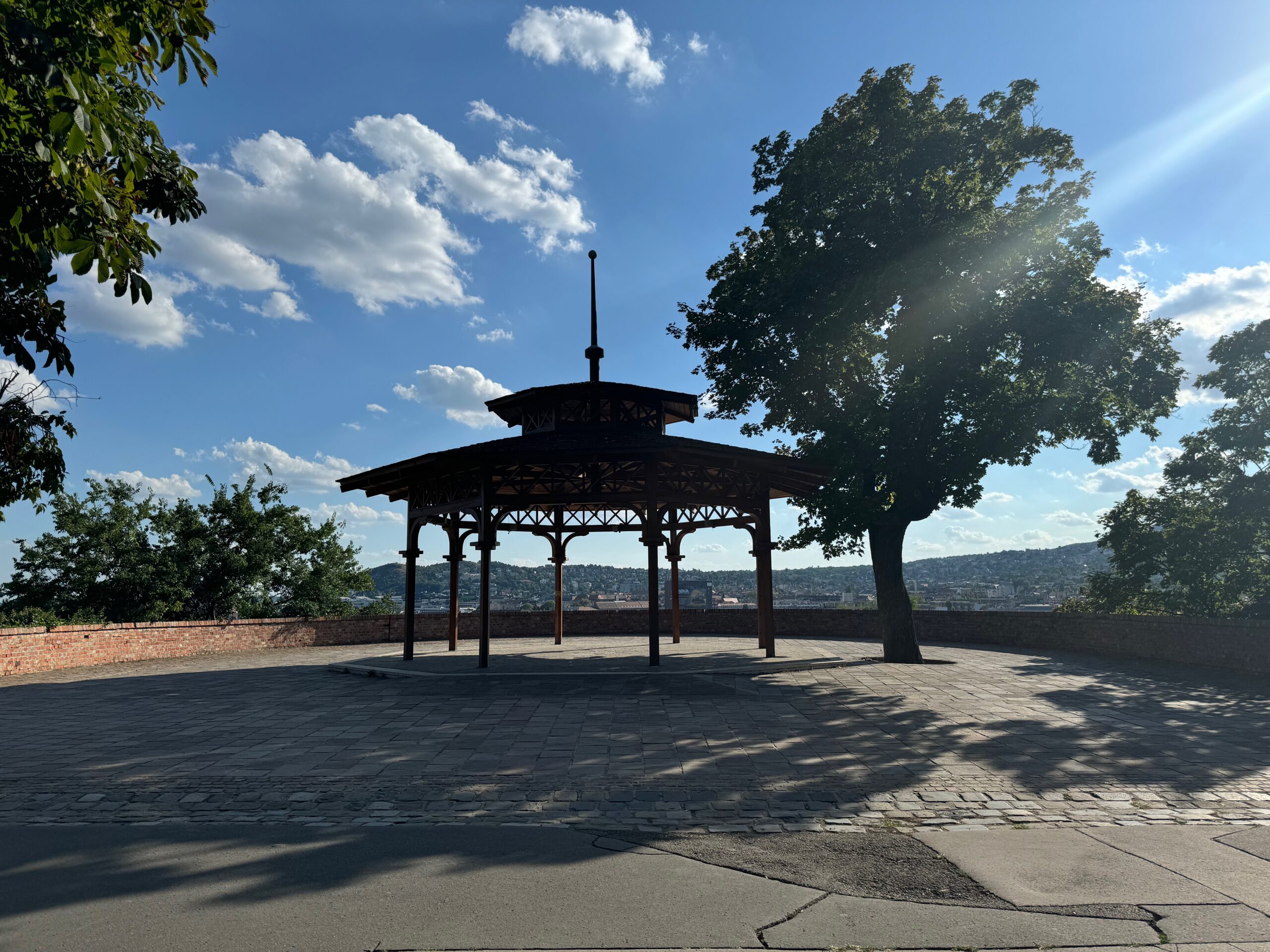
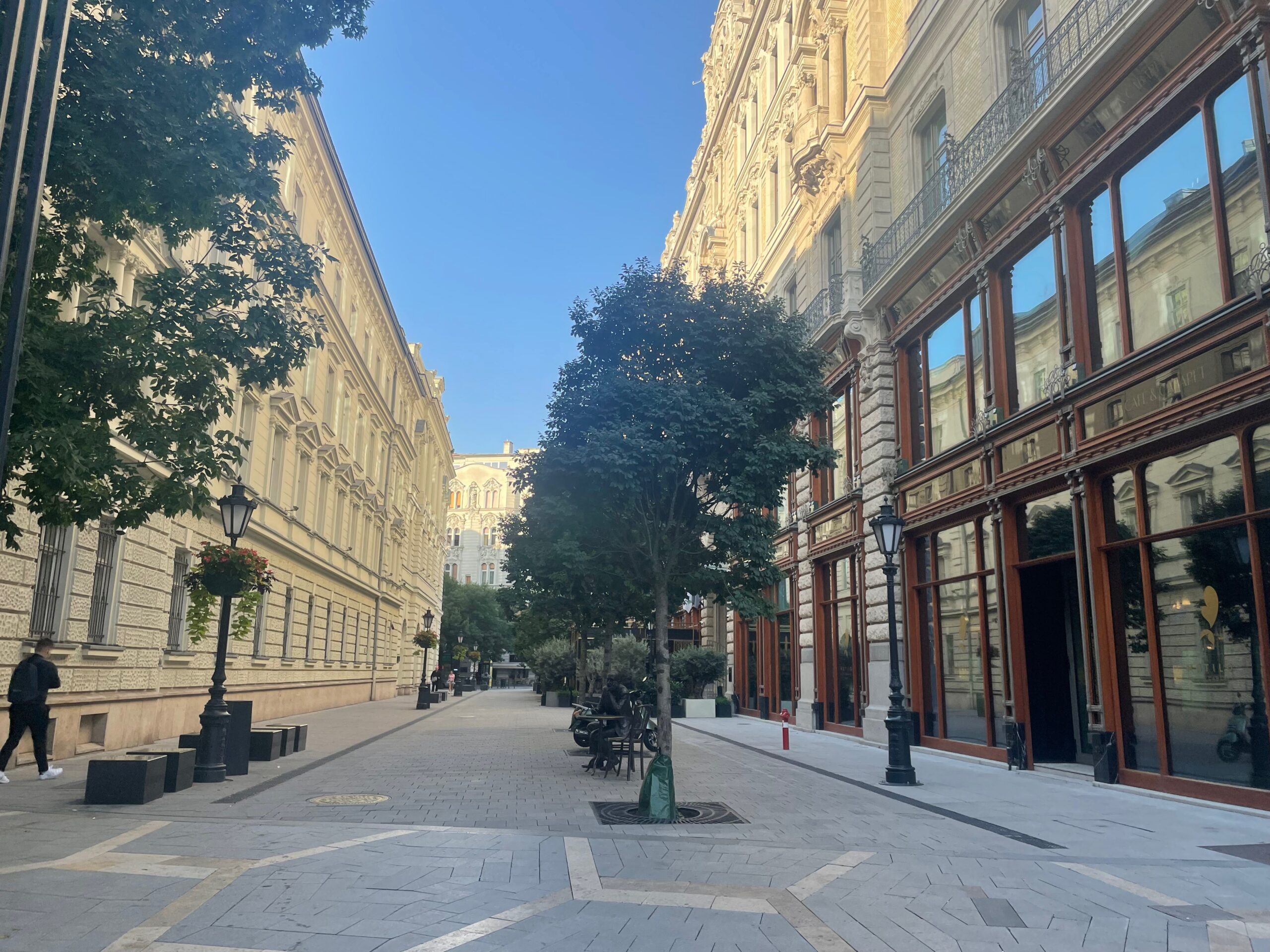
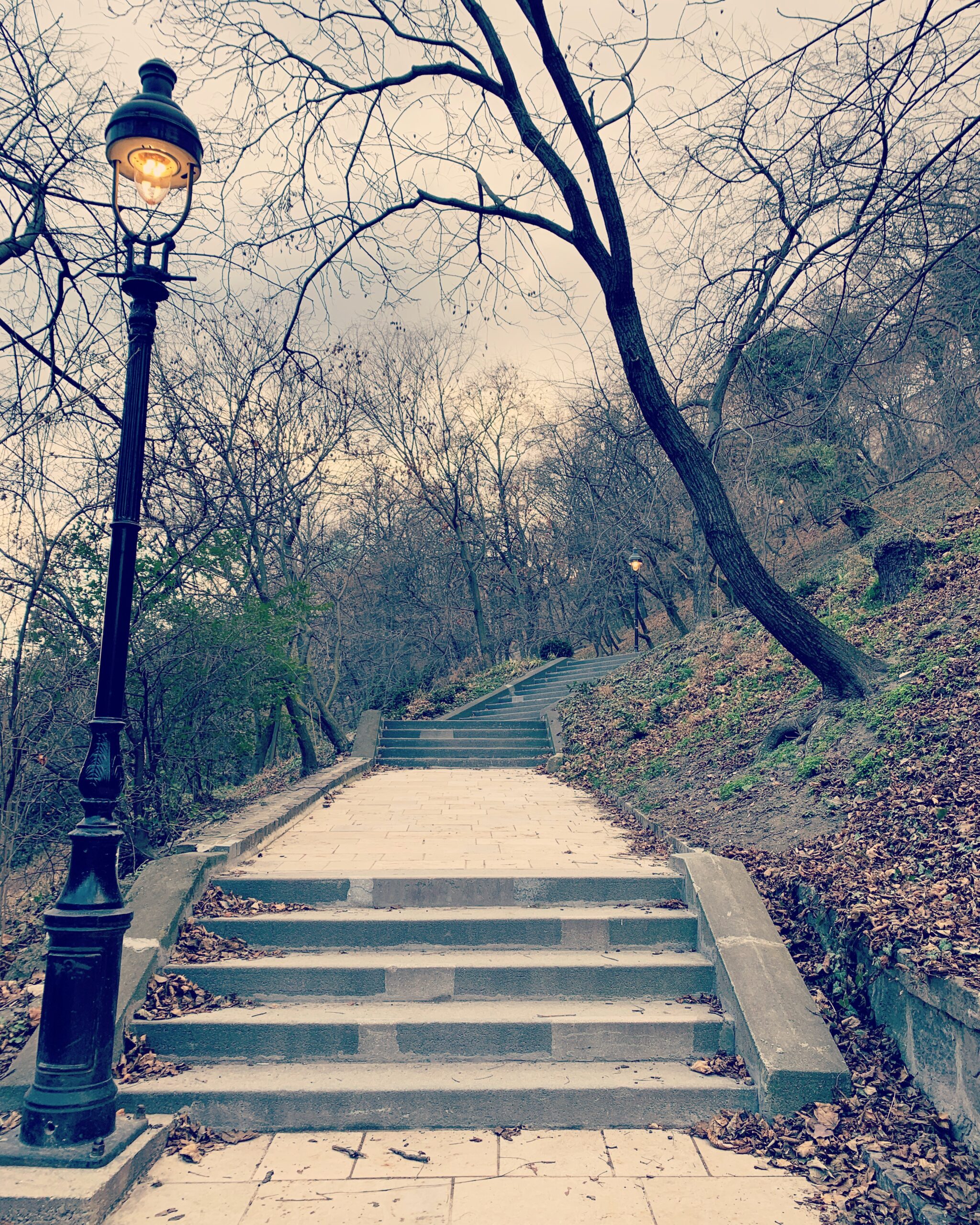
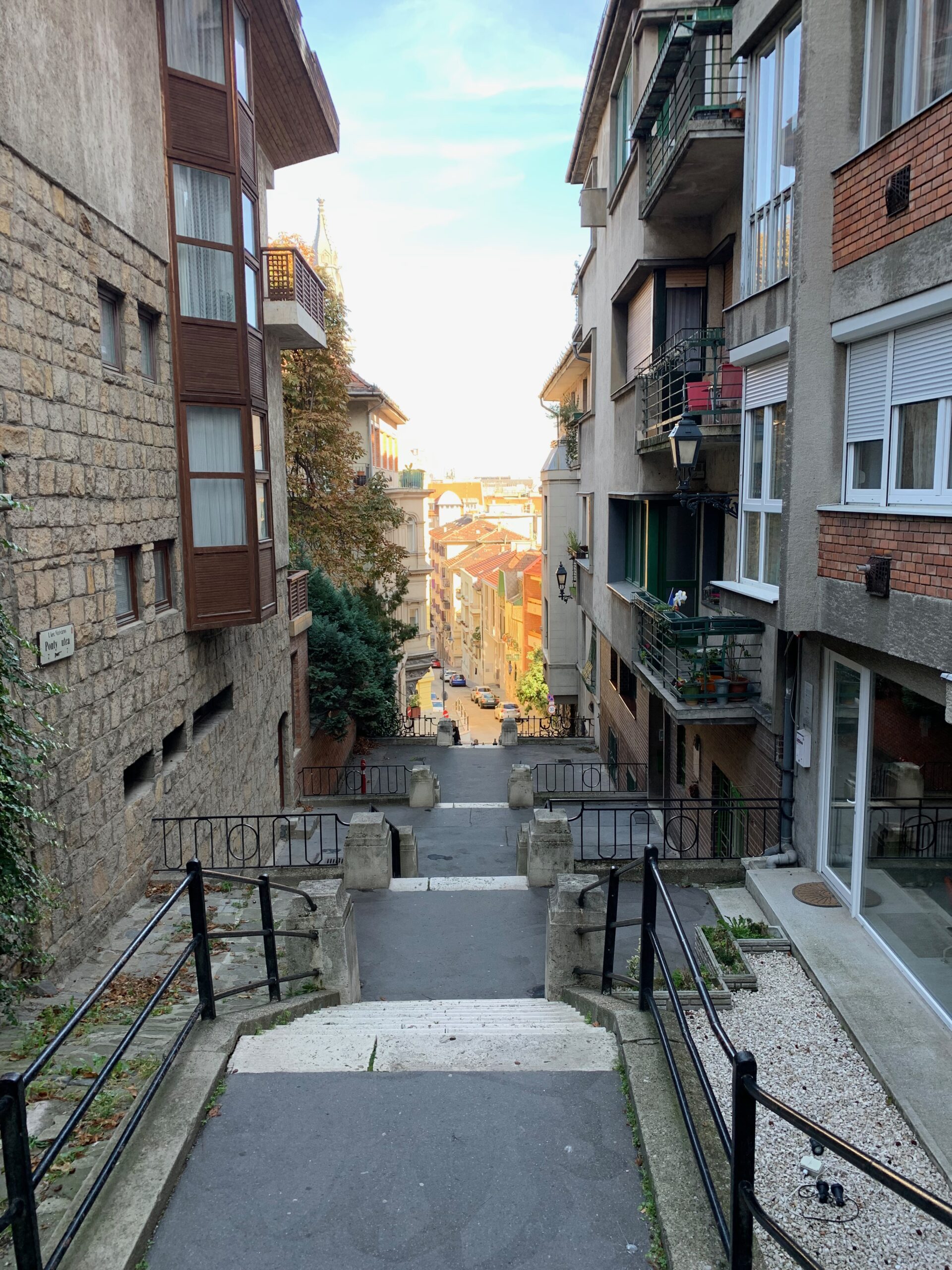
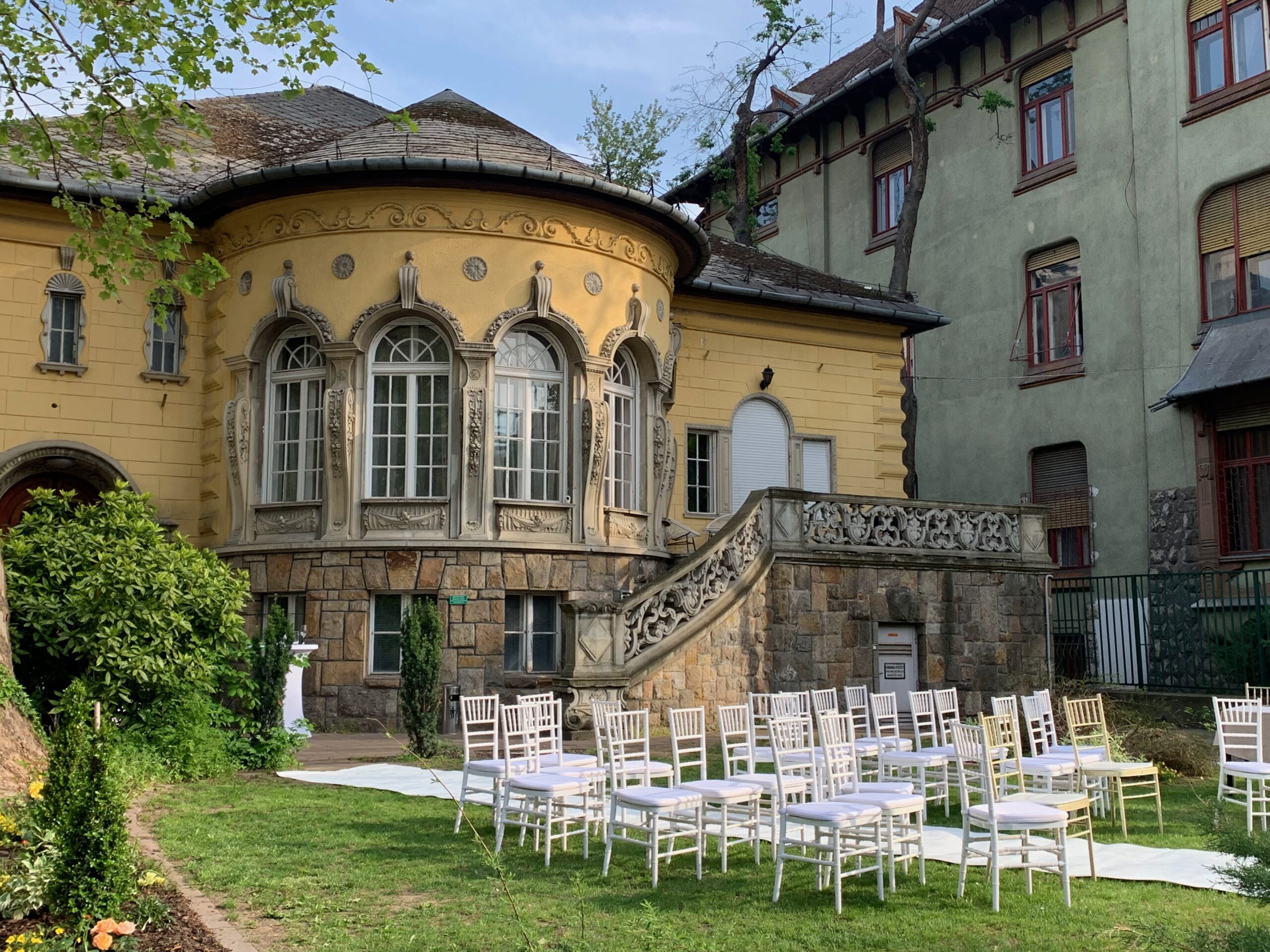
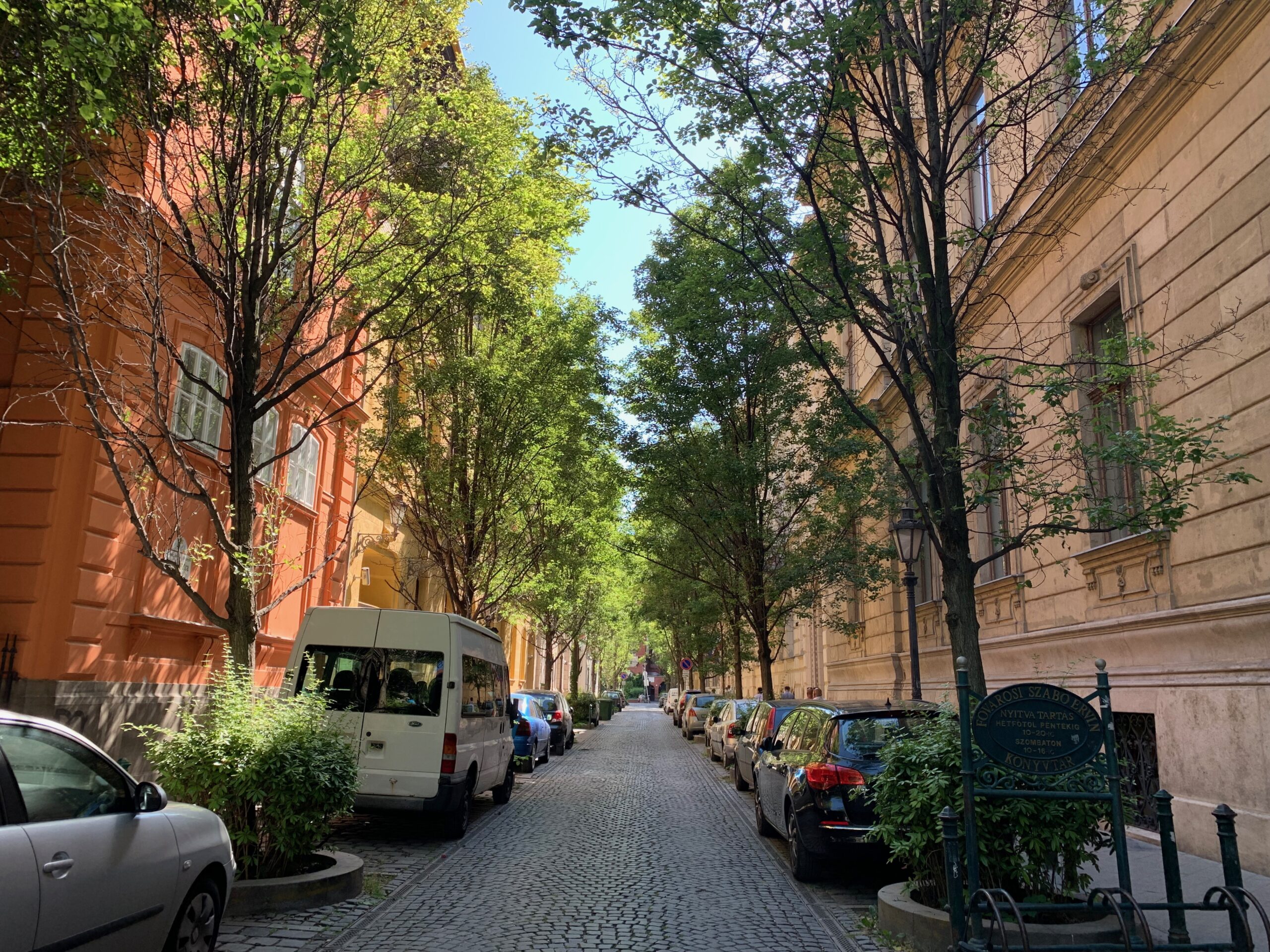
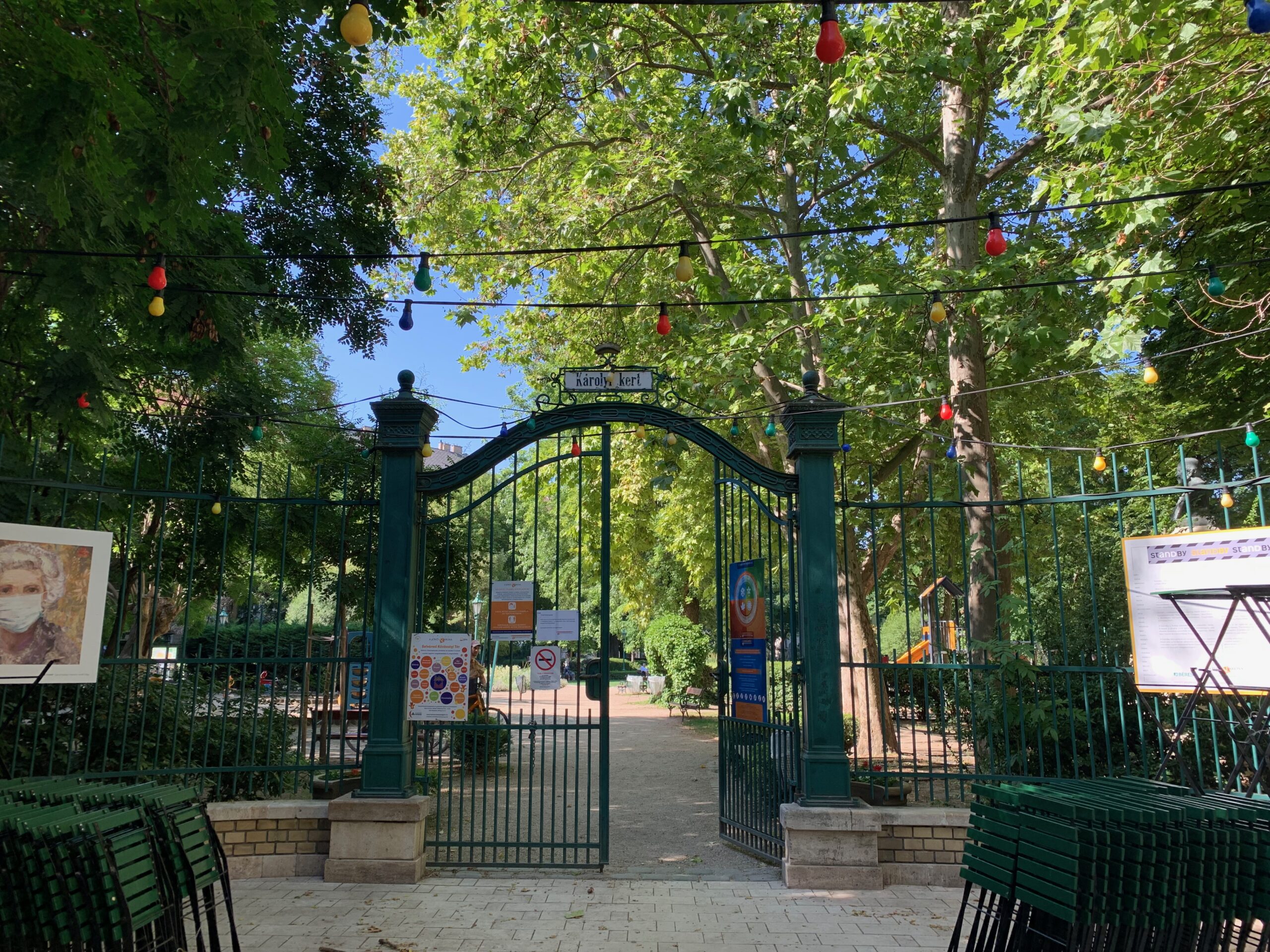
A little photo gallery from the thousands of photographs I’ve been taking while walking around my Beautiful Budapest. These are not the most famous attractions, but some hidden gems that you can discover when you book a tour with me. The reason why I’m sharing these with you is that I very much like the colours, the vibes, the ambience of these places. Feel free to contact me for more details!
 

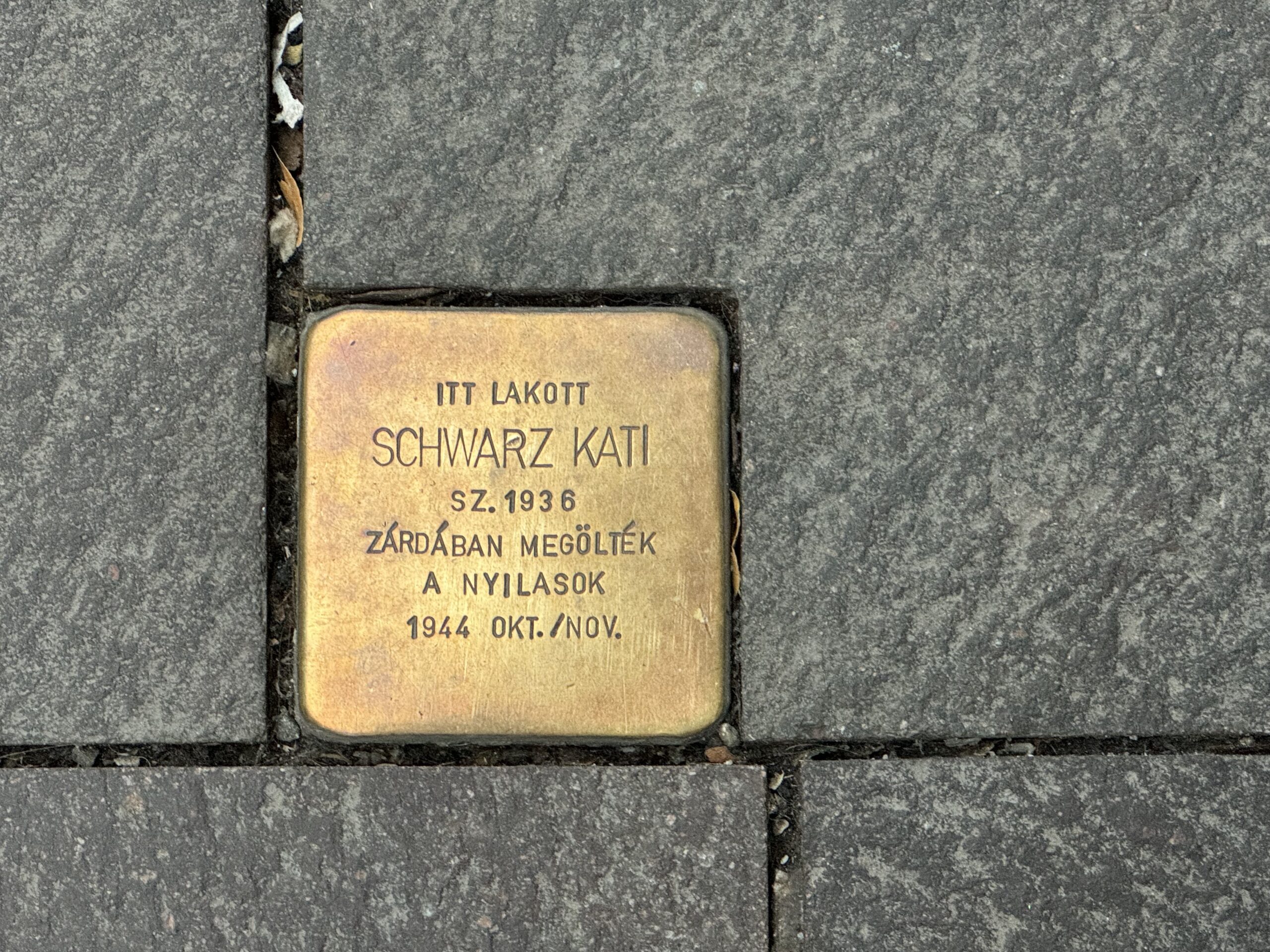
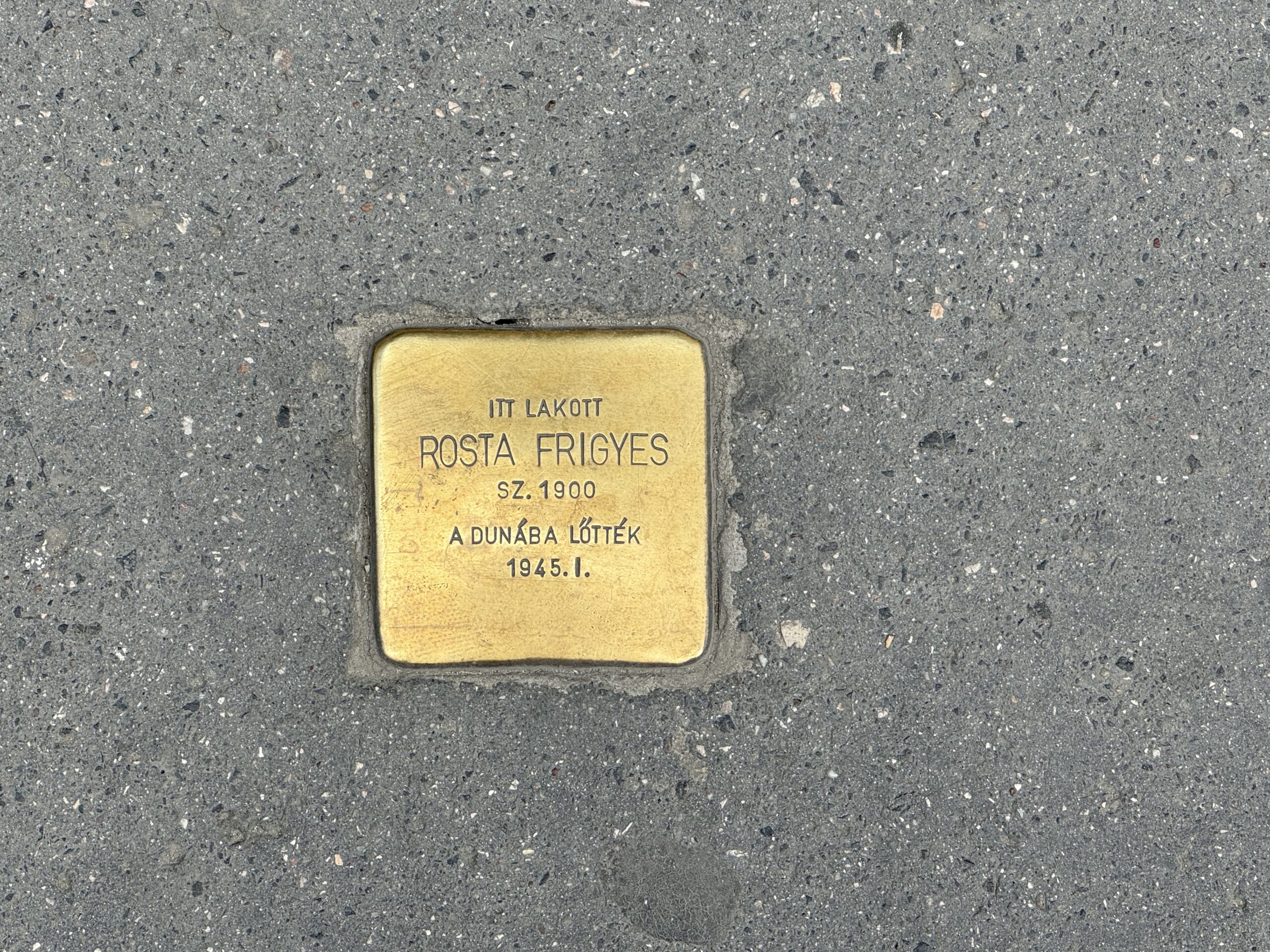
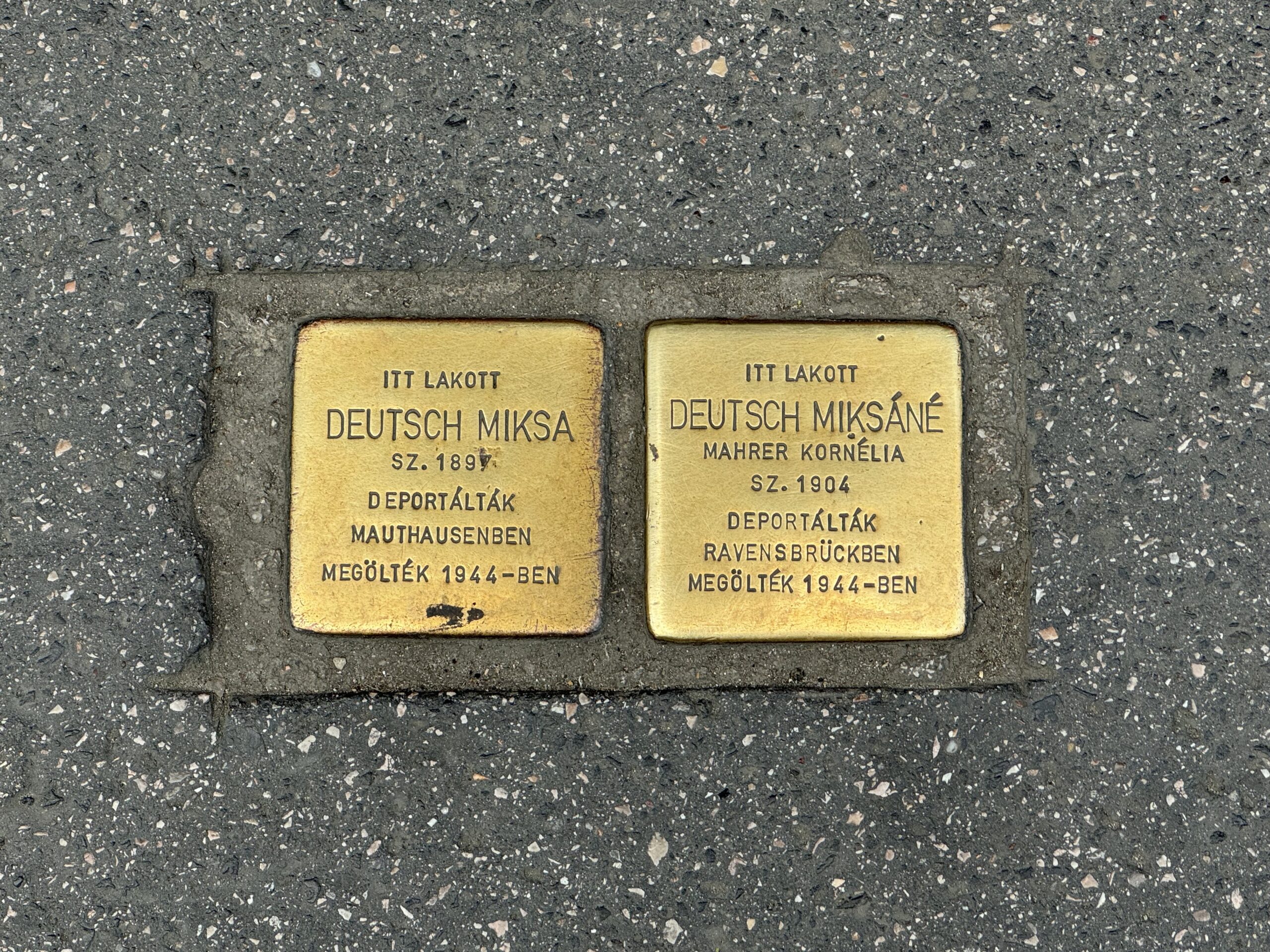
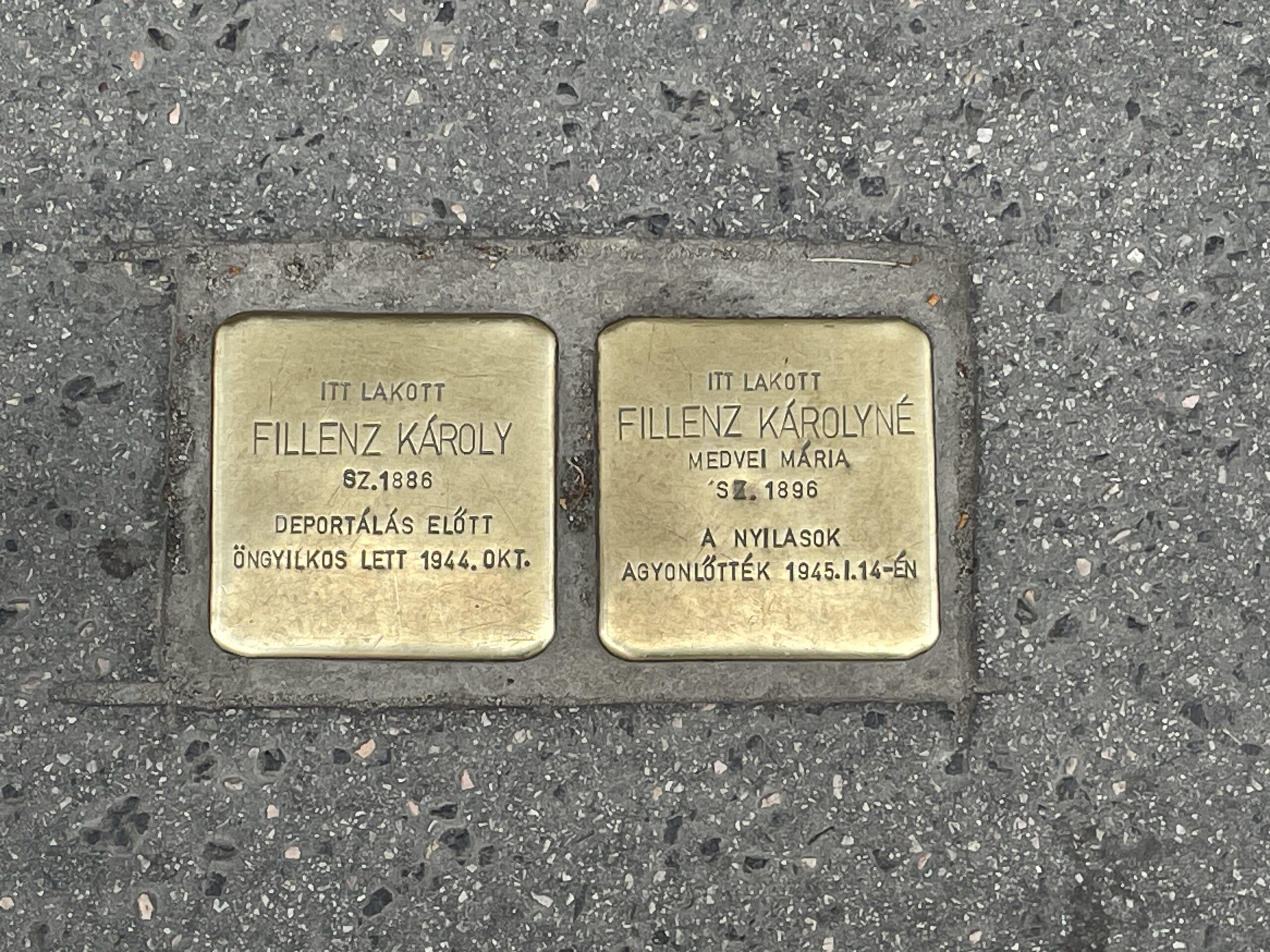
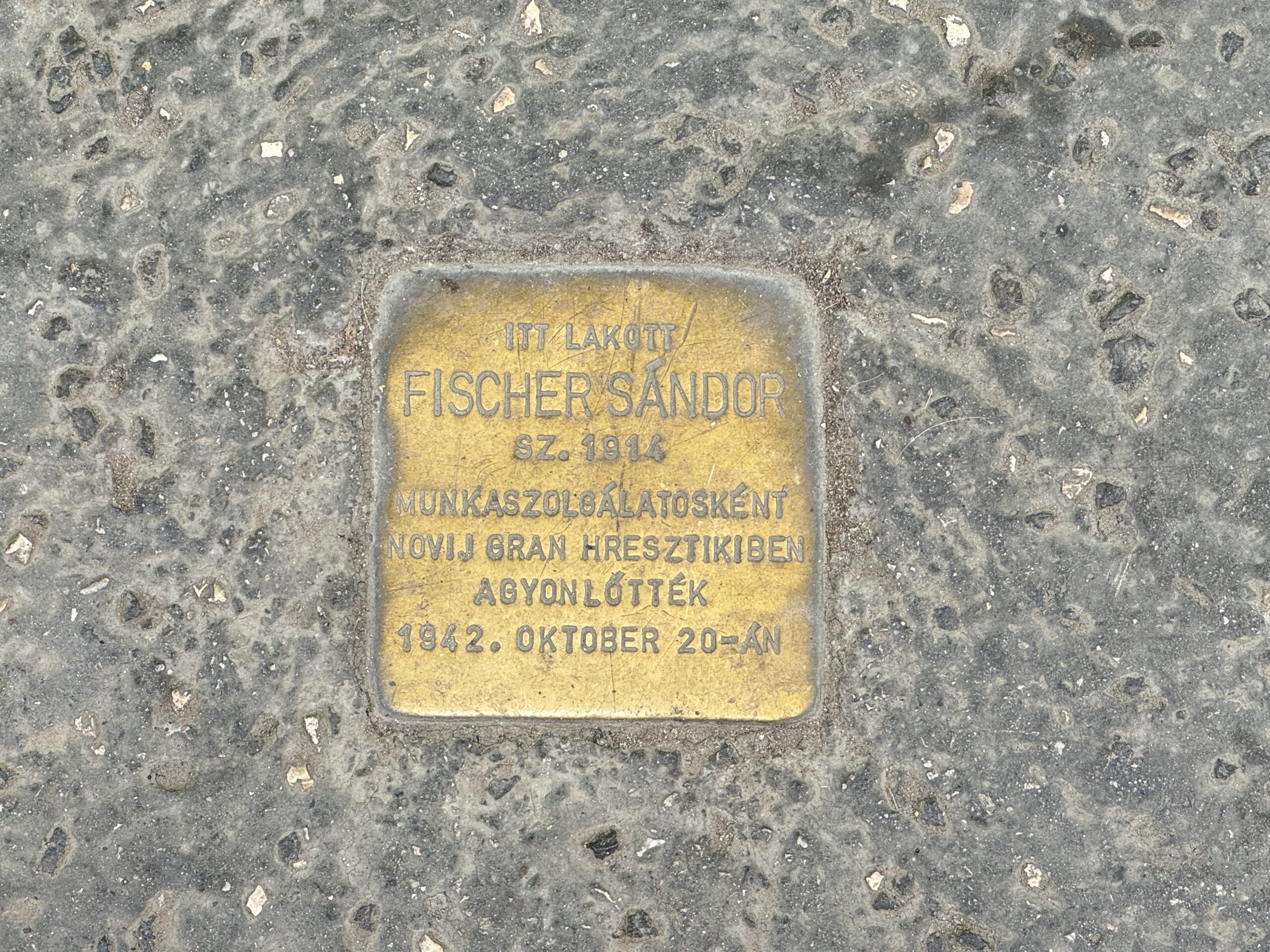
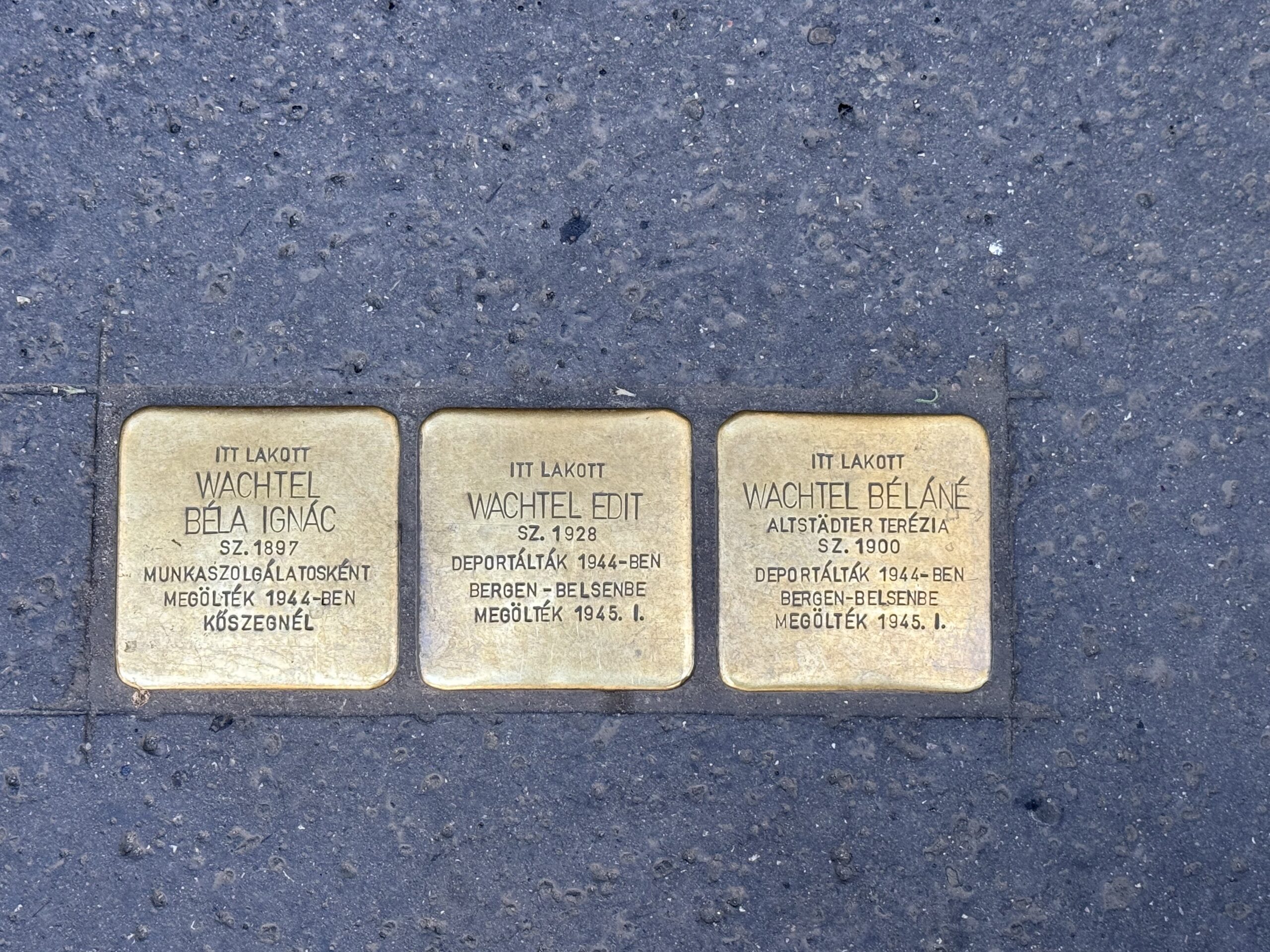
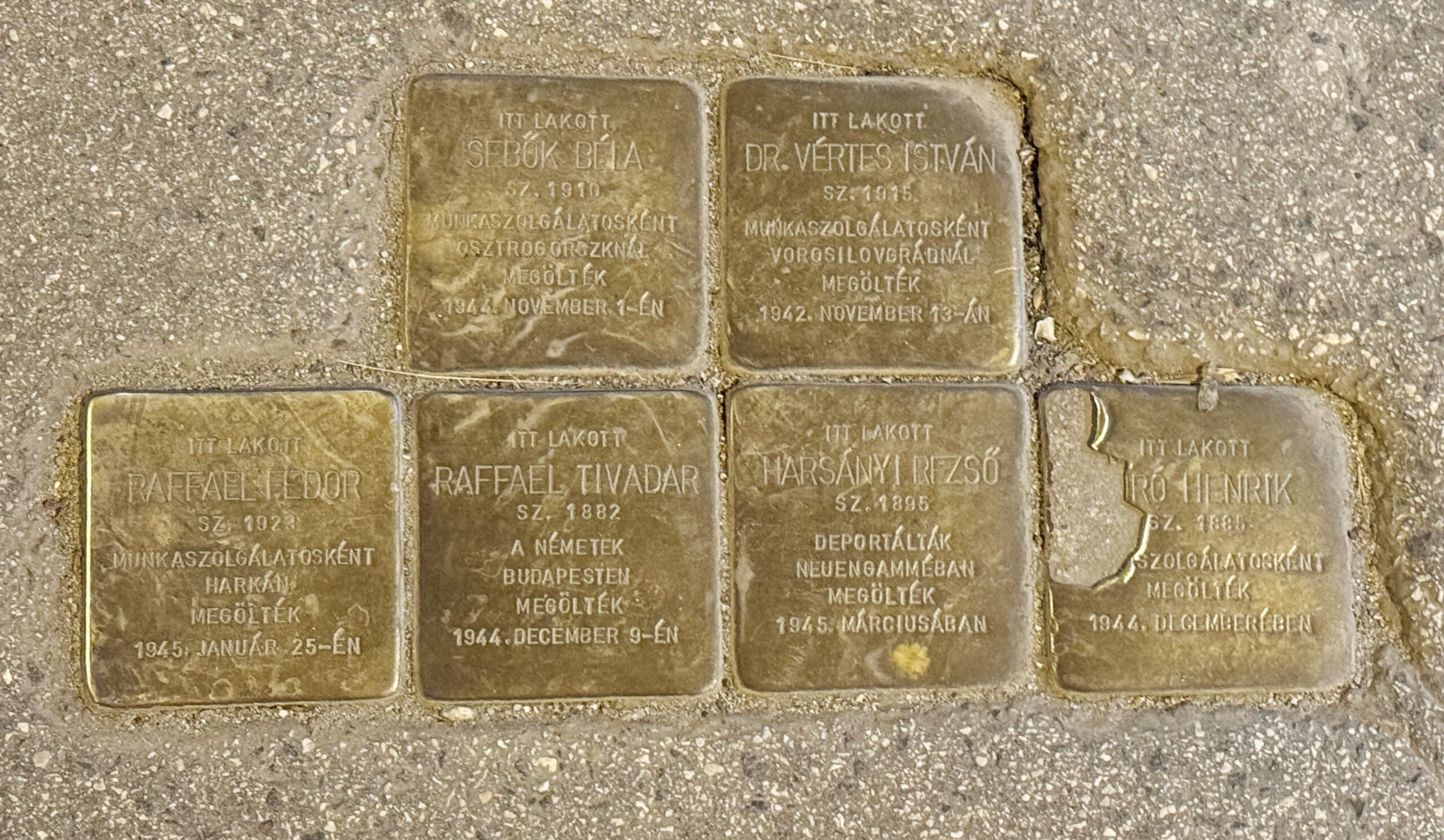
We stumble upon these little brass plaques in the pavement of the streets of Budapest, we see most of them on the Jewish Quarter walking tour. These little plaques remember people who were killed in the Holocaust, placed in the pavement in front of the building they lived, their last address of choice.

I love the idea of never forgetting people. I love how discreet these little plaques are and how they make you think, the actual train of thoughts that can take you much further than intended. I also love that this is probably the largest ever Holocaust memorial, still, you only see little parts of it. The amazing project of Gunter Demnig began in 1996 and about 95,000 plaques have now been placed across Europe. Don’t forget to look “down” sometimes. I can promise you that once you notice a plaque, you’ll all of a sudden see them all. Here is a little gallery of the ones I’ve come across the last couple of days.

A little photo gallery from the thousands of photographs I’ve been taking while walking around my Beautiful Budapest. These are not the most famous attractions, but some hidden gems that you can discover when you book a tour with me. The reason why I’m sharing these with you is that I very much like the colours, the vibes, the ambience of these places. Feel free to contact me for more details!

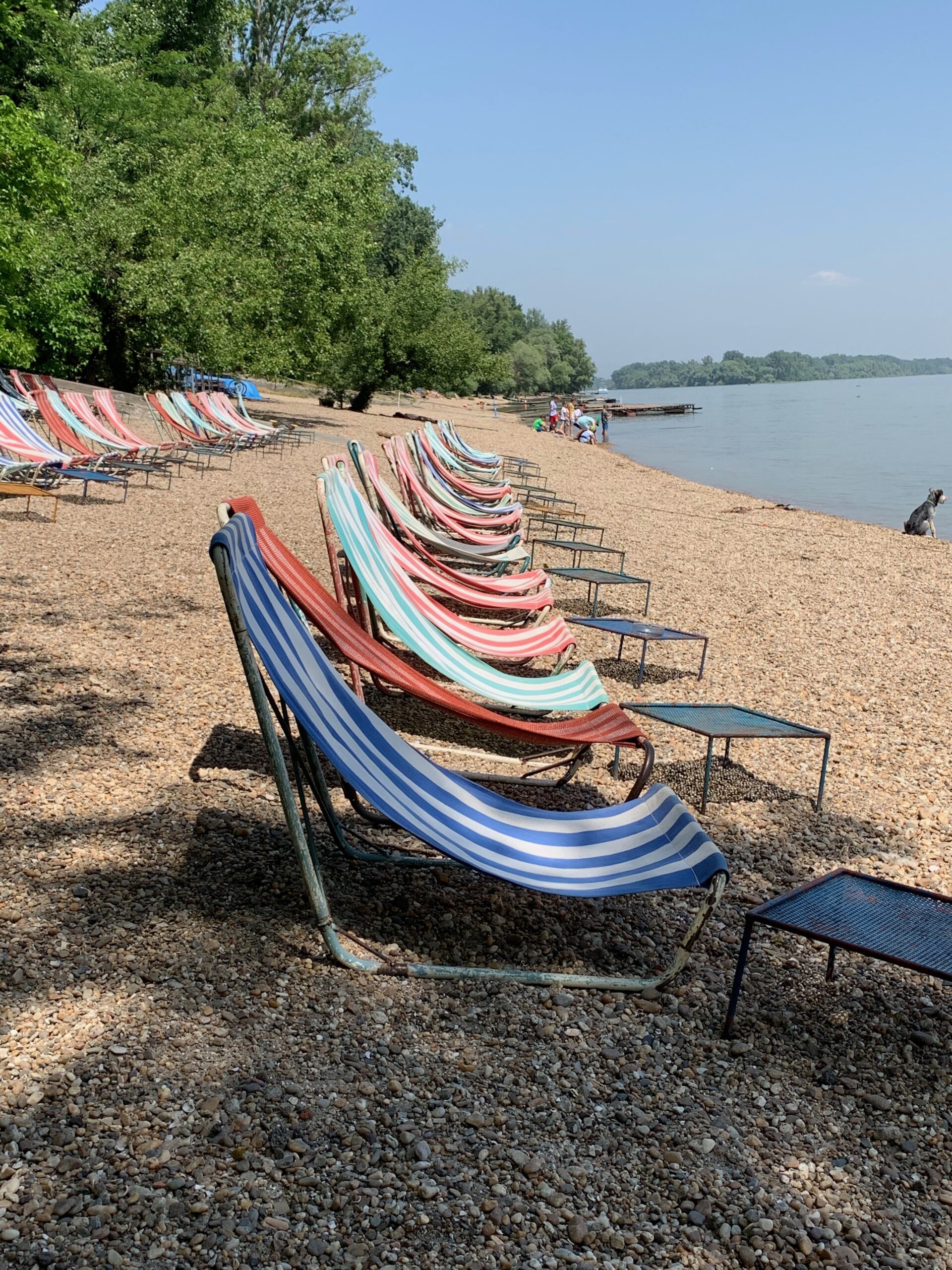
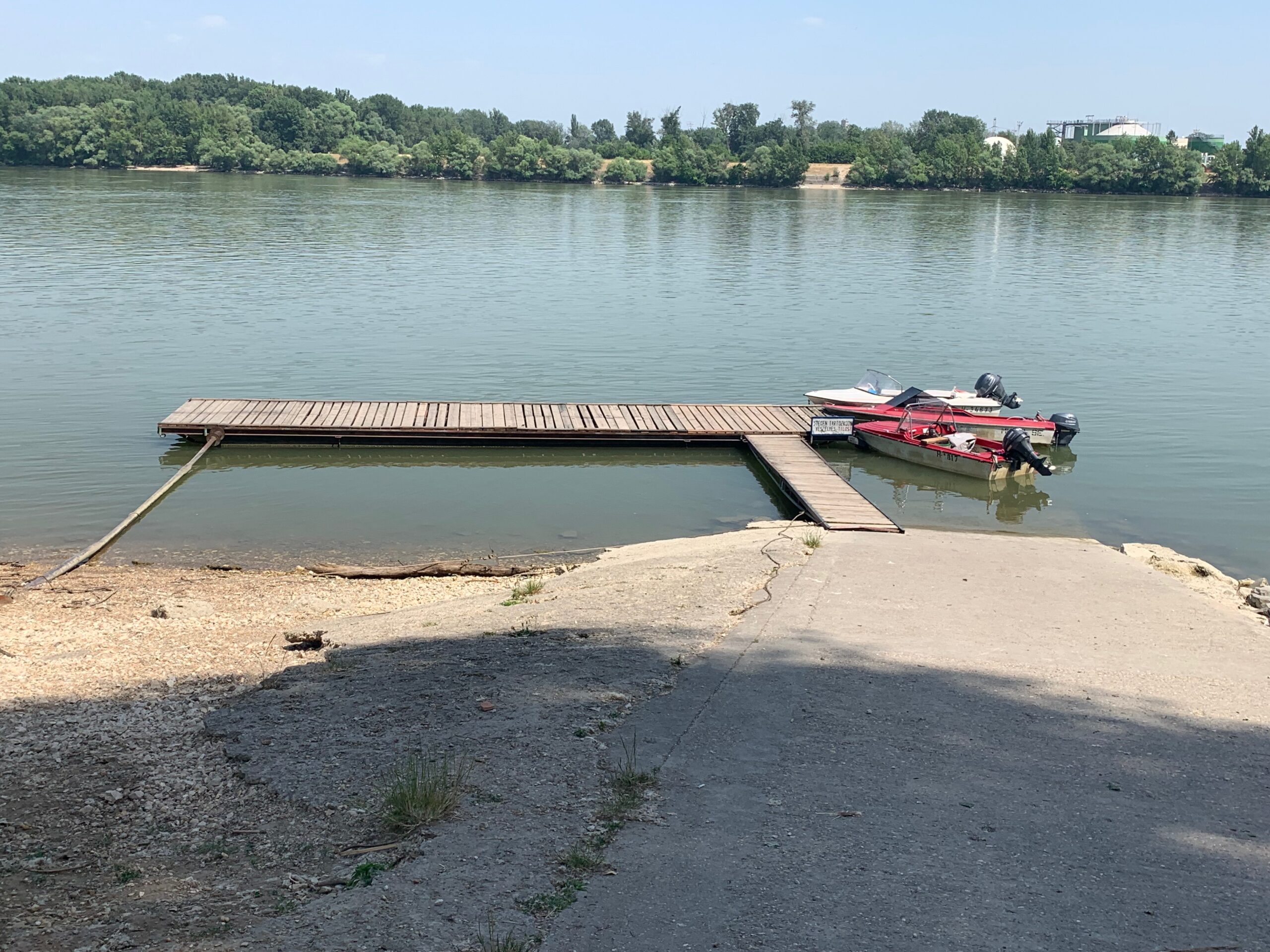
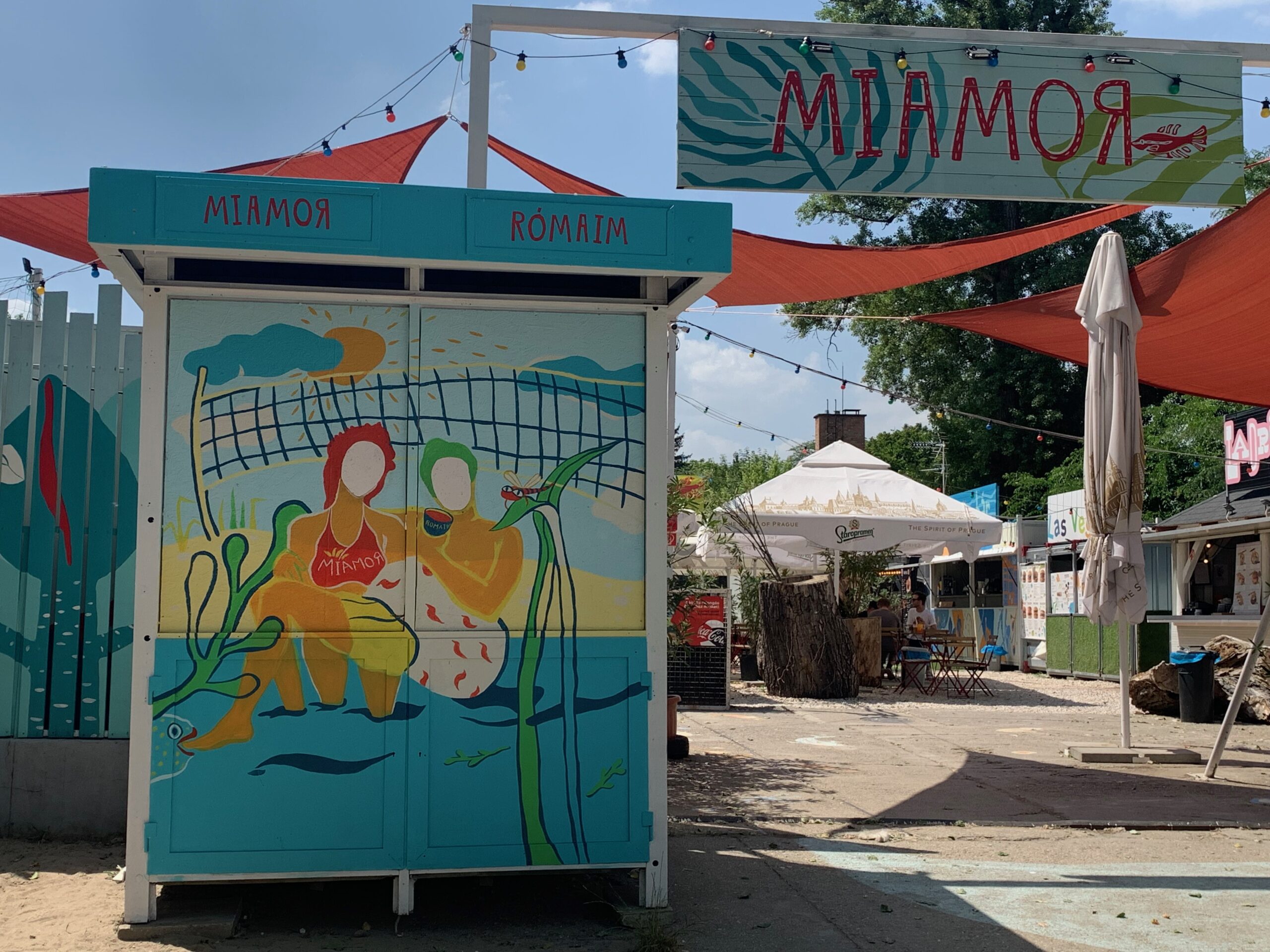
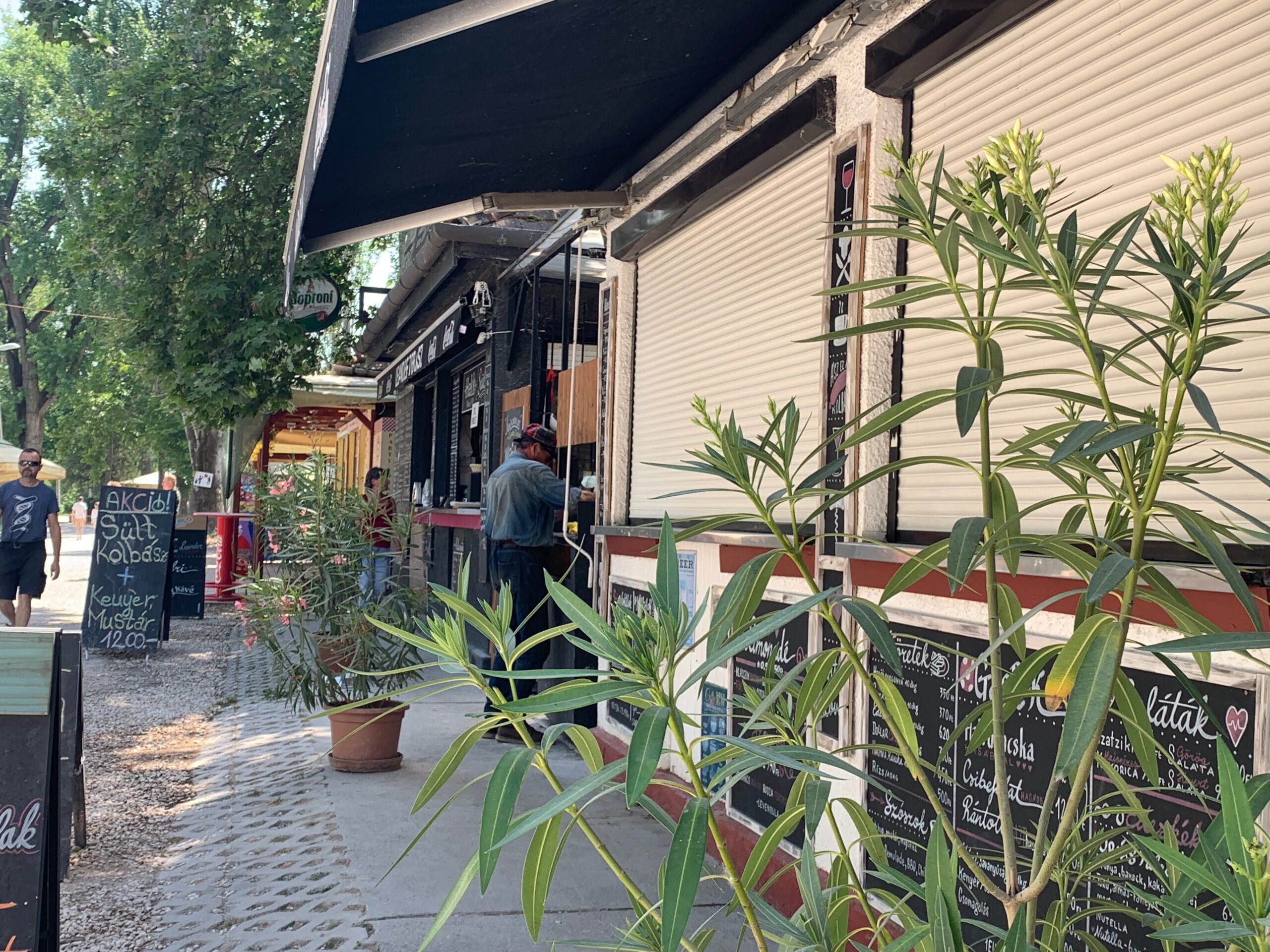
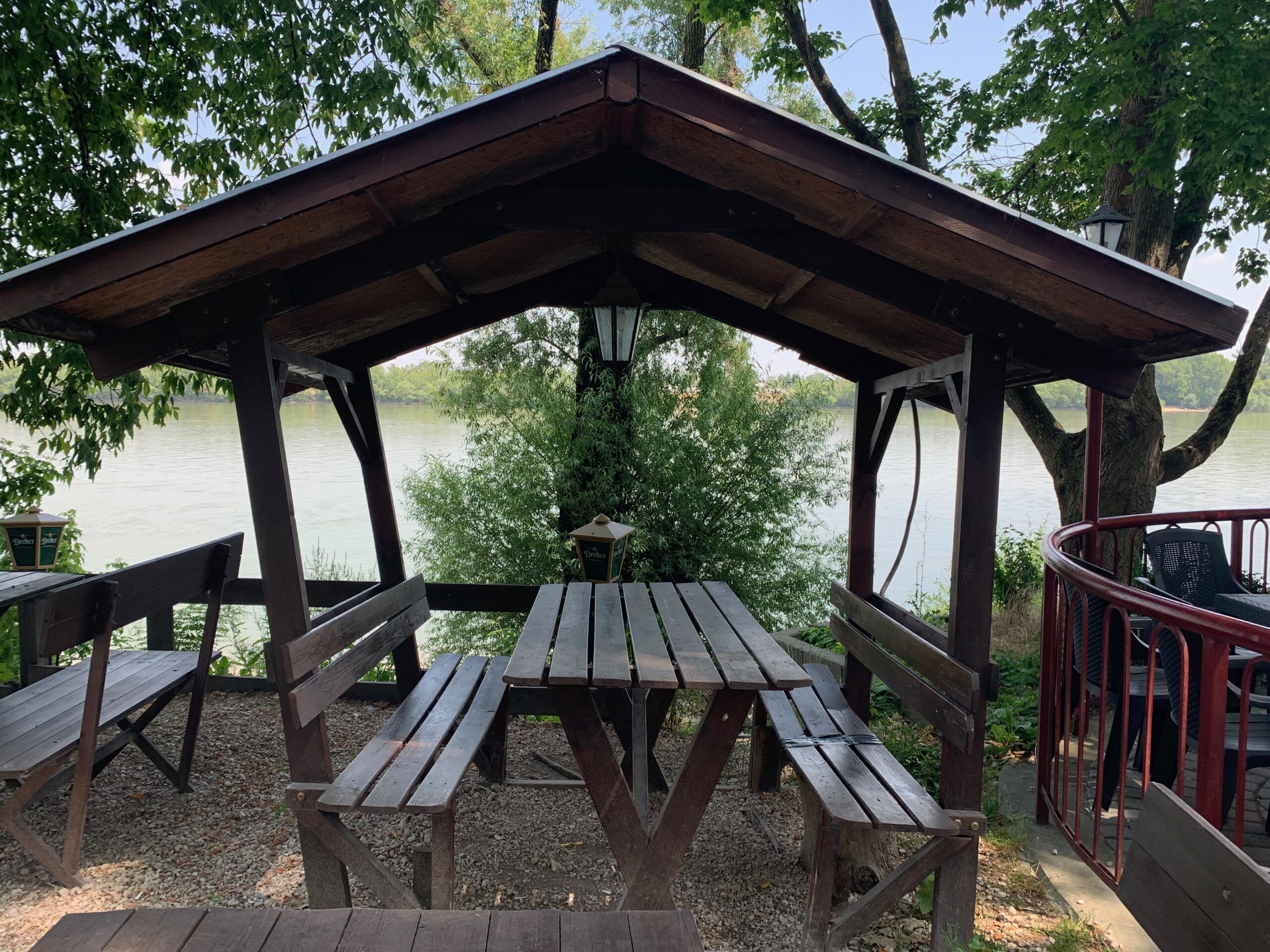
Did you know that Budapest has multiple beaches where you can swim in the Danube? My personal favourite spot is Római Part with magnificent views, very unique character, a nice range of recreational activities, cool bars and great food. Don’t miss to walk around a little bit to see the old boathouses!

A little photo gallery from the thousands of photographs I’ve been taking while walking around my Beautiful Budapest. These are not the most famous attractions, but some hidden gems that you can discover when you book a tour with me. The reason why I’m sharing these with you is that I very much like the colours, the vibes, the ambience of these places. Feel free to contact me for more details!

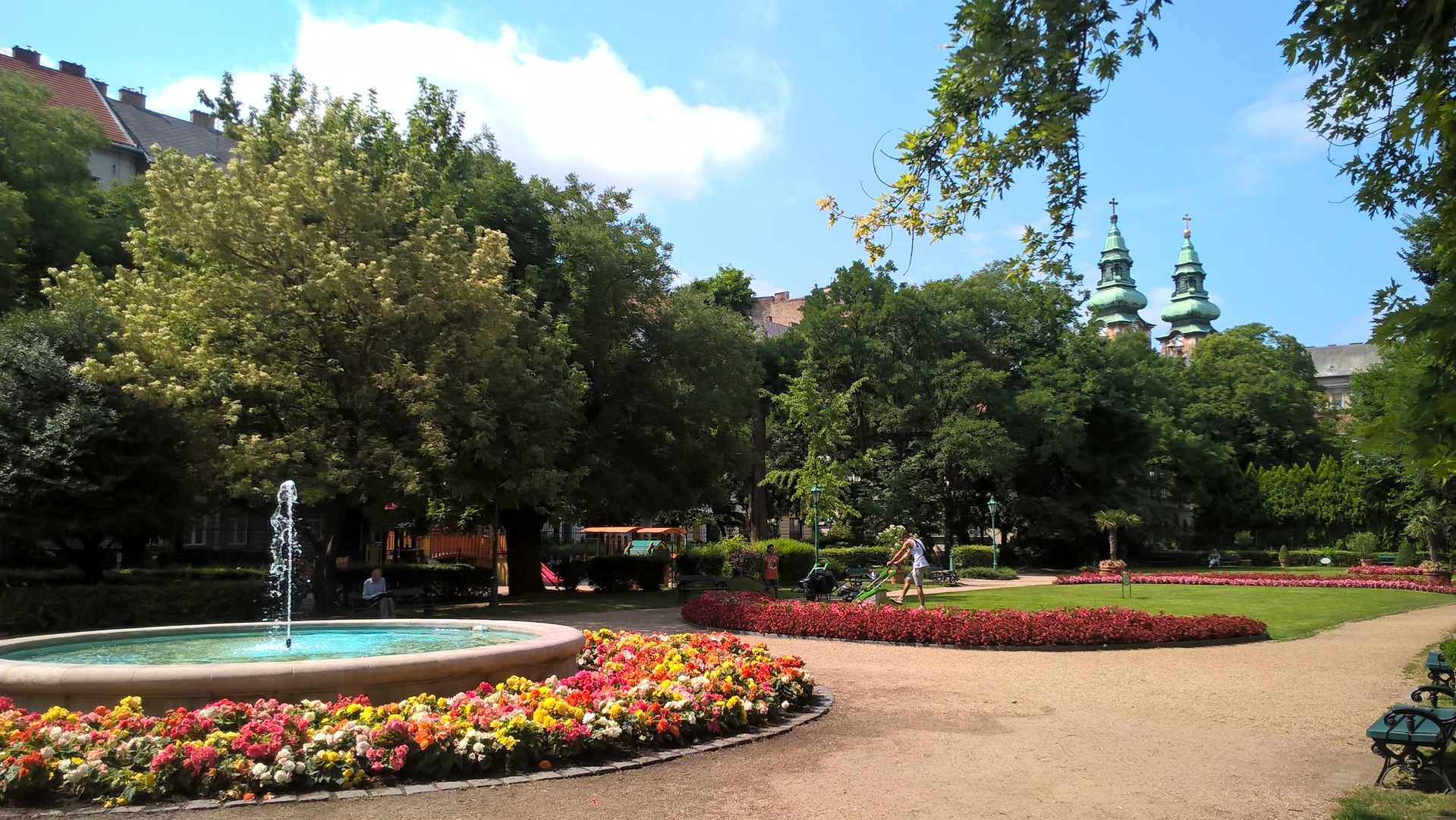
A very cute little garden hidden in the 5th district of Pest, near Astoria and Kálvin tér. A real gem when you’re discovering the hidden parts of Downtown Pest.

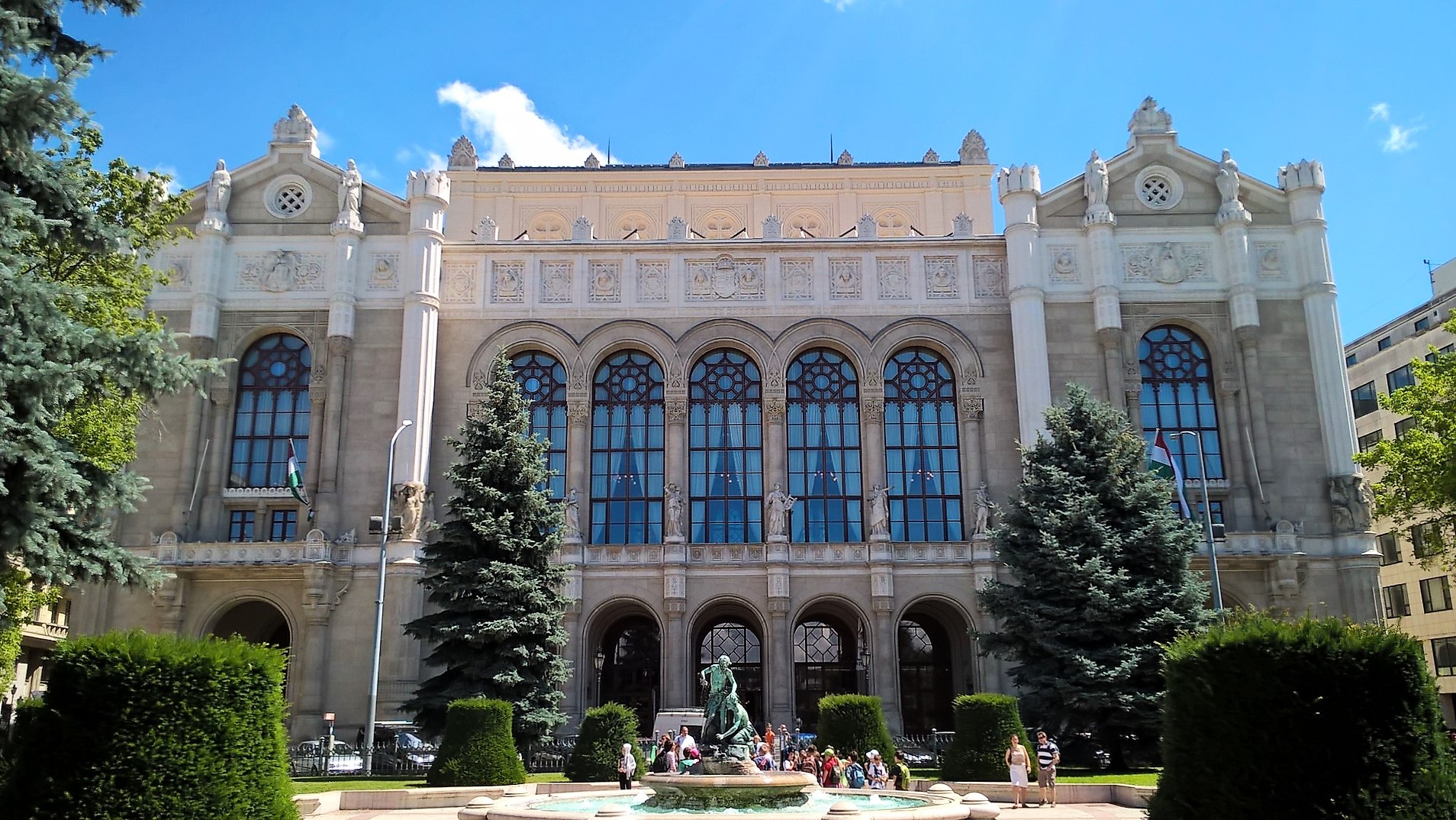
There is this beautiful building along the Danube, one that everybody notices from across the river because it stands out with its beauty and charm. The Pesti Vigadó is a concert hall, an exhibition space, and also a pretty building to discover. The building is from 1859 and was designed by Frigyes Feszl, whose main concept was to create a truly Hungarian Romantic style. The building was unfortunately badly damaged during WW2, but was rebuilt to its original style and beauty. You can buy tickets for a tour in the building or for an event, you won’t be disappointed.