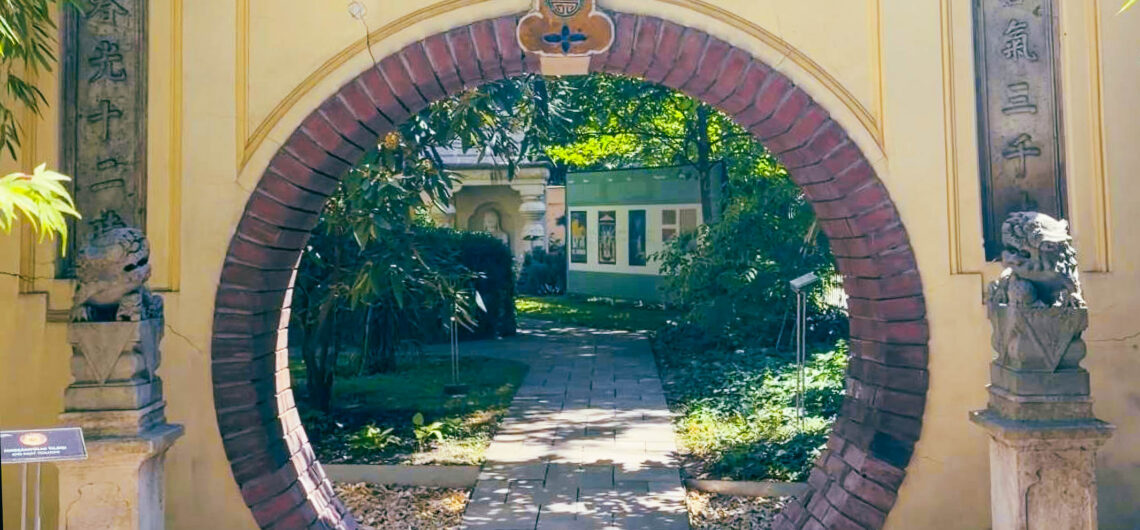
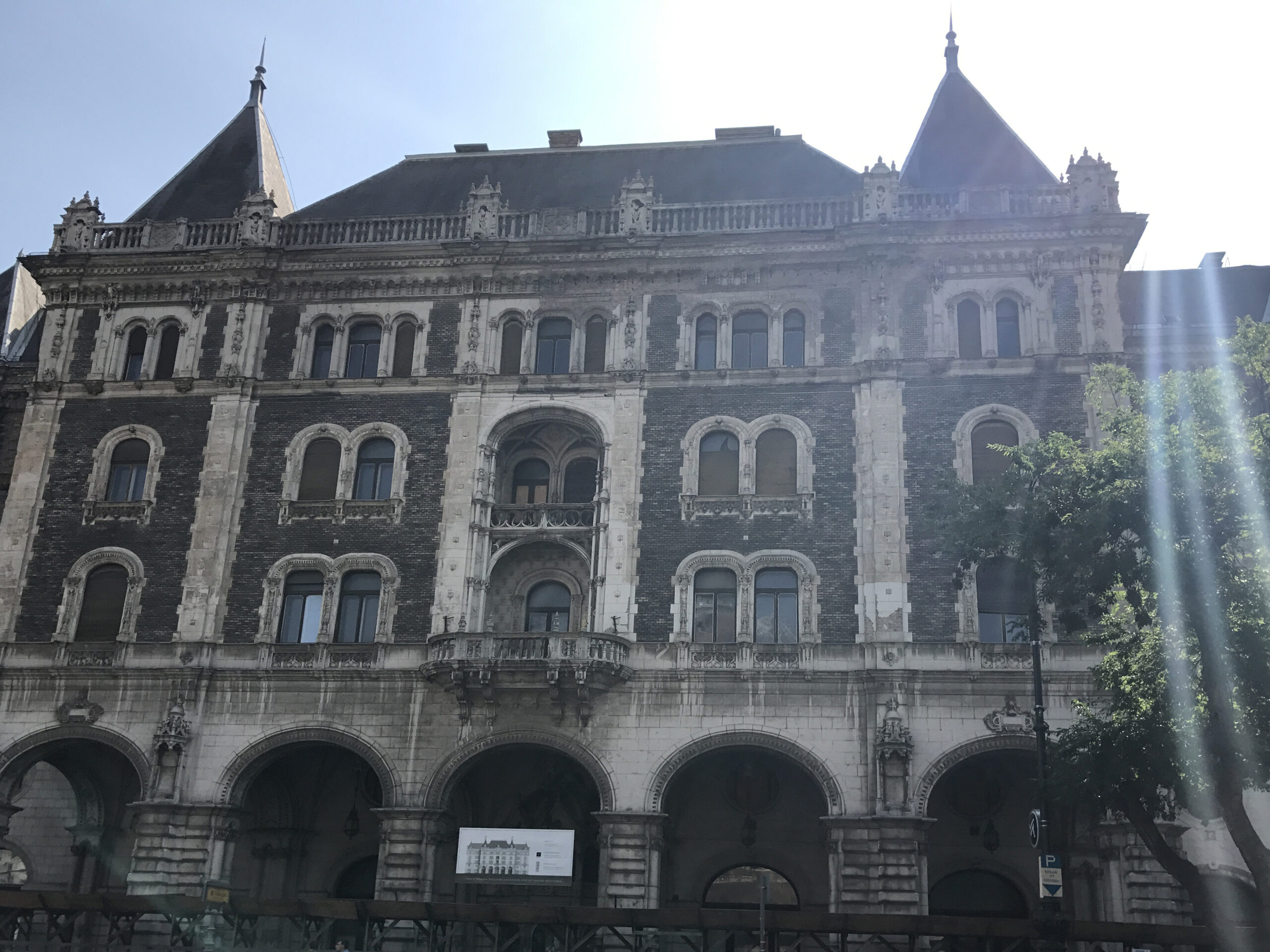
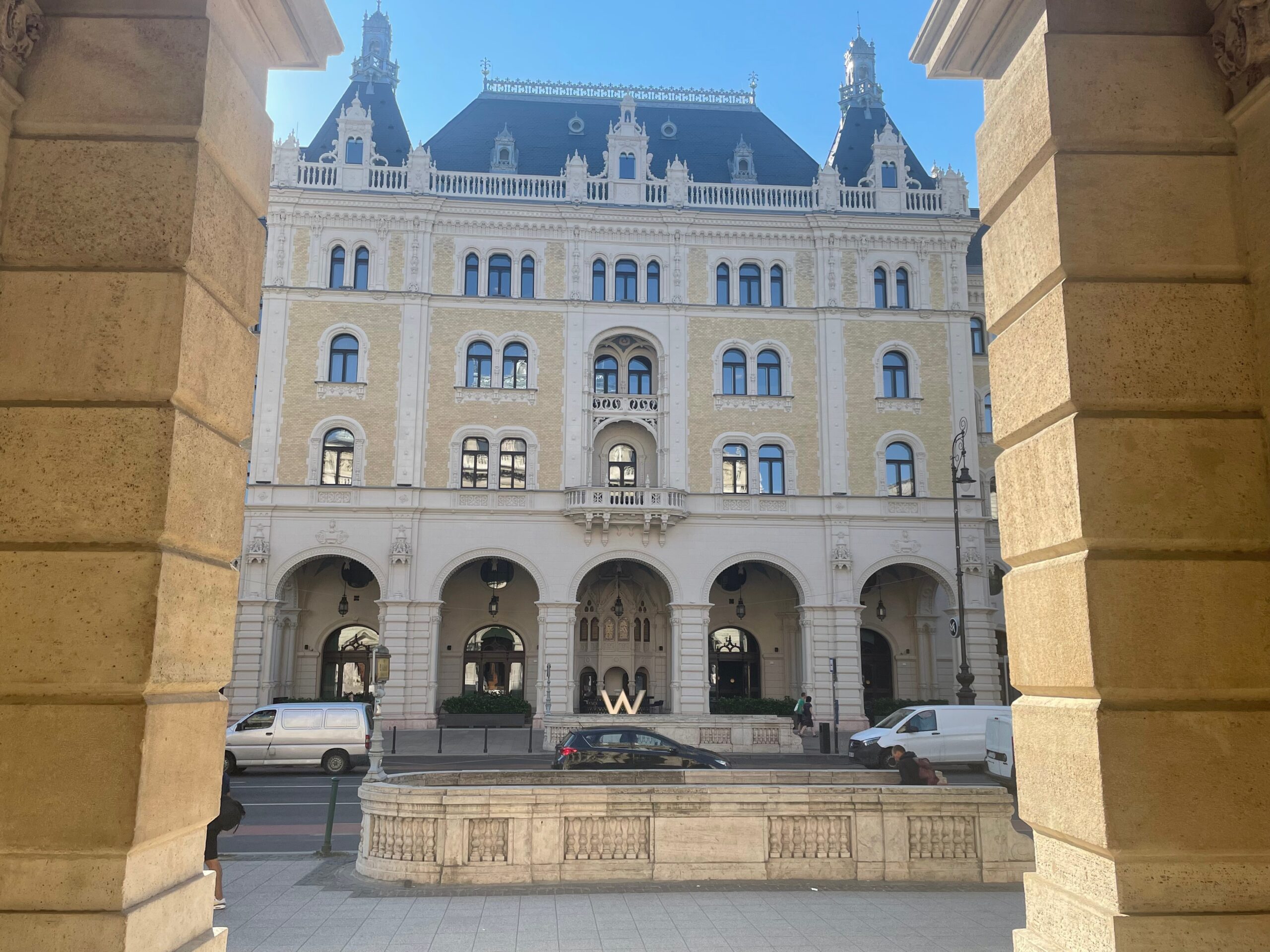
This truly magnificent Neo-Renaissance building is on Andrássy street, right across from the State Opera House. I keep telling stories about the building, home of Drechsler Café, that was originally built for the pensioners of the National Rail Services. For many many long years the building was hiding behind scaffolding and recently it reopened as the W hotel. I hope you agree with me when I say that the renovators made a wonderful job and filled the palace with elegance and charm.


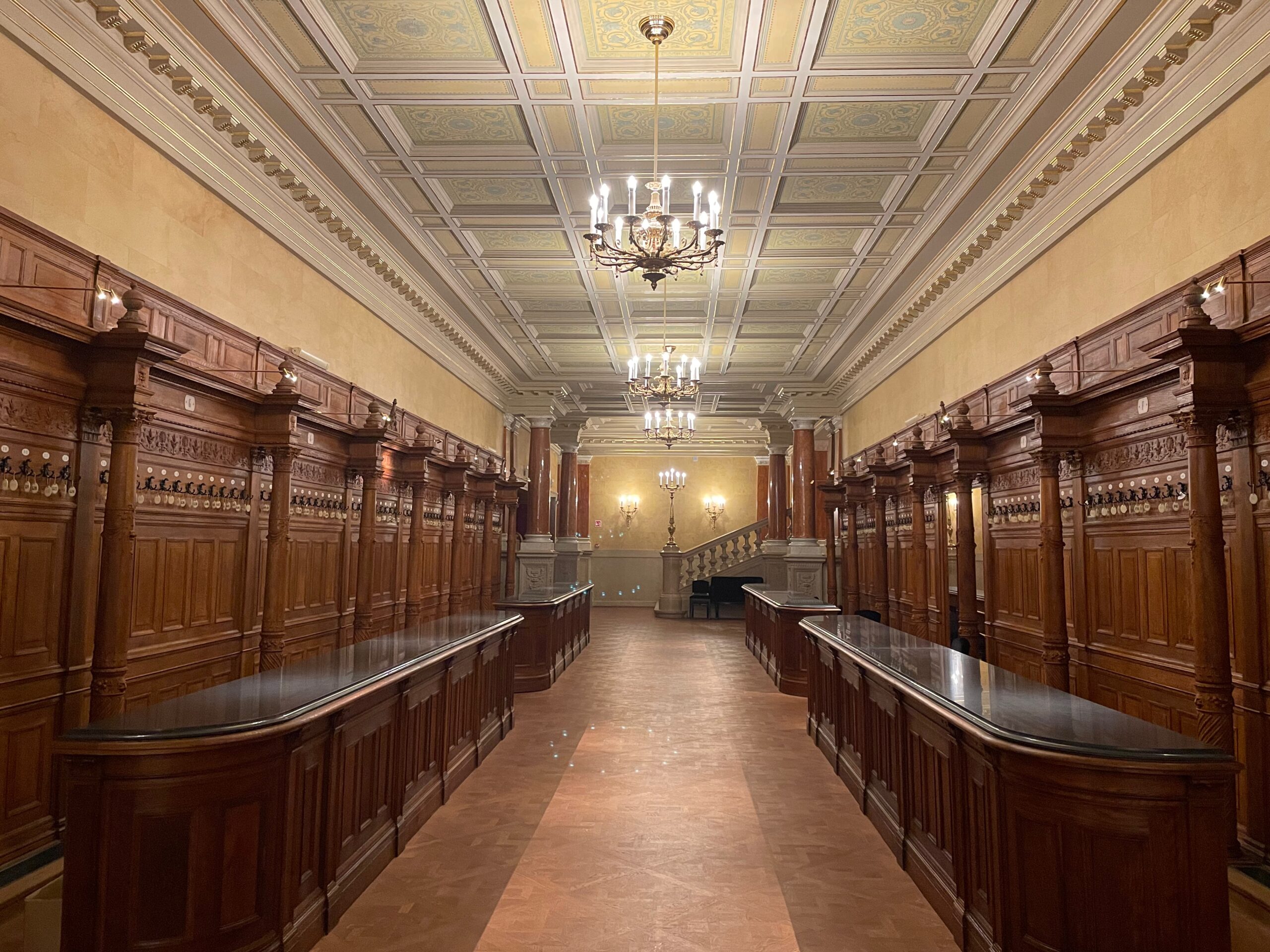
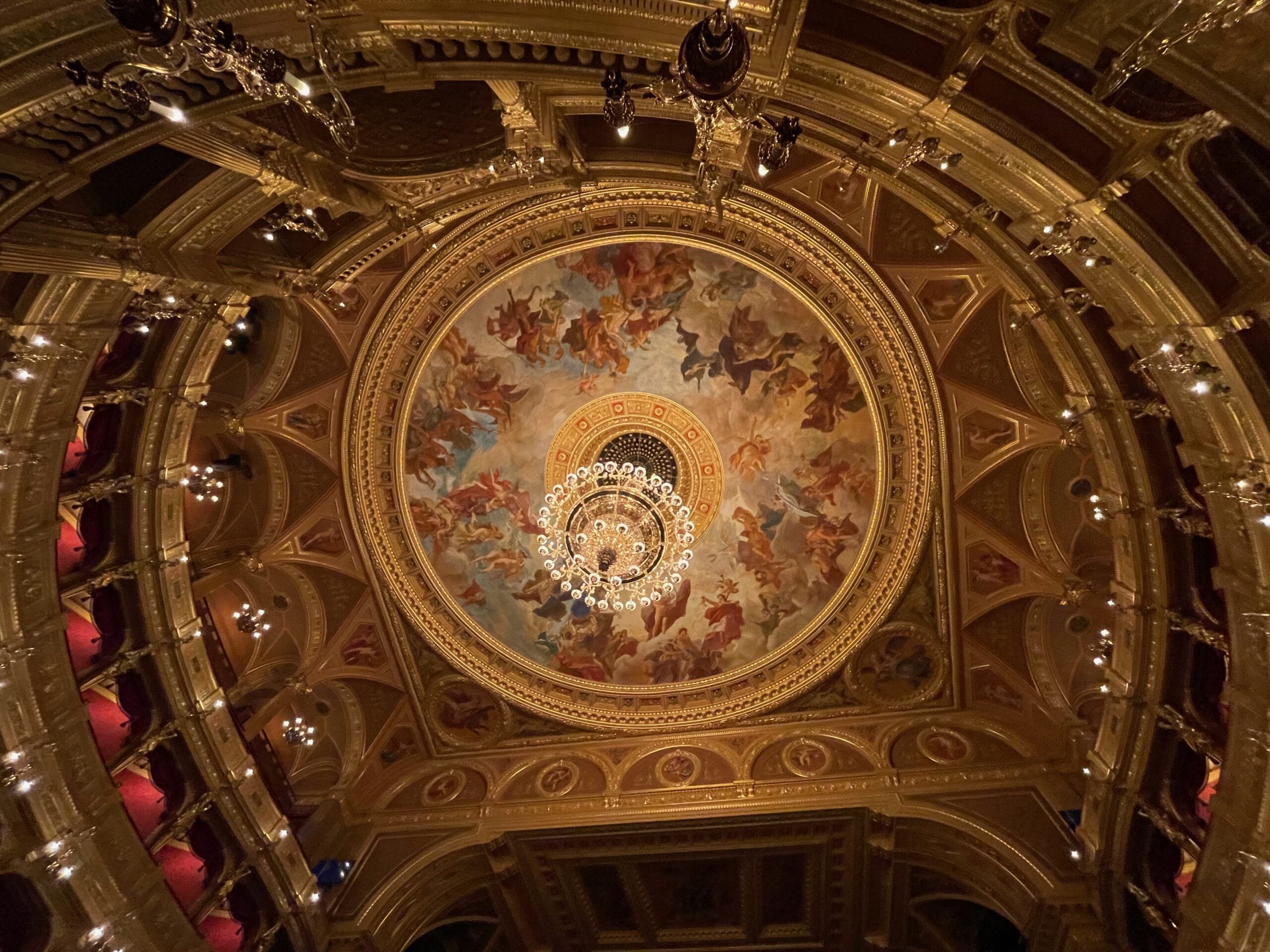
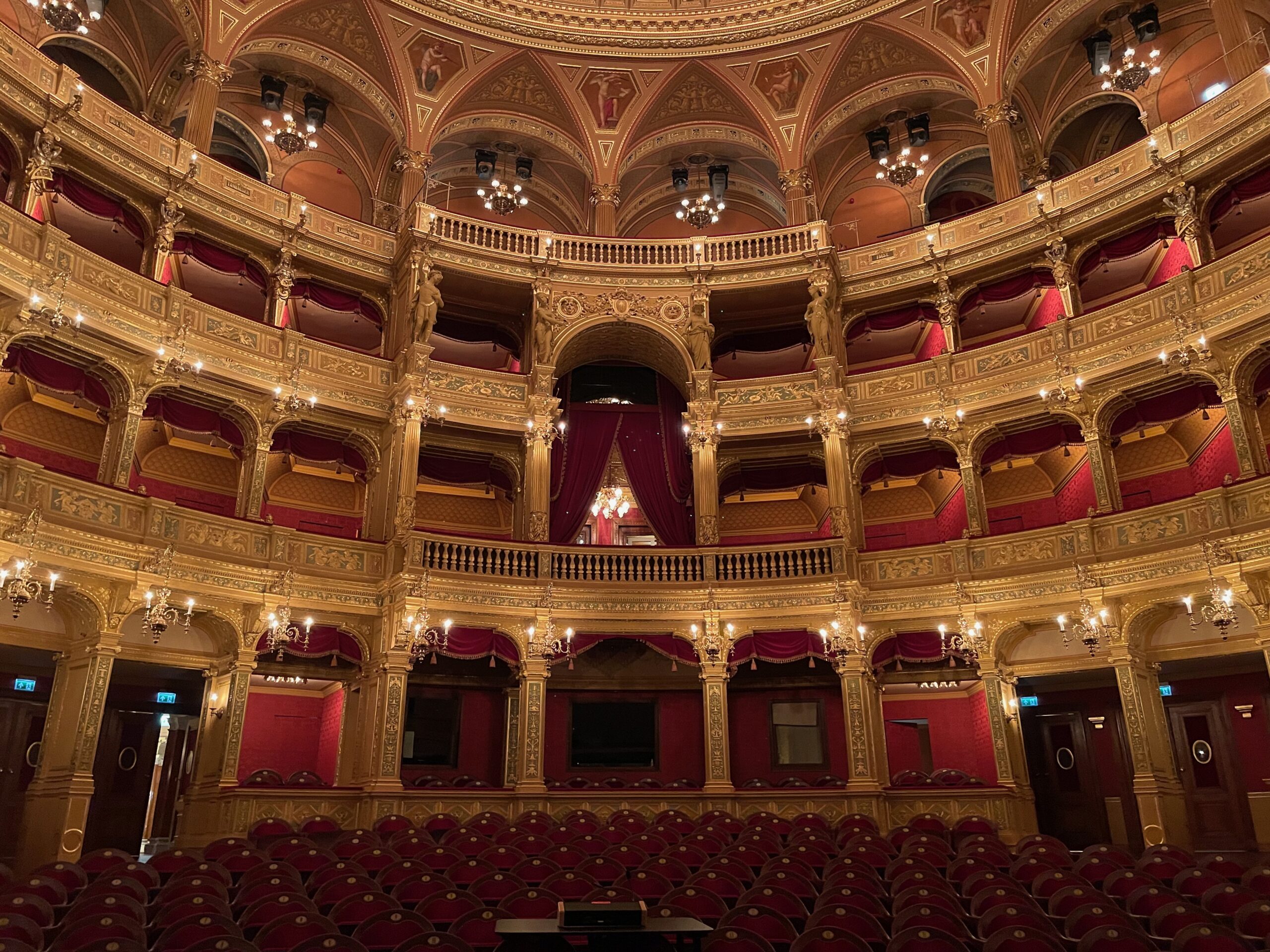
Shortly after the Hungarian State Opera House in Budapest reopened following several years of renovation, I finally had the chance to step inside again — and it was every bit as breathtaking as I had hoped.

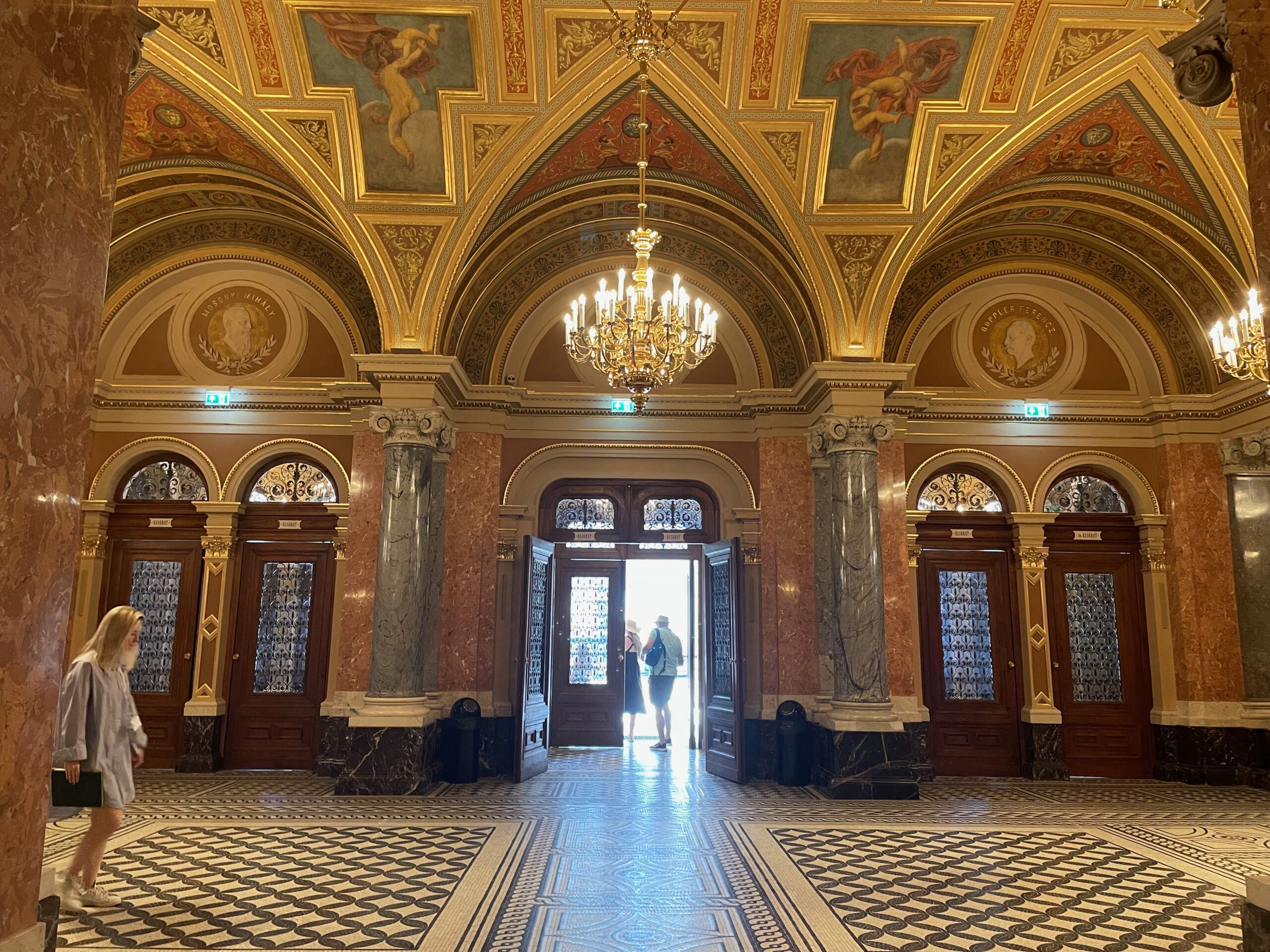
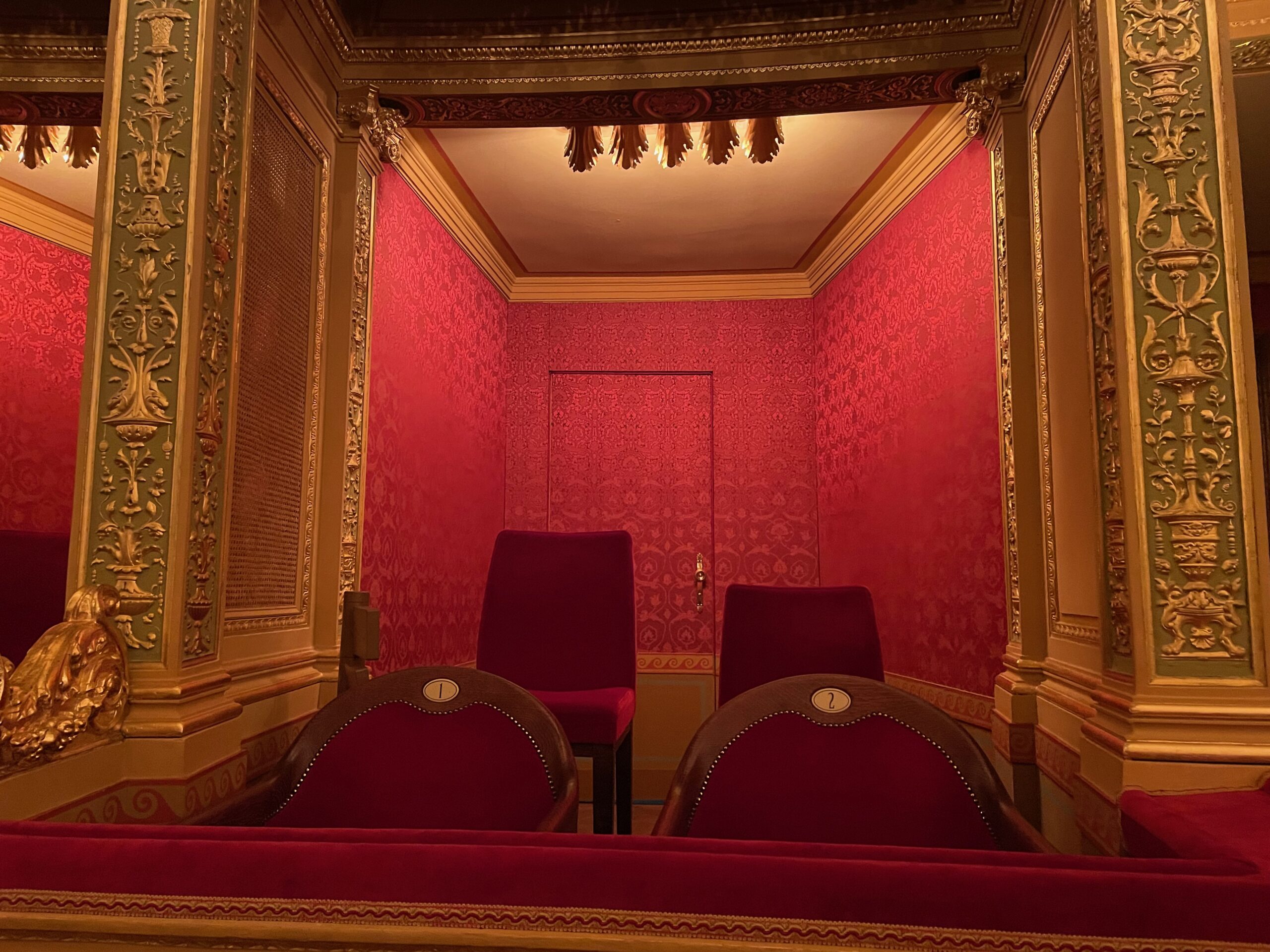
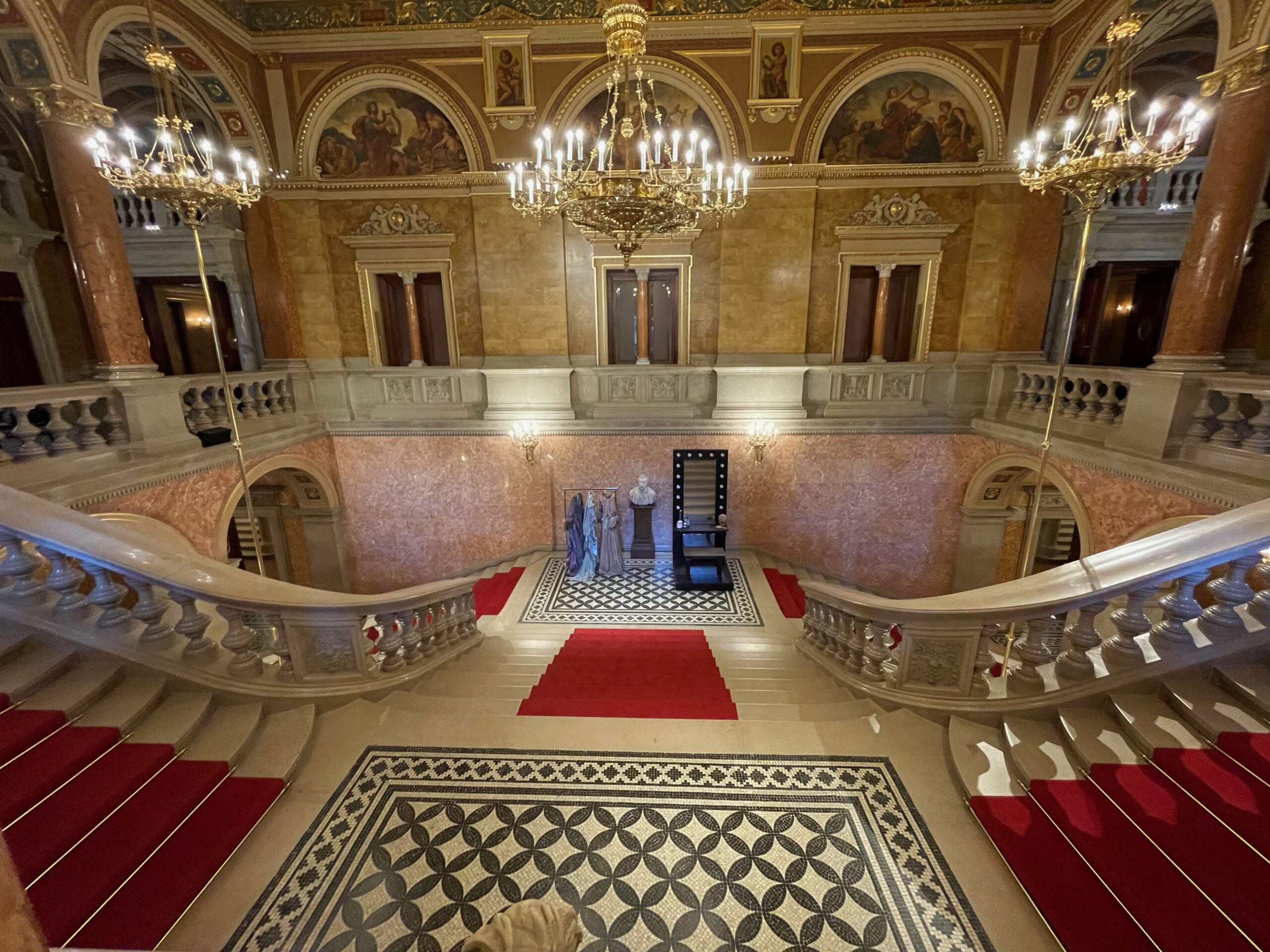
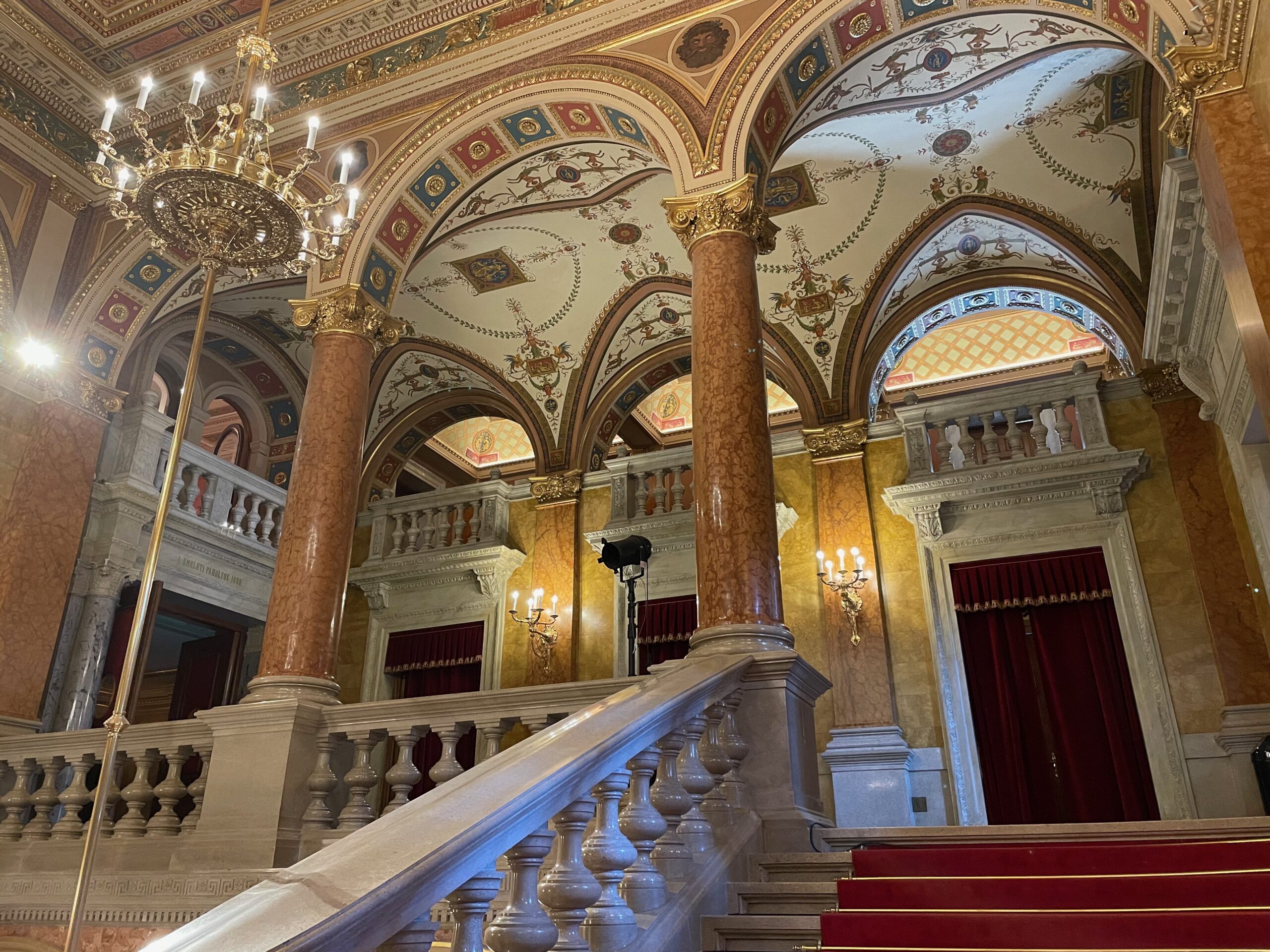
I’ve always found the building overwhelming in the best possible way, and the renovation has only enhanced that feeling. The interior is simply magnificent. The colours are rich and harmonious, the decorative details are astonishing, and the Neo-Renaissance ornamentation feels as vibrant and alive as it must have been in the late 19th century.

Walking through the Opera House truly feels like time travel. The atmosphere, the soft lighting, even the familiar scents of the historic interior all contribute to the sensation of stepping back into the golden age of Budapest. Nothing feels over-restored or artificial — instead, the building feels carefully revived, respectful of its original spirit.

A masterpiece reborn

Designed by Miklós Ybl and opened in 1884, the Opera House has always been one of Budapest’s architectural crown jewels. The recent renovation has allowed visitors to experience Ybl’s vision with renewed clarity, revealing details that had faded or disappeared over time.

From the grand staircase to the richly decorated auditorium, every space invites you to slow down and look closer.

How to visit the Opera House

There are several wonderful ways to experience the Hungarian State Opera House:

  • Attend an evening performance – the most immersive option, combining architecture and music

  • Join a guided interior visit, which offers insight into both the building and its history

  • Private visits, which can be incorporated into a customised itinerary

The Opera House can easily be included in a walking or driving tour, especially when exploring Andrássy Avenue and the surrounding area.

If you’re interested in visiting the Opera House during your stay, feel free to contact me — I’m happy to help plan the visit and include it seamlessly in your Budapest itinerary.

An essential experience in Budapest

The renovated State Opera House is not just something to see — it’s something to feel. Elegant, atmospheric, and deeply connected to Budapest’s cultural identity, it remains one of the city’s most unforgettable interiors.

Whether you visit for a performance or simply to admire the architecture, this is a place that stays with you long after you leave.

The golden age of Budapest’s famous coffeehouses was at the end of the 19th and the beginning of the 20th century. Today, we are once again seeing a renaissance of coffeehouse culture — and Budapest remains a city where cafés are deeply connected to everyday life, culture, and history.

Hungarians have always loved their coffee, but cafés here have traditionally been much more than places to drink it. I explore this unique relationship in more detail in my main article, We Love Our Coffee – And Our Coffeehouses, Too, which looks at why coffeehouses have played such an important role in Budapest for generations.

On my Budapest Foodie Tour, we usually visit different historic cafés, giving travelers the chance to enjoy Hungarian coffee and cakes while discovering the stories behind these iconic places.

About the Book Café Budapest

Book Café has always been one of the most special and memorable café spaces in Budapest. Hidden inside a 20th-century department store on Andrássy Avenue, it surprised visitors with a breathtaking historic interior — high ceilings, ornate frescoes, and a grand atmosphere that felt more like a palace than a café.

Sitting in Book Café was an experience in itself. It was the kind of place where you could easily forget time, surrounded by books, elegant architecture, and the quiet hum of conversation. For many visitors, it was one of the most unexpected highlights of Budapest’s café scene.

Unfortunately, both the building and the café are currently closed, and at the moment there is no confirmed reopening date. Although it cannot be visited right now, Book Café remains one of the most talked-about historic café interiors in Budapest and an important part of the city’s coffeehouse heritage.

I sincerely hope that this beautiful space will reopen in the future. Until then, Book Café lives on in memories — and in stories I love to share when talking about Budapest’s rich and ever-evolving coffeehouse culture.

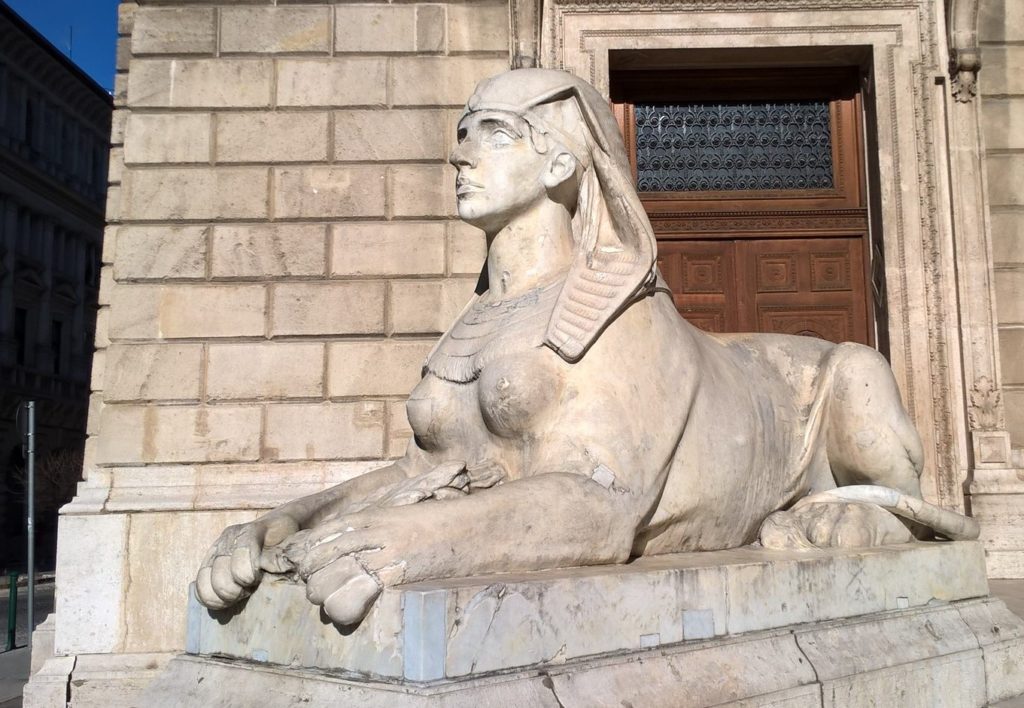
If you’re walking along Andrássy Avenue, one of the most elegant boulevards of Budapest, you might notice a sphinx statue quietly guarding the entrance of the Hungarian State Opera House. At first glance, she looks familiar — mysterious, timeless, and watchful.

But take a closer look, and you’ll realise there’s something unusual about her.

This statue is part of my ongoing Statues of Budapest series, which focuses on both famous monuments and easily overlooked details hidden in plain sight.

Not a typical sphinx

Traditionally, a sphinx is depicted with the head of a woman and the body of a lion. The Budapest sphinx follows this classical form — almost.

If you stop and observe carefully, you’ll notice an unexpected detail: she has breasts, making her far more explicitly feminine than most sphinx representations. This subtle feature sets her apart and gives the statue a distinctive presence.

It’s one of those details many people walk past every day without noticing, yet once seen, it’s impossible to forget.

Why is she here?

The sphinx fits perfectly into the artistic world of the Opera House. She embodies mystery, guardianship, and elegance — qualities closely associated with music, performance, and the dramatic arts.

Placed at the entrance, she feels less like a decoration and more like a silent gatekeeper, watching over one of Budapest’s most important cultural institutions.

A reminder to look closer

The sphinx of Andrássy Avenue is a perfect example of why Budapest rewards attentive visitors. You don’t need grand monuments or dramatic viewpoints — sometimes, the most interesting stories are carved into details just above eye level.

All you have to do is stop, look up, and notice.

Explore more: The Sphinx statue is featured in my Statues of Budapest collection, where famous monuments and easily overlooked details reveal the deeper structure of the city.

Sphinx statue guarding the entrance of the Hungarian State Opera House on Andrássy Avenue


Walking along Andrássy Avenue feels like stepping back into the golden age of Budapest. Lined with elegant 19th-century villas and grand palaces, this iconic boulevard tells the story of a city at the height of its confidence, wealth, and ambition.

Originally, these buildings were constructed as single-family homes for aristocrats, industrialists, and influential figures of the Austro-Hungarian Empire. Many of them were designed by the same architects, which gives Andrássy Avenue its remarkably harmonious appearance. Behind the ornate façades lie stories of old wealth, social life, and a refined urban lifestyle that shaped modern Budapest.

Today, Andrássy Avenue is not only one of the city’s most beautiful streets but also a key part of any Budapest sightseeing experience. As a UNESCO World Heritage Site, it connects the city centre with Heroes’ Square and showcases some of Budapest’s finest architecture, cultural institutions, and historic residences along the way.

Exploring Andrássy Avenue is about more than admiring façades—it’s about understanding the people who lived here and the era they represented. I’m always happy to include this walk in my private, customised Budapest tours, sharing the hidden details and personal stories that bring these elegant buildings to life.

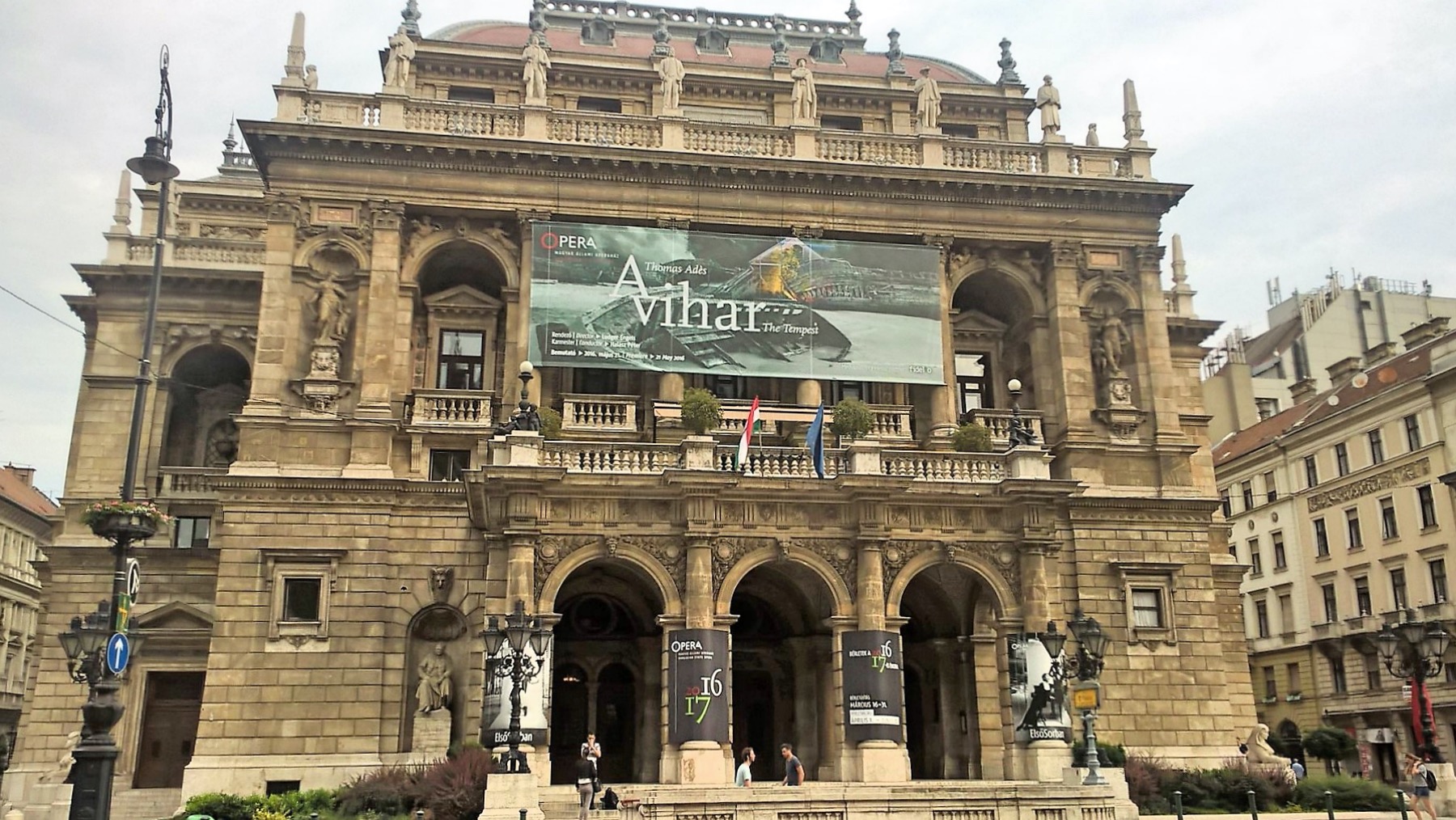
Few buildings capture the spirit of Budapest as perfectly as the Hungarian State Opera House. Elegant, richly decorated, and steeped in history, it is one of the most impressive landmarks along Andrássy Avenue—Budapest’s grand boulevard, often compared to the Champs-Élysées.

At first glance, the Opera House impresses with its Neo-Renaissance façade, ornate statues, and monumental arched entrance. But as with many things in Budapest, the real magic begins once you step inside. Gilded staircases, frescoed ceilings, velvet-lined boxes, and glittering chandeliers create an atmosphere of old-world elegance that instantly transports you back to the golden age of the Austro-Hungarian Empire.

A Symbol of Budapest’s Cultural Ambition

The Opera House was designed by Miklós Ybl, one of Hungary’s most celebrated architects, and opened its doors in 1884. At the time, Budapest was eager to establish itself as a cultural capital equal to Vienna—and the Opera House was a bold statement of that ambition.

Legend has it that Franz Joseph I, the Austro-Hungarian Emperor himself, was both impressed and slightly irritated by the building. While he had light-heartedly supported its construction, he reportedly did not appreciate the fact that Budapest’s Opera House turned out to be even more richly decorated than the Vienna State Opera. True or not, the story perfectly captures the competitive spirit of the era—and the pride Budapest took in its cultural achievements.

More Than Just an Opera House

Today, the Hungarian State Opera House is not only a venue for world-class opera and ballet performances, but also a living museum of architecture, music, and history. Guided tours run regularly and are an excellent way to admire the interior while learning about the building’s design, symbolism, and everyday life behind the scenes.

If you have the chance, attending an evening performance is a truly unforgettable experience. Even for visitors who are not regular opera-goers, the setting alone makes it special—and it offers a rare opportunity to experience Budapest much like locals do.

Hidden Details, Stories & Urban Legends

One of the things I love most about the Opera House is that it rewards those who look closely. Statues, frescoes, and decorative elements are all carefully chosen, often carrying political messages, artistic ideals, or subtle jokes that reflect the mindset of 19th-century Hungary.

These are exactly the kinds of details that tend to go unnoticed without local context—and they come to life when you explore the city on foot. During my Pest walking tour, the Opera House is not just a beautiful stop, but part of a larger story about Budapest’s development, identity, and cultural self-confidence.

A Natural Stop on a Custom Budapest Tour

Because of its location on Andrássy Avenue, the Opera House fits seamlessly into many fully customisable Budapest tours. It pairs beautifully with nearby cafés, historic palaces, and other iconic sights of Pest, making it easy to adapt the visit to your interests—whether you love architecture, music, history, or simply want to understand the city beyond the surface.

Every private tour I offer is tailored to my guests, and the Opera House often becomes a highlight: sometimes as a short architectural stop, sometimes as a deeper historical discussion, and sometimes as the starting point for an evening of culture in Budapest.

Why the Opera House Belongs on Every First Visit

Whether you admire it from the outside, explore it on a guided tour, or attend a performance, the Hungarian State Opera House is one of those places that encapsulates Budapest in a single building: elegant but slightly dramatic, proud of its past, and full of stories waiting to be told.

If you’re planning your visit and would like to explore the Opera House as part of a custom private tour or a Pest walk designed around your interests, I’d be delighted to show you this iconic landmark—and the city around it—through a local’s eyes.