With over 250 tours I delivered last year I can’t tell how fortunate I am to show my travellers around the city and the country I love the most. This is my home, my birthplace and I’m looking forward to introducing it to even more people in 2019!

I’ve just had a look at which my most popular tours were last year:

  • “THE GRAND BUDAPEST” WALK: a great introduction of Budapest to first time visitors or travellers who only have one day to see the main highlights and some of the hidden gems.
  • BUDAPEST FOODIE TOUR: as I also work for a Hungarian food magazin, I’m really happy to take you to local markets and little artisan food shops and to make sure you taste all the great Hungarian treats.
  • JEWISH QUARTER WALK: including the visit of the world’s second largest synagogue and a walk in the ghetto which is today the Soho of Budapest with great cultural and creative vibes.
  • DANUBE BEND TOUR BY CAR: it’s a relatively short drive from Budapest and in only one day I can show you three very different little Hungarian villages and the stunning view over the bend of the Danube river.

Take a look at how Budapest looks like now, all white and snowy. It’s such a special period of the year, as unfortunately we’re getting less and less snow every year. Come and see for yourself!


Few visitors realise that the Buda caves in Budapest form an extensive underground labyrinth, revealing a hidden, quieter side of the city beneath the hills.

One of the things I love most about guiding in Budapest is when travellers ask for something different—experiences that go beyond the classic sightseeing routes. On one such occasion, our curiosity led us underground, into the fascinating cave system hidden beneath the Buda Hills.

We visited Pálvölgyi Cave, the longest cave in Budapest and one of its most surprising natural treasures. The guided visit lasts around 60 minutes and takes you through a labyrinth of passages filled with spectacular stone formations. Along the way, you’ll see delicate dripstones, dramatic shapes sculpted over thousands of years, and even the fossilized imprints of ancient seashells—silent reminders that this area was once underwater.

Beyond its geological wonders, the caves have another very practical appeal: the temperature remains a constant 11°C (52°F) all year round. That makes it a wonderfully cool escape during Budapest’s hot summers and a surprisingly comfortable option in winter, when the caves feel almost warm compared to the chilly streets above.

Exploring the Buda caves is not part of standard city tours—but it can be a memorable addition to a custom-designed Budapest experience. For travellers who enjoy nature, light adventure, or simply seeing a lesser-known side of the city, going underground offers a completely different perspective on Budapest.


Budapest chairlift autumn experiences are at their most beautiful when the forests of the Buda Hills glow with warm seasonal colours.

Autumn is one of my favourite seasons in Budapest, especially when a custom tour takes us slightly away from the city centre and closer to nature. Chairlifting to the Elizabeth Lookout Tower on top of St. John’s Hill is always a memorable experience — but in fall, it becomes truly magical.

As the chairlift gently carries you above the forest of Budapest, the city slowly fades away and is replaced by layers of gold, rust, and deep green. The ride itself is calm and almost meditative, making it ideal for travellers who enjoy slower moments and unique perspectives.

At the top, the reward is more than worth it. From the lookout tower, you can enjoy panoramic views over Budapest, stretching across Buda, Pest, and the winding Danube. On clear autumn days, the light is softer, the air is crisp, and the city feels wonderfully peaceful from above.

This experience is especially popular with nature lovers, photographers, and guests looking for something a little different from classic sightseeing. It fits beautifully into a customised Budapest tour, combining fresh air, gentle walking, and one of the best viewpoints in the city.

Sometimes, the most memorable moments in Budapest happen when we slow down, rise above the city, and simply enjoy the view.


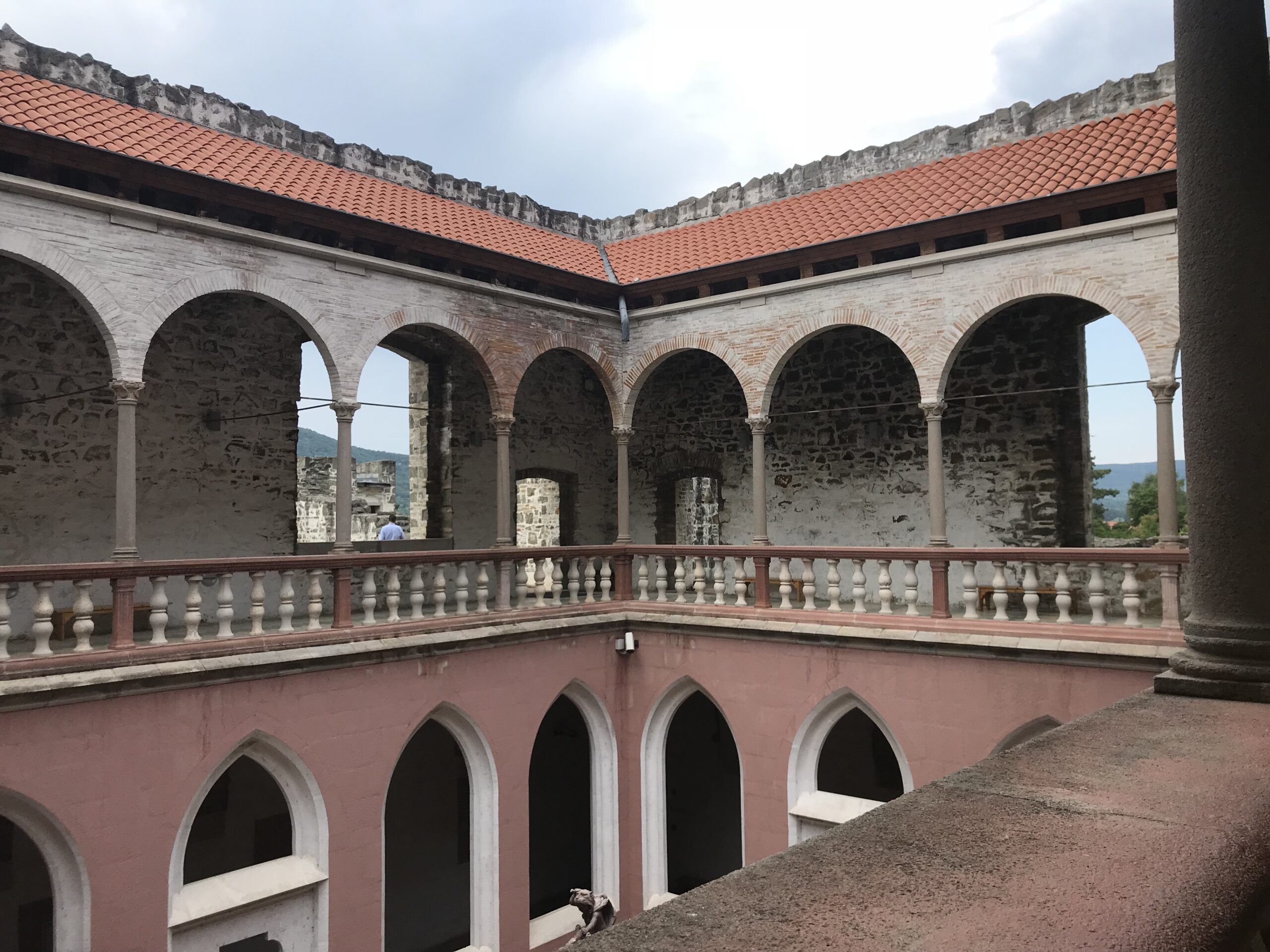
The Royal Palace of Visegrád is one of the most fascinating stops in the Danube Bend and a highlight I always try to include when touring the area. Together with the Upper Castle, the palace forms a remarkable castle complex that offers insight into how Hungarian royalty lived at the height of their power.

Located above the Danube, in the historic town of Visegrád, this palace allows visitors to step directly into the world of 15th-century royal life.

From ruins to royal splendour

The fact that we can admire the palace today is thanks to the work of a passionate Hungarian archaeologist, who discovered the ruins hidden beneath an orchard. Thanks to decades of archaeological research and careful reconstruction, the palace has been brought back to life as a stunning example of Gothic and Renaissance architecture.

We owe a great deal to the archaeologists and historians who recreated the lavish interiors, gardens, and fountains that once impressed visiting dignitaries from across Europe.

A royal residence fit for King Matthias

The original stone residence, built in the 14th century, was relatively modest — just under 5,000 square feet. However, under the reign of Matthias Corvinus, the palace was transformed into a spectacular royal residence with around 350 rooms.

According to legend, during grand celebrations in the 15th century, marble fountains flowed with red wine — a detail that perfectly captures the wealth and prestige of the Hungarian royal court at the time.

What to see in the Royal Palace of Visegrád

Today, visitors can explore:

  • elegant Gothic cloisters

  • a refined Renaissance loggia

  • reconstructed living quarters of Hungarian kings and queens

  • decorative fountains and palace gardens

  • original artefacts and relics from the Middle Ages

The palace is beautifully laid out and easy to explore, making it both educational and visually impressive.

Visiting the Royal Palace on a Danube Bend tour

The Royal Palace of Visegrád is an essential stop on many Danube Bend day trips and works especially well as part of a private countryside tour from Budapest. Combined with the Upper Castle and views over the Danube, it offers a perfect balance of history, architecture, and scenery.

 

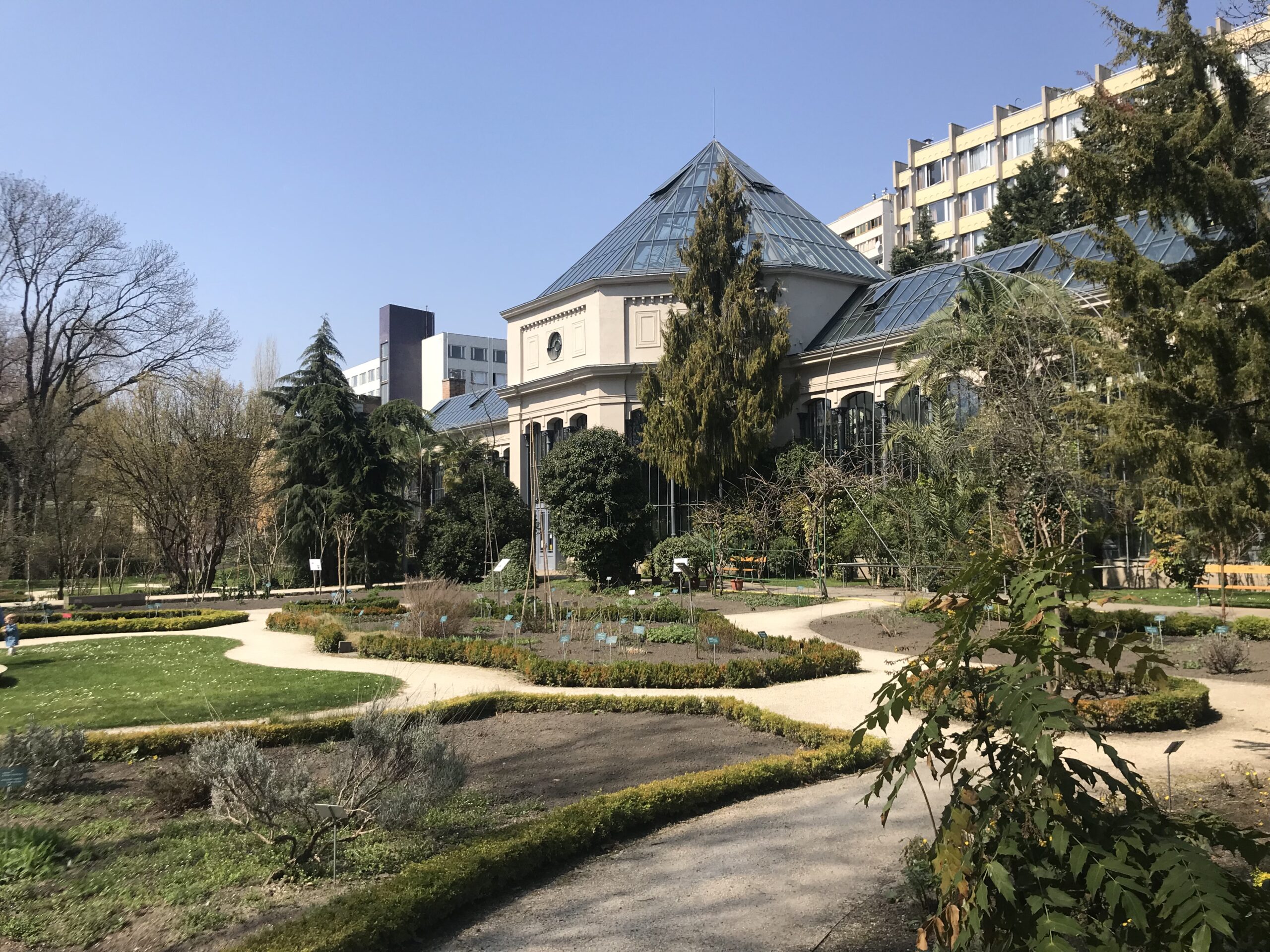
Budapest Füvészkert may look difficult to pronounce at first — but it’s absolutely worth getting to know. Tucked away in Budapest’s 8th district, this peaceful botanical garden is one of the city’s most underrated sights and a true hidden gem for visitors looking beyond the usual landmarks.

Founded in the 1770s, Füvészkert is the oldest botanical garden in Budapest. Despite its compact size — around three acres — it’s home to more than 7,000 plant species, making it surprisingly rich and diverse.

One of its most remarkable residents is a 150-year-old Chinese ginkgo tree, the oldest tree in the garden and a quiet witness to centuries of change around it.

What to see inside Füvészkert

Walking through Füvészkert feels like stepping into several different climates in the middle of the city. Highlights include:

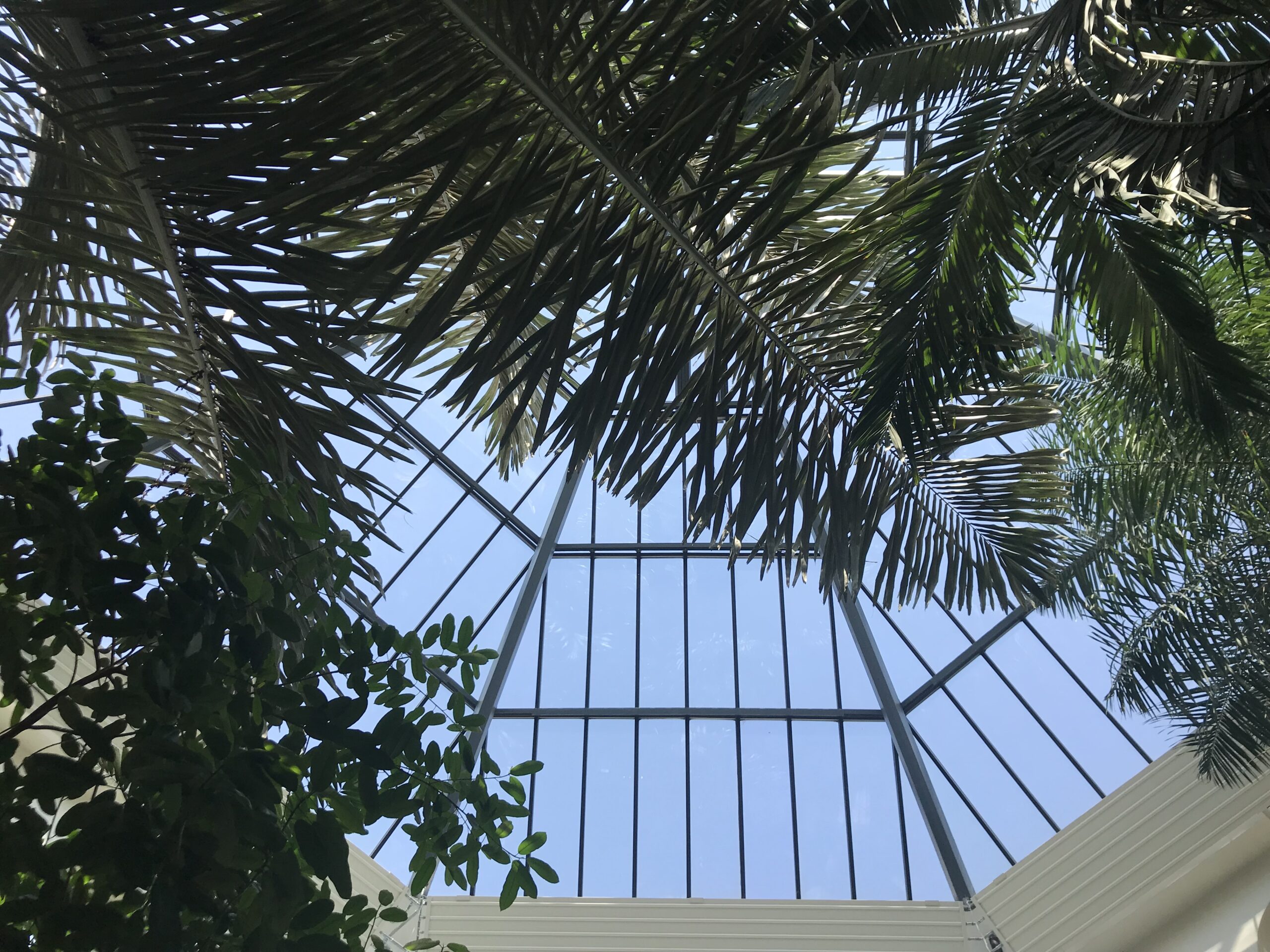
  • the Palm House, filled with tropical and subtropical plants

  • the Victoria Glass House, home to the impressive Amazonian water lily

  • extensive collections of palms, cacti, bromeliads, and orchids

It’s a calm, beautifully maintained space — ideal for slowing down, especially on warm summer days or during a quieter afternoon of sightseeing.

Füvészkert and Hungarian literature

Füvészkert also holds a special place in Hungarian culture. It is one of the key locations in The Paul Street Boys (Pál utcai fiúk), the famous novel by Ferenc Molnár that generations of Hungarians grow up reading. For locals, this literary connection adds an extra emotional layer to an already atmospheric place.

Is Füvészkert included in Budapest tours?

Füvészkert isn’t usually part of standard sightseeing tours, but it can be a wonderful addition to a customised itinerary, especially for travellers interested in gardens, literature, or quieter, off-the-beaten-path experiences.

If you’re exploring Budapest beyond the highlights — or simply need a peaceful break from the city — Füvészkert is well worth a visit.

Bathing and bathing culture have always been an important part of our everyday life. According to a survey I’ve just read 30% of the locals go to the baths regularly. It’s fun, very relaxing and has healing effects, too. I can show you some of the most authentic Budapest baths if you join me for a tour.

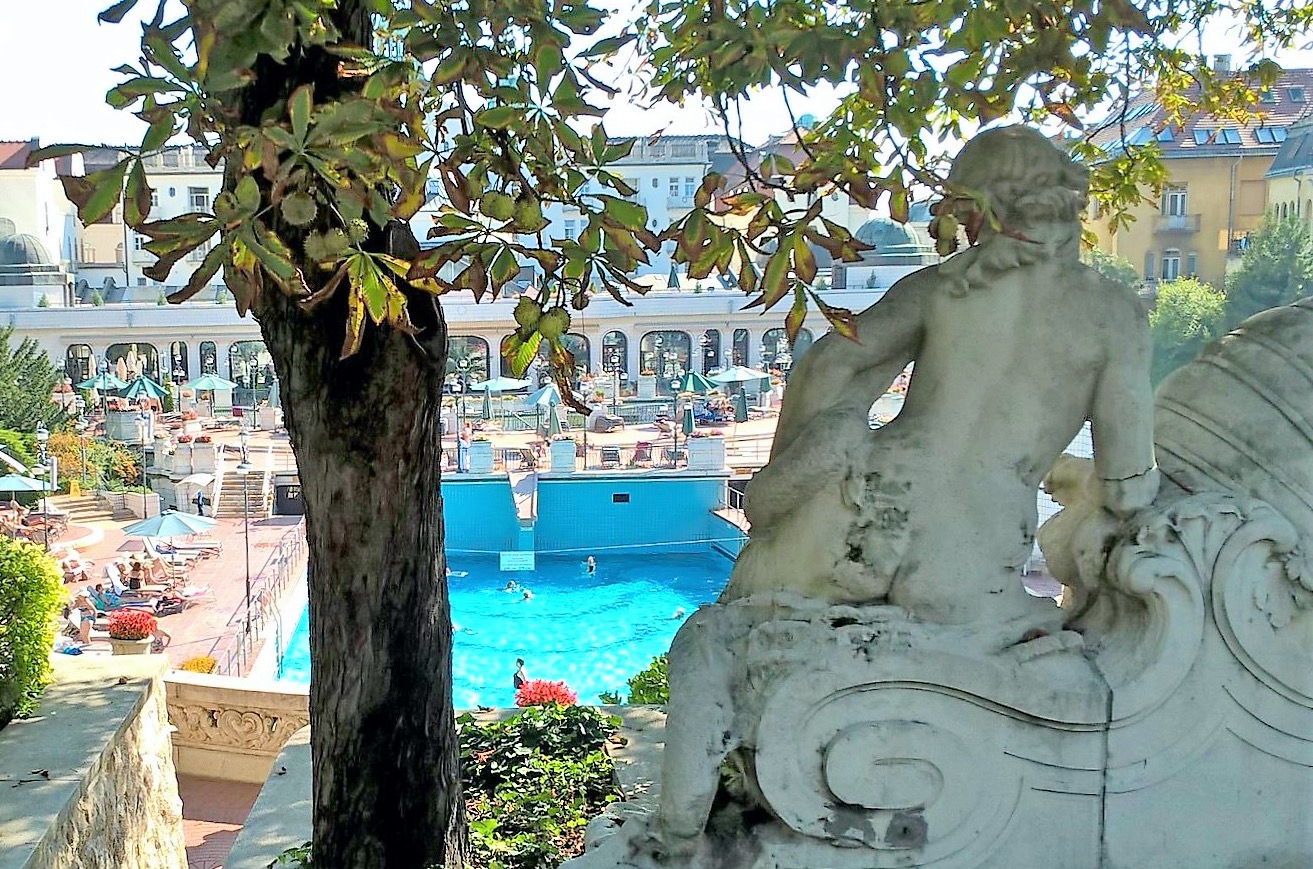
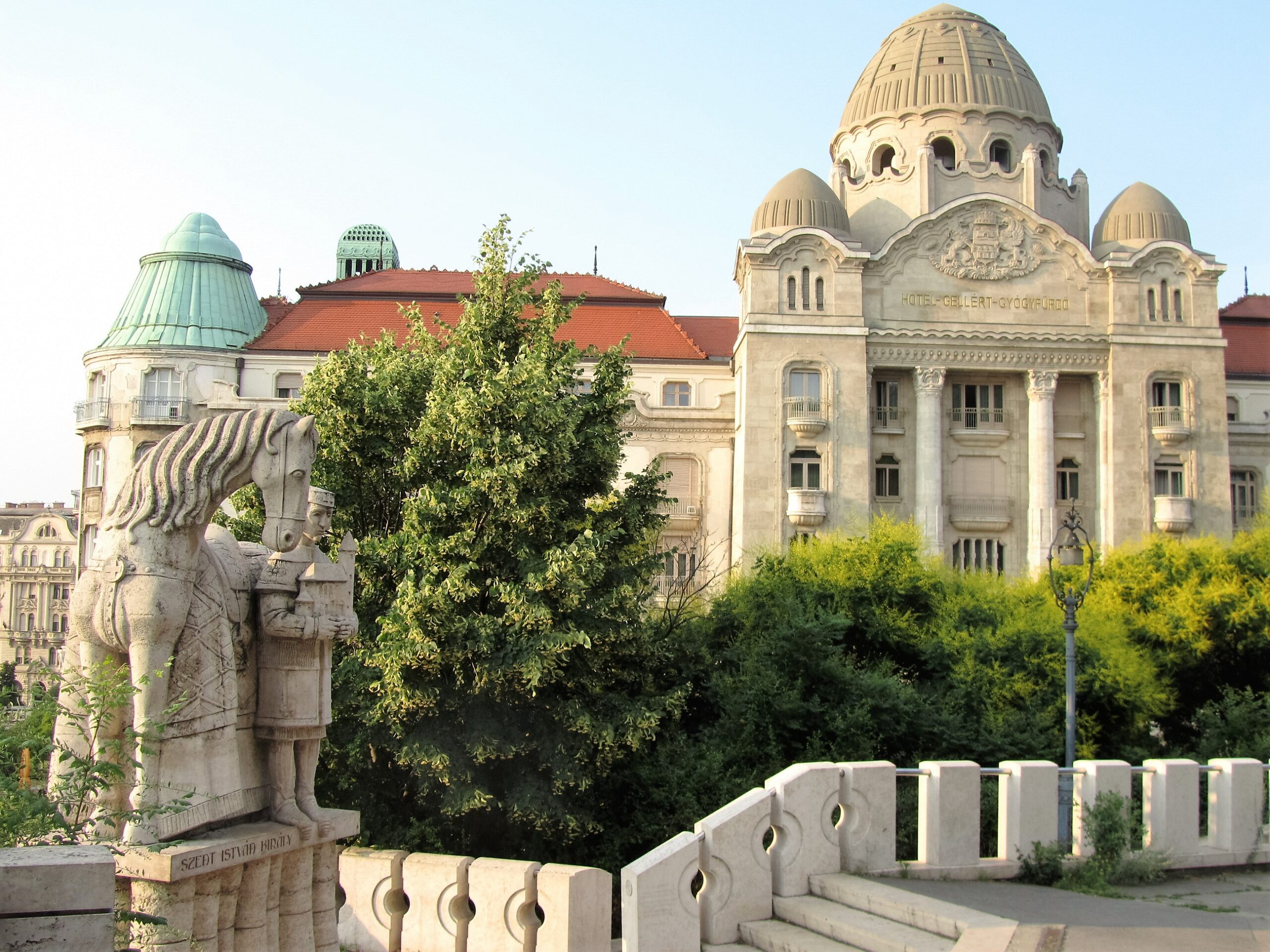
The Gellért bathhouse is the most elegant bath complex of Budapest. The building is one of the most amazing pieces of the Budapest Art Nouveau and  opened in 1918. When you have a look at the richly ornate facade of the building its hard to imagine that before the construction of the elegant hotel, the place had been referred to as to the muddy baths, where both people and animals had their regular bath.

The thermal baths are fed by the mineral hot springs of the Gellért hill. The water is rich in  calcium, magnesium, hydrocarbonate and sulfate. The water temperature varies from 35 °C to 40 °C.

Don’t miss the Turkish section where the walls are so nicely decorated with colorful mosaics. The bath can be visited throughout the year, if you happen to be in Budapest in the summer, you can also take advantage of the outdoor wave pool.

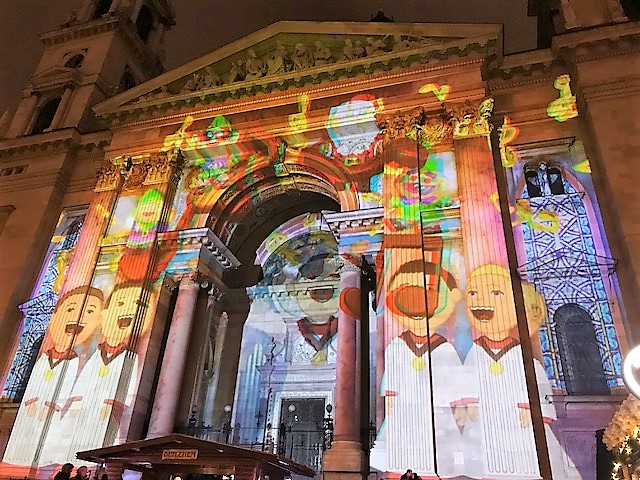
The truly amazing atmosphere of Budapest during the Christmas holidays, all the beautiful lights, gold and glitter of the city I love so much.