If you’re looking for romantic viewpoints in Budapest, there are a few special places that combine views, atmosphere, and storytelling in a unique way. Budapest is full of grand landmarks — but some of its most beautiful stories are hidden in plain sight. This post is the first in a new series where I’ll share romantic statues across the city — the ones that tell stories, offer a special atmosphere, and often come with a view you won’t forget. And there’s no better place to start than with the symbolic couple of the city itself: the Buda & Pest Statue. A love story in stone At first glance, it’s just a sculpture. But look a little closer. The two figures represent Buda and Pest — the historic halves of the city, united in 1873. One is calm and grounded, the other lively and full of energy. They face each other across the Danube. Close… but not quite together. It’s easy to imagine them as lovers — always connected, yet separated by the river that defines Budapest. A hidden gem with one of the best views What makes this spot truly special is not just the story — it’s the setting. This spot is part of my favourite walks around Gellért Hill, an area full of hidden paths, quiet viewpoints, and some of the most beautiful panoramas in Budapest. If you enjoy discovering places like this, you might want to explore more of my Gellért Hill stories. From here, you get a beautiful view over the Royal Palace and the historic Buda Castle District, with the Danube flowing below and the city centre of Pest stretching out on the other side. It’s a quieter perspective — less about the postcard-perfect Parliament view, and more about feeling the layout and rhythm of
If you’re looking for romantic viewpoints in Budapest, there are a few special places that combine views, atmosphere, and storytelling in a unique way. Budapest is full of grand landmarks — but some of its most beautiful stories are hidden in plain sight.
This post is the first in a new series where I’ll share romantic statues across the city — the ones that tell stories, offer a special atmosphere, and often come with a view you won’t forget. And there’s no better place to start than with the symbolic couple of the city itself: the Buda & Pest Statue.
A love story in stone
At first glance, it’s just a sculpture. But look a little closer.
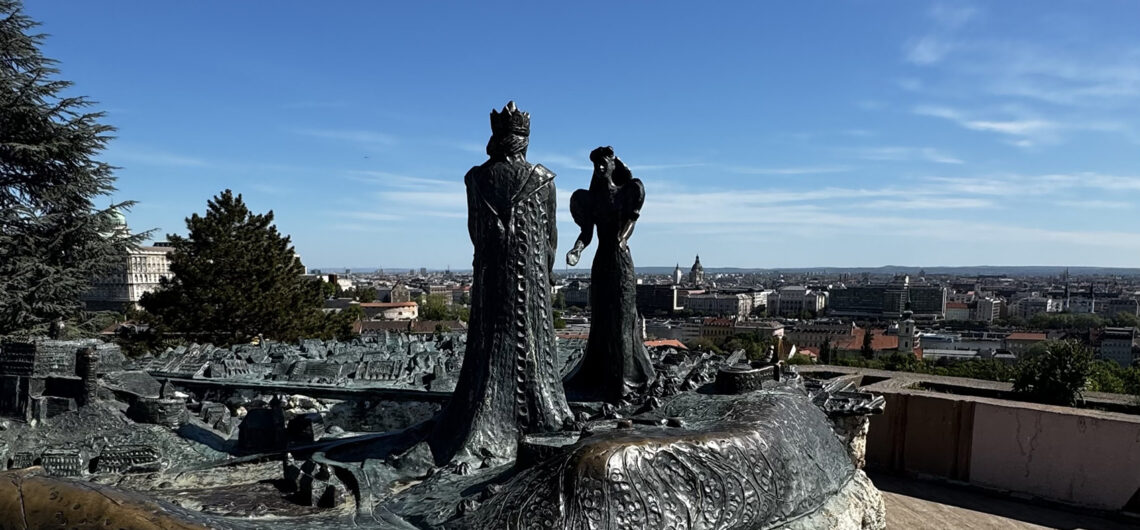
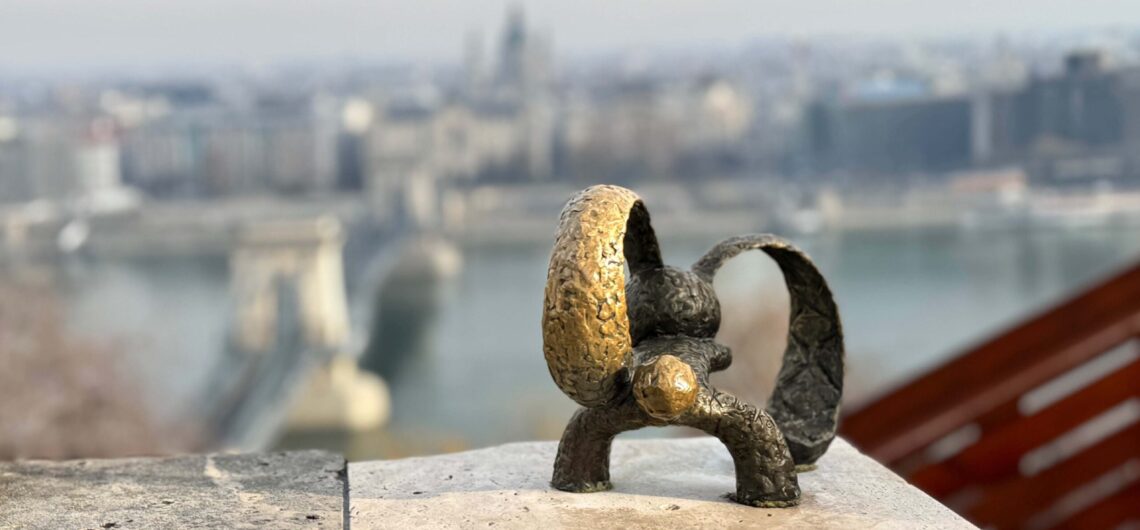
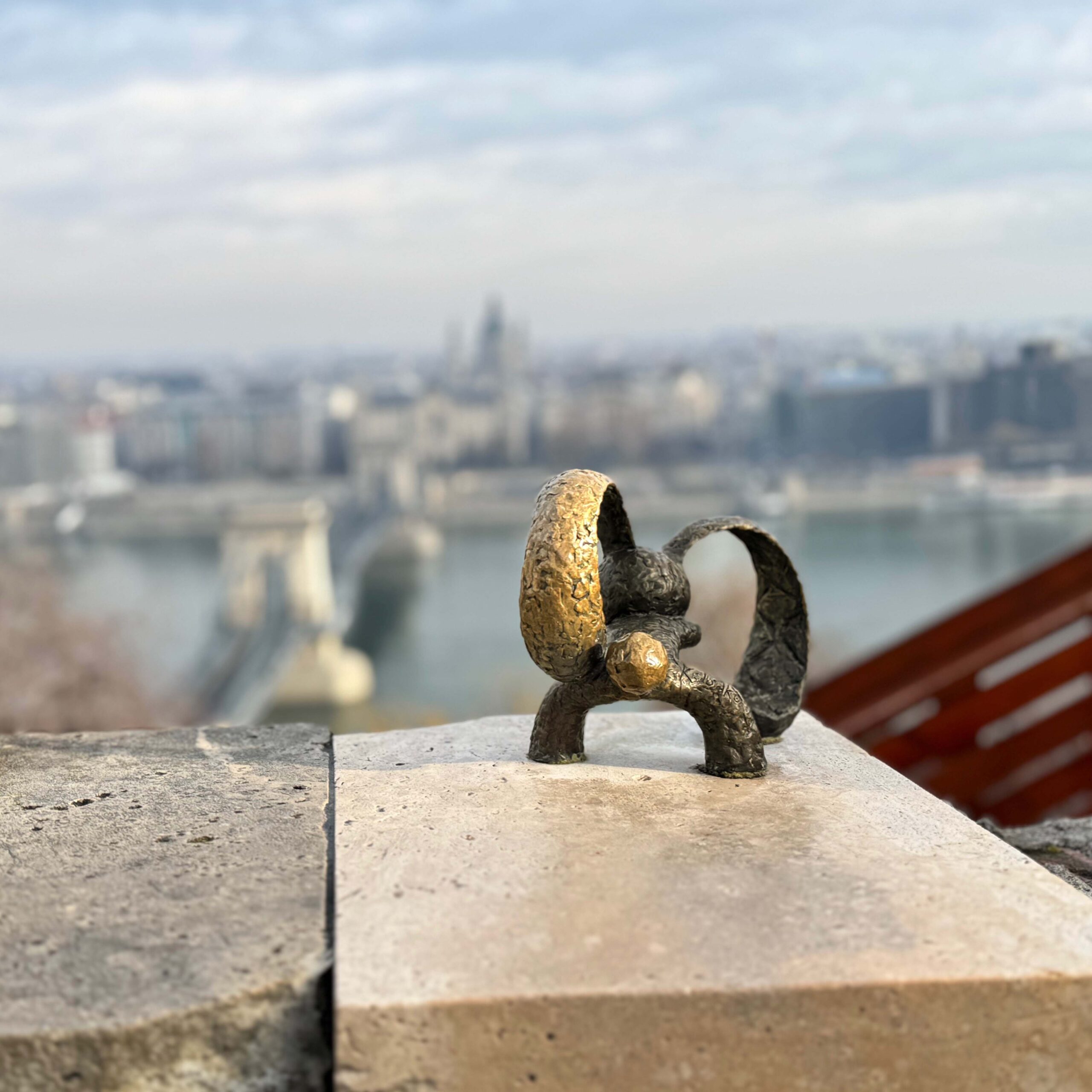
The two figures represent Buda and Pest — the historic halves of the city, united in 1873. One is calm and grounded, the other lively and full of energy. They face each other across the Danube. Close… but not quite together.
It’s easy to imagine them as lovers — always connected, yet separated by the river that defines Budapest.
A hidden gem with one of the best views
What makes this spot truly special is not just the story — it’s the setting.
This spot is part of my favourite walks around Gellért Hill, an area full of hidden paths, quiet viewpoints, and some of the most beautiful panoramas in Budapest. If you enjoy discovering places like this, you might want to explore more of my Gellért Hill stories.
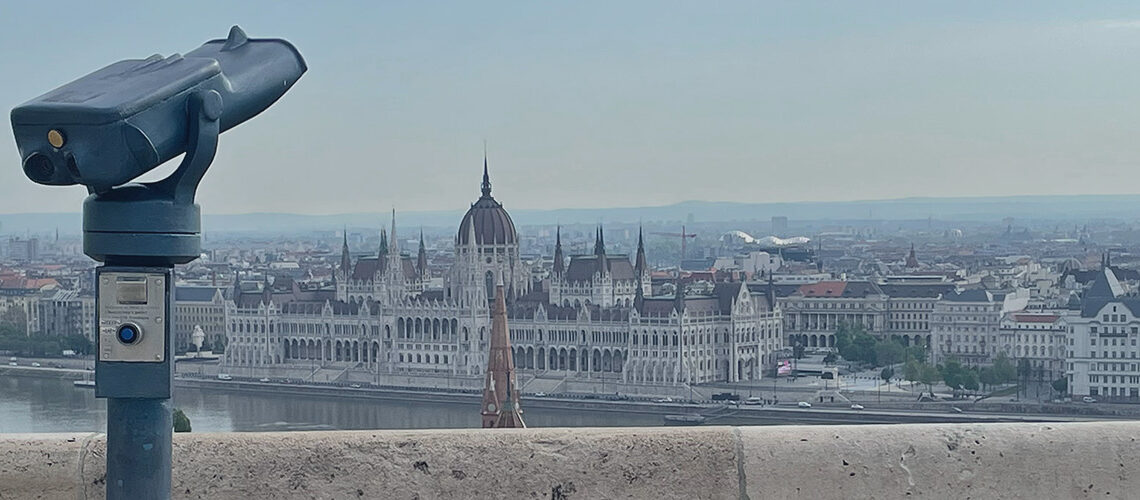
From here, you get a beautiful view over the Royal Palace and the historic Buda Castle District, with the Danube flowing below and the city centre of Pest stretching out on the other side. It’s a quieter perspective — less about the postcard-perfect Parliament view, and more about feeling the layout and rhythm of the city.
This is exactly the kind of place I love including in my tours — a mix of storytelling, atmosphere, and a viewpoint that feels personal.
Why I include spots like this in my tours
Budapest is not just about ticking off landmarks. It’s about discovering places that make you feel something — a view, a story, a quiet moment above the city. This is one of those romantic viewpoints in Budapest that feels more personal. It is a quiet place where the city slowly unfolds in front of you.
That’s why my tours are always customized:
some guests want iconic highlights
others want hidden corners
most want a bit of both
And places like the Buda & Pest statue are where those elements come together beautifully.
Continue exploring Budapest’s romantic side
This is just the beginning. In the next posts of this series, I’ll share more romantic statues and hidden stories — perfect for walks, photos, or simply seeing Budapest from a different perspective.
Final note
If you’re planning a visit and would like to explore places like this — beyond the usual highlights — I’d be happy to design a walk that fits your interests perfectly. Because in Budapest, the most memorable moments are often the ones you don’t find on a map.
There is something magical about spring in Budapest. After months of grey skies and chilly mornings, the city begins to wake up. The terraces slowly fill with conversation, the parks turn green again, and warm breezes drift through the streets carrying the promise of brighter days ahead. And then, almost suddenly, the cherry blossoms arrive. For a few short but unforgettable days each year, delicate pink blossoms bloom across Budapest, transforming quiet corners of the city into scenes that feel almost dreamlike. One of the most beautiful places to experience this is in the Buda Castle District, where soft petals frame historic streets and centuries-old buildings in shades of springtime pink. But this year, spring feels a little different. Perhaps it is the sunshine, perhaps it is the blossoms, or perhaps it is the feeling that something new is in the air—not just in nature, but in the city itself. Budapest seems to be stepping into spring with a little more energy, a little more joy, and a quiet sense of optimism for the season ahead. Cherry blossoms have long symbolized renewal, hope, and the beauty of fleeting moments. And somehow, this year, they feel especially fitting. There is laughter in the air, music drifting from open windows, and the unmistakable sense that Budapest is welcoming not only a new season, but perhaps a new chapter as well. Why Spring Is One of the Best Times to Visit Budapest If you are planning to visit Budapest, spring may be the perfect season. The weather is mild, the city is colourful, and locals seem to spend every possible moment outdoors enjoying the sunshine after the long winter months. Café terraces overflow onto the sidewalks, flowers bloom in the parks, and the golden evening light makes the city even more photogenic than
There is something magical about spring in Budapest.
After months of grey skies and chilly mornings, the city begins to wake up. The terraces slowly fill with conversation, the parks turn green again, and warm breezes drift through the streets carrying the promise of brighter days ahead.
And then, almost suddenly, the cherry blossoms arrive.
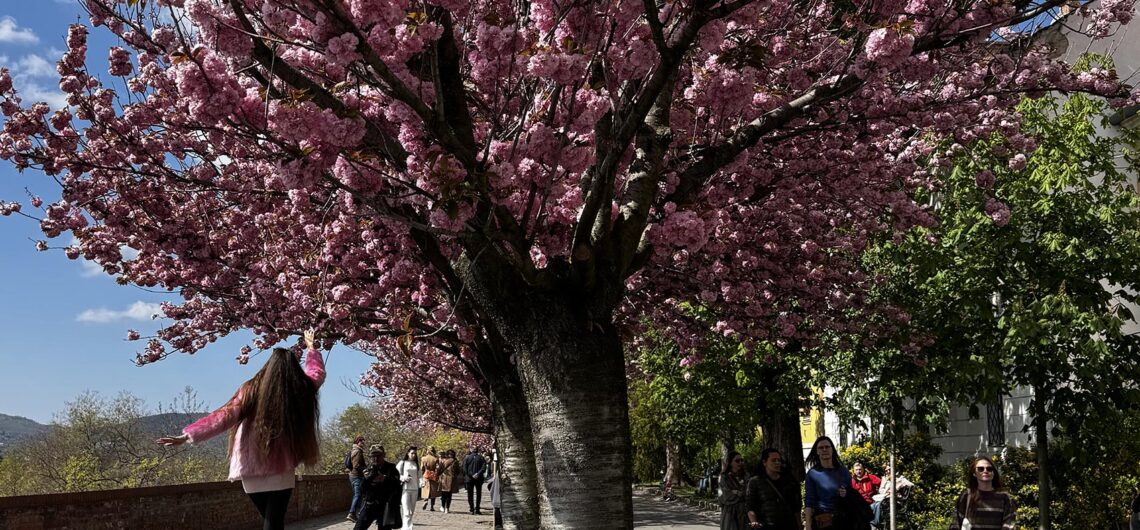
For a few short but unforgettable days each year, delicate pink blossoms bloom across Budapest, transforming quiet corners of the city into scenes that feel almost dreamlike. One of the most beautiful places to experience this is in the Buda Castle District, where soft petals frame historic streets and centuries-old buildings in shades of springtime pink.
But this year, spring feels a little different.
Perhaps it is the sunshine, perhaps it is the blossoms, or perhaps it is the feeling that something new is in the air—not just in nature, but in the city itself. Budapest seems to be stepping into spring with a little more energy, a little more joy, and a quiet sense of optimism for the season ahead.
Cherry blossoms have long symbolized renewal, hope, and the beauty of fleeting moments. And somehow, this year, they feel especially fitting.
There is laughter in the air, music drifting from open windows, and the unmistakable sense that Budapest is welcoming not only a new season, but perhaps a new chapter as well.
Why Spring Is One of the Best Times to Visit Budapest
If you are planning to visit Budapest, spring may be the perfect season.
The weather is mild, the city is colourful, and locals seem to spend every possible moment outdoors enjoying the sunshine after the long winter months. Café terraces overflow onto the sidewalks, flowers bloom in the parks, and the golden evening light makes the city even more photogenic than usual.
One of my favourite places to admire cherry blossoms in Budapest is the Buda Castle District. The contrast of soft pink petals against the grand historic buildings creates one of the most romantic spring scenes in the city.
If you enjoy hidden viewpoints and peaceful walks, you might also love visiting Gül Baba’s tomb, one of Budapest’s secret gardens with stunning Parliament views.
Experience Budapest in Bloom
Spring is one of my favorite seasons for private tours because Budapest simply feels happier. The streets are lively, the weather is comfortable, and the whole city seems to glow with fresh energy.
If you would like to discover Budapest’s hidden corners, local stories, and beautiful spring atmosphere with a local guide, explore my private Budapest tours.
If you only have a few hours in Budapest, planning is everything. The city is full of stunning architecture, rich history, and beautiful viewpoints — but without a clear route, it’s easy to waste time going back and forth. This guide will help you focus on the essential Budapest highlights, so you can experience the best of the city even on a tight schedule. 1. Heroes’ Square & City Park Start your visit at one of the most important squares in Hungary: Heroes’ Square. The statues here represent Hungary’s most important historical figures, making it a perfect introduction to the country’s past. Just behind the square, you’ll find City Park, a green oasis with hidden gems like Vajdahunyad Castle — ideal for a short, relaxed stroll before heading into the city center. Read more: A Must-See in Budapest: City Park 2. Andrássy Avenue & the Opera House From Heroes’ Square, follow Andrássy Avenue, one of Budapest’s most elegant boulevards and a UNESCO World Heritage site. Lined with historic buildings, cafés, and embassies, it leads you straight toward the city center. On the way, you’ll pass the stunning Hungarian State Opera House, a masterpiece of 19th-century architecture. Read more: Budapest public transport tips (Metro Line 1 runs here) 3. St. Stephen’s Basilica Next, head to St. Stephen’s Basilica, the largest Catholic church in Budapest. The interior is impressive — but if you have time, go up to the dome. The panoramic view offers one of the best perspectives over the city. Local tip: Visit in the late afternoon for softer light and fewer crowds. 4. The Hungarian Parliament No visit to Budapest is complete without seeing the Hungarian Parliament Building. Standing right on the Danube, it’s one of the most iconic buildings in Europe. For the best view, take a short
If you only have a few hours in Budapest, planning is everything.
The city is full of stunning architecture, rich history, and beautiful viewpoints — but without a clear route, it’s easy to waste time going back and forth.
This guide will help you focus on the essential Budapest highlights, so you can experience the best of the city even on a tight schedule.
1. Heroes’ Square & City Park
Start your visit at one of the most important squares in Hungary: Heroes’ Square. The statues here represent Hungary’s most important historical figures, making it a perfect introduction to the country’s past.
Just behind the square, you’ll find City Park, a green oasis with hidden gems like Vajdahunyad Castle — ideal for a short, relaxed stroll before heading into the city center.
From Heroes’ Square, follow Andrássy Avenue, one of Budapest’s most elegant boulevards and a UNESCO World Heritage site. Lined with historic buildings, cafés, and embassies, it leads you straight toward the city center.
On the way, you’ll pass the stunning Hungarian State Opera House, a masterpiece of 19th-century architecture.
Standing right on the Danube, it’s one of the most iconic buildings in Europe. For the best view, take a short walk along the river — or admire it from the Buda side for a full panoramic perspective.
Cross the Danube and explore the historic Buda Castle District.
This area feels completely different from Pest — quieter, more atmospheric, and full of history. Wander through cobblestone streets, discover hidden corners, and enjoy some of the best views in Budapest.
Yes — but it’s not always as easy as it looks on the map. Distances, hills (especially on the Buda side), and the depth of history at each stop can make it difficult to truly enjoy the experience without rushing.
Want to Make the Most of Your Time?
This route is exactly what I cover in my half-day tours — designed for travelers who want to see the highlights without the stress of planning.
Whether you prefer walking or a more relaxed pace by car, you’ll experience Budapest through stories, local insights, and carefully chosen viewpoints.
Final Thoughts
Budapest is a city that rewards curiosity. Even if you only have a few hours, you can experience its beauty — especially if you focus on the right places. And if you’d like to go beyond the surface, I’d be happy to show you the Budapest I know and love.
Looking for a Budapest walking tour that includes Kolodko statues? In this guide, you’ll find an interactive Kolodko mini statues map to help you locate 14 of the most interesting sculptures in Budapest. If you have ever noticed a tiny bronze figure sitting quietly on a railing in Budapest, you have likely discovered one of the city’s most delightful secrets: the Kolodko mini statues. They are small — only about 10–15 cm tall — but they tell monumental stories. Treasure hunting in Budapest begins here. Who Is Kolodko? Mihály Kolodko Mykhailo (Mihály) Kolodko is a Ukrainian-born sculptor who studied monumental sculpture at the Lviv Academy of Arts before moving to Hungary in 2017. Although trained in large-scale art, he became famous for something entirely different: miniature public sculptures placed unexpectedly around cities. His philosophy is simple: “Even in small form it is possible to depict a monumental idea.” And that is exactly what he does. Why Are Kolodko Statues So Popular in Budapest? Locals often call his work guerrilla sculpture. The statues appear quietly in public spaces, without official permission. One day they are not there — the next day they are. People love them because: They feel like hidden discoveries They reference Hungarian history and culture They revive beloved cartoon characters They often carry subtle political symbolism They invite curiosity During the communist era, Hungarians developed a refined sense for decoding hidden meanings in art, literature and music. Kolodko’s sculptures continue that tradition — playful on the surface, layered underneath. Some statues have even been stolen. Others are dressed up in winter coats by locals. They are small — but deeply loved. 5 Kolodko Mini Statues You Can Find in Budapest 1️⃣ The Sad Tank (2017) A tiny Russian tank faces the Parliament building. Its muzzle hangs down, shaped
Looking for a Budapest walking tour that includes Kolodko statues? In this guide, you’ll find an interactive Kolodko mini statues map to help you locate 14 of the most interesting sculptures in Budapest.
If you have ever noticed a tiny bronze figure sitting quietly on a railing in Budapest, you have likely discovered one of the city’s most delightful secrets: the Kolodko mini statues.
They are small — only about 10–15 cm tall — but they tell monumental stories. Treasure hunting in Budapest begins here.
Who Is Kolodko?
Mihály Kolodko
Mykhailo (Mihály) Kolodko is a Ukrainian-born sculptor who studied monumental sculpture at the Lviv Academy of Arts before moving to Hungary in 2017. Although trained in large-scale art, he became famous for something entirely different: miniature public sculptures placed unexpectedly around cities.
His philosophy is simple:
“Even in small form it is possible to depict a monumental idea.”
And that is exactly what he does.
Why Are Kolodko Statues So Popular in Budapest?
Locals often call his work guerrilla sculpture. The statues appear quietly in public spaces, without official permission. One day they are not there — the next day they are.
People love them because:
They feel like hidden discoveries
They reference Hungarian history and culture
They revive beloved cartoon characters
They often carry subtle political symbolism
They invite curiosity
During the communist era, Hungarians developed a refined sense for decoding hidden meanings in art, literature and music. Kolodko’s sculptures continue that tradition — playful on the surface, layered underneath.
Some statues have even been stolen. Others are dressed up in winter coats by locals. They are small — but deeply loved.
5 Kolodko Mini Statues You Can Find in Budapest
1️⃣ The Sad Tank (2017)
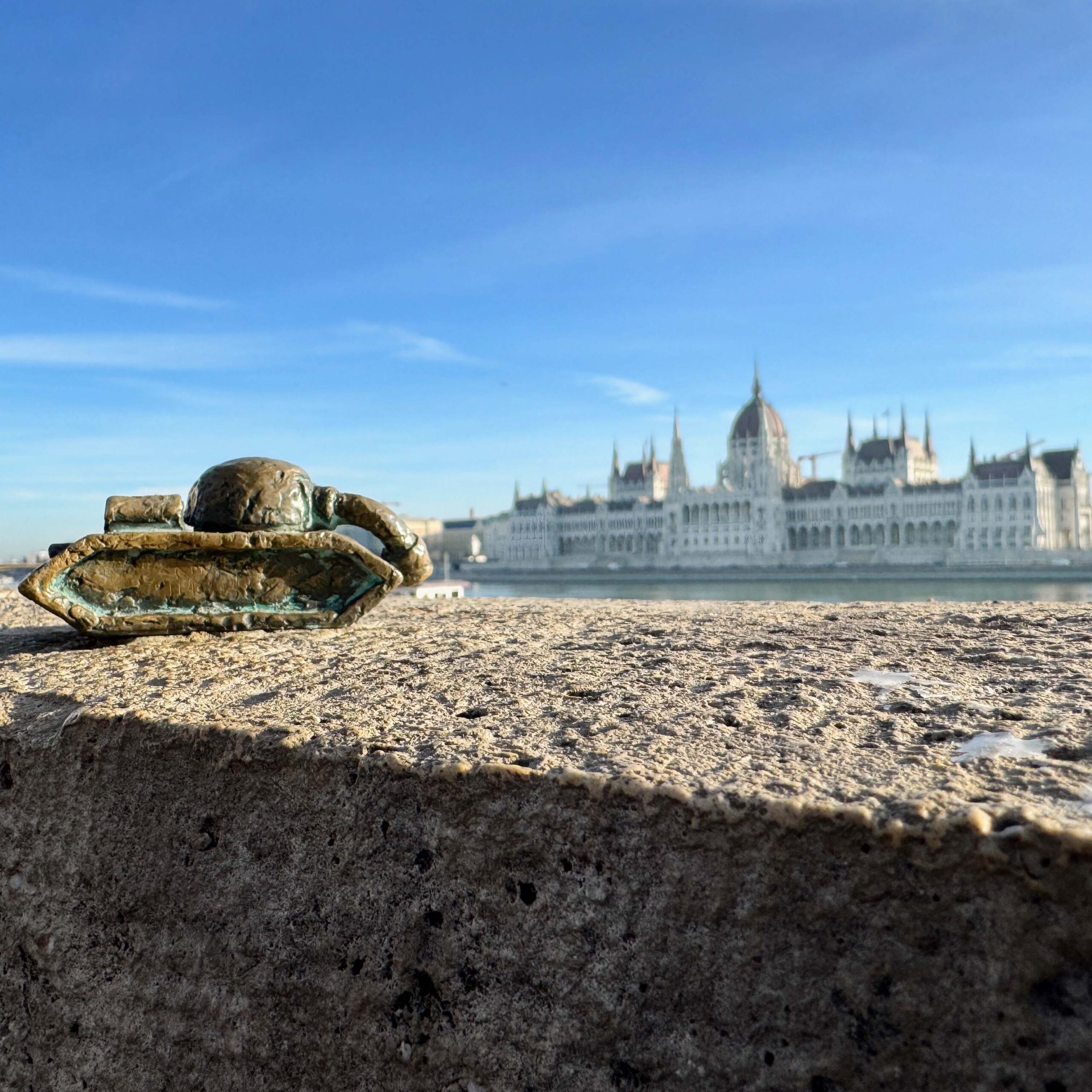
A tiny Russian tank faces the Parliament building. Its muzzle hangs down, shaped like an elephant’s trunk — a symbolic gesture that the war is over.
Perched on Castle Hill, this beloved character from a 1970s Hungarian animated series enjoys the UNESCO-protected Budapest panorama.
Locals instantly recognise him. Visitors often need the story behind him.
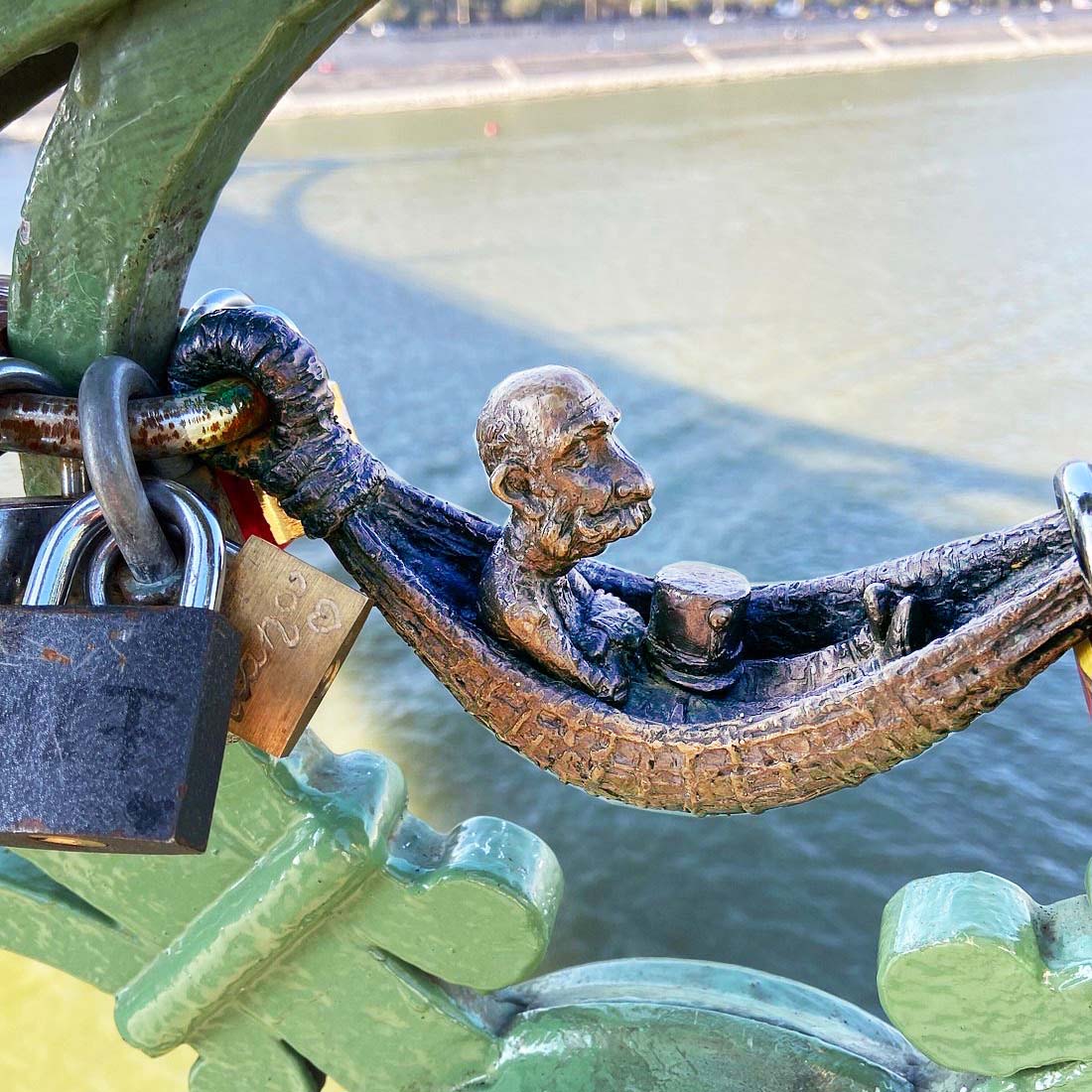
3️⃣ Emperor Franz Joseph in a Hammock (2021)
A peaceful metaphor: the emperor relaxing on Liberty Bridge — originally named after him — symbolising reconciliation through time.
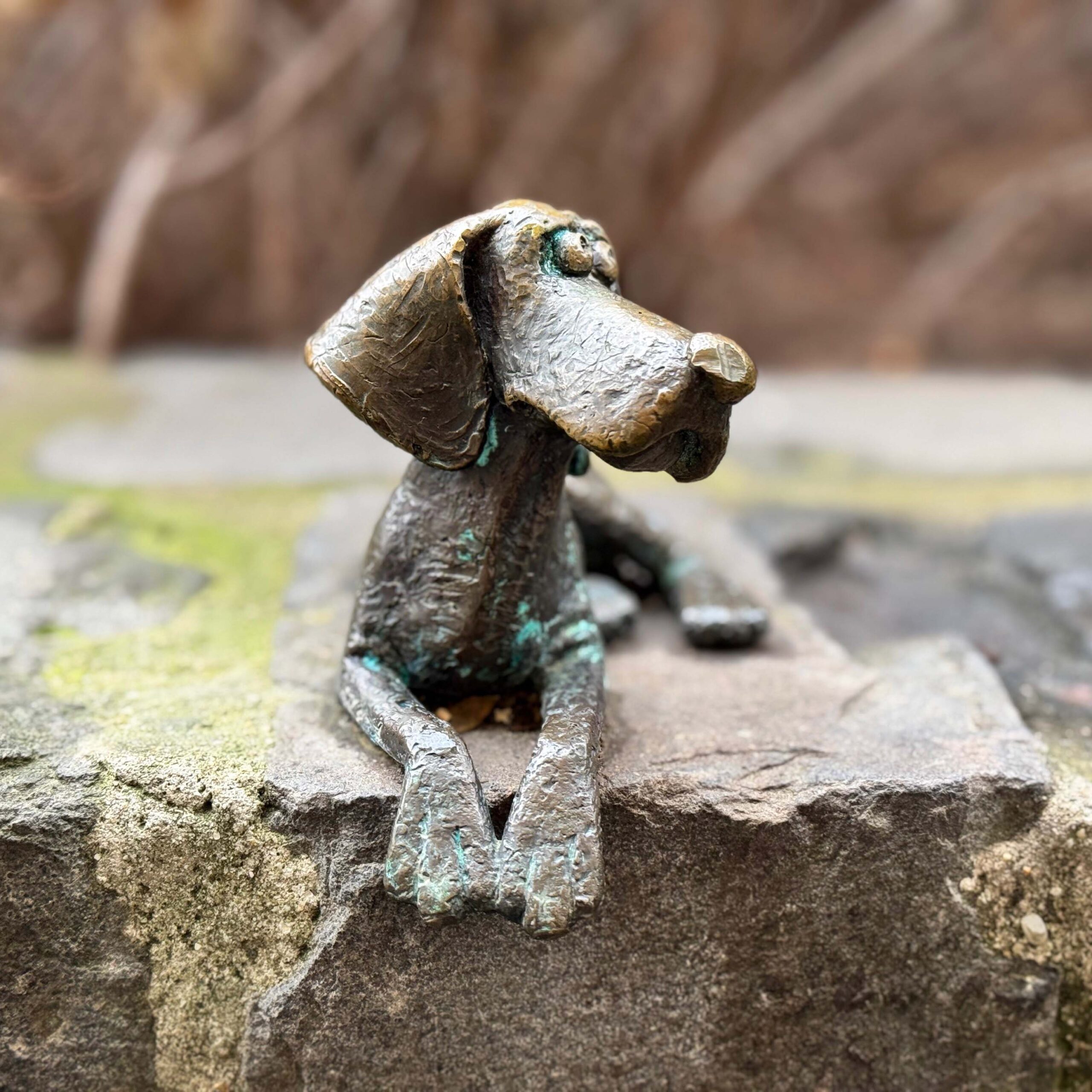
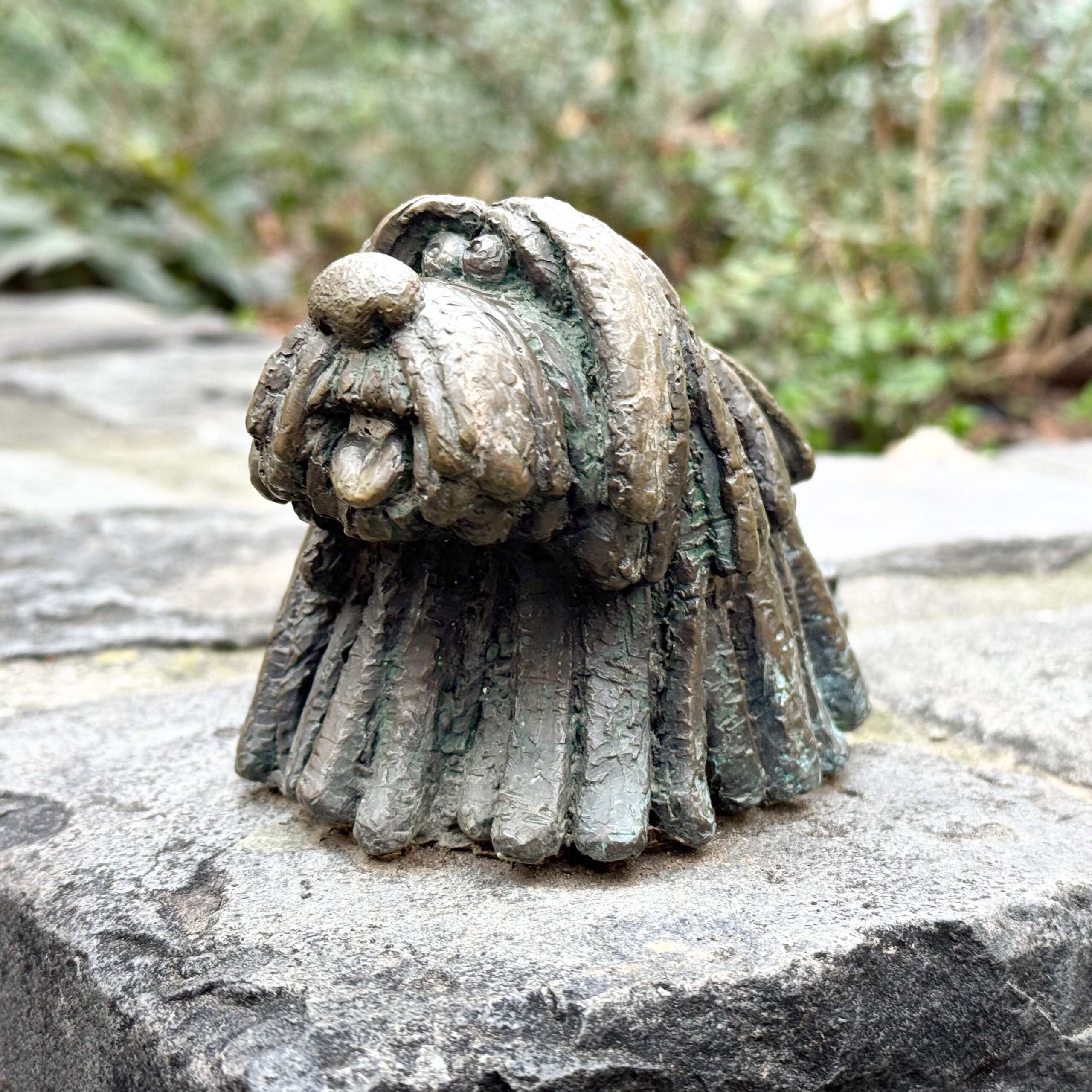
4️⃣ There Was Only One Dog Fair in Buda
Inspired by a popular Hungarian folk tale connected to King Matthias. You’ll recognise traditional Hungarian dog breeds like the puli and the vizsla.
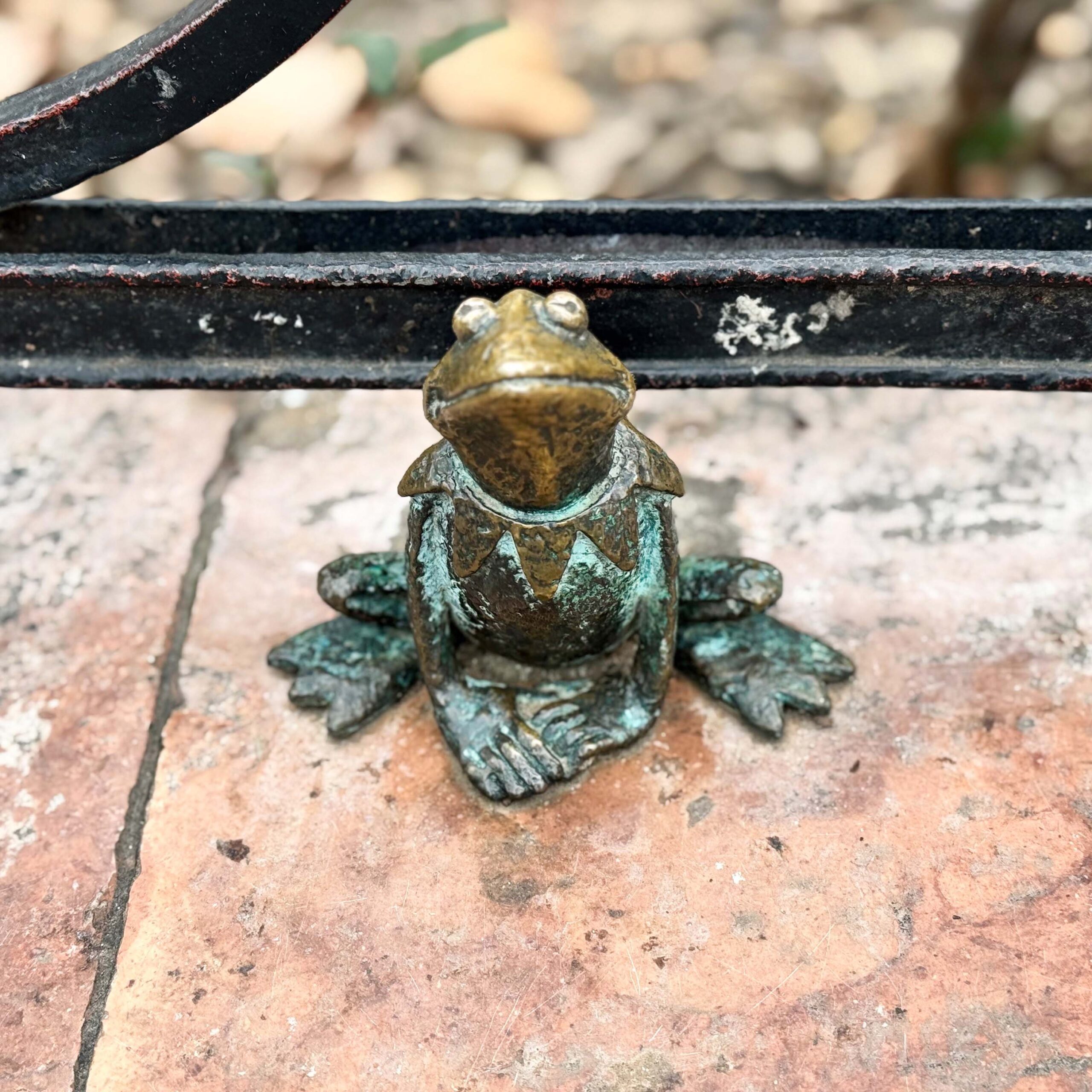
5️⃣ Kermit the Frog
Yes — that Kermit. Sitting in front of the former Hungarian Television headquarters, he playfully nods to media history.
How Many Kolodko Statues Are There in Budapest?
There are dozens scattered across the city centre, and new ones occasionally appear.
Some are near:
The Danube promenade
Buda Castle
Liberty Bridge
Central Pest
Part of the magic is that they are not always easy to find. And that is intentional.
A Treasure Hunt With Stories
When I guide guests through Budapest, one of my favourite moments is watching someone spot their first Kolodko statue.
It changes the way they look at the city.
They begin to slow down.
They begin to notice details.
They start asking questions.
And that is when Budapest truly opens up. If you would love to discover hidden details like these — and understand the history, symbolism and humour behind them — I would be delighted to design a private walking tour for you.
Kolodko Mini Statues Map – Self-Guided Walking Route
Below you’ll find my curated map of 14 Kolodko mini statues in central Budapest. Most of them are within walking distance of each other, making it easy to turn your exploration into a relaxed city walk along the Danube, Castle Hill and downtown Pest.
You can use the map for a self-guided treasure hunt — or, if you’d like to discover the stories behind these tiny sculptures, I’d be delighted to show them to you on a private walking tour.
FAQ About Kolodko Mini Statues
Who is Mihály Kolodko? A Ukrainian-Hungarian sculptor known for placing miniature bronze sculptures in public spaces.
Where can I find Kolodko statues in Budapest? Many are located near the Danube promenade, Buda Castle and central Pest.
Why are they so small? Kolodko believes that monumental ideas can be expressed even in miniature form.
Are new statues still appearing? Yes. Occasionally new sculptures appear unexpectedly.
With over 100,000 Hungarian and international artworks spanning from ancient civilisations to the end of the 18th century, the Museum of Fine Arts is the largest and most comprehensive art museum in Budapest — and an absolute must for culture lovers visiting the city. Opened in 1906, the museum’s Classical Revival building is a work of art in itself. From the outside, it resembles an ancient Greek temple — and that’s no coincidence. The tympanum on the main façade is an exact replica of the Temple of Zeus in Olympia, giving the building a timeless, monumental presence on Heroes’ Square. After being closed for almost four years of renovation, the museum has fully regained its original splendour. The restored interiors are just as breathtaking as the collections they house. Wandering through the building truly feels like stepping back in time. My personal favourites are the Romanesque Hall and the Renaissance Hall — spaces so atmospheric that even visitors who don’t usually consider themselves “museum people” are often left speechless. Exploring the museum is not just about viewing artworks; it’s a journey through centuries of European and ancient history. The Museum of Fine Arts collections at a glance The Museum of Fine Arts is divided into six main departments: Egyptian Antiquities Classical Antiquities Old Master Paintings Sculptures Prints and Drawings Old Hungarian Collection Thanks to this wide range, the museum works equally well for first-time visitors, returning travellers, and families with older children. Visiting tips The Museum of Fine Arts is located right at Heroes’ Square, making it easy to combine with a walk through City Park, a visit to Vajdahunyad Castle, or even a relaxing stop at Széchenyi Thermal Bath afterwards. I often recommend it as an extra stop during a custom Budapest walking tour, especially for guests interested in
With over 100,000 Hungarian and international artworks spanning from ancient civilisations to the end of the 18th century, the Museum of Fine Arts is the largest and most comprehensive art museum in Budapest — and an absolute must for culture lovers visiting the city.
Opened in 1906, the museum’s Classical Revival building is a work of art in itself. From the outside, it resembles an ancient Greek temple — and that’s no coincidence. The tympanum on the main façade is an exact replica of the Temple of Zeus in Olympia, giving the building a timeless, monumental presence on Heroes’ Square.
After being closed for almost four years of renovation, the museum has fully regained its original splendour. The restored interiors are just as breathtaking as the collections they house. Wandering through the building truly feels like stepping back in time.
My personal favourites are the Romanesque Hall and the Renaissance Hall — spaces so atmospheric that even visitors who don’t usually consider themselves “museum people” are often left speechless. Exploring the museum is not just about viewing artworks; it’s a journey through centuries of European and ancient history.
The Museum of Fine Arts collections at a glance
The Museum of Fine Arts is divided into six main departments:
Egyptian Antiquities
Classical Antiquities
Old Master Paintings
Sculptures
Prints and Drawings
Old Hungarian Collection
Thanks to this wide range, the museum works equally well for first-time visitors, returning travellers, and families with older children.
I often recommend it as an extra stop during a custom Budapest walking tour, especially for guests interested in art, architecture, or classical history.
%For up-to-date opening hours and current exhibitions, I always suggest checking the museum’s official website before your visit.