Happy 152nd Birthday, Beautiful Budapest!
- General
- beautiful Budapest, best places in Budapest, Budapest 152nd birthday, Budapest anniversary, Budapest attractions, Budapest cafés, Budapest History, Budapest landmarks, Budapest photography, Budapest sightseeing, Budapest tours, Budapest travel blog, budapest travel guide, chain bridge budapest, Danube River Budapest, Fisherman's Bastion, Happy Birthday Budapest, Hungarian Parliament, Julia Kravianszky guide, private tour guide Budapest, Things to do in Budapest, visit Budapest

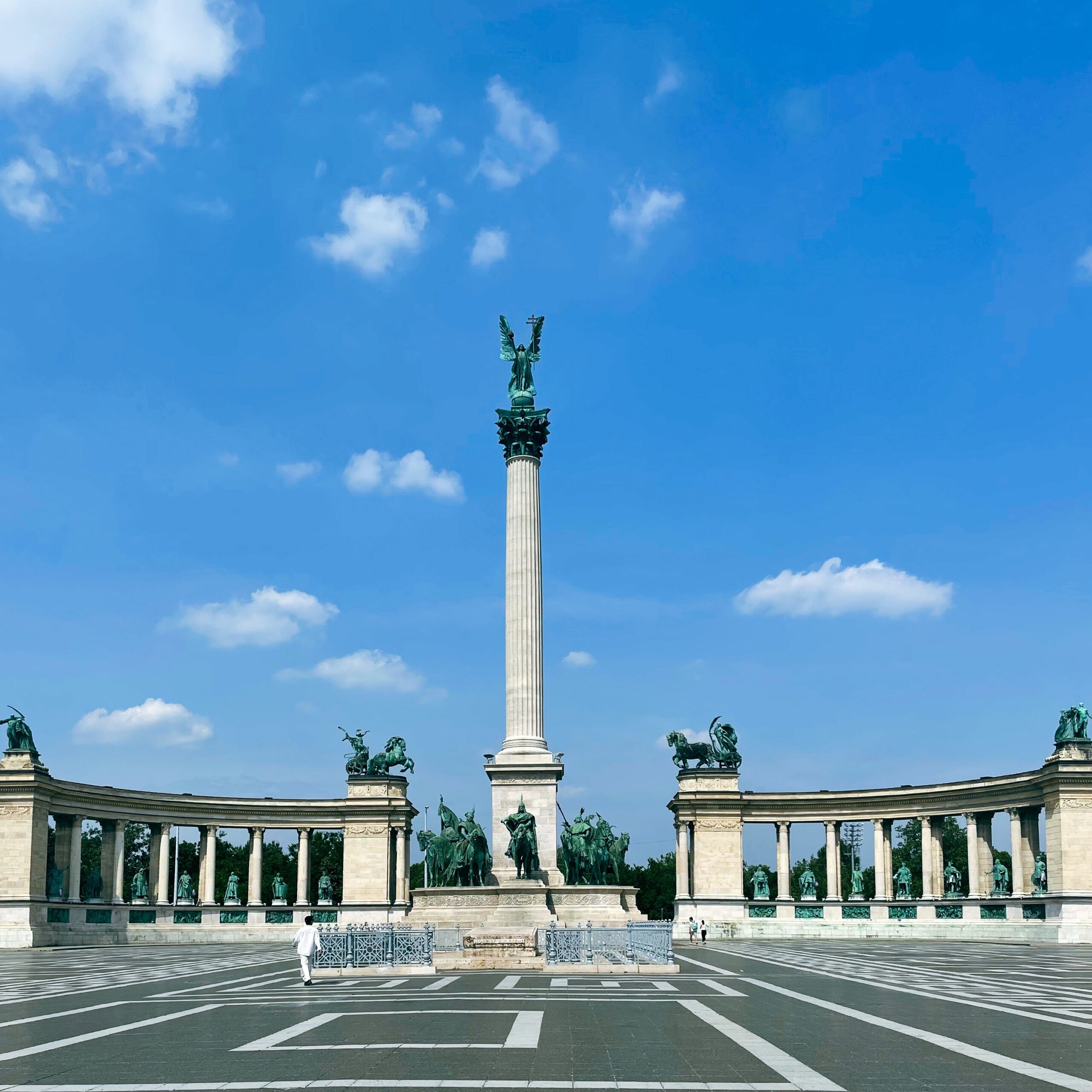
Today we celebrate the Budapest 152nd birthday. On November 17, 1873, three historic towns — Buda, Pest, and Óbuda — united to form one magnificent city: Budapest. I can’t help but reflect on why this place continues to capture my heart — and the hearts of travellers from all over the world.
It’s incredible to think how much history, resilience, and beauty fit into these 152 years. Budapest isn’t just Hungary’s capital — it’s a city that tells stories at every turn, from its majestic bridges to its cozy cafés.
A City of Timeless Beauty
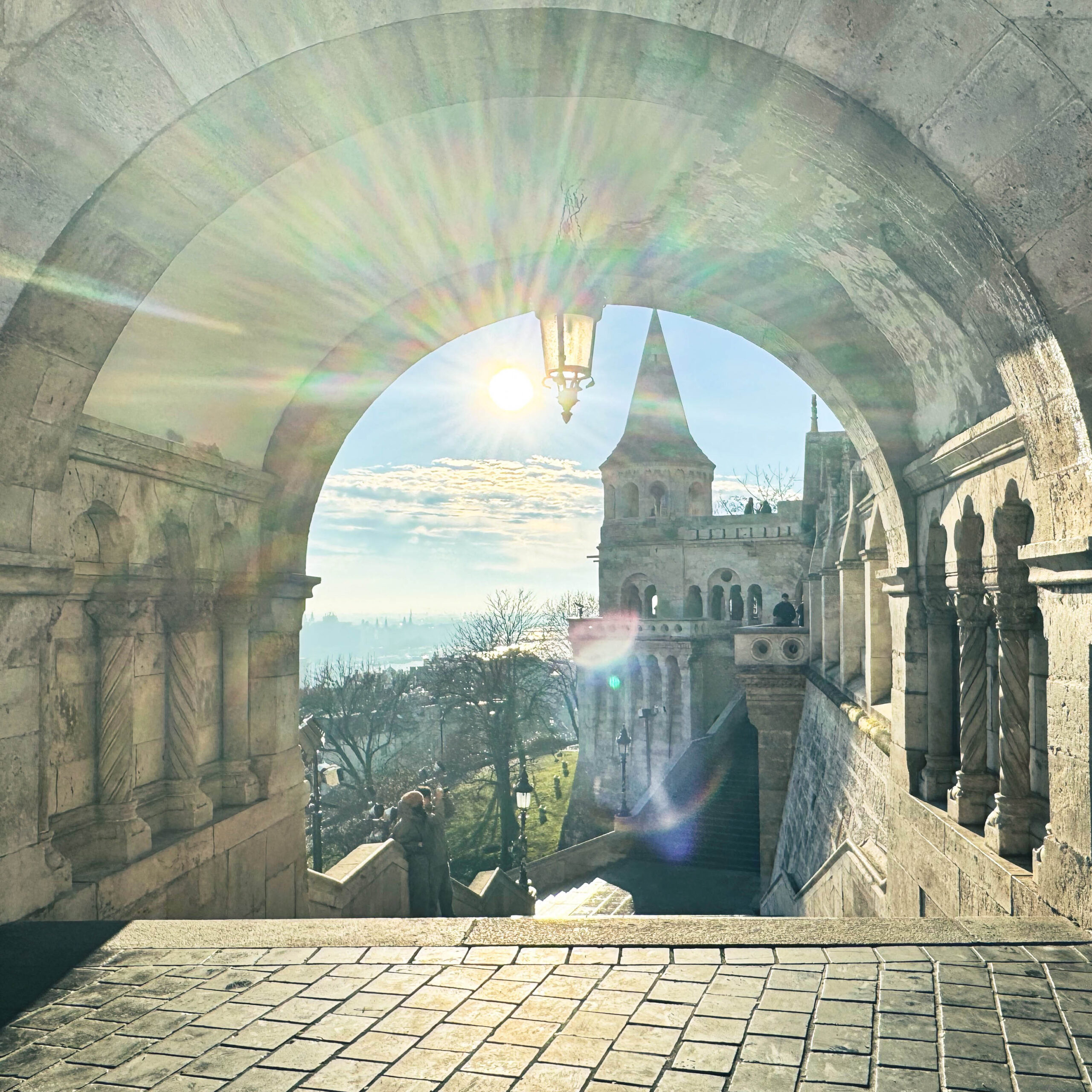
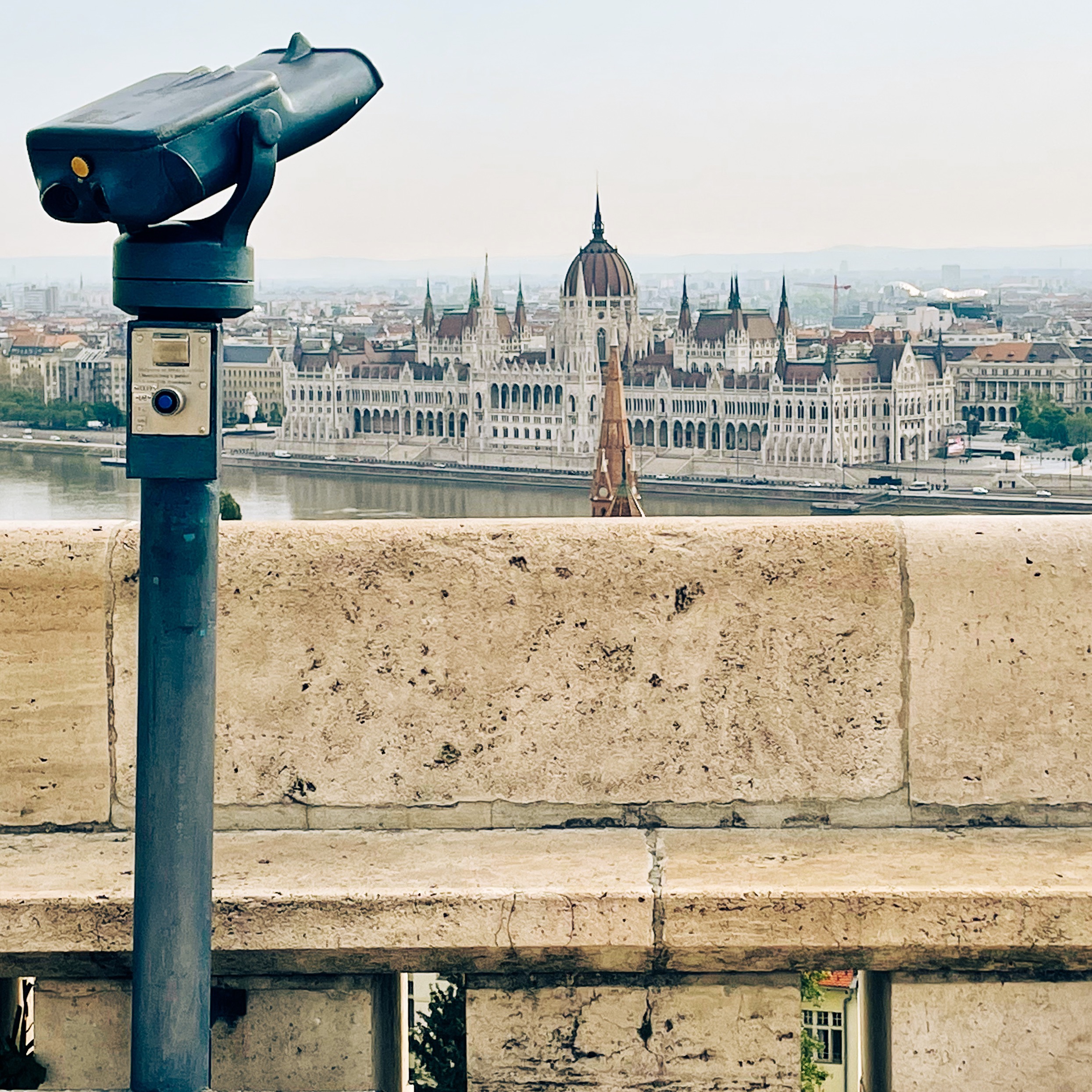
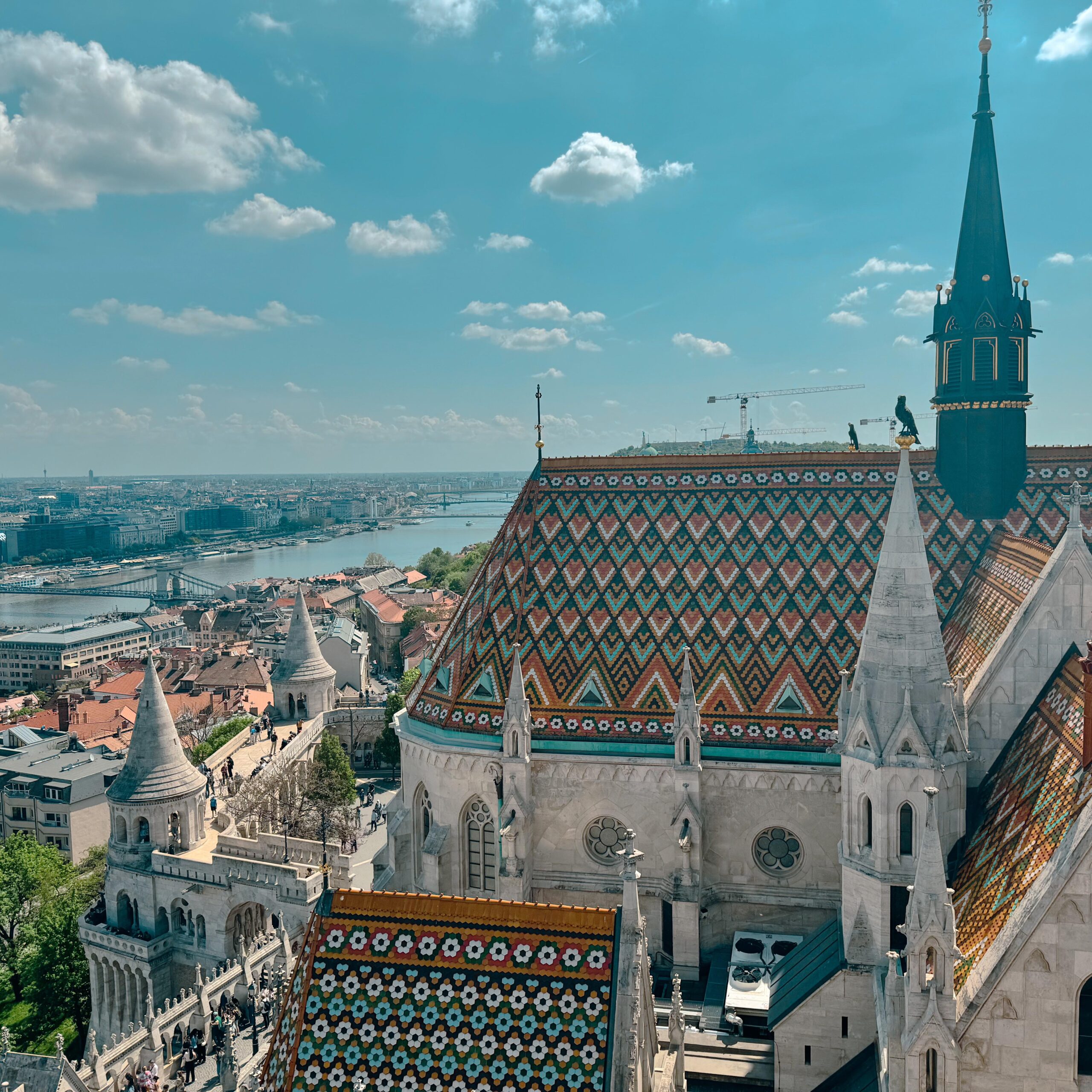
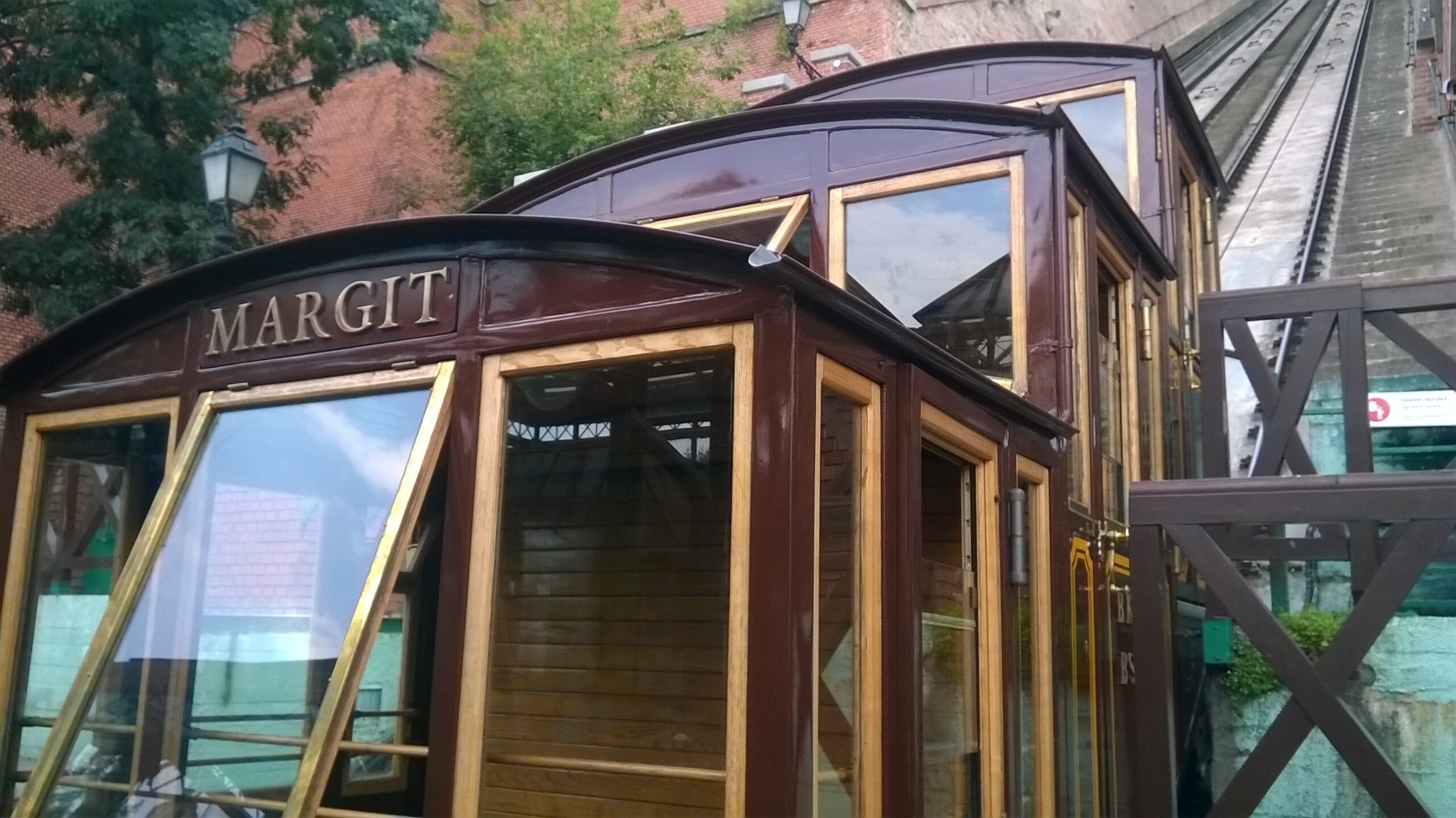
If you’re looking for things to do in Budapest, you don’t have to go far. Start with the Hungarian Parliament, one of Europe’s most stunning government buildings, glowing golden at night on the banks of the Danube. Cross over the Chain Bridge, admire the Fisherman’s Bastion at sunrise, and don’t miss a ride on Tram 2, often called one of the most scenic tram routes in the world.
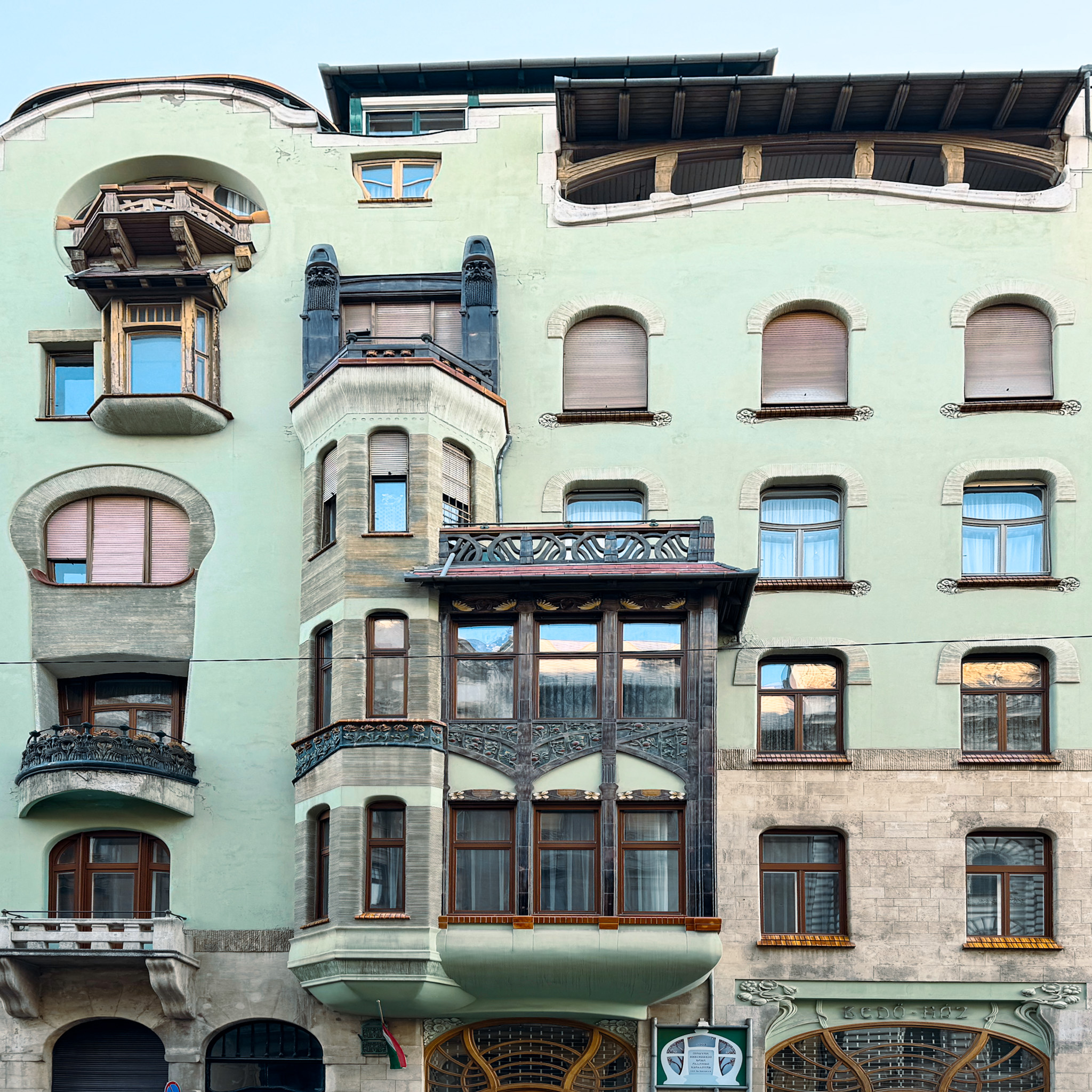
Whether you explore Buda Castle Hill for history or Andrássy Avenue for architecture, every view tells a story. So you will explore a mix of grandeur, resilience, and unmistakable charm. Need more ideas? Let me know!
Everyday Magic – Happy Birthday Beautiful Budapest!
What makes Budapest truly special is how easily beauty blends into everyday life.
You can enjoy a lazy morning at one of the city’s historic cafés, stroll along the Danube promenade, or simply watch the lights shimmer across the water as evening falls.
Even locals (like me!) still stop to take in the view — because it never gets old.
💙 My Beautiful Budapest
As a private tour guide in Budapest, I’ve had the joy of seeing visitors fall in love with the city — whether it’s their first visit or a long-awaited return. Each tour I lead feels like a love letter to this place: to its stories, flavours, and hidden corners that you won’t find in guidebooks.
Budapest is endlessly inspiring. It’s a city that makes you slow down, look up, and appreciate the details. Like the curve of a bridge, the scent of coffee, the sound of trams rolling by.
Here’s to the Next 152 Years – Happy Birthday Beautiful Budapest!
Budapest has lived through revolutions, rebuildings, and countless transformations. Yet, she always rises more beautiful, more vibrant, more alive.
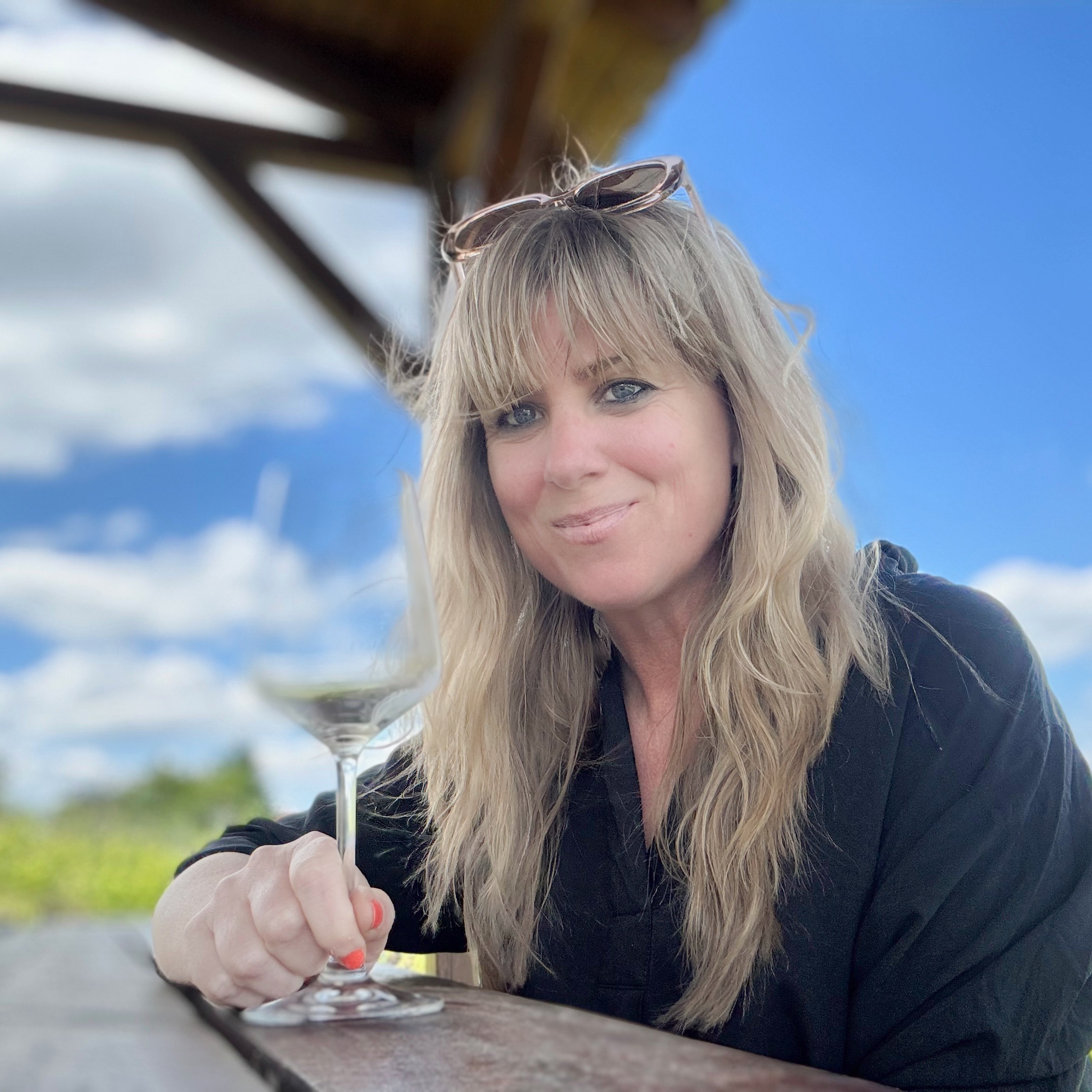
So today, I raise my glass (of Tokaji, of course!) to 152 years of history, culture, and beauty.
Happy Birthday, Beautiful Budapest — and thank you for continuing to inspire all who walk your streets. 💫