Every year on the 15th of March, Hungary commemorates one of the most important moments in its history: the beginning of the Revolution of 1848.

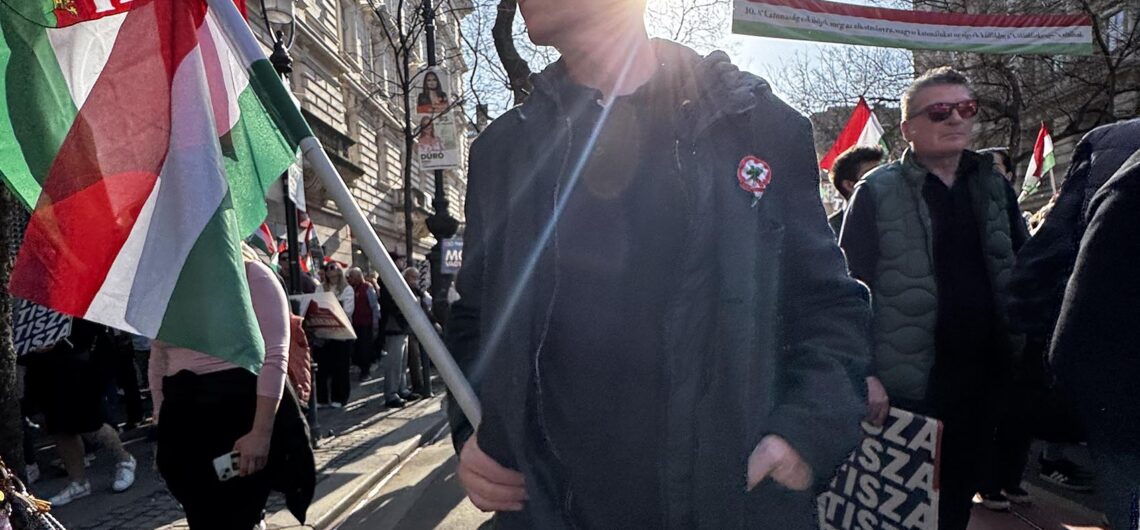
It is a day when Hungarian flags appear across Budapest, red-white-green cockades are pinned to jackets, and the city remembers the courage of those who demanded freedom.

But this national holiday is not only about remembering a historical event. It is about remembering a moment when words, ideas, and determination changed the course of a nation’s history.

The Day the Revolution Began

The events of the 15th of March, 1848 began in Pest with a group of young intellectuals known as the March Youth. Among them was the poet Sándor Petőfi, whose passionate poem Nemzeti Dal (National Song) became the voice of the revolution.

Standing before a growing crowd, Petőfi recited the poem beginning with the powerful words:

“Talpra magyar, hí a haza!”
“Rise up, Hungarians, the homeland calls!”

The poem captured the spirit of the moment. Inspired by revolutionary movements spreading across Europe in 1848, the crowd demanded political reform and national independence. Their demands were summarized in a document known as the Twelve Points, which called for:

  • freedom of the press

  • equality before the law

  • a Hungarian government independent from Vienna

  • civil rights and national sovereignty

  • the end of feudal privileges

Remarkably, the revolution in Pest began without violence. Printing presses produced copies of the Twelve Points without censorship, crowds gathered peacefully, and political prisoners were freed.

For a brief moment, it seemed that a new chapter of Hungarian history had begun.

The Hungarian Flag and the Cockade

One of the most recognizable symbols of the revolution was the red-white-green tricolour, the Hungarian national flag.

These colours had appeared earlier in Hungarian history, but during the revolution they became a powerful symbol of unity and national identity.

Even today, on March 15, many Hungarians wear a cockade made from these colours — a small circular ribbon pinned to clothing. This tradition connects modern Hungary with the revolutionaries of 1848 who wore the same symbol of patriotism.

Walking through Budapest on this day, you see flags hanging from historic buildings, bridges, and balconies across the city.

The red, white, and green colours remind people not only of the past, but also of the enduring importance of freedom. The three colours of the Hungarian flag tell a story of their own: red symbolises the blood and passion of those who fought for freedom, white represents honesty and integrity, and green reflects hope for the nation’s future.

The Revolution and Its Legacy

Although the revolution eventually led to a war with the Habsburg Empire and was ultimately suppressed in 1849, its ideals continued to shape Hungarian identity.

Many of the political and social reforms demanded in 1848 eventually became reality. More importantly, the revolution became a lasting symbol of the Hungarian desire for independence and self-determination.

Hungarian history includes several moments when people stood up for freedom.

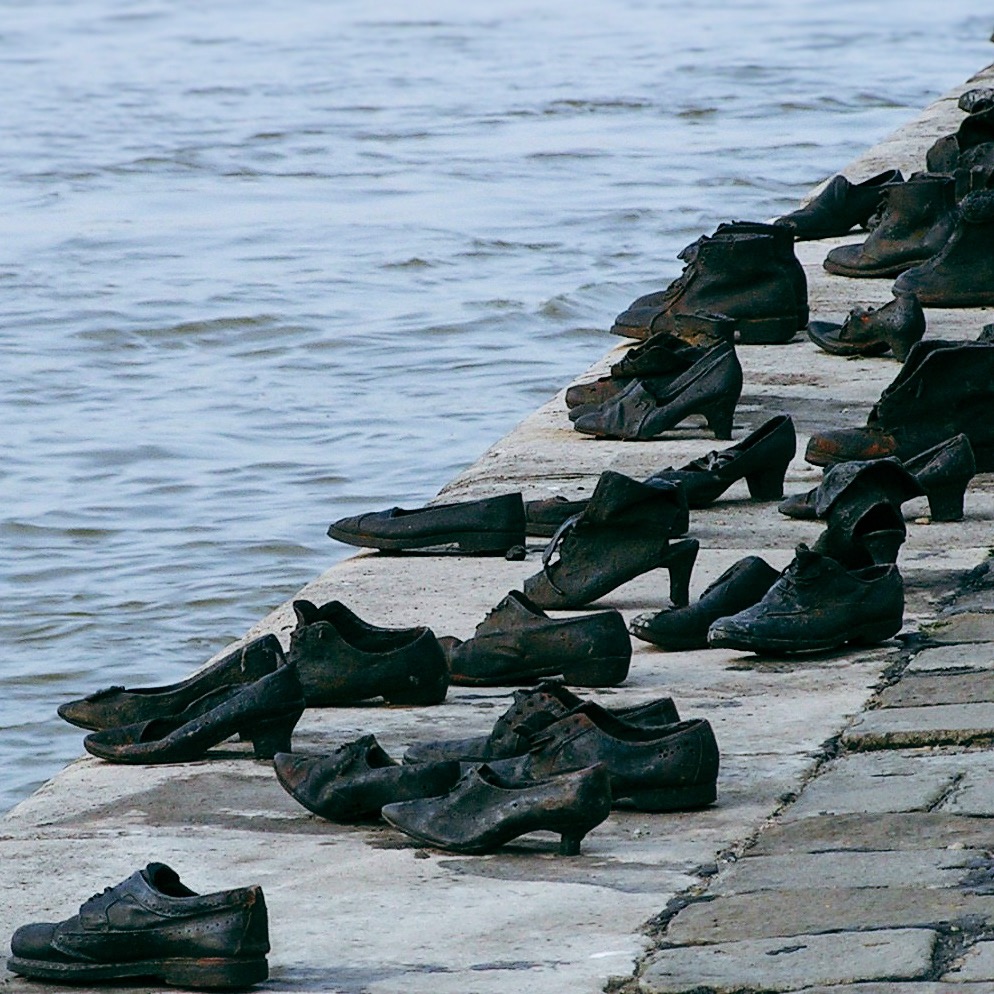
One of the most powerful examples was the 1956 uprising against Soviet rule, another event that deeply shaped modern Budapest and the national memory.

Understanding these moments helps visitors see Budapest not only as a beautiful city, but also as a place where history was lived with extraordinary courage.

Experiencing the 15th of March in Budapest

If you happen to visit Budapest around the 15th of March, you will see a very special atmosphere in the city.

Public squares host commemorations, historic locations connected to the revolution are visited by locals, and Hungarian flags appear everywhere. The holiday is both festive and reflective — a quiet but powerful reminder of the ideals that shaped the country.

For visitors interested in the deeper layers of Hungarian history, these stories often come alive when walking through the city itself. Many of the historic streets connected to Budapest’s past — including areas like the Jewish Quarter — reveal how layers of history shaped the city we see today.

Many of the places connected to Hungary’s struggles for freedom can still be seen today — from the streets where the revolution began to the monuments remembering later events such as the 1956 uprising. Fortunately, many of these historic sites are easy to reach thanks to Budapest’s excellent public transportation system, which makes exploring the city simple for visitors.

Why This History Matters Today

One of the most moving aspects of the 15th of March is that the revolution was not only fought with weapons.

It was fought with poetry, ideas, and courage. The words spoken in the streets of Pest in 1848 continue to echo through Hungarian history, reminding people that freedom often begins with the courage to imagine a different future.

Every Hungarian flag displayed on this day carries that message forward. Whenever I walk through Budapest on the 15th of March, I can’t help wondering what the young revolutionaries of 1848 would expect from us today. Reading the Twelve Points, it is striking how timeless their message remains. The ideals of freedom, equality before the law, and responsible government still resonate deeply, reminding us that the spirit of 1848 continues to challenge and inspire every generation.

Budapest is a city where history is not only remembered — it is lived in its streets, squares, and stories. If you would like to explore these layers of history while discovering the city with a local guide, I would be delighted to show you around on one of my private tours.

March 15 Budapest 🇭🇺 Nemzeti Menet | Hungary’s National Day

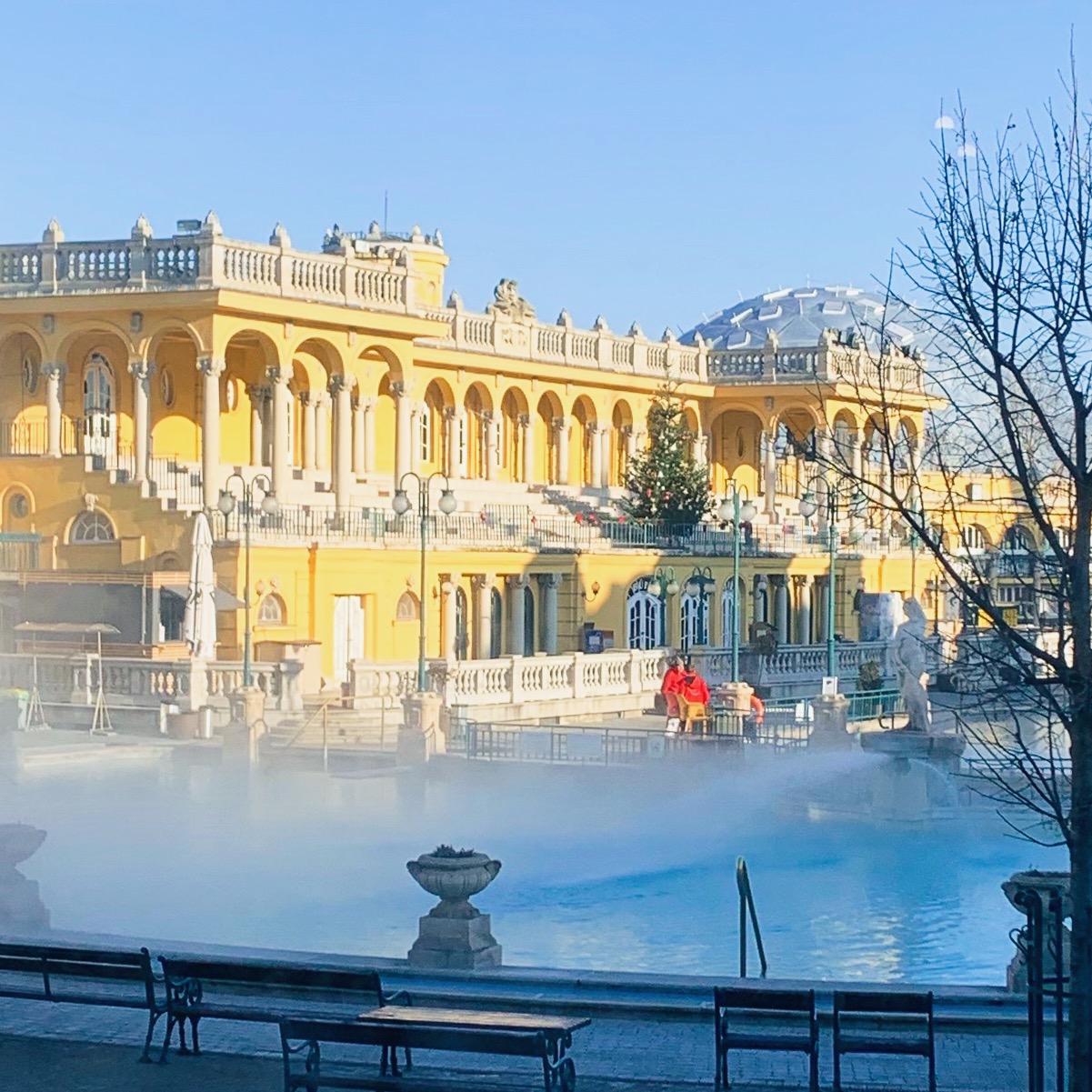
Snow has a way of transforming Budapest, Budapest in winter feels noticeably different. The familiar streets grow quieter, footsteps slow down, and the city reveals a softer, more intimate side. Winter in Budapest isn’t about rushing between sights — it’s about atmosphere, details, and moments that invite you to pause.

If you’re wondering whether Budapest is worth visiting in winter, the answer is a gentle but confident yes.

A Slower Side of Beautiful Budapest in Winter

When snow falls, Budapest feels more personal. Locals linger a little longer in cafés, parks feel almost private, and even the busiest areas take on a calm rhythm. This is when the city rewards those who enjoy slow travel — walking, observing, and letting places unfold naturally.

Winter light softens the architecture, and familiar landmarks feel less crowded and more contemplative. It’s a season for wandering without a strict plan, following quiet streets instead of highlights lists.

Walking Through a Snowy City

Budapest is a city made for walking, and winter emphasises this beautifully. Snow-covered paths along the Danube, peaceful parks, and residential streets offer some of the most memorable walks of the year.

Exploring on foot allows you to notice small details — the sound of trams in the snow, steam rising from café windows, and the contrast between warm interiors and the cold outside. These moments are often missed during busier seasons.

If you enjoy discovering cities at a relaxed pace, winter walks are an ideal way to experience Budapest. You can find more ideas and inspiration on my Budapest walking tours page, where I share different ways to explore the city beyond the obvious routes.

Winter Landmarks Without the Crowds

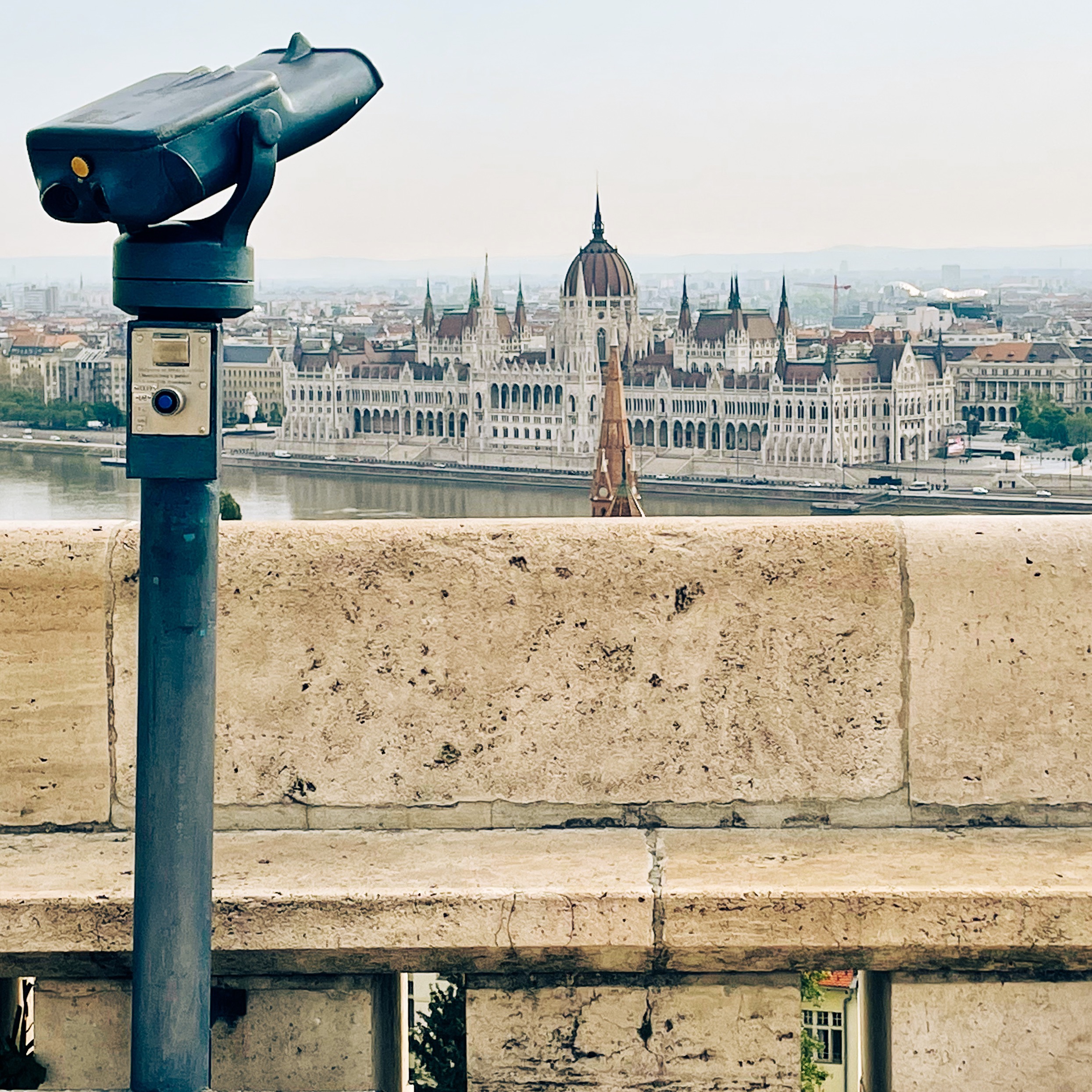
Some of Budapest’s most iconic sights feel especially atmospheric in winter. Snow highlights the lines of historic buildings, bridges feel more dramatic against a pale sky, and viewpoints offer crisp, clear perspectives.

  • The Hungarian Parliament and its surroundings in winter
  • Budapest’s bridges and how they connect the city’s two sides
  • Scenic riverside walks along the Danube

These places take on a quieter, more reflective character when the city slows down.

Winter is also an ideal time to explore Budapest’s museums, especially smaller, less crowded places that reward curiosity and attention to detail. If you enjoy discovering hidden cultural gems, you may like my visit to the Róth Miksa Memorial House, a beautifully preserved Art Nouveau museum that offers a quiet and inspiring indoor experience.

Warm Pauses Inside

One of the joys of Budapest in winter is the rhythm between outside and inside. After a walk in the cold, stepping into a café feels especially comforting. Foggy windows, warm drinks, and unhurried conversations are all part of the winter experience.

This balance — between exploration and rest — is what makes winter travel here so rewarding. It’s not about seeing everything, but about feeling connected to the city.

Is Winter the Right Time to Visit Budapest?

Winter is perfect for travellers who:

  • Prefer fewer crowds
  • Enjoy slow, mindful travel
  • Love photography and atmosphere
  • Want a more local, authentic experience

While days are shorter and colder, the city’s charm is unmistakable. Budapest doesn’t hibernate — it simply changes pace.

Discover Budapest at Your Own Rhythm

Whether you’re visiting for the first time or returning to see the city from a new perspective, winter offers a unique opportunity to connect with Budapest on a deeper level.

If you’d like help planning a personalised experience or exploring the city through thoughtful walks, feel free to visit my Contact page. I’m always happy to help you discover Beautiful Budapest — one moment at a time.
Budapest in winter

As a Budapest private tour guide, I spend my days sharing streets, stories, cafés, and viewpoints with visitors from all over the world. And while I’ve guided tours for years, this past season felt especially reflective. Slower. More intentional.

Every year, Budapest shows me something new — not because the city changes, but because the people walking through it do.

As the year comes to an end, I wanted to pause and share a few thoughts — not a checklist of highlights, but the moments and lessons that stayed with me, and how they’re shaping the way I’m preparing for 2026.

What Surprised Me This Year

I was reminded, again and again, that people don’t fall in love with Budapest because of facts.

They fall in love with:

  • a quiet park they didn’t expect

  • a café that felt like “their place”

  • a story that suddenly made history personal

  • the feeling of not being rushed

Some of the most meaningful moments happened far away from the famous landmarks. A slow walk in Buda. A spontaneous coffee stop. A question that turned into a long conversation.

It surprised me how often guests told me at the end of a tour:

“This felt like walking with a local friend.”

That, more than anything, stayed with me.

What I Refined as a Private Budapest Tour Guide

This year helped me clarify what kind of guiding matters most to me.

I learned that:

  • Slower is better — fewer places, deeper experiences

  • Customisation beats itineraries — every guest brings a different curiosity

  • Listening is as important as storytelling

Budapest has so many layers. You can’t rush it or reduce it to a highlights reel. The more space I leave for questions, pauses, and personal interests, the more meaningful the experience becomes — for my guests and for me.

Private guiding isn’t about efficiency.
It’s about connection.

What I’m Letting Go Of

I’m gently letting go of the idea that a “good tour” needs to include everything.

  • Not every walk needs to be packed.
  • Not every story needs to be told at once.
  • Not every moment needs an explanation.

Sometimes the city speaks for itself — and my role is simply to create the space for that to happen.

What Excites Me About 2026

Looking ahead, I’m feeling excited and inspired.

In 2026, I want to focus even more on:

  • hidden gardens, quiet streets, and local favourites

  • thoughtful walks through history, especially for returning visitors

  • helping guests feel confident, not overwhelmed, in Budapest

I’m also preparing behind the scenes to open bookings for 2026 in January, with updated details and carefully refined experiences — shaped by everything this past year has taught me.

Until Then…

Budapest is a city you can visit many times and still discover something new — and guiding here continues to teach me just as much as it teaches my guests.

If Budapest is on your list for the coming year, I’d love to share it with you — at the right pace, in your own way.

Until then, thank you for following along, reading, and walking this city with me, even from afar.

See you in Budapest — soon.

A Year as a Budapest Private Tour Guide | Looking Ahead to 2026

As a private Budapest tour guide, I’ve had the joy of leading over 2,000 tours in this incredible city—and I can honestly say that every single one has been special. No two tours are ever the same—because no two travellers are ever the same. That’s what makes being a private Budapest tour guide so rewarding.

Some come for the history, others for the food and wine, and many are simply curious to understand what makes this city so magical.

From Strangers to Friends

Whether it’s a half-day stroll through Pest or a full-day adventure across both sides of the Danube, something remarkable always happens.

We start as strangers, but somehow, by the end of the tour, we’re sharing stories like old friends. There’s a closeness that naturally forms when walking through streets filled with meaning and memory. As a result, these moments stay with me long after the tour is over.

Budapest Through My Eyes

Every corner I show holds personal significance—these aren’t just stops on a route; they’re part of my life in Budapest. For example the grandeur of Andrássy Avenue while the quiet courtyards of the Jewish Quarter still feel like hidden gems.

The Magic of a Shared Experience

I love seeing the city through fresh eyes again and again. Watching someone fall in love with Budapest—often without even realising it—is one of the best parts of my job. In fact, I especially love that moment when I catch the first sparkle in their eyes, when I know the city has started to work its magic on them.

Of course, it’s not just about sharing facts—though of course, I share plenty! It’s about creating an experience that reflects each guest’s curiosity, energy, and pace.

Tailored Tours, Every Time

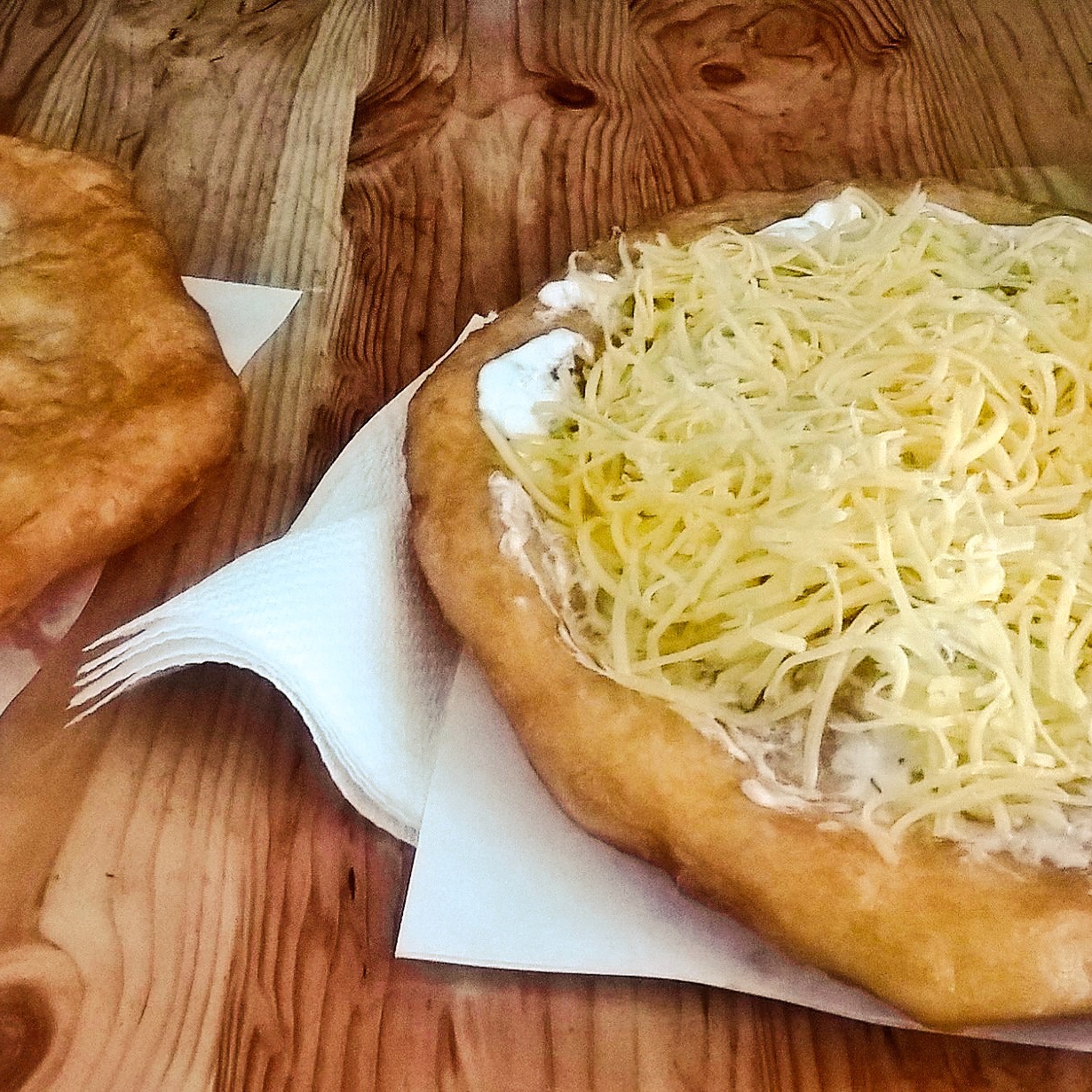
Some guests want slow, thoughtful conversations about architecture and culture; others are eager to try lángos at the market or sip some sparkling wine in Etyek. Either way, I’m here for all of it.

These moments—spontaneous, personal, and often funny—make each tour unforgettable for me too. After all, that’s what makes being a private Budapest tour guide so rewarding.

Budapest is always changing, but it never loses its beauty. And after all these years, I still feel incredibly lucky to call it home—and to share it with others.

Let Me Show You Around

If you’re planning a trip, I’d be honoured to show you around the city that I love. Whether you’re after history, food, or just a warm local connection, consider booking with a private Budapest tour guide who truly knows the heart of the city.

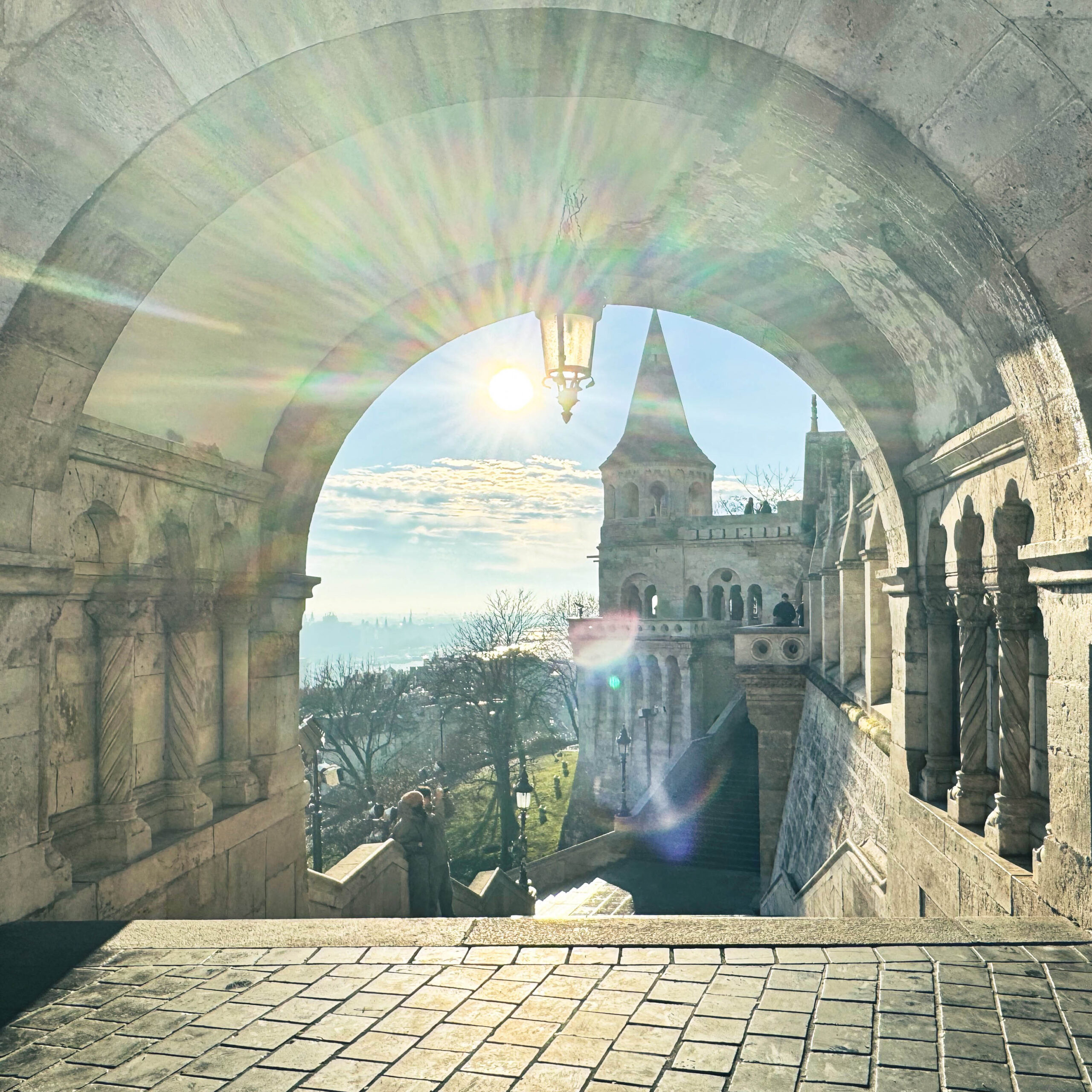
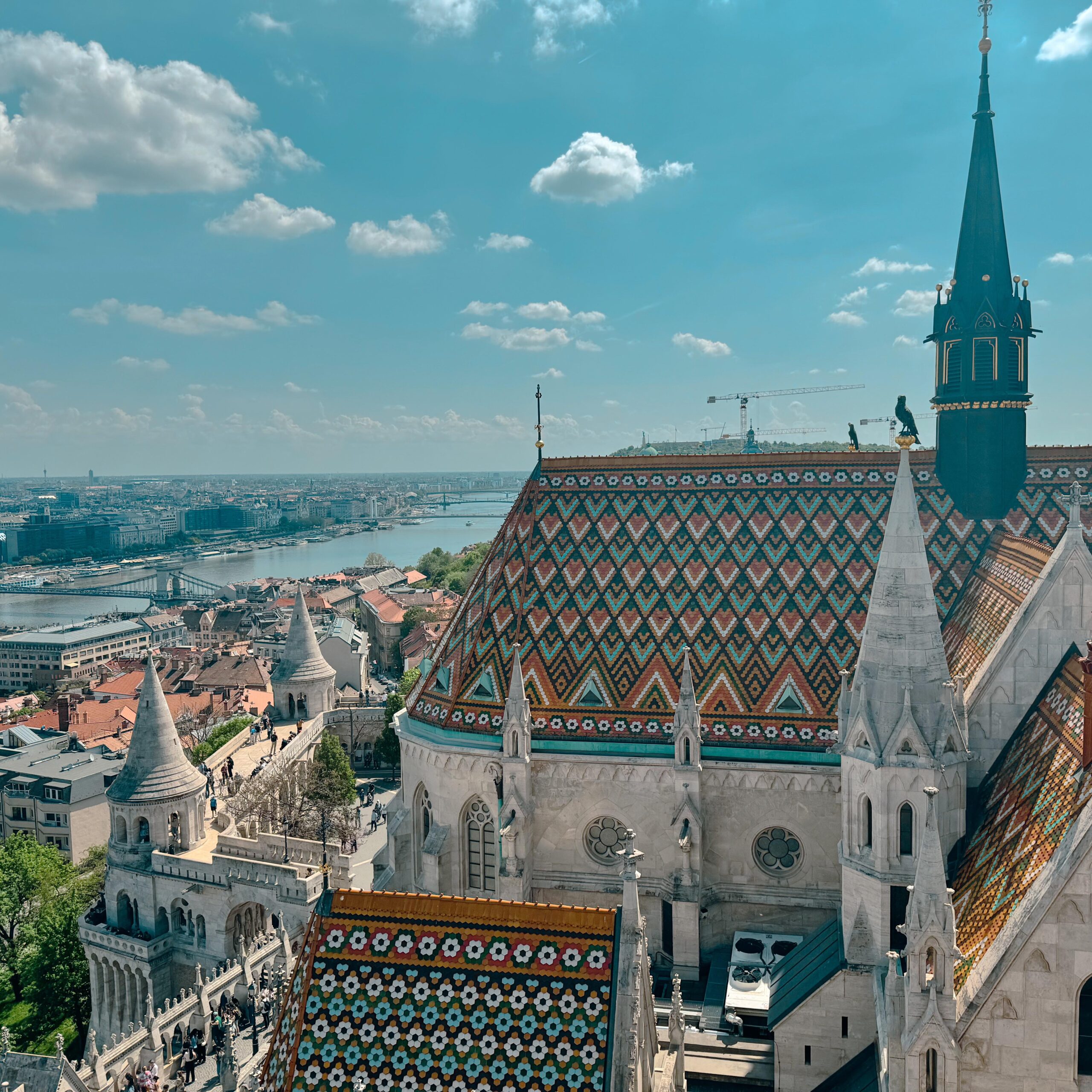
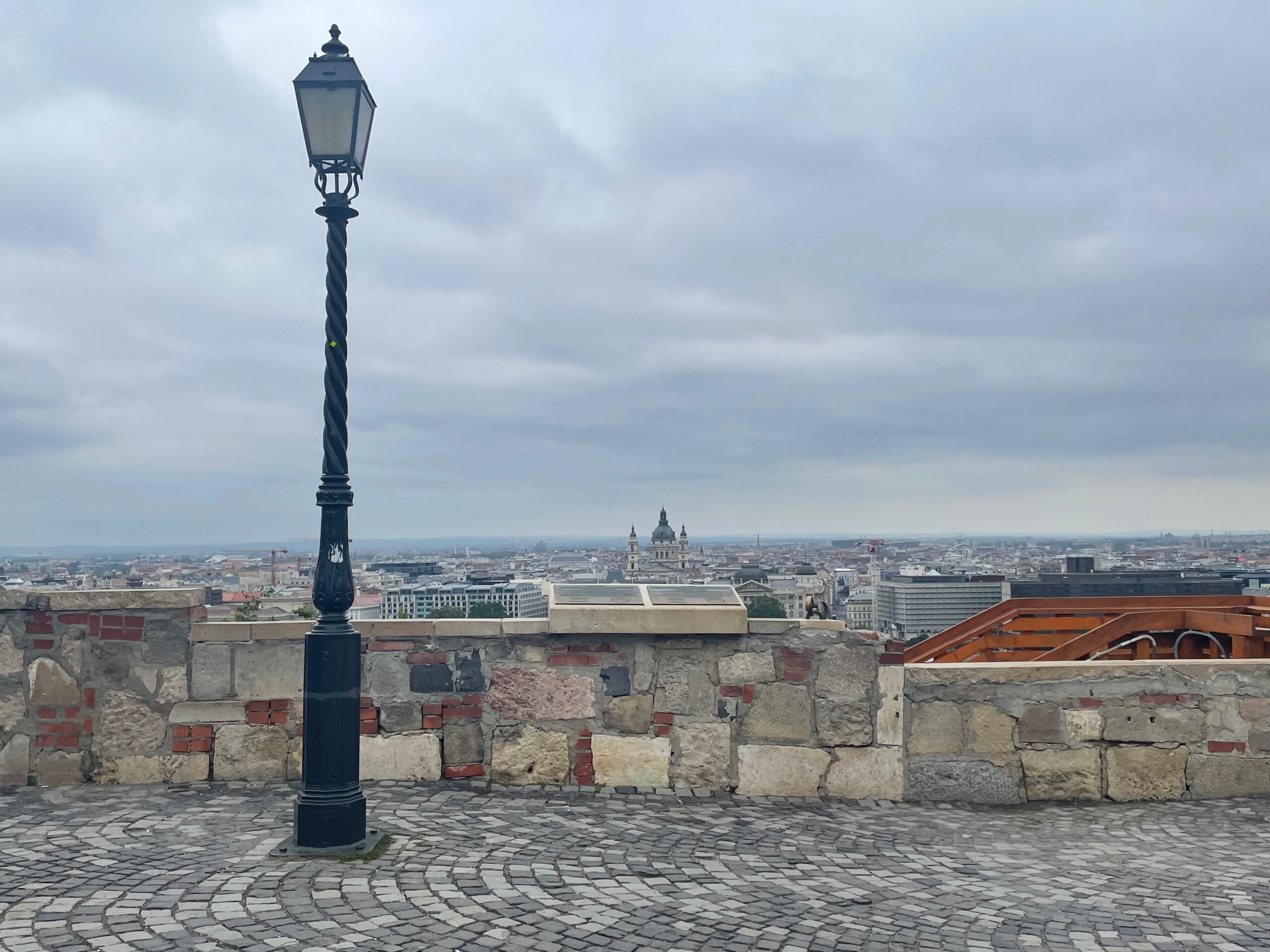
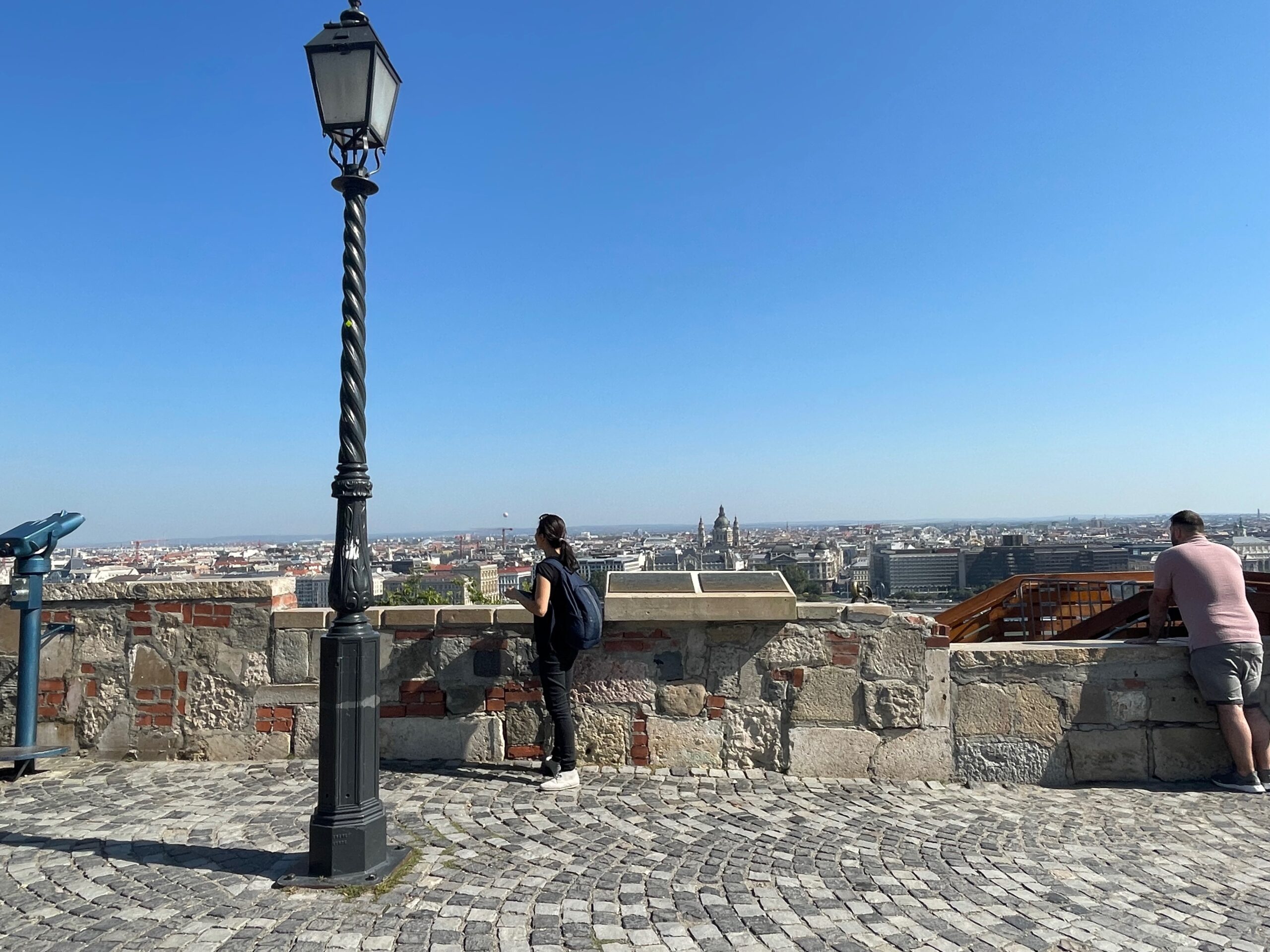
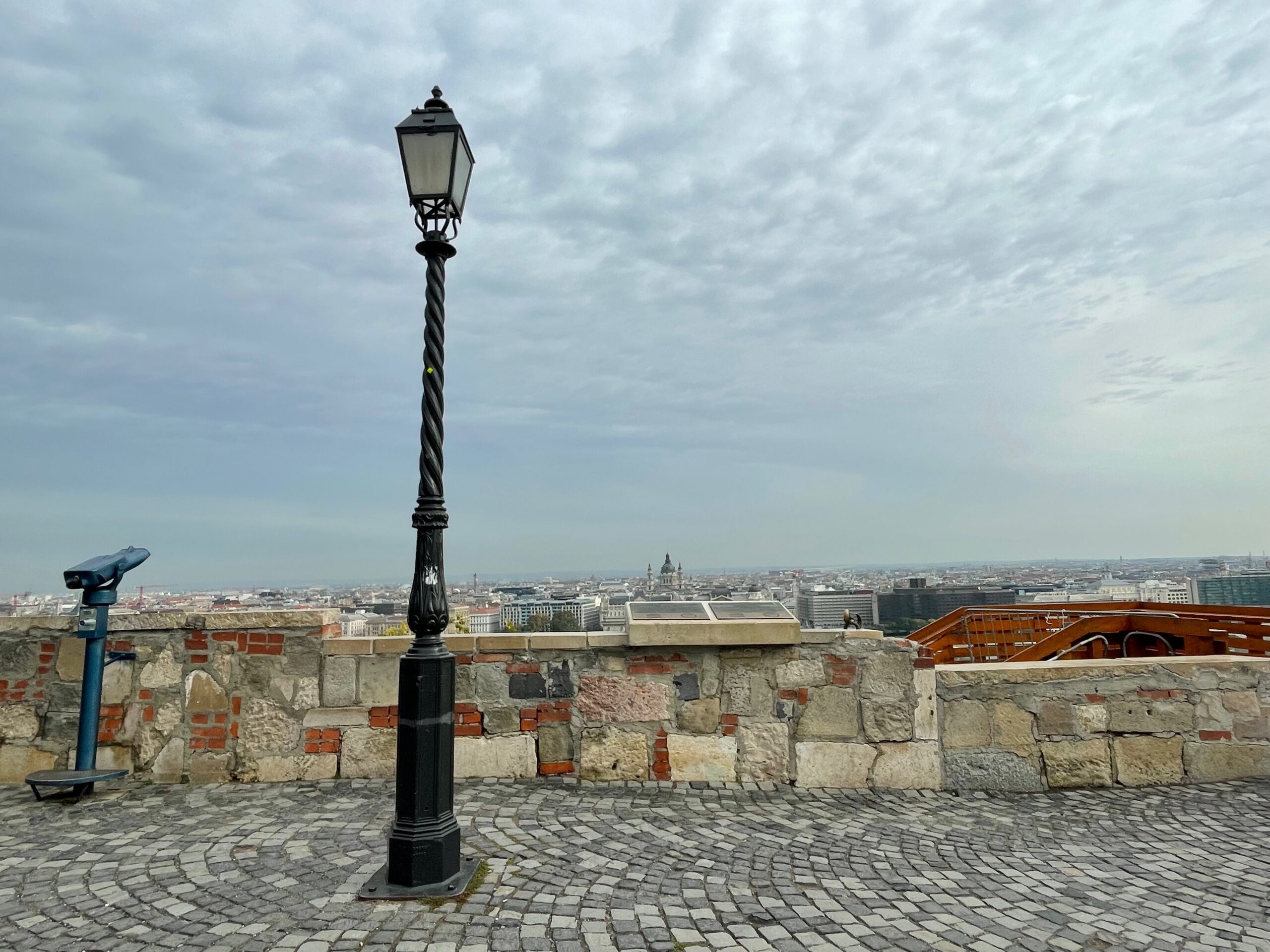
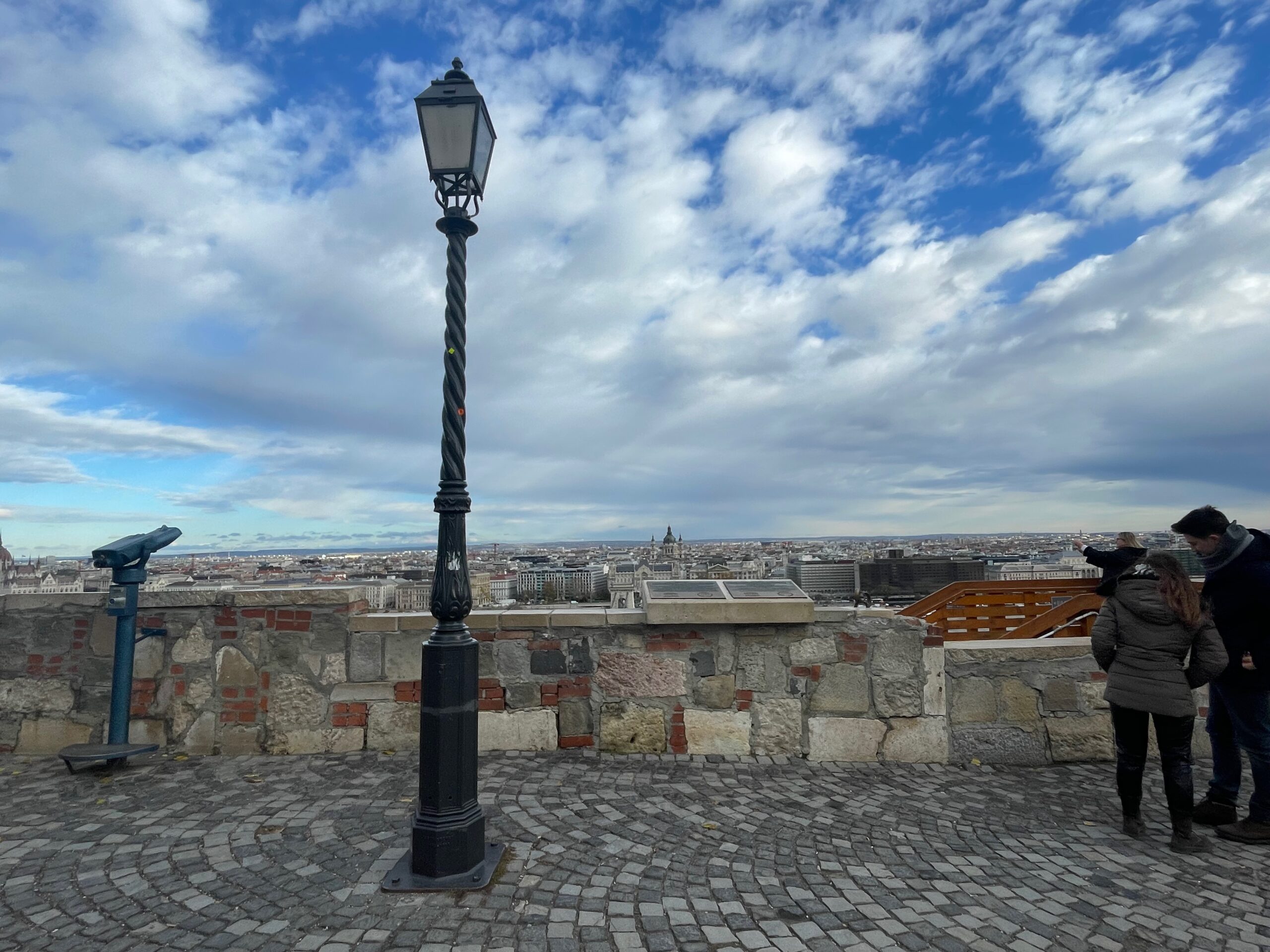
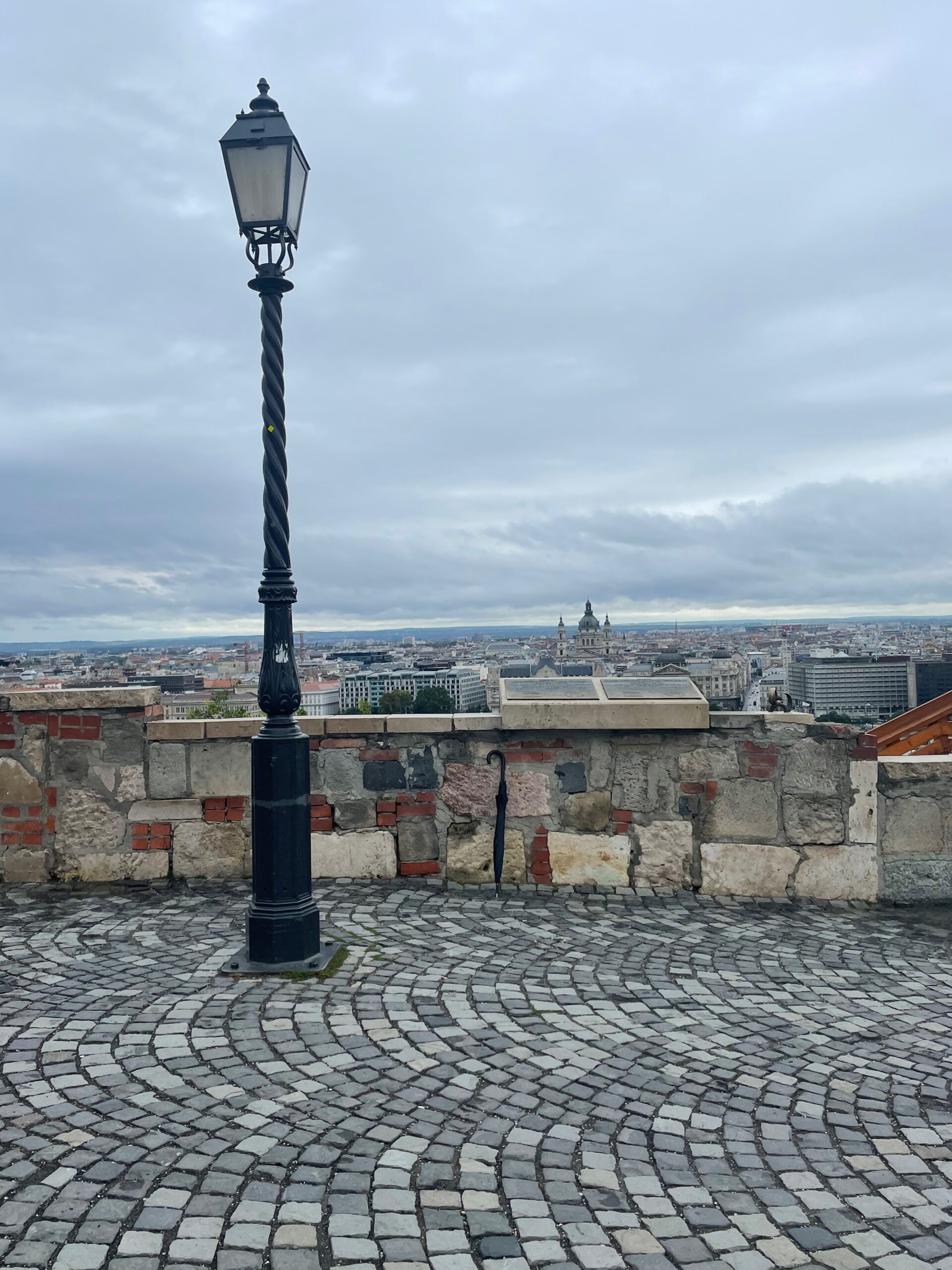
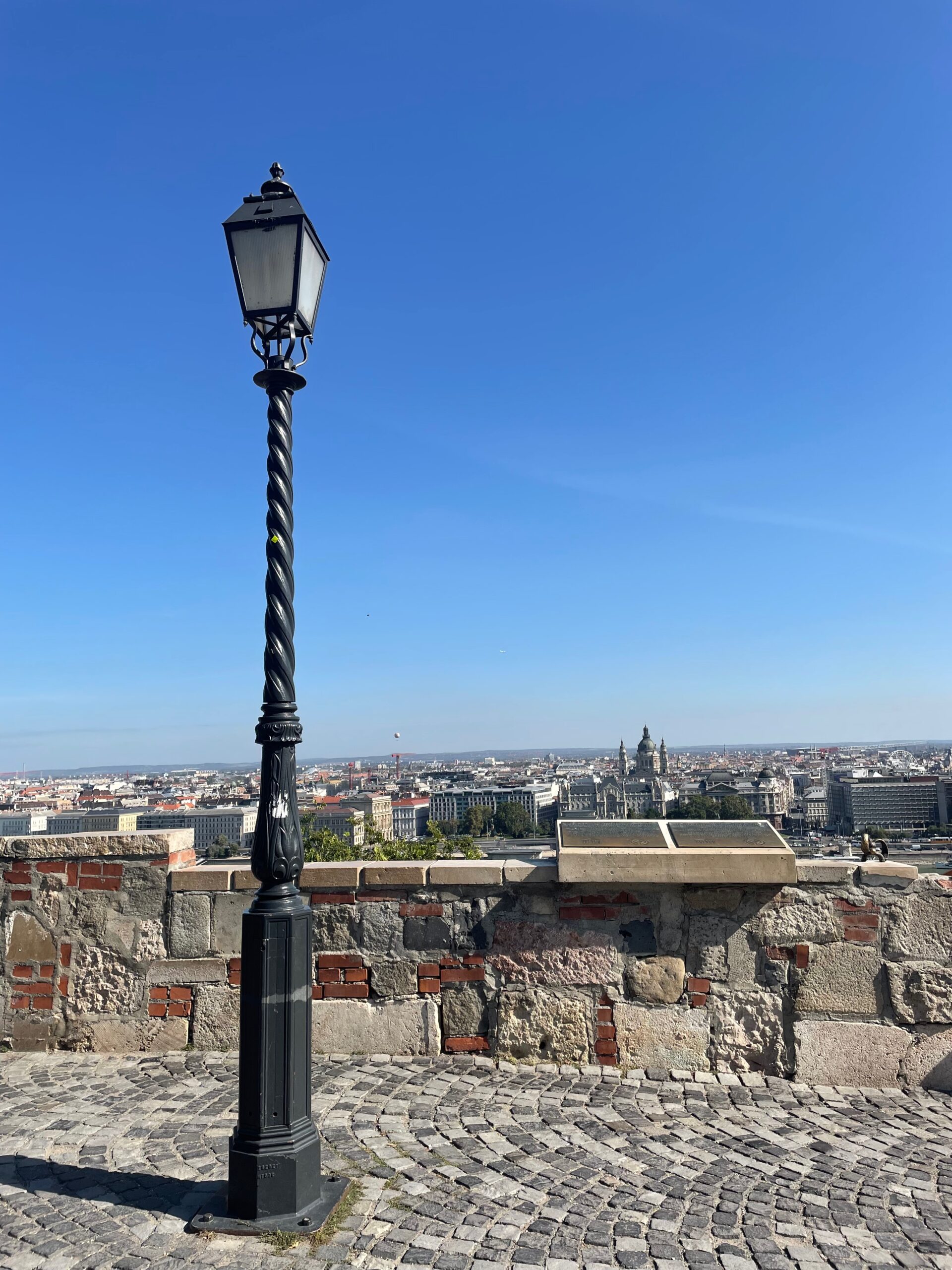
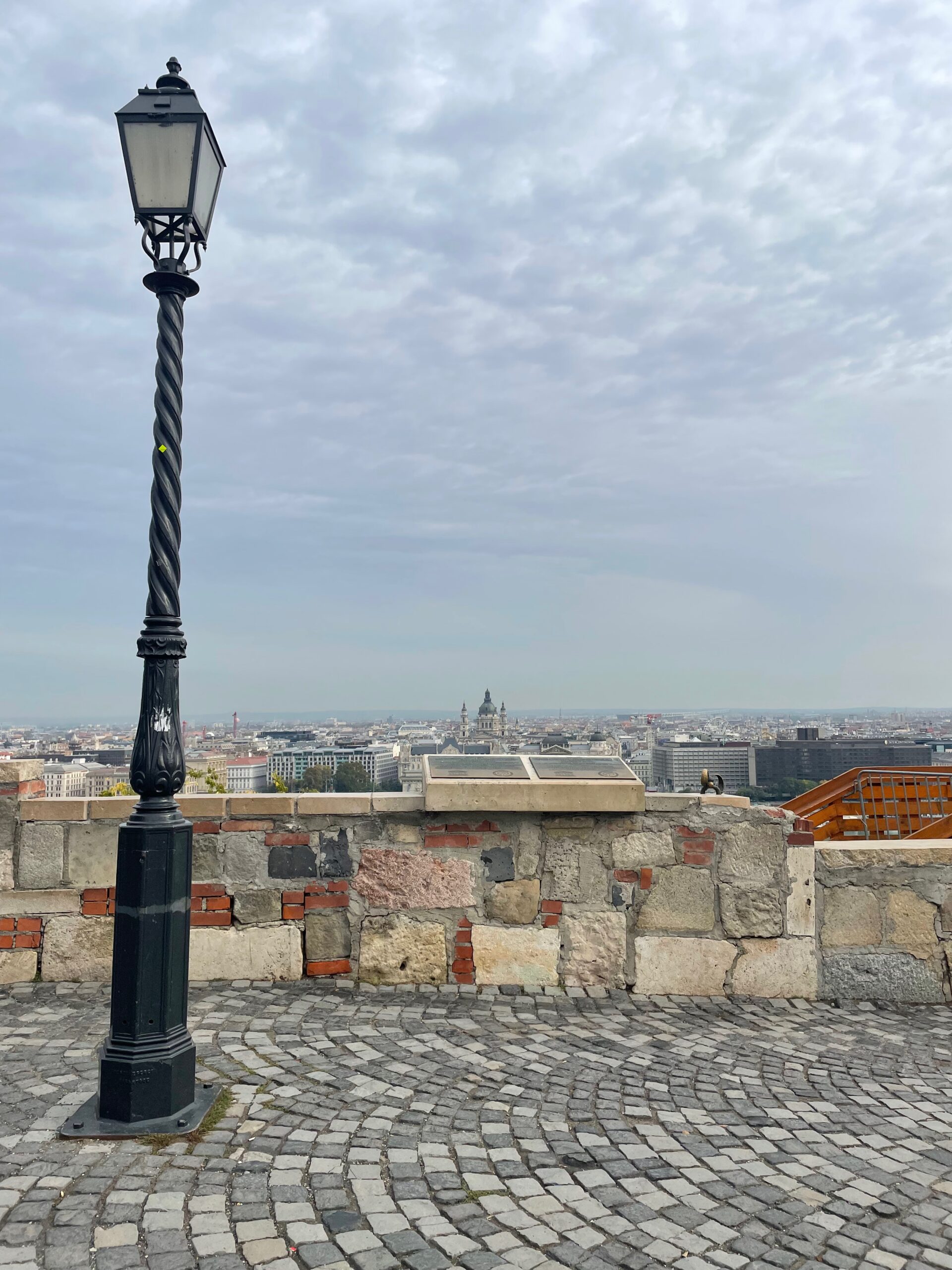
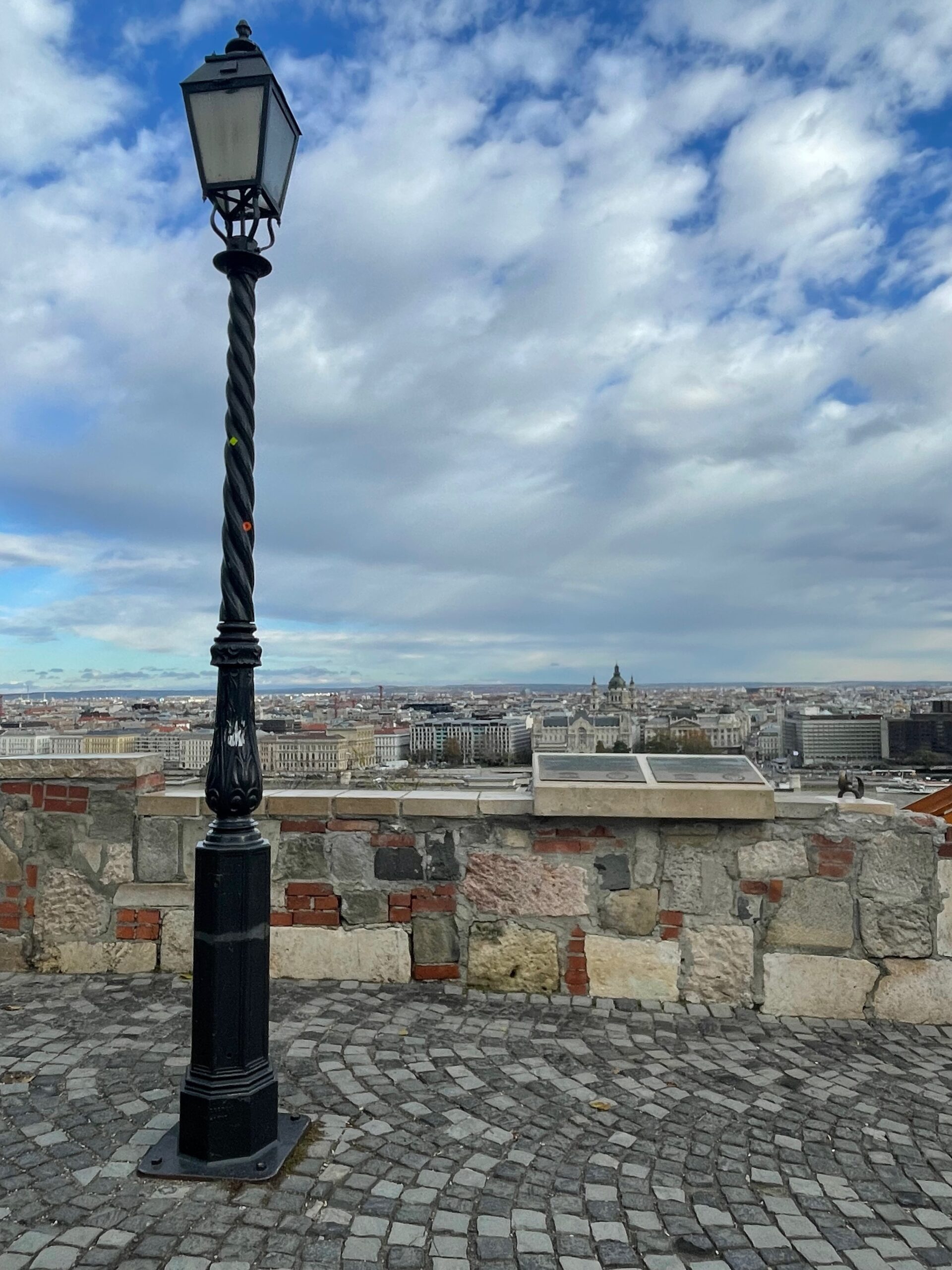
I’m taking thousands of pictures in Budapest every year, and many of them are taken at the very same spot. This is the upper station of the Buda Castle Funicular, close to the Sándor Palace and the Royal Palace. While my travellers are entertained by the changing of the guards, I’m taking pictures. Have a look, how different the pictures are even though they are taken at the same place. Join me for a walk in the Buda Castle District to see it for yourself!


The ruin pubs in the Jewish quarter of Budapest are very popular, I encourage my travellers to visit one or two during their stay in Budapest, it’s always a special experience. The biggest ruin pub is Szimpla in Kazinczy street, it isn’t just a bar, it’s also a great community. There is a farmers’ market every Sunday with some live music, great food and great drinks. Szimpla is open  from 3.00 PM on weekdays, 12.00 PM on Saturday and 9.00 AM on Sunday.

Szimpla Ruin Pub Budapest

I’m taking a lot of pictures on my tours in Budapest and around Hungary, however, I always forget to post on my Instagram. Especially during high season it’s difficult to post on Facebook, Instagram or my own blog, but believe me, I’m trying hard. Here are some pictures I’ve posted recently.


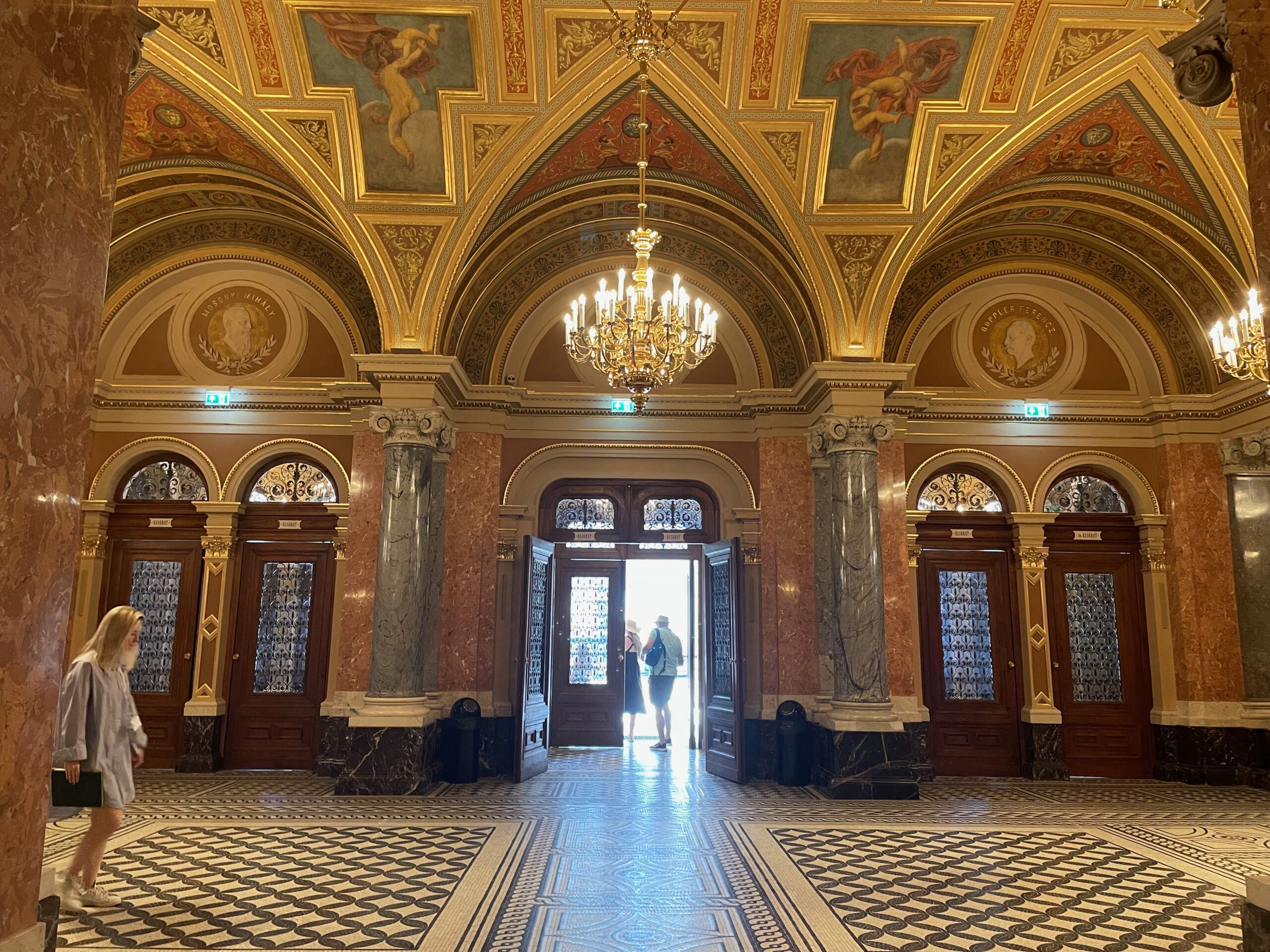
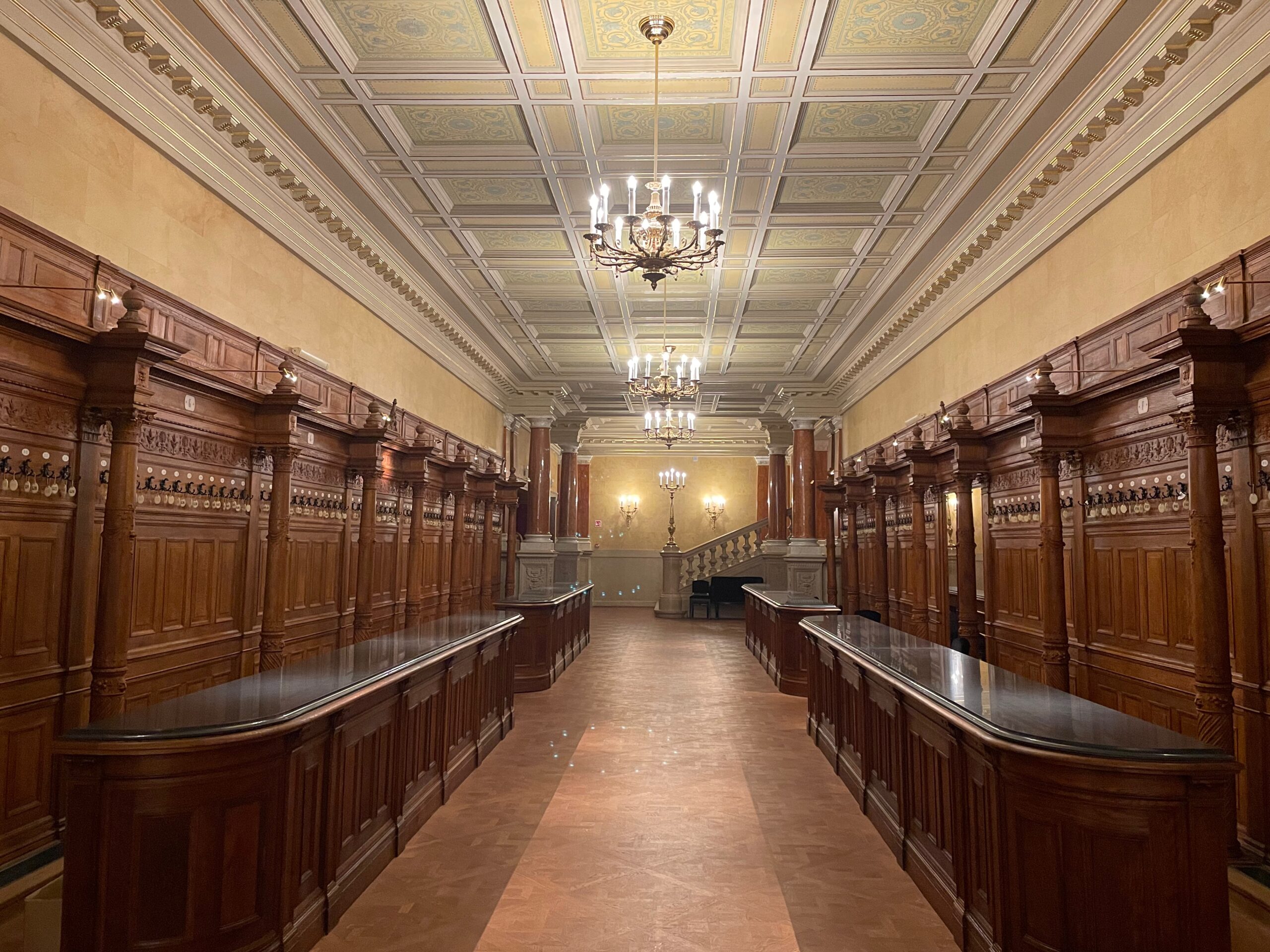
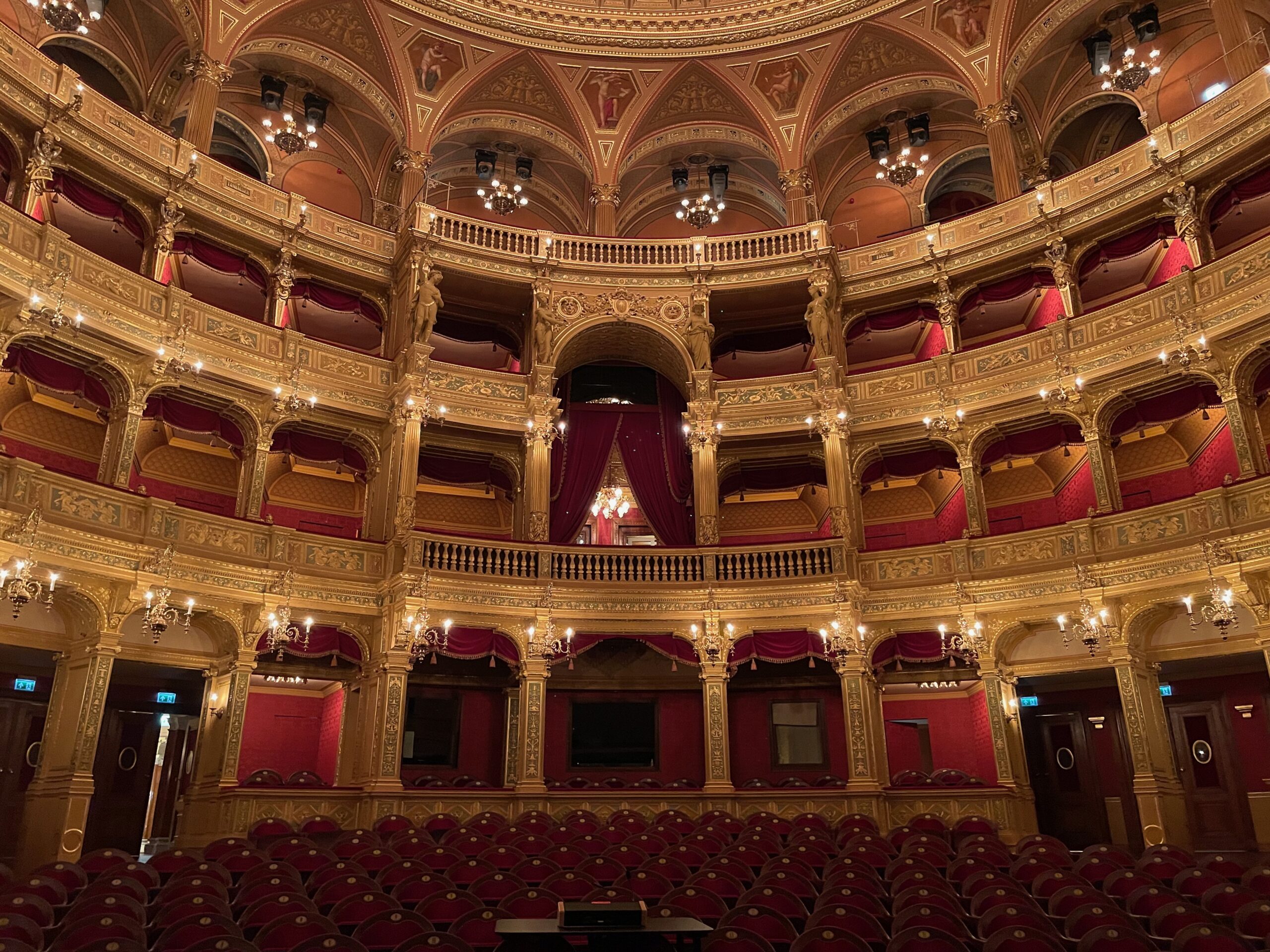
Shortly after the Hungarian State Opera House in Budapest reopened following several years of renovation, I finally had the chance to step inside again — and it was every bit as breathtaking as I had hoped.

I’ve always found the building overwhelming in the best possible way, and the renovation has only enhanced that feeling. The interior is simply magnificent. The colours are rich and harmonious, the decorative details are astonishing, and the Neo-Renaissance ornamentation feels as vibrant and alive as it must have been in the late 19th century.

Walking through the Opera House truly feels like time travel. The atmosphere, the soft lighting, even the familiar scents of the historic interior all contribute to the sensation of stepping back into the golden age of Budapest. Nothing feels over-restored or artificial — instead, the building feels carefully revived, respectful of its original spirit.

A masterpiece reborn

Designed by Miklós Ybl and opened in 1884, the Opera House has always been one of Budapest’s architectural crown jewels. The recent renovation has allowed visitors to experience Ybl’s vision with renewed clarity, revealing details that had faded or disappeared over time.
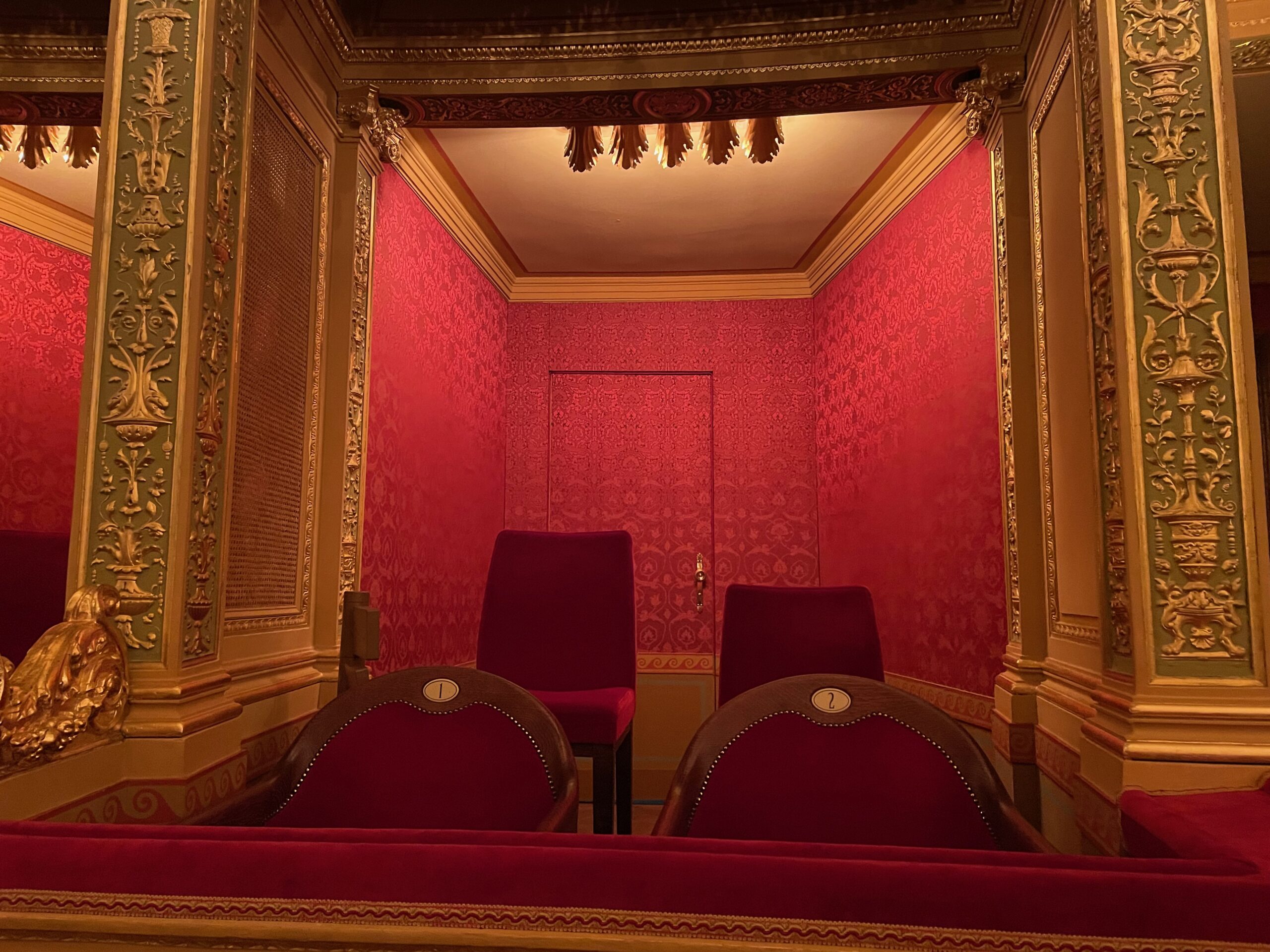
From the grand staircase to the richly decorated auditorium, every space invites you to slow down and look closer.

How to visit the Opera House

There are several wonderful ways to experience the Hungarian State Opera House:

  • Attend an evening performance – the most immersive option, combining architecture and music

  • Join a guided interior visit, which offers insight into both the building and its history

  • Private visits, which can be incorporated into a customised itinerary

The Opera House can easily be included in a walking or driving tour, especially when exploring Andrássy Avenue and the surrounding area.

If you’re interested in visiting the Opera House during your stay, feel free to contact me — I’m happy to help plan the visit and include it seamlessly in your Budapest itinerary.

An essential experience in Budapest

The renovated State Opera House is not just something to see — it’s something to feel. Elegant, atmospheric, and deeply connected to Budapest’s cultural identity, it remains one of the city’s most unforgettable interiors.

Whether you visit for a performance or simply to admire the architecture, this is a place that stays with you long after you leave.

St Stephen’s Basilica entrance fee often comes as a surprise to visitors who expect free access to one of Budapest’s most famous churches, visiting the interior of St. Stephen’s Basilica is a highlight for many travellers to Budapest.
For many years, visitors could step inside the Basilica by leaving a small donation at the entrance. Today, tourists are asked to purchase a ticket to visit the interior, while the church continues to function as an active place of worship.

Tickets and practical information

Tickets are available at the ticket office located to the right of the Basilica, and prices may change from year to year. For the most accurate and up-to-date information about current ticket prices, opening hours, and special visits, it’s always best to check the official website of St. Stephen’s Basilica before your visit.

Church services and special occasions

Please note that church services, weddings, and religious events take priority. During these times, visitor access may be limited to certain areas, or the Basilica may be temporarily closed to tourists altogether.

This is part of what makes the building special: it is not only one of Budapest’s most impressive landmarks, but also a living, functioning church.

Visiting as part of a guided tour

St. Stephen’s Basilica is often included in Budapest walking and driving tours, and an interior visit can also be arranged when timing allows. Visiting with a guide helps you navigate practical details while also understanding the history, symbolism, and stories behind what you see.

The György Ráth Villa Museum is one of Budapest’s most inspiring small museums, especially for visitors interested in Art Nouveau, interior design, and applied arts. I once brought a group of interior design students from the United States here as part of a private Art Nouveau walking tour, and the villa turned out to be one of the highlights of their visit.

The former home of György Ráth — first director general of the Museum of Applied Arts — feels less like a traditional museum and more like a carefully preserved private residence. The exhibition showcases around 600 pieces representing all branches of applied arts, including:

  • furniture

  • jewellery

  • Zsolnay ceramics

  • Tiffany glassware

  • paintings and sculptures

The collection beautifully illustrates the international influences present in Hungarian Art Nouveau at the turn of the 20th century. British, Austrian, and French styles appear alongside Oriental influences and Transylvanian roots, creating a uniquely Hungarian artistic language.

Practical information – György Ráth Villa museum

The museum is open Tuesday to Sunday, from 10:00 AM to 6:00 PM, and can easily be combined with a walk through City Park or nearby Art Nouveau sites.

I often recommend the György Ráth Villa as an extra stop on custom Budapest walking tours, especially for art lovers, designers, and travellers interested in architecture and interiors.