When people ask me about my favourite museums in Budapest, Hospital in the Rock is always at the top of my list—even though it isn’t one of the big, famous institutions you see everywhere. It’s a place hidden deep under Buda Castle, carved into the natural cave system, where history feels raw, honest, and very real.

Hospital in the Rock is one of the most authentic museums in Budapest. Not because it’s pretty (it isn’t). Not because you can take great photos (you can’t). But because the stories here are told with a kind of honesty you rarely find: factual, emotional, unembellished. It’s a place where the past speaks for itself.

Hospital in the Rock: A Museum That Doesn’t Try to Impress—It Simply Tells the Truth

Walking through the entrance hall, you might wonder what’s so special about this place. But once your tour guide leads you underground, you’ll understand immediately.

During World War II and the 1956 revolution, this was a real emergency hospital—small, overcrowded, and constantly in use during the siege of Budapest. Later, during the Cold War, it was expanded into a nuclear fallout shelter, prepared for a future no one wanted to imagine.

There’s nothing staged here. No over‑the‑top dramatics. Just preserved rooms, original equipment, wax figures that quietly show what life looked like in those moments, and stories told with care.

And honestly? That’s why I love it.

The Tour Guides Make All the Difference

Every visit is guided, and the team here is exceptional. They know the museum inside out—not just the facts, but the human side of the story. They speak with warmth, precision, and respect for the people who lived and worked here.

I’ve been many times now, and every guide brings something slightly different: a personal interpretation, a surprising anecdote, or a detail I had never noticed. This museum isn’t just about looking. It’s about listening.

A Powerful Reminder of How the Past Shapes the Present

Hospital in the Rock is emotional—not in a dramatic way, but in a deeply human one. You walk through the old wards and operating rooms, see how people worked under impossible conditions, and suddenly history doesn’t feel distant anymore.

And that’s why I think this place matters today. You learn so much from the past—about resilience, humanity, conflict, and cooperation—that it becomes easier to understand the present… and even imagine the future with more clarity.

A Great Visit in Any Season

One practical advantage that I always mention to my guests: the museum is underground, with a constant temperature around 15–18°C.

That means:

  • perfect for rainy days,
  • perfect for winter,
  • perfect for Budapest’s very hot summers.

Whatever the weather is doing outside, Hospital in the Rock is a comfortable—and fascinating—escape.

Practical Information for Planning Your Visit

Tickets & Pricing

Hospital in the Rock has two different pricing structures: a standard tour ticket and a donation-based ticket. I always recommend choosing the donation option if you can—it supports preservation work, educational programs, and ongoing historical research.

How to buy tickets:

  • Tickets can be purchased at the machines right by the entrance.
  • Card payment only.
  • During high season, tours fill up quickly, so it’s highly recommended to book in advance.

Location: Beneath Buda Castle (entrance at Lovas utca 4/C)
Tours: Guided only, usually every hour (English available + audioguides)
Photography: Not allowed inside the tunnels
Duration: About 60 minutes
Type: History, WWII, Cold War, medical history, underground Budapest

It’s an especially great stop if you’re already exploring Buda Castle, I’m happy to start or finish a tour here, so that you have time to explore.

Why You Shouldn’t Miss It

If you’re looking for a museum that leaves a lasting impression, something outside the usual tourist circuit, Hospital in the Rock is for you. It’s educational, emotional, authentic—and one of the most meaningful places you can visit in Budapest.

For me, it’s a reminder that history isn’t just something in books. It happened here, underground, where you can still feel its echo.

Add Hospital in the Rock to Your Budapest Tour

If you’d like to explore Hospital in the Rock as part of a guided experience, I’d be delighted to include it in your itinerary. It’s a fantastic addition to both my Buda Castle Walking Tour and my Communist Budapest Tour, offering powerful context and a deeper understanding of the city’s past. If you’re interested, just let me know when booking and I’ll tailor the tour to include this unforgettable visit.

Hospital in the Rock is one of Budapest’s most dramatic museums

Herend porcelain is more than just fine china — it’s a living piece of Hungarian cultural heritage. Located in the small town of Herend, about 1.5 hours from Budapest, the factory has been producing hand-painted porcelain since 1826. Today it’s one of the most famous porcelain makers in the world, treasured by collectors, royals, and anyone who appreciates timeless craftsmanship.

A Walk Through the Factory

On a factory tour, you’ll see every step of the porcelain-making process. Skilled artisans shape the pieces, then pass them on to painters who spend hours — sometimes days — adding delicate patterns by hand. Finally, the porcelain is glazed and fired, creating that distinctive shine.

Every brushstroke is unique, which means no two Herend pieces are ever exactly the same.

My Favourite Pattern — The Rothschild

Of all the designs, my personal favourite is the Rothschild pattern. It was created in the 19th century for the famous banking family and features colourful songbirds perched on leafy branches. The design was inspired by a romantic story: birds returning a lost pearl necklace in the Rothschild garden.

To me, it perfectly combines elegance with a touch of playfulness.

The Herend Museum & Shop

After your tour, you can visit the Herend Porcelain Museum, where historic pieces are on display — from rare royal commissions to everyday designs that have stood the test of time. The shop next door is a dream for collectors: you’ll find everything from traditional tea sets to modern pieces.

Visiting Tips

  • 📍 Location: Herend, Hungary

  • 🚆 Travel: About 1.5–2 hours from Budapest by car or train

  • 🎟️ Tours: Offered in several languages, including English

  • 🏺 Tickets include: A guided factory tour, entry to the museum, and a short introductory film

Why Visit Herend?

Herend porcelain is part of Hungary’s living heritage. A visit here isn’t just about beautiful ceramics — it’s about meeting the people who keep centuries-old traditions alive.

If you’d like to include Herend in your trip, I offer a private guided tour or can tailor a custom tour that combines the factory visit with other highlights of the region.

📌 Follow me on Instagram for more Hungarian travel and café tips!

📌 Watch my video version here:

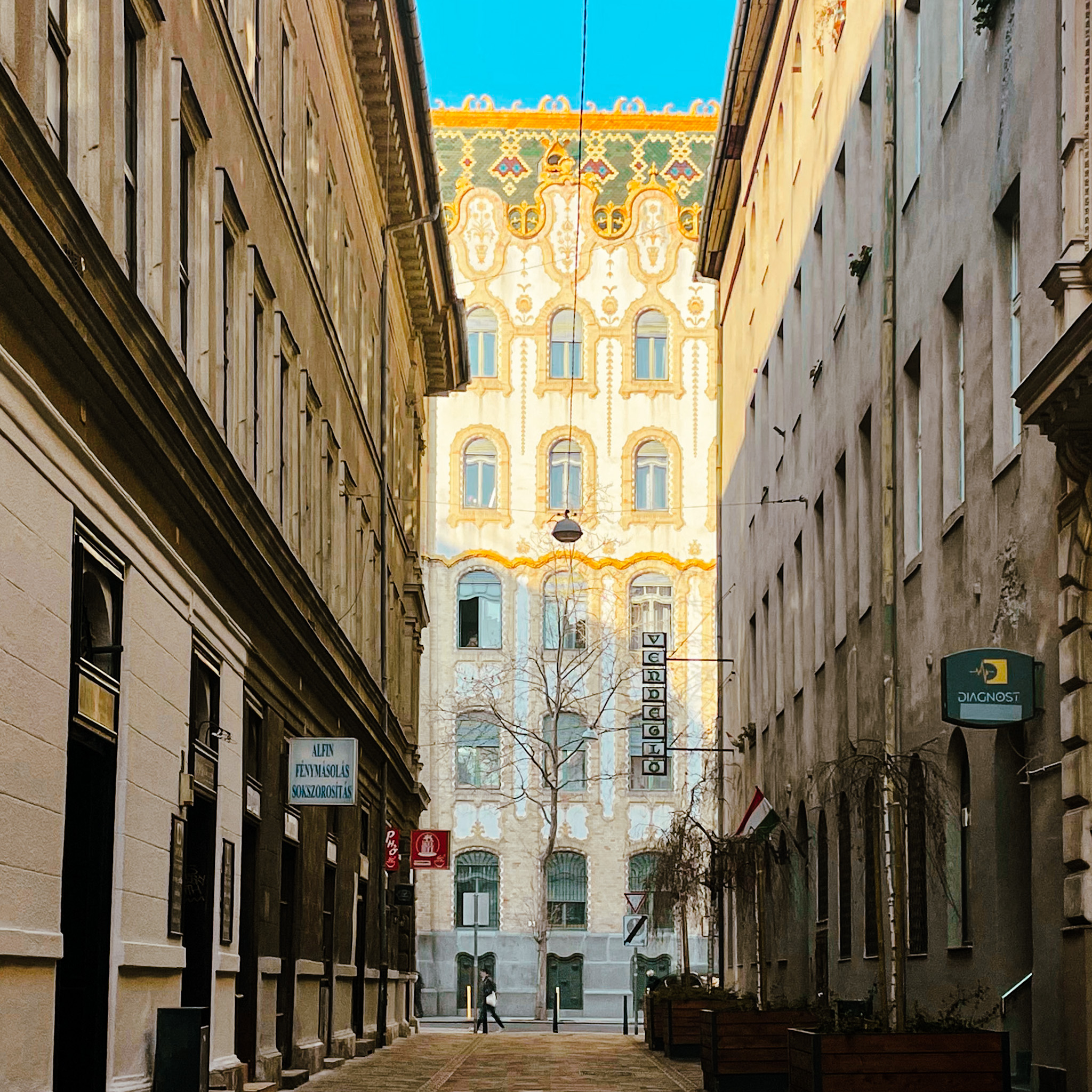
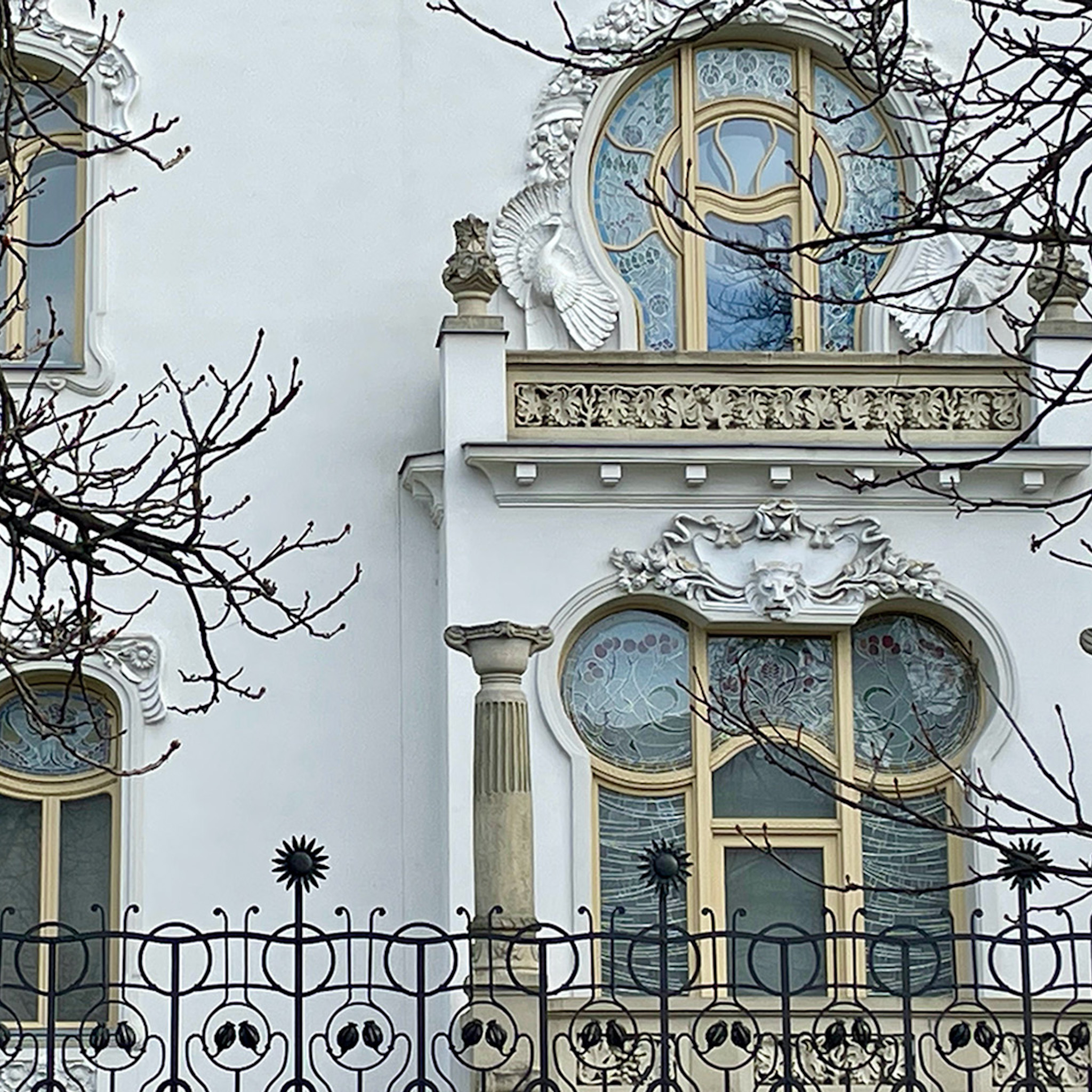
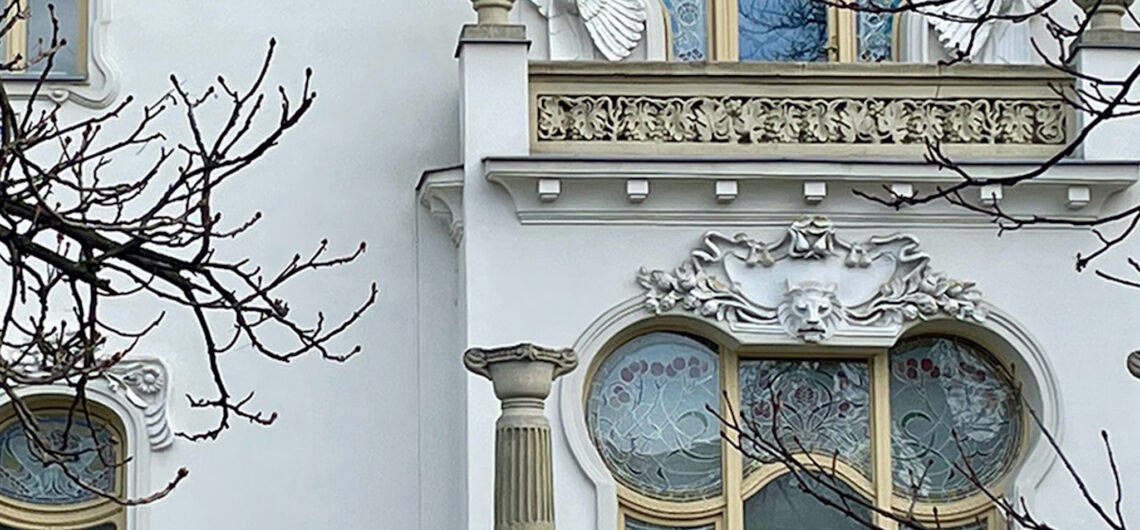
Budapest is a hidden gem for lovers of Art Nouveau architecture, with its stunning buildings and intricate designs scattered throughout the city. One of the best ways to explore this unique style is by wandering the streets of Budapest’s inner city, where you’ll find elegant façades adorned with flowing curves, floral motifs, and elaborate designs of ceramic tiles.

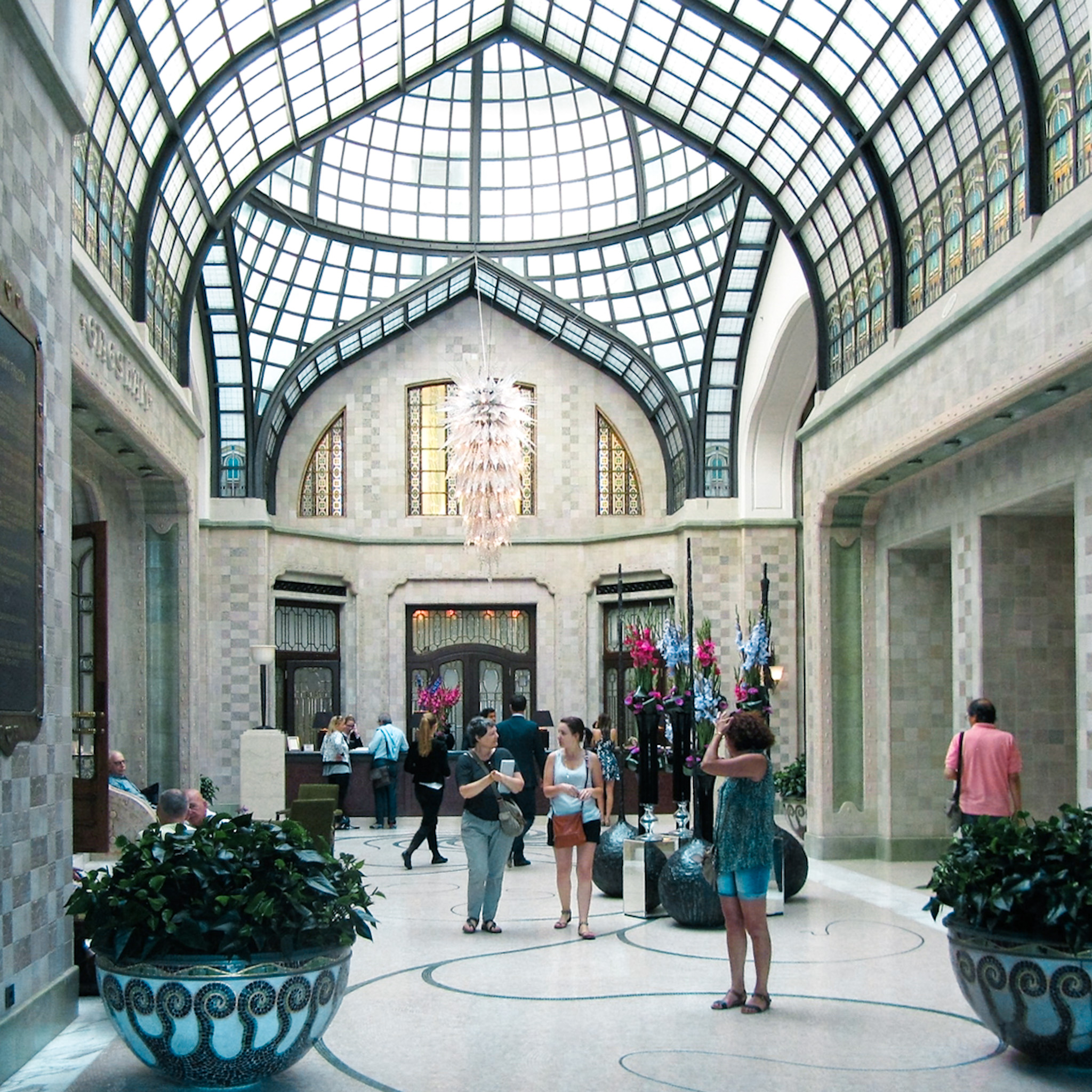
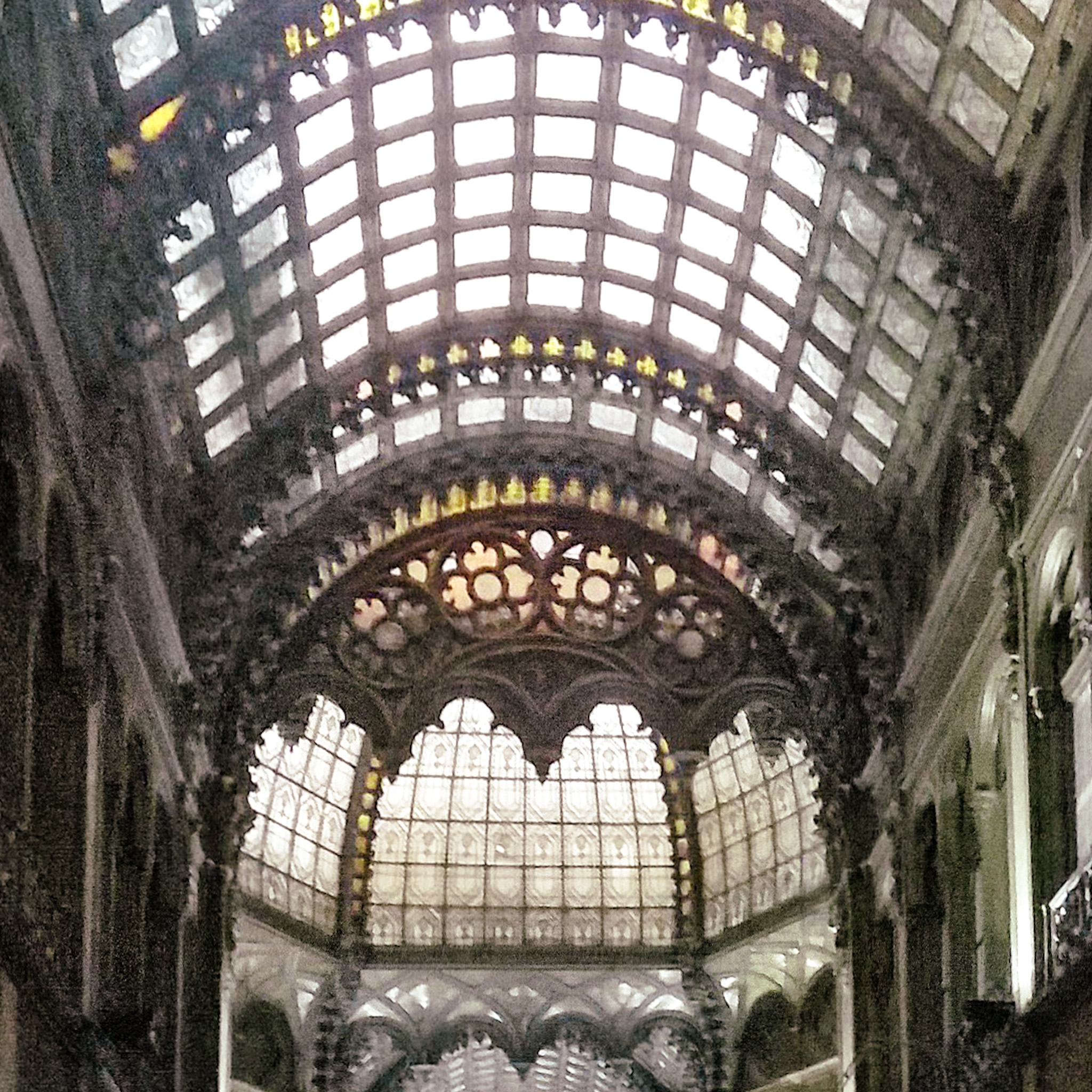
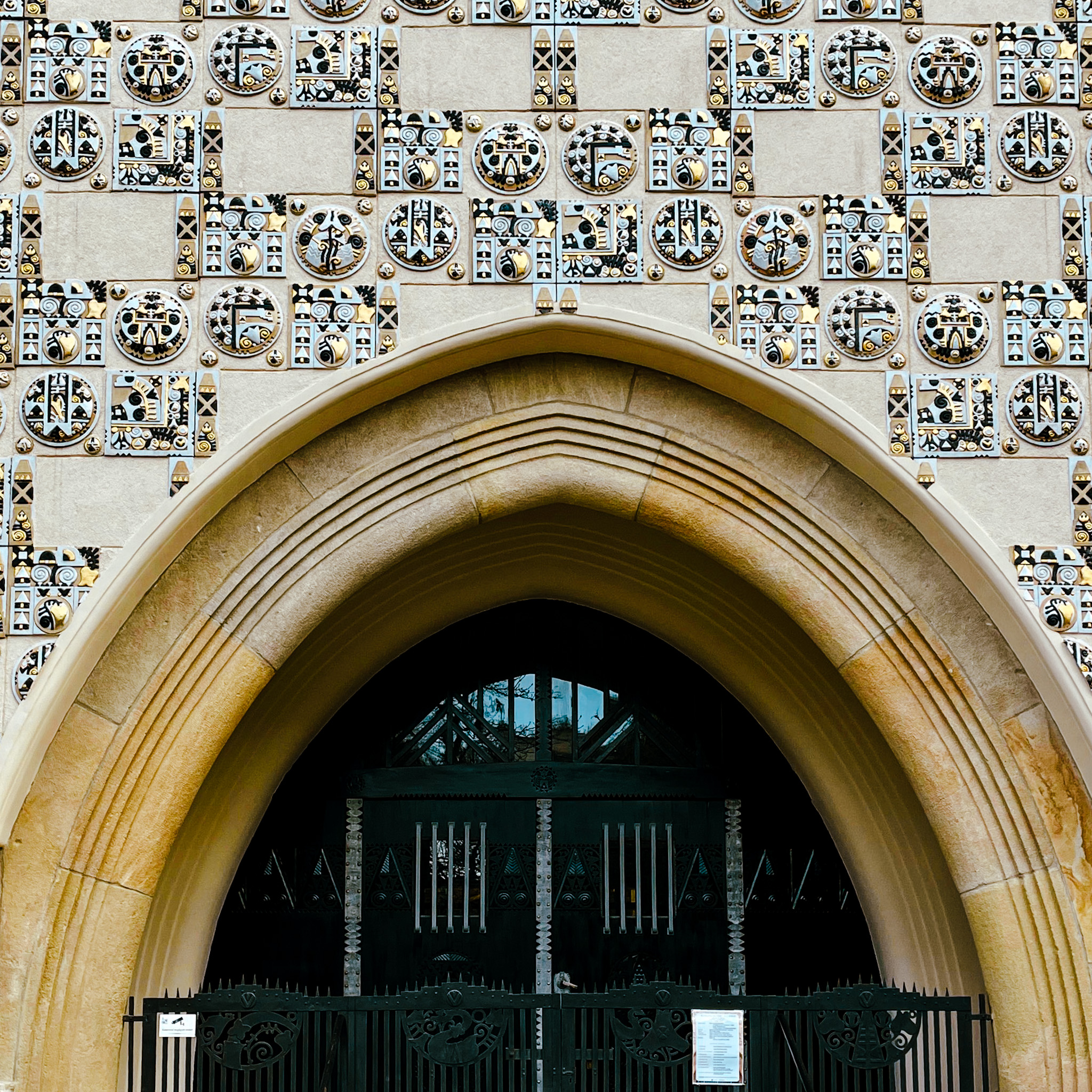
On a walking tour I take you to and tell you the fascinating stories of many different buildings. The Bedő House was designed by architect Emil Vidor and is a stunning example of Art Nouveau architecture in Budapest. Featuring exquisite wrought-iron balconies, floral motifs, and vibrant ceramic tiles, the building showcases the elegance and decorative beauty of the early 20th century. The Gresham Palace, now a luxury hotel, is one of the most iconic examples of Art Nouveau, showcasing the grandeur and beauty of the movement. Another must-see is the Ráth György Museum, which boasts a remarkable collection of Art Nouveau objects and architectural details.

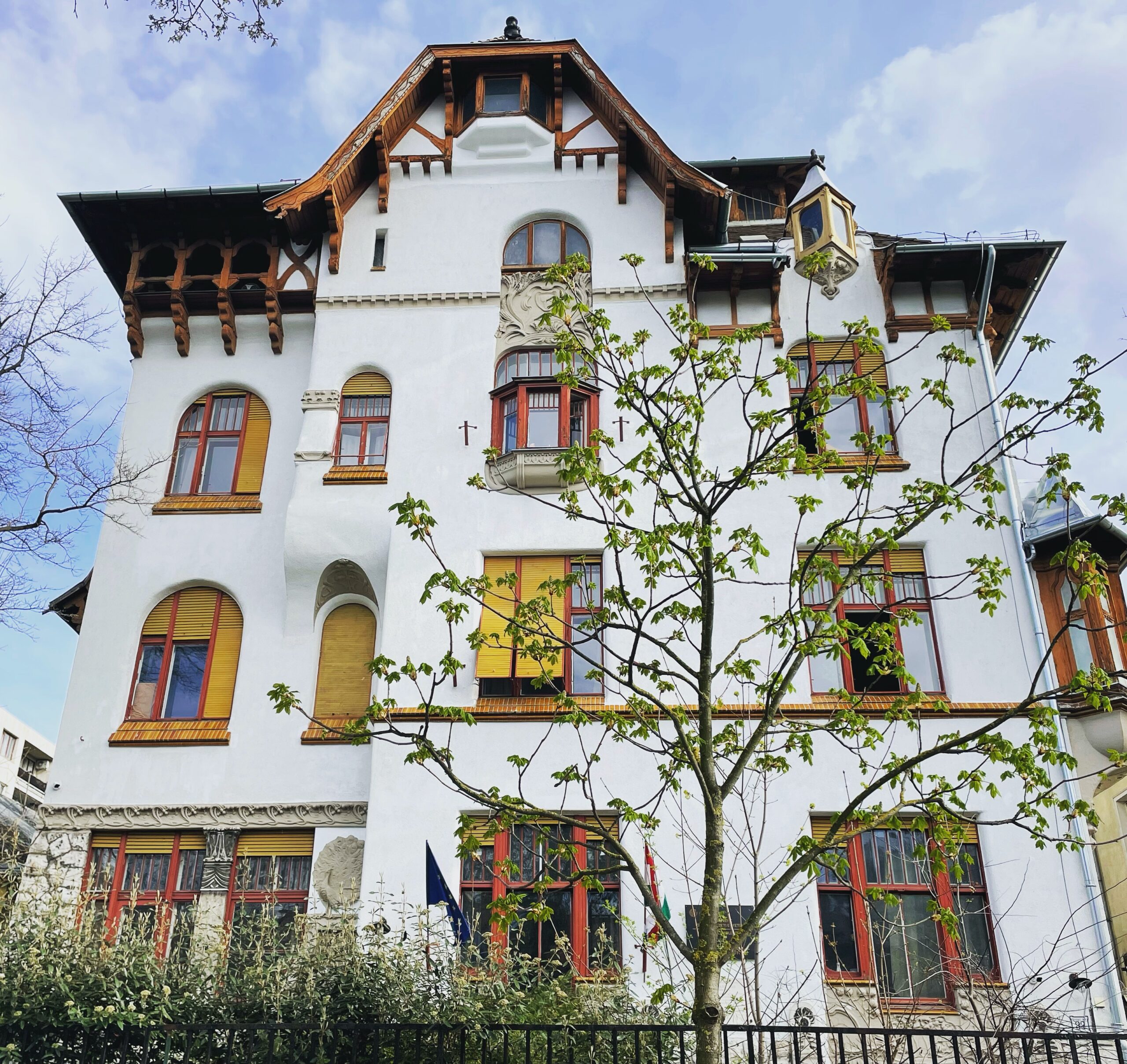
The Art Nouveau villa buildings along Városligeti Fasor are a stunning showcase of the architectural style, with their ornate façades and fine details blending harmoniously with the surrounding green space. These charming villas, often adorned with floral motifs, curved lines, and decorative tile work, offer a glimpse into Budapest’s elegant early 20th-century design heritage.

As you walk through Budapest, you’ll notice how Art Nouveau seamlessly blends with the city’s more classical and Baroque architecture, creating a captivating fusion of old and new. Exploring Budapest’s Art Nouveau is not just about admiring beautiful buildings; it’s about stepping into a time when design was meant to evoke emotion and tell a story.

Contact me for more details or book a tour with me!

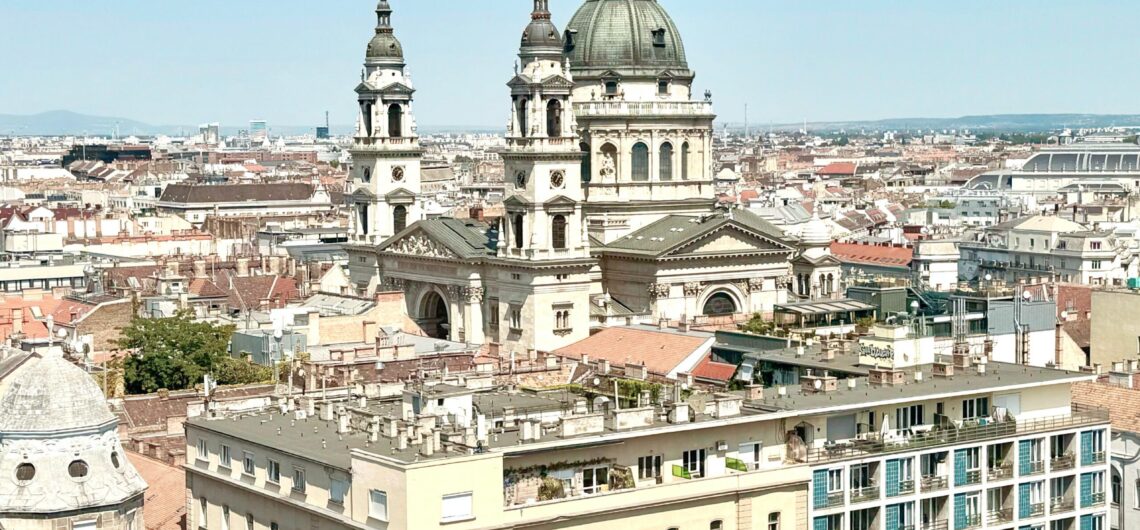
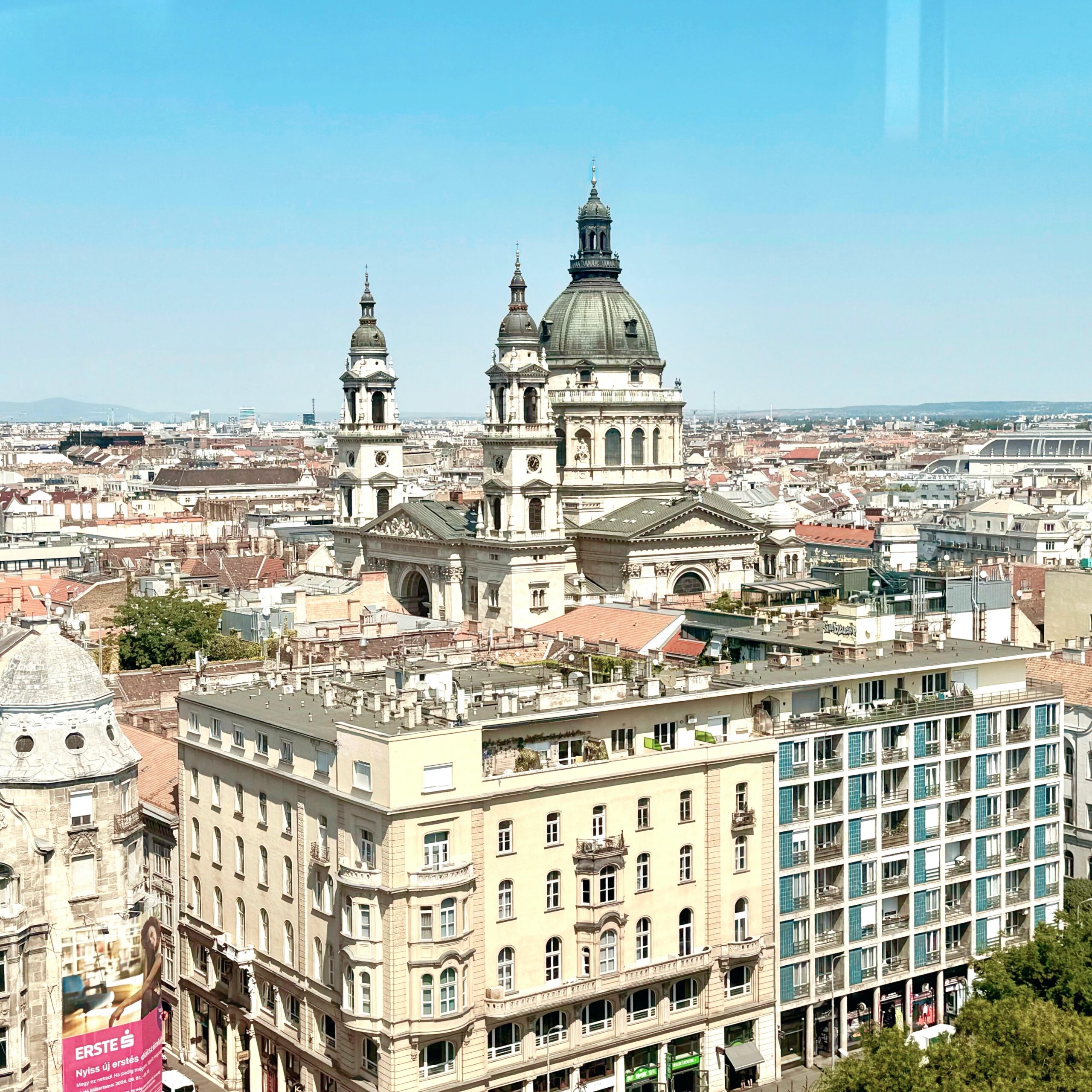
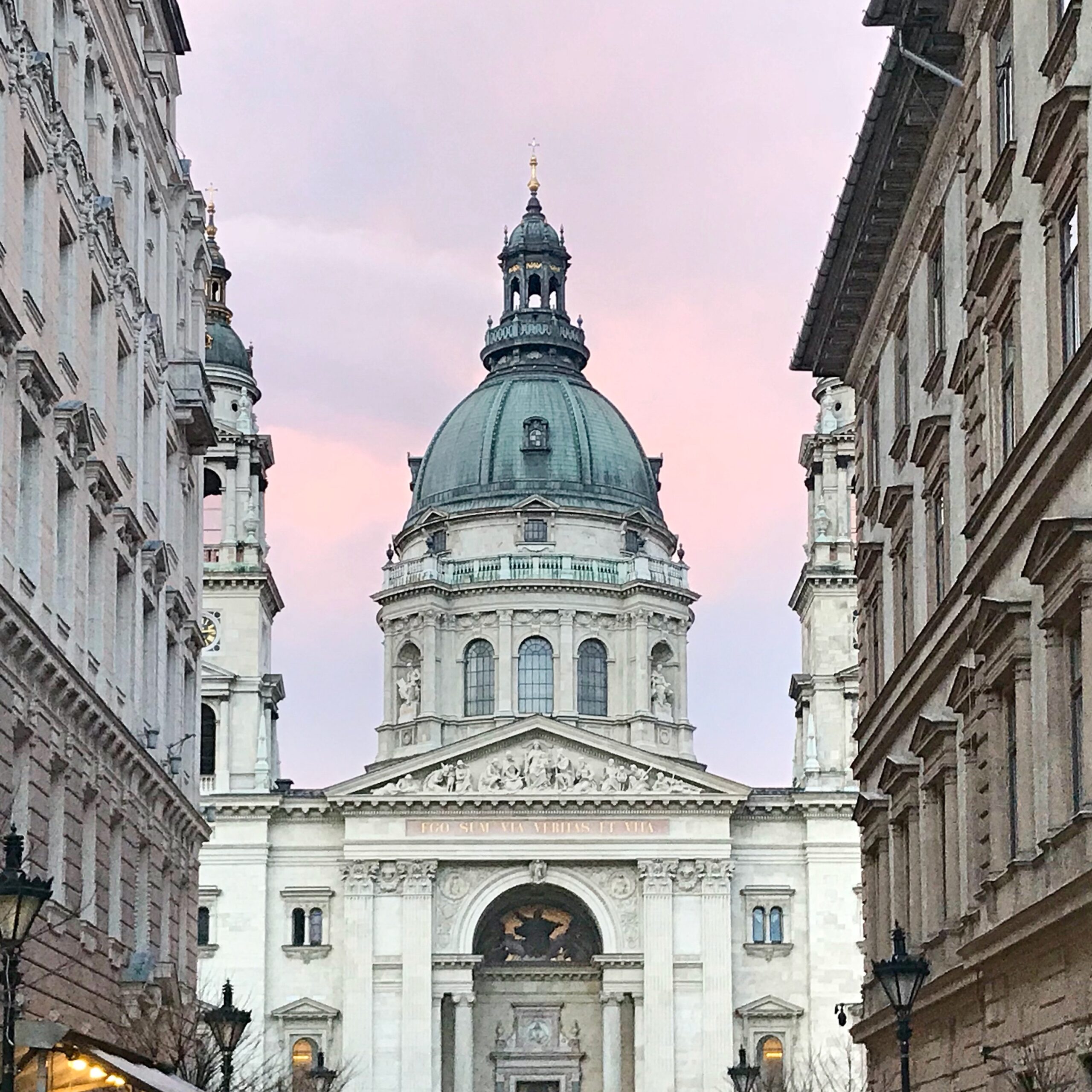
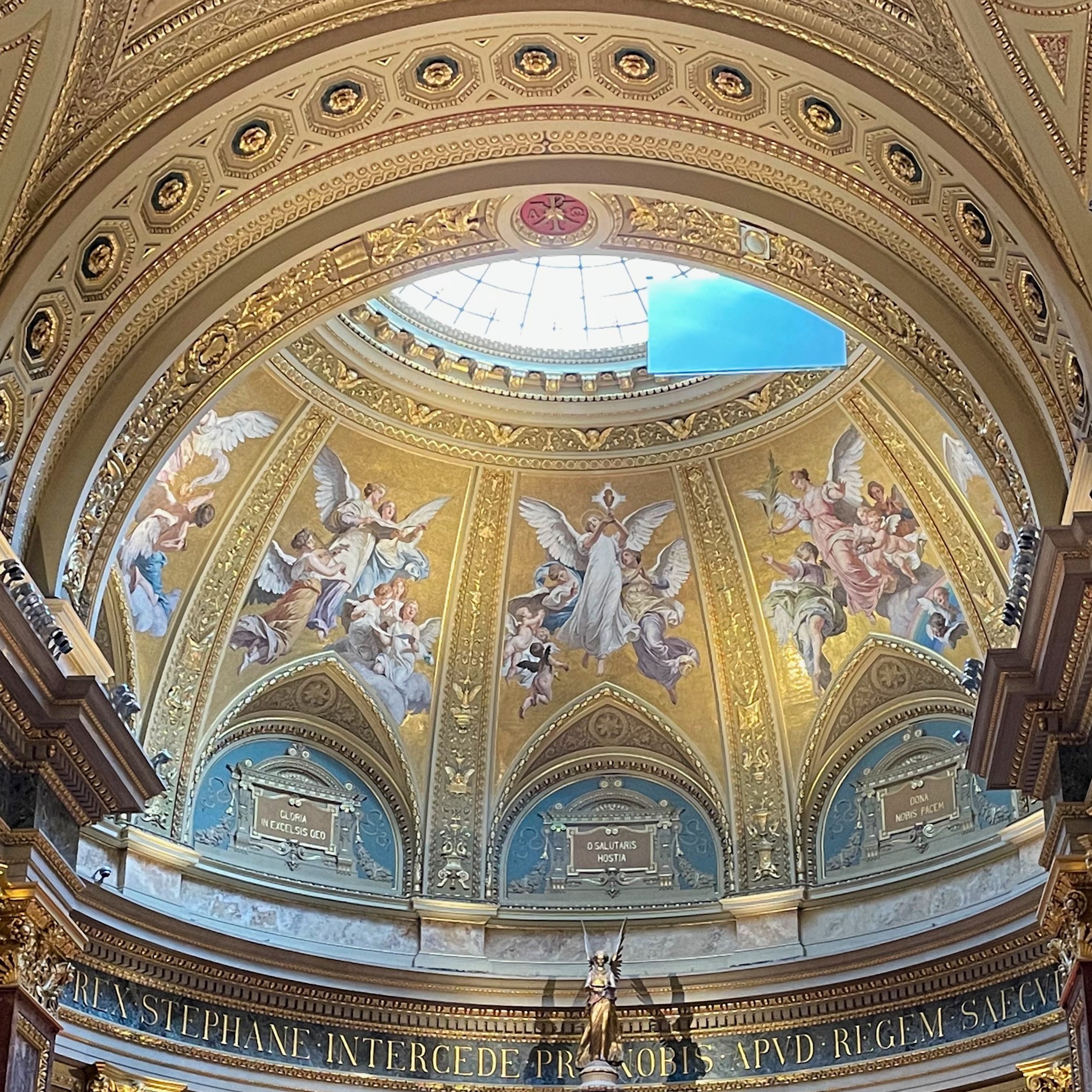
St. Stephen’s Basilica is the largest Catholic Church of Budapest and the third largest church of Hungary. After the devastating floods of the Danube river in 1838 local people from the neighbourhood wanted to thank God for saving their lives, and raised a lot of money for the construction of the largest church of the city. Construction works started in 1851 and after multiple unfortunate events (death of two of the church’s architects, a devastating storm when the dome collapsed) it was finally consecrated 54 years later, in 1905. The building is an appealing mix of different styles: Baroque, Classicist and Neo-Renaissance. The artworks (paintings, sculptures and stained glass windows) were all created by Hungarian artists, including Gyula Benczúr, Károly Lotz and Miksa Róth.

The church is dedicated to St. Stephen, the first Christian king of Hungary, the founder of the Catholic Church in Hungary, and the founder of a Christian state. His statue made of Carrara marble is the main altarpiece of the church. The principal relic of the Basilica is the mummified right hand of king Stephen, it is on display in the church hall.

The magnificent views

A panorama terrace was created around the main dome of the Basilica at a height of 65 meters, which is the highest viewpoint in Pest, offering a 360-degree panorama over the city. You can take the stairs (about 300 steps) or the elevators to get to the dome. There is a Holy Mass in English in Mary’s chapel at 6.10 PM on Mondays, Wednesdays and Fridays and at 4.00 PM in the Basilica on Sundays and holidays.

We usually try to include the visit of the interior on the Budapest tours if time permits. You can learn more about the Basilica, visiting hours and ticket prices here.

I am spending a lot of time wondering around my beautiful city, and I am fortunate to see its buildings from all different angles and viewpoints. There’s something alluring about capturing a building from multiple angles; each perspective reveals a new layer of its architecture and character. As I moved around, I saw how the light shifted and how the structure seemed to change, transforming with each viewpoint. It’s a reminder that sometimes, to truly appreciate a subject, you need to step back and see it from every possible angle.

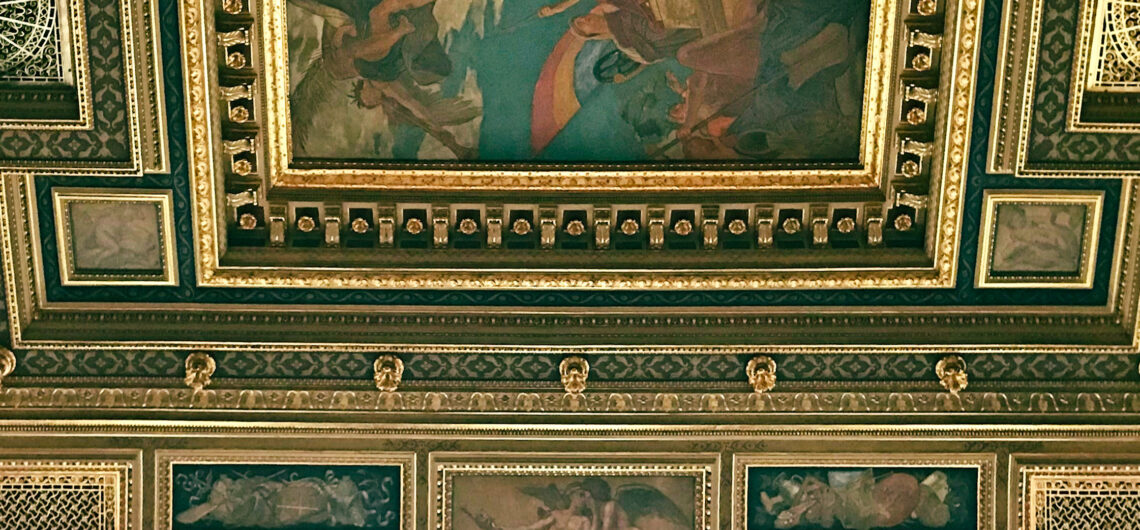
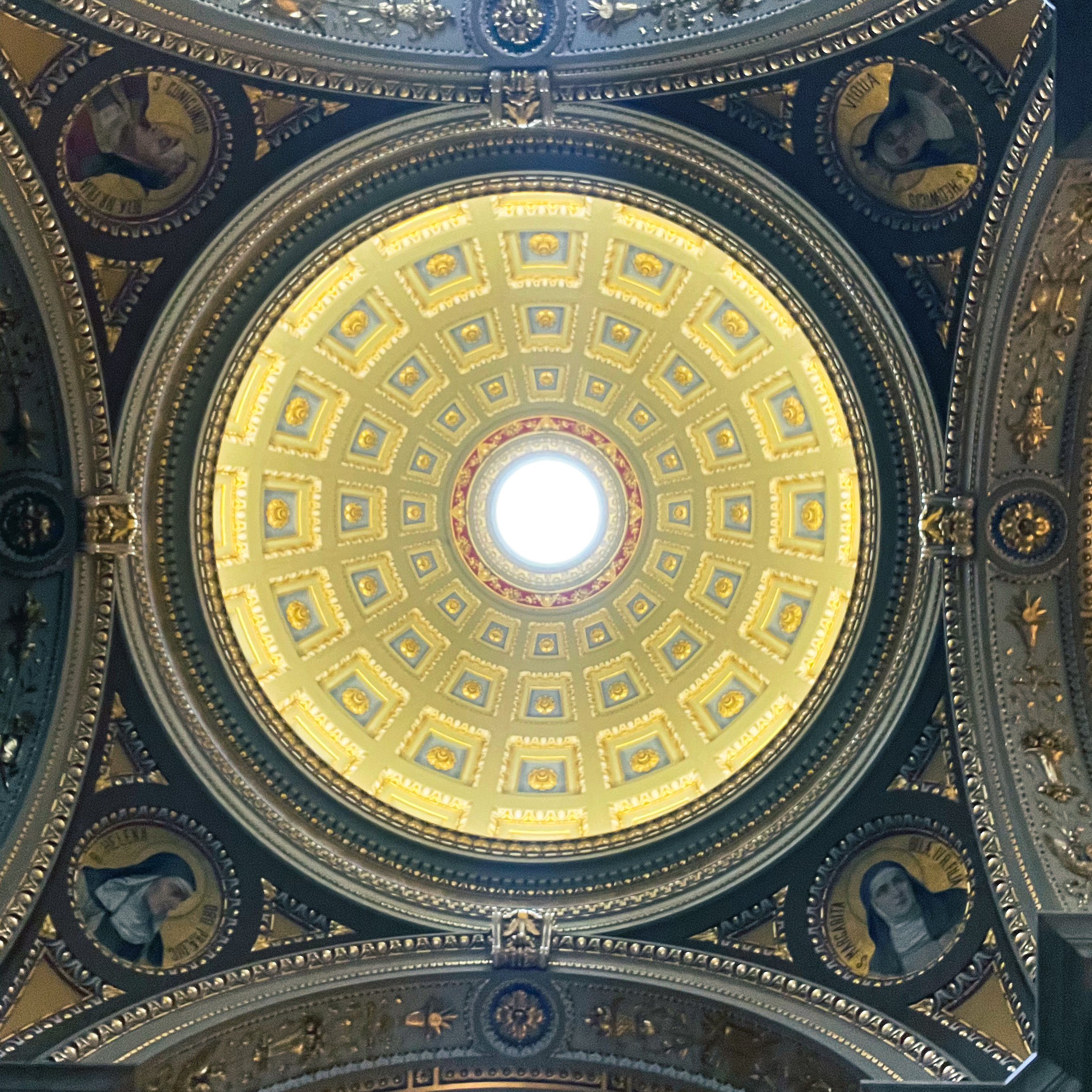
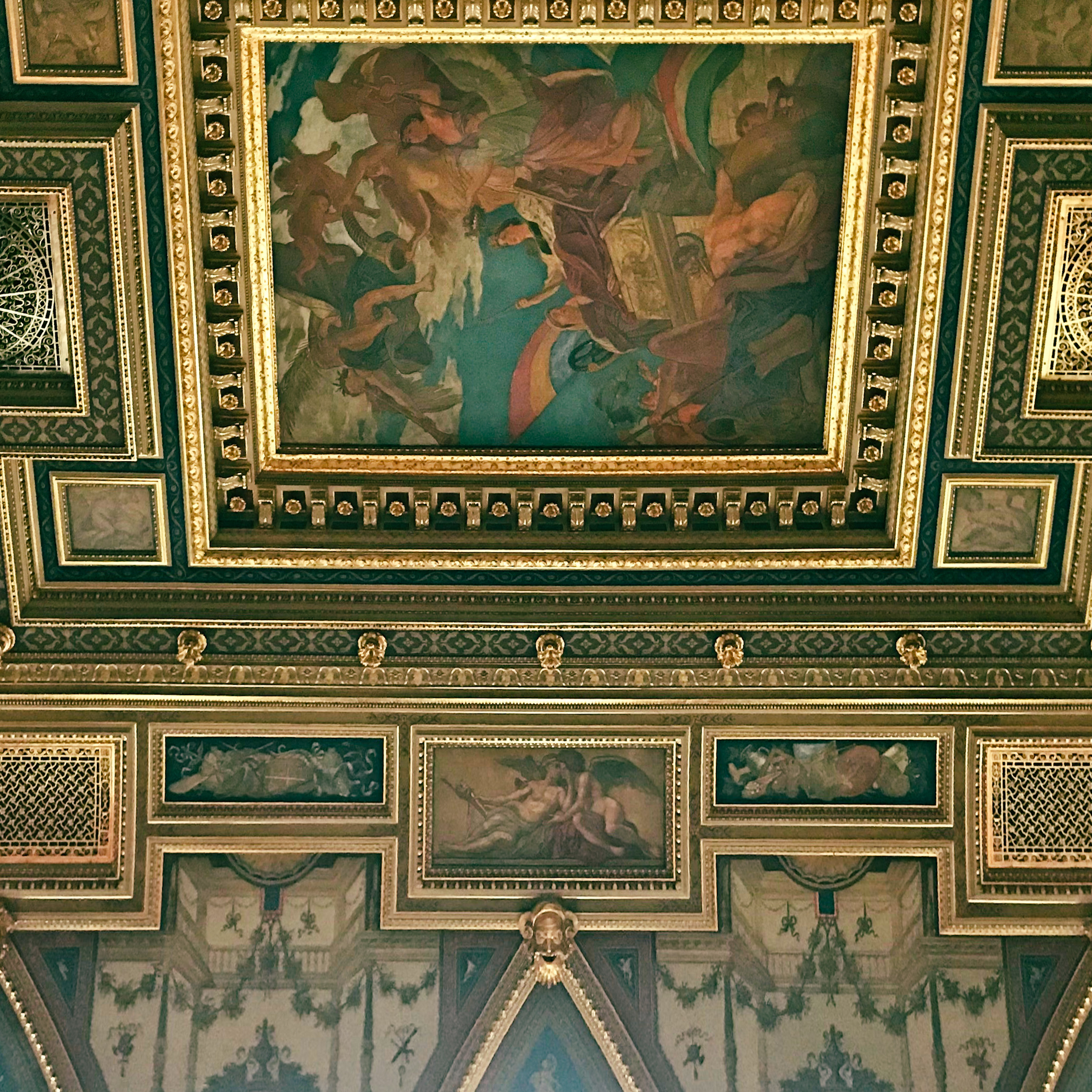
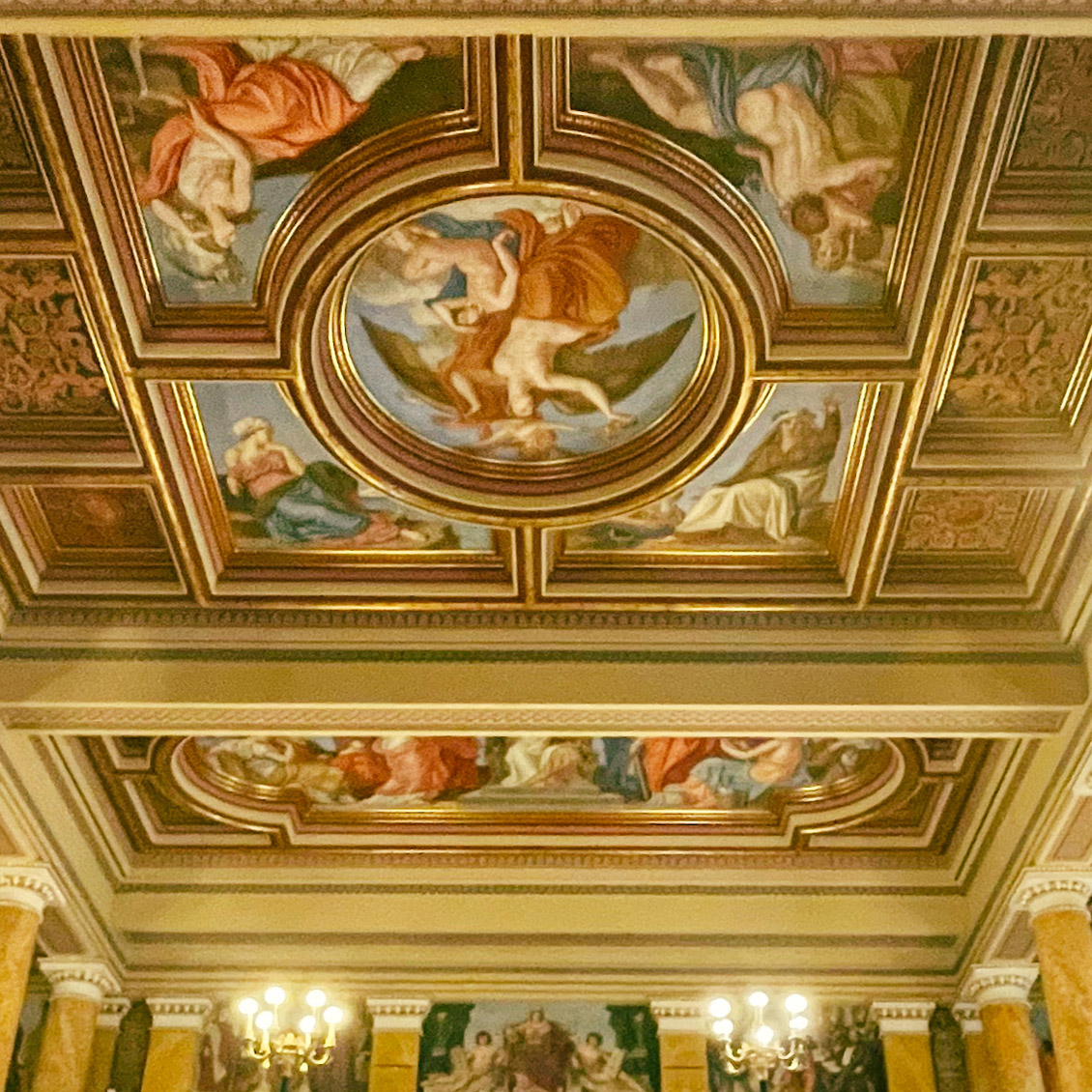
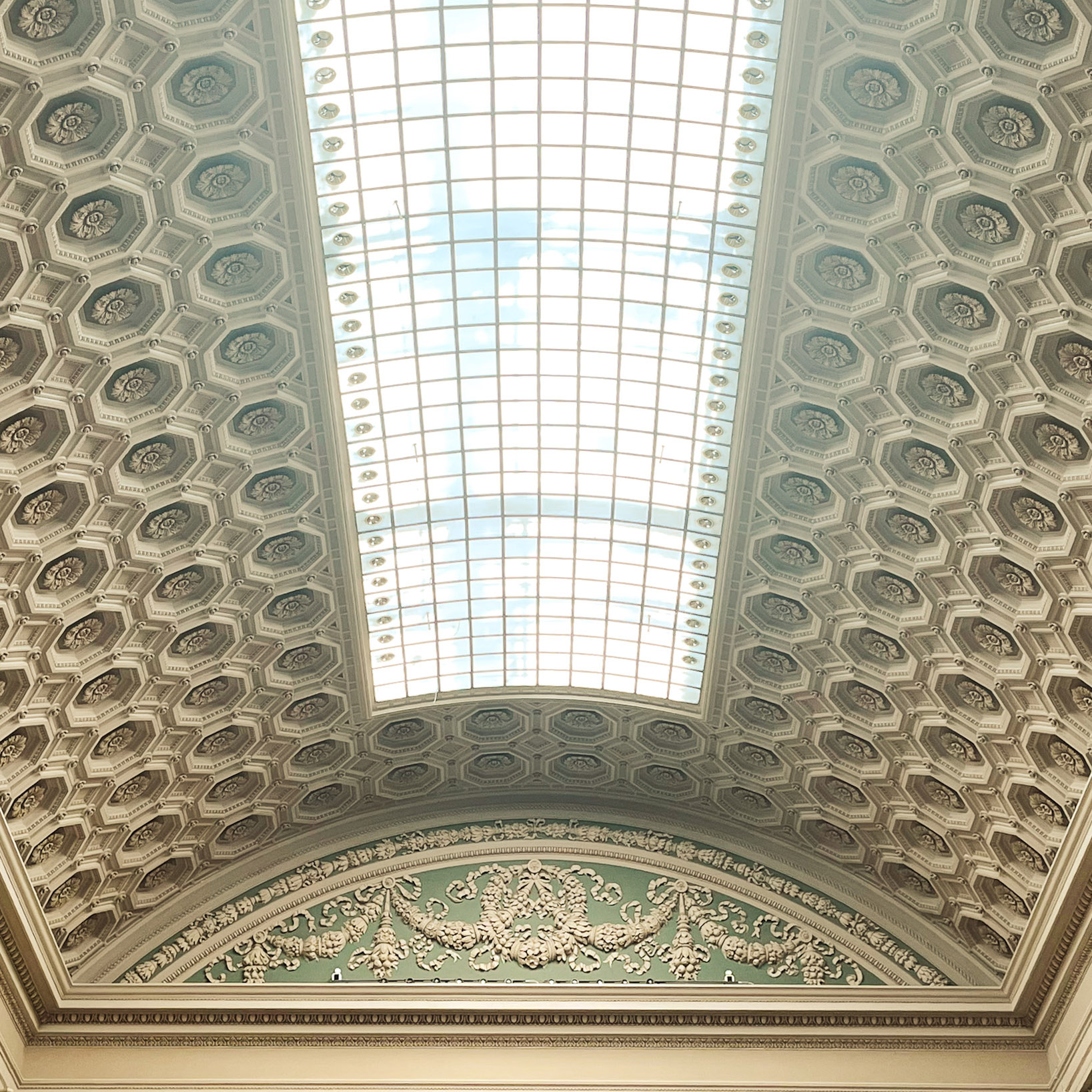
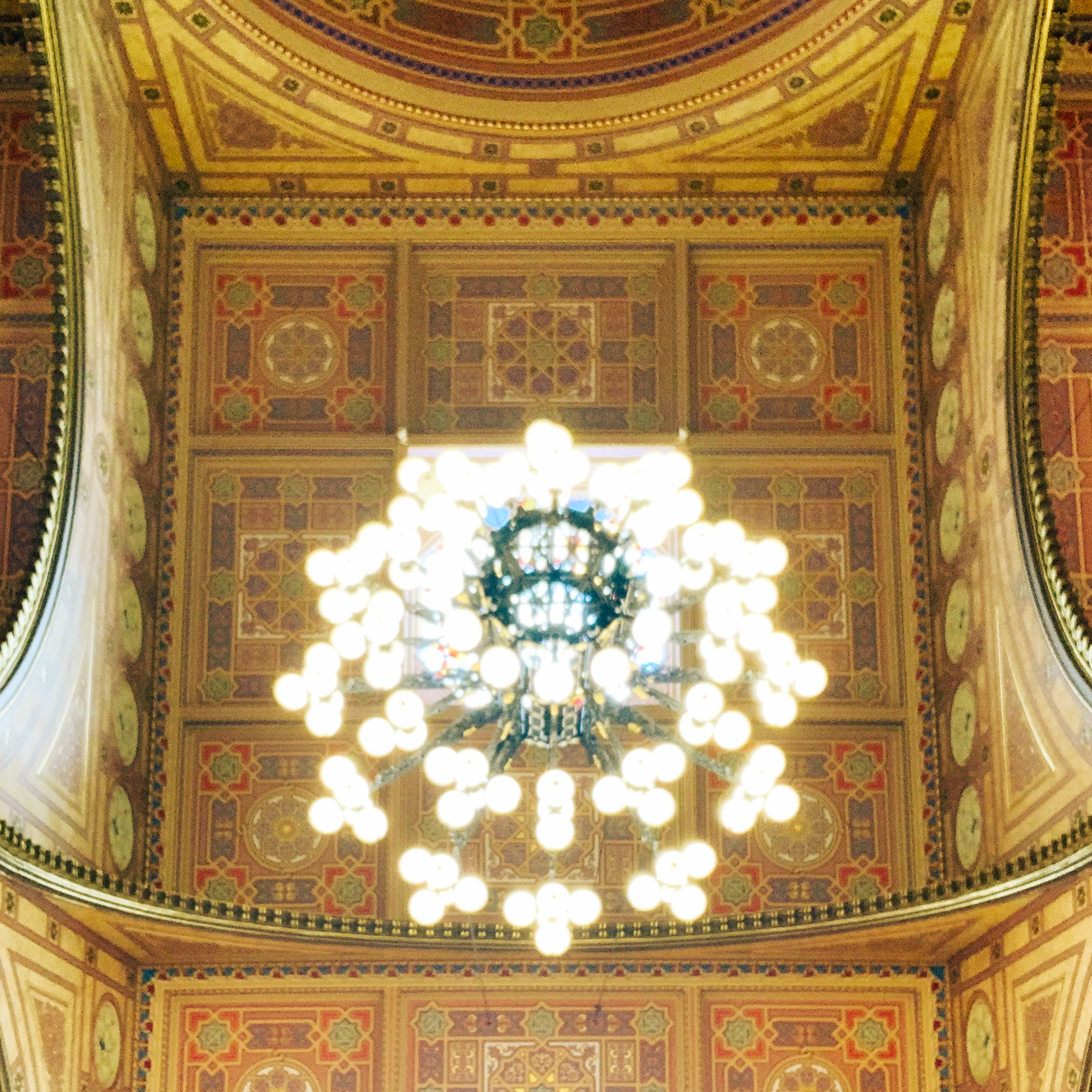
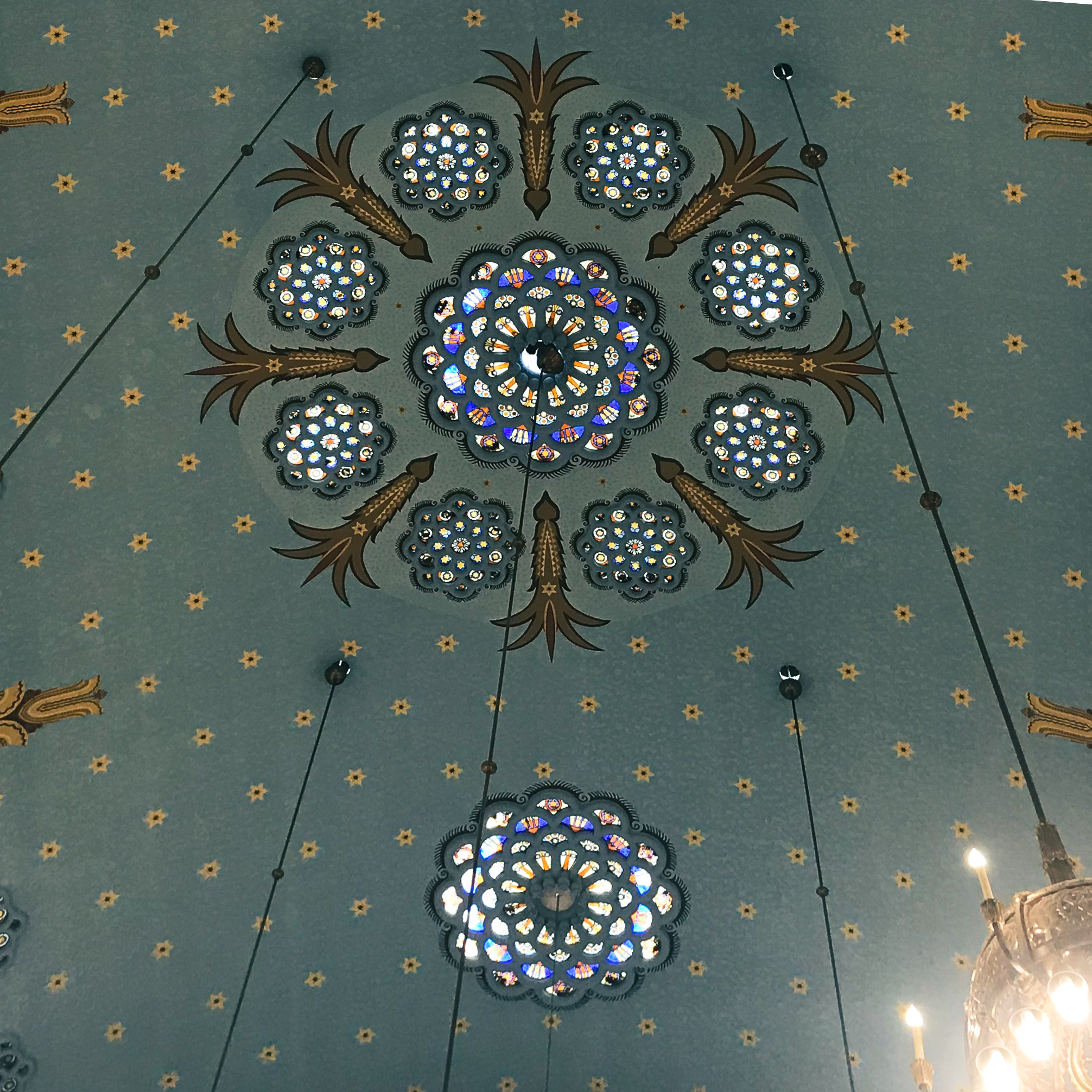
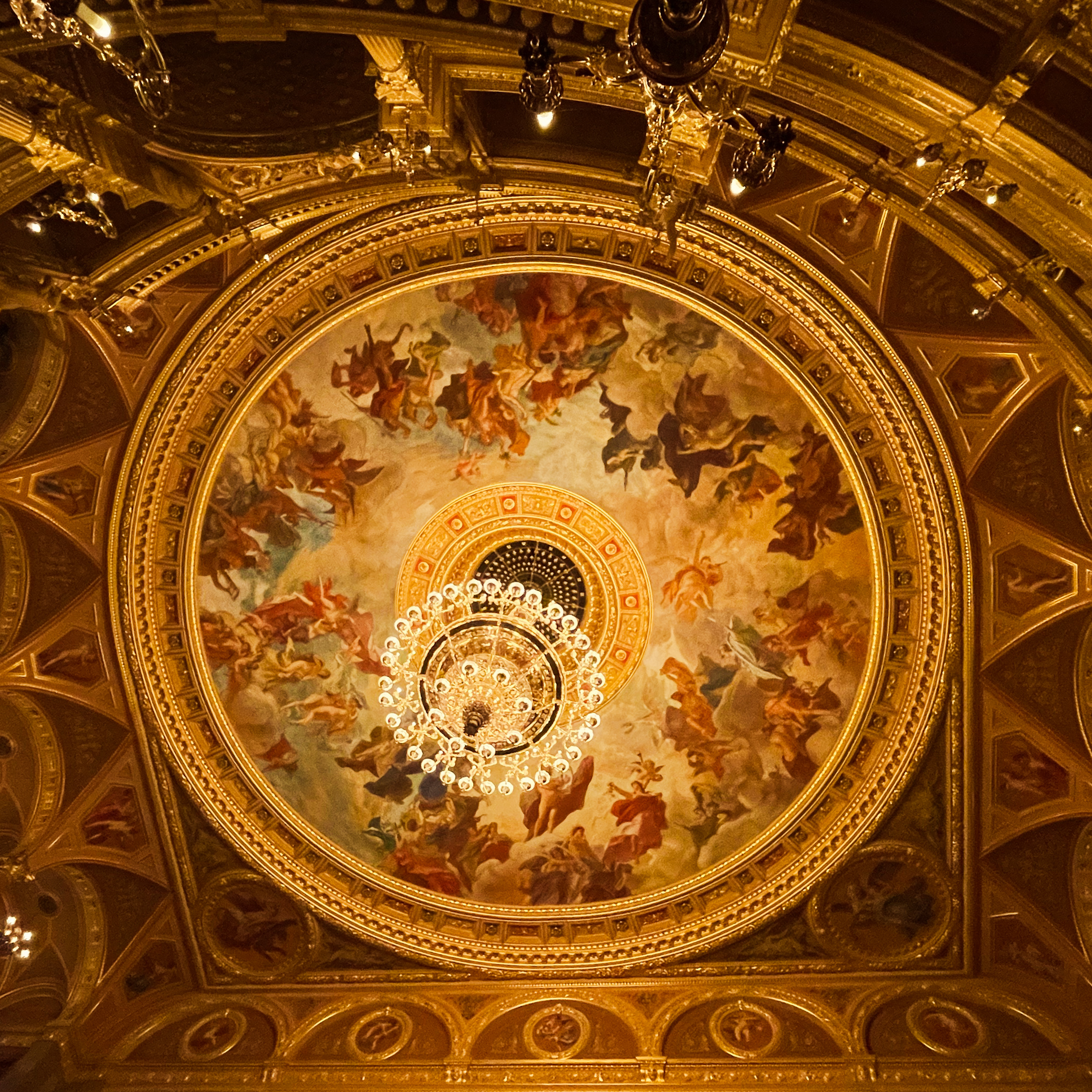
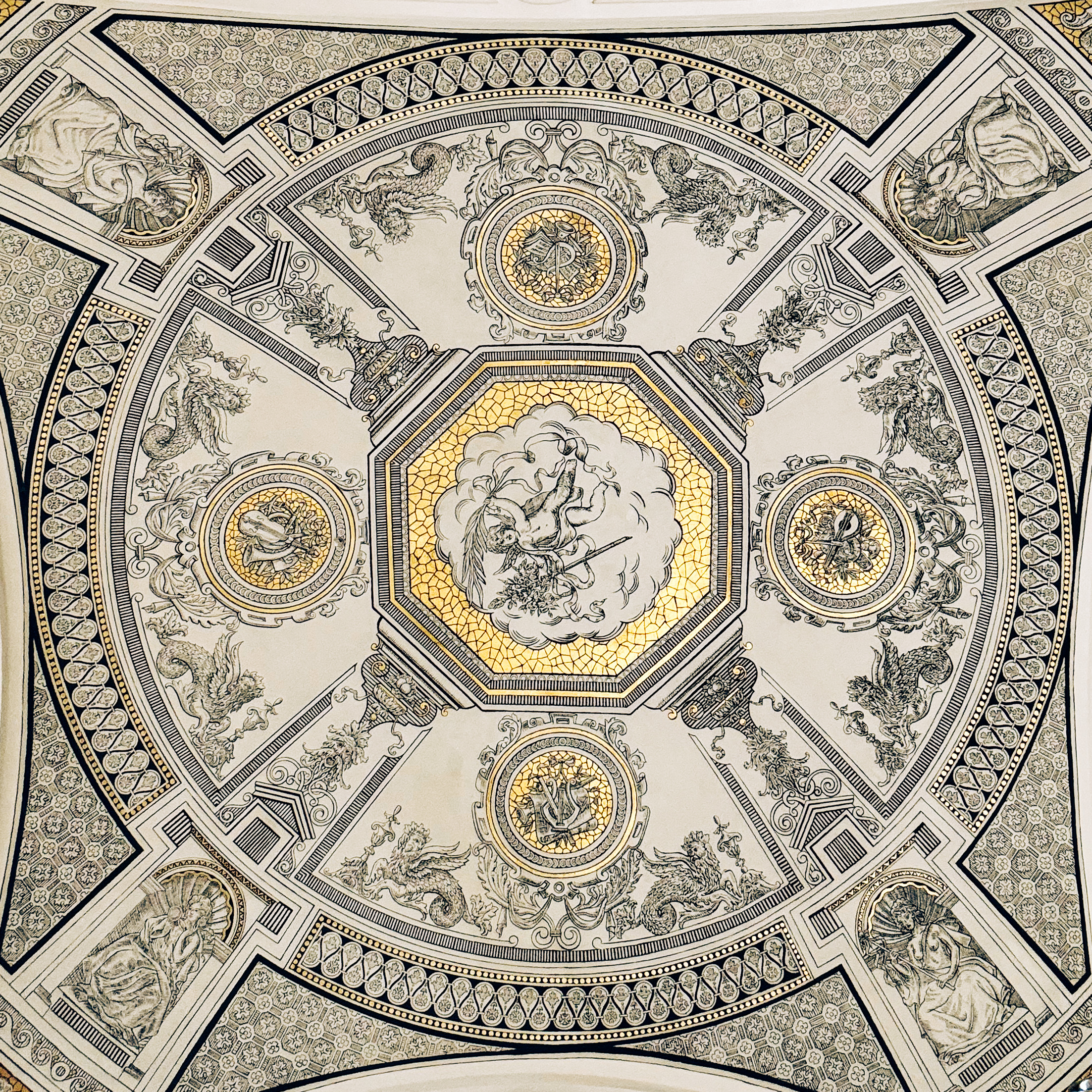
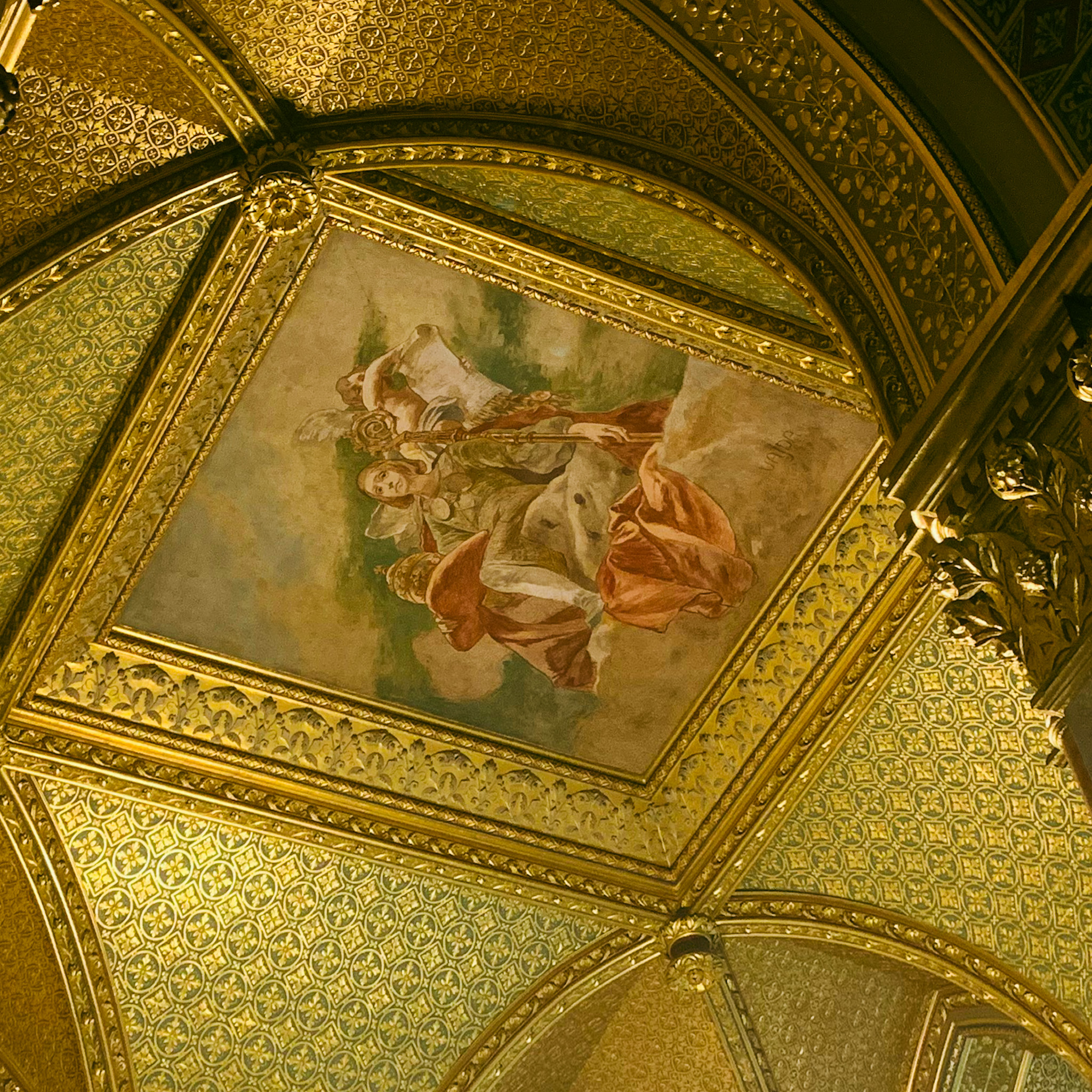
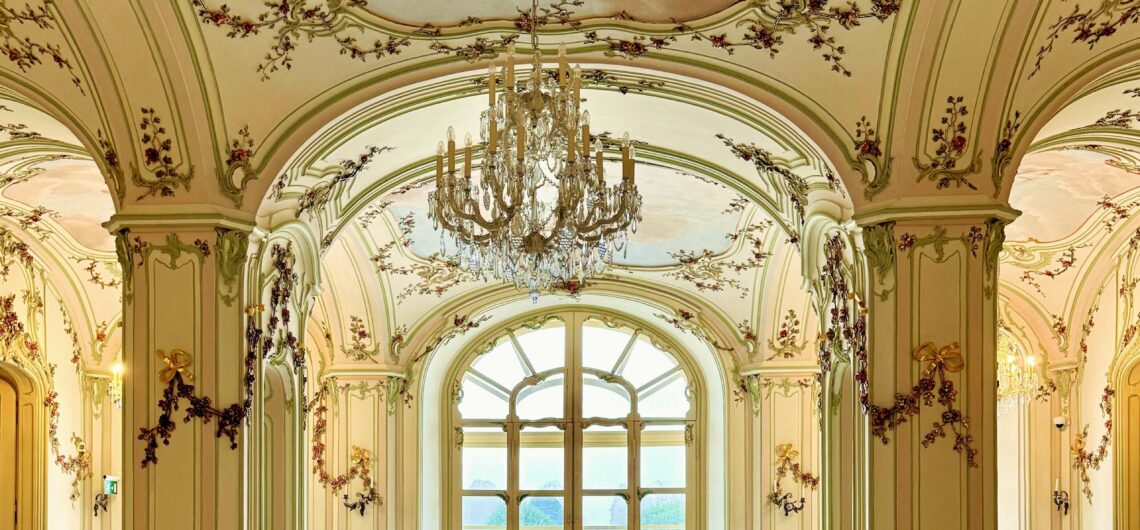
I keep saying that I really am a very fortunate person to spend most of my days out and about in my beautiful city. I am taking a lot of photographs and have just realised how many of those pictures capture the truly spectacular ceilings of buildings. I have a nice collection now and I decided to share a few of those photos with you. Unfortunately you cannot see all of these ceilings today, the Book Café has been closed for years for example, and there is no way that I would recommend to queue in front of New York Café for hours, but there are so many more great buildings with magnificent ceilings.

Being a tourist in a new place is not easy, you have to look in all directions all the time, but please, do not forget to look up! Feel free to send me your favourite photos! And I promise to keep adding more photos to the collection from time to time.


Street art in Budapest has always been of great significance. Art is not only what we see, it is not only made to please the eyes, artists seek to convey meaningful messages, art can communicate ideas and feelings. Art can be interpreted in so many different ways and it also is a great source to understand a nation’s culture and spirit. During the communist era Hungarians have developed a sixth sense to decode messages hidden in art, literature and music, messages that communist censorship tried to cancel.
Contemporary street art in Budapest is playful, symbolic and it makes you think. Storytelling is still the most important function, together with aesthetics but we see the concept changing, we recognise new language, new shapes, new design and new forms. And we welcome the new creators with innovative ideas.

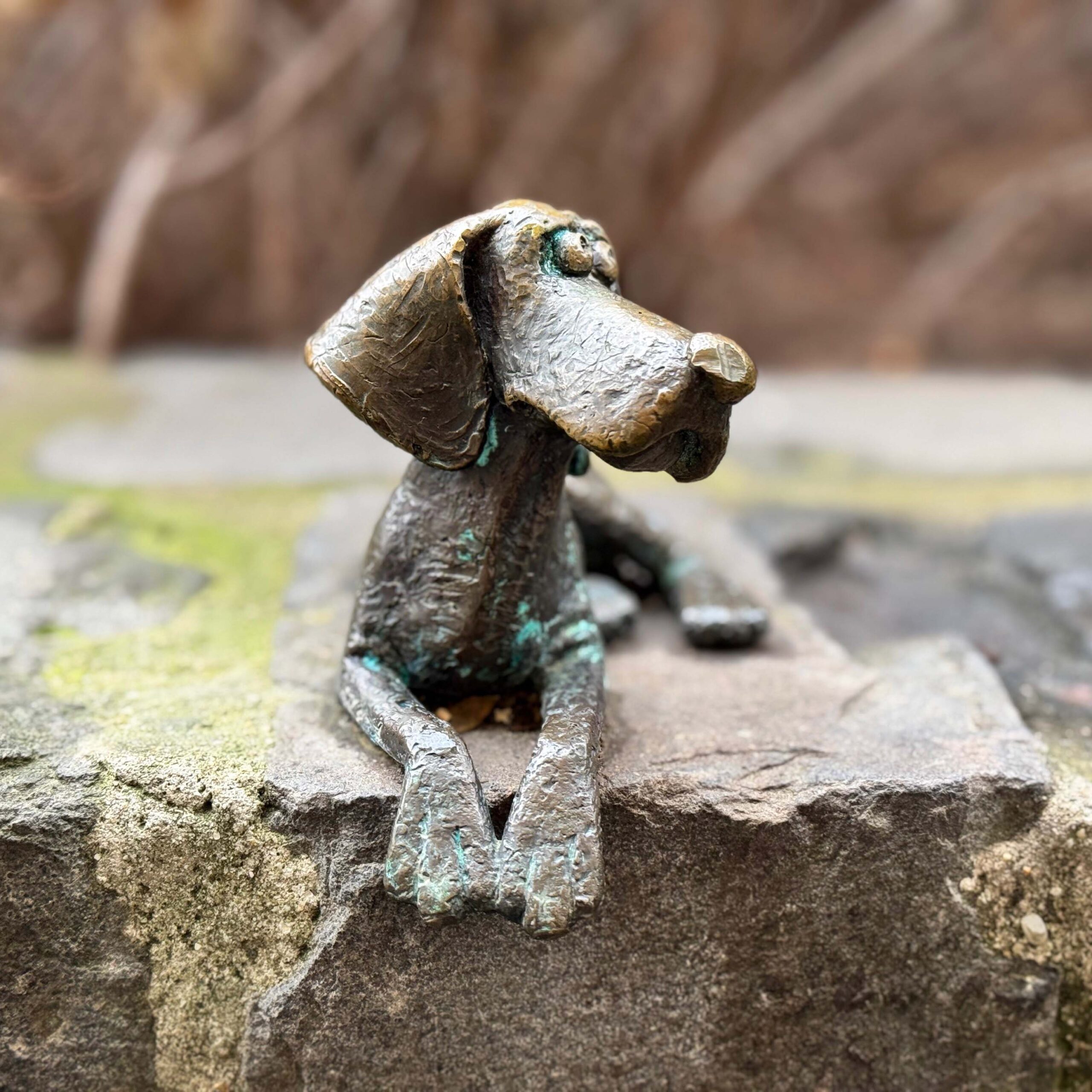
Mykhailo Kolodko is a young artist of the new generation. He was born in Ukraine, studied monumental sculpture at the Lviv Academy of Arts and moved to Hungary with his family in 2017. Although he studied and was originally interested in monumental art, he became popular for his mini-sculptures both in Uzhhorod, Ukraine and in Budapest. His opinion is that the time of centrally planned and determined art is over, art today should reflect the interests of the artists and the people. His self definition and inspiration is that “even in small form it is possible to depict monumental idea”.
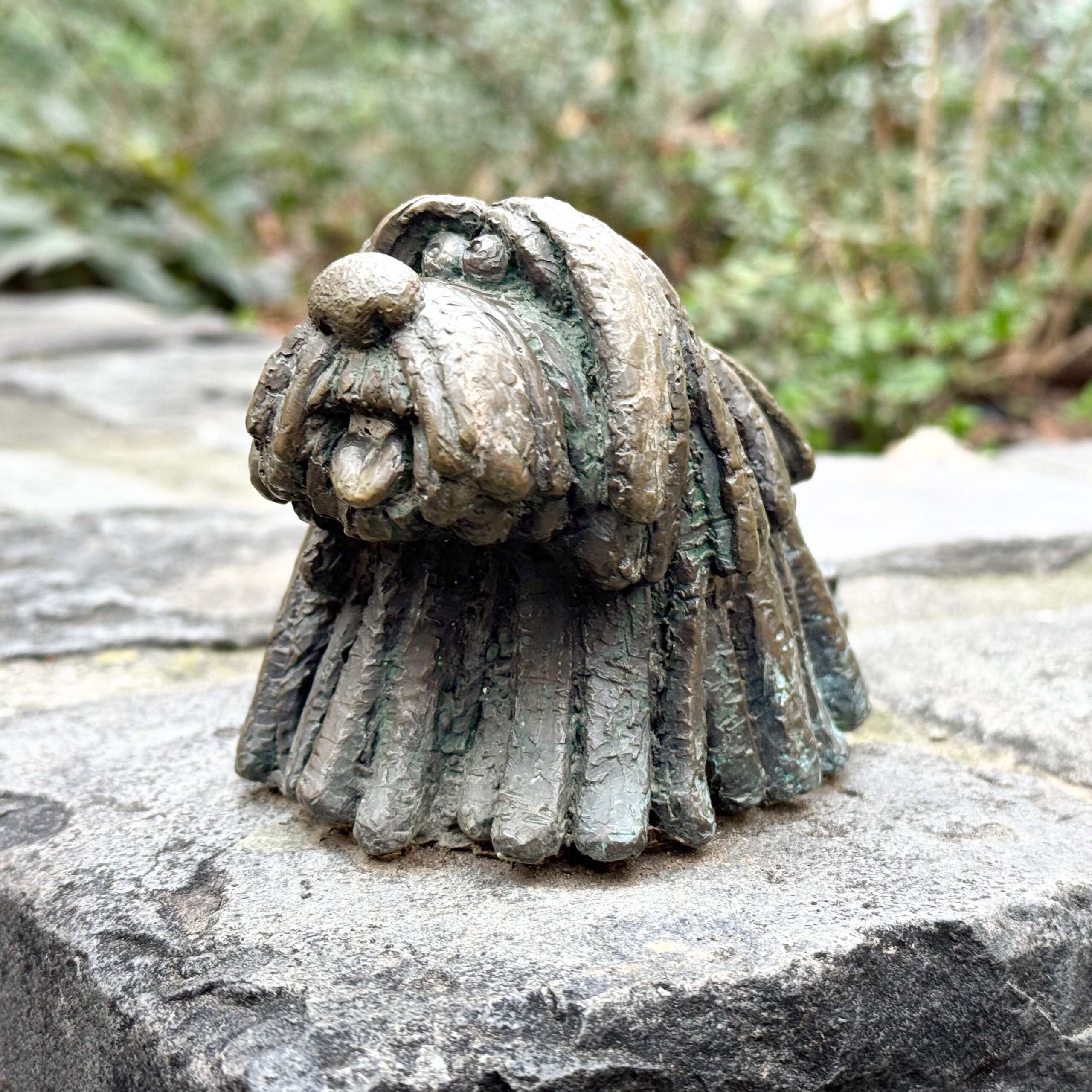
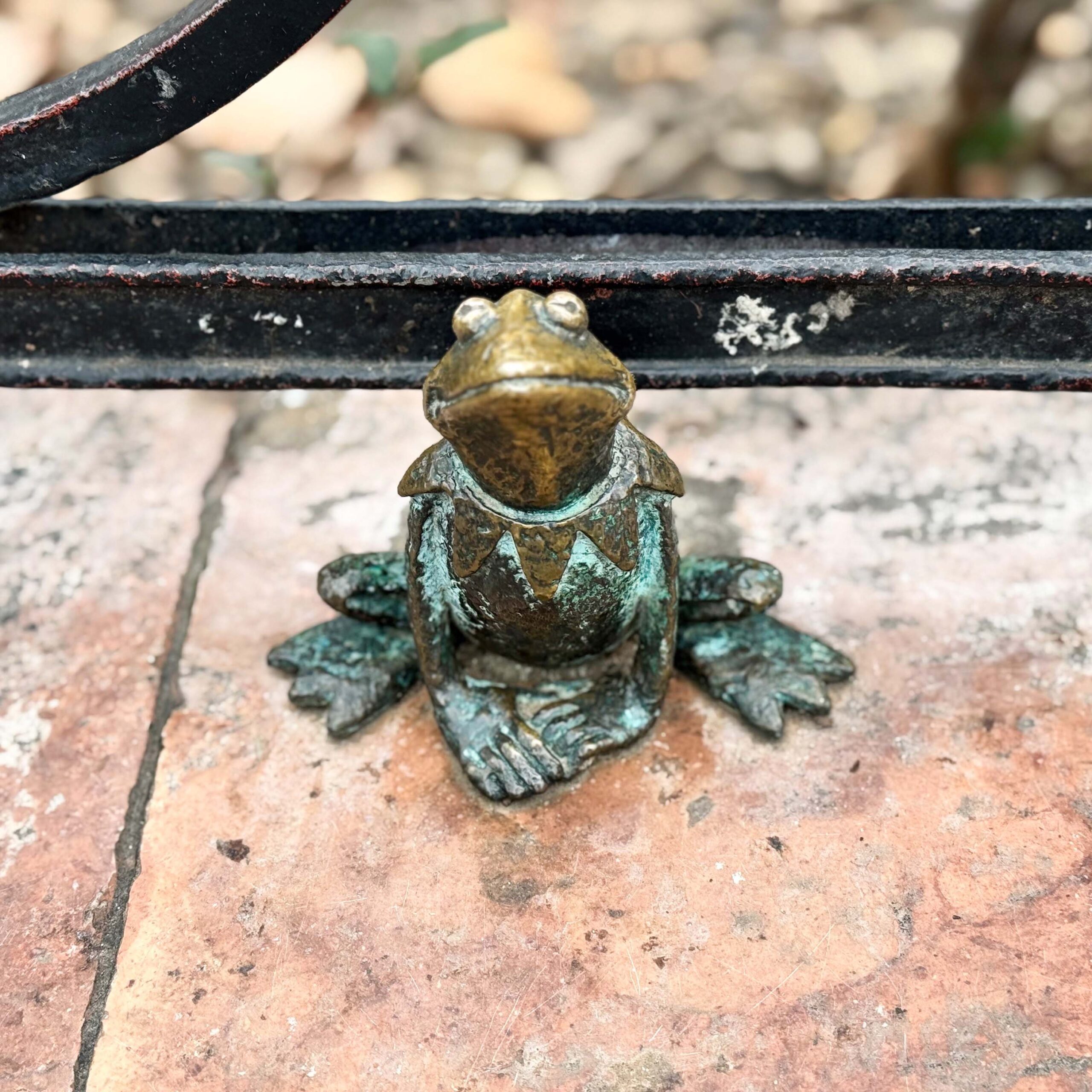
Locals tend to call his art guerrilla sculpture, as the bronze mini-statues pop up unexpectedly at public spaces without permission. Everybody loves treasure hunting, so it is no surprise that the statuettes quickly gained popularity to such extent that certain pieces were stolen. Others are treated as humans and people often dress them up in the cold winter months. They are small, about 10-15 cm each, the concept is that large-scale statues are also created in small size first, also, Kolodko says that the small size gives him a lot of advantages in speed, mobility, value and confidence.

I love the symbolism of Kolodko’s art. Long forgotten cartoon characters or fairy tale heroes are resurrected, historical moments are revived, other pieces pay homage to famous Hungarian people. The statuette itself, its location, its appearance, they all tell you a story. There are quite a few of them located in the city centre of Budapest and I’m happy to introduce them to you on a Budapest tour. Here are a few of my favourite Kolodko mini-sculptures:

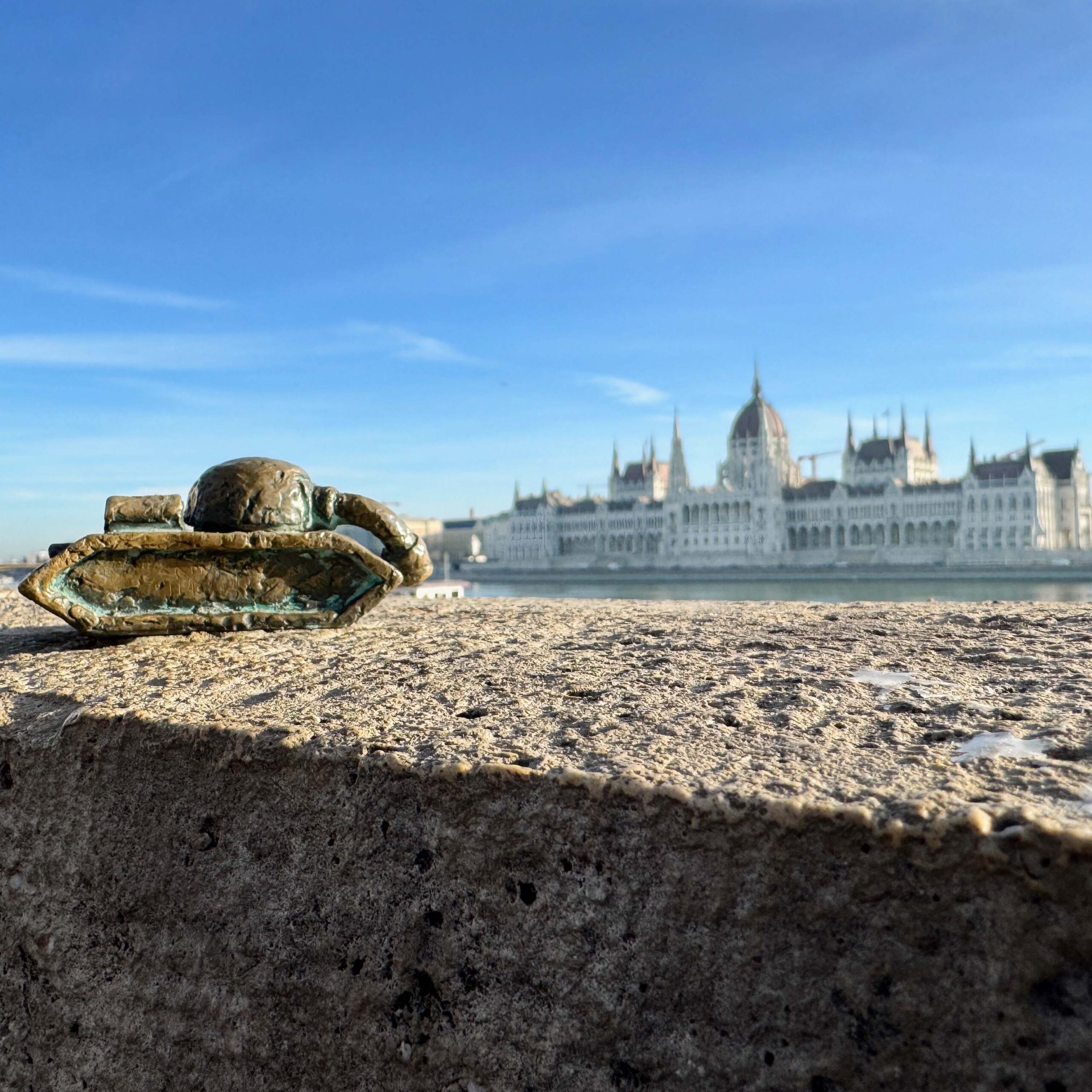
  • The Sad Tank is a Russian tank facing Parliament that reminds us of the 1956 revolution, the muzzle of the tank is down and is of the shape of an elephant trunk indicating the war is over (2017).
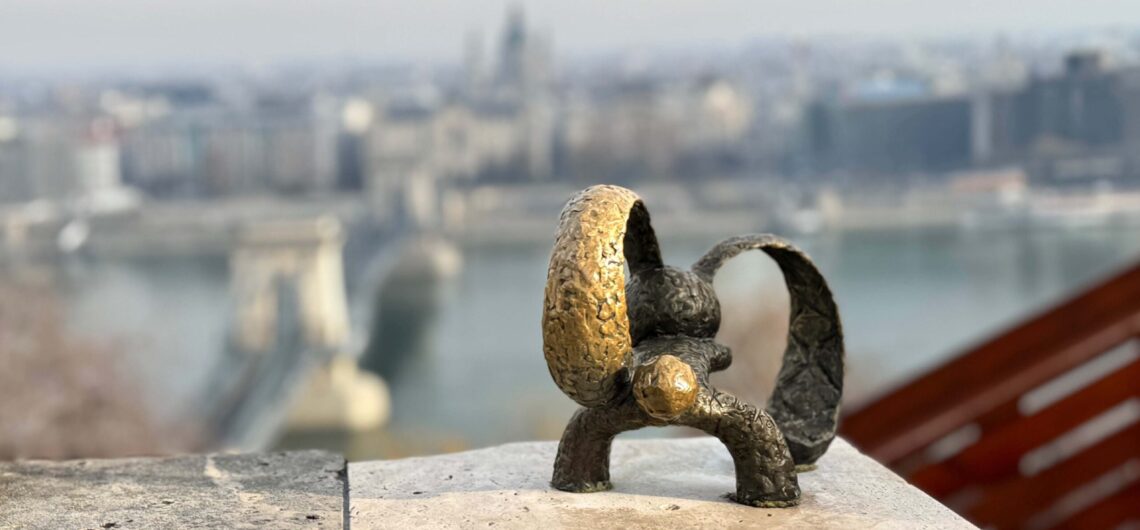
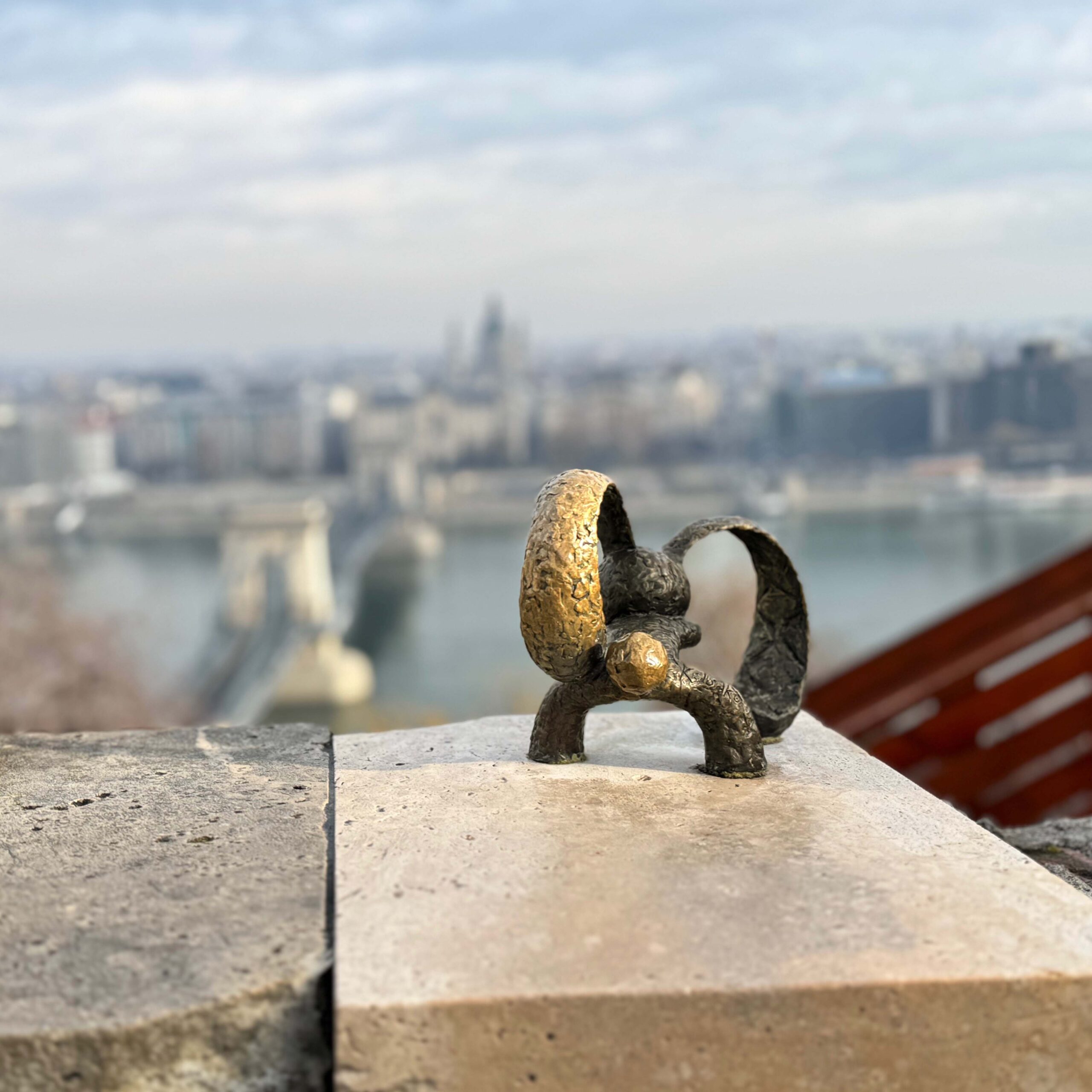
  • The Rabbit with the Checkered Ears is the main character of a very popular Hungarian animated children’s series in the 1970’s. The rabbit is located on top of Castle hill and is enjoying the UNESCO protected Budapest panorama (2018).
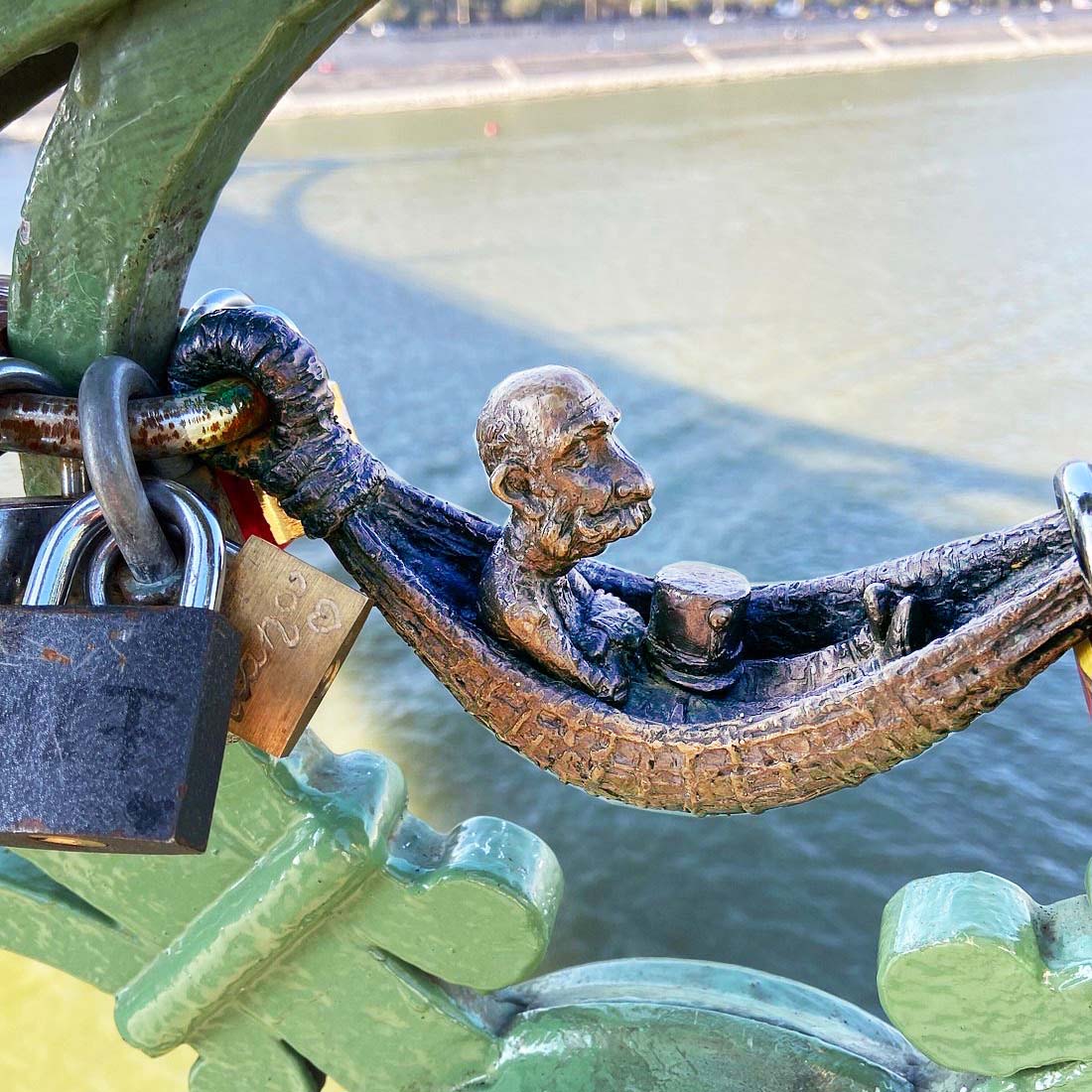
  • Emperor Franz Joseph in a Hammock is a great metaphor of the emperor re-conquering in a peaceful way the Liberty bridge that was originally named after him (2021)
  • There Was Only One Dog Fair in Buda, a very popular folk tale taking us back to the time of Hungarian king Matthias. There are many folk tales inspired by the great king and about how he always rewarded the good people and punished the bad. You can recognise the Hungarian breeds like the puli and the vizsla.
  • Kermit the Frog from the Muppet Show is sitting in front of the former headquarters of the Hungarian national television.

I wish you good luck to locate as many Kolodko statues as you can, it is not always easy because of their size, in Hungary you can find them in Budapest, Vác, Veszprém, Tihany and Eger, they might pop up in other countries as well, like Italy or Germany. You can learn more about Mykhailo Kolodko and his art here and find out more about his mini-statues on Facebook.


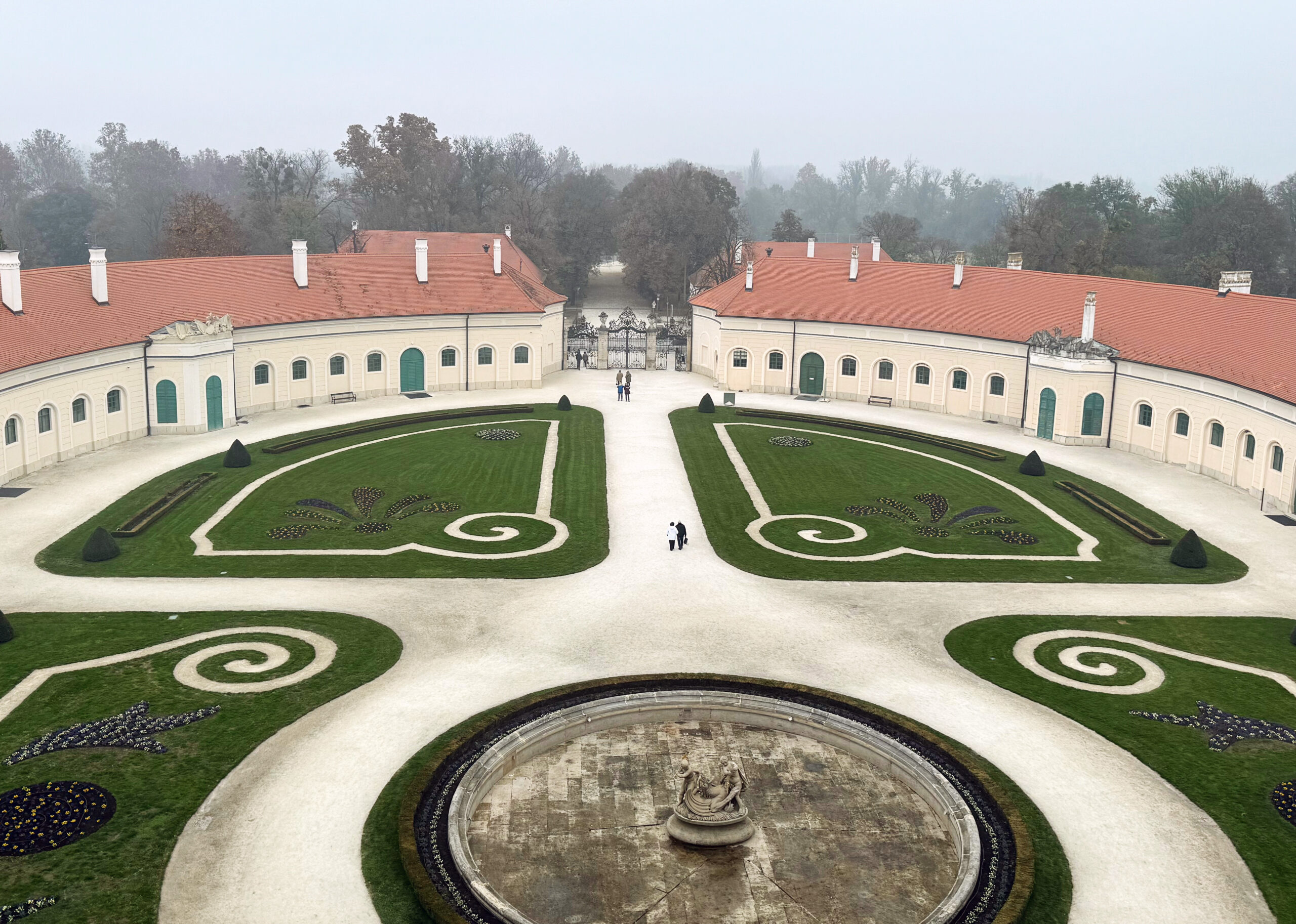
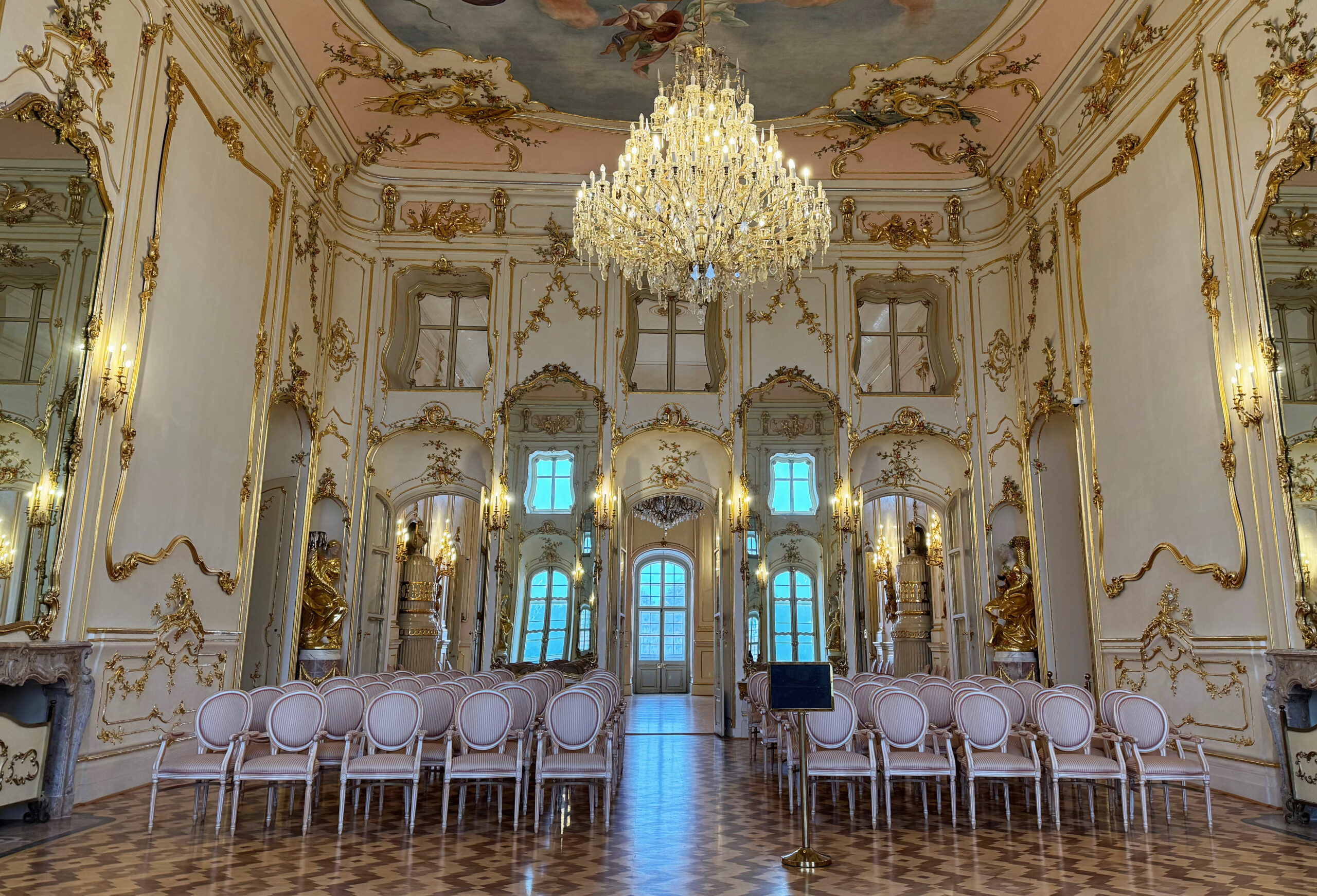
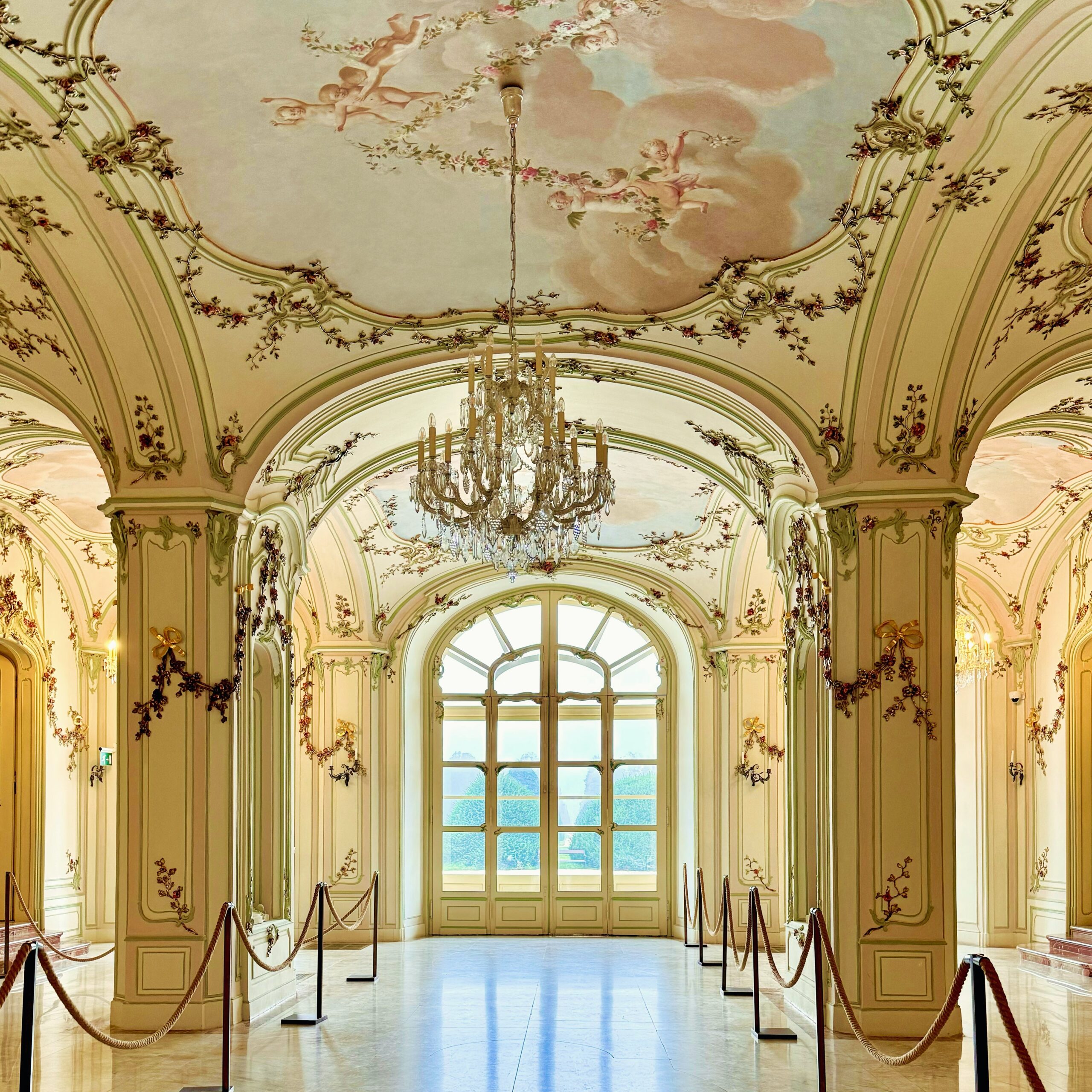
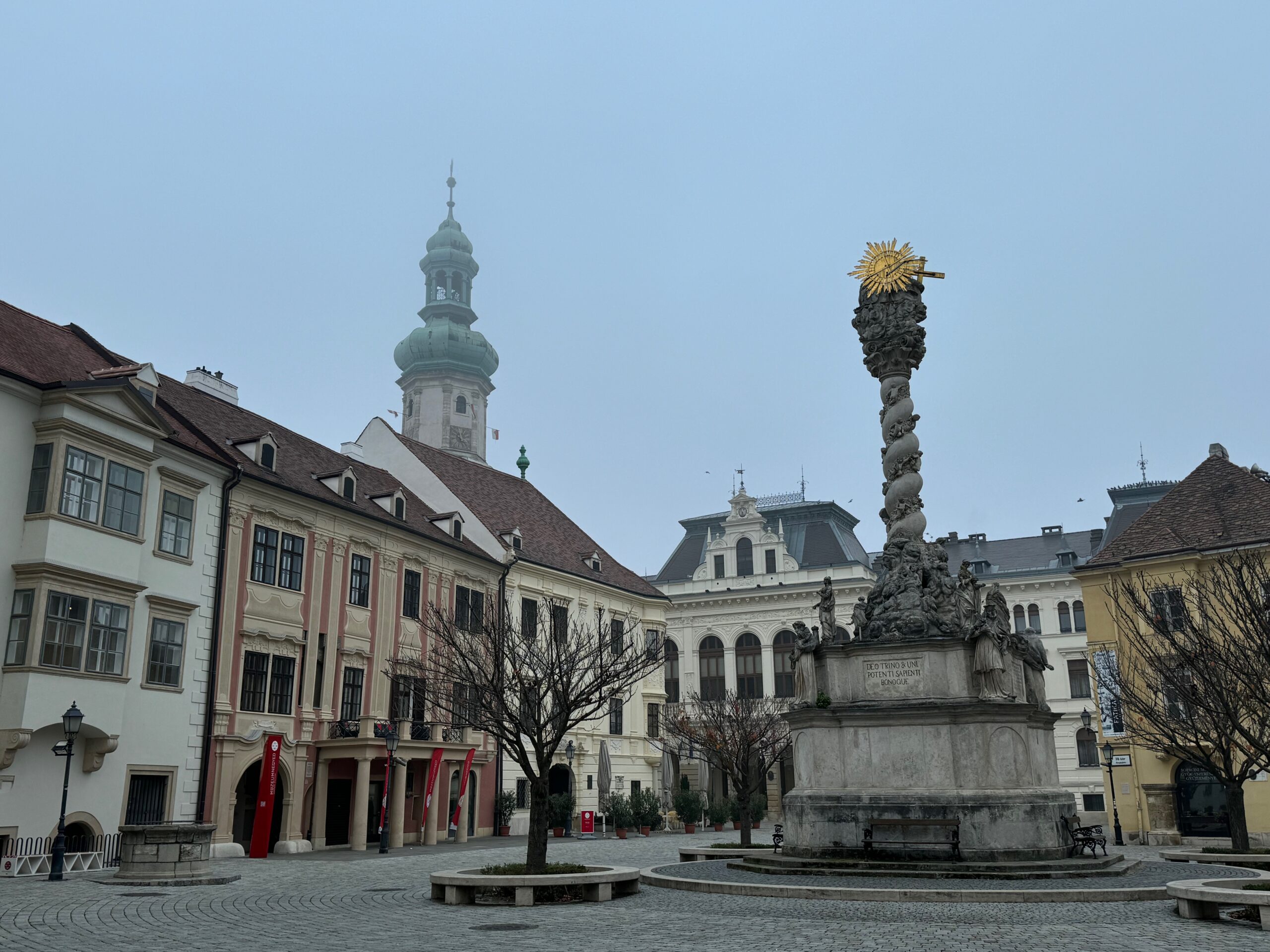
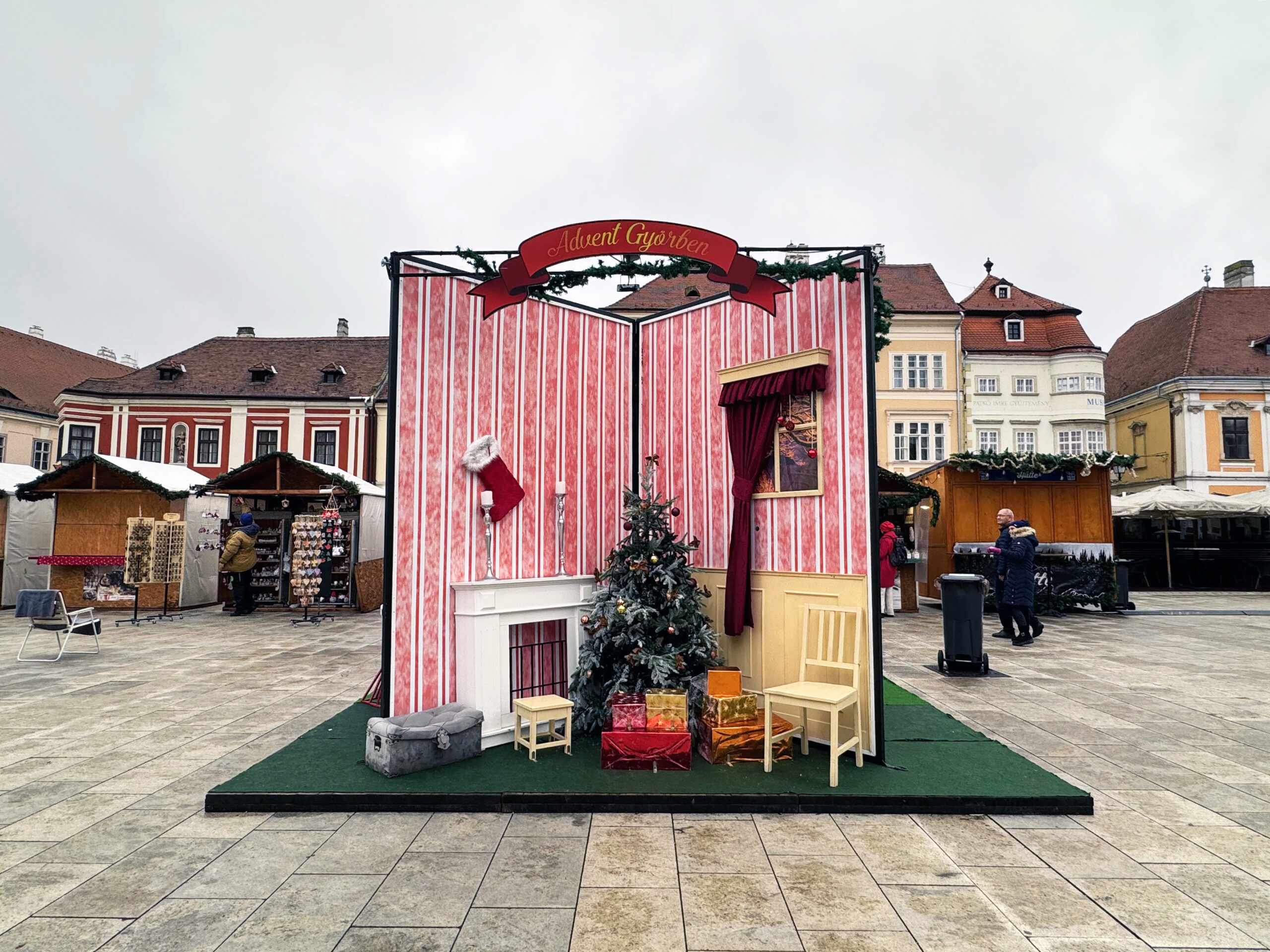
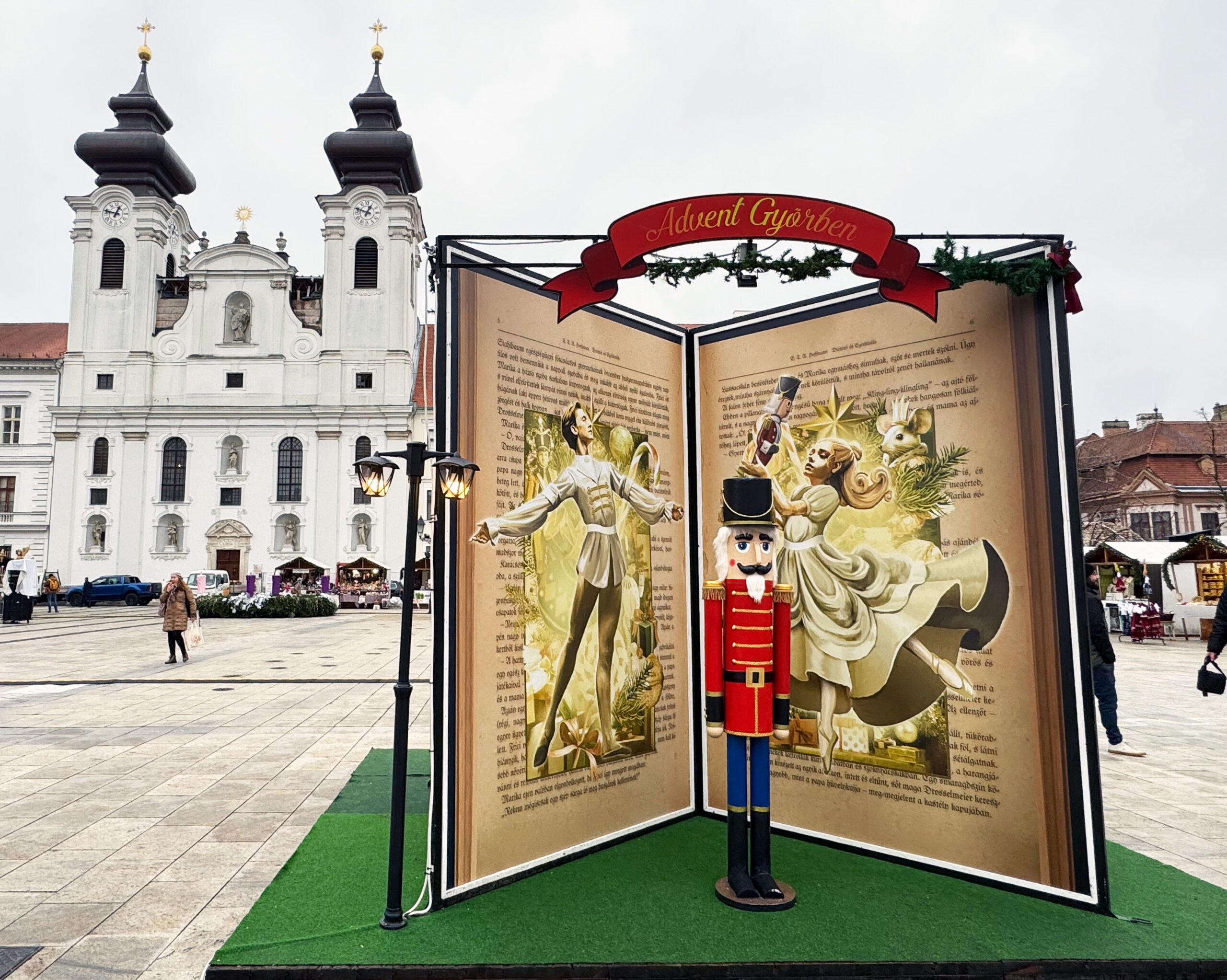
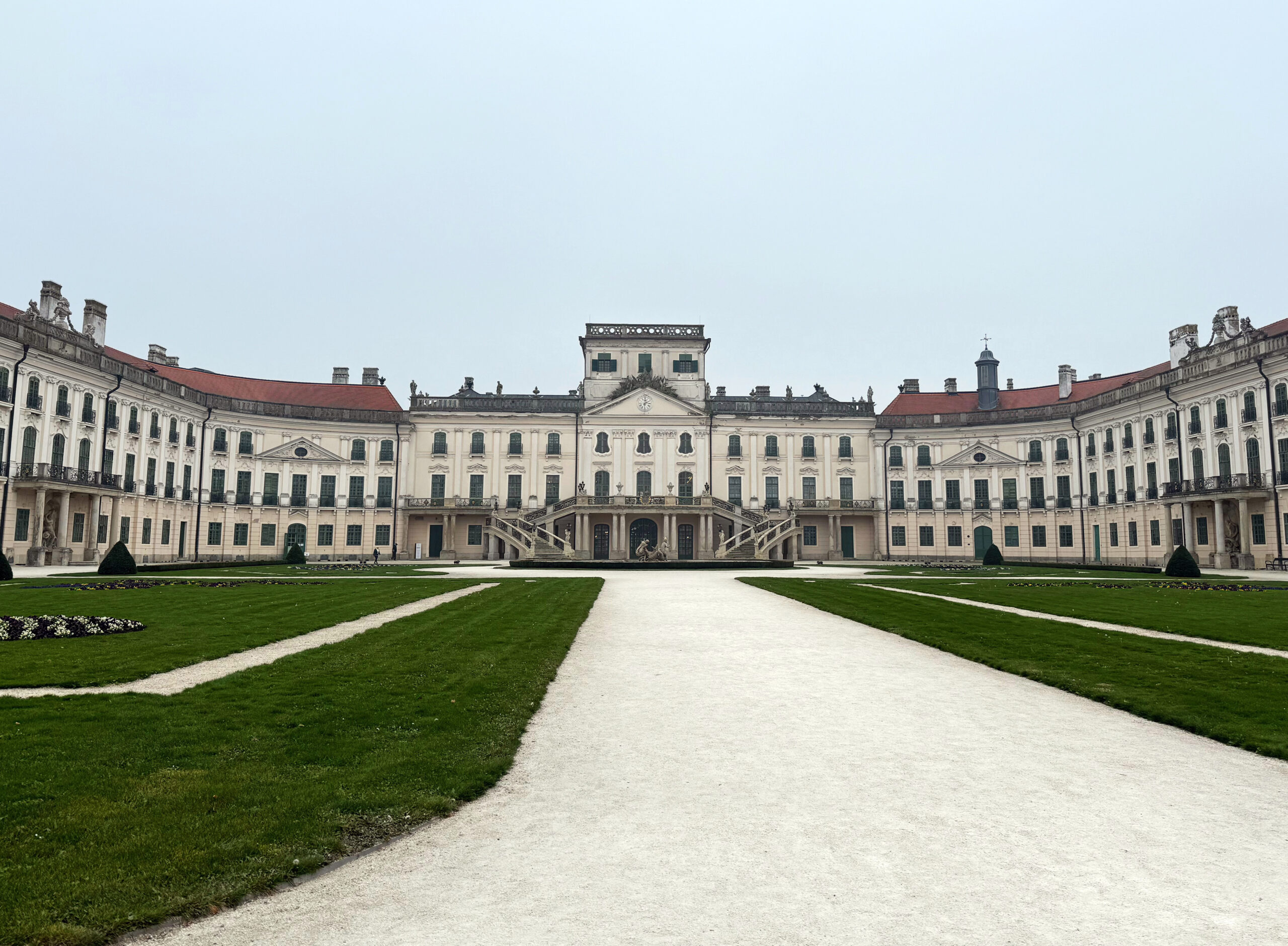
Győr, Sopron and other beautiful towns of Hungary are a longer drive from Budapest, so unfortunately this is not my most popular tour. That is why it is always a special treat to travel near the Austrian border to explore the Baroque architecture, local culture and local food. The weather was not ideal, however, the fog made the towns look even more magical and special. We also had time to visit the absolutely exquisite Esterházy Palace in Fertőd, which I think is the number one attraction in Hungary (it really is a tough race). Thank you for the great experience and I cannot wait to take more people to Győr, Fertőd and Sopron!

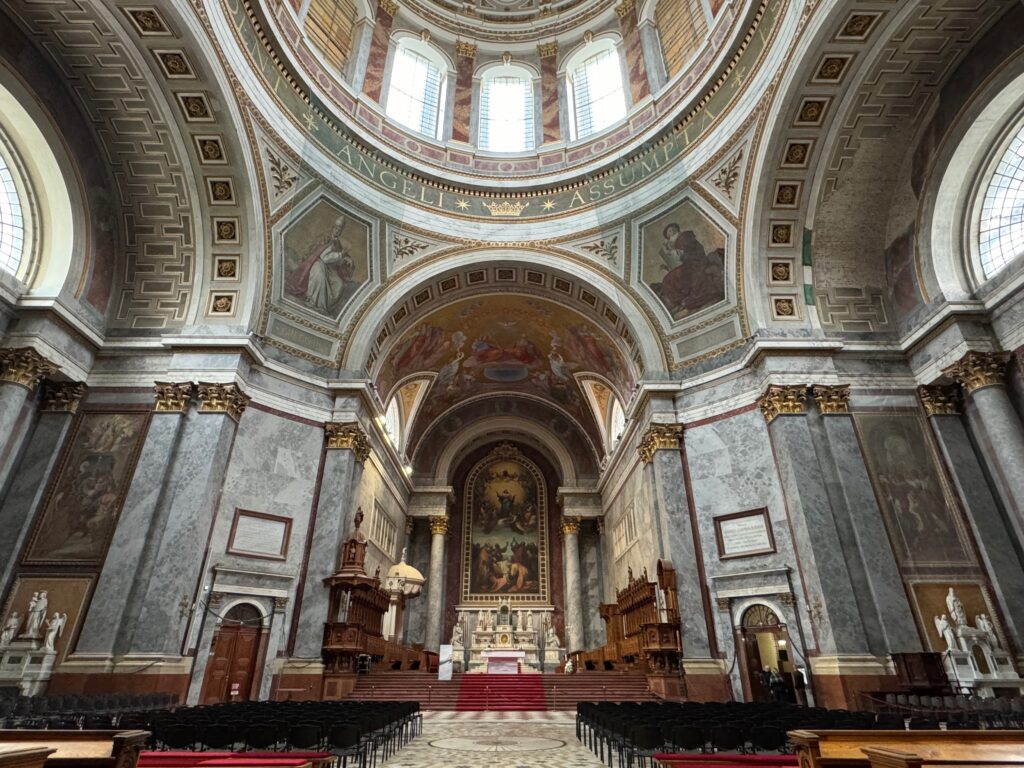
The largest Catholic Church of Budapest, the magnificent Esztergom Basilica is included in my popular Danube Bend private tour. The renovation works started in 2018 and we can already see some amazing parts of the interior beautifully restored. I am fascinated by how spacious and monumental the interior has become, it definitely is worth a visit when you spend some time in Beautiful Budapest.

Esztergom Basilica, the largest Catholic Church in Hungary

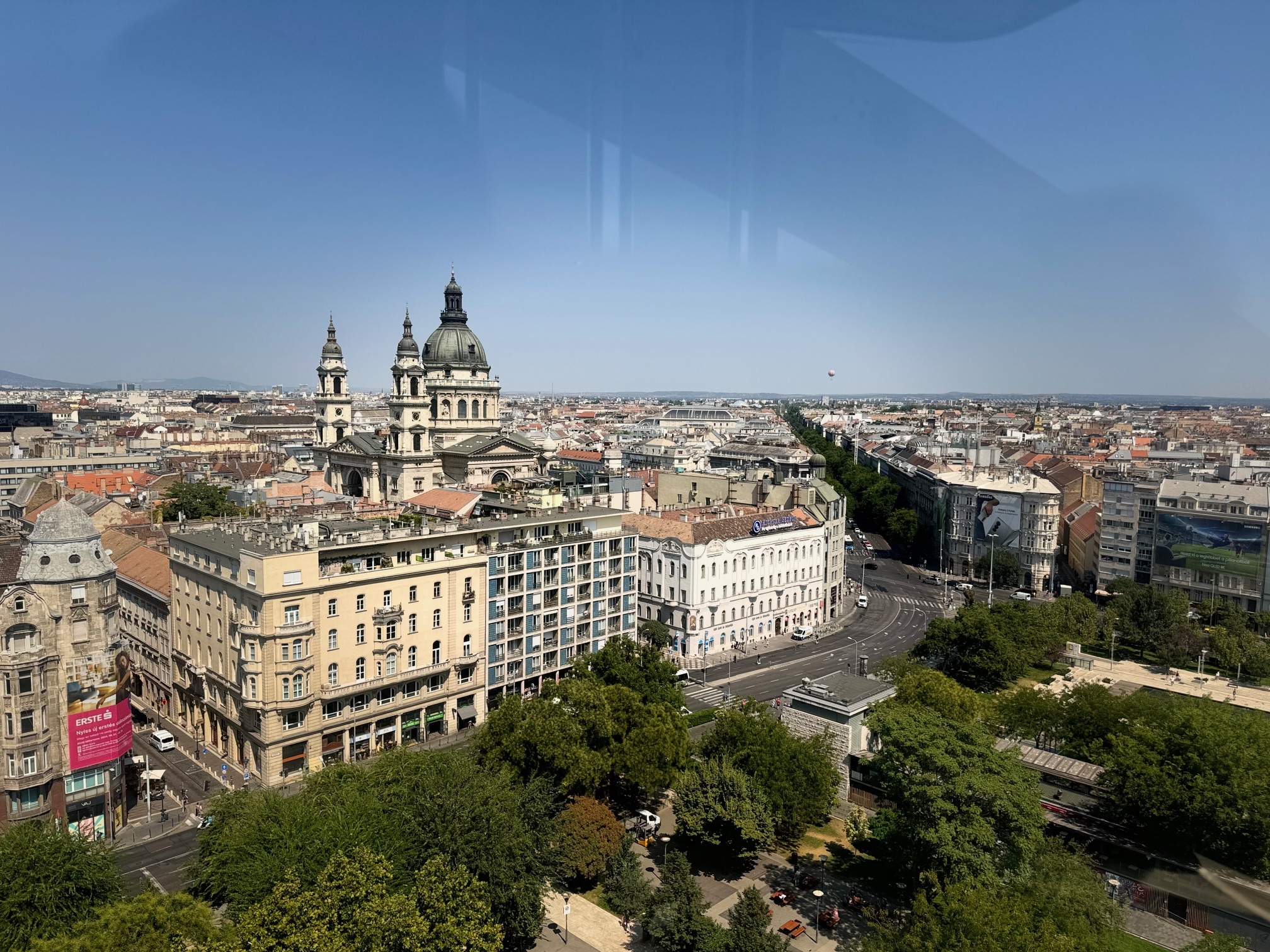
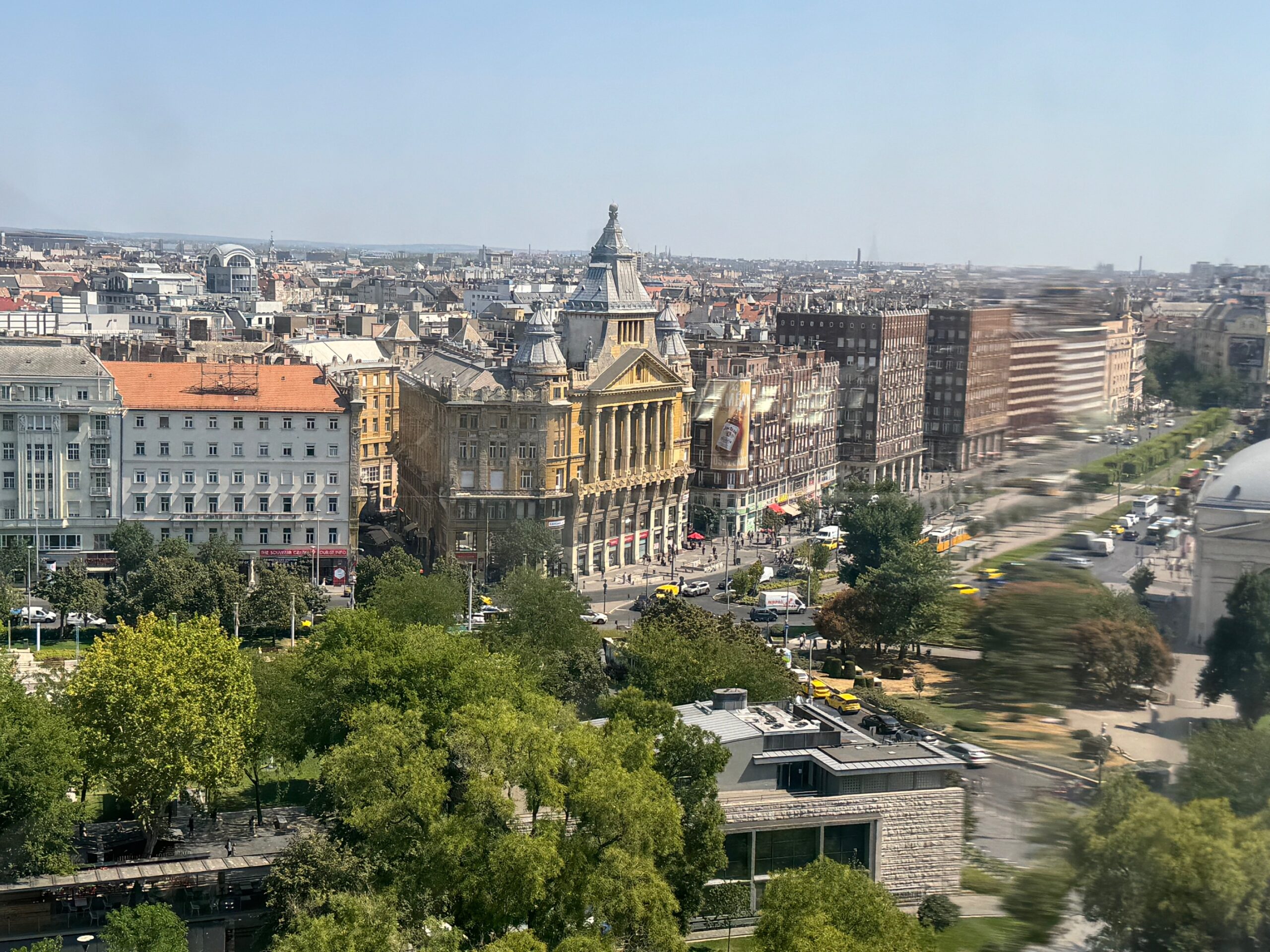
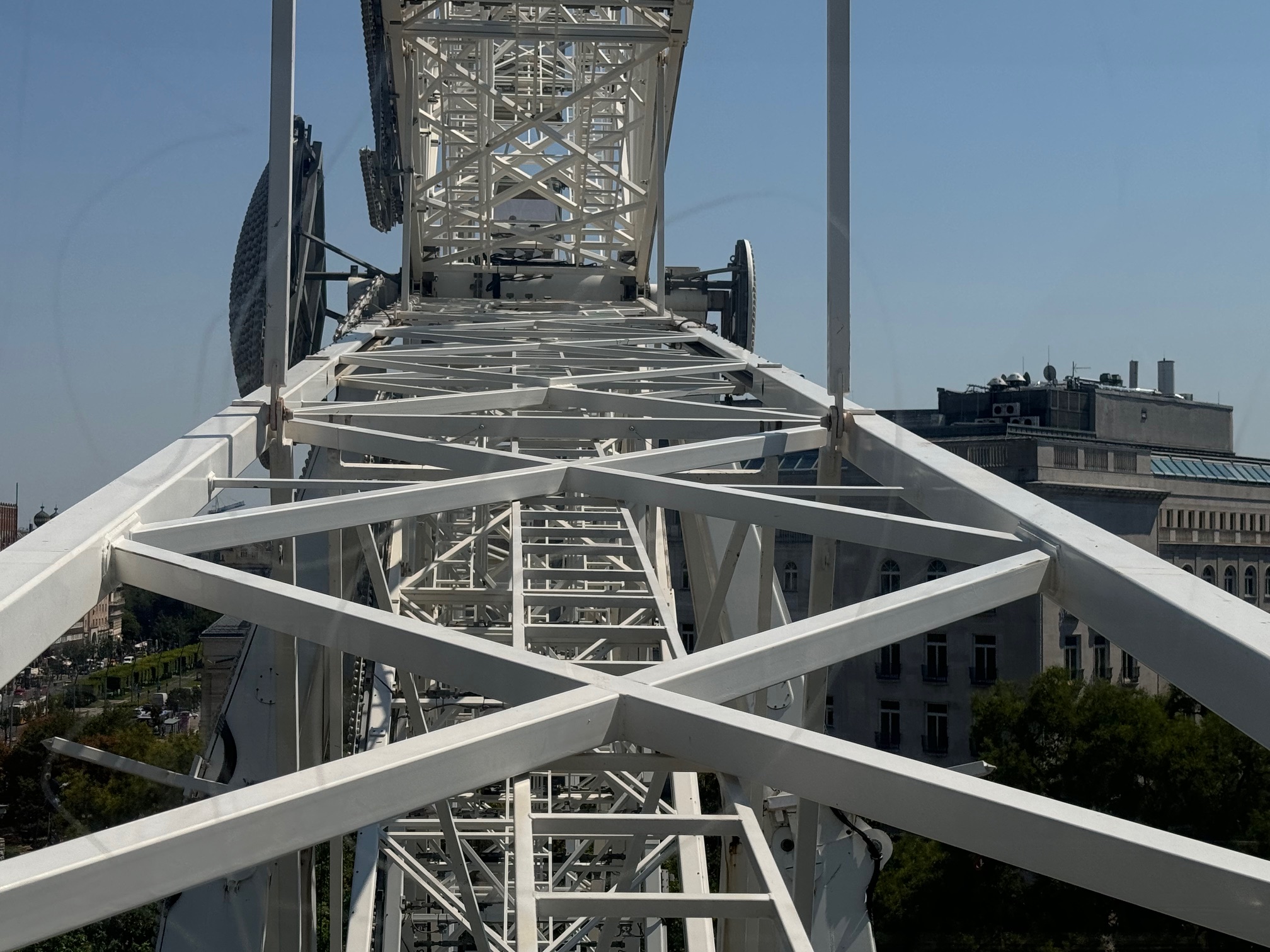
Riding Budapest Eye, the ferris wheel located in the heart of the city centre is always a great experience, especially when the weather is nice and you have an amazing view from the birds’ eyes view 🙂

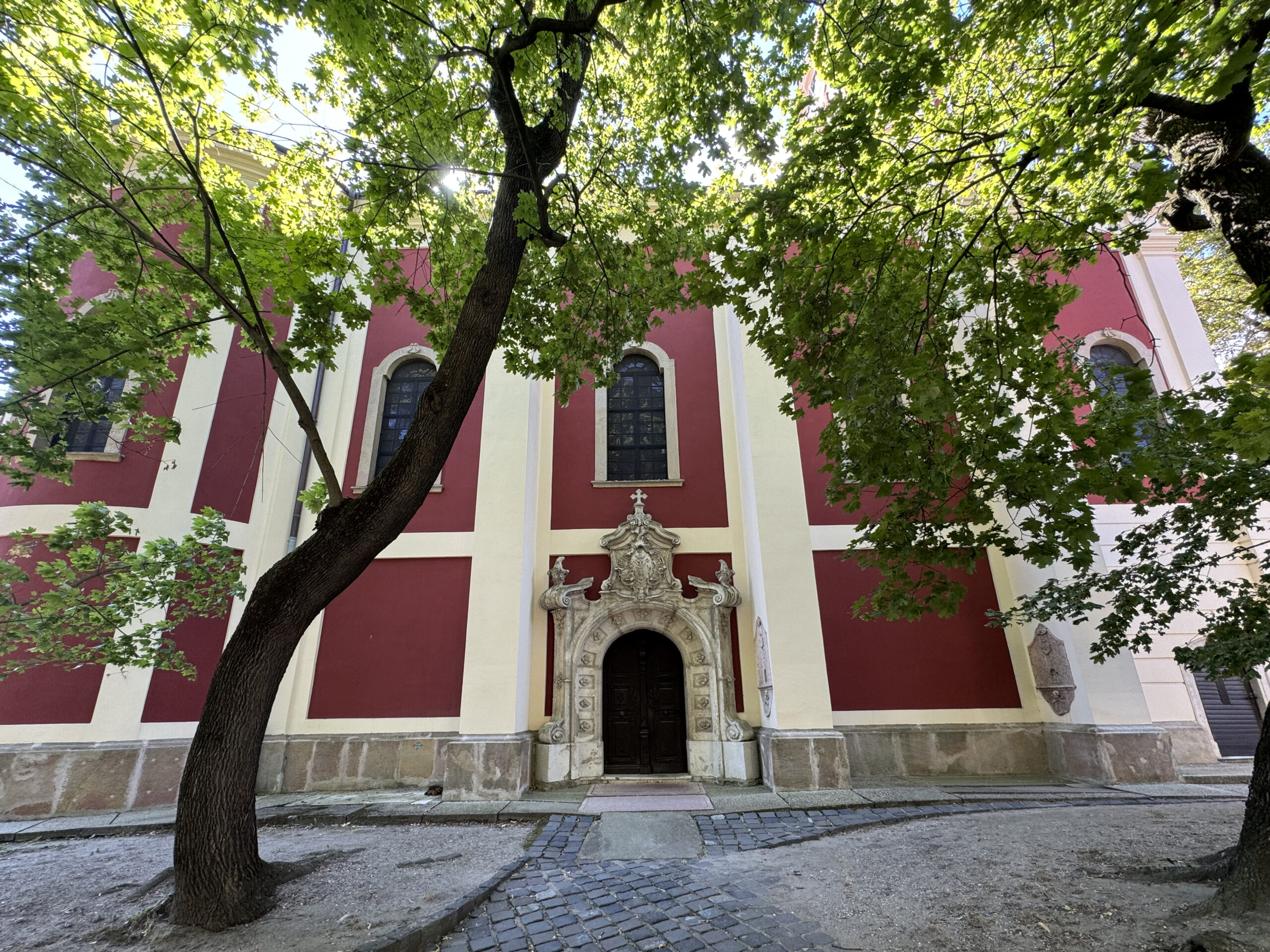
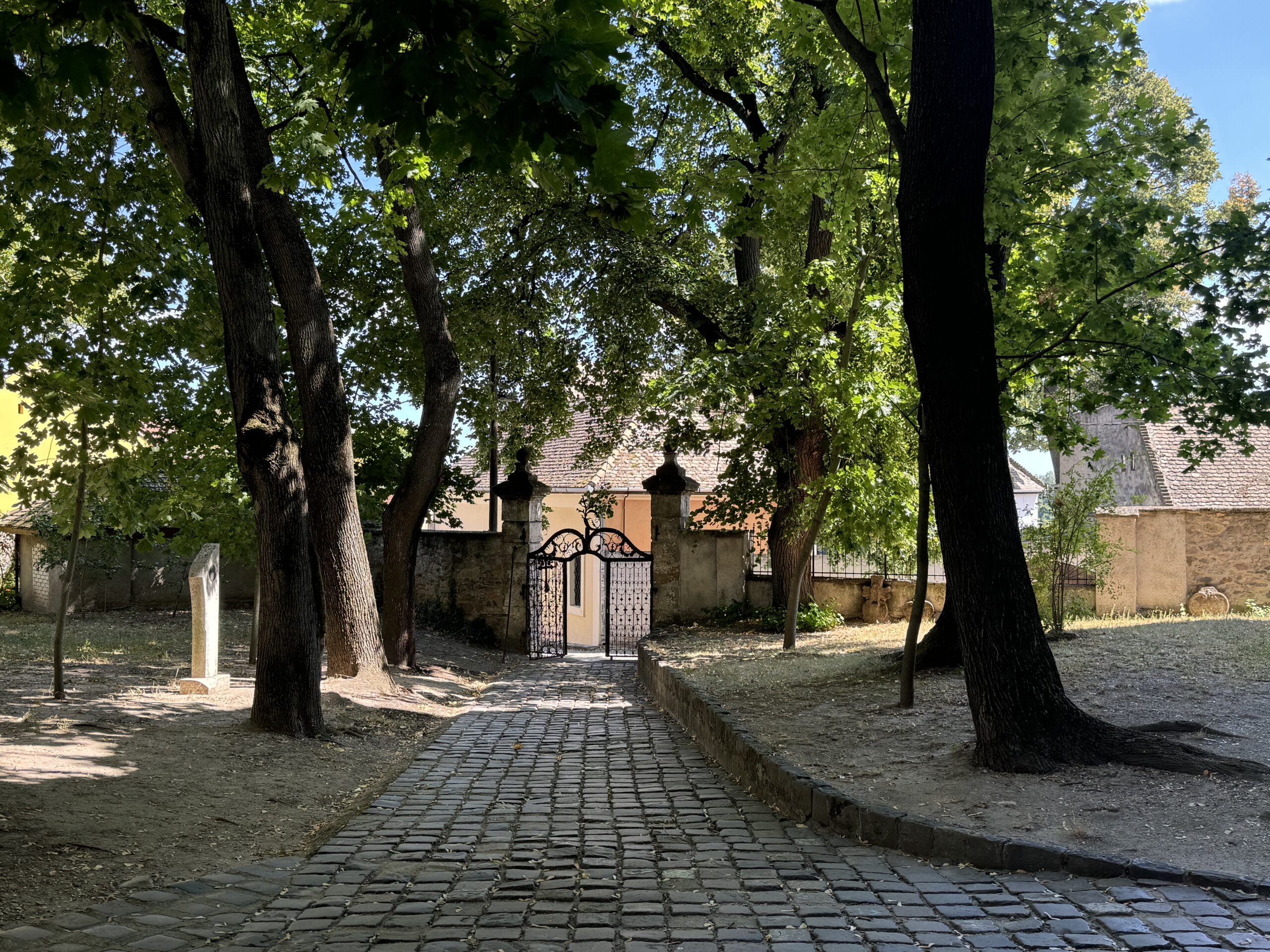
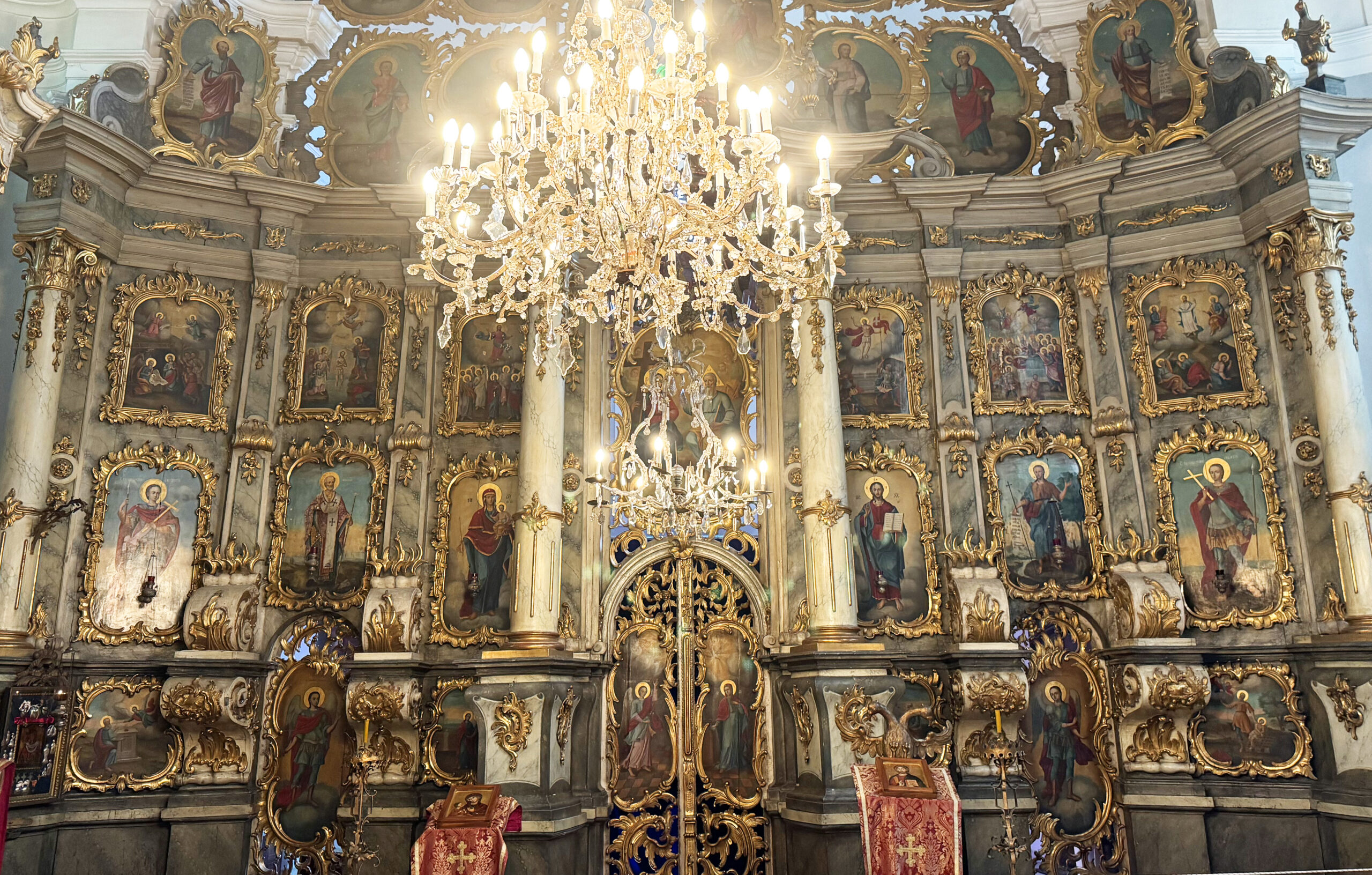
Belgrade church, a very popular spot of our Danube Bend or Szentendre tours. This is a real hidden little gem surrounded by trees, the Serbian Orthodox Church of Szentendre. Unfortunately the church is only open for visitors on weekends, however, I highly recommend to see the interior to see the magnificent iconostasis.