The Walk in Budapest I Never Get Tired Of
- Destinations, General
- beautiful Budapest, Buda Castle, Budapest architecture, Budapest hidden gems, budapest itinerary, Budapest Private Tours, budapest travel tips, Budapest walking tour, Chain Bridge, Hungarian Parliament, Liberty Square Budapest, St. Stephen's Basilica, walking tour Budapest
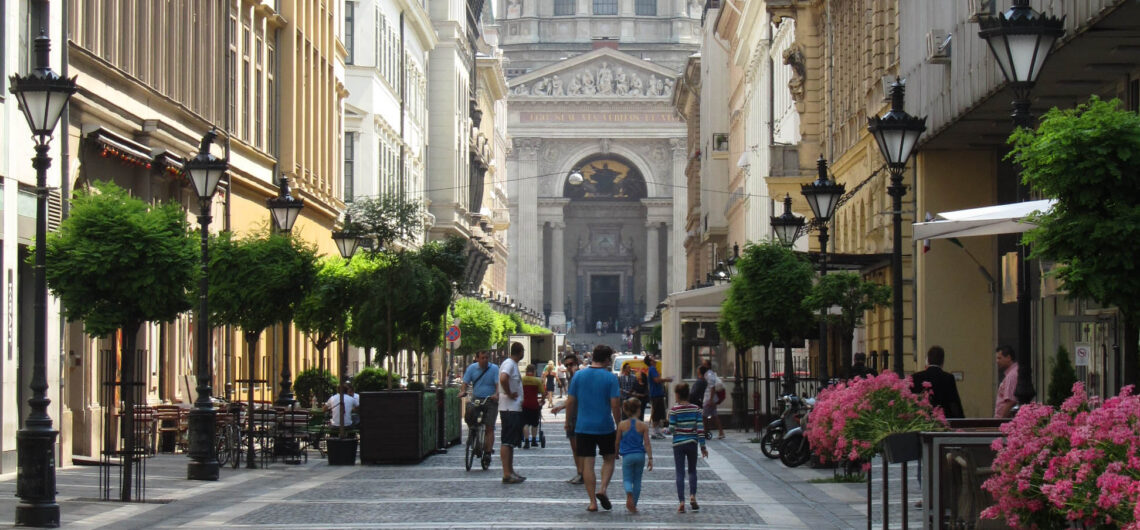
After hundreds of Budapest walking tours, people sometimes ask me whether I ever get tired of walking the same streets.
It changes with the seasons, the light, the weather and the people I’m exploring Budapest with, but it still reminds me why I fell in love with this city in the first place.
It’s not about seeing every landmark or following the shortest route. It’s about slowing down, noticing the details and enjoying the feeling of walking through one of Europe’s most beautiful capitals. Budapest rewards people who look a little closer, and this walk always gives me something new to discover.
Why This Budapest Walking Tour Is Special
If I had to introduce Budapest to someone for the very first time, this is where I would begin.
Not because it covers every famous sight, but because it captures the atmosphere of the city so beautifully. Grand architecture sits beside quiet streets, elegant cafés open onto leafy squares and the Danube is never far away.
Many of my Budapest Private Walking Tours follow parts of this route because it offers the perfect balance between iconic landmarks and hidden details. Every private tour is fully customised, but this neighbourhood always feels like a wonderful place to start discovering the city.
Every Budapest Walking Tour Should Begin by the Danube
One of my favourite moments comes as Parliament suddenly appears beside the river.
Even after seeing it hundreds of times, I still slow down.
Just a short walk away, the Shoes on the Danube Bank remind visitors of one of the darkest chapters in Budapest’s history. It’s a place that encourages reflection and often becomes one of the most meaningful stops during a tour.
From here, the river opens up towards Buda, with the Castle District rising above the opposite bank and Chain Bridge connecting the two halves of the city.
Liberty Square: One of Budapest’s Most Elegant Neighbourhoods
A few minutes later, the atmosphere changes completely. Liberty Square is one of those places where visitors often slow down without even realising it. The wide open space, impressive architecture and relaxed cafés make it feel surprisingly peaceful despite being in the heart of the city.
It’s also one of my favourite places for showing guests how Budapest blends history with everyday life. Around almost every corner there’s another architectural detail waiting to be noticed.
This area is often included in my Best Pest Private Walking Tour, especially for travellers who enjoy architecture and learning the stories behind the buildings.
St. Stephen’s Basilica
As the walk continues, the streets gradually lead towards St. Stephen’s Basilica. Rather than approaching it directly, I enjoy taking the quieter surrounding streets first. They allow the Basilica to reveal itself slowly before suddenly opening onto the square.
Standing beneath its enormous bronze doors never really loses its magic.
Even after hundreds of visits, I still find myself looking up at the sculptures, the stonework and the changing light across the façade.
If you’d like to admire some of the city’s most beautiful architectural details, you might also enjoy reading about the beautiful entrances in Budapest that many visitors simply walk past.
Crossing the Chain Bridge
Whenever time allows, I love continuing across the Chain Bridge.
Walking between Buda and Pest is one of those simple experiences that perfectly explains why Budapest feels so unique. The views constantly change, with Parliament, the Castle, Gellért Hill and the river creating a panorama that looks different every season.
For guests joining me on a full-day tour, this is often where the second half of the day begins.
Ending the Budapest Walking Tour in Buda Castle
The Castle District is never just about Matthias Church or Fisherman’s Bastion.
Some of my favourite moments happen in the quieter corners: hidden courtyards, peaceful gardens, beautiful entrances and streets that many visitors never discover on their own.
It’s here that I often find myself saying, “Before we continue… let me show you something.”
Sometimes it’s an Art Nouveau detail, sometimes a hidden garden, sometimes simply a doorway that tells a story. These small discoveries are often the moments people remember most.
Every Walk Is Different
Although this is the walk I never get tired of, no two private tours are ever the same. Every Budapest walking tour I design is different.
Some guests are fascinated by Art Nouveau architecture. Others are interested in Jewish heritage, local food, thermal baths or hidden neighbourhoods away from the crowds.
That’s why every itinerary is fully customised. The route changes. The stories change. The pace changes.
But the goal is always the same: to help visitors experience Budapest in a way that feels personal rather than rushed.
Discover Budapest at Your Own Pace
This walk reminds me that Budapest isn’t simply a collection of famous attractions. It’s a city of quiet moments, beautiful details and unexpected discoveries. The more slowly you explore it, the more it reveals.
If you’re planning a visit and would like to experience Budapest beyond the usual sightseeing route, I’d be delighted to create a fully customised private walking tour based entirely on your interests.
Whether you’re passionate about history, architecture, food, hidden gems or simply enjoying the city at a relaxed pace, we’ll create a day that feels uniquely yours.


