Most visitors come to Buda Castle for the famous landmarks, but the hidden gardens in Buda Castle reveal a completely different side of the district. Every day, thousands of people walk its cobbled streets, admire the views, and never notice the peaceful corners tucked away behind historic walls. But hidden behind historic walls and tucked away in quiet courtyards are a few peaceful corners that many visitors never discover. If you're looking for a different side of the Castle District, here are three secret gardens worth seeking out. 1. Hidden Castle Garden – For History Lovers Just a short walk from the main tourist routes, this small garden feels like a forgotten piece of old Buda. Surrounded by historic buildings and quiet pathways, it's the kind of place where you can pause for a moment and imagine what life might have looked like centuries ago. While most visitors head straight for Fisherman's Bastion, this peaceful corner offers something different: silence, shade, and a glimpse into the district's layered history. It's not a major attraction, and that's exactly why it's special. 2. Alabárdos Café Garden – For a Quiet Escape Finding a peaceful café in the Castle District, especially near Matthias Church can be surprisingly difficult, especially during the busy summer months. Hidden behind historic walls, the garden of Alabárdos Café offers a welcome break from the crowds. With its elegant surroundings, mature trees, and relaxed atmosphere, it's the perfect place to slow down with a coffee or a glass of wine and a book. You don't need to be in a hurry here. In fact, that's the whole point. 3. Koller Gallery Garden – For Art Lovers One of Budapest's oldest private galleries is also home to one of the Castle District's most charming hidden gardens. The small sculpture garden
Most visitors come to Buda Castle for the famous landmarks, but the hidden gardens in Buda Castle reveal a completely different side of the district. Every day, thousands of people walk its cobbled streets, admire the views, and never notice the peaceful corners tucked away behind historic walls.
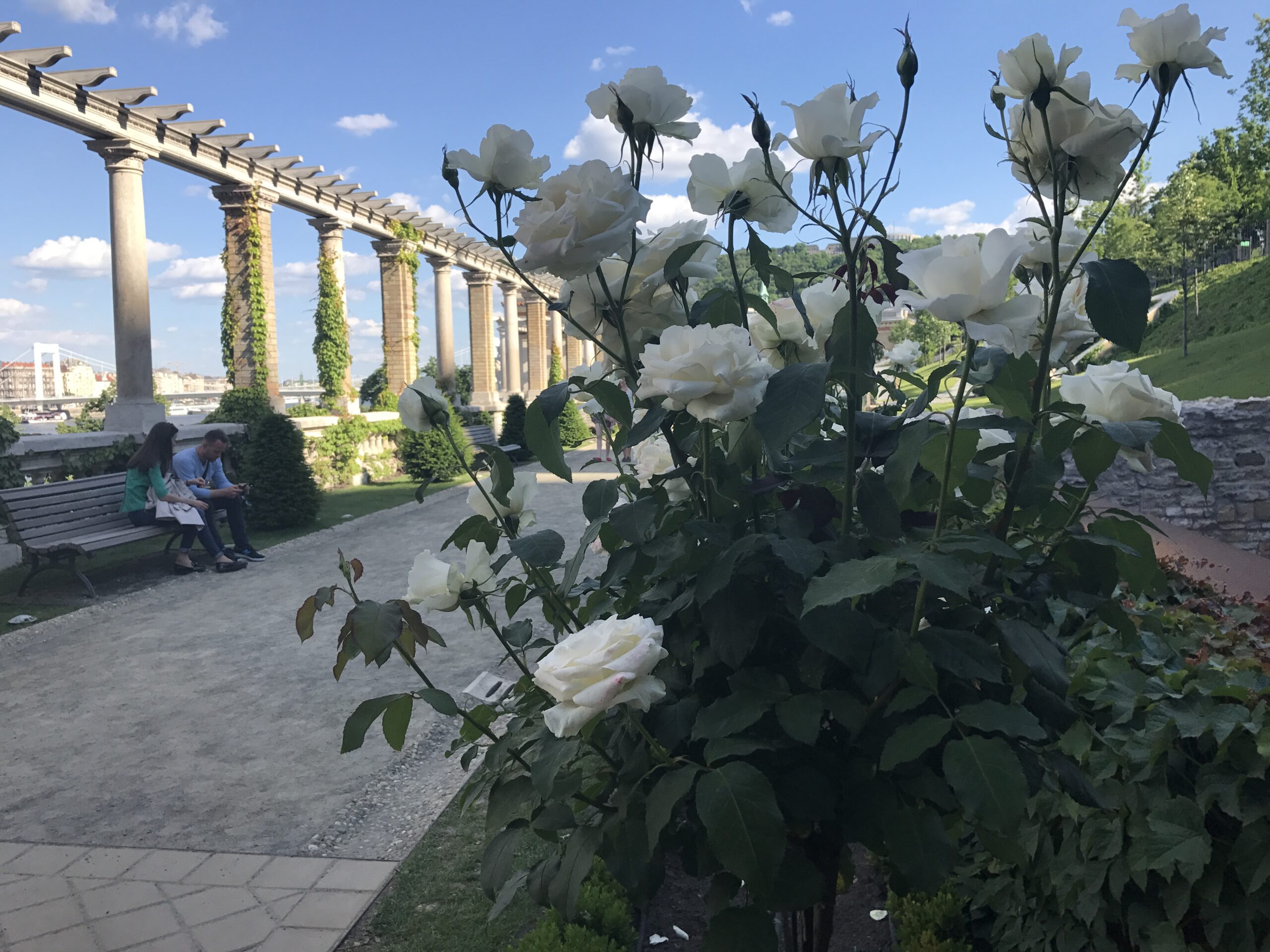
But hidden behind historic walls and tucked away in quiet courtyards are a few peaceful corners that many visitors never discover. If you’re looking for a different side of the Castle District, here are three secret gardens worth seeking out.
1. Hidden Castle Garden – For History Lovers
Just a short walk from the main tourist routes, this small garden feels like a forgotten piece of old Buda.
Surrounded by historic buildings and quiet pathways, it’s the kind of place where you can pause for a moment and imagine what life might have looked like centuries ago. While most visitors head straight for Fisherman’s Bastion, this peaceful corner offers something different: silence, shade, and a glimpse into the district’s layered history.
It’s not a major attraction, and that’s exactly why it’s special.
2. Alabárdos Café Garden – For a Quiet Escape
Finding a peaceful café in the Castle District, especially near Matthias Church can be surprisingly difficult, especially during the busy summer months.
Hidden behind historic walls, the garden of Alabárdos Café offers a welcome break from the crowds. With its elegant surroundings, mature trees, and relaxed atmosphere, it’s the perfect place to slow down with a coffee or a glass of wine and a book.
You don’t need to be in a hurry here. In fact, that’s the whole point.
3. Koller Gallery Garden – For Art Lovers
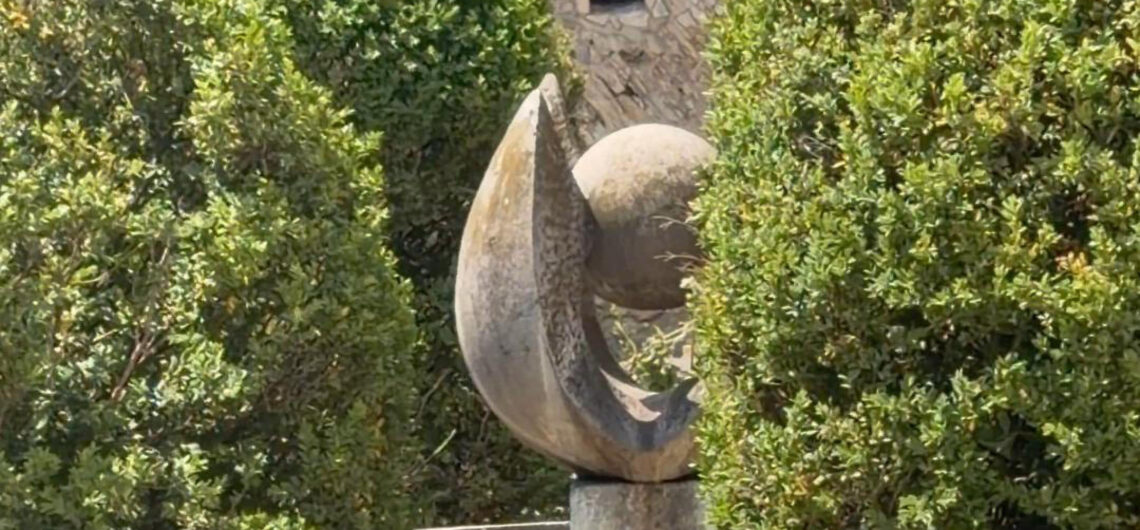
One of Budapest’s oldest private galleries is also home to one of the Castle District’s most charming hidden gardens.
The small sculpture garden behind Koller Gallery combines art, greenery, and beautiful views over the rooftops of Buda. It’s peaceful, intimate, and often surprisingly quiet despite its central location.
Even if you’re not planning to visit the gallery itself, the garden is worth discovering.
A Different Side of Buda Castle
The Castle District will always be famous for its panoramic views, historic churches, and grand architecture. But sometimes the most memorable places are the ones hidden just around the corner.
The next time you visit Buda Castle, leave the main streets behind for a few minutes. You might discover a secret garden of your own. These hidden gardens in Buda Castle offer a peaceful escape from the crowds and a chance to experience a quieter, more personal side of Budapest.
Budapest’s hidden gardens each have their own character. While the peaceful corners of Buda Castle are steeped in history, the garden of the Hopp Ferenc Museum on the Pest side transports visitors into a world inspired by Asian art and culture. Together, they reveal just how many tranquil escapes are waiting to be discovered beyond the city’s famous landmarks.
You've Probably Never Seen This Side of Buda Castle
The Budapest half marathon might just be one of the most scenic races in Europe. There are many beautiful races in the world—but how many let you run past a Parliament that looks like a fairytale, along the Danube, with castles watching from above? Yesterday, Budapest showed its best side during the Vivicittá Half Marathon—and honestly, it felt less like a race and more like a moving postcard. Running Through History The route takes you through some of the most iconic UNESCO-listed sights in the city. As you run, you’re not just chasing kilometres—you’re moving through centuries. You pass: The breathtaking Hungarian Parliament Building Under the elegant Széchenyi Chain Bridge Run along the Danube with views of Buda Castle It’s one of those rare experiences where you actually forget you're running. Perfect Conditions, Perfect Energy This year, the weather couldn’t have been better—sunshine, blue skies, and just the right temperature. But what really makes this race special is the atmosphere: Locals cheering from the sidelines Music along the route Runners from all over the world There’s a feeling of connection that’s hard to describe unless you’ve experienced it. Why Budapest Is a Dream Destination for Runners If you’re a runner, Budapest is more than just a race destination—it’s a place to explore on foot. Some of my favourite running spots: Margaret Island – car-free, green, and peaceful Danube promenade – iconic views with every step Gellért Hill – for a challenge + reward More Than a Race The Vivicittá isn’t just about finishing times. It’s about: Seeing Budapest in a completely different way Feeling part of something bigger And creating memories that stay with you long after the race is over If you’re thinking about combining travel with running—Budapest should absolutely be on your list. And if you’d like to
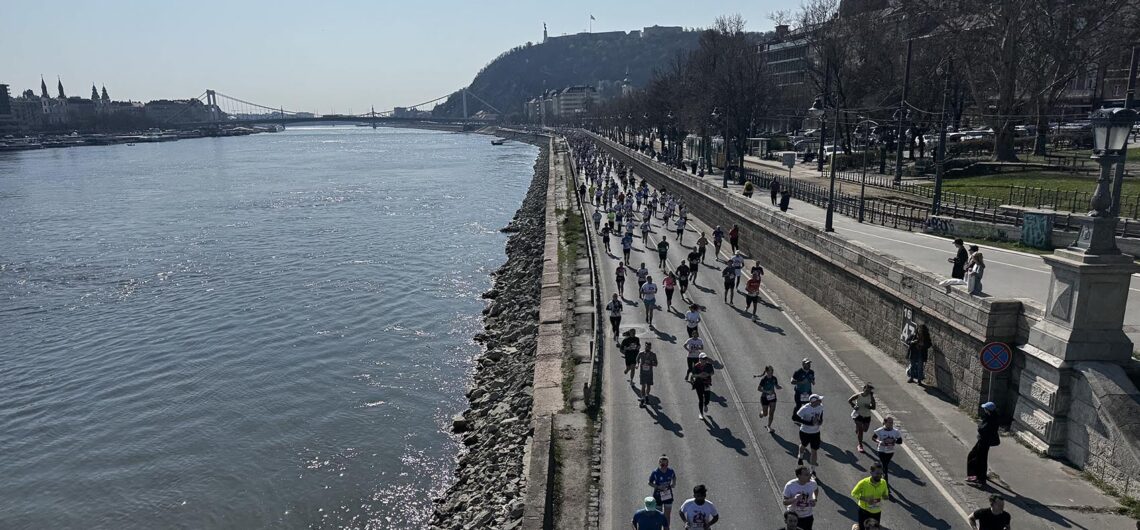
The Budapest half marathon might just be one of the most scenic races in Europe. There are many beautiful races in the world—but how many let you run past a Parliament that looks like a fairytale, along the Danube, with castles watching from above?
Yesterday, Budapest showed its best side during the Vivicittá Half Marathon—and honestly, it felt less like a race and more like a moving postcard.
Running Through History
The route takes you through some of the most iconic UNESCO-listed sights in the city. As you run, you’re not just chasing kilometres—you’re moving through centuries.
The Vivicittá isn’t just about finishing times. It’s about:
Seeing Budapest in a completely different way
Feeling part of something bigger
And creating memories that stay with you long after the race is over
If you’re thinking about combining travel with running—Budapest should absolutely be on your list. And if you’d like to explore the city beyond the race route, I’d love to show you my favourite hidden corners.
Few buildings define Budapest as instantly as Matthias Church. Rising above the Buda Castle District with its colourful tiled roof and fairy-tale silhouette, it is one of the most photographed landmarks in the Hungarian capital. And yet, many visitors admire it from a distance without discovering what makes it truly remarkable. Taking a closer look reveals centuries of history, architectural details often missed at first glance, and one of the most rewarding cultural experiences in Budapest. A Church Shaped by Centuries of History Matthias Church stands on a site where places of worship have existed since the 13th century. Over time, the building has witnessed royal ceremonies, coronations, Ottoman occupation, and major reconstructions that shaped its present appearance. Despite its medieval origins, much of what visitors see today comes from a careful 19th-century restoration led by architect Frigyes Schulek, who created the distinctive Neo-Gothic character while preserving earlier historical elements. This layered history is part of its charm — Matthias Church reflects the many chapters of Budapest itself rather than belonging to a single era. Look Closer: Details Many Visitors Miss From afar, the church almost feels unreal, but its beauty truly appears in the details. The colourful roof, covered with decorative Zsolnay tiles, changes character depending on the light and weather throughout the day. Walking around the building reveals carved stone figures, patterned surfaces, and unexpected viewpoints that many visitors miss when remaining near the main square. Even a slow walk around the church can feel like discovering a different monument from every angle. Step Inside Matthias Church While the exterior alone is impressive, stepping inside offers a completely different experience. From the outside, Matthias Church appears bright, colourful, and almost newly restored. The interior, however, reveals an unexpected contrast — darker, more atmospheric, and deeply historic. Medieval architectural
Few buildings define Budapest as instantly as Matthias Church. Rising above the Buda Castle District with its colourful tiled roof and fairy-tale silhouette, it is one of the most photographed landmarks in the Hungarian capital.
And yet, many visitors admire it from a distance without discovering what makes it truly remarkable.
Taking a closer look reveals centuries of history, architectural details often missed at first glance, and one of the most rewarding cultural experiences in Budapest.
A Church Shaped by Centuries of History
Matthias Church stands on a site where places of worship have existed since the 13th century. Over time, the building has witnessed royal ceremonies, coronations, Ottoman occupation, and major reconstructions that shaped its present appearance.
Despite its medieval origins, much of what visitors see today comes from a careful 19th-century restoration led by architect Frigyes Schulek, who created the distinctive Neo-Gothic character while preserving earlier historical elements.
This layered history is part of its charm — Matthias Church reflects the many chapters of Budapest itself rather than belonging to a single era.
Look Closer: Details Many Visitors Miss
From afar, the church almost feels unreal, but its beauty truly appears in the details.
The colourful roof, covered with decorative Zsolnay tiles, changes character depending on the light and weather throughout the day. Walking around the building reveals carved stone figures, patterned surfaces, and unexpected viewpoints that many visitors miss when remaining near the main square.
Even a slow walk around the church can feel like discovering a different monument from every angle.
Step Inside Matthias Church
While the exterior alone is impressive, stepping inside offers a completely different experience.
From the outside, Matthias Church appears bright, colourful, and almost newly restored. The interior, however, reveals an unexpected contrast — darker, more atmospheric, and deeply historic. Medieval architectural elements blend with decorative patterns influenced by the Ottoman period, reminding visitors of the many eras the building has lived through.
Standing inside, Hungarian history feels almost tangible. The richly decorated walls, painted motifs inspired by medieval designs, and filtered light from stained glass windows create a calm and contemplative atmosphere — a striking change from the lively square just outside.
Even visitors with limited time often find that a short visit inside adds depth to their understanding of Budapest’s past and cultural heritage.
Climb the Tower for One of Budapest’s Best Views
While most visitors admire Matthias Church from the square below, one of its most memorable experiences lies above the rooftops.
The tower visit offers a completely different perspective of Budapest — and remains surprisingly overlooked. Reaching the top requires climbing a series of narrow stairs, but the ascent itself becomes part of the experience. On the way up, visitors can see the church bells up close, offering a rare glimpse into the inner workings of this historic landmark.
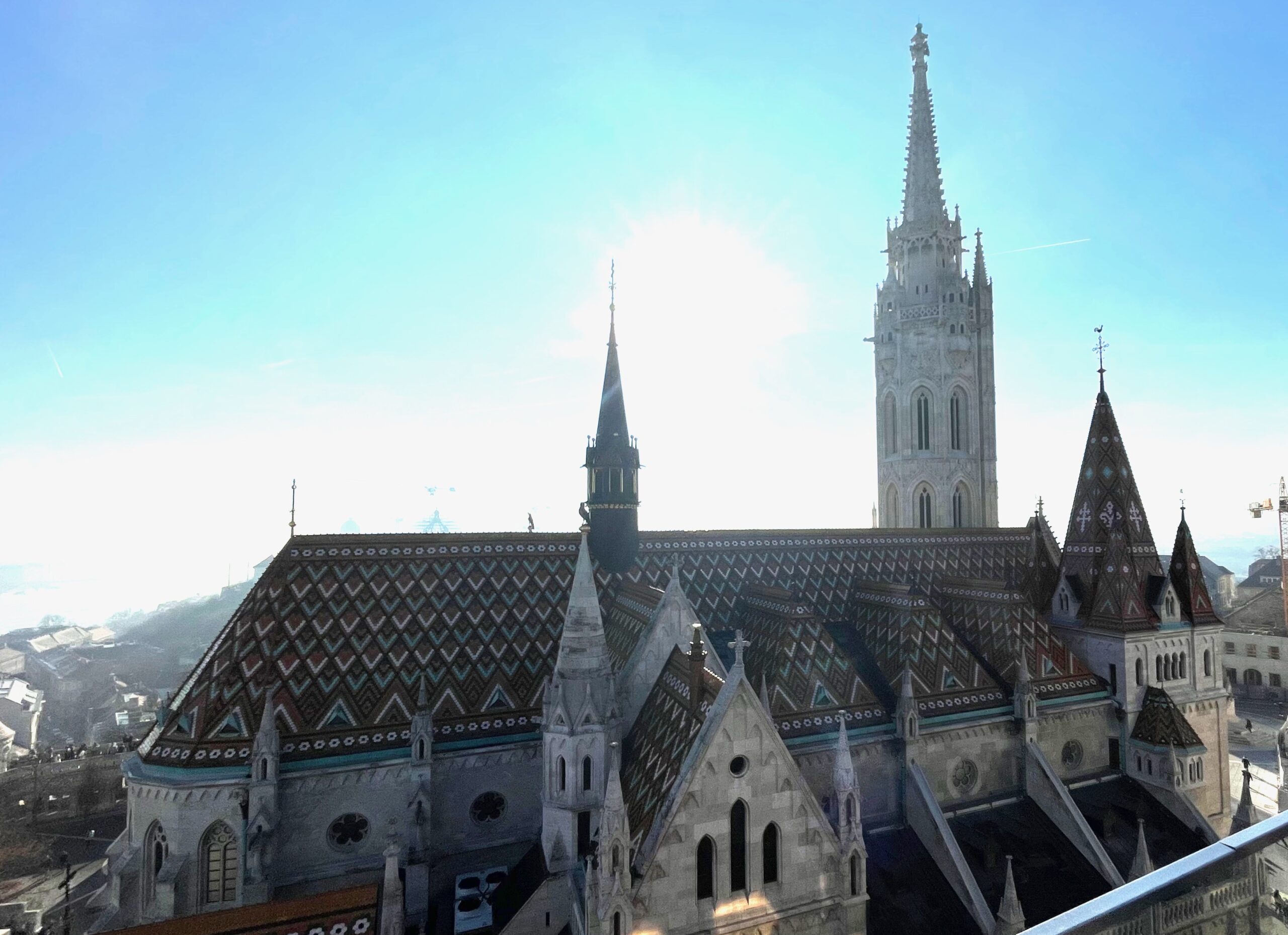
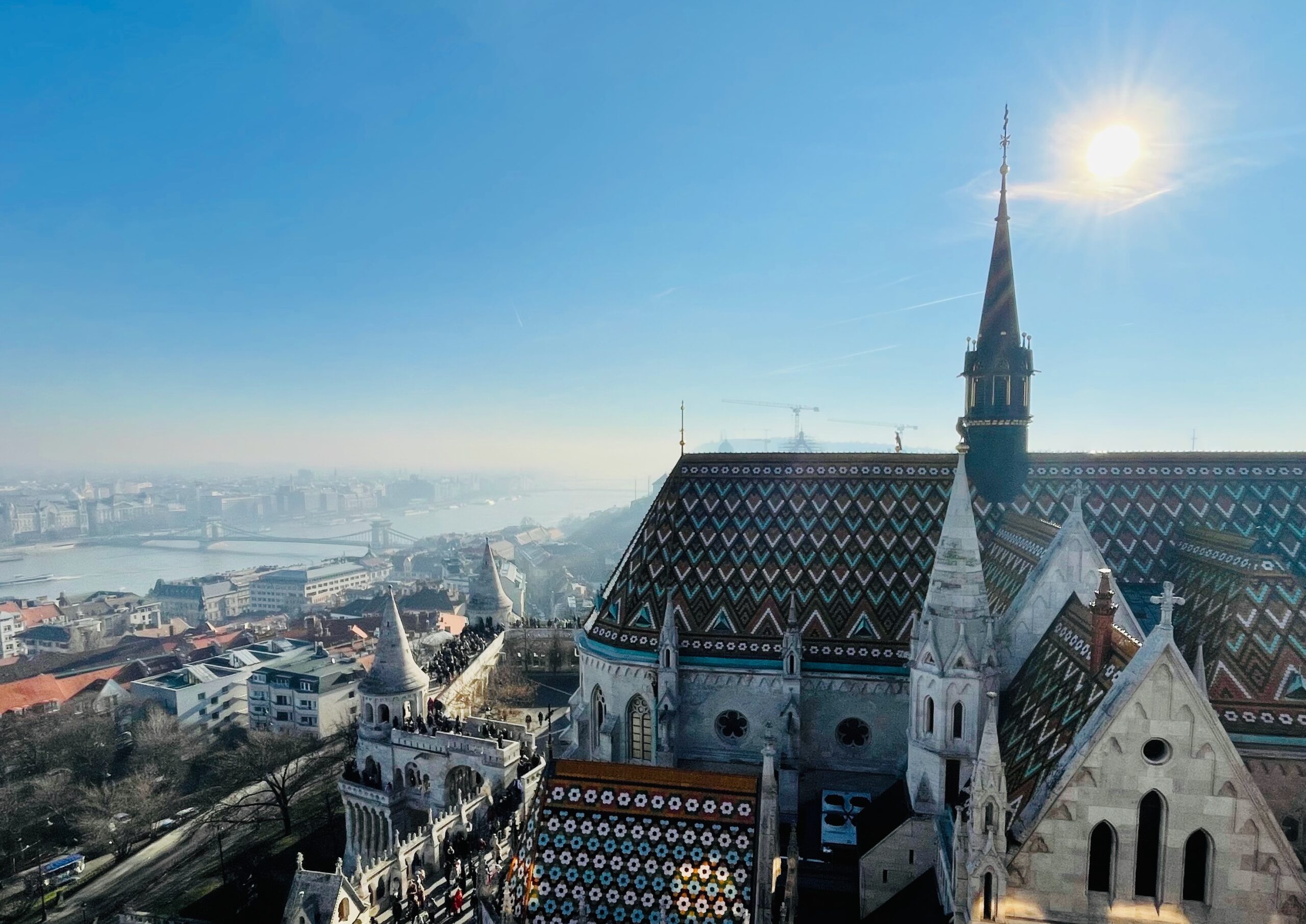
From the very top, panoramic views open over the Buda Castle District, the Danube, and the Pest side of the city, including the Hungarian Parliament. The climb also reveals one of the church’s most remarkable features from a completely new angle: the magnificent Zsolnay roof tiles, fully visible only from above, creating a true bird’s-eye view of the building’s intricate patterns and colours.
Unlike larger viewpoints, the experience feels intimate and immersive, allowing you to see Budapest from within one of its most historic monuments rather than simply looking at it from afar.
For visitors willing to take the climb, the tower provides one of the most unique viewpoints in Budapest — and often becomes an unexpected highlight of a visit to Matthias Church.
Visiting Tips for Matthias Church
If you’re planning to visit Matthias Church, a few practical tips can make the experience much more enjoyable:
Visit early in the morning or later in the afternoon to avoid peak crowds in the Buda Castle District.
Check opening hours carefully. The church interior may be closed on Saturday afternoons due to weddings, and it is closed on Sunday mornings during church services.
Walk around the entire building, not just the main entrance area — some of the most beautiful architectural details appear on the quieter sides.
Don’t miss the interior gallery. From here, you gain a stunning elevated view over the church’s richly decorated interior. The gallery also includes a small exhibition dedicated to Hungarian coronations, reflecting the church’s important role as a coronation church in the 19th and 20th centuries.
Climb the tower if you can. Although there are stairs to climb, the panoramic views make it truly worth the effort.
Combine your visit with Fisherman’s Bastion, located directly beside the church, for iconic views over the Danube and the Hungarian Parliament.
Comfortable shoes are recommended, as the surrounding streets are historic cobblestones.
Beyond the Postcard View
Budapest’s most famous landmarks often reveal their beauty slowly. Matthias Church is a perfect example — instantly recognisable, yet far richer when experienced with curiosity and time.
Looking beyond the postcard view transforms a quick photo stop into a meaningful moment in the Buda Castle District.
When I guide visitors through Budapest, I often encourage them to pause here a little longer. Taking time to notice the details, stepping inside the church, or climbing the tower often turns this famous landmark into a personal highlight of the visit.
Because sometimes, truly knowing a city begins with looking closer.
Matthias Church Budapest: Look Closer at This Icon
Fisherman’s Bastion is without a doubt one of the most photographed and iconic sights in Budapest. Perched high on Castle Hill, this fairytale-like terrace offers breathtaking panoramic views over the Danube, the Hungarian Parliament, and the entire Pest side of the city. Its whimsical turrets, staircases, and white-stone arches draw visitors from around the world — and once you see it, you’ll understand why. What makes Fisherman’s Bastion truly special is how photogenic and inviting it is from every angle. Whether you’re capturing the early morning light, the towers framed by the neighbouring Matthias Church, or simply walking beneath its arches, each view offers something new. It’s one of those rare places that feels different every time you visit. To fully experience this magical spot, I recommend joining my Buda Castle Walk — a private tour that explores the history, legends, and hidden corners of the castle district. If you prefer a broader look at the city that includes this highlight, my Full-Day Budapest Tour by Car also includes a scenic stop at Fisherman’s Bastion with plenty of time to explore. Don't hesitate to contact me for more details or ideas! Originally built in the late 1800s to celebrate 1,000 years of Hungary, the Bastion is more about beauty than battle — a tribute to the fishermen who once protected this stretch of the medieval walls. Today, it’s a peaceful, inspiring place to slow down and take in the soul of Budapest. Personal tip: If you’d like to take photos like me, with no people in them, it’s best to visit early in the morning — it’s when the Bastion is at its quietest and most magical. Curious about the Bastion’s story? This History Tools article dives deep into its medieval defense roots, the fishermen’s role, the Neo‑Romanesque design by
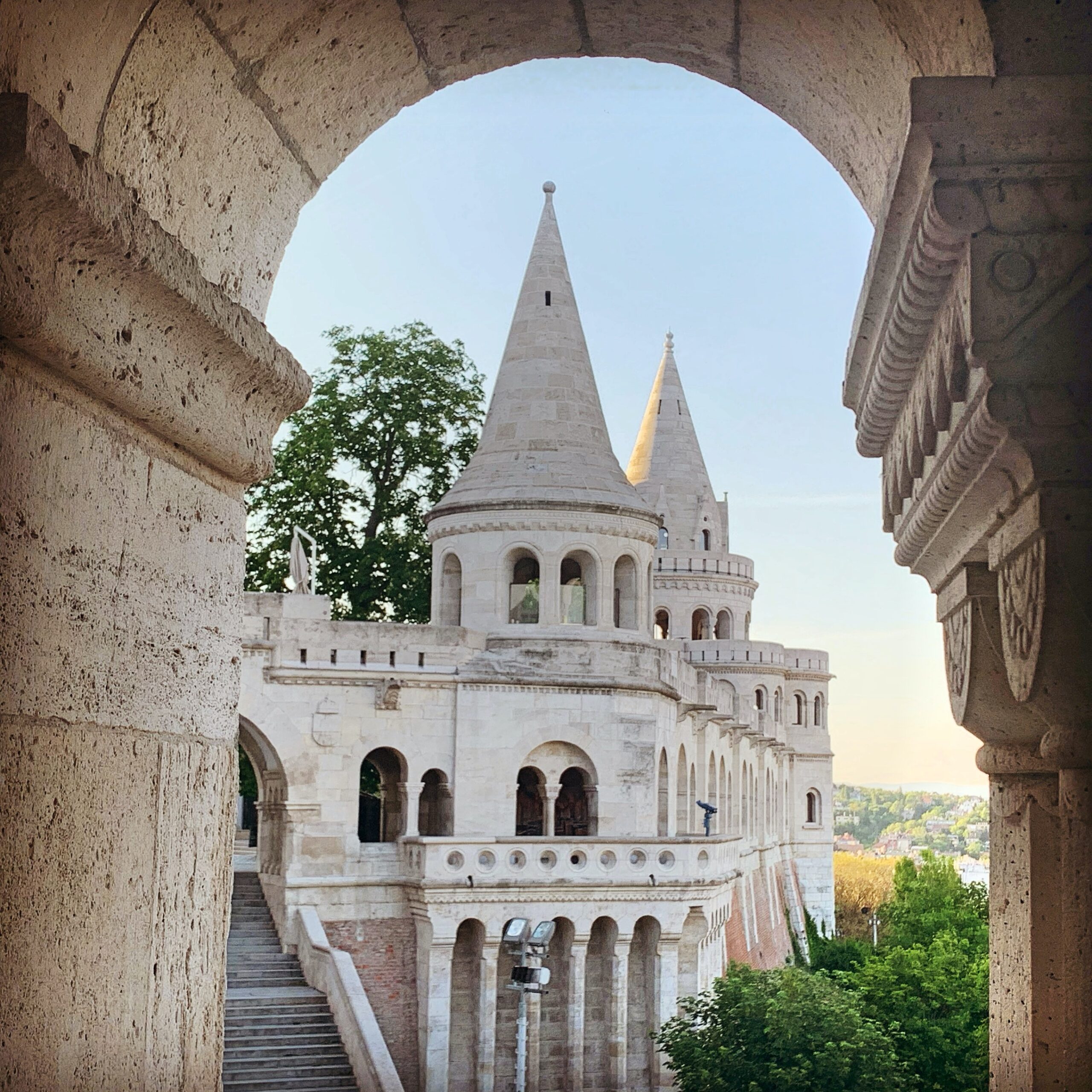
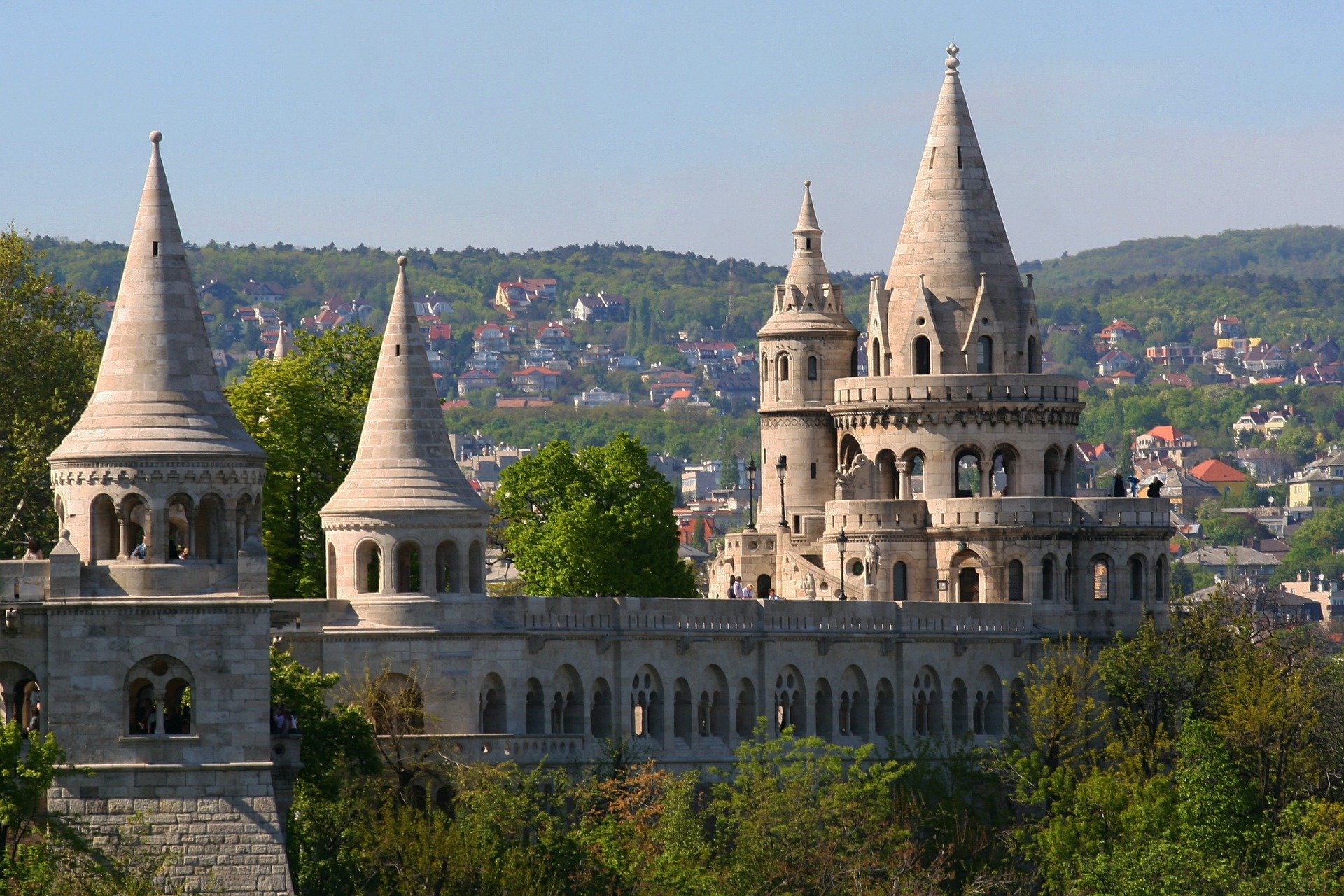
Fisherman’s Bastion is without a doubt one of the most photographed and iconic sights in Budapest. Perched high on Castle Hill, this fairytale-like terrace offers breathtaking panoramic views over the Danube, the Hungarian Parliament, and the entire Pest side of the city. Its whimsical turrets, staircases, and white-stone arches draw visitors from around the world — and once you see it, you’ll understand why.
What makes Fisherman’s Bastion truly special is how photogenic and inviting it is from every angle. Whether you’re capturing the early morning light, the towers framed by the neighbouring Matthias Church, or simply walking beneath its arches, each view offers something new. It’s one of those rare places that feels different every time you visit.
To fully experience this magical spot, I recommend joining my Buda Castle Walk — a private tour that explores the history, legends, and hidden corners of the castle district. If you prefer a broader look at the city that includes this highlight, my Full-Day Budapest Tour by Car also includes a scenic stop at Fisherman’s Bastion with plenty of time to explore. Don’t hesitate to contact me for more details or ideas!
Originally built in the late 1800s to celebrate 1,000 years of Hungary, the Bastion is more about beauty than battle — a tribute to the fishermen who once protected this stretch of the medieval walls. Today, it’s a peaceful, inspiring place to slow down and take in the soul of Budapest.
Personal tip: If you’d like to take photos like me, with no people in them, it’s best to visit early in the morning — it’s when the Bastion is at its quietest and most magical.
Curious about the Bastion’s story? This History Tools article dives deep into its medieval defense roots, the fishermen’s role, the Neo‑Romanesque design by Frigyes Schulek, and the significance of its seven symbolic towers.
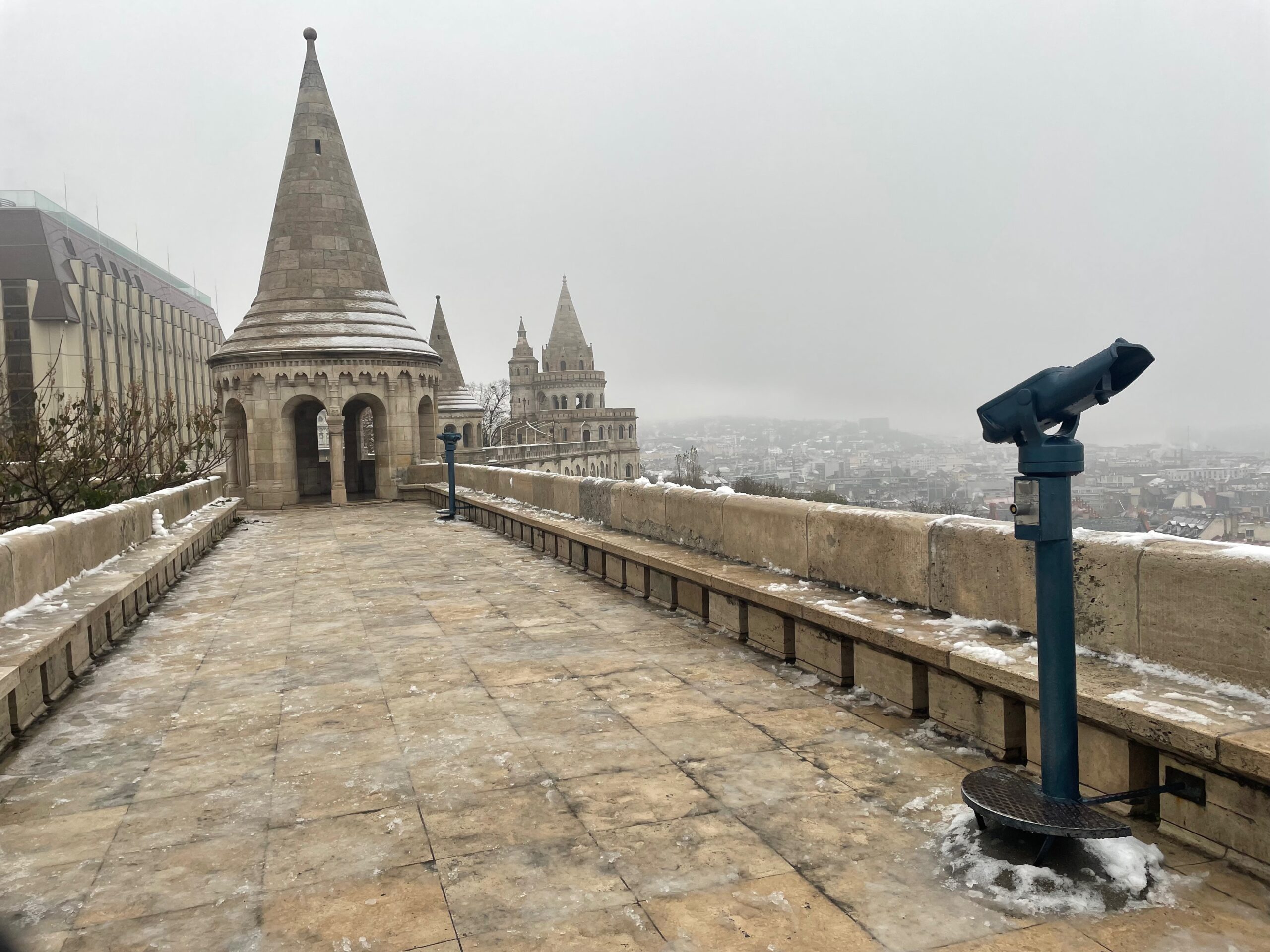
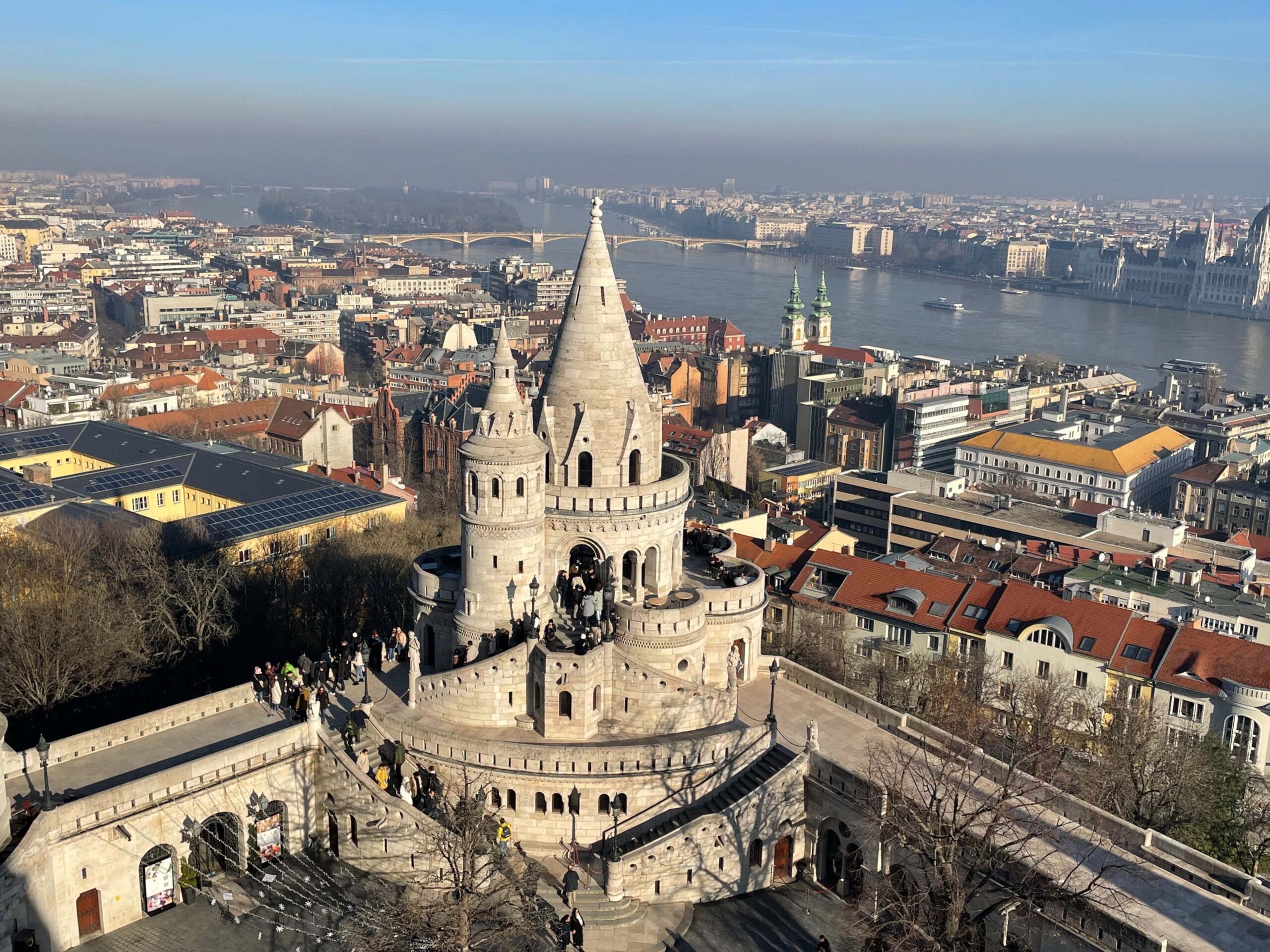
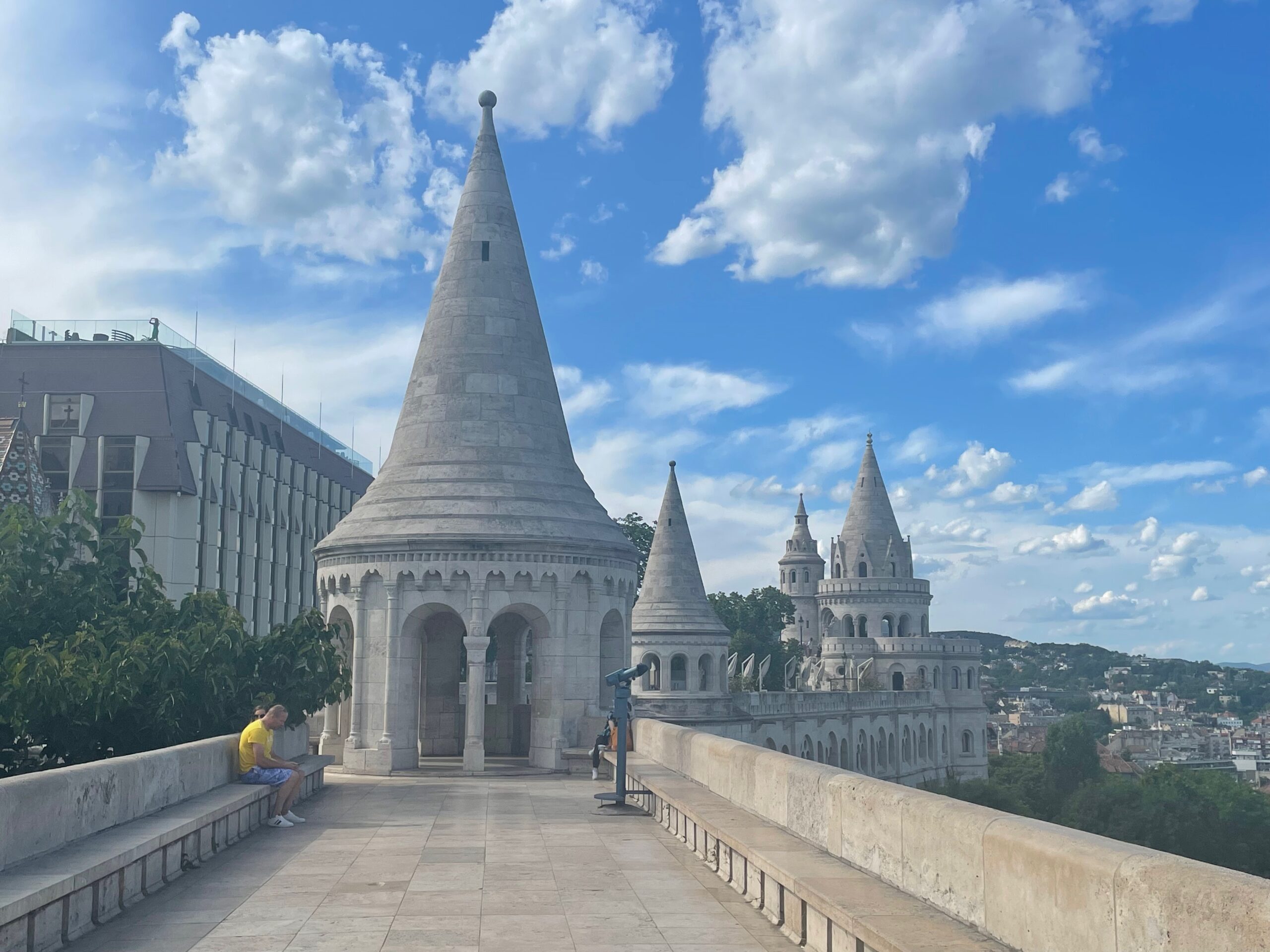
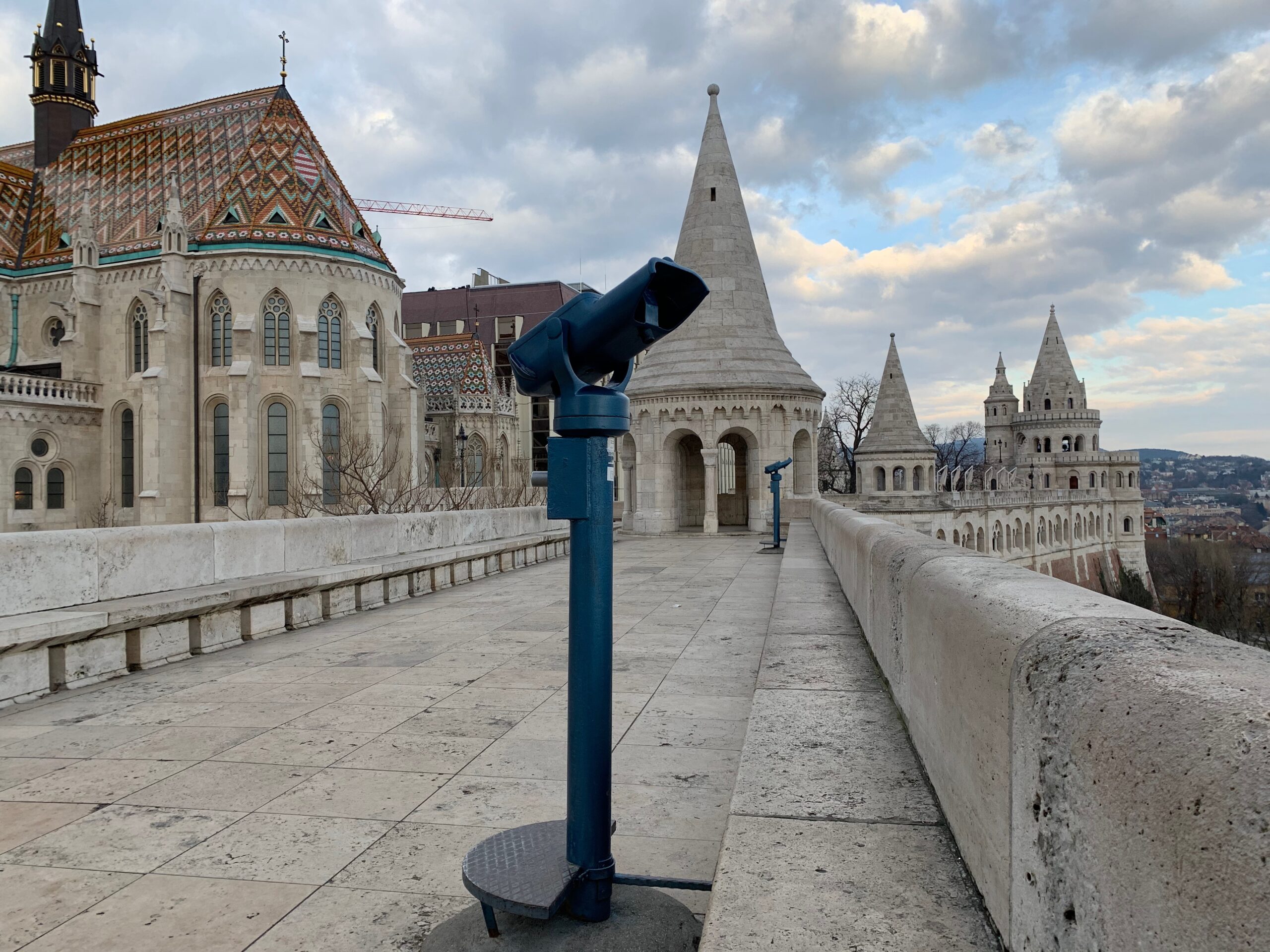
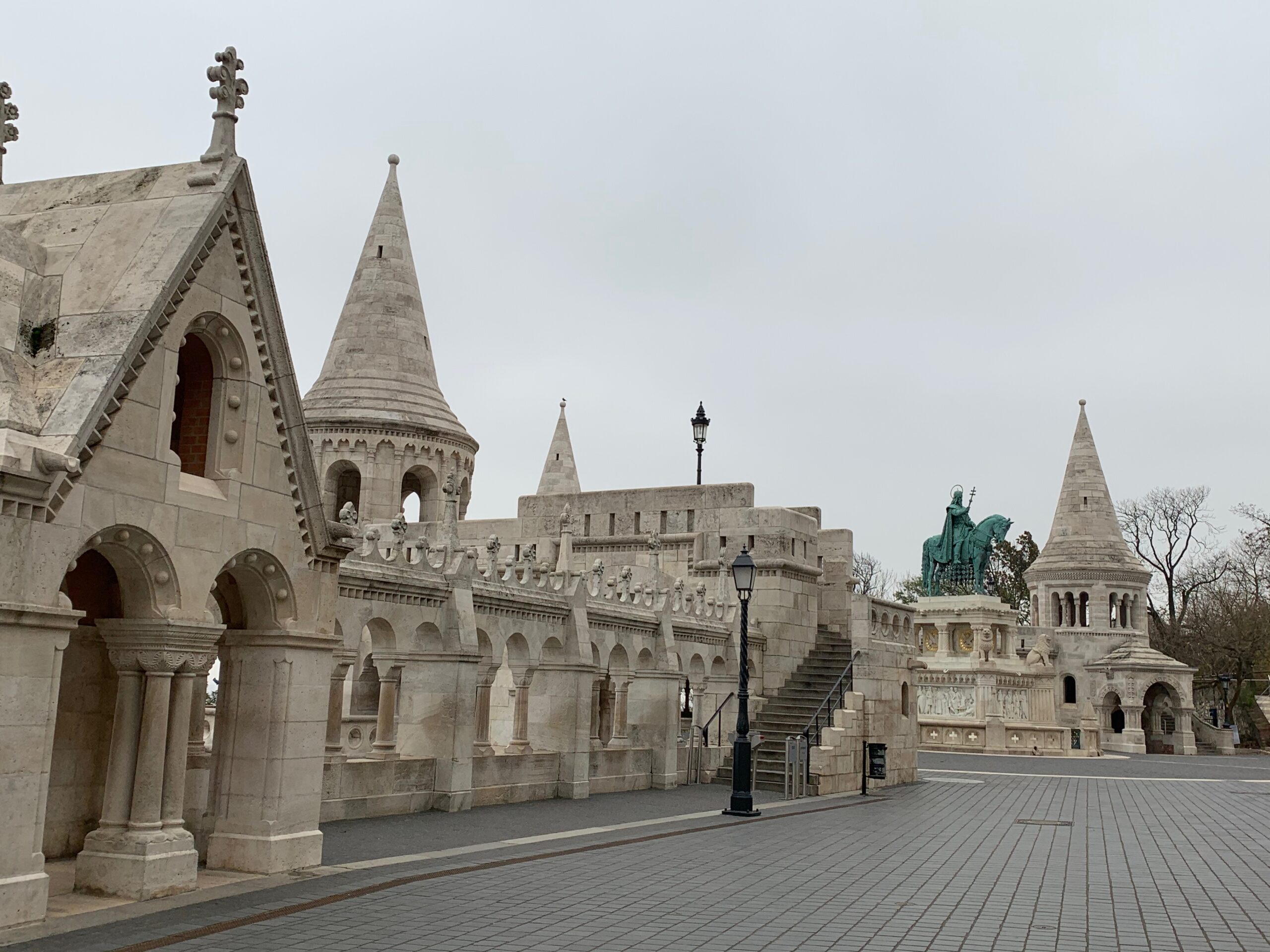
Fisherman’s Bastion seasons reveal how this iconic Budapest landmark transforms from spring blossoms to winter calm throughout the year. There are very few places in Budapest that feel completely different throughout the year — and Fisherman’s Bastion is one of them. Thanks to my private Budapest tours, I visit this iconic spot almost every day, in every season, and it never looks the same twice. Whether you’re visiting in spring blossoms, summer sunshine, autumn colours, or winter snow, Fisherman’s Bastion always offers something special. Spring Atmosphere Spring brings fresh greenery, soft light, and a calm, hopeful atmosphere to the Buda Castle District. Trees begin to bloom around the Bastion, and the views over the Danube feel especially crisp and clear. It’s a wonderful time for relaxed walks, gentle light for photography, and fewer crowds than in high summer. Summer Vibes In summer, Fisherman’s Bastion is at its liveliest. Long daylight hours, blue skies, and warm evenings make it one of Budapest’s most popular viewpoints. The terraces buzz with visitors, musicians, and travellers soaking in the views — especially at sunset, when the city glows golden. Early mornings or late evenings are ideal if you want to enjoy summer without the busiest crowds. Autumn Colours Autumn is one of my personal favourites. The surrounding hills turn shades of gold and rust, the air becomes cooler, and the light softens beautifully. It’s a peaceful, photogenic season that feels slower and more local — perfect for travellers who enjoy atmosphere as much as views. Winter at Fisherman’s Bastion Winter transforms Fisherman’s Bastion into something almost magical. On frosty mornings — or rare snowy days — the white stone towers blend into the winter landscape, creating a fairytale scene. There are fewer visitors, the air is crisp, and Budapest feels quieter and more intimate.
Fisherman’s Bastion seasons reveal how this iconic Budapest landmark transforms from spring blossoms to winter calm throughout the year.
There are very few places in Budapest that feel completely different throughout the year — and Fisherman’s Bastion is one of them. Thanks to my private Budapest tours, I visit this iconic spot almost every day, in every season, and it never looks the same twice.
Whether you’re visiting in spring blossoms, summer sunshine, autumn colours, or winter snow, Fisherman’s Bastion always offers something special.
Spring Atmosphere
Spring brings fresh greenery, soft light, and a calm, hopeful atmosphere to the Buda Castle District. Trees begin to bloom around the Bastion, and the views over the Danube feel especially crisp and clear. It’s a wonderful time for relaxed walks, gentle light for photography, and fewer crowds than in high summer.
Summer Vibes
In summer, Fisherman’s Bastion is at its liveliest. Long daylight hours, blue skies, and warm evenings make it one of Budapest’s most popular viewpoints. The terraces buzz with visitors, musicians, and travellers soaking in the views — especially at sunset, when the city glows golden.
Early mornings or late evenings are ideal if you want to enjoy summer without the busiest crowds.
Autumn Colours
Autumn is one of my personal favourites. The surrounding hills turn shades of gold and rust, the air becomes cooler, and the light softens beautifully. It’s a peaceful, photogenic season that feels slower and more local — perfect for travellers who enjoy atmosphere as much as views.
Winter at Fisherman’s Bastion
Winter transforms Fisherman’s Bastion into something almost magical. On frosty mornings — or rare snowy days — the white stone towers blend into the winter landscape, creating a fairytale scene. There are fewer visitors, the air is crisp, and Budapest feels quieter and more intimate.
What’s the best season to visit Fisherman’s Bastion?
The beauty of Fisherman’s Bastion is that there is no bad season — only different moods. Each time of year offers:
changing light and colours
a different crowd level
a unique atmosphere
That’s why I always tell my guests: the best time to visit is when you’re here.
If you’d like to understand why this spot is considered one of Budapest’s highlights — and how to experience it for the first time — start with my main guide: 👉 A Must-See: Fisherman’s Bastion
And if you want to experience it at the right time of day, with local insight and hidden details, Fisherman’s Bastion is part of my Buda Castle Walk and can also be included in my private Budapest tours.
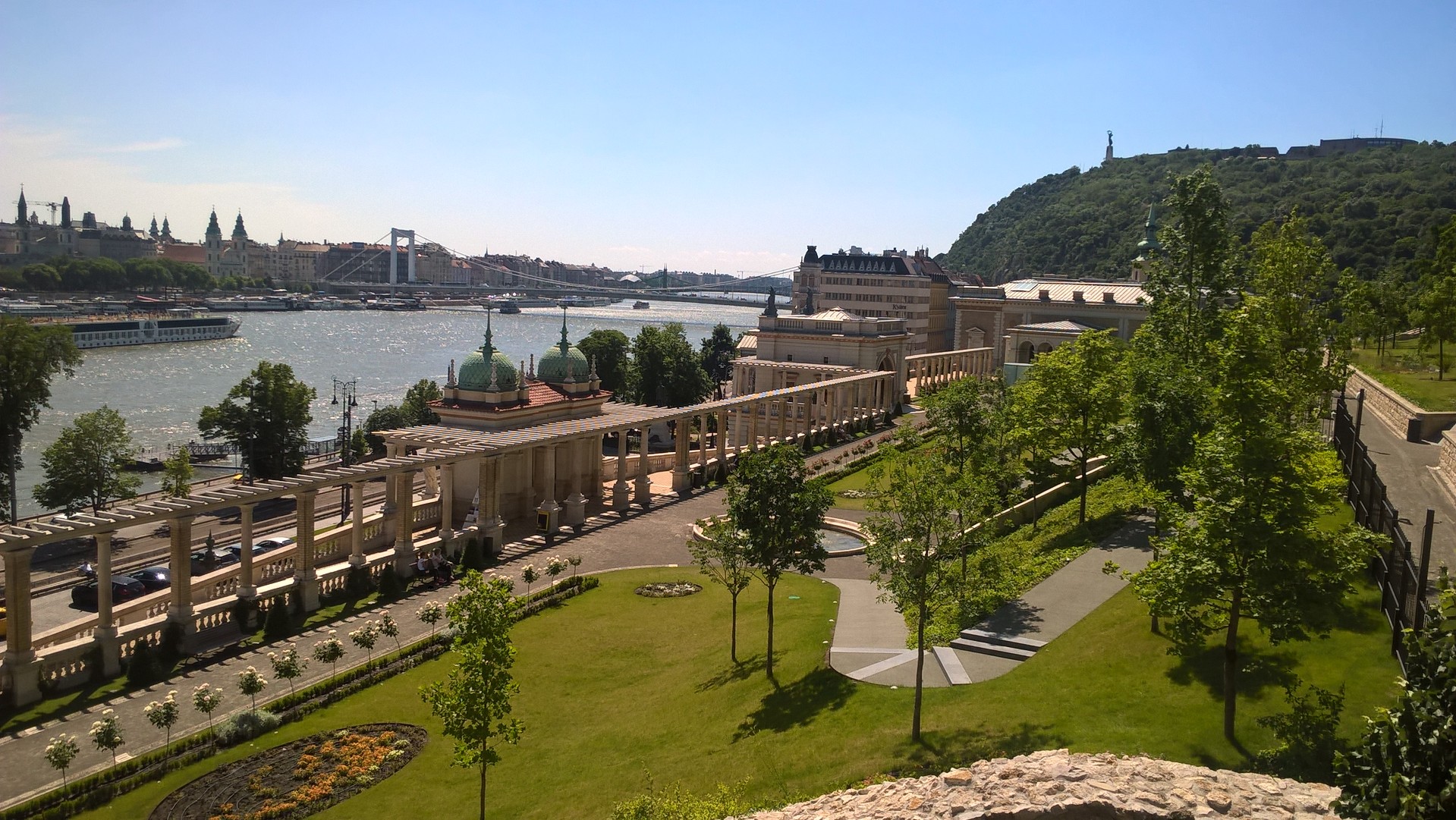
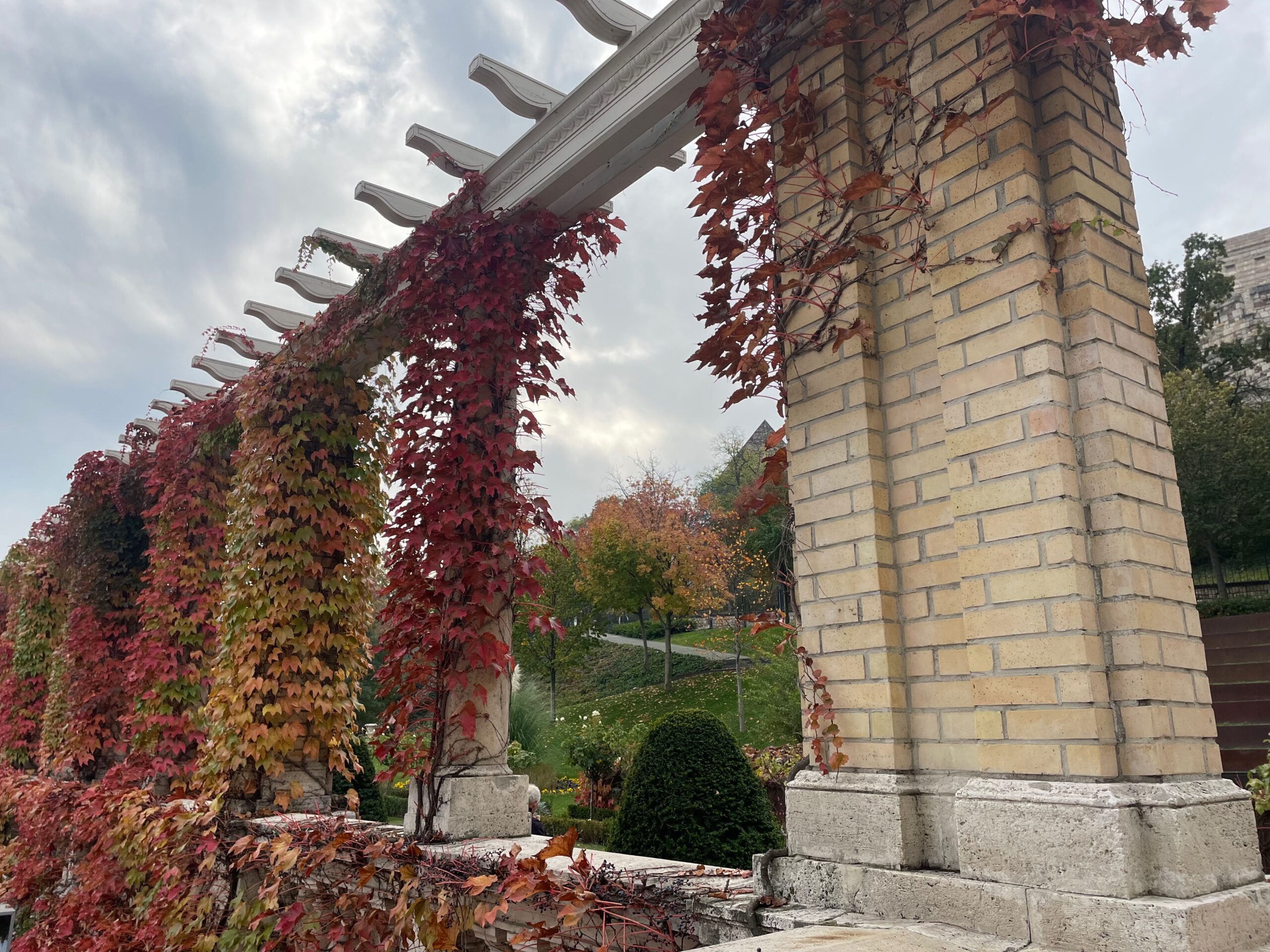
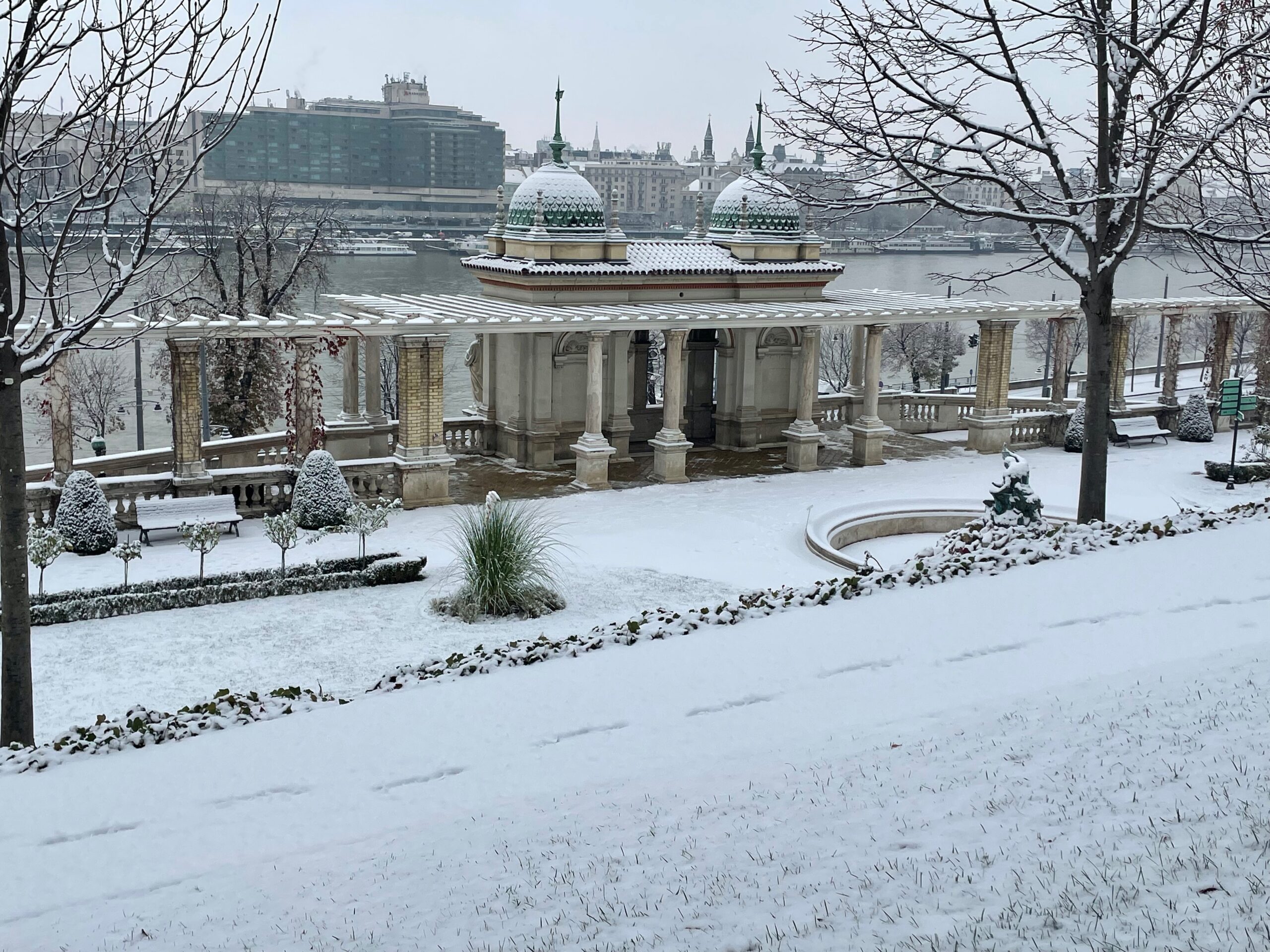
I'm spending a lot of time in Budapest every day, I consider myself very lucky to be able to see the changing of seasons, and I try to capture those special moments. Have a look at this photo gallery to see the four different faces of the Buda Castle Garden Bazaar in spring, summer, autumn and winter. Book a Buda Castle Walking tour with me to see the beautiful Royal Gardens for yourself!
I’m spending a lot of time in Budapest every day, I consider myself very lucky to be able to see the changing of seasons, and I try to capture those special moments. Have a look at this photo gallery to see the four different faces of the Buda Castle Garden Bazaar in spring, summer, autumn and winter. Book a Buda Castle Walking tour with me to see the beautiful Royal Gardens for yourself!
We were very fortunate with my travellers and got invited to the very top of the Buda Castle district, to the rooftop skybar of the Hilton Hotel. I highly recommend the White Raven Skybar, views are amazing and I can guarantee you'll have a very good time. Don't forget to reserve in advance!
We were very fortunate with my travellers and got invited to the very top of the Buda Castle district, to the rooftop skybar of the Hilton Hotel. I highly recommend the White Raven Skybar, views are amazing and I can guarantee you’ll have a very good time. Don’t forget to reserve in advance!
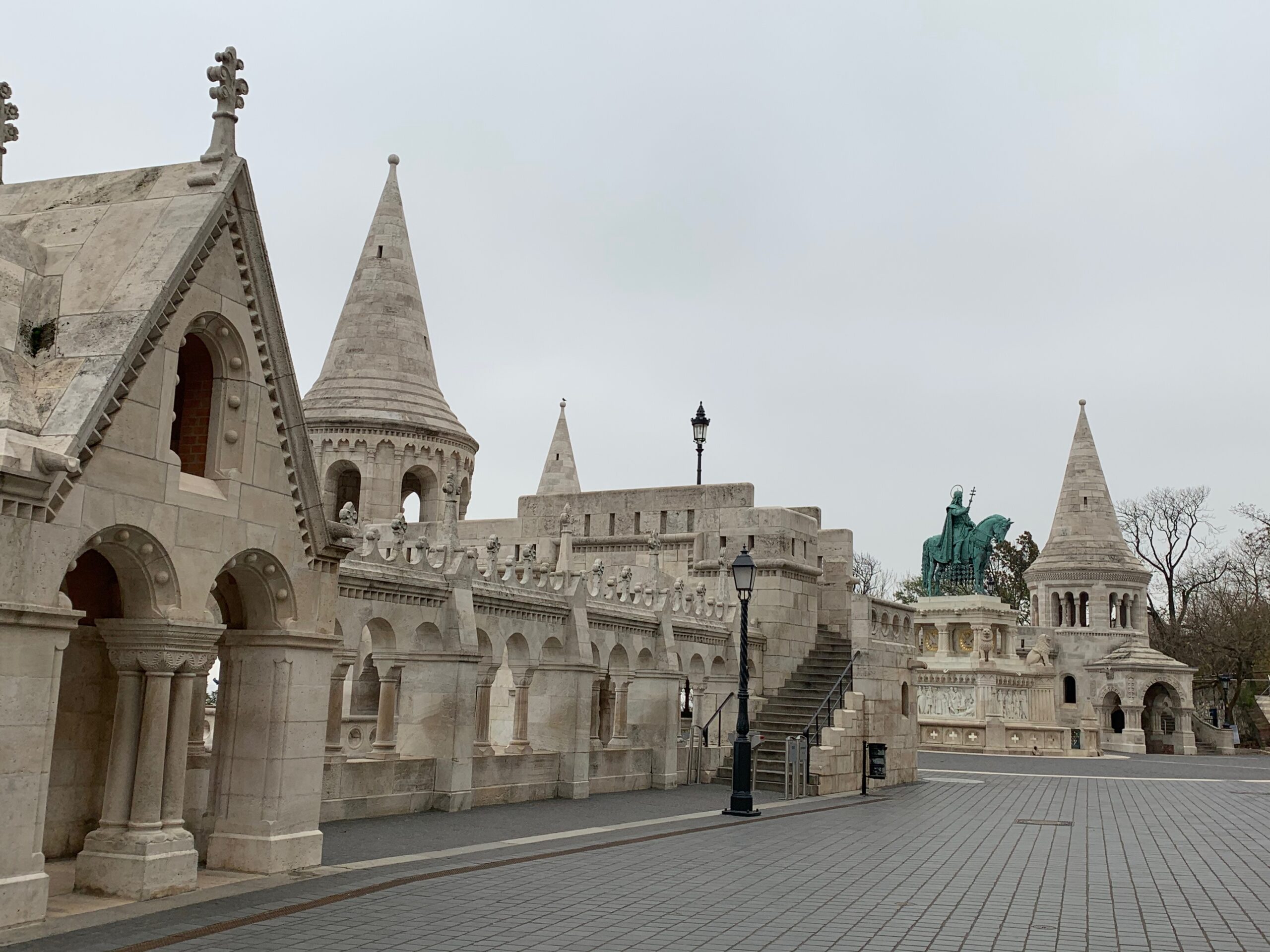
Seeing Fisherman’s Bastion empty is one of the rarest experiences in Budapest, a quiet moment when this iconic landmark reveals its most peaceful side. I often say that Fisherman’s Bastion is the most popular tourist attraction in Budapest — and it’s true. Thousands of visitors pass through here every single day, cameras in hand, chasing the same iconic view. That’s why moments like this are so special. A rare experience - Fisherman’s Bastion without crowds Seeing Fisherman’s Bastion almost completely empty is incredibly rare. No lines. No crowds. Just the city waking up below, the Danube flowing quietly, and the silhouette of the Hungarian Parliament Building in the distance. On this particular morning, I was lucky enough to have the upper terrace almost entirely to myself — something even locals rarely experience. Why the upper level is worth it Many visitors don’t realise that part of the Bastion is ticketed during the day. I always recommend going up when possible: the view is higher and more open the crowds thin out the atmosphere is calmer and more intimate You can skip the on-site queue by buying tickets online, and when time allows, I love taking my guests to the very top during my private tours. Quiet Fisherman’s Bastion - More than a photo spot Moments like this remind me why I return here again and again — not just as a guide, but as someone who genuinely loves Budapest. When the crowds disappear, Fisherman’s Bastion feels timeless, peaceful, and deeply moving. If you’d like to understand why this place is so important — and why it’s a must-see for first-time visitors — start with my main guide:A Must-See: Fisherman’s Bastion
Seeing Fisherman’s Bastion empty is one of the rarest experiences in Budapest, a quiet moment when this iconic landmark reveals its most peaceful side. I often say that Fisherman’s Bastion is the most popular tourist attraction in Budapest — and it’s true. Thousands of visitors pass through here every single day, cameras in hand, chasing the same iconic view.
That’s why moments like this are so special.
A rare experience – Fisherman’s Bastion without crowds
Seeing Fisherman’s Bastion almost completely empty is incredibly rare. No lines. No crowds. Just the city waking up below, the Danube flowing quietly, and the silhouette of the Hungarian Parliament Building in the distance.
On this particular morning, I was lucky enough to have the upper terrace almost entirely to myself — something even locals rarely experience.
Why the upper level is worth it
Many visitors don’t realise that part of the Bastion is ticketed during the day. I always recommend going up when possible:
the view is higher and more open
the crowds thin out
the atmosphere is calmer and more intimate
You can skip the on-site queue by buying tickets online, and when time allows, I love taking my guests to the very top during my private tours.
Quiet Fisherman’s Bastion – More than a photo spot
Moments like this remind me why I return here again and again — not just as a guide, but as someone who genuinely loves Budapest. When the crowds disappear, Fisherman’s Bastion feels timeless, peaceful, and deeply moving.
If you’d like to understand why this place is so important — and why it’s a must-see for first-time visitors — start with my main guide: A Must-See: Fisherman’s Bastion
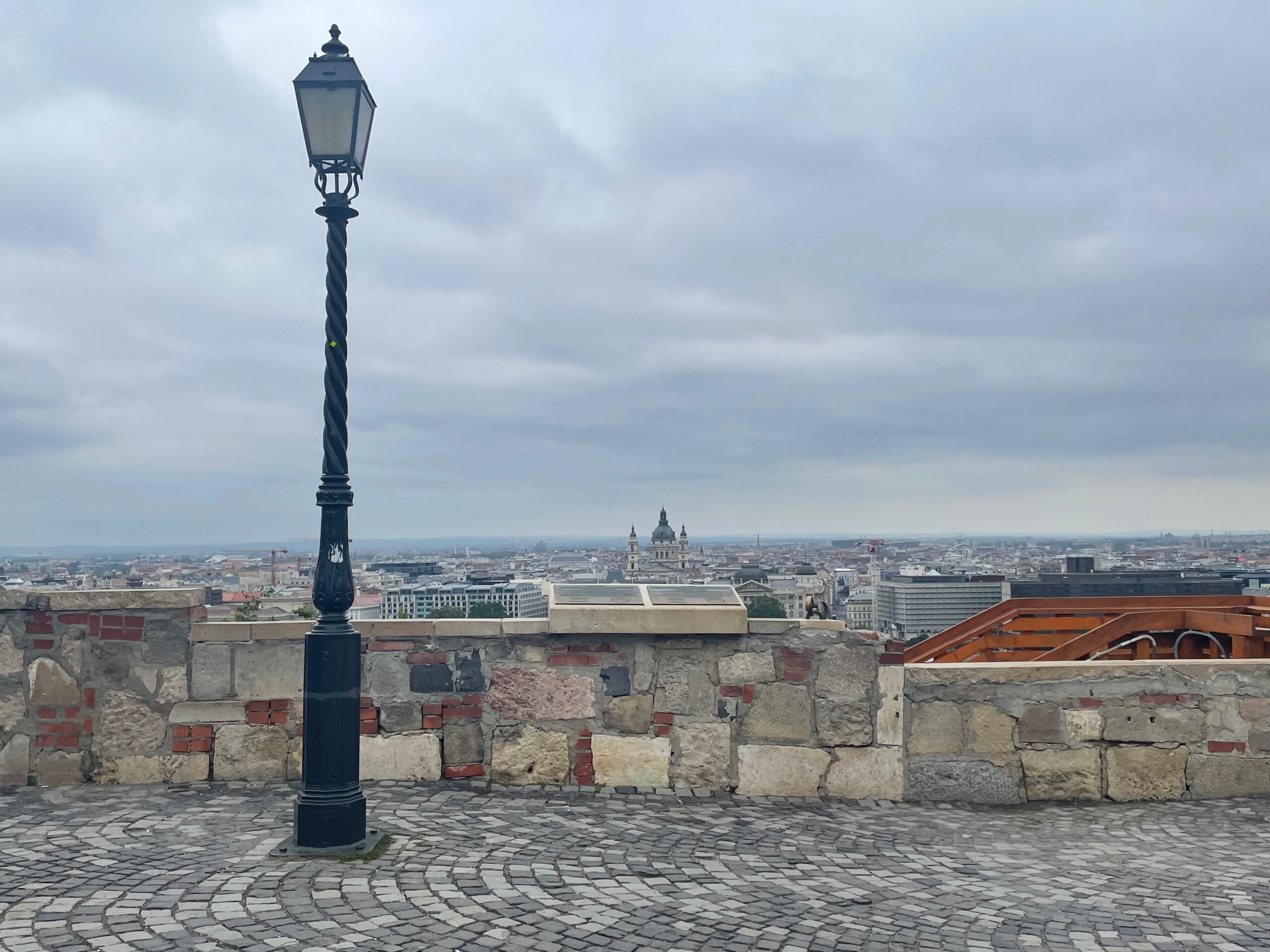
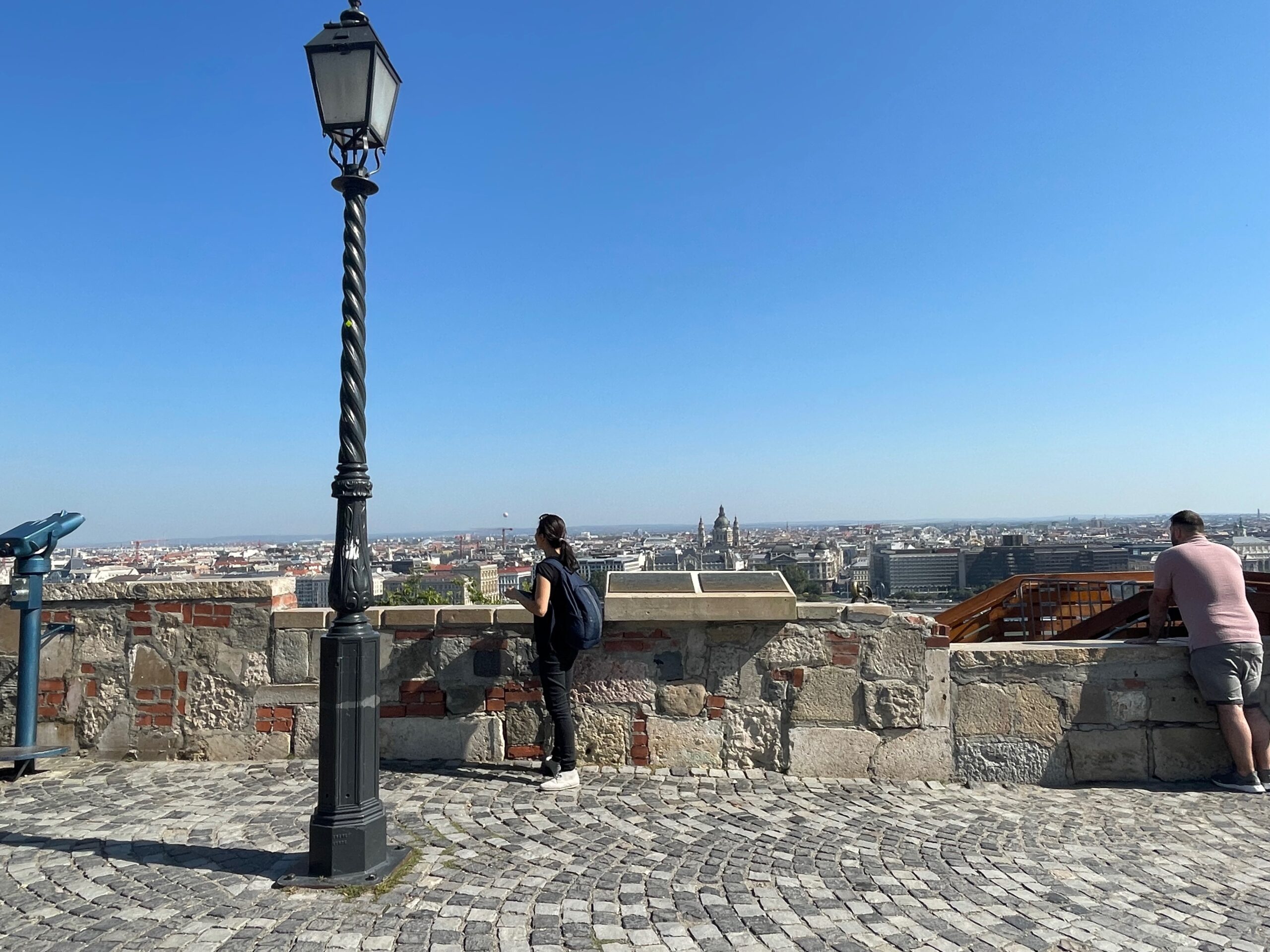
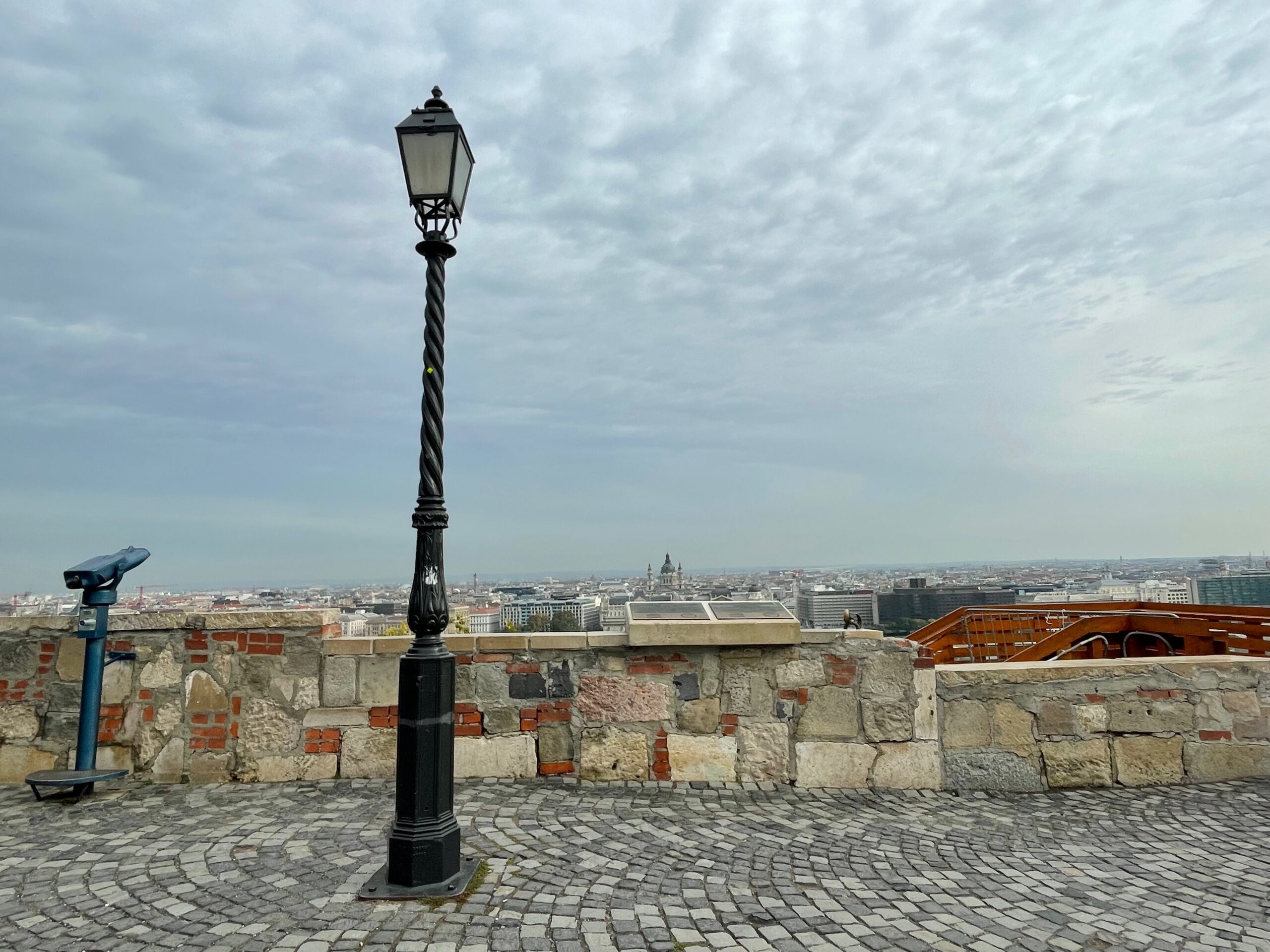
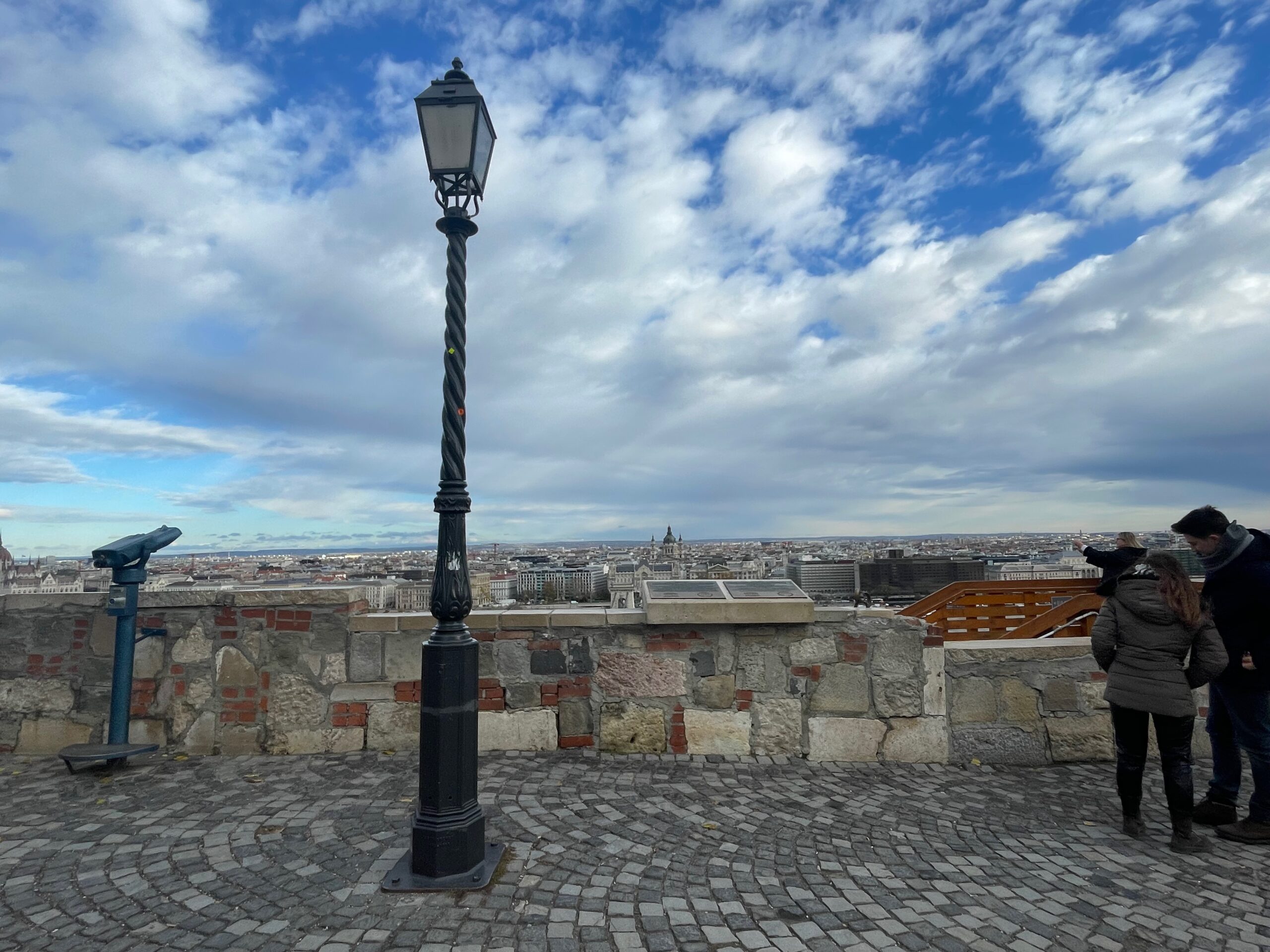
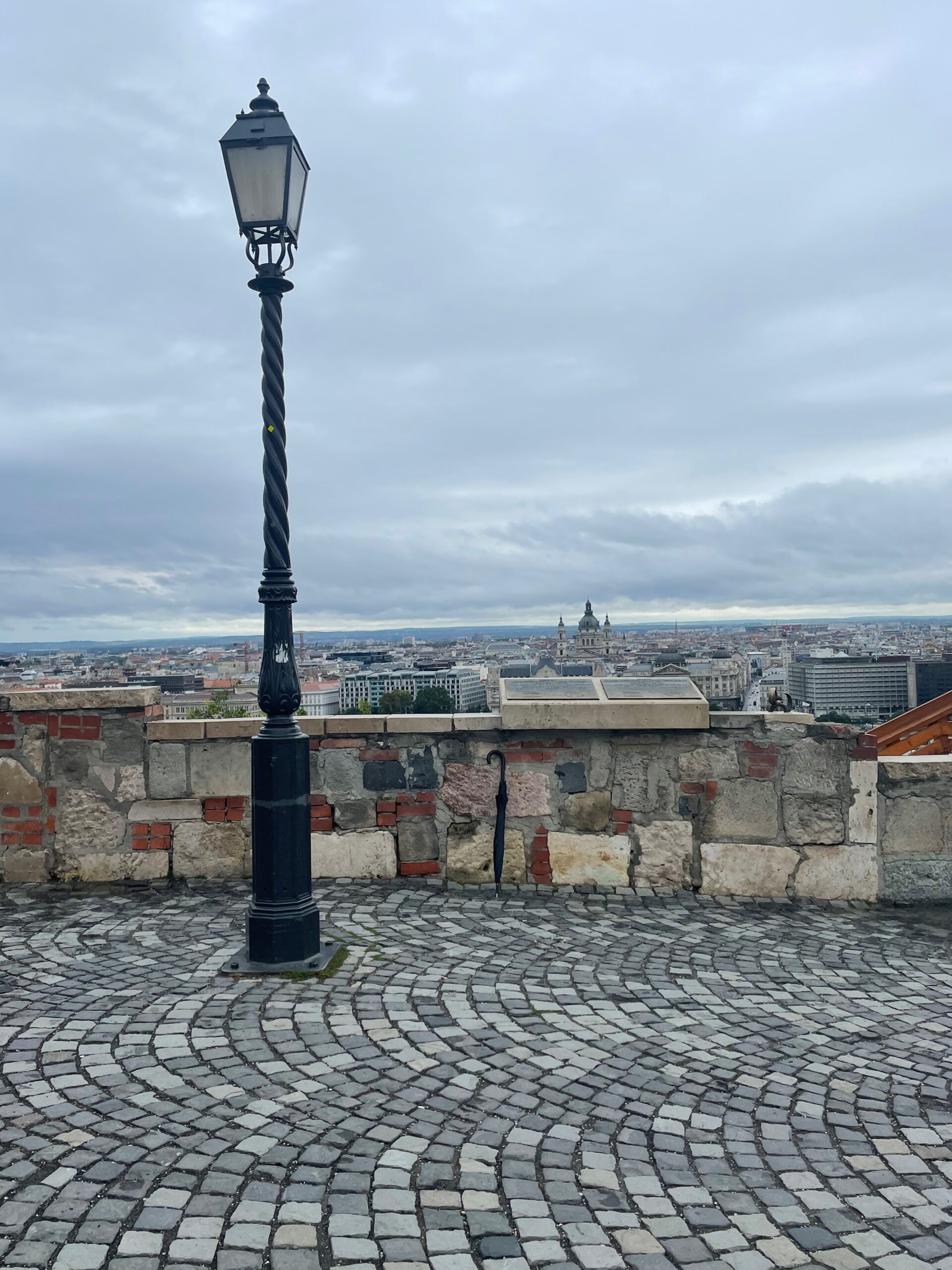
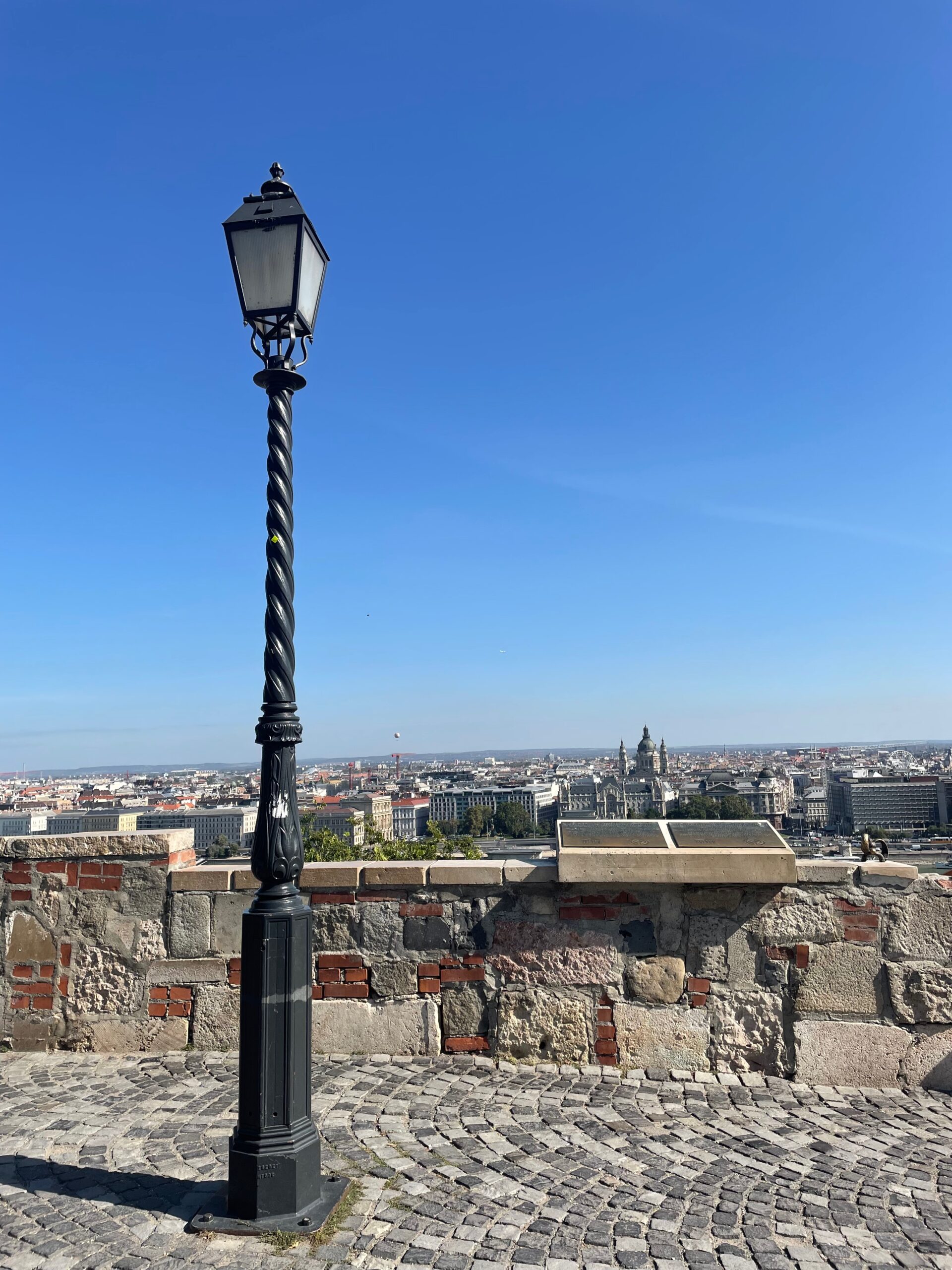
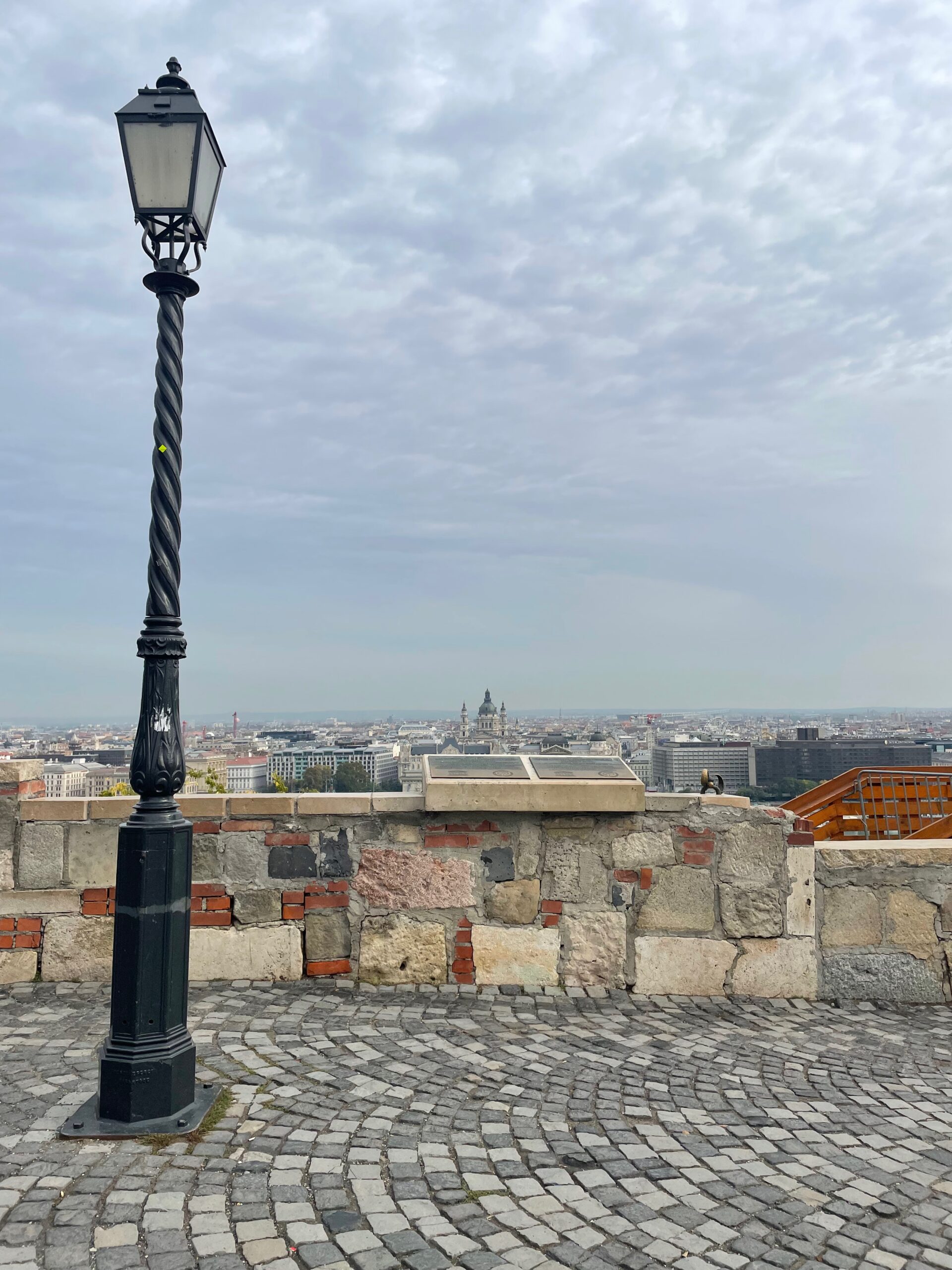
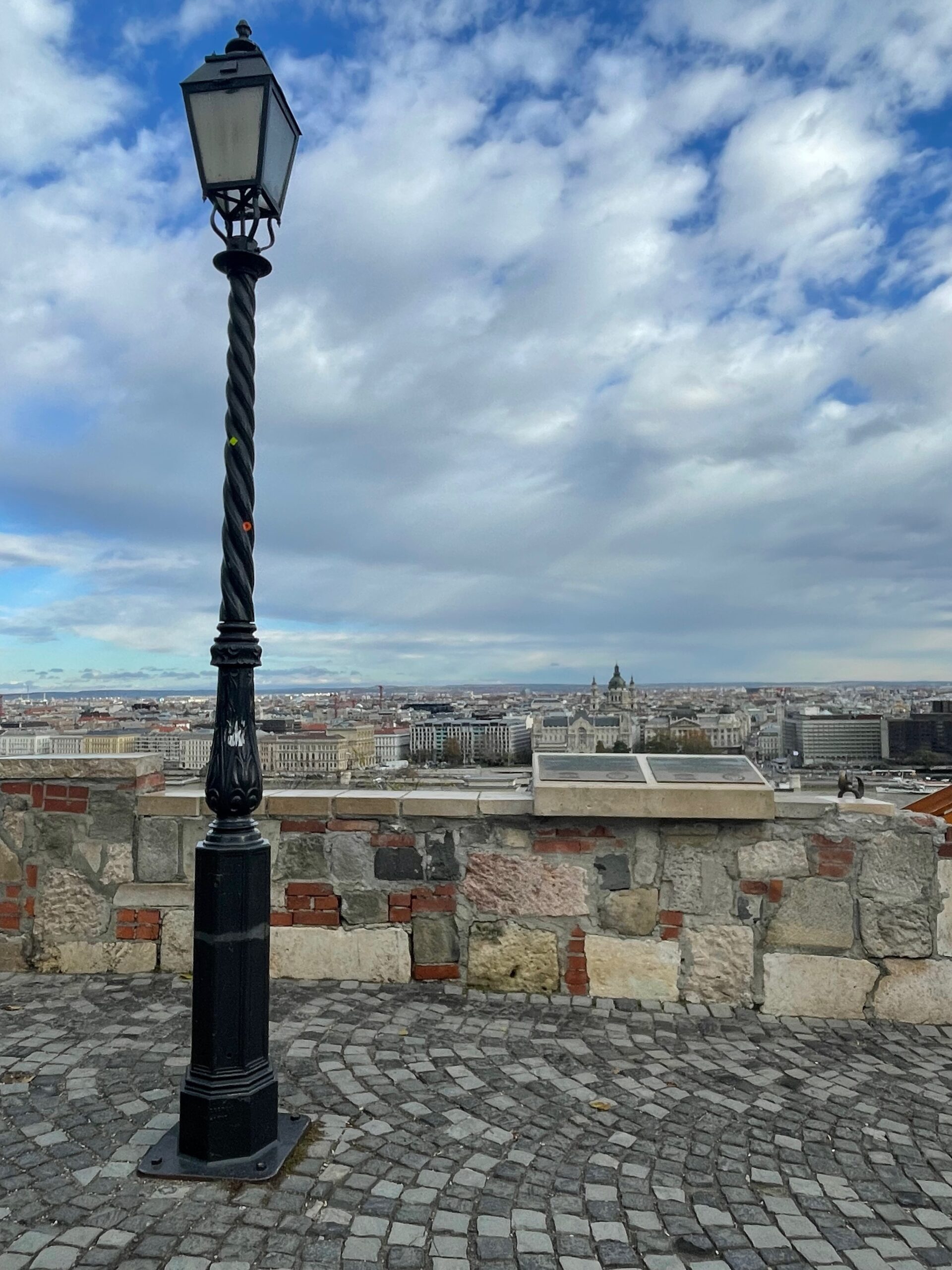
I'm taking thousands of pictures in Budapest every year, and many of them are taken at the very same spot. This is the upper station of the Buda Castle Funicular, close to the Sándor Palace and the Royal Palace. While my travellers are entertained by the changing of the guards, I'm taking pictures. Have a look, how different the pictures are even though they are taken at the same place. Join me for a walk in the Buda Castle District to see it for yourself!
I’m taking thousands of pictures in Budapest every year, and many of them are taken at the very same spot. This is the upper station of the Buda Castle Funicular, close to the Sándor Palace and the Royal Palace. While my travellers are entertained by the changing of the guards, I’m taking pictures. Have a look, how different the pictures are even though they are taken at the same place. Join me for a walk in the Buda Castle District to see it for yourself!
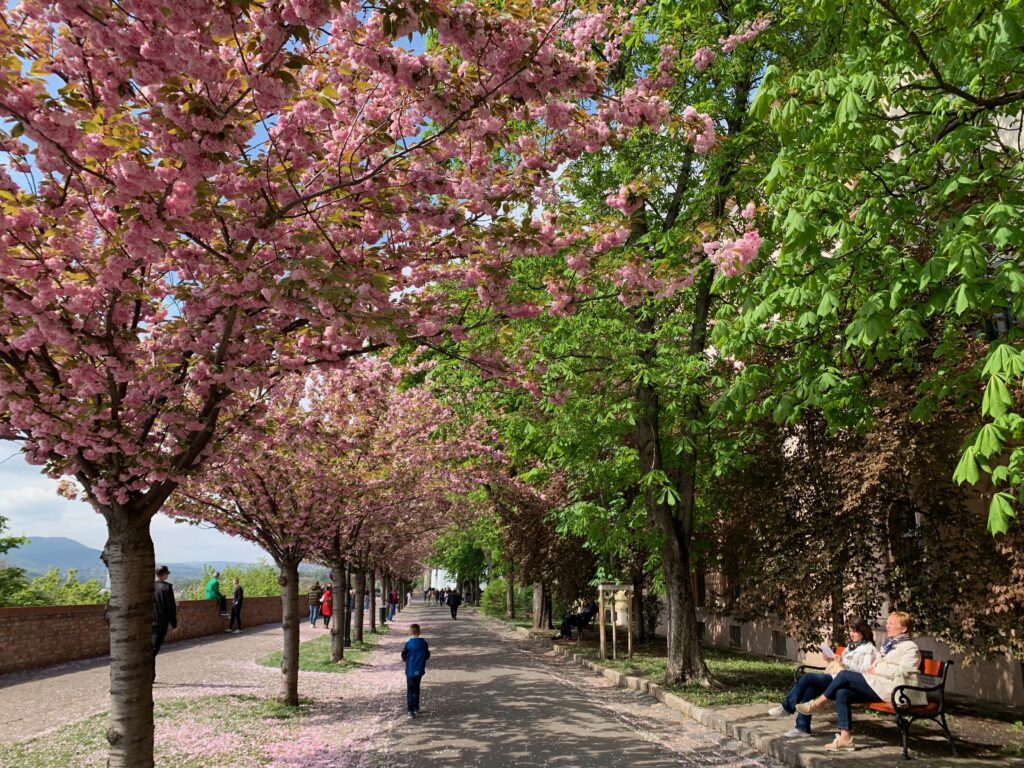
Some of you know how much I love this time of the year, I love the smells and the colours of spring and I'm fascinated by the blossom of the cherry trees all along Tóth Árpád sétány in the Buda Castle district. Walk with me to see more!
Some of you know how much I love this time of the year, I love the smells and the colours of spring and I’m fascinated by the blossom of the cherry trees all along Tóth Árpád sétány in the Buda Castle district. Walk with me to see more!