If you’re wondering what to eat in Budapest, the answer goes far beyond goulash and paprika.

Budapest is often described as one of Europe’s most beautiful cities. Visitors fall in love with the Parliament, the bridges over the Danube, the cafés with their historic interiors.

But what many travellers don’t expect is how memorable the city tastes.

Hungarian food is comforting, generous, and deeply rooted in tradition. Before becoming a private guide, I worked as a photo editor for Hungary’s most popular food magazine — so food has always been part of how I see the world. Today, when I show guests around Budapest, I often say: if you really want to understand this city, taste it.

Because Budapest is not just pretty — it’s delicious.

Comfort Classics

Hungarian cuisine is built on warmth and patience.

A bowl of goulash is more than just a soup. It carries the story of shepherd traditions, open-fire cooking, and Hungary’s love affair with paprika. Slow-simmered meat, vegetables, and that unmistakable deep red colour create something that feels both humble and rich at the same time.

Then there are the sausages — smoky, paprika-spiced, often sliced fresh at the market — and hot lángos, fried until golden and topped with sour cream and cheese. Crisp on the outside, soft inside, slightly indulgent and impossible to resist.

These dishes aren’t trendy. They are timeless. They are the flavours many Hungarians grew up with — recipes passed down from grandparents, cooked slowly, shared around the table.

Market Flavours

If you want to see Hungarian food culture at its most authentic, step into a market.

Markets in Budapest are not just places to shop — they are social spaces, easily accessible by public transport. Stalls overflow with strings of dried paprika, cured meats, cheeses, and colorful savanyúság — the pickled vegetables that bring freshness and balance to richer dishes.

Pickles might not sound exciting at first. But in Hungary, they are essential. Crunchy cabbage, sharp cucumbers, sweet-sour peppers — they cut through the depth of goulash and sausage beautifully. Locals rarely eat without something fresh and tangy on the side.

Wandering through a market, tasting small bites, talking to vendors, noticing what is in season — this is where the city feels alive and unfiltered.

Sweet Finale

No Hungarian food experience ends without something sweet.

Budapest’s café culture carries strong Austro-Hungarian influences, and pastries are part of everyday life — not just special occasions. A slice of strudel with delicate, flaky layers. A rich layered cake in a historic café. Or something simpler, like a warm kakaós csiga — a soft spiral of cocoa and sugar enjoyed with coffee.

Dessert here is not rushed. It’s savoured. It’s an excuse to sit a little longer, to talk, to observe the rhythm of the city.

And often, it becomes the most memorable bite of the day.

Why Food Is the Best Way to Discover Budapest

Architecture impresses. Food connects.

Some of my favourite moments as a guide happen around a table — when visitors stop feeling like tourists and start feeling at home. Sharing bread dipped into goulash. Comparing favourite pastries. Laughing over which pickle surprised them most.

Food slows you down. It invites conversation. It tells stories about history, geography, and everyday life in a way that monuments never can.

Budapest may capture your heart with its beauty, but it stays with you through its flavors.

If you’d like to experience the city beyond the guidebooks — tasting traditional Hungarian dishes, exploring local markets, and discovering the stories behind each bite — I would be happy to share my favorite places with you.

And yes, I always recommend coming hungry.

Frequently Asked Questions

What is the most famous food in Budapest?
Goulash is one of the most iconic Hungarian dishes, along with lángos and traditional pastries like strudel.

Is Hungarian food very spicy?
Hungarian cuisine uses paprika for flavor and depth, but most dishes are not overly spicy.

Budapest Is Not Just Pretty — It’s Delicious

Some places just feel right for certain cakes — and this is one of them. Rákóczi túrós at Anna Café is a perfect example of how a classic Hungarian cake and a timeless Budapest café belong together.

A classic Hungarian cake in a timeless Budapest café

Rákóczi túrós is one of the most beloved traditional Hungarian desserts, and for good reason. It’s balanced rather than sweet, familiar rather than showy, and deeply connected to Hungarian café culture. A soft pastry base, creamy túró filling, a thin layer of apricot jam, and that light, slightly crisp meringue on top — every layer has its role.

This is the kind of cake Hungarians order instinctively, without reading the menu twice.

The cake: a Hungarian classic

Rákóczi túrós isn’t about reinvention.
It’s about getting the proportions right.

When it’s well made, the filling is creamy but not heavy, the jam adds just enough brightness, and the meringue gives a gentle contrast in texture. It’s a cake that invites you to slow down — ideally with a coffee, a proper plate, and time to enjoy it without rushing.

It’s no coincidence that this dessert belongs in a classic café setting.

The café: Anna Café in Budapest

That’s exactly why Anna Café feels like such a natural match.

Anna Café is one of those places that fits effortlessly into Budapest’s historic café tradition. Elegant interiors, high ceilings, and a calm, welcoming atmosphere make it an easy choice whether you’re stopping for cake, coffee, or a longer break in the city.

The location by St. Stephen’s Basilica is a favourite of mine — central, beautiful, and ideal for a quiet café moment in the middle of the city.

More than one café, more than one mood

One of the things I love about Anna Café is that it isn’t just one place — it’s a small collection of cafés, each with its own rhythm.

In summer, I often choose the Anna Café near the Central Market Hall, where sitting outside feels relaxed and local, especially after a walk through the market or along the Danube.

In the evening, the Anna Café on Váci Street has a completely different energy. The lights, the movement of the street, and the option to switch from coffee to a glass of wine make it a lovely place to end the day.

Different locations, different moods — but the same sense of quiet elegance.

A café moment as part of the Budapest food experience

Exploring Budapest through food isn’t only about restaurants or markets — it’s also about slowing down in a local café. On my Budapest foodie tours, I always encourage visitors to experience both sides of the city’s culinary culture: hearty Hungarian dishes and the quieter pleasure of coffee and cake. A stop at a classic café, whether for Rákóczi túrós or another traditional dessert, is often what turns a good food experience into a truly memorable one.

Why this combination works

Some Budapest cafés are perfect for trends. Others are perfect for traditions.

Rákóczi túrós and Anna Café belong together because neither is trying to be more than it is. They represent the kind of Budapest café experience that has lasted for decades: well-made classics, comfortable surroundings, and moments that don’t need explaining.

Rákóczi túrós, the way I love it — at Anna Café.

Part of my Budapest Cafés series, where classic cakes, beautiful interiors, and timeless café moments come together.

Rákóczi túrós at Anna Café | Classic Hungarian Cake in Budapest

The Best Food & Drinks at Budapest Christmas Markets (2025 Edition)

Budapest Christmas markets are magical every year — glowing lights, wooden craft stalls, mulled wine simmering in the air, and the comforting aroma of freshly cooked Hungarian classics. Whether you’re wandering Vörösmarty tér, the Basilica Christmas Market, or one of the smaller neighbourhood fairs, these are the must-try foods and drinks of the 2025 festive season. With my passion for Hungarian food and my ongoing mission to find the best bites in Budapest, these are the Christmas market dishes I always recommend to my guests.

What to Eat at the Budapest Christmas Markets

1. Goulash Soup in a Bread Bowl

A true Hungarian winter favourite! Rich and thick paprika broth, tender beef, vegetables — all ladled into a warm, crusty bread bowl. It’s satisfying, it’s authentic, and it warms you up instantly. Interested in my secret recipe
Local tip: Eat the inside first, then tear off the sides — that’s where all the flavour has soaked in.

2. Grilled Hungarian Sausages

Smoky, flame-grilled kolbász or the softer hurka are staples of the market food stalls.
Best with: golden mustard, pickles, and fresh bread.

3. Lángos (with Sour Cream & Cheese Only!)

Lángos is the queen of Hungarian street food. At the Christmas markets, I always recommend the classic:
✔️ tangy sour cream
✔️ grated cheese
Simple, traditional, and absolutely delicious.

4. Chimney Cake (Kürtőskalács) — Only the Charcoal-Grilled Version

If you want the real deal, look for stalls using real charcoal. The dough becomes perfectly caramelized on the outside and soft inside. Try the classic flavours: vanilla, cinnamon, or walnut. No ice cream, please 🙂

What to Drink at the Budapest Christmas Markets

1. Hot Chocolate (with Optional Gin!)

Thick and creamy Hungarian hot chocolate is already a treat — but some vendors add gin, turning it into a festive adult dessert in a cup.

2. Spicy Hot Apple (Almás Puncs)

Warm, fruity, and full of cinnamon and clove. It’s perfect if you prefer something lighter than mulled wine.

3. Forralt Bor (Mulled Wine)

No Christmas market visit is complete without it. Budapest’s version is less sugary, more aromatic, and often made with proper wine — look for stalls with large metal kettles.

4. Hot Aperol

A newer tradition but a big crowd favourite: citrusy, slightly bitter, warming, and Instagram-worthy.

Want to Visit the Budapest Christmas Markets With Me?

If you’re visiting Budapest in December, I’d love to show you the Christmas markets during one of my private walking tours.
We can include the most beautiful festive spots, amazing viewpoints, and of course — my favourite food stalls.

👉 Explore my private walking tours here:
https://lovefromhungary.com/tour-category/budapest-private-walking-tours/

If food is your passion, join me for a Foodie Tour in December — and we can enjoy tastings right at the Christmas markets!
👉 December foodie tours:
https://lovefromhungary.com/tours/foodie-tour/

It’s the most delicious way to experience Budapest at Christmas. Don’t hesitate to contact me if you need more details or would like to book a tour!


Top 7 Foods and Drinks to Try at Budapest Christmas Markets!

Looking for the perfect Budapest café? The city’s coffee culture is as rich as its history, offering everything from cozy book-filled corners to elegant, chandelier-lit spaces. As a local guide and coffee lover, I’ve chosen four Budapest cafés that each have a completely different atmosphere — so no matter your mood, you’ll find a place to enjoy a great cup of coffee.

1. Massolit Books & Café Budapest — Cozy & Quiet

If you’re dreaming of a Budapest café where you can truly relax, head to Massolit Books & Café in the Jewish Quarter. Part English-language bookstore, part café, it’s a warm, inviting spot with shelves of books and a peaceful little garden.

This café is perfect for reading, journaling, or simply escaping the city buzz for a while. Order a coffee or a pot of tea, pair it with homemade cake, and let the hours pass by.

Local tip: Browse their second-hand book selection — you might find the perfect travel read.

2. Lumen Café — Creative & Local

For a Budapest café with a strong local vibe, Lumen Café in the Palotanegyed (District VIII) is a must. It’s a gathering place for artists, students, and anyone who loves a creative, slightly bohemian atmosphere.

Set around a courtyard, Lumen also doubles as a cultural space, hosting exhibitions, talks, and music events. The coffee is excellent, but the real draw is its friendly, creative energy.

Local tip: Try one of their seasonal specialties, like hibiscus soda in summer or a spiced latte in winter.

3. Madal Café — Trendy & Buzzing

Madal Café is one of the most popular Budapest cafés among locals and visitors alike. Known for its third-wave coffee and minimalist design, it’s perfect for meeting friends, working remotely, or simply enjoying people-watching in the heart of the city.

The coffee here is ethically sourced and consistently great — their flat white is a top choice. With multiple locations, the one at Király utca is especially bright and inviting.

Local tip: Their matcha latte is an excellent alternative if you’re not in the mood for coffee.

4. Művész Kávéház — Elegant & Timeless

If you want a Budapest café with history and elegance, visit Művész Kávéház on Andrássy Avenue, right across from the Hungarian State Opera House. This iconic café has been serving guests since the late 19th century and still boasts chandeliers, marble tables, and an old-world charm that’s hard to resist.

It’s the perfect place for a slow coffee paired with a slice of Dobos torte or Sacher cake.

Local tip: Ask for a table by the window to enjoy one of the most beautiful streets in Budapest.

Final Thoughts on Budapest Cafés

Budapest’s café culture offers something for everyone — from quiet reading corners to bustling creative hubs and elegant classics. These four Budapest cafés are my personal favourites, and each one is worth visiting for its unique atmosphere. Book a foodie tour with me if you’re interested in learning more!

Follow me on Instagram for more Budapest café tips

Hungarian Kids’ Favourite: the Dobos Cake

As a kid growing up in Budapest, I truly believed the Dobos cake (Dobos torta) was named after drummers—because that glossy caramel top is so crunchy, you could literally drum on it. Dobos means “drummer” in Hungarian, and in my world, it made perfect sense.

Little did I know at the time that József C. Dobos, the master confectioner and inventor of this iconic cake, simply lent his name to one of Hungary’s most famous pastries. His creation debuted in 1885, at the National Exhibition in Budapest, won over Emperor Franz Joseph I and Empress Elisabeth, and quickly became a symbol of elegance and innovation in confectionery.

What Makes the Dobos Cake So Special

In 1884, Dobos set out to create a cake that would last longer than most pastries, in a time before refrigeration. He layered six thin sponge cakes with rich chocolate buttercream, coated the sides with nuts, and crowned it with a shiny caramel crust. That hard top wasn’t just decorative—it sealed in freshness and made long‑distance shipping possible.

The final product was minimalistic yet elegant—a departure from the lacy pastries of the era. The unusual combination of sponge, buttercream, and caramel earned the cake a permanent place in European culinary history. In 1906, Dobos generously released the recipe to the local pastry guild, ensuring its legacy for generations.

Why Our Childhood Misbelief Was Perfect

That crunchy caramel top was so distinct, even adults joked that it looked—and sounded—like a drum. Tapping it with a finger gave a crisp, satisfying crack. I’ve heard many fellow locals say they once thought Dobos literally meant “drummer cake.” That childhood myth made every bite feel a bit like play, and I still smile thinking of those memories.

My Favourite Spot: Művész Kávéház

When I want to relive that sugary nostalgia, I head to Művész Kávéház, located on Andrássy Avenue—Budapest’s elegant boulevard, lined with neo‑Renaissance mansions and steeped in café culture. Founded in 1898, Művész was a beloved haunt for artists and intellectuals, and its interiors still reflect that bohemian grandeur.

There, the Dobos is served exactly as tradition intended: crisp caramel, tender sponge, rich buttercream—and you’re invited to tap it gently before diving in. The ambiance, the history, the taste—it’s one of those perfect moments I love creating with guests on my foodie tours of Budapest.

Why I Share This Story on My Tours

Whenever I bring guests to Művész not just for a cake, but for the story behind it:

  • The infamous childhood myth everyone laughed at.

  • The real history of József Dobos and the cake’s European fame.

  • The sensory experience: tap the caramel, taste the layers, feel its place in Budapest’s café legacy.

It’s these layered stories—much like the layers of the cake—that make Budapest feel alive and personal for visitors.

Final Thoughts

So next time you see a slice of Dobos cake glistening under café lights, you don’t just eat it—you drum it. It’s a small gesture that connects childhood wonder, historic pride, and Budapest’s irresistible sweetness. Also, have a look at my tours or reach out if you have questions!

Tag someone you’d tap it with… and keep the tradition going.

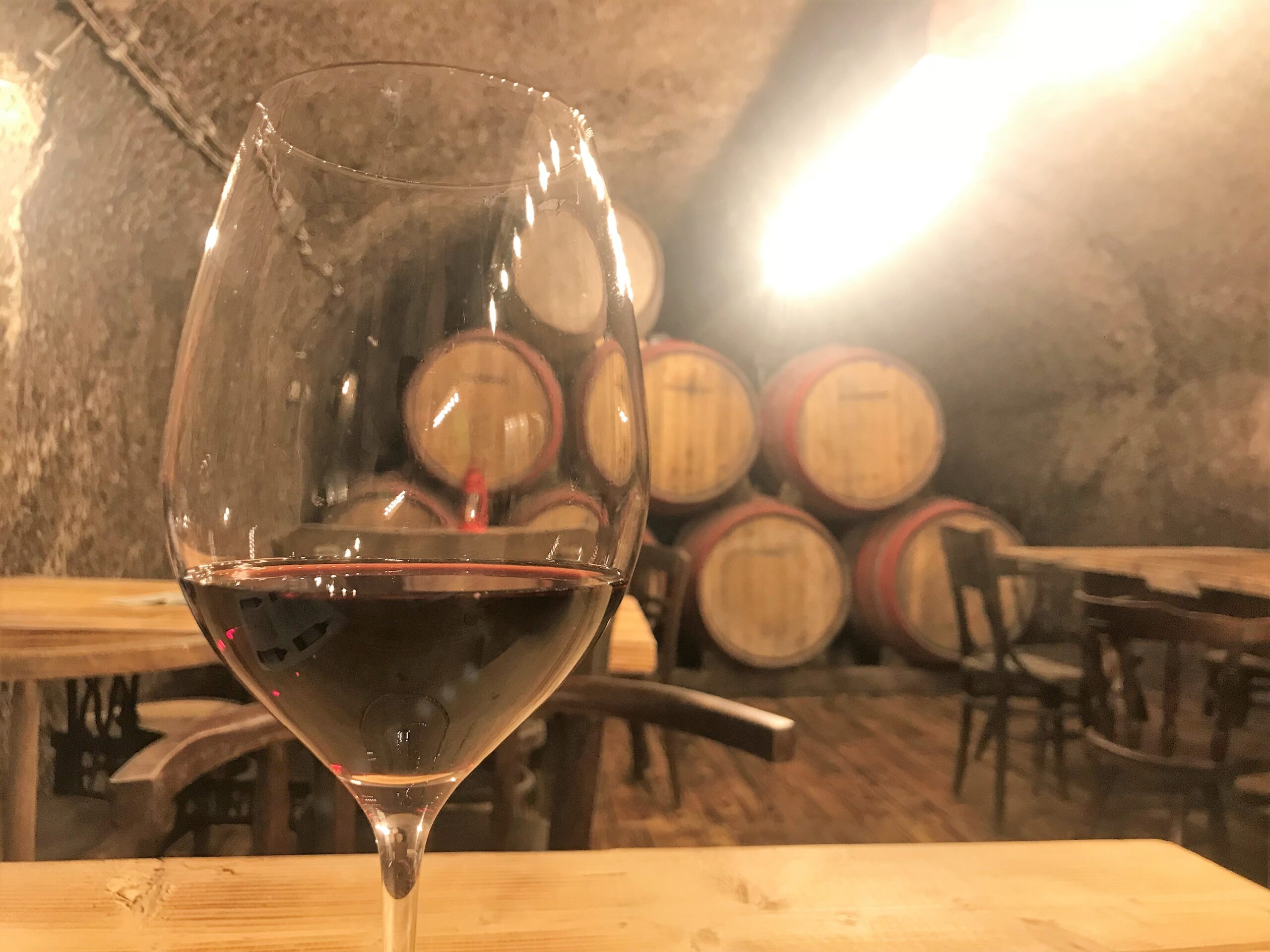
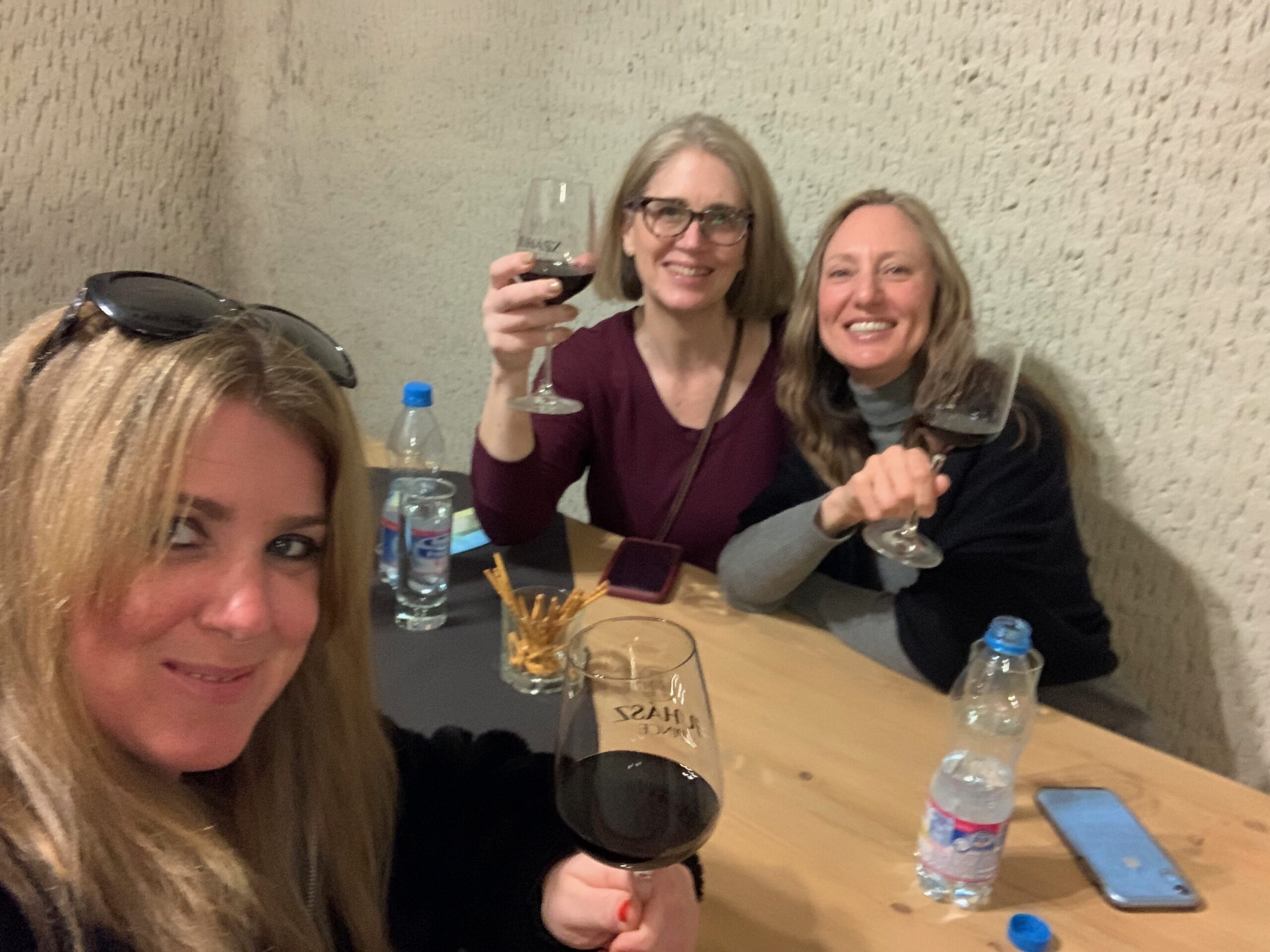
The past few weeks have been filled with unforgettable moments shared with wonderful guests on my food and wine tours across Hungary. From tasting delicious local wines in wine cellars to wandering through bustling markets in Budapest, it’s been a joy to introduce travellers to the authentic flavours of this beautiful country. Every private tour brings new connections, unique stories, and plenty of delicious discoveries.

I’ve gathered a few short clips to share the atmosphere and magic of these recent experiences—full of laughter, learning, and of course, lots of wine! Whether you’re looking for a city-based adventure or a countryside escape, there’s something for every kind of traveller.

If you’re feeling inspired, here are a few tours you might enjoy:
🍷 The Budapest Culinary & Etyek Wine Tour blends urban food culture with a scenic vineyard visit – a true taste of both worlds.
🥖 The Budapest Foodie Tour is perfect for curious eaters wanting to dive into local flavors and hidden gems.
🍇 And the Eger and Wine Tour is a beautiful day trip that combines history, countryside charm, and some of Hungary’s best reds.

You can find all the details and book your next experience here:
👉 https://lovefromhungary.com/tour-category/private-hungary-budapest-food-wine-tours/

Looking forward to sharing a table with you soon!

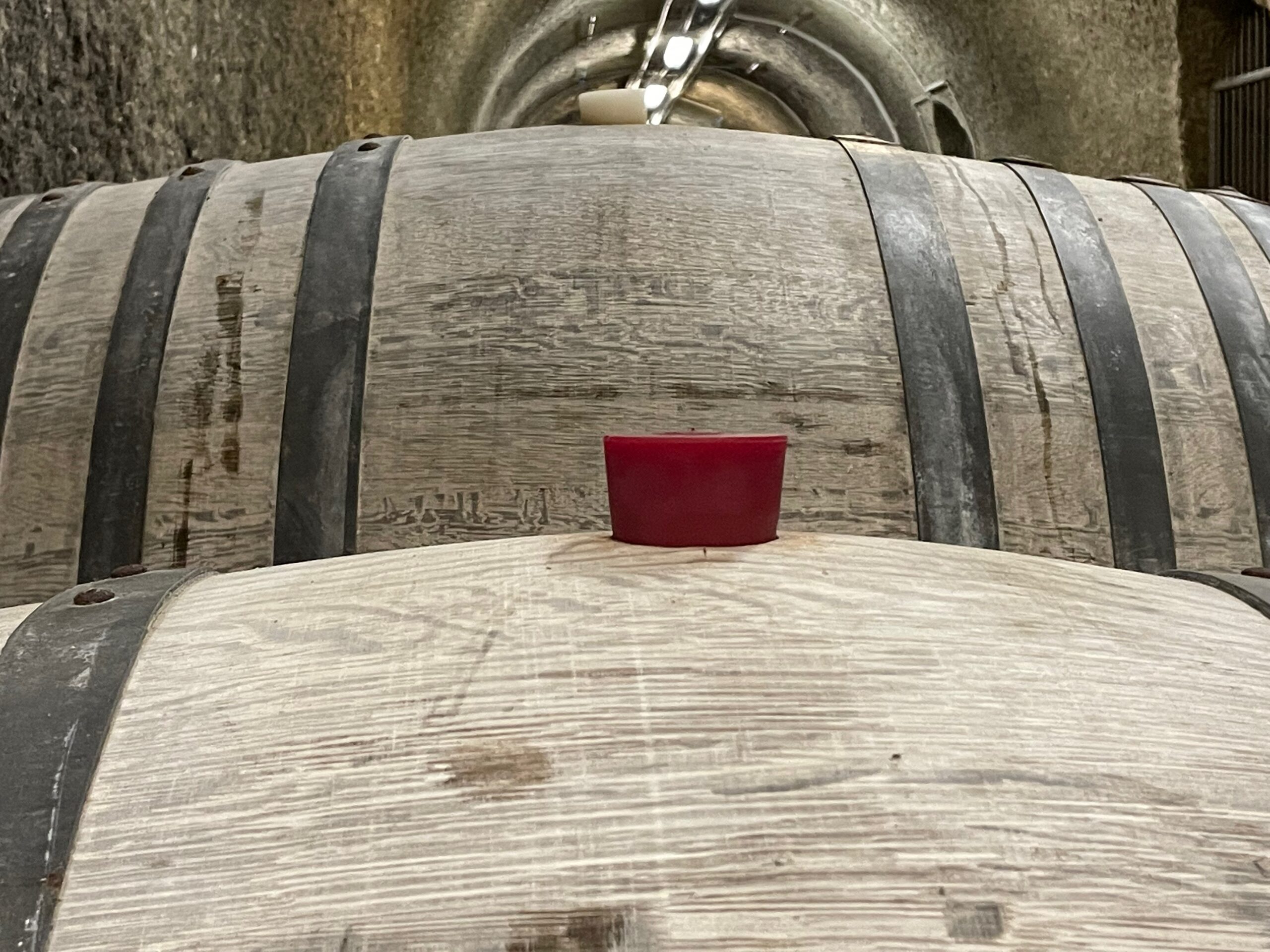
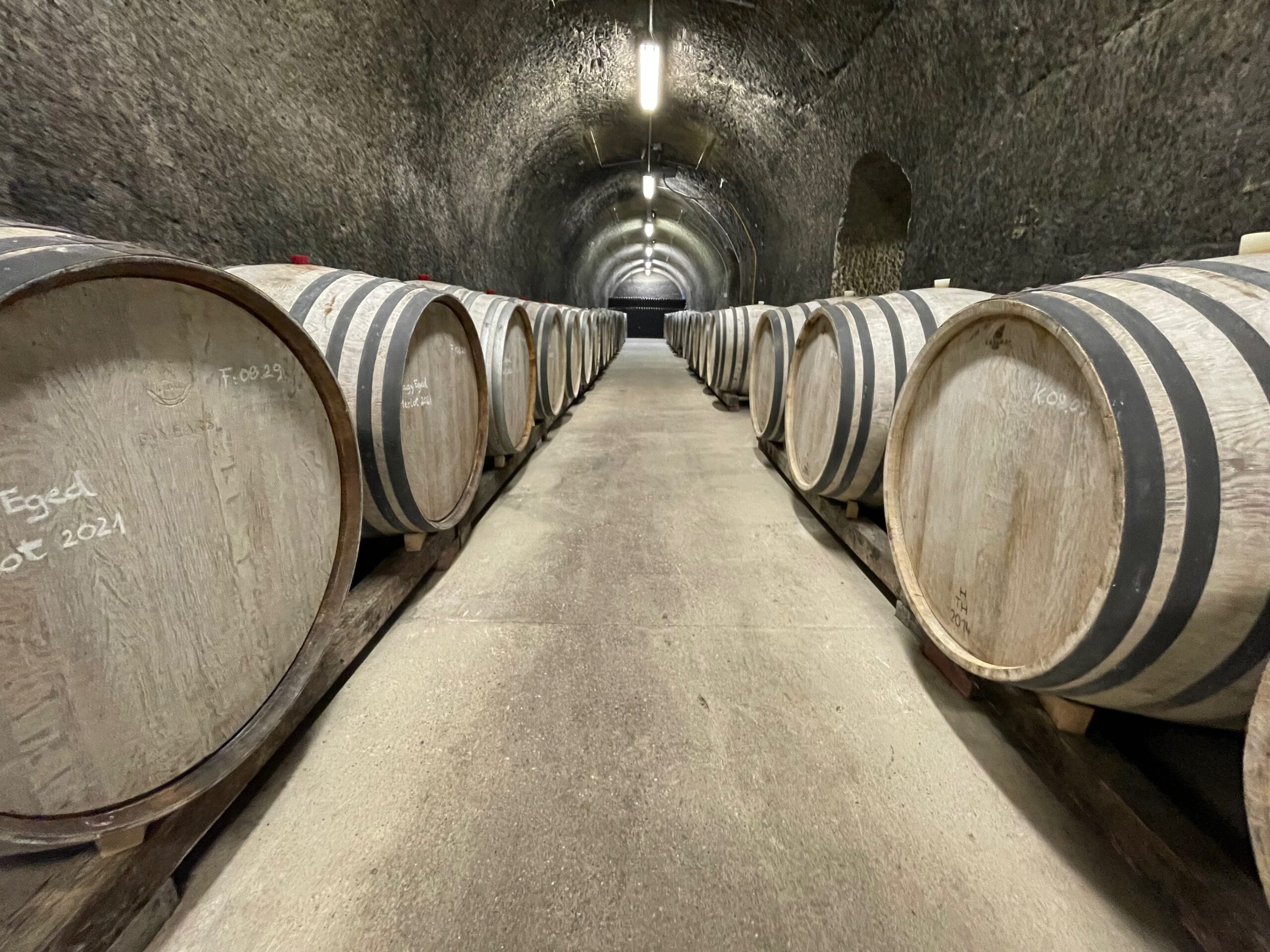
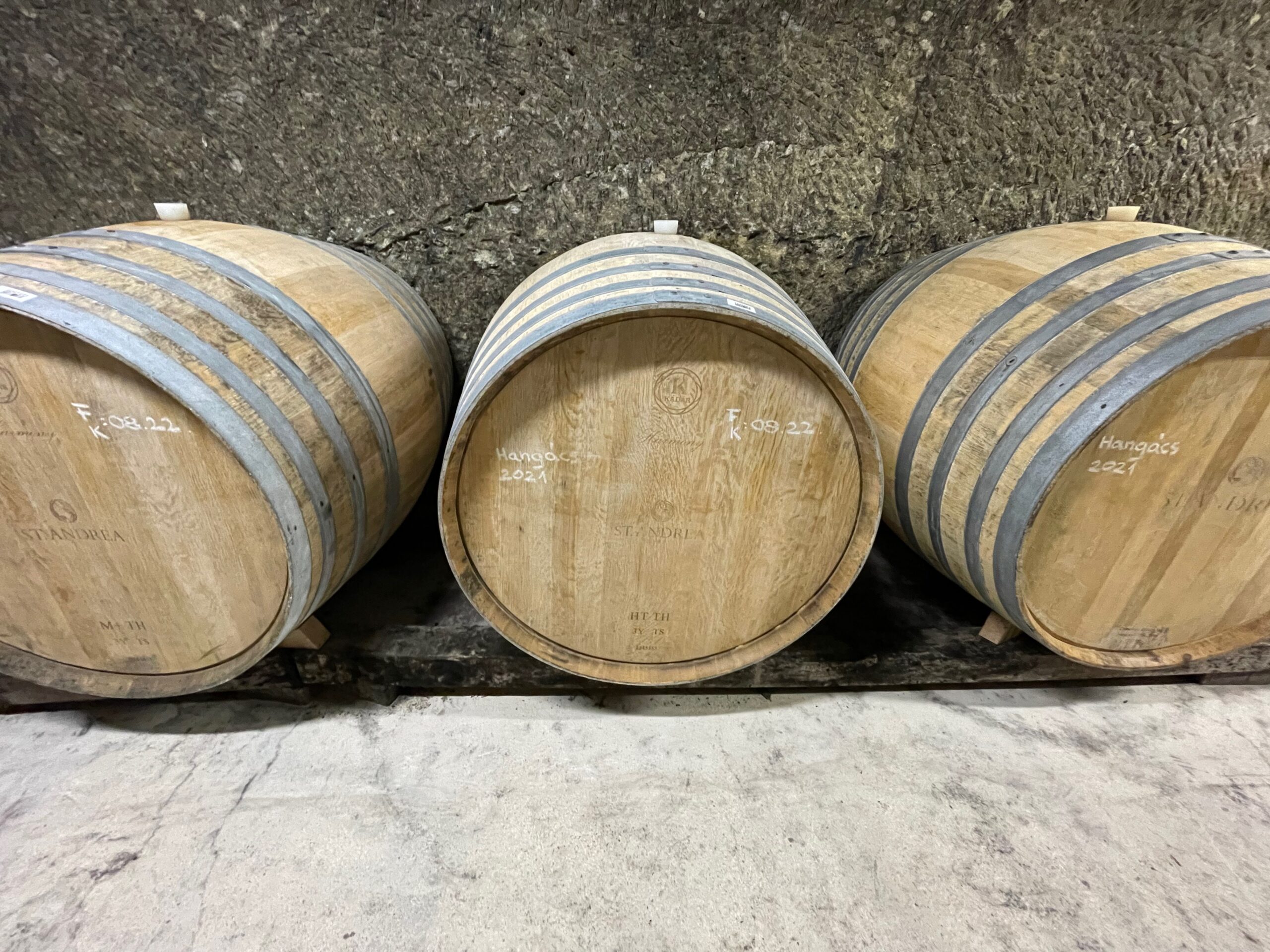
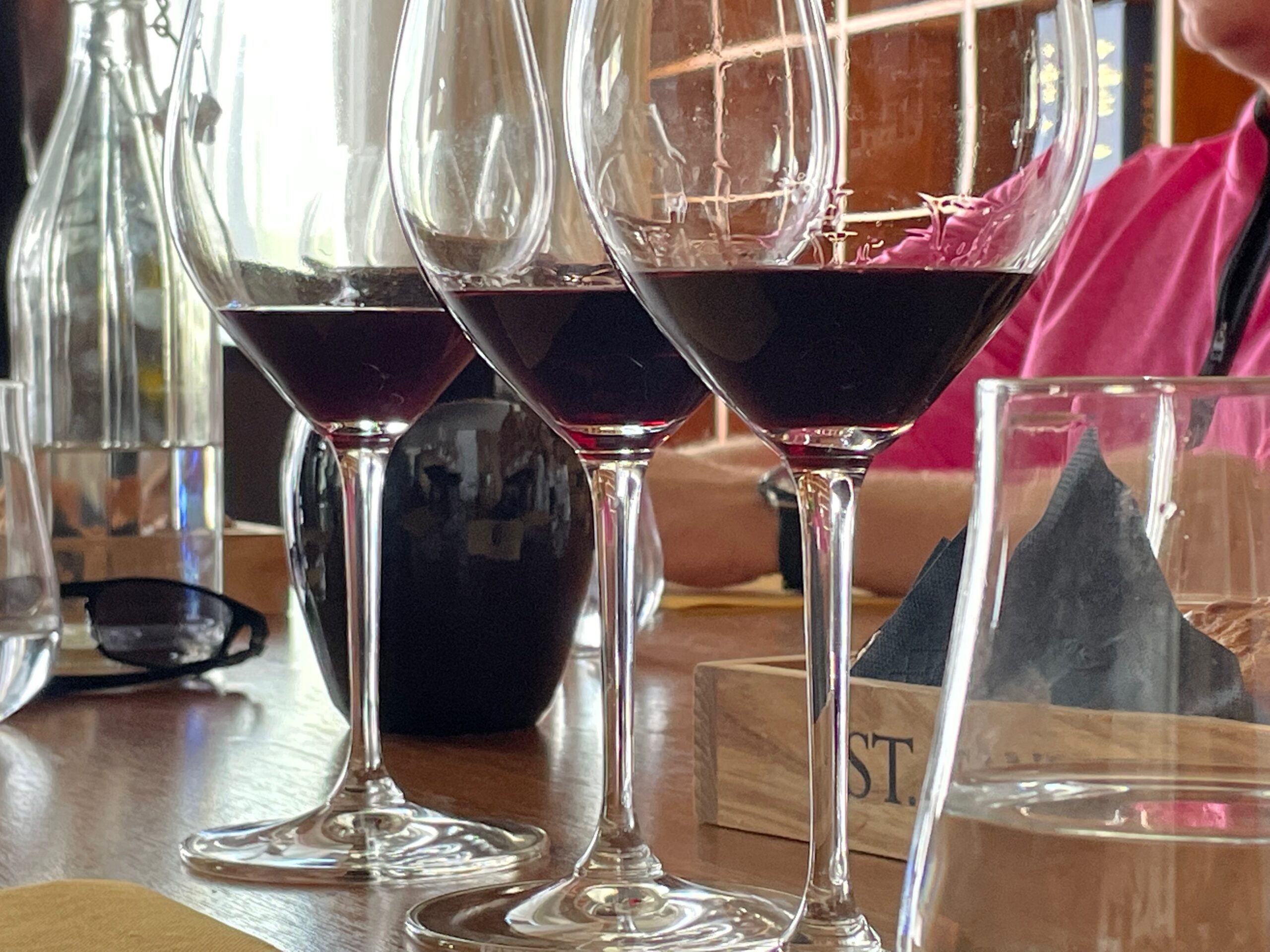
I keep posting about Eger wines and wine tasting tours, and it seems to me that wine tours are becoming more and more popular. My personal opinion is that exploring local food and wine is a defining part of our travel experience. I’m so happy to realise how much my travellers enjoy the local wines and traditions.

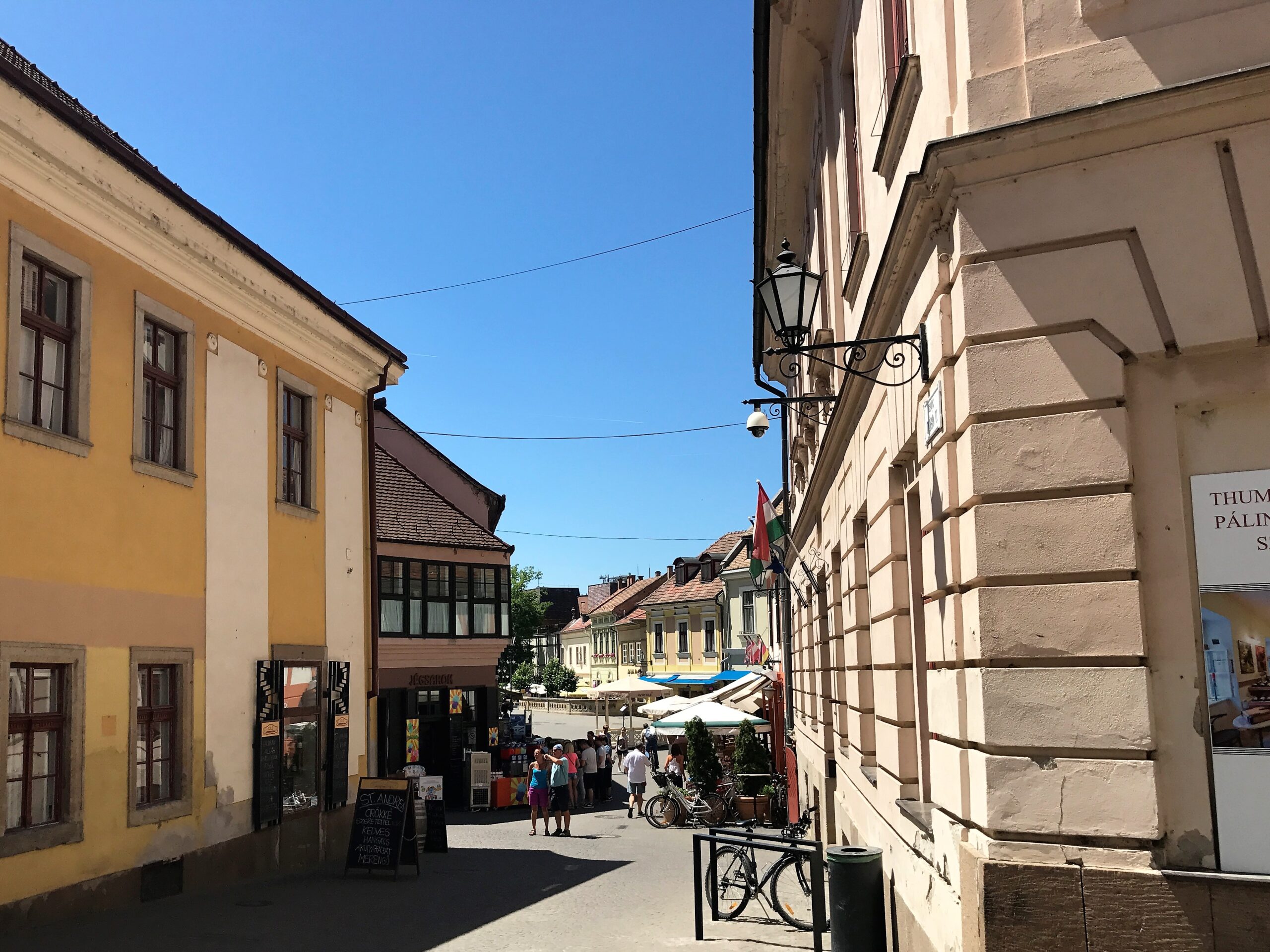
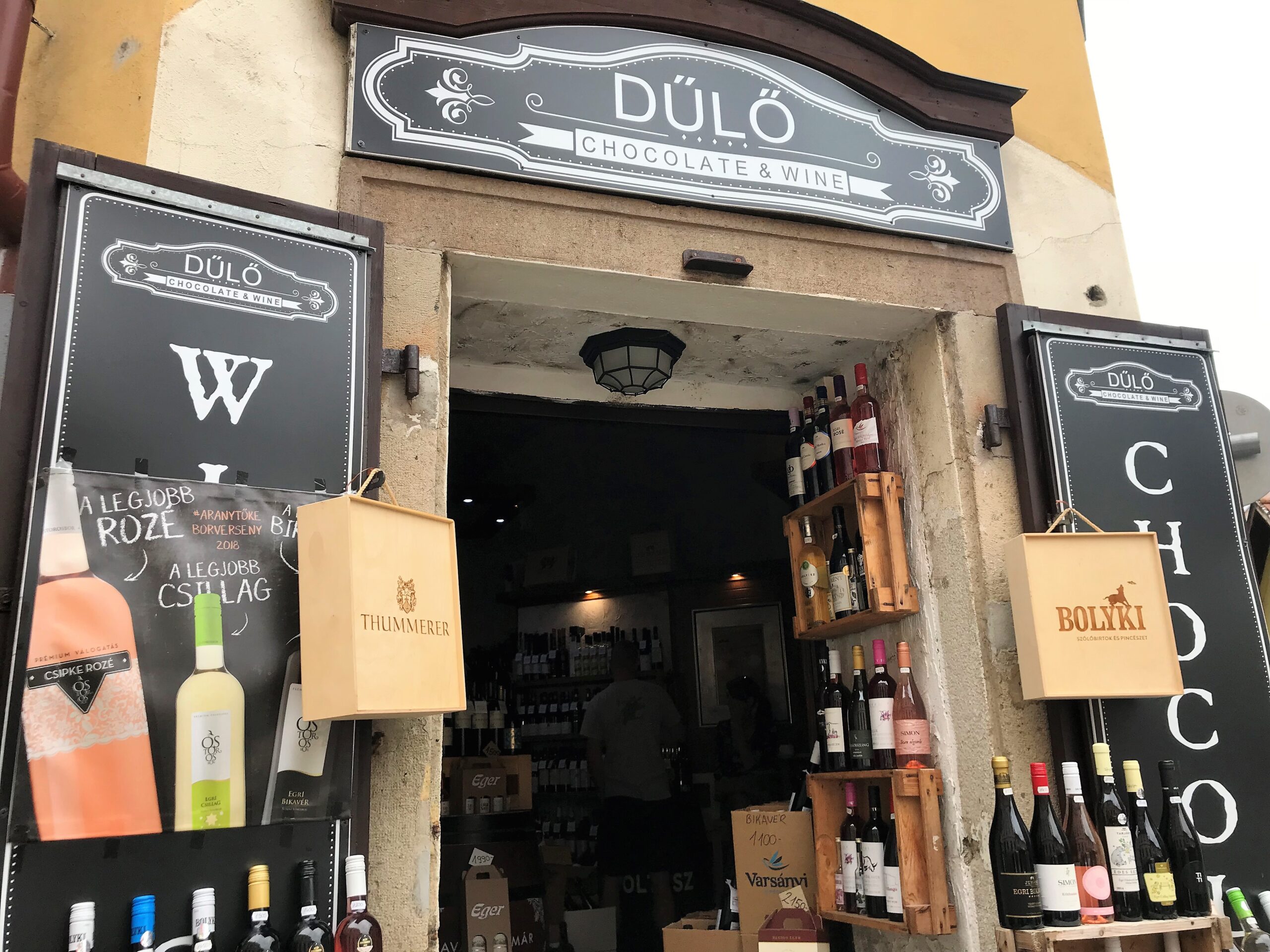
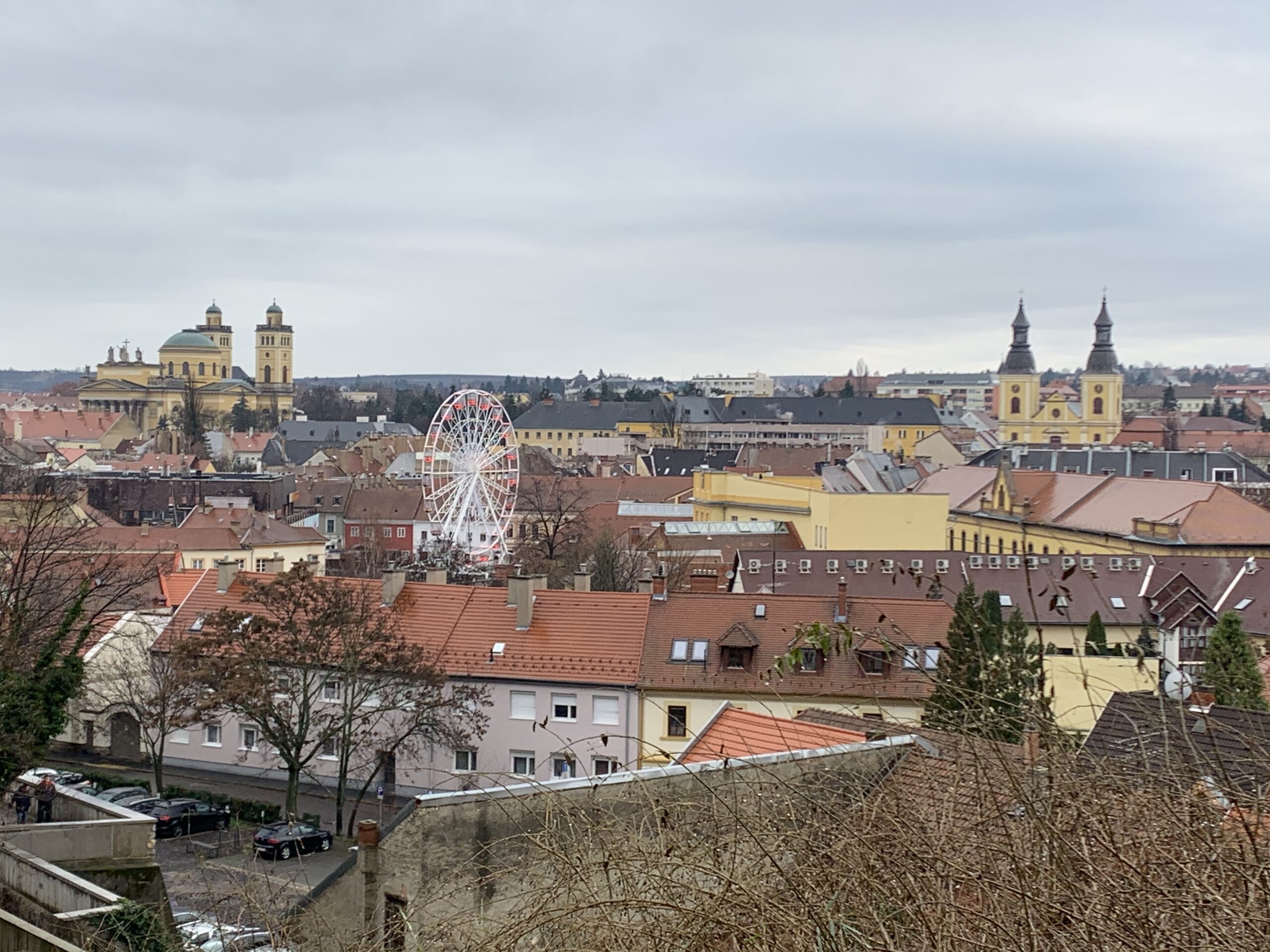
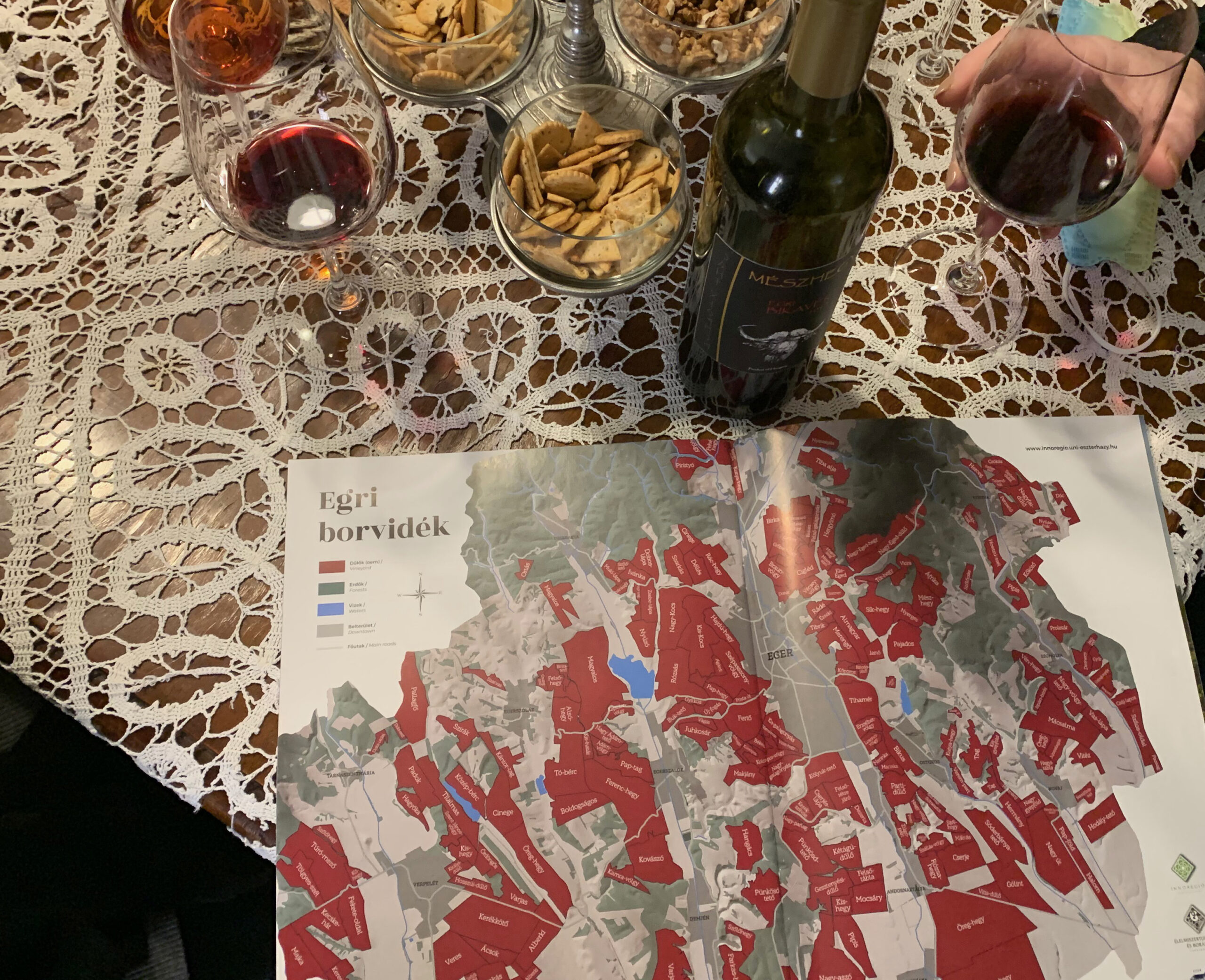
Eger is a very cute Hungarian little town with a lot of history and culture and with amazing red wines. Let me know if you’re interested in a tour, so that I can send you more details. We can include as many different wineries as you wish, we can do wine tasting, we can walk around the wine cellars, it is the best way to explore local food and local wine.

Here are some pictures of our last tour to give you more ideas.


You might have noticed that the Eger Wine Tour is one of my favourite daytrips from Budapest. I love Eger, it’s a charming little town with beautiful Baroque architecture and its castle is still considered as a national symbol of Hungarian patriotism. The tour is topped by wine tasting both in the city centre and in the Valley of the Beautiful Woman, where you can taste Bull’s Blood, the local cuvée.

The weather is getting more and more beautiful day by day so we enjoyed our time in Eger in beautiful sunshine and I can tell you that everybody loved the red wines we tasted. I hope I’ll have the chance to go back to Eger many times this year.

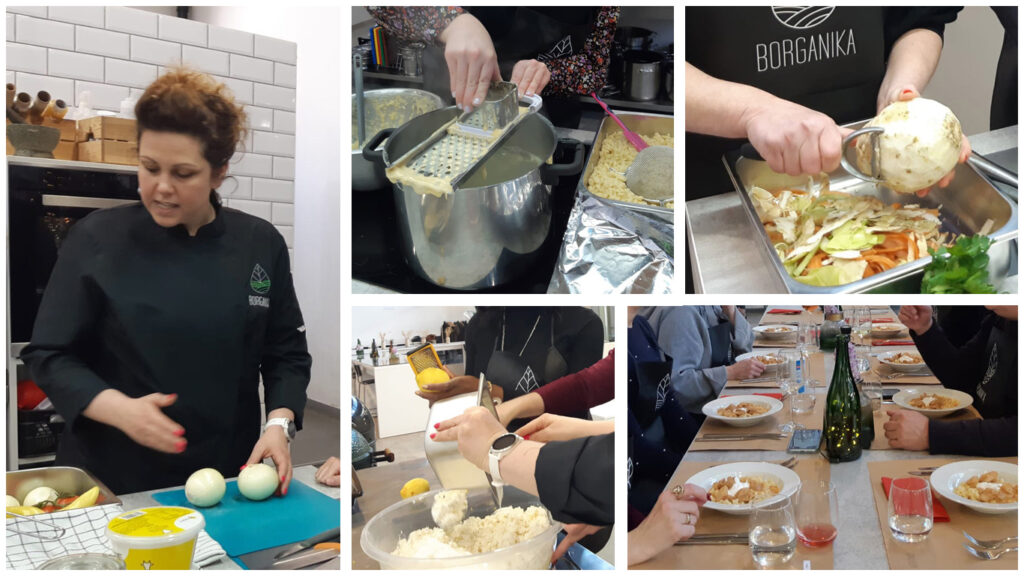
Last week we had the chance to meet and cook with chef Zita from BORGANIKA. Zita has an amazing gastro space in Klauzál market in the Jewish district. She offers cooking classes, all sorts of gastro events and she also hosts private dinners. She is amazing and is truly in love with Hungarian culture and food, all of my guests were fascinated by this unique culinary experience.

We cooked green pea soup, chicken paprikas with nokedli and strudel, it was a lot of fun, we enjoyed cooking and eating together and we also tasted some great Hungarian wines.

It’s a great experience for smaller and larger groups and her enthusiasm and professionalism will most probably brighten your day and contribute to an amazing Budapest experience.

Private cooking class at Borganika

The golden age of Budapest’s famous coffeehouses was at the end of the 19th and the beginning of the 20th century. Today, we are witnessing a true renaissance of coffeehouse culture — and Budapest remains one of Europe’s most exciting cities for coffee and cake lovers.

Hungarians love their coffee, and visitors quickly fall in love with our historic cafés too. I wrote more about this passion in my main article, We Love Our Coffee – And Our Coffeehouses, Too, where I explore why cafés have always played such an important role in Budapest life.

On my Budapest Foodie Tour, we always try to visit different coffeehouses, giving travelers the chance to taste excellent Hungarian coffee and traditional cakes while learning about the stories behind these beautiful places.

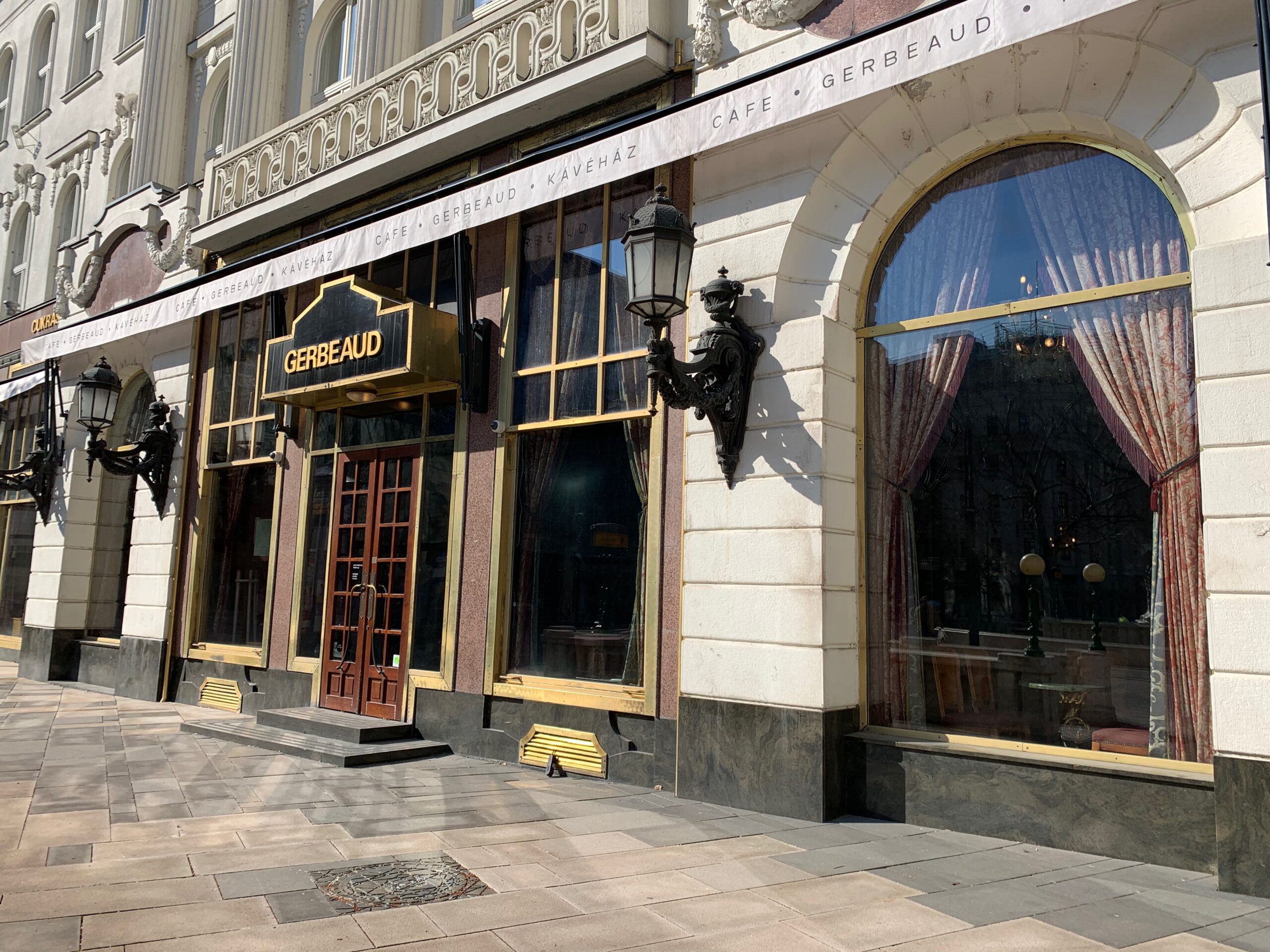
Among all Budapest cafés, Gerbeaud Café is probably the most famous — and with good reason. Although I have already written about Central Café and the Book Café, Gerbeaud truly deserves to be introduced first, as it has been a symbol of elegance and quality for over a century.

The Men Behind the Budapest Gerbeaud Café

The story of the café is closely linked to Emile Gerbeaud, a talented French bonbonnier who was invited to Budapest by Henrik Kugler, the owner of a very popular cake shop and coffeehouse on Vörösmarty Square. Emile Gerbeaud’s creativity transformed the business: he developed an exceptional range of bonbons that were produced and sold in the millions every year. When he eventually took over the café, the Gerbeaud name became a highly respected trademark — not only in Budapest, but throughout Europe.

At the end of the 19th and beginning of the 20th century, Gerbeaud was known as the ladies’ coffeehouse. Young women visited the café hoping to meet a wealthy and suitable husband. Even today, charming urban legends circulate about secret signs a lady could give if she was open to romance. These little stories add to the unique atmosphere of the place and are some of my favorite details to share on foodie tours.

Today, Gerbeaud Café is one of the most iconic historic cafés in Budapest, famous for its refined interior, elegant service, and outstanding selection of Hungarian cakes. Located on Vörösmarty Square, it is an ideal stop for anyone interested in classic coffeehouse culture and sweet Hungarian specialties.

Visiting the Café on a Food Tour

If you would like to experience Gerbeaud — and other historic cafés — in context, you might enjoy joining one of my Budapest Foodie Tours, where coffee, cake, history, and local stories come together in a relaxed and authentic way.