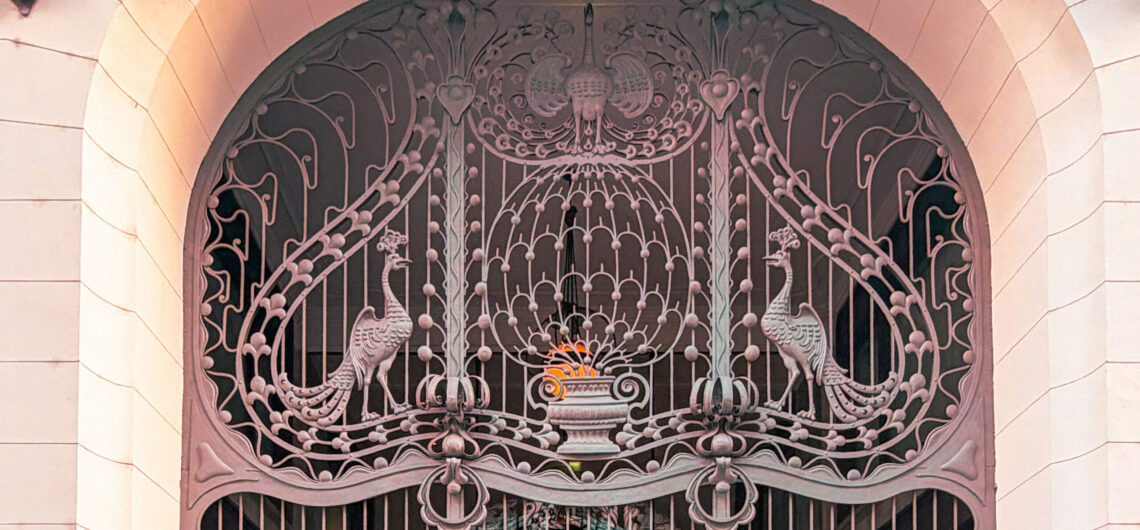
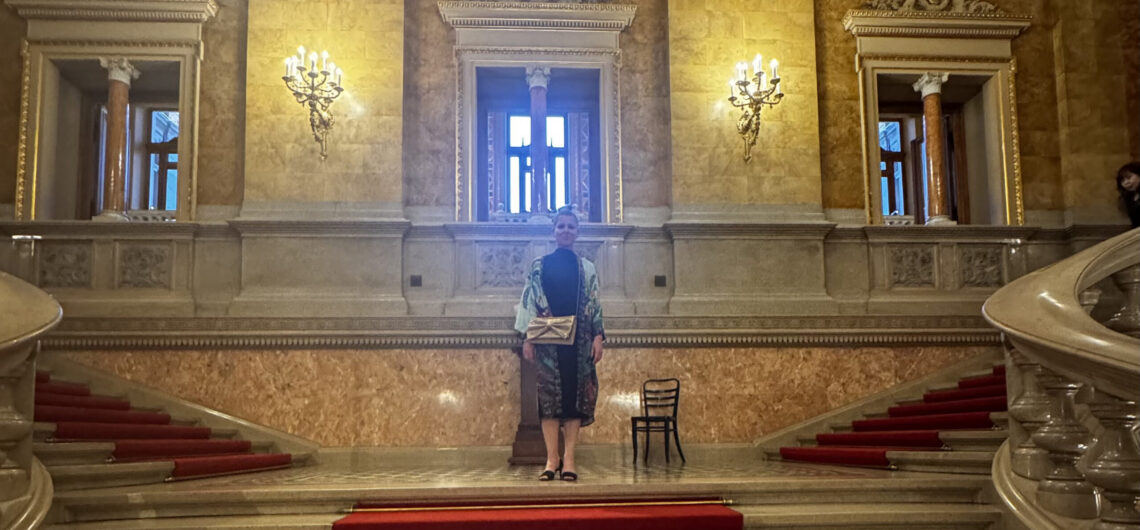
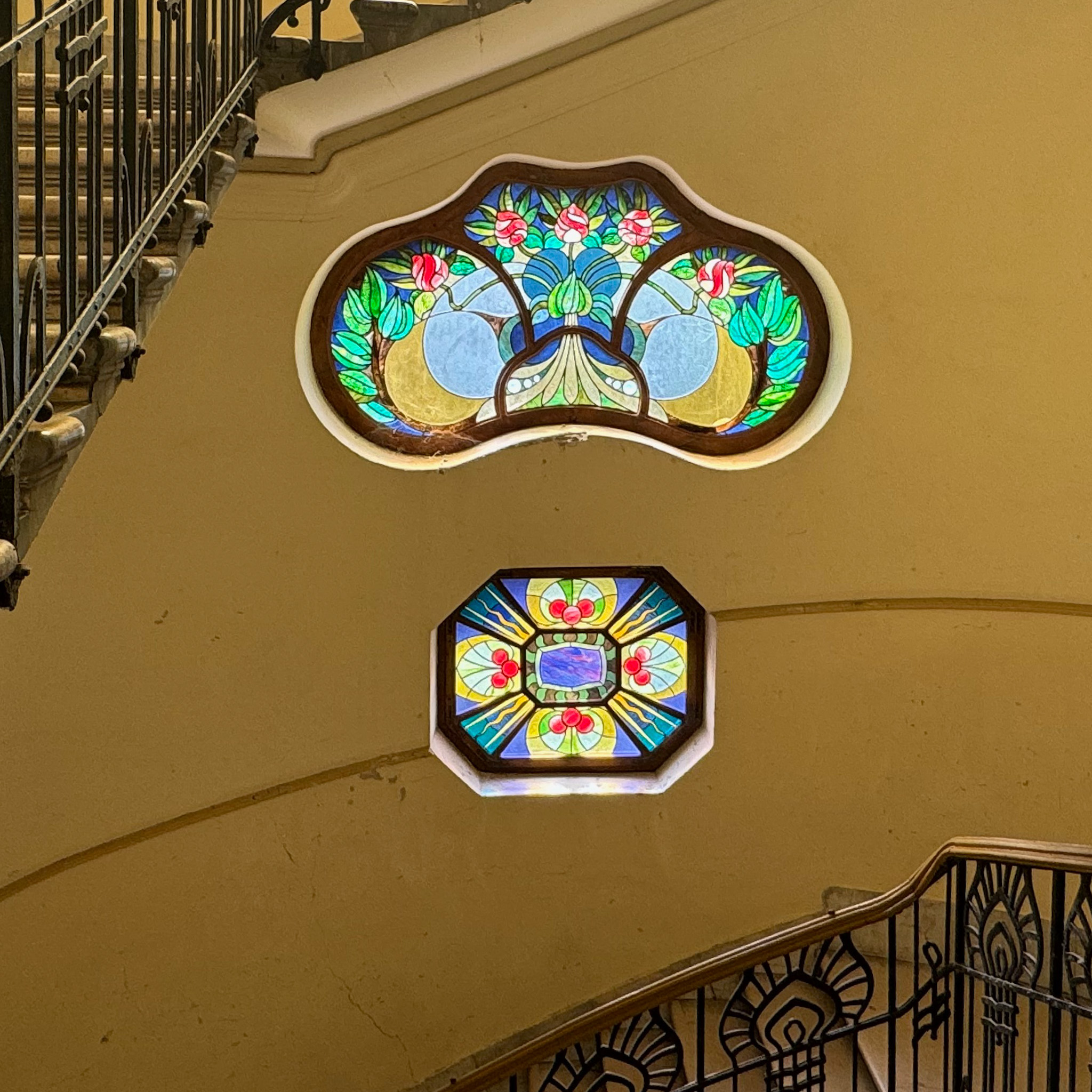
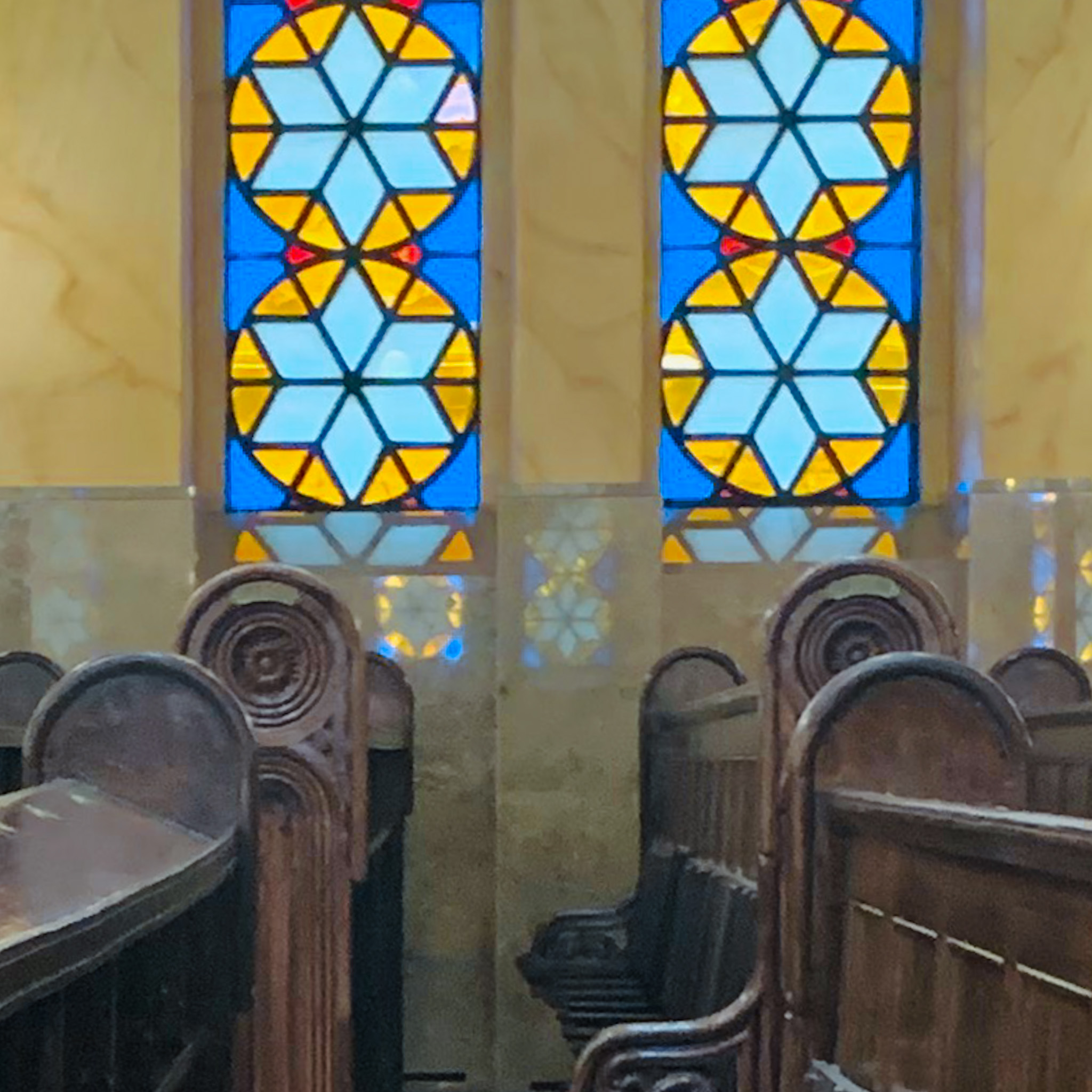
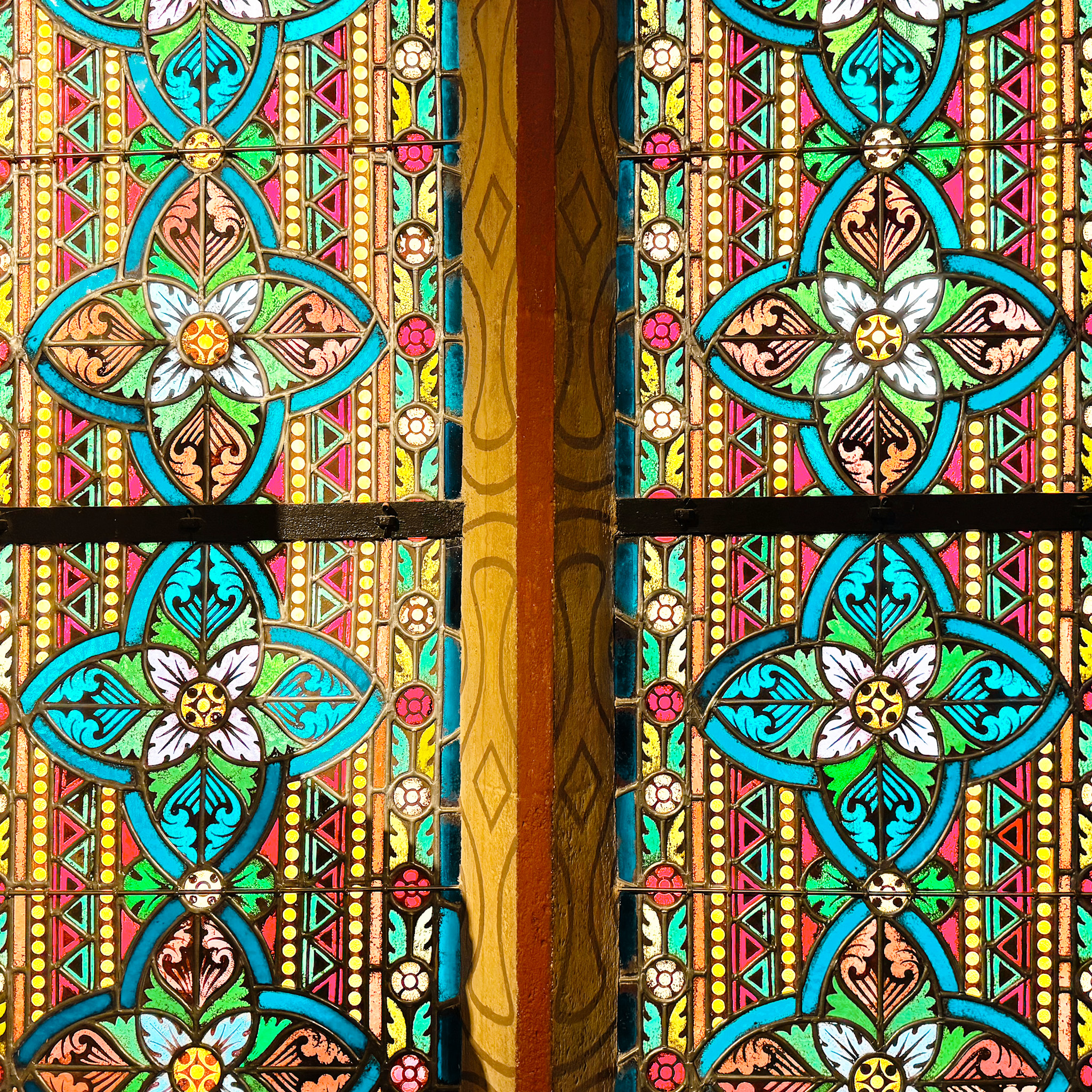
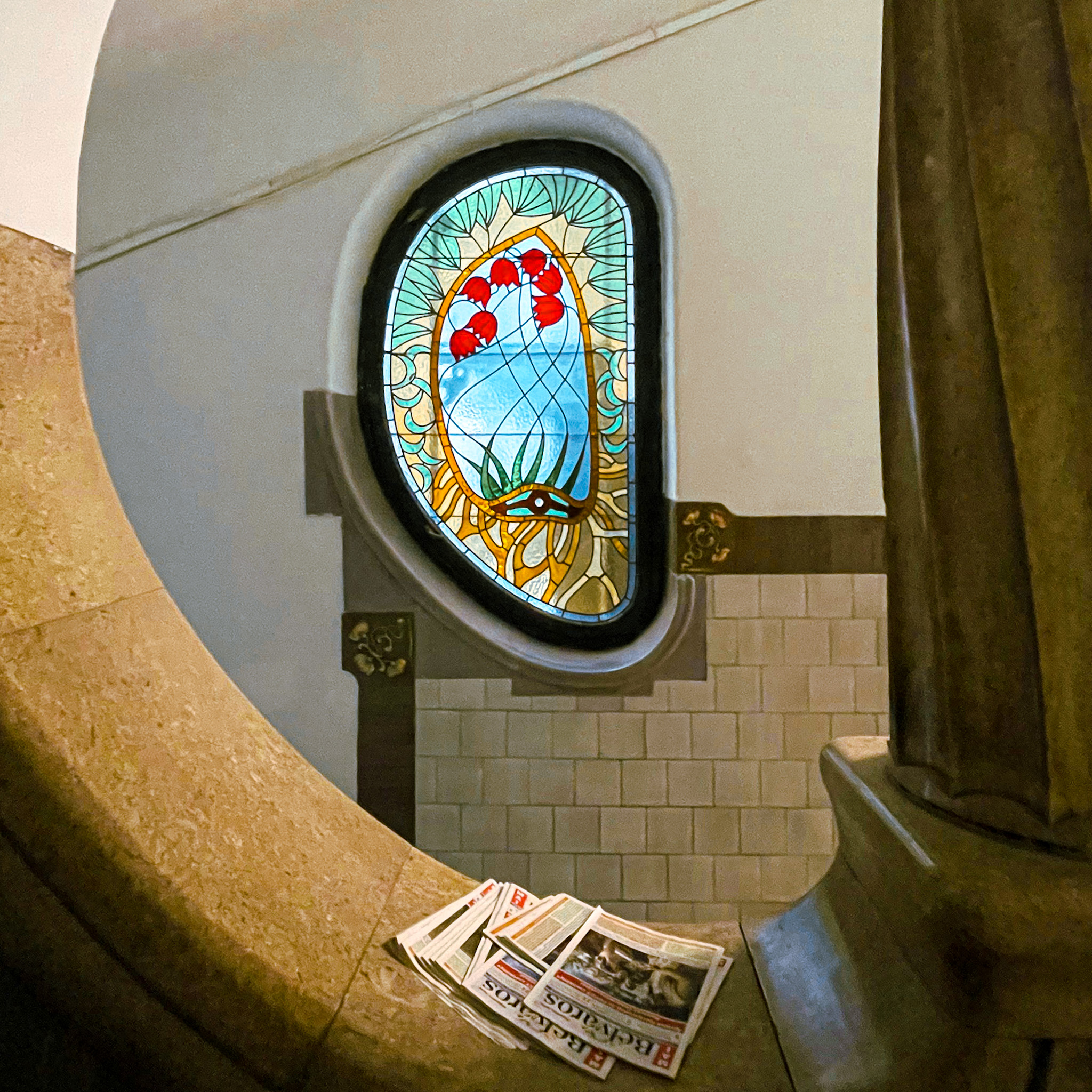
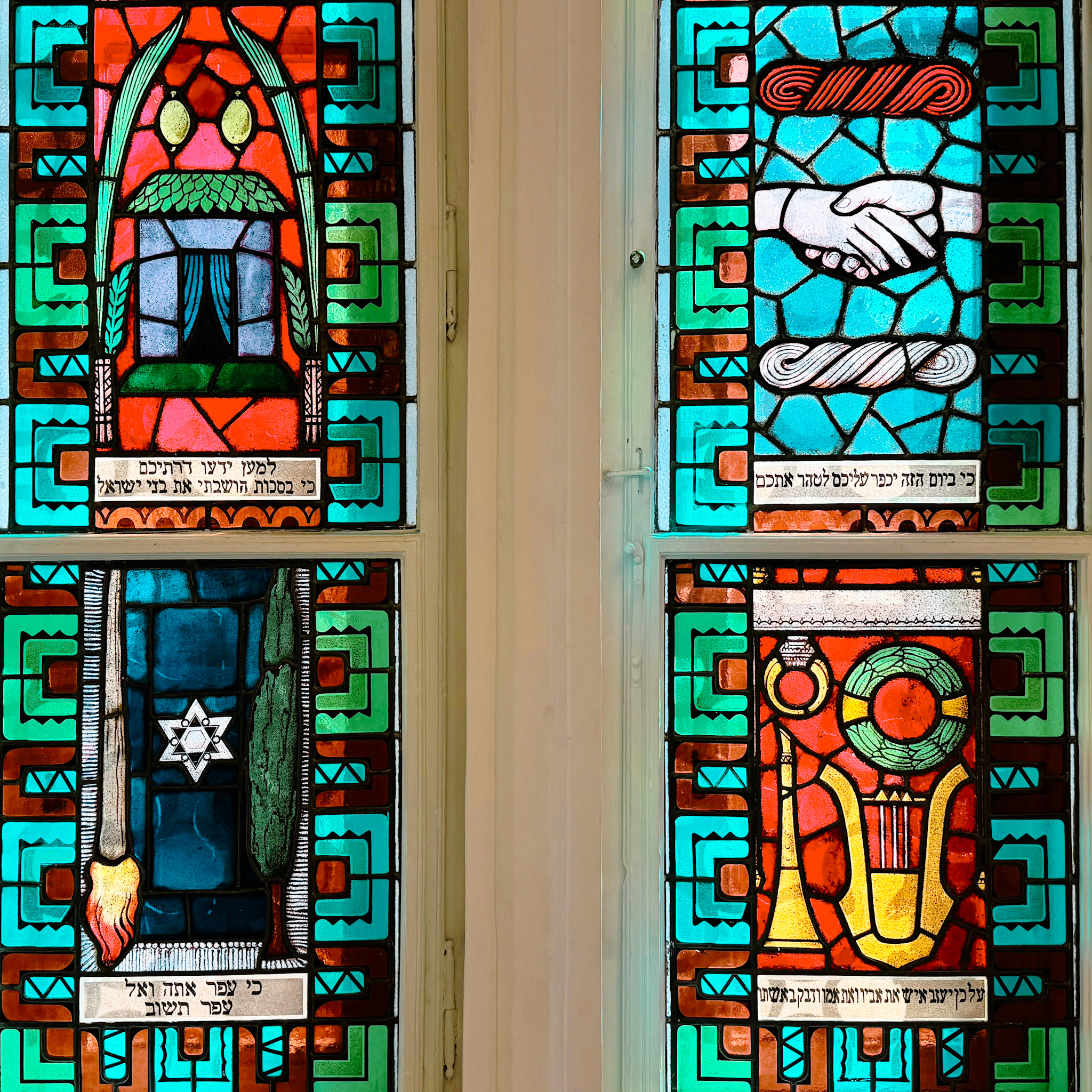
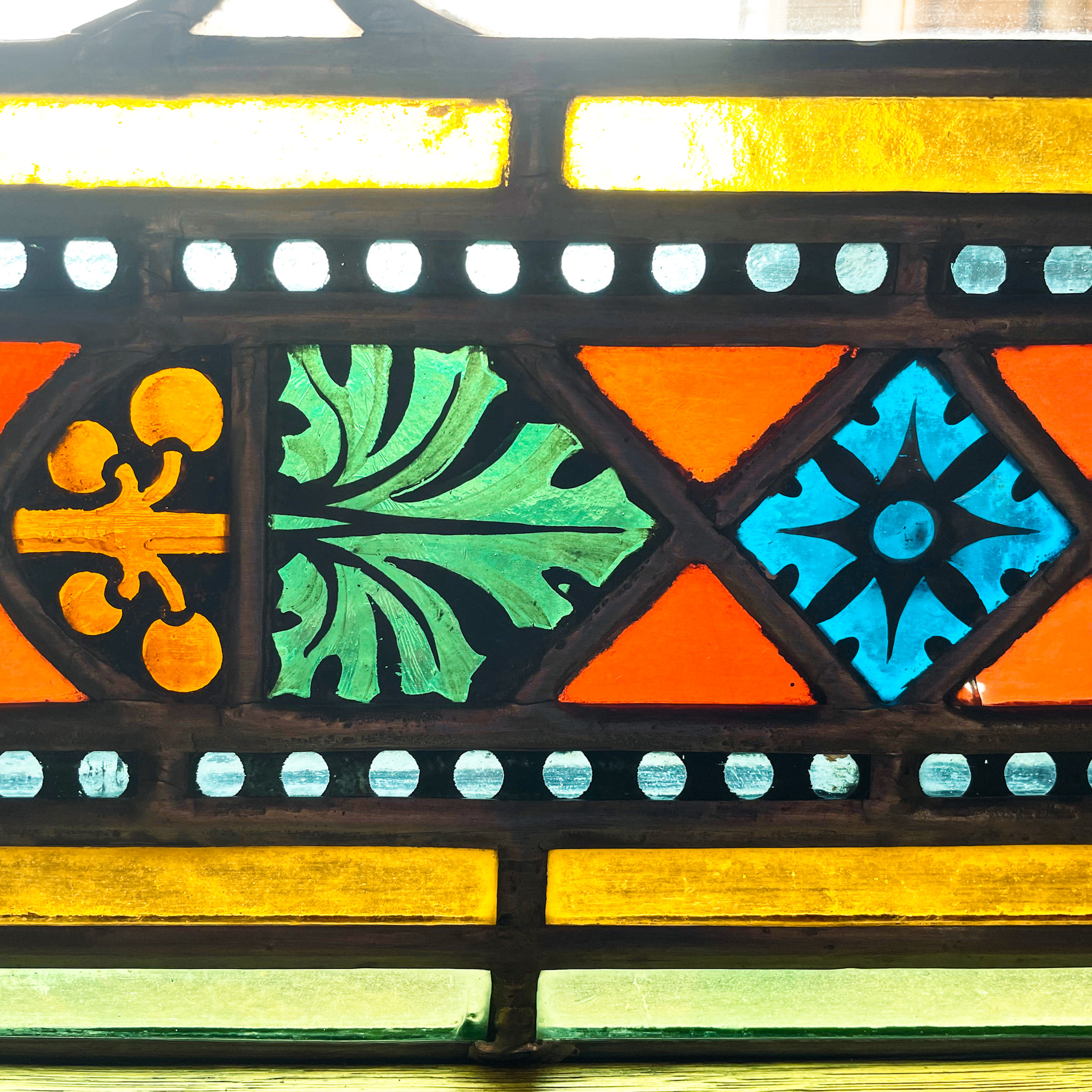
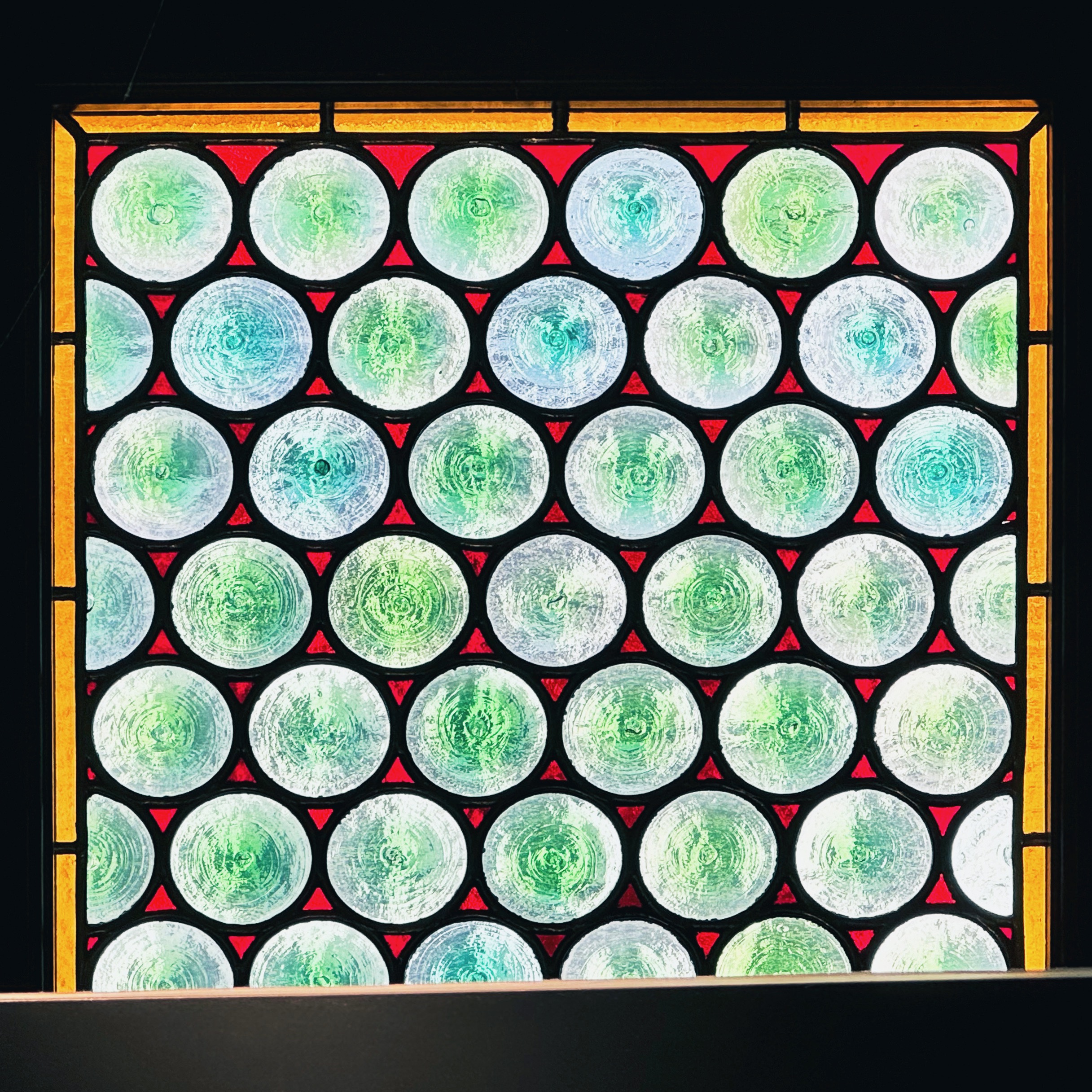
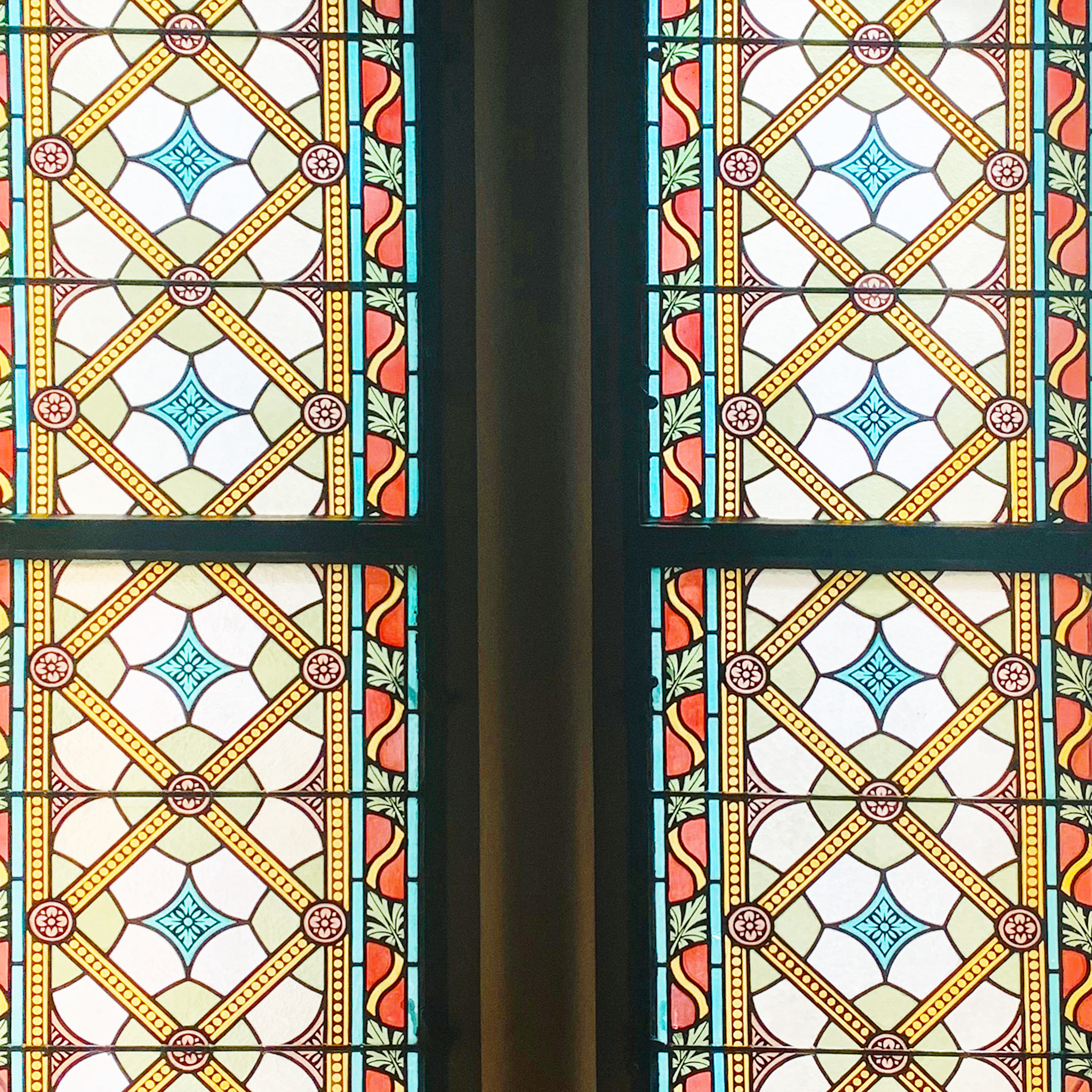
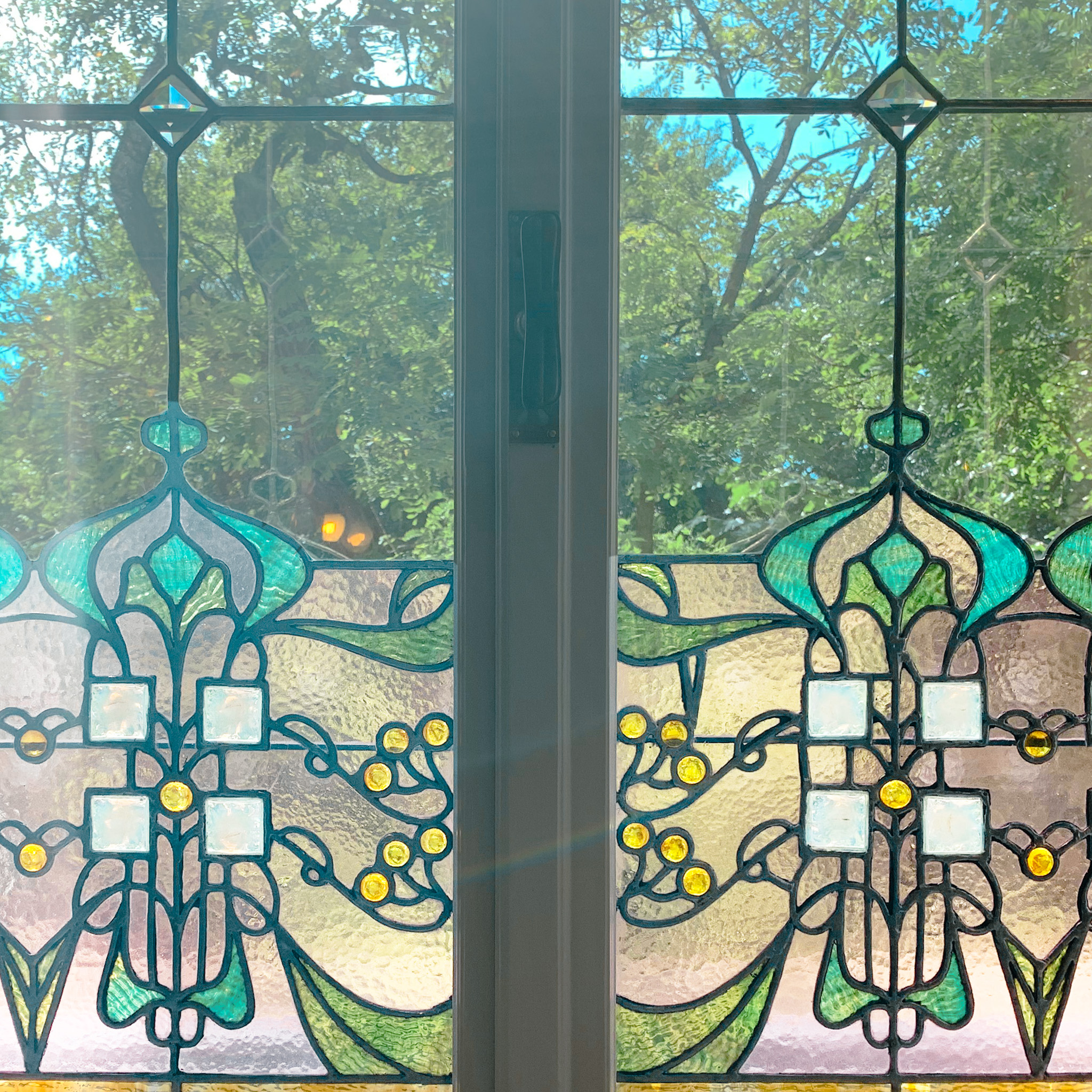
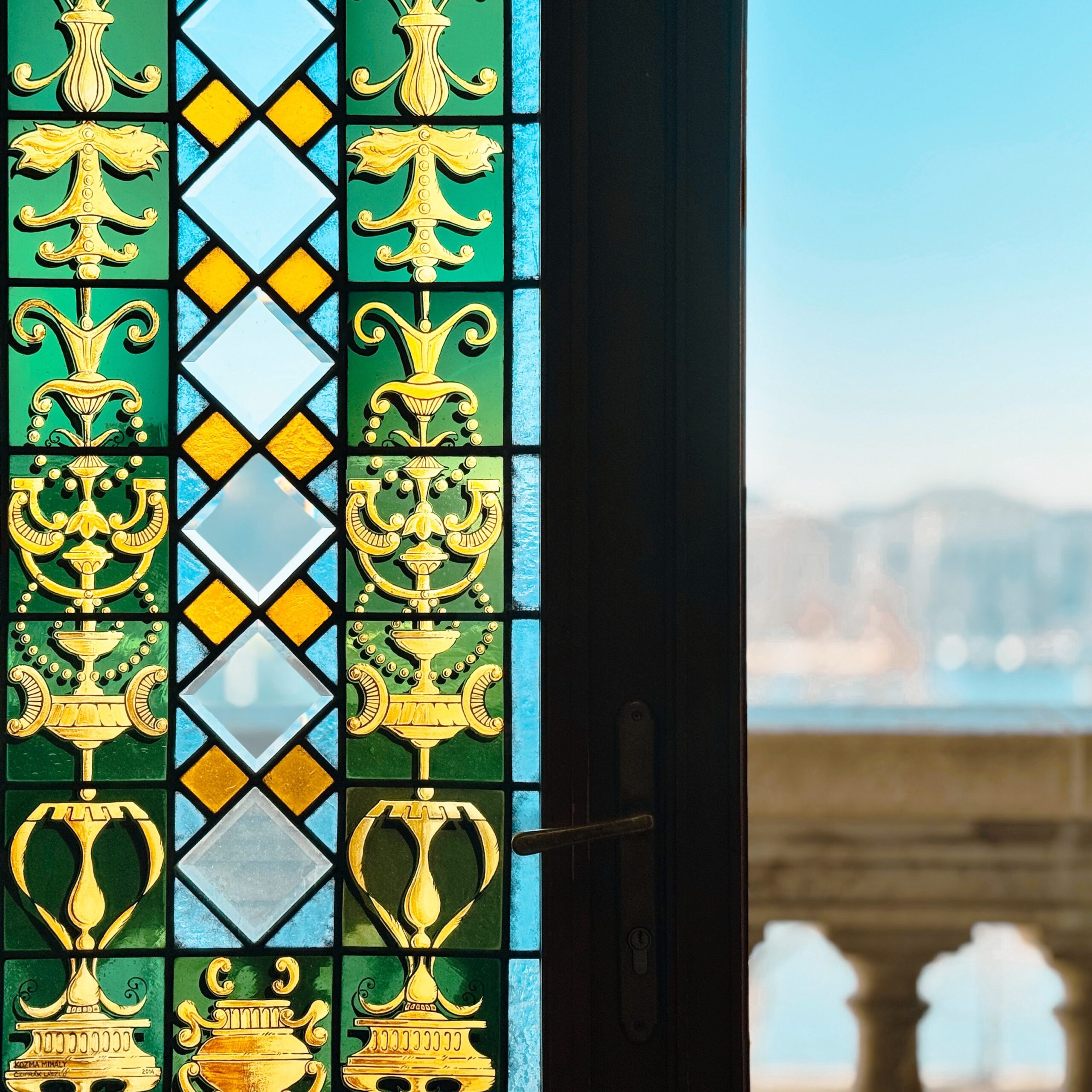
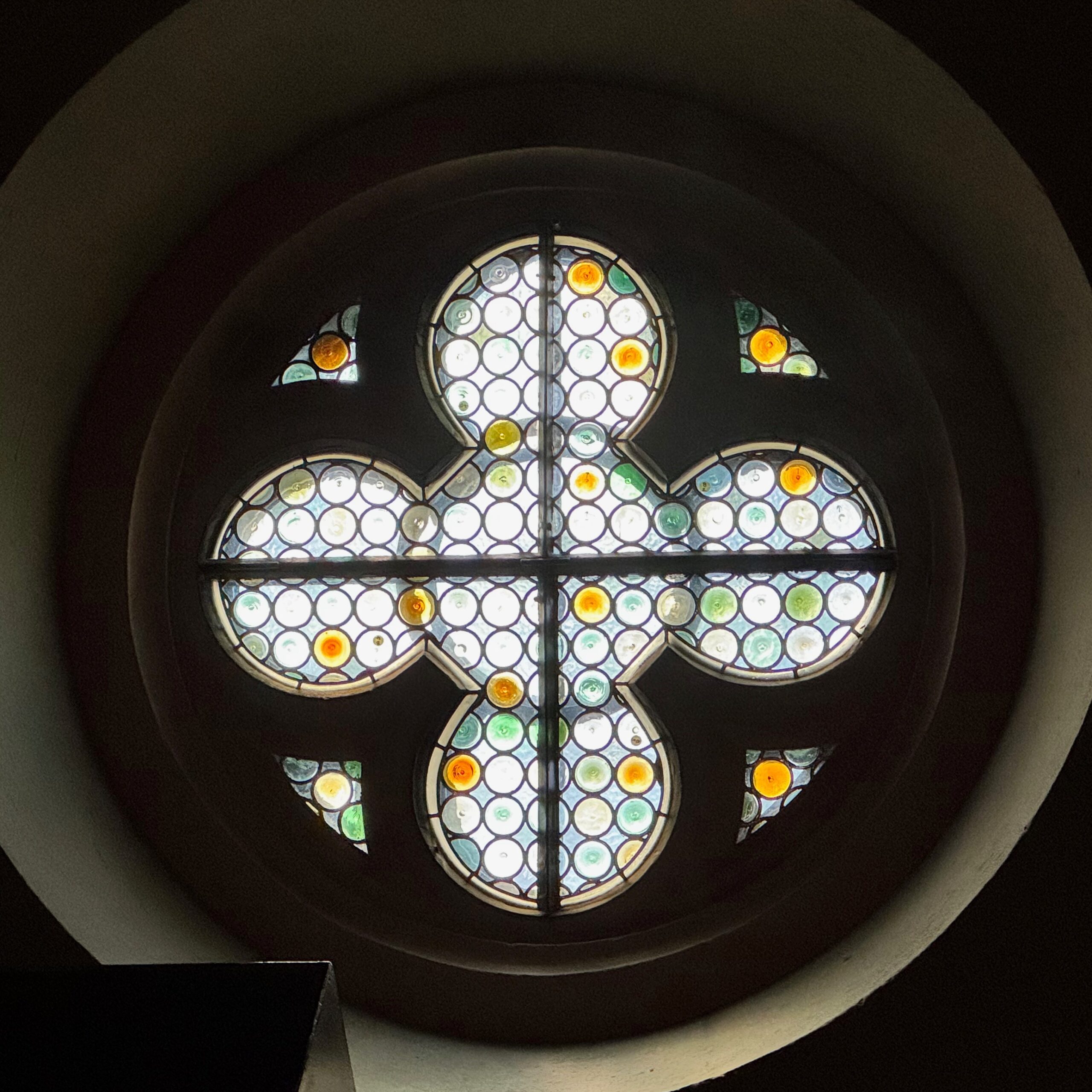
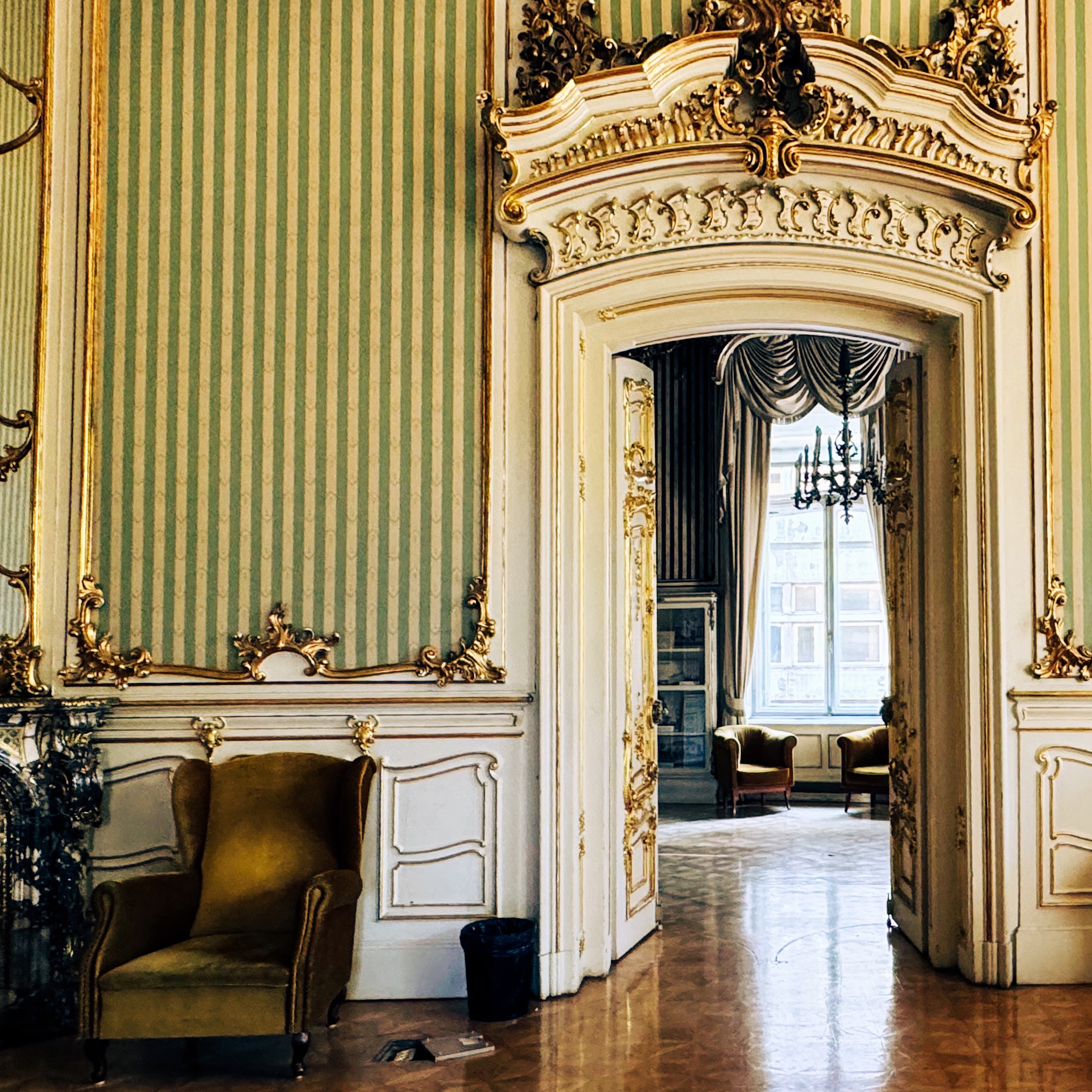
Budapest is world-famous for its grand architecture and historic cafés, but some of its most beautiful Art Nouveau treasures are much more intimate. Tucked away on a quiet street in the 7th district, the Róth Miksa Memorial House is one of those rare places that feels like a personal discovery rather than a tourist attraction.

This small museum offers a different way of experiencing Budapest: through colour, light, and craftsmanship — the very elements that define the city’s Art Nouveau heritage.

Who was Róth Miksa?

Róth Miksa was one of Hungary’s most important masters of stained glass and mosaic art at the turn of the 19th and 20th centuries. His works can still be admired across Budapest, decorating churches, public buildings, and elegant private interiors.

What makes this museum especially meaningful is that it was once his home and workshop. Visiting it feels less like walking through an exhibition and more like stepping into the personal world of an artist whose creations quietly shaped the city’s visual identity.

Many of the themes and techniques you see here reappear throughout Budapest — once you notice them, you start spotting Art Nouveau details everywhere.

What makes this museum so special?

The Róth Miksa Memorial House is small, but rich in atmosphere. Original stained glass windows fill the rooms with soft, colourful light, while mosaics and decorative details reveal the incredible level of craftsmanship behind each piece.

Unlike larger museums, this is a calm and immersive experience. You’re not rushing from room to room — instead, you’re invited to slow down and really observe. It’s one of those places where even visitors who don’t usually enjoy museums find themselves lingering.

If you’re interested in Art Nouveau architecture, design, or photography, this museum offers endless inspiration in a very compact space.

Why I recommend it as a local guide

As a Budapest-based guide, I often look for places that help visitors understand the city’s layers, not just see its highlights. This museum does exactly that.

It’s:

  • ideal on a cold, rainy, or winter day

  • perfect for travellers who appreciate beauty without crowds

  • easy to combine with a café stop or a relaxed walk

  • a wonderful introduction to Budapest’s Art Nouveau world

A visit usually takes 30–45 minutes, but what you learn here adds depth to everything you see afterwards — especially when exploring other Art Nouveau buildings around the city.

This is why stops like this naturally fit into my Art Nouveau-focused walks. That’s where details, stories, and connections bring the architecture to life.

Practical tips for visiting

  • Location: District VII, close to the city centre

  • Visit length: Around 30–45 minutes

  • Best for: Art Nouveau lovers, photographers, couples, curious travellers

  • Good to know: The museum is small and intimate with limited opening hours — part of its charm

If you enjoy discovering places that feel authentic rather than crowded, this museum is a wonderful addition to your Budapest itinerary.

Seeing Budapest through Art Nouveau details

The Róth Miksa Memorial House is proof that some of Budapest’s most memorable experiences happen behind unassuming doors. It’s quiet, refined, and deeply connected to the city’s artistic heritage.

For visitors who want more than just the main sights, exploring Budapest through its Art Nouveau details offers a completely different perspective on the city. Stained glass, mosaics, façades, and hidden interiors reveal a quieter, more refined side of Budapest.

If this way of discovering Budapest speaks to you, feel free to explore my guided walks or get in touch — I’m always happy to help you experience the city beyond the obvious.

Sometimes, the most beautiful stories in Budapest are told through glass, light, and quiet craftsmanship.

Róth Miksa Memorial House – A Hidden Art Nouveau Gem in Budapest

Budapest is a city that dazzles with its architectural wonders, and among its many treasures, stained glass windows stand out as one of its most beautiful and intricate forms of artistry. These stunning windows can be found throughout the city, each piece telling a unique story through its vibrant colors and delicate designs. The tradition of stained glass in Budapest dates back centuries, and it continues to be a significant part of the city’s architectural heritage.

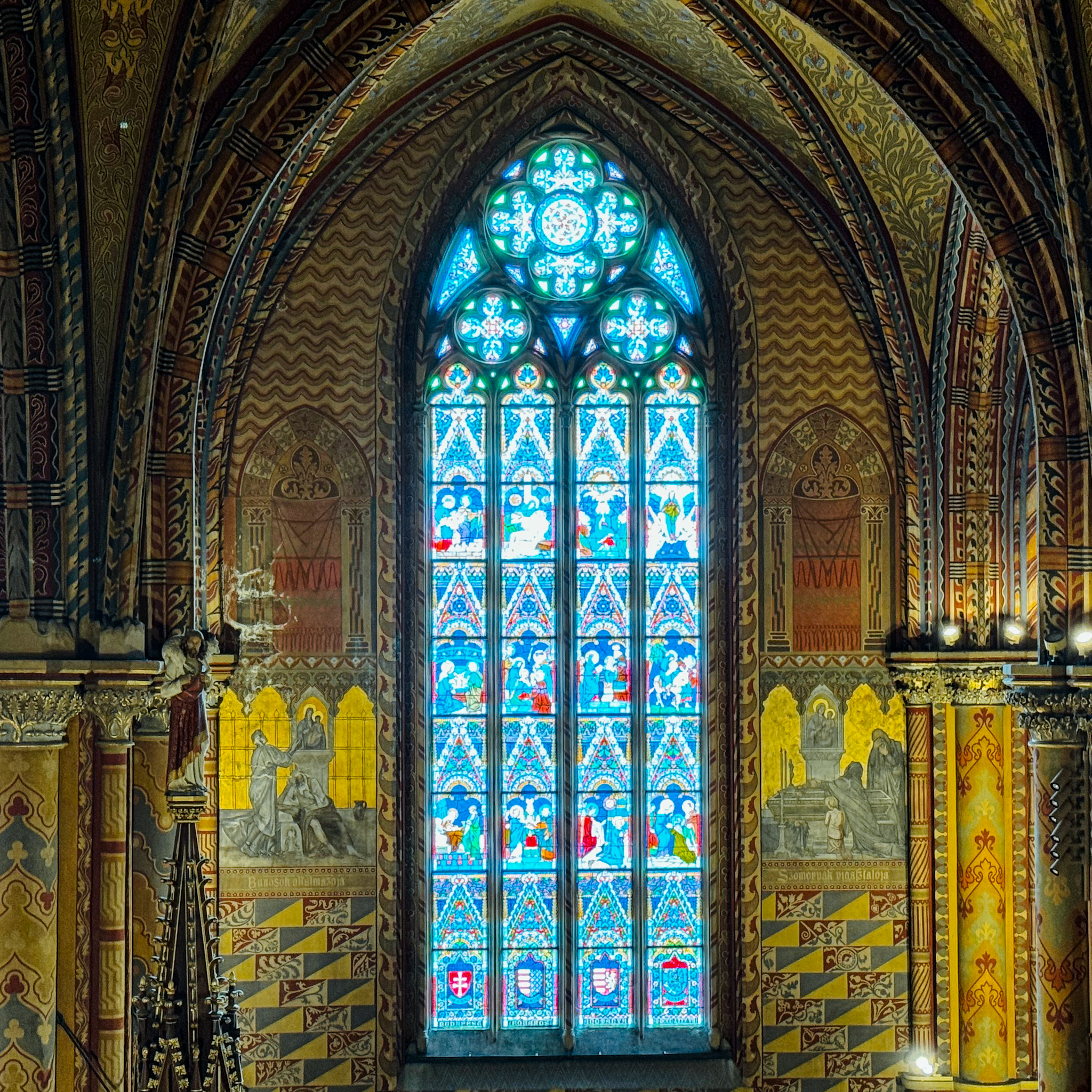
One of the best places to appreciate stained glass in Budapest is the majestic Matthias Church. Inside, visitors can marvel at the intricate stained glass windows that depict biblical scenes and saints, all crafted with painstaking detail. The rich colours and light filtering through the glass create a serene atmosphere that enhances the spiritual experience.

Another iconic location to view stained glass is the Hungarian Parliament Building. Here, you’ll find windows that showcase both historical and symbolic themes, blending art with national identity. The craftsmanship of these windows is a testament to the skilled artisans who worked tirelessly to bring these designs to life.

Beyond religious and governmental buildings, stained glass can be found in many of Budapest’s Art Nouveau and eclectic-style buildings. The early 20th century saw a boom in decorative glasswork, with many structures featuring stunning, nature-inspired motifs and modernist designs. These windows not only enhance the beauty of the buildings but also give a glimpse into the cultural and artistic movements of the time. ne of my favourite spots in Budapest is the Róth Miksa Museum, highly recommended for those interested in stunning stained glass art and the city’s history.

For those interested in learning more about this unique art form, the Hungarian National Museum offers exhibitions that explore the history of stained glass in Budapest and Hungary.

Stained glass in Budapest is more than just a decorative feature—it’s a reflection of the city’s rich history, culture, and artistry. Whether in a grand cathedral, a synagogue or a hidden corner of a historic building, these windows offer a glimpse into the soul of the city. So, next time you’re wandering through Budapest, take a moment to look up and appreciate the vibrant world of stained glass that tells a story centuries in the making or join me for a tour to discover more!

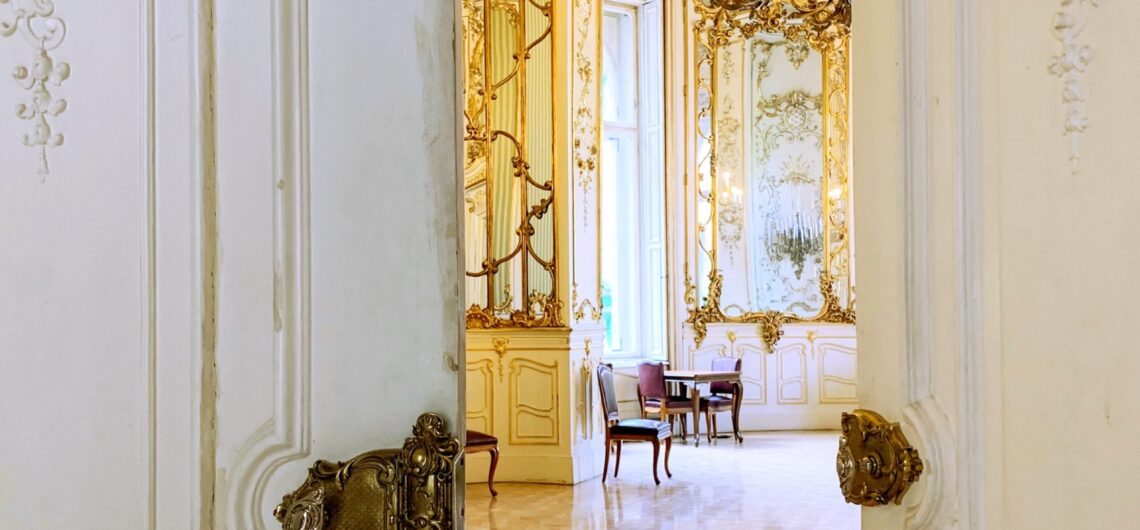
The Wenckheim Palace Budapest story begins quietly—behind heavy doors, beneath chandeliers, and far from the noise of the city outside.

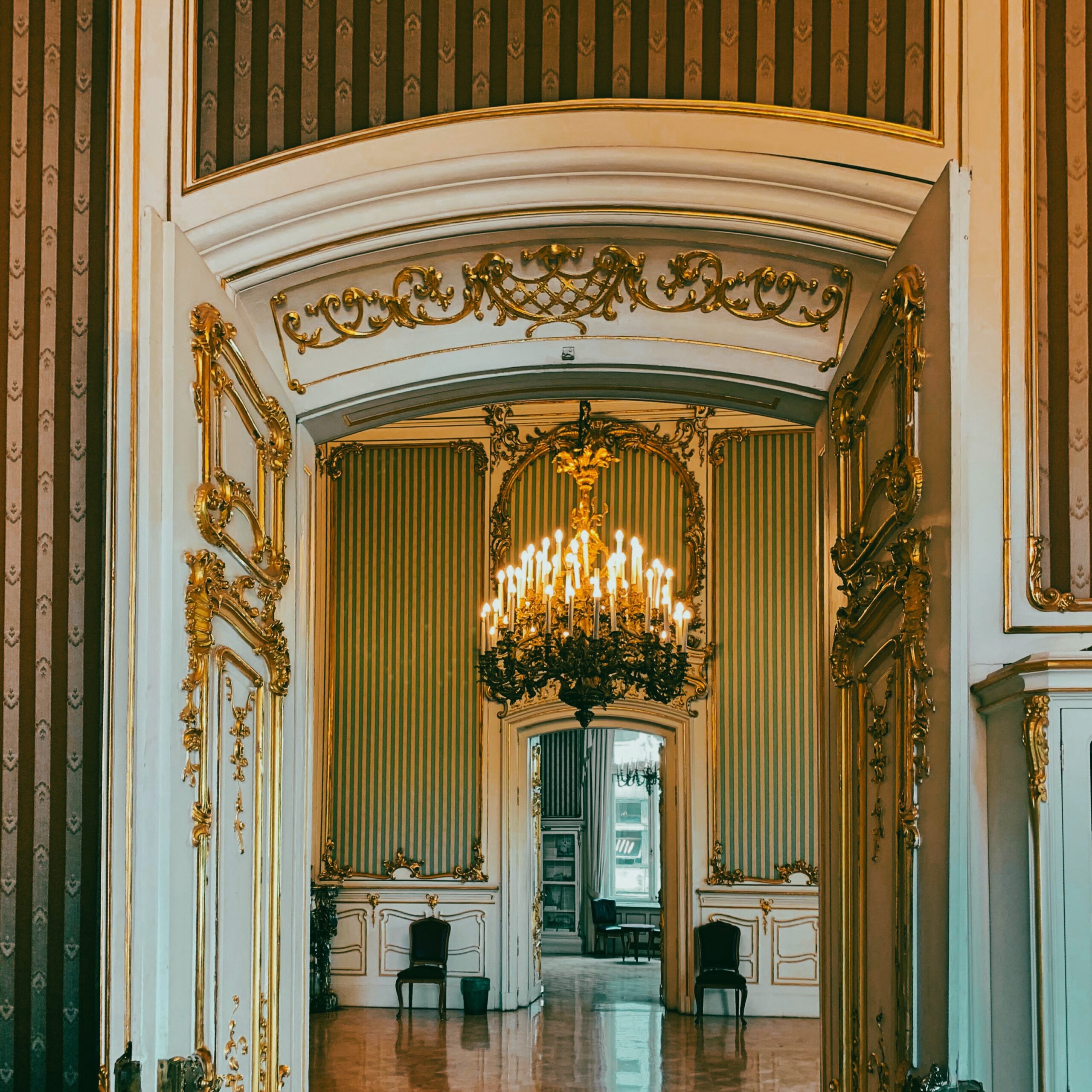
Some buildings in Budapest impress from the outside. Others reveal themselves slowly, once you step inside and let the silence, the light, and the details do the talking. Wenckheim Palace belongs firmly to the second category—a true jewel box hidden in the Palace Quarter.

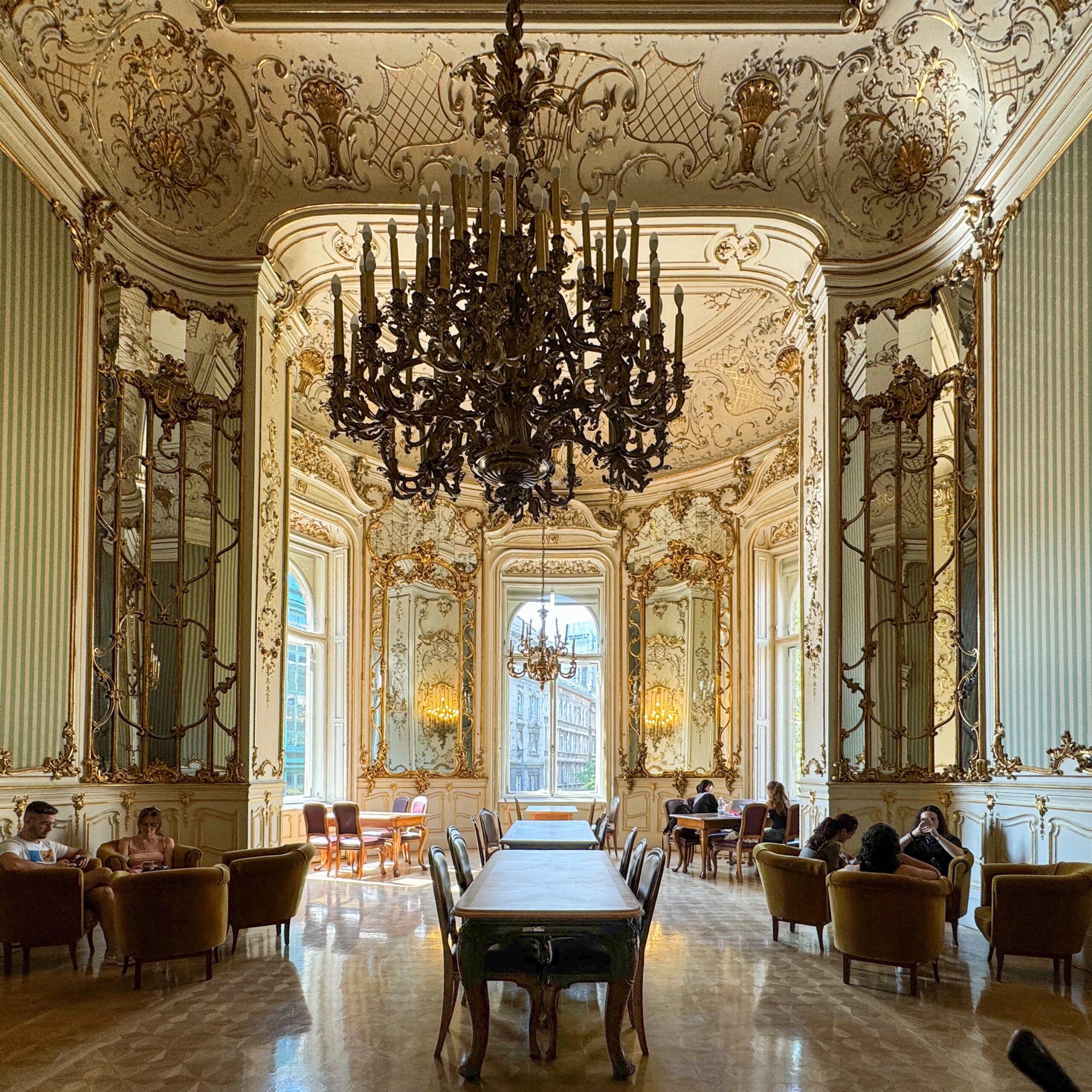
Built in 1889, the palace was commissioned by Count Frigyes Wenckheim and his wife, Krisztina Wenckheim (yes, they were first cousins), and designed by architect Artúr Meinig. Behind its Neo-Baroque façade, the interiors unfold in an elegant Louis XV style, rich with gilded details, carved woodwork, and soft symmetry. Count Wenckheim was a wealthy landowner and a Member of Parliament, and his Budapest residence quickly became one of the most admired palaces of the 8th district.

At the heart of the building lies the grand ballroom—ornate, luminous, and surprisingly vast. It could easily host up to 500 guests, and it almost certainly did. The Wenckheim family was known for their magnificent receptions and glittering balls, attended by the elite of the era, including Franz Joseph, Emperor of Austria and King of Hungary. One can still imagine the music, the movement, and the carefully choreographed elegance of late-19th-century high society lingering in the space.

But the Wenckheim Palace story in Budapest is not only one of architecture and aristocratic glamour—it is also rich in drama. The family’s history was so full of passion, scandal, and unexpected turns that it inspired Jókai Mór, one of Hungary’s greatest novelists. Elements of the Wenckheim legacy found their way into his famous novel A Hungarian Nabob, blurring the line between literature and real life in a way that feels quintessentially Budapest.

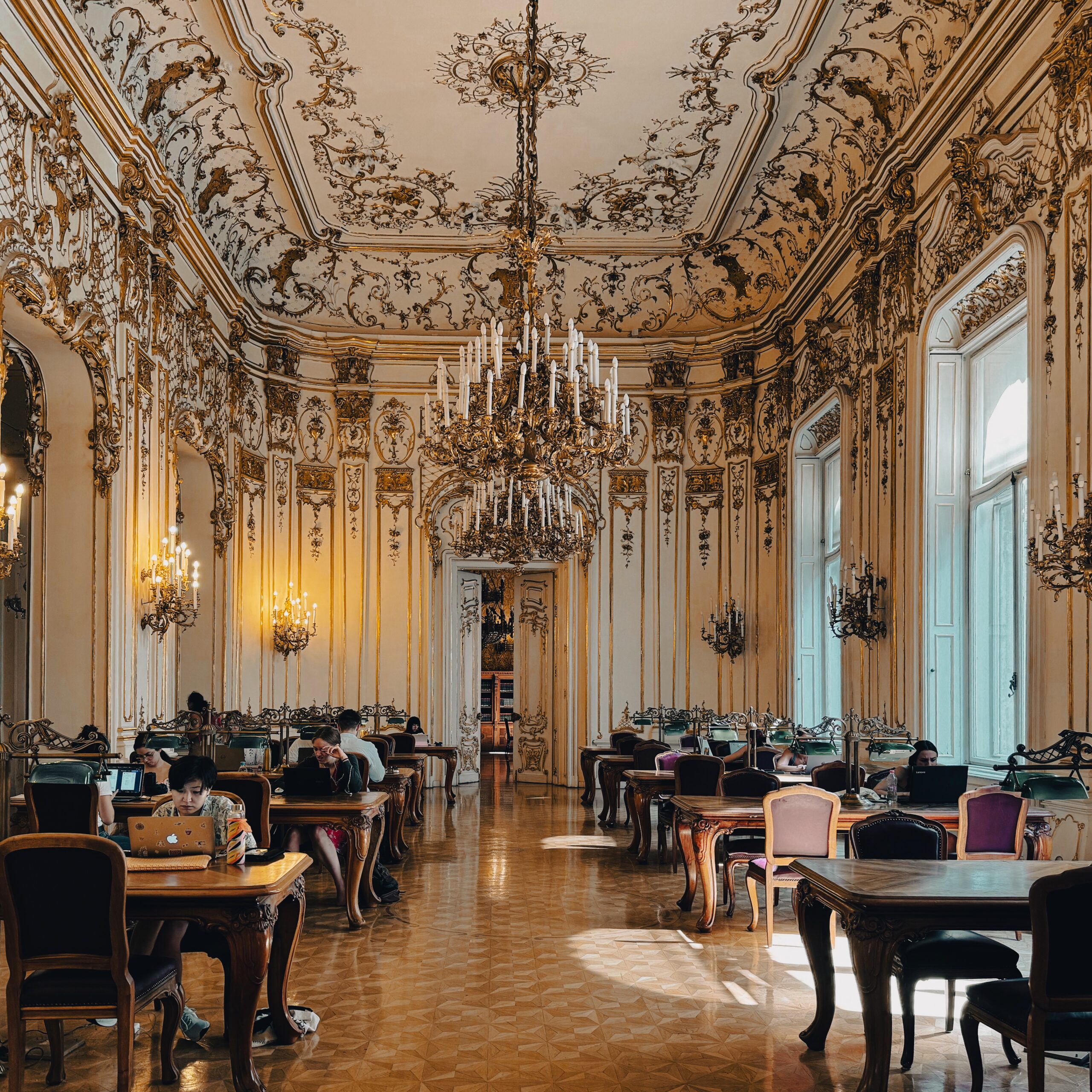
After Count Wenckheim’s death in 1912, the palace gradually lost its private function and was sold to the city in 1927. A new chapter began in 1931, when it became the central building of the Budapest Metropolitan Library. Since then, the palace has lived a wonderfully dual life: a former aristocratic residence where chandeliers now shine over reading desks, and quiet concentration has replaced the sound of orchestras.

Today, students, researchers, and curious visitors move through the same halls that once hosted lavish balls. The contrast is part of the magic—and perhaps the reason filmmakers are so drawn to the building. Wenckheim Palace has appeared in international productions such as Red Sparrow, The Alienist, Spy, and The Phantom of the Opera.

Wenckheim Palace is one of those places where Budapest’s layers come together effortlessly—aristocratic ambition, literary echoes, everyday life, and cinematic allure, all under one roof. It’s not just a building you visit; it’s a story you quietly step into.

If you’re planning your visit and wondering how to include Wenckheim Palace in your itinerary, you may find my Must-See guide to Wenckheim Palace useful. If you’d like to experience Wenckheim Palace as part of a personalised Budapest walk, I’m always happy to weave it into a tour—because places like this are best discovered through their stories.

Tucked away in the heart of the Jewish Quarter of Budapest, the recently renovated Rumbach Street Synagogue is one of the city’s most striking and meaningful landmarks. Together with the Dohány Street and Kazinczy Street synagogues, it forms the famous synagogue triangle — a unique concentration of Jewish heritage within just a few streets.

After decades of neglect, Rumbach has finally reclaimed its place as one of Budapest’s architectural and cultural treasures.

A masterpiece by Otto Wagner

The synagogue was designed by the renowned Austrian architect Otto Wagner and built in the early 1870s. At the time, Wagner was already known for pushing architectural boundaries, and Rumbach is a perfect example of his bold vision.

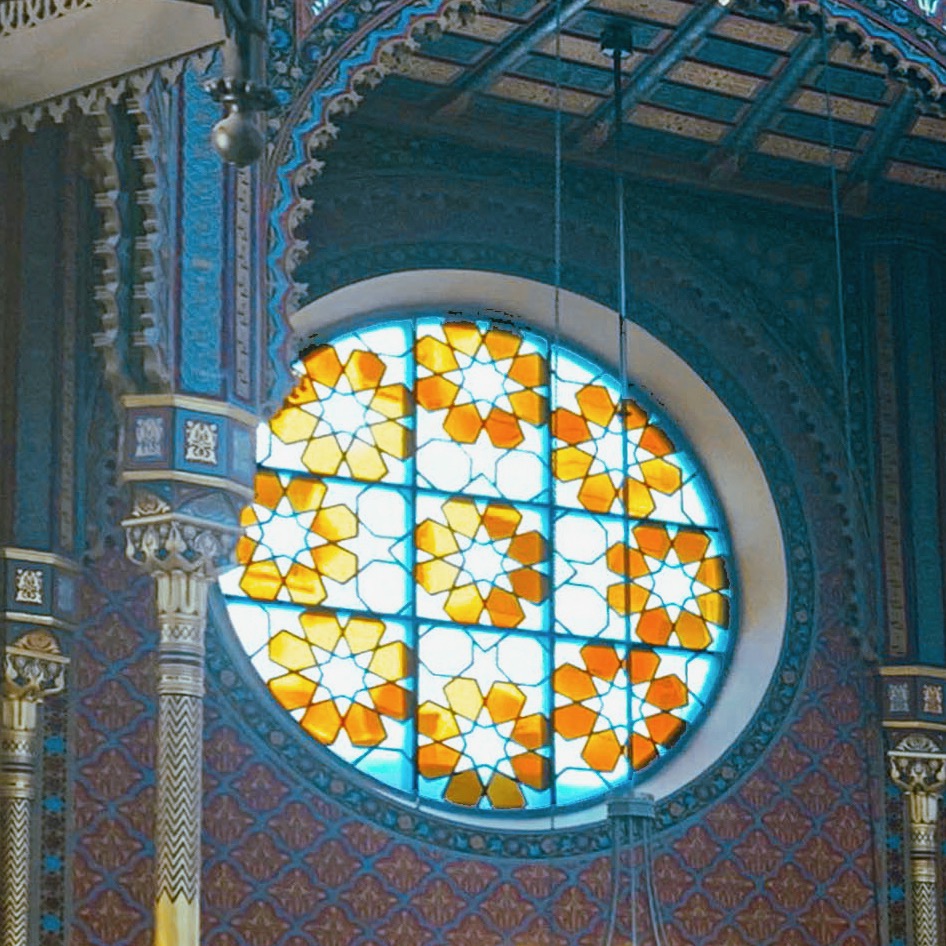
The building follows the Moorish Revival style, instantly recognisable through its vibrant colours, geometric patterns, and richly decorated details. Inside, shades of red, blue, purple, and gold create an almost otherworldly atmosphere. The craftsmanship is extraordinary, and every corner invites you to stop and look closer.

One of the synagogue’s most distinctive features is its octagonal interior, with eight equal sides. This unusual design was inspired by the Dome of the Rock in Jerusalem, giving the space both architectural balance and symbolic depth.

From thriving community to silence

Before the Second World War, Rumbach Street Synagogue served a smaller local Jewish community. Like so many Jewish institutions in Hungary, its story was tragically interrupted by the Holocaust. Most members of the congregation were murdered, and after the war the building lost its original function.

For decades, the synagogue stood abandoned and deteriorating — a silent witness to the destruction of a once-vibrant community. Its slow decay mirrored the painful absence left behind in the neighbourhood.

A long-awaited rebirth

After many years of planning and careful restoration, Rumbach Street Synagogue finally reopened in 2021. The renovation respected the original design while giving the building a new role as a cultural and historical space.

Today, it is once again open to the public — not only as a synagogue, but also as a venue for exhibitions, concerts, and remembrance. Walking inside feels both uplifting and deeply moving: beauty and loss exist side by side here.

Visiting Rumbach Street Synagogue

The synagogue can be visited, but it’s important to know that opening hours are very limited and irregular. Unlike larger attractions, Rumbach is not always open to visitors, and access often depends on events, services, or guided visits.

If you’re planning a trip to Budapest and would like to include Rumbach Street Synagogue in your itinerary, I strongly recommend contacting me in advance. I’m happy to check whether the synagogue will be open during your stay and advise on the best way to visit.

Rumbach and the Jewish Quarter Walk

Rumbach Street Synagogue is an essential stop — or at least a key reference point — on my Jewish Quarter walk, where we explore not only the major synagogues but also the stories of everyday life, survival, and renewal in this historic neighbourhood.

Seeing Rumbach in context, surrounded by former Jewish homes, courtyards, and memorials, adds layers of meaning that go far beyond architecture alone.

If you’re interested in discovering the Jewish Quarter with a licensed private guide, at a relaxed pace and with personal stories woven into the walk, this tour might be a perfect fit for you.

A place that stays with you

Rumbach Street Synagogue is not just beautiful — it’s unforgettable. Its colours, its silence, and its history linger long after you leave. Whether you’re interested in architecture, Jewish heritage, or Budapest’s complex past, this is a place that truly deserves a spot on your list.

If you’d like help planning your visit or booking a Jewish Quarter walk, feel free to get in touch — I’ll be happy to help you make the most of your time in Budapest.

Shortly after the Hungarian State Opera House in Budapest reopened following several years of renovation, I finally had the chance to step inside again — and it was every bit as breathtaking as I had hoped.

I’ve always found the building overwhelming in the best possible way, and the renovation has only enhanced that feeling. The interior is simply magnificent. The colours are rich and harmonious, the decorative details are astonishing, and the Neo-Renaissance ornamentation feels as vibrant and alive as it must have been in the late 19th century.

Walking through the Opera House truly feels like time travel. The atmosphere, the soft lighting, even the familiar scents of the historic interior all contribute to the sensation of stepping back into the golden age of Budapest. Nothing feels over-restored or artificial — instead, the building feels carefully revived, respectful of its original spirit.

A masterpiece reborn

Designed by Miklós Ybl and opened in 1884, the Opera House has always been one of Budapest’s architectural crown jewels. The recent renovation has allowed visitors to experience Ybl’s vision with renewed clarity, revealing details that had faded or disappeared over time.

From the grand staircase to the richly decorated auditorium, every space invites you to slow down and look closer.

How to visit the Opera House

There are several wonderful ways to experience the Hungarian State Opera House:

  • Attend an evening performance – the most immersive option, combining architecture and music

  • Join a guided interior visit, which offers insight into both the building and its history

  • Private visits, which can be incorporated into a customised itinerary

The Opera House can easily be included in a walking or driving tour, especially when exploring Andrássy Avenue and the surrounding area.

If you’re interested in visiting the Opera House during your stay, feel free to contact me — I’m happy to help plan the visit and include it seamlessly in your Budapest itinerary.

An essential experience in Budapest

The renovated State Opera House is not just something to see — it’s something to feel. Elegant, atmospheric, and deeply connected to Budapest’s cultural identity, it remains one of the city’s most unforgettable interiors.

Whether you visit for a performance or simply to admire the architecture, this is a place that stays with you long after you leave.

The György Ráth Villa Museum is one of Budapest’s most inspiring small museums, especially for visitors interested in Art Nouveau, interior design, and applied arts. I once brought a group of interior design students from the United States here as part of a private Art Nouveau walking tour, and the villa turned out to be one of the highlights of their visit.

The former home of György Ráth — first director general of the Museum of Applied Arts — feels less like a traditional museum and more like a carefully preserved private residence. The exhibition showcases around 600 pieces representing all branches of applied arts, including:

  • furniture

  • jewellery

  • Zsolnay ceramics

  • Tiffany glassware

  • paintings and sculptures

The collection beautifully illustrates the international influences present in Hungarian Art Nouveau at the turn of the 20th century. British, Austrian, and French styles appear alongside Oriental influences and Transylvanian roots, creating a uniquely Hungarian artistic language.

Practical information – György Ráth Villa museum

The museum is open Tuesday to Sunday, from 10:00 AM to 6:00 PM, and can easily be combined with a walk through City Park or nearby Art Nouveau sites.

I often recommend the György Ráth Villa as an extra stop on custom Budapest walking tours, especially for art lovers, designers, and travellers interested in architecture and interiors.


There are a few buildings in Budapest that I genuinely love, and Mai Manó House is definitely one of them. Located just a short walk from Andrássy Avenue, this elegant and slightly whimsical building is full of small details — the kind that reward those who slow down and really look.

We often pass by it while exploring the Pest side of the city, and every time, it feels like discovering it all over again.

A house built for a photographer

Mai Manó House was designed in the 1890s for Mai Manó, the court photographer of Emperor Franz Joseph. As one of the most respected photographers of his time, Mai Manó made sure his profession was proudly reflected in the building itself.

Look closely at the façade and you’ll notice charming details: small angels holding cameras, allegorical figures representing the muses of photography, and richly coloured ceramic tiles that give the building its unique character. The architectural style is Neo-Renaissance, enhanced with floral and animal motifs that add warmth and playfulness to the design.

It’s a façade that doesn’t just decorate the street — it tells a story.

Inside the House of Hungarian Photography

Today, the building functions as the House of Hungarian Photography, hosting both permanent and temporary exhibitions. The exhibitions change regularly, making it a rewarding stop even for repeat visitors.

The interior is just as fascinating as the outside. Elegant staircases, decorative elements, and carefully restored spaces create a calm, inspiring atmosphere — the perfect setting for photography exhibitions that often reflect on history, identity, and contemporary visual culture.

Visiting Mai Manó House

Mai Manó House can be visited, but opening hours may vary depending on exhibitions and events. It’s not a large museum, which makes it ideal as a quiet cultural stop rather than a rushed sightseeing attraction.

It fits particularly well into:

  • Budapest Art Nouveau and turn-of-the-century walks

  • Photography- or art-focused itineraries

  • Customised private tours for visitors looking beyond the usual highlights

If you’d like to include Mai Manó House in your Budapest itinerary, I’m happy to advise on timing and how it can best be combined with nearby sights.

A hidden cultural gem

Mai Manó House may not be on every visitor’s list — and that’s exactly what makes it special. For those interested in architecture, photography, and the cultural layers of Budapest, it’s a place that quietly leaves a lasting impression.

If you enjoy discovering Budapest through its stories, details, and creative spaces, this is a stop well worth making.

Located in the elegant 6th district of Budapest, the Academy of Music is one of those buildings that truly deserves the label hidden gem. From the outside, it already impresses — but stepping inside feels like entering a finely crafted jewellery box.

Officially known as the Liszt Ferenc Academy of Music, the building serves both as a music university and a world-class concert hall. It opened its doors in 1907 and has been a cornerstone of Hungarian musical life ever since.

Architecture worth slowing down for

Architecturally, the Academy of Music is a fascinating blend. The dominant style is Art Nouveau, enriched with elements of Gothic and Classicism. The façade alone can keep you busy for several minutes: ornate details, symbolic figures, and rich decorative motifs appear everywhere you look.

Many visitors walk straight past the entrance without noticing the statue of Franz Liszt positioned above it — which is a pity, as Liszt’s presence here is far more than symbolic.

Liszt, Hungary’s most famous composer, founded the music academy in 1875 in his own home. The institution was later named after him in 1925, honouring his immense contribution to Hungarian and European musical culture.

Visiting the Academy of Music

The building can be visited, but access is limited.

  • There are guided tours available at certain times

  • Opening hours for visitors are restricted and subject to change

  • The Academy is still an active university and concert venue, so public access depends on rehearsals and events

If you’d like to include the Academy of Music in your Budapest itinerary, it’s best to plan ahead. I’m happy to check current visiting options and see whether a tour or concert visit fits into your stay.

The best way to experience it: a concert

While guided tours are fascinating, the most memorable way to experience the Academy of Music is undoubtedly attending a concert. Hearing live music in this acoustically perfect, richly decorated space is something truly special — architecture and music enhancing each other in the best possible way.

Concert programs range from classical masterpieces to contemporary performances, making this an excellent evening experience during a Budapest visit.

Part of an Art Nouveau or customised tour

The Academy of Music fits perfectly into a Budapest Art Nouveau walk, where we explore how this artistic movement shaped the city’s architecture at the turn of the 20th century.

It can also be included in:

  • Architecture-focused tours

  • Music and cultural heritage walks

  • Fully customised private itineraries, tailored to your interests and pace

If you enjoy discovering Budapest through its artistic and cultural layers — rather than ticking off landmarks — this stop adds real depth to your experience.

A cultural landmark not to miss

Whether you admire it from the outside, explore it on a guided visit, or attend a concert inside, the Academy of Music is one of Budapest’s true cultural treasures. Elegant, expressive, and deeply connected to Hungary’s musical soul, it’s a place that leaves a lasting impression.

If you’re planning a trip and would like help building an itinerary that includes the Academy of Music — along with Art Nouveau highlights or other specialty experiences — feel free to get in touch.

I’m a huge admirer of the Hungarian Art Nouveau movement, and I’m always proud to show travellers some of Budapest’s most beautiful Art Nouveau buildings. For me, the former home of György Ráth, the first director of the Museum of Applied Arts, is a true jewellery box — both the building itself and the artworks and furniture on display are absolutely unique.

Originally built as the Ráth family home, the villa today houses the permanent exhibition “Art Nouveau – A Hungarian Perspective.” Every room feels different, yet perfectly harmonious. The furniture, textiles, ceramics, and artworks were selected and arranged with such care that visiting the villa feels like stepping into the private world of a cultured, well-travelled family.

Walking through the rooms is an intimate experience — like visiting an elderly relative whose home is filled with authentic objects, each telling its own story. Nothing feels staged or distant; everything feels lived-in, warm, and deeply personal.

Tips for your Ráth György Villa Visit

When visiting the villa, don’t forget to take a walk along Városligeti fasor, one of Budapest’s most elegant avenues, lined with fascinating Art Nouveau villas. It’s the perfect continuation of the experience and an often-overlooked highlight of the City Park area.

If you’re fascinated by Art Nouveau, this villa is a beautiful stop to include in a custom Art Nouveau walking tour of Budapest.


If you’re walking along Andrássy Avenue, one of the most elegant boulevards of Budapest, you might notice a sphinx statue quietly guarding the entrance of the Hungarian State Opera House. At first glance, she looks familiar — mysterious, timeless, and watchful.

But take a closer look, and you’ll realise there’s something unusual about her.

This statue is part of my ongoing Statues of Budapest series, which focuses on both famous monuments and easily overlooked details hidden in plain sight.

Not a typical sphinx

Traditionally, a sphinx is depicted with the head of a woman and the body of a lion. The Budapest sphinx follows this classical form — almost.

If you stop and observe carefully, you’ll notice an unexpected detail: she has breasts, making her far more explicitly feminine than most sphinx representations. This subtle feature sets her apart and gives the statue a distinctive presence.

It’s one of those details many people walk past every day without noticing, yet once seen, it’s impossible to forget.

Why is she here?

The sphinx fits perfectly into the artistic world of the Opera House. She embodies mystery, guardianship, and elegance — qualities closely associated with music, performance, and the dramatic arts.

Placed at the entrance, she feels less like a decoration and more like a silent gatekeeper, watching over one of Budapest’s most important cultural institutions.

A reminder to look closer

The sphinx of Andrássy Avenue is a perfect example of why Budapest rewards attentive visitors. You don’t need grand monuments or dramatic viewpoints — sometimes, the most interesting stories are carved into details just above eye level.

All you have to do is stop, look up, and notice.

Explore more: The Sphinx statue is featured in my Statues of Budapest collection, where famous monuments and easily overlooked details reveal the deeper structure of the city.

Sphinx statue guarding the entrance of the Hungarian State Opera House on Andrássy Avenue