Set in the City Park of Budapest, the House of Hungarian Music is one of the city’s most exciting contemporary cultural spaces. Both the building and the exhibitions inside are designed to surprise, inspire, and invite visitors to experience music in a completely new way.

From the moment you approach it through the trees, it’s clear that this is not a traditional museum.

A futuristic landmark in the park

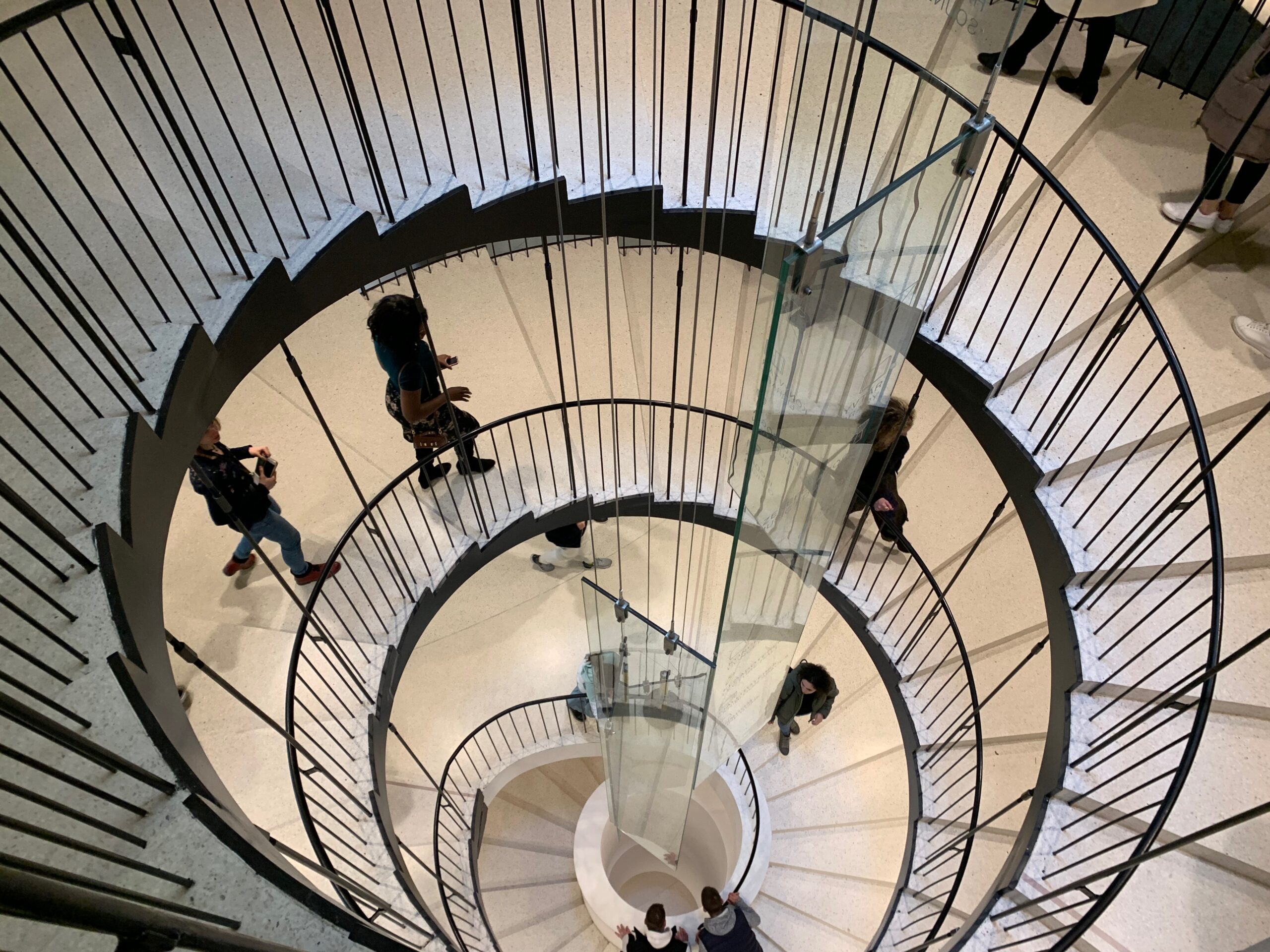
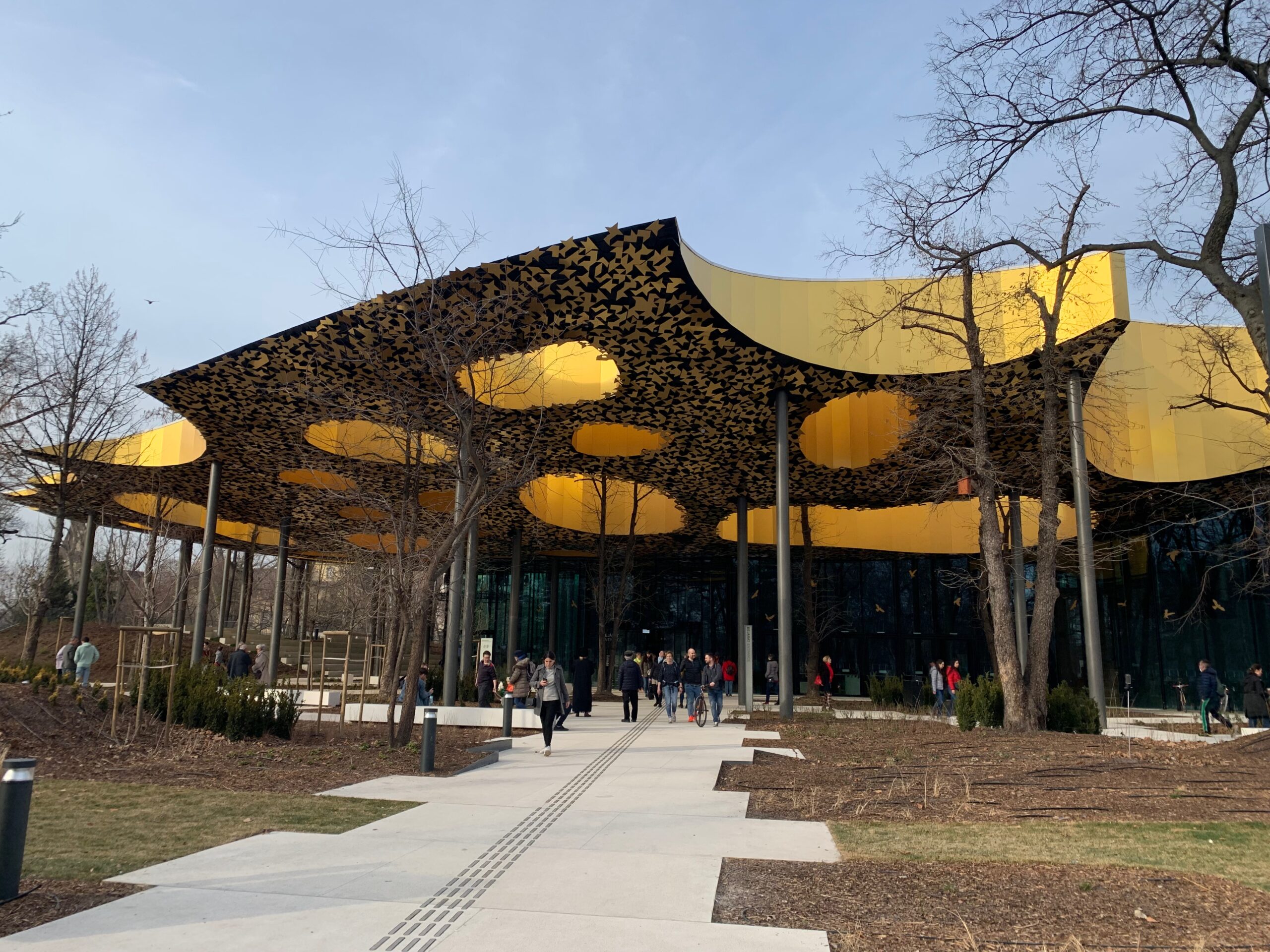
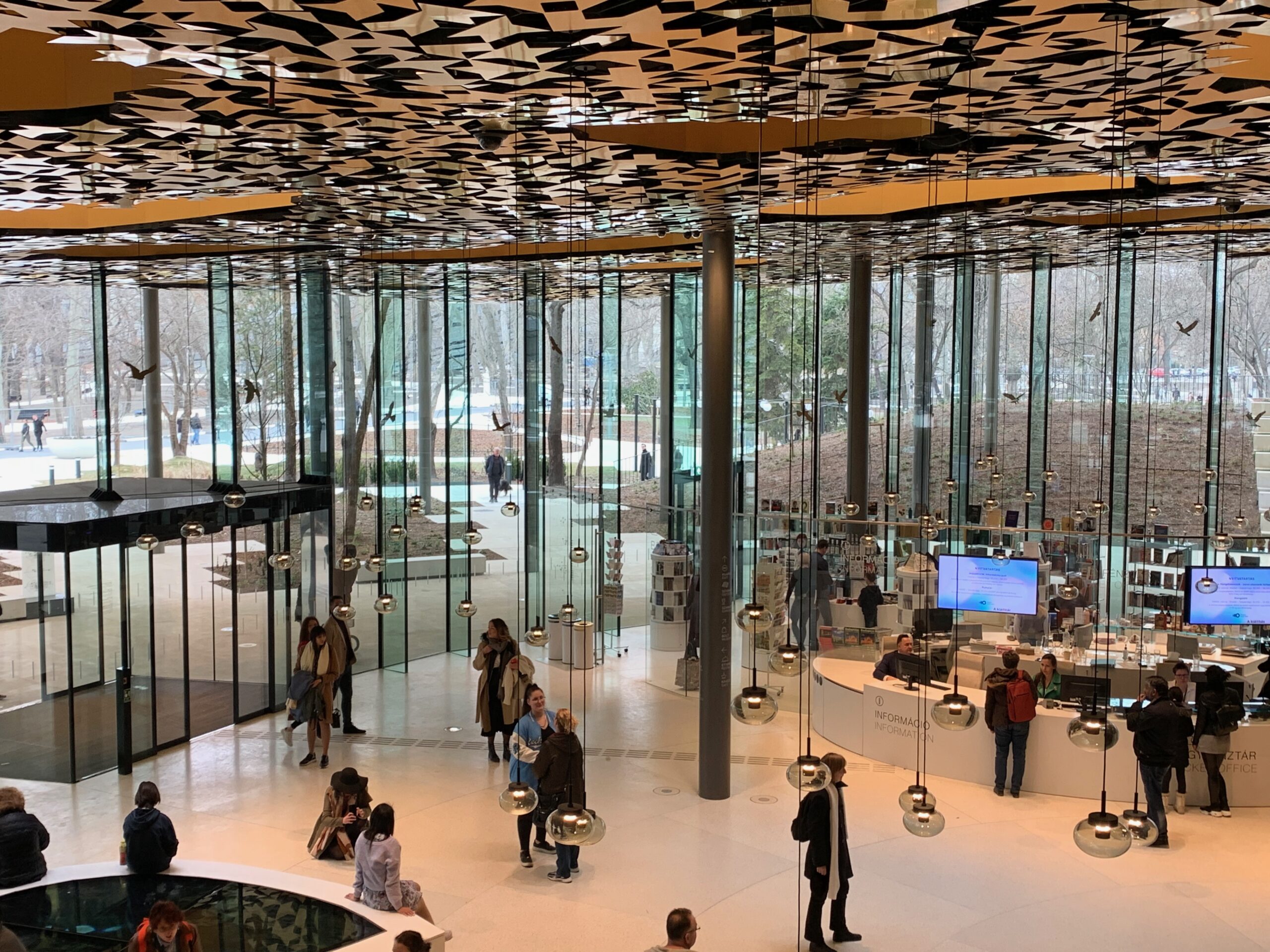
The building was designed by Japanese architect Sou Fujimoto, and its appearance is as bold as its concept. With its flowing forms and unusual silhouette, it almost feels like an ornate spaceship that has gently landed among the trees of City Park.

One of its most striking features is the series of 12-metre-high glass walls, which blur the boundary between inside and outside. Hundreds of golden, stylised leaf motifs decorate both the exterior and interior, creating the impression of a shimmering golden forest. On sunny days, the light reflects beautifully on each leaf, making the entire structure feel alive.

A building growing out of the park

What I love most about the House of Hungarian Music is how organic it feels. Despite its contemporary design, the building doesn’t dominate its surroundings — instead, it seems to grow out of the park itself.

The main architectural concept was to integrate the building into the natural environment of City Park, and this idea is present everywhere. The sweeping roofline echoes the movement of tree canopies, while the vast glass surfaces reflect the greenery around them. Trees, plants, and landscaped paths flow naturally around the structure, blurring the line between architecture and nature.

Even the everyday elements — paths, benches, and nearby walkways — feel intentionally woven into the setting. Walking around the building, it never feels isolated or imposing; rather, it becomes part of the park’s rhythm, changing character with the light, the seasons, and the movement of people around it.

This harmony between nature, movement, and music is what makes the House of Hungarian Music truly special — and it’s the detail that stays with me the longest.

An immersive musical experience

Inside, the museum invites visitors to experience music with all their senses.

One of the highlights is the Sound Dome, where a unique audio-visual show surrounds you with music and sound coming from all directions. As the layers gradually come together, the experience feels almost experimental — like witnessing a carefully crafted musical reaction unfolding in real time.

Beyond the dome, the permanent exhibition takes visitors on a journey through Hungarian music across different periods and styles. This is not a museum you rush through: interactive elements, listening stations, and thematic spaces easily keep visitors engaged for hours.

Music lovers should plan to spend 2–3 hours exploring the exhibitions and installations.

Visiting the House of Hungarian Music

The House of Hungarian Music can be visited independently, and guided visits are sometimes available. As it is a very popular attraction, opening hours and ticket availability can vary, especially during weekends or school holidays.

If you’d like to include it in your Budapest itinerary, I recommend planning ahead. I’m happy to advise on timing and how best to combine it with nearby sights in City Park.

Part of a customised Budapest itinerary

The House of Hungarian Music fits beautifully into:

  • Cultural and contemporary architecture tours

  • Music-focused itineraries

  • Customised private tours that combine historic Budapest with modern highlights

It also pairs well with other City Park landmarks, making it an easy and rewarding stop during a relaxed day in this part of the city.

A modern must-see in Budapest

Innovative, immersive, and visually striking, the House of Hungarian Music offers a fresh perspective on Hungary’s rich musical heritage. Whether you are deeply passionate about music or simply curious to experience something different, this museum is one of Budapest’s most memorable modern attractions.

If you’d like help planning a visit or building a personalised itinerary that includes the House of Hungarian Music, feel free to get in touch.
 

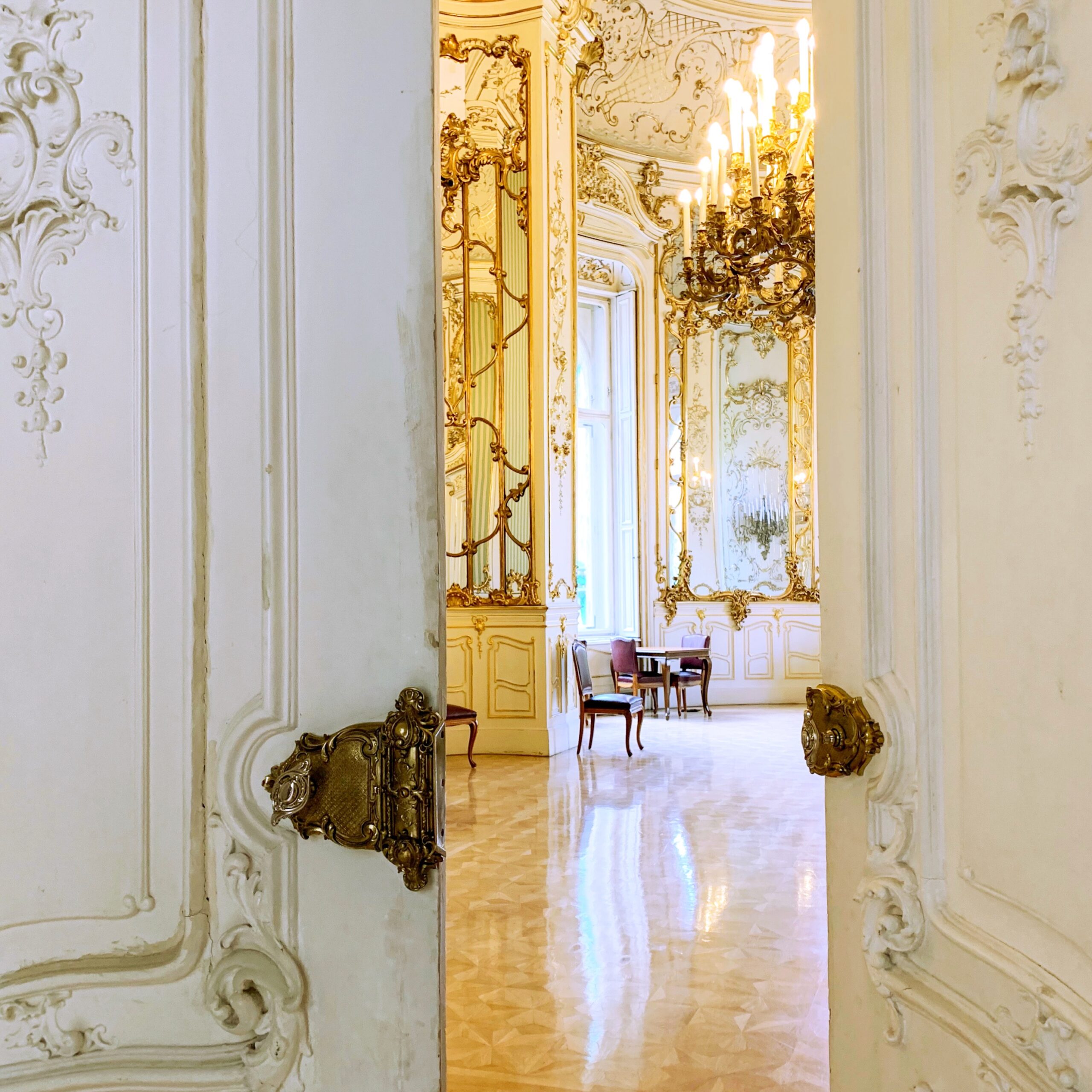
Located on the edge of Budapest’s elegant Palace Quarter, Wenckheim Palace is one of those places that often surprises visitors. Just steps away from busy streets, it offers a calm, richly decorated interior that feels worlds apart from the surrounding city—and that’s exactly what makes it so special.

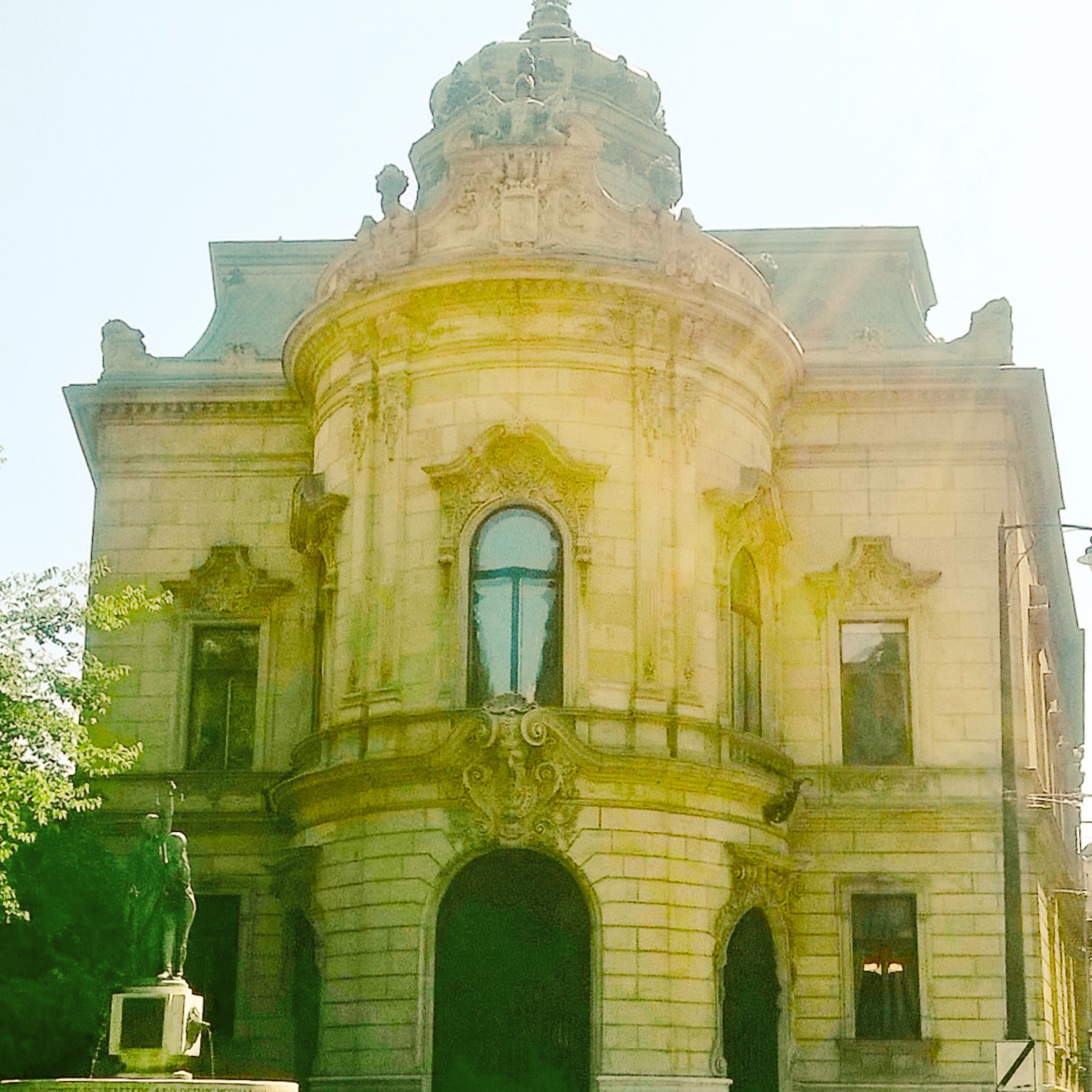
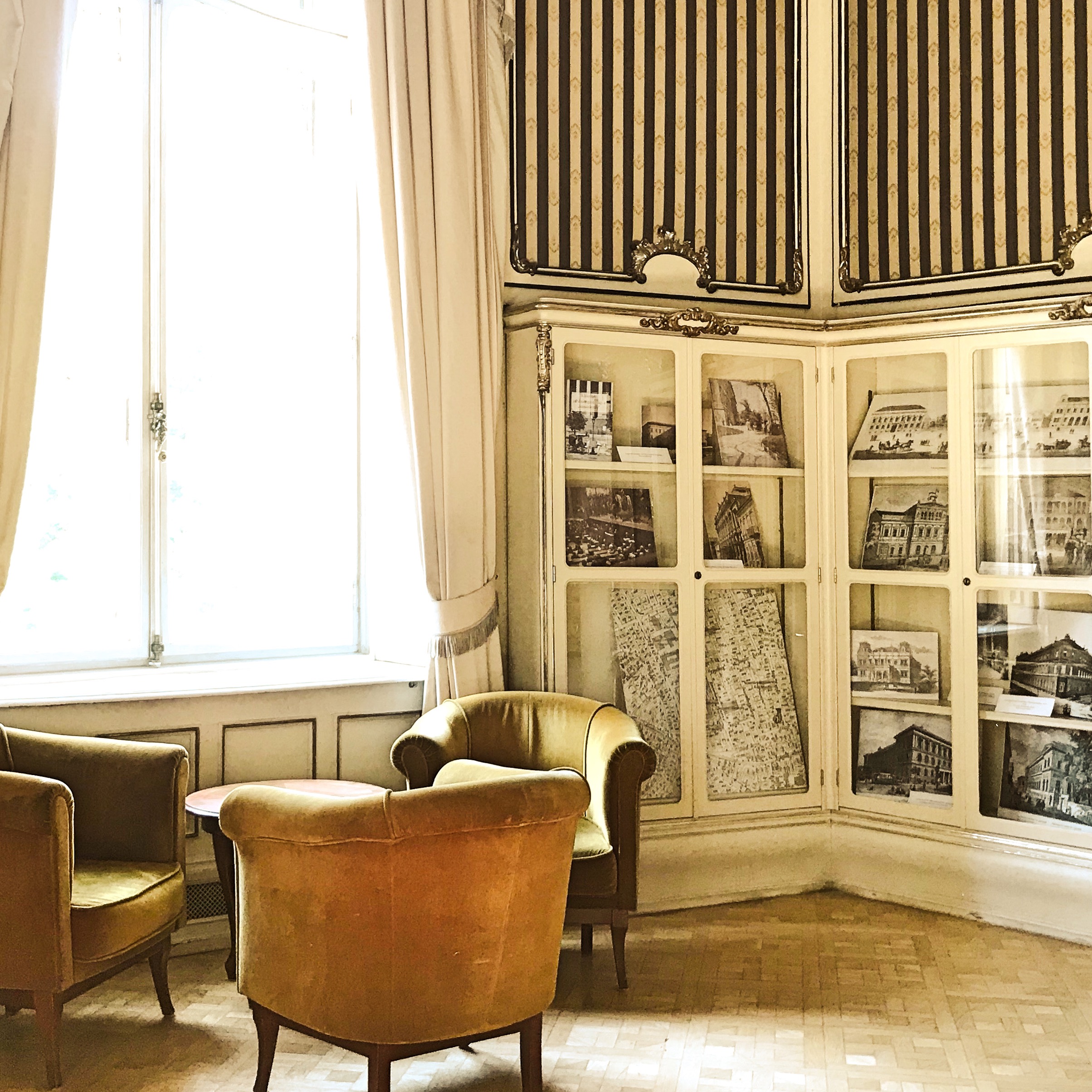
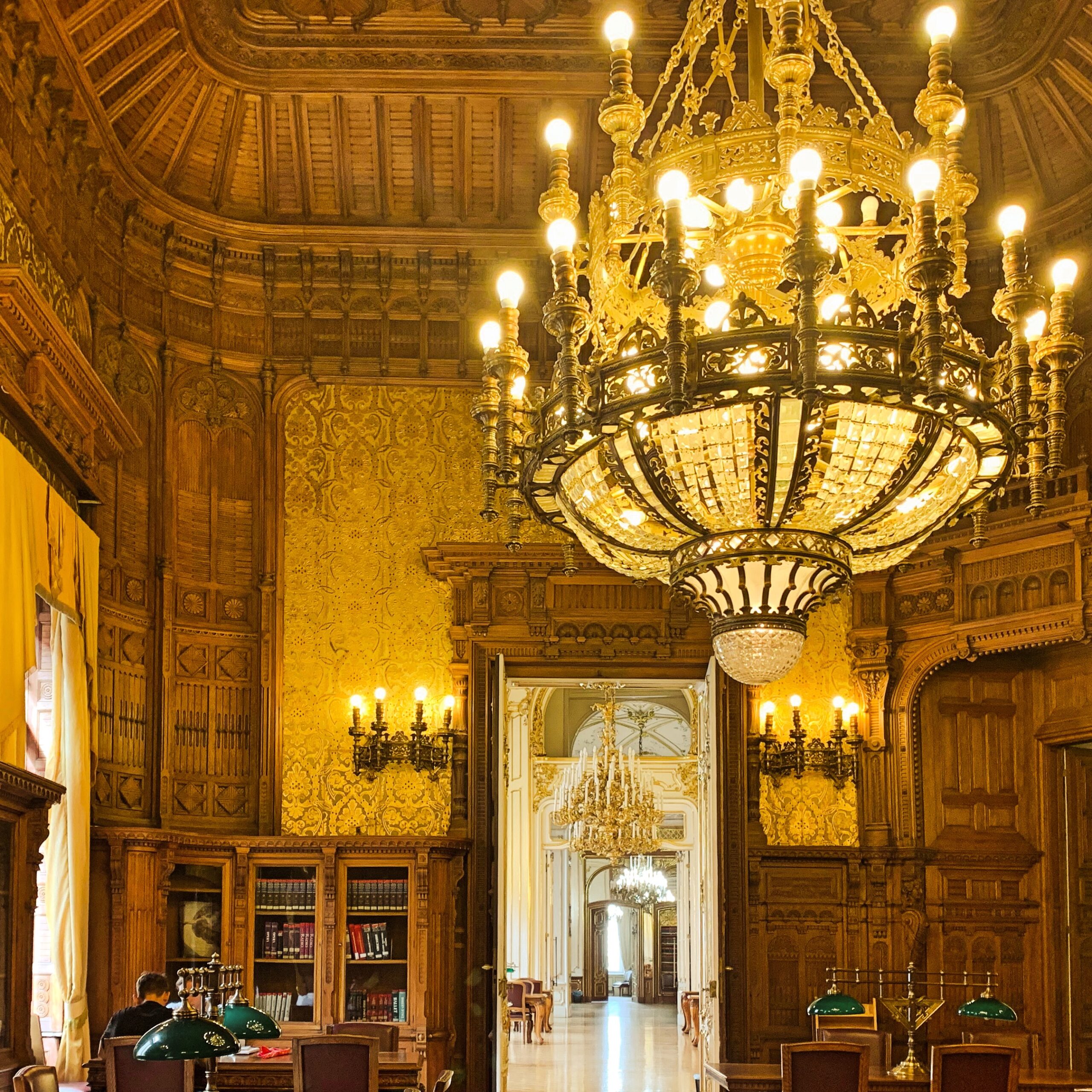
Built in 1889, the palace was commissioned by Count Frigyes Wenckheim and his wife, Krisztina Wenckheim, and designed by architect Artúr Meinig. The Neo-Baroque exterior gives way to lavish interiors decorated in Louis XV style, reflecting the wealth and refined taste of Budapest’s late-19th-century aristocracy. At the time, Wenckheim Palace was considered one of the most beautiful private residences of the 8th district.

The highlight of the building is its magnificent ballroom. Spacious, light-filled, and richly ornamented, it could easily accommodate up to 500 guests. The Wenckheim family was known for their elegant receptions and social events, welcoming members of the political and aristocratic elite—including Franz Joseph, Emperor of Austria and King of Hungary.

After Count Wenckheim’s death in 1912, the palace was sold to the city in 1927, and a few years later it began a new chapter. In 1931, it became the central building of the Budapest Metropolitan Library. Today, this unique function allows visitors to experience an authentic aristocratic interior while the building remains very much part of everyday Budapest life.

One of the palace’s great advantages is accessibility. The main halls can usually be visited during library opening hours. That said, occasional closures do happen due to filming, special events, or the summer break.

Good to Know Before You Go

  • Easy access: Wenckheim Palace can usually be visited during the opening hours of the Budapest Metropolitan Library, making it one of the easiest historic palaces to see from the inside without advance booking.

  • Best timing: Late mornings or early afternoons on weekdays are usually the quietest, offering the best chance to enjoy the interiors without crowds.

  • Possible closures: Parts of the palace may occasionally be closed due to filming, special events, or during the summer school break—worth keeping in mind if this is a highlight of your visit.

  • Photography: Discreet photography is generally allowed, but flash and tripods are not.

  • Who it’s ideal for: A great stop for visitors interested in architecture, film locations, libraries, or travellers looking for an elegant yet relaxed indoor visit.

  • How to include it: Wenckheim Palace fits naturally into a Palace Quarter walk or can be combined with nearby sights on a longer city tour.

Wenckheim Palace is also a popular filming location. Its interiors have appeared in several international productions, including Red Sparrow, The Alienist, Spy, and The Phantom of the Opera.

Elegant yet approachable, central yet surprisingly peaceful, Wenckheim Palace is an excellent stop on a Budapest walking or driving tour—especially for visitors interested in architecture, film locations, or simply experiencing a lesser-known side of the city’s aristocratic past.

If you enjoy discovering the stories behind Budapest’s buildings, you might also like my Beautiful Budapest Stories piece on Wenckheim Palace, where I focus more on atmosphere and hidden details.


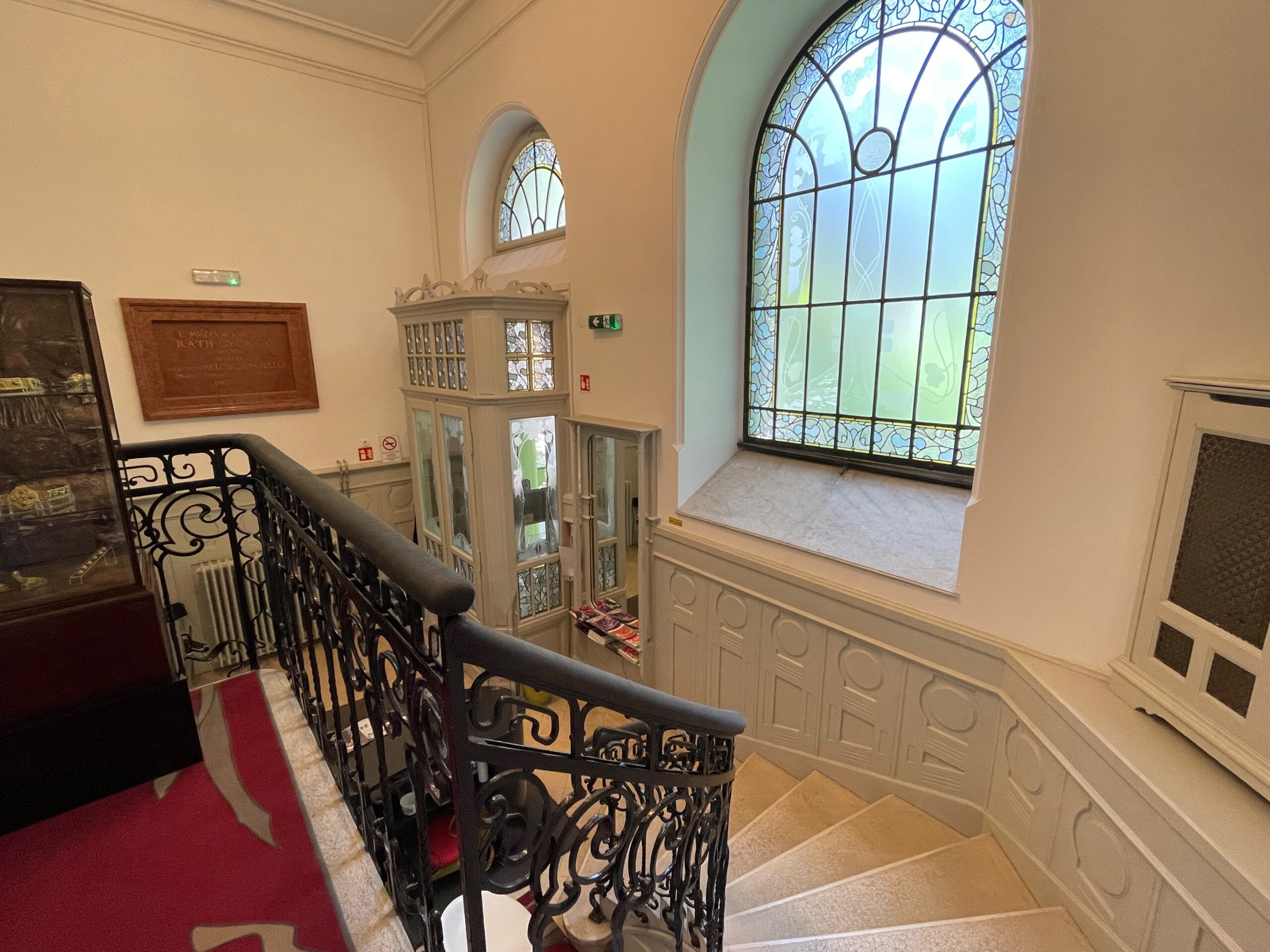
I’m a huge admirer of the Hungarian Art Nouveau movement, and I’m always proud to show travellers some of Budapest’s most beautiful Art Nouveau buildings. For me, the former home of György Ráth, the first director of the Museum of Applied Arts, is a true jewellery box — both the building itself and the artworks and furniture on display are absolutely unique.

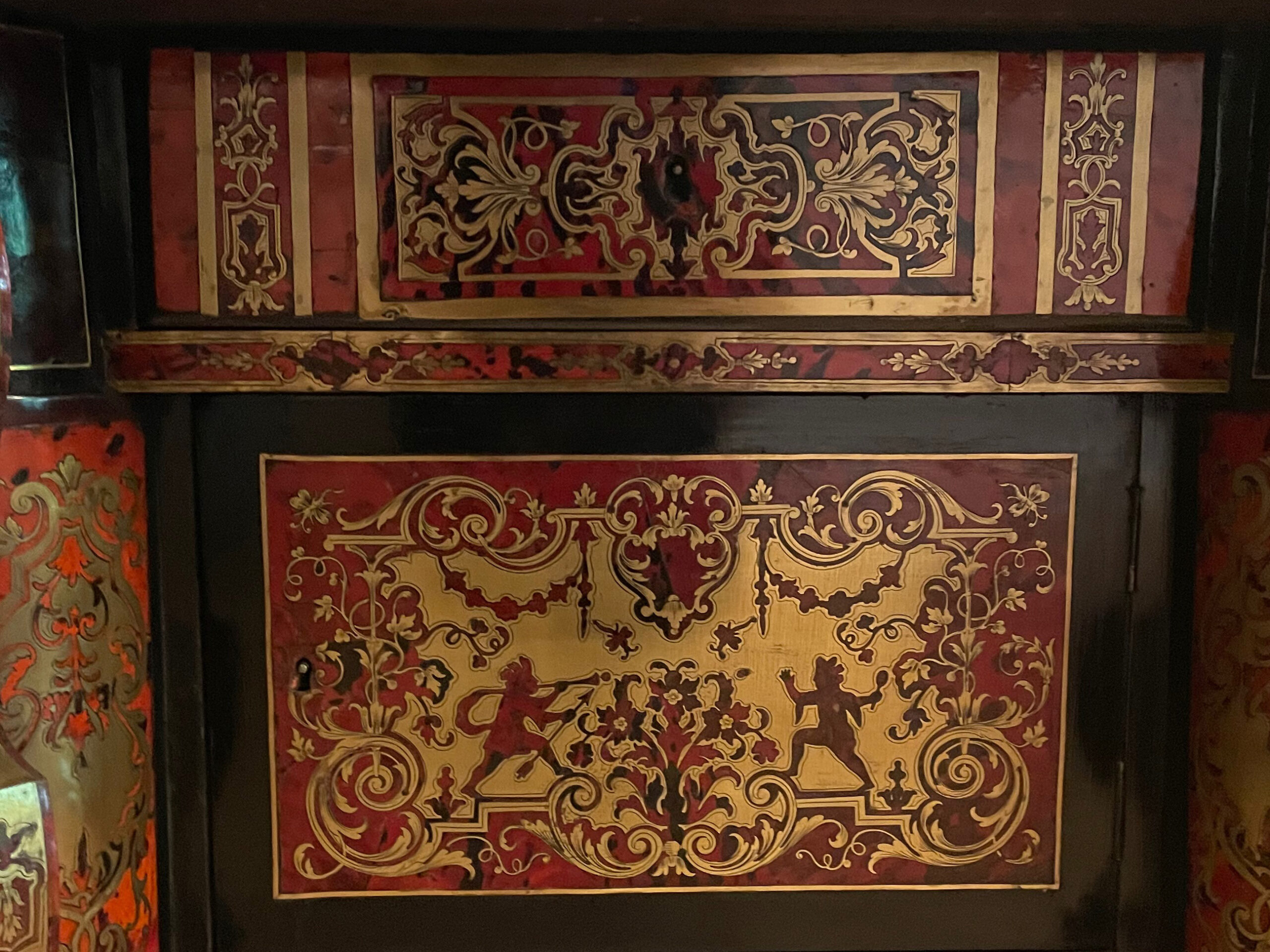
Originally built as the Ráth family home, the villa today houses the permanent exhibition “Art Nouveau – A Hungarian Perspective.” Every room feels different, yet perfectly harmonious. The furniture, textiles, ceramics, and artworks were selected and arranged with such care that visiting the villa feels like stepping into the private world of a cultured, well-travelled family.

Walking through the rooms is an intimate experience — like visiting an elderly relative whose home is filled with authentic objects, each telling its own story. Nothing feels staged or distant; everything feels lived-in, warm, and deeply personal.

Tips for your Ráth György Villa Visit

When visiting the villa, don’t forget to take a walk along Városligeti fasor, one of Budapest’s most elegant avenues, lined with fascinating Art Nouveau villas. It’s the perfect continuation of the experience and an often-overlooked highlight of the City Park area.

If you’re fascinated by Art Nouveau, this villa is a beautiful stop to include in a custom Art Nouveau walking tour of Budapest.


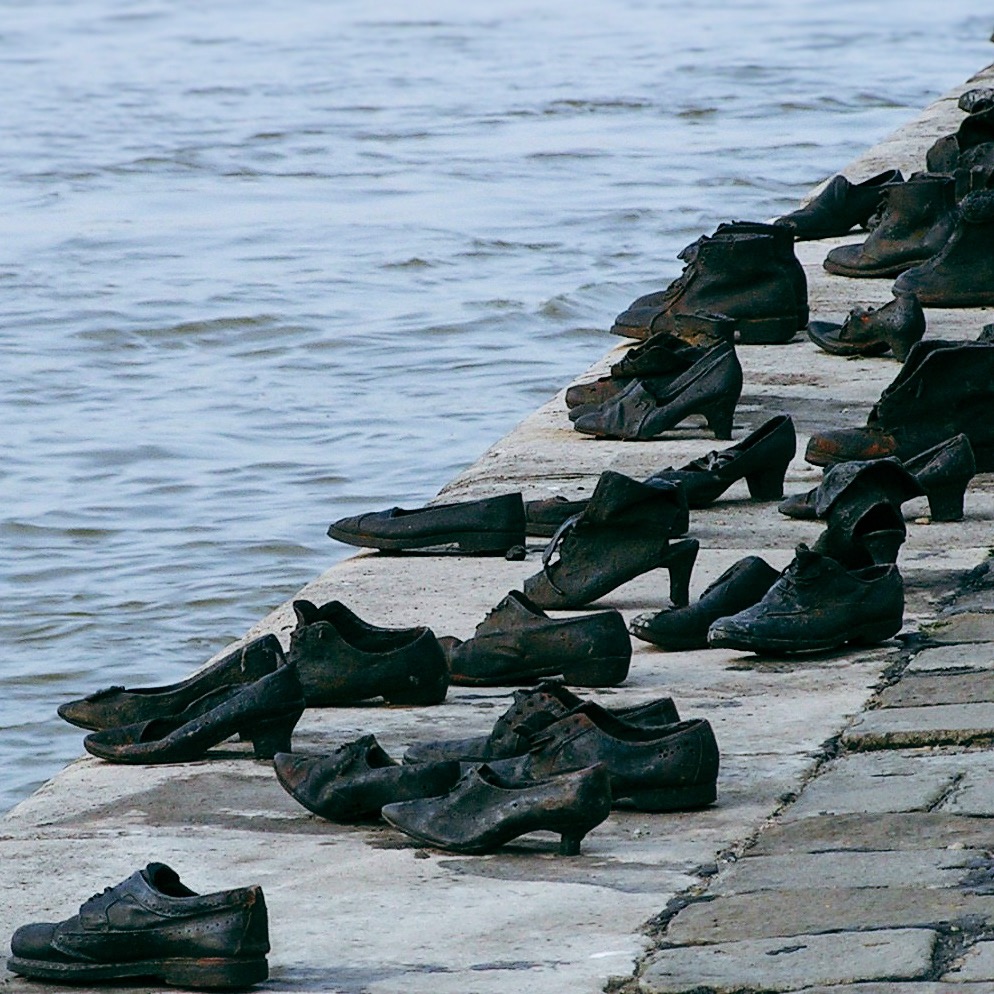
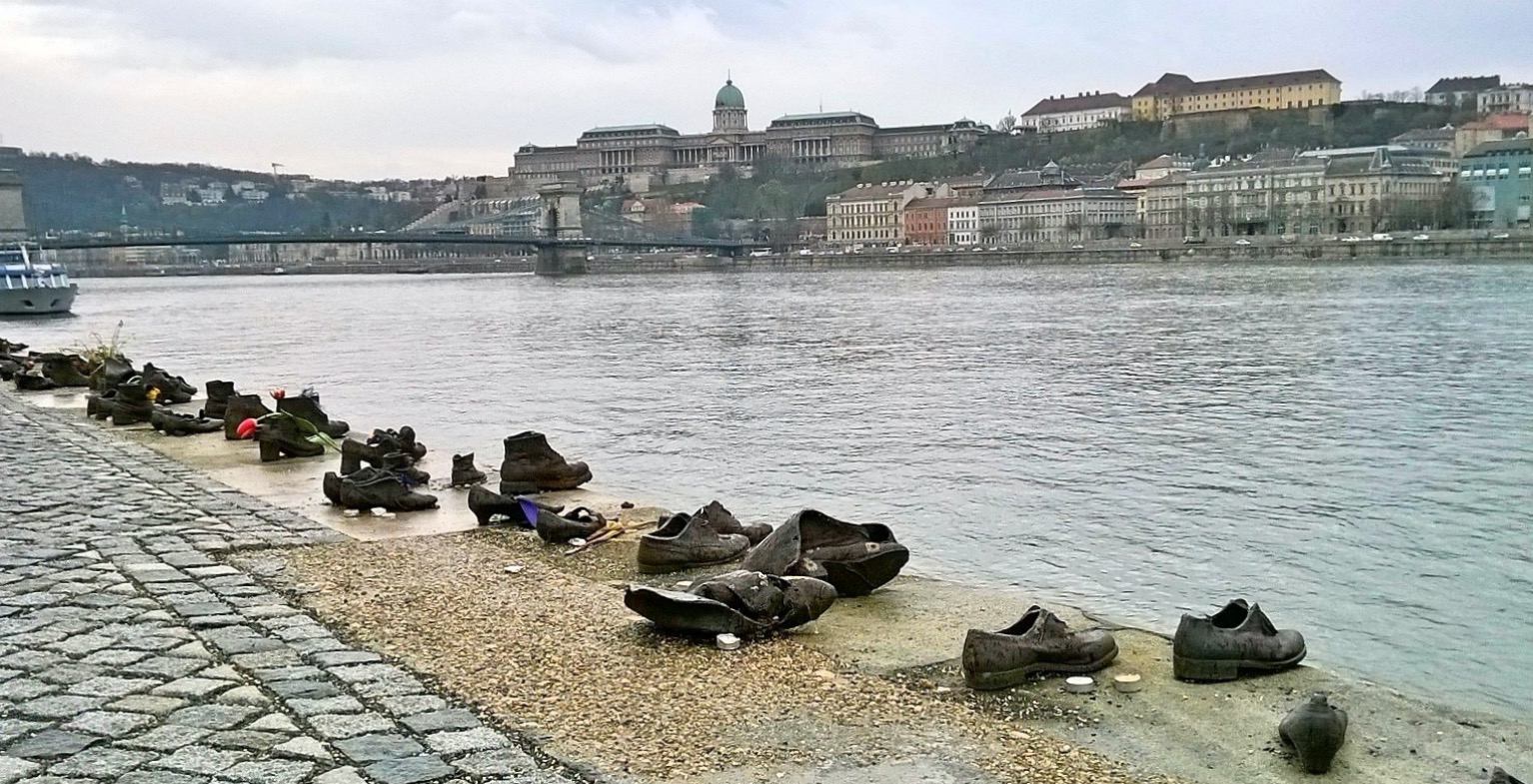
Walking along the Pest side of the Danube, just a few minutes from the Hungarian Parliament, you’ll come across one of the most powerful and moving memorials of Budapest: Shoes on the Danube Bank.

At first glance, the bronze shoes lining the riverbank may seem quiet, almost understated. But their silence speaks volumes.

A place of unimaginable loss

During the winter of 1944–1945, thousands of Hungarian Jews were murdered on this very spot by members of the Arrow Cross Party, the Nazi-aligned regime that ruled Hungary toward the end of World War II.

Victims were marched to the edge of the river, ordered to remove their shoes—valuable items at the time—and then shot. Their bodies fell into the icy Danube and were carried away by the current.

The memorial, created by film director Can Togay and sculptor Gyula Pauer, consists of 60 pairs of bronze shoes: men’s, women’s, and children’s. Each pair represents a life cut short, a family torn apart, a future that never came.

Why this memorial matters

What makes the Shoes on the Danube Bank so striking is its simplicity. There are no towering statues or dramatic inscriptions—just everyday shoes left behind, as if their owners might return at any moment.

Standing here, with the Danube flowing quietly beside you and the Hungarian Parliament Building in the background, history feels painfully close. It’s a place that invites reflection, remembrance, and empathy.

Visitors often leave flowers, stones, or candles in the shoes—small gestures of respect in a place where words often feel insufficient.

Visiting as part of a Jewish Quarter walk

I always recommend visiting this memorial as part of a broader exploration of Budapest’s Jewish history. On my Jewish Quarter walking tour, we place this site into context—connecting it with nearby locations, personal stories, and the wider history of the Jewish community in Budapest before, during, and after the Holocaust.

It’s not an easy stop, but it is an essential one.

If you want to understand Budapest beyond its beauty—its resilience, its scars, and its responsibility to remember—the Shoes on the Danube Bank is truly a must-see.

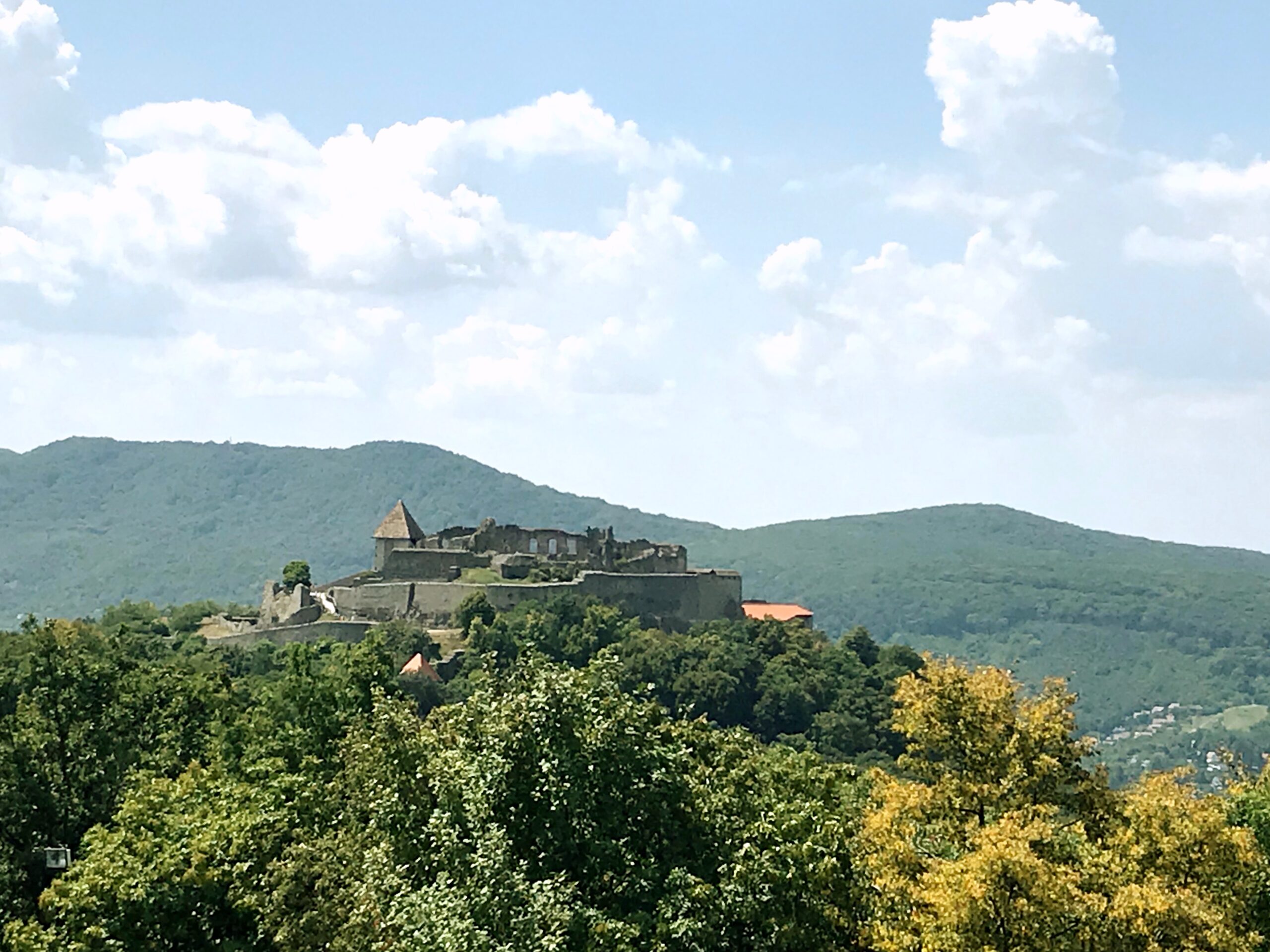
If you are planning a day trip from Budapest, the Danube Bend is one of the most rewarding regions to explore — and the Upper Castle of Visegrád (Citadel) is without question one of its highlights.

The Danube Bend tour is one of my most popular private tours, as it combines three very different villages along the Danube River, each with its own character, history, and atmosphere. Among them, Visegrád stands out for its dramatic hilltop fortress and breathtaking panoramic views.

A Fortress Born After Invasion

Visegrád is best known for two historic sites: the Royal Palace and the Upper Castle, both part of a vast system of fortifications built in the 13th century. These defenses were constructed after the devastating Mongol invasion, when Hungary began reinforcing strategically important locations throughout the kingdom.

Perched high above the river, the Upper Castle was designed not only for defense, but also as a safe refuge. According to historical sources, its construction was financed by the wife of King Béla IV, and the site originally served as a place of protection and seclusion.

What You Can See Today

Today, visitors can walk among the impressive remains of the thick stone walls and towers, gaining a real sense of medieval military architecture. The climb up to the citadel is rewarded generously: from the top, the view over the Danube Bend is one of the most iconic panoramas in Hungary.

On a clear day, you can see the river making its dramatic curve between forested hills, with small towns and villages dotting the landscape below. It is an ideal spot for photography — and one of my favorite places to pause during a private tour.

Why Visit the Upper Castle of Visegrád?

  • One of the best panoramic viewpoints in Hungary

  • A key site for understanding medieval Hungarian history

  • Perfectly combined with nearby towns on a Danube Bend day trip

  • Easily accessible from Budapest, yet surrounded by nature

Visiting Visegrád on a Private Tour

The Upper Castle of Visegrád fits beautifully into a full-day Danube Bend itinerary. Visiting with a private guide allows you to move at your own pace, avoid unnecessary crowds, and understand the historical context behind what you are seeing — not just admire the view.

If you are interested in exploring Visegrád together with other highlights of the Danube Bend, this stop is an essential and unforgettable part of the journey.

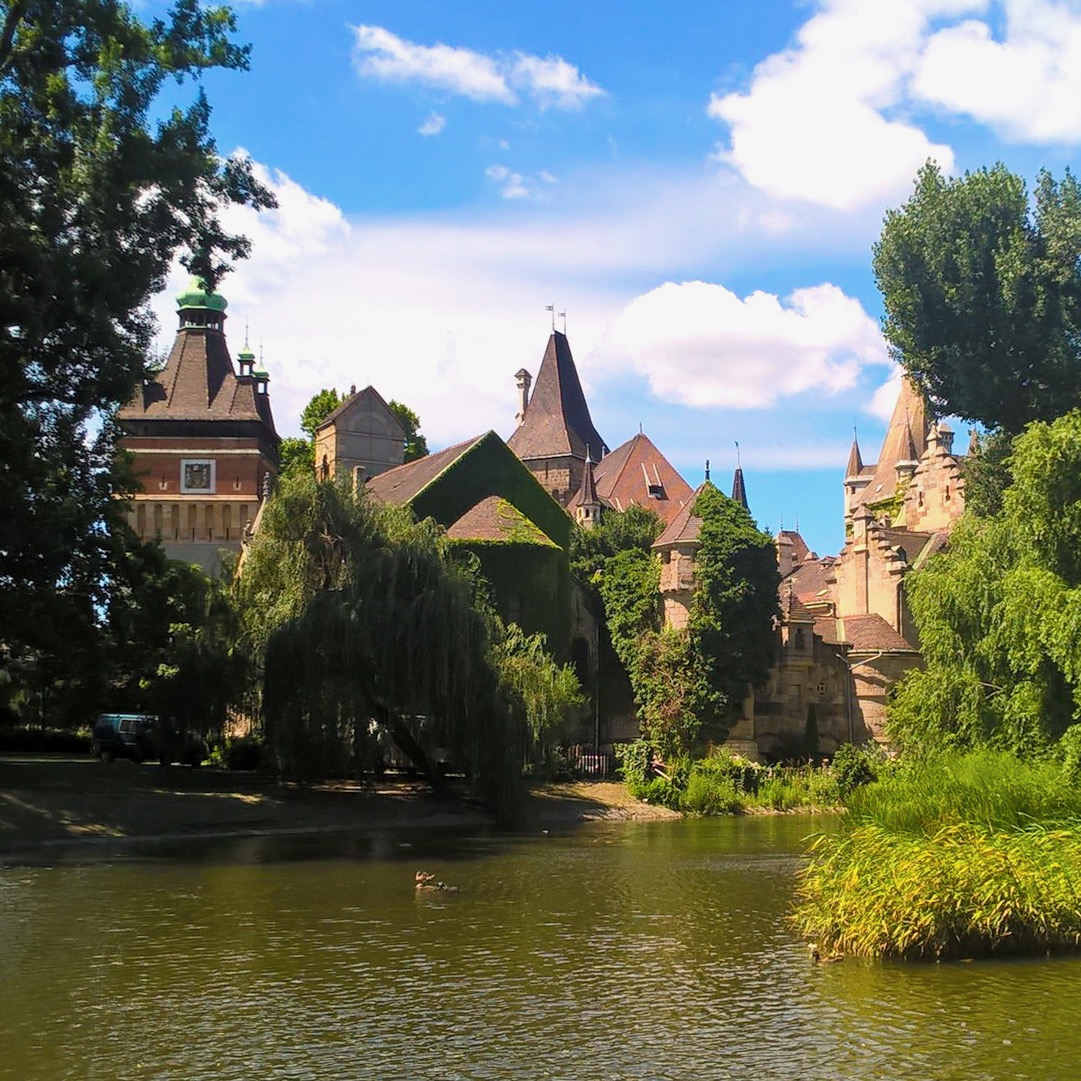
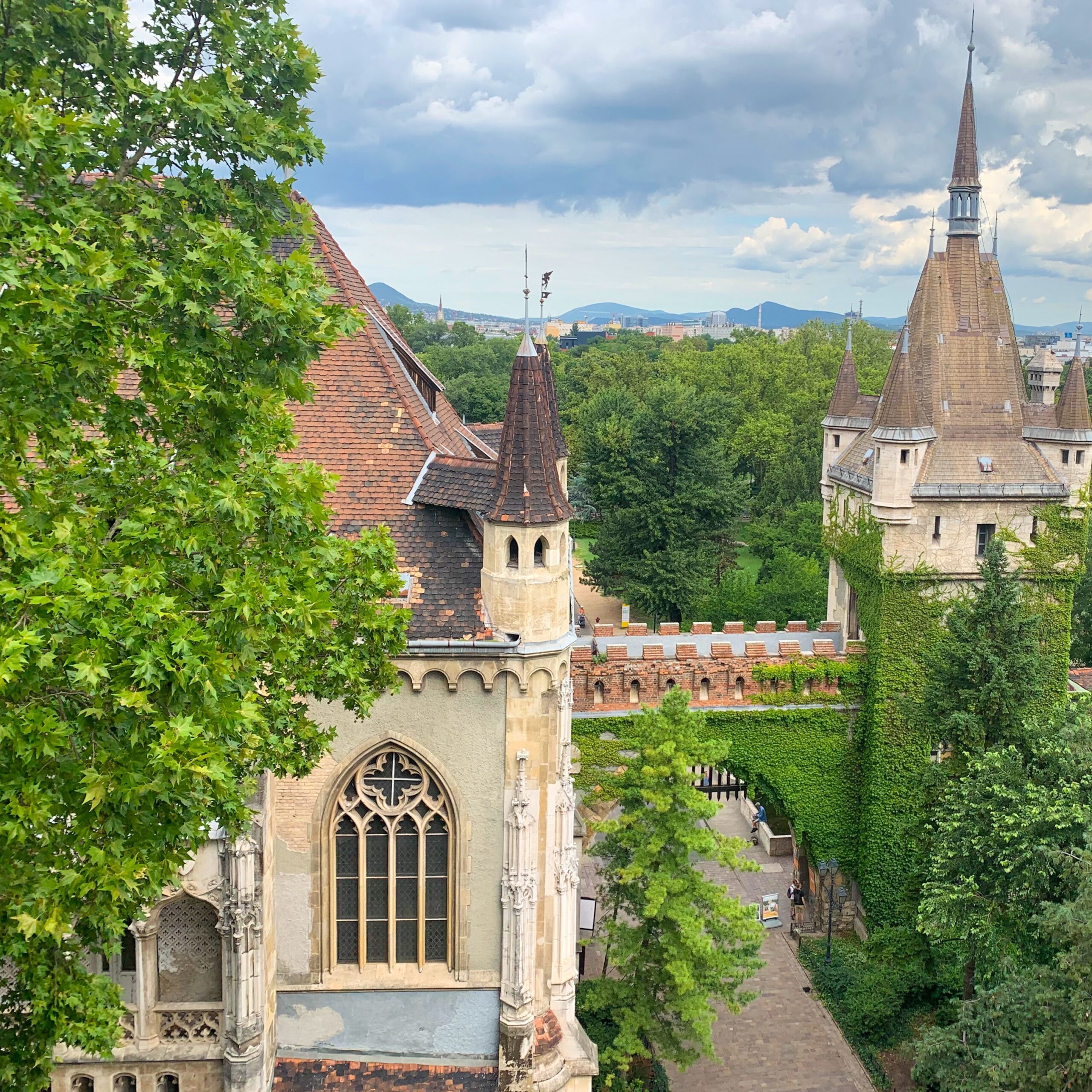
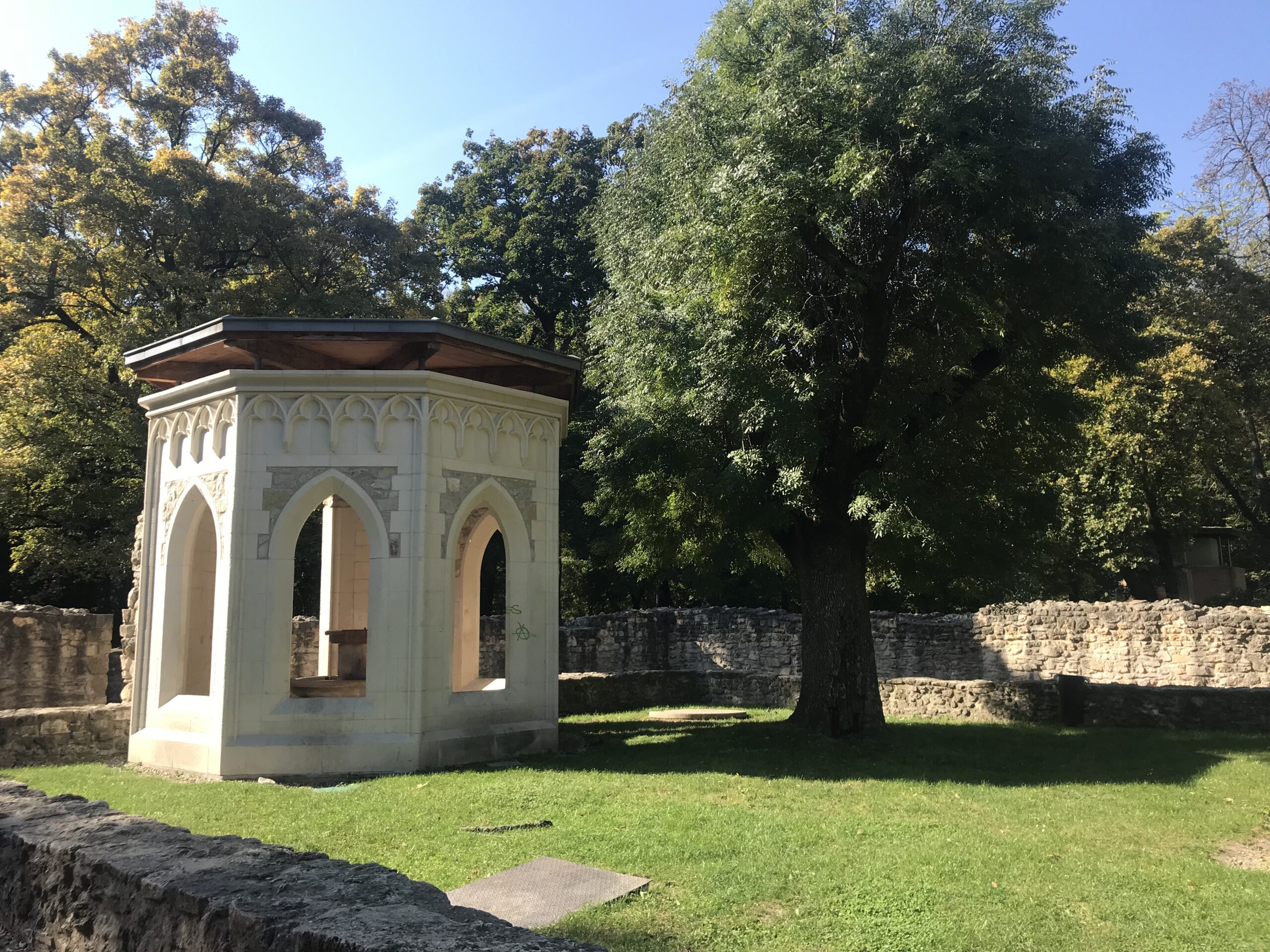
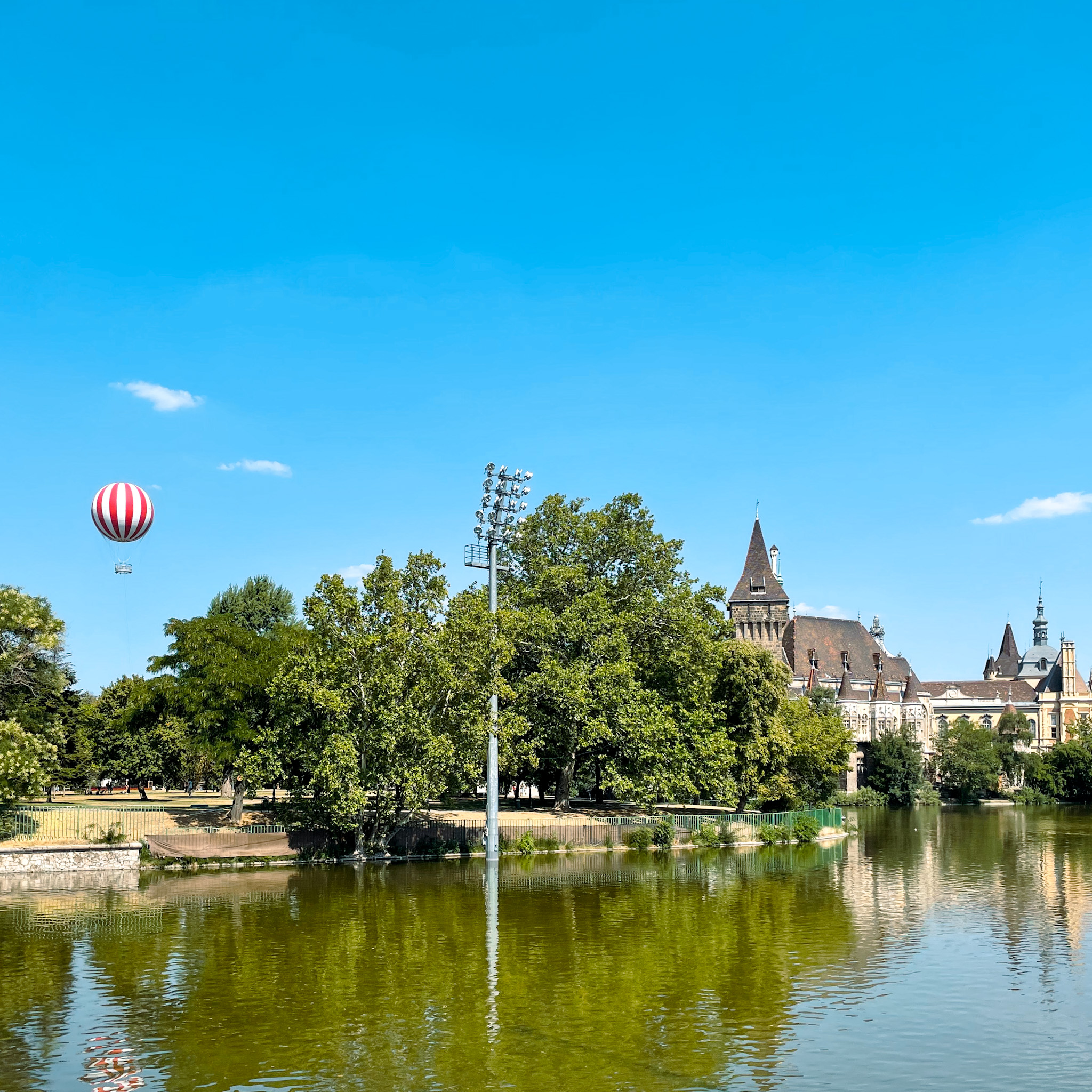
Vajdahunyad Castle in Budapest is one of city’s most distinctive and beloved landmarks, beautifully tucked away in City Park. A visit here feels like stepping into a storybook — yet the castle’s origins are firmly rooted in Hungarian history.

The castle was originally built as a temporary structure for the 1896 Millennium Exhibition, created to showcase Hungary’s rich architectural heritage in a single complex. Its success exceeded all expectations, and after the exhibition ended, the decision was made to rebuild Vajdahunyad Castle in a permanent form — allowing future generations to enjoy it.

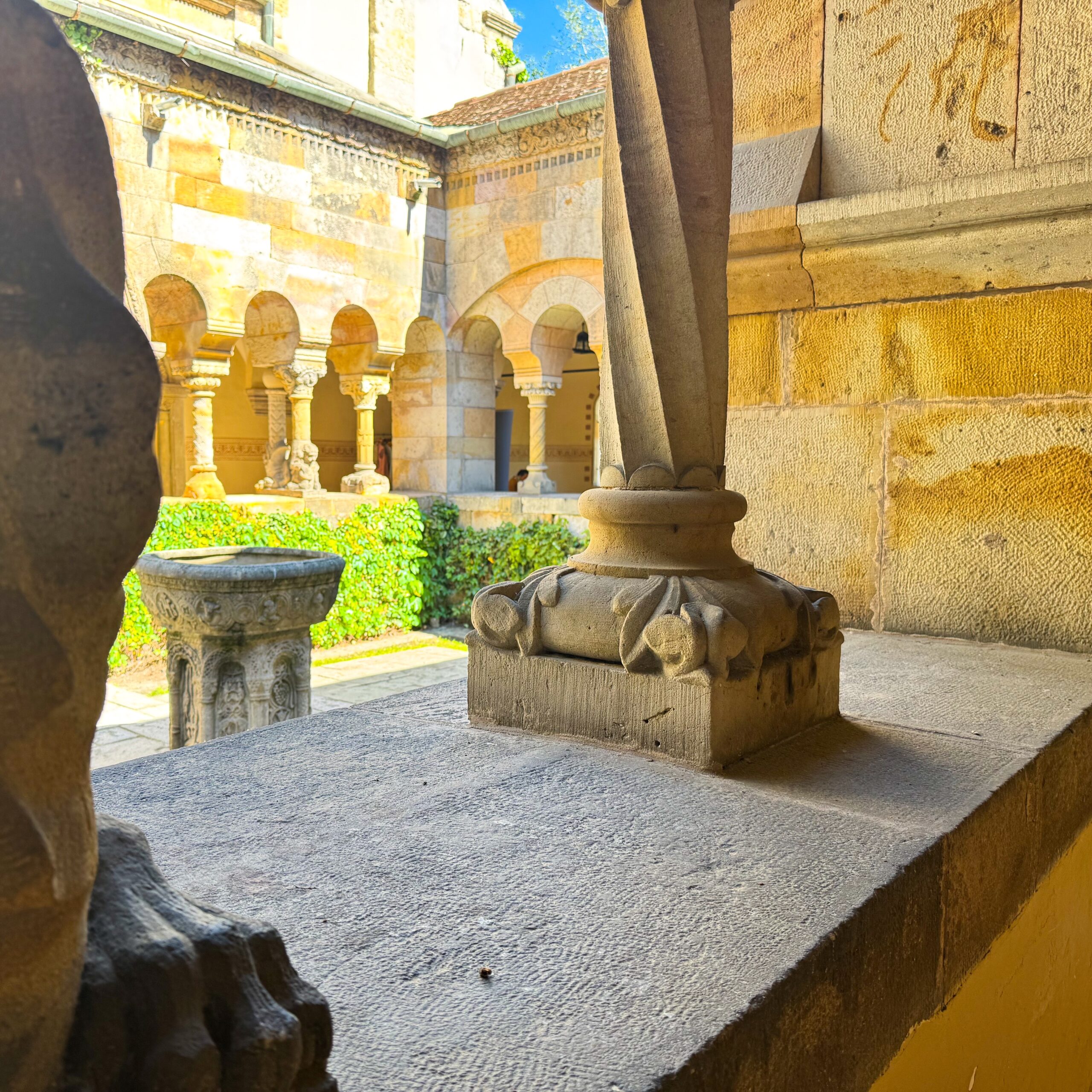
What makes Vajdahunyad Castle truly special is its unique blend of architectural styles. Romanesque, Gothic, Renaissance, and Baroque elements appear side by side, representing famous buildings from across the historic Kingdom of Hungary. As you walk through the courtyards, over the bridge, and along the lake, each section reveals a different mood — and endless photo opportunities.

Today, Vajdahunyad Castle is one of the most visited attractions in Budapest. It also frequently appears as a filming location, so keen-eyed visitors may recognise it from international films and series. Inside, the castle houses the Museum of Hungarian Agriculture, while the surrounding grounds invite relaxed walks in every season.

Vajdahunyad Castle is included in many of my Budapest walking and driving tours, often paired with Heroes’ Square, Andrássy Avenue, and other highlights of City Park. It’s a place where architecture, history, and everyday local life meet — and one I’m always happy to introduce to visitors.

If you’d like to explore Vajdahunyad Castle as part of a customised private tour, feel free to get in touch.
Floating gently between Buda and Pest, Margaret Island in Budapest is one of those places that feels instantly familiar to locals and surprisingly intimate to visitors. Long before it became Budapest’s most popular park, the island lived many lives — and traces of that past are still quietly present among the trees.

Centuries ago, this was a place of withdrawal and reflection. Medieval monasteries once stood here, followed by periods when the island served as a place of isolation. Its most famous resident was Princess Margaret, daughter of King Béla IV, who chose a life of service and devotion on the island in the 13th century. Today, little remains of those structures, but the sense of calm they left behind is unmistakable.

How locals use the island today

For Budapesters, Margaret Island is less a sightseeing stop and more a way of life. People come here to jog, picnic, read, cycle, or simply sit in the shade on a warm afternoon. It’s where the city exhales — especially in summer.

Because it’s surrounded by the Danube and free from traffic, the island has a slower, softer rhythm than the rest of the city. That’s exactly why many visitors end up calling it one of their favourite unexpected discoveries.

Exploring at an easy pace

Margaret Island is best enjoyed without rushing. One of the most enjoyable ways to explore is by renting one of the pedal-powered group bikes or electric vehicles, which allow you to move comfortably between highlights while still soaking in the atmosphere.

A place that fits beautifully into a custom tour

Margaret Island isn’t part of my standard city walks, mainly because of its location slightly outside the historic centre. However, it fits perfectly into customised walking or driving tours, especially for guests who want to balance sightseeing with relaxed, local experiences.

It’s an ideal addition in late spring or summer, offering a refreshing contrast to the architectural intensity of the city centre. Margaret Island may not demand attention — and that’s exactly its charm. It’s a place to slow down, breathe, and experience Budapest the way locals do.

If you’d like to include Margaret Island in a bespoke tour itinerary, I’m always happy to tailor the route to your interests and pace.

Yes, I agree — the Central Market of Budapest has become a major tourist attraction over the years. And yet, it may come as a surprise that it is still one of the favourite shopping places of locals.

Despite the crowds, the market remains a living, breathing part of everyday Budapest life — and that’s exactly why it’s such a fascinating place to visit.

A Personal Memory of the Central Market

I first visited the market with my grandmother when I was around five years old. At that age, I couldn’t tell the difference between the “aisle of the rich” and the “aisle of the poor” — but I was completely captivated by the smells, colours, and endless variety of products.

That sensory overload is still very much part of the experience today.

The Great Market Hall: 120 Years of History

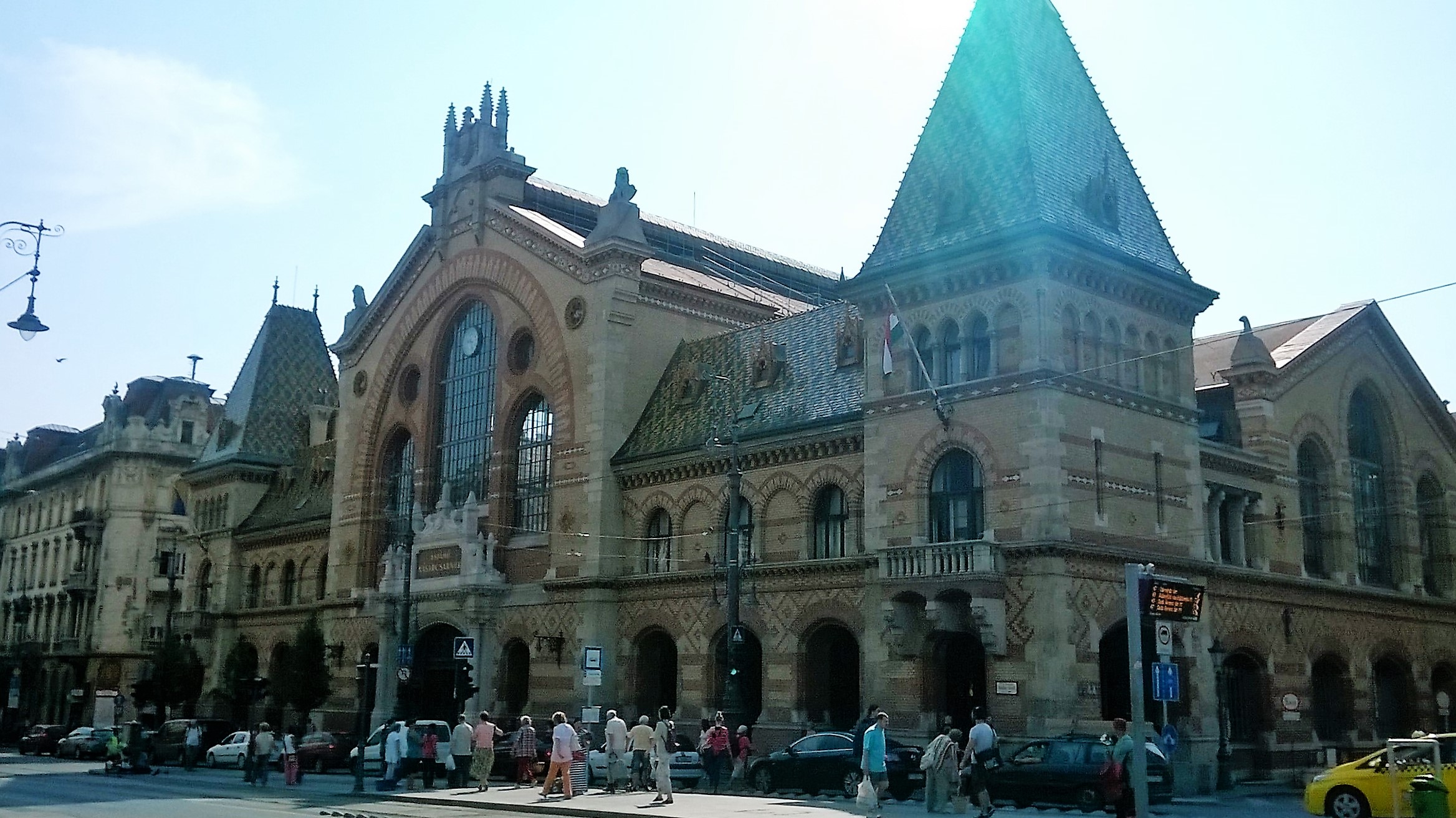
The Central Market, officially known as the Great Market Hall, opened more than 120 years ago and quickly became the heart of Budapest’s food trade.

The iron structure and glass roof often remind visitors of a 19th-century train station, while the colorful Zsolnay roof tiles make the building unmistakable from the outside.

Inside, you’ll find:

  • Fresh fruits and vegetables from across Hungary

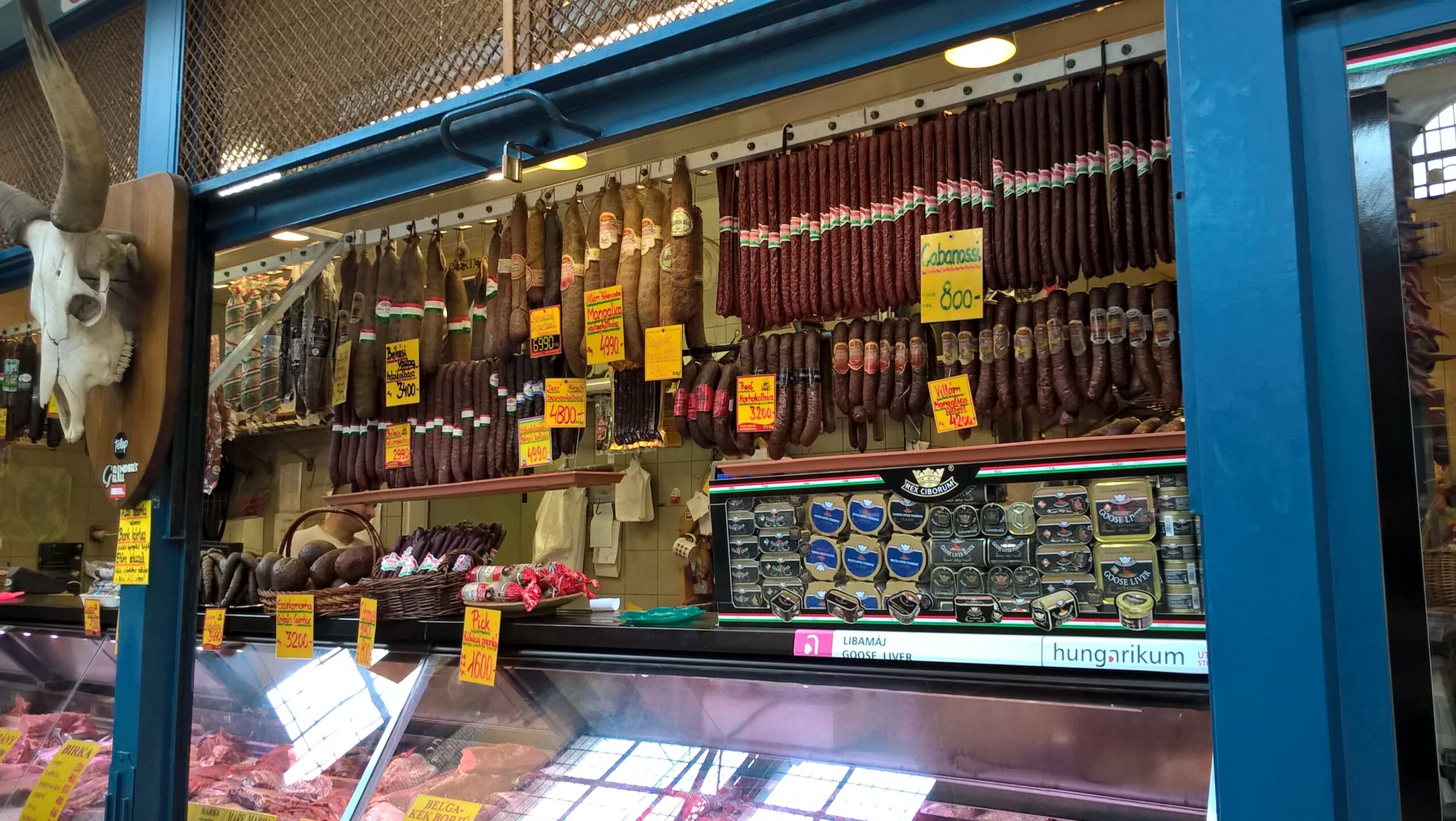
  • Hungarian sausages, salami, and cured meats

  • Paprika in every form imaginable

  • Local cheeses, honey, and preserves

  • Traditional Hungarian pastries and street food

Why the Central Market Is a Foodie Must-See

If you’re curious about Hungarian gastronomy, this market is one of the best places to understand it.

The Central Market showcases:

  • Seasonal Hungarian ingredients

  • Regional food traditions

  • Everyday eating habits of locals

  • The contrast between traditional stalls and modern food counters

It’s lively, noisy, sometimes chaotic — and absolutely authentic.

Visiting the Central Market on a Budapest Food Tour

A visit to the Central Market is part of my Budapest Food Tour (except on Sundays, when the market is closed).

During the tour, I’ll:

  • Help you navigate the market beyond the obvious tourist stalls

  • Explain what locals really buy and why

  • Introduce Hungarian food traditions and shopping habits

  • Make sure you taste one of the best sausages and a proper Hungarian strudel

The market is not just about food — it’s about culture, history, and everyday life.

Combine Market Visit with Wine Tasting

Many guests choose to combine their market experience with a food and wine-focused day, pairing the Budapest food tour with a countryside escape such as the Etyek Wine Tour, Hungary’s closest wine region to the capital.

It’s a wonderful way to connect Budapest’s culinary scene with local wines and rural traditions.

Planning Your Visit to the Central Market of Budapest

If you’d like to explore the Central Market of Budapest with a local guide and truly understand what you’re seeing — and tasting — I’d be happy to show you around as part of one of my private food tours.

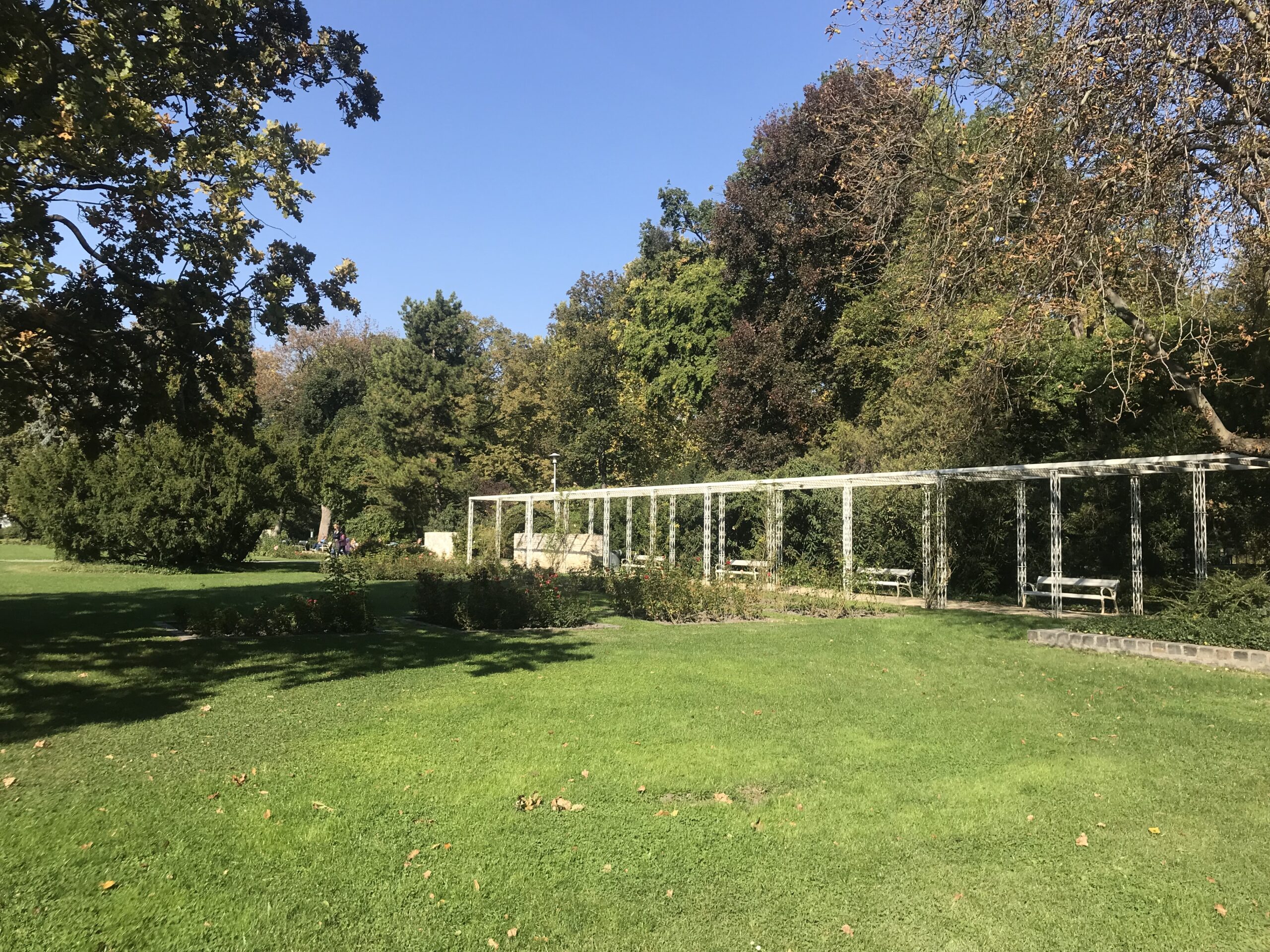
City Park (Városliget) is the second-largest park in Budapest and without question one of the locals’ favourite places to relax. Located at the end of Andrássy Avenue, this vast green space is a perfect mix of nature, culture, leisure, and iconic sights — all in the heart of Pest.

Whether you’re visiting Budapest for the first time or returning for a longer stay, City Park offers something for every pace and interest.

What to see and do in City Park

There are so many things to do in Városliget that it easily fills several hours — or even an entire afternoon. Highlights include:

  • the Budapest Zoo, over 150 years old and one of the oldest zoos in the world

  • the City Circus, a unique cultural institution popular with families

  • the famous Széchenyi Thermal Bath, where you can soak in warm outdoor pools year-round

  • Vajdahunyad Castle, showcasing a fascinating mix of architectural styles

  • the park’s lake, perfect for a boat ride in summer or ice skating in winter

Of course, City Park is also ideal for simpler pleasures: a picnic under the trees, a relaxed walk, or just watching local life unfold.

City Park as part of Budapest sightseeing tours

Thanks to its location, size, and variety, City Park is included in many of my Budapest walking and driving tours. It works beautifully as a stop that combines history, architecture, and everyday local life — all in one place.

Whether paired with Andrássy Avenue, Heroes’ Square, or the thermal baths, Városliget adds a refreshing, green balance to a sightseeing itinerary.

A local tip for visiting City Park

City Park is enjoyable in every season, but it’s especially lovely in spring and summer, when the trees are in full leaf and locals spend long afternoons outdoors. If you’d like to explore it at a relaxed pace or include specific highlights, it can easily be adapted as part of a customised walking or driving tour.

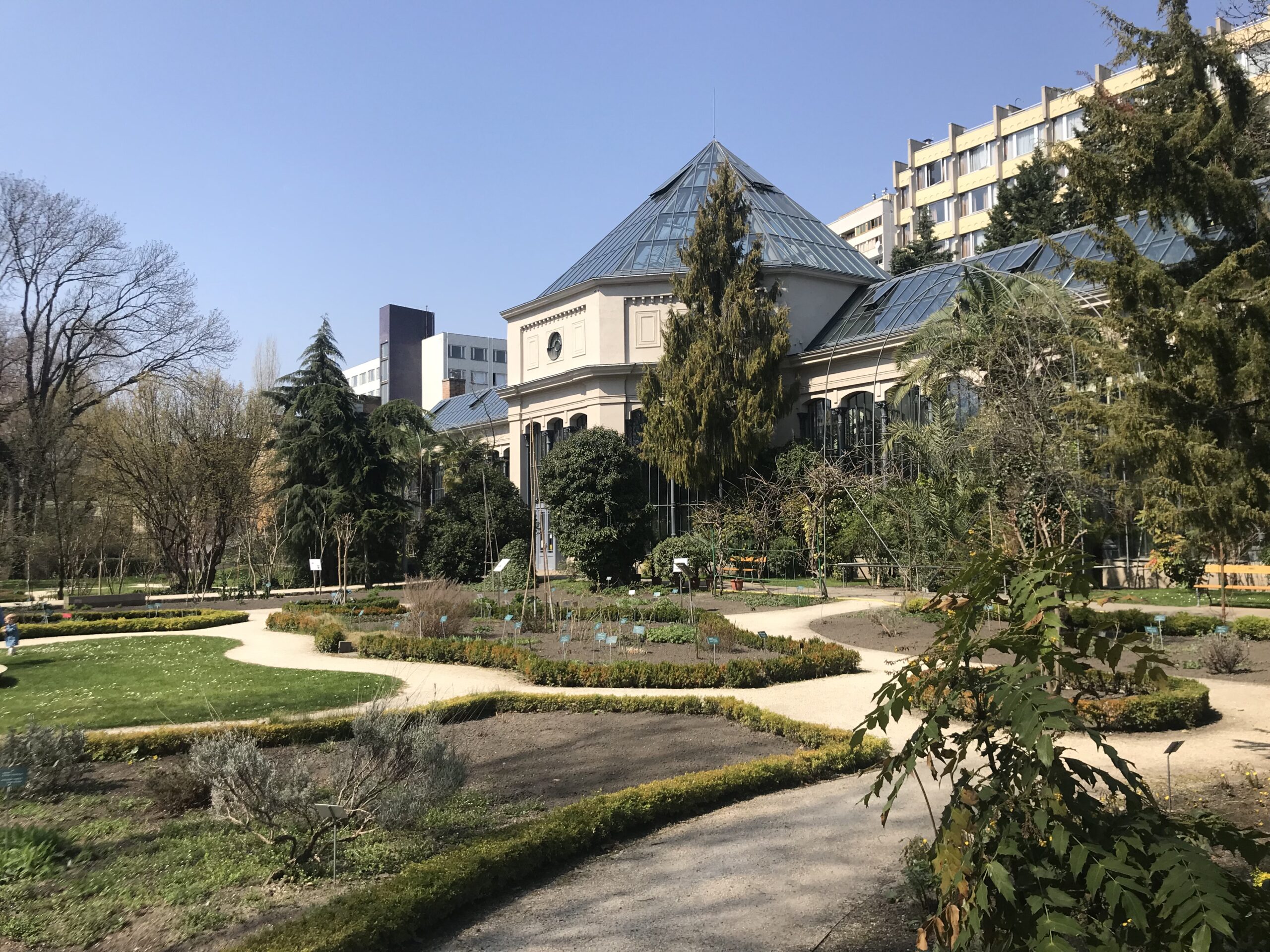
Budapest Füvészkert may look difficult to pronounce at first — but it’s absolutely worth getting to know. Tucked away in Budapest’s 8th district, this peaceful botanical garden is one of the city’s most underrated sights and a true hidden gem for visitors looking beyond the usual landmarks.

Founded in the 1770s, Füvészkert is the oldest botanical garden in Budapest. Despite its compact size — around three acres — it’s home to more than 7,000 plant species, making it surprisingly rich and diverse.

One of its most remarkable residents is a 150-year-old Chinese ginkgo tree, the oldest tree in the garden and a quiet witness to centuries of change around it.

What to see inside Füvészkert

Walking through Füvészkert feels like stepping into several different climates in the middle of the city. Highlights include:

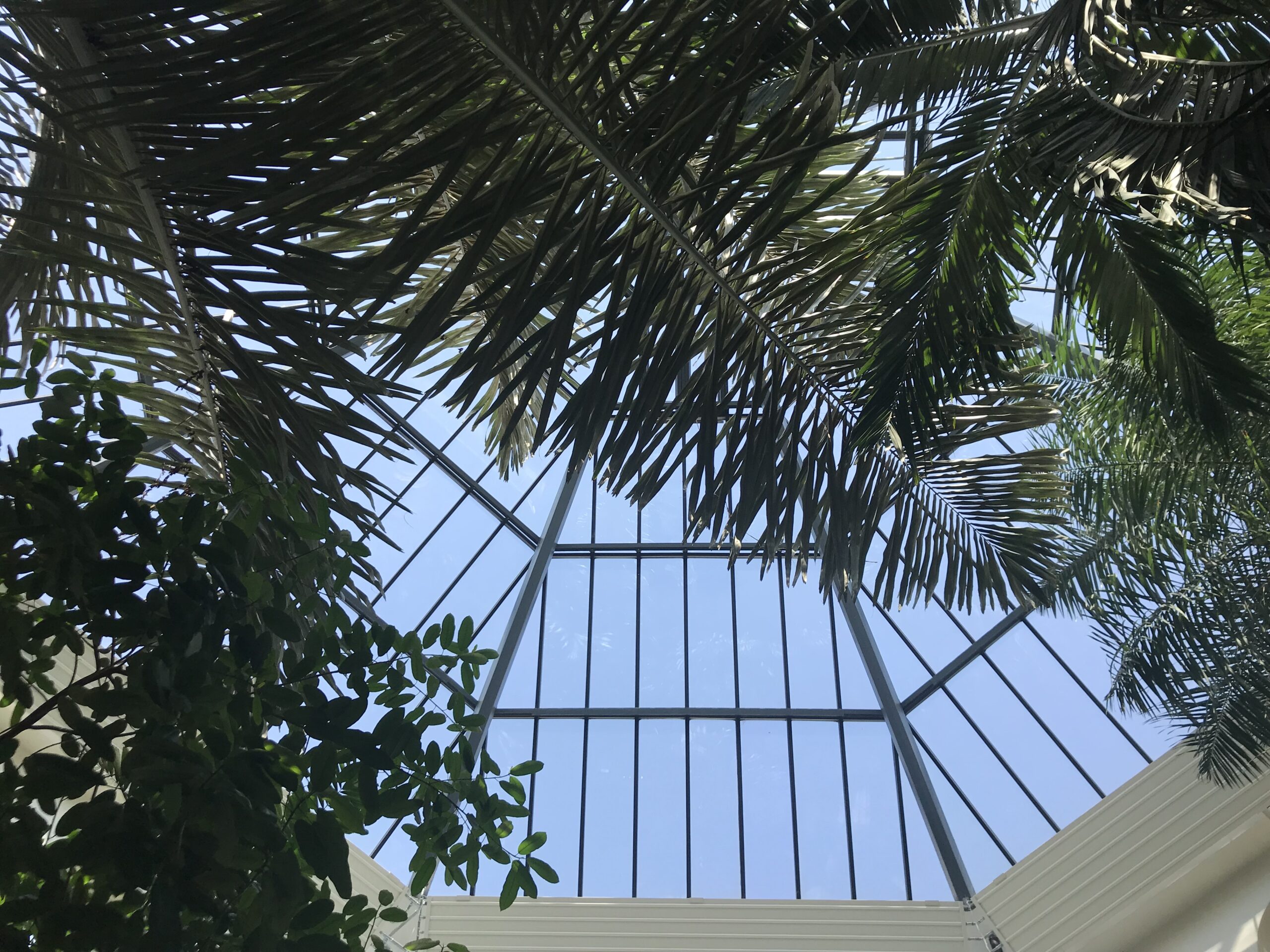
  • the Palm House, filled with tropical and subtropical plants

  • the Victoria Glass House, home to the impressive Amazonian water lily

  • extensive collections of palms, cacti, bromeliads, and orchids

It’s a calm, beautifully maintained space — ideal for slowing down, especially on warm summer days or during a quieter afternoon of sightseeing.

Füvészkert and Hungarian literature

Füvészkert also holds a special place in Hungarian culture. It is one of the key locations in The Paul Street Boys (Pál utcai fiúk), the famous novel by Ferenc Molnár that generations of Hungarians grow up reading. For locals, this literary connection adds an extra emotional layer to an already atmospheric place.

Is Füvészkert included in Budapest tours?

Füvészkert isn’t usually part of standard sightseeing tours, but it can be a wonderful addition to a customised itinerary, especially for travellers interested in gardens, literature, or quieter, off-the-beaten-path experiences.

If you’re exploring Budapest beyond the highlights — or simply need a peaceful break from the city — Füvészkert is well worth a visit.