An Evening at the Hungarian State Opera House: Budapest at Its Most Magical
- Destinations, Reviews
- Budapest architecture, Budapest culture, Budapest Experiences, Budapest Opera House, Budapest Private Tours, Budapest tours, budapest travel guide, classical music Budapest, Hungarian State Opera House, luxury experiences Budapest, opera in Budapest, Things to do in Budapest, visit Budapest
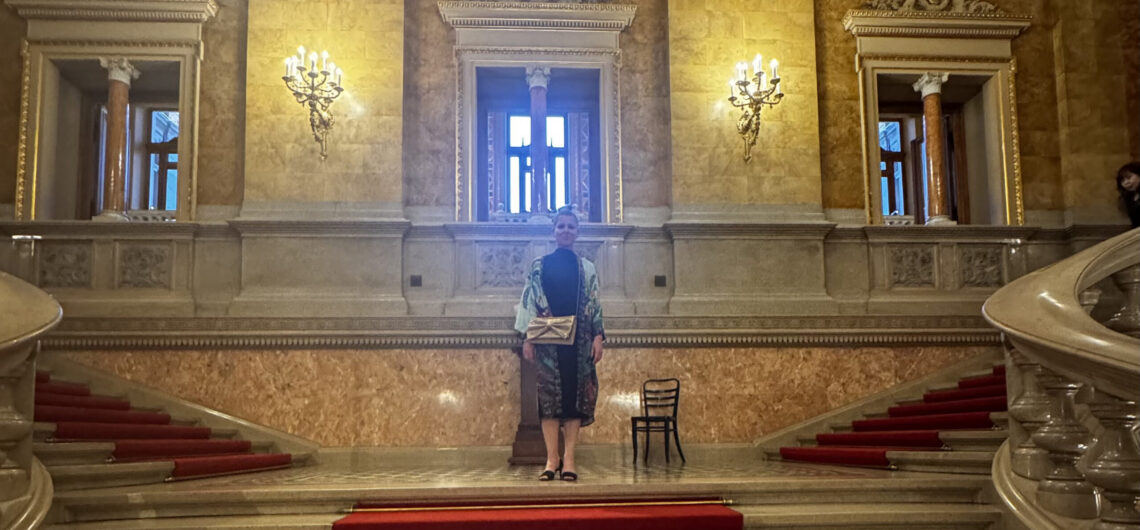
There are places in Budapest that impress you… and then there are places that make you pause. The Budapest State Opera House experience is firmly in the second category.
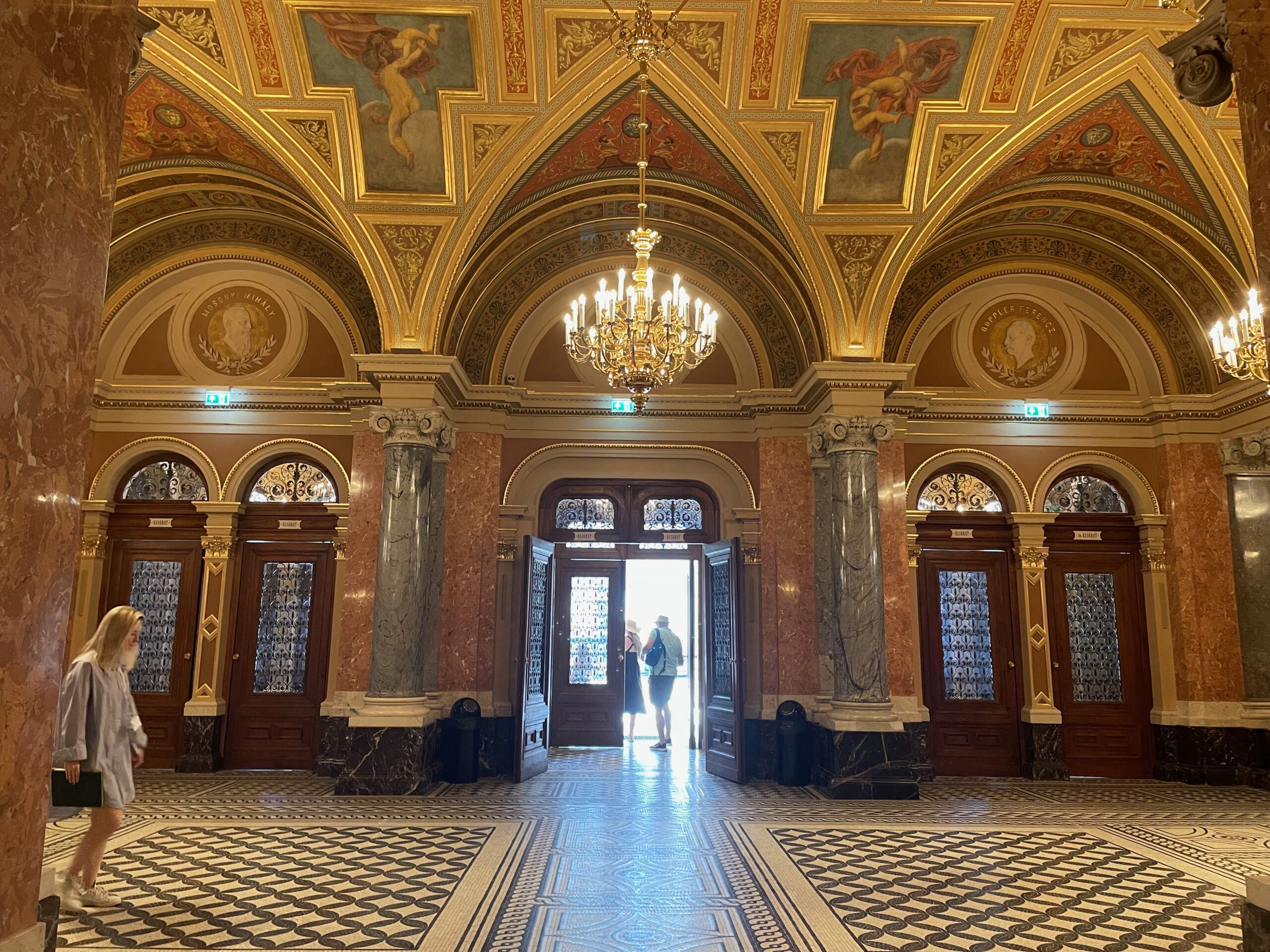
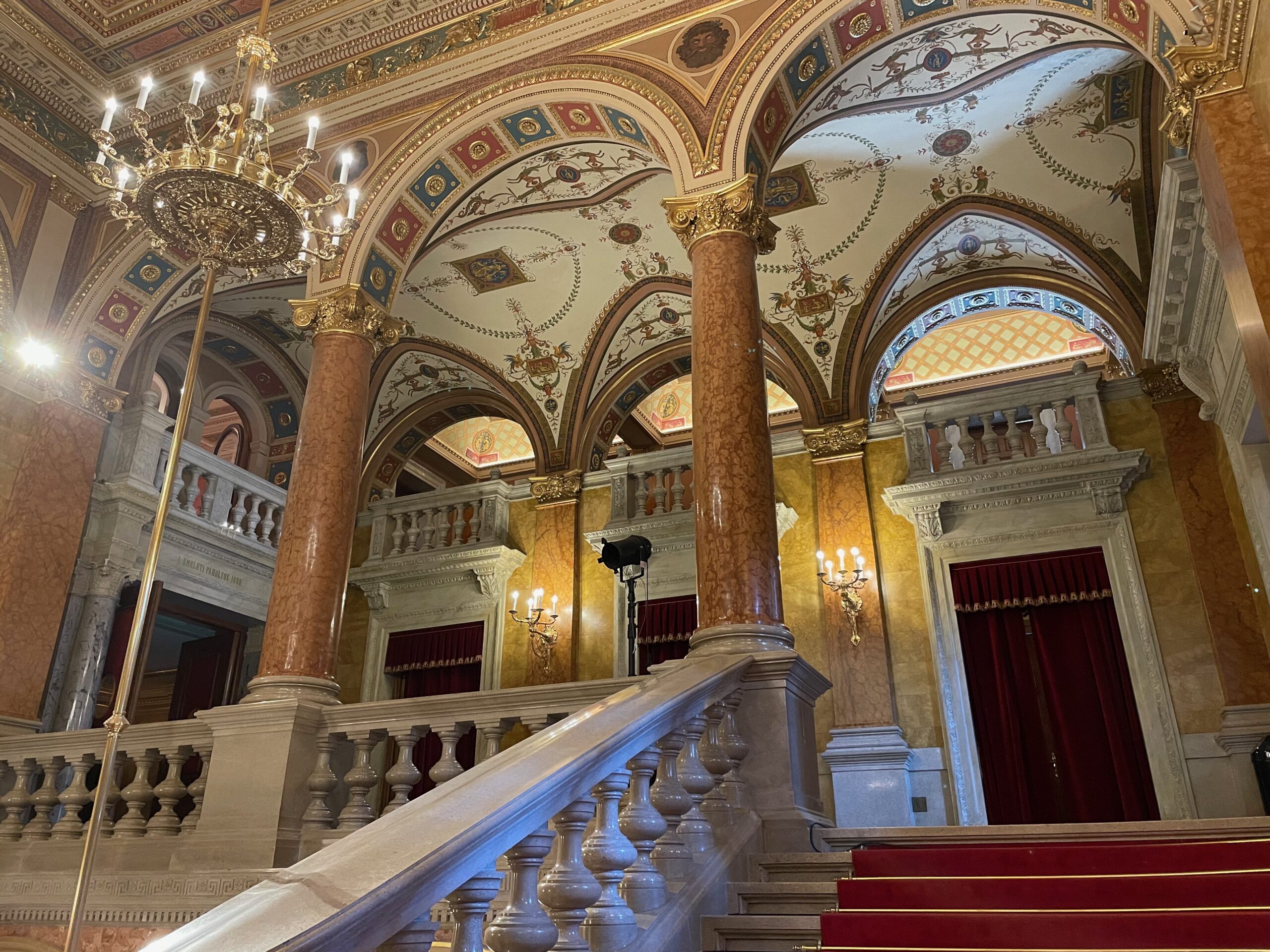
I’ve walked through its grand foyer countless times with my guests, pointing out details, telling stories, watching their reactions as they look up—because everyone does. You simply can’t help it. The gold, the frescoes, the chandeliers… it’s overwhelming in the best possible way.
But every now and then, I like to return not as a guide—but as a guest. And that’s when the magic truly begins.
A Building Designed to Impress
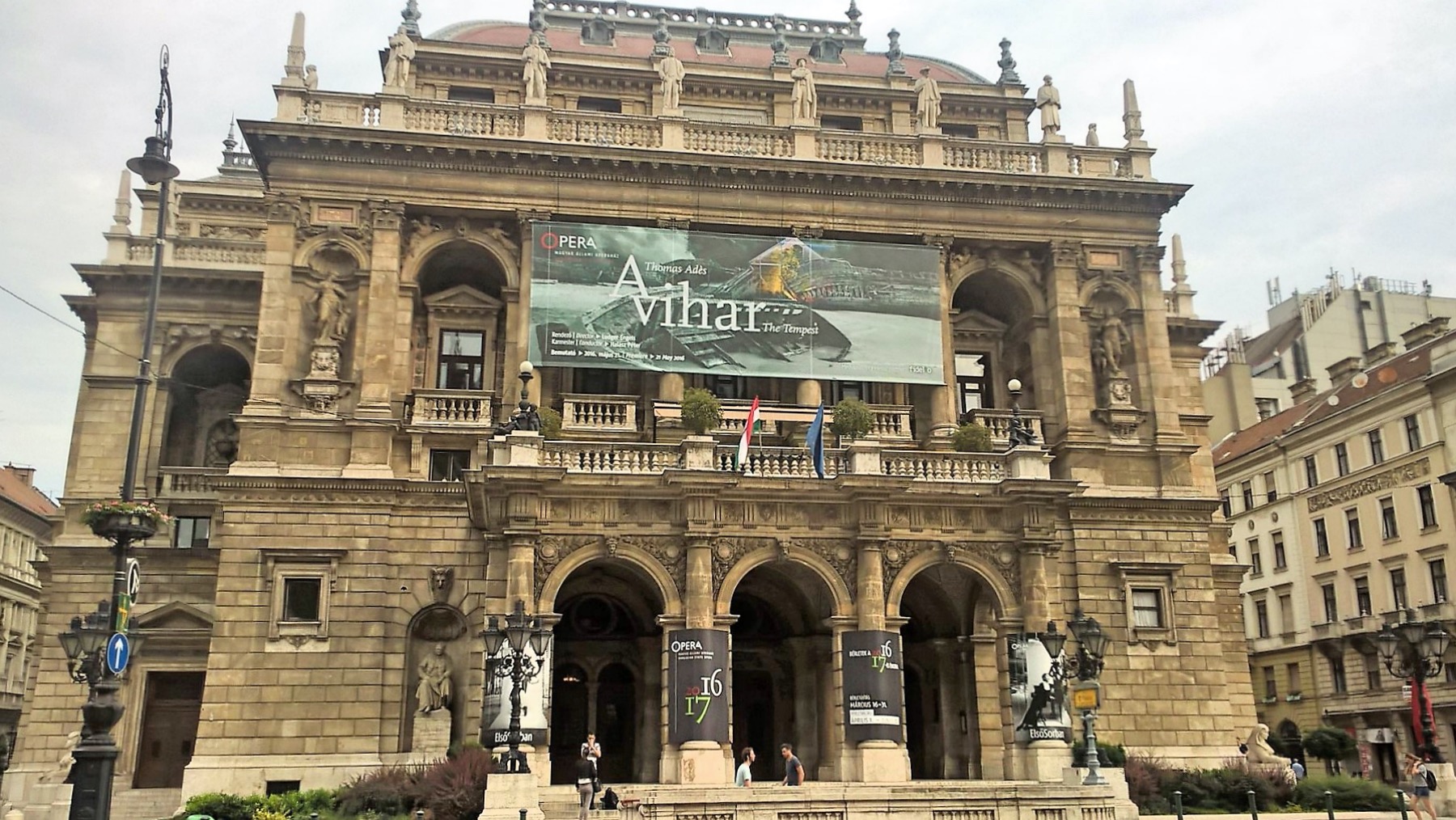
The Hungarian State Opera House opened in 1884, during one of Budapest’s most ambitious and elegant periods. Designed by the famous Hungarian architect Miklós Ybl, it was built to rival the great opera houses of Vienna and Paris—and many would say, it succeeded.
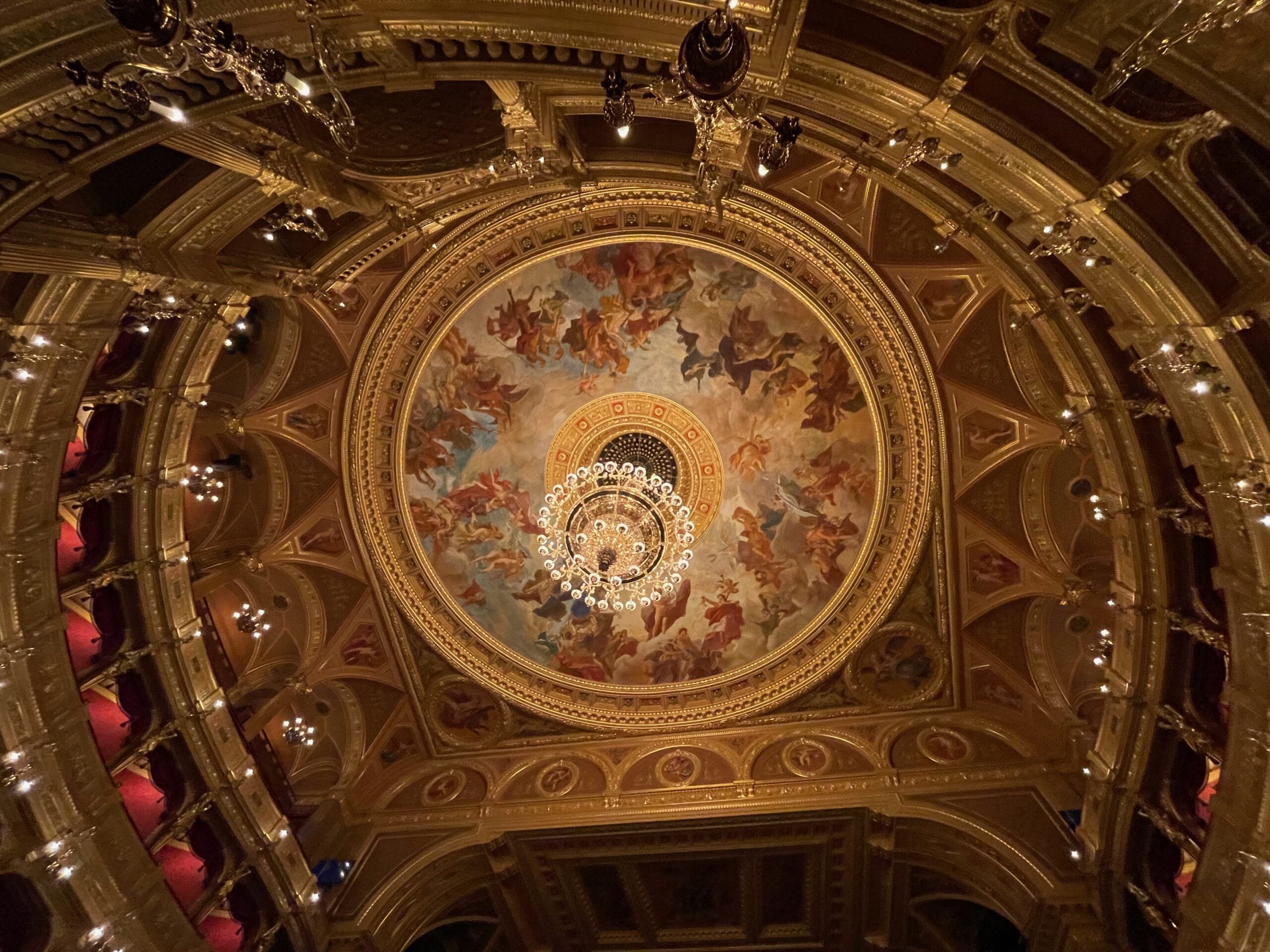
From the outside, it’s already impressive. But the real experience begins the moment you step inside. Marble columns, sweeping staircases, and ceilings painted with mythological scenes set the tone immediately. And then, of course, there’s the auditorium—rich red velvet, gold balconies, and one of the most beautiful chandeliers in the city.
It’s the kind of place where even before the performance starts, you already feel like you’re part of something special.
More Than Just a Performance
One of my favourite moments is just before the curtain rises.
There’s a quiet energy in the room. People settle into their seats, the orchestra tunes, conversations soften. It’s a shared anticipation—and even if you don’t come to the opera regularly, you feel it instantly.
And then, for a few hours, the outside world disappears.
A Different Perspective: From a Private Box
This time, I had the chance to watch from a private box—and I have to say, it changes everything.
Opening the door and seeing the auditorium from that angle feels almost like stepping into another era. It’s more intimate, more theatrical. You’re not just watching the performance—you’re part of the scene itself.
Moments like this are a reminder of how these spaces were originally designed: not just for music, but for experience, for atmosphere, for a certain kind of elegance that still lingers today.
A Stop on My Tours
Even if you don’t attend a performance, the Opera House is still absolutely worth visiting.
I often include the main foyer in my private walking or driving tours of Budapest. It’s one of those places that adds a layer of cultural depth to the city—something beyond the usual sights.
It’s also a perfect way to understand Budapest’s golden age, when the city was growing rapidly and wanted to show the world just how sophisticated it had become.
Budapest: A City of Music
The Opera House is just one part of Budapest’s rich musical life.
Another favourite of mine is the Liszt Academy of Music—an equally stunning building, but with a very different atmosphere. While the Opera House feels grand and theatrical, the Academy is more intimate and deeply connected to Hungary’s musical heritage.
If you enjoy live music, I always recommend checking what’s on during your stay. Whether it’s opera, classical concerts, or even smaller performances, Budapest offers something special year-round.
Is It Worth It?
Absolutely. Even if you’re not a regular opera-goer, this is about more than the performance. It’s about stepping into a space where architecture, history, and culture come together in a way that feels both grand and personal at the same time. If you’re looking for a truly memorable cultural highlight, a Budapest Opera House experience is something I always recommend.
And honestly, it’s one of those evenings you’ll remember long after your trip.
A Little Tip
If you’re visiting Budapest and considering an evening at the Opera House, I’m always happy to help you choose the right performance—or include the building as part of a private tour.
Because sometimes, the best way to experience a place… is to understand the story behind it.