The Secret Garden on Gellért Hill You Shouldn’t Miss
- Destinations, Reviews
- beautiful Budapest, Budapest nature spots, Budapest private tour, budapest travel tips, Budapest viewpoints, budapest walking routes, Gellert hill, hidden gems Budapest, off the beaten path Budapest, peaceful places Budapest, Philosophers Garden Budapest, secret gardens Budapest, Things to do in Budapest
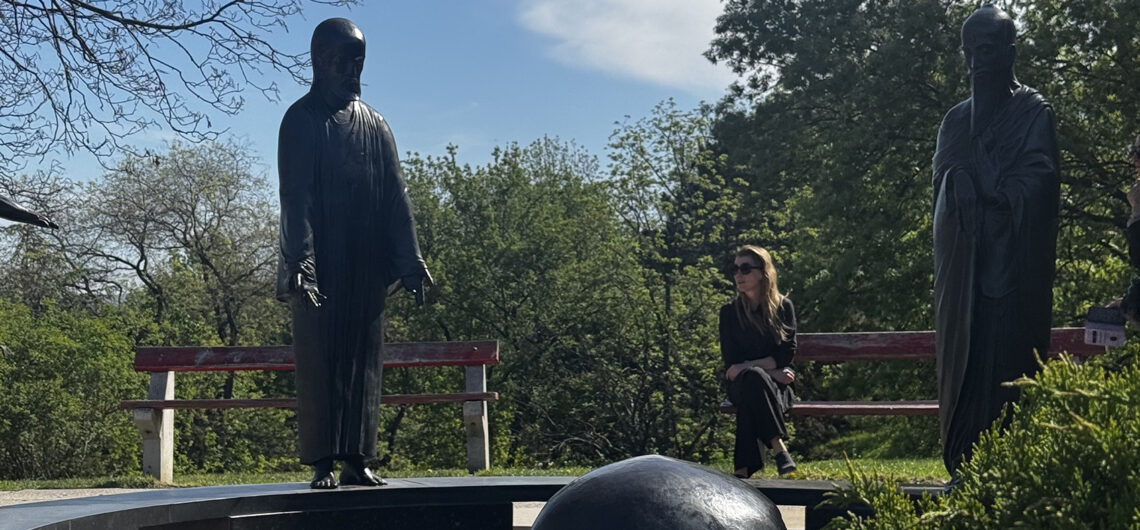
Philosophers Garden Budapest is one of those places you almost miss — but once you find it, you don’t forget it.
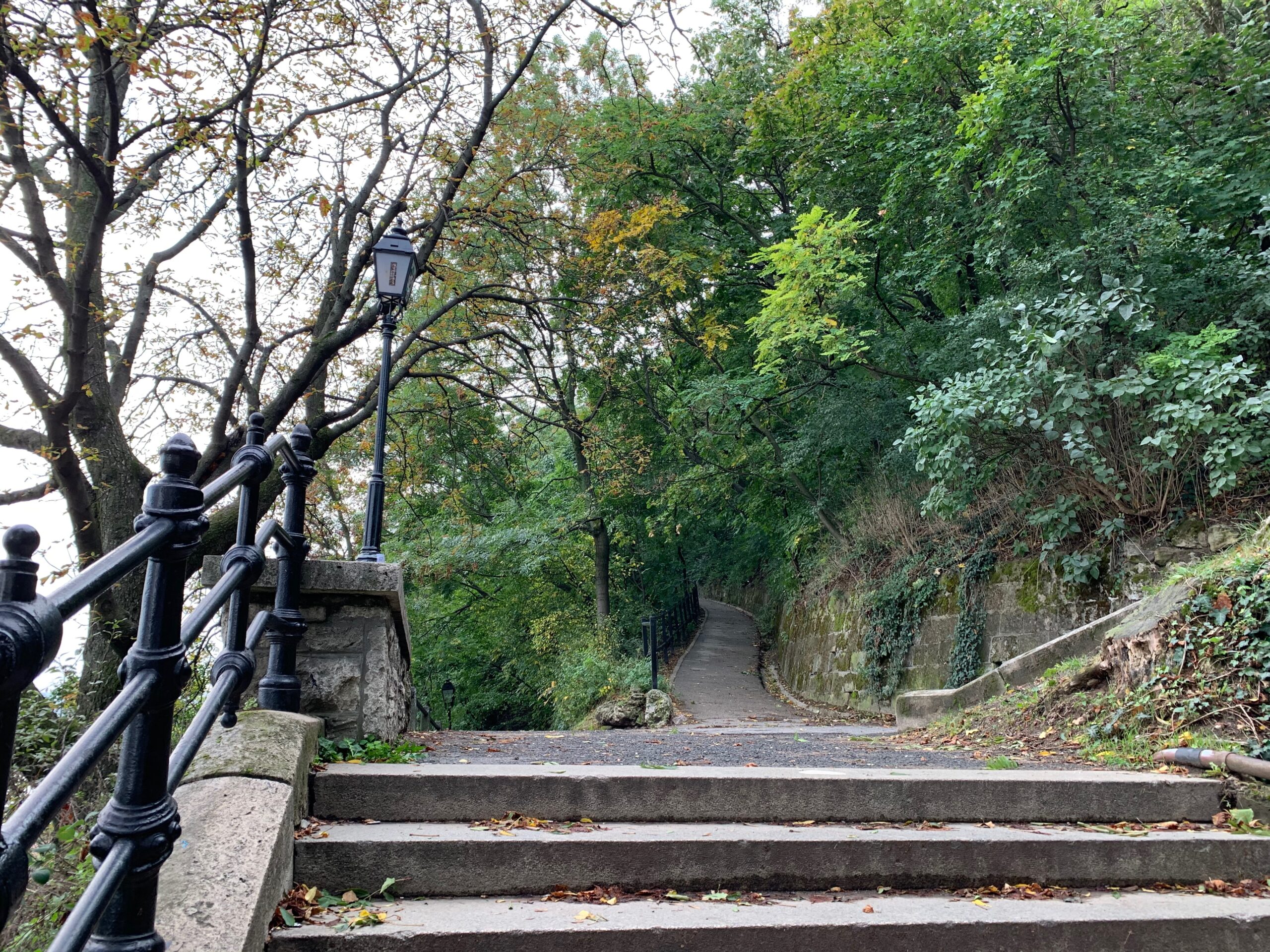
Beautiful Budapest is full of grand landmarks — but some of its most memorable places are the quiet ones. The ones you almost miss. The Philosophers’ Garden is one of them.
Tucked away on the slopes of Gellért Hill, this peaceful spot is part of my personal “Secret Gardens of Budapest”series — places where the city slows down, and something unexpected happens.
If you’ve already discovered the charm of Mansfeld Péter Park or the serenity of Gül Baba’s Tomb, this is another one to add to your list.
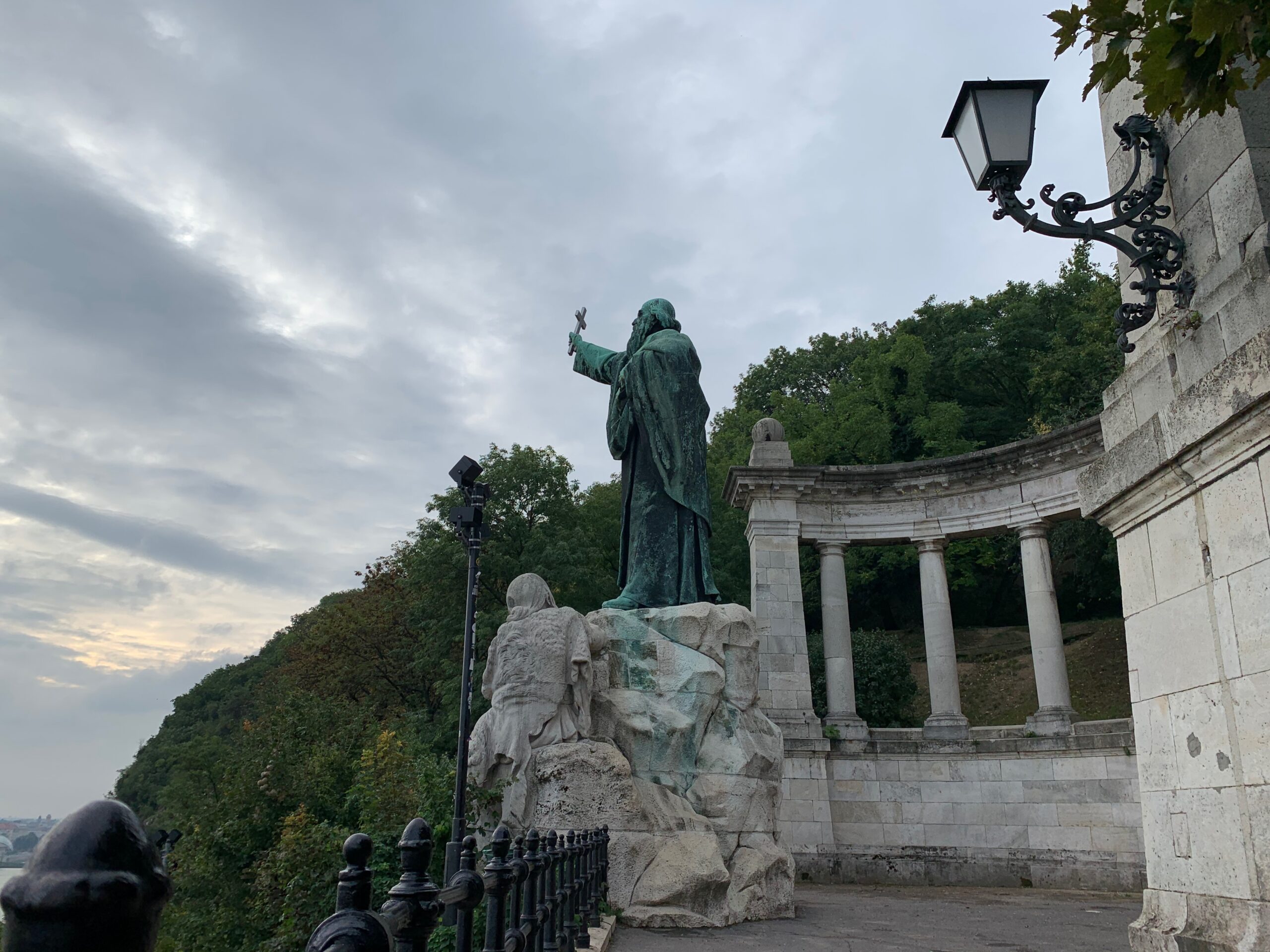
A Circle of Ideas
You’ll recognize names like:
- Buddha
- Jesus
- Abraham
- Laozi
- Akhenaten
They face each other, as if in conversation. The message is simple, but powerful: different paths, shared values. It’s not a place that overwhelms you — it’s one that gently invites you to pause.
Each statue represents a different path — different beliefs, different traditions — yet they meet here in quiet harmony. It’s a gentle reminder that, beyond our differences, there is something deeply shared in the human search for meaning, peace, and understanding.
And somehow, in this small garden above the city, you can feel exactly that.
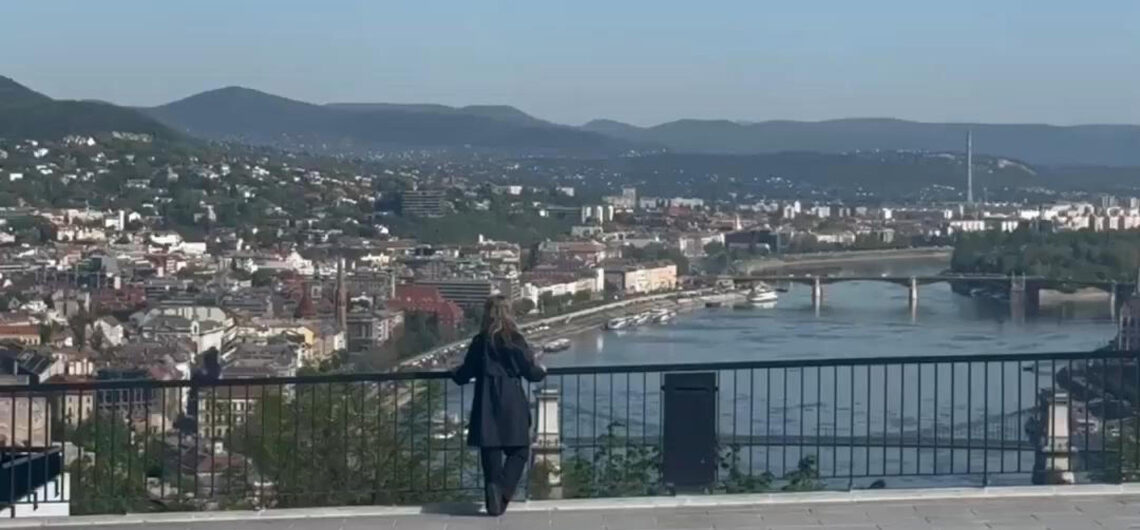
A View Without the Crowds
But without the crowds you’ll find at the Citadella. And that changes everything.
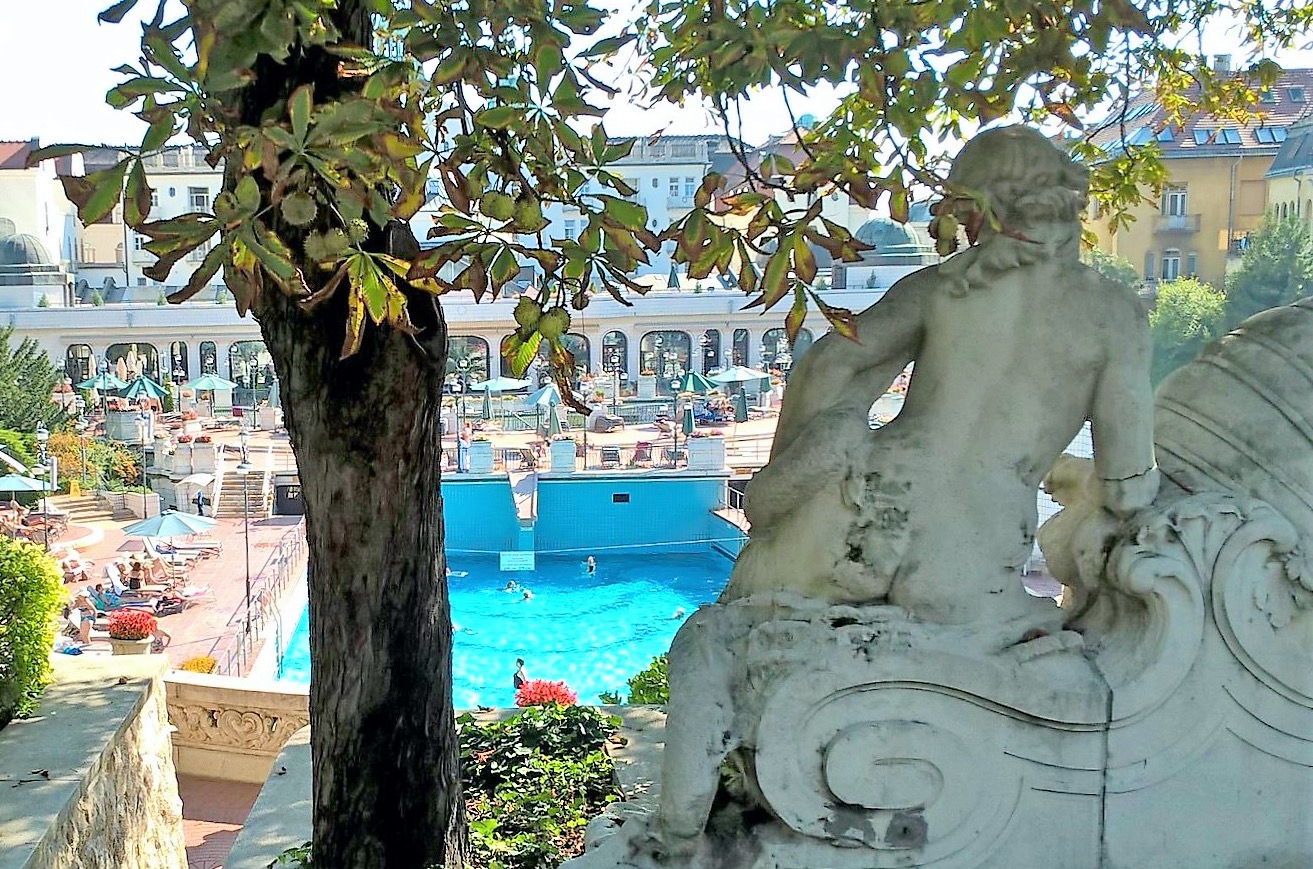
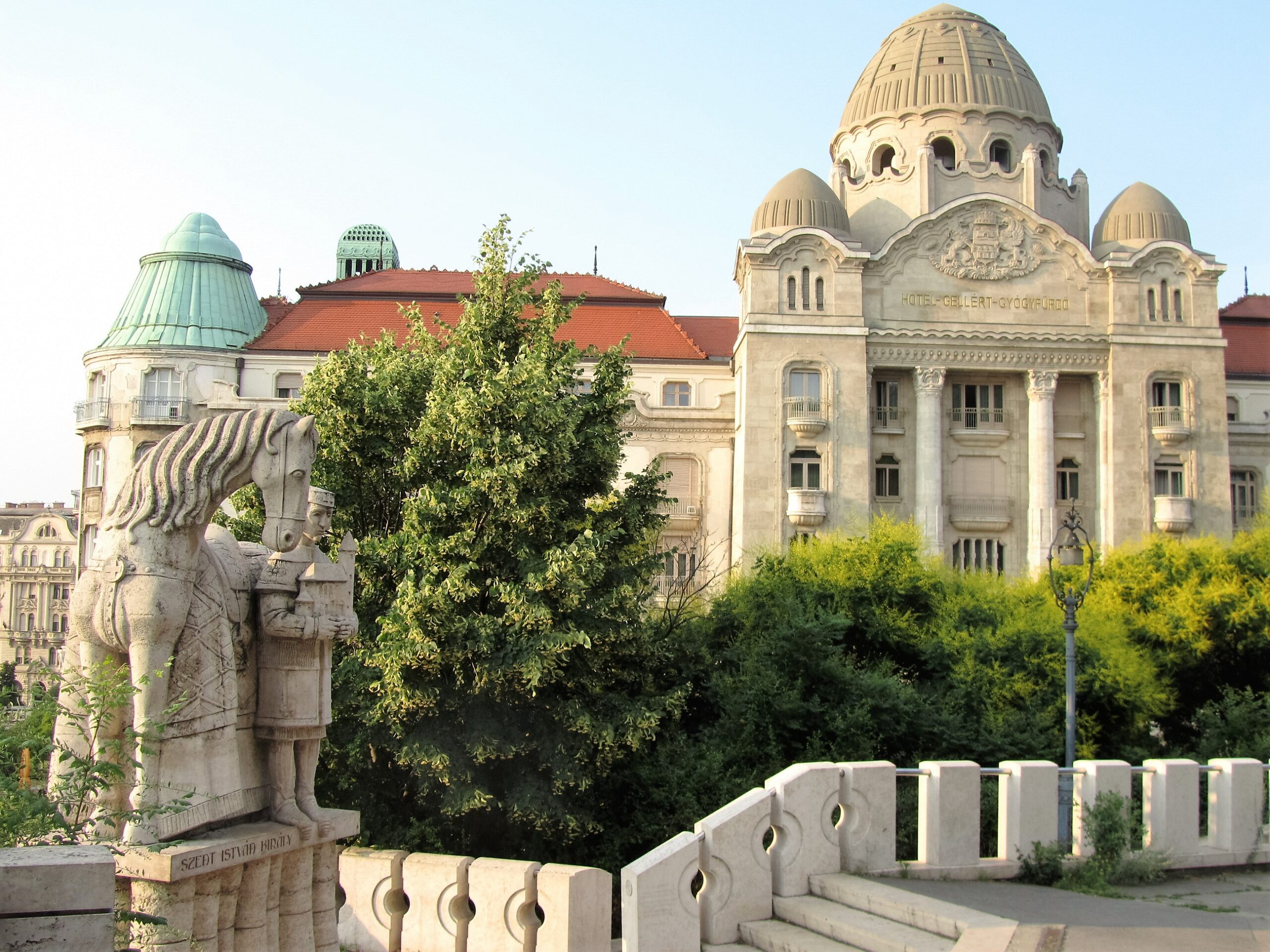
Part of a Perfect Gellért Hill Walk
One of the best things about the Philosophers’ Garden is how easily it fits into a walk around the beautiful Gellért Hill of Budapest.
You can combine it with:
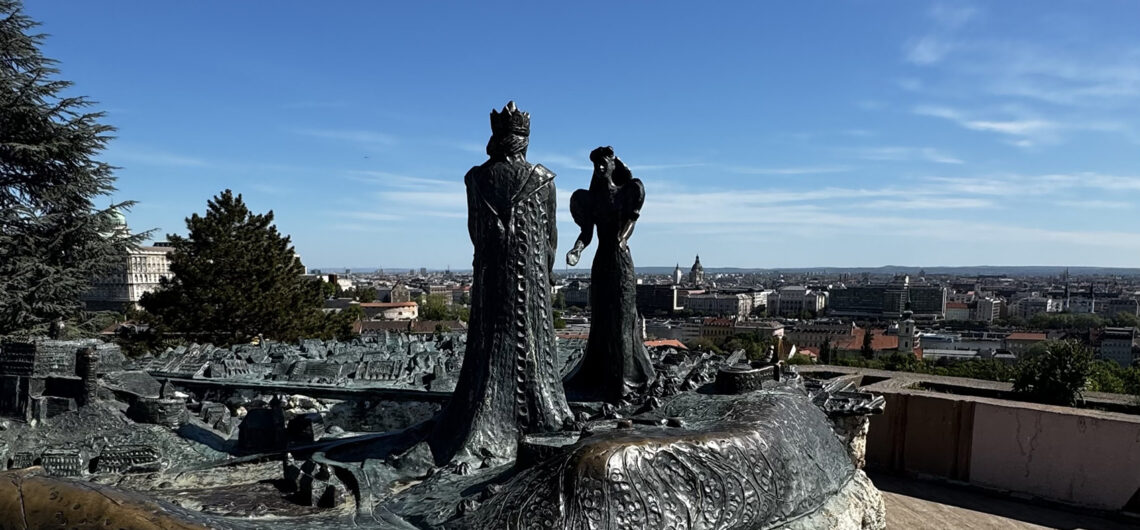
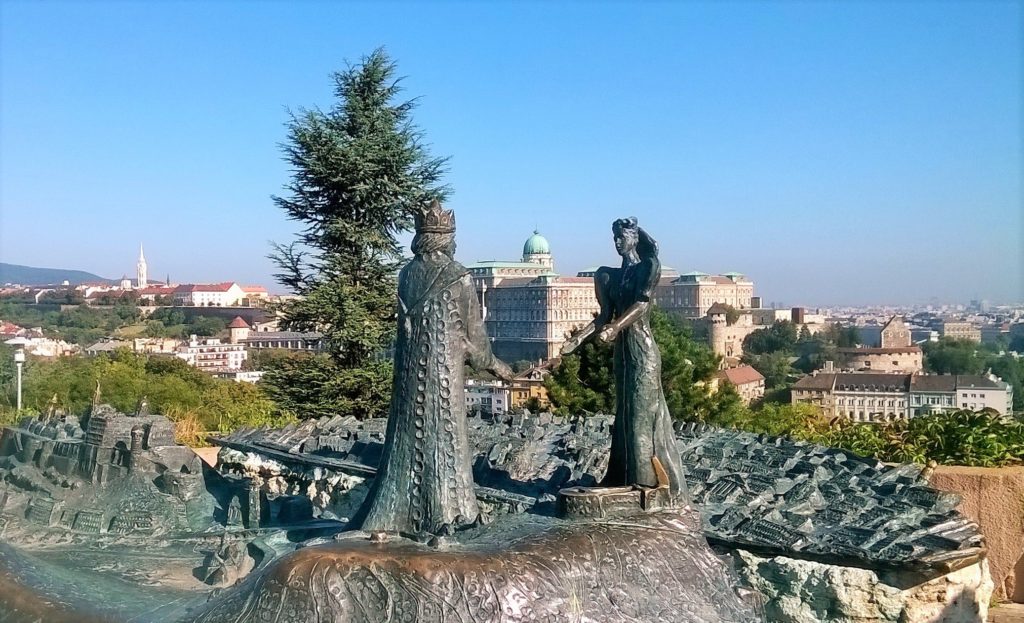
- the statue of Buda and Pest (Budapest)
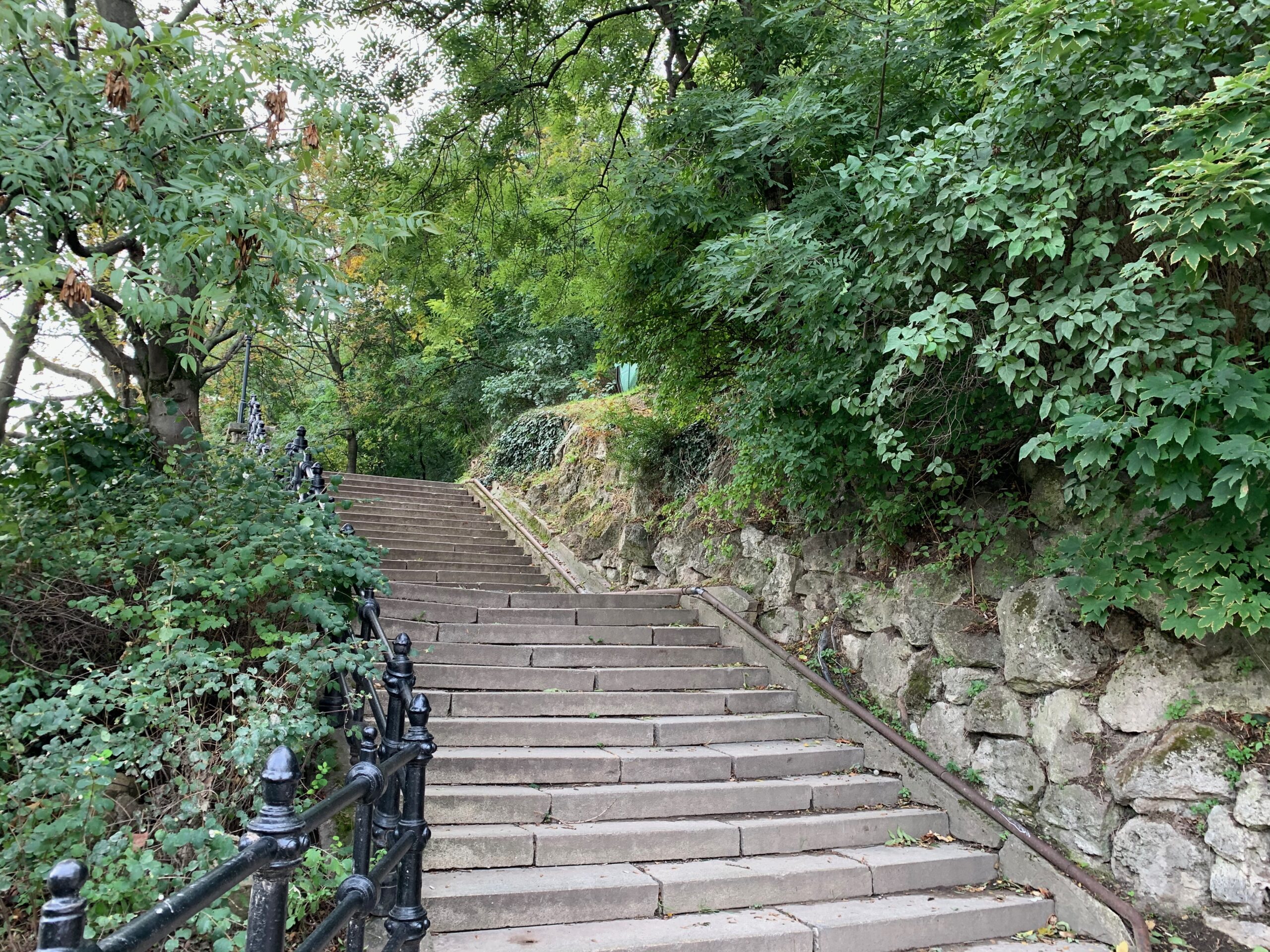
- scenic forest paths
- and several lesser-known viewpoints
If you’re planning your route, I recommend pairing this with my posts about the Citadel and the Liberty Statue — together, they create a beautiful, varied walk through one of Budapest’s most iconic hills.
Why Philosophers’ Garden Stays With You
There’s something special about places like this. They’re not the biggest sights. They’re not the most famous. But they’re the ones people remember later.
As a private guide, I often include spots like this in my tours — because they show a different side of Budapest. A quieter, more personal one.
Feel free to explore hidden places like this with stories and local insight or contact me for further details.
Save This for Later
Budapest isn’t just about what you see. It’s about the places where you stop, breathe, and feel the city. The Philosophers’ Garden is one of those places. And if you’d like to discover more hidden corners like this — I’d be happy to show you.