My Favourite Places in Budapest I’d Show a Friend
- Destinations, General
- beautiful Budapest, Budapest architecture, Budapest food, Budapest hidden gems, Budapest Private Tours, budapest travel tips, Budapest walking tour, favourite places in Budapest, Hidden Budapest, Local guide Budapest, Things to do in Budapest
If you asked me to choose my favourite places in Budapest to show a friend, I probably wouldn’t begin with a list of the city’s most famous sights. Of course I’d want you to see Parliament, Buda Castle and the Danube. They’re extraordinary for a reason. But if we had a little more time together, I’d also want to show you my Budapest.
The places where I still slow down after hundreds of tours. Somewhere beautiful to linger. Something delicious to taste. A garden where the city suddenly becomes quiet. An architectural detail you might easily walk past.
Not because you have to see them. Because I’d want to show them to you.
Exploring Budapest by Tram
Budapest is a city I love exploring on foot, but sometimes the journey itself is part of the experience.
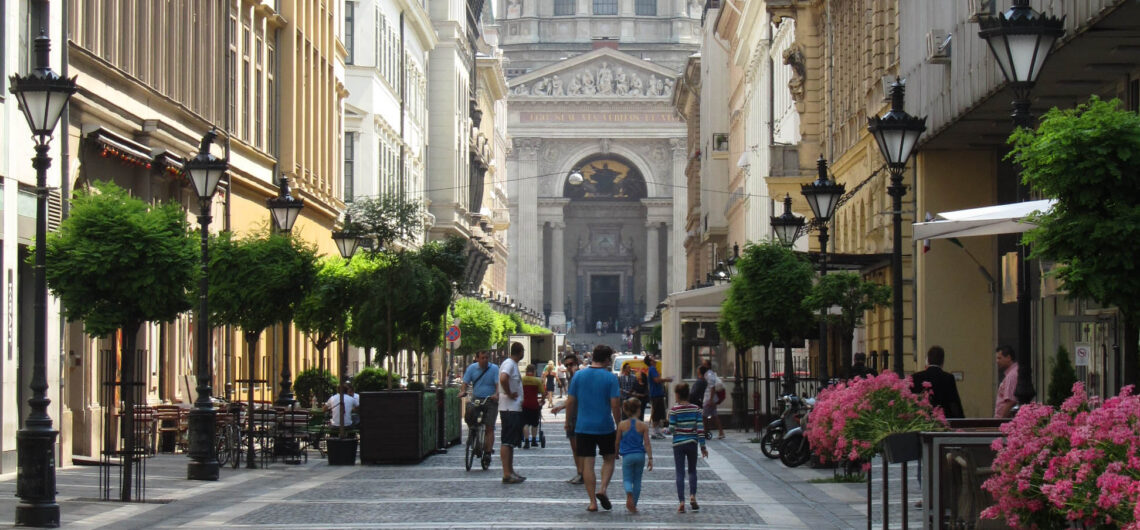
I’d probably put you on a tram. Not because it’s the quickest way to get somewhere, but because Budapest looks different when you watch it moving past the window. The Danube appears between buildings, a familiar landmark suddenly comes into view, and for a few minutes you get to experience the city as locals do every day.
Public transport often becomes part of my private walking tours in Budapest, especially when it helps us connect neighbourhoods without losing that feeling of actually being in the city.
And if the Chain Bridge happens to appear between the trees as we go?
Even better.
Párisi Passage: Somewhere Beautiful to Linger
Then I might take you somewhere that makes you stop almost immediately after walking through the door.
One of those places is Párisi Passage. Its spectacular glass roof, mosaics, carved details and mixture of architectural influences make it one of Budapest’s most remarkable interiors. Yet what I like most is that you don’t necessarily have to do anything here.
You can simply look.
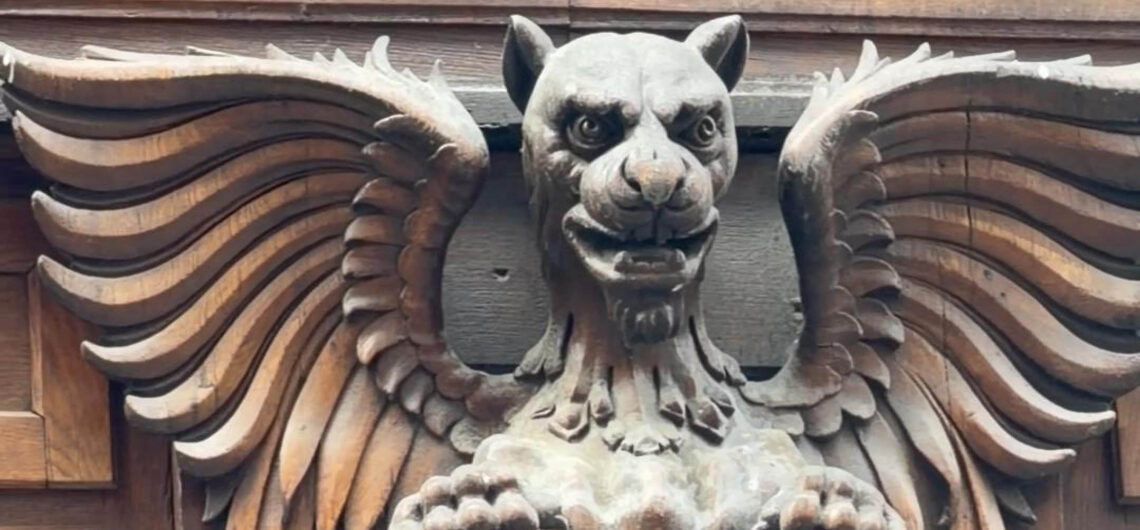
Budapest rewards this kind of curiosity. Some of its greatest architectural treasures aren’t monuments at all. They are hotel lobbies, cafés, passageways, courtyards and buildings that reveal very little from the street.
It’s one of the reasons I love introducing visitors to the city through its architecture — not simply pointing out buildings, but noticing the details that tell their stories and showing my favourite places in Budapest.
And sometimes, the correct response to a beautiful Budapest interior is simply to sit down and order a coffee. I am completely comfortable with that.
A Taste of Budapest at the Market
Eventually, we would need food.
And if I were showing a friend around Budapest, I’d want them to see a market — not just to photograph paprika and strings of sausages, but to understand a little more about how Hungarians eat.
Paprika, pickles, salami, sausages, seasonal produce: these are small pieces of a much bigger story.
Food can tell you about geography, history, family traditions and even the way people preserve memories.
That is why food so often finds its way naturally into my tours. Sometimes it’s just a quick taste along the way; sometimes it becomes the whole theme of a Budapest private foodie tour.
Either way, I’d want you to try something. Preferably several somethings.
A Quiet Garden Above the City
Then I’d take you somewhere green.
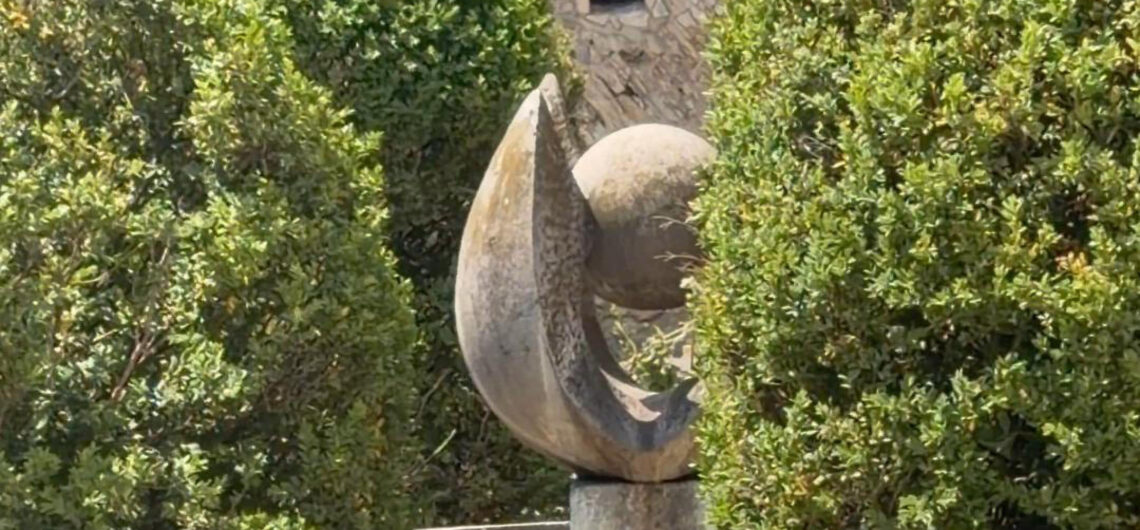
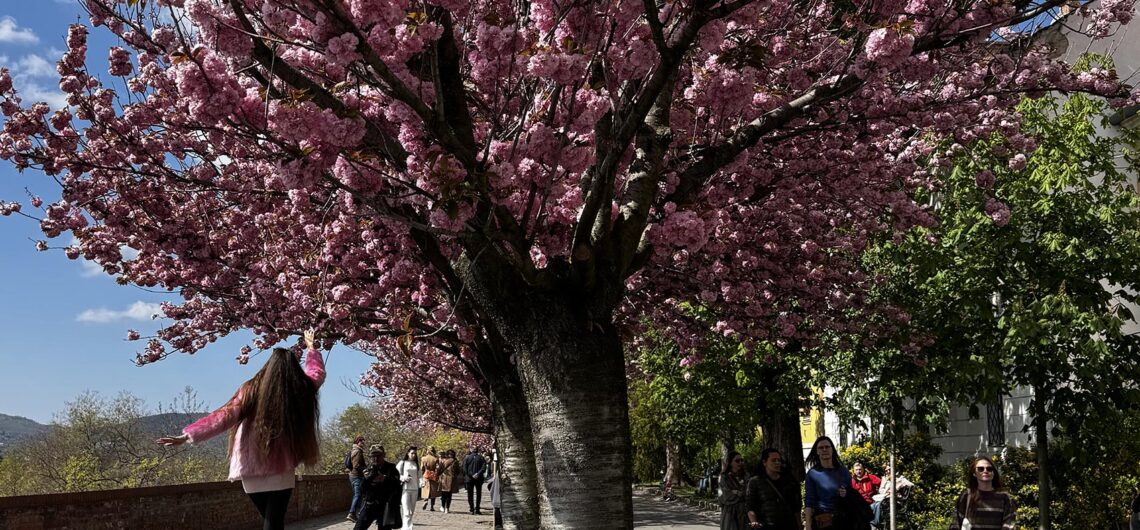
Budapest has wonderful parks, but some of my favourite green spaces are much smaller: gardens and terraces hidden behind walls, tucked beside historic buildings or sitting quietly above the busiest parts of the city.
You can walk for hours through Budapest surrounded by stone façades, traffic and trams, turn a corner — and suddenly find roses, trees and silence. I love that contrast.
It is also why I keep looking for hidden gardens in Budapest. They offer a completely different way of experiencing the city.
And from some of them, you might even catch an unexpected glimpse of the Parliament or the Danube through the trees.
That’s when I’d probably suggest we stay another five minutes.
The Budapest Places You’d Never Find by Accident
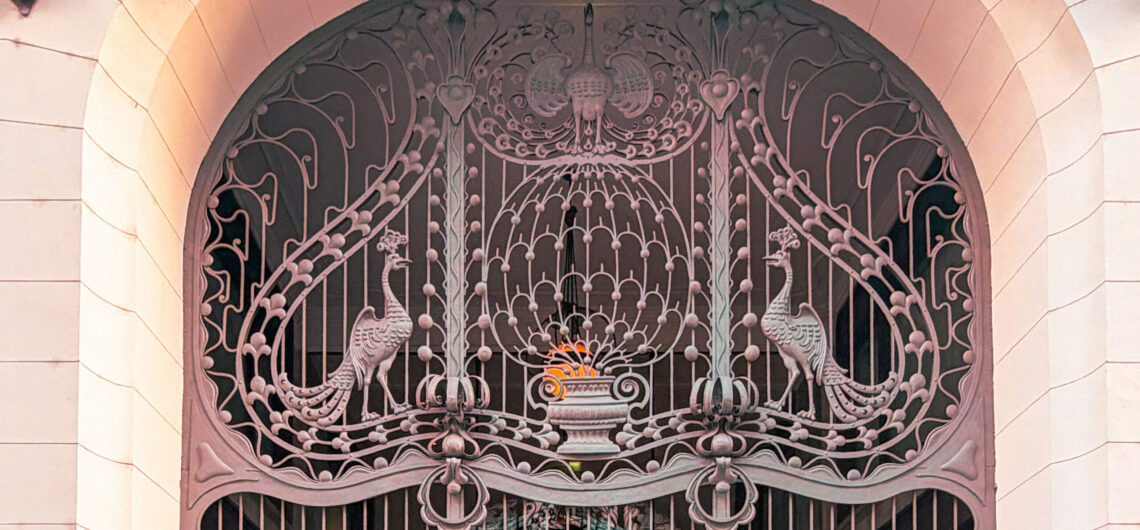
This might be my favourite part. A door that doesn’t look particularly important.
A glimpse of a staircase beyond it. And then you walk inside. Suddenly, above you, the staircase curves towards a beautiful circular skylight. These are the moments I treasure most when exploring Budapest, showing my favourite places in Budapest.
Not necessarily because the place appears in a guidebook or because there is an important historical event attached to it. Sometimes it is simply the pleasure of discovering something beautiful where you weren’t expecting to find it.
Budapest is full of details like this: extraordinary staircases, stained glass, courtyards, decorated entrances, old signs, mosaics and architectural surprises hiding behind perfectly ordinary façades.
You just have to know where to look.
The Budapest I’d Want You to Remember
And eventually, we would find our way back towards the Danube.
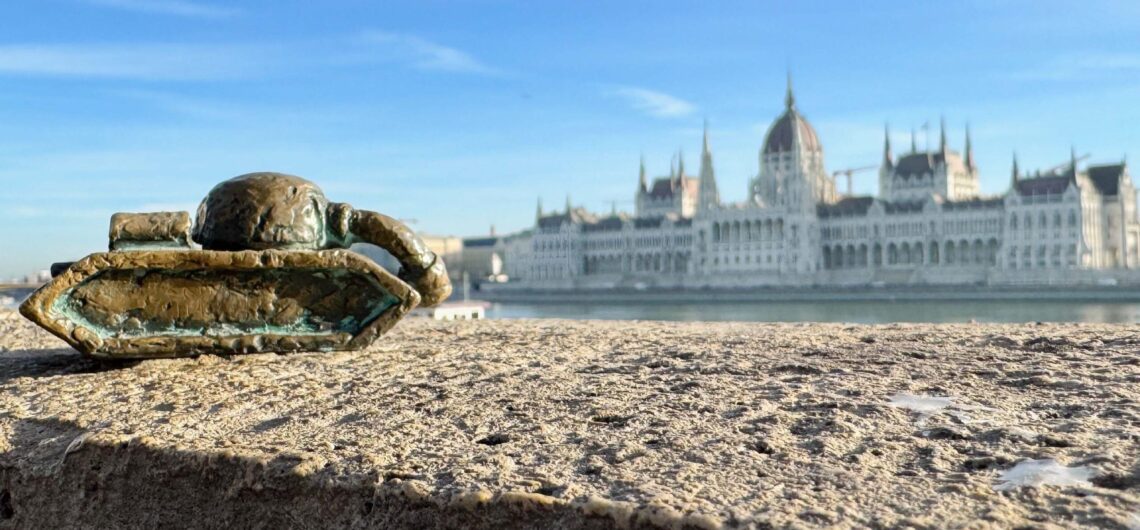
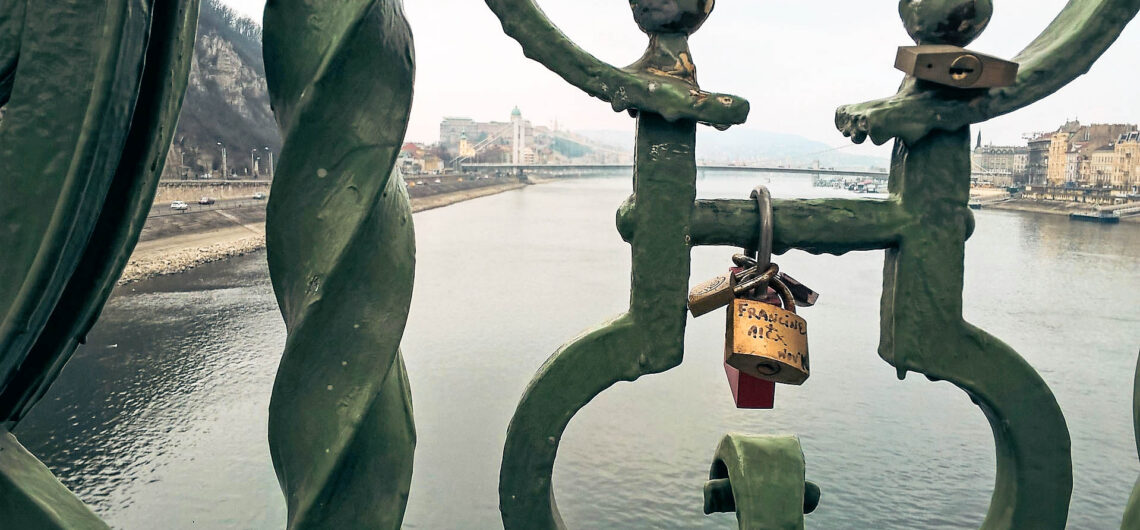
Perhaps we’d stop somewhere where you can watch the boats moving along the river through an old decorative railing.
And I hope that by then, Budapest would feel a little different. Because seeing a city isn’t only about collecting its famous landmarks.
It’s about the coffee we stopped for because the room was too beautiful to leave. The strange little architectural detail we noticed above a doorway. The food you tasted at the market. The garden where we stayed longer than planned. The door we almost walked past.
Those are often the moments that stay with us.
That is also how I approach my fully customisable private tours of Budapest. There is no single perfect Budapest itinerary, because there is no single way to experience the city. History, architecture, food, hidden places, grand monuments and tiny details can all become part of the story.
If you were visiting me in Budapest, of course I’d show you the city’s great sights. But I’d save some time for places like these, too.
Not because you have to see them. Because I’d want to show them to you.