Every year on the 15th of March, Hungary commemorates one of the most important moments in its history: the beginning of the Revolution of 1848.

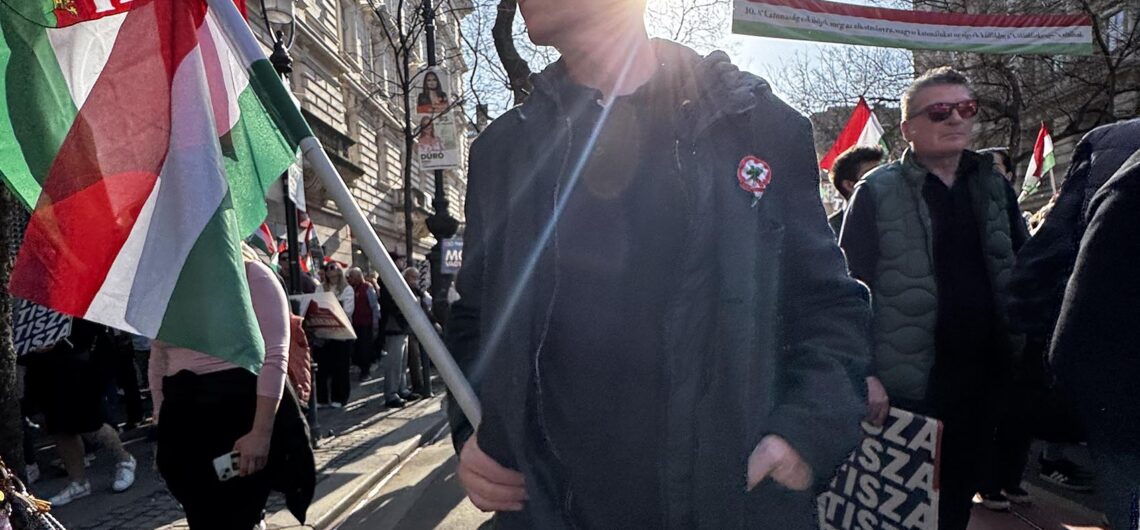
It is a day when Hungarian flags appear across Budapest, red-white-green cockades are pinned to jackets, and the city remembers the courage of those who demanded freedom.

But this national holiday is not only about remembering a historical event. It is about remembering a moment when words, ideas, and determination changed the course of a nation’s history.

The Day the Revolution Began

The events of the 15th of March, 1848 began in Pest with a group of young intellectuals known as the March Youth. Among them was the poet Sándor Petőfi, whose passionate poem Nemzeti Dal (National Song) became the voice of the revolution.

Standing before a growing crowd, Petőfi recited the poem beginning with the powerful words:

“Talpra magyar, hí a haza!”
“Rise up, Hungarians, the homeland calls!”

The poem captured the spirit of the moment. Inspired by revolutionary movements spreading across Europe in 1848, the crowd demanded political reform and national independence. Their demands were summarized in a document known as the Twelve Points, which called for:

  • freedom of the press

  • equality before the law

  • a Hungarian government independent from Vienna

  • civil rights and national sovereignty

  • the end of feudal privileges

Remarkably, the revolution in Pest began without violence. Printing presses produced copies of the Twelve Points without censorship, crowds gathered peacefully, and political prisoners were freed.

For a brief moment, it seemed that a new chapter of Hungarian history had begun.

The Hungarian Flag and the Cockade

One of the most recognizable symbols of the revolution was the red-white-green tricolour, the Hungarian national flag.

These colours had appeared earlier in Hungarian history, but during the revolution they became a powerful symbol of unity and national identity.

Even today, on March 15, many Hungarians wear a cockade made from these colours — a small circular ribbon pinned to clothing. This tradition connects modern Hungary with the revolutionaries of 1848 who wore the same symbol of patriotism.

Walking through Budapest on this day, you see flags hanging from historic buildings, bridges, and balconies across the city.

The red, white, and green colours remind people not only of the past, but also of the enduring importance of freedom. The three colours of the Hungarian flag tell a story of their own: red symbolises the blood and passion of those who fought for freedom, white represents honesty and integrity, and green reflects hope for the nation’s future.

The Revolution and Its Legacy

Although the revolution eventually led to a war with the Habsburg Empire and was ultimately suppressed in 1849, its ideals continued to shape Hungarian identity.

Many of the political and social reforms demanded in 1848 eventually became reality. More importantly, the revolution became a lasting symbol of the Hungarian desire for independence and self-determination.

Hungarian history includes several moments when people stood up for freedom.

One of the most powerful examples was the 1956 uprising against Soviet rule, another event that deeply shaped modern Budapest and the national memory.

Understanding these moments helps visitors see Budapest not only as a beautiful city, but also as a place where history was lived with extraordinary courage.

Experiencing the 15th of March in Budapest

If you happen to visit Budapest around the 15th of March, you will see a very special atmosphere in the city.

Public squares host commemorations, historic locations connected to the revolution are visited by locals, and Hungarian flags appear everywhere. The holiday is both festive and reflective — a quiet but powerful reminder of the ideals that shaped the country.

For visitors interested in the deeper layers of Hungarian history, these stories often come alive when walking through the city itself. Many of the historic streets connected to Budapest’s past — including areas like the Jewish Quarter — reveal how layers of history shaped the city we see today.

Many of the places connected to Hungary’s struggles for freedom can still be seen today — from the streets where the revolution began to the monuments remembering later events such as the 1956 uprising. Fortunately, many of these historic sites are easy to reach thanks to Budapest’s excellent public transportation system, which makes exploring the city simple for visitors.

Why This History Matters Today

One of the most moving aspects of the 15th of March is that the revolution was not only fought with weapons.

It was fought with poetry, ideas, and courage. The words spoken in the streets of Pest in 1848 continue to echo through Hungarian history, reminding people that freedom often begins with the courage to imagine a different future.

Every Hungarian flag displayed on this day carries that message forward. Whenever I walk through Budapest on the 15th of March, I can’t help wondering what the young revolutionaries of 1848 would expect from us today. Reading the Twelve Points, it is striking how timeless their message remains. The ideals of freedom, equality before the law, and responsible government still resonate deeply, reminding us that the spirit of 1848 continues to challenge and inspire every generation.

Budapest is a city where history is not only remembered — it is lived in its streets, squares, and stories. If you would like to explore these layers of history while discovering the city with a local guide, I would be delighted to show you around on one of my private tours.

March 15 Budapest 🇭🇺 Nemzeti Menet | Hungary’s National Day

Few buildings define Budapest as instantly as Matthias Church. Rising above the Buda Castle District with its colourful tiled roof and fairy-tale silhouette, it is one of the most photographed landmarks in the Hungarian capital.

And yet, many visitors admire it from a distance without discovering what makes it truly remarkable.

Taking a closer look reveals centuries of history, architectural details often missed at first glance, and one of the most rewarding cultural experiences in Budapest.

A Church Shaped by Centuries of History

Matthias Church stands on a site where places of worship have existed since the 13th century. Over time, the building has witnessed royal ceremonies, coronations, Ottoman occupation, and major reconstructions that shaped its present appearance.

Despite its medieval origins, much of what visitors see today comes from a careful 19th-century restoration led by architect Frigyes Schulek, who created the distinctive Neo-Gothic character while preserving earlier historical elements.

This layered history is part of its charm — Matthias Church reflects the many chapters of Budapest itself rather than belonging to a single era.

Look Closer: Details Many Visitors Miss

From afar, the church almost feels unreal, but its beauty truly appears in the details.

The colourful roof, covered with decorative Zsolnay tiles, changes character depending on the light and weather throughout the day. Walking around the building reveals carved stone figures, patterned surfaces, and unexpected viewpoints that many visitors miss when remaining near the main square.

Even a slow walk around the church can feel like discovering a different monument from every angle.

Step Inside Matthias Church

While the exterior alone is impressive, stepping inside offers a completely different experience.

From the outside, Matthias Church appears bright, colourful, and almost newly restored. The interior, however, reveals an unexpected contrast — darker, more atmospheric, and deeply historic. Medieval architectural elements blend with decorative patterns influenced by the Ottoman period, reminding visitors of the many eras the building has lived through.

Standing inside, Hungarian history feels almost tangible. The richly decorated walls, painted motifs inspired by medieval designs, and filtered light from stained glass windows create a calm and contemplative atmosphere — a striking change from the lively square just outside.

Even visitors with limited time often find that a short visit inside adds depth to their understanding of Budapest’s past and cultural heritage.

Climb the Tower for One of Budapest’s Best Views

While most visitors admire Matthias Church from the square below, one of its most memorable experiences lies above the rooftops.

The tower visit offers a completely different perspective of Budapest — and remains surprisingly overlooked. Reaching the top requires climbing a series of narrow stairs, but the ascent itself becomes part of the experience. On the way up, visitors can see the church bells up close, offering a rare glimpse into the inner workings of this historic landmark.

From the very top, panoramic views open over the Buda Castle District, the Danube, and the Pest side of the city, including the Hungarian Parliament. The climb also reveals one of the church’s most remarkable features from a completely new angle: the magnificent Zsolnay roof tiles, fully visible only from above, creating a true bird’s-eye view of the building’s intricate patterns and colours.

Unlike larger viewpoints, the experience feels intimate and immersive, allowing you to see Budapest from within one of its most historic monuments rather than simply looking at it from afar.

For visitors willing to take the climb, the tower provides one of the most unique viewpoints in Budapest — and often becomes an unexpected highlight of a visit to Matthias Church.

Visiting Tips for Matthias Church

If you’re planning to visit Matthias Church, a few practical tips can make the experience much more enjoyable:

  • Visit early in the morning or later in the afternoon to avoid peak crowds in the Buda Castle District.

  • Check opening hours carefully. The church interior may be closed on Saturday afternoons due to weddings, and it is closed on Sunday mornings during church services.

  • Walk around the entire building, not just the main entrance area — some of the most beautiful architectural details appear on the quieter sides.

  • Don’t miss the interior gallery. From here, you gain a stunning elevated view over the church’s richly decorated interior. The gallery also includes a small exhibition dedicated to Hungarian coronations, reflecting the church’s important role as a coronation church in the 19th and 20th centuries.
  • Climb the tower if you can. Although there are stairs to climb, the panoramic views make it truly worth the effort.

  • Combine your visit with Fisherman’s Bastion, located directly beside the church, for iconic views over the Danube and the Hungarian Parliament.

  • Comfortable shoes are recommended, as the surrounding streets are historic cobblestones.

Beyond the Postcard View

Budapest’s most famous landmarks often reveal their beauty slowly. Matthias Church is a perfect example — instantly recognisable, yet far richer when experienced with curiosity and time.

Looking beyond the postcard view transforms a quick photo stop into a meaningful moment in the Buda Castle District.

If you’re planning your first visit to the city, you can also find Matthias Church featured in my guide to Budapest’s must-see sights.

A Local Perspective

When I guide visitors through Budapest, I often encourage them to pause here a little longer. Taking time to notice the details, stepping inside the church, or climbing the tower often turns this famous landmark into a personal highlight of the visit.

Because sometimes, truly knowing a city begins with looking closer.

Matthias Church Budapest: Look Closer at This Icon

Trianon Memorial Budapest – a delicate subject I’m happy to discuss privately

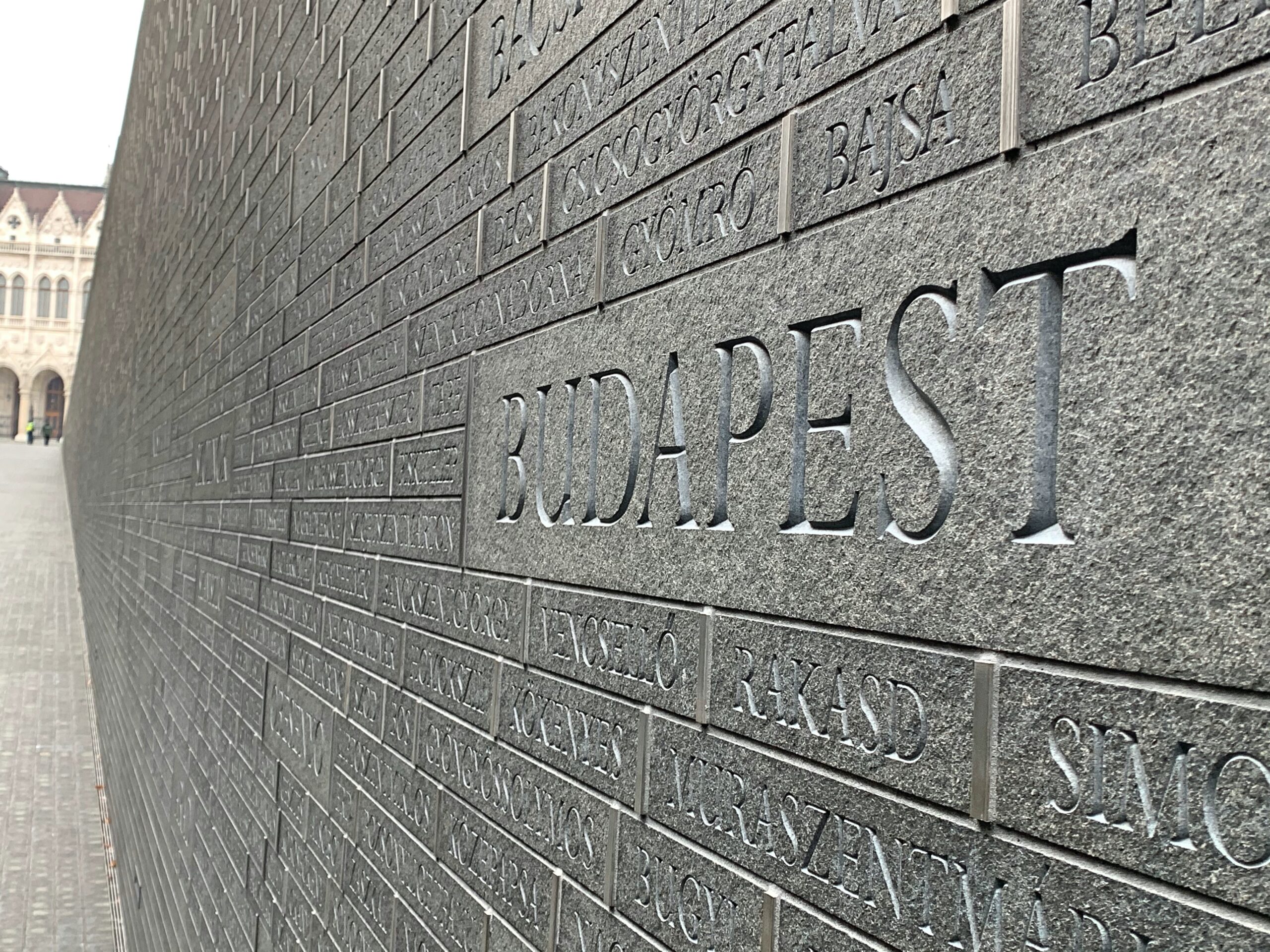
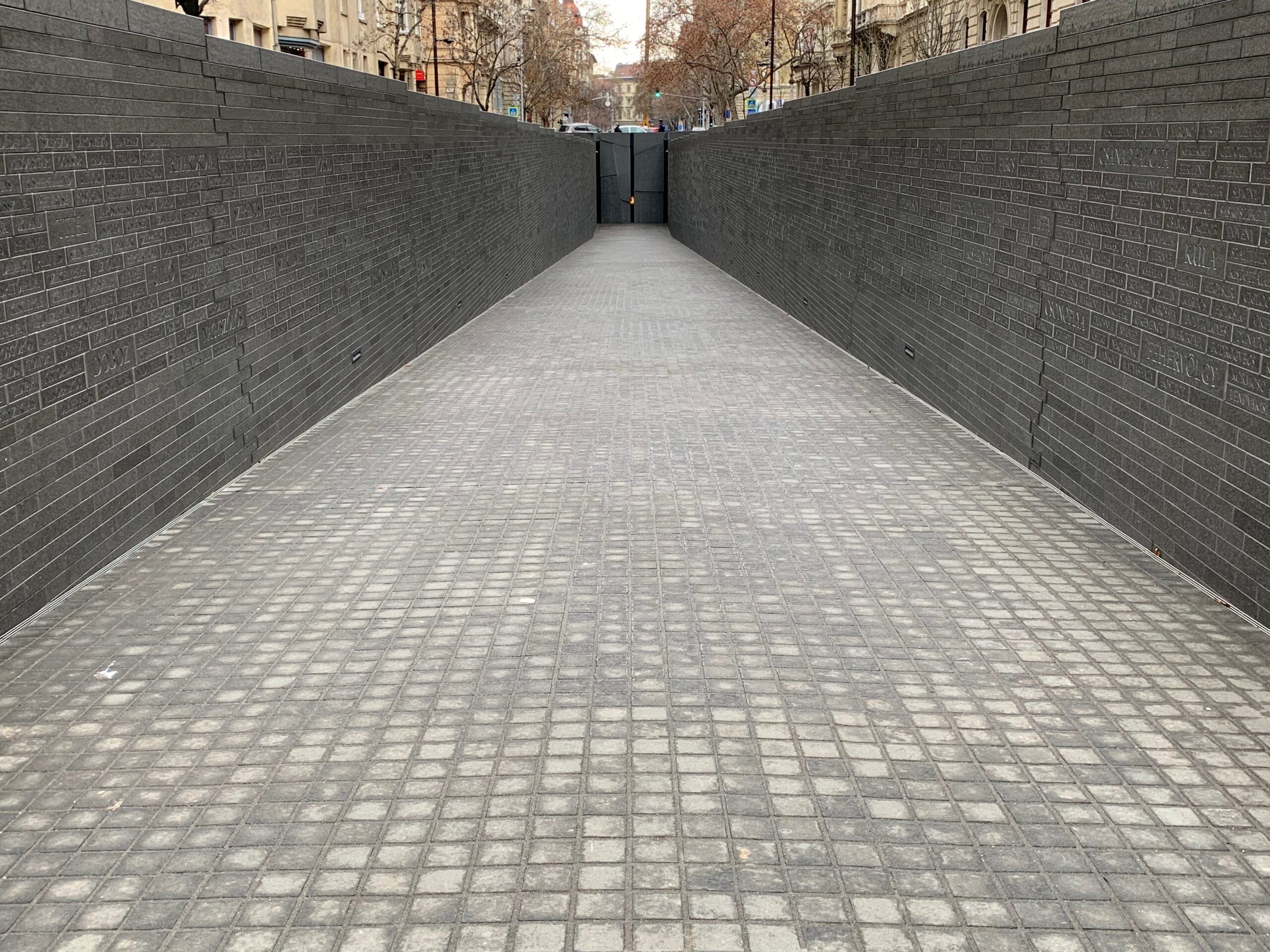
The Trianon Memorial of Budapest (also known as the Memorial of National Unity or Solidarity / Nemzeti Összetartozás Emlékhelye) was inaugurated in 2020 to mark the 100th anniversary of the treaty signed at the Grand Trianon Palace in Versailles on June 4, 1920. I’ve hesitated to write about it because it’s deeply personal for many—and it often comes up on my Communist Budapest private walking tours. This post shares my perspective and invites respectful conversation in a private tour setting.

Quick context: What the Treaty of Trianon meant for Hungary

After World War I, Hungary lost about two-thirds of its pre-war territory and a significant portion of its ethnic Hungarian population found themselves outside the new borders. From the early 1920s, Hungarian politics frequently pursued revision of the settlement—one of several factors that later aligned the country with the wrong side in World War II. Whether the treaty was “fair” is still passionately debated today; what’s clear is the enduring emotional impact.

Where it is and what you’ll see

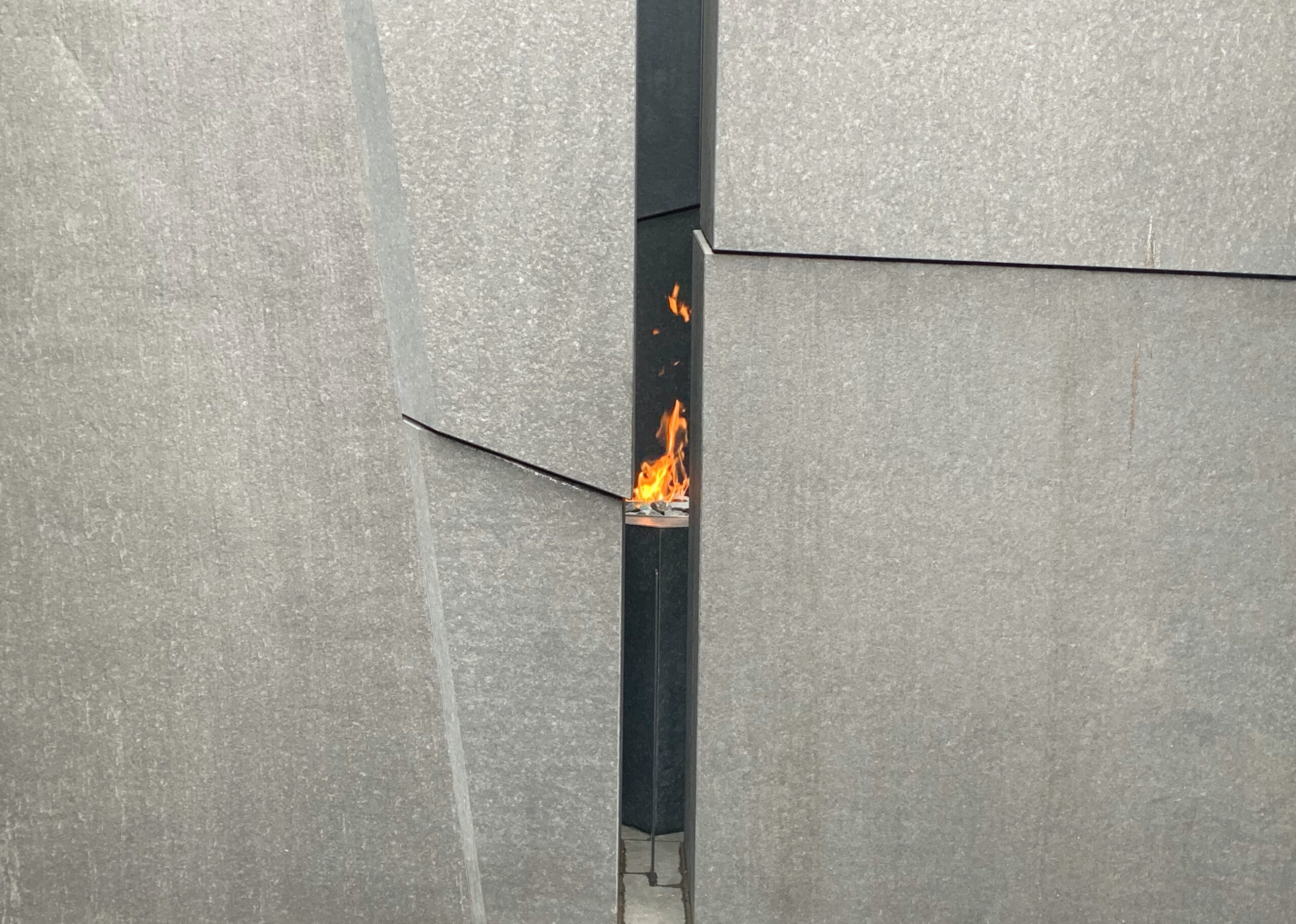
You’ll find the memorial on Kossuth Lajos Square, directly across from the Hungarian Parliament. The design is dark and somber: a roughly 100-meter descending passage with the names of thousands of Hungarian towns and villages that were once part of the country, engraved into metal panels. It’s intentionally austere and heavy—a place of mourning rather than celebration.

My take (with respect for all viewpoints)

  • What I value: The comprehensive roll call of place-names makes history tangible. It’s powerful to recognize communities by name rather than abstract numbers.

  • What I struggle with: The design ends in a dead end. As a guide and as a Hungarian, I believe our history is a continuum—we carry loss, but we also move forward. I miss a visual cue of continuity or hope. Our story did not end in 1920.

I share this not to settle the debate, but to explain why the memorial can feel emotionally closed to some visitors while profoundly validating to others.

Practical visiting tips

  • Location: Kossuth Lajos tér (M2 metro: Kossuth Lajos tér)

  • Cost: Free, open air

  • When to go: Early morning or at dusk for quieter reflection and softer light

  • Accessibility: The passage is gently sloped but still below street level; take care in wet weather

Want to unpack this topic with context and care?

This subject is complex and sensitive. On my private Communist Budapest walking tour, we create space for thoughtful questions about Trianon, interwar politics, memory culture, and how these narratives shaped the communist period and everyday life. If you’d like a respectful, nuanced discussion tailored to your interests, I’m happy to guide it.

Book a private tour

Send me your preferred date and interests, and I’ll suggest an itinerary starting from Kossuth Lajos Square or your hotel.

FAQs

Is the Trianon Memorial political?
It’s a site of memory, and like many memorials, it’s read through different political and personal lenses. That’s part of why it’s controversial.

Why “Trianon” if it happened in Versailles?
The treaty defining Hungary’s new borders was signed in the Grand Trianon Palace, part of the Versailles complex—hence “Treaty of Trianon.”

Is it suitable for children?
Yes, with context. The design and subject matter are somber; older children often engage well with the historical discussion.


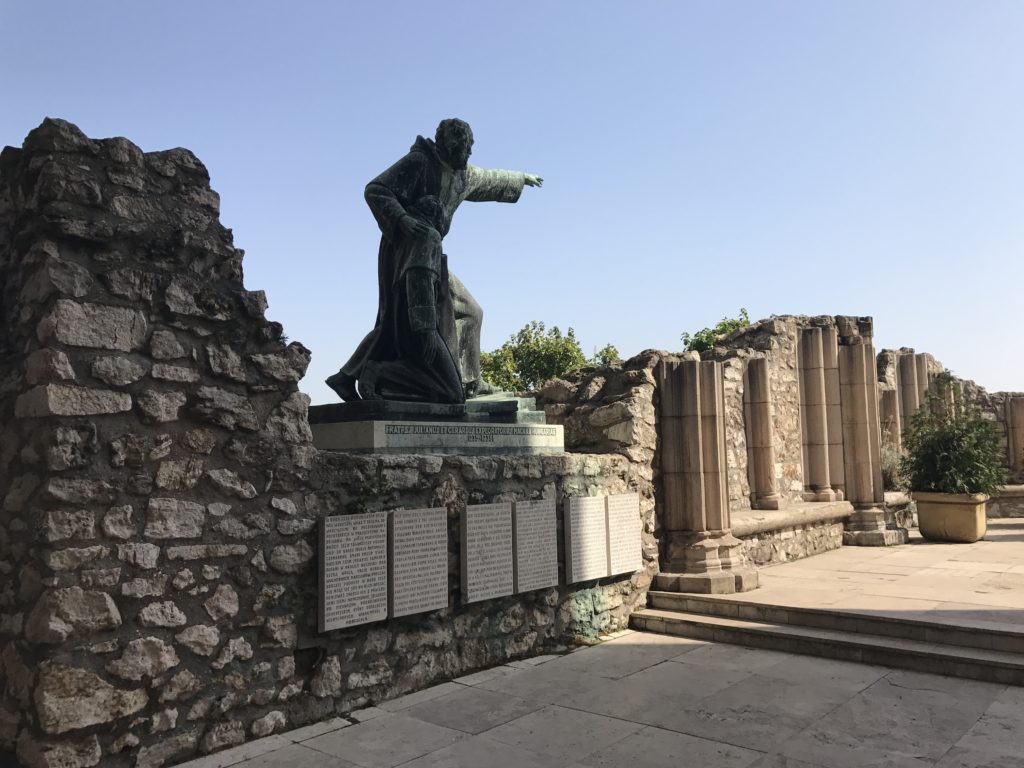
Among Budapest’s lesser-known statues, the monument to Julianus and Gerhardus stands out not for its size, but for the remarkable story it represents.

This sculpture is part of my ongoing Statues of Budapest series, which looks beyond famous monuments to uncover the ideas and journeys that shaped Hungarian identity.

Who were Julianus and Gerhardus?

Julianus and Gerhardus were Hungarian Dominican monks who, in the 13th century, set out on an extraordinary journey eastward. Their mission was to find Magna Hungaria — the ancestral territories where Hungarians were believed to have lived before beginning their long migration toward Europe.

Travelling thousands of kilometers, they reached regions near the Ural Mountains, documenting encounters with people believed to be related to the early Hungarians. At a time when travel was slow, dangerous, and uncertain, their journey was an astonishing feat of endurance and curiosity.

Why does this statue matter?

Unlike statues commemorating kings or battles, this monument celebrates knowledge, exploration, and cultural memory. Julianus and Gerhardus represent a desire to understand origins — to look backward in order to understand the present.

Their story reminds us that Hungarian history is not confined to the Carpathian Basin alone, but stretches far beyond it, across continents and centuries.

A quiet monument with a wide horizon

This statue is easy to overlook, yet it commemorates one of the most ambitious intellectual journeys of medieval Hungary. It invites reflection rather than admiration — and rewards those who pause to read its story.

In a city filled with grand architecture and dramatic monuments, Julianus and Gerhardus quietly point our attention outward, toward distant lands and deep historical roots.

Explore more: Julianus and Gerhardus are part of my Statues of Budapest collection, featuring famous monuments and overlooked sculptures that reveal the city’s layered identity.

Statue of Julianus and Gerhardus, medieval Hungarian monks, in Budapest