A Flight I Didn’t Plan — But Absolutely Loved

There’s something magical about seeing Budapest from above — but for years, I never felt the urge to try a hot air balloon Budapest ride. The red-and-white balloon floating gently above City Park (Városliget) has been there for a few years now, but I always thought, “Maybe one day.”

This autumn, that day finally came. I didn’t plan anything grand — I simply wanted to admire the autumn colours from a new angle. What I didn’t expect was that this short 15-minute flight would lift not just my view, but also my spirit.

The Experience: Calm, Colour, and Kindness

You’ll find the BallonFly hot air balloon Budapest experience right in the heart of City Park, next to the boating lake and Vajdahunyad Castle. It’s hard to miss — those cheerful red-and-white stripes look picture-perfect against Budapest’s blue sky.

From the moment I arrived, the hosts were incredibly kind and welcoming. They greeted everyone with warm smiles, explained how the flight works, and paid close attention to every small detail. Their calm and friendly energy instantly set the tone — you can feel how much they love sharing this experience.

As the balloon began to rise, the city unfolded below: Heroes’ Square, Vajdahunyad Castle, the Széchenyi Baths, and endless rows of golden trees. The higher we went, the quieter it became.

It’s a tethered flight — safe, stable, and gentle — but the feeling is pure freedom.

From “Not Interested” to “Huge Fan”

I’ll be honest: for a long time, I wasn’t interested at all. I’ve lived in Budapest my entire life, seen every tower, viewpoint and rooftop, and thought, “Do I really need another one?”

But this short hot air balloon Budapest ride completely changed my mind. It wasn’t just the view — it was the entire experience: the soft wind, the quiet, the kindness of the crew, and the beauty of Budapest stretching endlessly in every direction.

It turned out to be the best thing I did all week (and my weeks are usually full of pretty cool things!).

Hot Air Balloon Rides in Budapest — What to Know

If you’d like to read more about the background, check out my earlier post:
👉 Take to the Skies: Hot Air Balloon Rides in City Park, Budapest

Here’s a quick summary for your visit:

  • Duration: around 15 minutes

  • Tickets: approx. EUR 25 for adults

  • Location: City Park (Városliget), near the boating lake

  • Best time: late afternoon, when the light turns golden

  • Good to know: flights depend on weather, so check conditions before you go

Even if you decide to stay on the ground, watching the Budapest hot air balloon float above the park is magical in itself.

Why This Viewpoint Is Worth It

Budapest has many breathtaking viewpoints — Gellért Hill, Fisherman’s Bastion, or the dome of St. Stephen’s Basilica — but the City Park hot air balloon offers something unique.

There’s something gentle and grounding about floating quietly above the park. The mix of nature, history, and serenity is pure magic, and the crew’s kindness turns it into more than just an attraction — it feels like a celebration of the city itself.

Final Thoughts

Sometimes, the things we put off for years turn out to be the most memorable surprises. For me, this short hot air balloon Budapest experience was exactly that — a reminder that the best views (and moods!) often come when we simply decide to look up. I’m more than happy to include a ride in a Budapest walking or driving tour, just let me know if you are interested!

💙 Lift your spirit in Budapest — and maybe your day, too.

Lift Your Spirit in Budapest 🎈 | City Park Hot Air Balloon Ride

Budapest is often called the City of Spas, and with good reason — the city sits on a network of natural hot springs that have been enjoyed since Roman times. Among all the baths, none are quite as legendary as Gellért Baths. With their stunning Art Nouveau architecture, turquoise pools, and steamy atmosphere, they’ve been a favourite of locals and travellers alike for more than a century. If you’re looking for updates on the Gellért Baths renovation, here’s everything you need to know.

Sadly, this Budapest icon is about to close for a while. Starting October 1st, 2025, Gellért Baths will shut their doors for a major 3-year renovation.

Gellért Baths: A Jewel of Art Nouveau

The Gellért Baths first opened in 1918 as part of the famous Gellért Hotel. The design is a masterpiece of Art Nouveau: elegant columns, colorful mosaics, stained glass windows, and a grand central pool that looks more like a cathedral of water than a spa.

Over the decades, the baths have become a symbol of Budapest itself — a place where locals go to relax, heal, and socialise, and where visitors from all over the world come to experience something uniquely Hungarian.

Why the Renovation?

After more than 100 years of almost continuous use, the Gellért Baths are in need of some love. The upcoming renovation will restore the building’s historic beauty while also updating the facilities to meet modern standards.

It’s never easy to say goodbye, even temporarily, but this pause will ensure that future generations can continue to enjoy the magic of Gellért.

My Last Visit

Knowing the closure was coming, I decided to take one last dip. Stepping into the grand central hall, with its soaring columns and sparkling turquoise water, felt more emotional than I expected. The air was thick with steam, the light streaming in through the stained glass, and the water just as soothing as always.

Floating there, I thought about how many people have swum in this very pool since 1918. It felt like being part of history.

One Last Chance

If you’re in Budapest right now, there’s still one final opportunity: Gellért Baths will be open until September 30th, 2025. Don’t miss your chance to enjoy a last soak in this historic treasure before it closes until 2028.

Farewell for Now

It will be strange not to have Gellért Baths as part of Budapest’s daily life for the next three years. But I’m excited to see how the renovation will bring new life to this beloved spa.

Until then, Budapest still has plenty of other baths to enjoy — from the grand Széchenyi Baths to the atmospheric Rudas Baths. But for me, nothing compares to Gellért.

💙 Have you ever been to Gellért Baths? Will you miss it during its renovation?

Farewell, Gellért Baths | Budapest’s Most Beautiful Spa

I am thrilled to share some exciting news with you: I have received the Tripadvisor Travelers’ Choice Award 2025!

This recognition places my tours among the top 10% of attractions worldwide, and I couldn’t be more grateful. What makes this award so special is that it is based entirely on the reviews and ratings left by you — my wonderful guests.

What the Tripadvisor Travelers’ Choice 2025 Award Means

Every year, Tripadvisor celebrates businesses that consistently deliver amazing experiences to travellers around the globe. Only the top 10% of tours, activities, and attractions receive this award, making it a true honour.

For me, this recognition isn’t just about numbers or rankings. It’s about the memories we’ve created together: wandering the streets of Budapest, discovering hidden gardens, tasting local food and wine, or traveling further afield to places like Eger.

Words from My Guests on Tripadvisor

Your kind words mean the world to me. Here are just a few that truly touched my heart:

“This was the most personal, moving experience ever.”

“Her passion for the Jewish culture shines through.”

“Our day trip to Eger with Julia was the highlight of our European vacation.”

Each review reflects something I care deeply about — creating personal, meaningful experiences, sharing my knowledge of Budapest’s Jewish heritage, and helping you discover the beauty of Hungary beyond the capital.

Looking Ahead

Receiving this award gives me even more motivation. So I’ll continue sharing my love for Budapest with travellers from around the world.

As many of you know, I’ll begin taking bookings for 2026 in January. If you are planning a trip to Hungary, I would be honoured to show you my city and its surroundings through a private, customized tour.

From the Heart

This award truly belongs to all of you who have joined my tours, shared your stories, and trusted me to be part of your journey. Thank you for making this possible. 💙

I can’t wait to welcome you to Budapest!

Thank You 💙 Tripadvisor Travelers’ Choice 2025 | Budapest Private Tours

Looking for a Budapest walking tour that includes Kolodko statues? In this guide, you’ll find an interactive Kolodko mini statues map to help you locate 14 of the most interesting sculptures in Budapest.

If you have ever noticed a tiny bronze figure sitting quietly on a railing in Budapest, you have likely discovered one of the city’s most delightful secrets: the Kolodko mini statues.

They are small — only about 10–15 cm tall — but they tell monumental stories. Treasure hunting in Budapest begins here.

Who Is Kolodko?

Mihály Kolodko

Mykhailo (Mihály) Kolodko is a Ukrainian-born sculptor who studied monumental sculpture at the Lviv Academy of Arts before moving to Hungary in 2017. Although trained in large-scale art, he became famous for something entirely different: miniature public sculptures placed unexpectedly around cities.

His philosophy is simple:

“Even in small form it is possible to depict a monumental idea.”

And that is exactly what he does.

Why Are Kolodko Statues So Popular in Budapest?

Locals often call his work guerrilla sculpture. The statues appear quietly in public spaces, without official permission. One day they are not there — the next day they are.

People love them because:

  • They feel like hidden discoveries

  • They reference Hungarian history and culture

  • They revive beloved cartoon characters

  • They often carry subtle political symbolism

  • They invite curiosity

During the communist era, Hungarians developed a refined sense for decoding hidden meanings in art, literature and music. Kolodko’s sculptures continue that tradition — playful on the surface, layered underneath.

Some statues have even been stolen. Others are dressed up in winter coats by locals. They are small — but deeply loved.

5 Kolodko Mini Statues You Can Find in Budapest

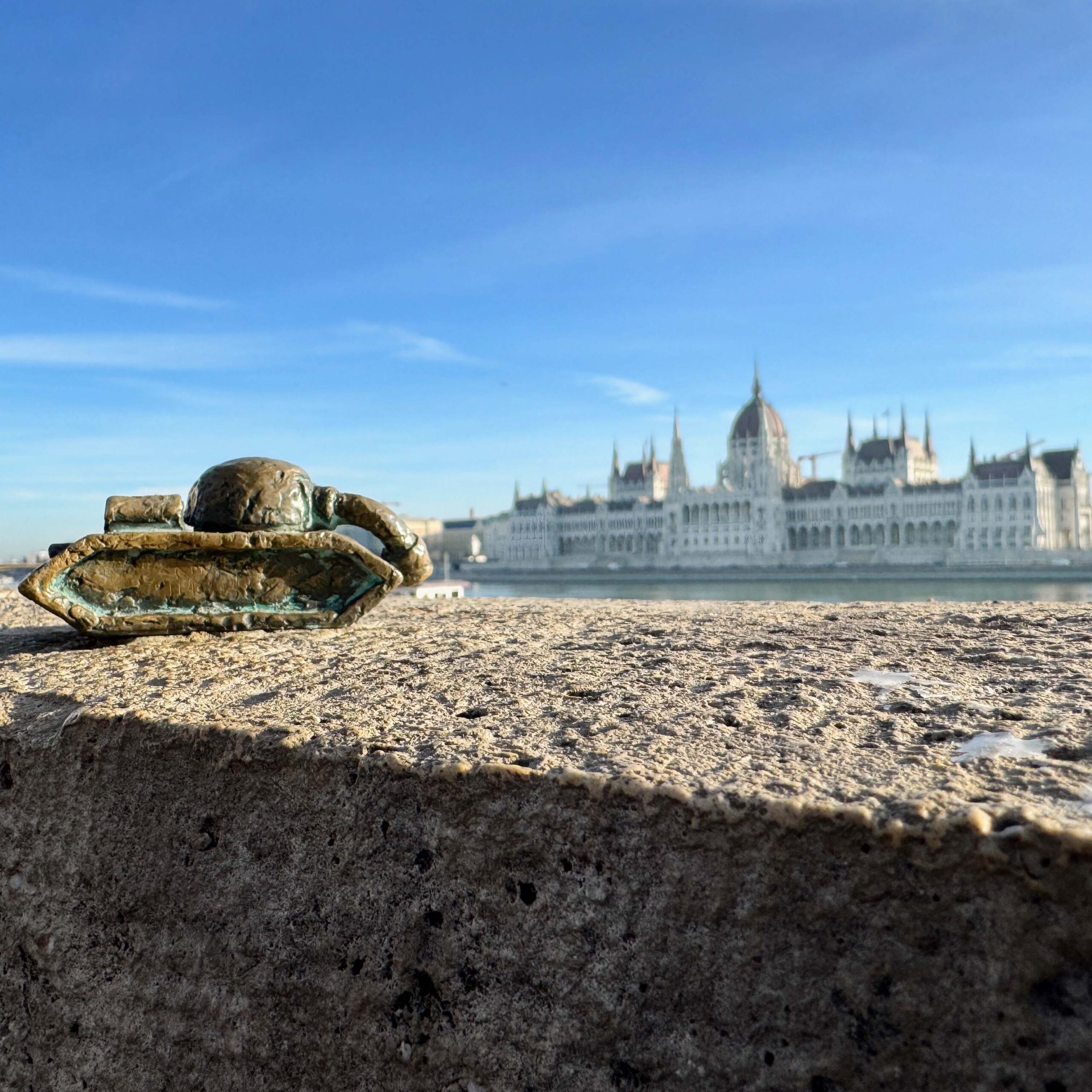
1️⃣ The Sad Tank (2017)

A tiny Russian tank faces the Parliament building. Its muzzle hangs down, shaped like an elephant’s trunk — a symbolic gesture that the war is over.

This sculpture references the 1956 Hungarian Revolution and quietly comments on history.

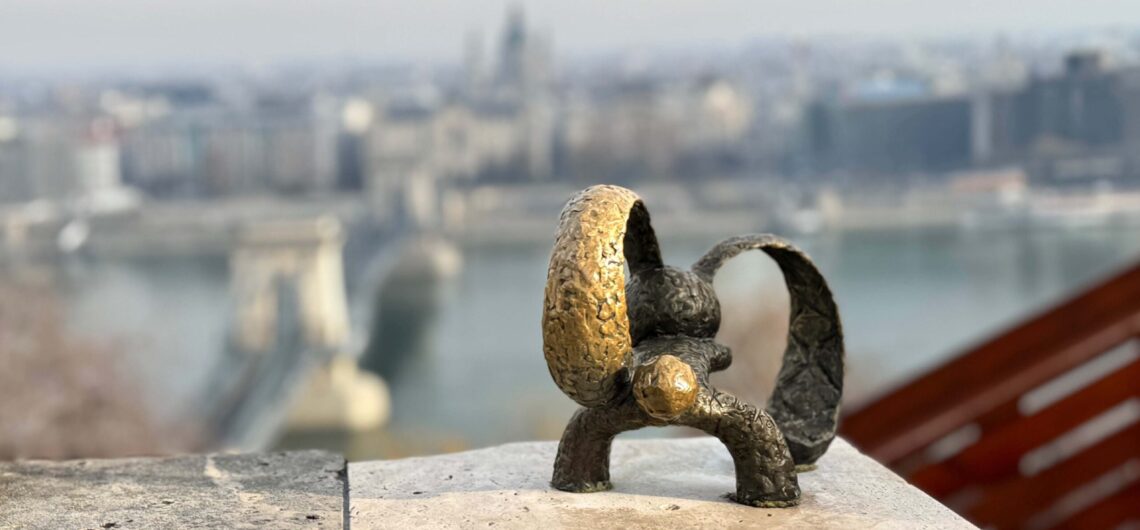
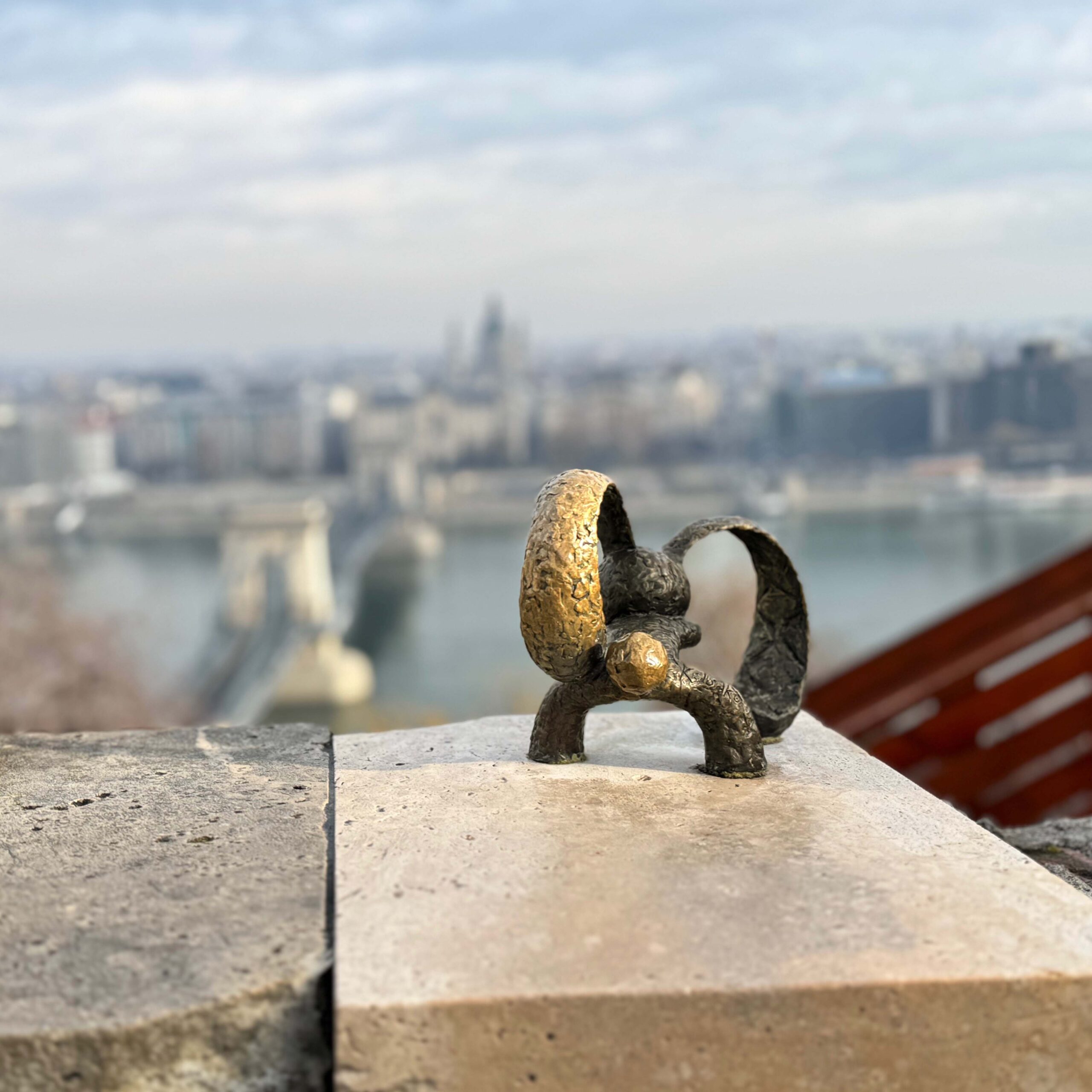
2️⃣ The Rabbit with the Checkered Ears (2018)

Perched on Castle Hill, this beloved character from a 1970s Hungarian animated series enjoys the UNESCO-protected Budapest panorama.

Locals instantly recognise him. Visitors often need the story behind him.

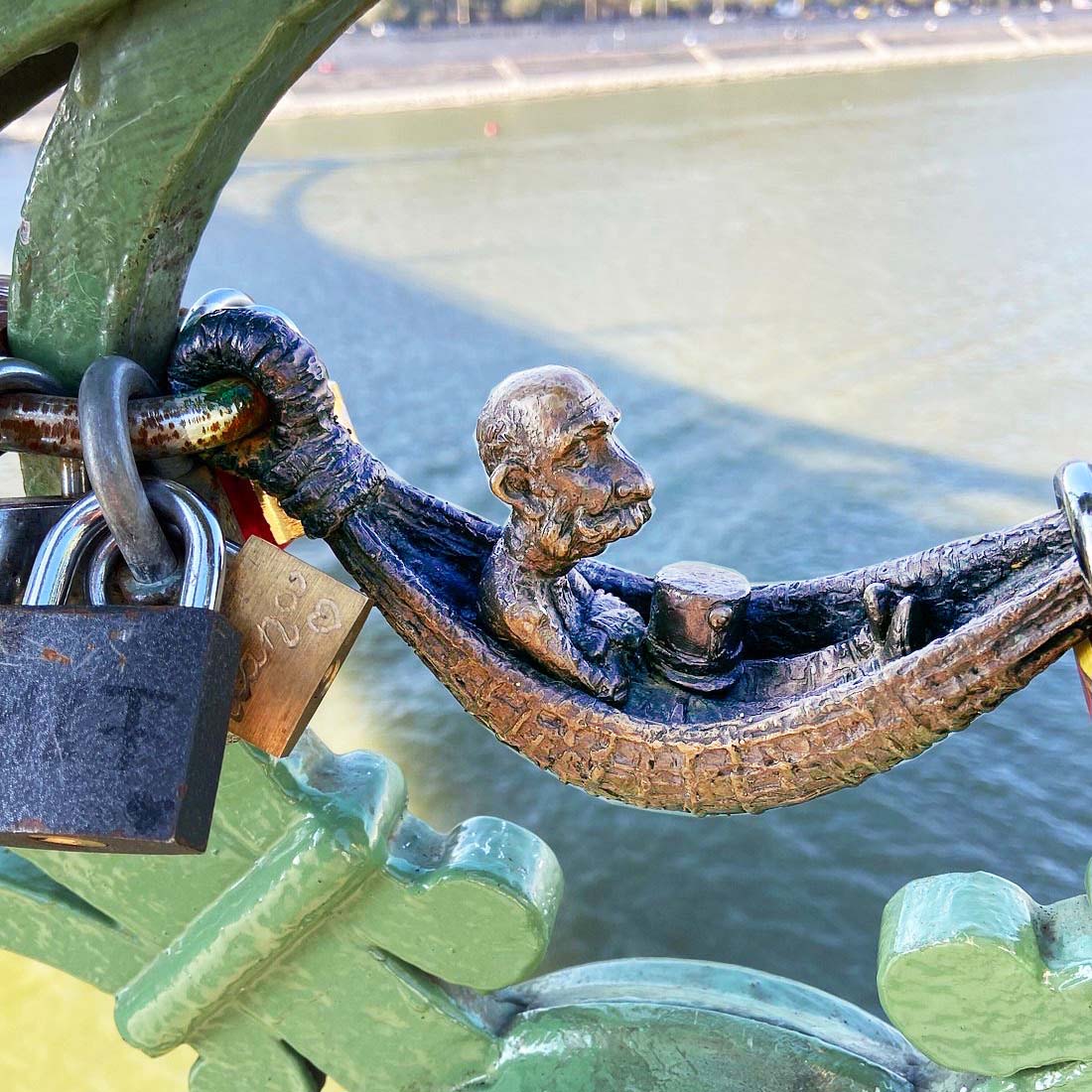
3️⃣ Emperor Franz Joseph in a Hammock (2021)

A peaceful metaphor: the emperor relaxing on Liberty Bridge — originally named after him — symbolising reconciliation through time.

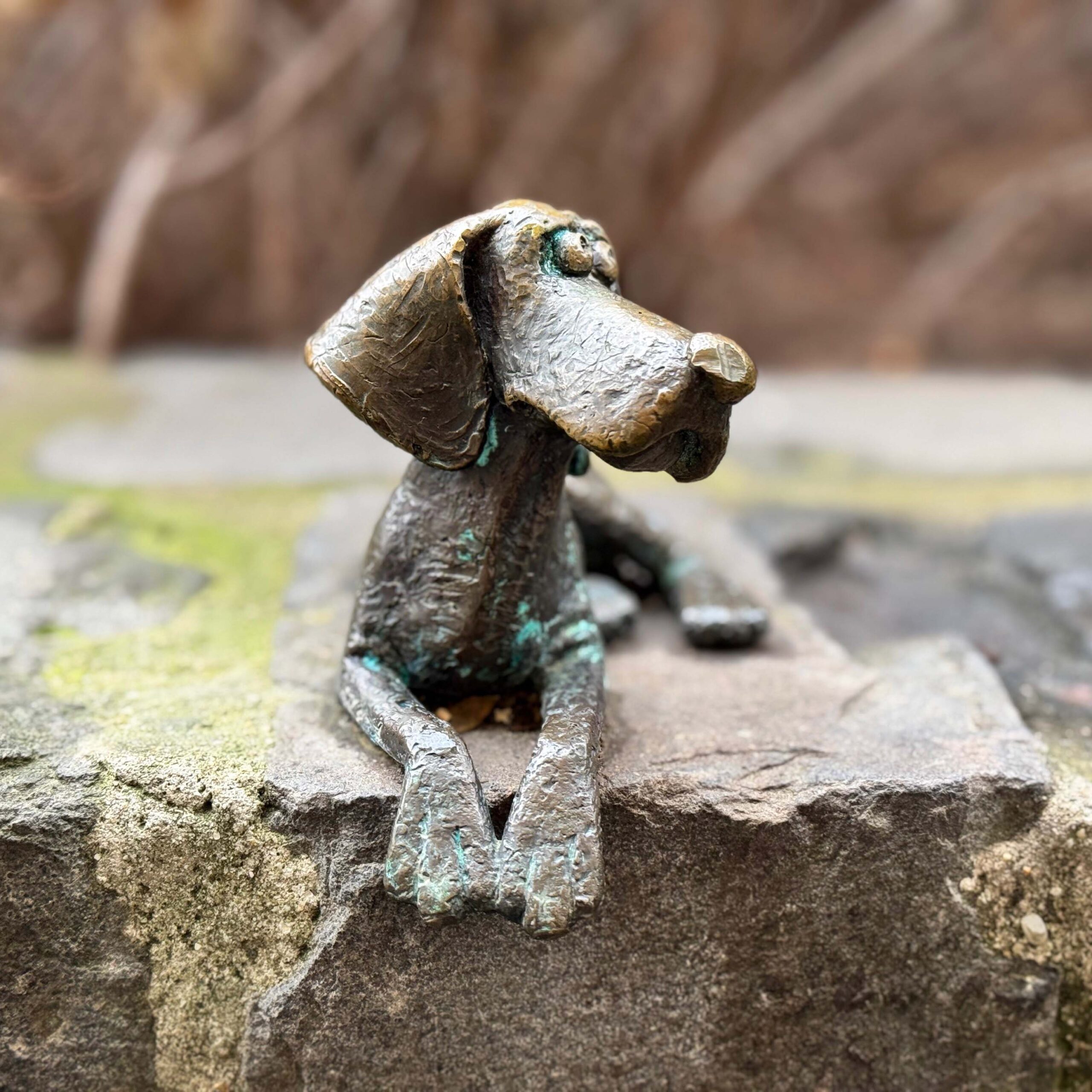
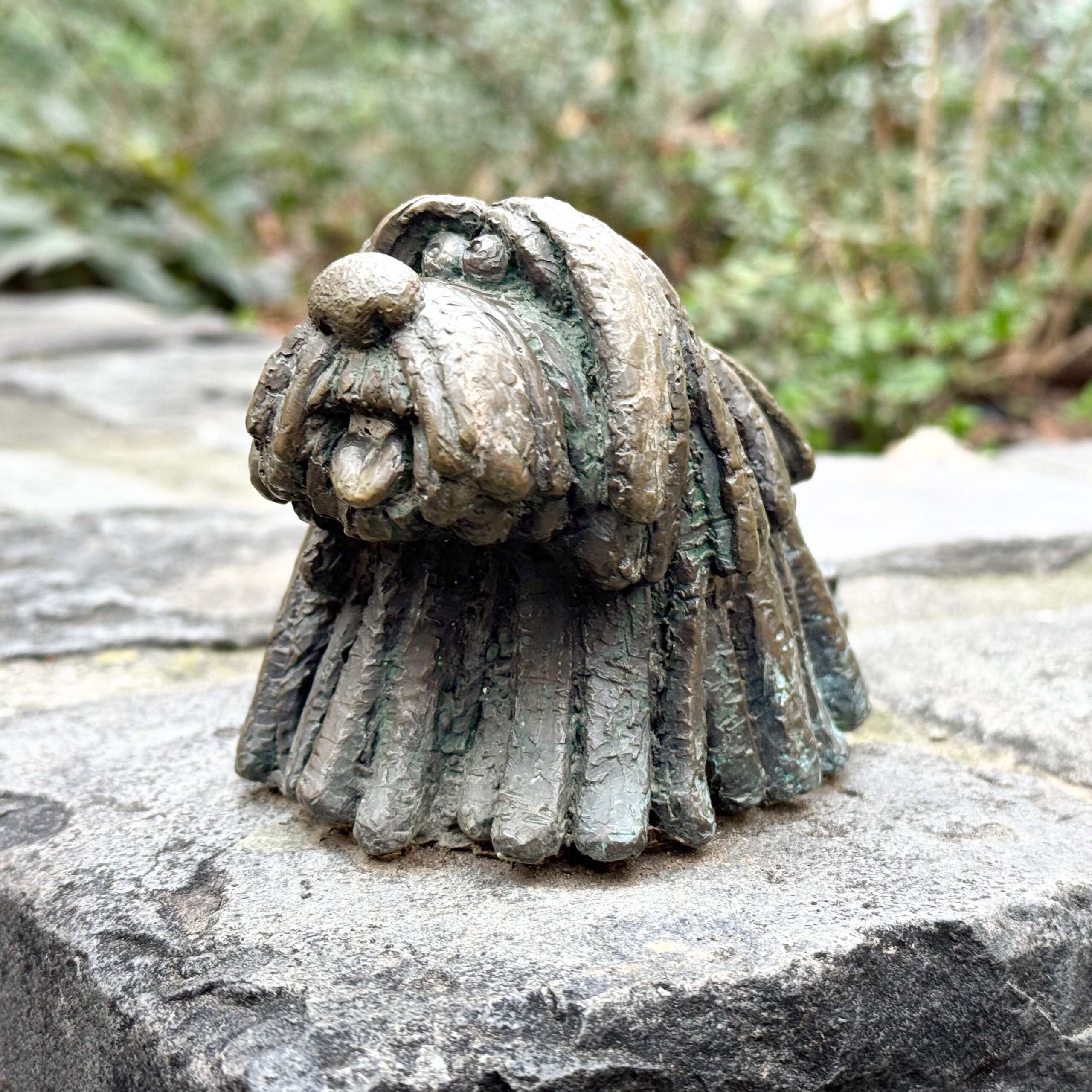
4️⃣ There Was Only One Dog Fair in Buda

Inspired by a popular Hungarian folk tale connected to King Matthias. You’ll recognise traditional Hungarian dog breeds like the puli and the vizsla.

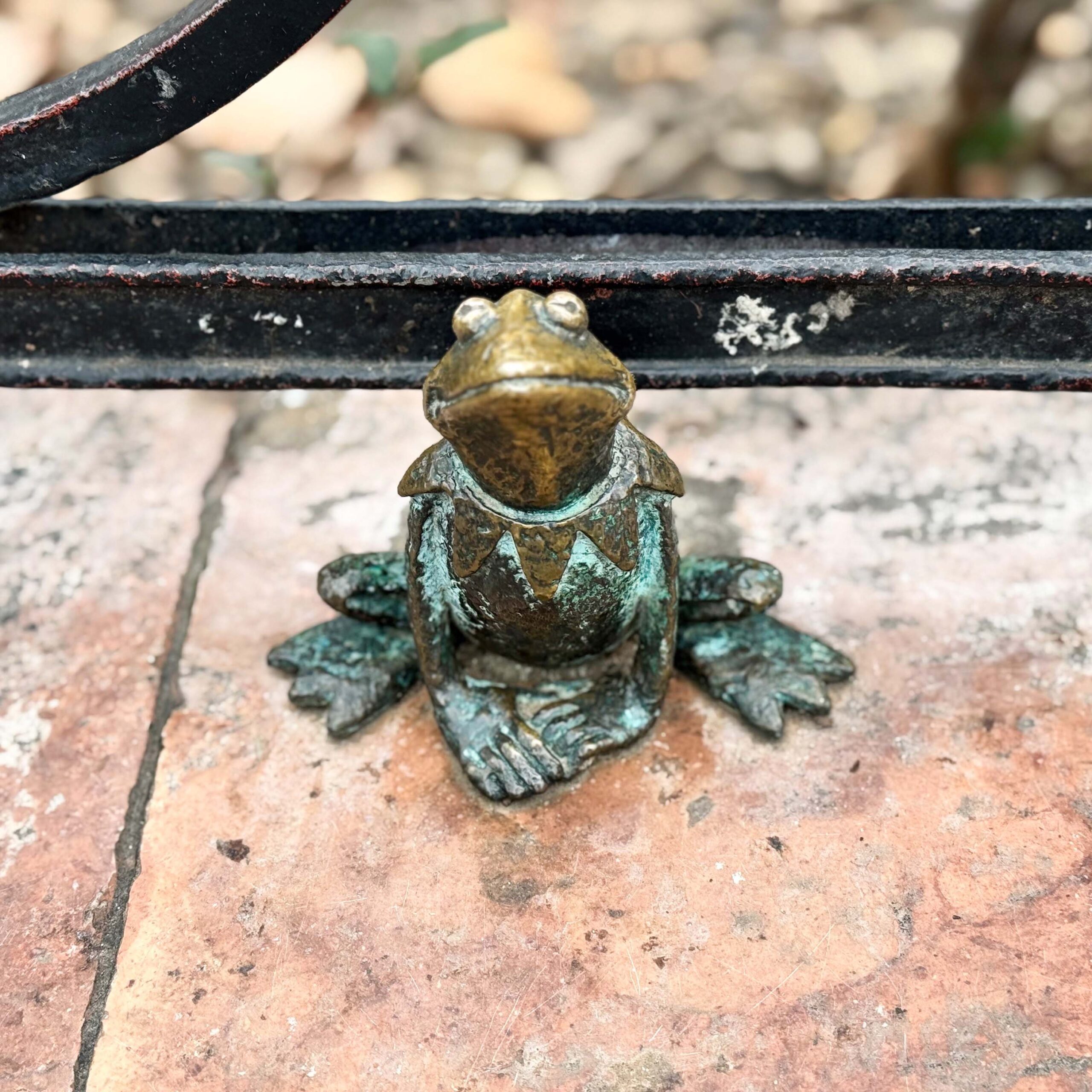
5️⃣ Kermit the Frog

Yes — that Kermit. Sitting in front of the former Hungarian Television headquarters, he playfully nods to media history.

How Many Kolodko Statues Are There in Budapest?

There are dozens scattered across the city centre, and new ones occasionally appear.

Some are near:

  • The Danube promenade

  • Buda Castle

  • Liberty Bridge

  • Central Pest

Part of the magic is that they are not always easy to find. And that is intentional.

A Treasure Hunt With Stories

When I guide guests through Budapest, one of my favourite moments is watching someone spot their first Kolodko statue.

It changes the way they look at the city.

They begin to slow down.
They begin to notice details.
They start asking questions.

And that is when Budapest truly opens up. If you would love to discover hidden details like these — and understand the history, symbolism and humour behind them — I would be delighted to design a private walking tour for you.

Kolodko Mini Statues Map – Self-Guided Walking Route

Below you’ll find my curated map of 14 Kolodko mini statues in central Budapest. Most of them are within walking distance of each other, making it easy to turn your exploration into a relaxed city walk along the Danube, Castle Hill and downtown Pest.

You can use the map for a self-guided treasure hunt — or, if you’d like to discover the stories behind these tiny sculptures, I’d be delighted to show them to you on a private walking tour.

FAQ About Kolodko Mini Statues

Who is Mihály Kolodko?
A Ukrainian-Hungarian sculptor known for placing miniature bronze sculptures in public spaces.

Where can I find Kolodko statues in Budapest?
Many are located near the Danube promenade, Buda Castle and central Pest.

Why are they so small?
Kolodko believes that monumental ideas can be expressed even in miniature form.

Are new statues still appearing?
Yes. Occasionally new sculptures appear unexpectedly.

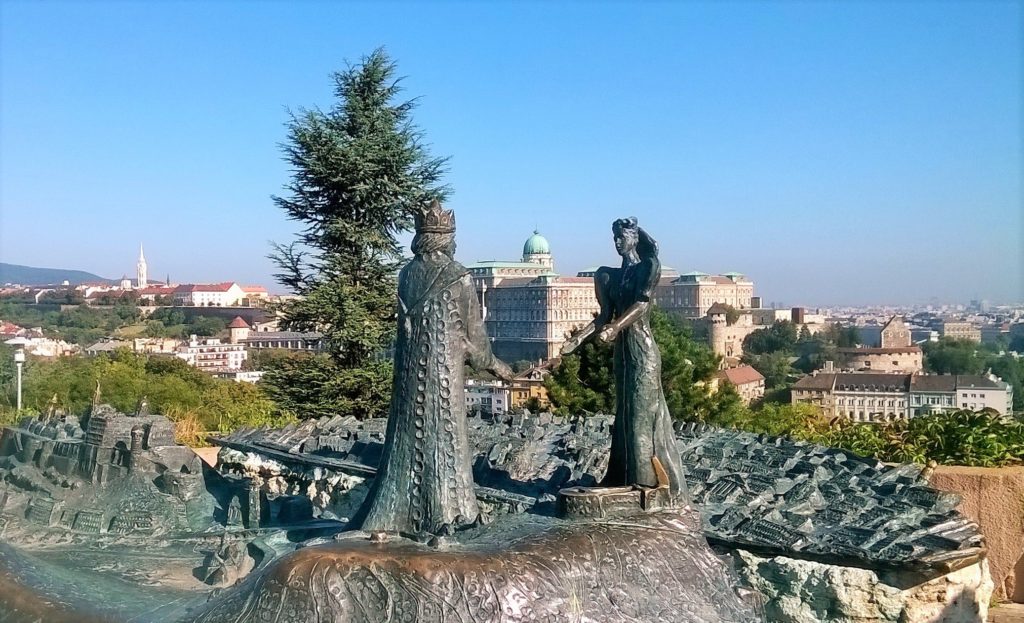
High above the Danube, on Gellért Hill, stands one of Budapest’s most poetic and quietly emotional statues: Prince Buda and Princess Pest. Unlike grand monuments celebrating power or victory, this sculpture tells a story of distance, longing, and separation.

This statue is part of my ongoing Statues of Budapest series, which explores how the city expresses its history and identity through symbolism rather than spectacle.

A love divided by the river

Prince Buda and Princess Pest represent the two historic halves of the city, once separated by the Danube River. In the statue, they face each other — close enough to see one another, yet permanently apart.

The story is often interpreted as a sad love tale, but it also reflects Budapest’s geography and history: two cities growing side by side, divided by water until their unification in the 19th century.

Where can you find the statue?

The sculpture is located on Gellért Hill, near the Garden of Philosophy, a peaceful and contemplative area overlooking the city. The setting adds to the statue’s emotional tone — quiet, reflective, and slightly removed from the bustle below.

Many visitors walk past without realizing the meaning behind the figures, yet once you know the story, it’s difficult to see them as anything other than symbols of the city itself.

Why this statue matters

Prince Buda and Princess Pest are not historical figures, but they express something deeply real: Budapest’s identity as a city shaped by division, connection, and eventual unity.

It’s a reminder that some of the city’s most meaningful statues are not the most famous ones — but those that quietly echo its soul.

Explore more: This statue is part of my Statues of Budapest collection, featuring famous monuments and hidden gems across Buda and Pest.

Prince Buda and Princess Pest statue on Gellért Hill overlooking the Danube in Budapest


Another statue with a quiet kind of magic, the Little Princess is one of Budapest’s most beloved and photographed sculptures. Perched gracefully on the railings of the Danube Promenade, she watches the river flow past with a dreamy, childlike calm.

Created in 1989 by Hungarian sculptor László Marton, the bronze figure depicts a young girl wearing a playful paper crown and a simple robe. The statue was inspired by the artist’s own daughter, captured in a moment of childhood imagination as she played dress-up at home.

With her knees bent and her expression lost somewhere between curiosity and wonder, the Little Princess feels both intimate and universal — a small figure with an outsized emotional presence.

A small statue with a powerful setting

Despite her modest size, the Little Princess sits in one of Budapest’s most iconic locations. Behind her rise the Danube, Buda Castle, and the city’s elegant skyline, creating a contrast that makes her feel even more special.

People passing along the promenade often stop instinctively — to take a photo, to sit beside her, or simply to pause for a moment. She has a way of slowing the city down.

A local tradition: make a wish

According to local tradition, rubbing the Little Princess’s knees brings good luck. Those who believe in her magic say the key is to make a wish with a truly childlike heart.

Whether you believe in wishes or not, the ritual itself is part of the statue’s charm — a small act of hope in the middle of a busy city.

Why the Little Princess matters

The Little Princess is more than a photo opportunity. She’s a gentle reminder of imagination, innocence, and the importance of holding on to wonder, even as we grow older.

Among Budapest’s grand monuments and historic statues, she offers something rare: a quiet, heartfelt moment for anyone who chooses to notice her.

You’ll find the Little Princess near the Danube, close to the Marriott Hotel, sitting patiently on the railing — ready to listen.

Explore more: The Little Princess is part of my ongoing Statues of Budapest series, featuring both famous monuments and easily missed gems across the city.

The Little Princess statue sitting on the railing of the Danube Promenade in Budapest


At first glance, the 0 km Stone is easy to miss. Modest in size and quietly placed near one of Budapest’s busiest areas, it doesn’t compete for attention — yet symbolically, it represents the very center of the country.

This monument is part of my ongoing Statues of Budapest series, which explores how meaning in this city is often hidden in plain sight.

What does the 0 km Stone represent?

The 0 km Stone marks the point from which all road distances in Hungary are officially measured. Every kilometer sign pointing toward Budapest begins here, making this small monument a geographic and symbolic reference point for the entire country.

It is less about spectacle and more about orientation — a reminder of how Budapest has long functioned as Hungary’s political, cultural, and infrastructural heart.

Where can you find it?

The statue is located on the Buda side of the Széchenyi Chain Bridge, close to the Buda Castle Funicular. Thousands of people pass by daily on their way to the Castle District, often without realizing the significance of the stone beneath their feet.

Once you know what it represents, it becomes one of those details you can never quite ignore again.

Why the 0 km Stone matters

Unlike statues that commemorate people or events, the 0 km Stone symbolizes connection and movement. It quietly links every town, village, and road back to Budapest — and by extension, to one another.

It’s a simple monument, but one that reflects how geography, history, and everyday life intersect in the city.

Explore more: The 0 km Stone is featured in my Statues of Budapest collection, where famous monuments and easily overlooked details reveal the deeper structure of the city.

The 0 km Stone near the Chain Bridge on the Buda side of Budapest


Nestled just a stone’s throw from St. Stephen’s Basilica on Zrínyi Street, the whimsical Fat Policeman statue—affectionately known as Uncle Karl—stands guard over the cobblestones of the bustling city centre of Budapest. Cast in bronze by sculptor Illyés András and unveiled in 2008, he’s dressed in a nostalgic early‑20th‑century uniform complete with a jaunty helmet and a twirly moustache. His rotund, friendly figure instantly catches the eye, and true to local superstition, his belly has become gloriously polished from the countless tourists who rub it for good luck and loosing weight—and perhaps the gift of guilt-free indulgence in Hungarian cuisine.

This monument is part of my ongoing Statues of Budapest series, which explores how meaning in this city is often hidden in plain sight.

Those seeking romance often reach up to stroke his moustache, a gesture believed to bring good fortune in love. Over the years, his well-worn features have become a testament to thousands of hopeful wishes.

Though officially titled the “Guardian of Order,” the statue’s more playful nickname speaks to its charm and the warm-hearted humor woven into Budapest’s cultural tapestry. Anecdotal measurements suggest he stands about 1.7 m tall—just over five and a half feet—making him approachable and almost lifelike in scale. He’s become a selfie magnet and a lighthearted must-see for visitors wanting to balance architectural grandeur with a bit of street‑art whimsy

By blending nostalgia, folklore, and everyday joy, the Fat Policeman encapsulates the spirit of Budapest: historical depth with a side of light-heartedness. Whether you’re capturing him in a snapshot, giving his belly a good rub, or simply pausing to admire his cheery posture, Uncle Karl offers a delightful pause in the rhythm of urban exploration—and perhaps a sprinkle of good fortune to boot.

Explore more: The 0 km Stone is featured in my Statues of Budapest collection, where famous monuments and easily overlooked details reveal the deeper structure of the city.

The Fat Policeman statue in Budapest, a playful bronze street sculpture


If you’re walking along Andrássy Avenue, one of the most elegant boulevards of Budapest, you might notice a sphinx statue quietly guarding the entrance of the Hungarian State Opera House. At first glance, she looks familiar — mysterious, timeless, and watchful.

But take a closer look, and you’ll realise there’s something unusual about her.

This statue is part of my ongoing Statues of Budapest series, which focuses on both famous monuments and easily overlooked details hidden in plain sight.

Not a typical sphinx

Traditionally, a sphinx is depicted with the head of a woman and the body of a lion. The Budapest sphinx follows this classical form — almost.

If you stop and observe carefully, you’ll notice an unexpected detail: she has breasts, making her far more explicitly feminine than most sphinx representations. This subtle feature sets her apart and gives the statue a distinctive presence.

It’s one of those details many people walk past every day without noticing, yet once seen, it’s impossible to forget.

Why is she here?

The sphinx fits perfectly into the artistic world of the Opera House. She embodies mystery, guardianship, and elegance — qualities closely associated with music, performance, and the dramatic arts.

Placed at the entrance, she feels less like a decoration and more like a silent gatekeeper, watching over one of Budapest’s most important cultural institutions.

A reminder to look closer

The sphinx of Andrássy Avenue is a perfect example of why Budapest rewards attentive visitors. You don’t need grand monuments or dramatic viewpoints — sometimes, the most interesting stories are carved into details just above eye level.

All you have to do is stop, look up, and notice.

Explore more: The Sphinx statue is featured in my Statues of Budapest collection, where famous monuments and easily overlooked details reveal the deeper structure of the city.

Sphinx statue guarding the entrance of the Hungarian State Opera House on Andrássy Avenue


Among Budapest’s lesser-known statues, the monument to Julianus and Gerhardus stands out not for its size, but for the remarkable story it represents.

This sculpture is part of my ongoing Statues of Budapest series, which looks beyond famous monuments to uncover the ideas and journeys that shaped Hungarian identity.

Who were Julianus and Gerhardus?

Julianus and Gerhardus were Hungarian Dominican monks who, in the 13th century, set out on an extraordinary journey eastward. Their mission was to find Magna Hungaria — the ancestral territories where Hungarians were believed to have lived before beginning their long migration toward Europe.

Travelling thousands of kilometers, they reached regions near the Ural Mountains, documenting encounters with people believed to be related to the early Hungarians. At a time when travel was slow, dangerous, and uncertain, their journey was an astonishing feat of endurance and curiosity.

Why does this statue matter?

Unlike statues commemorating kings or battles, this monument celebrates knowledge, exploration, and cultural memory. Julianus and Gerhardus represent a desire to understand origins — to look backward in order to understand the present.

Their story reminds us that Hungarian history is not confined to the Carpathian Basin alone, but stretches far beyond it, across continents and centuries.

A quiet monument with a wide horizon

This statue is easy to overlook, yet it commemorates one of the most ambitious intellectual journeys of medieval Hungary. It invites reflection rather than admiration — and rewards those who pause to read its story.

In a city filled with grand architecture and dramatic monuments, Julianus and Gerhardus quietly point our attention outward, toward distant lands and deep historical roots.

Explore more: Julianus and Gerhardus are part of my Statues of Budapest collection, featuring famous monuments and overlooked sculptures that reveal the city’s layered identity.

Statue of Julianus and Gerhardus, medieval Hungarian monks, in Budapest