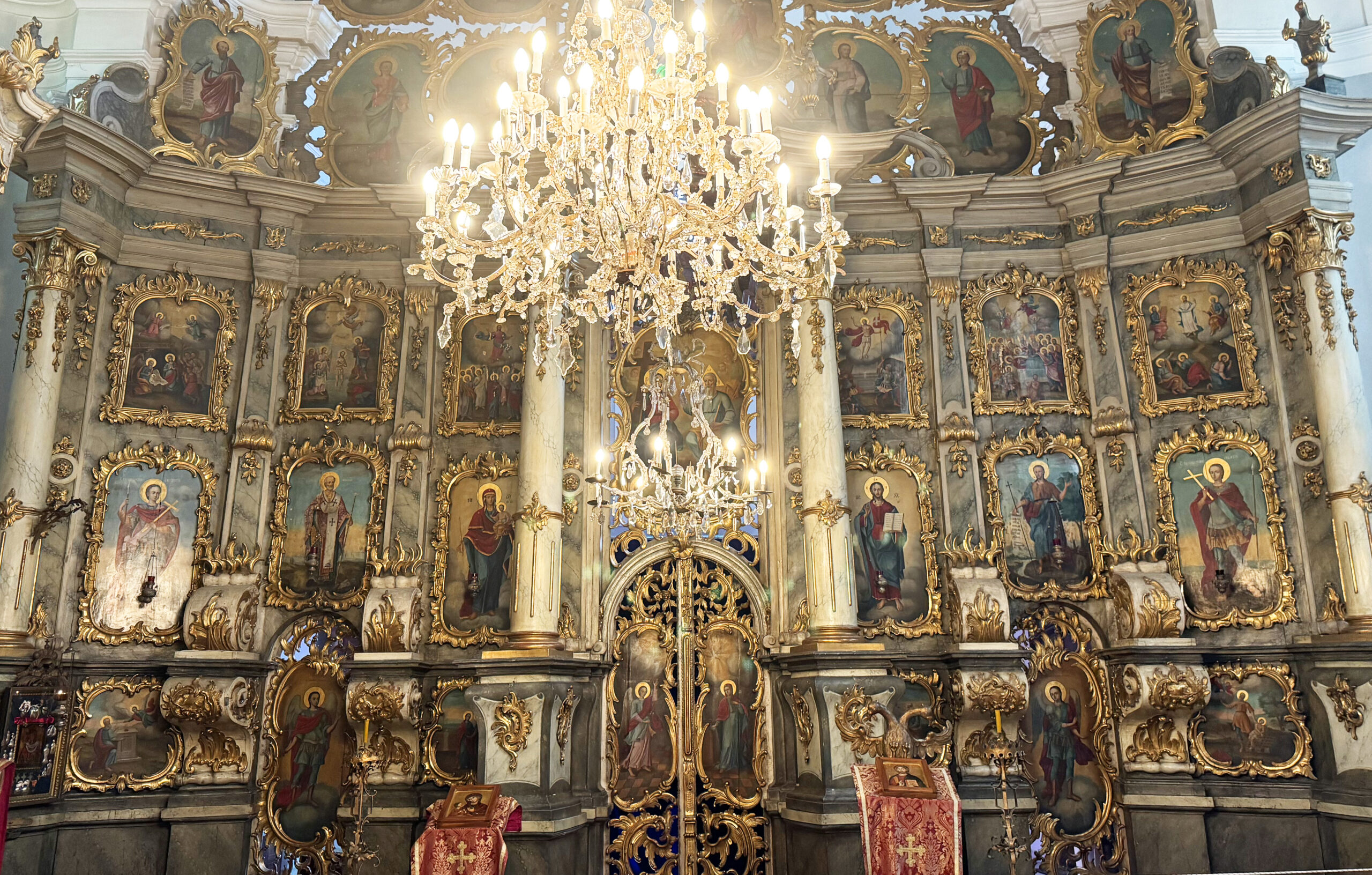
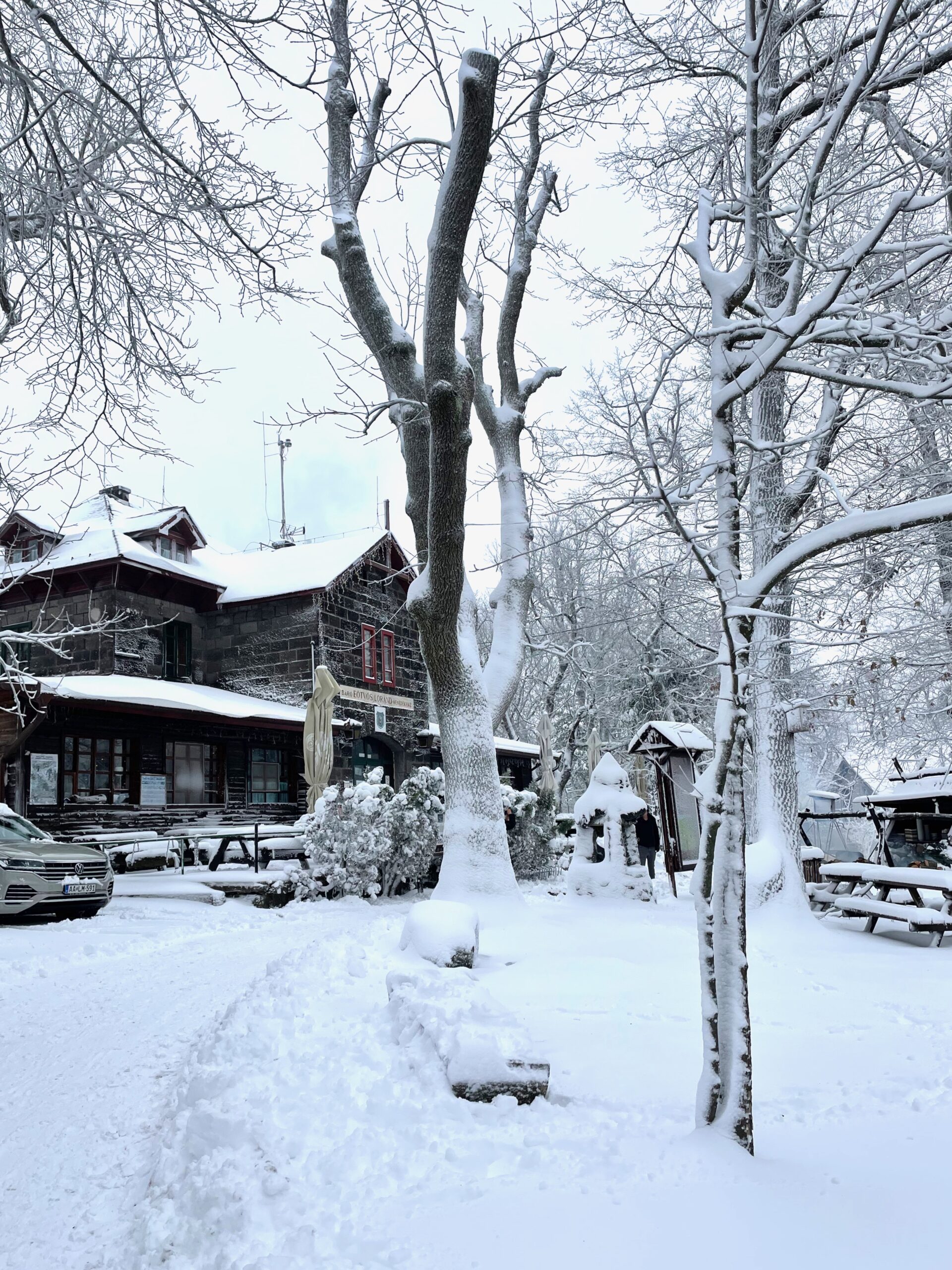
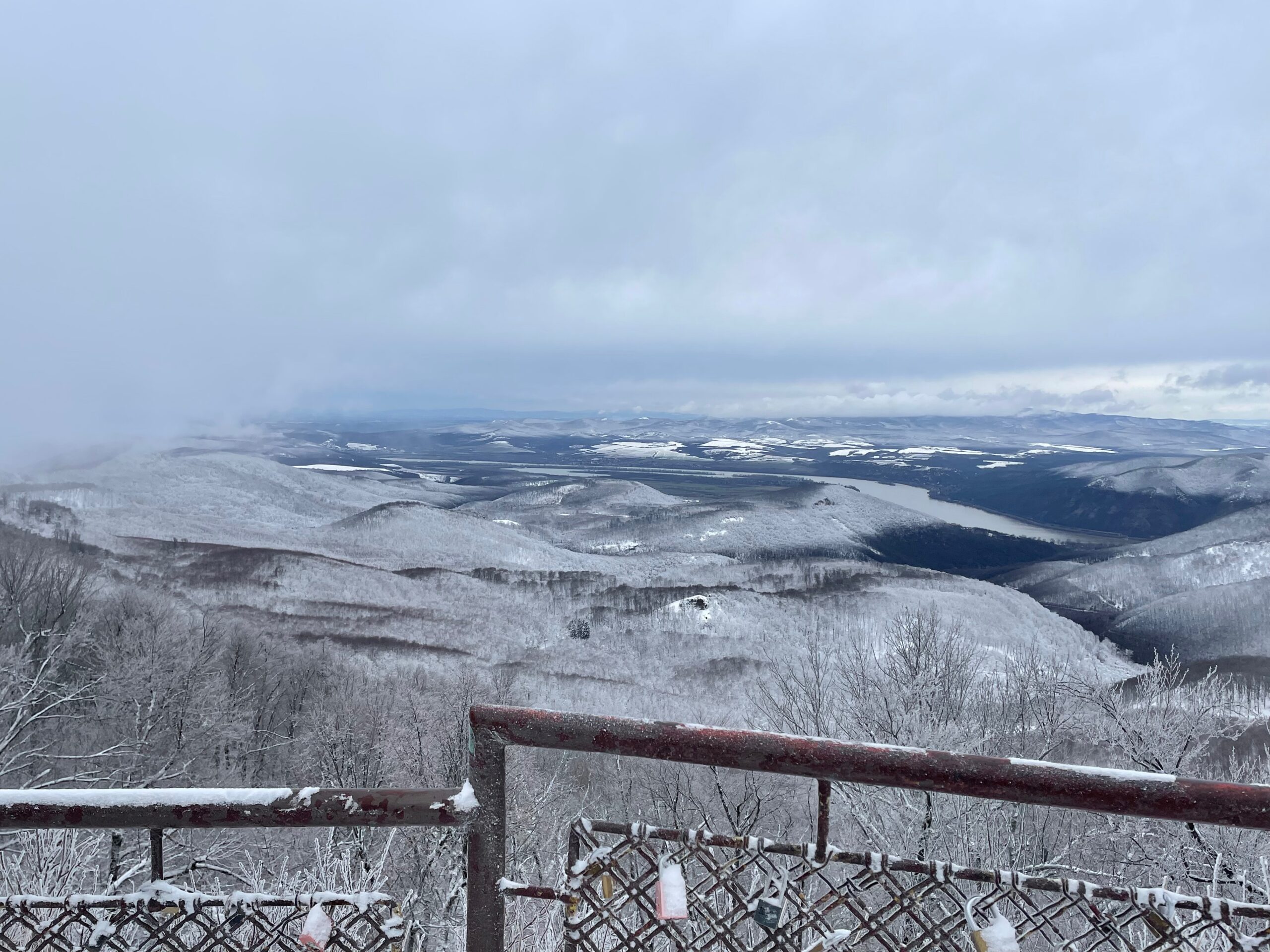
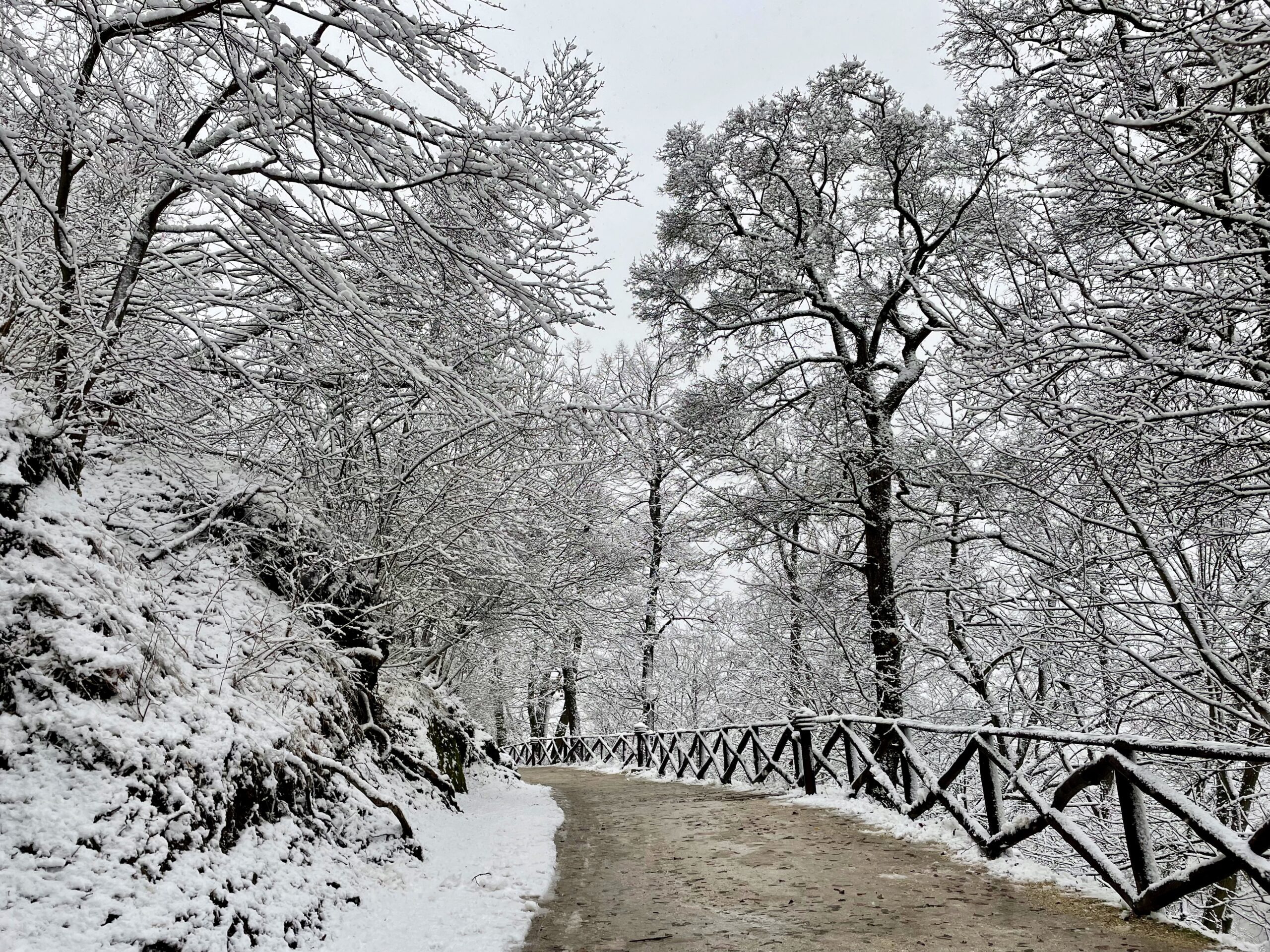
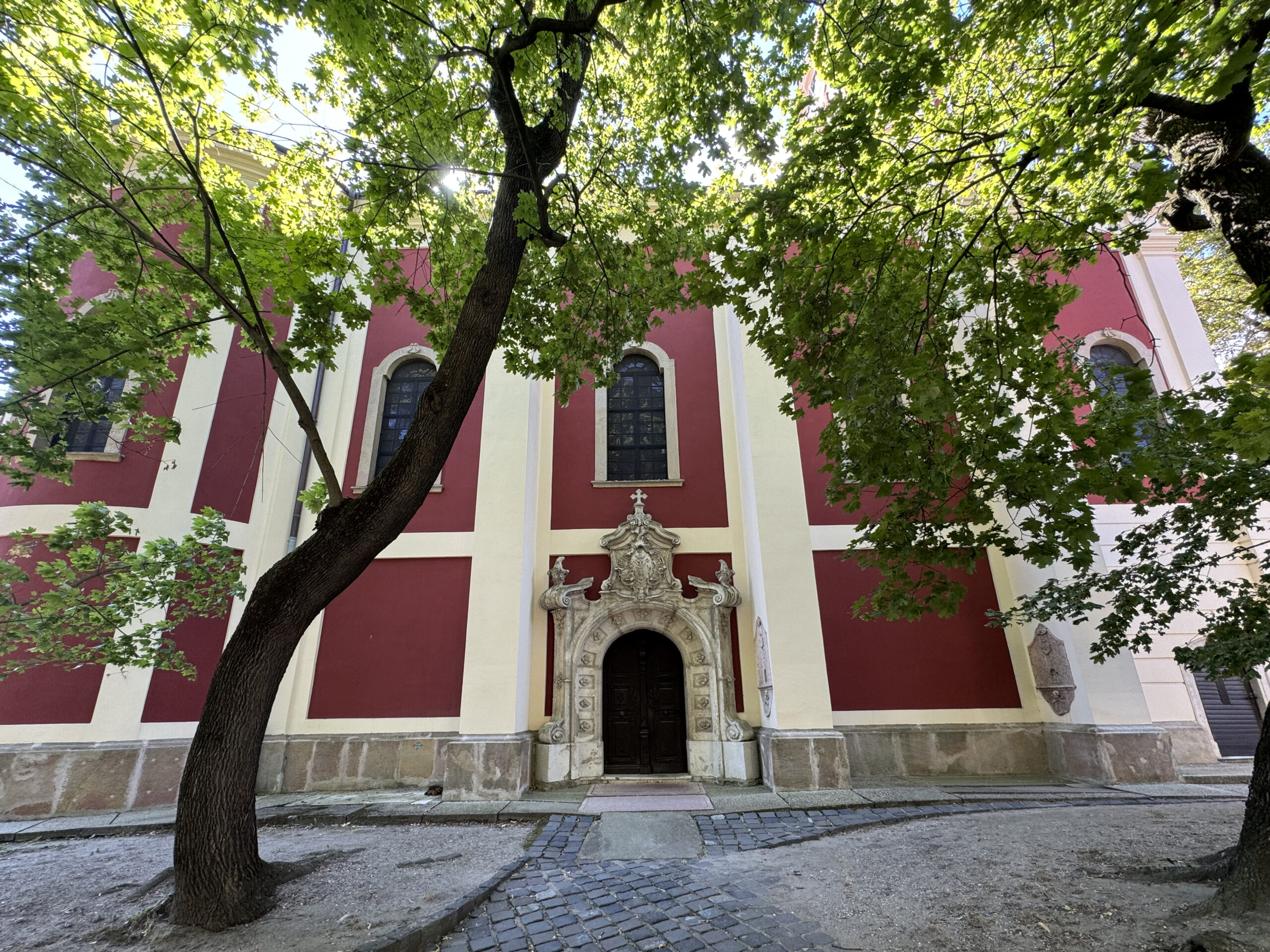
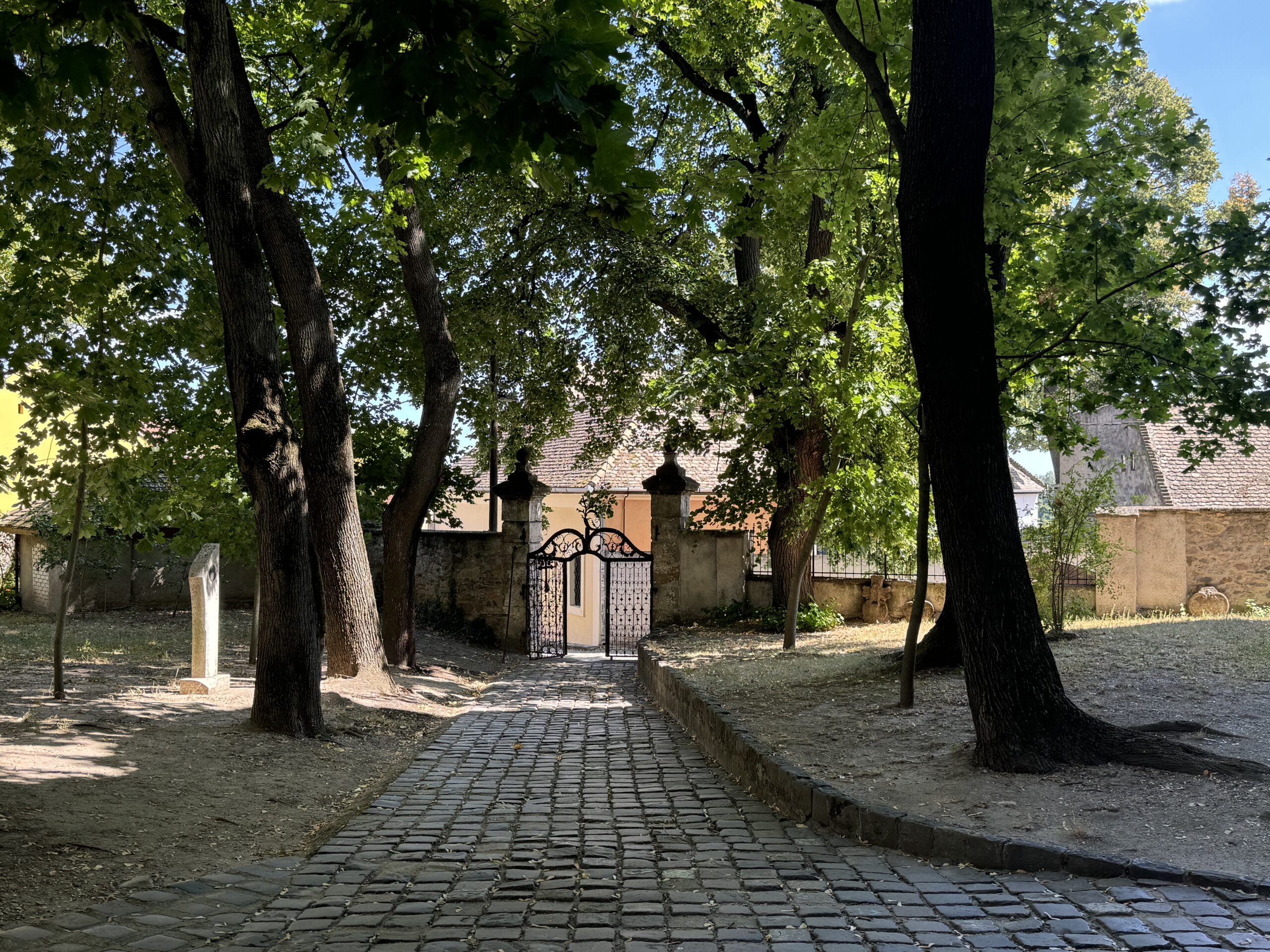
Belgrade church, a very popular spot of our Danube Bend or Szentendre tours. This is a real hidden little gem surrounded by trees, the Serbian Orthodox Church of Szentendre. Unfortunately the church is only open for visitors on weekends, however, I highly recommend to see the interior to see the magnificent iconostasis.


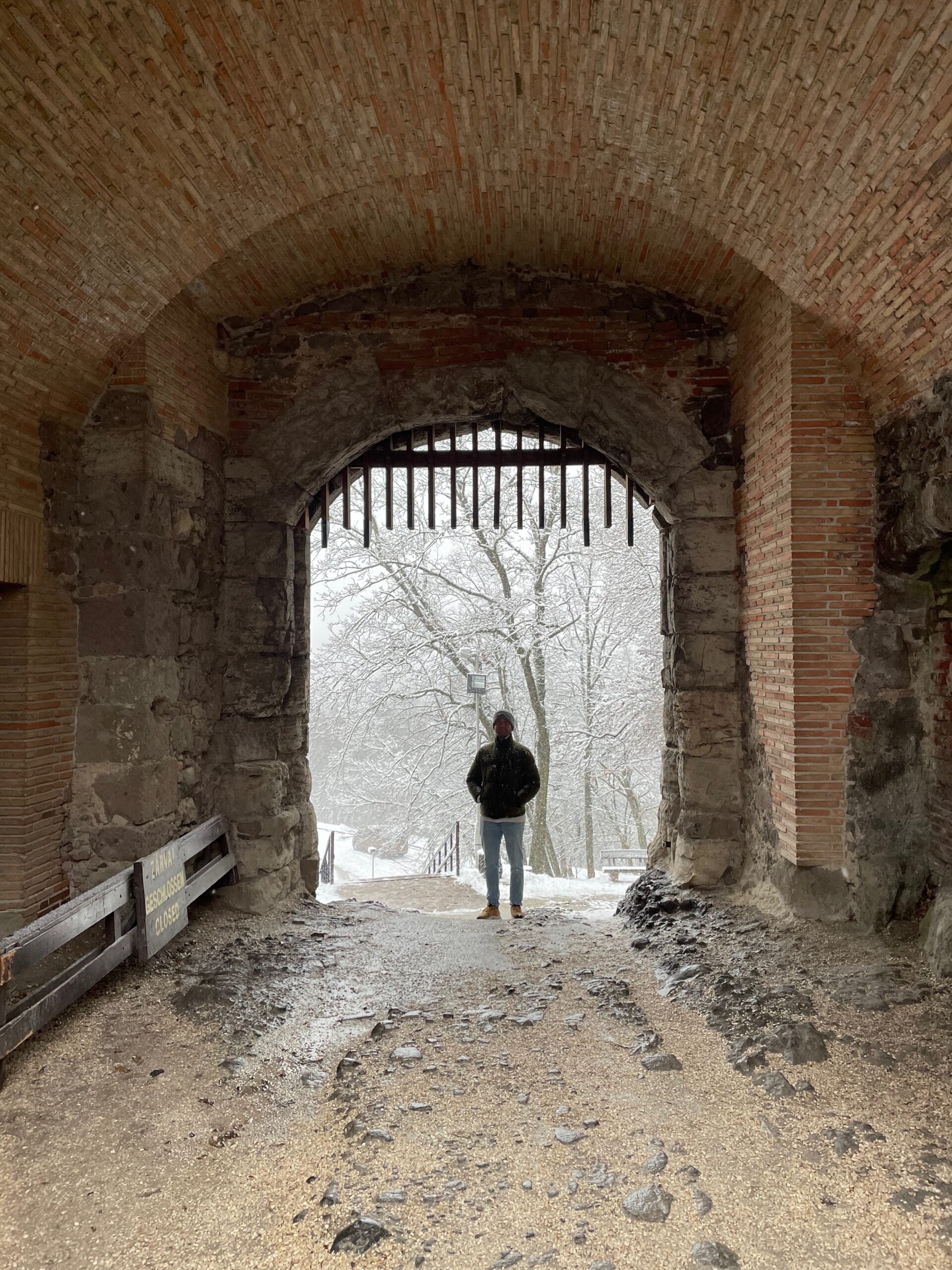
I took these images when we were touring the Danube Bend in December a few weeks ago. We were there just in time to see the magic of winter, unfortunately we don’t get too much snow, thus the visit was very special for both me and my travellers.


Szentendre is a little postcard village, one of the three villages we visit on the Danube Bend tour. It’s a very short drive from Budapest and is equally popular among tourists and locals.

This weekend was very special, the entire village was beautifully lit up for the Light Festival. A truly amazing end-of-the-summer wonderland.

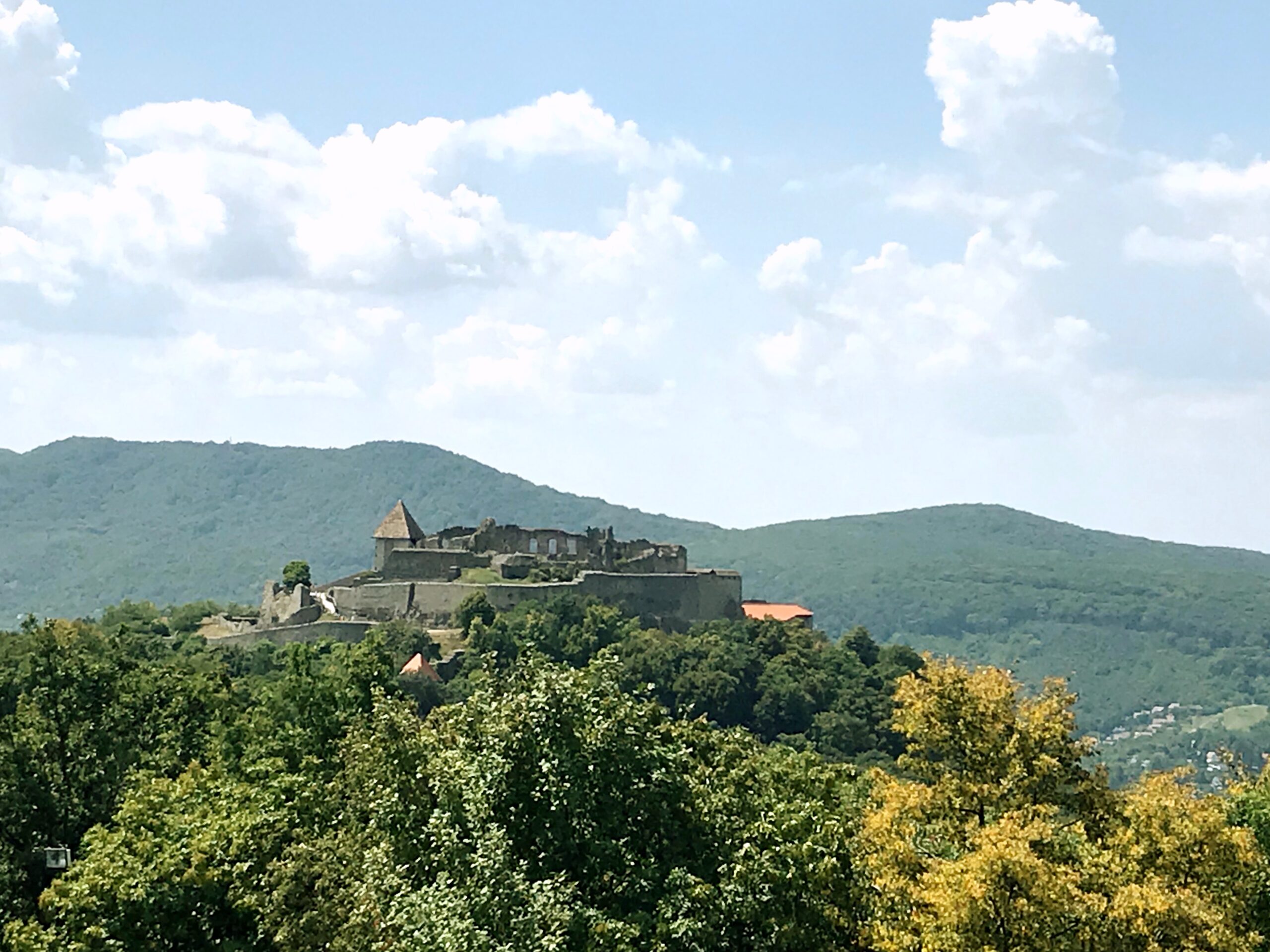
If you are planning a day trip from Budapest, the Danube Bend is one of the most rewarding regions to explore — and the Upper Castle of Visegrád (Citadel) is without question one of its highlights.

The Danube Bend tour is one of my most popular private tours, as it combines three very different villages along the Danube River, each with its own character, history, and atmosphere. Among them, Visegrád stands out for its dramatic hilltop fortress and breathtaking panoramic views.

A Fortress Born After Invasion

Visegrád is best known for two historic sites: the Royal Palace and the Upper Castle, both part of a vast system of fortifications built in the 13th century. These defenses were constructed after the devastating Mongol invasion, when Hungary began reinforcing strategically important locations throughout the kingdom.

Perched high above the river, the Upper Castle was designed not only for defense, but also as a safe refuge. According to historical sources, its construction was financed by the wife of King Béla IV, and the site originally served as a place of protection and seclusion.

What You Can See Today

Today, visitors can walk among the impressive remains of the thick stone walls and towers, gaining a real sense of medieval military architecture. The climb up to the citadel is rewarded generously: from the top, the view over the Danube Bend is one of the most iconic panoramas in Hungary.

On a clear day, you can see the river making its dramatic curve between forested hills, with small towns and villages dotting the landscape below. It is an ideal spot for photography — and one of my favorite places to pause during a private tour.

Why Visit the Upper Castle of Visegrád?

  • One of the best panoramic viewpoints in Hungary

  • A key site for understanding medieval Hungarian history

  • Perfectly combined with nearby towns on a Danube Bend day trip

  • Easily accessible from Budapest, yet surrounded by nature

Visiting Visegrád on a Private Tour

The Upper Castle of Visegrád fits beautifully into a full-day Danube Bend itinerary. Visiting with a private guide allows you to move at your own pace, avoid unnecessary crowds, and understand the historical context behind what you are seeing — not just admire the view.

If you are interested in exploring Visegrád together with other highlights of the Danube Bend, this stop is an essential and unforgettable part of the journey.

The Royal Palace of Visegrád is one of the most fascinating stops in the Danube Bend and a highlight I always try to include when touring the area. Together with the Upper Castle, the palace forms a remarkable castle complex that offers insight into how Hungarian royalty lived at the height of their power.

Located above the Danube, in the historic town of Visegrád, this palace allows visitors to step directly into the world of 15th-century royal life.

From ruins to royal splendour

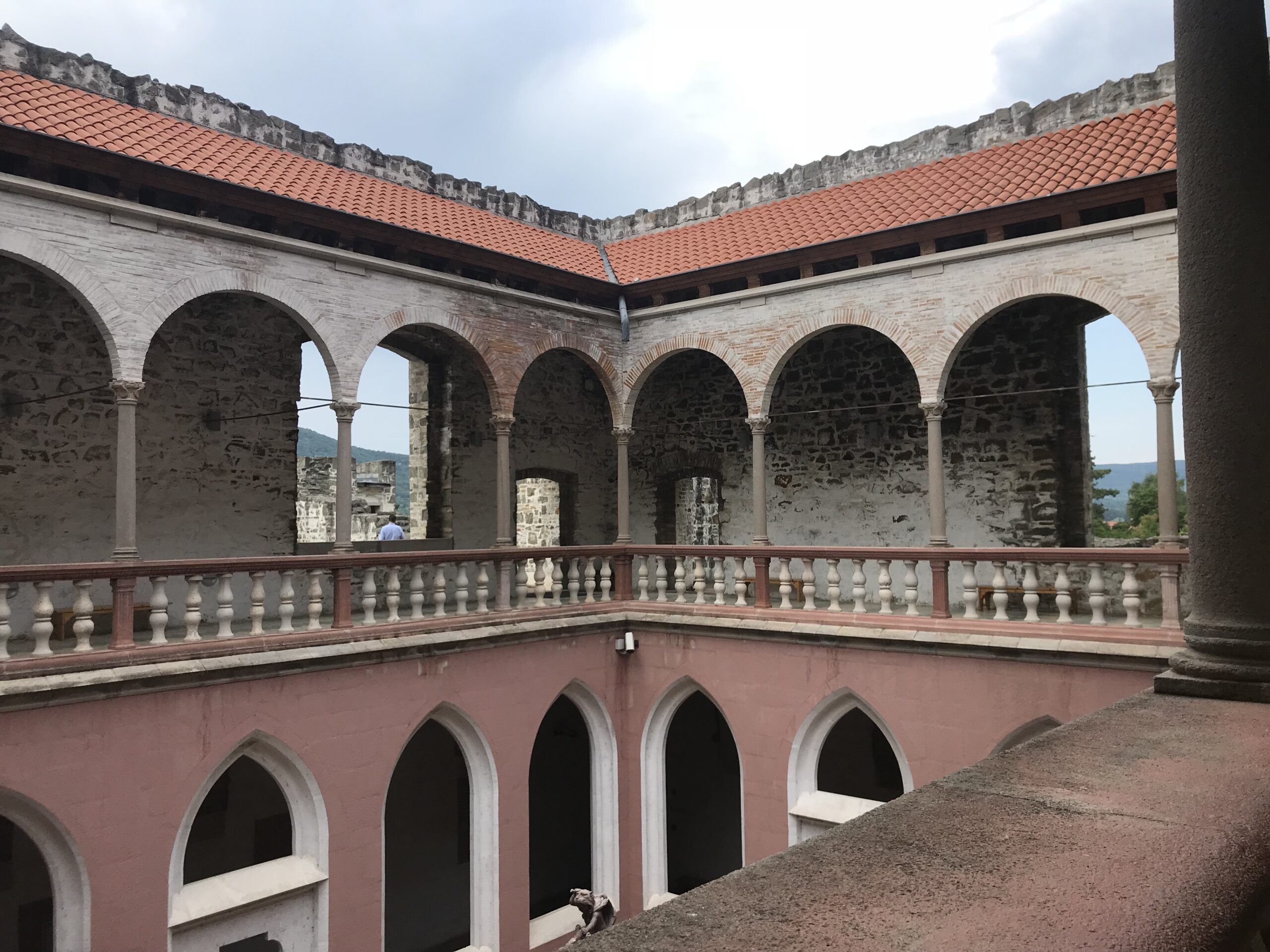
The fact that we can admire the palace today is thanks to the work of a passionate Hungarian archaeologist, who discovered the ruins hidden beneath an orchard. Thanks to decades of archaeological research and careful reconstruction, the palace has been brought back to life as a stunning example of Gothic and Renaissance architecture.

We owe a great deal to the archaeologists and historians who recreated the lavish interiors, gardens, and fountains that once impressed visiting dignitaries from across Europe.

A royal residence fit for King Matthias

The original stone residence, built in the 14th century, was relatively modest — just under 5,000 square feet. However, under the reign of Matthias Corvinus, the palace was transformed into a spectacular royal residence with around 350 rooms.

According to legend, during grand celebrations in the 15th century, marble fountains flowed with red wine — a detail that perfectly captures the wealth and prestige of the Hungarian royal court at the time.

What to see in the Royal Palace of Visegrád

Today, visitors can explore:

  • elegant Gothic cloisters

  • a refined Renaissance loggia

  • reconstructed living quarters of Hungarian kings and queens

  • decorative fountains and palace gardens

  • original artefacts and relics from the Middle Ages

The palace is beautifully laid out and easy to explore, making it both educational and visually impressive.

Visiting the Royal Palace on a Danube Bend tour

The Royal Palace of Visegrád is an essential stop on many Danube Bend day trips and works especially well as part of a private countryside tour from Budapest. Combined with the Upper Castle and views over the Danube, it offers a perfect balance of history, architecture, and scenery.


A Danube Bend day trip from Budapest is the perfect way to experience countryside landscapes, historic towns, and riverside views — all within easy reach of the capital.

This route follows the gentle curve of the Danube as it turns south toward Budapest, revealing castles, basilicas, and colourful small towns along the way.

Esztergom – Where Hungarian History Begins

Our first stop is Esztergom, once the capital of medieval Hungary and still the spiritual heart of the country.

The town is dominated by Hungary’s largest church, the Esztergom Basilica, whose massive dome shapes the skyline. Inside, visitors discover layers of history — from monumental 19th-century architecture to a beautifully preserved Renaissance chapel dating back to the 16th century.

For those who enjoy panoramic views, climbing to the top of the Basilica rewards you with sweeping vistas over the Danube, the surrounding hills, and the Slovak border beyond.

Visegrád – Medieval Views over the Danube

Next, the journey continues to Visegrád, one of the smallest towns in Hungary, yet one of the most historically important.

Perched high above the river, the ruins of the 13th-century castle offer what many consider the best viewpoint in the Danube Bend. From here, the river’s dramatic curve is fully revealed — a scene that has inspired travellers, artists, and photographers for centuries.

Exploring the castle ruins brings medieval Hungary to life, combining royal history with unforgettable natural scenery.

Szentendre – Art, Colour & Small-Town Charm

The final stop of the Danube Bend tour is Szentendre, a charming riverside town known for its artistic atmosphere.

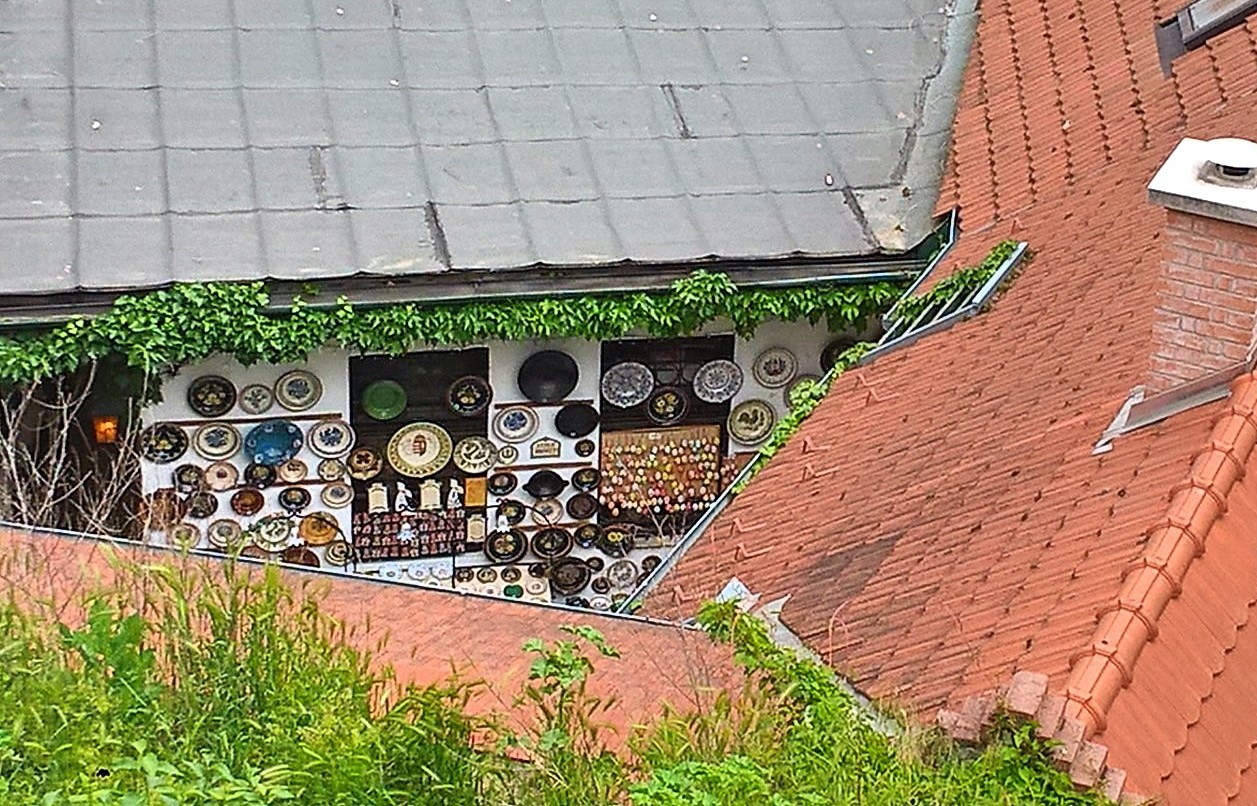
With its cobblestoned streets, pastel-colored houses, cozy cafés, and independent galleries, Szentendre feels relaxed and welcoming. It has long attracted artists and creatives, giving the town a distinctly Mediterranean mood despite its Central European location.

Visitors can enjoy free time to wander, browse art shops, taste local sweets — including the famous marzipan creations — or simply sit down for a coffee and watch town life unfold.

When conditions and time allow, returning to Budapest by boat adds a memorable finale to the day.

Why Choose a Danube Bend Day Trip from Budapest?

A day trip from Budapest to the Danube Bend offers an ideal balance of:

  • historic landmarks

  • scenic river landscapes

  • relaxed small-town exploration

Without long travel times, you can experience three very different sides of Hungary in one well-paced day — making this one of the most popular and rewarding countryside excursions from Budapest.

If you’re looking for a private Danube Bend tour from Budapest that focuses on atmosphere, history, and local insight rather than rushing from sight to sight, this route offers a beautiful introduction to Hungary beyond the capital. Feel free to let me know may you need more details!
Hungarians have a well-known sweet tooth, and among the many beloved treats, marzipan holds a special place. This smooth almond paste appears not only in cakes and pastries, but also in something far more unexpected: tiny — and sometimes life-size — works of art. In Hungary, marzipan is not just something you eat. It’s something you admire.

When Michael Jackson Meets the Hungarian Parliament

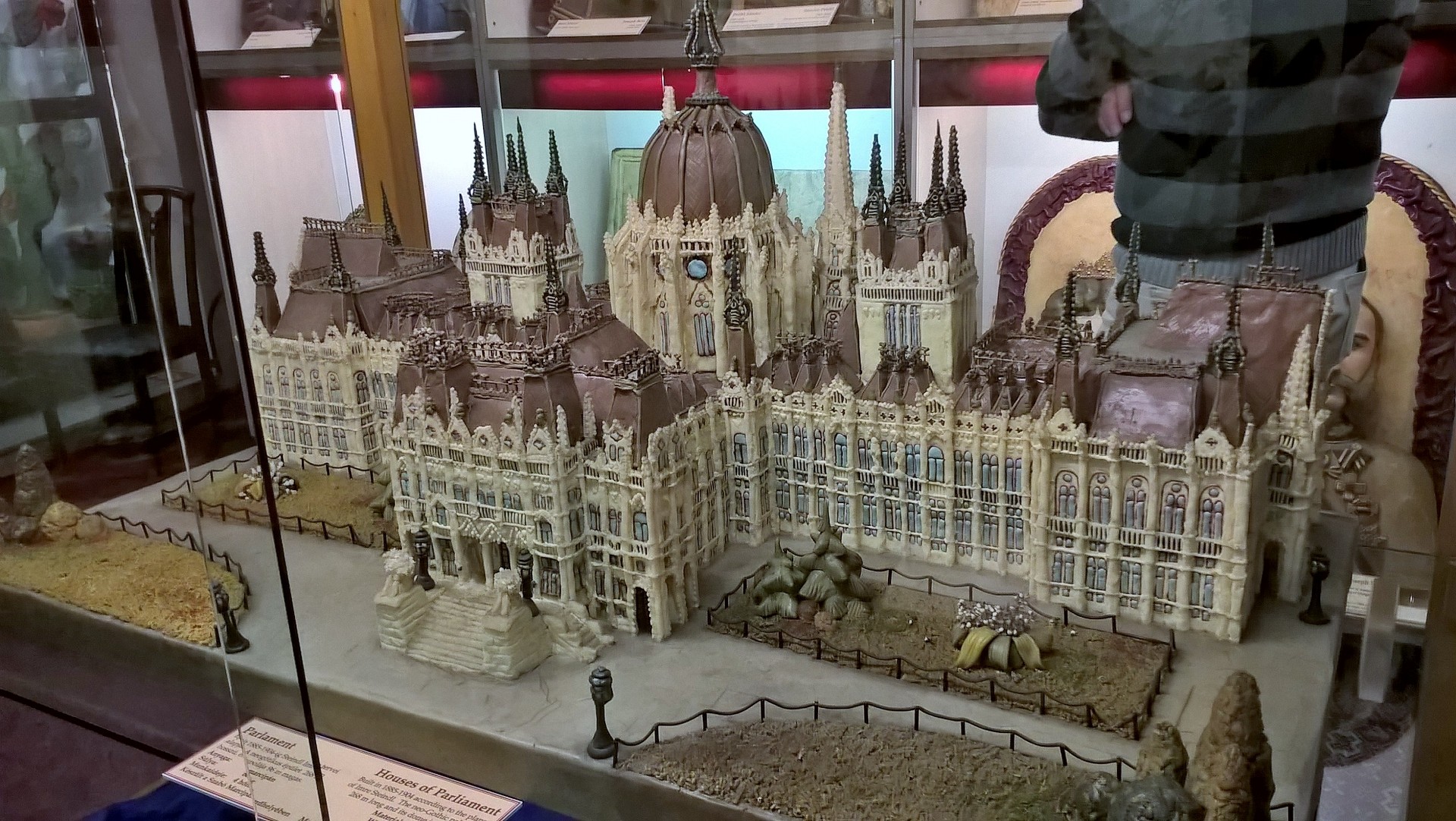
So, what do Michael Jackson and the Hungarian Parliament building have in common? In Szentendre, the answer is simple: they can both be made of marzipan.

The Szentendre Marzipan Museum is one of the most unusual — and sweetest — museums in Hungary. Located in the heart of Szentendre, it displays dozens of marzipan sculptures ranging from famous Hungarian historical figures to international celebrities and iconic buildings.

Some of the figures are small and intricate, others surprisingly large — all made with astonishing detail and patience.

More Than a Museum: A Working Atelier

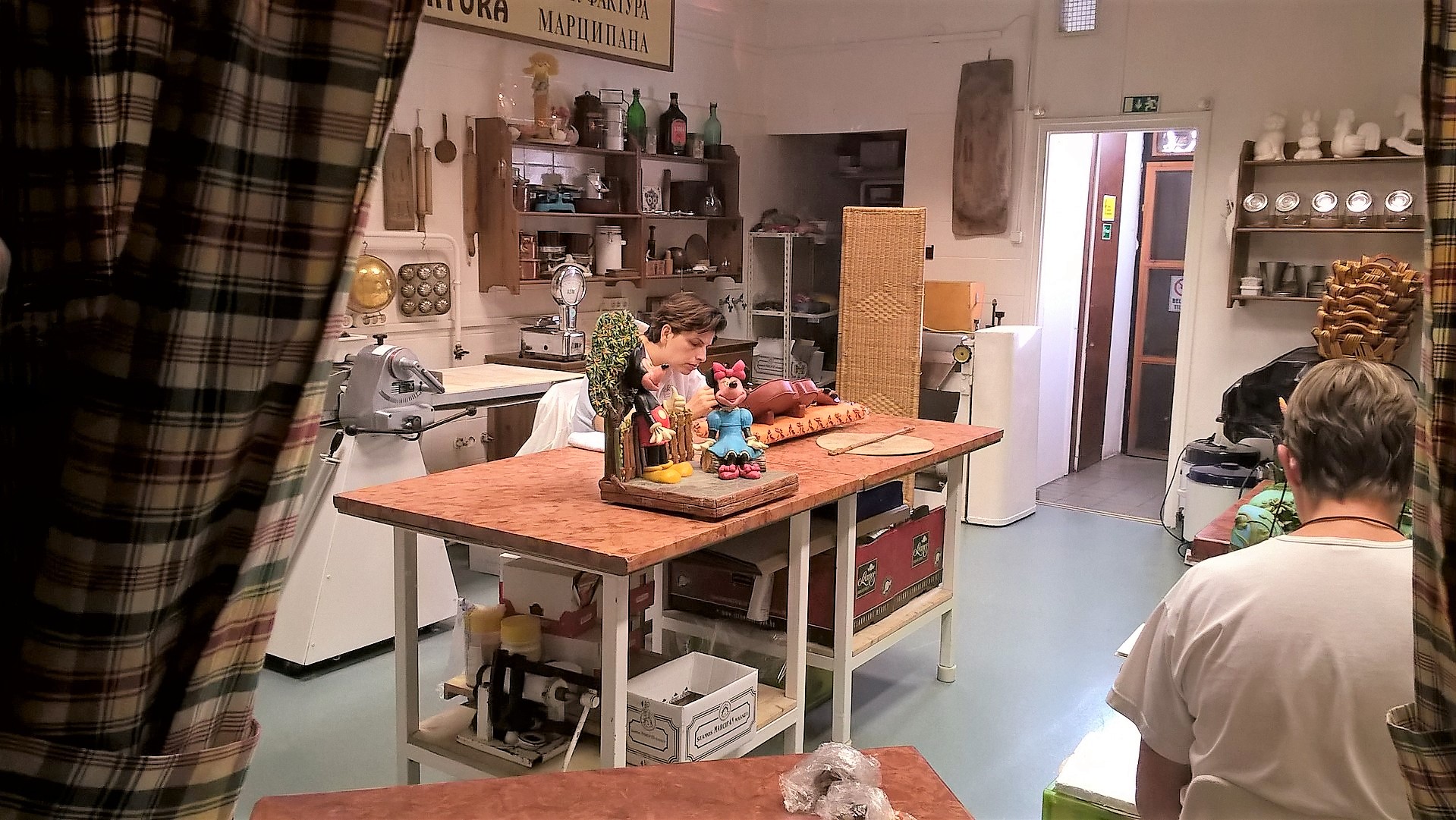
What makes the Szentendre Marzipan Museum especially engaging is that it’s not just a static exhibition. Visitors can also peek into the atelier, where new marzipan figures are still being created by hand.

Watching the process gives a new appreciation for the craft behind these playful sculptures — and for the amount of time and skill required to turn sugar and almonds into recognizable faces, buildings, and scenes.

A Small Museum with Big Personality

The Marzipan Museum is not large, but that’s part of its charm. It fits perfectly into a relaxed stroll through Szentendre, adding a lighthearted and slightly quirky stop between galleries, cafés, and cobblestoned streets.

And of course, no visit is complete without stepping into the small shop at the end, where you can buy beautifully made marzipan sweets — far too pretty to eat… at least at first.

The Marzipan Museum is one of those small surprises I’m always happy to include when showing guests around Szentendre. It’s also a delightful stop on my Danube Bend  and Szentendre tours, especially for travellers who enjoy local traditions with a playful twist.

If you’d like to explore Szentendre — from its art scene to its sweetest corners — feel free to get in touch, and we can shape a day that suits your interests and pace.