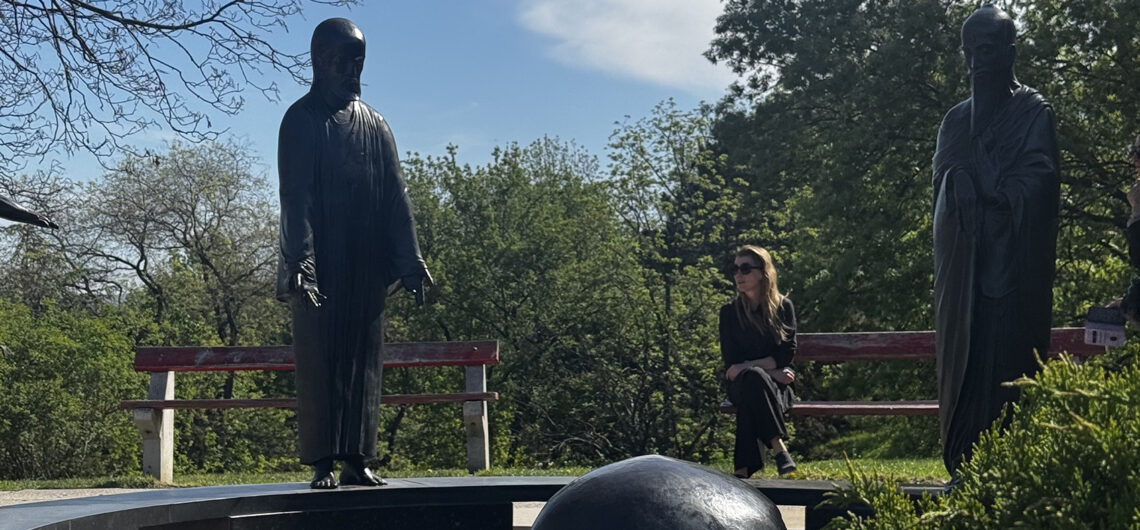
Snow has a way of transforming Budapest, Budapest in winter feels noticeably different. The familiar streets grow quieter, footsteps slow down, and the city reveals a softer, more intimate side. Winter in Budapest isn’t about rushing between sights — it’s about atmosphere, details, and moments that invite you to pause.

If you’re wondering whether Budapest is worth visiting in winter, the answer is a gentle but confident yes.

A Slower Side of Beautiful Budapest in Winter

When snow falls, Budapest feels more personal. Locals linger a little longer in cafés, parks feel almost private, and even the busiest areas take on a calm rhythm. This is when the city rewards those who enjoy slow travel — walking, observing, and letting places unfold naturally.

Winter light softens the architecture, and familiar landmarks feel less crowded and more contemplative. It’s a season for wandering without a strict plan, following quiet streets instead of highlights lists.

Walking Through a Snowy City

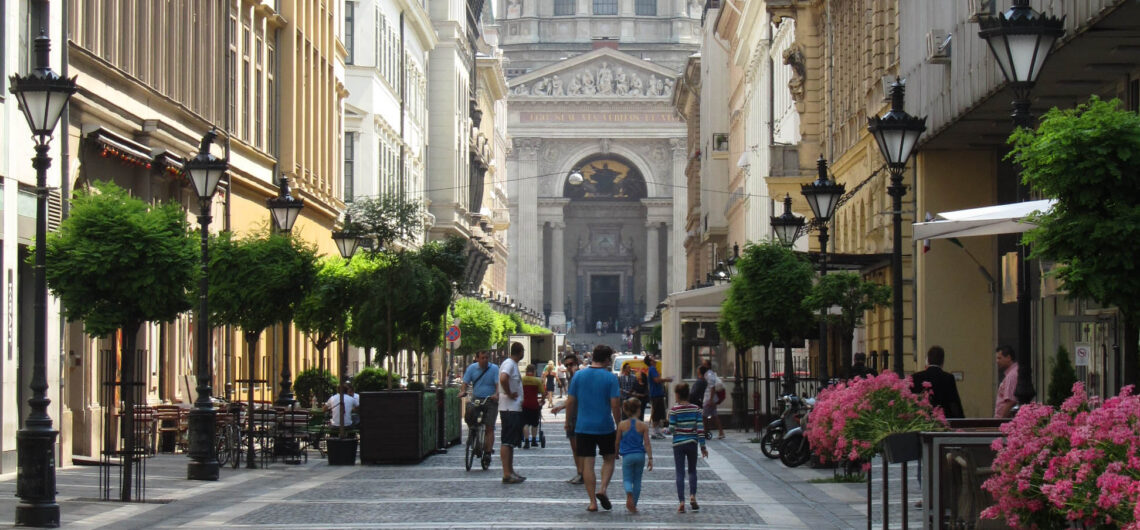
Budapest is a city made for walking, and winter emphasises this beautifully. Snow-covered paths along the Danube, peaceful parks, and residential streets offer some of the most memorable walks of the year.

Exploring on foot allows you to notice small details — the sound of trams in the snow, steam rising from café windows, and the contrast between warm interiors and the cold outside. These moments are often missed during busier seasons.

If you enjoy discovering cities at a relaxed pace, winter walks are an ideal way to experience Budapest. You can find more ideas and inspiration on my Budapest walking tours page, where I share different ways to explore the city beyond the obvious routes.

Winter Landmarks Without the Crowds

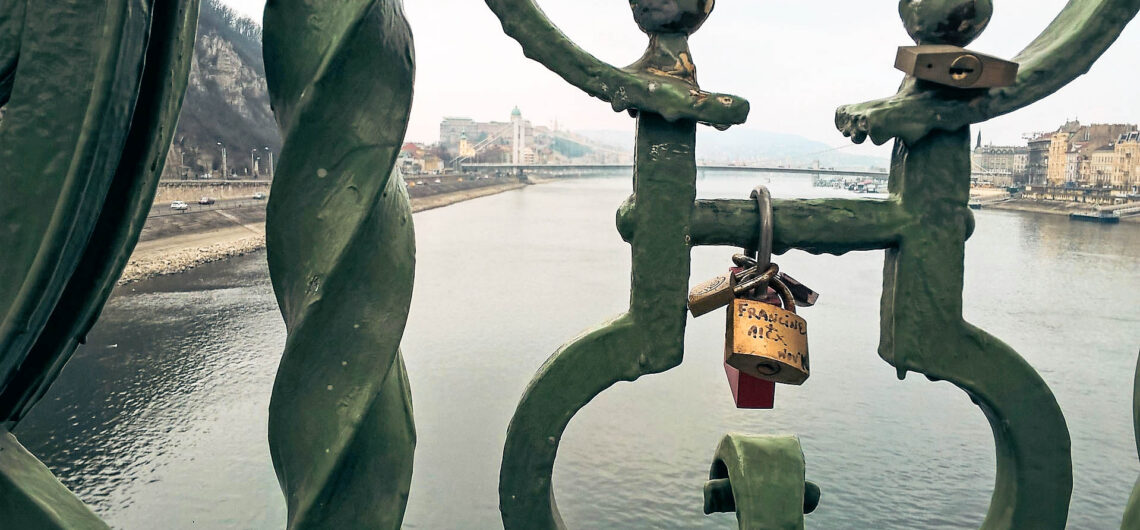
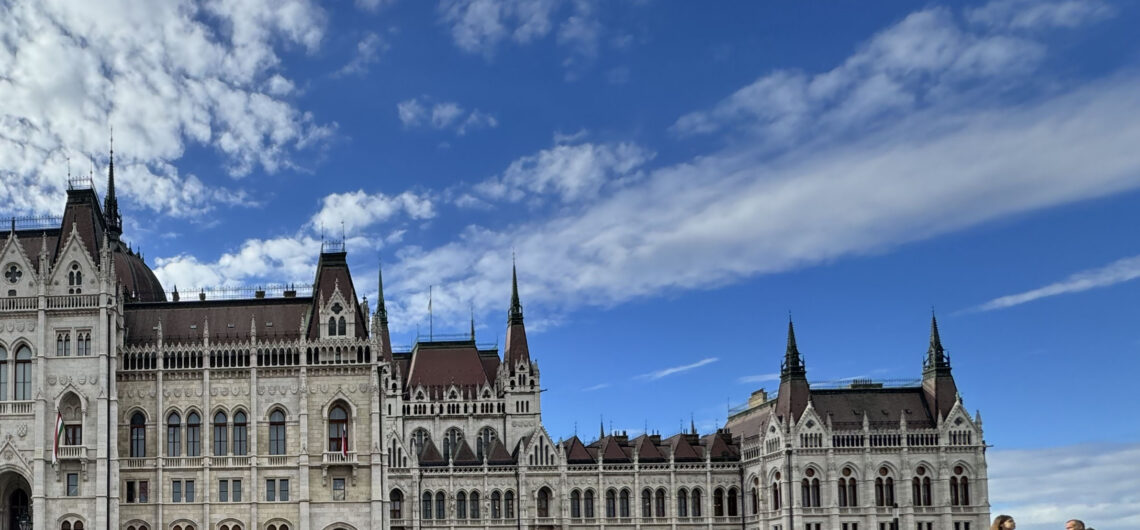
Some of Budapest’s most iconic sights feel especially atmospheric in winter. Snow highlights the lines of historic buildings, bridges feel more dramatic against a pale sky, and viewpoints offer crisp, clear perspectives.

  • The Hungarian Parliament and its surroundings in winter
  • Budapest’s bridges and how they connect the city’s two sides
  • Scenic riverside walks along the Danube

These places take on a quieter, more reflective character when the city slows down.

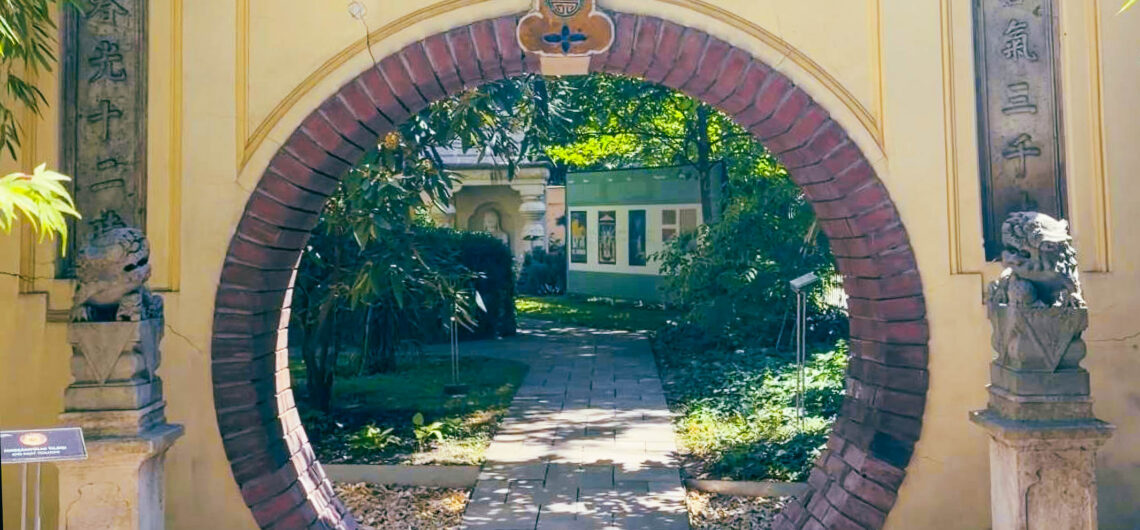
Winter is also an ideal time to explore Budapest’s museums, especially smaller, less crowded places that reward curiosity and attention to detail. If you enjoy discovering hidden cultural gems, you may like my visit to the Róth Miksa Memorial House, a beautifully preserved Art Nouveau museum that offers a quiet and inspiring indoor experience.

Warm Pauses Inside

One of the joys of Budapest in winter is the rhythm between outside and inside. After a walk in the cold, stepping into a café feels especially comforting. Foggy windows, warm drinks, and unhurried conversations are all part of the winter experience.

This balance — between exploration and rest — is what makes winter travel here so rewarding. It’s not about seeing everything, but about feeling connected to the city.

Is Winter the Right Time to Visit Budapest?

Winter is perfect for travellers who:

  • Prefer fewer crowds
  • Enjoy slow, mindful travel
  • Love photography and atmosphere
  • Want a more local, authentic experience

While days are shorter and colder, the city’s charm is unmistakable. Budapest doesn’t hibernate — it simply changes pace.

Discover Budapest at Your Own Rhythm

Whether you’re visiting for the first time or returning to see the city from a new perspective, winter offers a unique opportunity to connect with Budapest on a deeper level.

If you’d like help planning a personalised experience or exploring the city through thoughtful walks, feel free to visit my Contact page. I’m always happy to help you discover Beautiful Budapest — one moment at a time.

Budapest in winter

Budapest is world-famous for its grand architecture and historic cafés, but some of its most beautiful Art Nouveau treasures are much more intimate. Tucked away on a quiet street in the 7th district, the Róth Miksa Memorial House is one of those rare places that feels like a personal discovery rather than a tourist attraction.

This small museum offers a different way of experiencing Budapest: through colour, light, and craftsmanship — the very elements that define the city’s Art Nouveau heritage.

Who was Róth Miksa?

Róth Miksa was one of Hungary’s most important masters of stained glass and mosaic art at the turn of the 19th and 20th centuries. His works can still be admired across Budapest, decorating churches, public buildings, and elegant private interiors.

What makes this museum especially meaningful is that it was once his home and workshop. Visiting it feels less like walking through an exhibition and more like stepping into the personal world of an artist whose creations quietly shaped the city’s visual identity.

Many of the themes and techniques you see here reappear throughout Budapest — once you notice them, you start spotting Art Nouveau details everywhere.

What makes this museum so special?

The Róth Miksa Memorial House is small, but rich in atmosphere. Original stained glass windows fill the rooms with soft, colourful light, while mosaics and decorative details reveal the incredible level of craftsmanship behind each piece.

Unlike larger museums, this is a calm and immersive experience. You’re not rushing from room to room — instead, you’re invited to slow down and really observe. It’s one of those places where even visitors who don’t usually enjoy museums find themselves lingering.

If you’re interested in Art Nouveau architecture, design, or photography, this museum offers endless inspiration in a very compact space.

Why I recommend it as a local guide

As a Budapest-based guide, I often look for places that help visitors understand the city’s layers, not just see its highlights. This museum does exactly that.

It’s:

  • ideal on a cold, rainy, or winter day

  • perfect for travellers who appreciate beauty without crowds

  • easy to combine with a café stop or a relaxed walk

  • a wonderful introduction to Budapest’s Art Nouveau world

A visit usually takes 30–45 minutes, but what you learn here adds depth to everything you see afterwards — especially when exploring other Art Nouveau buildings around the city.

This is why stops like this naturally fit into my Art Nouveau-focused walks. That’s where details, stories, and connections bring the architecture to life.

Practical tips for visiting

  • Location: District VII, close to the city centre

  • Visit length: Around 30–45 minutes

  • Best for: Art Nouveau lovers, photographers, couples, curious travellers

  • Good to know: The museum is small and intimate with limited opening hours — part of its charm

If you enjoy discovering places that feel authentic rather than crowded, this museum is a wonderful addition to your Budapest itinerary.

Seeing Budapest through Art Nouveau details

The Róth Miksa Memorial House is proof that some of Budapest’s most memorable experiences happen behind unassuming doors. It’s quiet, refined, and deeply connected to the city’s artistic heritage.

For visitors who want more than just the main sights, exploring Budapest through its Art Nouveau details offers a completely different perspective on the city. Stained glass, mosaics, façades, and hidden interiors reveal a quieter, more refined side of Budapest.

If this way of discovering Budapest speaks to you, feel free to explore my guided walks or get in touch — I’m always happy to help you experience the city beyond the obvious.

Sometimes, the most beautiful stories in Budapest are told through glass, light, and quiet craftsmanship.

Róth Miksa Memorial House – A Hidden Art Nouveau Gem in Budapest

The Budapest Christmas trams are one of the most magical signs that winter has arrived in Budapest.
As the days grow shorter and the air turns crisp, thousands of tiny lights begin to move through the city, transforming everyday journeys into moments of quiet wonder.

Every December, Budapest begins to glow in a very special way. Streets, bridges, and public squares are softly illuminated, but some of the most enchanting lights are not fixed in place. They travel gently through the city, reminding us that beauty can appear when we least expect it.

Among Budapest’s winter traditions, the Budapest Christmas trams stand out for their simplicity. There are no announcements or performances — just familiar trams wrapped in thousands of tiny lights, gliding through neighbourhoods and along the river. Locals pause on the pavement to watch them pass. Visitors lift their cameras. For a brief moment, the city seems to slow down.

Christmas in Budapest is atmospheric rather than overwhelming. It’s about warm drinks on cold evenings, softly lit streets, and small details that reveal themselves when you take the time to notice them. Watching the trams roll by has become a favourite winter ritual, and a gentle reminder of why Budapest Christmas trams have become such a beloved seasonal symbol.

For me, these glowing journeys represent more than festive decoration. They reflect something deeper about winter travel — the joy of slowing down, observing everyday life, and finding light even on the darkest evenings.

A small note for travellers

During the Christmas period, I take a short seasonal break and don’t run private tours, allowing time to recharge and enjoy the holidays myself. However, I’m already looking ahead to the New Year and would be very happy to accommodate tour requests from January onwards.

If you’re planning Christmas in Budapest or considering a winter visit in the coming months, I’d love to help you create a personalised experience once the new season begins. From hidden viewpoints and quiet neighbourhoods to local stories and everyday life, winter in Budapest offers its own quiet magic.

A new year always brings new walks, new conversations, and new moments shared in this beautiful city. I’m very much looking forward to welcoming travellers back and creating meaningful experiences together in the months ahead.

Wishing you a peaceful holiday season and a bright start to the New Year.


Finding the light in Beautiful Budapest

Budapest sparkles at Christmas time especially at the authentic Budapest Christmas Markets. From twinkling lights and festive music to handmade gifts and joyful traditions, the city transforms into a true winter wonderland each year.

The first Christmas markets are already open for the 2025 season, bringing locals and visitors together in celebration. Here’s a look at three of the most beautiful Budapest Christmas markets — each with its own special atmosphere and must-see experiences.

Vörösmarty Classic Xmas

📍 Vörösmarty Square, District V
🗓 14 November – 31 December 2025
🕐 Sun–Thu 11:00–21:00; Fri–Sat 11:00–22:00;
24 Dec 10:00–14:00; 25–26 Dec 12:00–18:00; 31 Dec 11:00–18:00

The heart of Budapest’s festive season beats at Vörösmarty Classic Xmas, one of the oldest and most beloved Christmas fairs in Central Europe. With its charming wooden stalls, live folk performances, and glittering decorations, it perfectly captures the spirit of the season.

Highlight: The miniature Christmas train — a delightful ride that winds around the square and fills children (and adults!) with joy.

Stroll among Hungarian artisans’ stands, admire the giant Christmas tree, and take in the atmosphere as the scent of pine and cinnamon fills the air. This market is the city’s warm, traditional heart — festive, authentic, and endlessly photogenic.

Advent Bazilika

📍 St. Stephen’s Square, District V
🗓 15 November 2025 – 1 January 2026
🕐 Mon–Thu 11:30–22:00; Fri & Sat 11:00–23:00; Sun 11:00–22:00
(Closed 24 Dec, limited opening 25–26 Dec 12:00–18:00)

For the fourth year in a row, Advent Bazilika has been voted Europe’s most beautiful Christmas market, and it truly lives up to its reputation again this year. Nearly a hundred Hungarian artisans fill the square with handmade gifts, light displays illuminate the Basilica, and festive music creates an unforgettable atmosphere.

Highlight: The 3D light show projected on the Basilica — a mesmerizing performance that brings Christmas stories to life every evening.

Visitors can browse unique crafts, enjoy concerts and some great Hungarian cuisine. Soak up the magical ambience surrounded by one of Budapest’s most iconic landmarks!

Budapest Christmas Market at Városháza Park

📍 Városháza Park (City Hall Park), District V
🗓 14 November 2025 – 4 January 2026
👉 Official page

Budapest’s newest and most dynamic Christmas experience, held right beside City Hall, blends classic market charm with modern festive attractions. It’s especially family-friendly, with plenty of activities for kids and beautiful decorations for every age to enjoy.

Highlights:

  • The Santa Claus Trolley, rolling through downtown Budapest and spreading Christmas cheer.

  • A phenomenal light show that transforms the park with vibrant colours and joyful energy.

Városháza Park also features an ice rink (actually an ice rink corridor) and creative artisan stalls. Don’t miss the interactive installations — making it one of the most exciting winter experiences in Budapest this year.

Experience Budapest at Its Most Magical

Each of these markets offers something unique: tradition at Vörösmarty Classic Xmas, elegance at Advent Bazilika, and playfulness at the Budapest Christmas Market in Városháza Park. I’m happy to include the visit of these markets in the Budapest walking or driving tours or can plan a tour around the magic of the Christmas markets.

Whether you’re coming for the sights, the crafts, or simply the holiday spirit, Budapest’s Christmas markets promise unforgettable memories — and a beautiful reason to fall in love with the city all over again.

Coming soon: I’ll dedicate a separate post to all the best food and drink options once the other Budapest Christmas markets open — from mulled wine and chimney cake to festive Hungarian street food. Stay tuned!

Budapest’s Christmas Markets Look Magical in 2025

Today we celebrate the Budapest 152nd birthday. On November 17, 1873, three historic towns — Buda, Pest, and Óbuda — united to form one magnificent city: Budapest. I can’t help but reflect on why this place continues to capture my heart — and the hearts of travellers from all over the world.

It’s incredible to think how much history, resilience, and beauty fit into these 152 years. Budapest isn’t just Hungary’s capital — it’s a city that tells stories at every turn, from its majestic bridges to its cozy cafés.

A City of Timeless Beauty

If you’re looking for things to do in Budapest, you don’t have to go far. Start with the Hungarian Parliament, one of Europe’s most stunning government buildings, glowing golden at night on the banks of the Danube. Cross over the Chain Bridge, admire the Fisherman’s Bastion at sunrise, and don’t miss a ride on Tram 2, often called one of the most scenic tram routes in the world.

Whether you explore Buda Castle Hill for history or Andrássy Avenue for architecture, every view tells a story. So you will explore a mix of grandeur, resilience, and unmistakable charm. Need more ideas? Let me know!

Everyday Magic – Happy Birthday Beautiful Budapest!

What makes Budapest truly special is how easily beauty blends into everyday life.
You can enjoy a lazy morning at one of the city’s historic cafés, stroll along the Danube promenade, or simply watch the lights shimmer across the water as evening falls.
Even locals (like me!) still stop to take in the view — because it never gets old.

💙 My Beautiful Budapest

As a private tour guide in Budapest, I’ve had the joy of seeing visitors fall in love with the city — whether it’s their first visit or a long-awaited return. Each tour I lead feels like a love letter to this place: to its stories, flavours, and hidden corners that you won’t find in guidebooks.

Budapest is endlessly inspiring. It’s a city that makes you slow down, look up, and appreciate the details. Like the curve of a bridge, the scent of coffee, the sound of trams rolling by.

Here’s to the Next 152 Years – Happy Birthday Beautiful Budapest!

Budapest has lived through revolutions, rebuildings, and countless transformations. Yet, she always rises more beautiful, more vibrant, more alive.
So today, I raise my glass (of Tokaji, of course!) to 152 years of history, culture, and beauty.

Happy Birthday, Beautiful Budapest — and thank you for continuing to inspire all who walk your streets. 💫

When people ask me about my favourite museums in Budapest, Hospital in the Rock is always at the top of my list—even though it isn’t one of the big, famous institutions you see everywhere. It’s a place hidden deep under Buda Castle, carved into the natural cave system, where history feels raw, honest, and very real.

Hospital in the Rock is one of the most authentic museums in Budapest. Not because it’s pretty (it isn’t). Not because you can take great photos (you can’t). But because the stories here are told with a kind of honesty you rarely find: factual, emotional, unembellished. It’s a place where the past speaks for itself.

Hospital in the Rock: A Museum That Doesn’t Try to Impress—It Simply Tells the Truth

Walking through the entrance hall, you might wonder what’s so special about this place. But once your tour guide leads you underground, you’ll understand immediately.

During World War II and the 1956 revolution, this was a real emergency hospital—small, overcrowded, and constantly in use during the siege of Budapest. Later, during the Cold War, it was expanded into a nuclear fallout shelter, prepared for a future no one wanted to imagine.

There’s nothing staged here. No over‑the‑top dramatics. Just preserved rooms, original equipment, wax figures that quietly show what life looked like in those moments, and stories told with care.

And honestly? That’s why I love it.

The Tour Guides Make All the Difference

Every visit is guided, and the team here is exceptional. They know the museum inside out—not just the facts, but the human side of the story. They speak with warmth, precision, and respect for the people who lived and worked here.

I’ve been many times now, and every guide brings something slightly different: a personal interpretation, a surprising anecdote, or a detail I had never noticed. This museum isn’t just about looking. It’s about listening.

A Powerful Reminder of How the Past Shapes the Present

Hospital in the Rock is emotional—not in a dramatic way, but in a deeply human one. You walk through the old wards and operating rooms, see how people worked under impossible conditions, and suddenly history doesn’t feel distant anymore.

And that’s why I think this place matters today. You learn so much from the past—about resilience, humanity, conflict, and cooperation—that it becomes easier to understand the present… and even imagine the future with more clarity.

A Great Visit in Any Season

One practical advantage that I always mention to my guests: the museum is underground, with a constant temperature around 15–18°C.

That means:

  • perfect for rainy days,
  • perfect for winter,
  • perfect for Budapest’s very hot summers.

Whatever the weather is doing outside, Hospital in the Rock is a comfortable—and fascinating—escape.

Practical Information for Planning Your Visit

Tickets & Pricing

Hospital in the Rock has two different pricing structures: a standard tour ticket and a donation-based ticket. I always recommend choosing the donation option if you can—it supports preservation work, educational programs, and ongoing historical research.

How to buy tickets:

  • Tickets can be purchased at the machines right by the entrance.
  • Card payment only.
  • During high season, tours fill up quickly, so it’s highly recommended to book in advance.

Location: Beneath Buda Castle (entrance at Lovas utca 4/C)
Tours: Guided only, usually every hour (English available + audioguides)
Photography: Not allowed inside the tunnels
Duration: About 60 minutes
Type: History, WWII, Cold War, medical history, underground Budapest

It’s an especially great stop if you’re already exploring Buda Castle, I’m happy to start or finish a tour here, so that you have time to explore.

Why You Shouldn’t Miss It

If you’re looking for a museum that leaves a lasting impression, something outside the usual tourist circuit, Hospital in the Rock is for you. It’s educational, emotional, authentic—and one of the most meaningful places you can visit in Budapest.

For me, it’s a reminder that history isn’t just something in books. It happened here, underground, where you can still feel its echo.

Add Hospital in the Rock to Your Budapest Tour

If you’d like to explore Hospital in the Rock as part of a guided experience, I’d be delighted to include it in your itinerary. It’s a fantastic addition to both my Buda Castle Walking Tour and my Communist Budapest Tour, offering powerful context and a deeper understanding of the city’s past. If you’re interested, just let me know when booking and I’ll tailor the tour to include this unforgettable visit.

Hospital in the Rock is one of Budapest’s most dramatic museums

If you’re searching for unique selfie spots in Budapest, you’ve come to the right place. Of course, the city is famous for its postcard-perfect views of the Parliament, Chain Bridge, and Fisherman’s Bastion — but if you’re looking for something different, modern, and a little unexpected, this guide is for you.

Here are six selfie spots that bring out the city’s creative side, from colourful murals to futuristic architecture.

Jewish Quarter Murals – Colourful & Playful

The old Jewish Quarter is full of life — not only in its cafés and ruin bars but also on its walls. Many buildings are decorated with large murals that change from time to time, making each photo unique. They’re bold, vibrant, and the perfect backdrop if you want a splash of colour in your Budapest memories.

Pro tip: Explore Kazinczy Street and its side streets for the best mural finds.

House of Music – Organic & Flowing

Set in City Park, the House of Music is one of Budapest’s newest and most impressive buildings. Its wavy, perforated roof looks like it grew out of the trees, blending architecture with nature. A dream location if you’re looking for something modern yet organic.

Pro tip: Visit during the golden hour — the light through the trees adds a magical touch.

Filatorigát Graffitis – Urban & Creative

By the suburban railway station at Filatorigát, you’ll find Budapest’s biggest open-air graffiti wall. It’s raw, ever-changing, and bursting with creativity. The perfect spot if you’re into street art or want a truly urban background.

Pro tip: Check it out on weekends when local artists often add new works.

Bálna (“The Whale”) – Geometric & Edgy

This glass-and-steel building on the Danube is impossible to miss. Its sharp angles and striking design make it one of the most eye-catching modern landmarks in Budapest. Geometric, edgy, and bold — ideal for a dramatic selfie.

Pro tip: Step inside for unique angles and reflections.

Hajógyári Sziget – Industrial & Raw

Best known as the site of the Sziget Festival, this island also has some quirky industrial corners. Old structures, pipes, and urban details provide a cool contrast to the city’s historic architecture. Perfect if you want something unusual and gritty.

Pro tip: Pair your visit with a walk along the Danube or a picnic in the park areas of the island.

MÜPA – Palace of Arts – Futuristic & Elegant

MÜPA is one of Budapest’s main cultural hubs, and its building is just as impressive as the performances inside. With its glass walls and striking lines, it’s a futuristic and elegant selfie spot that works day and night.

Pro tip: Visit in the evening when the building is beautifully lit.

Final Thoughts about Unique Selfie Spots in Budapest

Budapest is more than its classic sights. These modern, colourful, and sometimes quirky locations are perfect if you want your photos to stand out. Whether you’re drawn to colourful murals, organic architecture, urban graffiti, edgy glass buildings, raw industrial corners, or futuristic elegance, there’s a selfie spot waiting for you.

Want to discover even more hidden and unique selfie spots in Budapest? Follow me on Instagram, and book a private tour with me — I’ll show you the best photo backdrops and authentic local experiences in the city. Contact me here to plan your tour!

The past few weeks have been filled with unforgettable moments shared with wonderful guests on my food and wine tours across Hungary. From tasting delicious local wines in wine cellars to wandering through bustling markets in Budapest, it’s been a joy to introduce travellers to the authentic flavours of this beautiful country. Every private tour brings new connections, unique stories, and plenty of delicious discoveries.

I’ve gathered a few short clips to share the atmosphere and magic of these recent experiences—full of laughter, learning, and of course, lots of wine! Whether you’re looking for a city-based adventure or a countryside escape, there’s something for every kind of traveller.

If you’re feeling inspired, here are a few tours you might enjoy:
🍷 The Budapest Culinary & Etyek Wine Tour blends urban food culture with a scenic vineyard visit – a true taste of both worlds.
🥖 The Budapest Foodie Tour is perfect for curious eaters wanting to dive into local flavors and hidden gems.
🍇 And the Eger and Wine Tour is a beautiful day trip that combines history, countryside charm, and some of Hungary’s best reds.

You can find all the details and book your next experience here:
👉 https://lovefromhungary.com/tour-category/private-hungary-budapest-food-wine-tours/

Looking forward to sharing a table with you soon!

Guiding tours around Beautiful Budapest, I cannot help but snap random moments that are catching my eye. From the vibrant street art to the hidden alleyways, there’s magic in every corner. Sometimes the best shots come when you’re not looking for them at all. This city is full of surprises, and I’m so grateful for every photo I get to capture along the way. Here’s to the joy of spontaneous exploration and the stories each photo tells! Spring is coming, days are getting longer and there is no greater joy than exploring this wonderful city.

Book a tour with me so that you can see some of these attractions and many more! All the private tours are fully customisable, based on your interests and preferences.

St. Stephen’s Basilica is the largest Catholic Church of Budapest and the third largest church of Hungary. After the devastating floods of the Danube river in 1838 local people from the neighbourhood wanted to thank God for saving their lives, and raised a lot of money for the construction of the largest church of the city. Construction works started in 1851 and after multiple unfortunate events (death of two of the church’s architects, a devastating storm when the dome collapsed) it was finally consecrated 54 years later, in 1905. The building is an appealing mix of different styles: Baroque, Classicist and Neo-Renaissance. The artworks (paintings, sculptures and stained glass windows) were all created by Hungarian artists, including Gyula Benczúr, Károly Lotz and Miksa Róth.

The church is dedicated to St. Stephen, the first Christian king of Hungary, the founder of the Catholic Church in Hungary, and the founder of a Christian state. His statue made of Carrara marble is the main altarpiece of the church. The principal relic of the Basilica is the mummified right hand of king Stephen, it is on display in the church hall.

The magnificent views

A panorama terrace was created around the main dome of the Basilica at a height of 65 meters, which is the highest viewpoint in Pest, offering a 360-degree panorama over the city. You can take the stairs (about 300 steps) or the elevators to get to the dome. There is a Holy Mass in English in Mary’s chapel at 6.10 PM on Mondays, Wednesdays and Fridays and at 4.00 PM in the Basilica on Sundays and holidays.

We usually try to include the visit of the interior on the Budapest tours if time permits. You can learn more about the Basilica, visiting hours and ticket prices here.

I am spending a lot of time wondering around my beautiful city, and I am fortunate to see its buildings from all different angles and viewpoints. There’s something alluring about capturing a building from multiple angles; each perspective reveals a new layer of its architecture and character. As I moved around, I saw how the light shifted and how the structure seemed to change, transforming with each viewpoint. It’s a reminder that sometimes, to truly appreciate a subject, you need to step back and see it from every possible angle.