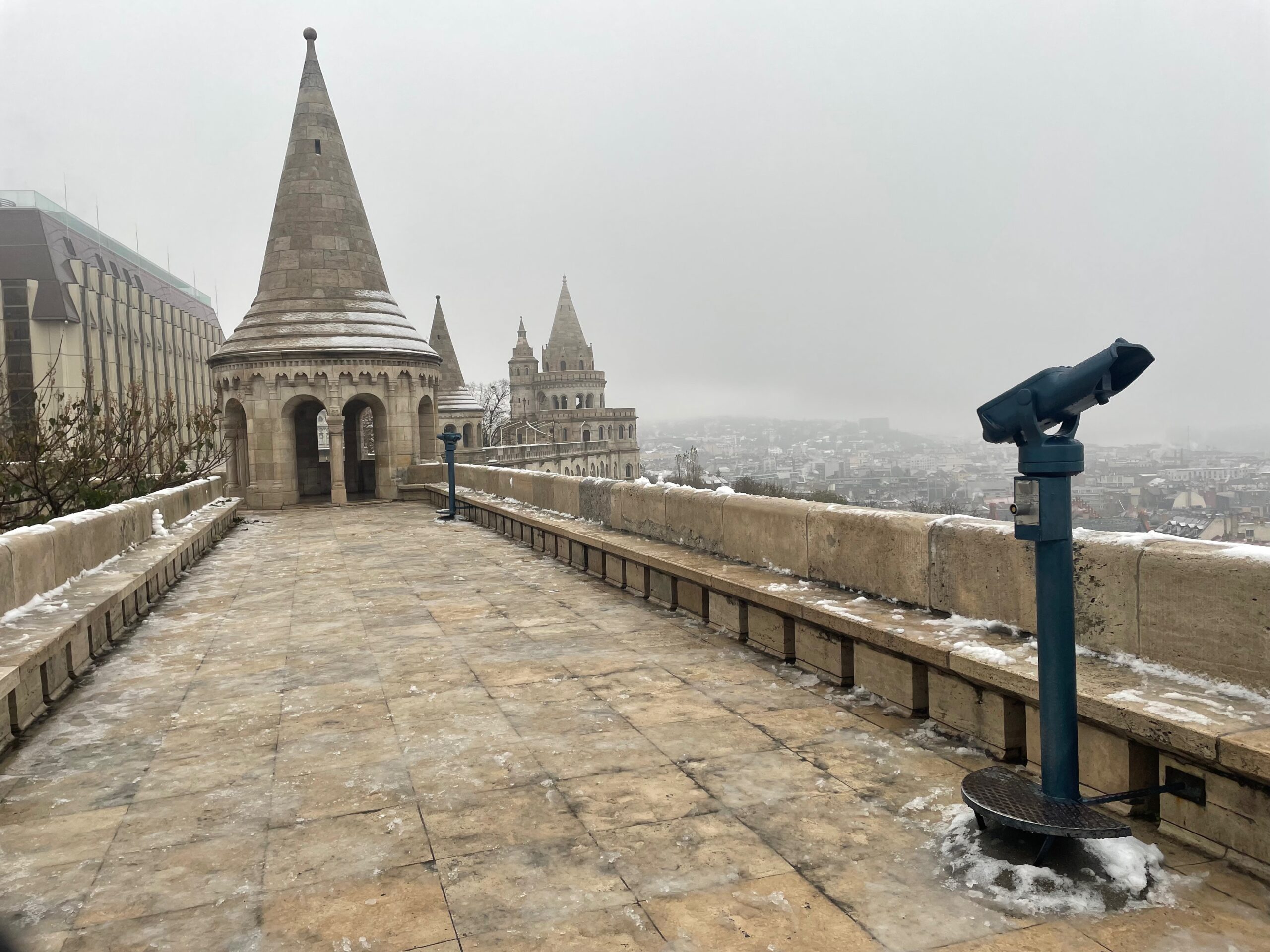
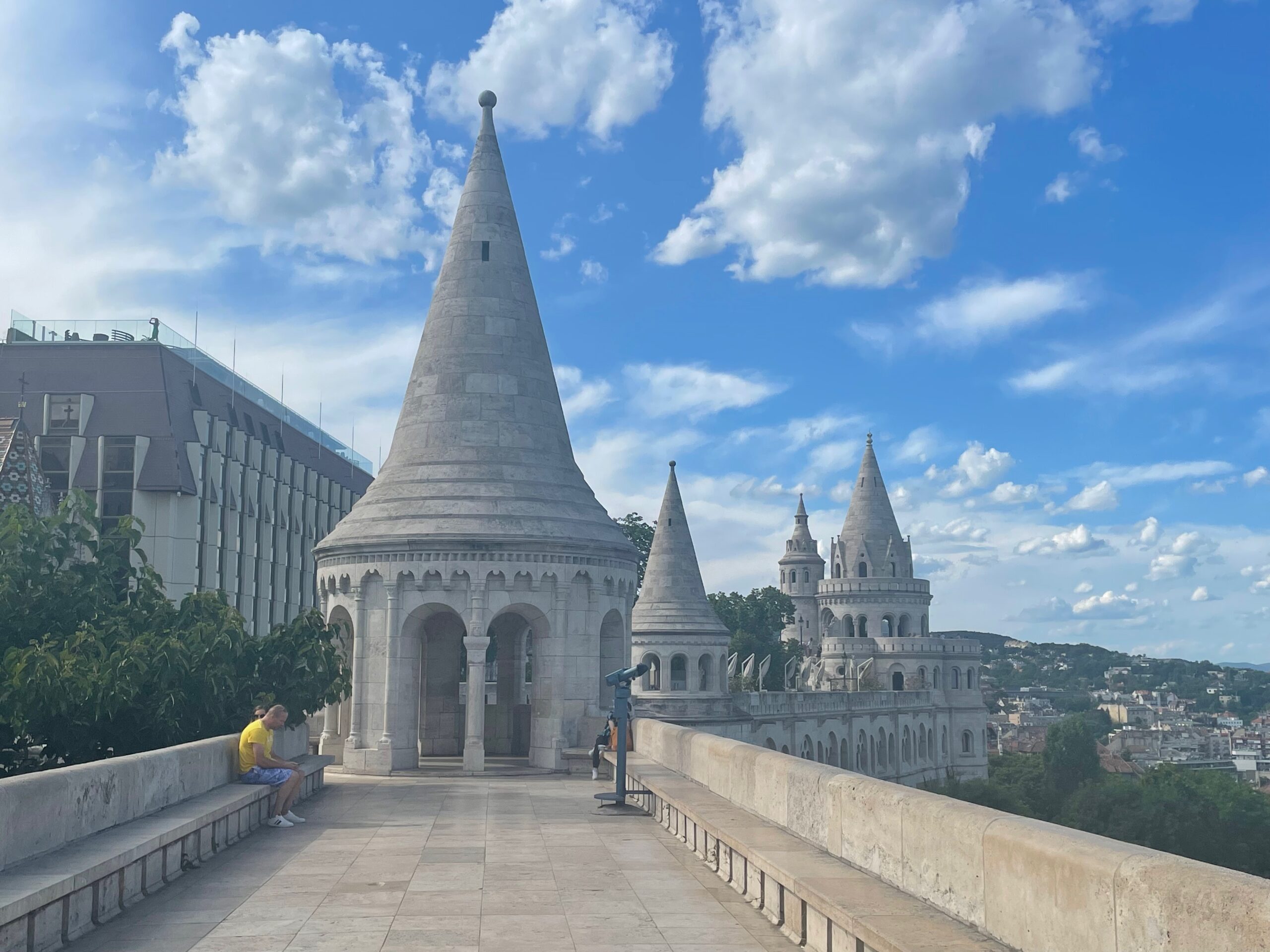
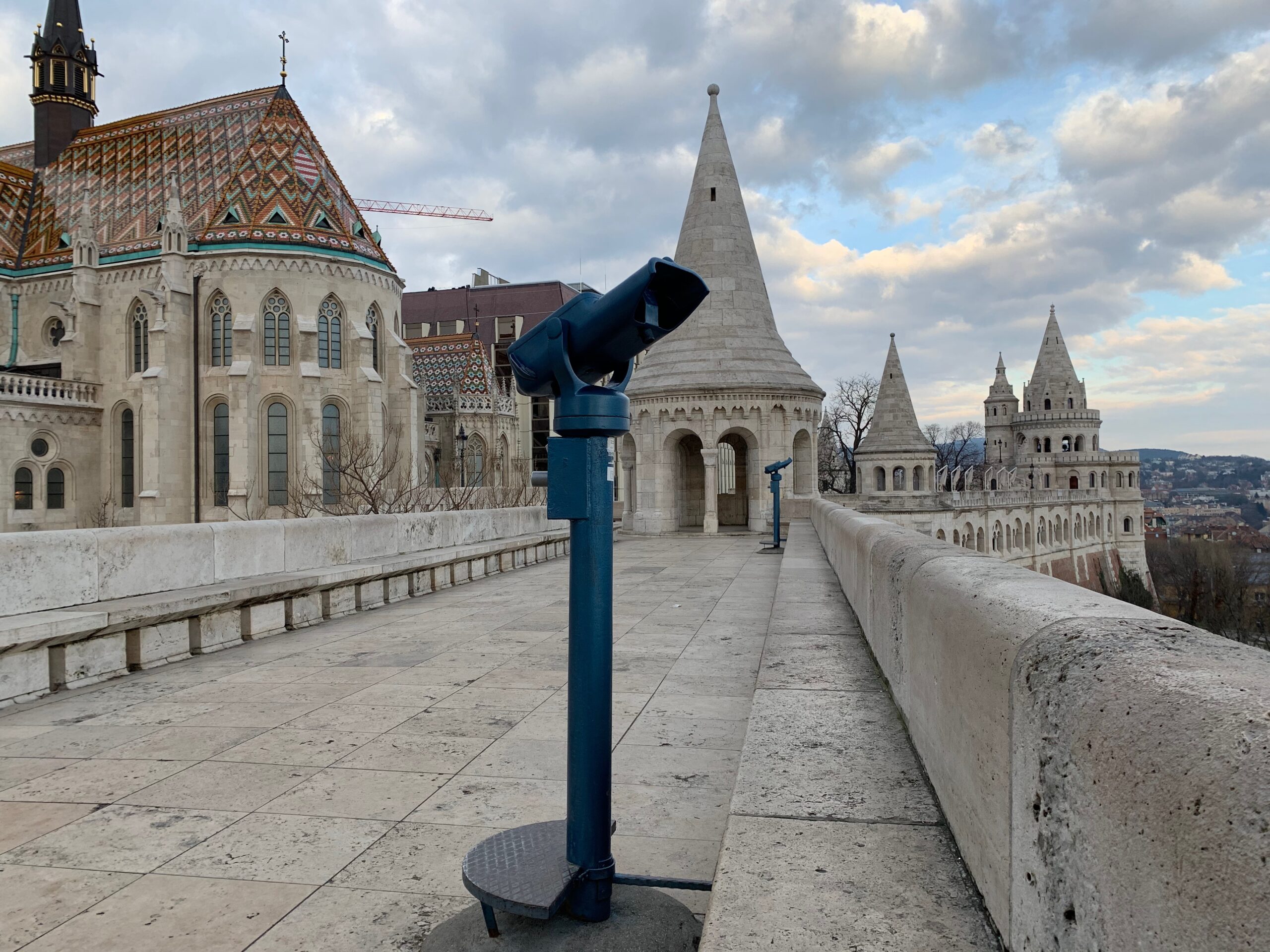
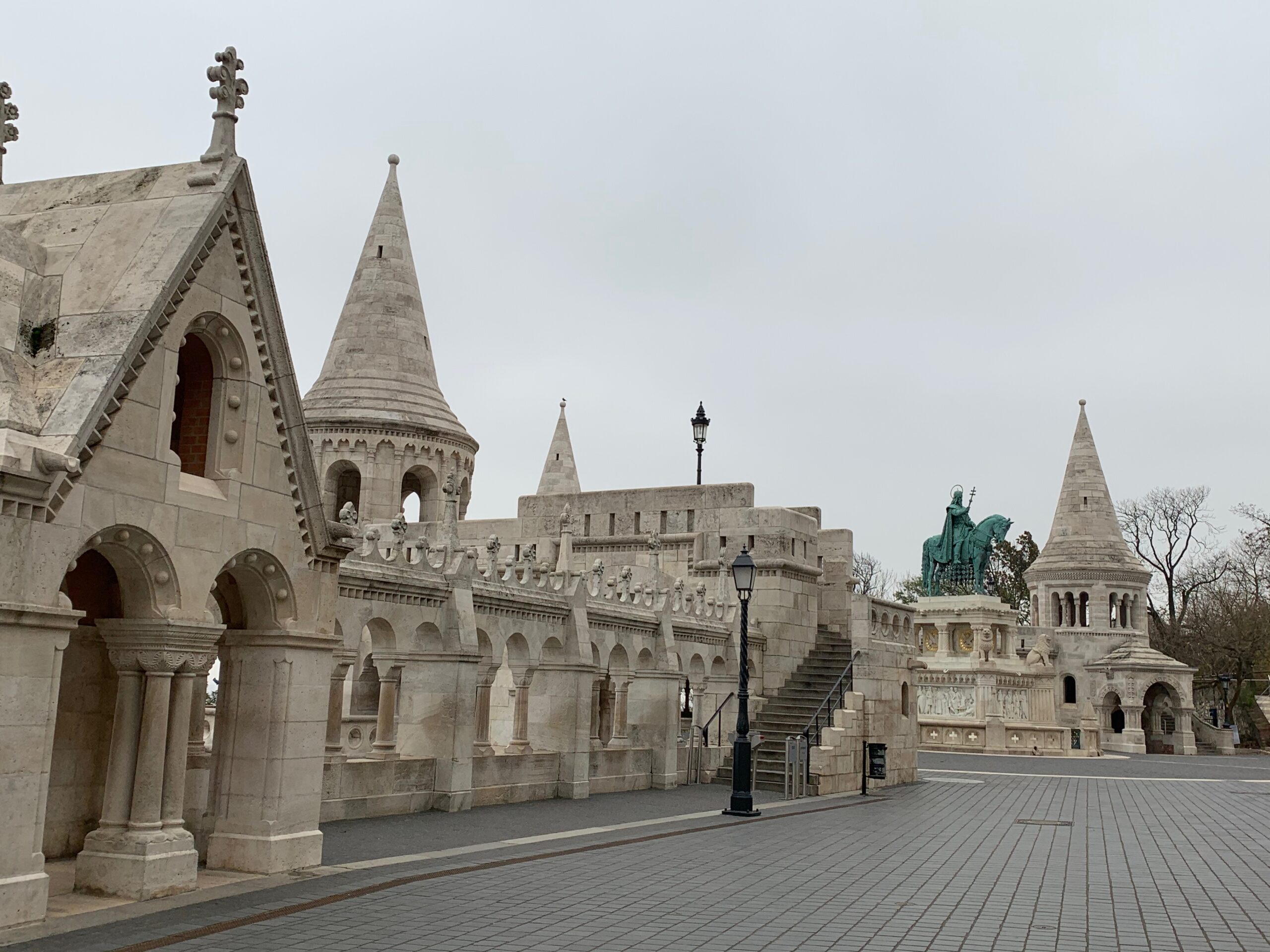
Snow has a way of transforming Budapest, Budapest in winter feels noticeably different. The familiar streets grow quieter, footsteps slow down, and the city reveals a softer, more intimate side. Winter in Budapest isn’t about rushing between sights — it’s about atmosphere, details, and moments that invite you to pause.

If you’re wondering whether Budapest is worth visiting in winter, the answer is a gentle but confident yes.

A Slower Side of Beautiful Budapest in Winter

When snow falls, Budapest feels more personal. Locals linger a little longer in cafés, parks feel almost private, and even the busiest areas take on a calm rhythm. This is when the city rewards those who enjoy slow travel — walking, observing, and letting places unfold naturally.

Winter light softens the architecture, and familiar landmarks feel less crowded and more contemplative. It’s a season for wandering without a strict plan, following quiet streets instead of highlights lists.

Walking Through a Snowy City

Budapest is a city made for walking, and winter emphasises this beautifully. Snow-covered paths along the Danube, peaceful parks, and residential streets offer some of the most memorable walks of the year.

Exploring on foot allows you to notice small details — the sound of trams in the snow, steam rising from café windows, and the contrast between warm interiors and the cold outside. These moments are often missed during busier seasons.

If you enjoy discovering cities at a relaxed pace, winter walks are an ideal way to experience Budapest. You can find more ideas and inspiration on my Budapest walking tours page, where I share different ways to explore the city beyond the obvious routes.

Winter Landmarks Without the Crowds

Some of Budapest’s most iconic sights feel especially atmospheric in winter. Snow highlights the lines of historic buildings, bridges feel more dramatic against a pale sky, and viewpoints offer crisp, clear perspectives.

  • The Hungarian Parliament and its surroundings in winter
  • Budapest’s bridges and how they connect the city’s two sides
  • Scenic riverside walks along the Danube

These places take on a quieter, more reflective character when the city slows down.

Winter is also an ideal time to explore Budapest’s museums, especially smaller, less crowded places that reward curiosity and attention to detail. If you enjoy discovering hidden cultural gems, you may like my visit to the Róth Miksa Memorial House, a beautifully preserved Art Nouveau museum that offers a quiet and inspiring indoor experience.

Warm Pauses Inside

One of the joys of Budapest in winter is the rhythm between outside and inside. After a walk in the cold, stepping into a café feels especially comforting. Foggy windows, warm drinks, and unhurried conversations are all part of the winter experience.

This balance — between exploration and rest — is what makes winter travel here so rewarding. It’s not about seeing everything, but about feeling connected to the city.

Is Winter the Right Time to Visit Budapest?

Winter is perfect for travellers who:

  • Prefer fewer crowds
  • Enjoy slow, mindful travel
  • Love photography and atmosphere
  • Want a more local, authentic experience

While days are shorter and colder, the city’s charm is unmistakable. Budapest doesn’t hibernate — it simply changes pace.

Discover Budapest at Your Own Rhythm

Whether you’re visiting for the first time or returning to see the city from a new perspective, winter offers a unique opportunity to connect with Budapest on a deeper level.

If you’d like help planning a personalised experience or exploring the city through thoughtful walks, feel free to visit my Contact page. I’m always happy to help you discover Beautiful Budapest — one moment at a time.

Budapest in winter

Today we celebrate the Budapest 152nd birthday. On November 17, 1873, three historic towns — Buda, Pest, and Óbuda — united to form one magnificent city: Budapest. I can’t help but reflect on why this place continues to capture my heart — and the hearts of travellers from all over the world.

It’s incredible to think how much history, resilience, and beauty fit into these 152 years. Budapest isn’t just Hungary’s capital — it’s a city that tells stories at every turn, from its majestic bridges to its cozy cafés.

A City of Timeless Beauty

If you’re looking for things to do in Budapest, you don’t have to go far. Start with the Hungarian Parliament, one of Europe’s most stunning government buildings, glowing golden at night on the banks of the Danube. Cross over the Chain Bridge, admire the Fisherman’s Bastion at sunrise, and don’t miss a ride on Tram 2, often called one of the most scenic tram routes in the world.

Whether you explore Buda Castle Hill for history or Andrássy Avenue for architecture, every view tells a story. So you will explore a mix of grandeur, resilience, and unmistakable charm. Need more ideas? Let me know!

Everyday Magic – Happy Birthday Beautiful Budapest!

What makes Budapest truly special is how easily beauty blends into everyday life.
You can enjoy a lazy morning at one of the city’s historic cafés, stroll along the Danube promenade, or simply watch the lights shimmer across the water as evening falls.
Even locals (like me!) still stop to take in the view — because it never gets old.

💙 My Beautiful Budapest

As a private tour guide in Budapest, I’ve had the joy of seeing visitors fall in love with the city — whether it’s their first visit or a long-awaited return. Each tour I lead feels like a love letter to this place: to its stories, flavours, and hidden corners that you won’t find in guidebooks.

Budapest is endlessly inspiring. It’s a city that makes you slow down, look up, and appreciate the details. Like the curve of a bridge, the scent of coffee, the sound of trams rolling by.

Here’s to the Next 152 Years – Happy Birthday Beautiful Budapest!

Budapest has lived through revolutions, rebuildings, and countless transformations. Yet, she always rises more beautiful, more vibrant, more alive.
So today, I raise my glass (of Tokaji, of course!) to 152 years of history, culture, and beauty.

Happy Birthday, Beautiful Budapest — and thank you for continuing to inspire all who walk your streets. 💫

If you’re searching for unique selfie spots in Budapest, you’ve come to the right place. Of course, the city is famous for its postcard-perfect views of the Parliament, Chain Bridge, and Fisherman’s Bastion — but if you’re looking for something different, modern, and a little unexpected, this guide is for you.

Here are six selfie spots that bring out the city’s creative side, from colourful murals to futuristic architecture.

Jewish Quarter Murals – Colourful & Playful

The old Jewish Quarter is full of life — not only in its cafés and ruin bars but also on its walls. Many buildings are decorated with large murals that change from time to time, making each photo unique. They’re bold, vibrant, and the perfect backdrop if you want a splash of colour in your Budapest memories.

Pro tip: Explore Kazinczy Street and its side streets for the best mural finds.

House of Music – Organic & Flowing

Set in City Park, the House of Music is one of Budapest’s newest and most impressive buildings. Its wavy, perforated roof looks like it grew out of the trees, blending architecture with nature. A dream location if you’re looking for something modern yet organic.

Pro tip: Visit during the golden hour — the light through the trees adds a magical touch.

Filatorigát Graffitis – Urban & Creative

By the suburban railway station at Filatorigát, you’ll find Budapest’s biggest open-air graffiti wall. It’s raw, ever-changing, and bursting with creativity. The perfect spot if you’re into street art or want a truly urban background.

Pro tip: Check it out on weekends when local artists often add new works.

Bálna (“The Whale”) – Geometric & Edgy

This glass-and-steel building on the Danube is impossible to miss. Its sharp angles and striking design make it one of the most eye-catching modern landmarks in Budapest. Geometric, edgy, and bold — ideal for a dramatic selfie.

Pro tip: Step inside for unique angles and reflections.

Hajógyári Sziget – Industrial & Raw

Best known as the site of the Sziget Festival, this island also has some quirky industrial corners. Old structures, pipes, and urban details provide a cool contrast to the city’s historic architecture. Perfect if you want something unusual and gritty.

Pro tip: Pair your visit with a walk along the Danube or a picnic in the park areas of the island.

MÜPA – Palace of Arts – Futuristic & Elegant

MÜPA is one of Budapest’s main cultural hubs, and its building is just as impressive as the performances inside. With its glass walls and striking lines, it’s a futuristic and elegant selfie spot that works day and night.

Pro tip: Visit in the evening when the building is beautifully lit.

Final Thoughts about Unique Selfie Spots in Budapest

Budapest is more than its classic sights. These modern, colourful, and sometimes quirky locations are perfect if you want your photos to stand out. Whether you’re drawn to colourful murals, organic architecture, urban graffiti, edgy glass buildings, raw industrial corners, or futuristic elegance, there’s a selfie spot waiting for you.

Want to discover even more hidden and unique selfie spots in Budapest? Follow me on Instagram, and book a private tour with me — I’ll show you the best photo backdrops and authentic local experiences in the city. Contact me here to plan your tour!

If you’re planning a trip and looking for the best photo spots in Budapest, you’ll quickly realize that most guides send you straight to Fisherman’s Bastion. While it’s beautiful, there are so many other iconic locations where you can capture unforgettable pictures. Budapest is one of the most photogenic cities in Europe, I can help you exploring some of the best Budapest spots.

Whether you’re a professional photographer, a casual Instagrammer, or just looking for great selfies, here are 7 classic photo spots in Budapest that go beyond the usual tourist clichés.

1. Parliament from Trianon Monument – Dramatic Backdrop

The Hungarian Parliament is the most recognizable landmark in Budapest. From the Trianon Monument on the Buda side, you’ll get a dramatic view across the Danube — ideal for wide shots and portraits.
Best time to visit: late afternoon for golden light.

2. Vajdahunyad Castle – Fairy-Tale Vibes

Located inside City Park, Vajdahunyad Castle looks straight out of a storybook. Its towers and courtyards provide romantic settings for photos in every season.
Best time to visit: autumn foliage or winter with the ice rink.

3. Philosopher’s Garden – Peaceful with a Panoramic View

On Gellért Hill, Philosopher’s Garden offers both tranquility and sweeping views of Budapest. With statues symbolizing famous thinkers, it’s a thoughtful and unique photo location.
Best time to visit: early morning for soft light and fewer people.

4. National Gallery Dome – Grand & Elevated Perspective

For one of the best panoramic views of Budapest, climb the dome of the Hungarian National Gallery in Buda Castle. It’s an elevated perspective that photographers love.
Note: Dome access is seasonal and ticketed.

5. Margaret Bridge (Middle) – Romantic Riverside Shot

The midpoint of Margaret Bridge offers incredible angles of Parliament, the Chain Bridge, and the Castle District. It’s one of the most romantic riverside spots for pictures.
Best time to visit: sunset for magical light over the Danube.

6. Gül Baba’s Tomb – Rose-Covered and Serene

A hidden gem in Budapest, Gül Baba’s Tomb is surrounded by rose gardens and history. It’s the northernmost Islamic pilgrimage site, and a peaceful place for unique photos.
Best time to visit: late spring or early summer for blooming roses.

7. Cave Church & Liberty Bridge – Spiritual + Edgy Contrast

The Cave Church inside Gellért Hill offers a mysterious and spiritual backdrop. Just outside, Liberty Bridge provides a colorful, urban edge — a great combination for creative photos.
Pro tip: Photograph both the church entrance and the bridge for variety.

Final Thoughts

These classic photo spots in Budapest prove that the city offers much more than Fisherman’s Bastion. From dramatic river views to hidden gardens, each location has its own unique mood. These are just a few of my favorite spots — join one of my private tours to explore more, or get in touch for personalized recommendations.

💡 Save this list for your trip and discover your favorite angles of Budapest. Don’t forget: sometimes the best photo is just around the corner!


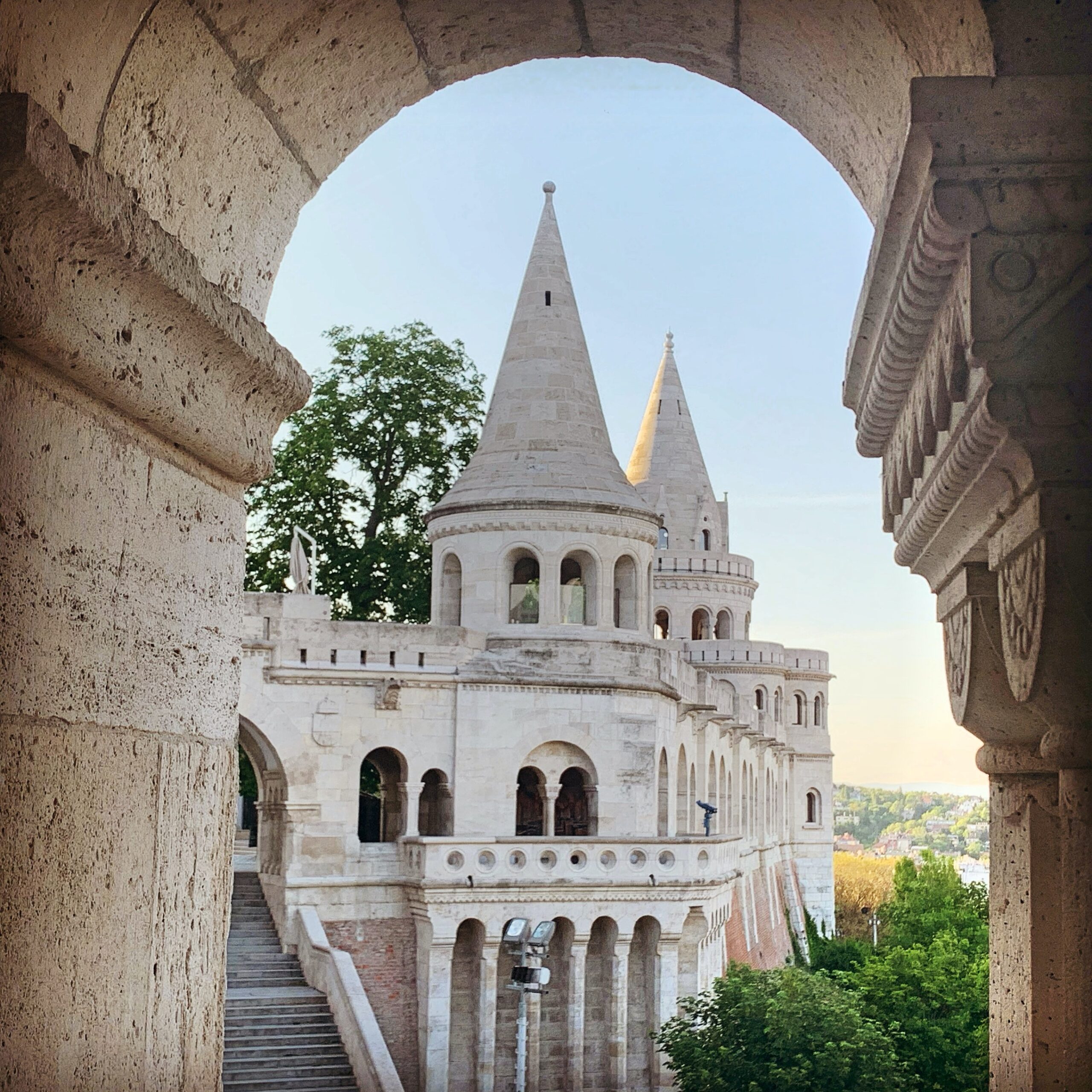
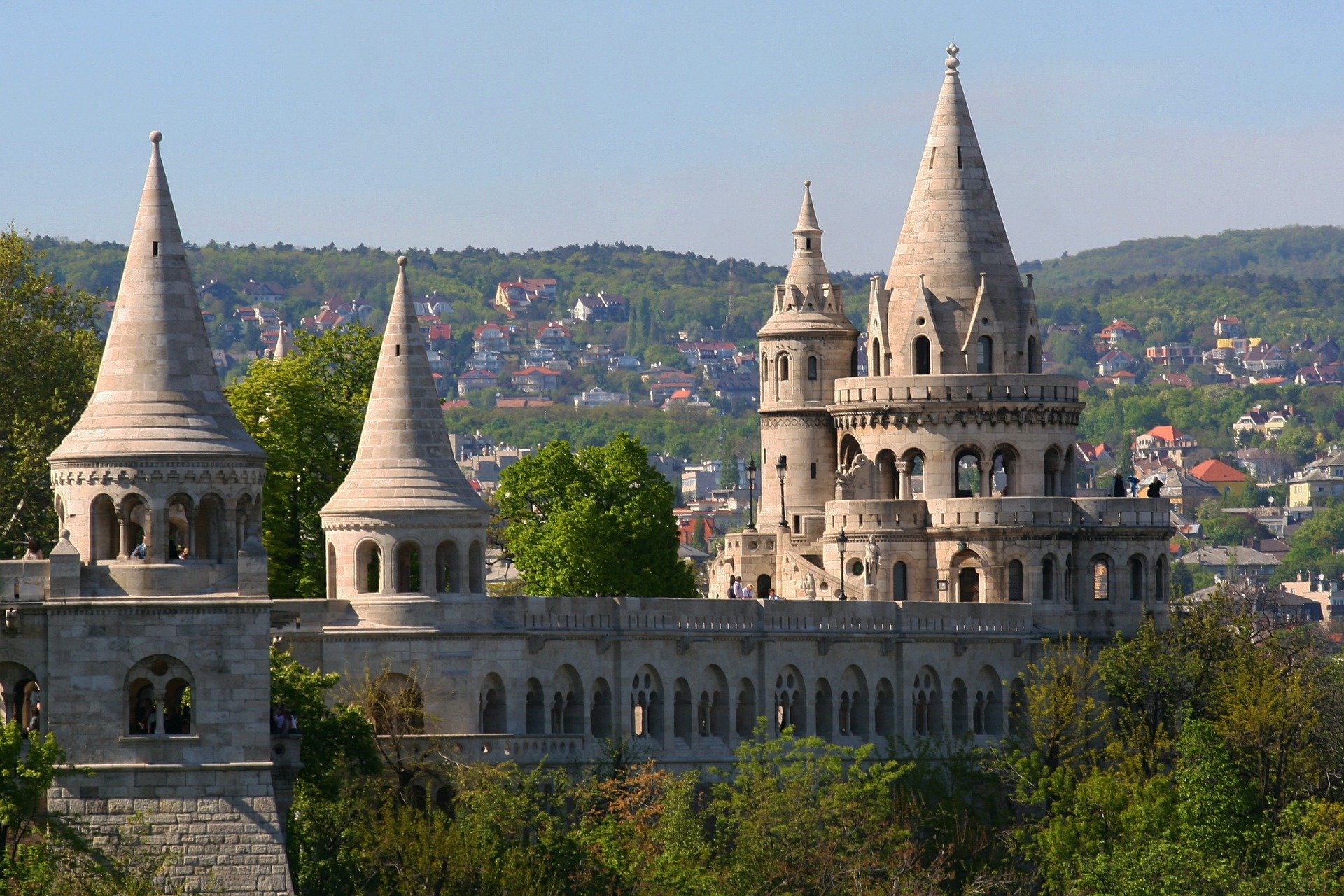
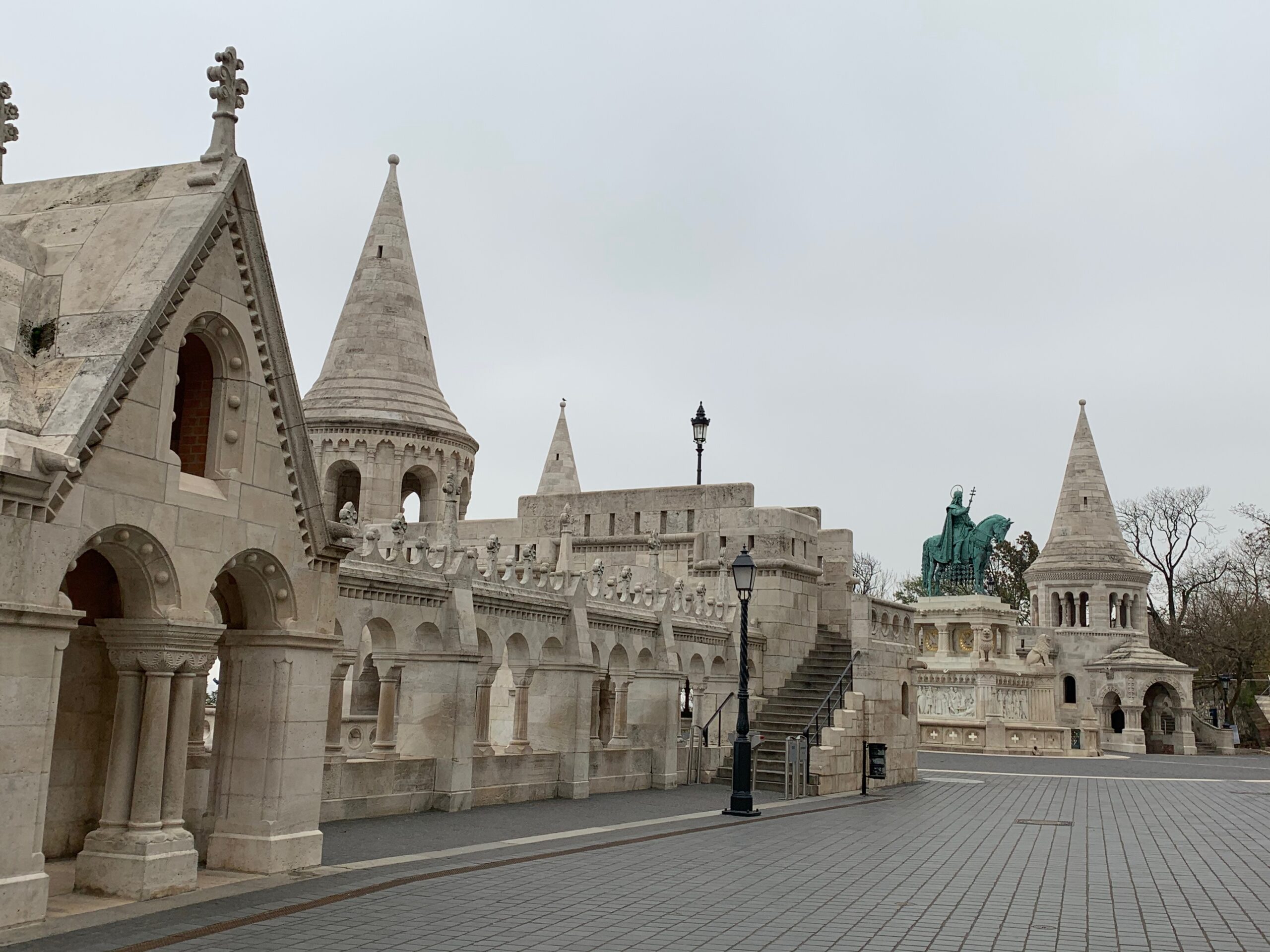
Fisherman’s Bastion is without a doubt one of the most photographed and iconic sights in Budapest. Perched high on Castle Hill, this fairytale-like terrace offers breathtaking panoramic views over the Danube, the Hungarian Parliament, and the entire Pest side of the city. Its whimsical turrets, staircases, and white-stone arches draw visitors from around the world — and once you see it, you’ll understand why.

What makes Fisherman’s Bastion truly special is how photogenic and inviting it is from every angle. Whether you’re capturing the early morning light, the towers framed by the neighbouring Matthias Church, or simply walking beneath its arches, each view offers something new. It’s one of those rare places that feels different every time you visit.

To fully experience this magical spot, I recommend joining my Buda Castle Walk — a private tour that explores the history, legends, and hidden corners of the castle district. If you prefer a broader look at the city that includes this highlight, my Full-Day Budapest Tour by Car also includes a scenic stop at Fisherman’s Bastion with plenty of time to explore. Don’t hesitate to contact me for more details or ideas!

Originally built in the late 1800s to celebrate 1,000 years of Hungary, the Bastion is more about beauty than battle — a tribute to the fishermen who once protected this stretch of the medieval walls. Today, it’s a peaceful, inspiring place to slow down and take in the soul of Budapest.

Personal tip: If you’d like to take photos like me, with no people in them, it’s best to visit early in the morning — it’s when the Bastion is at its quietest and most magical.

Curious about the Bastion’s story? This History Tools article dives deep into its medieval defense roots, the fishermen’s role, the Neo‑Romanesque design by Frigyes Schulek, and the significance of its seven symbolic towers.

Fisherman’s Bastion seasons reveal how this iconic Budapest landmark transforms from spring blossoms to winter calm throughout the year.

There are very few places in Budapest that feel completely different throughout the year — and Fisherman’s Bastion is one of them. Thanks to my private Budapest tours, I visit this iconic spot almost every day, in every season, and it never looks the same twice.

Whether you’re visiting in spring blossoms, summer sunshine, autumn colours, or winter snow, Fisherman’s Bastion always offers something special.

Spring Atmosphere

Spring brings fresh greenery, soft light, and a calm, hopeful atmosphere to the Buda Castle District. Trees begin to bloom around the Bastion, and the views over the Danube feel especially crisp and clear. It’s a wonderful time for relaxed walks, gentle light for photography, and fewer crowds than in high summer.

Summer Vibes

In summer, Fisherman’s Bastion is at its liveliest. Long daylight hours, blue skies, and warm evenings make it one of Budapest’s most popular viewpoints. The terraces buzz with visitors, musicians, and travellers soaking in the views — especially at sunset, when the city glows golden.

Early mornings or late evenings are ideal if you want to enjoy summer without the busiest crowds.

Autumn Colours

Autumn is one of my personal favourites. The surrounding hills turn shades of gold and rust, the air becomes cooler, and the light softens beautifully. It’s a peaceful, photogenic season that feels slower and more local — perfect for travellers who enjoy atmosphere as much as views.

Winter at Fisherman’s Bastion

Winter transforms Fisherman’s Bastion into something almost magical. On frosty mornings — or rare snowy days — the white stone towers blend into the winter landscape, creating a fairytale scene. There are fewer visitors, the air is crisp, and Budapest feels quieter and more intimate.

What’s the best season to visit Fisherman’s Bastion?

The beauty of Fisherman’s Bastion is that there is no bad season — only different moods. Each time of year offers:

  • changing light and colours

  • a different crowd level

  • a unique atmosphere

That’s why I always tell my guests: the best time to visit is when you’re here.

If you’d like to understand why this spot is considered one of Budapest’s highlights — and how to experience it for the first time — start with my main guide:
👉 A Must-See: Fisherman’s Bastion

And if you want to experience it at the right time of day, with local insight and hidden details, Fisherman’s Bastion is part of my Buda Castle Walk and can also be included in my private Budapest tours.

Seeing Fisherman’s Bastion empty is one of the rarest experiences in Budapest, a quiet moment when this iconic landmark reveals its most peaceful side. I often say that Fisherman’s Bastion is the most popular tourist attraction in Budapest — and it’s true. Thousands of visitors pass through here every single day, cameras in hand, chasing the same iconic view.

That’s why moments like this are so special.

A rare experience – Fisherman’s Bastion without crowds

Seeing Fisherman’s Bastion almost completely empty is incredibly rare. No lines. No crowds. Just the city waking up below, the Danube flowing quietly, and the silhouette of the Hungarian Parliament Building in the distance.

On this particular morning, I was lucky enough to have the upper terrace almost entirely to myself — something even locals rarely experience.

Why the upper level is worth it

Many visitors don’t realise that part of the Bastion is ticketed during the day. I always recommend going up when possible:

  • the view is higher and more open

  • the crowds thin out

  • the atmosphere is calmer and more intimate

You can skip the on-site queue by buying tickets online, and when time allows, I love taking my guests to the very top during my private tours.

Quiet Fisherman’s Bastion – More than a photo spot

Moments like this remind me why I return here again and again — not just as a guide, but as someone who genuinely loves Budapest. When the crowds disappear, Fisherman’s Bastion feels timeless, peaceful, and deeply moving.

If you’d like to understand why this place is so important — and why it’s a must-see for first-time visitors — start with my main guide:
A Must-See: Fisherman’s Bastion

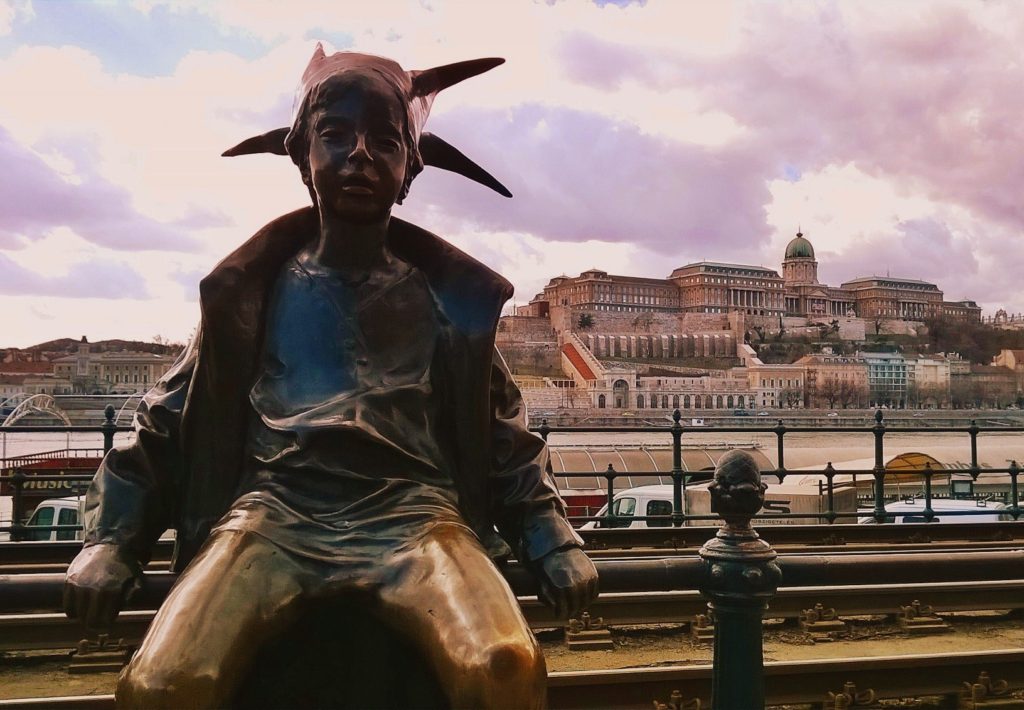
Another statue with a quiet kind of magic, the Little Princess is one of Budapest’s most beloved and photographed sculptures. Perched gracefully on the railings of the Danube Promenade, she watches the river flow past with a dreamy, childlike calm.

Created in 1989 by Hungarian sculptor László Marton, the bronze figure depicts a young girl wearing a playful paper crown and a simple robe. The statue was inspired by the artist’s own daughter, captured in a moment of childhood imagination as she played dress-up at home.

With her knees bent and her expression lost somewhere between curiosity and wonder, the Little Princess feels both intimate and universal — a small figure with an outsized emotional presence.

A small statue with a powerful setting

Despite her modest size, the Little Princess sits in one of Budapest’s most iconic locations. Behind her rise the Danube, Buda Castle, and the city’s elegant skyline, creating a contrast that makes her feel even more special.

People passing along the promenade often stop instinctively — to take a photo, to sit beside her, or simply to pause for a moment. She has a way of slowing the city down.

A local tradition: make a wish

According to local tradition, rubbing the Little Princess’s knees brings good luck. Those who believe in her magic say the key is to make a wish with a truly childlike heart.

Whether you believe in wishes or not, the ritual itself is part of the statue’s charm — a small act of hope in the middle of a busy city.

Why the Little Princess matters

The Little Princess is more than a photo opportunity. She’s a gentle reminder of imagination, innocence, and the importance of holding on to wonder, even as we grow older.

Among Budapest’s grand monuments and historic statues, she offers something rare: a quiet, heartfelt moment for anyone who chooses to notice her.

You’ll find the Little Princess near the Danube, close to the Marriott Hotel, sitting patiently on the railing — ready to listen.

Explore more: The Little Princess is part of my ongoing Statues of Budapest series, featuring both famous monuments and easily missed gems across the city.

The Little Princess statue sitting on the railing of the Danube Promenade in Budapest


Perched high above the Danube on Castle Hill, Fisherman’s Bastion is one of Budapest’s most iconic and enchanting landmarks. With its fairytale-like towers, sweeping terraces, and breathtaking views over the Pest side of the city, it’s a place that leaves a lasting impression on first-time visitors and returning travellers alike.

What is Fisherman’s Bastion?

Despite its castle-like appearance, Fisherman’s Bastion was never built for defense. Constructed between 1895 and 1902, it replaced part of the medieval town walls of Buda and was designed as a panoramic lookout terrace. Its Neo-Romanesque style was chosen to complement the neighbouring Matthias Church, creating one of the most beautiful architectural ensembles in the city.

The Bastion features seven ornate towers, symbolizing the seven Hungarian tribes who settled in the Carpathian Basin in 896 — a key moment in Hungarian history.

Why is it called Fisherman’s Bastion?

The name comes from the guild of fishermen who, in the Middle Ages, were responsible for defending this section of the city walls. Today, instead of guarding Budapest, the Bastion offers one of the best viewpoints in the city — especially towards the Hungarian Parliament Building across the river.

The views

From the terraces, you’ll enjoy a stunning panorama of:

  • the Danube River

  • the Pest skyline

  • Margaret Island

  • the Parliament building

  • bridges stretching across the city

It’s beautiful at any time of day, but the atmosphere changes constantly with the light, weather, and seasons — which is why I never get tired of visiting it.

Visiting tips from a local guide

  • Upper terrace: Part of the Bastion requires a small entrance fee, and I highly recommend going up — the view is worth it. Tickets can be bought on-site or online.

  • Best time to visit: Early morning is the quietest and most magical, especially if you love photography.

  • Accessibility: Easy to reach on foot within the Buda Castle District, or as part of a guided walk or driving tour.

How to experience it with me

Fisherman’s Bastion is a highlight of my Buda Castle Walk, where I share not only the history, but also the hidden details, legends, and best photo angles. It can also be included in my private Budapest city tours by car, making it an effortless and memorable stop.

If you’re visiting Budapest for the first time, Fisherman’s Bastion is truly a must-see — not just for the views, but for the atmosphere, history, and sense of timeless beauty it offers.