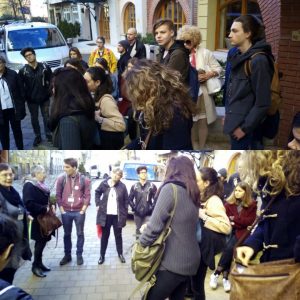
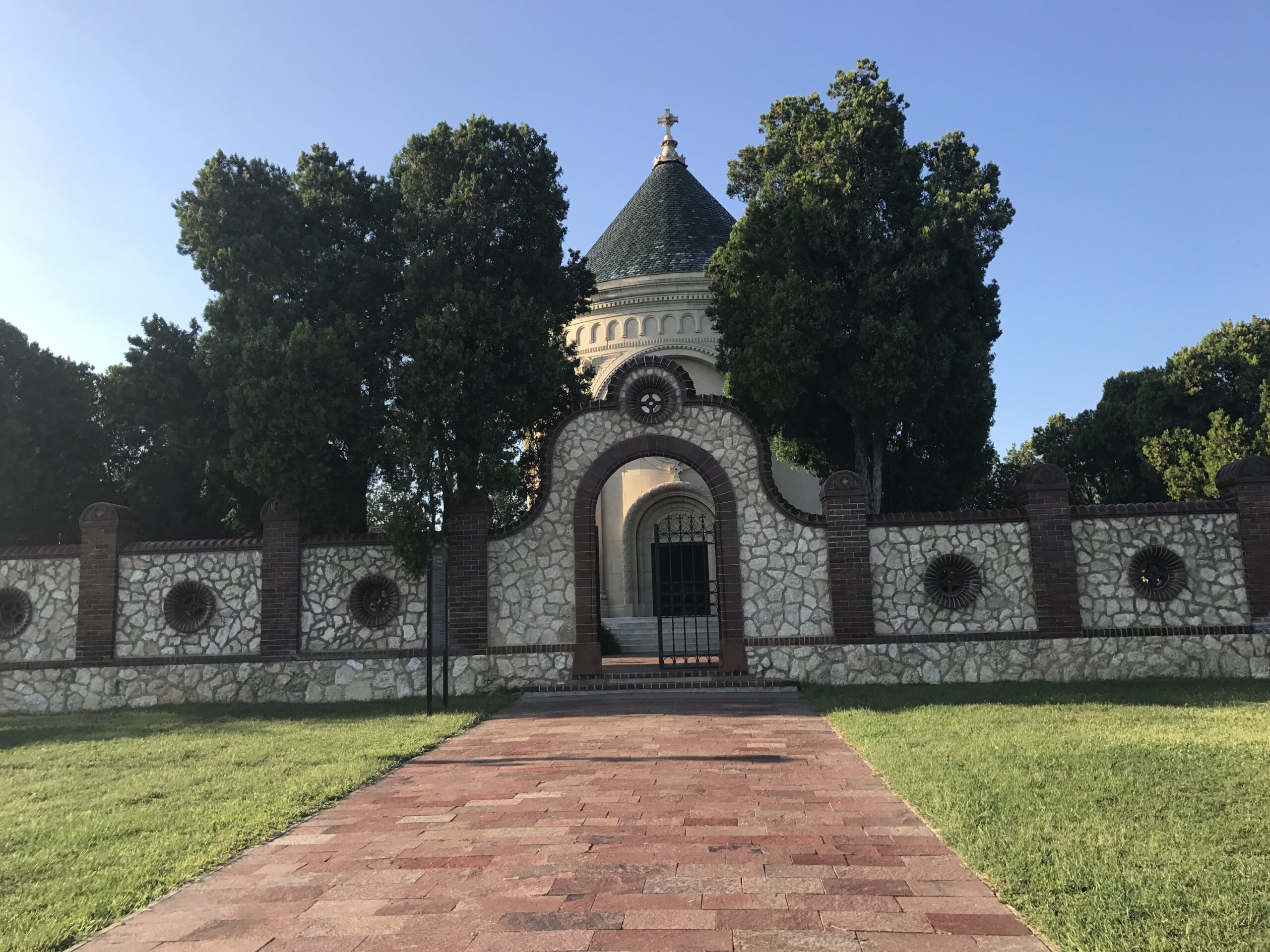
When people ask me about my favourite museums in Budapest, Hospital in the Rock is always at the top of my list—even though it isn’t one of the big, famous institutions you see everywhere. It’s a place hidden deep under Buda Castle, carved into the natural cave system, where history feels raw, honest, and very real.

Hospital in the Rock is one of the most authentic museums in Budapest. Not because it’s pretty (it isn’t). Not because you can take great photos (you can’t). But because the stories here are told with a kind of honesty you rarely find: factual, emotional, unembellished. It’s a place where the past speaks for itself.

Hospital in the Rock: A Museum That Doesn’t Try to Impress—It Simply Tells the Truth

Walking through the entrance hall, you might wonder what’s so special about this place. But once your tour guide leads you underground, you’ll understand immediately.

During World War II and the 1956 revolution, this was a real emergency hospital—small, overcrowded, and constantly in use during the siege of Budapest. Later, during the Cold War, it was expanded into a nuclear fallout shelter, prepared for a future no one wanted to imagine.

There’s nothing staged here. No over‑the‑top dramatics. Just preserved rooms, original equipment, wax figures that quietly show what life looked like in those moments, and stories told with care.

And honestly? That’s why I love it.

The Tour Guides Make All the Difference

Every visit is guided, and the team here is exceptional. They know the museum inside out—not just the facts, but the human side of the story. They speak with warmth, precision, and respect for the people who lived and worked here.

I’ve been many times now, and every guide brings something slightly different: a personal interpretation, a surprising anecdote, or a detail I had never noticed. This museum isn’t just about looking. It’s about listening.

A Powerful Reminder of How the Past Shapes the Present

Hospital in the Rock is emotional—not in a dramatic way, but in a deeply human one. You walk through the old wards and operating rooms, see how people worked under impossible conditions, and suddenly history doesn’t feel distant anymore.

And that’s why I think this place matters today. You learn so much from the past—about resilience, humanity, conflict, and cooperation—that it becomes easier to understand the present… and even imagine the future with more clarity.

A Great Visit in Any Season

One practical advantage that I always mention to my guests: the museum is underground, with a constant temperature around 15–18°C.

That means:

  • perfect for rainy days,
  • perfect for winter,
  • perfect for Budapest’s very hot summers.

Whatever the weather is doing outside, Hospital in the Rock is a comfortable—and fascinating—escape.

Practical Information for Planning Your Visit

Tickets & Pricing

Hospital in the Rock has two different pricing structures: a standard tour ticket and a donation-based ticket. I always recommend choosing the donation option if you can—it supports preservation work, educational programs, and ongoing historical research.

How to buy tickets:

  • Tickets can be purchased at the machines right by the entrance.
  • Card payment only.
  • During high season, tours fill up quickly, so it’s highly recommended to book in advance.

Location: Beneath Buda Castle (entrance at Lovas utca 4/C)
Tours: Guided only, usually every hour (English available + audioguides)
Photography: Not allowed inside the tunnels
Duration: About 60 minutes
Type: History, WWII, Cold War, medical history, underground Budapest

It’s an especially great stop if you’re already exploring Buda Castle, I’m happy to start or finish a tour here, so that you have time to explore.

Why You Shouldn’t Miss It

If you’re looking for a museum that leaves a lasting impression, something outside the usual tourist circuit, Hospital in the Rock is for you. It’s educational, emotional, authentic—and one of the most meaningful places you can visit in Budapest.

For me, it’s a reminder that history isn’t just something in books. It happened here, underground, where you can still feel its echo.

Add Hospital in the Rock to Your Budapest Tour

If you’d like to explore Hospital in the Rock as part of a guided experience, I’d be delighted to include it in your itinerary. It’s a fantastic addition to both my Buda Castle Walking Tour and my Communist Budapest Tour, offering powerful context and a deeper understanding of the city’s past. If you’re interested, just let me know when booking and I’ll tailor the tour to include this unforgettable visit.
Hospital in the Rock is one of Budapest’s most dramatic museums

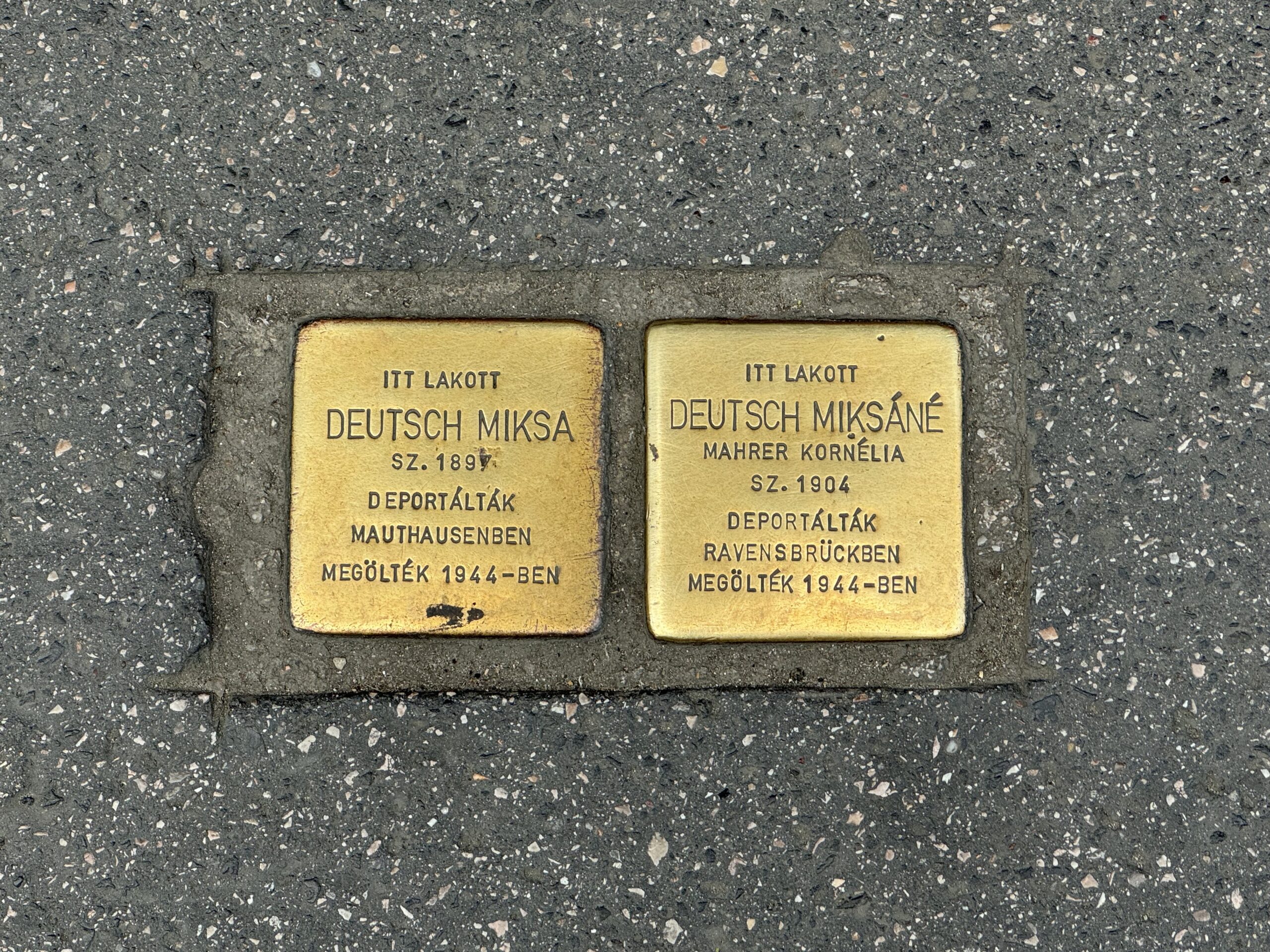
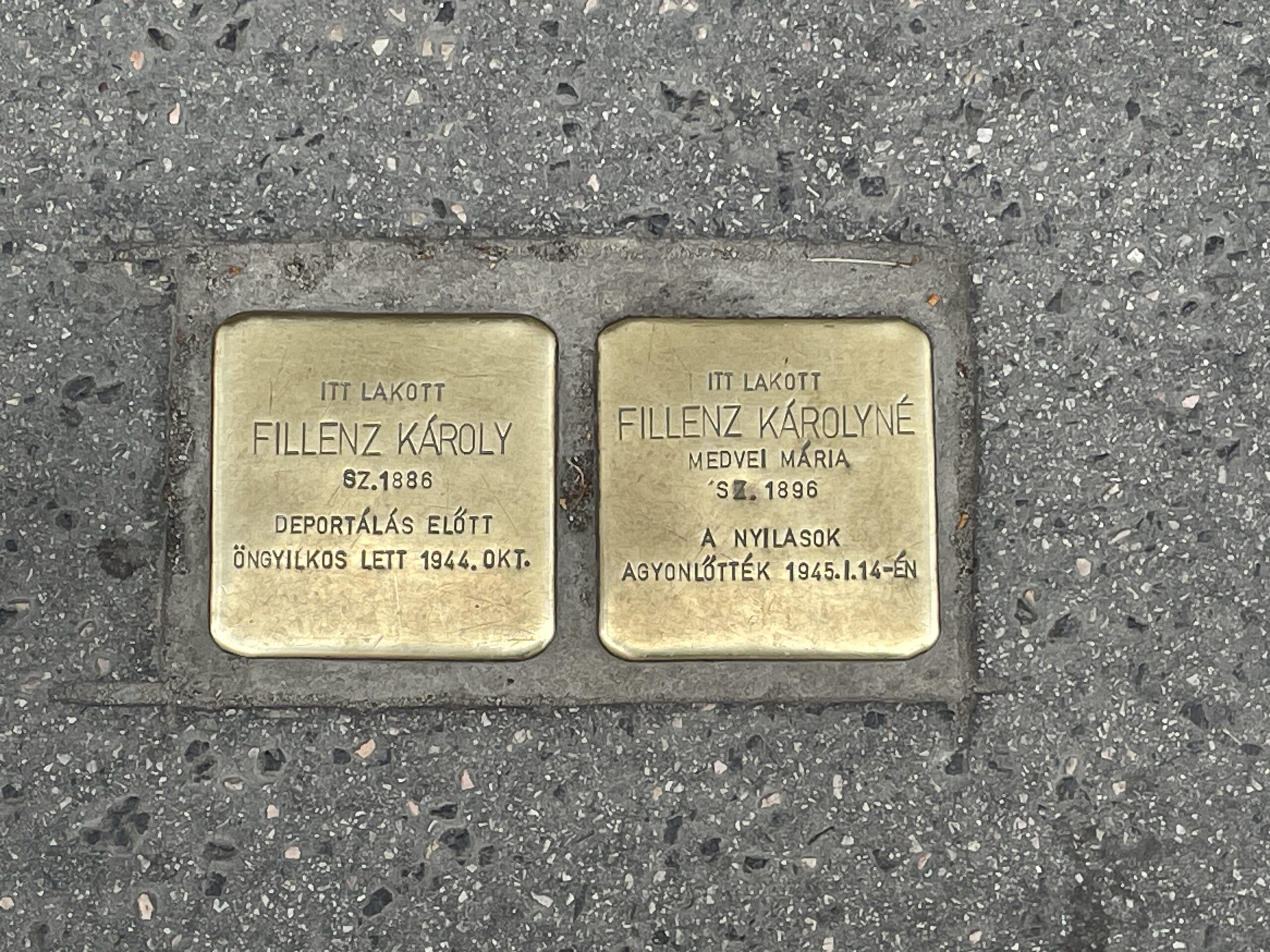
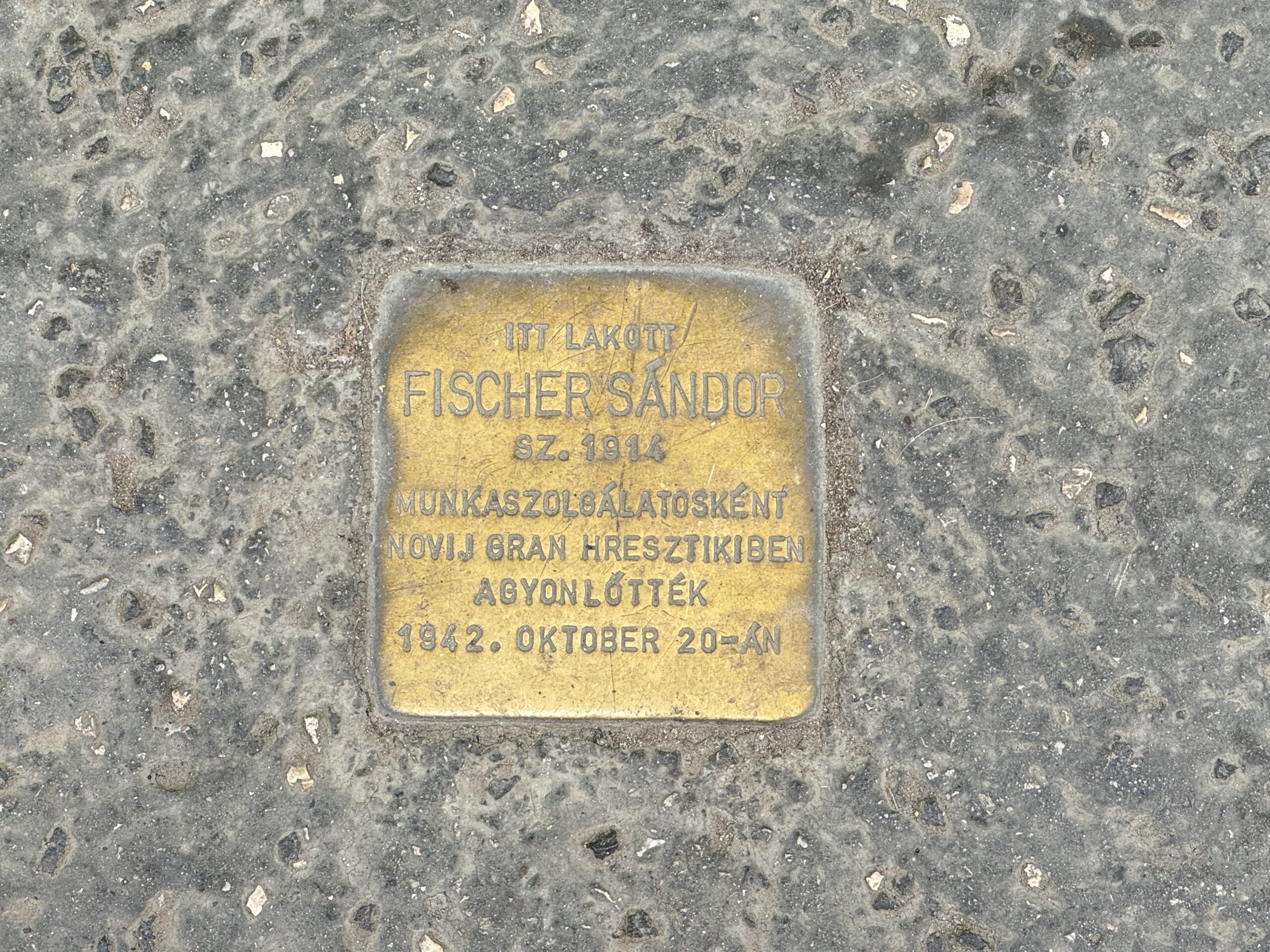
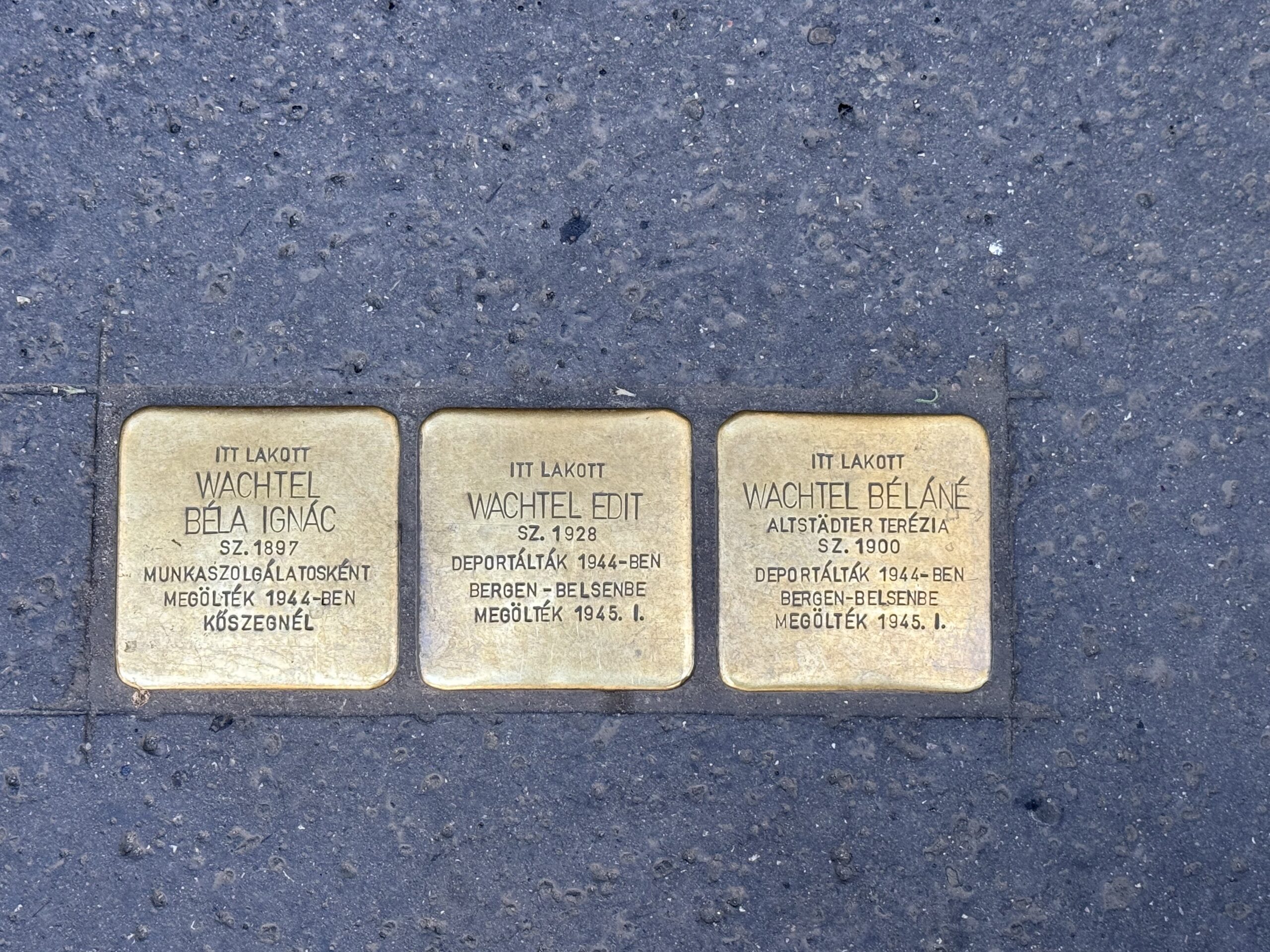
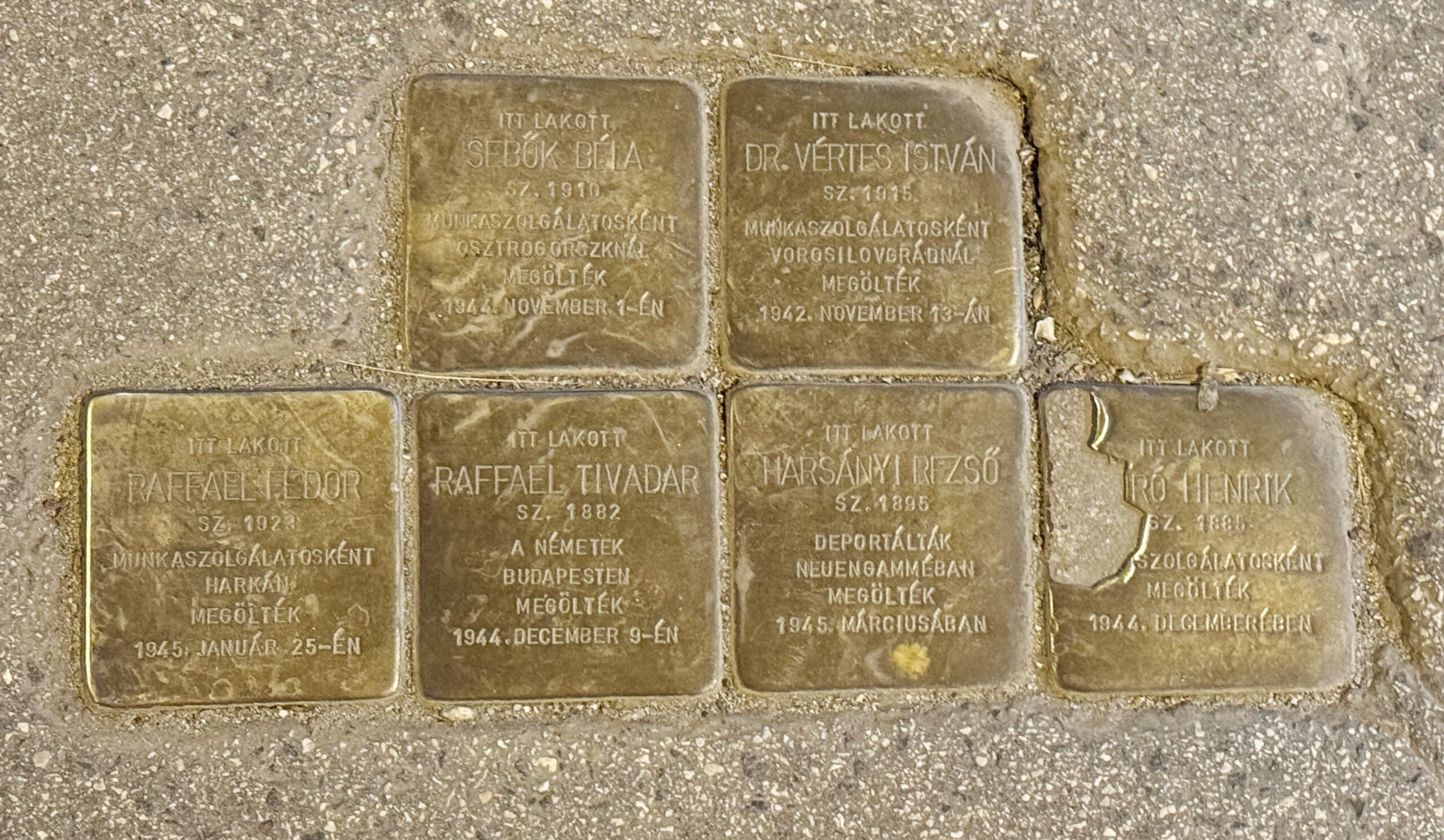
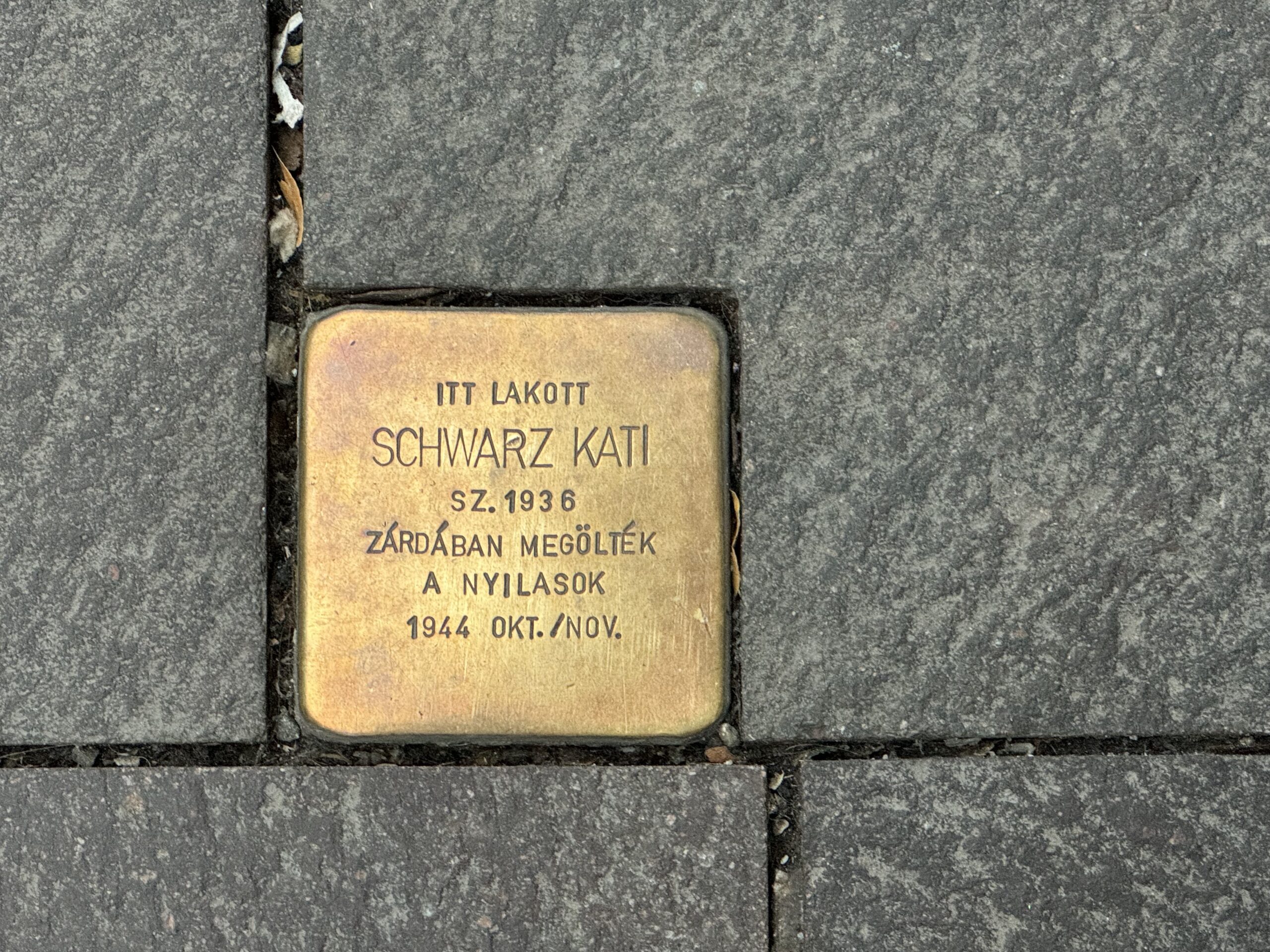
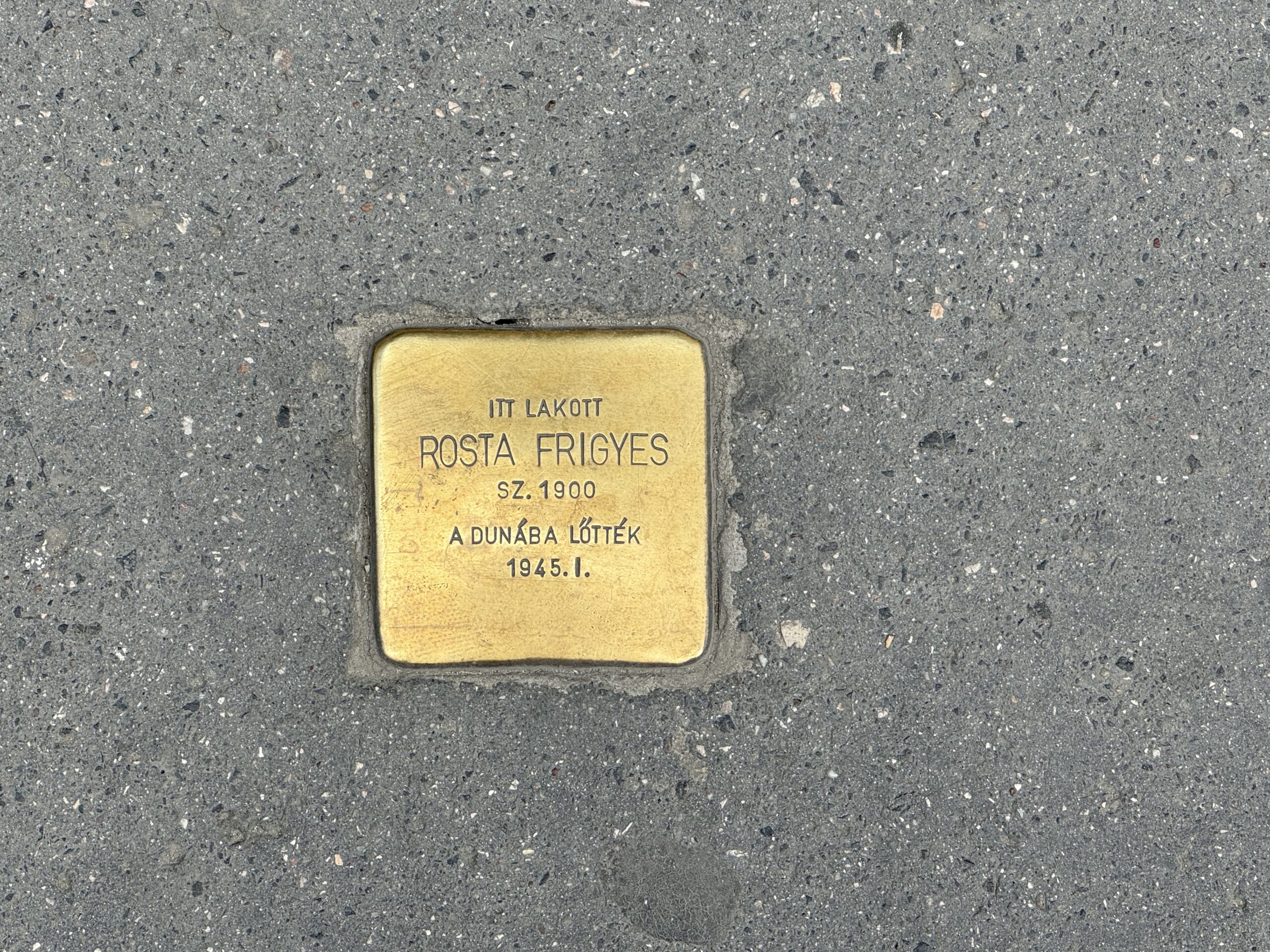
We stumble upon these little brass plaques in the pavement of the streets of Budapest, we see most of them on the Jewish Quarter walking tour. These little plaques remember people who were killed in the Holocaust, placed in the pavement in front of the building they lived, their last address of choice.

I love the idea of never forgetting people. I love how discreet these little plaques are and how they make you think, the actual train of thoughts that can take you much further than intended. I also love that this is probably the largest ever Holocaust memorial, still, you only see little parts of it. The amazing project of Gunter Demnig began in 1996 and about 95,000 plaques have now been placed across Europe. Don’t forget to look “down” sometimes. I can promise you that once you notice a plaque, you’ll all of a sudden see them all. Here is a little gallery of the ones I’ve come across the last couple of days.

My travellers often ask me to recommend some great museums to visit during their stay in Budapest. I’ve put together a list of the museums that I like and that I think would be a great addition to your Budapest experience. I’ve just updated the list, so that you can have the most amazing cultural Budapest experience.

A carefully selected list of Budapest museums for history, art, photography, and music lovers — recommended by a licensed local tour guide

History lovers

Hungarian National Museum – all about Hungarian history from the ancient times to nowadays. the most significant item on display is the coronation robe of the Hungarian kings from 1000. The interior of the museum is just magnificent.

Hospital in the Rock – a museum in the cave system of the Buda Castle District that served as an underground hospital during WW2. Amazing stories from the war and a very detailed presentation.

Budapest History Museum – dedicated to the history of the Buda Castle complex and Budapest. You can visit the old parts of the castle as well as the newly renovated royal halls.

Memento Park – although it’s located outside the city centre, it’s worth a visit. The cemetery of the old statues of the communist era puts on display Hungarian history in the second half of the 20th century.

Glass House – former Swiss consul Carl Lutz saved the life of thousands of Hungarian Jews during WW2. The museum is dedicated to his amazing work and to all people who found peace and safety in the Glass House of Budapest.

Art lovers

Fine Art Museum – hundreds of thousands of pieces from all the different periods of European fine arts. Plan to spend a couple of hours to see them all.

National Gallery – an amazing collection of Hungarian art form the Middle Ages to nowadays. The museum is located in the Royal Palace of Buda and offers magnificent views over the city.

Ludwig Museum – the contemporary art museum started from a private collection and is expanding dynamically year by year. You can admire art from the late 1960’s to present time.

Ráth György villa – the Art Nouveau fans (myself included) will love this exhibition near the City Park. It’s the home of György Ráth, former director of the Museum of Applied Arts with very unique interiors, furniture and art from the late 19th and early 20th century.

Kiscelli Museum – showcasing the cultural history of Budapest from the 18th century to nowadays. It’s located a little further from the city centre, but it’s worth the extra time.

Photography lovers

Robert Capa Contemporary Photography Center – located in the Art Nouveau Ernst House in Nagymező utca is named after Robert Capa, the first photo journalist of the world with his war reportage on the Spanish Civil War, WWII, China, and Vietnam.

Mai Manó Ház – the Hungarian House of Photographers with temporary exhibitions showcasing the works of some of the greatest Hungarian photographers from the 21th and 21st century.

Music lovers

Liszt Museum – the little museum is located in the home of composer and piano virtuoso Franz Liszt, and actually, you’ll feel like you’re visiting him personally. Most of the items are original and belonged to Franz Liszt.

House of Hungarian Music – one of Budapest’s newest and most exciting cultural institutions, located in City Park. The museum presents Hungarian and international music history in a highly interactive way, with immersive exhibitions, listening stations, and contemporary architecture designed by Japanese architect Sou Fujimoto. Even visitors who don’t usually go to music museums find this place engaging and memorable.


Don’t forget that most of the Budapest museums are closed on Mondays, always check the opening hours before your visit! Feel free to get in touch with me for further details and more information or if you feel like that there is something else you’d like to add to this list. Many of these museums can be easily combined with a custom Budapest walking tour — don’t hesitate to get in touch if you’d like a personalised itinerary built around your interests.

Today is a national holiday in Hungary, we celebrate the outbreak of the revolution of 1848-1849.

Today we celebrate our national independence, the freedom of speech, the freedom of press and we remember the heroism and the courage of the young Hungarians who became united to confront and fight the oppressors.

I hope that the spirit of the revolution lives on in the Hungarian soul and we never give up fighting for the values our ancestors had been fighting for 173 years ago.


Trianon Memorial Budapest – a delicate subject I’m happy to discuss privately

The Trianon Memorial of Budapest (also known as the Memorial of National Unity or Solidarity / Nemzeti Összetartozás Emlékhelye) was inaugurated in 2020 to mark the 100th anniversary of the treaty signed at the Grand Trianon Palace in Versailles on June 4, 1920. I’ve hesitated to write about it because it’s deeply personal for many—and it often comes up on my Communist Budapest private walking tours. This post shares my perspective and invites respectful conversation in a private tour setting.

Quick context: What the Treaty of Trianon meant for Hungary

After World War I, Hungary lost about two-thirds of its pre-war territory and a significant portion of its ethnic Hungarian population found themselves outside the new borders. From the early 1920s, Hungarian politics frequently pursued revision of the settlement—one of several factors that later aligned the country with the wrong side in World War II. Whether the treaty was “fair” is still passionately debated today; what’s clear is the enduring emotional impact.

Where it is and what you’ll see

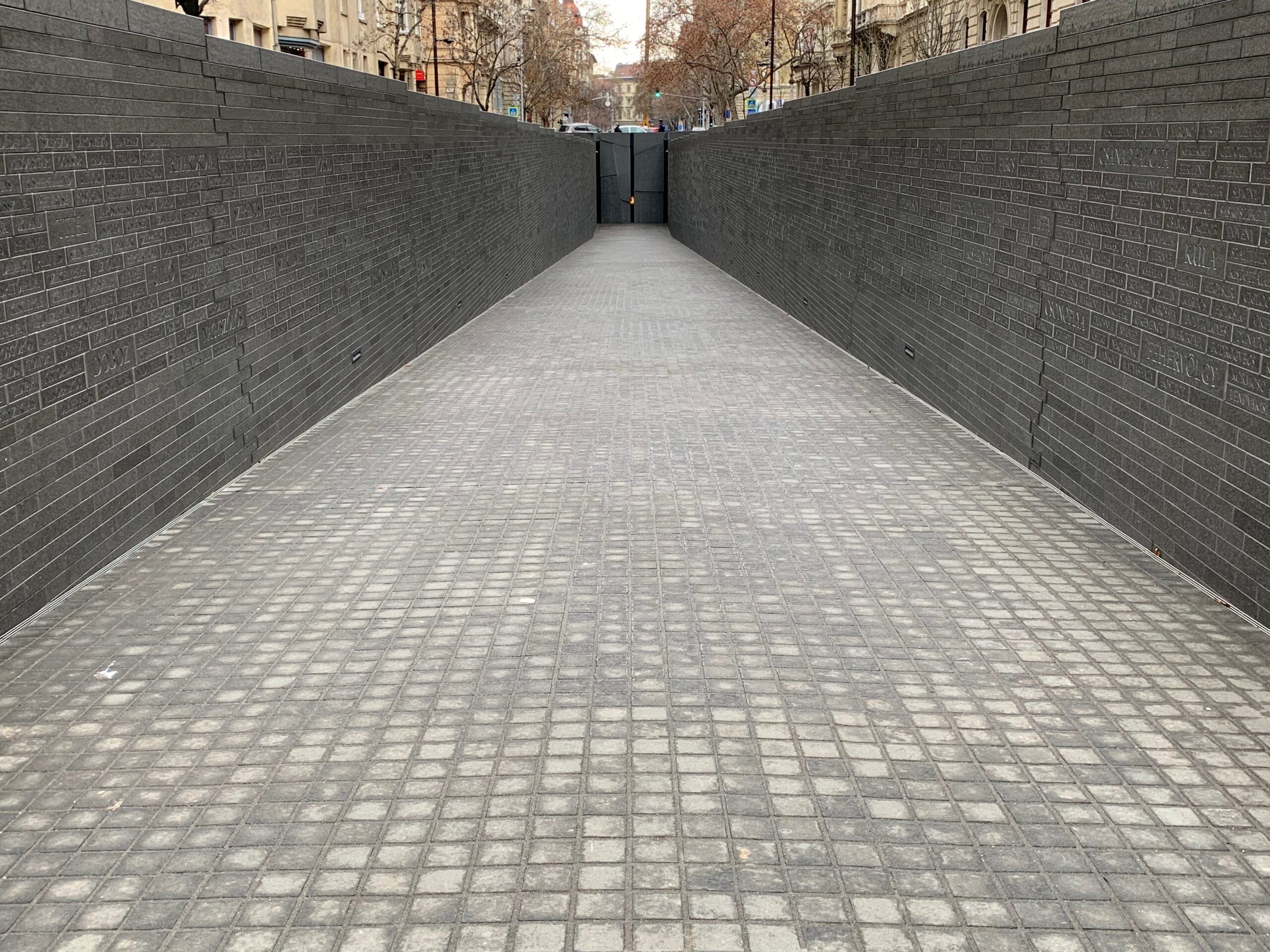
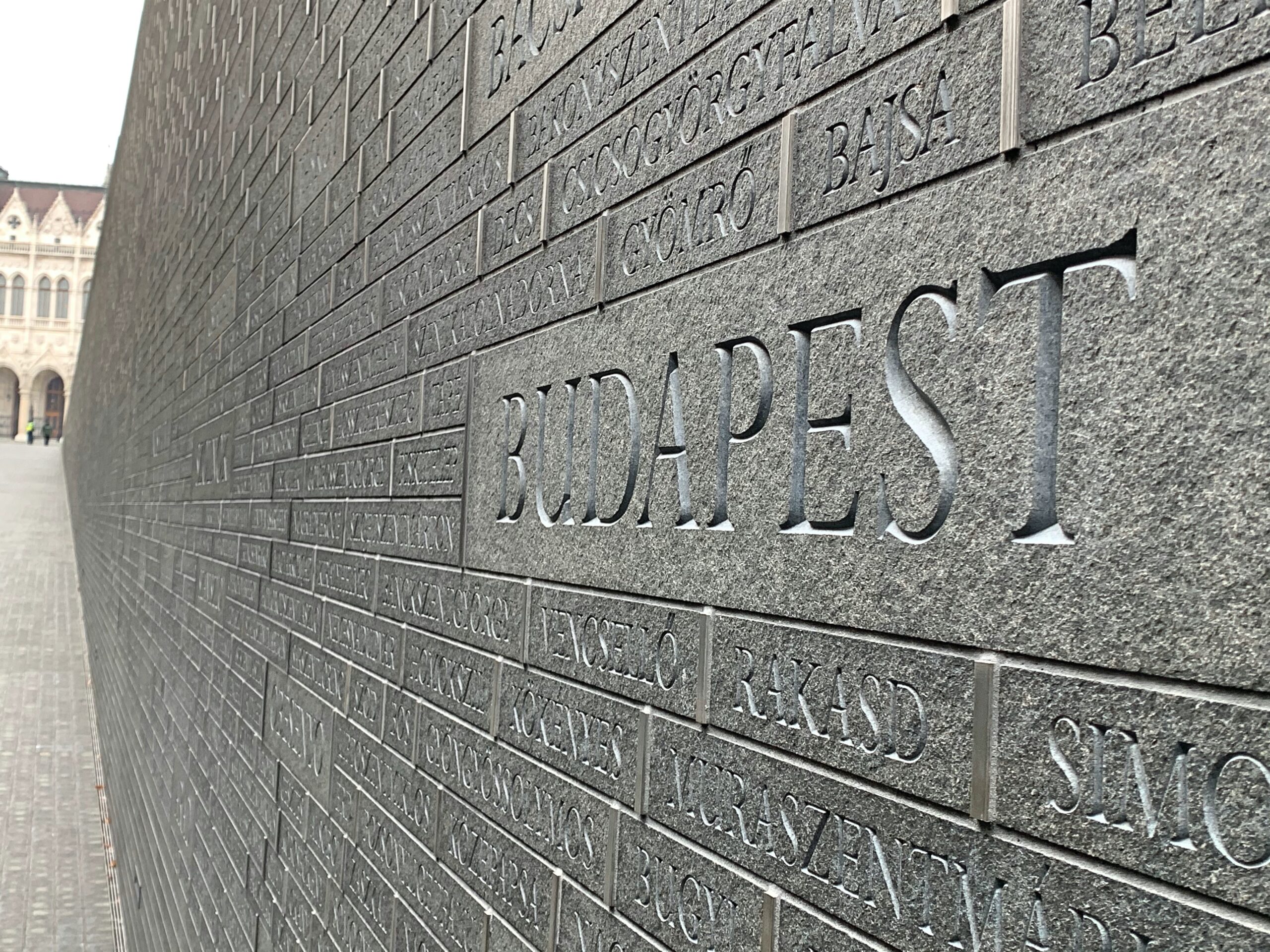
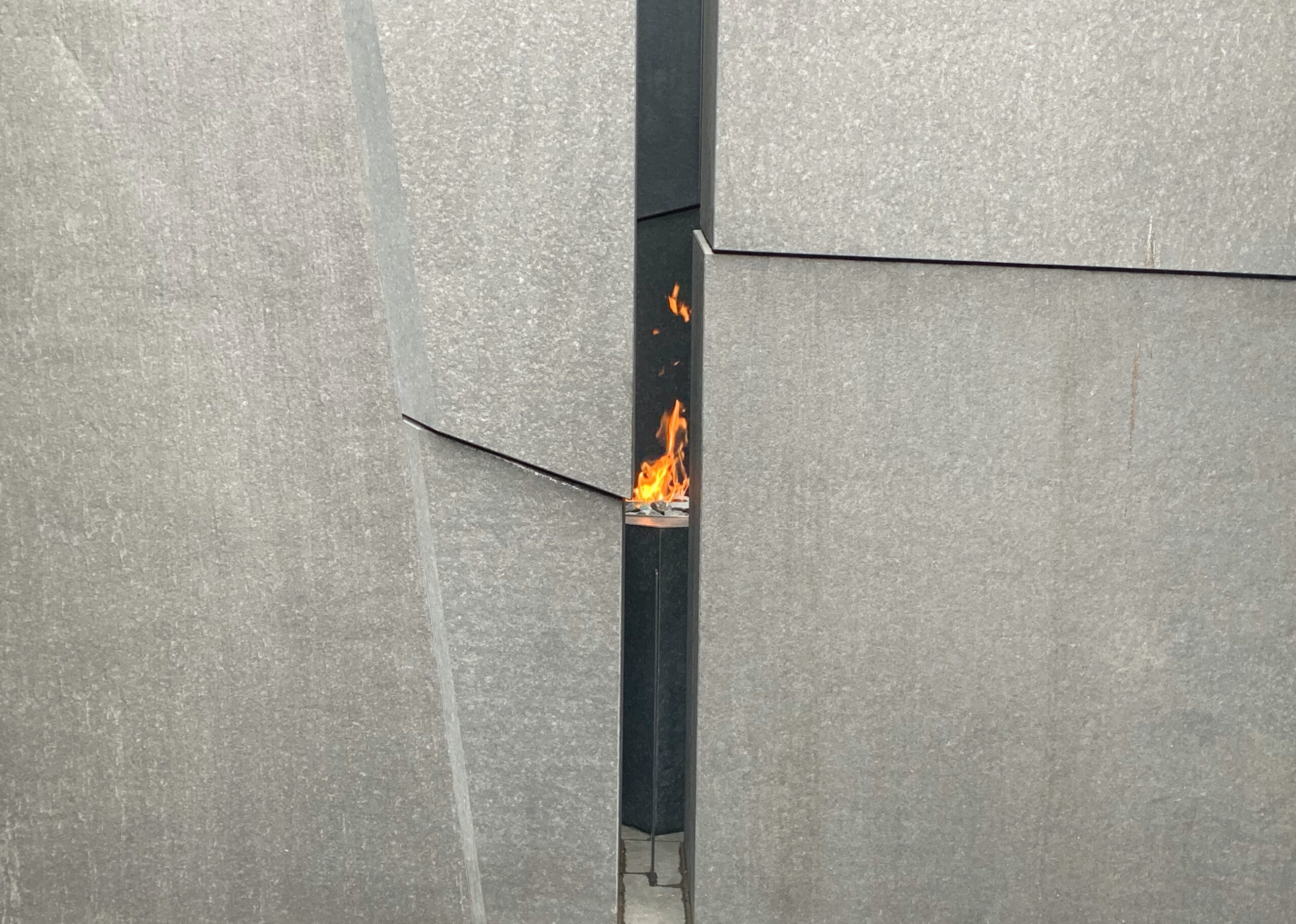
You’ll find the memorial on Kossuth Lajos Square, directly across from the Hungarian Parliament. The design is dark and somber: a roughly 100-meter descending passage with the names of thousands of Hungarian towns and villages that were once part of the country, engraved into metal panels. It’s intentionally austere and heavy—a place of mourning rather than celebration.

My take (with respect for all viewpoints)

  • What I value: The comprehensive roll call of place-names makes history tangible. It’s powerful to recognize communities by name rather than abstract numbers.

  • What I struggle with: The design ends in a dead end. As a guide and as a Hungarian, I believe our history is a continuum—we carry loss, but we also move forward. I miss a visual cue of continuity or hope. Our story did not end in 1920.

I share this not to settle the debate, but to explain why the memorial can feel emotionally closed to some visitors while profoundly validating to others.

Practical visiting tips

  • Location: Kossuth Lajos tér (M2 metro: Kossuth Lajos tér)

  • Cost: Free, open air

  • When to go: Early morning or at dusk for quieter reflection and softer light

  • Accessibility: The passage is gently sloped but still below street level; take care in wet weather

Want to unpack this topic with context and care?

This subject is complex and sensitive. On my private Communist Budapest walking tour, we create space for thoughtful questions about Trianon, interwar politics, memory culture, and how these narratives shaped the communist period and everyday life. If you’d like a respectful, nuanced discussion tailored to your interests, I’m happy to guide it.

Book a private tour

Send me your preferred date and interests, and I’ll suggest an itinerary starting from Kossuth Lajos Square or your hotel.

FAQs

Is the Trianon Memorial political?
It’s a site of memory, and like many memorials, it’s read through different political and personal lenses. That’s part of why it’s controversial.

Why “Trianon” if it happened in Versailles?
The treaty defining Hungary’s new borders was signed in the Grand Trianon Palace, part of the Versailles complex—hence “Treaty of Trianon.”

Is it suitable for children?
Yes, with context. The design and subject matter are somber; older children often engage well with the historical discussion.


We had the most exciting tour today about the Hungarian Samizdat press. I had the privilege to work with Közgazdasági Politechnikum in this great project: Building Democratic Europe Together – http://budet.poli.hu/
My tour’s focus was the illegal, uncensored production, publishing and distribution of books and articles which couldn’t have been published in the Communist regime. It was all about conspiracy, clandestine operations and about how the state and state security tried to liquidate the entire movement, but more importantly my tour was about the desire to exercise free speech and free press, essential pillars of our new democracy.

It was great to see the enthusiasm of both students and teachers and I’m very proud to have been part of it.


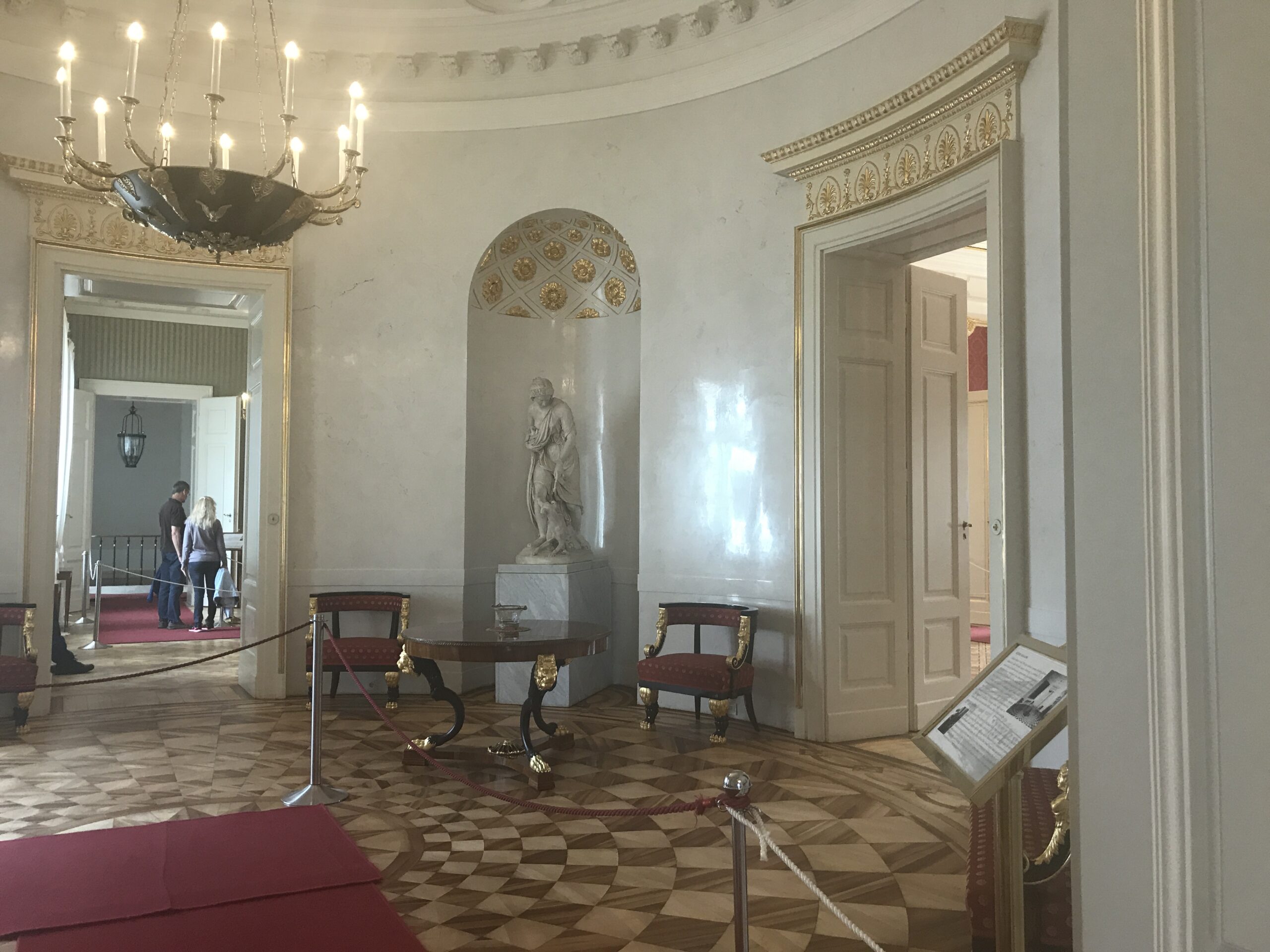
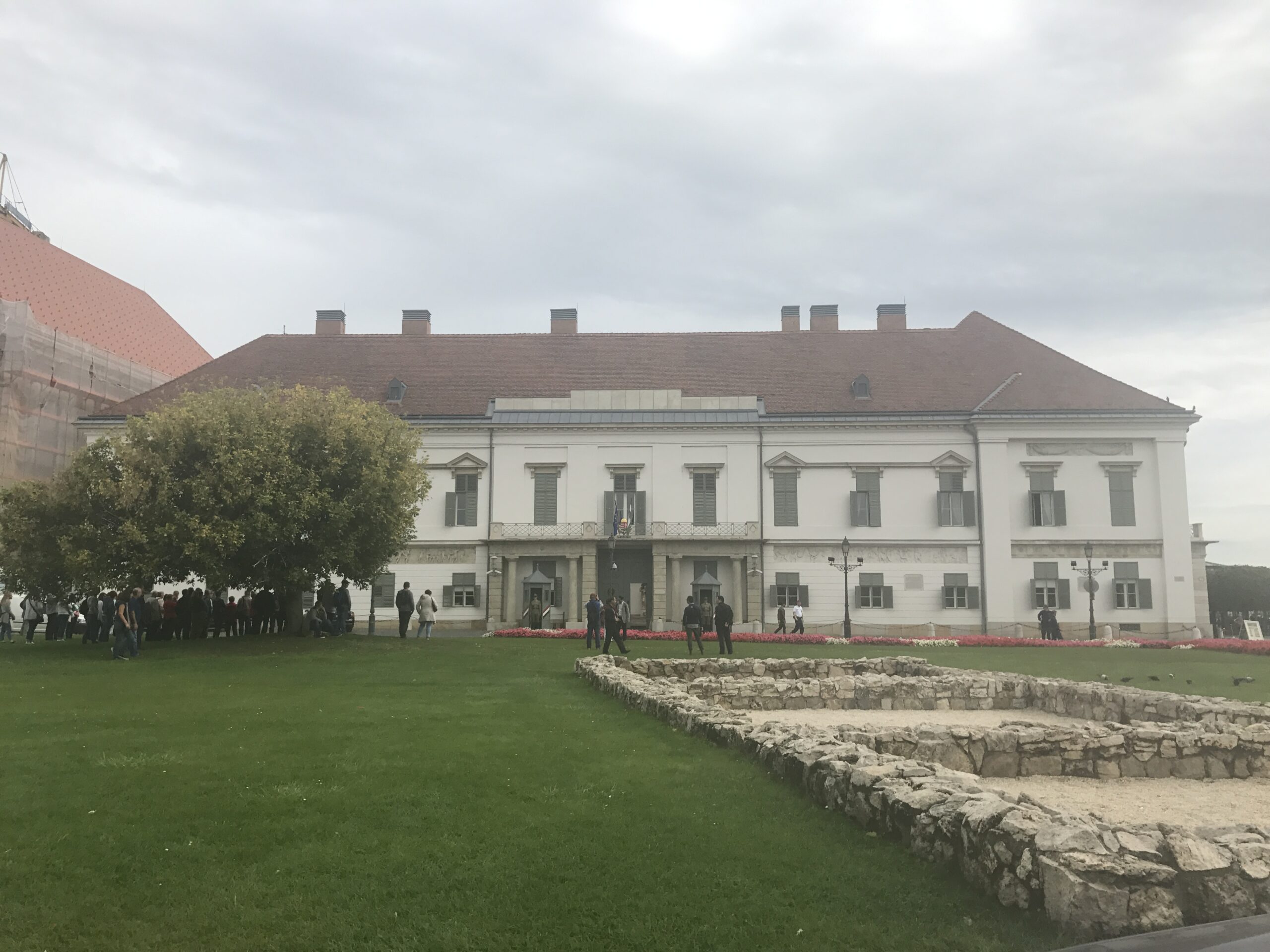
Located in the heart of the Buda Castle District, Sándor Palace is one of Budapest’s most elegant yet often overlooked landmarks. Standing just steps away from Buda Castle, the palace serves as the offices of the President of Hungary, combining political importance with refined architectural beauty.

From Aristocratic Home to Presidential Palace

Sándor Palace was built in the early 19th century as a noble residence and soon became one of the most prestigious addresses in Buda. Over the decades, it served various purposes, including government offices and ministerial residences.

The building suffered heavy damage during World War II and remained neglected for decades during the Communist era. Its careful restoration after the political changes restored the palace to its former elegance, and today it once again plays a central role in Hungarian public life.

Architecture and Atmosphere

The palace is a fine example of Neo-Classical architecture, with a restrained yet harmonious façade that fits perfectly into the Castle District’s historic surroundings. While the interior is not generally open to the public, the exterior alone makes it a worthwhile stop during a Castle Hill walk.

One of the highlights for visitors is the changing of the guards, which takes place regularly in front of the palace and adds a ceremonial touch to the quiet square.

Sándor Palace on a Guided Tour

During a guided walk through the Castle District, Sándor Palace offers an excellent opportunity to talk about:

  • Hungary’s modern political system

  • the transition from monarchy to republic

  • life in the Castle District past and present

  • the contrast between royal, aristocratic, and presidential power

Its location makes it an easy and natural stop on a Budapest city tour or a thematic history walk.

Why Include Sándor Palace in Your Itinerary?

Sándor Palace is ideal for travelers who enjoy:

  • elegant architecture without crowds

  • political and modern Hungarian history

  • hidden landmarks beyond the usual highlights

  • quiet corners of the Castle District

It adds depth and context to any visit to Buda Castle.

Yes, Pécs is one of my favorite destinations so I’d like to encourage you to book a tour at your earliest convenience. Once you have a look at the pictures below I’m sure you’ll fall in love with the city, too.

Pécs is very unique because the entire Hungarian history is on display in the city’s architecture, spirit and charm. You can learn so much while just walking around the cobblestoned streets.

We start the tour discovering the 1700-year-old Early Christian Necropolis, the well preserved burial chambers of the Romans fron the 4th century. We continue in the 11th century Basilica on Dóm square, an important symbol of the continuous fight of the Hungarians for Christianity. We tour the ruins of the Turkish baths, the only Turkish age mosque in Hungary that has remained intact together with its minaret and the 13th century Catholic church converted into a mosque in the 1540’s and reconverted into a Catholic church in the 1680’s. I’m sure you’ll be surprised to notice the special combination of the Muslim crescent moon and the Christian cross topping the church, reminding us of the peaceful coexistence of different religions. We admire the harmonious Baroque architecture and also have a look at the Vasarely museum.

After the city tour I take you to the Zsolnay quarter, the completely renovated and restored Zsolnay factory buildings where the most beautiful Hungarian porcelain and ceramic products have been manufactured since 1853.