When people search for beautiful entrances Budapest has to offer, they often expect grand churches or famous palaces. Yet one of the city’s greatest pleasures lies in the entrances many visitors simply walk past. Some are monumental, others almost hidden in quiet streets, but each one offers a glimpse into the craftsmanship, history and personality of the building beyond. Once you begin noticing them, you’ll never look at Budapest in quite the same way again.

Why Beautiful Entrances in Budapest Matter

An entrance is more than a door. It is the first impression a building wants to make.

Architects carefully designed these spaces to create anticipation before anyone stepped inside. Sculptures, stained glass, wrought iron, mosaics and carved stone all became part of the experience of arrival.

Some of the most beautiful entrances in Budapest were designed during the late nineteenth and early twentieth centuries and have survived with their original craftsmanship still intact.

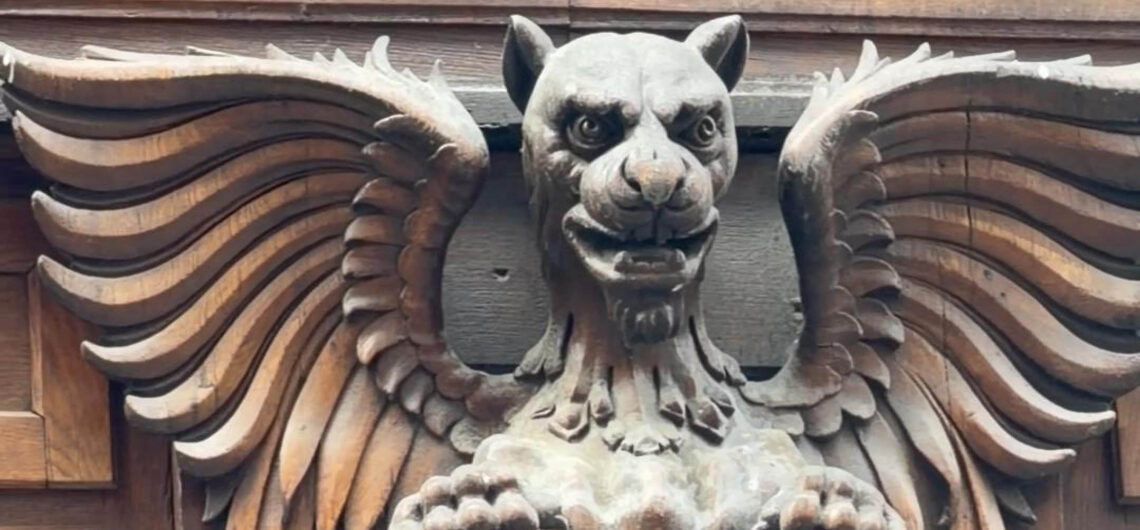
The Art Nouveau Birds in Síp Street

One of my favourite examples is tucked away in Síp Street, where two elegant birds decorate an Art Nouveau entrance that many people walk past without a second glance.

The doorway itself is beautiful, but what makes it memorable is the combination of sculpted metalwork, delicate ornamentation and colourful Zsolnay ceramic decoration above. It’s the kind of detail that rewards slowing down and looking closely.

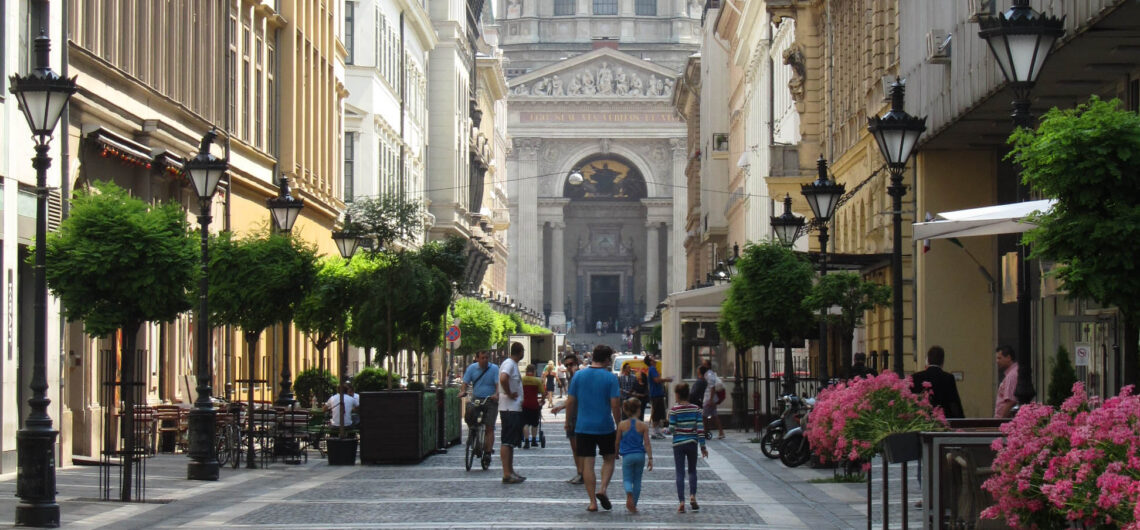
The Grandeur of St. Stephen’s Basilica

Some entrances are designed to make you pause.

Standing beneath the enormous bronze doors of St. Stephen’s Basilica, surrounded by classical columns and rich architectural decoration, you immediately sense the importance of the building before stepping inside.

The entrance prepares you for the scale and beauty that await beyond the doors.

Elegant Details at Gresham Palace

While many visitors admire the famous façade of Gresham Palace, fewer stop to appreciate the elegant side entrance.

The flowing Art Nouveau ironwork, graceful peacock motifs and perfectly balanced design are wonderful examples of Budapest’s Secession style, proving that some of the city’s finest details are found away from the main entrance.

A Quiet Corner of the Castle Garden Bazaar

The Castle Garden Bazaar offers another completely different atmosphere.

Instead of overwhelming decoration, its entrance combines carved wood, stained glass and soft colours to create a calm, welcoming space that feels almost intimate compared with the grand buildings of central Pest.

It’s an easy detail to miss while walking towards the castle, yet one of my personal favourites.

The Timeless Portal of Matthias Church

In Buda Castle, the entrance of Matthias Church reminds visitors that not every beautiful doorway belongs to the Art Nouveau period.

Its Gothic stone portal, carved arches and heavy wooden doors have welcomed generations of kings, pilgrims and travellers for centuries, creating one of Budapest’s most atmospheric entrances.

Looking Up, Slowing Down

These are just a few of my favourite beautiful entrances in Budapest, each with its own architectural personality. One of the greatest joys of exploring Budapest is learning to notice the details that many people simply walk past.

A doorway, an iron gate, a mosaic or a piece of stained glass can completely change the way you experience the city. These small discoveries often become the moments visitors remember long after the famous landmarks.

That’s one of the things I enjoy most on my private tours—helping guests see Budapest not only through its major attractions, but through the craftsmanship and hidden details that give the city its unique character.

If you’d like to discover the stories hidden behind Budapest’s architecture, I’d be delighted to create a private tour designed around your interests.

Beautiful Entrances in Budapest You Shouldn't Miss

When most people think of a hidden garden Budapest has to offer, they imagine a quiet corner somewhere far from the city centre. Yet one of Budapest’s most peaceful green spaces is hiding just a few steps from elegant Andrássy Avenue, behind the walls of the Hopp Ferenc Museum of Asiatic Arts.

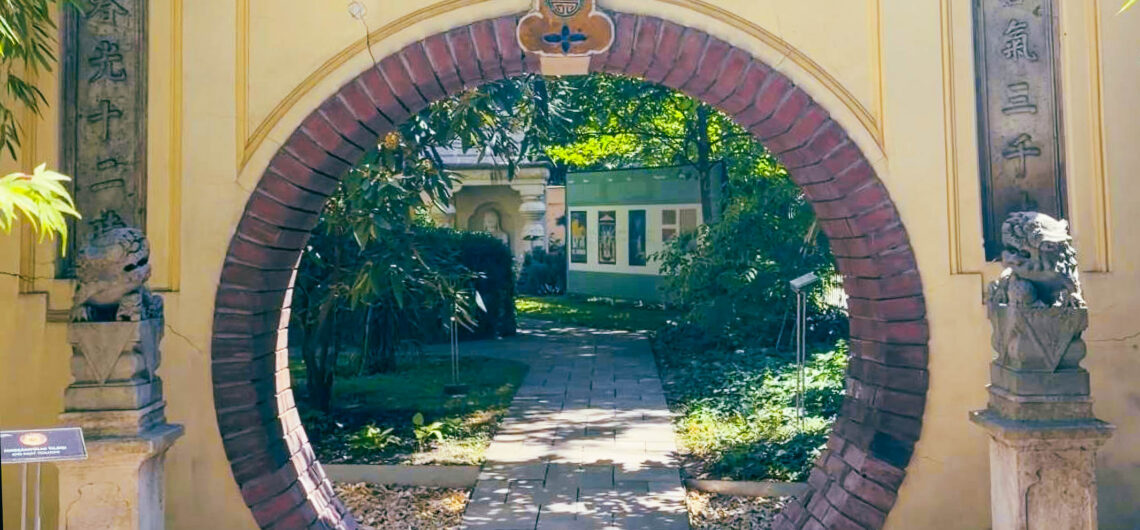
Pass through its distinctive moon gate and the noise of the boulevard seems to disappear. Instead, you’ll find winding paths, exotic plants, stone sculptures and a tranquil atmosphere that feels worlds away from the bustling city outside.

A Different Side of Budapest

Budapest is famous for its grand architecture, thermal baths and lively cafés, but some of its greatest treasures are the places that many visitors simply walk past.

The garden of the Hopp Ferenc Museum is one of those rare places that rewards curiosity. Hidden behind an elegant villa, it invites visitors to slow down and discover a quieter side of the city.

Whether you’re exploring Andrássy Avenue, visiting Heroes’ Square or spending time in nearby City Park, this peaceful garden is an easy detour that feels like stepping into another world.

Who Was Ferenc Hopp?

Ferenc Hopp (1833–1919) was a Hungarian traveller, collector and philanthropist who dedicated much of his life to exploring Asia. During his extensive journeys, he collected thousands of works of art and everyday objects from countries including Japan, China, India and Southeast Asia.

In his will, he donated both his remarkable collection and his villa to the Hungarian state. Today, they form the Hopp Ferenc Museum of Asiatic Arts. It’s one of Europe’s oldest museums devoted entirely to Asian art and culture.

The garden surrounding the villa reflects the same spirit of curiosity and cultural appreciation that inspired Hopp throughout his travels.

A Hidden Garden in Budapest Full of Eastern Inspiration

Although relatively small, every corner of the garden offers something worth noticing.

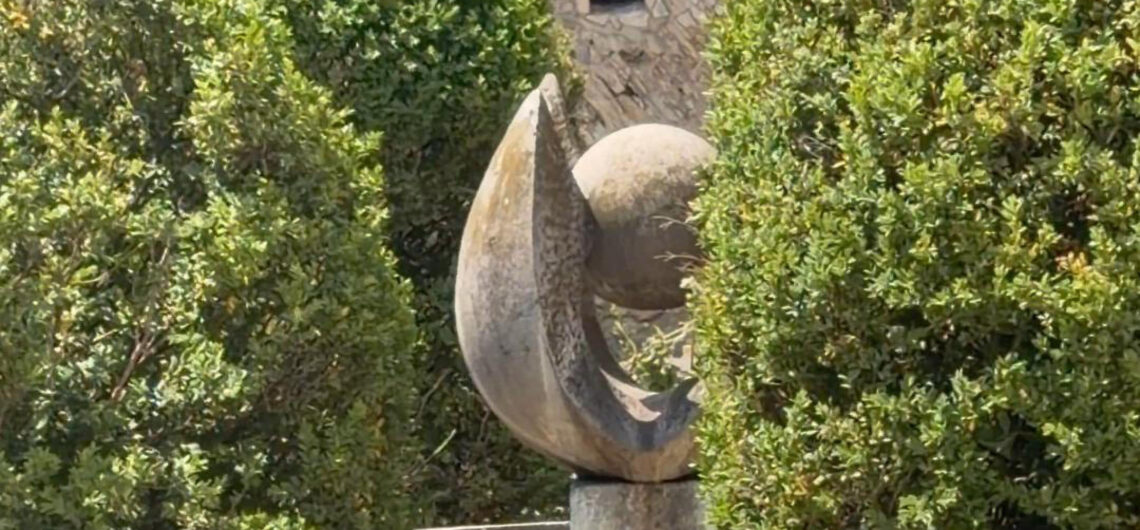
Traditional stone lanterns, Buddhist-inspired sculptures, carved architectural elements and carefully chosen plants create an atmosphere unlike anywhere else in Budapest. The circular moon gate is perhaps its most recognisable feature, framing the garden like the opening scene of a story waiting to unfold.

Depending on the season, bamboo, flowering shrubs and mature trees provide shade and colour, making the garden feel intimate despite its central location.

It isn’t designed as a formal botanical garden. Instead, it feels personal—a peaceful extension of the museum itself.

When to Visit

The garden is particularly beautiful in late spring and summer, when the greenery is at its fullest, but it remains a lovely place to pause throughout the year.

If you’re planning to visit the museum, allow a little extra time to wander through the garden before or after exploring the exhibitions. Even if you’re simply walking along Andrássy Avenue, it’s one of Budapest’s most rewarding hidden stops.

Good to Know

At the moment, the Hopp Ferenc Museum is temporarily closed for renovation, but there’s good news for anyone exploring Budapest: the museum garden remains open to visitors and can be visited free of charge.

That means you can still step through the iconic moon gate, enjoy the peaceful atmosphere and admire the Asian-inspired sculptures and lush greenery, even while the museum itself is being restored. If you’re looking for a quiet escape from the busy streets of central Budapest, this hidden garden is well worth a short detour.

Discover Budapest Beyond the Famous Landmarks

This hidden garden is a reminder that some of Budapest’s most memorable places aren’t the ones that appear on every postcard.

If you enjoy discovering hidden gardens, quiet courtyards and lesser-known corners of the city, you’ll find many more waiting to be explored. One of my favourite examples is the collection of hidden gardens in Buda Castle, where historic courtyards and peaceful green spaces reveal another side of Budapest’s rich past.

Many of these hidden gems are included in my private Budapest tours, where we combine the city’s famous landmarks with the quieter places that make visitors fall in love with Budapest.

Every traveller discovers a different Budapest. If you’d like to explore the city’s famous landmarks as well as its hidden gems, I’d love to help you create a private tour designed around your interests, pace and curiosity. Get in touch, and let’s plan your perfect Budapest experience.

This Secret Garden Is Hiding in Budapest

Summer evenings in Budapest have a magic all their own. As the daytime crowds begin to disappear, the city slows down and takes on a completely different atmosphere. Golden sunsets reflect on the Danube, music fills historic squares, and unforgettable experiences unfold beneath the evening sky. If you’re visiting Budapest during the warmer months, these are some of the summer evenings you’ll never forget.

If you’re visiting the Hungarian capital during the warmer months, here are a few summer evenings you won’t soon forget.

Candlelake Concert at Vajdahunyad Castle

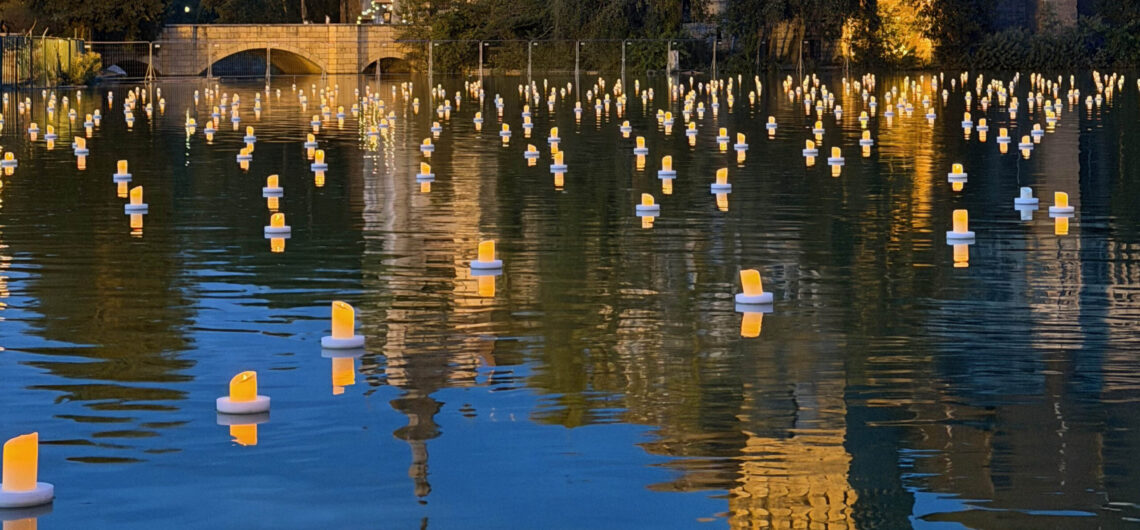
One of Budapest’s most enchanting summer events takes place in the heart of City Park, where the lake surrounding Vajdahunyad Castle is illuminated by hundreds of floating candles.

Combined with live music and the castle’s fairytale silhouette, the atmosphere feels almost dreamlike. It’s a peaceful experience that invites you to slow down and simply enjoy the moment—a refreshing change from the city’s busier attractions.

If you’re lucky enough to be in Budapest when a Candlelake Concert is taking place, it’s well worth adding to your evening plans.

Margaret Island Musical Fountain 

The Musical Fountain on Margaret Island is one of the city’s favourite summer traditions. Water, lights and music come together in a free outdoor show that attracts both locals and visitors.

Sunset from Fisherman’s Bastion or Citadel

Few places capture the magic of Budapest quite like Fisherman’s Bastion or Citadel as the city begins to glow at sunset.

Rooftop Bars Above the City 

Watching the lights appear across Budapest from a rooftop terrace is one of the simplest pleasures of a summer evening.

Evening Organ Concert

If you enjoy classical music, an evening concert inside one of Budapest’s beautiful churches offers a completely different perspective on the city.

More Magical Summer Evenings

Budapest is full of unforgettable moments after sunset—from riverside walks and open-air cinemas to seasonal festivals and hidden courtyards that come alive on warm evenings.

I’ll continue adding my favourite experiences here, so this guide grows over time.

Discover Budapest Like a Local

One of the things I love most about Budapest is that its magic doesn’t disappear when the day ends—it simply changes.

Whether it’s music echoing across a candlelit lake, a quiet walk along the Danube or watching the city lights appear from a rooftop, these are the moments that many visitors remember long after they return home.

If you’d like to discover even more of Budapest’s hidden corners and favourite local spots, I’d be delighted to show you the city on one of my private Budapest tours, where every itinerary is tailored to your interests and pace.

One of Budapest's Most Magical Summer Experiences

Budapest is blue—not just because of the Danube, but also because of its skies, thermal waters and beautiful Art Nouveau details. After more than a decade of guiding visitors through the city, I’ve realised that this colour quietly connects many of Budapest’s most memorable places.

When visitors describe Budapest, they often talk about its grand architecture, historic cafés or magnificent views over the Danube. But after spending more than a decade guiding travellers through the city, I’ve noticed something much quieter.

Budapest has a colour.

And that colour is blue.

Once you begin looking for it, you’ll find it almost everywhere. Not because someone planned it that way, but because nature, history and architecture have quietly combined to give the city its own distinctive palette.

The Danube: Budapest’s Blue Heart

The first place you’ll notice it is, of course, the Danube.

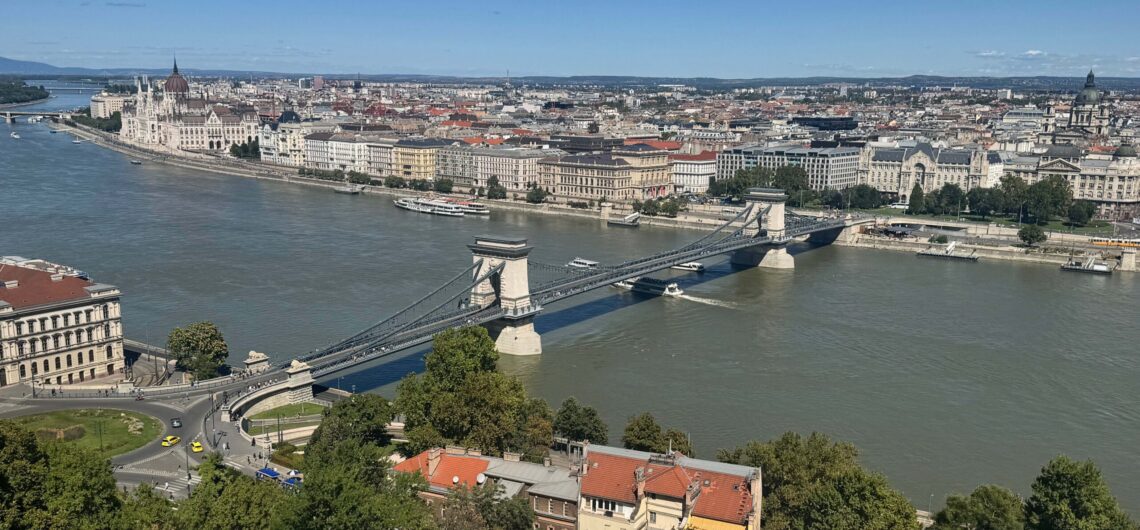
Flowing between Buda and Pest, the river has shaped the city’s history for centuries. Whether you’re standing on the Chain Bridge, enjoying the view from the Buda Castle District or watching the Parliament reflected in the water, the river provides a constant ribbon of blue running through Budapest.

It’s one of the reasons so many of my private Budapest tours include several viewpoints overlooking the Danube—the perspective changes throughout the day, but the river always remains the city’s defining feature.

Looking Up

Most visitors spend their time looking straight ahead.

Try looking up instead.

Many of Budapest’s beautiful Art Nouveau buildings are decorated with colourful ceramic tiles produced by the famous Zsolnay factory. Soft turquoise, cobalt and deep blue details appear on rooftops, façades and decorative ornaments, rewarding those who slow down and pay attention.

If you enjoy discovering these architectural details, you might also like my article about Budapest’s hidden Art Nouveau treasures.

The Colour of Water

Blue appears again in Budapest’s famous thermal baths.

Whether it’s the outdoor pools beneath the summer sky or the elegant indoor baths reflecting through historic windows, water has always been part of Budapest’s identity. It isn’t just a place to relax—it tells the story of a city built on more than one hundred thermal springs.

Every bath has its own atmosphere, but they all share the same connection between history and water.

Hidden Details

Sometimes the most memorable discoveries are also the smallest.

Blue mosaic tiles, ceramic decorations, painted doorways and unexpected architectural details appear throughout the city. They’re easy to miss if you’re rushing from one famous attraction to another, but they add another layer to Budapest’s character.

They’re also a reminder that the best way to explore the city is slowly.

Experience Budapest Beyond the Landmarks

One of my favourite parts of being a private tour guide is helping visitors notice the details they might otherwise walk straight past.

Whether it’s a hidden courtyard, an Art Nouveau façade or simply the changing colours of the Danube, these small discoveries often become the memories people talk about long after returning home.

If you’d like to experience Budapest at a relaxed pace and discover both its famous landmarks and its hidden stories, I’d be delighted to welcome you on one of my private Budapest tours.

Sometimes, all it takes is looking at the city a little differently.

And perhaps you’ll start seeing Budapest in blue too.

Budapest is blue

Some of the most memorable places in Budapest aren’t marked by grand entrances or famous landmarks. In fact, you could walk past them dozens of times without ever realising what lies behind an ordinary gateway. If you’re looking for a hidden courtyard Budapest visitors often miss, one of my favourite discoveries is Paloma Art Space, just a short walk from Váci Street and Ferenciek tere. Step inside and you’ll discover a colourful collection of independent studios where talented Hungarian designers create handmade jewellery, ceramics, fashion, leather goods and artwork in a peaceful setting far removed from the city’s busy streets.

It’s exactly the kind of place I love sharing with my guests because it reveals a different side of Budapest—creative, authentic and wonderfully unexpected.

A Hidden Courtyard Full of Creativity

At first glance, there’s nothing particularly remarkable about the entrance. But once you walk into the courtyard, the atmosphere changes completely.

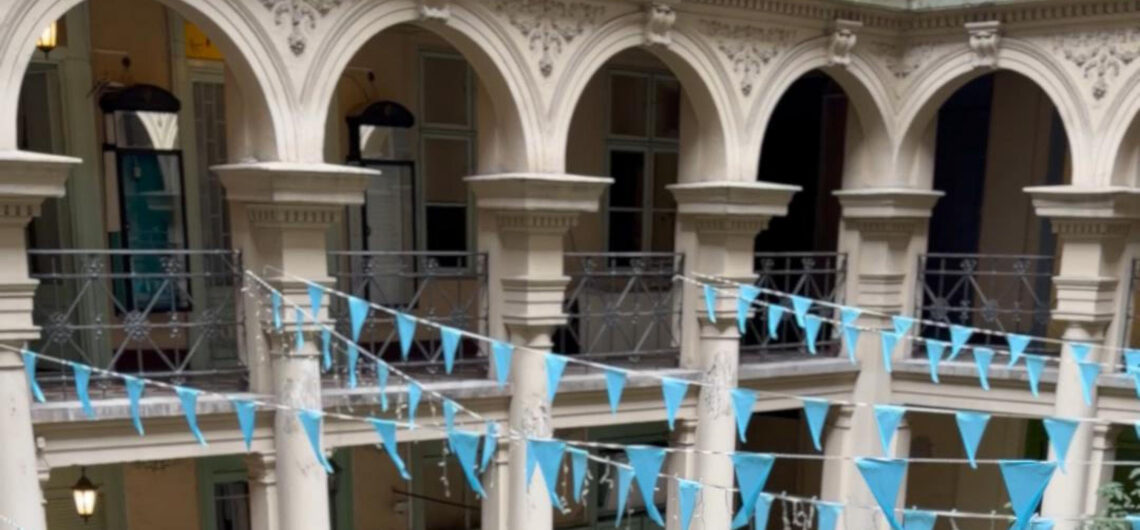
Historic buildings surround a charming open courtyard where small studios invite visitors to browse unique handmade creations. Unlike large souvenir shops, Paloma Art Space is home to independent Hungarian artists and designers, many of whom are happy to chat about their work, inspiration and creative process.

Whether you’re looking for a meaningful souvenir or simply enjoy discovering local craftsmanship, this hidden courtyard offers a refreshing alternative to the city’s busy shopping streets.

Why Visit Paloma Art Space?

One of the things I appreciate most about Paloma Art Space is that it feels genuinely local. Rather than international brands or mass-produced souvenirs, you’ll find carefully crafted pieces made by people who are passionate about their work.

Even if shopping isn’t on your itinerary, the courtyard itself is worth visiting. Colourful shopfronts, historic architecture and a relaxed atmosphere make it one of those hidden places in Budapest where it’s easy to slow down for a few minutes and simply enjoy the surroundings.

One of My Favourite Hidden Places in Budapest

Whenever time allows, I enjoy bringing guests here during my private tours. It’s a wonderful surprise, especially for visitors who think they’ve already seen everything Budapest has to offer.

I love watching people’s reactions as they step into the courtyard. Moments earlier, they were walking through one of the city’s busiest areas. Suddenly, they’re surrounded by local creativity, colourful studios and a peaceful atmosphere that feels like a secret shared only with those willing to wander a little further.

For me, this is what Budapest is all about. Beyond the famous landmarks and panoramic viewpoints, the city is full of small discoveries waiting behind ordinary doors and hidden courtyards.

Practical Information

Location: Just a few minutes from Ferenciek tere and Váci Street.

Entrance: Free.

What you’ll find: Independent Hungarian designers, handmade jewellery, ceramics, fashion, leather goods, artwork and creative gifts.

Good to know: Opening hours vary between individual studios, so it’s always worth checking before your visit.

Discover the Budapest Beyond the Obvious

If you’re looking for hidden gems in Budapest, Paloma Art Space deserves a place on your itinerary. It’s proof that some of the city’s most memorable experiences aren’t found in guidebooks—they’re discovered by stepping through an ordinary gateway and allowing yourself to explore.

After all, Budapest rewards those who look a little closer.

One of Budapest's Best Hidden Courtyards

Most visitors come to Buda Castle for the famous landmarks, but the hidden gardens in Buda Castle reveal a completely different side of the district. Every day, thousands of people walk its cobbled streets, admire the views, and never notice the peaceful corners tucked away behind historic walls.

But hidden behind historic walls and tucked away in quiet courtyards are a few peaceful corners that many visitors never discover. If you’re looking for a different side of the Castle District, here are three secret gardens worth seeking out.

1. Hidden Castle Garden – For History Lovers

Just a short walk from the main tourist routes, this small garden feels like a forgotten piece of old Buda.

Surrounded by historic buildings and quiet pathways, it’s the kind of place where you can pause for a moment and imagine what life might have looked like centuries ago. While most visitors head straight for Fisherman’s Bastion, this peaceful corner offers something different: silence, shade, and a glimpse into the district’s layered history.

It’s not a major attraction, and that’s exactly why it’s special.

2. Alabárdos Café Garden – For a Quiet Escape

Finding a peaceful café in the Castle District, especially near Matthias Church can be surprisingly difficult, especially during the busy summer months.

Hidden behind historic walls, the garden of Alabárdos Café offers a welcome break from the crowds. With its elegant surroundings, mature trees, and relaxed atmosphere, it’s the perfect place to slow down with a coffee or a glass of wine and a book.

You don’t need to be in a hurry here. In fact, that’s the whole point.

3. Koller Gallery Garden – For Art Lovers

One of Budapest’s oldest private galleries is also home to one of the Castle District’s most charming hidden gardens.

The small sculpture garden behind Koller Gallery combines art, greenery, and beautiful views over the rooftops of Buda. It’s peaceful, intimate, and often surprisingly quiet despite its central location.

Even if you’re not planning to visit the gallery itself, the garden is worth discovering.

A Different Side of Buda Castle

The Castle District will always be famous for its panoramic views, historic churches, and grand architecture. But sometimes the most memorable places are the ones hidden just around the corner.

The next time you visit Buda Castle, leave the main streets behind for a few minutes. You might discover a secret garden of your own. These hidden gardens in Buda Castle offer a peaceful escape from the crowds and a chance to experience a quieter, more personal side of Budapest.

Budapest’s hidden gardens each have their own character. While the peaceful corners of Buda Castle are steeped in history, the garden of the Hopp Ferenc Museum on the Pest side transports visitors into a world inspired by Asian art and culture. Together, they reveal just how many tranquil escapes are waiting to be discovered beyond the city’s famous landmarks.

You've Probably Never Seen This Side of Buda Castle

If you only have one day in Budapest, it’s tempting to try to see everything. But Budapest is not a city you should rush.

Instead of ticking off landmarks, the best way to experience the city is to slow down, enjoy the atmosphere, and focus on a few key areas. Here’s a realistic way to spend one perfect day in Budapest.

1. Start Your Day in Buda

Begin your day on the Buda side of the city, where things feel calmer and more relaxed.

Walk through the Castle District, enjoy the historic streets, and take in the first views over the Danube. Early morning is the perfect time to be here, before the crowds arrive.

2. Cross the Danube to Pest

After exploring Buda, make your way across the river. Whether you walk across the Chain Bridge or take a tram along the Danube, this is one of the most scenic parts of the day.

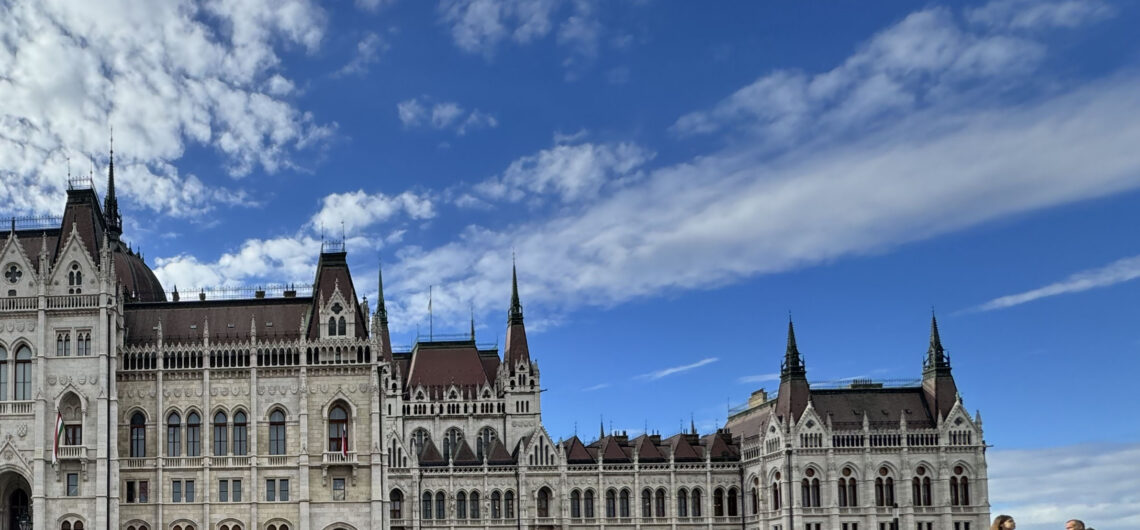
On the Pest side, you’ll find some of Budapest’s most iconic landmarks, including the Hungarian Parliament Building.

3. Take a Coffee Break

Budapest has a wonderful café culture, and taking a break is part of the experience.

Instead of rushing from one attraction to the next, stop for a coffee and a pastry. It’s the perfect way to slow down and enjoy the atmosphere of the city.

4. Explore at Your Own Pace

In the afternoon, continue exploring at a comfortable pace.

You might wander through the Jewish Quarter, discover small streets, or simply enjoy walking along the Danube promenade. This is where Budapest really comes to life — in the unexpected details.

5. End the Day with a Sunset

Finish your day with a sunset view.

Whether you stay by the river or head up to a quieter viewpoint, this is one of the most memorable moments in Budapest. As the city lights come on, the atmosphere becomes truly magical. For the best views, you might choose a rooftop bar for a relaxed atmosphere, admire the glow of the Hungarian Parliament Building from the riverbank, or head up to the Citadel or the Buda Castle District for a panoramic perspective over the city.

If you’d like to make the most of your time in Budapest without the stress of planning, a private tour can help you experience the city in a more personal and flexible way — at your own pace, and tailored to your interests.

One Day in Budapest - A Realistic Way to Experience the City

There are places in Budapest that impress you… and then there are places that make you pause. The Budapest State Opera House experience is firmly in the second category.

I’ve walked through its grand foyer countless times with my guests, pointing out details, telling stories, watching their reactions as they look up—because everyone does. You simply can’t help it. The gold, the frescoes, the chandeliers… it’s overwhelming in the best possible way.

But every now and then, I like to return not as a guide—but as a guest. And that’s when the magic truly begins.

A Building Designed to Impress

The Hungarian State Opera House opened in 1884, during one of Budapest’s most ambitious and elegant periods. Designed by the famous Hungarian architect Miklós Ybl, it was built to rival the great opera houses of Vienna and Paris—and many would say, it succeeded.

From the outside, it’s already impressive. But the real experience begins the moment you step inside. Marble columns, sweeping staircases, and ceilings painted with mythological scenes set the tone immediately. And then, of course, there’s the auditorium—rich red velvet, gold balconies, and one of the most beautiful chandeliers in the city.

It’s the kind of place where even before the performance starts, you already feel like you’re part of something special.

More Than Just a Performance

One of my favourite moments is just before the curtain rises.

There’s a quiet energy in the room. People settle into their seats, the orchestra tunes, conversations soften. It’s a shared anticipation—and even if you don’t come to the opera regularly, you feel it instantly.

And then, for a few hours, the outside world disappears.

A Different Perspective: From a Private Box

This time, I had the chance to watch from a private box—and I have to say, it changes everything.

Opening the door and seeing the auditorium from that angle feels almost like stepping into another era. It’s more intimate, more theatrical. You’re not just watching the performance—you’re part of the scene itself.

Moments like this are a reminder of how these spaces were originally designed: not just for music, but for experience, for atmosphere, for a certain kind of elegance that still lingers today.

A Stop on My Tours

Even if you don’t attend a performance, the Opera House is still absolutely worth visiting.

I often include the main foyer in my private walking or driving tours of Budapest. It’s one of those places that adds a layer of cultural depth to the city—something beyond the usual sights.

It’s also a perfect way to understand Budapest’s golden age, when the city was growing rapidly and wanted to show the world just how sophisticated it had become.

Budapest: A City of Music

The Opera House is just one part of Budapest’s rich musical life.

Another favourite of mine is the Liszt Academy of Music—an equally stunning building, but with a very different atmosphere. While the Opera House feels grand and theatrical, the Academy is more intimate and deeply connected to Hungary’s musical heritage.

If you enjoy live music, I always recommend checking what’s on during your stay. Whether it’s opera, classical concerts, or even smaller performances, Budapest offers something special year-round.

Is It Worth It?

Absolutely. Even if you’re not a regular opera-goer, this is about more than the performance. It’s about stepping into a space where architecture, history, and culture come together in a way that feels both grand and personal at the same time. If you’re looking for a truly memorable cultural highlight, a Budapest Opera House experience is something I always recommend.

And honestly, it’s one of those evenings you’ll remember long after your trip.

A Little Tip

If you’re visiting Budapest and considering an evening at the Opera House, I’m always happy to help you choose the right performance—or include the building as part of a private tour.

Because sometimes, the best way to experience a place… is to understand the story behind it.

You’d Never Expect This… Budapest Opera House Experience

The Budapest half marathon might just be one of the most scenic races in Europe. There are many beautiful races in the world—but how many let you run past a Parliament that looks like a fairytale, along the Danube, with castles watching from above?

Yesterday, Budapest showed its best side during the Vivicittá Half Marathon—and honestly, it felt less like a race and more like a moving postcard.

Running Through History

The route takes you through some of the most iconic UNESCO-listed sights in the city. As you run, you’re not just chasing kilometres—you’re moving through centuries.

You pass:

It’s one of those rare experiences where you actually forget you’re running.

Perfect Conditions, Perfect Energy

This year, the weather couldn’t have been better—sunshine, blue skies, and just the right temperature.

But what really makes this race special is the atmosphere:

  • Locals cheering from the sidelines
  • Music along the route
  • Runners from all over the world

There’s a feeling of connection that’s hard to describe unless you’ve experienced it.

Why Budapest Is a Dream Destination for Runners

If you’re a runner, Budapest is more than just a race destination—it’s a place to explore on foot.

Some of my favourite running spots:

  • Margaret Island – car-free, green, and peaceful
  • Danube promenade – iconic views with every step
  • Gellért Hill – for a challenge + reward

More Than a Race

The Vivicittá isn’t just about finishing times. It’s about:

  • Seeing Budapest in a completely different way
  • Feeling part of something bigger
  • And creating memories that stay with you long after the race is over

If you’re thinking about combining travel with running—Budapest should absolutely be on your list. And if you’d like to explore the city beyond the race route, I’d love to show you my favourite hidden corners.

Would You Run This? Budapest Half Marathon

Some places just feel right for certain cakes — and this is one of them. Rákóczi túrós at Anna Café is a perfect example of how a classic Hungarian cake and a timeless Budapest café belong together.

A classic Hungarian cake in a timeless Budapest café

Rákóczi túrós is one of the most beloved traditional Hungarian desserts, and for good reason. It’s balanced rather than sweet, familiar rather than showy, and deeply connected to Hungarian café culture. A soft pastry base, creamy túró filling, a thin layer of apricot jam, and that light, slightly crisp meringue on top — every layer has its role.

This is the kind of cake Hungarians order instinctively, without reading the menu twice.

The cake: a Hungarian classic

Rákóczi túrós isn’t about reinvention.
It’s about getting the proportions right.

When it’s well made, the filling is creamy but not heavy, the jam adds just enough brightness, and the meringue gives a gentle contrast in texture. It’s a cake that invites you to slow down — ideally with a coffee, a proper plate, and time to enjoy it without rushing.

It’s no coincidence that this dessert belongs in a classic café setting.

The café: Anna Café in Budapest

That’s exactly why Anna Café feels like such a natural match.

Anna Café is one of those places that fits effortlessly into Budapest’s historic café tradition. Elegant interiors, high ceilings, and a calm, welcoming atmosphere make it an easy choice whether you’re stopping for cake, coffee, or a longer break in the city.

The location by St. Stephen’s Basilica is a favourite of mine — central, beautiful, and ideal for a quiet café moment in the middle of the city.

More than one café, more than one mood

One of the things I love about Anna Café is that it isn’t just one place — it’s a small collection of cafés, each with its own rhythm.

In summer, I often choose the Anna Café near the Central Market Hall, where sitting outside feels relaxed and local, especially after a walk through the market or along the Danube.

In the evening, the Anna Café on Váci Street has a completely different energy. The lights, the movement of the street, and the option to switch from coffee to a glass of wine make it a lovely place to end the day.

Different locations, different moods — but the same sense of quiet elegance.

A café moment as part of the Budapest food experience

Exploring Budapest through food isn’t only about restaurants or markets — it’s also about slowing down in a local café. On my Budapest foodie tours, I always encourage visitors to experience both sides of the city’s culinary culture: hearty Hungarian dishes and the quieter pleasure of coffee and cake. A stop at a classic café, whether for Rákóczi túrós or another traditional dessert, is often what turns a good food experience into a truly memorable one.

Why this combination works

Some Budapest cafés are perfect for trends. Others are perfect for traditions.

Rákóczi túrós and Anna Café belong together because neither is trying to be more than it is. They represent the kind of Budapest café experience that has lasted for decades: well-made classics, comfortable surroundings, and moments that don’t need explaining.

Rákóczi túrós, the way I love it — at Anna Café.

Part of my Budapest Cafés series, where classic cakes, beautiful interiors, and timeless café moments come together.

Rákóczi túrós at Anna Café | Classic Hungarian Cake in Budapest