The Hungarian Revolution of 1956: Budapest Remembers
- General
- 1956 Hungarian Revolution, Budapest 1956, Budapest History, Budapest Private Tours, Cold War history, communist Budapest, Hungarian History, October 23 Hungary
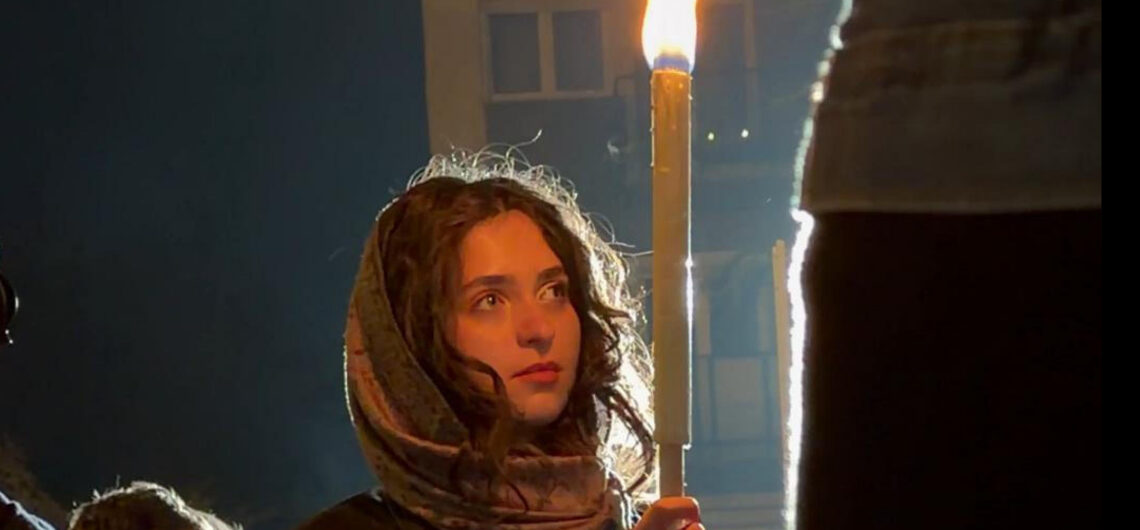
On 23 October 1956, the people of Budapest took to the streets to demand freedom, democracy and an end to Soviet domination. What began as a peaceful student demonstration became the Hungarian Revolution of 1956, one of the most important events in Hungary’s modern history.
Seventy years later, Budapest still remembers.
October 1956: A City in Revolution
The demonstrations began with students expressing solidarity with political changes in Poland and demanding reforms in Hungary. Thousands gathered at the statue of Polish general Józef Bem before marching through Budapest.
By the evening, enormous crowds had assembled outside the Hungarian Parliament. Protesters cut the Communist emblem from the centre of Hungarian flags, creating one of the revolution’s most enduring symbols.
Elsewhere in the city, demonstrators pulled down the enormous statue of Stalin, leaving only his boots standing on the pedestal.
When security forces opened fire on demonstrators at the Hungarian Radio building, the peaceful uprising turned into an armed revolution.
For a few extraordinary days, it seemed that Hungary might regain its freedom.
Hope, Resistance and Soviet Intervention
On 4 November, Soviet troops launched a massive military intervention to crush the revolution. Tanks entered Budapest, fierce fighting continued in several neighbourhoods, and thousands of Hungarians lost their lives.
Prime Minister Imre Nagy, who had supported the revolution and announced Hungary’s withdrawal from the Warsaw Pact, was arrested and later executed.
Around 200,000 Hungarians fled the country, while those who remained faced years of reprisals, imprisonment and political silence.
Yet the memory of 1956 survived, becoming an important symbol of Hungary’s struggle for independence.
A Five-Year-Old Boy and a Tank
My father was five years old in October 1956.
One day, he accompanied his uncle across Budapest to deliver a radio to some friends. There was fighting in the streets, and travelling through the city was dangerous. As they approached Liberty Bridge, my father spotted a large tank on the Pest side. He was terrified.
Then he noticed something unusual: a piece of cloth had been stuffed into the tank’s gun barrel. He felt relieved. In his five-year-old mind, this meant that the tank couldn’t fire. He remembers thinking that he wasn’t going to die that day.
For me, this small memory says something important about 1956. Behind the great historical events were ordinary people, families and children trying to understand what was happening around them.
Budapest Remembers: 70 Years Later
In October 2026, Budapest marked the 70th anniversary of the Hungarian revolution of 1956 with commemorations, concerts, Hungarian flags and events across the city.
Historic trams returned to the streets, while a dramatic recreation of the destruction of Stalin’s statue brought one of the revolution’s defining moments to life. I filmed some of these celebrations to share the atmosphere of a city remembering its past. Seventy years later, the stories of 1956 are still being told, from one generation to the next.
Meeting an Eyewitness
Today, my father still shares his memories of the Hungarian Revolution of 1956 and everyday life under Communism.
During my Communist Budapest – Meeting an Eyewitness private tour, we explore Budapest’s Communist history before meeting him in a local café for a personal conversation.
It’s a special opportunity to hear history from someone who lived through it.
1956. Never forgotten.