When people search for beautiful entrances Budapest has to offer, they often expect grand churches or famous palaces. Yet one of the city’s greatest pleasures lies in the entrances many visitors simply walk past. Some are monumental, others almost hidden in quiet streets, but each one offers a glimpse into the craftsmanship, history and personality of the building beyond. Once you begin noticing them, you’ll never look at Budapest in quite the same way again.

Why Beautiful Entrances in Budapest Matter

An entrance is more than a door. It is the first impression a building wants to make.

Architects carefully designed these spaces to create anticipation before anyone stepped inside. Sculptures, stained glass, wrought iron, mosaics and carved stone all became part of the experience of arrival.

Some of the most beautiful entrances in Budapest were designed during the late nineteenth and early twentieth centuries and have survived with their original craftsmanship still intact.

The Art Nouveau Birds in Síp Street

One of my favourite examples is tucked away in Síp Street, where two elegant birds decorate an Art Nouveau entrance that many people walk past without a second glance.

The doorway itself is beautiful, but what makes it memorable is the combination of sculpted metalwork, delicate ornamentation and colourful Zsolnay ceramic decoration above. It’s the kind of detail that rewards slowing down and looking closely.

The Grandeur of St. Stephen’s Basilica

Some entrances are designed to make you pause.

Standing beneath the enormous bronze doors of St. Stephen’s Basilica, surrounded by classical columns and rich architectural decoration, you immediately sense the importance of the building before stepping inside.

The entrance prepares you for the scale and beauty that await beyond the doors.

Elegant Details at Gresham Palace

While many visitors admire the famous façade of Gresham Palace, fewer stop to appreciate the elegant side entrance.

The flowing Art Nouveau ironwork, graceful peacock motifs and perfectly balanced design are wonderful examples of Budapest’s Secession style, proving that some of the city’s finest details are found away from the main entrance.

A Quiet Corner of the Castle Garden Bazaar

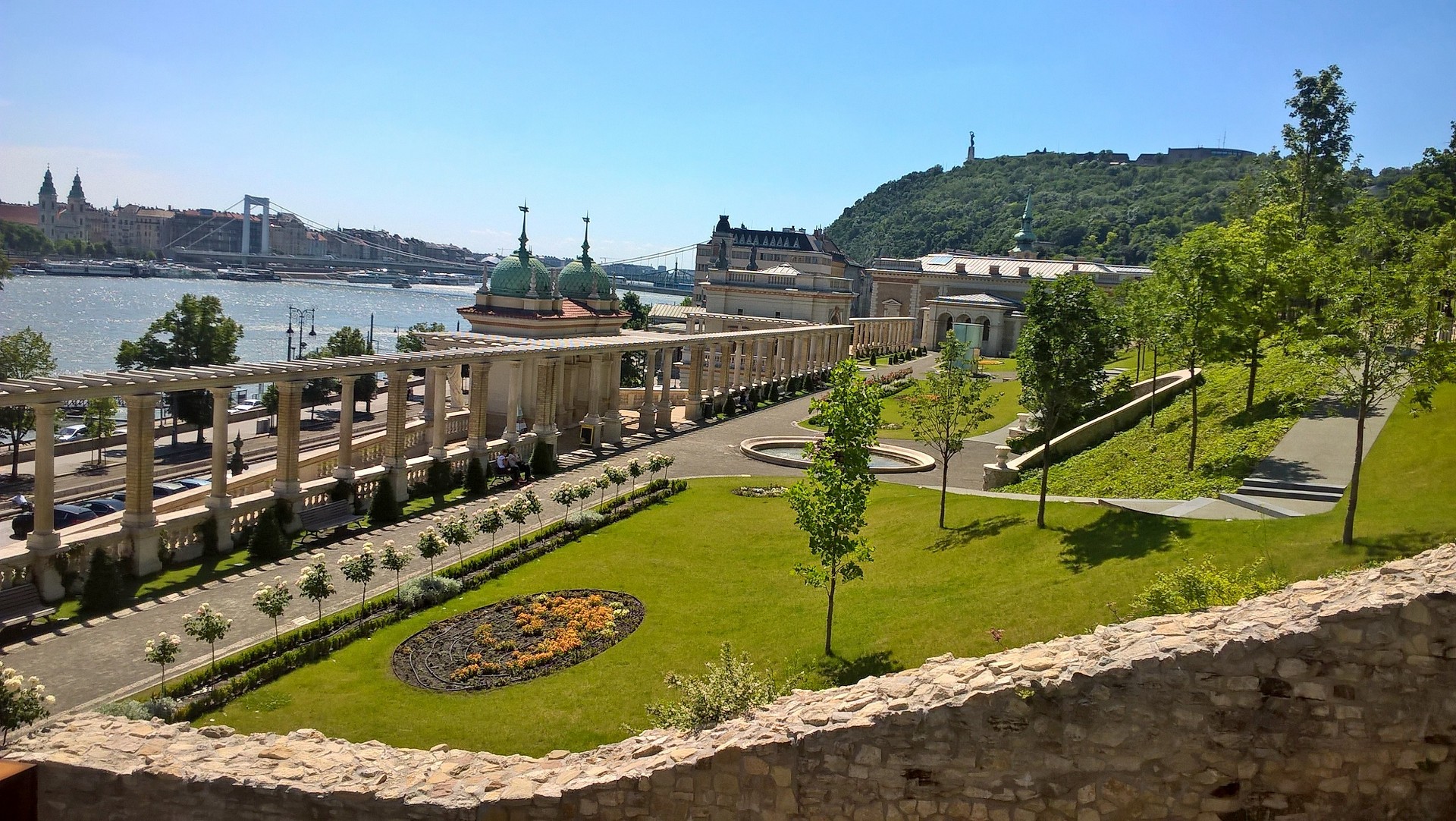
The Castle Garden Bazaar offers another completely different atmosphere.

Instead of overwhelming decoration, its entrance combines carved wood, stained glass and soft colours to create a calm, welcoming space that feels almost intimate compared with the grand buildings of central Pest.

It’s an easy detail to miss while walking towards the castle, yet one of my personal favourites.

The Timeless Portal of Matthias Church

In Buda Castle, the entrance of Matthias Church reminds visitors that not every beautiful doorway belongs to the Art Nouveau period.

Its Gothic stone portal, carved arches and heavy wooden doors have welcomed generations of kings, pilgrims and travellers for centuries, creating one of Budapest’s most atmospheric entrances.

Looking Up, Slowing Down

These are just a few of my favourite beautiful entrances in Budapest, each with its own architectural personality. One of the greatest joys of exploring Budapest is learning to notice the details that many people simply walk past.

A doorway, an iron gate, a mosaic or a piece of stained glass can completely change the way you experience the city. These small discoveries often become the moments visitors remember long after the famous landmarks.

That’s one of the things I enjoy most on my private tours—helping guests see Budapest not only through its major attractions, but through the craftsmanship and hidden details that give the city its unique character.

If you’d like to discover the stories hidden behind Budapest’s architecture, I’d be delighted to create a private tour designed around your interests.
Beautiful Entrances in Budapest You Shouldn't Miss

We were very fortunate with my travellers and got invited to the very top of the Buda Castle district, to the rooftop skybar of the Hilton Hotel. I highly recommend the White Raven Skybar, views are amazing and I can guarantee you’ll have a very good time. Don’t forget to reserve in advance!

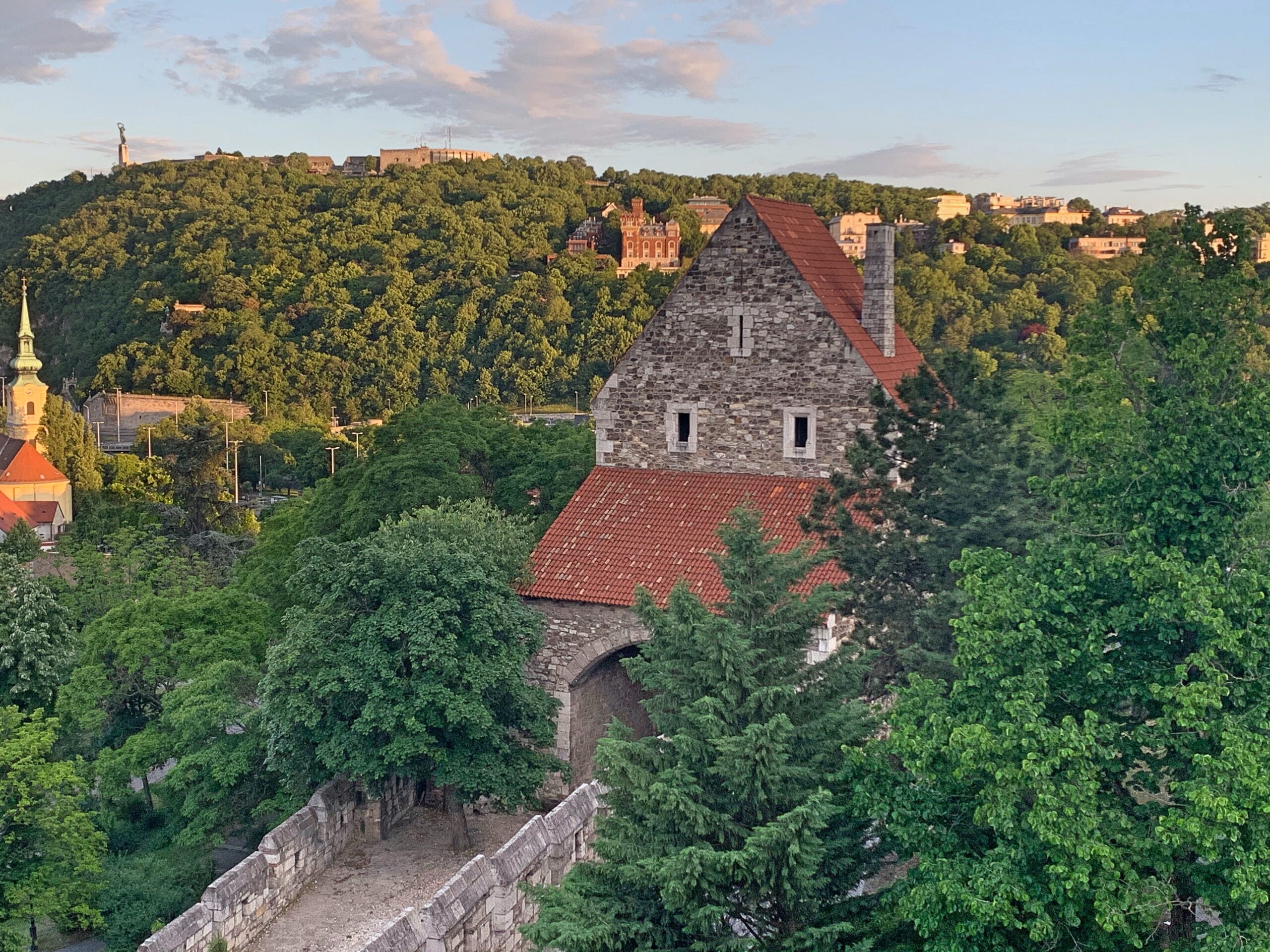
The Buda Castle District is the oldest part of Buda and one of the most atmospheric areas of Budapest. Built high on Castle Hill, it has been the political, religious, and strategic heart of the city since the Middle Ages. Long before Budapest became a unified capital, Buda was already an important royal center. By the mid-13th century, the hilltop was crowned with fortifications, a medieval town, and a royal residence — setting the foundations for the historic district we explore today.

Not a “Real” Castle — and That’s the Story

One small but important clarification often surprises visitors: the Buda Castle District is not a single intact medieval castle.

The original Gothic and Renaissance royal palace — once home to Hungarian kings — was largely destroyed during the wars of the 17th century. What survives today are fragments, foundations, and stories. Some of these remains can be seen in the Budapest History Museum, while much of the medieval castle still lies hidden beneath the ground.

What you see above ground today is mostly the result of later rebuilding — especially the grand 18th-century Baroque palace, which now dominates the hilltop.

Walking Through Centuries

One of the best ways to experience the district is simply on foot. As you walk uphill along former ramparts and quiet lanes, the layers of history gradually reveal themselves.

The Baroque palace complex today houses major cultural institutions, including the Hungarian National Gallery, while the surrounding streets form the historic old town of Buda.

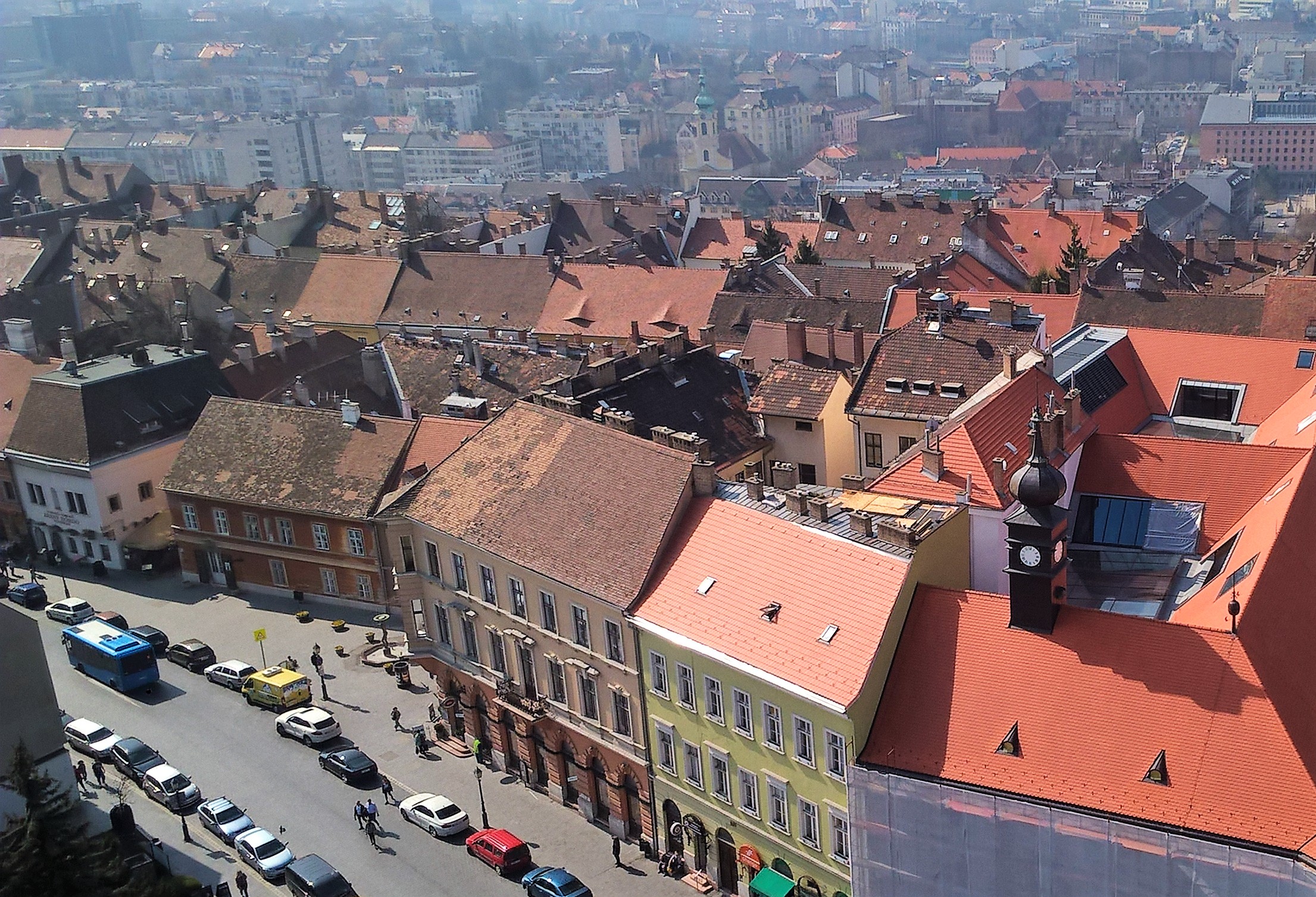
Cobblestoned streets, pastel façades, and hidden courtyards lead naturally toward one of the district’s most iconic landmarks: Matthias Church.

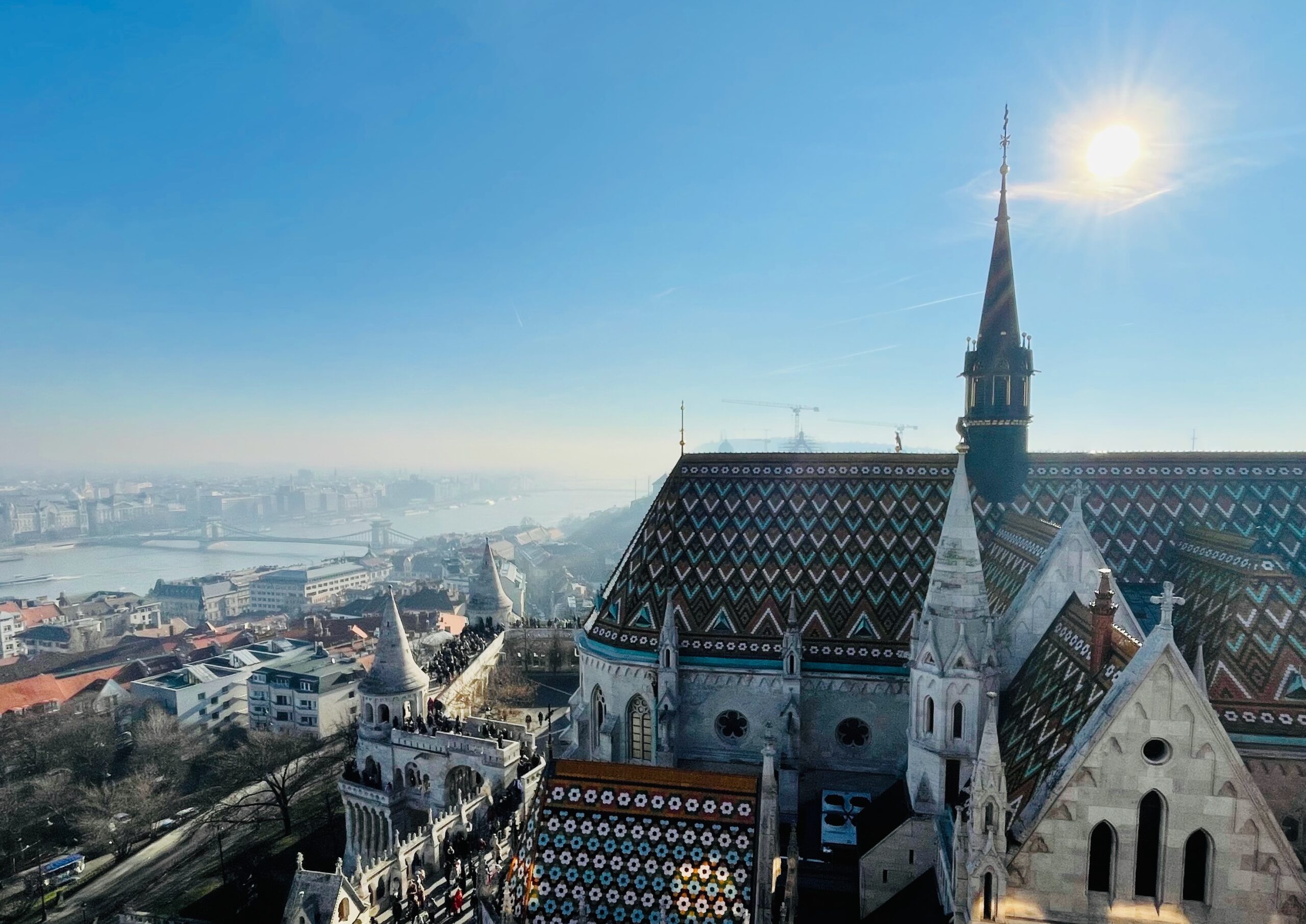
For those willing to climb higher, the church tower rewards you with one of the finest panoramic views over Budapest — a perspective that makes the city’s geography instantly clear.

Views That Define Budapest

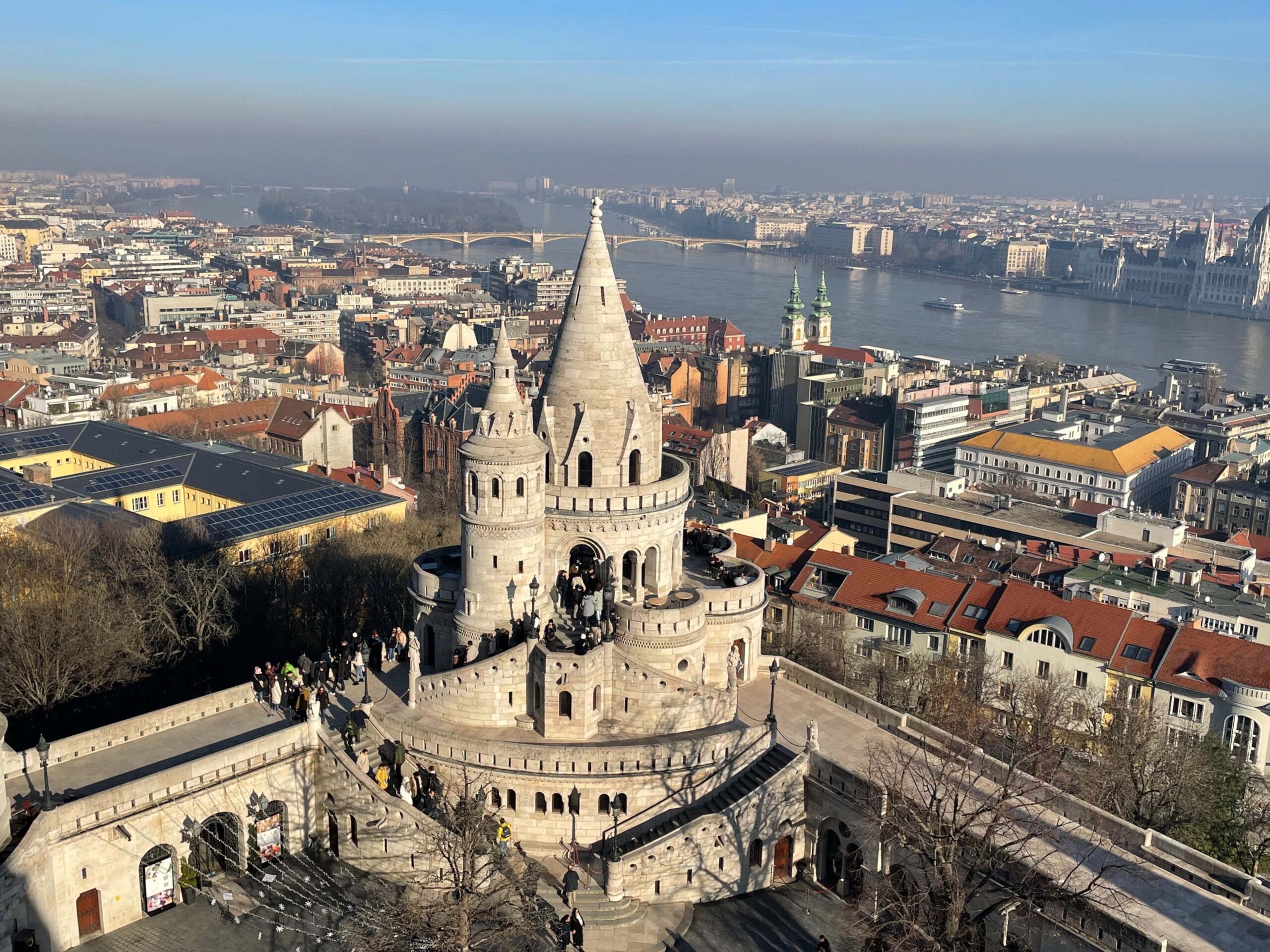
Just a few steps away, the Fisherman’s Bastion offers one of the most famous panoramas in Hungary.

From its terraces, the view opens across the Danube to the Pest side, with the Hungarian Parliament building perfectly framed below. It’s a moment that connects medieval Buda with 19th-century Pest — and helps explain why this hill has always been so important.

The Civilian Town and Forgotten Quarters

Beyond the postcard views, the district also tells quieter stories. Walking through the former civilian town, you encounter elegant residences, the striking architecture of the Hungarian National Archives, and traces of communities that once lived side by side here — including the old Jewish quarter of Buda.

These streets feel calmer, more residential, and often reveal details that are easy to miss without context.

A City Beneath the City

Perhaps the most surprising fact about the Buda Castle District lies underground.

Beneath the streets stretches a 12-kilometer-long network of caves and cellars, used over centuries for storage, shelter, and survival. Today, parts of this underground world can be explored through two very different museums.

The Hospital in the Rock served as a military hospital during World War II and later as a nuclear bunker during the Cold War.
The Labyrinth of Buda Castle offers a more theatrical experience — with legends, shadows, and even a brush with Dracula.

The Buda Castle District reveals its true character when explored slowly and with context — beyond just the highlights.

I’d be happy to show you both the famous landmarks and the quieter corners during one of my Budapest walking tours, always adapting the walk to your interests and pace. If you’d like to discover the district through stories, viewpoints, and hidden details, feel free to get in touch.


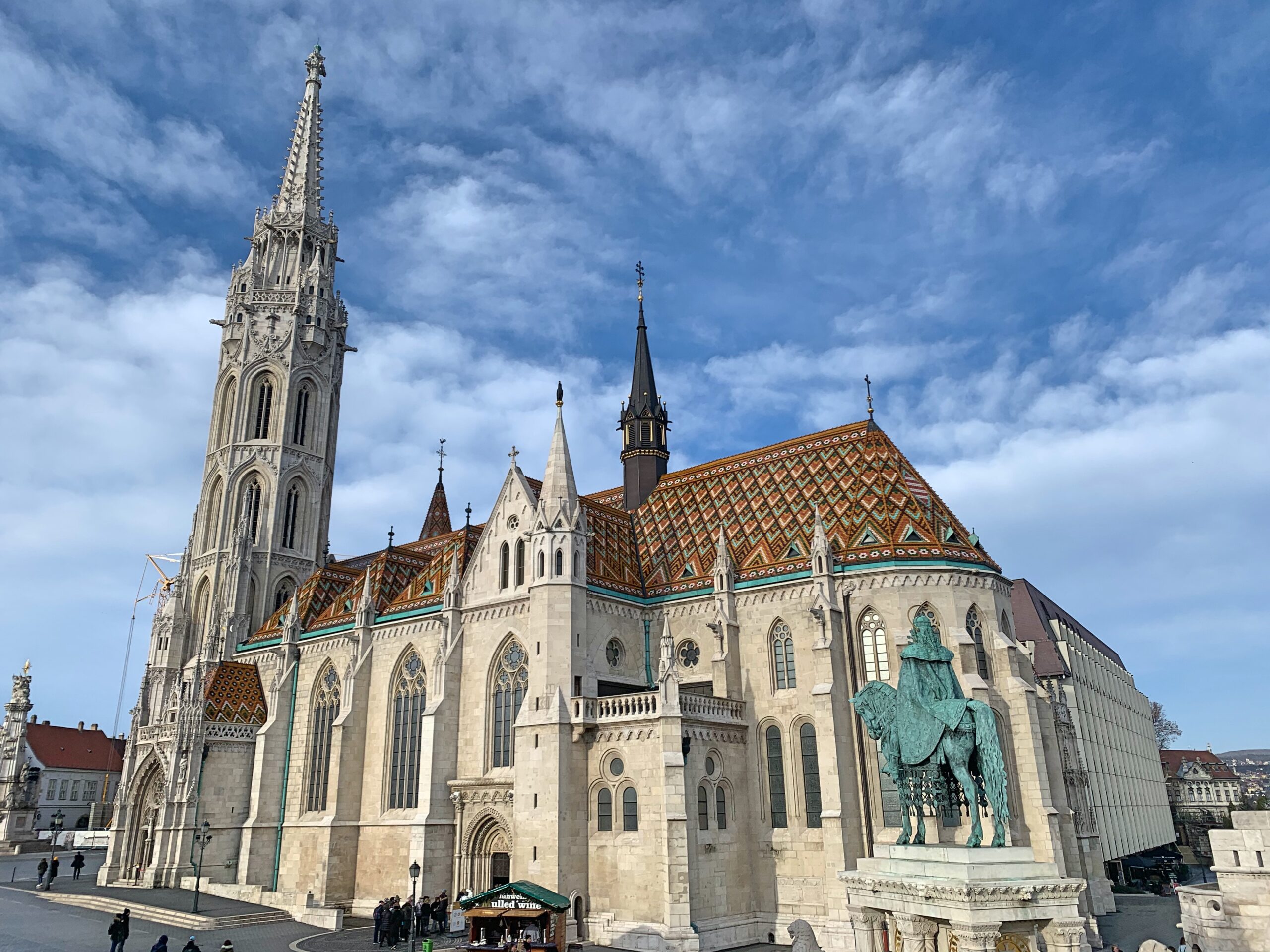
Perched high above the city in the heart of the Buda Castle District, Matthias Church is one of the most remarkable and layered monuments in Budapest. More than just one of the city’s oldest churches, it is a living witness to over a thousand years of Hungarian and European history — still functioning today as an active place of worship.

Walking through its doors is like stepping into a richly illustrated history book, where every wall, pattern, and symbol tells a story.

Where Sacred History Meets Power and Politics

The church stands on the highest point of Castle Hill, within the Buda Castle District, a location chosen deliberately. For centuries, this was the center of royal power, religious authority, and military strategy.

Although commonly called Matthias Church, its official name is the Church of Our Lady. The popular nickname comes from King Matthias Corvinus, one of Hungary’s most beloved rulers, who left a strong mark on the building’s history — including royal ceremonies and architectural additions.

A Rare Blend of Christian and Ottoman Heritage

One of the church’s most fascinating aspects is something many visitors miss at first glance:
the coexistence of Christian and Muslim decorative elements.

During the Ottoman occupation in the 16th century, the church was converted into a mosque. While later reconsecrated as a Christian church, traces of this period remain visible — a rare and tangible reminder of how cultures overlapped, clashed, and influenced one another in Central Europe.

Very few churches in Europe still preserve such visible layers of both traditions in one space.

A “New” Church with an Old Soul

At first glance, Matthias Church looks surprisingly fresh and colorful — almost too perfect to be medieval. That’s because much of what we see today dates from a major 19th-century restoration.

Rather than aiming for strict historical accuracy, the restorers created a romantic, idealized vision of the Middle Ages, rich in symbolism, patterns, and colour. The result is an interior that feels theatrical, immersive, and deeply atmospheric.

Look closely, and you’ll notice:

  • painted walls instead of bare stone

  • intricate motifs inspired by folk art and medieval manuscripts

  • a strong sense of storytelling rather than minimalism

The Roof That Became an Icon

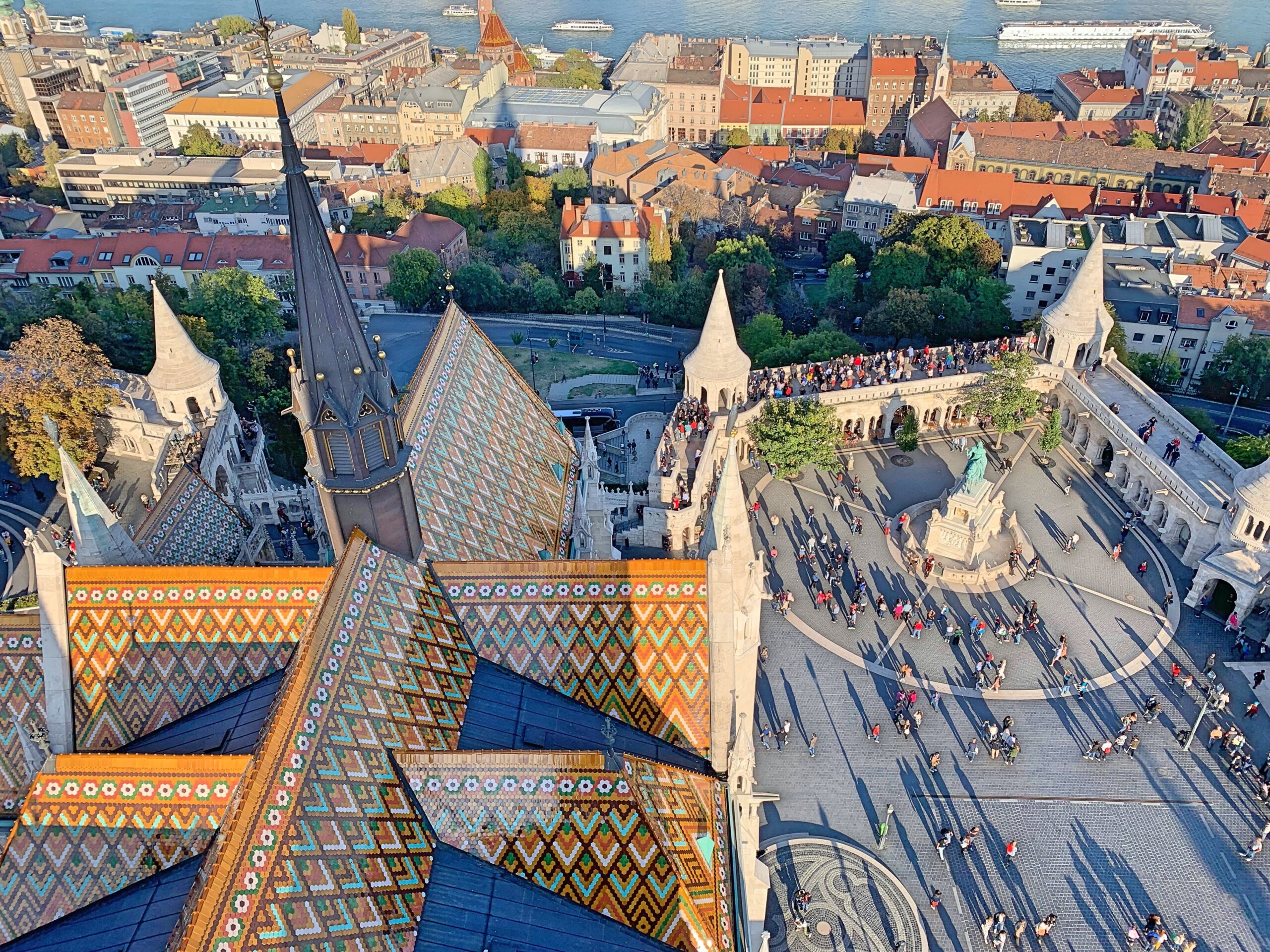
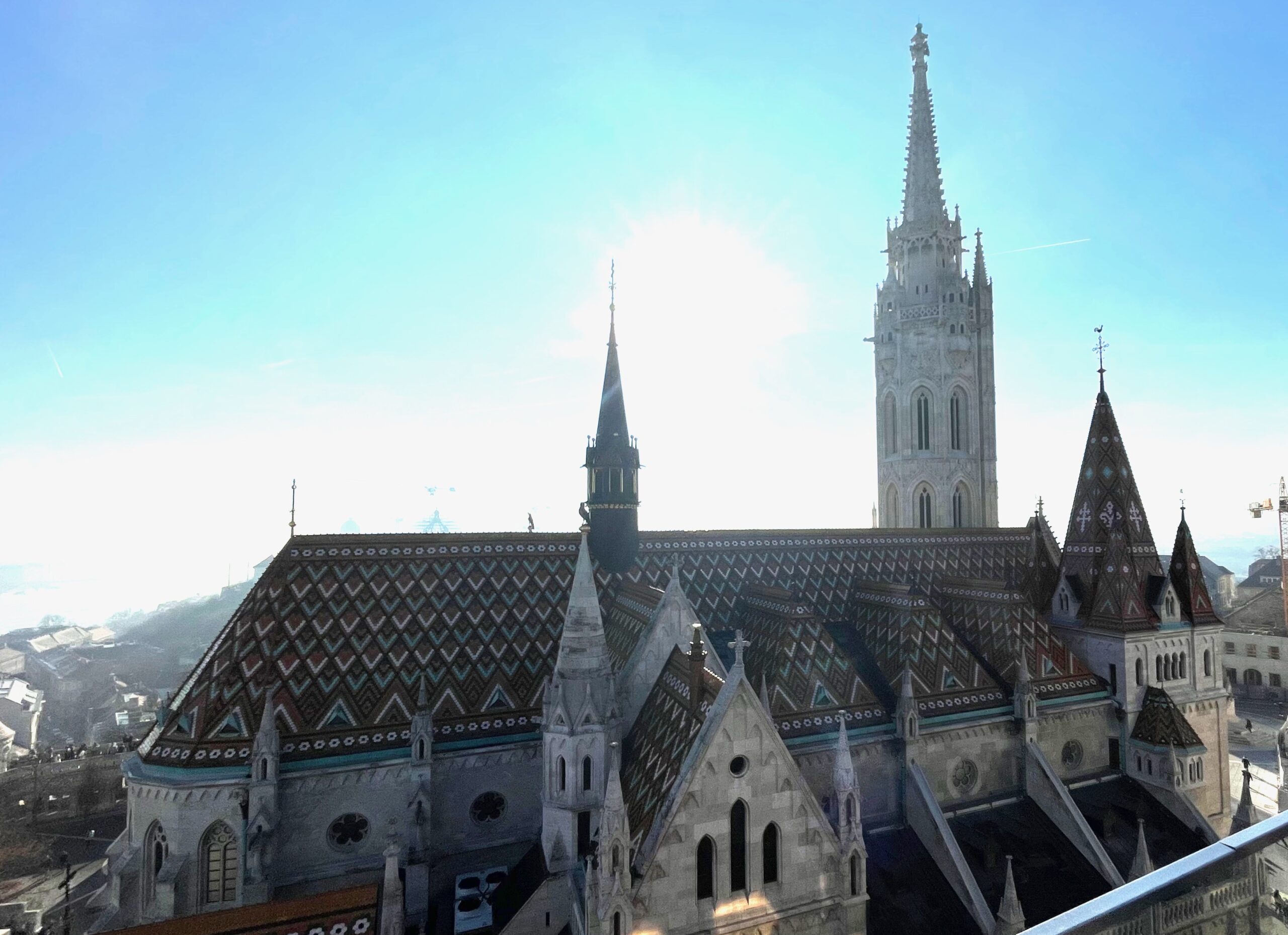
One of the most photographed features of Matthias Church is its spectacular roof, covered with around 250,000 colorful ceramic tiles produced by the famous Zsolnay factory.

The geometric patterns shimmer differently depending on the light and weather, making the church a visual highlight of the skyline in every season — from bright summer sun to snowy winter days.

Climbing the Spire: A Different Perspective

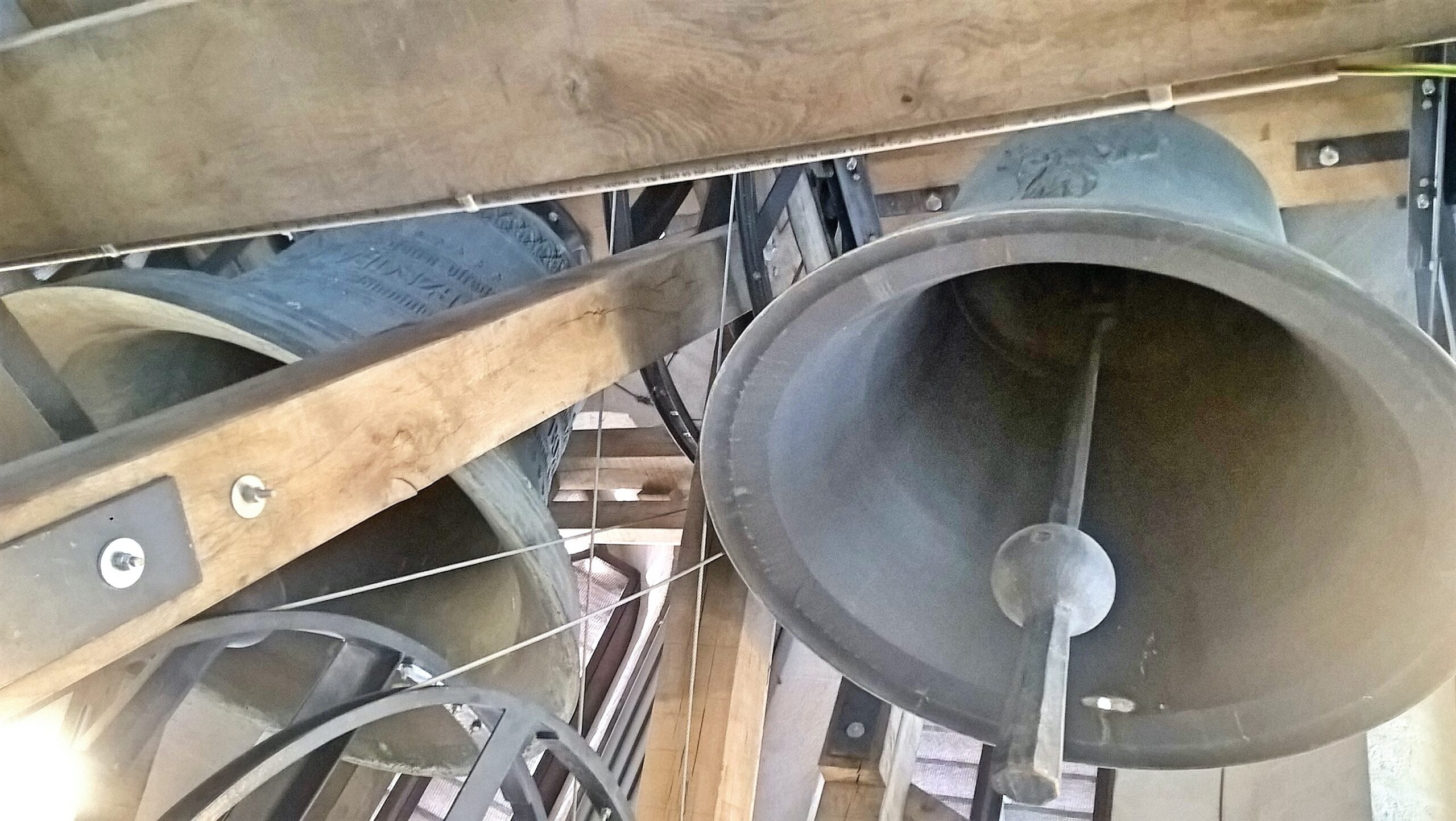
For those willing to climb higher, the church’s spire offers a rewarding experience. On the way up, you can:

  • admire the roof structure from close range

  • see the church bells

  • gain a rare, elevated view over the rooftops of Buda and Pest

From the top, the city feels surprisingly quiet and distant — a contrast to the crowds below and a reminder of why this hill has always been such a strategic and symbolic location.

Why Matthias Church Is Worth More Than One Visit

Matthias Church is not just something to “tick off” a sightseeing list. It’s a place that reveals more the deeper you look — whether through its symbols, its hidden historical layers, or the stories connected to kings, invasions, restorations, and everyday faith.

It’s also one of the key stops on my Buda Castle walks, where these details come to life through stories — including a few darker and more unexpected chapters that most guidebooks leave out.

Timeless Visitor Tips

  • Visit once for the exterior views, and once for the interior — they feel like two different experiences

  • Look beyond the altar: side chapels and wall details often hold the most interesting stories

  • Even if you’re not usually drawn to churches, the colours and symbolism here make it unique in Europe

If you’d like to experience Matthias Church as part of a broader story rather than a rushed visit, I’m always happy to stop here during one of my Budapest walking tours.

Exploring the church in context — together with the Castle District, its viewpoints, and hidden details — often makes the experience much richer and more memorable.

If this sounds like your kind of travel, feel free to get in touch and we can shape a walk that suits your interests and pace.