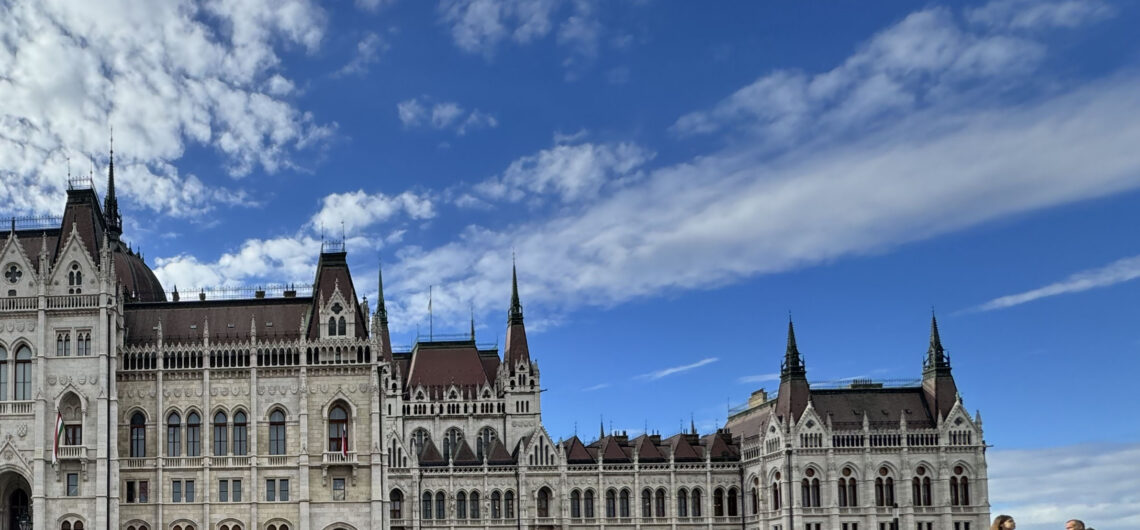
Every year on the 10th of June, architecture lovers around the world celebrate International Art Nouveau Day. It’s a wonderful opportunity to discover Budapest Art Nouveau, one of the city’s most beautiful and fascinating architectural treasures.

For me, however, Art Nouveau is much more than a single day on the calendar. It is one of the reasons I fell in love with Budapest.

Some people visit Budapest for the Parliament, others for the thermal baths or the famous cafés. While I love all of those, I have always been fascinated by the city’s Art Nouveau treasures. The colours, the flowing lines, the stained glass, the symbolism hidden in every detail – they transform ordinary buildings into works of art.

More importantly, they invite us to slow down and look closer.

What Is Art Nouveau?

Art Nouveau emerged across Europe around the turn of the 20th century as a reaction against the rigid styles that had dominated architecture and design for centuries.

Instead of straight lines and strict symmetry, Art Nouveau embraced nature.

Flowers, leaves, peacocks, butterflies, vines, and flowing curves became the defining elements of a new artistic language. Architects, artists, and craftsmen wanted beauty to be part of everyday life, not something reserved for museums. In Budapest, this movement found a particularly unique expression.

The Hungarian Secession

While Art Nouveau appeared across Europe under different names, Hungary developed its own distinctive version known as the Secession style.

Hungarian architects combined the international Art Nouveau movement with local traditions, folk art motifs, and innovative materials. Colourful Zsolnay ceramics, floral decorations inspired by Hungarian embroidery, and rich symbolism became hallmarks of the style.

The result is something that feels both international and unmistakably Hungarian.

When visitors explore Budapest, they often recognise the grand buildings. What they don’t always realise is that some of the city’s most beautiful stories are hidden in the details.

The Details Most Visitors Miss

One of the things I enjoy most as a guide is watching people discover Art Nouveau for the first time.

At first, they notice the building. Then they notice the details.

  • A flower carved into stone.
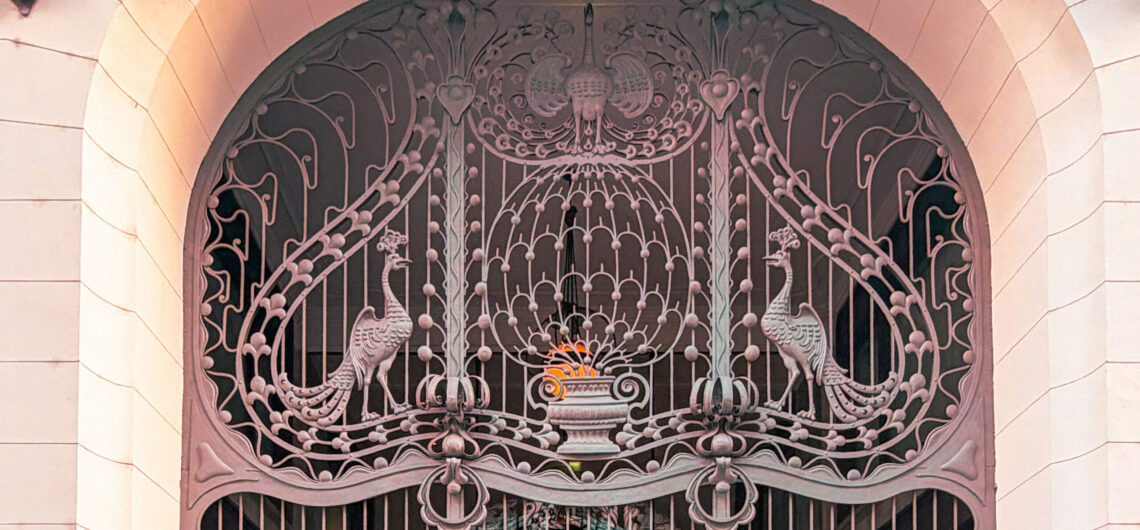
  • A peacock decorating an entrance gate.
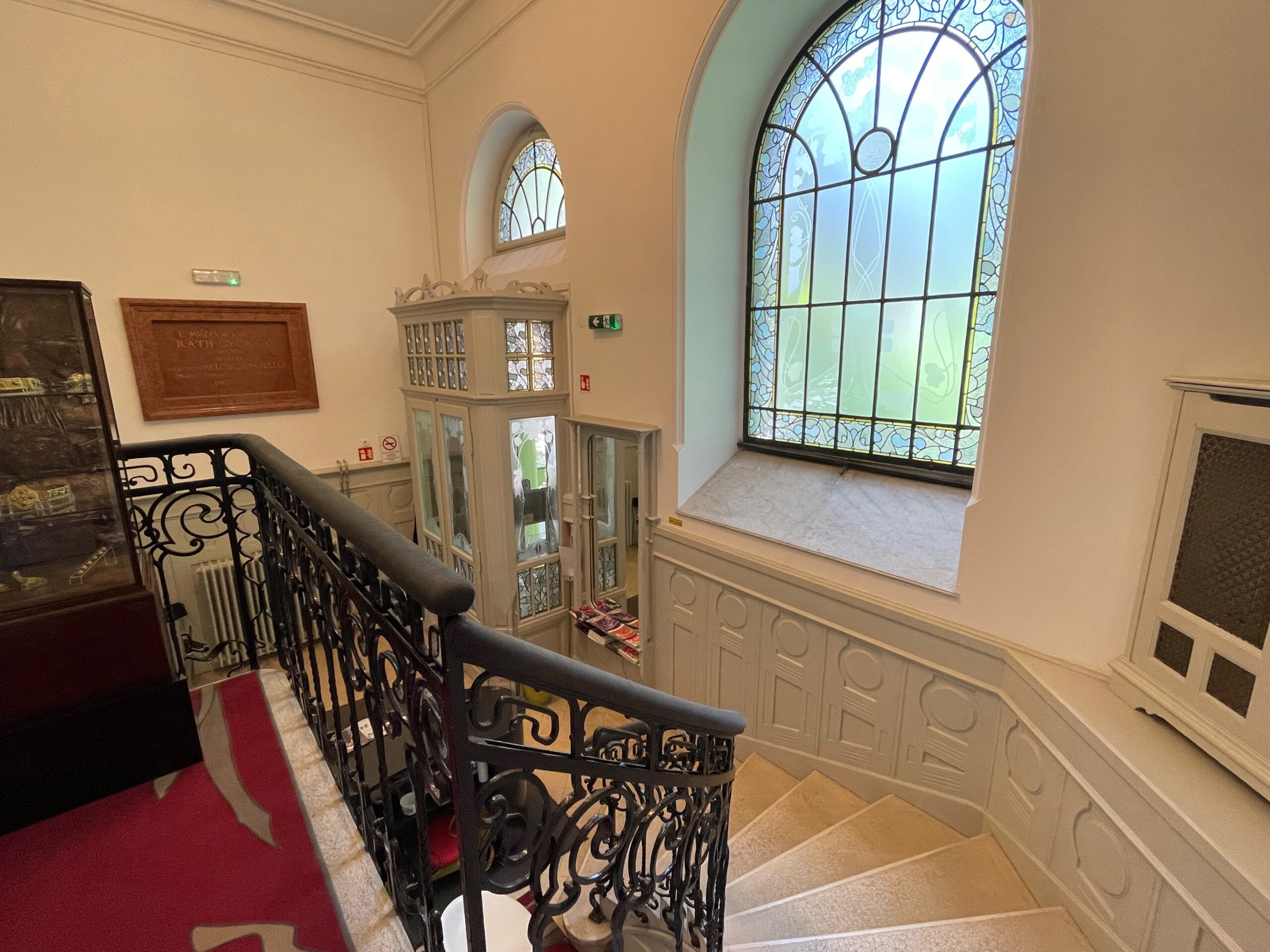
  • A stained-glass window glowing in the afternoon light.
  • A wrought-iron balcony that resembles a living plant.

Once you start looking, you begin to see these details everywhere. Art Nouveau rewards curiosity. The more closely you look, the more you discover.

Many visitors walk past these treasures without ever noticing them, which makes finding them feel even more special.

My Favourite Art Nouveau Places in Budapest

Over the years, I’ve collected a long list of favourite Art Nouveau locations in Budapest. Some are famous, while others remain hidden gems.

Róth Miksa Memorial House

One of the most intimate Art Nouveau experiences in Budapest. The former home and workshop of stained-glass master Róth Miksa offers a fascinating glimpse into the craftsmanship behind many of the city’s most beautiful decorative elements.

Bedő House

Former home to the Hungarian Art Nouveau Museum, this remarkable building showcases elegant floral motifs, decorative balconies, and beautiful architectural details both inside and out.

Párisi Udvar

Many visitors admire this spectacular building without realising how many decorative details cover its façade. Looking up reveals a fascinating combination of Art Nouveau, Gothic Revival, and Moorish influences.

Gresham Palace

Perhaps Budapest’s most famous Art Nouveau building, the former apartment palace features beautiful ironwork, mosaics, stained glass, and the famous peacock motifs that have become symbols of Hungarian Art Nouveau.

Ráth György Villa

A hidden treasure for anyone interested in decorative arts. The villa offers beautifully preserved interiors and an excellent introduction to the artistic world of the period.

Sonnenberg House

One of Budapest’s lesser-known Art Nouveau masterpieces. Its ongoing restoration highlights the importance of preserving these architectural treasures for future generations.

Why International Art Nouveau Day Matters

International Art Nouveau Day is celebrated every year on the 10th of June, encouraging people to discover and appreciate this extraordinary artistic movement. For me, it serves as a reminder that beauty is often found in the smallest details.

In a world that moves increasingly fast, Art Nouveau encourages us to pause, observe, and appreciate craftsmanship. It reminds us that architecture can be practical and beautiful at the same time.

Perhaps that is why I never grow tired of exploring Budapest’s Art Nouveau buildings. No matter how many times I walk past them, I always notice something new.

Budapest Rewards Curiosity

More than a century after these buildings were created, they continue to inspire visitors from around the world.

  • Their flowers still bloom in stone.
  • Their stained glass still catches the sunlight.
  • Their peacocks still watch over busy city streets.
  • And their stories are still waiting to be discovered.

If you’re planning a visit to Budapest, I encourage you to look beyond the famous landmarks and take a closer look at the details. You might be surprised by what you find.

Because in Budapest, curiosity is almost always rewarded.

Budapest Is Hiding Secrets in Plain Sight

Budapest is world-famous for its grand architecture and historic cafés, but some of its most beautiful Art Nouveau treasures are much more intimate. Tucked away on a quiet street in the 7th district, the Róth Miksa Memorial House is one of those rare places that feels like a personal discovery rather than a tourist attraction.

This small museum offers a different way of experiencing Budapest: through colour, light, and craftsmanship — the very elements that define the city’s Art Nouveau heritage.

Who was Róth Miksa?

Róth Miksa was one of Hungary’s most important masters of stained glass and mosaic art at the turn of the 19th and 20th centuries. His works can still be admired across Budapest, decorating churches, public buildings, and elegant private interiors.

What makes this museum especially meaningful is that it was once his home and workshop. Visiting it feels less like walking through an exhibition and more like stepping into the personal world of an artist whose creations quietly shaped the city’s visual identity.

Many of the themes and techniques you see here reappear throughout Budapest — once you notice them, you start spotting Art Nouveau details everywhere.

What makes this museum so special?

The Róth Miksa Memorial House is small, but rich in atmosphere. Original stained glass windows fill the rooms with soft, colourful light, while mosaics and decorative details reveal the incredible level of craftsmanship behind each piece.

Unlike larger museums, this is a calm and immersive experience. You’re not rushing from room to room — instead, you’re invited to slow down and really observe. It’s one of those places where even visitors who don’t usually enjoy museums find themselves lingering.

If you’re interested in Art Nouveau architecture, design, or photography, this museum offers endless inspiration in a very compact space.

Why I recommend it as a local guide

As a Budapest-based guide, I often look for places that help visitors understand the city’s layers, not just see its highlights. This museum does exactly that.

It’s:

  • ideal on a cold, rainy, or winter day

  • perfect for travellers who appreciate beauty without crowds

  • easy to combine with a café stop or a relaxed walk

  • a wonderful introduction to Budapest’s Art Nouveau world

A visit usually takes 30–45 minutes, but what you learn here adds depth to everything you see afterwards — especially when exploring other Art Nouveau buildings around the city.

This is why stops like this naturally fit into my Art Nouveau-focused walks. That’s where details, stories, and connections bring the architecture to life.

Practical tips for visiting

  • Location: District VII, close to the city centre

  • Visit length: Around 30–45 minutes

  • Best for: Art Nouveau lovers, photographers, couples, curious travellers

  • Good to know: The museum is small and intimate with limited opening hours — part of its charm

If you enjoy discovering places that feel authentic rather than crowded, this museum is a wonderful addition to your Budapest itinerary.

Seeing Budapest through Art Nouveau details

The Róth Miksa Memorial House is proof that some of Budapest’s most memorable experiences happen behind unassuming doors. It’s quiet, refined, and deeply connected to the city’s artistic heritage.

For visitors who want more than just the main sights, exploring Budapest through its Art Nouveau details offers a completely different perspective on the city. Stained glass, mosaics, façades, and hidden interiors reveal a quieter, more refined side of Budapest.

If this way of discovering Budapest speaks to you, feel free to explore my guided walks or get in touch — I’m always happy to help you experience the city beyond the obvious.

Sometimes, the most beautiful stories in Budapest are told through glass, light, and quiet craftsmanship.

Róth Miksa Memorial House – A Hidden Art Nouveau Gem in Budapest

I’m a huge admirer of the Hungarian Art Nouveau movement, and I’m always proud to show travellers some of Budapest’s most beautiful Art Nouveau buildings. For me, the former home of György Ráth, the first director of the Museum of Applied Arts, is a true jewellery box — both the building itself and the artworks and furniture on display are absolutely unique.

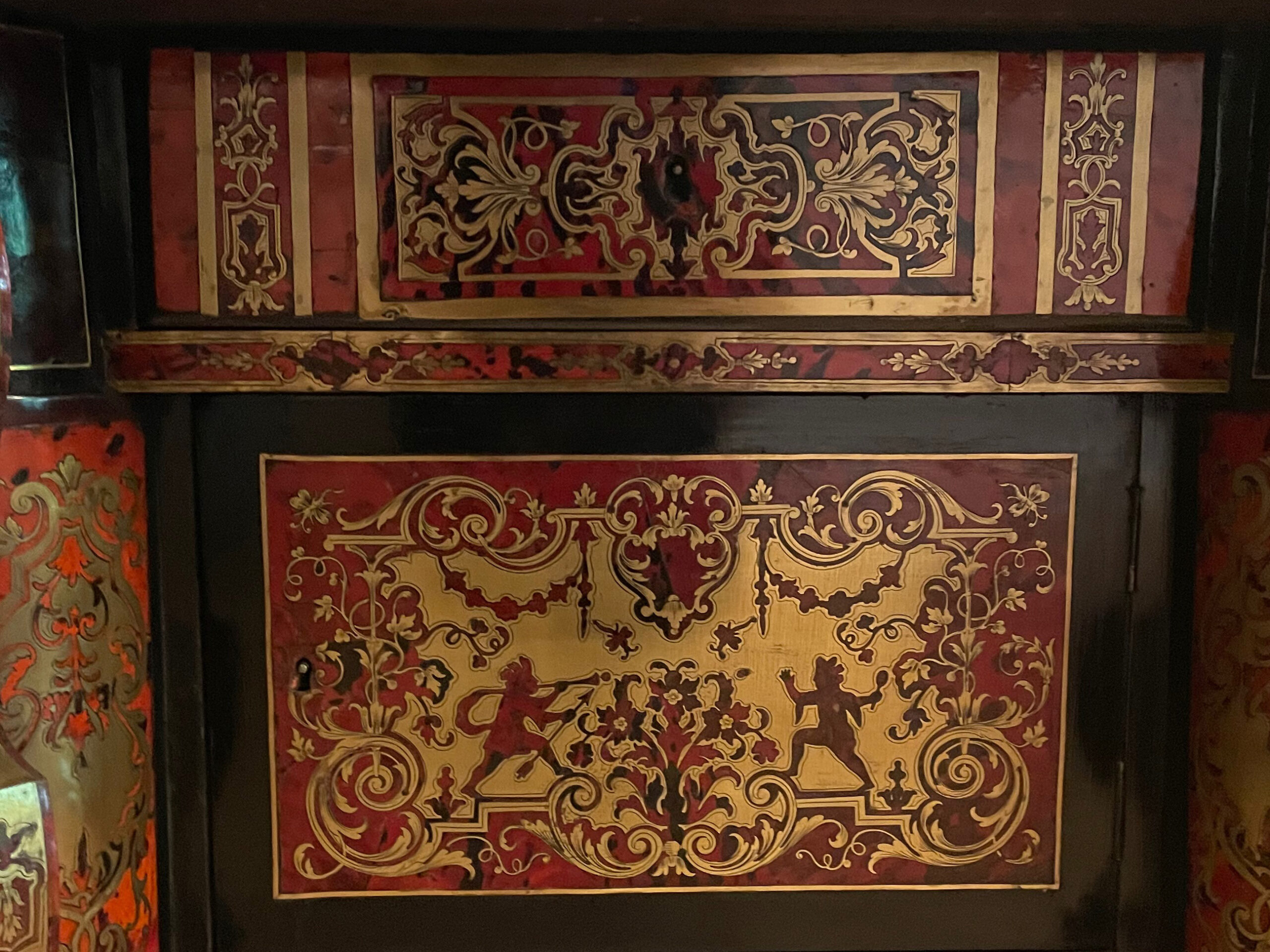
Originally built as the Ráth family home, the villa today houses the permanent exhibition “Art Nouveau – A Hungarian Perspective.” Every room feels different, yet perfectly harmonious. The furniture, textiles, ceramics, and artworks were selected and arranged with such care that visiting the villa feels like stepping into the private world of a cultured, well-travelled family.

Walking through the rooms is an intimate experience — like visiting an elderly relative whose home is filled with authentic objects, each telling its own story. Nothing feels staged or distant; everything feels lived-in, warm, and deeply personal.

Tips for your Ráth György Villa Visit

When visiting the villa, don’t forget to take a walk along Városligeti fasor, one of Budapest’s most elegant avenues, lined with fascinating Art Nouveau villas. It’s the perfect continuation of the experience and an often-overlooked highlight of the City Park area.

If you’re fascinated by Art Nouveau, this villa is a beautiful stop to include in a custom Art Nouveau walking tour of Budapest.