This Communist Budapest private walking tour is an extended version of my Communist Budapest Walk, enriched with a deeply personal element: a conversation with an eyewitness to Hungary’s Communist past. This experience combines historical context with the genuine voice of someone who lived through it.
Communist Budapest – Meeting an Eyewitness
Private Extended Walk with a Personal Perspective
Designed for travellers who want to understand how history was lived, not just recorded, this private experience explores the darkest and most formative decades of modern Hungarian history — and ends with an honest, human conversation with my father, who lived most of his life under the Communist regime and witnessed the events of 1956 firsthand.
Budapest Under Communism: City, Ideology, Everyday Life
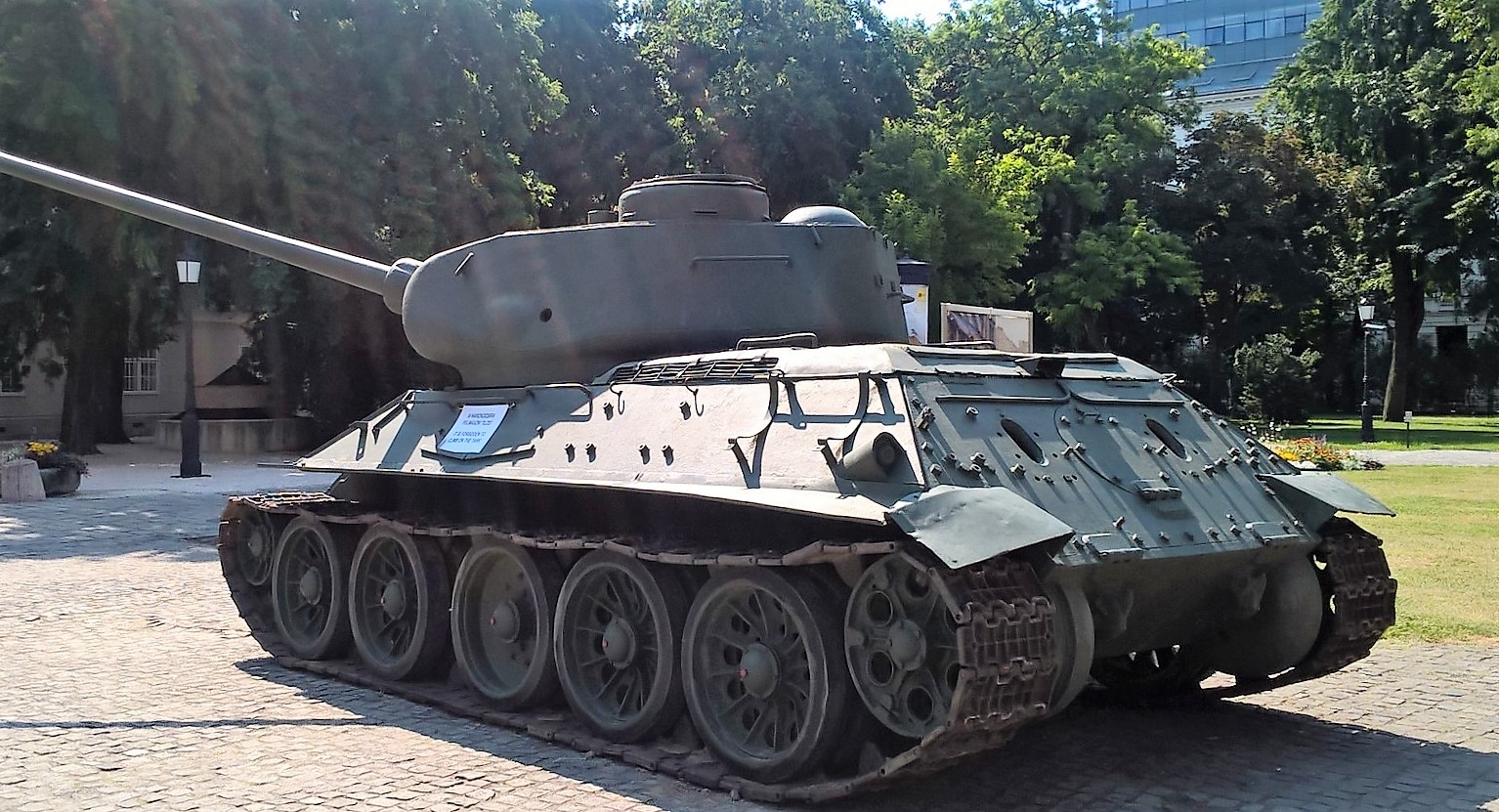
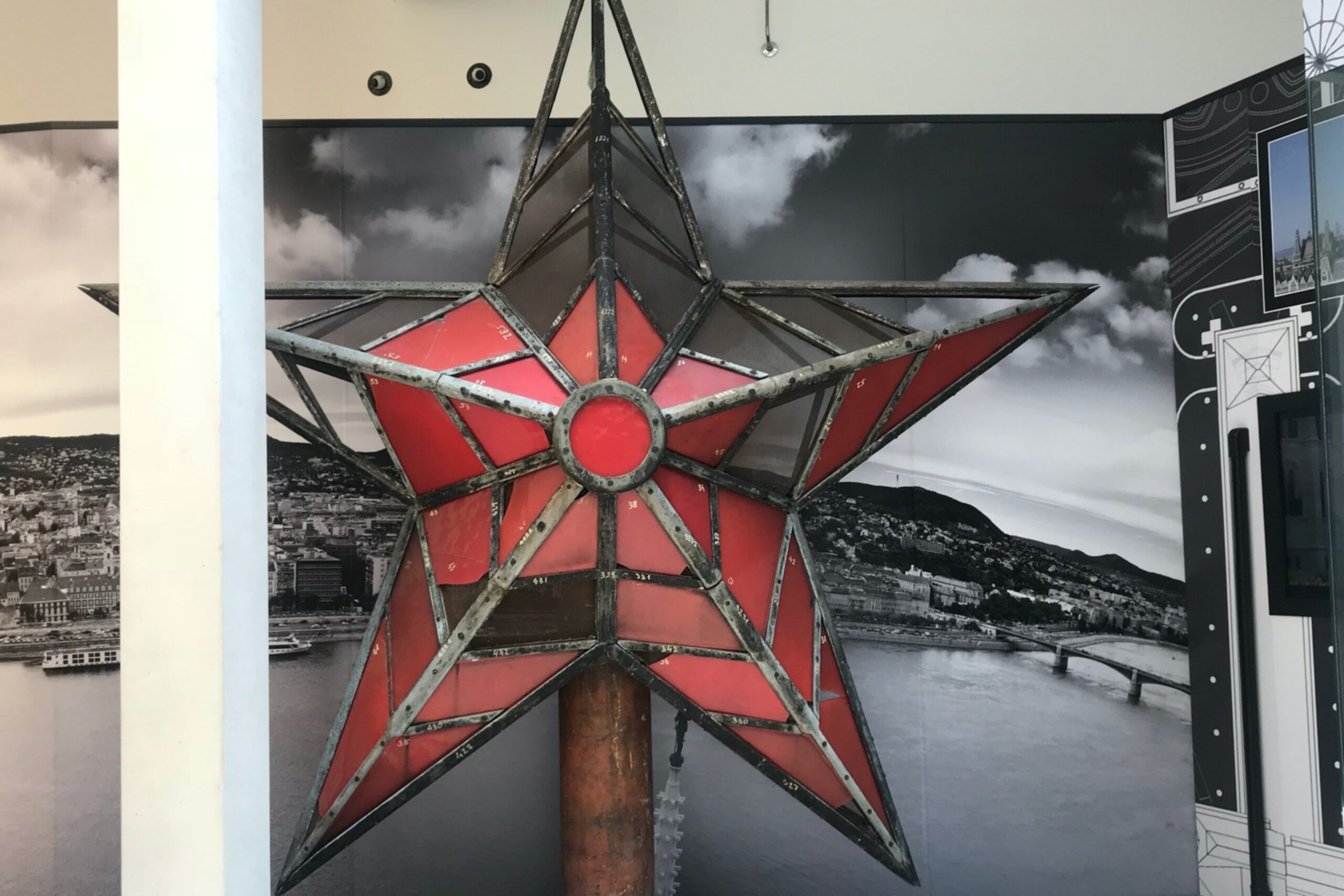
After World War II, Hungary fell under Soviet occupation, and the new political system reshaped not only people’s lives, but also the face of Budapest itself. Ideology reached into homes, schools, workplaces — and into the streets and squares of the city.
During the walking tour, I’ll help you understand:
-
how daily life changed under dictatorship
-
what it meant to grow up and live “behind the Iron Curtain”
-
why Budapest once felt grey and silent, so different from the vibrant city you see today
This part of the tour focuses on context — political, social, and emotional — so that monuments and buildings begin to make sense.
Key Sites of Communist Memory
As we walk through the city, we’ll stop at carefully chosen locations that reflect different aspects of the Communist period, including:
-
The Soviet Army Memorial, the only remaining memorial of its kind in the city
-
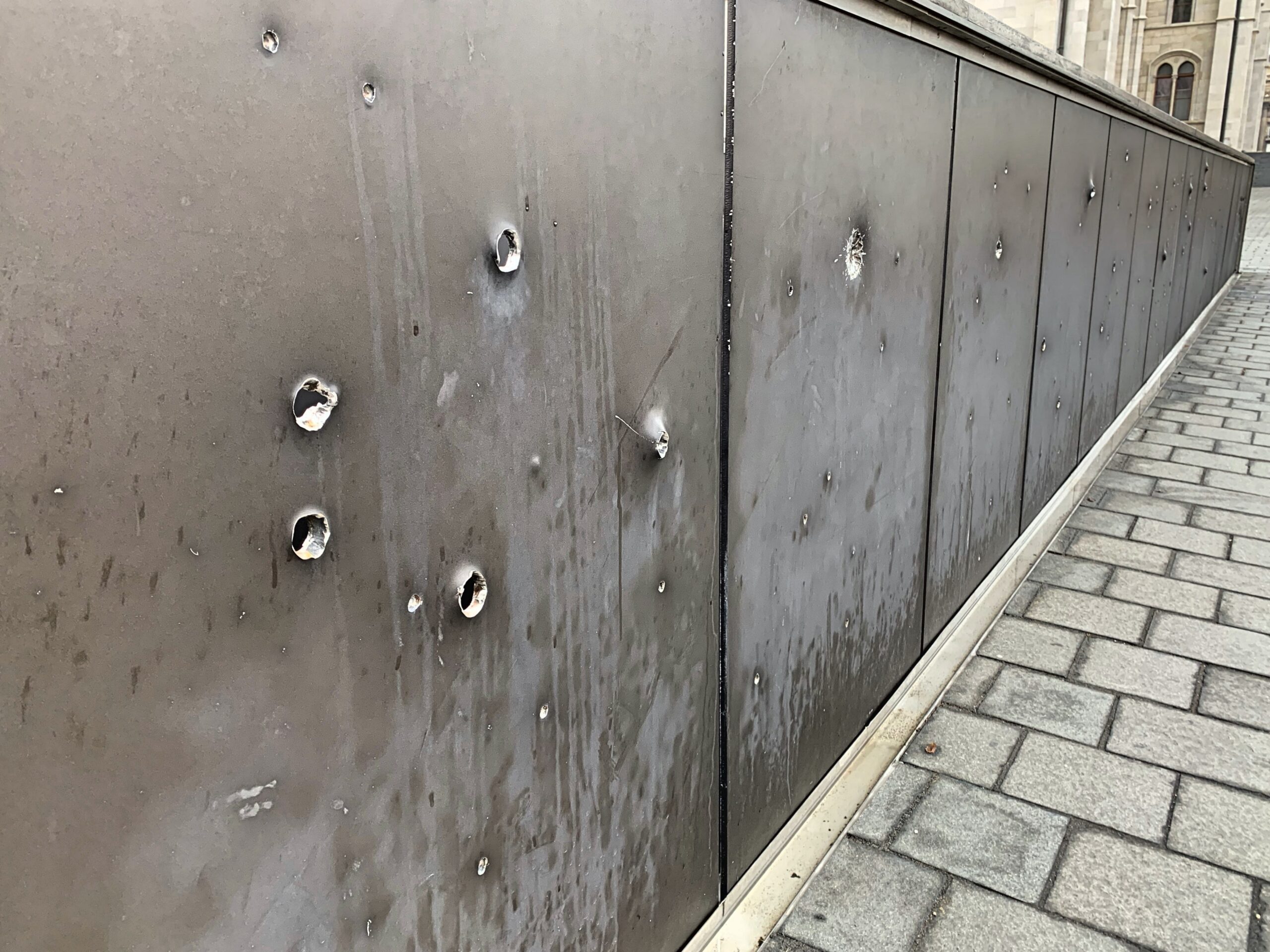
Monuments commemorating the 1956 Hungarian Revolution, including sites near the Hungarian Parliament Building
-
Heroes’ Square, where history, symbolism, and political messaging intersect
We’ll talk about the freedom fighters, the crushed revolution, and the fate of Imre Nagy, the revolutionary prime minister executed after the uprising.
I’ll also point out examples of Socialist Realist architecture, helping you see how ideology was expressed through buildings and public space.
From Dictatorship to “Goulash Communism” and 1989
The tour doesn’t stop at repression. I’ll also explain:
-
the years of heavy dictatorship
-
the gradual consolidation of the 1960s
-
what Hungarians called “Goulash Communism” — a softer, but still controlled version of the system
-
the political and economic changes of 1989, when Hungary regained its freedom
These stories help explain how people adapted, coped, and quietly resisted — and how the transition to democracy was experienced on a personal level.
The Final Hour: Meeting an Eyewitness
The last hour of the tour takes place in a local café, where we meet my father.
He lived the majority of his life under Communism and carries personal memories of the 1956 revolution and its aftermath. In a relaxed, informal setting, he shares his own experiences and family stories, and is open to questions.
This is not a lecture, but a conversation — offering rare insight into:
-
everyday life under dictatorship
-
fear, silence, and small acts of courage
-
what it meant to witness history as it unfolded
For many guests, this hour becomes the most memorable part of their time in Budapest. If you’d like to understand Budapest’s Communist past through monuments, stories, and a rare personal encounter with an eyewitness, this extended private tour offers a uniquely human perspective on history.
Good to Know
-
Duration: about 5 hours
-
Private tour only: just you and your group (prices cover up to 4 people; ask for larger groups)
-
Format: walking tour + seated café conversation
-
Walking: moderate, with breaks
-
Language: English
-
Emotional weight: reflective and honest; suitable for mature audiences


| INCLUDED | Tour guiding in English |
| NOT INCLUDED | Entrance fees
Public transportation tickets (if needed) |
FAQs – Communist Budapest – Meeting an Eyewitness
Is this tour suitable for children?
This tour covers heavy historical topics and is best suited for older teenagers and adults.
Is the conversation with your father scripted?
No. It is an open, informal conversation shaped by your questions and interests.
Do I need prior knowledge of Hungarian history?
Not at all. The tour is designed to provide context and clarity from the beginning.
Can this tour be combined with something else?
Yes. This tour can easily be combined with other half-day programs or extended into a longer day trip.
Is this a private tour? How many people are included?
Yes—private for your group. Prices cover up to 4 people; ask for a quote for larger groups.
First-time visitor favourites

JEWISH QUARTER BUDAPEST WALK
"THE GRAND BUDAPEST" WALK

Tour Reviews
As Americans, my wife and I experienced the Cold War growing up by watching it on television. But to spend the day with Julia, someone that grew up in the heart of the Cold War, was truly eye opening. We saw so much of Budapest as it was shaped by the occupation, and heard about the history as she felt it. To top it off, at the end we had coffee with her dad, who was there when the Soviet tanks rolled into the city.
My wife and I have taken over 30 private tours, and this one was the most personal moving experience ever. Thank you ever so much.
Julia was a fabulous guide who shared with us her love of her country with its highs and lows. We had two private tours from her. In the first, she took us on a tour of Budapest focusing on life under communism which was an amazing picture. On the second, she took us to Eger and Godollo palace. Her knowledge of history was excellent and she was able to convey it to us in a way that was simple to understand. She was friendly and made us feel like friends. The logistics of the tours were excellent.
Leave a Review