There are moments in Hungary when you feel like time slows down. Not in the grand, obvious places—but in the quiet ones. In workshops where hands have been repeating the same movements for generations. In patterns that have been printed again and again, unchanged for centuries.

This is where you find kékfestés—Hungarian blue dyeing.

A Craft Passed Down Through Generations

Kékfestés is not just a technique. It’s a family tradition. For centuries, workshops across Hungary were run by families who guarded their knowledge carefully. The patterns, the tools, even the recipes for the resist paste were often passed down from parent to child—sometimes for five or six generations.

In a world where everything moves fast, this kind of continuity feels almost unbelievable. And yet, it still exists.

The Human Side Behind the Patterns

When you look at these deep blue fabrics, it’s easy to focus on the beauty—the delicate white motifs, the rich indigo shades. But what makes them truly special is what you don’t immediately see.

Each pattern is applied by hand using carved wooden blocks, each piece is dipped, dried, and treated with care, each imperfection tells you: this was made by a person, not a machine.

It’s slow. It’s precise. And it’s deeply human.

A UNESCO-Protected Tradition

In 2018, kékfestés was officially recognised by UNESCO as part of the Intangible Cultural Heritage of Humanity. This recognition is not just about preserving a technique—it’s about protecting a way of life.

Because crafts like this don’t survive on efficiency. They survive on dedication, identity, and community.

My Visit to the Kékfestő Múzeum

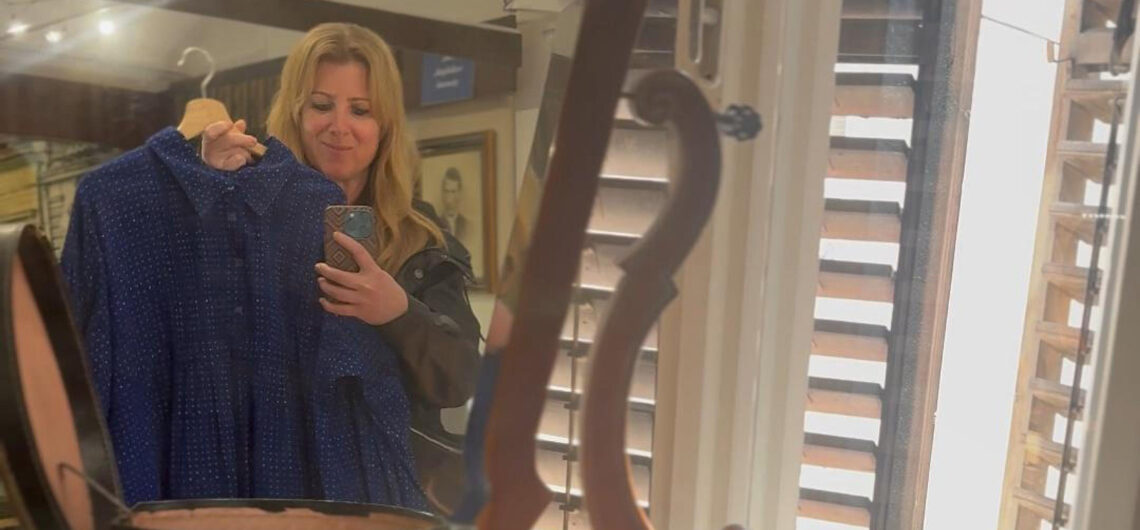
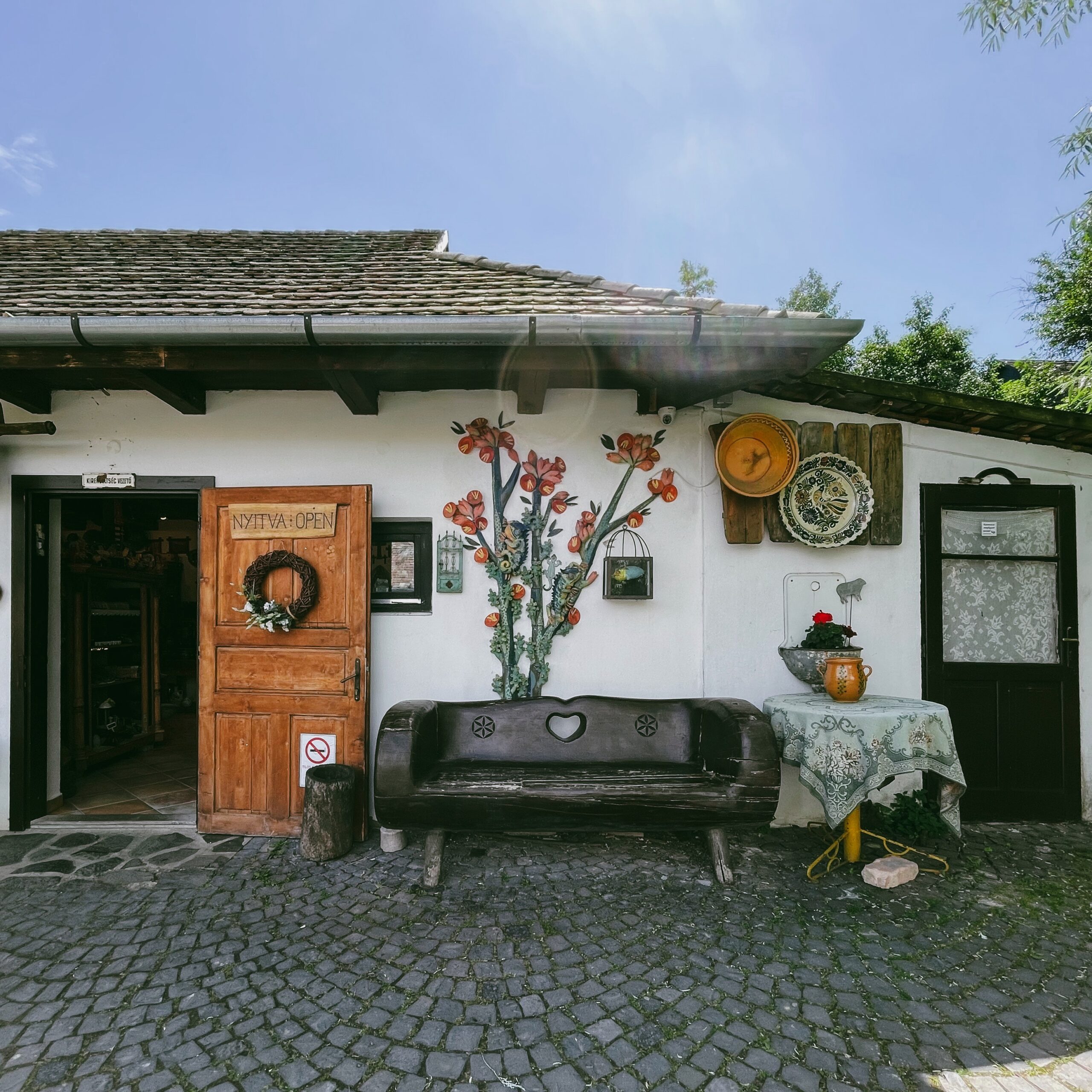
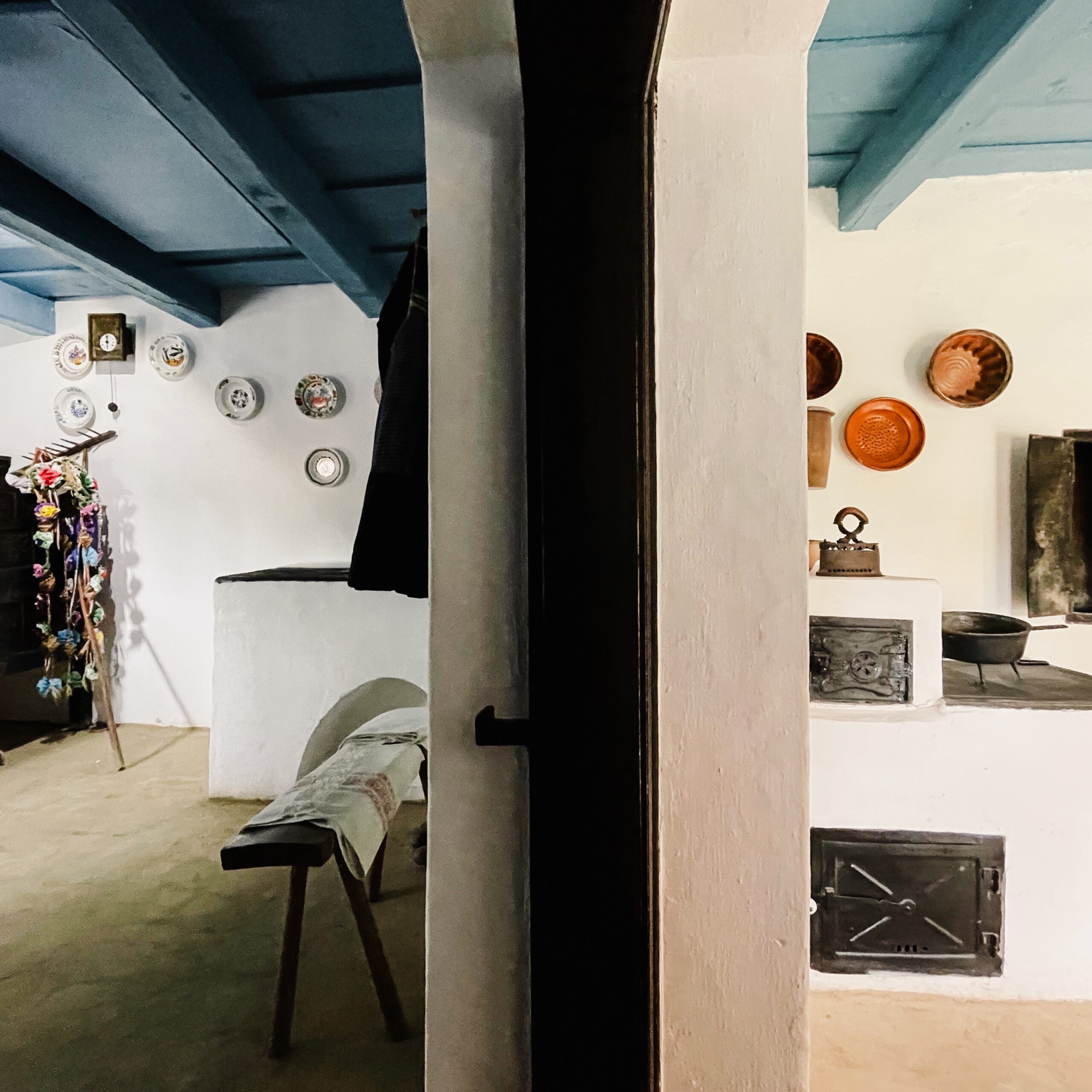
Recently, I visited the blue dyeing museum in the charming town of Pápa—and it felt like stepping into another century. What makes this place so special is that it’s not just a museum. It’s a perfectly preserved workshop.

The vats are still there.
The tools are still in place.
The fabrics still hang as if someone had just left the room.

You don’t just learn about the craft—you feel it.

Why Experiences Like This Matter

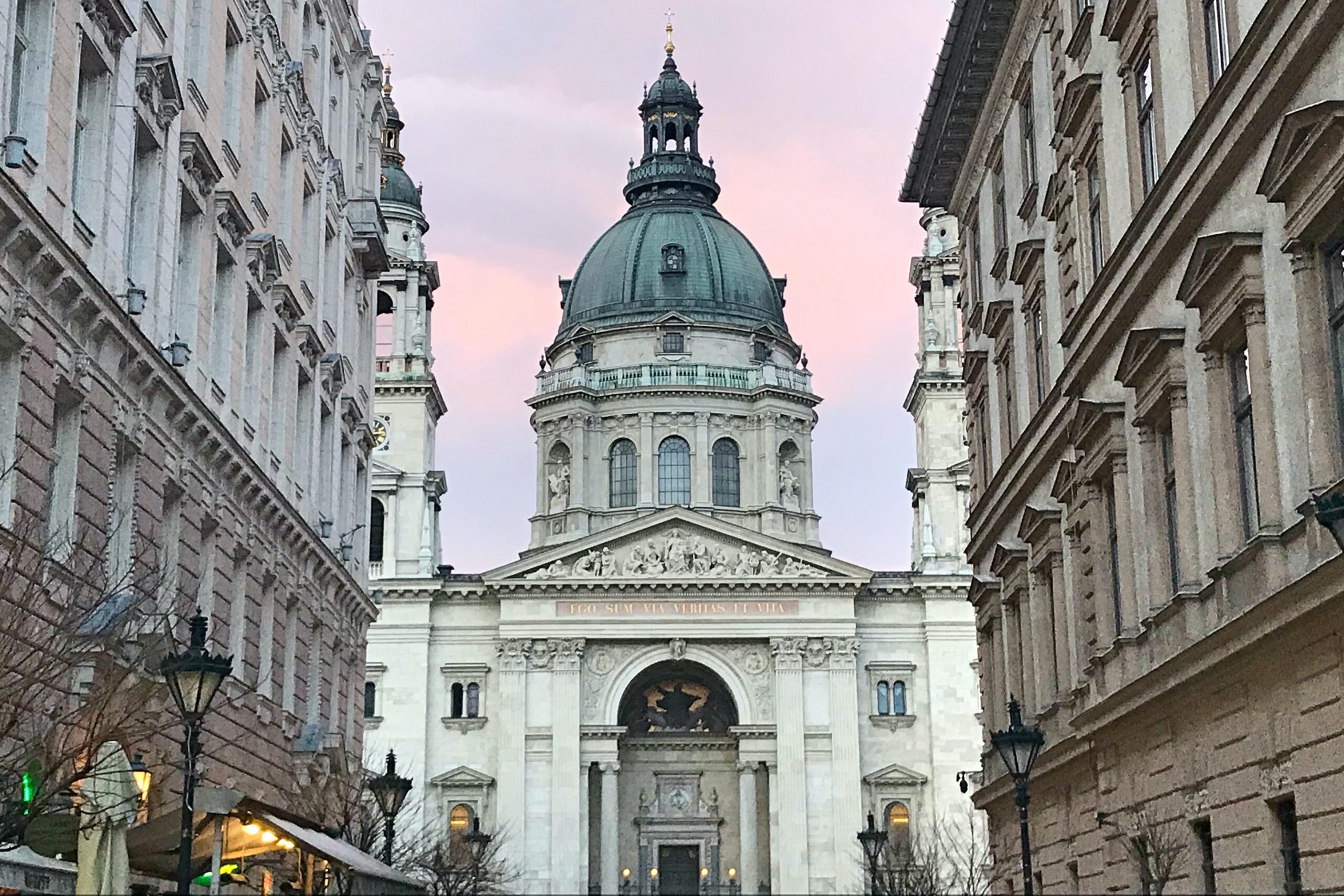
When people visit Hungary, they often focus on the big highlightsBudapest, the Parliament, the famous sights. But the real stories of a country often live elsewhere.

In small towns, local traditions and crafts like “kékfestés”.

These are the experiences I love sharing during my tours—moments that connect you not just to a place, but to its people and its history.

Curious to Explore Something Like This?

What I love most about my work is that no two tours are ever the same. This visit to Pápa and the blue dyeing workshop actually came from a traveller’s request—they were curious about local crafts and wanted to discover something beyond the usual sights. And that’s how we ended up here, surrounded by centuries-old traditions and deep indigo patterns.

If you’d like to explore Hungary in a more personal way, you can book one of my general tours directly on my website. Or… simply tell me what you’re curious about.

Whether it’s hidden gardens, local cafés, history, or traditional crafts like kékfestés, I’m always happy to create something tailored just for you.

A Tradition That Lives On

Kékfestés is not just something to admire in a museum. It’s still alive—quietly, patiently, carried forward by those who choose to continue it. And maybe that’s what makes it so special.

Not just that it survived… but that it still matters.

This Is a UNESCO Treasure from Hungary 🇭🇺💙

There is something magical about spring in Budapest.

After months of grey skies and chilly mornings, the city begins to wake up. The terraces slowly fill with conversation, the parks turn green again, and warm breezes drift through the streets carrying the promise of brighter days ahead.

And then, almost suddenly, the cherry blossoms arrive.

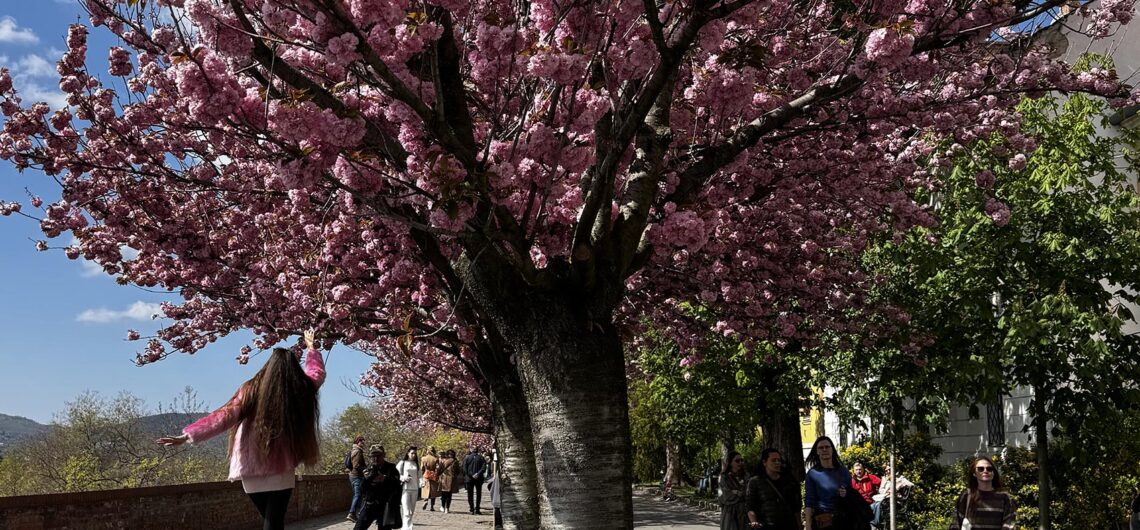
For a few short but unforgettable days each year, delicate pink blossoms bloom across Budapest, transforming quiet corners of the city into scenes that feel almost dreamlike. One of the most beautiful places to experience this is in the Buda Castle District, where soft petals frame historic streets and centuries-old buildings in shades of springtime pink.

But this year, spring feels a little different.

Perhaps it is the sunshine, perhaps it is the blossoms, or perhaps it is the feeling that something new is in the air—not just in nature, but in the city itself. Budapest seems to be stepping into spring with a little more energy, a little more joy, and a quiet sense of optimism for the season ahead.

Cherry blossoms have long symbolized renewal, hope, and the beauty of fleeting moments. And somehow, this year, they feel especially fitting.

There is laughter in the air, music drifting from open windows, and the unmistakable sense that Budapest is welcoming not only a new season, but perhaps a new chapter as well.

Why Spring Is One of the Best Times to Visit Budapest

If you are planning to visit Budapest, spring may be the perfect season.

The weather is mild, the city is colourful, and locals seem to spend every possible moment outdoors enjoying the sunshine after the long winter months. Café terraces overflow onto the sidewalks, flowers bloom in the parks, and the golden evening light makes the city even more photogenic than usual.

If you want to experience Budapest at its most vibrant, spring is when the city truly shines.

Where to See Cherry Blossoms in Budapest

One of my favourite places to admire cherry blossoms in Budapest is the Buda Castle District. The contrast of soft pink petals against the grand historic buildings creates one of the most romantic spring scenes in the city.

If you enjoy hidden viewpoints and peaceful walks, you might also love visiting Gül Baba’s tomb, one of Budapest’s secret gardens with stunning Parliament views.

Experience Budapest in Bloom

Spring is one of my favorite seasons for private tours because Budapest simply feels happier. The streets are lively, the weather is comfortable, and the whole city seems to glow with fresh energy.

If you would like to discover Budapest’s hidden corners, local stories, and beautiful spring atmosphere with a local guide, explore my private Budapest tours.

And if you are looking for the perfect coffee stop after your spring walk, don’t miss my guide to Budapest Coffeehouses.

Because in Budapest, spring is not just a season. It is a feeling.

And when the cherry blossoms bloom, the warm winds return, and the city fills with hope again, Budapest somehow feels more beautiful than ever.

Budapest in Bloom: Cherry Blossom Season at Buda Castle

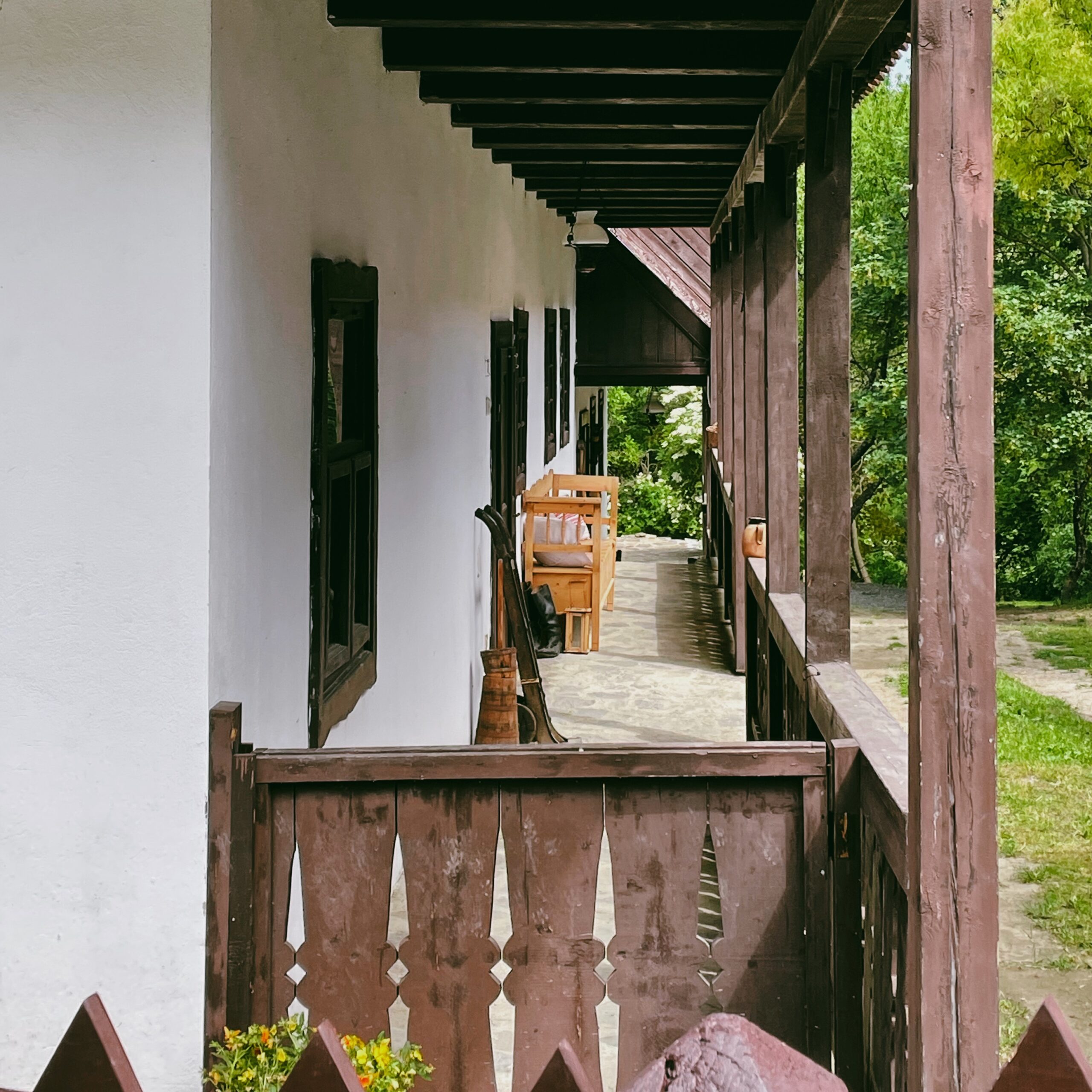
Easter in Hollókő is one of Hungary’s most beautiful living traditions, where culture, community, and history come together each spring. There are places where traditions are remembered… and places where they are still lived.

Hollókő is one of them.

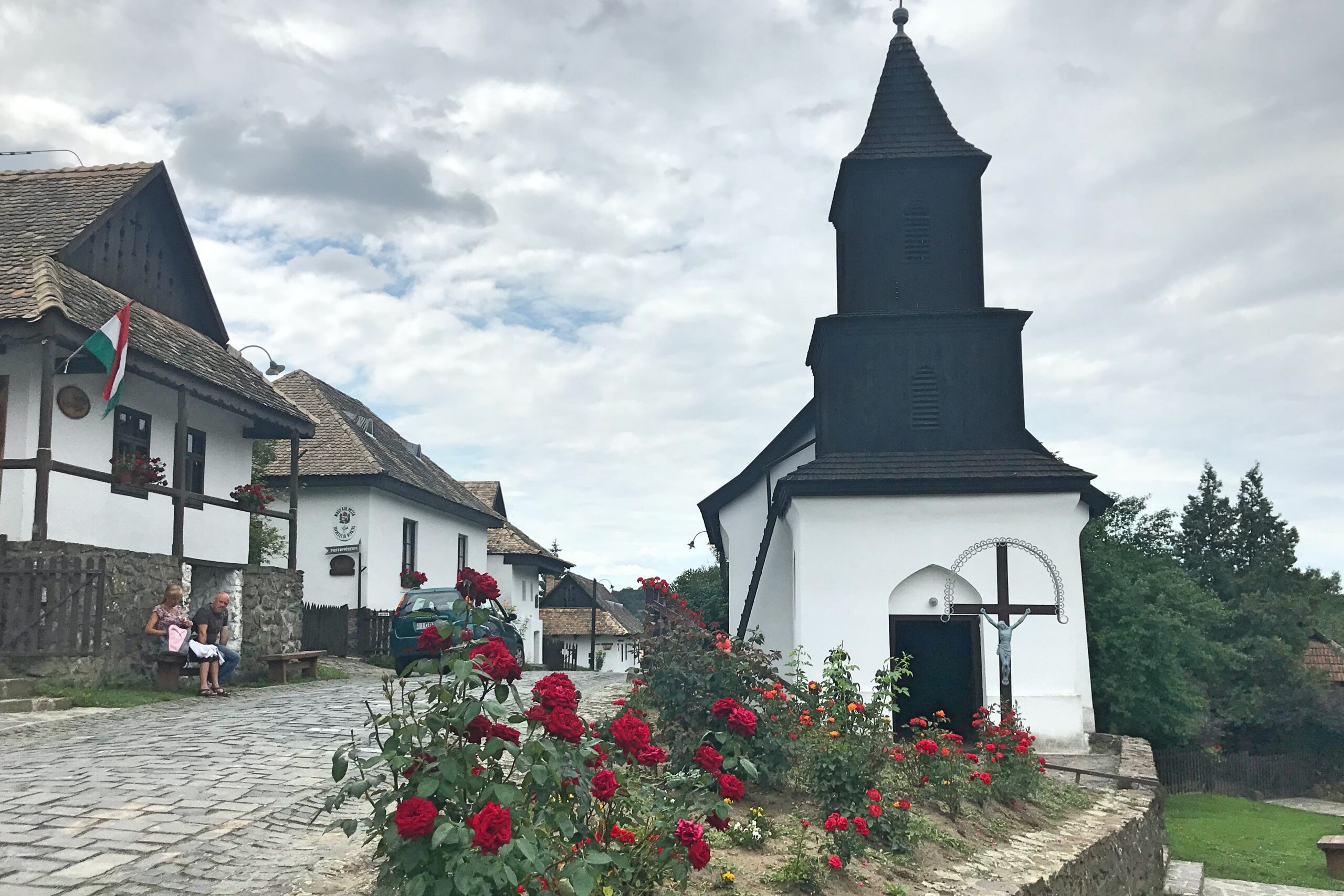
Every Easter, this small UNESCO-listed village in Northern Hungary transforms into something truly special — a celebration of culture, community, and heritage that feels untouched by time.

A Village That Feels Like Stepping Back in Time

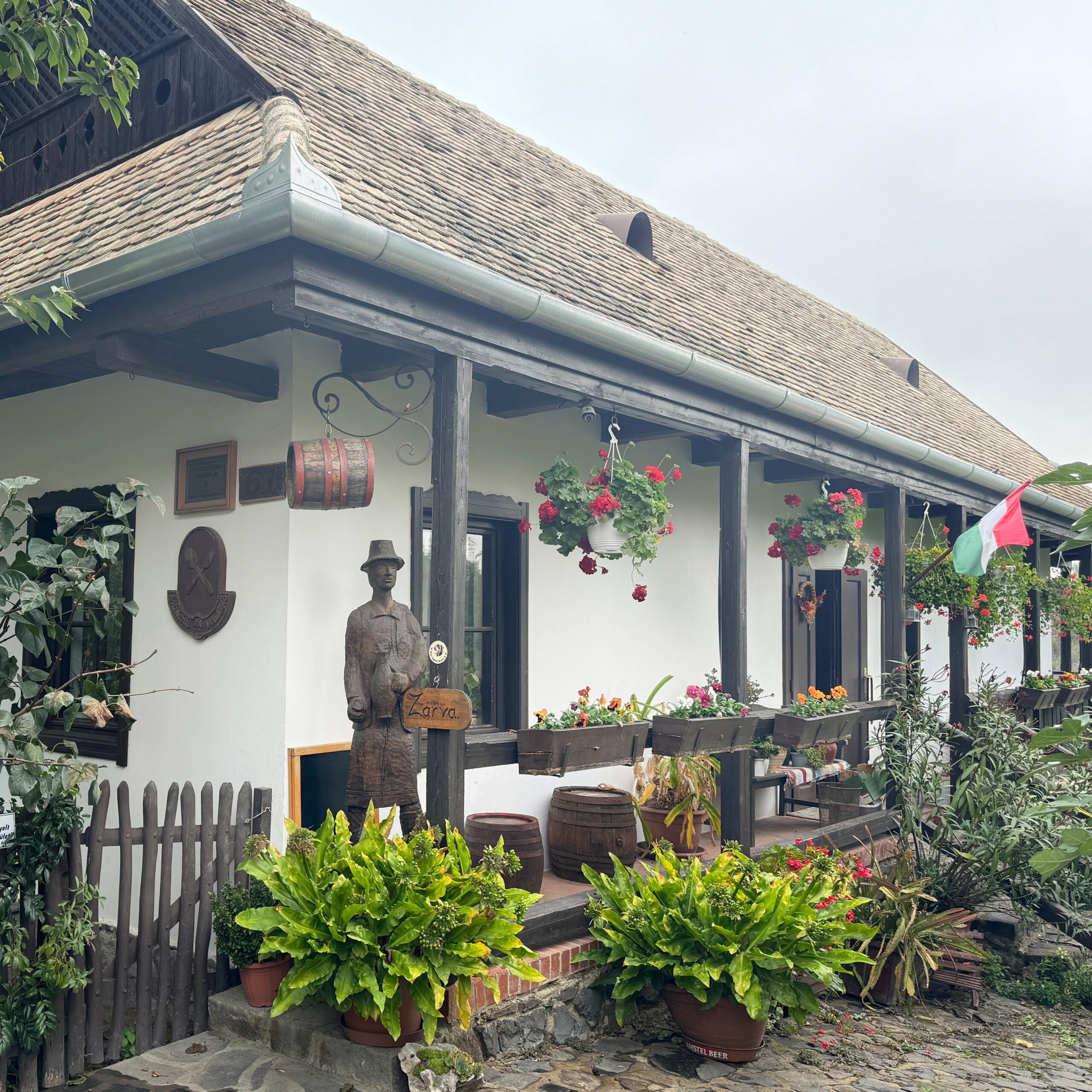
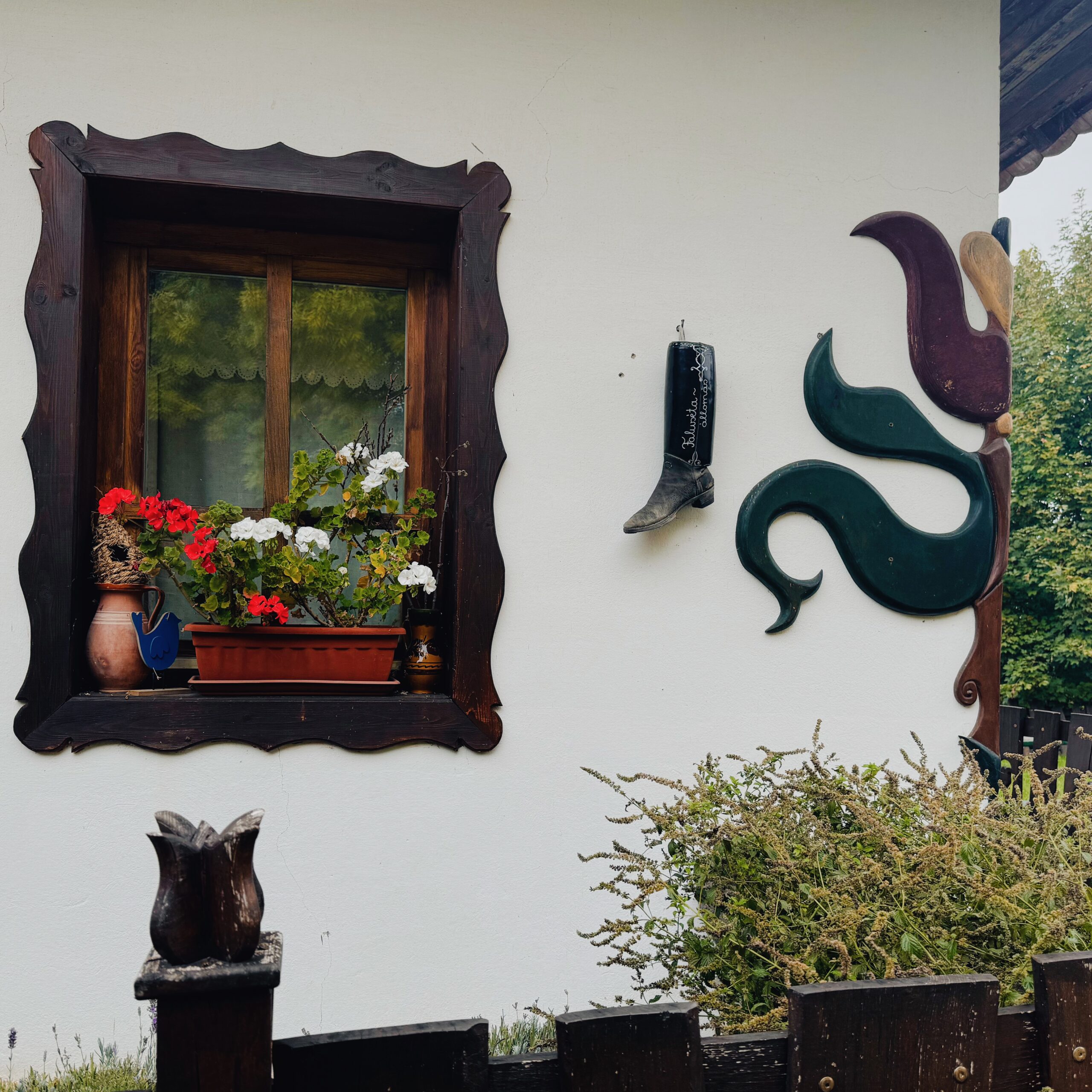
Just 1.5 hours from Budapest, Hollókő is famous for its beautifully preserved white houses, wooden details, and peaceful village atmosphere.

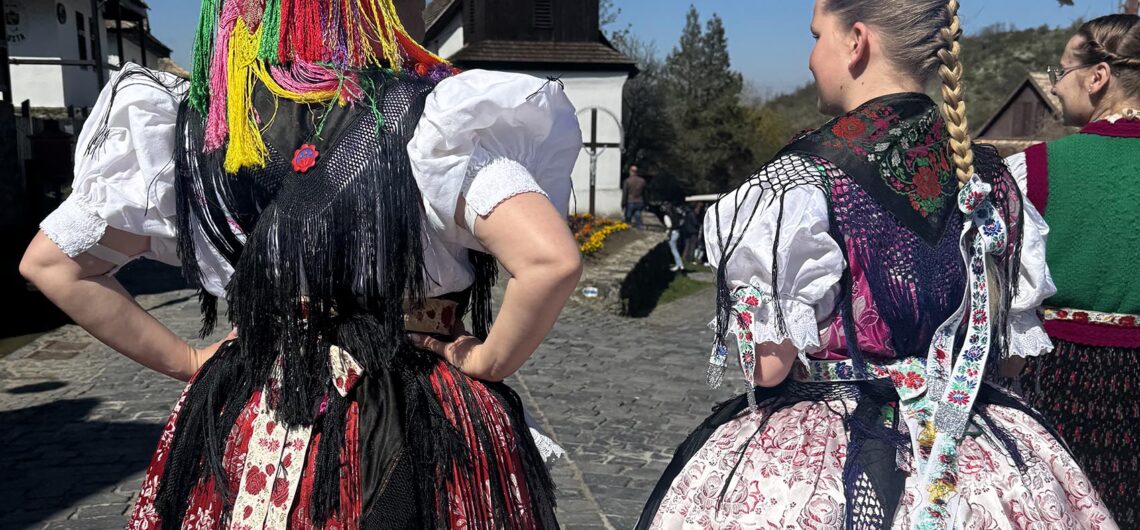
But at Easter, it becomes something else entirely. The streets fill with locals dressed in traditional Palóc costumes, music echoes between the houses, and the whole village comes alive with movement and colour.

This isn’t a performance for tourists — it’s a tradition that has been passed down through generations.

Folk Traditions, Music & Craftsmanship

What makes Easter in Hollókő so special is the authenticity. You’ll see:
  • traditional folk dancing in the streets
  • intricate embroidered costumes unique to the Palóc region
  • beautifully decorated Easter eggs
  • local artisans showcasing handmade crafts

Every detail tells a story — of identity, history, and pride.

Why It’s One of Hungary’s Most Unique Experiences

In a world where many traditions are recreated for visitors, Hollókő stands out because it feels real

It’s not staged.
It’s not polished.
It’s lived.

And that’s exactly what makes it unforgettable.

Visiting Hollókő from Budapest

Hollókő is an easy day trip from Budapest, but visiting during Easter requires a bit of planning:

  • Best time to arrive: early morning
  • Travel time: approx. 1.5 hours
  • Expect crowds: it’s one of the most popular spring events

If you’d like a more relaxed and meaningful experience, joining a guided visit can make all the difference — especially when combined with nearby cultural highlights.

You can explore this as part of a Hollókő & Gödöllő day trip, which blends rural traditions with royal history.

Discover Hungary Beyond Budapest

Experiences like this are a reminder that Hungary is so much more than its capital.

If you’re looking to go deeper — beyond the main sights and into real local culture — take a look at my private tours in and around Budapest, designed to show you a more personal side of the country.

Final Thoughts

Easter in Hollókő is not just something you visit. It’s something you feel. A moment where past and present meet — and where tradition still lives.

Easter in Hungary | Hollókő Tradition

Budapest is often called the City of Baths, and this title is far more than a poetic nickname.
Thanks to its natural thermal springs, bathing has been part of daily life here for centuries – shaping the city’s culture, architecture, and rhythms of everyday living.

With historic thermal baths, mineral-rich waters, and year-round outdoor pools, Budapest is one of the world’s most important spa cities.

A city built on natural thermal springs

Budapest lies on a unique geological fault line where 123 natural thermal springs reach the surface. These waters have been used since Roman times, making Budapest a bathing destination for nearly 2,000 years.

The Romans built the first bath complexes here, followed by Ottoman-era Turkish baths in the 16th century. Later, in the 19th and early 20th centuries, elegant spa buildings transformed bathing into a social and cultural ritual.

What makes Budapest special is that this tradition never disappeared – it simply became part of modern life.

Thermal baths are part of everyday life in Budapest

Unlike many spa cities, Budapest’s thermal baths are not just tourist attractions.
Locals visit them regularly – before work, after work, or as part of their weekly routine.

You’ll often see elderly men playing chess in warm water, friends chatting in outdoor pools, or couples quietly relaxing together. For Hungarians, bathing is linked to health, stress relief, and well-being, but also to habit and community.

It’s normal life – just warmer.

Historic baths and stunning architecture

Budapest’s baths are as famous for their architecture as for their thermal water.
Each one reflects a different period of the city’s history, from Ottoman domes to grand 19th-century spa palaces.

The most famous is Széchenyi Thermal Bath, one of Europe’s largest thermal bath complexes. Its outdoor pools are open year-round and are especially atmospheric in winter, when steam rises into the cold air.

Another architectural gem is Gellért Thermal Bath, known for its Art Nouveau design, mosaics, and stained glass.
Please note: Gellért Thermal Bath is currently closed for renovations, with reopening planned in the coming years.

For a more historic experience, Rudas Thermal Bath offers an authentic Ottoman atmosphere with its 16th-century domed pool, still used much as it was centuries ago.

Locals often favour Lukács Thermal Bath, known for its strong medicinal waters and calmer, less touristy feel.

Even without bathing, these buildings alone tell the story of Budapest’s spa culture.

Bathing in Budapest in every season

One of the most iconic Budapest experiences is soaking in a steaming outdoor pool while it’s cold outside. Snow falling, warm mineral water, and historic surroundings create a scene you won’t forget.

Budapest’s thermal baths are open all year, making the city a great destination in any season. Winter offers a magical, calm atmosphere, while summer feels social and lively.

There is no bad time to visit a Budapest bath – only different experiences.

How to experience Budapest’s bath culture as a visitor

To truly enjoy Budapest’s thermal baths:

  • Slow down – bathing here is about relaxation, not rushing

  • Try thermal pools, not only swimming pools

  • Observe locals and follow their rhythm

  • Treat it as a cultural experience, not just a spa visit

Understanding the meaning behind the tradition makes the experience far more memorable.

Why Budapest truly is the City of Baths

Budapest’s bath culture is not a relic of the past – it’s alive and evolving. It connects ancient history with modern wellness, impressive architecture with everyday routines, and locals with visitors from around the world.

That’s why Budapest isn’t simply a city with baths. It’s a city defined by them.

If you’d like to understand Budapest’s thermal baths beyond just visiting one, my Budapest Baths walking tour explores the history, traditions, and everyday role of bathing in the city. We walk between historic bath buildings, talk about Ottoman and modern spa culture, and I share practical tips on how locals actually use the baths today.

It’s a relaxed, story-focused walk designed to help you experience Budapest’s bath culture with confidence and local insight.

Budapest Thermal Baths | City of Baths

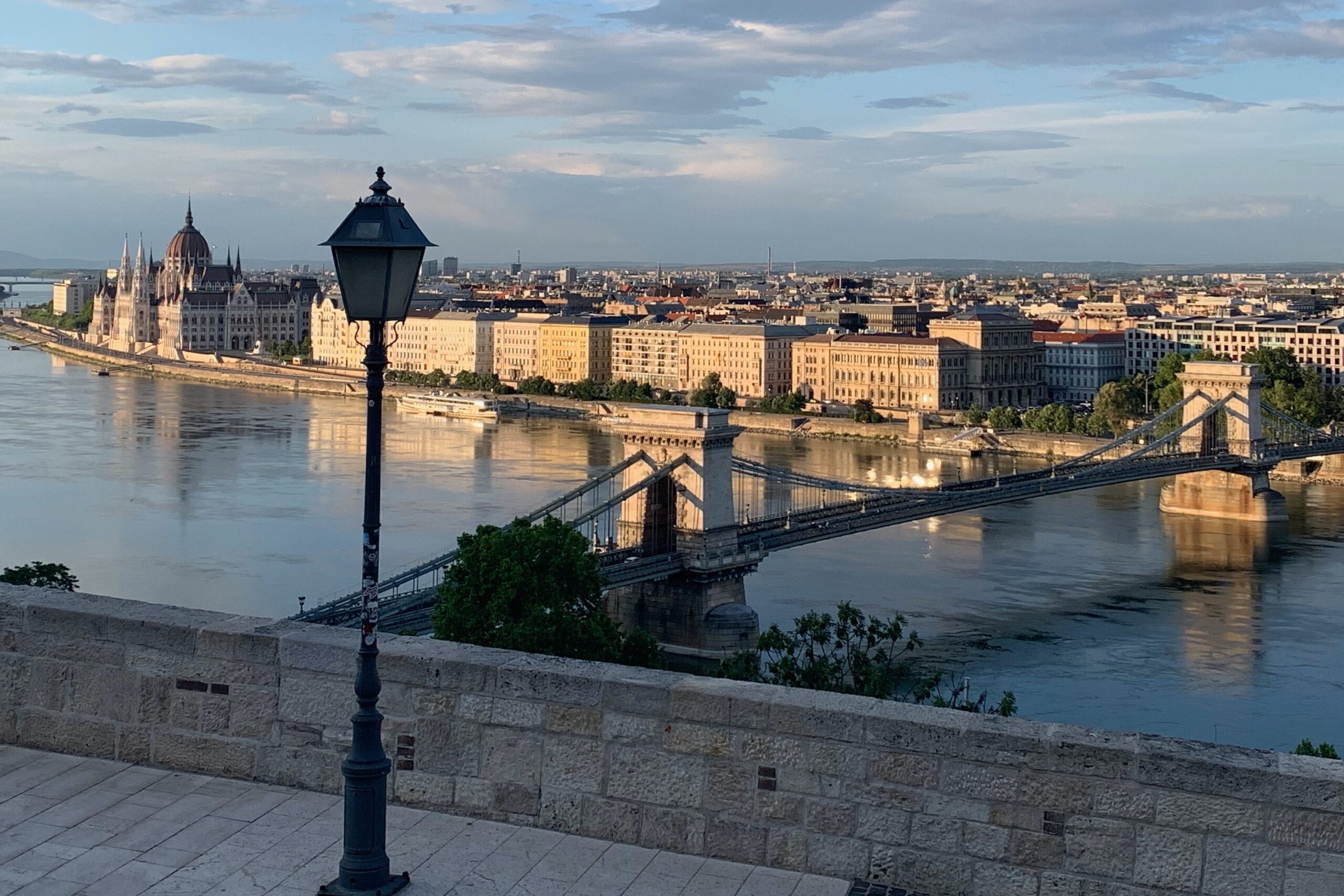
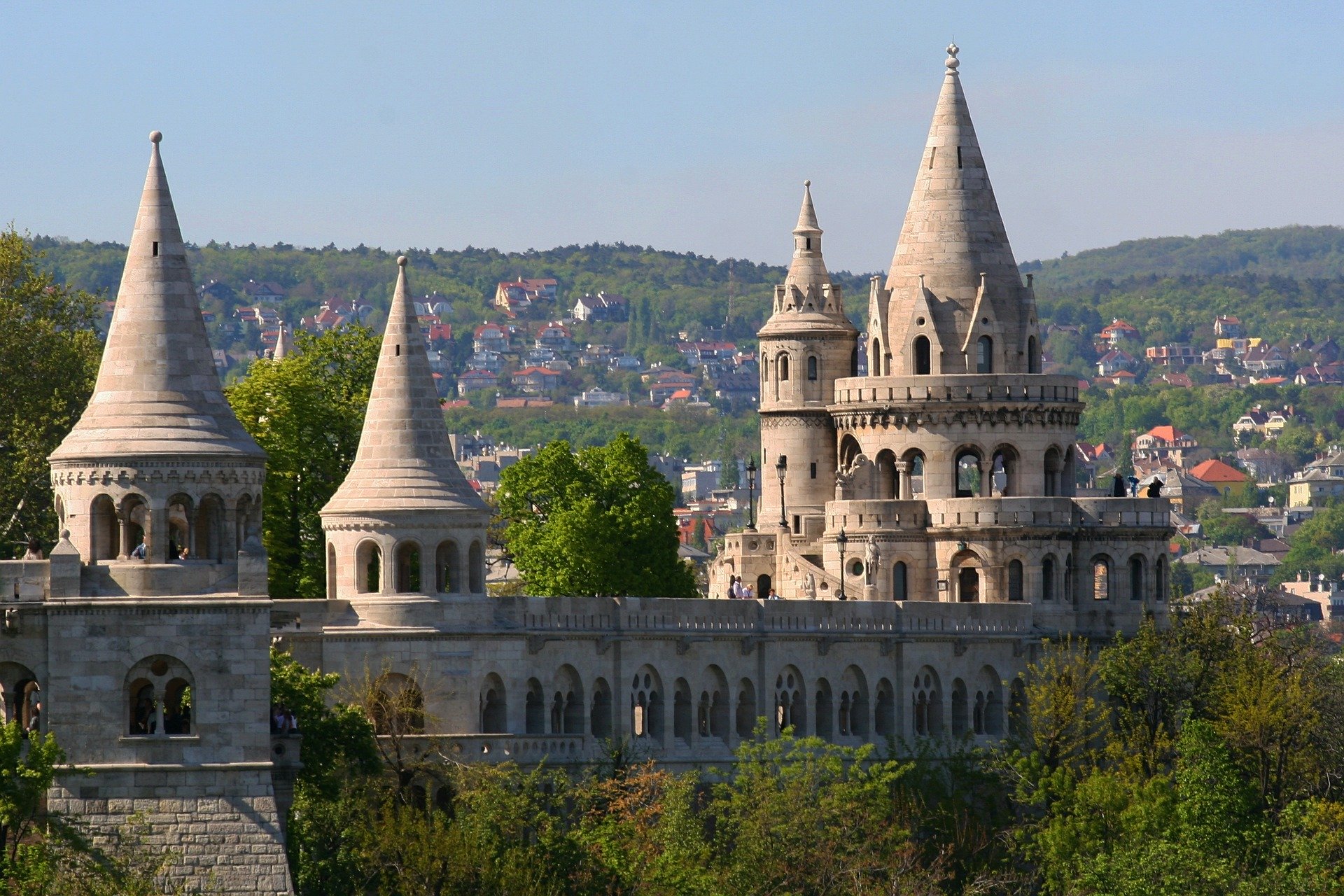
If you’re searching for unique selfie spots in Budapest, you’ve come to the right place. Of course, the city is famous for its postcard-perfect views of the Parliament, Chain Bridge, and Fisherman’s Bastion — but if you’re looking for something different, modern, and a little unexpected, this guide is for you.

Here are six selfie spots that bring out the city’s creative side, from colourful murals to futuristic architecture.

Jewish Quarter Murals – Colourful & Playful

The old Jewish Quarter is full of life — not only in its cafés and ruin bars but also on its walls. Many buildings are decorated with large murals that change from time to time, making each photo unique. They’re bold, vibrant, and the perfect backdrop if you want a splash of colour in your Budapest memories.

Pro tip: Explore Kazinczy Street and its side streets for the best mural finds.

House of Music – Organic & Flowing

Set in City Park, the House of Music is one of Budapest’s newest and most impressive buildings. Its wavy, perforated roof looks like it grew out of the trees, blending architecture with nature. A dream location if you’re looking for something modern yet organic.

Pro tip: Visit during the golden hour — the light through the trees adds a magical touch.

Filatorigát Graffitis – Urban & Creative

By the suburban railway station at Filatorigát, you’ll find Budapest’s biggest open-air graffiti wall. It’s raw, ever-changing, and bursting with creativity. The perfect spot if you’re into street art or want a truly urban background.

Pro tip: Check it out on weekends when local artists often add new works.

Bálna (“The Whale”) – Geometric & Edgy

This glass-and-steel building on the Danube is impossible to miss. Its sharp angles and striking design make it one of the most eye-catching modern landmarks in Budapest. Geometric, edgy, and bold — ideal for a dramatic selfie.

Pro tip: Step inside for unique angles and reflections.

Hajógyári Sziget – Industrial & Raw

Best known as the site of the Sziget Festival, this island also has some quirky industrial corners. Old structures, pipes, and urban details provide a cool contrast to the city’s historic architecture. Perfect if you want something unusual and gritty.

Pro tip: Pair your visit with a walk along the Danube or a picnic in the park areas of the island.

MÜPA – Palace of Arts – Futuristic & Elegant

MÜPA is one of Budapest’s main cultural hubs, and its building is just as impressive as the performances inside. With its glass walls and striking lines, it’s a futuristic and elegant selfie spot that works day and night.

Pro tip: Visit in the evening when the building is beautifully lit.

Final Thoughts about Unique Selfie Spots in Budapest

Budapest is more than its classic sights. These modern, colourful, and sometimes quirky locations are perfect if you want your photos to stand out. Whether you’re drawn to colourful murals, organic architecture, urban graffiti, edgy glass buildings, raw industrial corners, or futuristic elegance, there’s a selfie spot waiting for you.

Want to discover even more hidden and unique selfie spots in Budapest? Follow me on Instagram, and book a private tour with me — I’ll show you the best photo backdrops and authentic local experiences in the city. Contact me here to plan your tour!

If you’re looking for a meaningful escape from the city, this private day trip from Budapest to Gödöllő and Hollókő offers a perfect blend of aristocratic elegance and authentic village charm. This full-day, privately guided experience invites you to discover two of Hungary’s most treasured destinations—one rooted in royal Baroque grandeur, the other in timeless rural tradition.

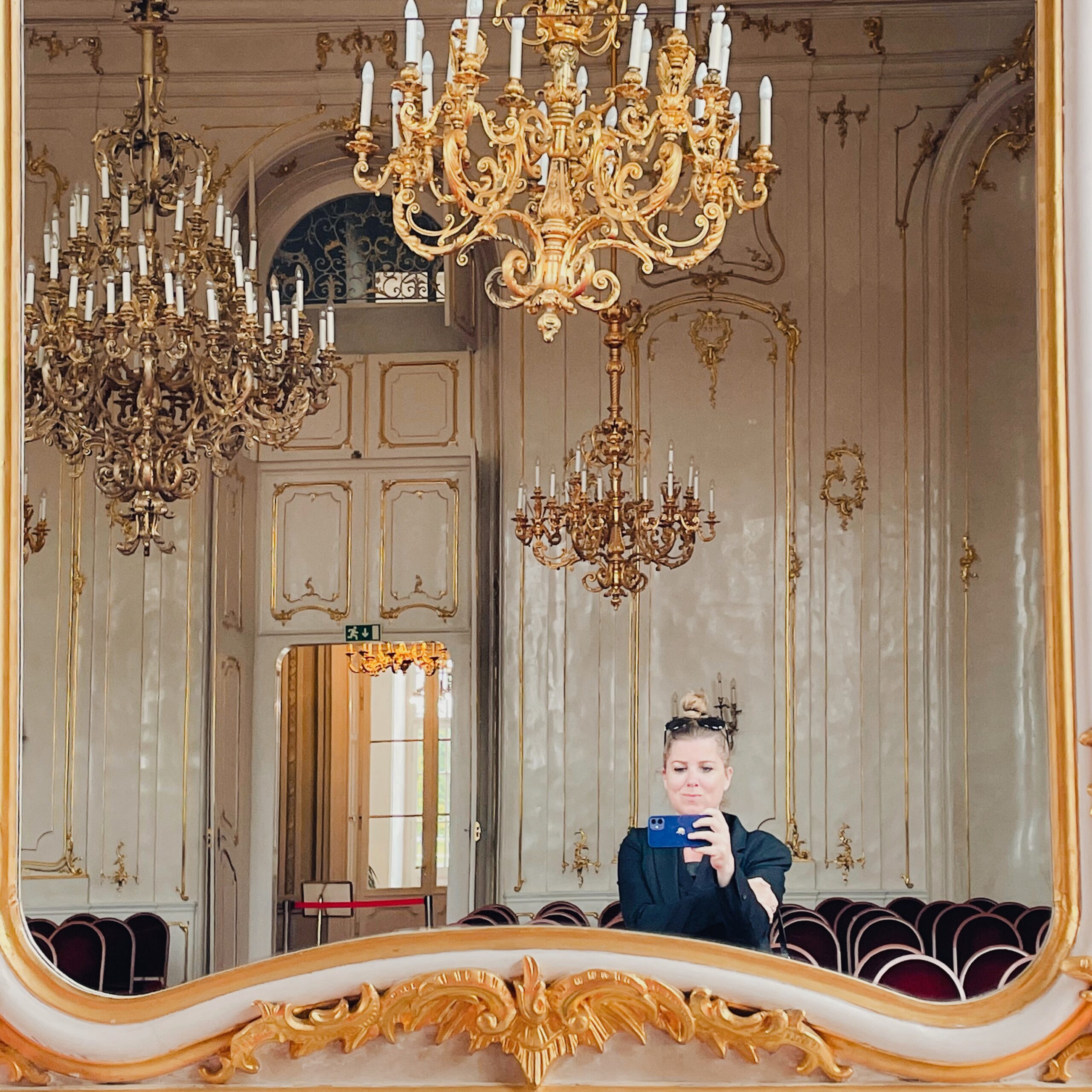
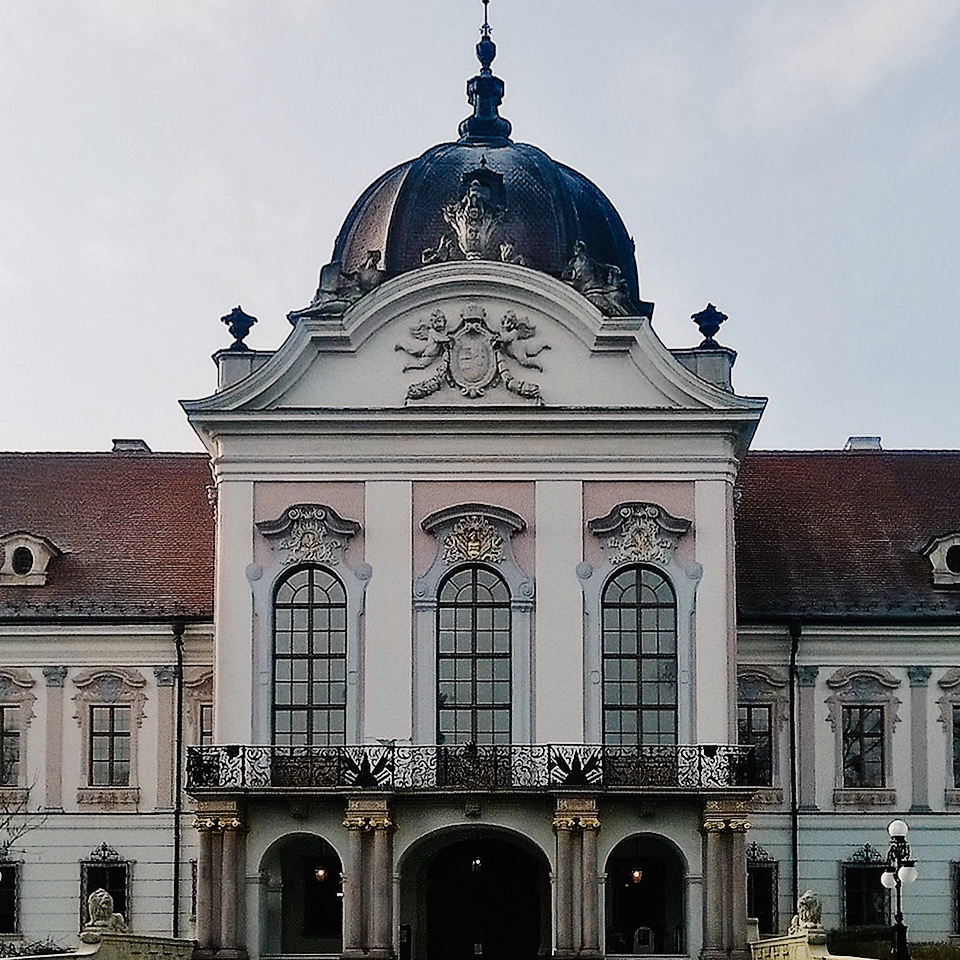
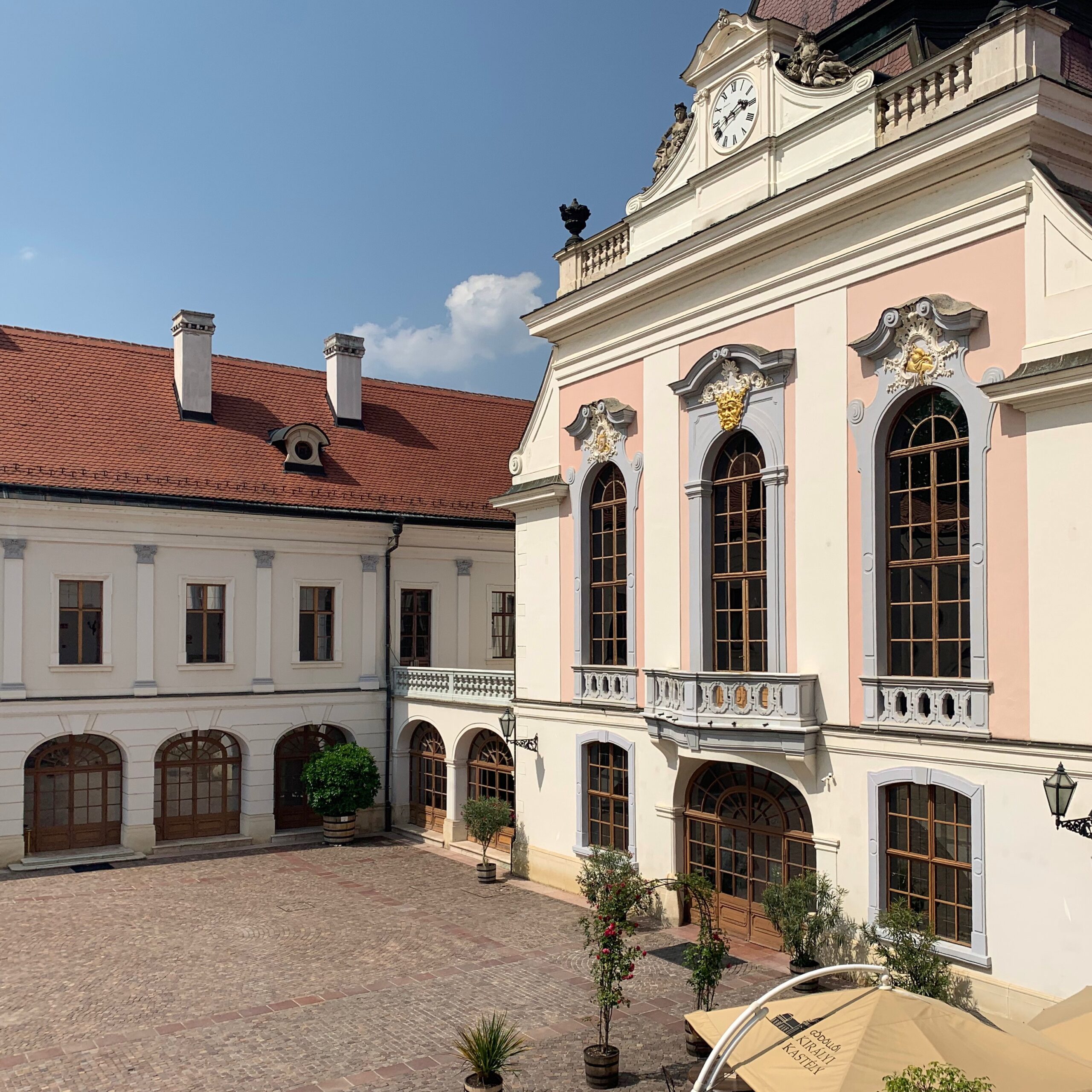
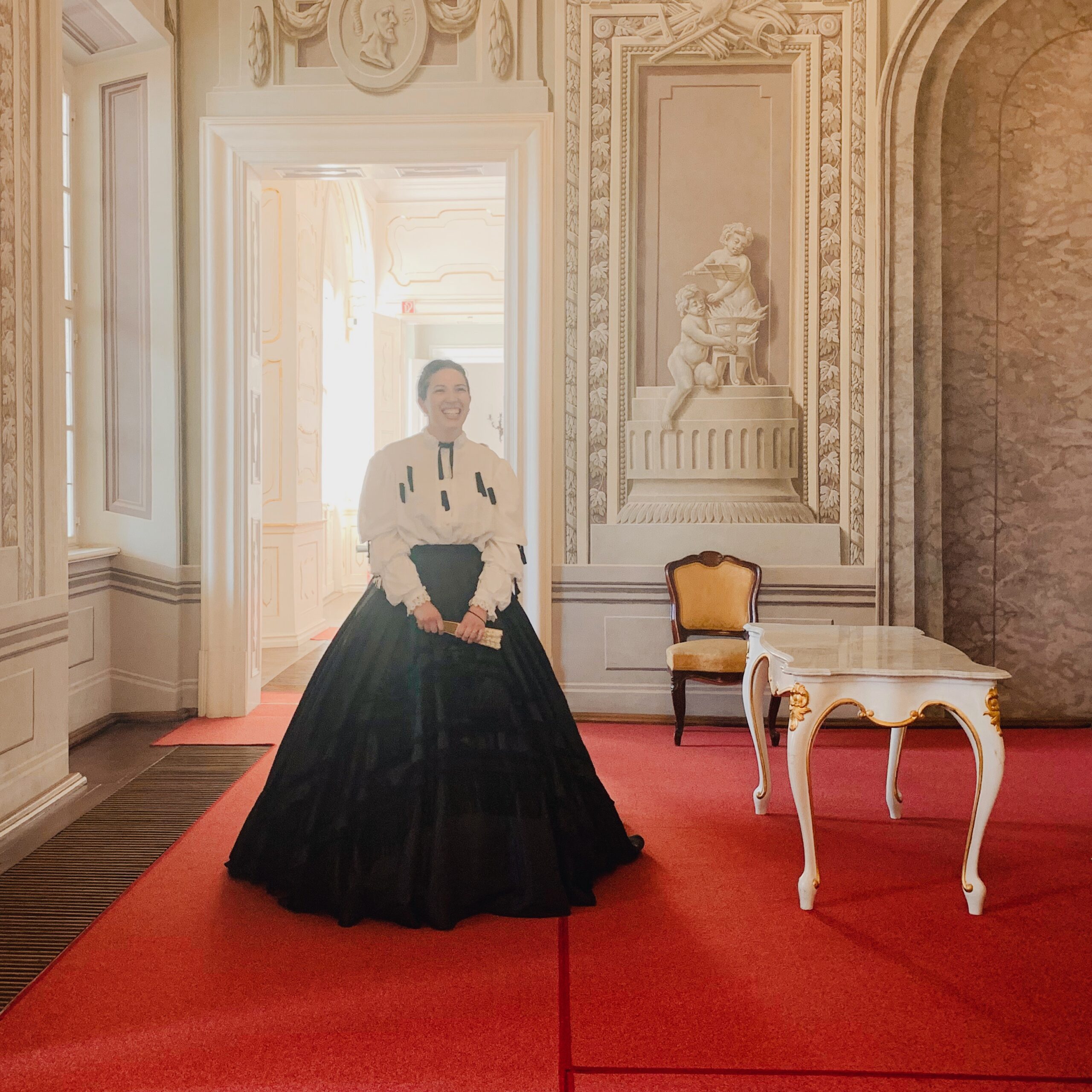
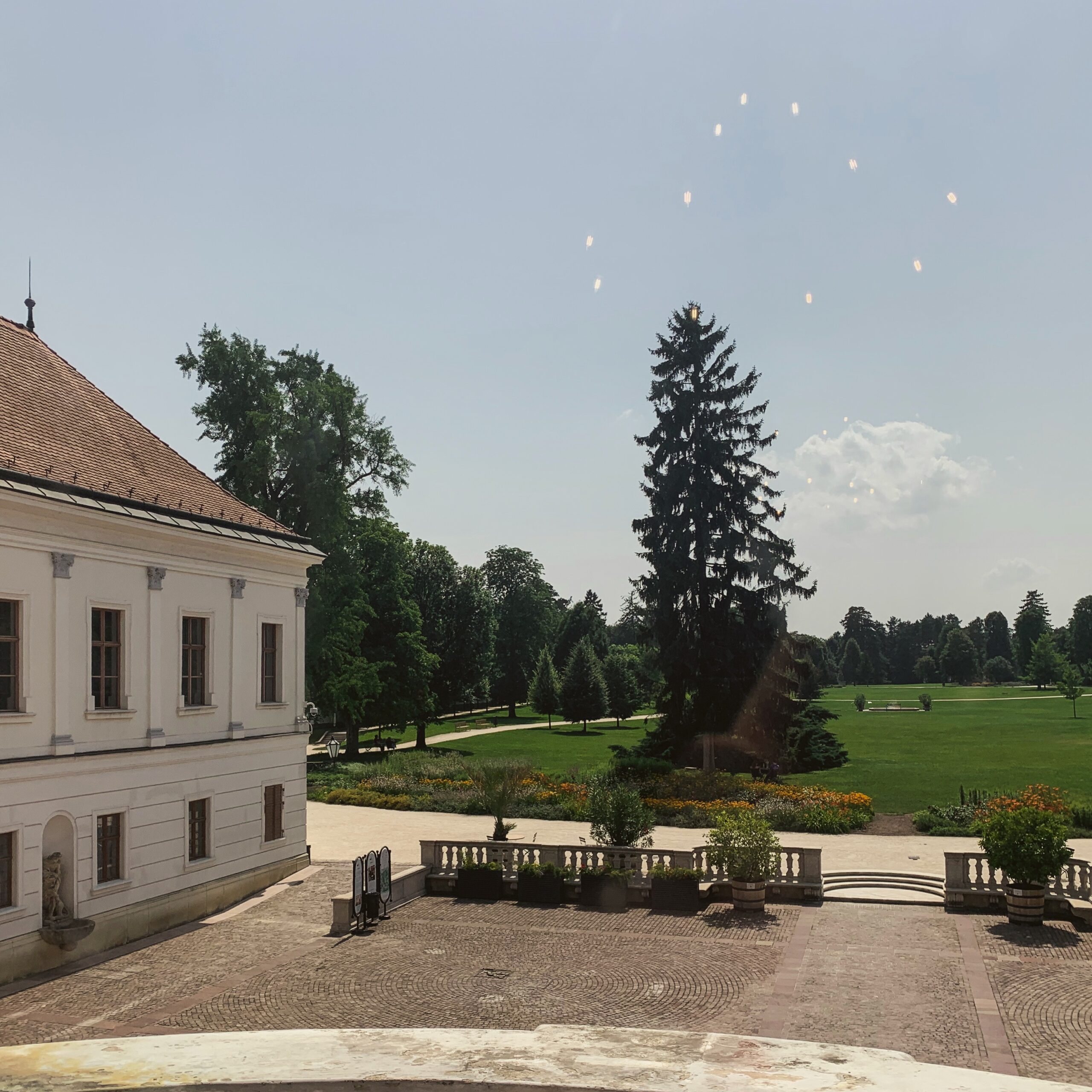
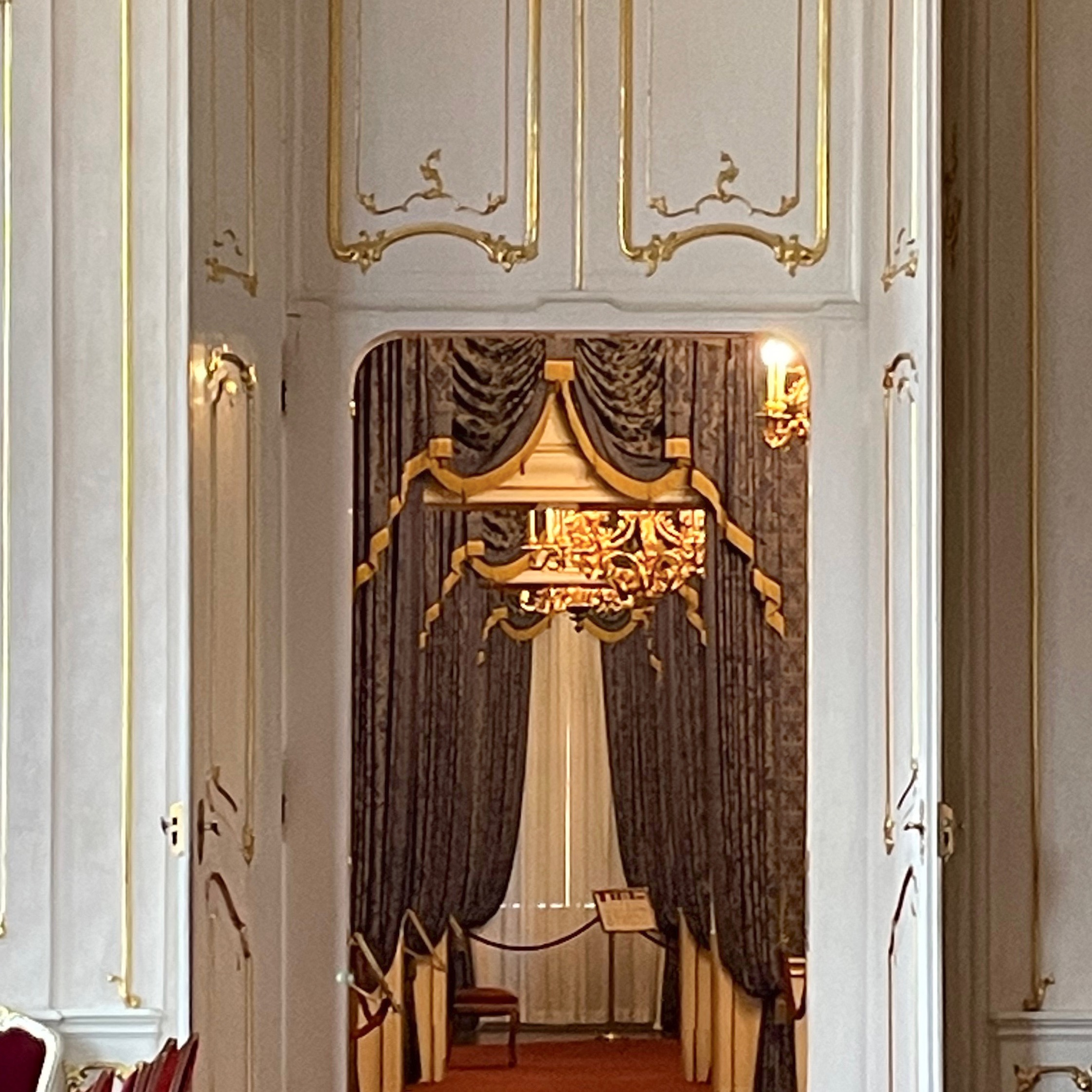
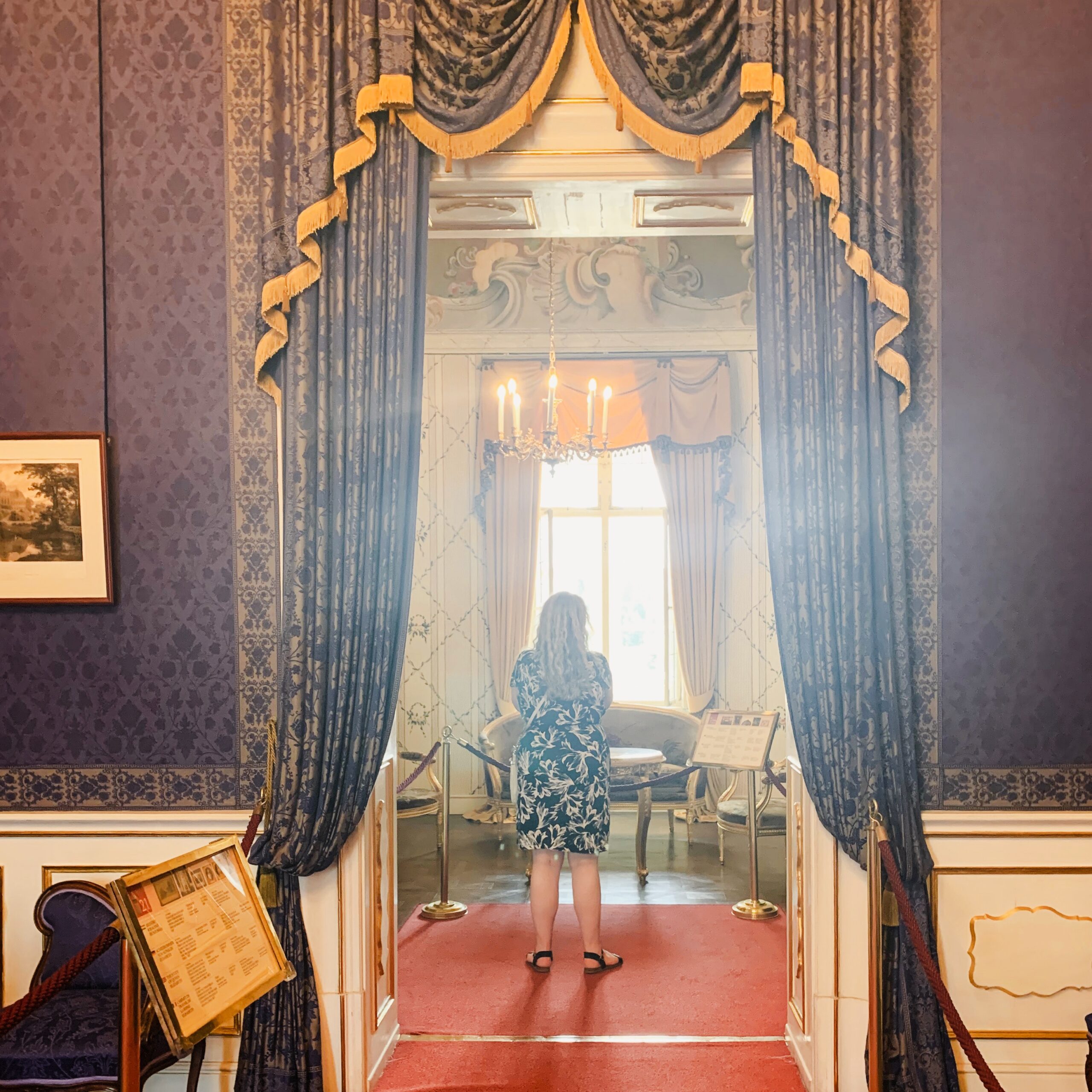
The day begins in Gödöllő, home to Hungary’s second-largest Baroque palace. Originally built by the noble Grassalkovich family, the palace became the beloved summer residence of Queen Elisabeth—known affectionately as Sissi. As you walk through its beautifully restored halls, grand ballroom, and peaceful gardens, you’ll gain a deeper understanding of royal life in 18th- and 19th-century Hungary. The palace’s ornate architecture and tranquil atmosphere offer an unforgettable glimpse into the country’s noble past.

From royal elegance, we move to rustic charm. Your journey continues to Hollókő, a picturesque village that feels untouched by time. This UNESCO World Heritage site is a living museum of traditional Palóc culture, where locals still dress in folk costume on special occasions and artisans create beautiful handmade crafts. Stroll the cobbled lanes, visit the village museum and pottery workshops, and enjoy a slower pace that brings you closer to Hungary’s cultural roots.

One of the many reasons travellers love this tour is its private, customisable nature. Whether you’re passionate about architecture, history, or local handicrafts—or simply want to enjoy a scenic countryside escape without the crowds—I will tailor the experience to suit your interests and comfort level. There’s no rushing from site to site, just time to explore, ask questions, and soak in the surroundings at your own pace.
This tour is ideal for couples, families, or small groups looking for an experience that goes beyond the typical sightseeing tour. It also offers a deeper perspective on Hungarian history, from aristocratic life in the Baroque period to rural customs that have survived into the modern day. With door-to-door transport, a knowledgeable local guide, and stops handpicked for their cultural richness, it’s an enriching and stress-free day outside Budapest.

Whether it’s your first time in Hungary or you’re returning to explore more deeply, this private countryside tour promises a rewarding journey into the heart of Hungarian heritage. It’s not just about seeing places—it’s about experiencing them with insight and intention.


How to Book Your Private Tour

Ready to step into history and explore Hungary’s countryside in comfort? You can find full details and book your Private Baroque Day Trip from Budapest to Gödöllő and Hollókő online at:

BAROQUE TOUR IN GÖDÖLLŐ AND HOLLÓKŐ (Private day trip from Budapest)

Select your preferred date, and don’t hesitate to get in touch if you’d like to customise the itinerary—I’m always happy to make your day extra special!

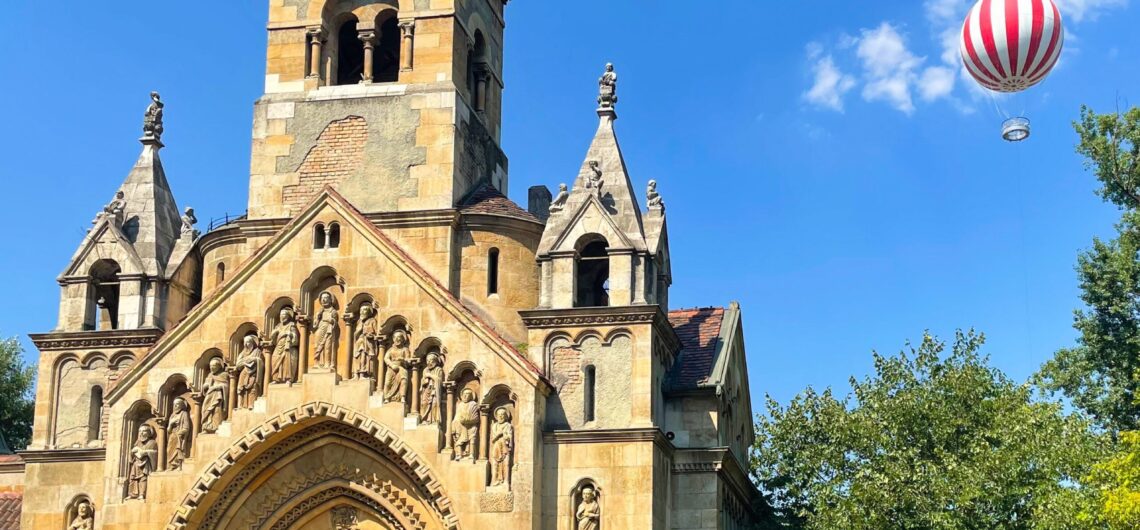
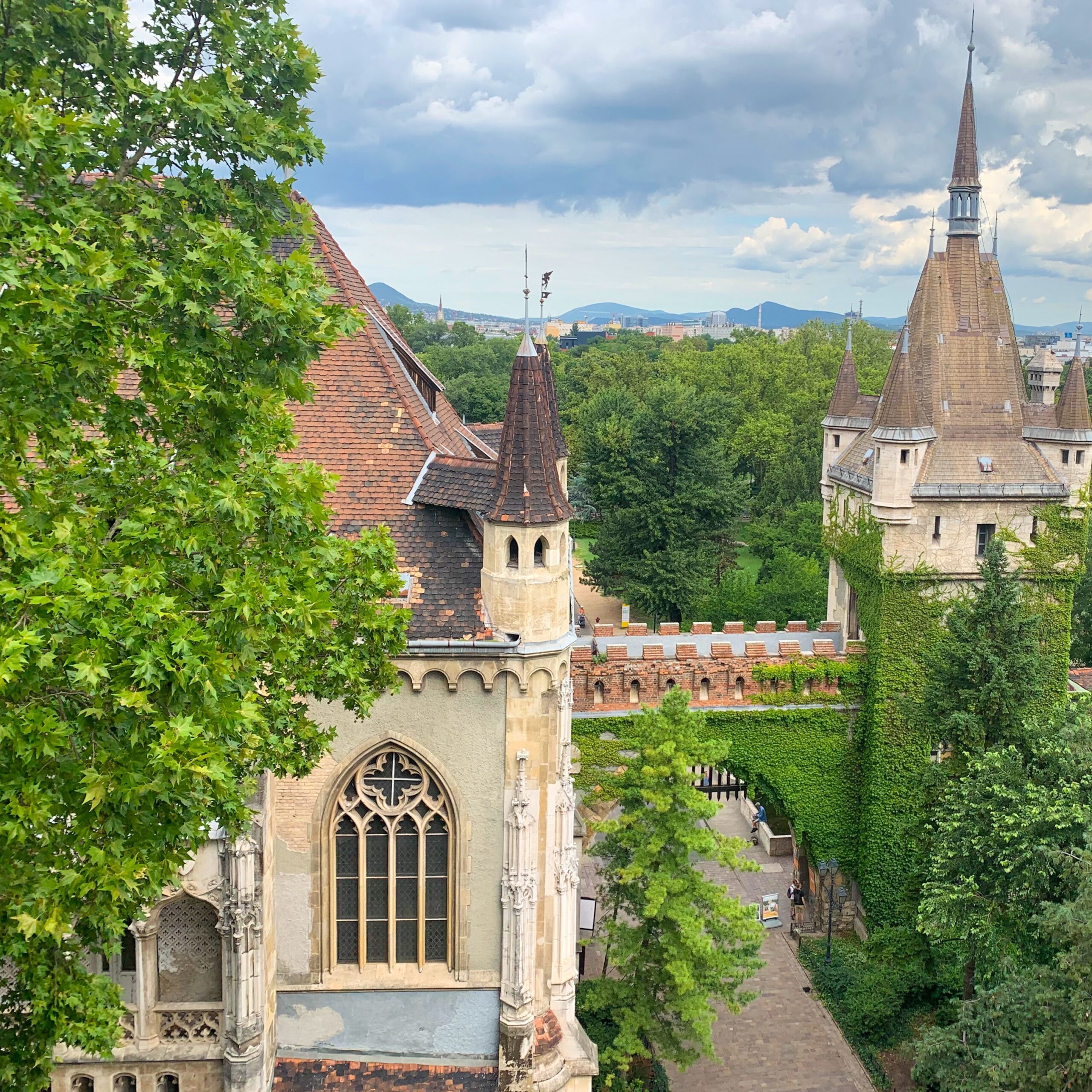
Tucked away in Budapest’s City Park, Vajdahunyad Castle is one of the city’s most charming and photogenic landmarks. Originally built in 1896 for the Millennium Exhibition, the castle showcases a mix of architectural styles — Romanesque, Gothic, Renaissance, and Baroque — all in one fairytale-like complex. It was designed to represent the diverse architectural heritage of Hungary, and walking through its grounds feels like stepping into different centuries.

From the front, the Gothic towers and arched windows echo the legendary Transylvanian castle of the same name. A walk around the back reveals peaceful courtyards, ivy-covered walls, and stunning reflections on the lake. Each angle offers a new photo opportunity, whether you’re standing on the bridge or capturing the castle through the trees.

Vajdahunyad Castle isn’t just a photogenic site—it also houses Hungary’s Museum of Agriculture, the largest of its kind in Europe. Visitors can explore both the architectural beauty and fascinating exhibits inside. A guided tour brings the whole story to life, connecting history, legend, and daily life in Hungary. Inside, the Museum of Hungarian Agriculture is surprisingly fascinating, and nearby, you’ll find statues of historical figures and a whimsical sculpture of Anonymous, the medieval chronicler.

For a truly magical view over Vajdahunyad Castle, don’t miss the chance to climb the castle’s tower or take a ride in the hot air balloon in City Park. Both options offer a unique perspective of this storybook landmark and its stunning surroundings. It’s an unforgettable way to see Budapest from above — peaceful, panoramic, and perfect for photos!

To truly appreciate Vajdahunyad Castle’s stories and its place in Budapest’s cultural landscape, I recommend joining a customised walking or driving tour. I’d love to show you around — book your experience here: https://lovefromhungary.com/fully-customisable-budapest-private-tours/

Learn more about the history of Vajdahunyad Castle on the Agricultural Museum’s official site.

Welcome — I’m Julia, a licensed private tour guide born and raised in Budapest. I offer personalised private walking tours in English and French for travellers who wish to experience Budapest in a relaxed, meaningful, and authentic way. My goal is to help you discover not only the city’s most important landmarks, but also the hidden details, local stories, and everyday atmosphere that make Budapest truly special.

Whether this is your first visit or a long-awaited return, this blog is here to help you plan your stay with confidence and inspiration.

Planning Your Visit to Budapest

If you are preparing for your trip, these practical tips will help you feel comfortable from the moment you arrive.

Essential Travel Tips for Visiting Budapest
Money, transportation, safety, tipping culture, and useful local advice before your visit.

Experience Budapest Like a Local

Private guiding offers a flexible and personal way to explore Budapest — without crowds, fixed schedules, or rushing from one attraction to another.

Why Choose a Private Tour in Budapest?
Learn how personalised tours work and what makes discovering the city with a local guide such a memorable experience.
Discover Budapest Through Local Insights

Here on the blog you’ll find inspiration for your stay, including:

• hidden viewpoints and peaceful walks
• café culture and culinary discoveries
• neighbourhood stories
• transportation tips
• authentic local experiences

Browse the latest articles or explore by category to start planning your perfect Budapest visit.

Private Tours in Budapest

If you would like to explore Budapest through a personalised experience tailored entirely to your interests, I would be delighted to guide you.

Explore Private Tours & Custom Experiences

I hope to welcome you soon in beautiful Budapest.

BUDAPEST CITY TOURS BY CAR
BUDAPEST WALKING TOURS
FOOD & WINE EXPERIENCES
HUNGARY DAY TRIPS
HUNGARY DAY TRIPS
SHORE EXCURSION
SHORE EXCURSION
SPECIAL INTEREST TOURS
THE FAMILY RESEARCH
THE FAMILY RESEARCH