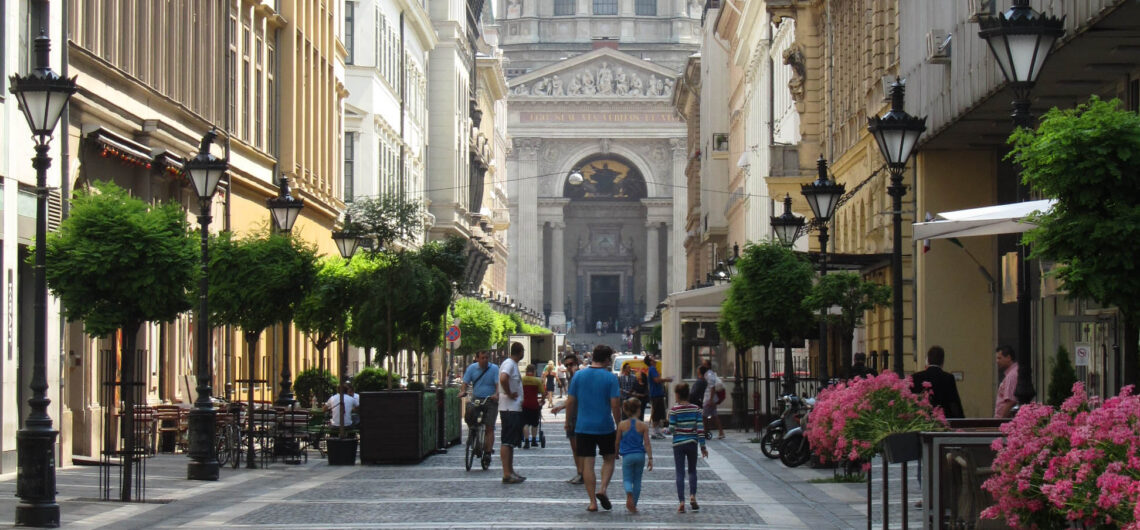
There is something magical about spring in Budapest.

After months of grey skies and chilly mornings, the city begins to wake up. The terraces slowly fill with conversation, the parks turn green again, and warm breezes drift through the streets carrying the promise of brighter days ahead.

And then, almost suddenly, the cherry blossoms arrive.

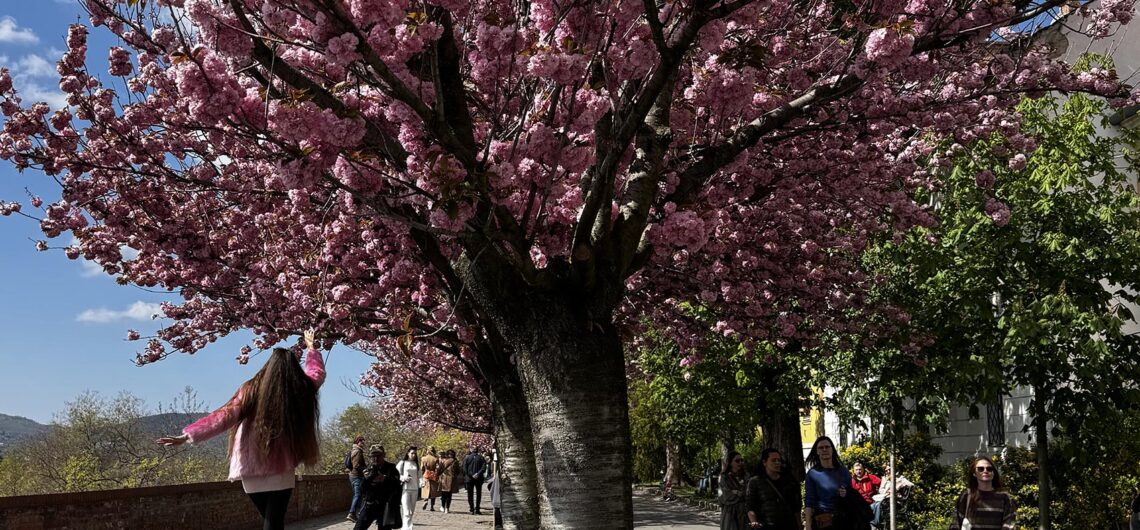
For a few short but unforgettable days each year, delicate pink blossoms bloom across Budapest, transforming quiet corners of the city into scenes that feel almost dreamlike. One of the most beautiful places to experience this is in the Buda Castle District, where soft petals frame historic streets and centuries-old buildings in shades of springtime pink.

But this year, spring feels a little different.

Perhaps it is the sunshine, perhaps it is the blossoms, or perhaps it is the feeling that something new is in the air—not just in nature, but in the city itself. Budapest seems to be stepping into spring with a little more energy, a little more joy, and a quiet sense of optimism for the season ahead.

Cherry blossoms have long symbolized renewal, hope, and the beauty of fleeting moments. And somehow, this year, they feel especially fitting.

There is laughter in the air, music drifting from open windows, and the unmistakable sense that Budapest is welcoming not only a new season, but perhaps a new chapter as well.

Why Spring Is One of the Best Times to Visit Budapest

If you are planning to visit Budapest, spring may be the perfect season.

The weather is mild, the city is colourful, and locals seem to spend every possible moment outdoors enjoying the sunshine after the long winter months. Café terraces overflow onto the sidewalks, flowers bloom in the parks, and the golden evening light makes the city even more photogenic than usual.

If you want to experience Budapest at its most vibrant, spring is when the city truly shines.

Where to See Cherry Blossoms in Budapest

One of my favourite places to admire cherry blossoms in Budapest is the Buda Castle District. The contrast of soft pink petals against the grand historic buildings creates one of the most romantic spring scenes in the city.

If you enjoy hidden viewpoints and peaceful walks, you might also love visiting Gül Baba’s tomb, one of Budapest’s secret gardens with stunning Parliament views.

Experience Budapest in Bloom

Spring is one of my favorite seasons for private tours because Budapest simply feels happier. The streets are lively, the weather is comfortable, and the whole city seems to glow with fresh energy.

If you would like to discover Budapest’s hidden corners, local stories, and beautiful spring atmosphere with a local guide, explore my private Budapest tours.

And if you are looking for the perfect coffee stop after your spring walk, don’t miss my guide to Budapest Coffeehouses.

Because in Budapest, spring is not just a season. It is a feeling.

And when the cherry blossoms bloom, the warm winds return, and the city fills with hope again, Budapest somehow feels more beautiful than ever.

Budapest in Bloom: Cherry Blossom Season at Buda Castle

I’m excited to share the videos I created recently to promote my Budapest private tours, designed to offer a deeper, more personal connection to this amazing city. Through breathtaking shots of landmarks, the videos highlight what makes Budapest an unforgettable destination.

One video takes viewers on a captivating walk through Buda Castle, where I highlight not only the stunning views over the city but also the fascinating history that makes this UNESCO World Heritage site so special. Another video delves into Communist-era Budapest, offering a unique perspective on the city’s past, exploring key sites from that era and giving insights into the lives of locals during that time. I also created a video focusing on Szentendre, a charming town just outside Budapest, where visitors can experience its cobblestone streets, colourful buildings, and vibrant art scene. There is more, and there will be more in the near future 🙂

For those looking for a more customized experience, the Budapest private tour video emphasizes the flexibility and exclusivity of a tailored itinerary, ensuring that every guest’s interests are met. Each video captures the essence of Budapest, from its stunning architecture to its rich history and culture. I’ve carefully crafted these videos to give potential travellers a taste of what they can expect, showcasing how personal and enriching these tours can be. Ultimately, my goal is to inspire travellers to explore Budapest like never before, with an intimate and tailored journey through its most iconic and hidden gems. Don’t hesitate to contact me for more details!


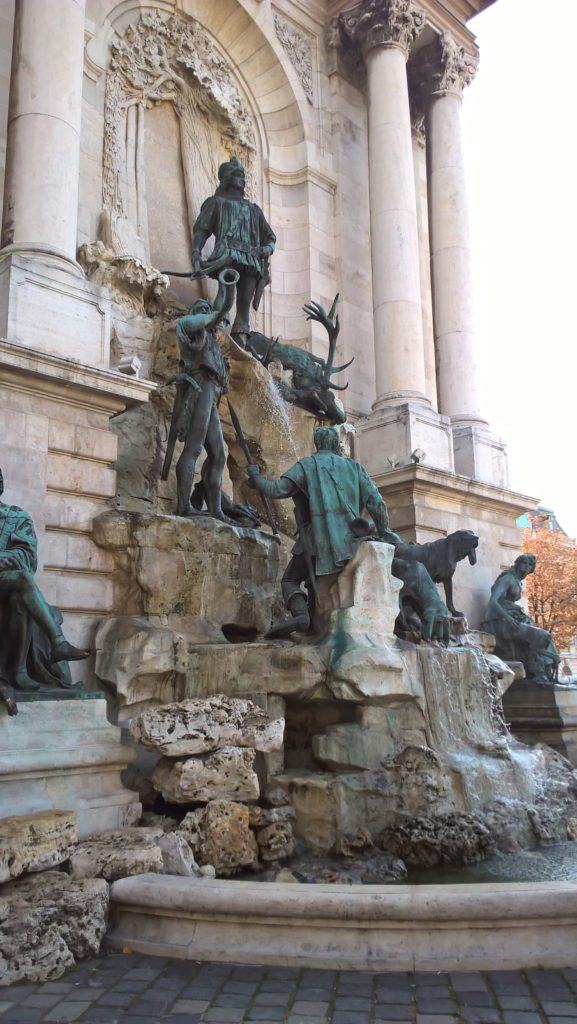
One of the most impressive statues in Budapest is the King Matthias Fountain, located in the Royal Palace of the Buda Castle District. Monumental, theatrical, and rich in symbolism, it portrays King Matthias — Hungary’s great Renaissance ruler — in a moment of triumph and drama.

This fountain is part of my ongoing Statues of Budapest series, which explores how monuments tell stories far beyond what first meets the eye.

A king on the hunt

At the centre of the composition stands King Matthias, depicted during a hunt. It is a traditional symbol of royal power, leadership, and control over nature. Surrounded by courtiers and hunting dogs, the scene feels almost cinematic, carved in stone against the walls of the palace.

The statue reflects how Matthias wished to be remembered: strong, charismatic, and unquestionably king.

A hidden love story

Look more closely, and the fountain reveals a second narrative. At the lower level of the composition stands a young woman, often identified as Ilonka, a figure from Hungarian folklore. According to legend, she fell in love with the king without knowing his true identity.

This quiet, almost melancholic detail adds emotional depth to the monument. It transforms the fountain from a celebration of power into a layered story of love. It’s about longing, and human vulnerability — a reminder that even great kings were not untouched by romance.

Where history and storytelling meet

Set within the Buda Castle complex, the Matthias Fountain is impossible to ignore, yet many visitors miss its deeper meaning. It perfectly represents how Budapest uses public art to combine history, legend, and national identity in a single visual narrative.

If you’d like to uncover more stories like this — including the legends behind the statues and the lives of the people they depict — this fountain is one of the highlights I often discuss on my Buda Castle walk, where history becomes personal and alive.

Explore more: King Matthias is featured in my broader Statues of Budapest collection, showcasing the city’s most meaningful monuments and hidden details.

The Matthias Fountain depicting King Matthias at the Royal Palace in Buda Castle, Budapest


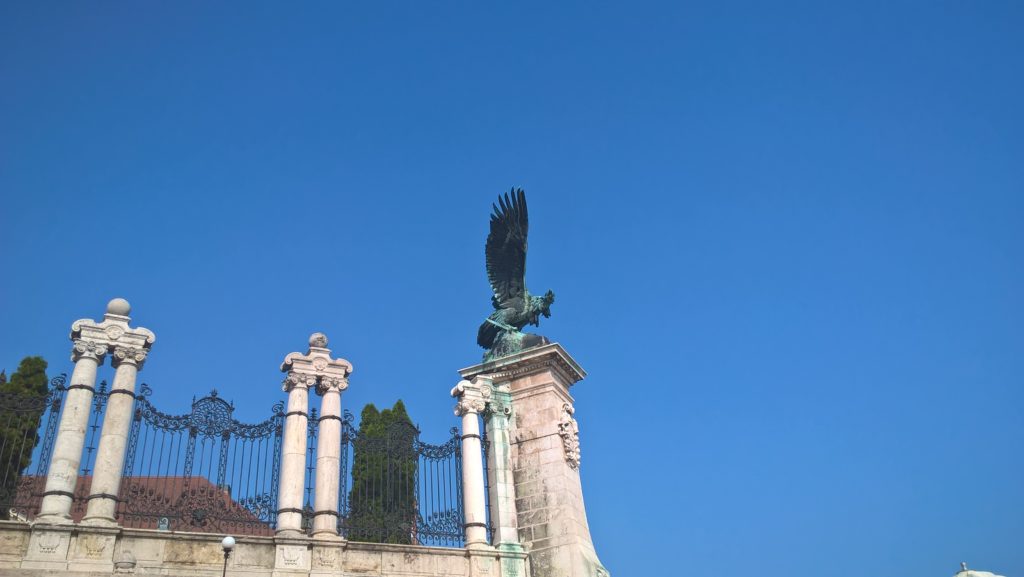
Few statues in Budapest carry as much symbolic weight as the Turul bird statue. More than a decorative monument, the Turul is one of Hungary’s most important national symbols, deeply rooted in legend, origin stories, and identity.

This statue is part of my ongoing Statues of Budapest series, which explores how public sculptures reflect the layers of history and mythology that shape the city.

The legend of the Turul

According to Hungarian tradition, the Turul — a powerful, mythical falcon — guided the ancestors of the Hungarians to the Carpathian Basin in 896, the year associated with the founding of the Hungarian homeland.

Because of this legend, the Turul represents origin, protection, strength, and destiny. It appears frequently in Hungarian art, literature, and monuments, always carrying a meaning that goes far beyond its physical form.

Where can you see the Turul statue?

One of the best-known Turul statues in Budapest stands at the upper station of the Buda Castle Funicular, near the entrance to the Castle District. With its wings spread wide above the city, the bird overlooks the Danube and Pest — a fitting position for a symbol meant to watch over the nation.

Many visitors pass beneath it on their way into Buda Castle without realizing its significance, yet once you know the story, the statue becomes impossible to ignore.

Why the Turul still matters

The Turul bird is not tied to a single historical figure or event. Instead, it represents continuity — the connection between myth, history, and modern Hungary.

Standing beneath it, you’re reminded that Budapest is not only a city of architecture and monuments, but also a place shaped by stories passed down for more than a thousand years.

Explore more: The Turul bird is featured in my Statues of Budapest collection, where famous monuments and symbolic figures reveal the deeper identity of the city.

Turul bird statue at the upper station of the Buda Castle Funicular in Budapest


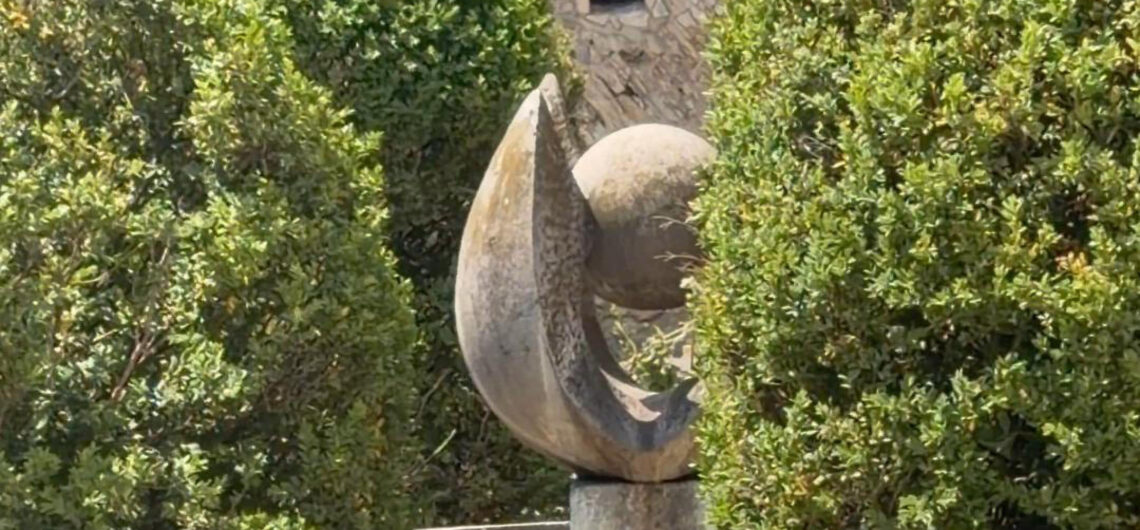
At first glance, the 0 km Stone is easy to miss. Modest in size and quietly placed near one of Budapest’s busiest areas, it doesn’t compete for attention — yet symbolically, it represents the very center of the country.

This monument is part of my ongoing Statues of Budapest series, which explores how meaning in this city is often hidden in plain sight.

What does the 0 km Stone represent?

The 0 km Stone marks the point from which all road distances in Hungary are officially measured. Every kilometer sign pointing toward Budapest begins here, making this small monument a geographic and symbolic reference point for the entire country.

It is less about spectacle and more about orientation — a reminder of how Budapest has long functioned as Hungary’s political, cultural, and infrastructural heart.

Where can you find it?

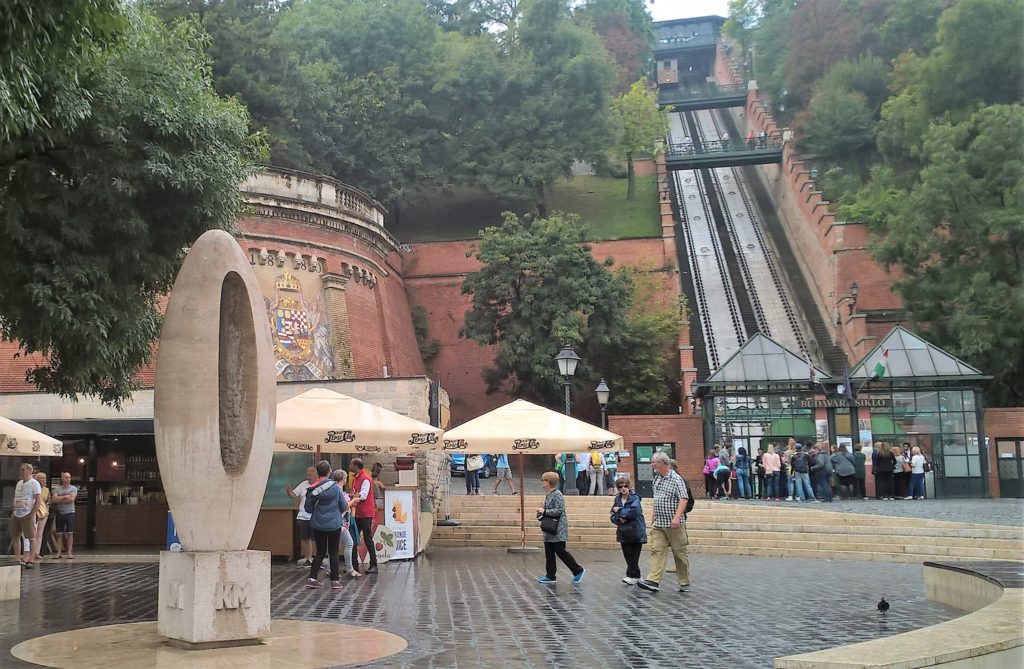
The statue is located on the Buda side of the Széchenyi Chain Bridge, close to the Buda Castle Funicular. Thousands of people pass by daily on their way to the Castle District, often without realizing the significance of the stone beneath their feet.

Once you know what it represents, it becomes one of those details you can never quite ignore again.

Why the 0 km Stone matters

Unlike statues that commemorate people or events, the 0 km Stone symbolizes connection and movement. It quietly links every town, village, and road back to Budapest — and by extension, to one another.

It’s a simple monument, but one that reflects how geography, history, and everyday life intersect in the city.

Explore more: The 0 km Stone is featured in my Statues of Budapest collection, where famous monuments and easily overlooked details reveal the deeper structure of the city.

The 0 km Stone near the Chain Bridge on the Buda side of Budapest


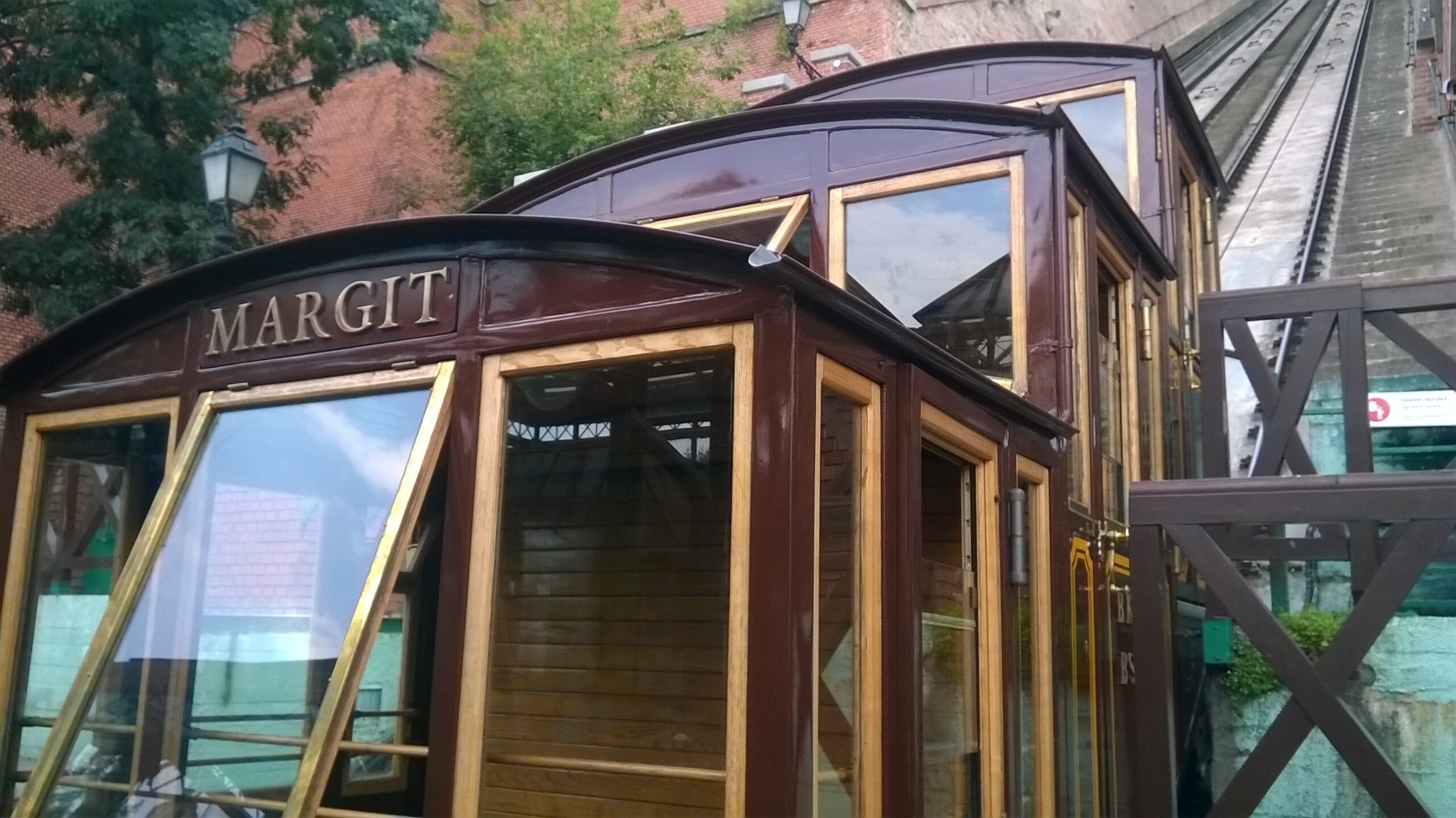
The Buda Castle Funicular is one of those Budapest experiences that is both practical and charming — a short ride that connects the banks of the Danube with the historic heights of Castle Hill.

Since its opening in 1870, this small but iconic cable car has carried millions of passengers between the Chain Bridgeand the Royal Palace above. In just a few seconds, it offers sweeping views over the Danube and Pest, making the journey itself part of the sightseeing.

A bit of history

The Funicular was originally powered by steam and played an important role in everyday city life, helping residents and workers reach Castle Hill quickly. During the Second World War, it was almost completely destroyed.

When it was rebuilt decades later, it returned as an electric cable car, carefully designed to reflect its historic appearance while meeting modern standards. Today, it’s both a nostalgic landmark and a fully functioning part of Budapest’s transport system.

Film lovers may also recognise it from The Grand Budapest Hotel, where it appears briefly — a small but delightful cinematic connection.

How to include it in your visit

The Funicular is a lovely addition to a walk around Buda Castle, whether you’re exploring on your own or joining a Buda Castle Walking Tour, where it can be included as an optional extra depending on interest and timing.

It’s also a great standalone experience if you’re short on time but still want a memorable view.

An insider tip from a local guide

If you’d like to avoid long queues, don’t take the Funicular up to Castle Hill. Instead, walk up and use it for the descent, travelling from the Royal Palace down to the Chain Bridge. Lines are usually shorter — and the view is just as beautiful.