Look Up: Hidden Animals in Budapest Architecture
- Destinations, General, Reviews
- Budapest animals, Budapest architecture, Budapest Art Nouveau, Budapest details, Budapest hidden gems, Budapest private guide, Budapest Private Tours, Budapest travel inspiration, Budapest Walking Tours, Chain Bridge lions, Hidden Budapest, things to see in Budapest, Turul Budapest, unusual Budapest
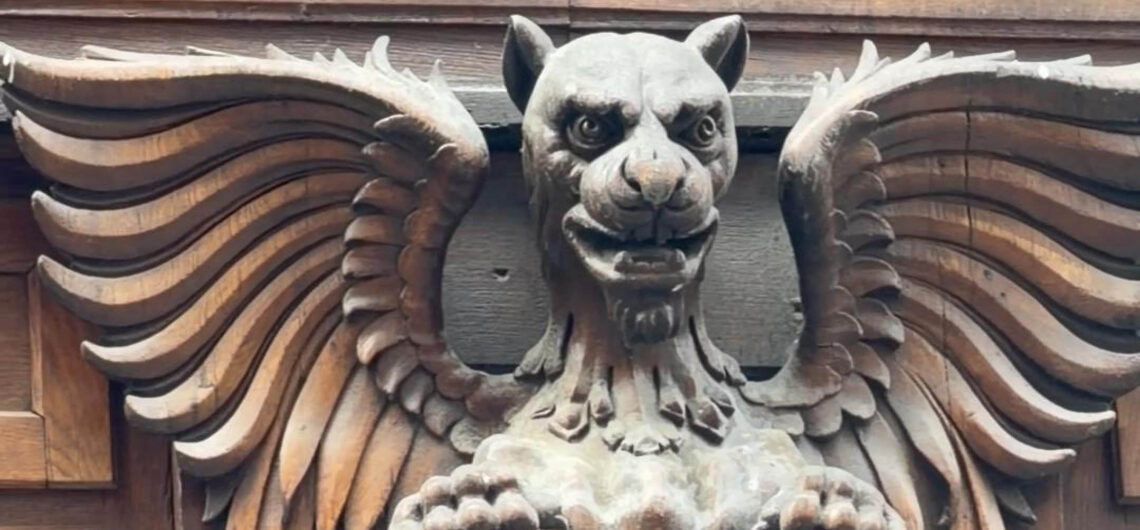
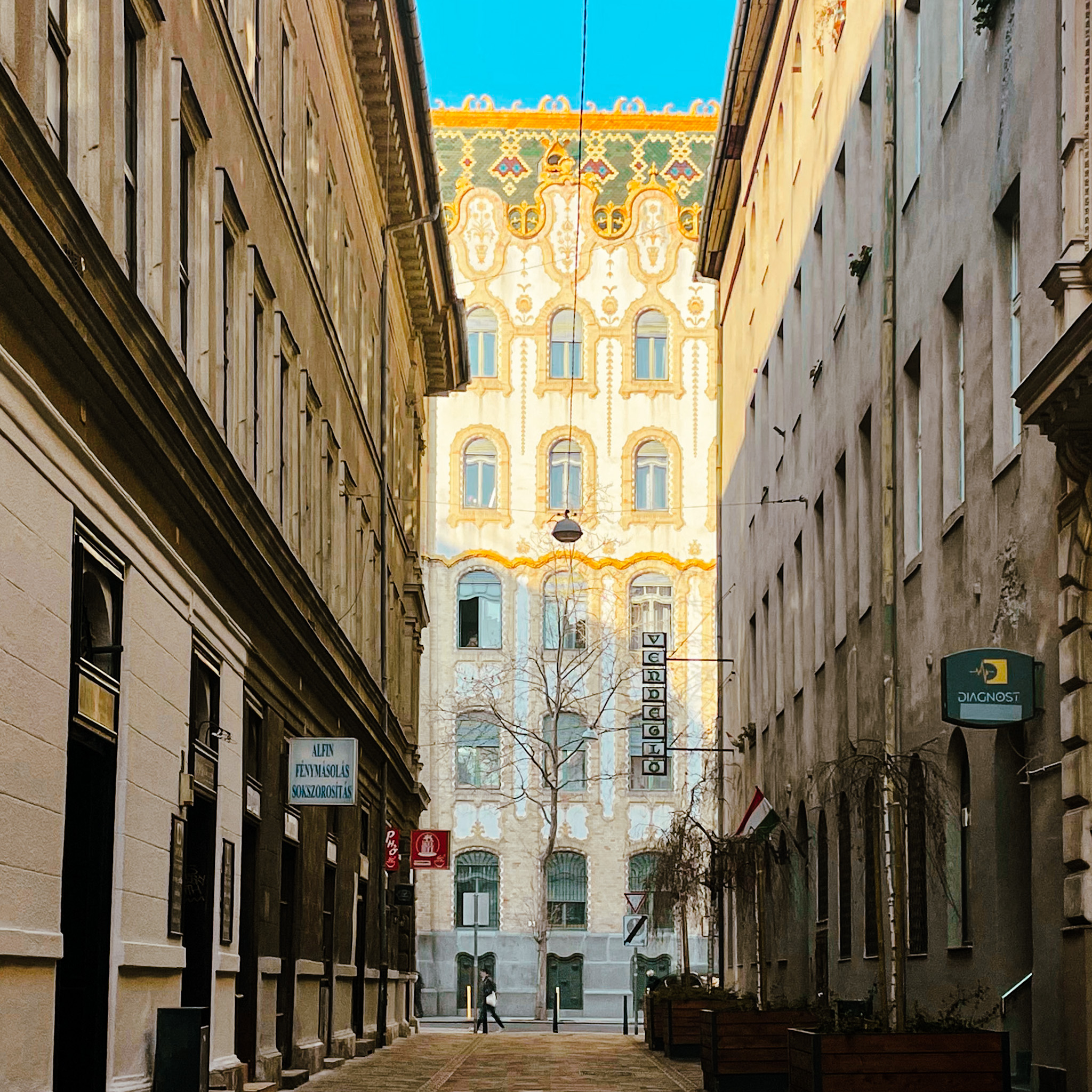
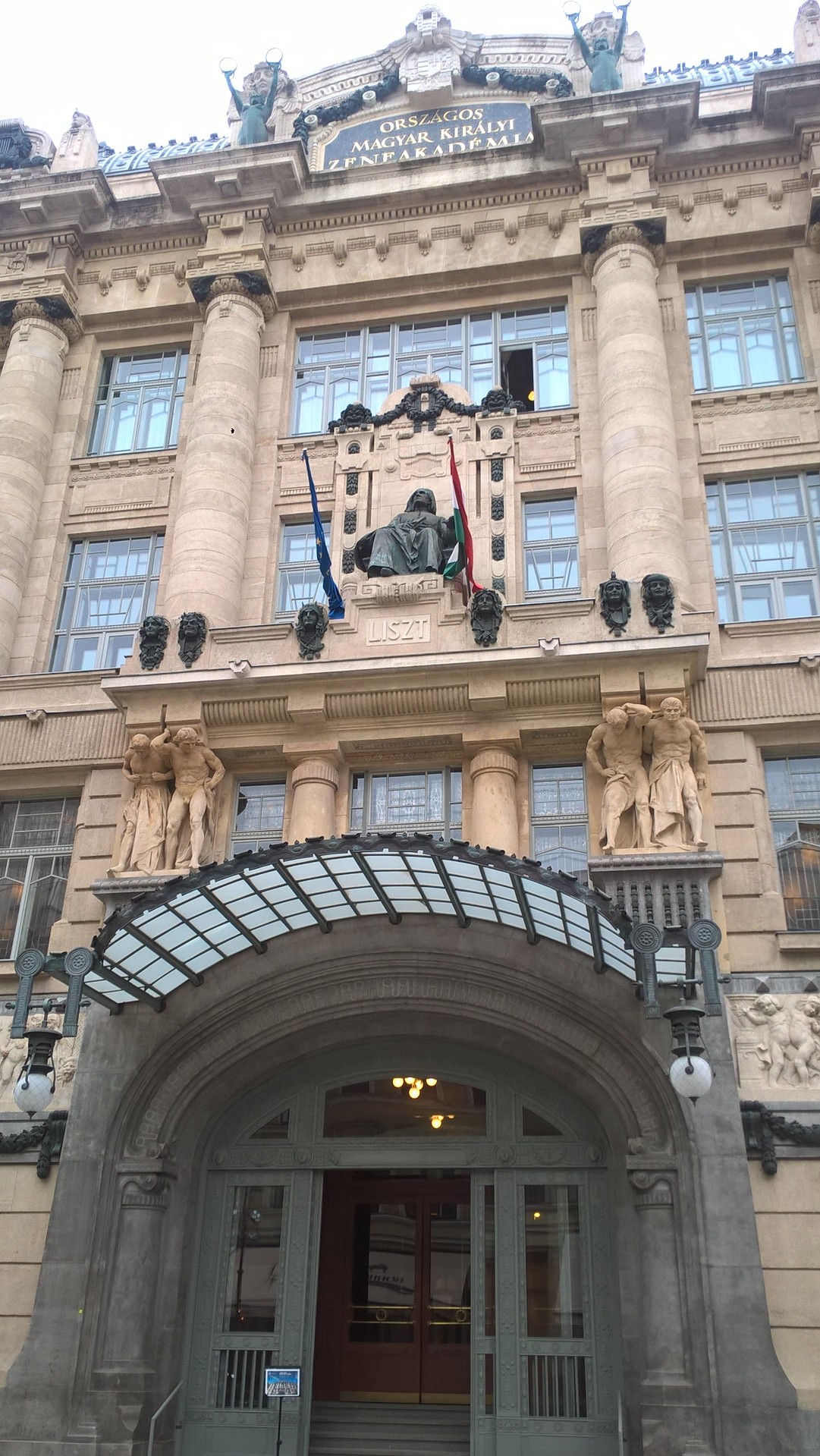
Once you start looking closely, you’ll discover animals in Budapest architecture almost everywhere. Lions guard bridges and palace gates, birds spread their wings above rooftops, while owls, bees, peacocks and strange mythical creatures hide among the decorations of buildings most people pass without a second glance.
Some are famous symbols of Budapest and Hungary. Others are so small that you could walk beneath them every day without noticing them. But once you’ve spotted a few, you’ll start seeing them everywhere.
Budapest Is Watching You
Look up while walking through Budapest and you might suddenly find a stone face staring back at you.
Architects of the late nineteenth and early twentieth centuries loved incorporating animals, plants and mythical creatures into their buildings. They weren’t always simply decorative. Animals could symbolise strength, wisdom, freedom, prosperity or protection, while others reflected the personality or purpose of the building itself.
This is one of the reasons I love exploring Budapest on foot. A building you may have passed dozens of times can suddenly reveal an entirely new story simply because you stopped and looked a little closer.
The Lions Guarding the Chain Bridge
Some of Budapest’s animals are impossible to miss. The four enormous stone lions guarding the Chain Bridge are among the most recognisable. Created by sculptor János Marschalkó, they have watched over the bridge since the nineteenth century and have become almost as iconic as the bridge itself. And yes, they do have tongues.
One of Budapest’s favourite urban legends claims that the sculptor forgot to give his lions tongues and was so humiliated when someone pointed out the mistake that he jumped into the Danube.
It’s a wonderful story. It just isn’t true. The tongues are there—you simply can’t see them easily when standing below the lions.
The Turul Above Budapest
Then there are creatures that tell a much bigger story. The Turul, a mythical bird of prey deeply connected with Hungarian legends and national identity, appears in monuments throughout the country.
One of Budapest’s most dramatic examples spreads its wings above the Danube from the Buda Castle District, a sword held in its claws.
Its elevated position makes it impossible to overlook once you know where to look, yet understanding why the Turul appears so often in Hungary opens the door to centuries of legends, history and symbolism. It’s exactly the kind of detail that turns sightseeing into storytelling.
Tiny Bees Hiding on Budapest Buildings
The smaller animals are perhaps even more fun to discover. Look closely at some of Budapest’s historic façades and you may find tiny bees incorporated into the decoration.
Why bees? They have long represented qualities such as diligence, cooperation and prosperity, making them particularly appropriate symbols for certain commercial and financial buildings. They’re also a perfect example of why Budapest rewards people who slow down. From across the street, you see an impressive façade. Move closer, and suddenly an entire world of decorative details begins to appear.
And we’ll come back to those bees another day—they deserve a story of their own.
Peacocks, Owls and Animals in Budapest Architecture
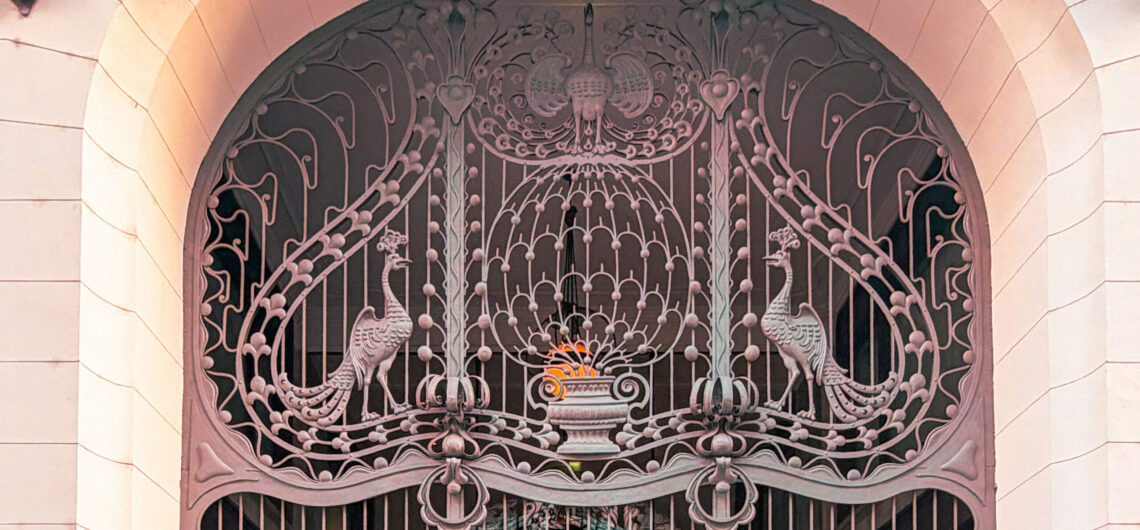
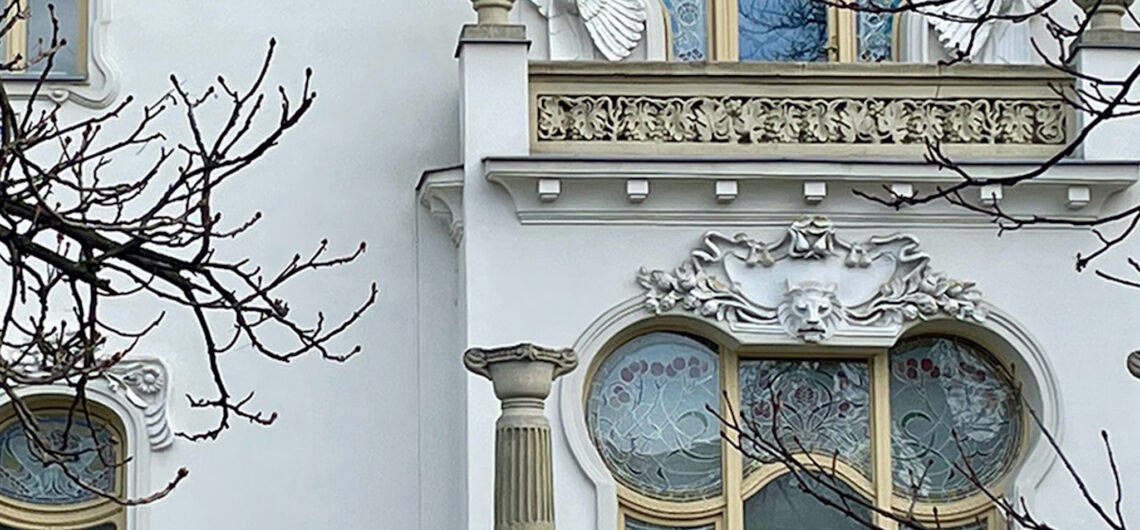
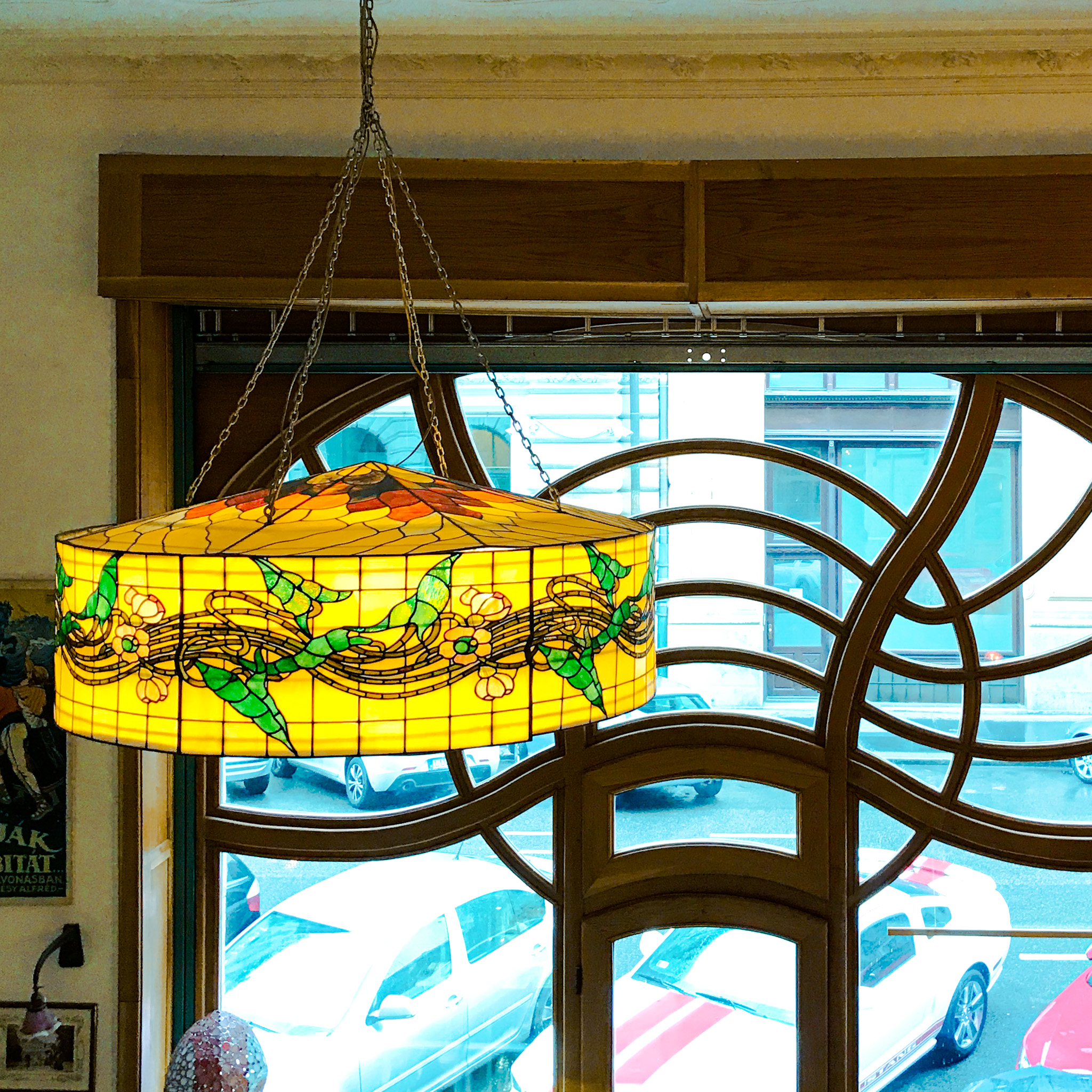
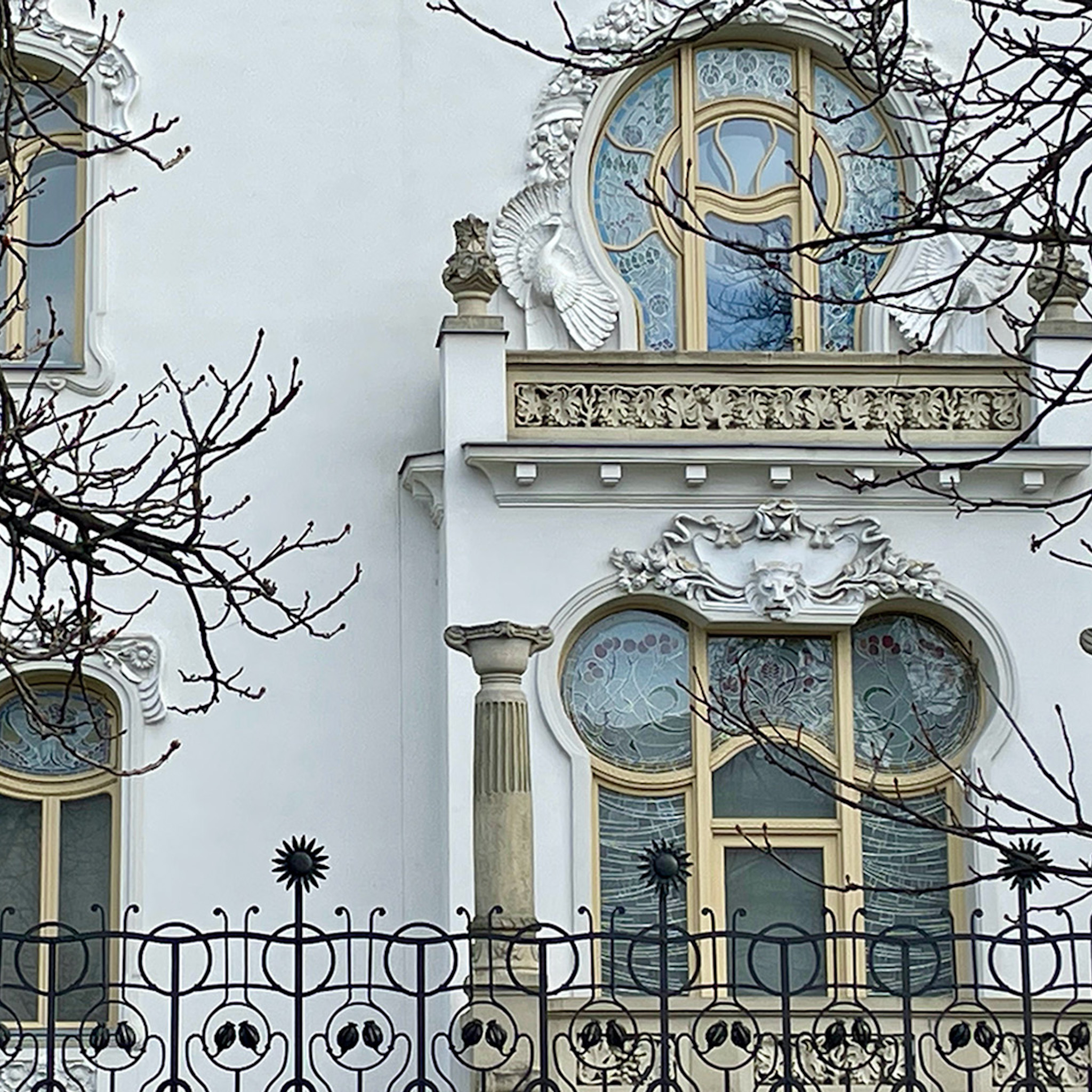
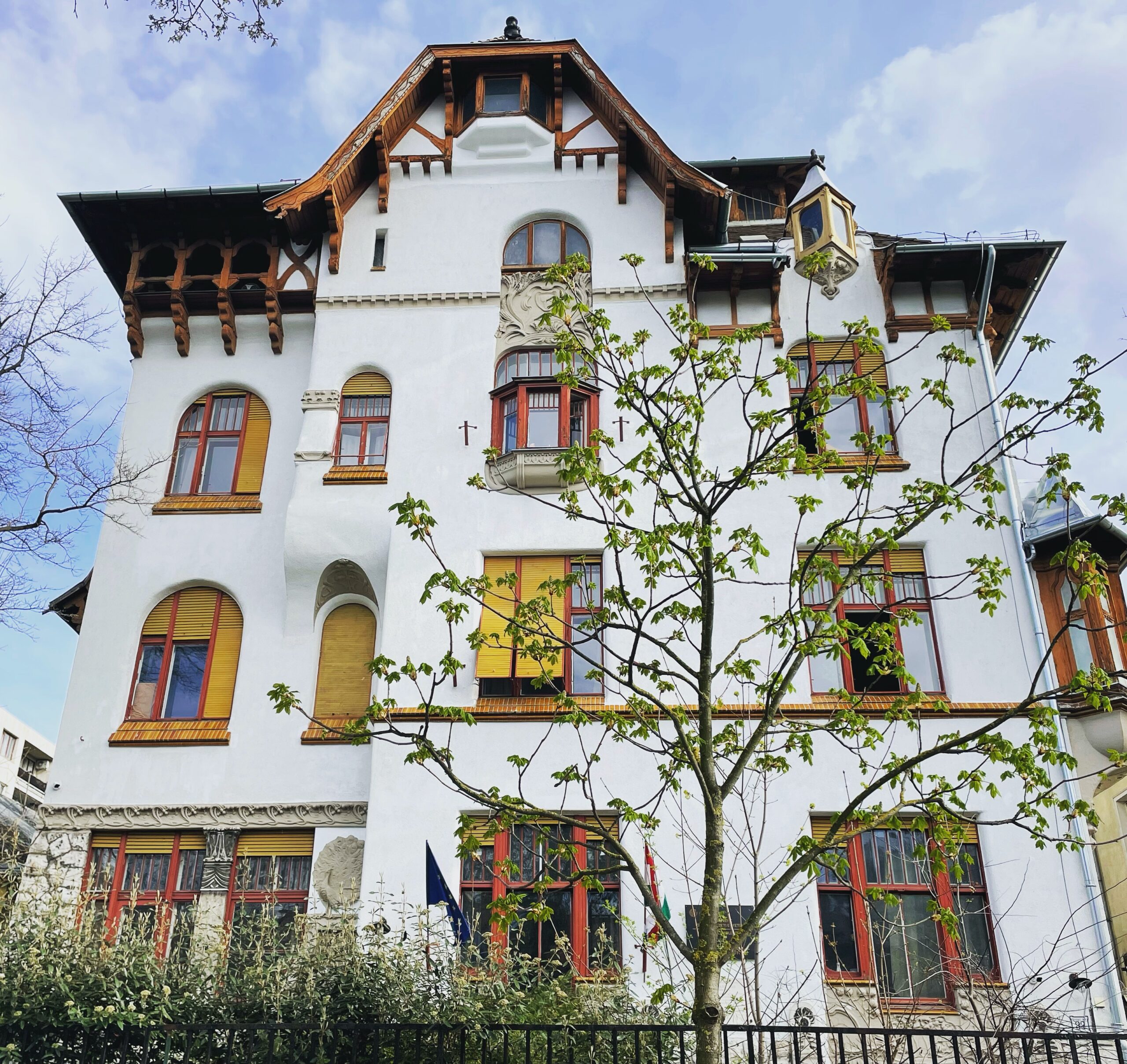
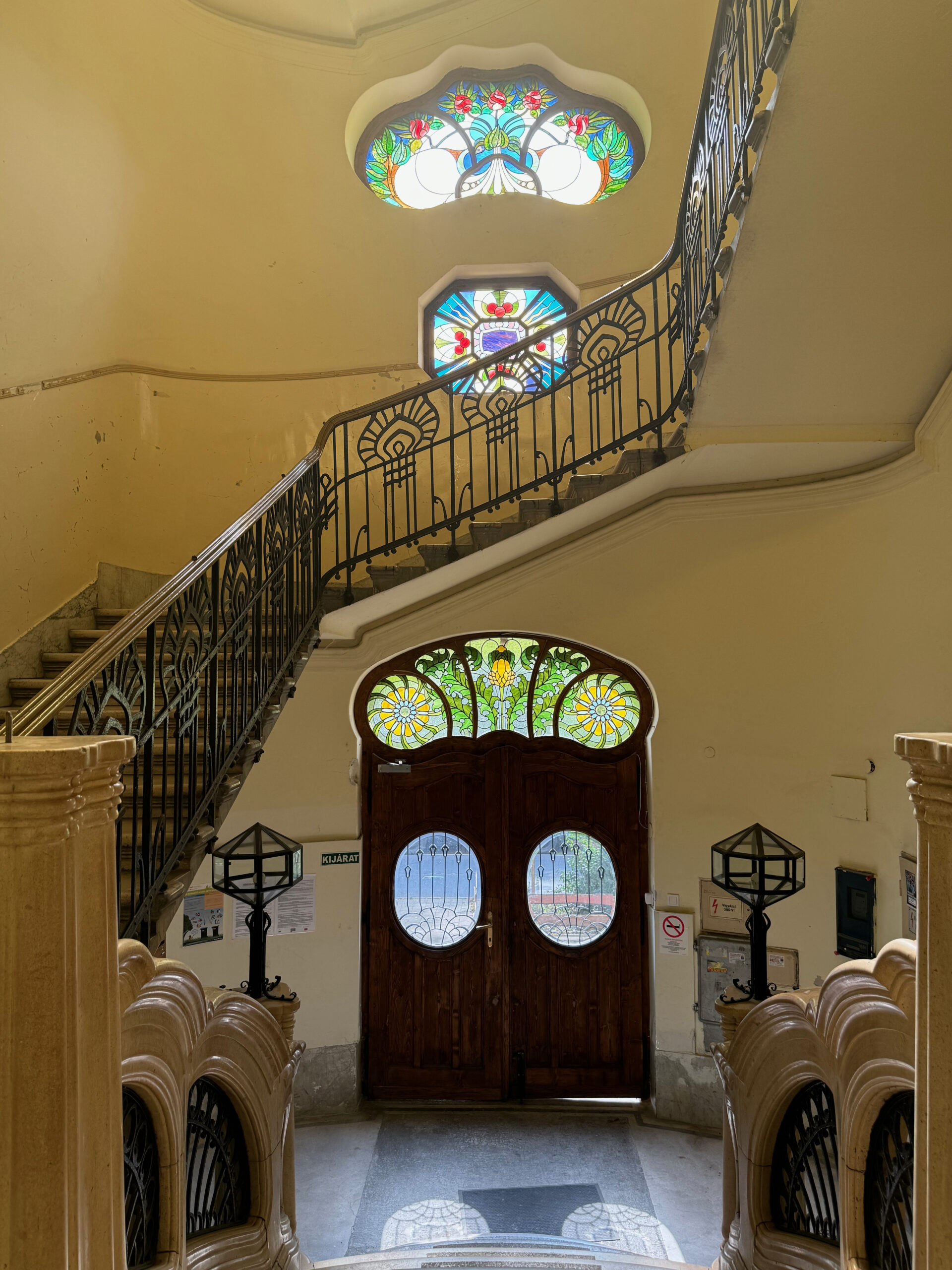
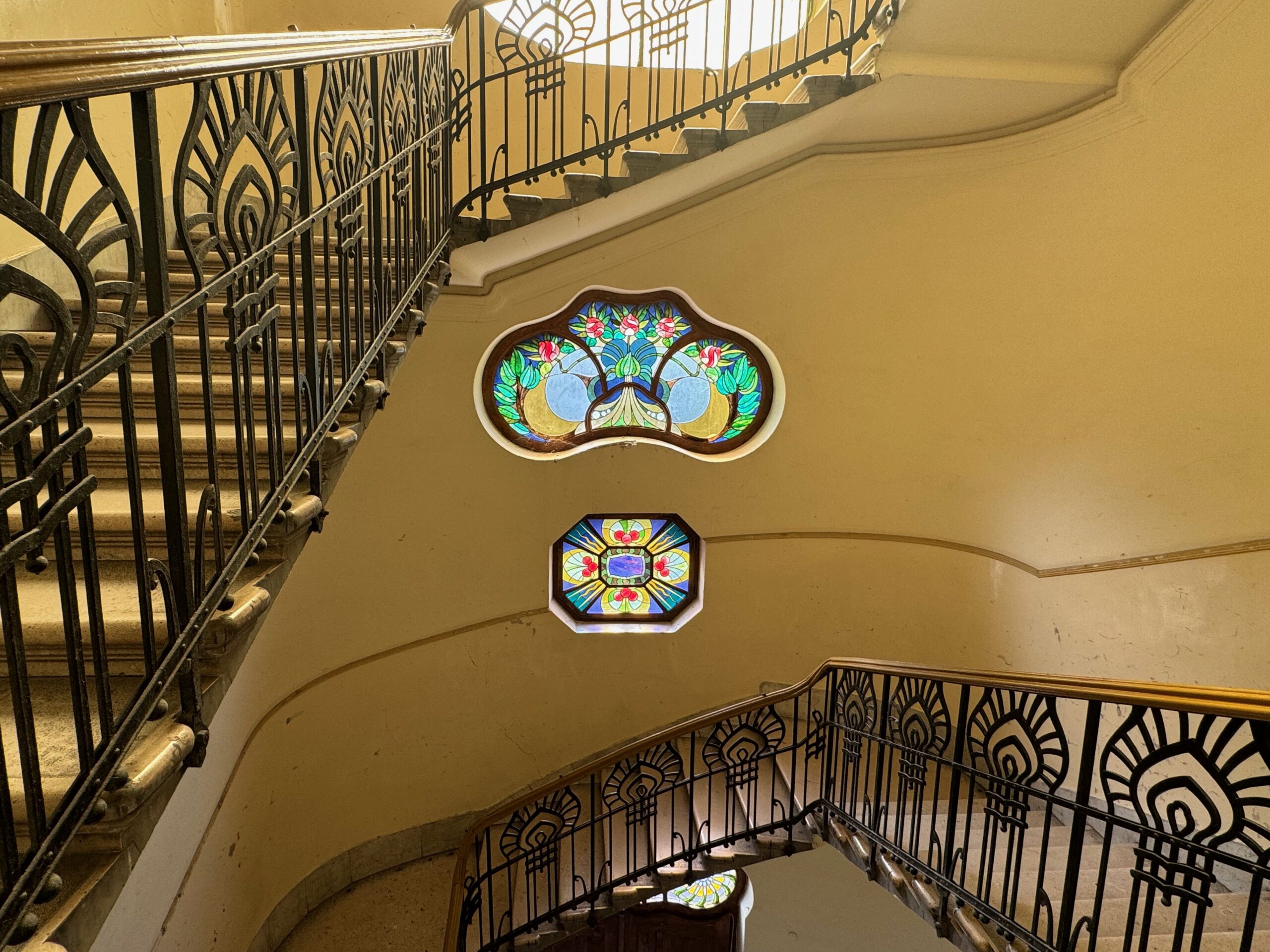
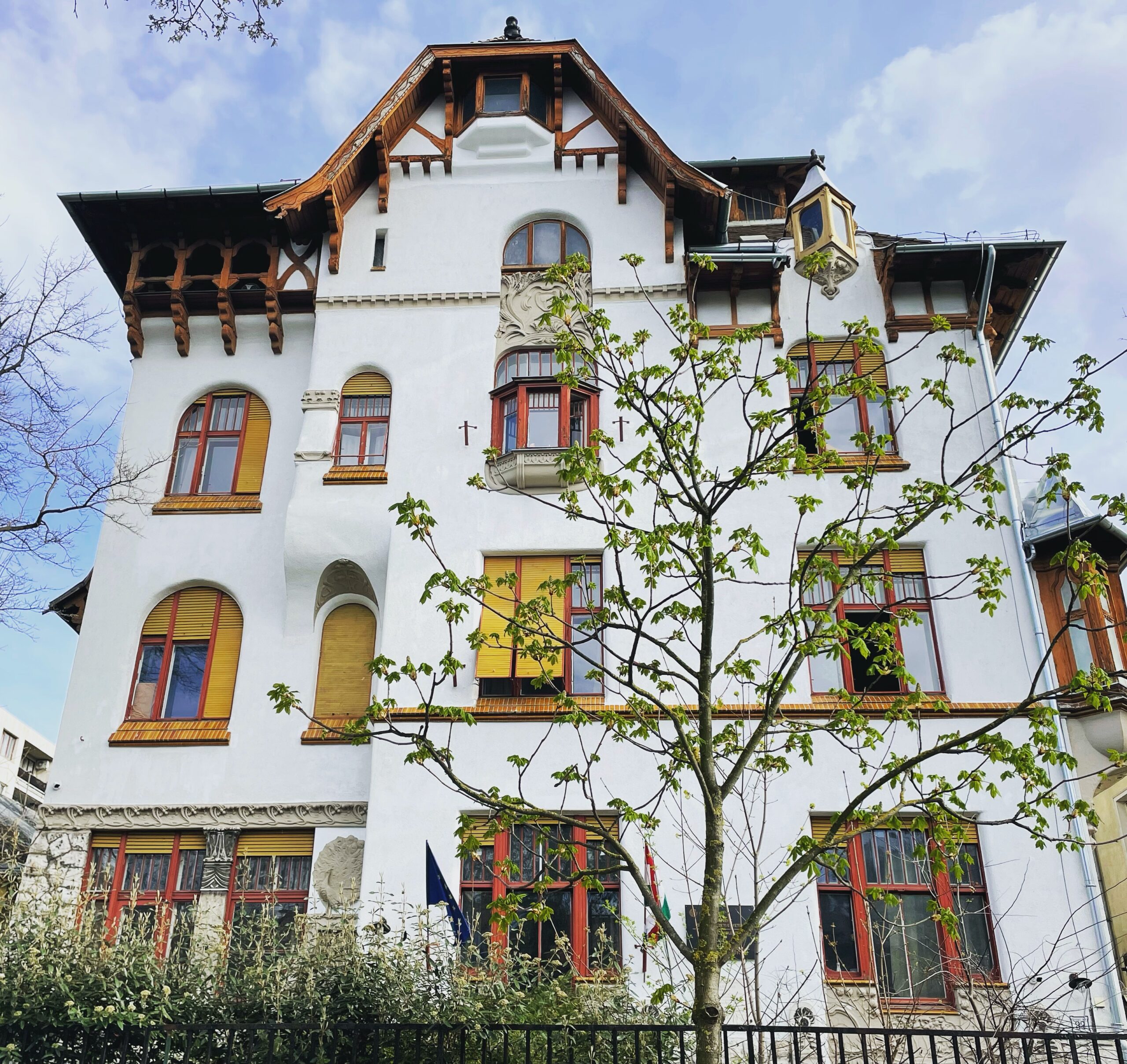
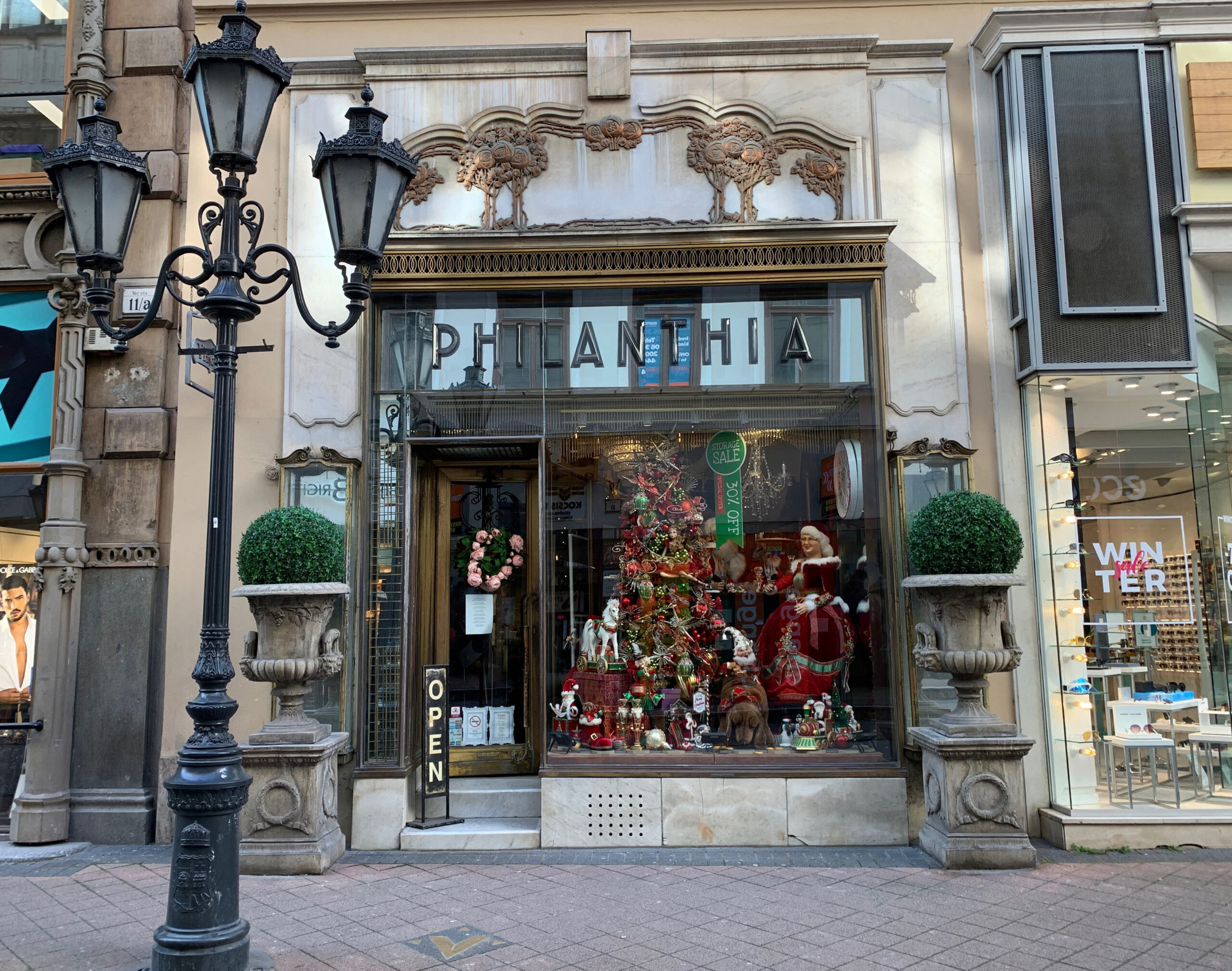
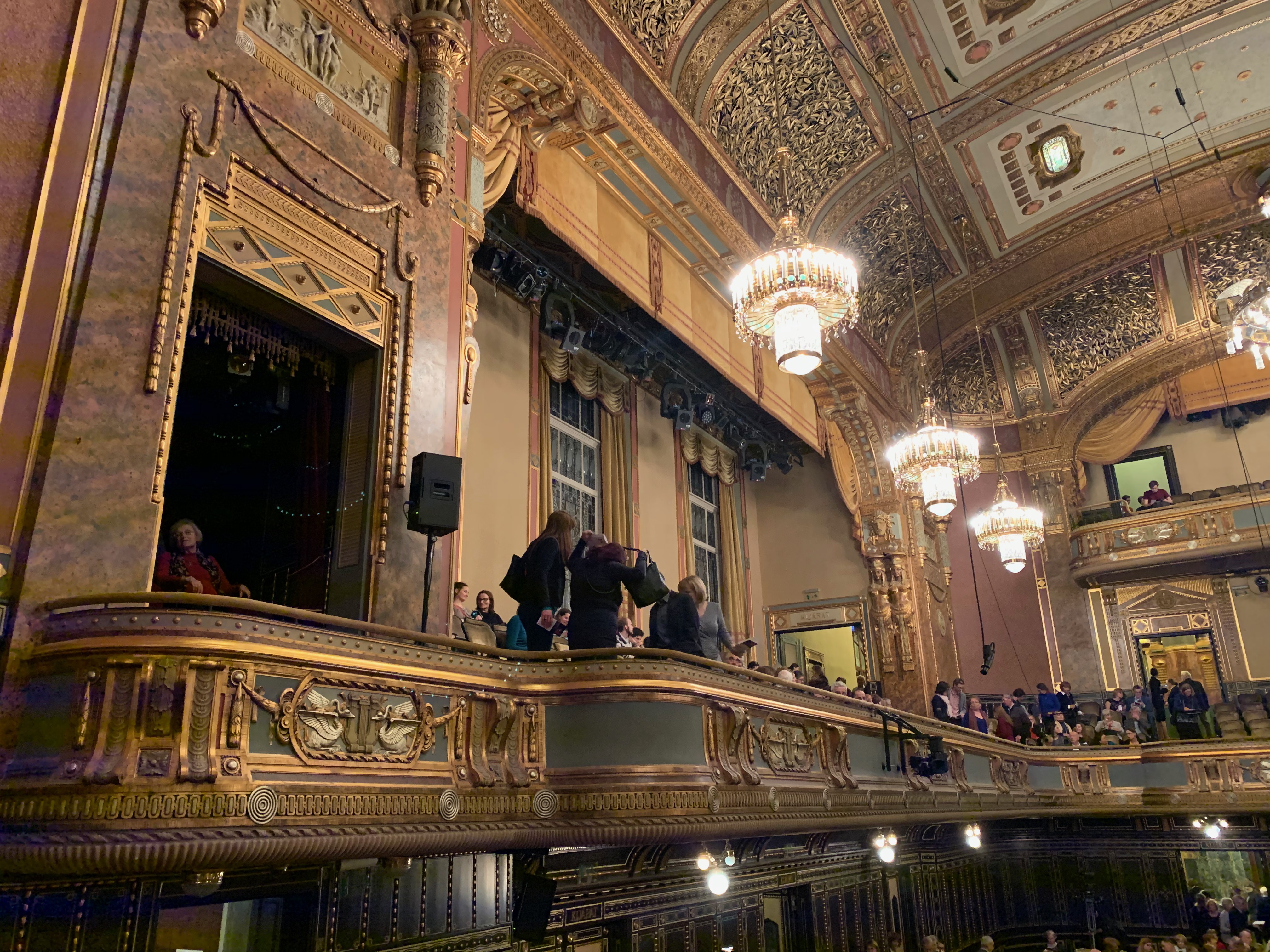
The arrival of Art Nouveau brought an extraordinary natural world to Budapest’s architecture.
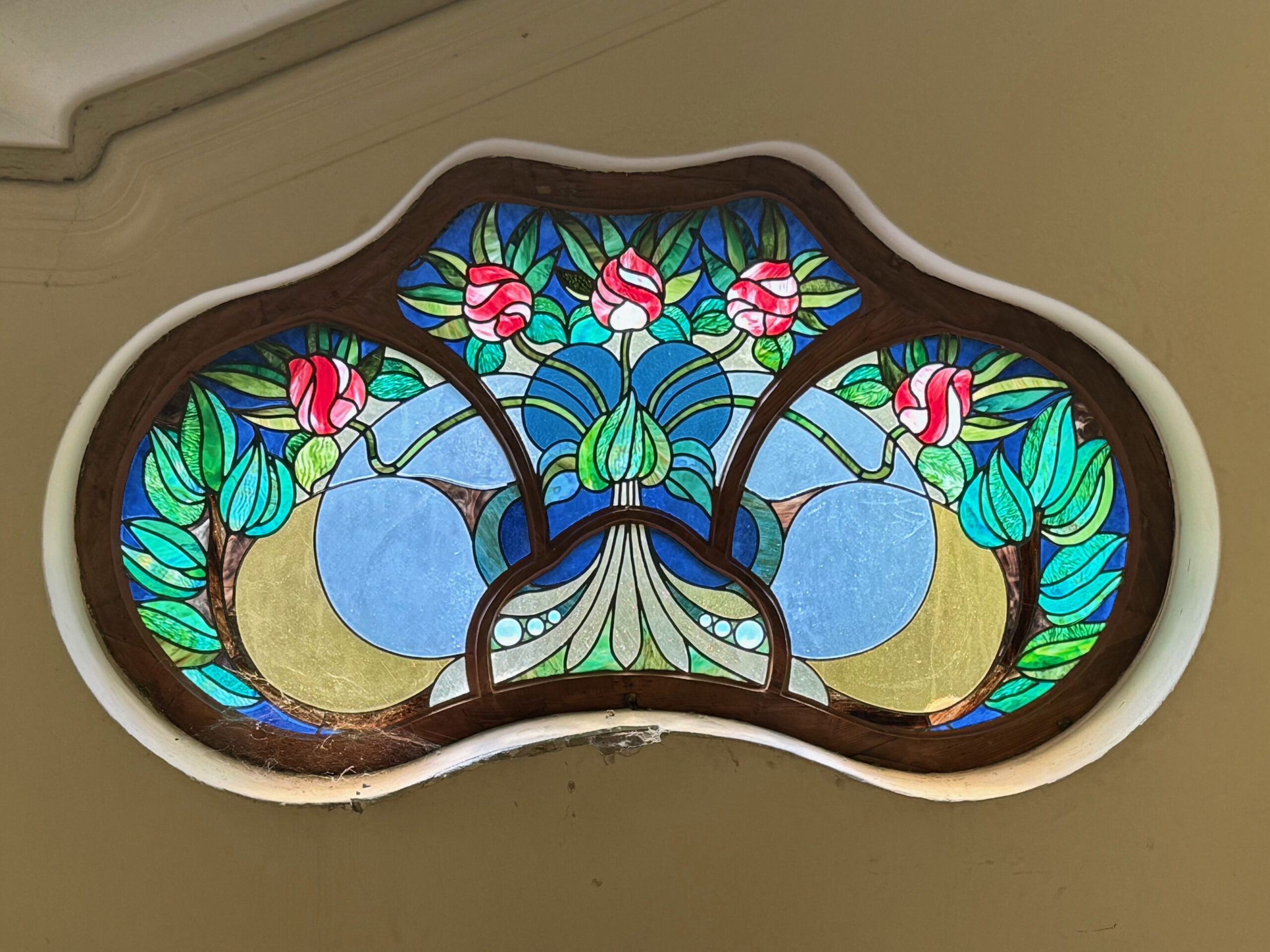
Flowers curled across façades. Leaves climbed around windows. Birds appeared above entrances and colourful ceramic decoration transformed ordinary buildings into something much more imaginative.
Peacocks were particularly suited to this new architectural language. Their flowing feathers, symmetry and rich colours made them perfect decorative motifs. Elsewhere, owls peer down from buildings, while birds and other creatures emerge from stone, metal, wood and colourful ceramics.
And Then There Are the Creatures You Can’t Quite Identify…
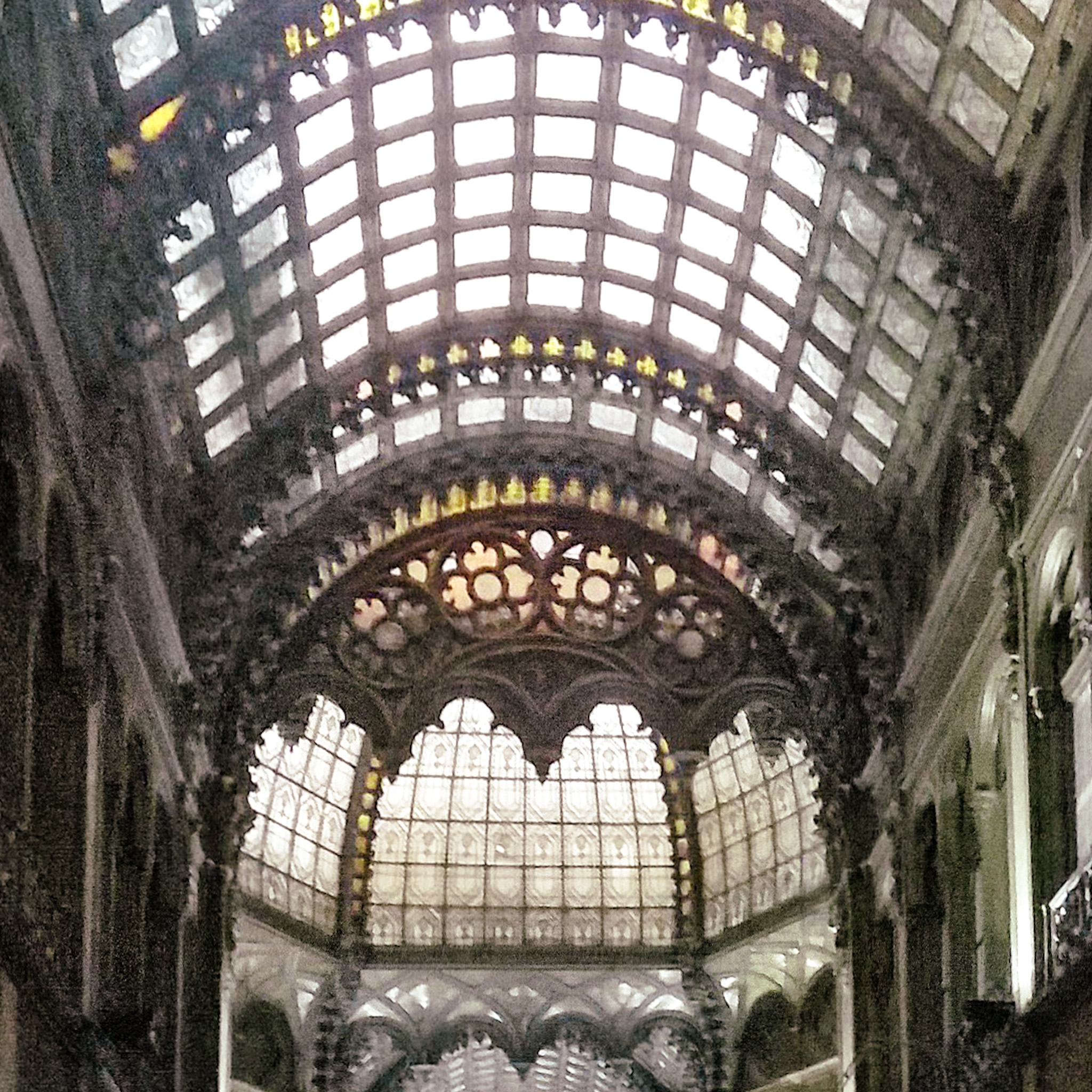
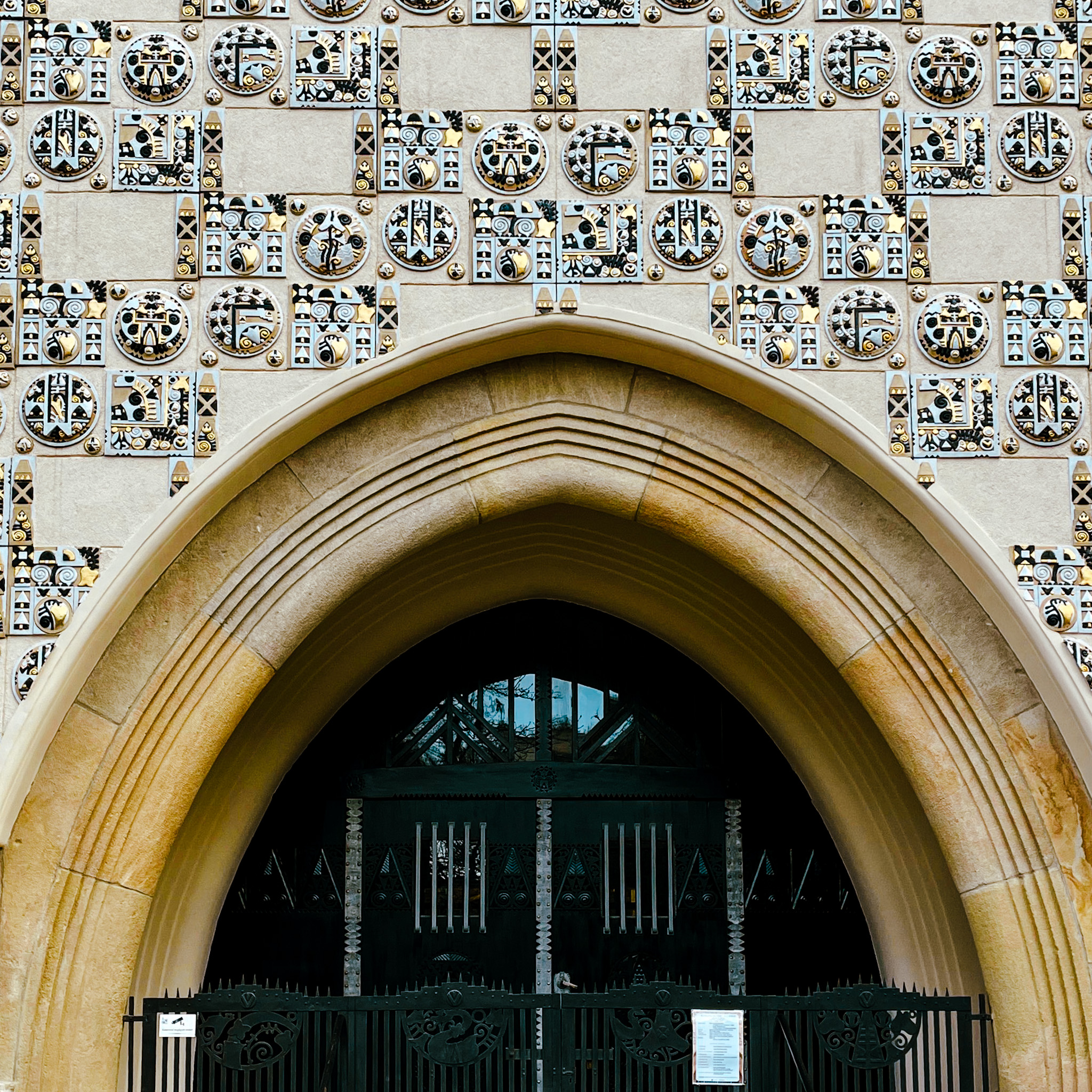
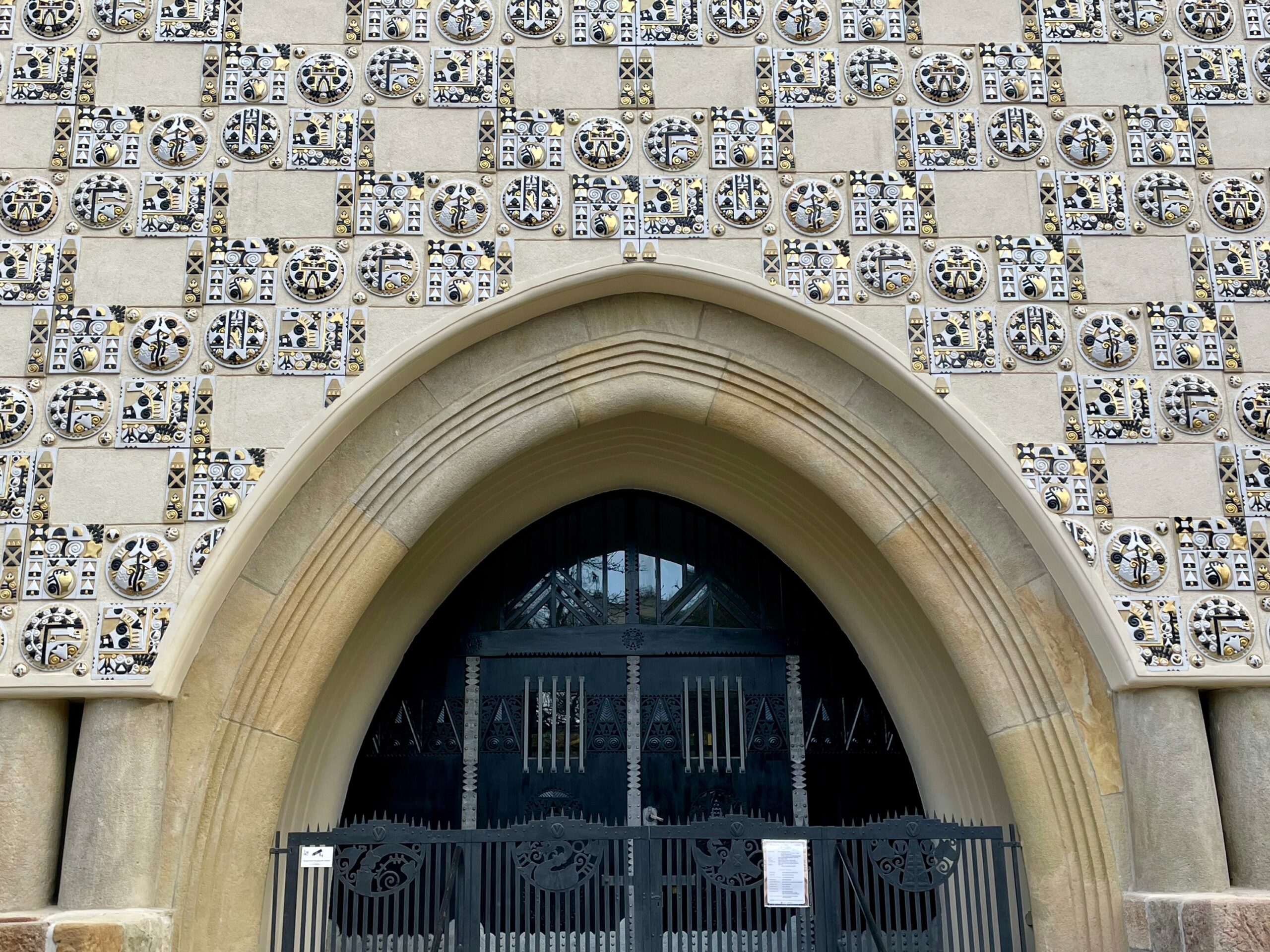
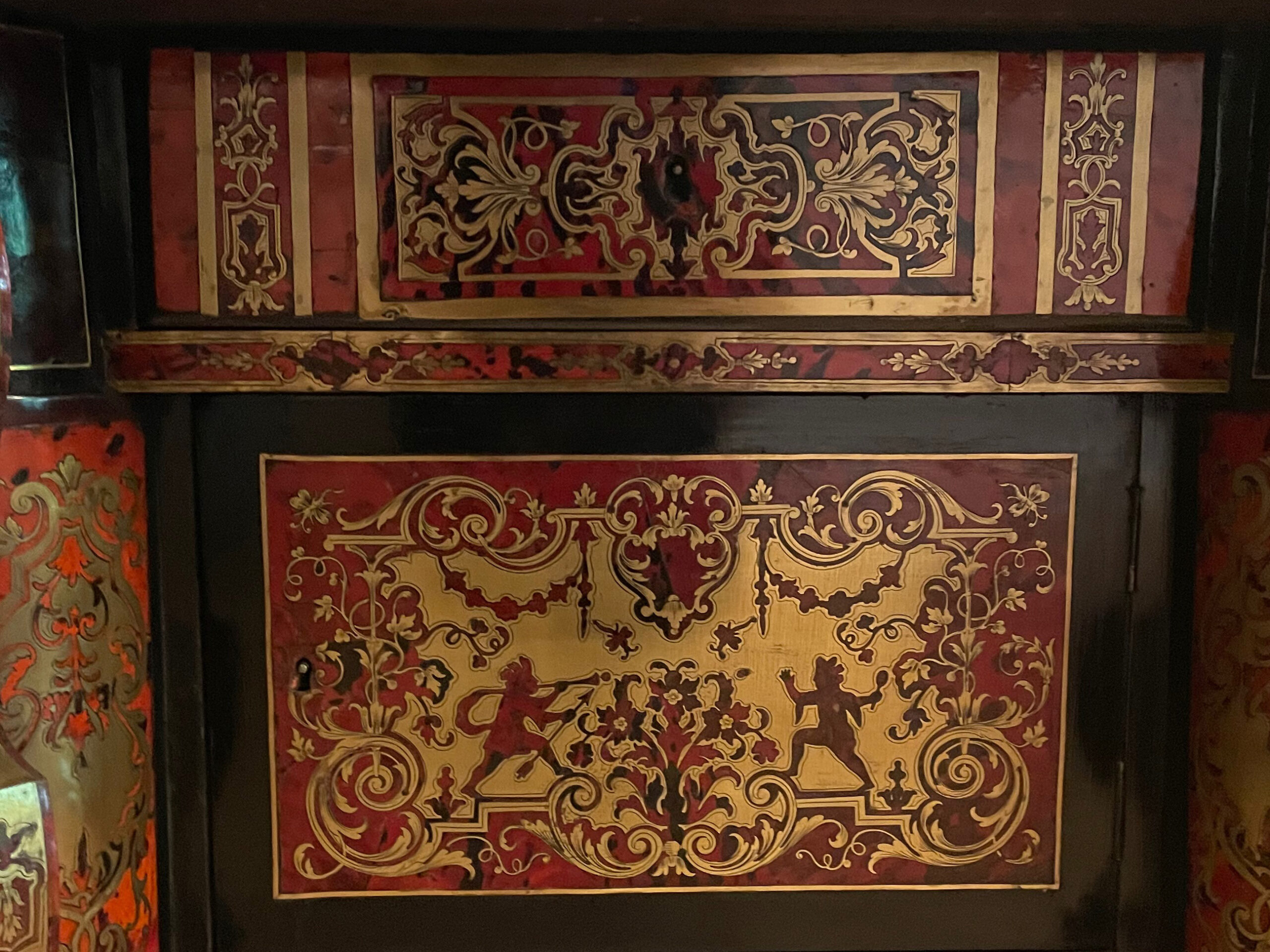
Not every animal hiding in Budapest is easy to name. Look closely at historic doorways, carved wooden panels and stone façades and you’ll encounter winged beasts, fantastic birds, strange faces and creatures that seem to belong somewhere between mythology and imagination.
Sometimes identifying them is less important than simply noticing them.
They’re reminders that the architects and craftsmen who created Budapest’s buildings weren’t only designing functional spaces. They were creating places full of personality, symbolism and sometimes even humour.
Look Up When You Walk Through Budapest
It’s easy to visit Budapest while concentrating entirely on the famous sights.
Parliament. St. Stephen’s Basilica. Buda Castle. The Chain Bridge.
They’re magnificent, and of course they’re worth seeing. But the Budapest I love showing people exists in the spaces between those landmarks too. It’s in a tiny bee above your head. A peacock decorating an entrance. An owl almost hidden behind leaves. A strange stone creature staring down from a building.
Once you begin noticing these details, walking through Budapest becomes something of a treasure hunt.
And perhaps that’s one of the things I enjoy most about being a private guide: helping people see not only what they’re looking at, but the details and stories they might otherwise have walked straight past.
Discover Budapest One Detail at a Time
Every private tour I create is different because every guest notices different things.
Some people are fascinated by architecture. Others love history, Art Nouveau, Jewish heritage, food, photography or simply discovering beautiful places away from the busiest tourist routes.
That’s why my Budapest private tours are fully customisable. We can visit the city’s essential landmarks, but we can also slow down, wander into quieter streets and look for the small details that make Budapest unforgettable.
Because sometimes the most memorable story of the day isn’t waiting inside a museum. Sometimes it’s been watching you from above the whole time.