With over 100,000 Hungarian and international artworks spanning from ancient civilisations to the end of the 18th century, the Museum of Fine Arts is the largest and most comprehensive art museum in Budapest — and an absolute must for culture lovers visiting the city. Opened in 1906, the museum’s Classical Revival building is a work of art in itself. From the outside, it resembles an ancient Greek temple — and that’s no coincidence. The tympanum on the main façade is an exact replica of the Temple of Zeus in Olympia, giving the building a timeless, monumental presence on Heroes’ Square. After being closed for almost four years of renovation, the museum has fully regained its original splendour. The restored interiors are just as breathtaking as the collections they house. Wandering through the building truly feels like stepping back in time. My personal favourites are the Romanesque Hall and the Renaissance Hall — spaces so atmospheric that even visitors who don’t usually consider themselves “museum people” are often left speechless. Exploring the museum is not just about viewing artworks; it’s a journey through centuries of European and ancient history. The Museum of Fine Arts collections at a glance The Museum of Fine Arts is divided into six main departments: Egyptian Antiquities Classical Antiquities Old Master Paintings Sculptures Prints and Drawings Old Hungarian Collection Thanks to this wide range, the museum works equally well for first-time visitors, returning travellers, and families with older children. Visiting tips The Museum of Fine Arts is located right at Heroes’ Square, making it easy to combine with a walk through City Park, a visit to Vajdahunyad Castle, or even a relaxing stop at Széchenyi Thermal Bath afterwards. I often recommend it as an extra stop during a custom Budapest walking tour, especially for guests interested in
With over 100,000 Hungarian and international artworks spanning from ancient civilisations to the end of the 18th century, the Museum of Fine Arts is the largest and most comprehensive art museum in Budapest — and an absolute must for culture lovers visiting the city.
Opened in 1906, the museum’s Classical Revival building is a work of art in itself. From the outside, it resembles an ancient Greek temple — and that’s no coincidence. The tympanum on the main façade is an exact replica of the Temple of Zeus in Olympia, giving the building a timeless, monumental presence on Heroes’ Square.
After being closed for almost four years of renovation, the museum has fully regained its original splendour. The restored interiors are just as breathtaking as the collections they house. Wandering through the building truly feels like stepping back in time.
My personal favourites are the Romanesque Hall and the Renaissance Hall — spaces so atmospheric that even visitors who don’t usually consider themselves “museum people” are often left speechless. Exploring the museum is not just about viewing artworks; it’s a journey through centuries of European and ancient history.
The Museum of Fine Arts collections at a glance
The Museum of Fine Arts is divided into six main departments:
Egyptian Antiquities
Classical Antiquities
Old Master Paintings
Sculptures
Prints and Drawings
Old Hungarian Collection
Thanks to this wide range, the museum works equally well for first-time visitors, returning travellers, and families with older children.
I often recommend it as an extra stop during a custom Budapest walking tour, especially for guests interested in art, architecture, or classical history.
%For up-to-date opening hours and current exhibitions, I always suggest checking the museum’s official website before your visit.
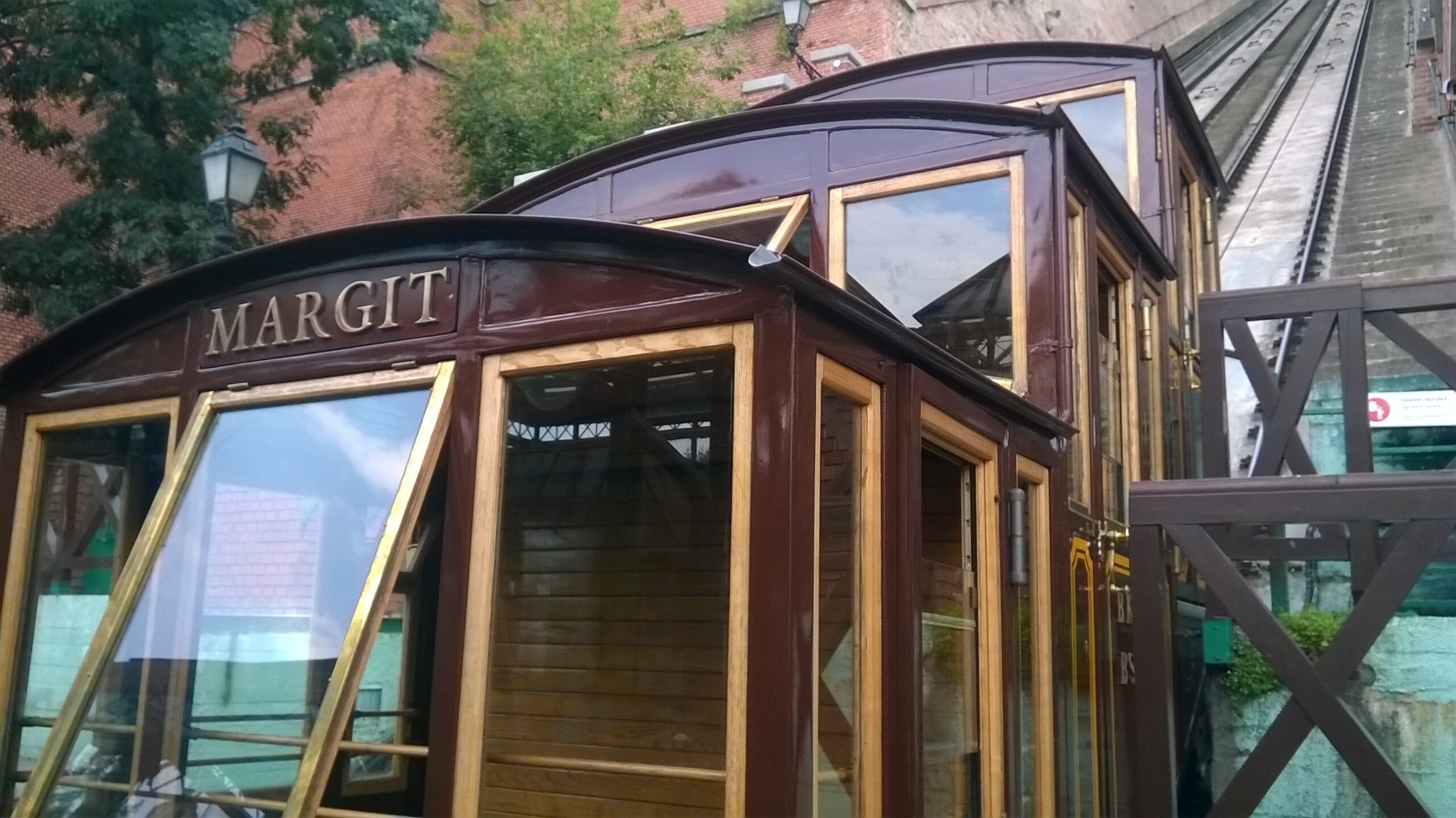
The Buda Castle Funicular is one of those Budapest experiences that is both practical and charming — a short ride that connects the banks of the Danube with the historic heights of Castle Hill. Since its opening in 1870, this small but iconic cable car has carried millions of passengers between the Chain Bridgeand the Royal Palace above. In just a few seconds, it offers sweeping views over the Danube and Pest, making the journey itself part of the sightseeing. A bit of history The Funicular was originally powered by steam and played an important role in everyday city life, helping residents and workers reach Castle Hill quickly. During the Second World War, it was almost completely destroyed. When it was rebuilt decades later, it returned as an electric cable car, carefully designed to reflect its historic appearance while meeting modern standards. Today, it’s both a nostalgic landmark and a fully functioning part of Budapest’s transport system. Film lovers may also recognise it from The Grand Budapest Hotel, where it appears briefly — a small but delightful cinematic connection. How to include it in your visit The Funicular is a lovely addition to a walk around Buda Castle, whether you’re exploring on your own or joining a Buda Castle Walking Tour, where it can be included as an optional extra depending on interest and timing. It’s also a great standalone experience if you’re short on time but still want a memorable view. An insider tip from a local guide If you’d like to avoid long queues, don’t take the Funicular up to Castle Hill. Instead, walk up and use it for the descent, travelling from the Royal Palace down to the Chain Bridge. Lines are usually shorter — and the view is just as beautiful.
The Buda Castle Funicular is one of those Budapest experiences that is both practical and charming — a short ride that connects the banks of the Danube with the historic heights of Castle Hill.
Since its opening in 1870, this small but iconic cable car has carried millions of passengers between the Chain Bridgeand the Royal Palace above. In just a few seconds, it offers sweeping views over the Danube and Pest, making the journey itself part of the sightseeing.
A bit of history
The Funicular was originally powered by steam and played an important role in everyday city life, helping residents and workers reach Castle Hill quickly. During the Second World War, it was almost completely destroyed.
When it was rebuilt decades later, it returned as an electric cable car, carefully designed to reflect its historic appearance while meeting modern standards. Today, it’s both a nostalgic landmark and a fully functioning part of Budapest’s transport system.
Film lovers may also recognise it from The Grand Budapest Hotel, where it appears briefly — a small but delightful cinematic connection.
How to include it in your visit
The Funicular is a lovely addition to a walk around Buda Castle, whether you’re exploring on your own or joining a Buda Castle Walking Tour, where it can be included as an optional extra depending on interest and timing.
It’s also a great standalone experience if you’re short on time but still want a memorable view.
An insider tip from a local guide
If you’d like to avoid long queues, don’t take the Funicular up to Castle Hill. Instead, walk up and use it for the descent, travelling from the Royal Palace down to the Chain Bridge. Lines are usually shorter — and the view is just as beautiful.
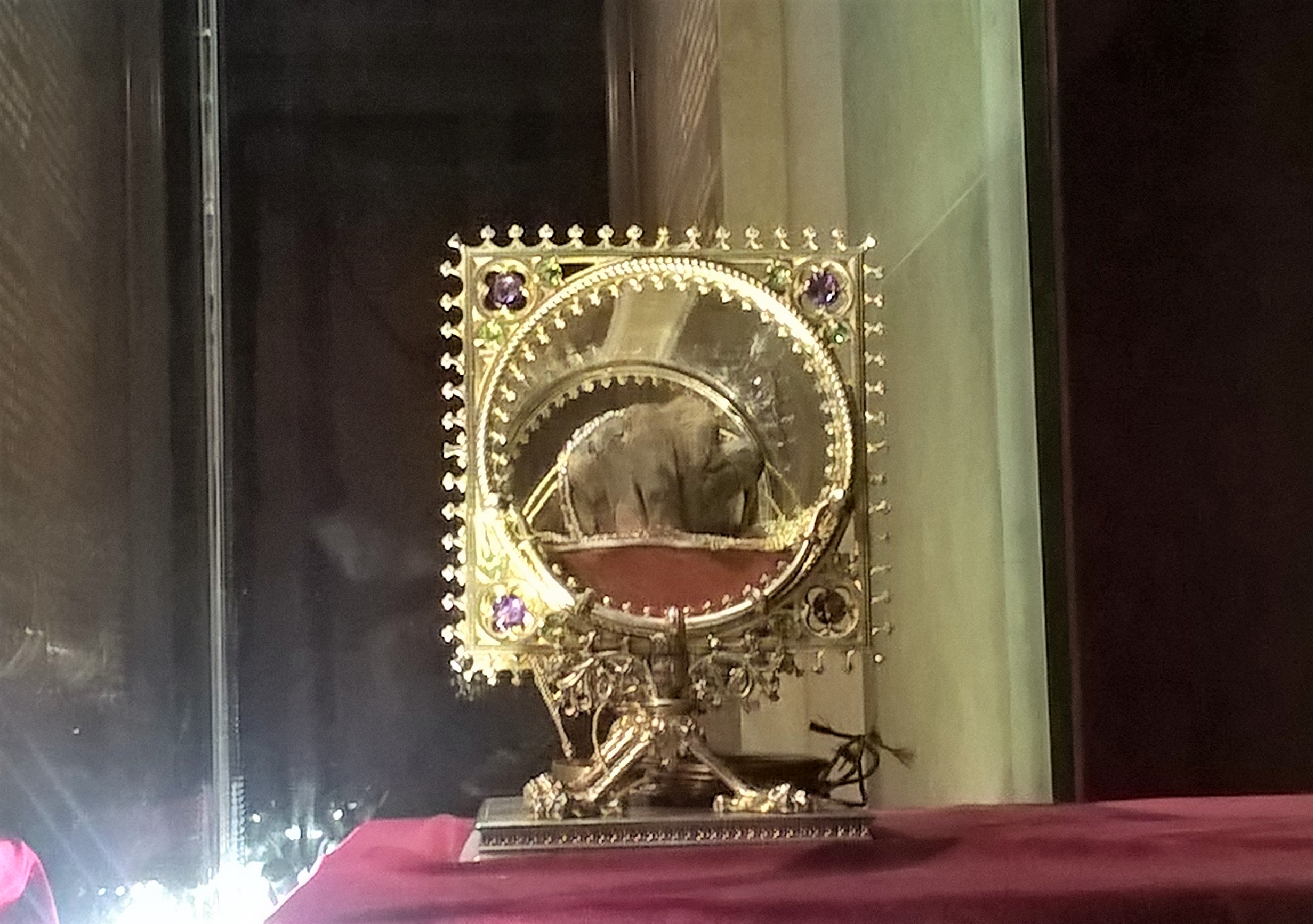
St Stephen’s mummified hand hides one of the most unusual and powerful Budapest stories, preserved for over a thousand years inside St Stephen’s Basilica. Hidden inside St. Stephen’s Basilica, behind gilded doors and soft candlelight, you’ll find one of Hungary’s most extraordinary and deeply symbolic treasures: the mummified right hand of St. Stephen, Hungary’s first Christian king. Who was St. Stephen? St. Stephen (István király) was crowned in the year 1000 and became the founder of the Hungarian state and its Christian identity. His reign marked a turning point: Hungary officially joined Christian Europe, laying the foundations of the country we know today. After his death, Stephen was revered as a saint — but the story of his right hand is anything but ordinary. How did the mummified hand survive in Budapest? Legend has it that when St. Stephen’s body was exhumed prior to his canonisation, his right hand and forearm were found miraculously preserved, while the rest of his body had decayed. This was interpreted as a divine sign. The relic became known as the “Holy Right” (Szent Jobb) and, over the centuries, it travelled far beyond Hungary’s borders — hidden, stolen, rediscovered, and finally returned home. Today, it rests in a dedicated chapel inside the Basilica, displayed in a richly decorated reliquary and illuminated like a jewel. Seeing the Holy Right Hand of St Stephen today Visitors to St. Stephen’s Basilica can still see the mummified hand up close. It’s not just a religious relic — it’s a powerful symbol of Hungarian history, identity, and continuity. Even for non-religious visitors, the experience is striking. The silence, the atmosphere, and the sheer unexpectedness of seeing a thousand-year-old hand preserved in such detail often leave a lasting impression. Visiting with a guide makes all the difference The Basilica is included
St Stephen’s mummified hand hides one of the most unusual and powerful Budapest stories, preserved for over a thousand years inside St Stephen’s Basilica.
Hidden inside St. Stephen’s Basilica, behind gilded doors and soft candlelight, you’ll find one of Hungary’s most extraordinary and deeply symbolic treasures: the mummified right hand of St. Stephen, Hungary’s first Christian king.
Who was St. Stephen?
St. Stephen (István király) was crowned in the year 1000 and became the founder of the Hungarian state and its Christian identity. His reign marked a turning point: Hungary officially joined Christian Europe, laying the foundations of the country we know today.
After his death, Stephen was revered as a saint — but the story of his right hand is anything but ordinary.
How did the mummified hand survive in Budapest?
Legend has it that when St. Stephen’s body was exhumed prior to his canonisation, his right hand and forearm were found miraculously preserved, while the rest of his body had decayed. This was interpreted as a divine sign.
The relic became known as the “Holy Right” (Szent Jobb) and, over the centuries, it travelled far beyond Hungary’s borders — hidden, stolen, rediscovered, and finally returned home.
Today, it rests in a dedicated chapel inside the Basilica, displayed in a richly decorated reliquary and illuminated like a jewel.
Seeing the Holy Right Hand of St Stephen today
Visitors to St. Stephen’s Basilica can still see the mummified hand up close. It’s not just a religious relic — it’s a powerful symbol of Hungarian history, identity, and continuity.
Even for non-religious visitors, the experience is striking. The silence, the atmosphere, and the sheer unexpectedness of seeing a thousand-year-old hand preserved in such detail often leave a lasting impression.
Visiting with a guide makes all the difference
The Basilica is included in many of my Budapest walking and driving tours, and the interior visit — including the Holy Right — is also possible. When you see the relic with a guide, the story behind it comes alive: the legends, the politics, and the very human history behind the saint.
Want to see it in person?
If you’d like to include St. Stephen’s Basilica and the Holy Right in your Budapest experience — whether on foot or by car — feel free to get in touch. I’m always happy to tailor a tour that matches your interests and pace.