There is something magical about spring in Budapest. After months of grey skies and chilly mornings, the city begins to wake up. The terraces slowly fill with conversation, the parks turn green again, and warm breezes drift through the streets carrying the promise of brighter days ahead. And then, almost suddenly, the cherry blossoms arrive. For a few short but unforgettable days each year, delicate pink blossoms bloom across Budapest, transforming quiet corners of the city into scenes that feel almost dreamlike. One of the most beautiful places to experience this is in the Buda Castle District, where soft petals frame historic streets and centuries-old buildings in shades of springtime pink. But this year, spring feels a little different. Perhaps it is the sunshine, perhaps it is the blossoms, or perhaps it is the feeling that something new is in the air—not just in nature, but in the city itself. Budapest seems to be stepping into spring with a little more energy, a little more joy, and a quiet sense of optimism for the season ahead. Cherry blossoms have long symbolized renewal, hope, and the beauty of fleeting moments. And somehow, this year, they feel especially fitting. There is laughter in the air, music drifting from open windows, and the unmistakable sense that Budapest is welcoming not only a new season, but perhaps a new chapter as well. Why Spring Is One of the Best Times to Visit Budapest If you are planning to visit Budapest, spring may be the perfect season. The weather is mild, the city is colourful, and locals seem to spend every possible moment outdoors enjoying the sunshine after the long winter months. Café terraces overflow onto the sidewalks, flowers bloom in the parks, and the golden evening light makes the city even more photogenic than
There is something magical about spring in Budapest.
After months of grey skies and chilly mornings, the city begins to wake up. The terraces slowly fill with conversation, the parks turn green again, and warm breezes drift through the streets carrying the promise of brighter days ahead.
And then, almost suddenly, the cherry blossoms arrive.
For a few short but unforgettable days each year, delicate pink blossoms bloom across Budapest, transforming quiet corners of the city into scenes that feel almost dreamlike. One of the most beautiful places to experience this is in the Buda Castle District, where soft petals frame historic streets and centuries-old buildings in shades of springtime pink.
But this year, spring feels a little different.
Perhaps it is the sunshine, perhaps it is the blossoms, or perhaps it is the feeling that something new is in the air—not just in nature, but in the city itself. Budapest seems to be stepping into spring with a little more energy, a little more joy, and a quiet sense of optimism for the season ahead.
Cherry blossoms have long symbolized renewal, hope, and the beauty of fleeting moments. And somehow, this year, they feel especially fitting.
There is laughter in the air, music drifting from open windows, and the unmistakable sense that Budapest is welcoming not only a new season, but perhaps a new chapter as well.
Why Spring Is One of the Best Times to Visit Budapest
If you are planning to visit Budapest, spring may be the perfect season.
The weather is mild, the city is colourful, and locals seem to spend every possible moment outdoors enjoying the sunshine after the long winter months. Café terraces overflow onto the sidewalks, flowers bloom in the parks, and the golden evening light makes the city even more photogenic than usual.
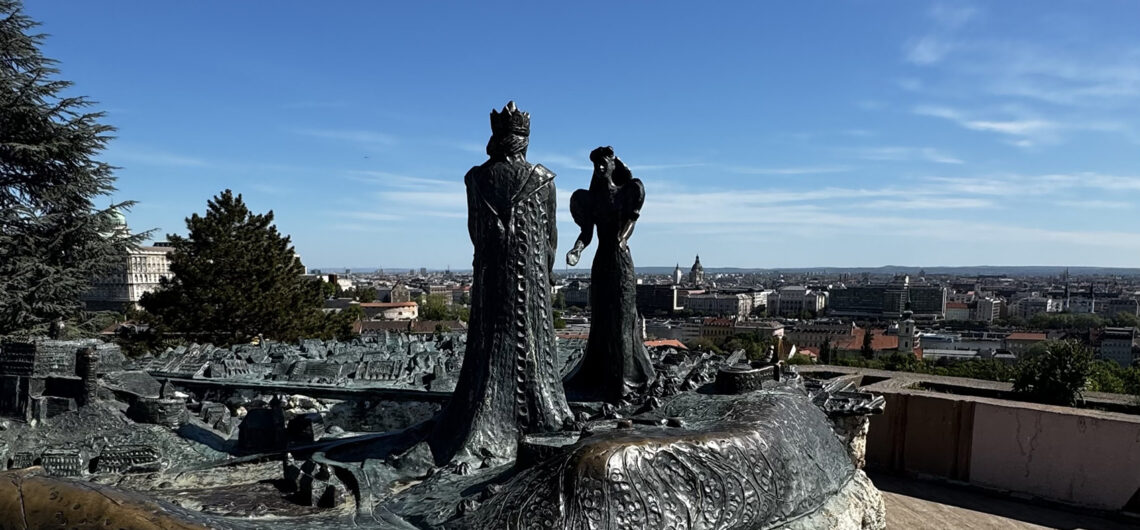
One of my favourite places to admire cherry blossoms in Budapest is the Buda Castle District. The contrast of soft pink petals against the grand historic buildings creates one of the most romantic spring scenes in the city.
If you enjoy hidden viewpoints and peaceful walks, you might also love visiting Gül Baba’s tomb, one of Budapest’s secret gardens with stunning Parliament views.
Experience Budapest in Bloom
Spring is one of my favorite seasons for private tours because Budapest simply feels happier. The streets are lively, the weather is comfortable, and the whole city seems to glow with fresh energy.
If you would like to discover Budapest’s hidden corners, local stories, and beautiful spring atmosphere with a local guide, explore my private Budapest tours.
Easter in Hollókő is one of Hungary’s most beautiful living traditions, where culture, community, and history come together each spring. There are places where traditions are remembered… and places where they are still lived. Hollókő is one of them. Every Easter, this small UNESCO-listed village in Northern Hungary transforms into something truly special — a celebration of culture, community, and heritage that feels untouched by time. A Village That Feels Like Stepping Back in Time Just 1.5 hours from Budapest, Hollókő is famous for its beautifully preserved white houses, wooden details, and peaceful village atmosphere. But at Easter, it becomes something else entirely. The streets fill with locals dressed in traditional Palóc costumes, music echoes between the houses, and the whole village comes alive with movement and colour. This isn’t a performance for tourists — it’s a tradition that has been passed down through generations. Folk Traditions, Music & Craftsmanship What makes Easter in Hollókő so special is the authenticity. You’ll see: traditional folk dancing in the streets intricate embroidered costumes unique to the Palóc region beautifully decorated Easter eggs local artisans showcasing handmade crafts Every detail tells a story — of identity, history, and pride. Why It’s One of Hungary’s Most Unique Experiences In a world where many traditions are recreated for visitors, Hollókő stands out because it feels real It’s not staged.It’s not polished.It’s lived. And that’s exactly what makes it unforgettable. Visiting Hollókő from Budapest Hollókő is an easy day trip from Budapest, but visiting during Easter requires a bit of planning: Best time to arrive: early morning Travel time: approx. 1.5 hours Expect crowds: it’s one of the most popular spring events If you’d like a more relaxed and meaningful experience, joining a guided visit can make all the difference — especially when combined with nearby
Easter in Hollókő is one of Hungary’s most beautiful living traditions, where culture, community, and history come together each spring. There are places where traditions are remembered… and places where they are still lived.
Hollókő is one of them.
Every Easter, this small UNESCO-listed village in Northern Hungary transforms into something truly special — a celebration of culture, community, and heritage that feels untouched by time.
A Village That Feels Like Stepping Back in Time
Just 1.5 hours from Budapest, Hollókő is famous for its beautifully preserved white houses, wooden details, and peaceful village atmosphere.
But at Easter, it becomes something else entirely. The streets fill with locals dressed in traditional Palóc costumes, music echoes between the houses, and the whole village comes alive with movement and colour.
This isn’t a performance for tourists — it’s a tradition that has been passed down through generations.
Folk Traditions, Music & Craftsmanship
What makes Easter in Hollókő so special is the authenticity. You’ll see:
traditional folk dancing in the streets
intricate embroidered costumes unique to the Palóc region
beautifully decorated Easter eggs
local artisans showcasing handmade crafts
Every detail tells a story — of identity, history, and pride.
Why It’s One of Hungary’s Most Unique Experiences
In a world where many traditions are recreated for visitors, Hollókő stands out because it feels real
It’s not staged. It’s not polished. It’s lived.
And that’s exactly what makes it unforgettable.
Visiting Hollókő from Budapest
Hollókő is an easy day trip from Budapest, but visiting during Easter requires a bit of planning:
Best time to arrive: early morning
Travel time: approx. 1.5 hours
Expect crowds: it’s one of the most popular spring events
If you’d like a more relaxed and meaningful experience, joining a guided visit can make all the difference — especially when combined with nearby cultural highlights.
You can explore this as part of a Hollókő & Gödöllő day trip, which blends rural traditions with royal history.
Discover Hungary Beyond Budapest
Experiences like this are a reminder that Hungary is so much more than its capital.
If you’re looking to go deeper — beyond the main sights and into real local culture — take a look at my private tours in and around Budapest, designed to show you a more personal side of the country.
Final Thoughts
Easter in Hollókő is not just something you visit. It’s something you feel. A moment where past and present meet — and where tradition still lives.
If you only have a few hours in Budapest, planning is everything. The city is full of stunning architecture, rich history, and beautiful viewpoints — but without a clear route, it’s easy to waste time going back and forth. This guide will help you focus on the essential Budapest highlights, so you can experience the best of the city even on a tight schedule. 1. Heroes’ Square & City Park Start your visit at one of the most important squares in Hungary: Heroes’ Square. The statues here represent Hungary’s most important historical figures, making it a perfect introduction to the country’s past. Just behind the square, you’ll find City Park, a green oasis with hidden gems like Vajdahunyad Castle — ideal for a short, relaxed stroll before heading into the city center. Read more: A Must-See in Budapest: City Park 2. Andrássy Avenue & the Opera House From Heroes’ Square, follow Andrássy Avenue, one of Budapest’s most elegant boulevards and a UNESCO World Heritage site. Lined with historic buildings, cafés, and embassies, it leads you straight toward the city center. On the way, you’ll pass the stunning Hungarian State Opera House, a masterpiece of 19th-century architecture. Read more: Budapest public transport tips (Metro Line 1 runs here) 3. St. Stephen’s Basilica Next, head to St. Stephen’s Basilica, the largest Catholic church in Budapest. The interior is impressive — but if you have time, go up to the dome. The panoramic view offers one of the best perspectives over the city. Local tip: Visit in the late afternoon for softer light and fewer crowds. 4. The Hungarian Parliament No visit to Budapest is complete without seeing the Hungarian Parliament Building. Standing right on the Danube, it’s one of the most iconic buildings in Europe. For the best view, take a short
If you only have a few hours in Budapest, planning is everything.
The city is full of stunning architecture, rich history, and beautiful viewpoints — but without a clear route, it’s easy to waste time going back and forth.
This guide will help you focus on the essential Budapest highlights, so you can experience the best of the city even on a tight schedule.
1. Heroes’ Square & City Park
Start your visit at one of the most important squares in Hungary: Heroes’ Square. The statues here represent Hungary’s most important historical figures, making it a perfect introduction to the country’s past.
Just behind the square, you’ll find City Park, a green oasis with hidden gems like Vajdahunyad Castle — ideal for a short, relaxed stroll before heading into the city center.
From Heroes’ Square, follow Andrássy Avenue, one of Budapest’s most elegant boulevards and a UNESCO World Heritage site. Lined with historic buildings, cafés, and embassies, it leads you straight toward the city center.
On the way, you’ll pass the stunning Hungarian State Opera House, a masterpiece of 19th-century architecture.
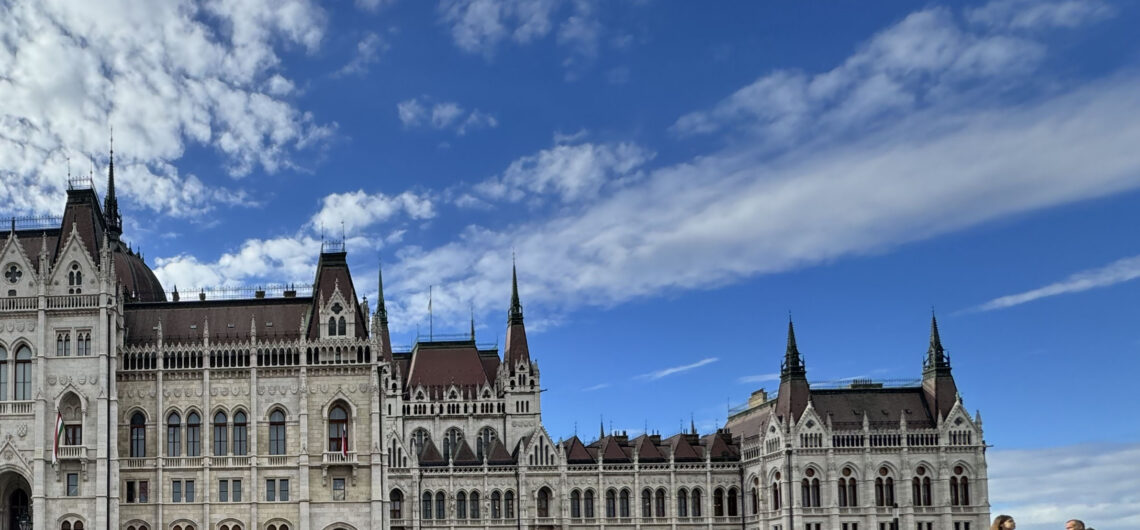
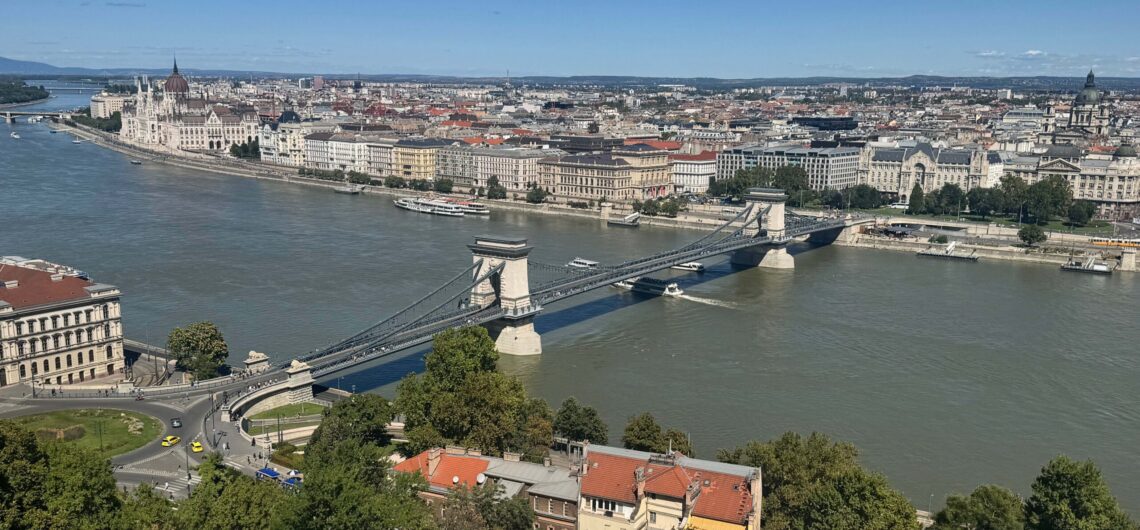
Standing right on the Danube, it’s one of the most iconic buildings in Europe. For the best view, take a short walk along the river — or admire it from the Buda side for a full panoramic perspective.
Cross the Danube and explore the historic Buda Castle District.
This area feels completely different from Pest — quieter, more atmospheric, and full of history. Wander through cobblestone streets, discover hidden corners, and enjoy some of the best views in Budapest.
Yes — but it’s not always as easy as it looks on the map. Distances, hills (especially on the Buda side), and the depth of history at each stop can make it difficult to truly enjoy the experience without rushing.
Want to Make the Most of Your Time?
This route is exactly what I cover in my half-day tours — designed for travelers who want to see the highlights without the stress of planning.
Whether you prefer walking or a more relaxed pace by car, you’ll experience Budapest through stories, local insights, and carefully chosen viewpoints.
Final Thoughts
Budapest is a city that rewards curiosity. Even if you only have a few hours, you can experience its beauty — especially if you focus on the right places. And if you’d like to go beyond the surface, I’d be happy to show you the Budapest I know and love.
The Budapest half marathon might just be one of the most scenic races in Europe. There are many beautiful races in the world—but how many let you run past a Parliament that looks like a fairytale, along the Danube, with castles watching from above? Yesterday, Budapest showed its best side during the Vivicittá Half Marathon—and honestly, it felt less like a race and more like a moving postcard. Running Through History The route takes you through some of the most iconic UNESCO-listed sights in the city. As you run, you’re not just chasing kilometres—you’re moving through centuries. You pass: The breathtaking Hungarian Parliament Building Under the elegant Széchenyi Chain Bridge Run along the Danube with views of Buda Castle It’s one of those rare experiences where you actually forget you're running. Perfect Conditions, Perfect Energy This year, the weather couldn’t have been better—sunshine, blue skies, and just the right temperature. But what really makes this race special is the atmosphere: Locals cheering from the sidelines Music along the route Runners from all over the world There’s a feeling of connection that’s hard to describe unless you’ve experienced it. Why Budapest Is a Dream Destination for Runners If you’re a runner, Budapest is more than just a race destination—it’s a place to explore on foot. Some of my favourite running spots: Margaret Island – car-free, green, and peaceful Danube promenade – iconic views with every step Gellért Hill – for a challenge + reward More Than a Race The Vivicittá isn’t just about finishing times. It’s about: Seeing Budapest in a completely different way Feeling part of something bigger And creating memories that stay with you long after the race is over If you’re thinking about combining travel with running—Budapest should absolutely be on your list. And if you’d like to
The Budapest half marathon might just be one of the most scenic races in Europe. There are many beautiful races in the world—but how many let you run past a Parliament that looks like a fairytale, along the Danube, with castles watching from above?
Yesterday, Budapest showed its best side during the Vivicittá Half Marathon—and honestly, it felt less like a race and more like a moving postcard.
Running Through History
The route takes you through some of the most iconic UNESCO-listed sights in the city. As you run, you’re not just chasing kilometres—you’re moving through centuries.
The Vivicittá isn’t just about finishing times. It’s about:
Seeing Budapest in a completely different way
Feeling part of something bigger
And creating memories that stay with you long after the race is over
If you’re thinking about combining travel with running—Budapest should absolutely be on your list. And if you’d like to explore the city beyond the race route, I’d love to show you my favourite hidden corners.
Every year on the 15th of March, Hungary commemorates one of the most important moments in its history: the beginning of the Revolution of 1848. It is a day when Hungarian flags appear across Budapest, red-white-green cockades are pinned to jackets, and the city remembers the courage of those who demanded freedom. But this national holiday is not only about remembering a historical event. It is about remembering a moment when words, ideas, and determination changed the course of a nation’s history. The Day the Revolution Began The events of the 15th of March, 1848 began in Pest with a group of young intellectuals known as the March Youth. Among them was the poet Sándor Petőfi, whose passionate poem Nemzeti Dal (National Song) became the voice of the revolution. Standing before a growing crowd, Petőfi recited the poem beginning with the powerful words: "Talpra magyar, hí a haza!""Rise up, Hungarians, the homeland calls!" The poem captured the spirit of the moment. Inspired by revolutionary movements spreading across Europe in 1848, the crowd demanded political reform and national independence. Their demands were summarized in a document known as the Twelve Points, which called for: freedom of the press equality before the law a Hungarian government independent from Vienna civil rights and national sovereignty the end of feudal privileges Remarkably, the revolution in Pest began without violence. Printing presses produced copies of the Twelve Points without censorship, crowds gathered peacefully, and political prisoners were freed. For a brief moment, it seemed that a new chapter of Hungarian history had begun. The Hungarian Flag and the Cockade One of the most recognizable symbols of the revolution was the red-white-green tricolour, the Hungarian national flag. These colours had appeared earlier in Hungarian history, but during the revolution they became a powerful symbol of unity
Every year on the 15th of March, Hungary commemorates one of the most important moments in its history: the beginning of the Revolution of 1848.
It is a day when Hungarian flags appear across Budapest, red-white-green cockades are pinned to jackets, and the city remembers the courage of those who demanded freedom.
But this national holiday is not only about remembering a historical event. It is about remembering a moment when words, ideas, and determination changed the course of a nation’s history.
The Day the Revolution Began
The events of the 15th of March, 1848 began in Pest with a group of young intellectuals known as the March Youth. Among them was the poet Sándor Petőfi, whose passionate poem Nemzeti Dal (National Song) became the voice of the revolution.
Standing before a growing crowd, Petőfi recited the poem beginning with the powerful words:
“Talpra magyar, hí a haza!” “Rise up, Hungarians, the homeland calls!”
The poem captured the spirit of the moment. Inspired by revolutionary movements spreading across Europe in 1848, the crowd demanded political reform and national independence. Their demands were summarized in a document known as the Twelve Points, which called for:
freedom of the press
equality before the law
a Hungarian government independent from Vienna
civil rights and national sovereignty
the end of feudal privileges
Remarkably, the revolution in Pest began without violence. Printing presses produced copies of the Twelve Points without censorship, crowds gathered peacefully, and political prisoners were freed.
For a brief moment, it seemed that a new chapter of Hungarian history had begun.
The Hungarian Flag and the Cockade
One of the most recognizable symbols of the revolution was the red-white-green tricolour, the Hungarian national flag.
These colours had appeared earlier in Hungarian history, but during the revolution they became a powerful symbol of unity and national identity.
Even today, on March 15, many Hungarians wear a cockade made from these colours — a small circular ribbon pinned to clothing. This tradition connects modern Hungary with the revolutionaries of 1848 who wore the same symbol of patriotism.
Walking through Budapest on this day, you see flags hanging from historic buildings, bridges, and balconies across the city.
The red, white, and green colours remind people not only of the past, but also of the enduring importance of freedom. The three colours of the Hungarian flag tell a story of their own: red symbolises the blood and passion of those who fought for freedom, white represents honesty and integrity, and green reflects hope for the nation’s future.
The Revolution and Its Legacy
Although the revolution eventually led to a war with the Habsburg Empire and was ultimately suppressed in 1849, its ideals continued to shape Hungarian identity.
Many of the political and social reforms demanded in 1848 eventually became reality. More importantly, the revolution became a lasting symbol of the Hungarian desire for independence and self-determination.
Hungarian history includes several moments when people stood up for freedom.
One of the most powerful examples was the 1956 uprising against Soviet rule, another event that deeply shaped modern Budapest and the national memory.
Understanding these moments helps visitors see Budapest not only as a beautiful city, but also as a place where history was lived with extraordinary courage.
Experiencing the 15th of March in Budapest
If you happen to visit Budapest around the 15th of March, you will see a very special atmosphere in the city.
Public squares host commemorations, historic locations connected to the revolution are visited by locals, and Hungarian flags appear everywhere. The holiday is both festive and reflective — a quiet but powerful reminder of the ideals that shaped the country.
For visitors interested in the deeper layers of Hungarian history, these stories often come alive when walking through the city itself. Many of the historic streets connected to Budapest’s past — including areas like the Jewish Quarter — reveal how layers of history shaped the city we see today.
Many of the places connected to Hungary’s struggles for freedom can still be seen today — from the streets where the revolution began to the monuments remembering later events such as the 1956 uprising. Fortunately, many of these historic sites are easy to reach thanks to Budapest’s excellent public transportation system, which makes exploring the city simple for visitors.
Why This History Matters Today
One of the most moving aspects of the 15th of March is that the revolution was not only fought with weapons.
It was fought with poetry, ideas, and courage. The words spoken in the streets of Pest in 1848 continue to echo through Hungarian history, reminding people that freedom often begins with the courage to imagine a different future.
Every Hungarian flag displayed on this day carries that message forward. Whenever I walk through Budapest on the 15th of March, I can’t help wondering what the young revolutionaries of 1848 would expect from us today. Reading the Twelve Points, it is striking how timeless their message remains. The ideals of freedom, equality before the law, and responsible government still resonate deeply, reminding us that the spirit of 1848 continues to challenge and inspire every generation.
Budapest is a city where history is not only remembered — it is lived in its streets, squares, and stories. If you would like to explore these layers of history while discovering the city with a local guide, I would be delighted to show you around on one of my private tours.
March 15 Budapest 🇭🇺 Nemzeti Menet | Hungary’s National Day
If you’re wondering what to eat in Budapest, the answer goes far beyond goulash and paprika. Budapest is often described as one of Europe’s most beautiful cities. Visitors fall in love with the Parliament, the bridges over the Danube, the cafés with their historic interiors. But what many travellers don’t expect is how memorable the city tastes. Hungarian food is comforting, generous, and deeply rooted in tradition. Before becoming a private guide, I worked as a photo editor for Hungary’s most popular food magazine — so food has always been part of how I see the world. Today, when I show guests around Budapest, I often say: if you really want to understand this city, taste it. Because Budapest is not just pretty — it’s delicious. Comfort Classics Hungarian cuisine is built on warmth and patience. A bowl of goulash is more than just a soup. It carries the story of shepherd traditions, open-fire cooking, and Hungary’s love affair with paprika. Slow-simmered meat, vegetables, and that unmistakable deep red colour create something that feels both humble and rich at the same time. Then there are the sausages — smoky, paprika-spiced, often sliced fresh at the market — and hot lángos, fried until golden and topped with sour cream and cheese. Crisp on the outside, soft inside, slightly indulgent and impossible to resist. These dishes aren’t trendy. They are timeless. They are the flavours many Hungarians grew up with — recipes passed down from grandparents, cooked slowly, shared around the table. Market Flavours If you want to see Hungarian food culture at its most authentic, step into a market. Markets in Budapest are not just places to shop — they are social spaces, easily accessible by public transport. Stalls overflow with strings of dried paprika, cured meats, cheeses, and colorful savanyúság
If you’re wondering what to eat in Budapest, the answer goes far beyond goulash and paprika.
But what many travellers don’t expect is how memorable the city tastes.
Hungarian food is comforting, generous, and deeply rooted in tradition. Before becoming a private guide, I worked as a photo editor for Hungary’s most popular food magazine — so food has always been part of how I see the world. Today, when I show guests around Budapest, I often say: if you really want to understand this city, taste it.
Because Budapest is not just pretty — it’s delicious.
Comfort Classics
Hungarian cuisine is built on warmth and patience.
A bowl of goulash is more than just a soup. It carries the story of shepherd traditions, open-fire cooking, and Hungary’s love affair with paprika. Slow-simmered meat, vegetables, and that unmistakable deep red colour create something that feels both humble and rich at the same time.
Then there are the sausages — smoky, paprika-spiced, often sliced fresh at the market — and hot lángos, fried until golden and topped with sour cream and cheese. Crisp on the outside, soft inside, slightly indulgent and impossible to resist.
These dishes aren’t trendy. They are timeless. They are the flavours many Hungarians grew up with — recipes passed down from grandparents, cooked slowly, shared around the table.
Market Flavours
If you want to see Hungarian food culture at its most authentic, step into a market.
Markets in Budapest are not just places to shop — they are social spaces, easily accessible by public transport. Stalls overflow with strings of dried paprika, cured meats, cheeses, and colorful savanyúság — the pickled vegetables that bring freshness and balance to richer dishes.
Pickles might not sound exciting at first. But in Hungary, they are essential. Crunchy cabbage, sharp cucumbers, sweet-sour peppers — they cut through the depth of goulash and sausage beautifully. Locals rarely eat without something fresh and tangy on the side.
Wandering through a market, tasting small bites, talking to vendors, noticing what is in season — this is where the city feels alive and unfiltered.
Sweet Finale
No Hungarian food experience ends without something sweet.
Budapest’s café culture carries strong Austro-Hungarian influences, and pastries are part of everyday life — not just special occasions. A slice of strudel with delicate, flaky layers. A rich layered cake in a historic café. Or something simpler, like a warm kakaós csiga — a soft spiral of cocoa and sugar enjoyed with coffee.
Dessert here is not rushed. It’s savoured. It’s an excuse to sit a little longer, to talk, to observe the rhythm of the city.
And often, it becomes the most memorable bite of the day.
Some of my favourite moments as a guide happen around a table — when visitors stop feeling like tourists and start feeling at home. Sharing bread dipped into goulash. Comparing favourite pastries. Laughing over which pickle surprised them most.
Food slows you down. It invites conversation. It tells stories about history, geography, and everyday life in a way that monuments never can.
Budapest may capture your heart with its beauty, but it stays with you through its flavors.
If you’d like to experience the city beyond the guidebooks — tasting traditional Hungarian dishes, exploring local markets, and discovering the stories behind each bite — I would be happy to share my favorite places with you.
And yes, I always recommend coming hungry.
Frequently Asked Questions
What is the most famous food in Budapest? Goulash is one of the most iconic Hungarian dishes, along with lángos and traditional pastries like strudel.
Is Hungarian food very spicy? Hungarian cuisine uses paprika for flavor and depth, but most dishes are not overly spicy.
Few buildings define Budapest as instantly as Matthias Church. Rising above the Buda Castle District with its colourful tiled roof and fairy-tale silhouette, it is one of the most photographed landmarks in the Hungarian capital. And yet, many visitors admire it from a distance without discovering what makes it truly remarkable. Taking a closer look reveals centuries of history, architectural details often missed at first glance, and one of the most rewarding cultural experiences in Budapest. A Church Shaped by Centuries of History Matthias Church stands on a site where places of worship have existed since the 13th century. Over time, the building has witnessed royal ceremonies, coronations, Ottoman occupation, and major reconstructions that shaped its present appearance. Despite its medieval origins, much of what visitors see today comes from a careful 19th-century restoration led by architect Frigyes Schulek, who created the distinctive Neo-Gothic character while preserving earlier historical elements. This layered history is part of its charm — Matthias Church reflects the many chapters of Budapest itself rather than belonging to a single era. Look Closer: Details Many Visitors Miss From afar, the church almost feels unreal, but its beauty truly appears in the details. The colourful roof, covered with decorative Zsolnay tiles, changes character depending on the light and weather throughout the day. Walking around the building reveals carved stone figures, patterned surfaces, and unexpected viewpoints that many visitors miss when remaining near the main square. Even a slow walk around the church can feel like discovering a different monument from every angle. Step Inside Matthias Church While the exterior alone is impressive, stepping inside offers a completely different experience. From the outside, Matthias Church appears bright, colourful, and almost newly restored. The interior, however, reveals an unexpected contrast — darker, more atmospheric, and deeply historic. Medieval architectural
Few buildings define Budapest as instantly as Matthias Church. Rising above the Buda Castle District with its colourful tiled roof and fairy-tale silhouette, it is one of the most photographed landmarks in the Hungarian capital.
And yet, many visitors admire it from a distance without discovering what makes it truly remarkable.
Taking a closer look reveals centuries of history, architectural details often missed at first glance, and one of the most rewarding cultural experiences in Budapest.
A Church Shaped by Centuries of History
Matthias Church stands on a site where places of worship have existed since the 13th century. Over time, the building has witnessed royal ceremonies, coronations, Ottoman occupation, and major reconstructions that shaped its present appearance.
Despite its medieval origins, much of what visitors see today comes from a careful 19th-century restoration led by architect Frigyes Schulek, who created the distinctive Neo-Gothic character while preserving earlier historical elements.
This layered history is part of its charm — Matthias Church reflects the many chapters of Budapest itself rather than belonging to a single era.
Look Closer: Details Many Visitors Miss
From afar, the church almost feels unreal, but its beauty truly appears in the details.
The colourful roof, covered with decorative Zsolnay tiles, changes character depending on the light and weather throughout the day. Walking around the building reveals carved stone figures, patterned surfaces, and unexpected viewpoints that many visitors miss when remaining near the main square.
Even a slow walk around the church can feel like discovering a different monument from every angle.
Step Inside Matthias Church
While the exterior alone is impressive, stepping inside offers a completely different experience.
From the outside, Matthias Church appears bright, colourful, and almost newly restored. The interior, however, reveals an unexpected contrast — darker, more atmospheric, and deeply historic. Medieval architectural elements blend with decorative patterns influenced by the Ottoman period, reminding visitors of the many eras the building has lived through.
Standing inside, Hungarian history feels almost tangible. The richly decorated walls, painted motifs inspired by medieval designs, and filtered light from stained glass windows create a calm and contemplative atmosphere — a striking change from the lively square just outside.
Even visitors with limited time often find that a short visit inside adds depth to their understanding of Budapest’s past and cultural heritage.
Climb the Tower for One of Budapest’s Best Views
While most visitors admire Matthias Church from the square below, one of its most memorable experiences lies above the rooftops.
The tower visit offers a completely different perspective of Budapest — and remains surprisingly overlooked. Reaching the top requires climbing a series of narrow stairs, but the ascent itself becomes part of the experience. On the way up, visitors can see the church bells up close, offering a rare glimpse into the inner workings of this historic landmark.
From the very top, panoramic views open over the Buda Castle District, the Danube, and the Pest side of the city, including the Hungarian Parliament. The climb also reveals one of the church’s most remarkable features from a completely new angle: the magnificent Zsolnay roof tiles, fully visible only from above, creating a true bird’s-eye view of the building’s intricate patterns and colours.
Unlike larger viewpoints, the experience feels intimate and immersive, allowing you to see Budapest from within one of its most historic monuments rather than simply looking at it from afar.
For visitors willing to take the climb, the tower provides one of the most unique viewpoints in Budapest — and often becomes an unexpected highlight of a visit to Matthias Church.
Visiting Tips for Matthias Church
If you’re planning to visit Matthias Church, a few practical tips can make the experience much more enjoyable:
Visit early in the morning or later in the afternoon to avoid peak crowds in the Buda Castle District.
Check opening hours carefully. The church interior may be closed on Saturday afternoons due to weddings, and it is closed on Sunday mornings during church services.
Walk around the entire building, not just the main entrance area — some of the most beautiful architectural details appear on the quieter sides.
Don’t miss the interior gallery. From here, you gain a stunning elevated view over the church’s richly decorated interior. The gallery also includes a small exhibition dedicated to Hungarian coronations, reflecting the church’s important role as a coronation church in the 19th and 20th centuries.
Climb the tower if you can. Although there are stairs to climb, the panoramic views make it truly worth the effort.
Combine your visit with Fisherman’s Bastion, located directly beside the church, for iconic views over the Danube and the Hungarian Parliament.
Comfortable shoes are recommended, as the surrounding streets are historic cobblestones.
Beyond the Postcard View
Budapest’s most famous landmarks often reveal their beauty slowly. Matthias Church is a perfect example — instantly recognisable, yet far richer when experienced with curiosity and time.
Looking beyond the postcard view transforms a quick photo stop into a meaningful moment in the Buda Castle District.
When I guide visitors through Budapest, I often encourage them to pause here a little longer. Taking time to notice the details, stepping inside the church, or climbing the tower often turns this famous landmark into a personal highlight of the visit.
Because sometimes, truly knowing a city begins with looking closer.
Matthias Church Budapest: Look Closer at This Icon
Budapest is often called the City of Baths, and this title is far more than a poetic nickname.Thanks to its natural thermal springs, bathing has been part of daily life here for centuries – shaping the city’s culture, architecture, and rhythms of everyday living. With historic thermal baths, mineral-rich waters, and year-round outdoor pools, Budapest is one of the world’s most important spa cities. A city built on natural thermal springs Budapest lies on a unique geological fault line where 123 natural thermal springs reach the surface. These waters have been used since Roman times, making Budapest a bathing destination for nearly 2,000 years. The Romans built the first bath complexes here, followed by Ottoman-era Turkish baths in the 16th century. Later, in the 19th and early 20th centuries, elegant spa buildings transformed bathing into a social and cultural ritual. What makes Budapest special is that this tradition never disappeared – it simply became part of modern life. Thermal baths are part of everyday life in Budapest Unlike many spa cities, Budapest’s thermal baths are not just tourist attractions.Locals visit them regularly – before work, after work, or as part of their weekly routine. You’ll often see elderly men playing chess in warm water, friends chatting in outdoor pools, or couples quietly relaxing together. For Hungarians, bathing is linked to health, stress relief, and well-being, but also to habit and community. It’s normal life – just warmer. Historic baths and stunning architecture Budapest’s baths are as famous for their architecture as for their thermal water.Each one reflects a different period of the city’s history, from Ottoman domes to grand 19th-century spa palaces. The most famous is Széchenyi Thermal Bath, one of Europe’s largest thermal bath complexes. Its outdoor pools are open year-round and are especially atmospheric in winter, when steam
Budapest is often called the City of Baths, and this title is far more than a poetic nickname. Thanks to its natural thermal springs, bathing has been part of daily life here for centuries – shaping the city’s culture, architecture, and rhythms of everyday living.
With historic thermal baths, mineral-rich waters, and year-round outdoor pools, Budapest is one of the world’s most important spa cities.
A city built on natural thermal springs
Budapest lies on a unique geological fault line where 123 natural thermal springs reach the surface. These waters have been used since Roman times, making Budapest a bathing destination for nearly 2,000 years.
The Romans built the first bath complexes here, followed by Ottoman-era Turkish baths in the 16th century. Later, in the 19th and early 20th centuries, elegant spa buildings transformed bathing into a social and cultural ritual.
What makes Budapest special is that this tradition never disappeared – it simply became part of modern life.
Thermal baths are part of everyday life in Budapest
Unlike many spa cities, Budapest’s thermal baths are not just tourist attractions. Locals visit them regularly – before work, after work, or as part of their weekly routine.
You’ll often see elderly men playing chess in warm water, friends chatting in outdoor pools, or couples quietly relaxing together. For Hungarians, bathing is linked to health, stress relief, and well-being, but also to habit and community.
It’s normal life – just warmer.
Historic baths and stunning architecture
Budapest’s baths are as famous for their architecture as for their thermal water. Each one reflects a different period of the city’s history, from Ottoman domes to grand 19th-century spa palaces.
The most famous is Széchenyi Thermal Bath, one of Europe’s largest thermal bath complexes. Its outdoor pools are open year-round and are especially atmospheric in winter, when steam rises into the cold air.
Another architectural gem is Gellért Thermal Bath, known for its Art Nouveau design, mosaics, and stained glass. Please note: Gellért Thermal Bath is currently closed for renovations, with reopening planned in the coming years.
For a more historic experience, Rudas Thermal Bath offers an authentic Ottoman atmosphere with its 16th-century domed pool, still used much as it was centuries ago.
Locals often favour Lukács Thermal Bath, known for its strong medicinal waters and calmer, less touristy feel.
Even without bathing, these buildings alone tell the story of Budapest’s spa culture.
Bathing in Budapest in every season
One of the most iconic Budapest experiences is soaking in a steaming outdoor pool while it’s cold outside. Snow falling, warm mineral water, and historic surroundings create a scene you won’t forget.
Budapest’s thermal baths are open all year, making the city a great destination in any season. Winter offers a magical, calm atmosphere, while summer feels social and lively.
There is no bad time to visit a Budapest bath – only different experiences.
How to experience Budapest’s bath culture as a visitor
To truly enjoy Budapest’s thermal baths:
Slow down – bathing here is about relaxation, not rushing
Try thermal pools, not only swimming pools
Observe locals and follow their rhythm
Treat it as a cultural experience, not just a spa visit
Understanding the meaning behind the tradition makes the experience far more memorable.
Why Budapest truly is the City of Baths
Budapest’s bath culture is not a relic of the past – it’s alive and evolving. It connects ancient history with modern wellness, impressive architecture with everyday routines, and locals with visitors from around the world.
That’s why Budapest isn’t simply a city with baths. It’s a city defined by them.
If you’d like to understand Budapest’s thermal baths beyond just visiting one, my Budapest Baths walking tourexplores the history, traditions, and everyday role of bathing in the city. We walk between historic bath buildings, talk about Ottoman and modern spa culture, and I share practical tips on how locals actually use the baths today.
It’s a relaxed, story-focused walk designed to help you experience Budapest’s bath culture with confidence and local insight.
Glass House Budapest is a Holocaust memorial shaped by solidarity, Carl Lutz’s rescue efforts, and the enduring presence of loss. There are places in Budapest I can talk about easily. Cafés, streets, viewpoints, small local stories that make people fall in love with my city. And then there are places like the Glass House. I hesitated for a long time before writing this. Not because the story isn’t important — but because it is. And because some places resist being turned into “content.” A quiet building with a heavy story From the outside, the Glass House is unassuming. It doesn’t announce itself. People walk past it every day without noticing, without knowing what happened here. During the Second World War, this building became a place of protection and rescue. Under diplomatic protection, thousands of Hungarian Jews found temporary safety within its walls. It was a space where paperwork, courage, and quick decisions meant the difference between life and death. It is often described as a story of heroism — and it is. But it is also inseparable from an overwhelming reality: the vast majority of Hungarian Jews were not saved. Both truths exist here at the same time. Carl Lutz and the courage to act The story of the Glass House cannot be told without mentioning Carl Lutz, the Swiss vice-consul in Budapest during the final years of the war. Using diplomatic protection papers — and by deliberately stretching their intended meaning — Lutz helped save tens of thousands of Hungarian Jews. The Glass House became one of the central locations of these rescue efforts, a place where documents, quick thinking, and moral courage offered a fragile form of protection. What makes his actions especially striking is that he did not act as a hero in the grand, cinematic sense.
Glass House Budapest is a Holocaust memorial shaped by solidarity, Carl Lutz’s rescue efforts, and the enduring presence of loss.
There are places in Budapest I can talk about easily. Cafés, streets, viewpoints, small local stories that make people fall in love with my city.
And then there are places like the Glass House. I hesitated for a long time before writing this. Not because the story isn’t important — but because it is. And because some places resist being turned into “content.”
A quiet building with a heavy story
From the outside, the Glass House is unassuming. It doesn’t announce itself. People walk past it every day without noticing, without knowing what happened here.
During the Second World War, this building became a place of protection and rescue. Under diplomatic protection, thousands of Hungarian Jews found temporary safety within its walls. It was a space where paperwork, courage, and quick decisions meant the difference between life and death.
It is often described as a story of heroism — and it is. But it is also inseparable from an overwhelming reality: the vast majority of Hungarian Jews were not saved.
Both truths exist here at the same time.
Carl Lutz and the courage to act
The story of the Glass House cannot be told without mentioning Carl Lutz, the Swiss vice-consul in Budapest during the final years of the war.
Using diplomatic protection papers — and by deliberately stretching their intended meaning — Lutz helped save tens of thousands of Hungarian Jews. The Glass House became one of the central locations of these rescue efforts, a place where documents, quick thinking, and moral courage offered a fragile form of protection.
What makes his actions especially striking is that he did not act as a hero in the grand, cinematic sense. He acted as a civil servant who chose responsibility over obedience, and humanity over safety.
His story reminds us that heroism is often quiet, bureaucratic, and deeply risky — and that it is always shaped by the terrible context in which it exists.
Heroism does not cancel loss
This is something I think about often when standing inside the Glass House. We need stories of courage. We need examples of solidarity, of people who chose to help when helping was dangerous. These stories matter deeply.
But they don’t soften the loss. They don’t balance the numbers. They don’t turn tragedy into something easier to carry.
The Glass House doesn’t offer comfort. It offers honesty.
Why this place still matters
It would be easier to keep this story in the past — to treat it as history, finished and safely contained behind museum walls.
But the questions it raises are not historical.
What do we do when laws are unjust? What responsibility do individuals have within broken systems? What does solidarity look like when it comes at a real personal cost?
The Glass House doesn’t answer these questions. It simply insists that we ask them.
A personal note
As a guide, I am often asked for “hidden gems.” Usually that means something charming, beautiful, Instagrammable.
The Glass House is hidden in a different way. It is hidden because it asks something of us. Time. Attention. Emotional presence.
I don’t share this place to recommend it lightly, and certainly not as a checklist item. I share it because remembering matters. Because courage deserves to be named. And because loss deserves to be acknowledged without being packaged or softened.
Some places are not meant to impress us. They are meant to stay with us.
The Glass House is one of them.
For me, that memory doesn’t end at the Glass House itself. Carl Lutz is commemorated elsewhere in Budapest too — in quiet plaques, memorials, and places you might pass without noticing unless you know what you’re looking for.
I find that fitting. His legacy isn’t contained in one building. It is scattered across the city, woven into its streets, just like the lives he helped save.
The Glass House is one of those places where that legacy feels especially close — where courage and loss exist side by side, and where remembering remains an active choice.
Winter in Budapest can be cold — sometimes very cold. But that doesn’t mean it’s a bad time to visit. Quite the opposite. Winter is when Budapest slows down, becomes more atmospheric, and reveals its cozy side. With the right balance of warm indoor experiences, short scenic walks, and smart planning, the city is a wonderful winter destination. Here are my favourite things to do in Budapest when temperatures drop — all tried and tested as a local guide. Thermal Baths: The Ultimate Winter Experience If there’s one thing Budapest does better in winter than almost anywhere else, it’s thermal baths. Stepping into hot, steamy water while the air around you is cold is a uniquely Budapest feeling — and winter is actually the best season for it. Local tips: Go early morning or late afternoon on weekdays Outdoor pools feel warmer in winter than in summer Take your time — this is not a rushed experience Thermal baths are not just relaxing, they’re also deeply part of Budapest’s everyday life. Beautiful Museums (Warm, Inspiring, Never Boring) Budapest has several museums that are perfect for winter days — not only for their collections, but for their stunning interiors. Museum of Fine Arts Grand halls, classical architecture, and one of the best fine art collections in Central Europe. Even a short visit feels special. Hungarian National Museum A great place to understand Hungary’s history, with a beautiful staircase and calm atmosphere — ideal on a cold afternoon. House of Music A modern, interactive museum set in City Park. It’s engaging, creative, and works well even if you’re not a “museum person”. Tip: Winter is perfect for museums because you don’t feel like you’re “missing out” on outdoor sightseeing. Caves: The Perfect Temperature All Year Around One of Budapest’s most underrated winter
Winter in Budapest can be cold — sometimes very cold. But that doesn’t mean it’s a bad time to visit. Quite the opposite.
Winter is when Budapest slows down, becomes more atmospheric, and reveals its cozy side. With the right balance of warm indoor experiences, short scenic walks, and smart planning, the city is a wonderful winter destination.
Here are my favourite things to do in Budapest when temperatures drop — all tried and tested as a local guide.
Thermal Baths: The Ultimate Winter Experience
If there’s one thing Budapest does better in winter than almost anywhere else, it’s thermal baths.
Stepping into hot, steamy water while the air around you is cold is a uniquely Budapest feeling — and winter is actually the best season for it.
A modern, interactive museum set in City Park. It’s engaging, creative, and works well even if you’re not a “museum person”.
Tip: Winter is perfect for museums because you don’t feel like you’re “missing out” on outdoor sightseeing.
Caves: The Perfect Temperature All Year Around
One of Budapest’s most underrated winter experiences is its cave system. Underground, the temperature stays pleasant and stable, making caves ideal no matter the weather outside.
Trams and metro cars are well-heated and can double as short warm-up breaks between stops.
Take a scenic tram ride along the Danube
Use the metro to avoid long outdoor walks
Plan sightseeing in compact areas rather than crossing the city on foot
Budapest’s transport system is efficient, easy to use, and a lifesaver on freezing days.
Winter-Friendly Walking: Short, Scenic & Slow
Winter is not the season for long walks — and that’s perfectly fine.
Instead:
Explore one neighborhood at a time
Focus on streets, views, and atmosphere
Stop often for cafés or indoor breaks
This slower rhythm is exactly what makes winter in Budapest special.
The Best Way to Explore Budapest in Winter
Winter is the perfect time for:
Shorter, half-day private tours
Flexible routes adapted to the weather
Experiences that mix indoor and outdoor stops
Food-focused tours are especially enjoyable in cold weather — warm dishes, markets, and cafés make winter sightseeing both comfortable and memorable.
If you’re visiting Budapest in winter, I always recommend choosing experiences that work with the season, not against it.
You can explore my private Budapest tours, including shorter walks and foodie experiences, here.
Final Thoughts
Budapest in winter is not about rushing through sights. It’s about warmth, atmosphere, and discovering the city at a gentler pace. If you dress well, plan smartly, and embrace cozy experiences, winter might just become your favorite season in Budapest 🤍
Budapest in Winter ❄️ Cozy Things to Do When It’s Freezing