Budapest Is Not Just Pretty — It’s Delicious
- Food, General
- Budapest food, Budapest food guide, Budapest foodie tour, Budapest markets, Budapest private tour, goulash, Hungarian Cuisine, Hungarian pastries, lángos, traditional Hungarian food, what to eat in Budapest

If you’re wondering what to eat in Budapest, the answer goes far beyond goulash and paprika.
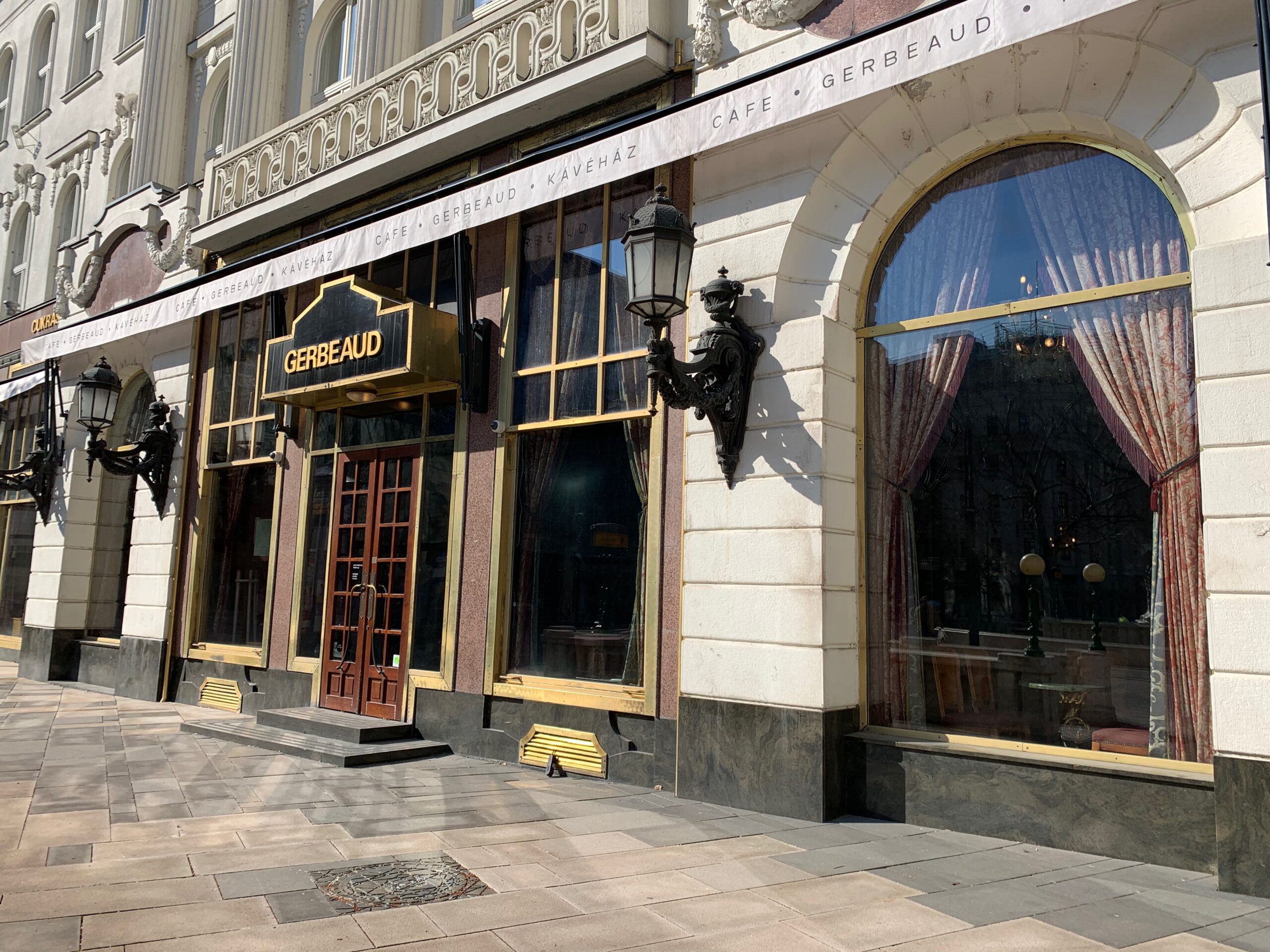
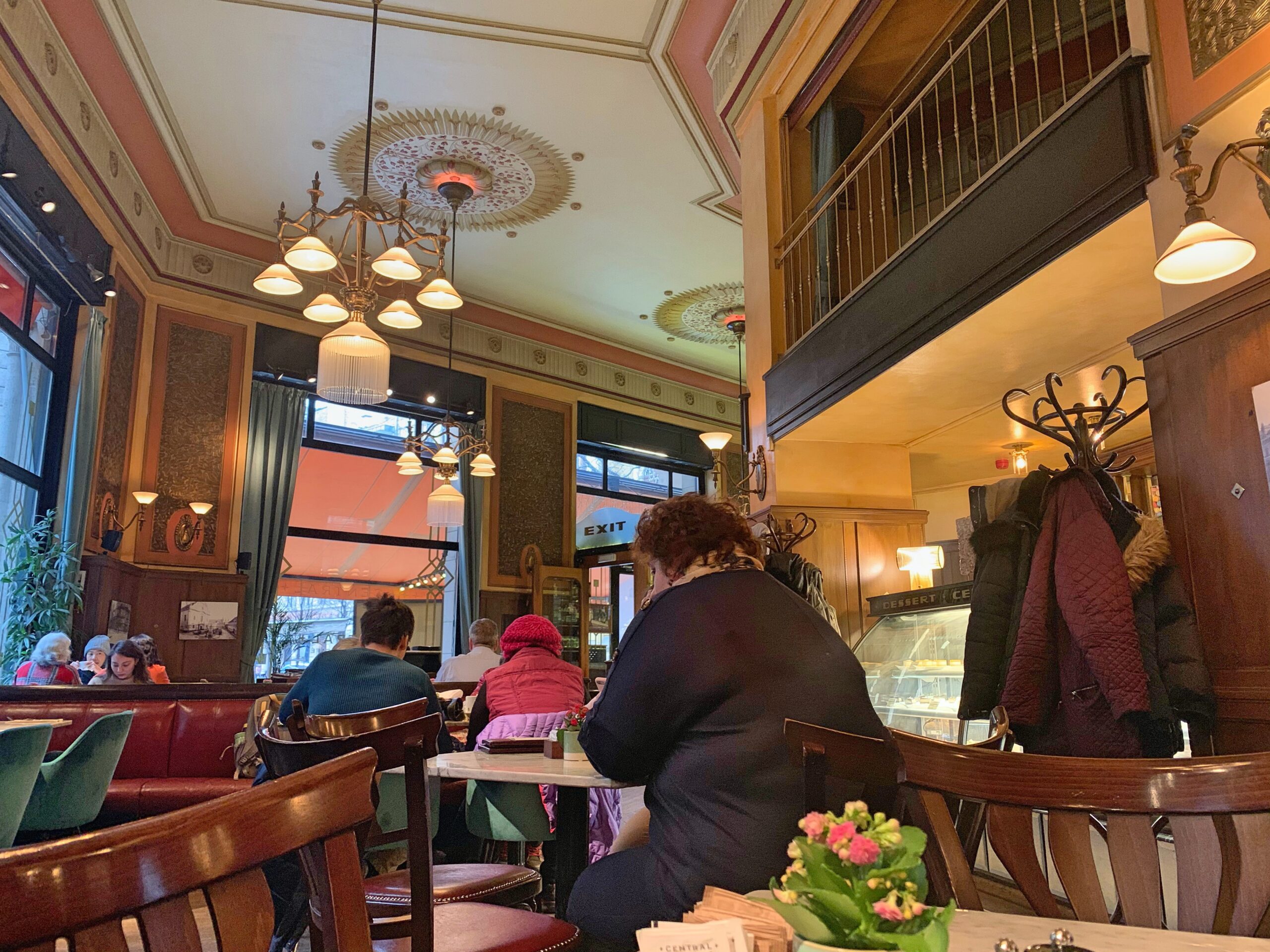
Budapest is often described as one of Europe’s most beautiful cities. Visitors fall in love with the Parliament, the bridges over the Danube, the cafés with their historic interiors.
But what many travellers don’t expect is how memorable the city tastes.
Hungarian food is comforting, generous, and deeply rooted in tradition. Before becoming a private guide, I worked as a photo editor for Hungary’s most popular food magazine — so food has always been part of how I see the world. Today, when I show guests around Budapest, I often say: if you really want to understand this city, taste it.
Because Budapest is not just pretty — it’s delicious.
Comfort Classics
Hungarian cuisine is built on warmth and patience.
A bowl of goulash is more than just a soup. It carries the story of shepherd traditions, open-fire cooking, and Hungary’s love affair with paprika. Slow-simmered meat, vegetables, and that unmistakable deep red colour create something that feels both humble and rich at the same time.
Then there are the sausages — smoky, paprika-spiced, often sliced fresh at the market — and hot lángos, fried until golden and topped with sour cream and cheese. Crisp on the outside, soft inside, slightly indulgent and impossible to resist.
These dishes aren’t trendy. They are timeless. They are the flavours many Hungarians grew up with — recipes passed down from grandparents, cooked slowly, shared around the table.
Market Flavours
If you want to see Hungarian food culture at its most authentic, step into a market.
Markets in Budapest are not just places to shop — they are social spaces, easily accessible by public transport. Stalls overflow with strings of dried paprika, cured meats, cheeses, and colorful savanyúság — the pickled vegetables that bring freshness and balance to richer dishes.
Pickles might not sound exciting at first. But in Hungary, they are essential. Crunchy cabbage, sharp cucumbers, sweet-sour peppers — they cut through the depth of goulash and sausage beautifully. Locals rarely eat without something fresh and tangy on the side.
Wandering through a market, tasting small bites, talking to vendors, noticing what is in season — this is where the city feels alive and unfiltered.
Sweet Finale
No Hungarian food experience ends without something sweet.
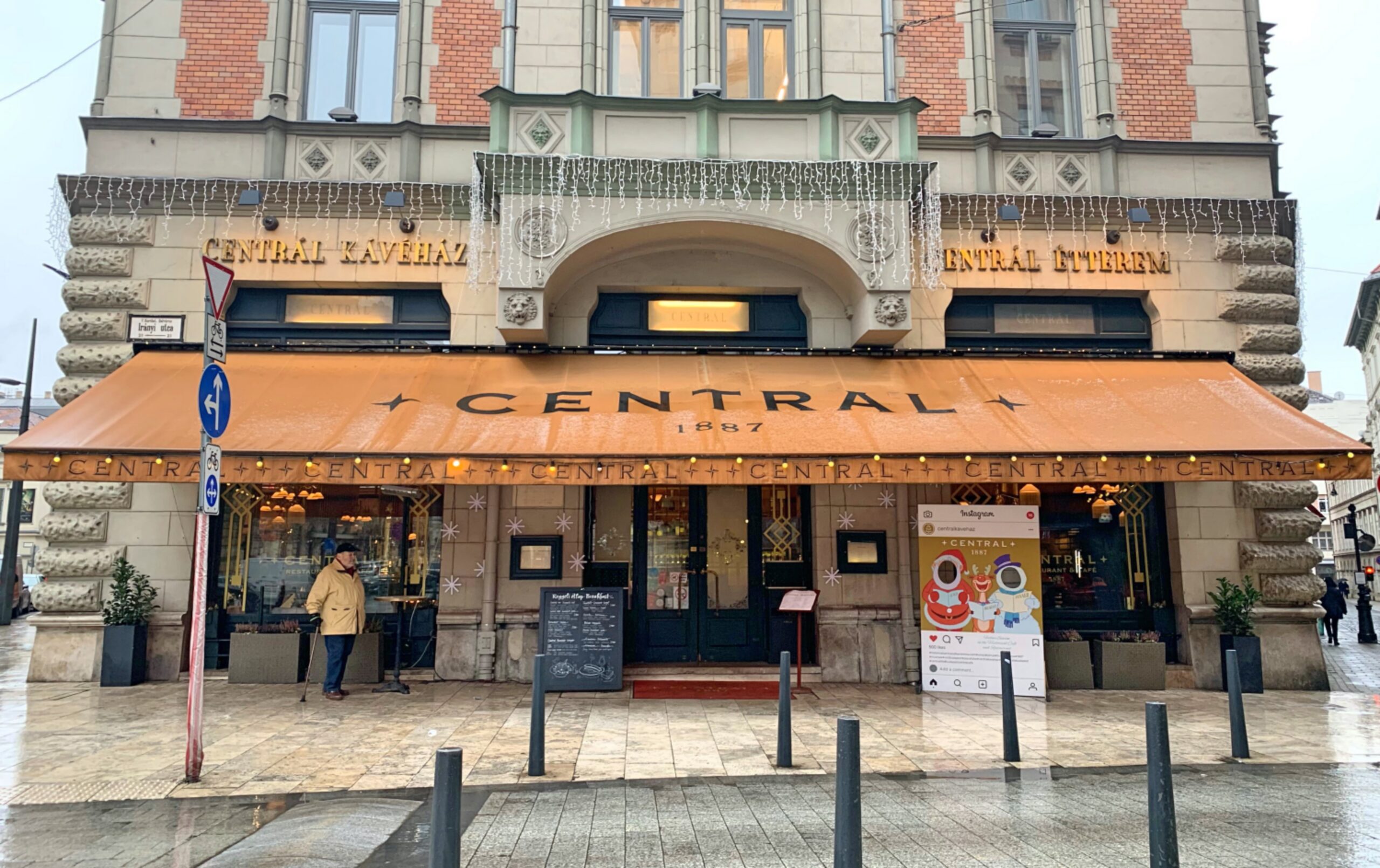
Budapest’s café culture carries strong Austro-Hungarian influences, and pastries are part of everyday life — not just special occasions. A slice of strudel with delicate, flaky layers. A rich layered cake in a historic café. Or something simpler, like a warm kakaós csiga — a soft spiral of cocoa and sugar enjoyed with coffee.
Dessert here is not rushed. It’s savoured. It’s an excuse to sit a little longer, to talk, to observe the rhythm of the city.
And often, it becomes the most memorable bite of the day.
Why Food Is the Best Way to Discover Budapest
Architecture impresses. Food connects.
Some of my favourite moments as a guide happen around a table — when visitors stop feeling like tourists and start feeling at home. Sharing bread dipped into goulash. Comparing favourite pastries. Laughing over which pickle surprised them most.
Food slows you down. It invites conversation. It tells stories about history, geography, and everyday life in a way that monuments never can.
Budapest may capture your heart with its beauty, but it stays with you through its flavors.
If you’d like to experience the city beyond the guidebooks — tasting traditional Hungarian dishes, exploring local markets, and discovering the stories behind each bite — I would be happy to share my favorite places with you.
And yes, I always recommend coming hungry.
Frequently Asked Questions
What is the most famous food in Budapest?
Goulash is one of the most iconic Hungarian dishes, along with lángos and traditional pastries like strudel.
Is Hungarian food very spicy?
Hungarian cuisine uses paprika for flavor and depth, but most dishes are not overly spicy.