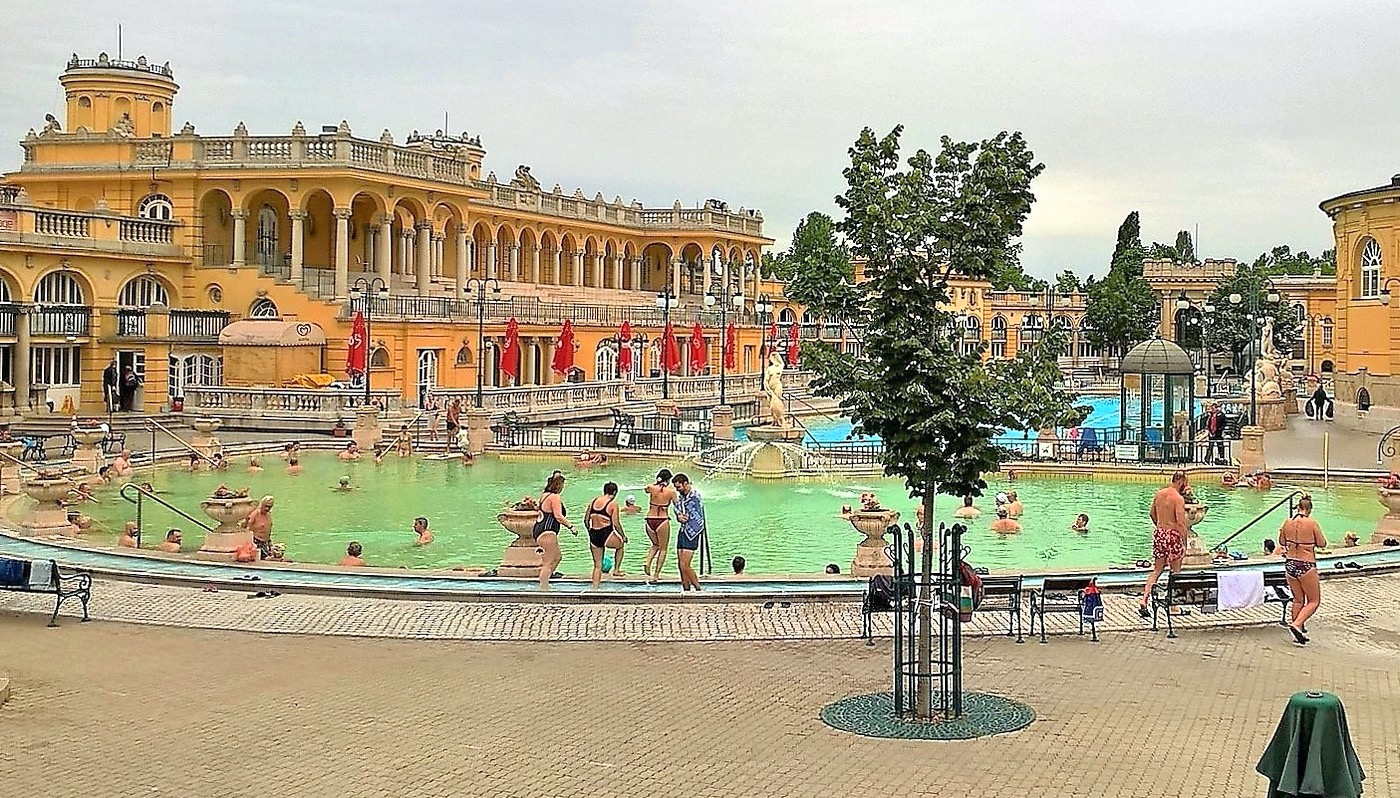
To understand how much locals love the Széchenyi Baths, it’s enough to know that we even have a nickname for it: “Szecska.” Opened in 1913, Széchenyi is not only one of Budapest’s most famous bathhouses, but also the largest thermal bath complex in Hungary.
With a total of 18 indoor and outdoor pools, Széchenyi is a must-see for anyone interested in Budapest’s unique bathing culture.
Architecture Inspired by Water and Wellness
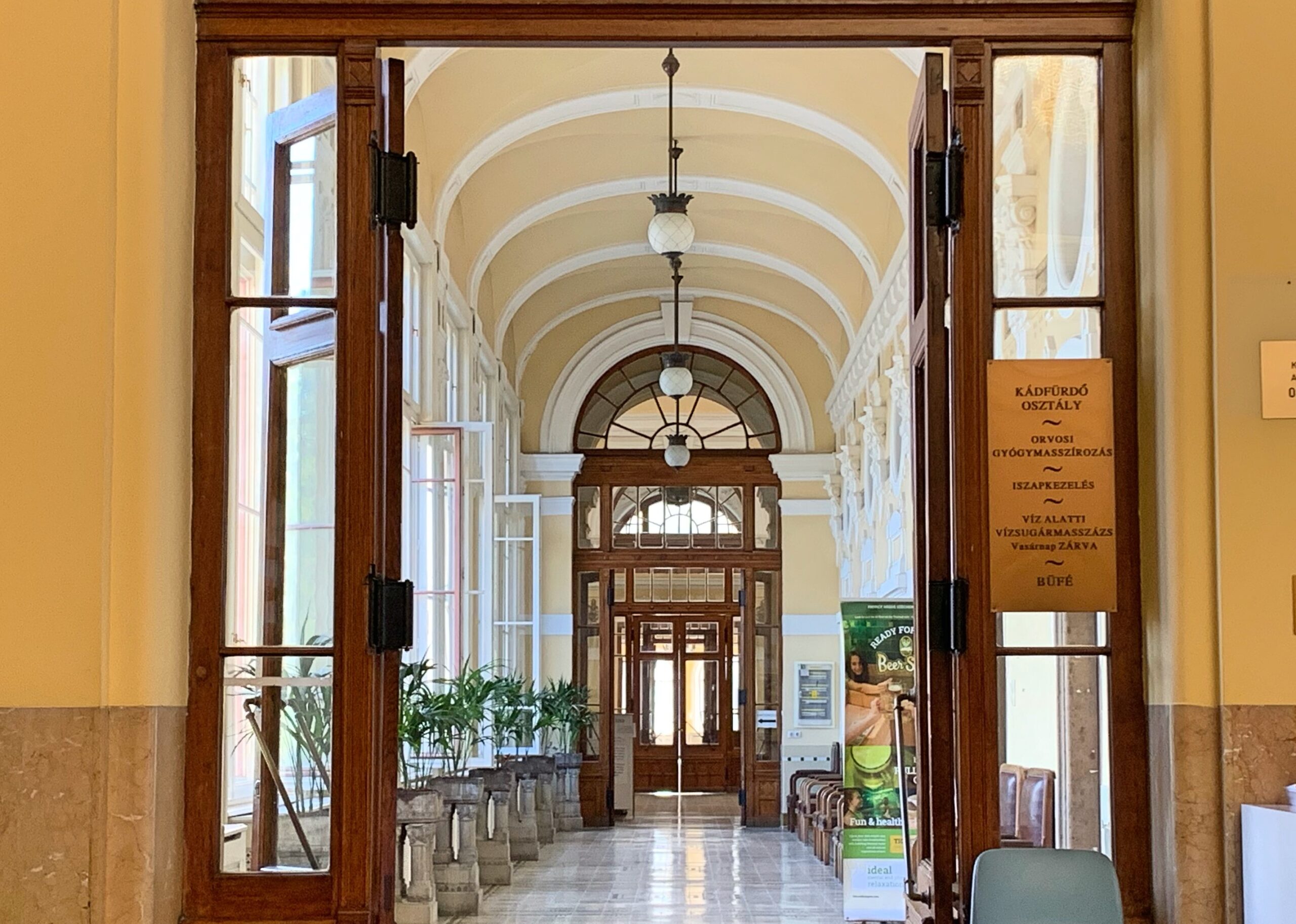
The Széchenyi Baths are housed in one of the city’s most richly decorated buildings. Its architecture blends Neo-Renaissance and Classicist elements, creating a grand yet playful atmosphere that reflects the joy of bathing.
Don’t miss the main foyer, where statues, frescoes, and mosaics are all dedicated to themes of water, healing, and bathing culture — a beautiful introduction to Hungary’s long spa tradition.
Outdoor Pools in Every Season
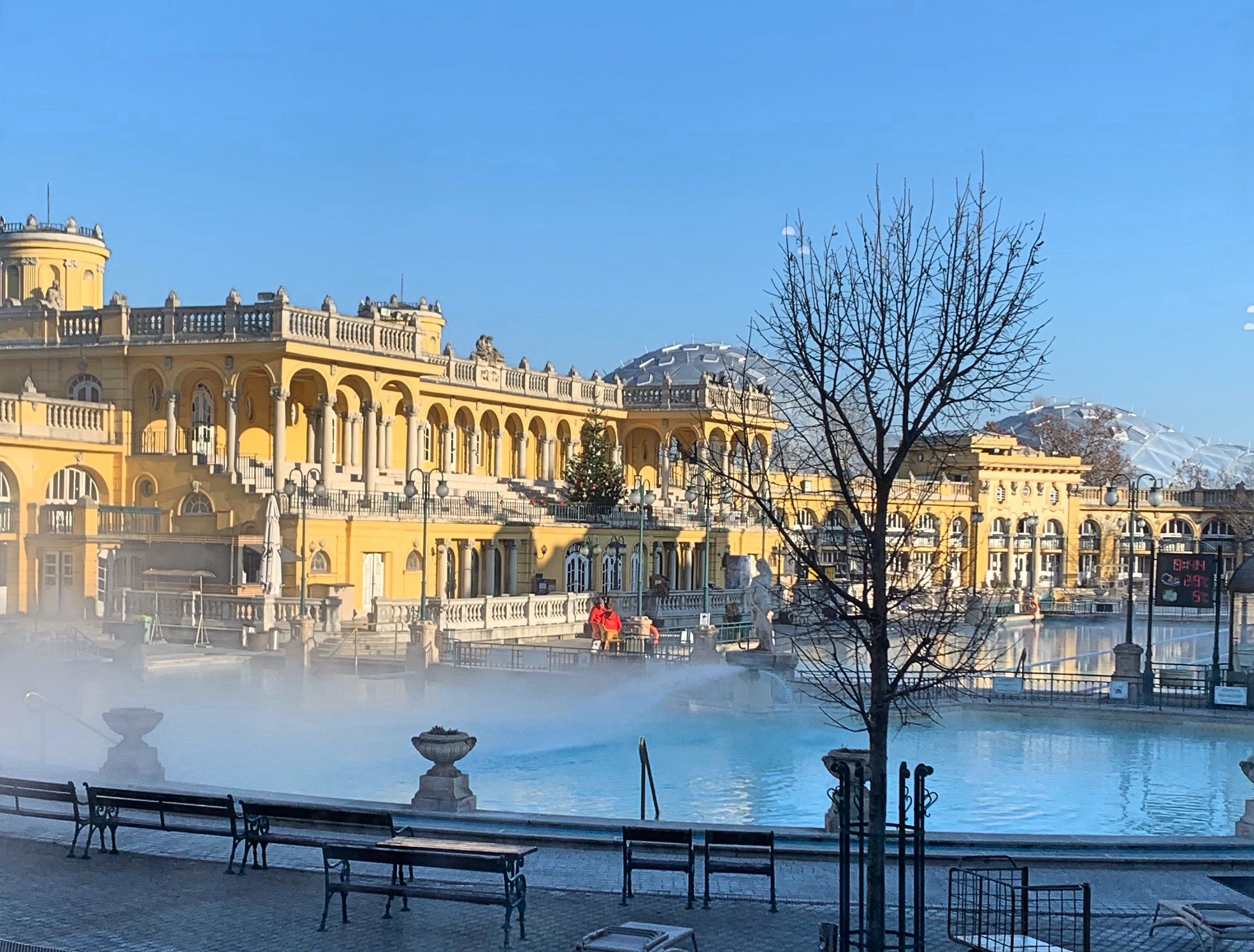
One of Széchenyi’s greatest attractions is its large outdoor thermal pools, which are open all year round.
-
Summer: lively, social, and energetic — perfect if you don’t mind crowds
-
Winter: surprisingly peaceful and atmospheric, with warm thermal water surrounded by steam and snow
Personally, I recommend visiting Széchenyi in winter, when the contrast between cold air and hot water creates an unforgettable experience.
Visiting Széchenyi on a Guided Bath Tour
Széchenyi is an essential stop on my Baths of Budapest walking tour, where I introduce visitors to the city’s most important bathhouses while explaining:
-
Hungarian bathing traditions
-
how locals use the baths today
-
architectural and historical background
-
practical tips for visiting
A guided visit helps turn a busy bath complex into a meaningful cultural experience.
Practical Information
For up-to-date details on ticket prices and opening hours, it’s best to check official sources before your visit, as these may change seasonally.