Few visitors realise that the Buda caves in Budapest form an extensive underground labyrinth, revealing a hidden, quieter side of the city beneath the hills.

One of the things I love most about guiding in Budapest is when travellers ask for something different—experiences that go beyond the classic sightseeing routes. On one such occasion, our curiosity led us underground, into the fascinating cave system hidden beneath the Buda Hills.

We visited Pálvölgyi Cave, the longest cave in Budapest and one of its most surprising natural treasures. The guided visit lasts around 60 minutes and takes you through a labyrinth of passages filled with spectacular stone formations. Along the way, you’ll see delicate dripstones, dramatic shapes sculpted over thousands of years, and even the fossilized imprints of ancient seashells—silent reminders that this area was once underwater.

Beyond its geological wonders, the caves have another very practical appeal: the temperature remains a constant 11°C (52°F) all year round. That makes it a wonderfully cool escape during Budapest’s hot summers and a surprisingly comfortable option in winter, when the caves feel almost warm compared to the chilly streets above.

Exploring the Buda caves is not part of standard city tours—but it can be a memorable addition to a custom-designed Budapest experience. For travellers who enjoy nature, light adventure, or simply seeing a lesser-known side of the city, going underground offers a completely different perspective on Budapest.


Perched high above the Danube on Castle Hill, Fisherman’s Bastion is one of Budapest’s most iconic and enchanting landmarks. With its fairytale-like towers, sweeping terraces, and breathtaking views over the Pest side of the city, it’s a place that leaves a lasting impression on first-time visitors and returning travellers alike.

What is Fisherman’s Bastion?

Despite its castle-like appearance, Fisherman’s Bastion was never built for defense. Constructed between 1895 and 1902, it replaced part of the medieval town walls of Buda and was designed as a panoramic lookout terrace. Its Neo-Romanesque style was chosen to complement the neighbouring Matthias Church, creating one of the most beautiful architectural ensembles in the city.

The Bastion features seven ornate towers, symbolizing the seven Hungarian tribes who settled in the Carpathian Basin in 896 — a key moment in Hungarian history.

Why is it called Fisherman’s Bastion?

The name comes from the guild of fishermen who, in the Middle Ages, were responsible for defending this section of the city walls. Today, instead of guarding Budapest, the Bastion offers one of the best viewpoints in the city — especially towards the Hungarian Parliament Building across the river.

The views

From the terraces, you’ll enjoy a stunning panorama of:

  • the Danube River

  • the Pest skyline

  • Margaret Island

  • the Parliament building

  • bridges stretching across the city

It’s beautiful at any time of day, but the atmosphere changes constantly with the light, weather, and seasons — which is why I never get tired of visiting it.

Visiting tips from a local guide

  • Upper terrace: Part of the Bastion requires a small entrance fee, and I highly recommend going up — the view is worth it. Tickets can be bought on-site or online.

  • Best time to visit: Early morning is the quietest and most magical, especially if you love photography.

  • Accessibility: Easy to reach on foot within the Buda Castle District, or as part of a guided walk or driving tour.

How to experience it with me

Fisherman’s Bastion is a highlight of my Buda Castle Walk, where I share not only the history, but also the hidden details, legends, and best photo angles. It can also be included in my private Budapest city tours by car, making it an effortless and memorable stop.

If you’re visiting Budapest for the first time, Fisherman’s Bastion is truly a must-see — not just for the views, but for the atmosphere, history, and sense of timeless beauty it offers.

Budapest chairlift autumn experiences are at their most beautiful when the forests of the Buda Hills glow with warm seasonal colours.

Autumn is one of my favourite seasons in Budapest, especially when a custom tour takes us slightly away from the city centre and closer to nature. Chairlifting to the Elizabeth Lookout Tower on top of St. John’s Hill is always a memorable experience — but in fall, it becomes truly magical.

As the chairlift gently carries you above the forest of Budapest, the city slowly fades away and is replaced by layers of gold, rust, and deep green. The ride itself is calm and almost meditative, making it ideal for travellers who enjoy slower moments and unique perspectives.

At the top, the reward is more than worth it. From the lookout tower, you can enjoy panoramic views over Budapest, stretching across Buda, Pest, and the winding Danube. On clear autumn days, the light is softer, the air is crisp, and the city feels wonderfully peaceful from above.

This experience is especially popular with nature lovers, photographers, and guests looking for something a little different from classic sightseeing. It fits beautifully into a customised Budapest tour, combining fresh air, gentle walking, and one of the best viewpoints in the city.

Sometimes, the most memorable moments in Budapest happen when we slow down, rise above the city, and simply enjoy the view.


This weekend’s Foodie Tour turned out to be a little unusual — and very memorable. Instead of moving between markets and small food shops across the city, we dedicated the day to one single event: a Pig Slaughtering Festival in Budapest, held on a bright, sunny autumn weekend.

It was intense in the best possible way.

From the moment we arrived, we were surrounded by the unmistakable aromas of grilled meats, freshly made sausages, and slow-cooked Hungarian classics. Stalls lined up one after another, each offering its own version of traditional pork dishes, prepared with pride and confidence.

A true celebration of Hungarian meat traditions

Hungarian cuisine is deeply rooted in pork — and this festival was a perfect snapshot of that tradition. Over the course of just a few hours, we tasted an astonishing variety of sausages, cuts of meat, and rich, comforting flavours. By the end of the tour, I realised I had probably eaten as much in four hours as I normally would in an entire week.

And honestly? I had no regrets.

If there’s one thing I always recommend to visitors, it’s to try mangalica sausage. Made from Hungary’s famous curly-haired mangalica pig, it’s rich, flavourful, and truly in a league of its own — for me, it’s the absolute best of Hungarian sausage-making.

A different kind of Foodie Tour

Experiences like this are exactly why I love customising my Foodie Tours. Sometimes it’s about discovering hidden bakeries or wine bars; other times, it’s about diving headfirst into a local festival and embracing Hungarian food culture at its most authentic and unapologetic.

Food events like pig slaughtering festivals are not staged for tourists — they’re for locals, families, and producers who care deeply about tradition. Sharing this kind of experience with my travellers is always a highlight.

If you’re curious about Hungarian cuisine and want to explore it beyond restaurant menus, I’m always happy to tailor a custom Foodie Tour around seasonal events, markets, or local specialities.

Floating gently between Buda and Pest, Margaret Island in Budapest is one of those places that feels instantly familiar to locals and surprisingly intimate to visitors. Long before it became Budapest’s most popular park, the island lived many lives — and traces of that past are still quietly present among the trees.

Centuries ago, this was a place of withdrawal and reflection. Medieval monasteries once stood here, followed by periods when the island served as a place of isolation. Its most famous resident was Princess Margaret, daughter of King Béla IV, who chose a life of service and devotion on the island in the 13th century. Today, little remains of those structures, but the sense of calm they left behind is unmistakable.

How locals use the island today

For Budapesters, Margaret Island is less a sightseeing stop and more a way of life. People come here to jog, picnic, read, cycle, or simply sit in the shade on a warm afternoon. It’s where the city exhales — especially in summer.

Because it’s surrounded by the Danube and free from traffic, the island has a slower, softer rhythm than the rest of the city. That’s exactly why many visitors end up calling it one of their favourite unexpected discoveries.

Exploring at an easy pace

Margaret Island is best enjoyed without rushing. One of the most enjoyable ways to explore is by renting one of the pedal-powered group bikes or electric vehicles, which allow you to move comfortably between highlights while still soaking in the atmosphere.

A place that fits beautifully into a custom tour

Margaret Island isn’t part of my standard city walks, mainly because of its location slightly outside the historic centre. However, it fits perfectly into customised walking or driving tours, especially for guests who want to balance sightseeing with relaxed, local experiences.

It’s an ideal addition in late spring or summer, offering a refreshing contrast to the architectural intensity of the city centre. Margaret Island may not demand attention — and that’s exactly its charm. It’s a place to slow down, breathe, and experience Budapest the way locals do.

If you’d like to include Margaret Island in a bespoke tour itinerary, I’m always happy to tailor the route to your interests and pace.

One of the highlights of any visit to Pécs is the Zsolnay Quarter, a unique cultural district dedicated to one of Hungary’s most important artistic legacies.

Pécs is a long drive from Budapest—but believe me, it’s absolutely worth the time and energy. This charming southern Hungarian city offers layers of history stretching back almost 2,000 years, with rare early Christian relics, fascinating Ottoman-era architecture, and elegant Baroque buildings all coexisting in a wonderfully human-scale town.

Hungarian Ceramics and the Zsolnay Legacy

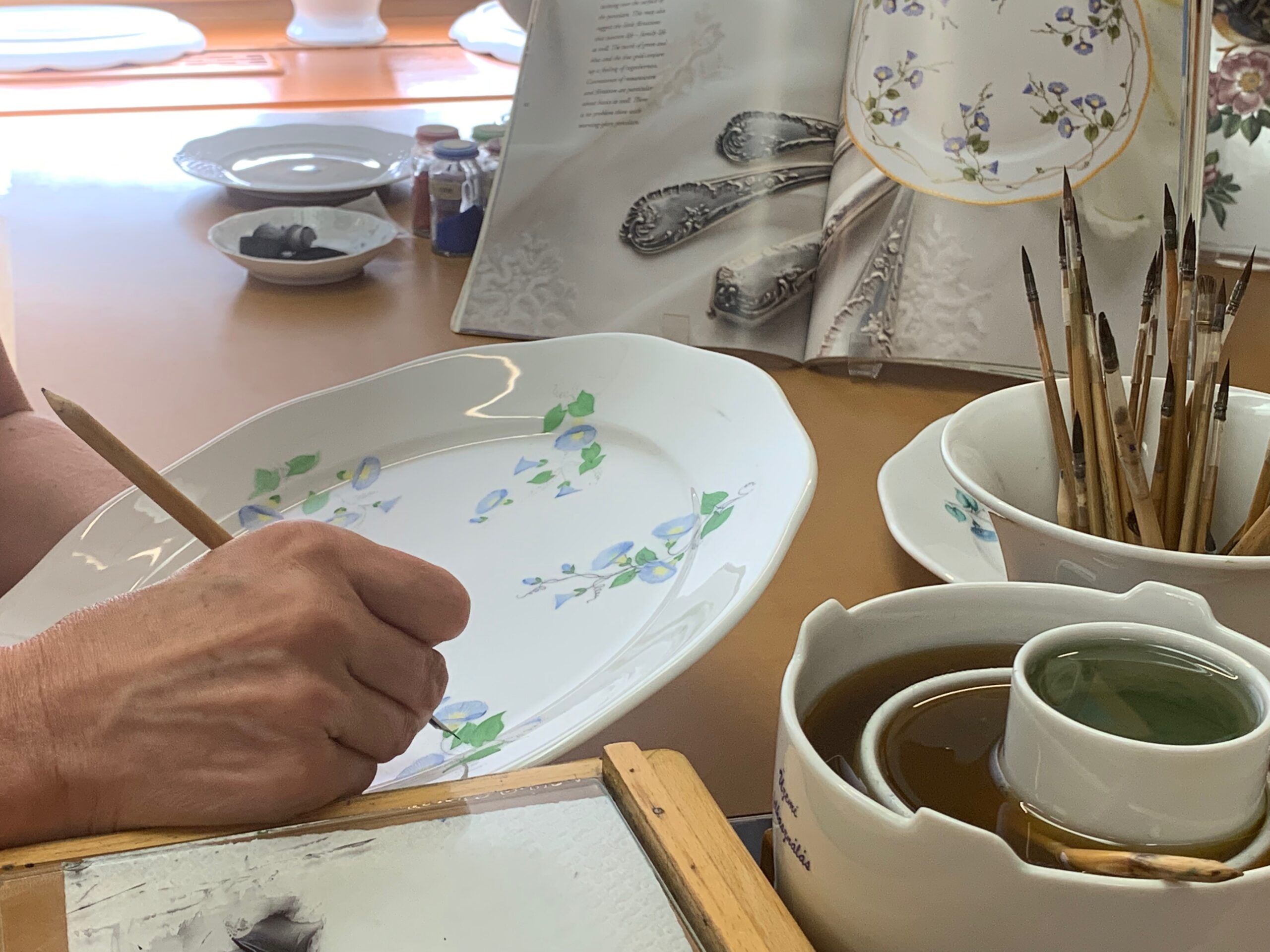
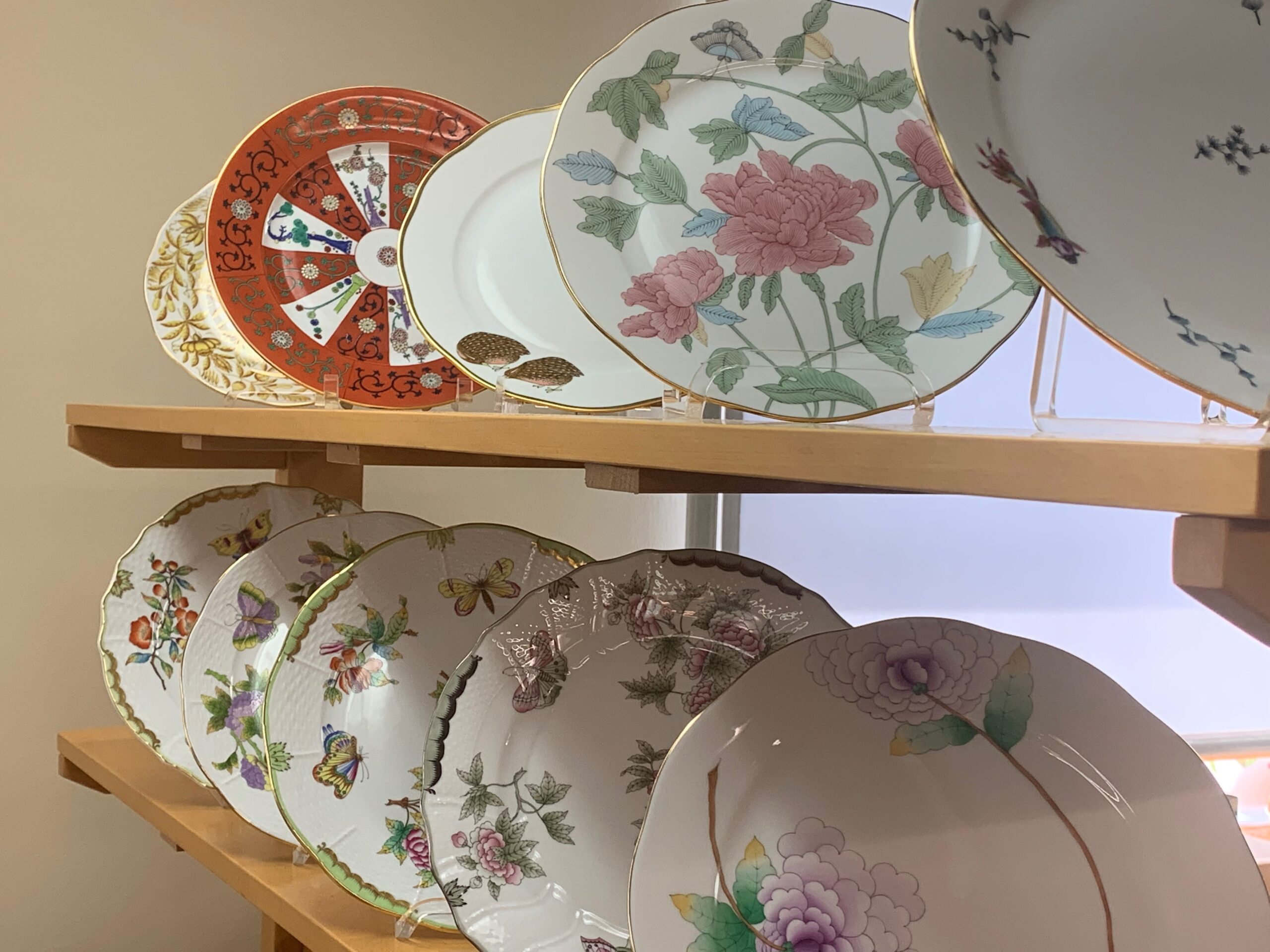
The Zsolnay Quarter is an essential stop on my Pécs and Villány tour, especially for travellers interested in Hungarian ceramics and porcelain. The district celebrates the work of Vilmos Zsolnay, the visionary figure behind the world-famous Zsolnay porcelain.

His innovations—especially the iconic eosin glaze—made Zsolnay ceramics internationally renowned and left a lasting mark on Hungarian applied arts and architecture.

From Factory to Cultural Quarter

The Zsolnay project itself was a monumental industrial heritage reconstruction, transforming the original factory complex—spanning more than five hectares—into a vibrant cultural centre. Rather than creating a static museum, the goal was to reimagine the former industrial site as a living district, where culture, creativity, and production still coexist.

Today, the area feels open, inspiring, and surprisingly relaxed, with colourful buildings, decorative ceramic details, and a strong sense of continuity between past and present.

What You Can Discover There

Visitors can explore the Handicraft, Artisan, and Creative districts, where exhibitions and collections highlight both traditional craftsmanship and contemporary creativity. Families will also appreciate the Children and Family district, which adds a playful, interactive dimension to the experience.

My countryside tours are designed for travellers who want to go beyond Budapest and discover Hungary’s cultural heritage, small towns, and artisan traditions at a relaxed pace. The visit to the Zsolnay Quarter is part of my private Pécs and Villány countryside tour, which can be booked as a full-day experience from Budapest.

Whether you’re passionate about ceramics, architecture, or cultural history—or simply enjoy discovering lesser-known Hungarian destinations—the Zsolnay Quarter is a rewarding and memorable stop in Pécs. Don’t hesitate to contact me for more details.

Every year around 20 August, on St. Stephen’s Day, the cobbled streets of the Buda Castle District fill with colours, textures, and the quiet magic of Hungarian folk art. This is the time when some of the country’s most talented folk artists and designers come together for the Summer Folk Art Festival, turning the historic castle area into an open-air celebration of tradition.

What I love most about this festival is that it’s not staged or artificial. Many of the artists you meet are continuing techniques that have been passed down through generations—sometimes within the same family. Their work reflects regional styles from all over Hungary, each with its own patterns, colours, and stories.

Hungarian Folk Art Up Close

As you wander through the festival, you’ll find beautifully crafted pottery, ceramics, wooden objects, jewellery, embroidered textiles, and woven fabrics. These are not souvenirs made for tourists, but authentic pieces created with patience, skill, and deep respect for tradition.

One of the highlights is that visitors can often try the crafts themselves. Whether it’s weaving, sewing, or embroidery, watching the process (and giving it a go) makes you appreciate just how much work and precision goes into each finished piece.

More Than Just Crafts

Of course, no Hungarian festival would be complete without food. Alongside the artisan stalls, you can taste traditional Hungarian treats, making this event just as enjoyable for food lovers as for art enthusiasts.

Set against the backdrop of Buda Castle’s historic walls and panoramic views over Budapest, the Folk Art Festival is a wonderful way to experience Hungarian traditions in a relaxed, joyful atmosphere. Even if you’ve visited before, it feels slightly different every year—and that’s part of its charm.

Yes, I agree — the Central Market of Budapest has become a major tourist attraction over the years. And yet, it may come as a surprise that it is still one of the favourite shopping places of locals.

Despite the crowds, the market remains a living, breathing part of everyday Budapest life — and that’s exactly why it’s such a fascinating place to visit.

A Personal Memory of the Central Market

I first visited the market with my grandmother when I was around five years old. At that age, I couldn’t tell the difference between the “aisle of the rich” and the “aisle of the poor” — but I was completely captivated by the smells, colours, and endless variety of products.

That sensory overload is still very much part of the experience today.

The Great Market Hall: 120 Years of History

The Central Market, officially known as the Great Market Hall, opened more than 120 years ago and quickly became the heart of Budapest’s food trade.

The iron structure and glass roof often remind visitors of a 19th-century train station, while the colorful Zsolnay roof tiles make the building unmistakable from the outside.

Inside, you’ll find:

  • Fresh fruits and vegetables from across Hungary

  • Hungarian sausages, salami, and cured meats

  • Paprika in every form imaginable

  • Local cheeses, honey, and preserves

  • Traditional Hungarian pastries and street food

Why the Central Market Is a Foodie Must-See

If you’re curious about Hungarian gastronomy, this market is one of the best places to understand it.

The Central Market showcases:

  • Seasonal Hungarian ingredients

  • Regional food traditions

  • Everyday eating habits of locals

  • The contrast between traditional stalls and modern food counters

It’s lively, noisy, sometimes chaotic — and absolutely authentic.

Visiting the Central Market on a Budapest Food Tour

A visit to the Central Market is part of my Budapest Food Tour (except on Sundays, when the market is closed).

During the tour, I’ll:

  • Help you navigate the market beyond the obvious tourist stalls

  • Explain what locals really buy and why

  • Introduce Hungarian food traditions and shopping habits

  • Make sure you taste one of the best sausages and a proper Hungarian strudel

The market is not just about food — it’s about culture, history, and everyday life.

Combine Market Visit with Wine Tasting

Many guests choose to combine their market experience with a food and wine-focused day, pairing the Budapest food tour with a countryside escape such as the Etyek Wine Tour, Hungary’s closest wine region to the capital.

It’s a wonderful way to connect Budapest’s culinary scene with local wines and rural traditions.

Planning Your Visit to the Central Market of Budapest

If you’d like to explore the Central Market of Budapest with a local guide and truly understand what you’re seeing — and tasting — I’d be happy to show you around as part of one of my private food tours.

Hungary’s food and wine culture is something I’m incredibly proud of, so it always makes me happy to see how popular my food and wine tours are with travellers. Over the years, many guests have asked me to take them beyond Budapest — to the heart of Hungary’s most famous wine region.

That’s how my private day trip to Tokaj Wine Country was born.

Why Tokaj Wine Country is So Special

Tokaj is probably the best-known Hungarian wine region, and for good reason. This UNESCO-listed area in northeastern Hungary is the birthplace of Tokaji Aszú, Hungary’s legendary sweet white wine once praised by kings, poets, and composers as “the wine of kings, the king of wines.”

But Tokaj is much more than dessert wine.

Rolling vineyards, quiet villages, centuries-old wine cellars, and a deep sense of history make this region one of the most atmospheric places in the country.

What This Private Tokaj Wine Tour Includes

This full-day private Tokaj tour from Budapest is designed for travelers who want a slow, authentic experiencerather than a rushed tasting schedule.

During the day, we:

  • Visit small Tokaj villages with traditional architecture

  • Meet local winemakers and taste wines directly in family-run cellars

  • Learn about Tokaj’s unique grape varieties and winemaking traditions

  • Enjoy the peaceful countryside far from the crowds

The focus is always on quality, storytelling, and personal connections — exactly the kind of experience I love to share as a private guide.

Jewish Heritage in the Tokaj Wine Region

One of the lesser-known but deeply fascinating aspects of Tokaj is its Jewish heritage. Jewish merchants and winemakers played a crucial role in building Tokaj’s international reputation in the 18th and 19th centuries.

On this tour, we also explore:

  • Historic Jewish sites and cemeteries

  • The role of Jewish families in wine trade and culture

  • Local traditions that shaped the region’s identity

This cultural layer adds meaningful depth to the wine experience and helps travelers understand Tokaj beyond the glass.

Who Is This Tokaj Day Trip For?

This private Tokaj wine country tour is ideal for:

  • Wine lovers curious about Hungarian wines

  • Couples and small groups looking for a romantic countryside escape

  • Travelers interested in culture, history, and gastronomy

  • Guests who prefer customised private tours over large group trips

Interested in Visiting Tokaj?

If you’d like to learn more about this Tokaj Wine Country day trip from Budapest, I’d be happy to send you detailed information, including itinerary ideas and customization options.

The Royal Palace of Visegrád is one of the most fascinating stops in the Danube Bend and a highlight I always try to include when touring the area. Together with the Upper Castle, the palace forms a remarkable castle complex that offers insight into how Hungarian royalty lived at the height of their power.

Located above the Danube, in the historic town of Visegrád, this palace allows visitors to step directly into the world of 15th-century royal life.

From ruins to royal splendour

The fact that we can admire the palace today is thanks to the work of a passionate Hungarian archaeologist, who discovered the ruins hidden beneath an orchard. Thanks to decades of archaeological research and careful reconstruction, the palace has been brought back to life as a stunning example of Gothic and Renaissance architecture.

We owe a great deal to the archaeologists and historians who recreated the lavish interiors, gardens, and fountains that once impressed visiting dignitaries from across Europe.

A royal residence fit for King Matthias

The original stone residence, built in the 14th century, was relatively modest — just under 5,000 square feet. However, under the reign of Matthias Corvinus, the palace was transformed into a spectacular royal residence with around 350 rooms.

According to legend, during grand celebrations in the 15th century, marble fountains flowed with red wine — a detail that perfectly captures the wealth and prestige of the Hungarian royal court at the time.

What to see in the Royal Palace of Visegrád

Today, visitors can explore:

  • elegant Gothic cloisters

  • a refined Renaissance loggia

  • reconstructed living quarters of Hungarian kings and queens

  • decorative fountains and palace gardens

  • original artefacts and relics from the Middle Ages

The palace is beautifully laid out and easy to explore, making it both educational and visually impressive.

Visiting the Royal Palace on a Danube Bend tour

The Royal Palace of Visegrád is an essential stop on many Danube Bend day trips and works especially well as part of a private countryside tour from Budapest. Combined with the Upper Castle and views over the Danube, it offers a perfect balance of history, architecture, and scenery.