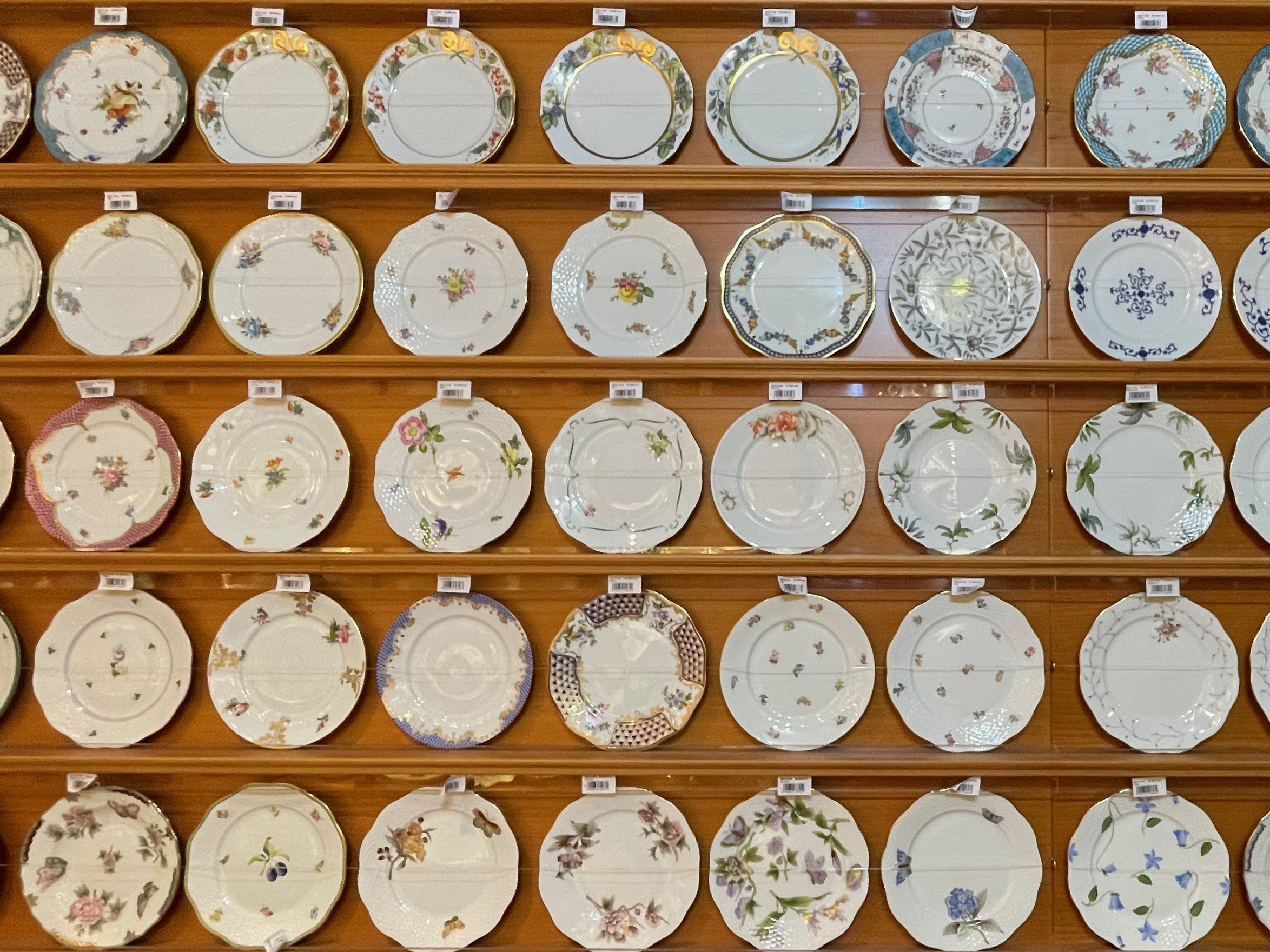
Herend porcelain patterns are more than decorative motifs — they reflect centuries of aristocratic taste, royal patronage, and a deep understanding of colour, function, and craftsmanship.

Visiting the Herend Porcelain Factory is not only about seeing how porcelain is made — it’s also about discovering a fascinating visual language shaped by aristocracy, royal taste, colour symbolism, and function.

Over the years, Herend has created hundreds of patterns, each with its own story. Some were designed for royal courts, others for noble families, and many were adapted to different uses, from grand dining rooms to intimate tea rituals.

Porcelain for Royalty and Aristocracy

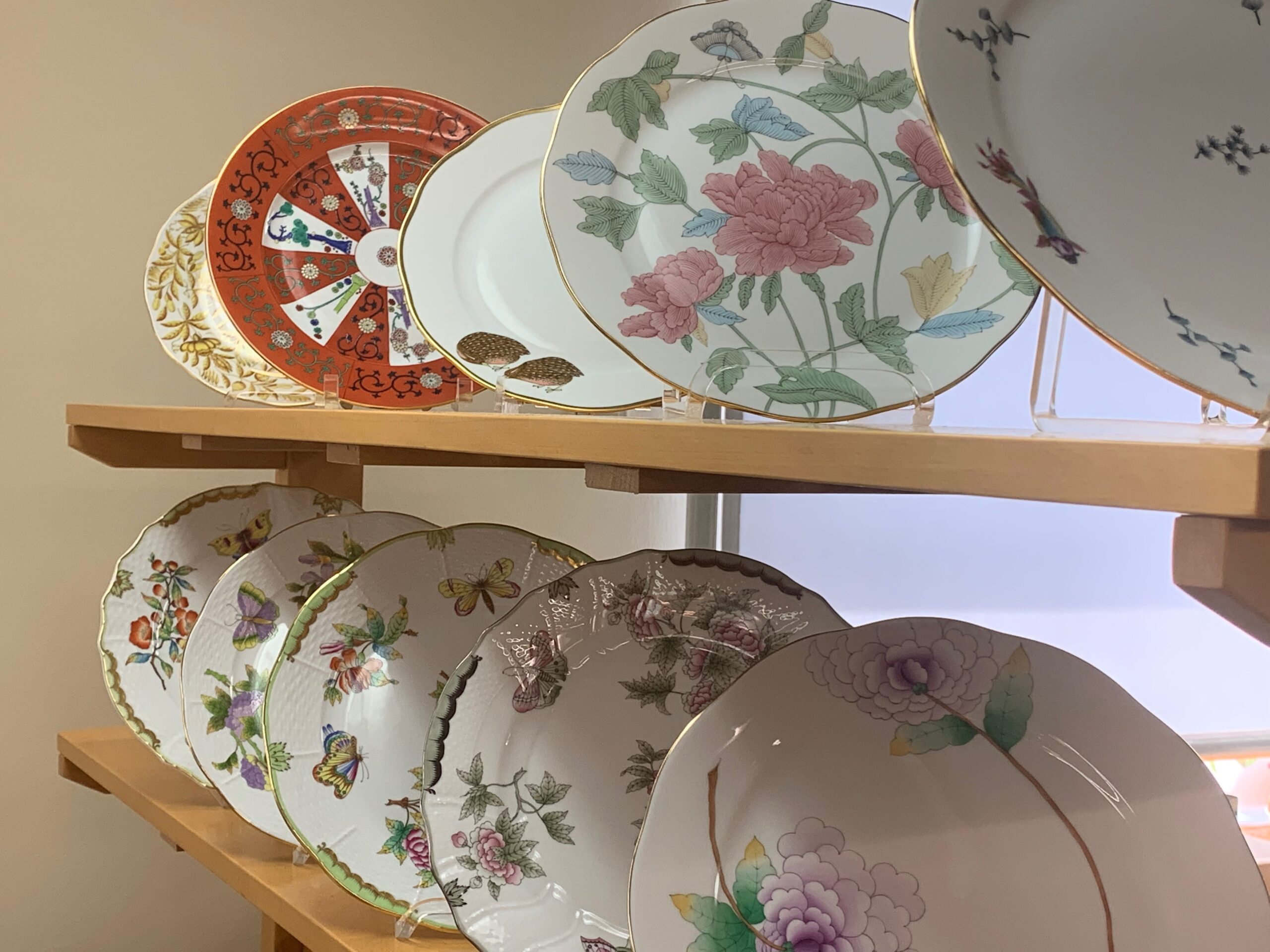
One of the most famous Herend designs is the Viktória pattern, created in the 19th century after Queen Victoria admired a richly decorated dinner service at an international exhibition. She ordered a full set for herself, and the pattern was named in her honour.

The design is elaborate and colourful, featuring butterflies and floral motifs inspired by the Far East — a style that perfectly matched aristocratic taste at the time. These pieces were meant to impress: large dining tables, formal occasions, and prestigious interiors.

Similarly, many early Herend patterns were created with noble households in mind, where porcelain was not only functional but also a symbol of status and refinement.

Colour as Identity

Colour plays a key role in Herend porcelain. Certain patterns are immediately recognisable by their palette:

  • Rich greens and golds often reflect classical elegance

  • Deep blues suggest formality and tradition

  • Softer pastel tones create a lighter, more intimate feeling

These colour choices weren’t random — they were carefully selected to suit interiors, table settings, and the expectations of high-society clients. Even today, visitors are often surprised by how modern some of these historic colour combinations feel.

Patterns Designed for Function

Not all Herend designs were created for grand banquets. Some patterns were developed specifically for tea and coffee sets, where smaller motifs and lighter decoration feel more appropriate.

A wonderful example is the Apponyi pattern, originally created as a simplified version of a more elaborate design. Its central floral motif makes it perfect for smaller items like cups, saucers, and dessert plates — elegant without being overwhelming.

This thoughtful relationship between decoration and function is one of the reasons Herend porcelain feels so timeless.

A Living Tradition

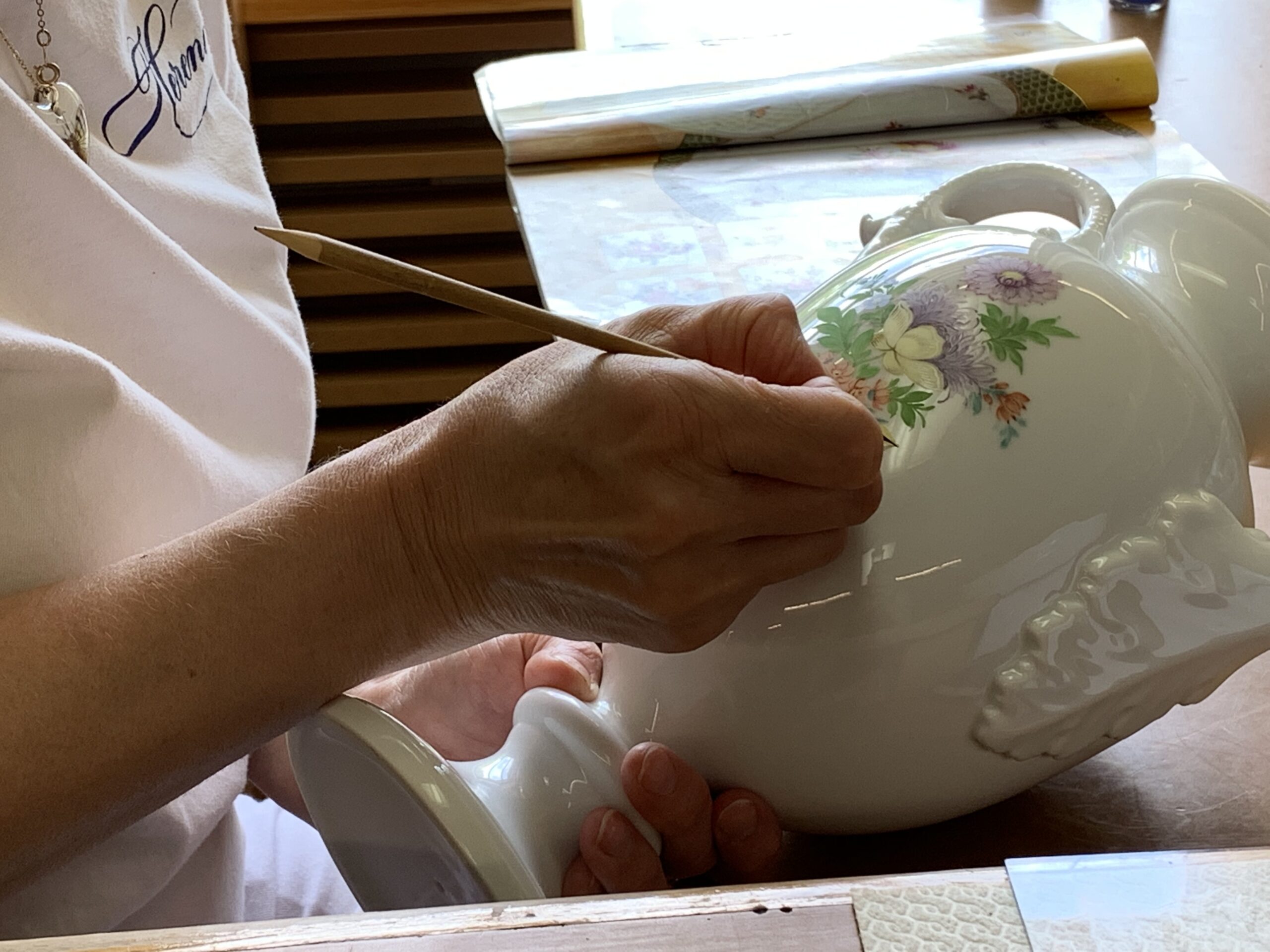
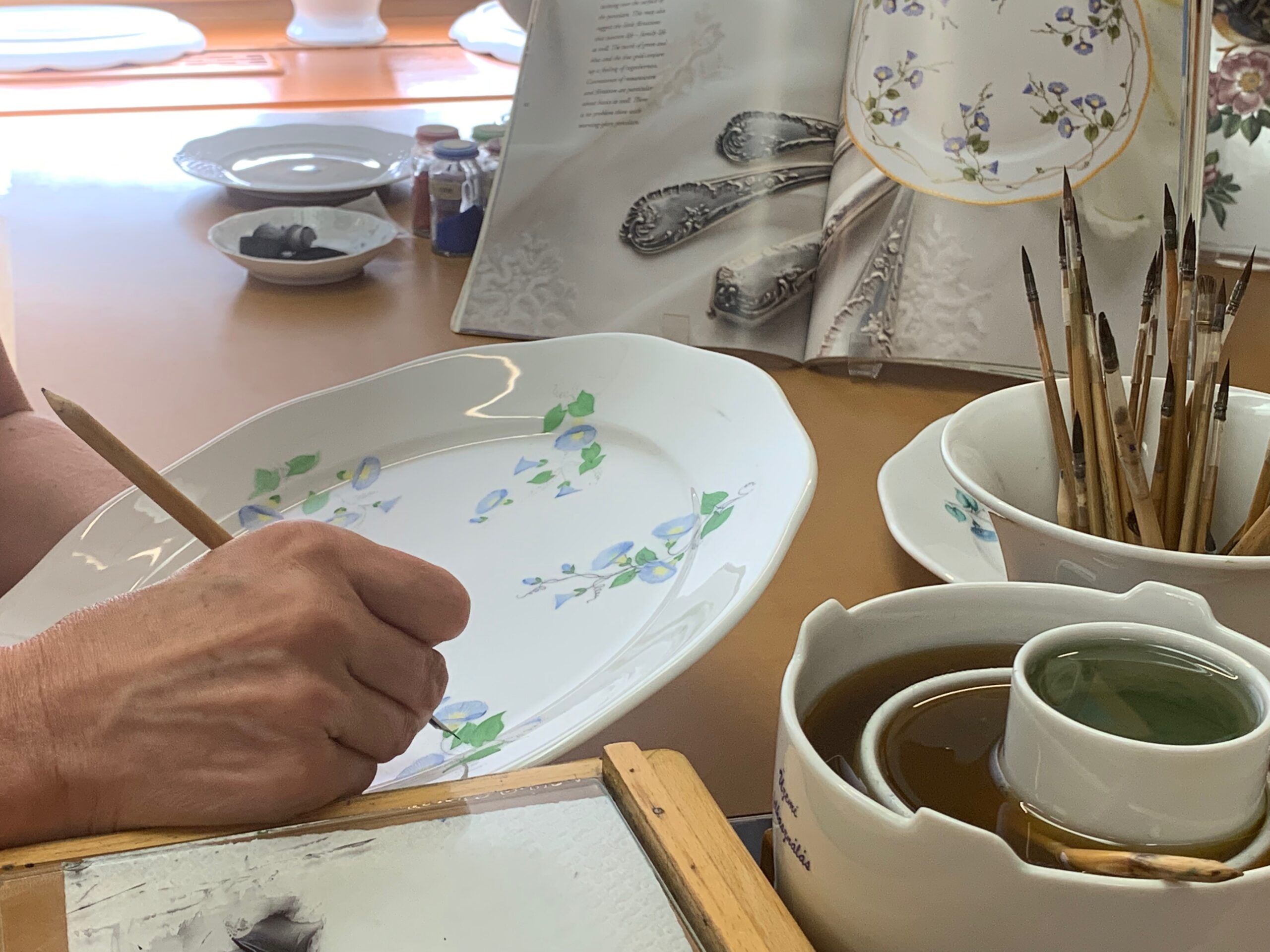
What makes Herend truly special is that these patterns are still hand-painted today, using techniques passed down through generations. While fashions change, the balance between beauty, symbolism, and usability remains the same.

Each piece tells a story — not only about craftsmanship, but also about the people and traditions that shaped it.

If you’re interested in Hungarian applied arts, design history, or simply beautiful objects with meaning, discovering Herend patterns adds a whole new layer to a factory visit. I often include Herend as part of a Lake Balaton or countryside private tour, where it fits beautifully alongside historic towns, landscapes, and regional gastronomy.
 

One of the highlights of any visit to Pécs is the Zsolnay Quarter, a unique cultural district dedicated to one of Hungary’s most important artistic legacies.

Pécs is a long drive from Budapest—but believe me, it’s absolutely worth the time and energy. This charming southern Hungarian city offers layers of history stretching back almost 2,000 years, with rare early Christian relics, fascinating Ottoman-era architecture, and elegant Baroque buildings all coexisting in a wonderfully human-scale town.

Hungarian Ceramics and the Zsolnay Legacy

The Zsolnay Quarter is an essential stop on my Pécs and Villány tour, especially for travellers interested in Hungarian ceramics and porcelain. The district celebrates the work of Vilmos Zsolnay, the visionary figure behind the world-famous Zsolnay porcelain.

His innovations—especially the iconic eosin glaze—made Zsolnay ceramics internationally renowned and left a lasting mark on Hungarian applied arts and architecture.

From Factory to Cultural Quarter

The Zsolnay project itself was a monumental industrial heritage reconstruction, transforming the original factory complex—spanning more than five hectares—into a vibrant cultural centre. Rather than creating a static museum, the goal was to reimagine the former industrial site as a living district, where culture, creativity, and production still coexist.

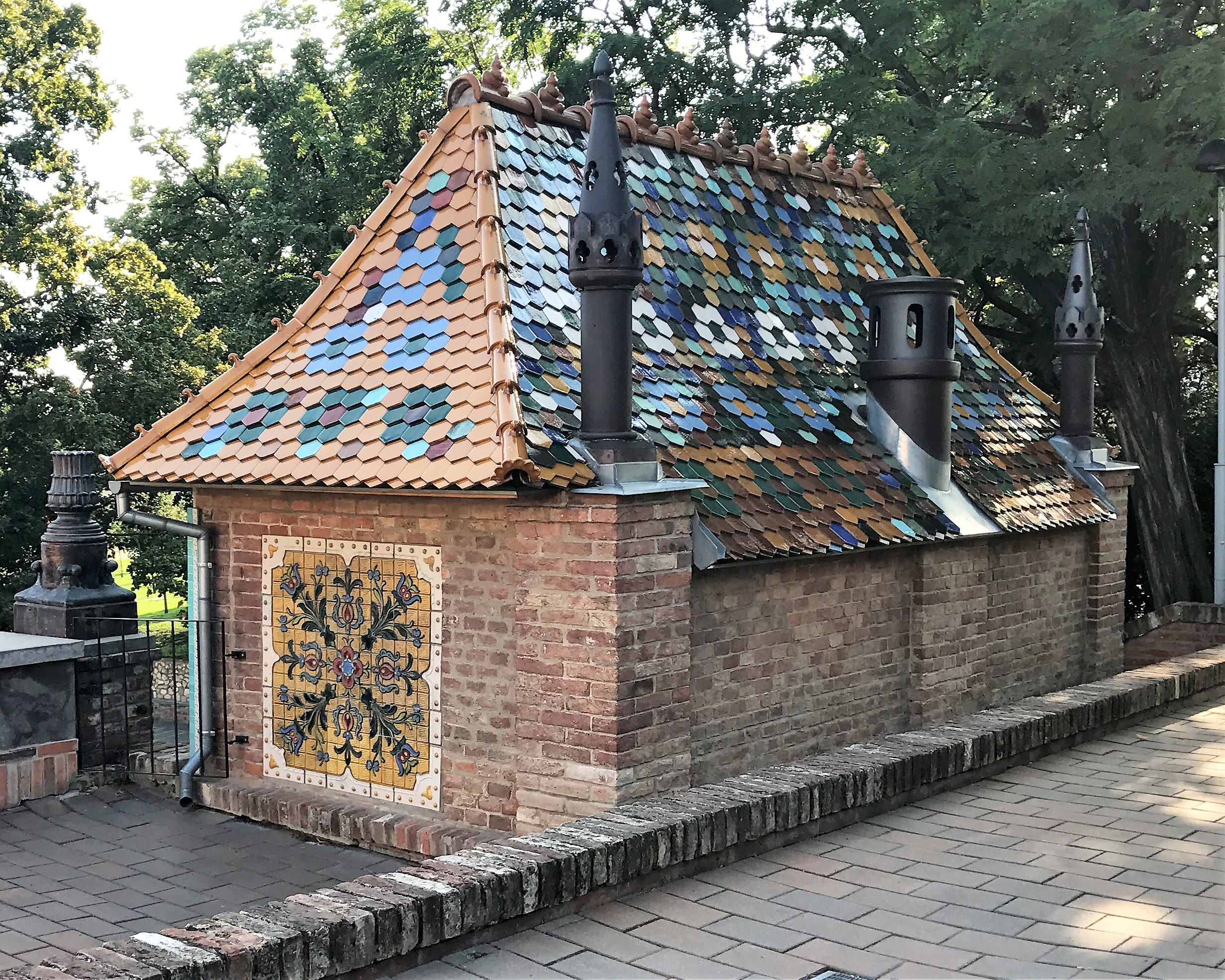
Today, the area feels open, inspiring, and surprisingly relaxed, with colourful buildings, decorative ceramic details, and a strong sense of continuity between past and present.

What You Can Discover There

Visitors can explore the Handicraft, Artisan, and Creative districts, where exhibitions and collections highlight both traditional craftsmanship and contemporary creativity. Families will also appreciate the Children and Family district, which adds a playful, interactive dimension to the experience.

My countryside tours are designed for travellers who want to go beyond Budapest and discover Hungary’s cultural heritage, small towns, and artisan traditions at a relaxed pace. The visit to the Zsolnay Quarter is part of my private Pécs and Villány countryside tour, which can be booked as a full-day experience from Budapest.

Whether you’re passionate about ceramics, architecture, or cultural history—or simply enjoy discovering lesser-known Hungarian destinations—the Zsolnay Quarter is a rewarding and memorable stop in Pécs. Don’t hesitate to contact me for more details.

One of Hungary’s Most Famous Crafts

Hungary is internationally renowned for its porcelain production, and Herend porcelain is without doubt its most prestigious name. Founded nearly 200 years ago, the Herend Porcelain Factory continues to produce exquisite, hand-painted porcelain admired by collectors and royal households worldwide.

The factory is located in the small village of Herend, near Veszprém, making it a wonderful cultural stop on a countryside journey or a Lake Balaton tour.

A Porcelain Loved by Royalty

Herend porcelain has won numerous awards at international exhibitions. Its most famous moment came at the Great Exhibition of the Works of Industry of All Nations, where a beautifully decorated dinner set caught the attention of Queen Victoria.

She ordered a full porcelain service for herself, and the pattern was named “Viktória” in her honour — a design that remains one of Herend’s most iconic collections today.

Visiting the Herend Porcelain Museum

A visit to the Herend Porcelain Museum offers a fascinating behind-the-scenes look at how these delicate masterpieces are created.

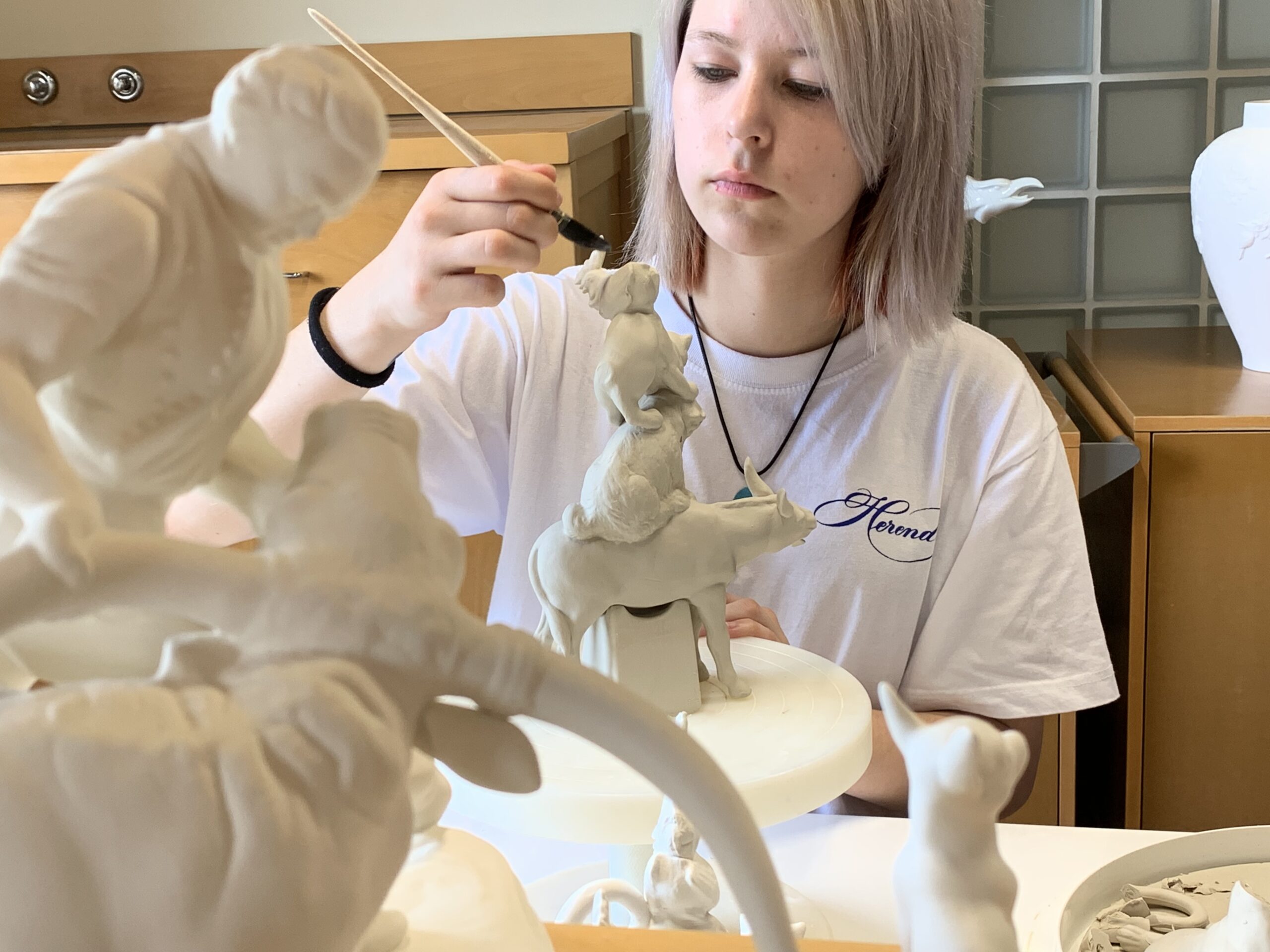
One of the highlights is the Mini-Manufactory, where visitors can follow each step of the production process through a series of rooms:

  • preparation of plaster casts

  • shaping and piercing the porcelain

  • delicate flower making

  • hand-painting and gilding techniques

Seeing the artisans at work truly brings home why Herend porcelain is considered a luxury craft rather than mass production.

Coffee or Tea Served in Herend Porcelain

After the museum visit, guests are invited to enjoy a coffee or tea served in genuine Herend porcelain — a charming and memorable detail that perfectly completes the experience.

Including Herend in a Private Tour

I’m happy to include a Herend Porcelain Factory visit as part of:

The Herend visit pairs beautifully with historic towns, scenic viewpoints, and wine or food stops around Lake Balaton. If you’re interested in Hungarian craftsmanship, history, and elegant traditions, Herend is an unforgettable stop.