If you’re looking for a meaningful escape from the city, this private day trip from Budapest to Gödöllő and Hollókő offers a perfect blend of aristocratic elegance and authentic village charm. This full-day, privately guided experience invites you to discover two of Hungary’s most treasured destinations—one rooted in royal Baroque grandeur, the other in timeless rural tradition.

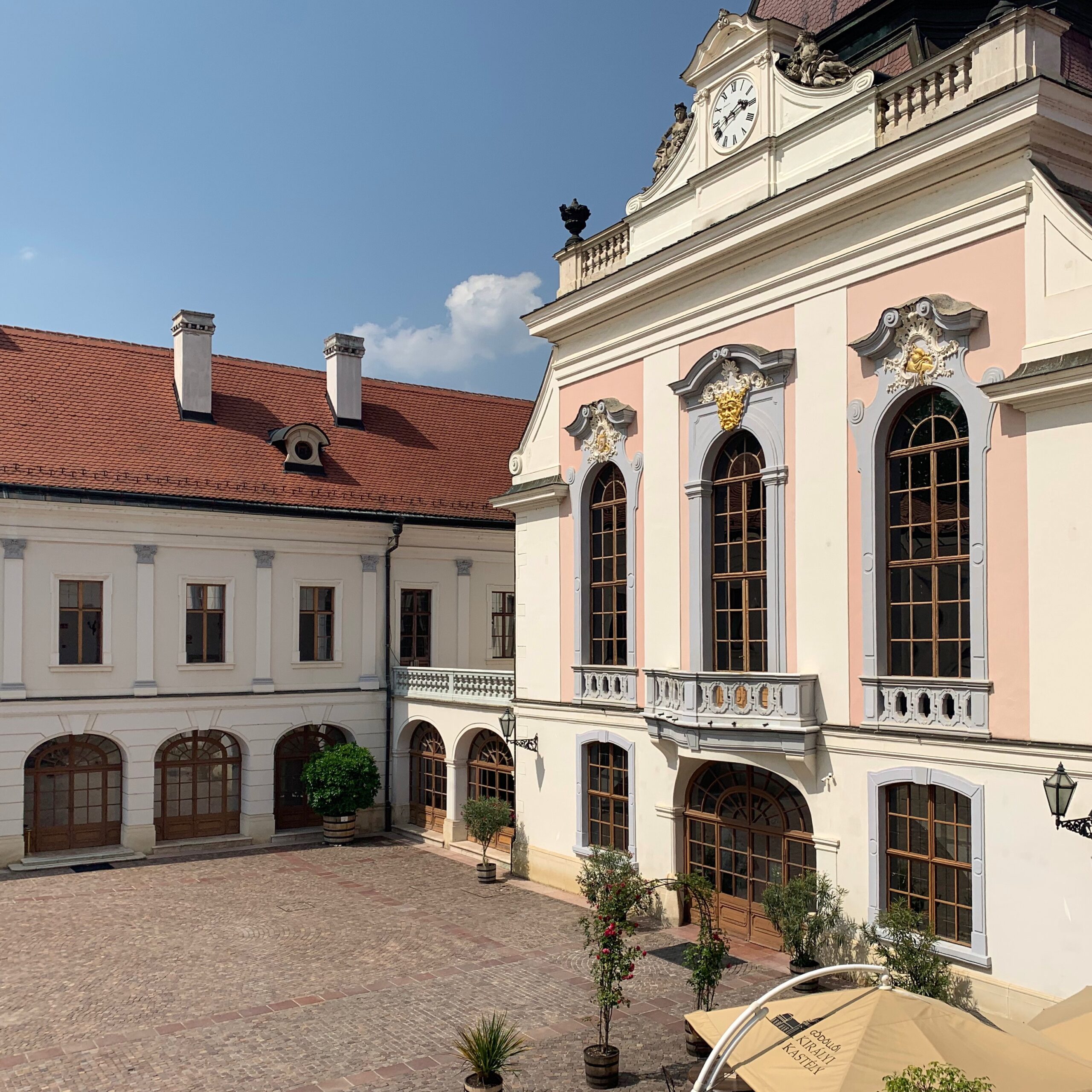
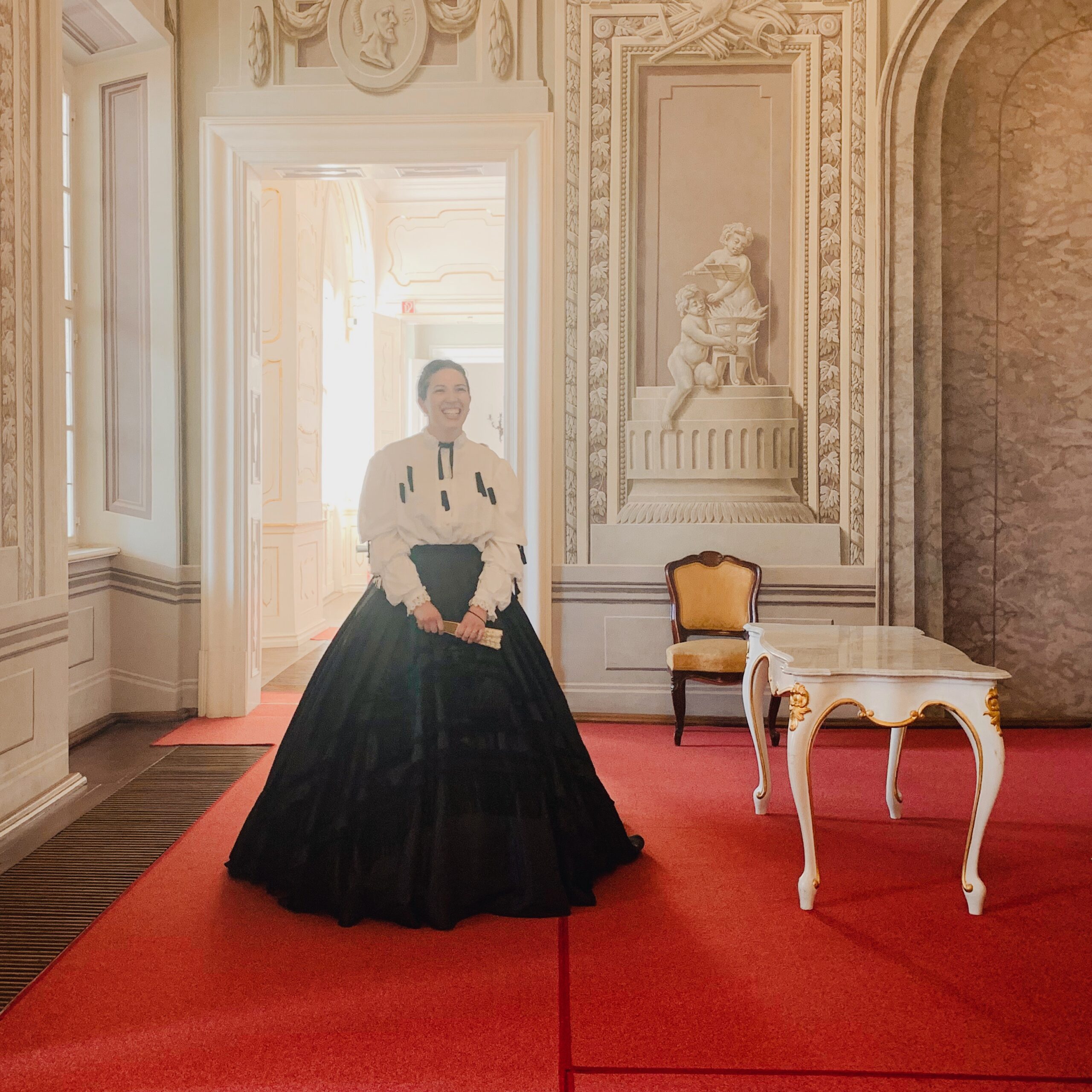
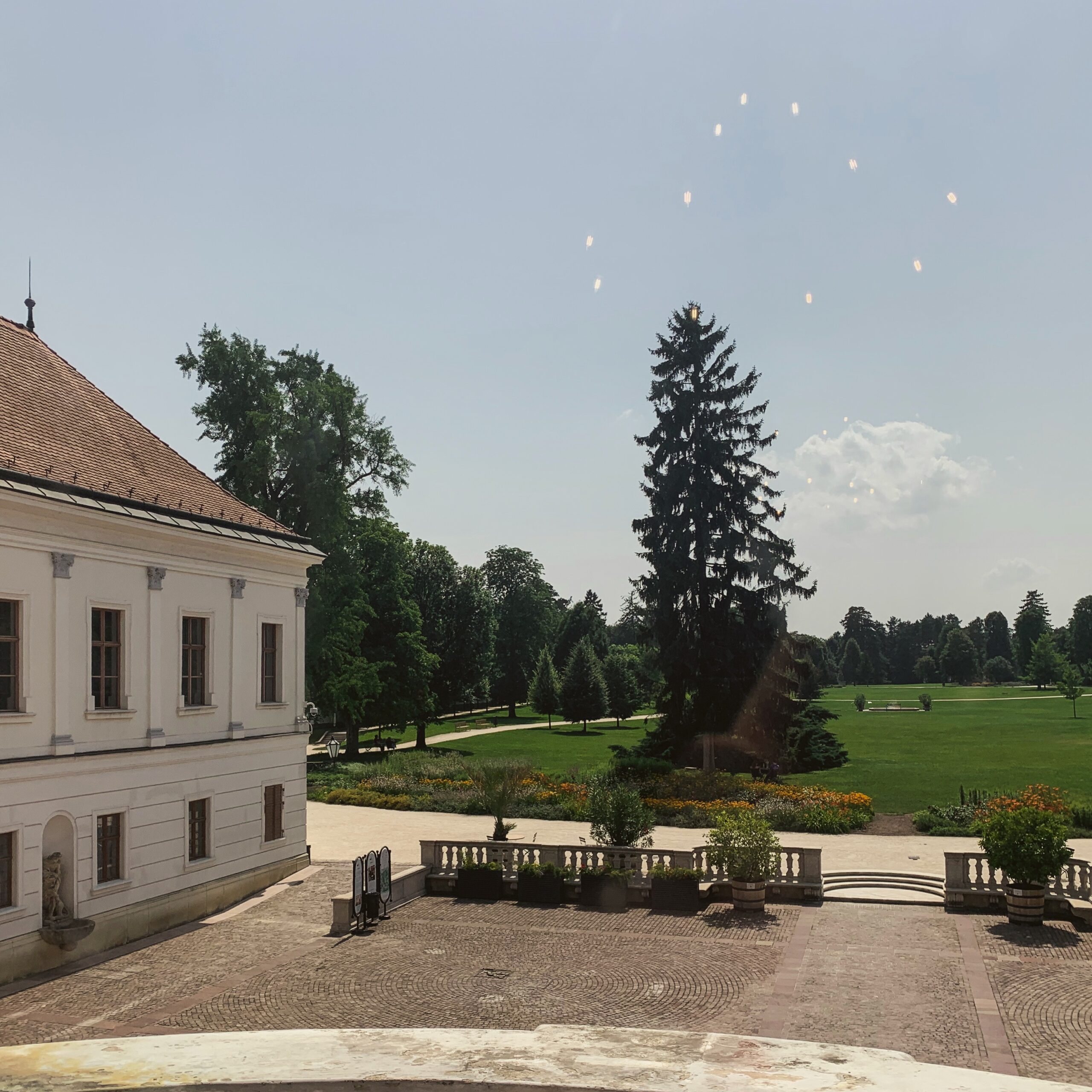
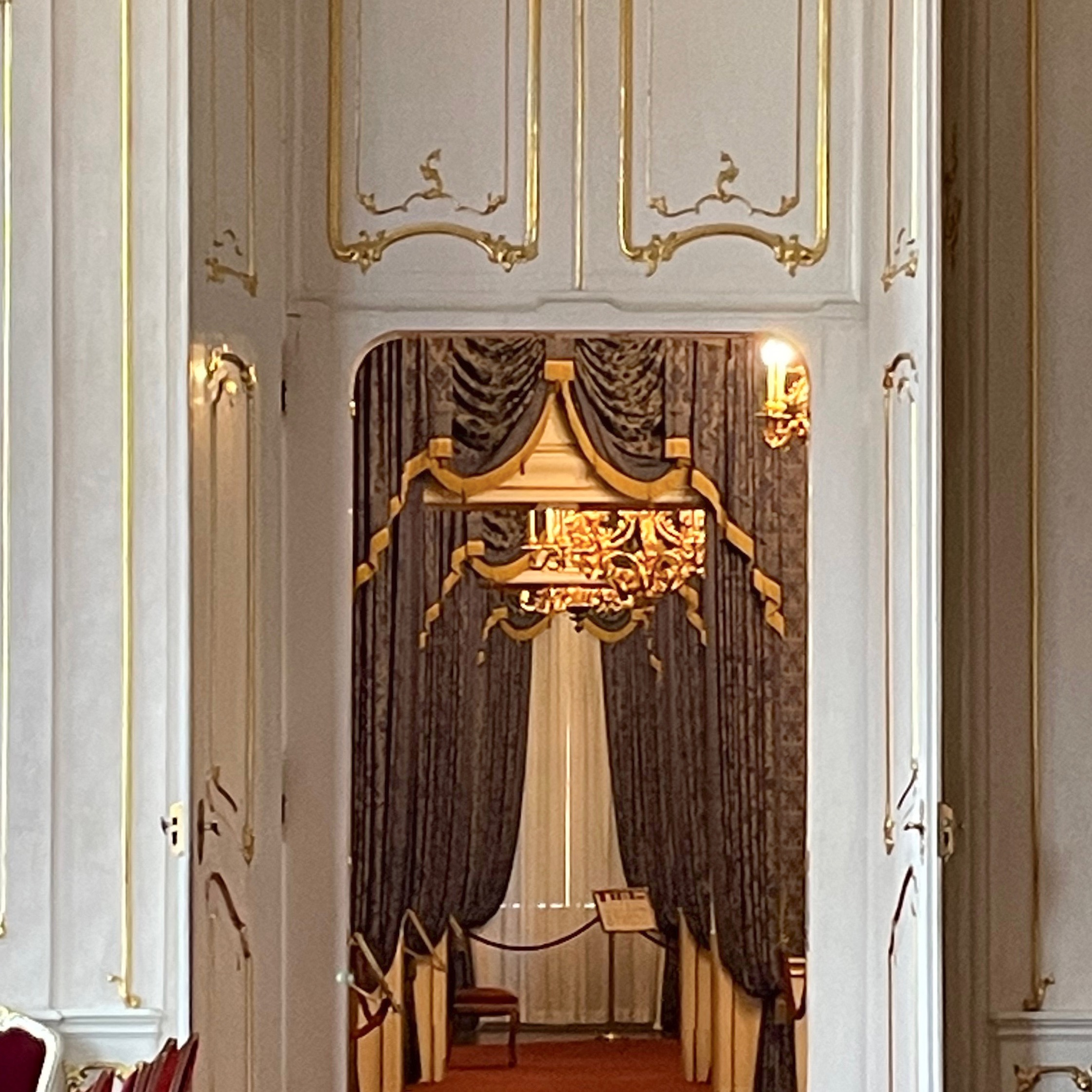
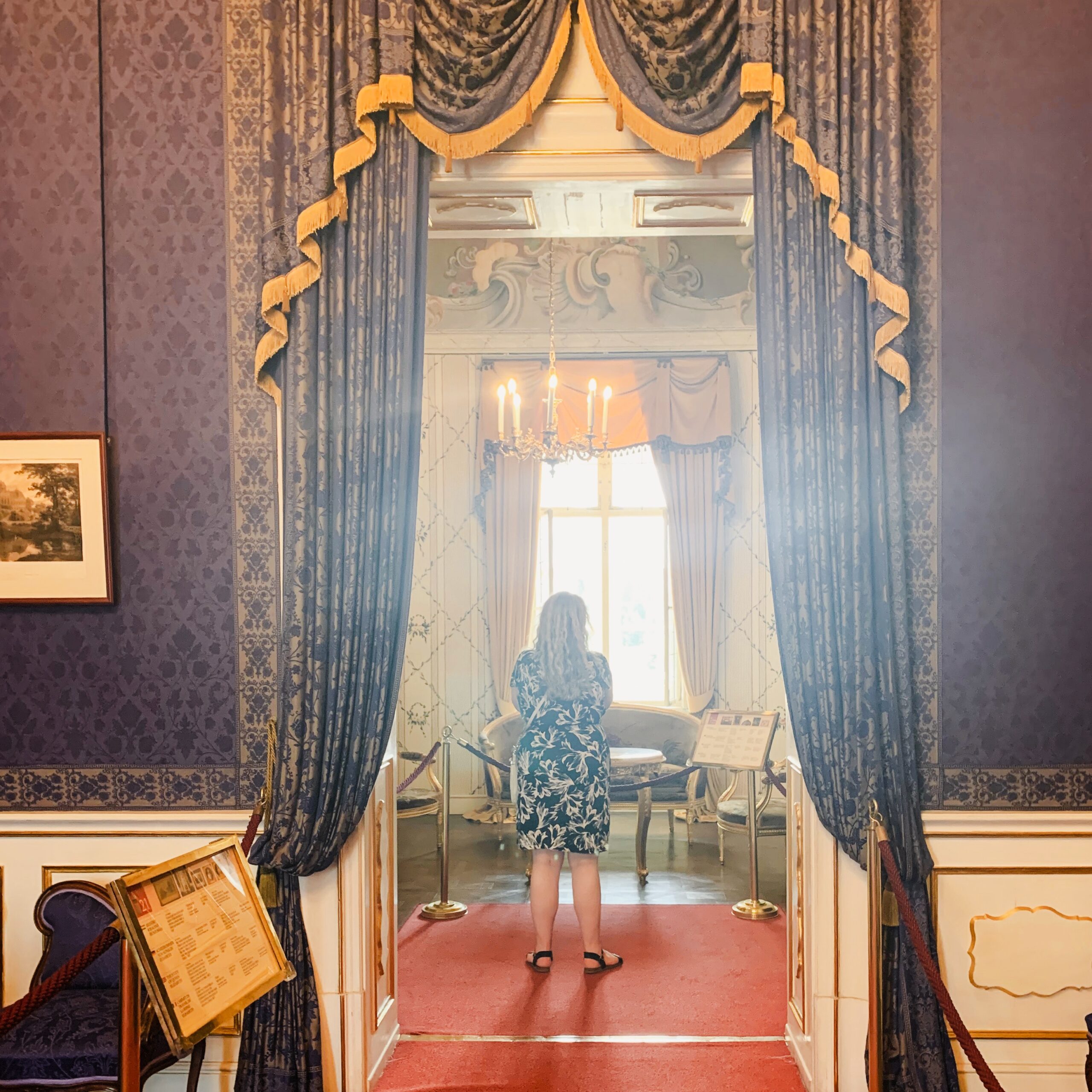
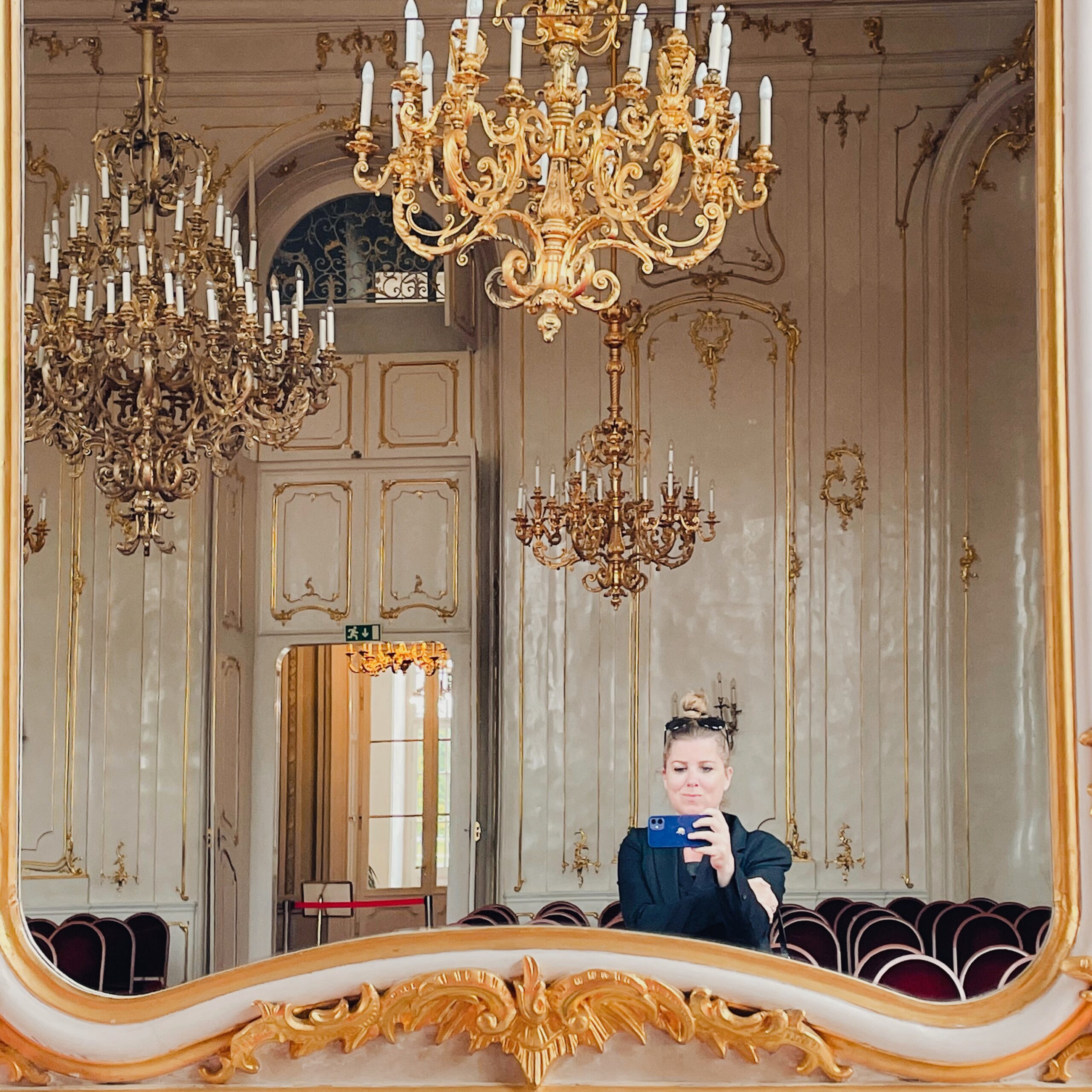
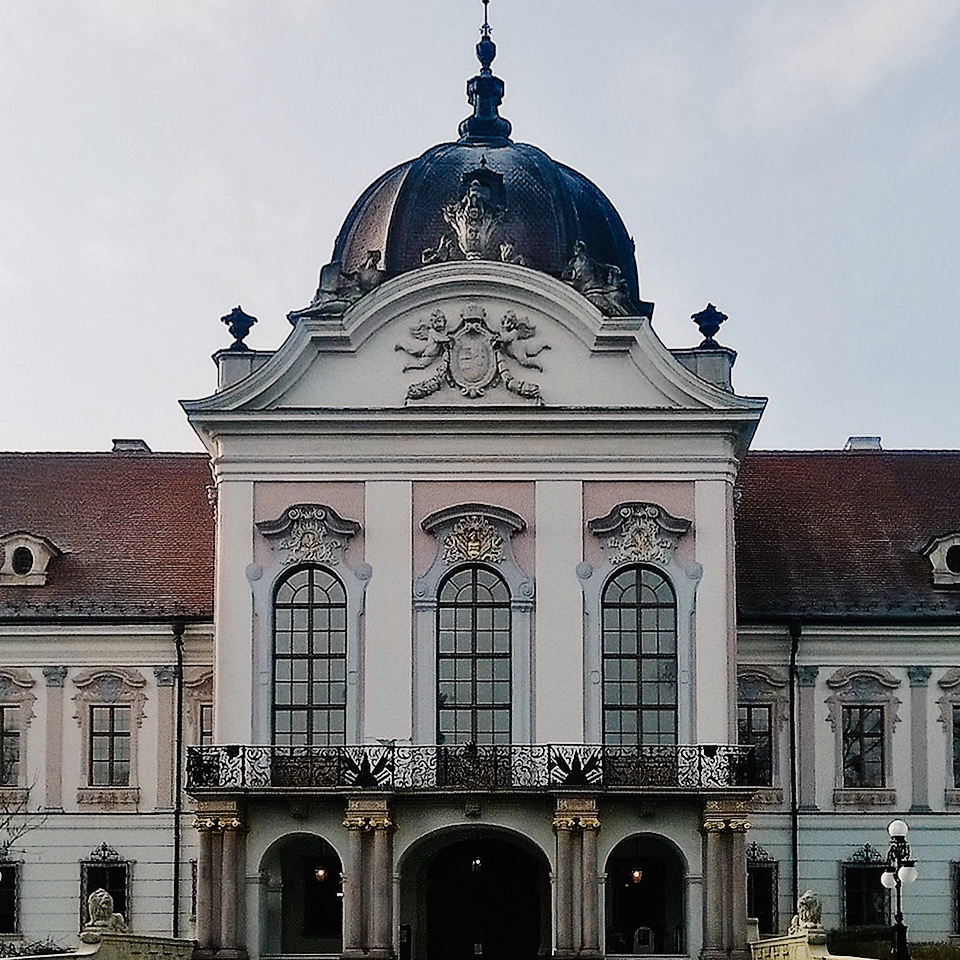
The day begins in Gödöllő, home to Hungary’s second-largest Baroque palace. Originally built by the noble Grassalkovich family, the palace became the beloved summer residence of Queen Elisabeth—known affectionately as Sissi. As you walk through its beautifully restored halls, grand ballroom, and peaceful gardens, you’ll gain a deeper understanding of royal life in 18th- and 19th-century Hungary. The palace’s ornate architecture and tranquil atmosphere offer an unforgettable glimpse into the country’s noble past.

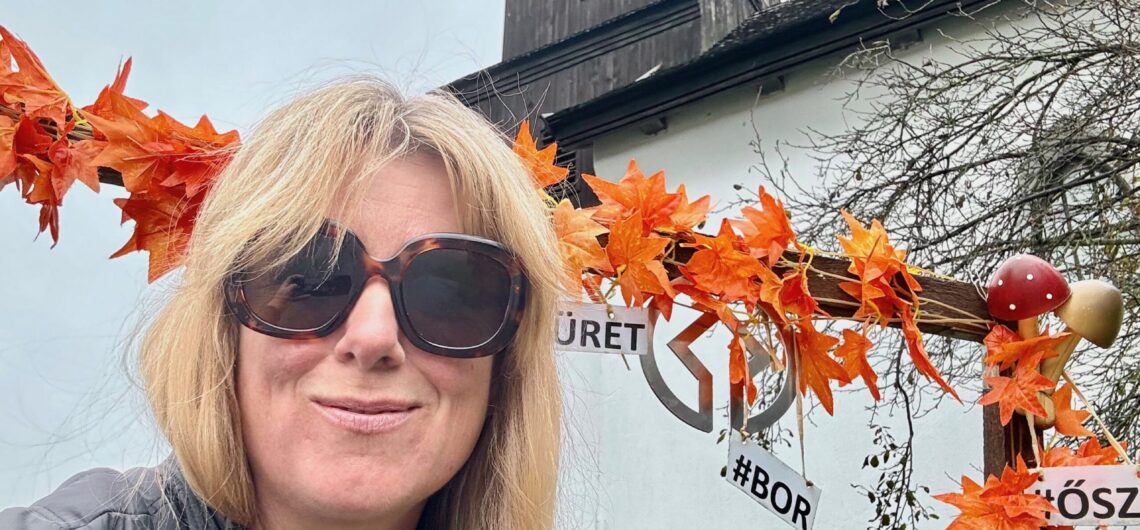
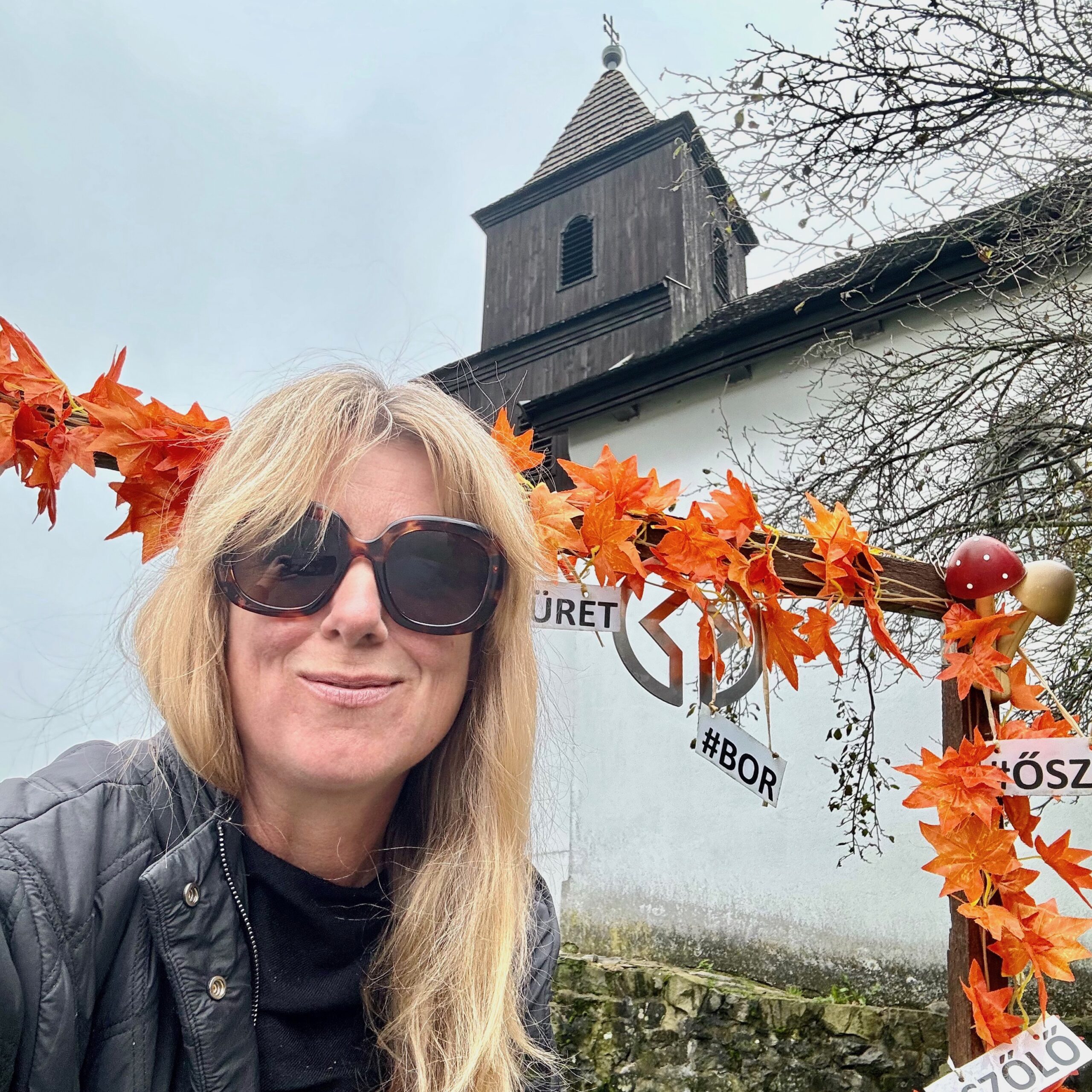
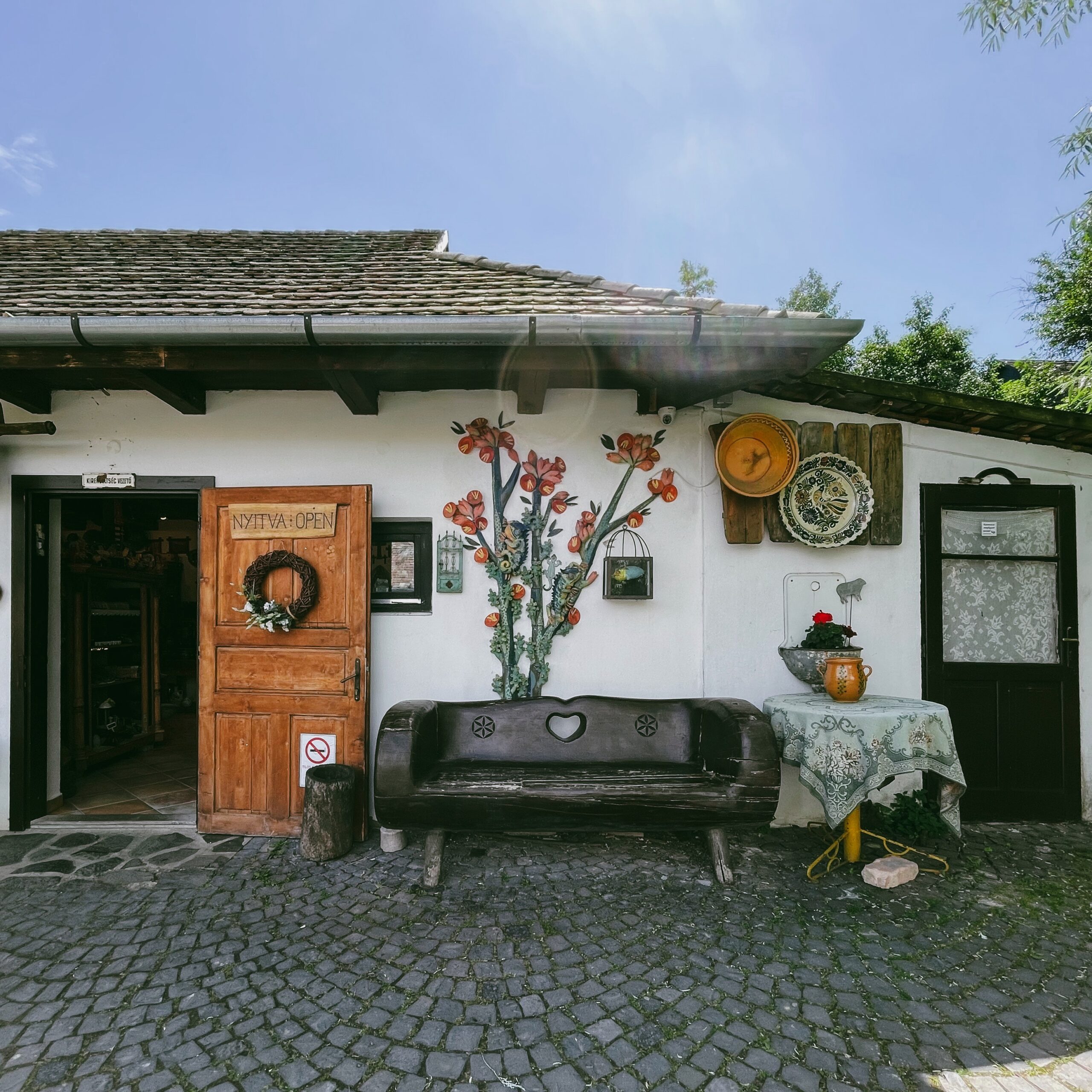
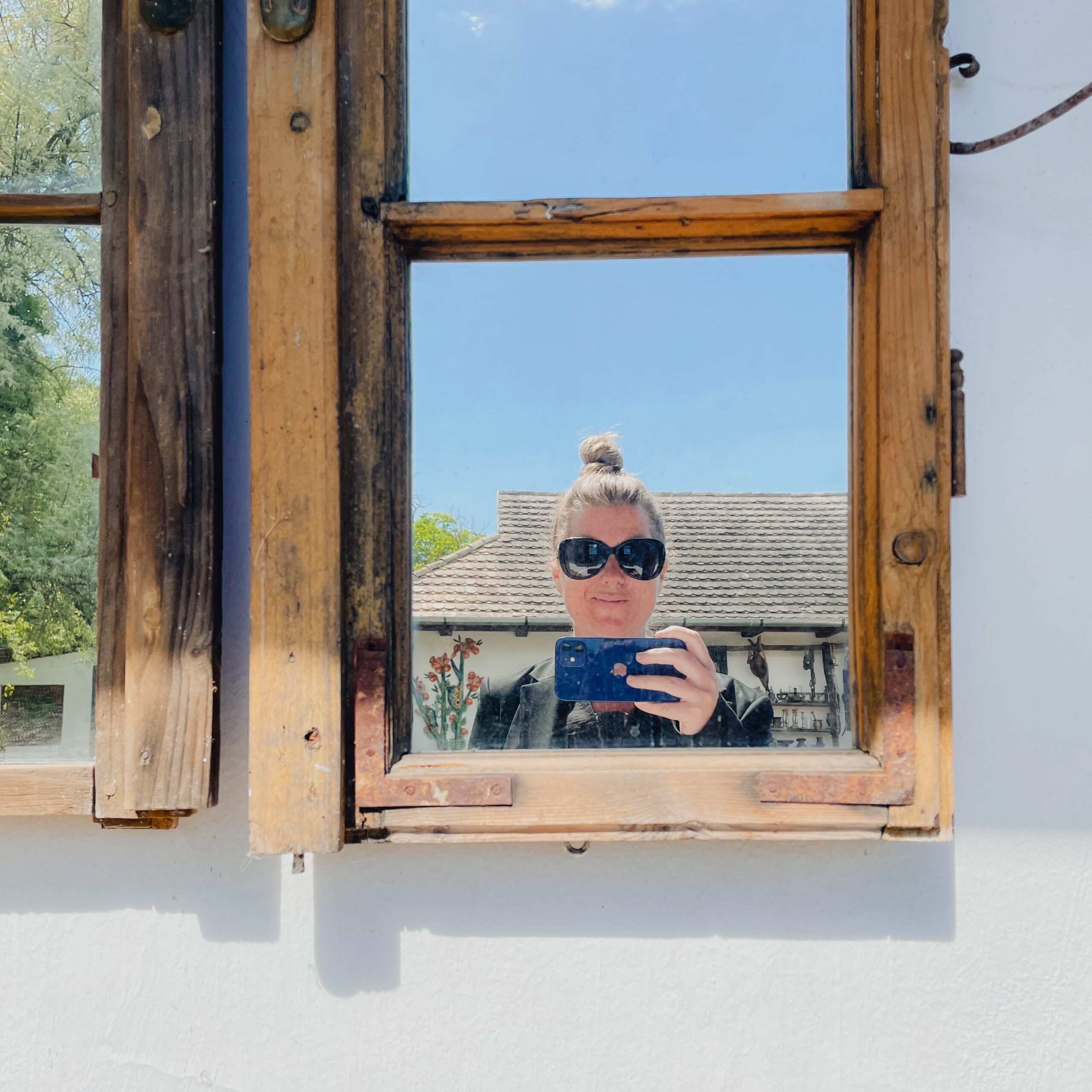
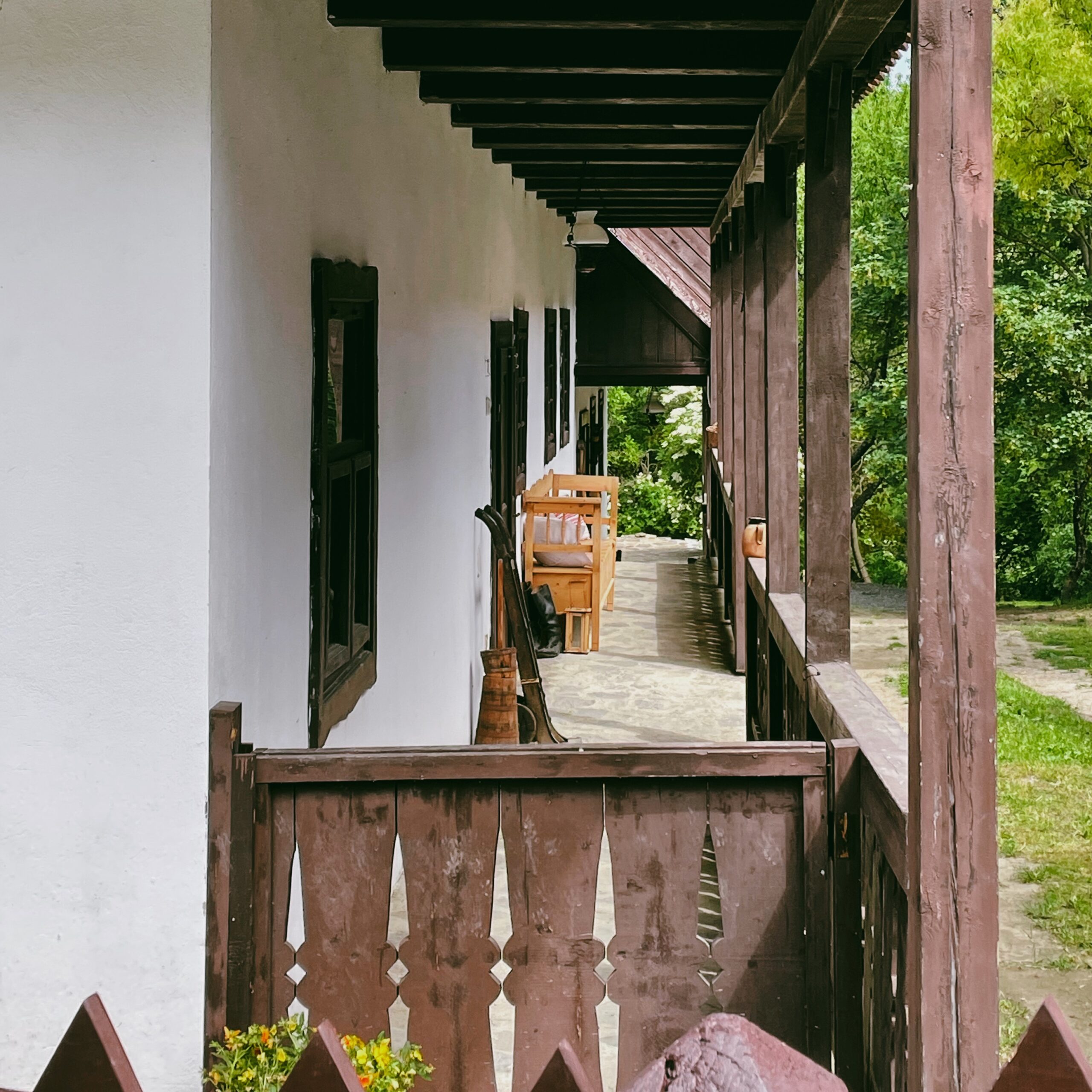
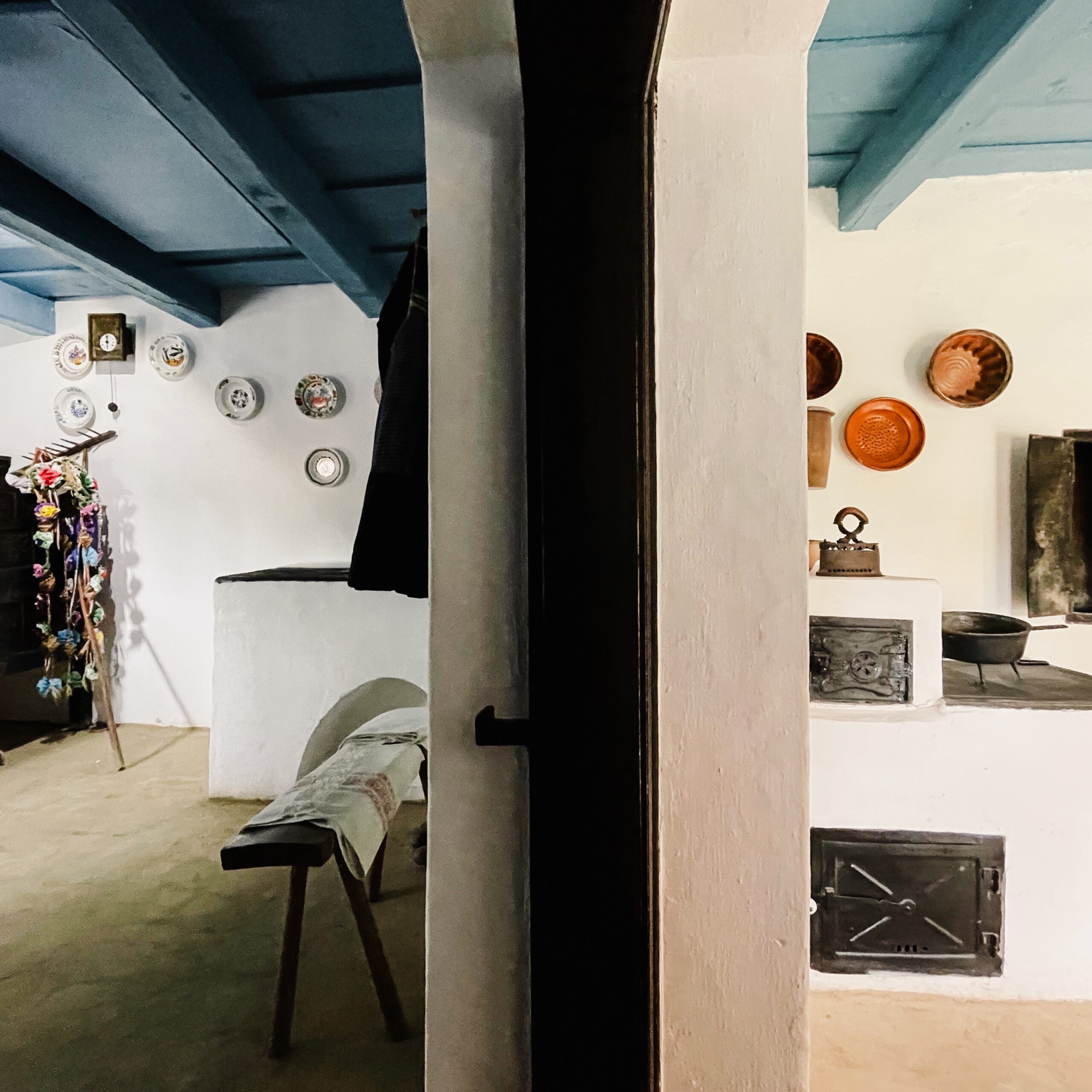
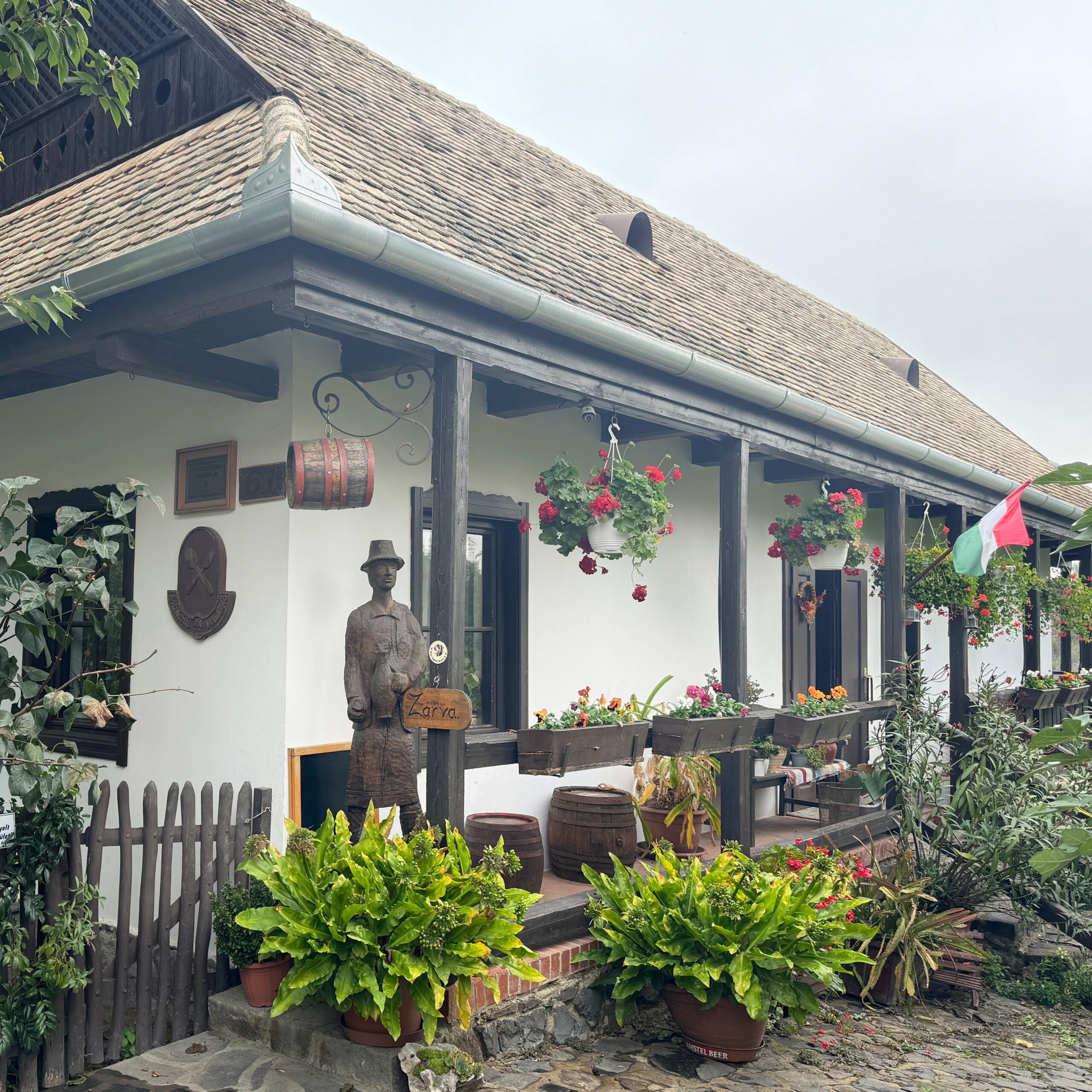
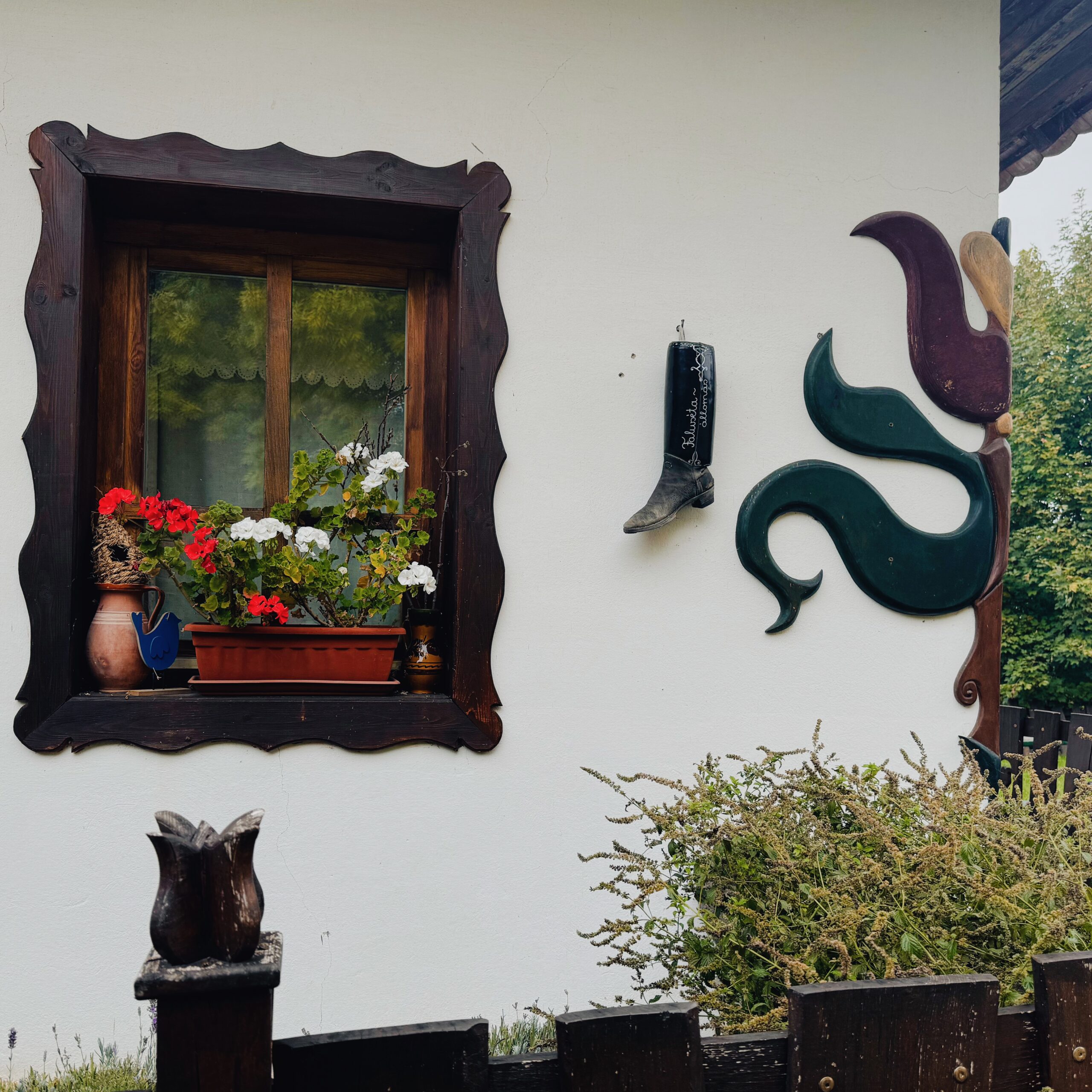
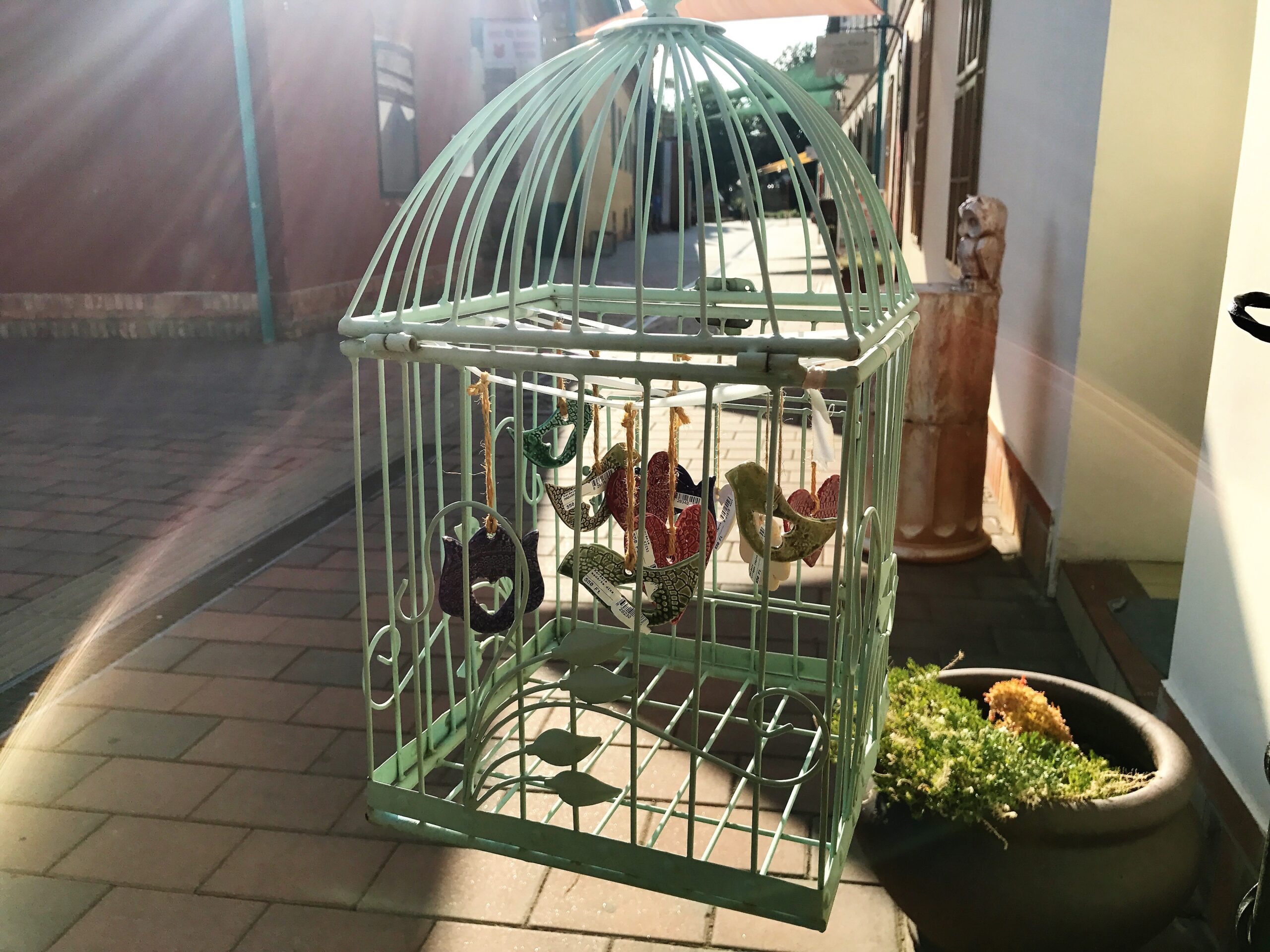
From royal elegance, we move to rustic charm. Your journey continues to Hollókő, a picturesque village that feels untouched by time. This UNESCO World Heritage site is a living museum of traditional Palóc culture, where locals still dress in folk costume on special occasions and artisans create beautiful handmade crafts. Stroll the cobbled lanes, visit the village museum and pottery workshops, and enjoy a slower pace that brings you closer to Hungary’s cultural roots.

One of the many reasons travellers love this tour is its private, customisable nature. Whether you’re passionate about architecture, history, or local handicrafts—or simply want to enjoy a scenic countryside escape without the crowds—I will tailor the experience to suit your interests and comfort level. There’s no rushing from site to site, just time to explore, ask questions, and soak in the surroundings at your own pace.

This tour is ideal for couples, families, or small groups looking for an experience that goes beyond the typical sightseeing tour. It also offers a deeper perspective on Hungarian history, from aristocratic life in the Baroque period to rural customs that have survived into the modern day. With door-to-door transport, a knowledgeable local guide, and stops handpicked for their cultural richness, it’s an enriching and stress-free day outside Budapest.

Whether it’s your first time in Hungary or you’re returning to explore more deeply, this private countryside tour promises a rewarding journey into the heart of Hungarian heritage. It’s not just about seeing places—it’s about experiencing them with insight and intention.


How to Book Your Private Tour

Ready to step into history and explore Hungary’s countryside in comfort? You can find full details and book your Private Baroque Day Trip from Budapest to Gödöllő and Hollókő online at:

BAROQUE TOUR IN GÖDÖLLŐ AND HOLLÓKŐ (Private day trip from Budapest)

Select your preferred date, and don’t hesitate to get in touch if you’d like to customise the itinerary—I’m always happy to make your day extra special!
One of the highlights of any visit to Pécs is the Zsolnay Quarter, a unique cultural district dedicated to one of Hungary’s most important artistic legacies.

Pécs is a long drive from Budapest—but believe me, it’s absolutely worth the time and energy. This charming southern Hungarian city offers layers of history stretching back almost 2,000 years, with rare early Christian relics, fascinating Ottoman-era architecture, and elegant Baroque buildings all coexisting in a wonderfully human-scale town.

Hungarian Ceramics and the Zsolnay Legacy

The Zsolnay Quarter is an essential stop on my Pécs and Villány tour, especially for travellers interested in Hungarian ceramics and porcelain. The district celebrates the work of Vilmos Zsolnay, the visionary figure behind the world-famous Zsolnay porcelain.

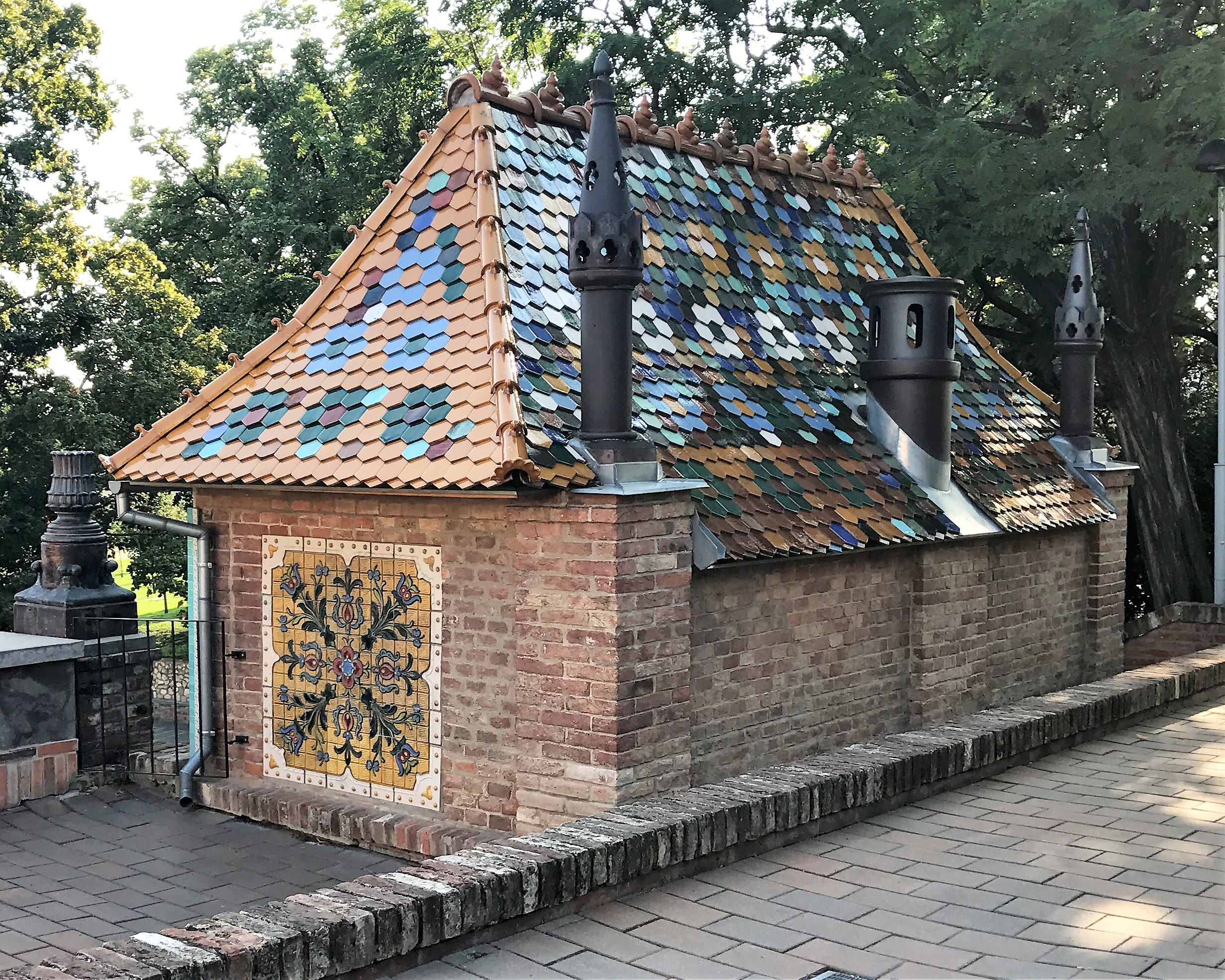
His innovations—especially the iconic eosin glaze—made Zsolnay ceramics internationally renowned and left a lasting mark on Hungarian applied arts and architecture.

From Factory to Cultural Quarter

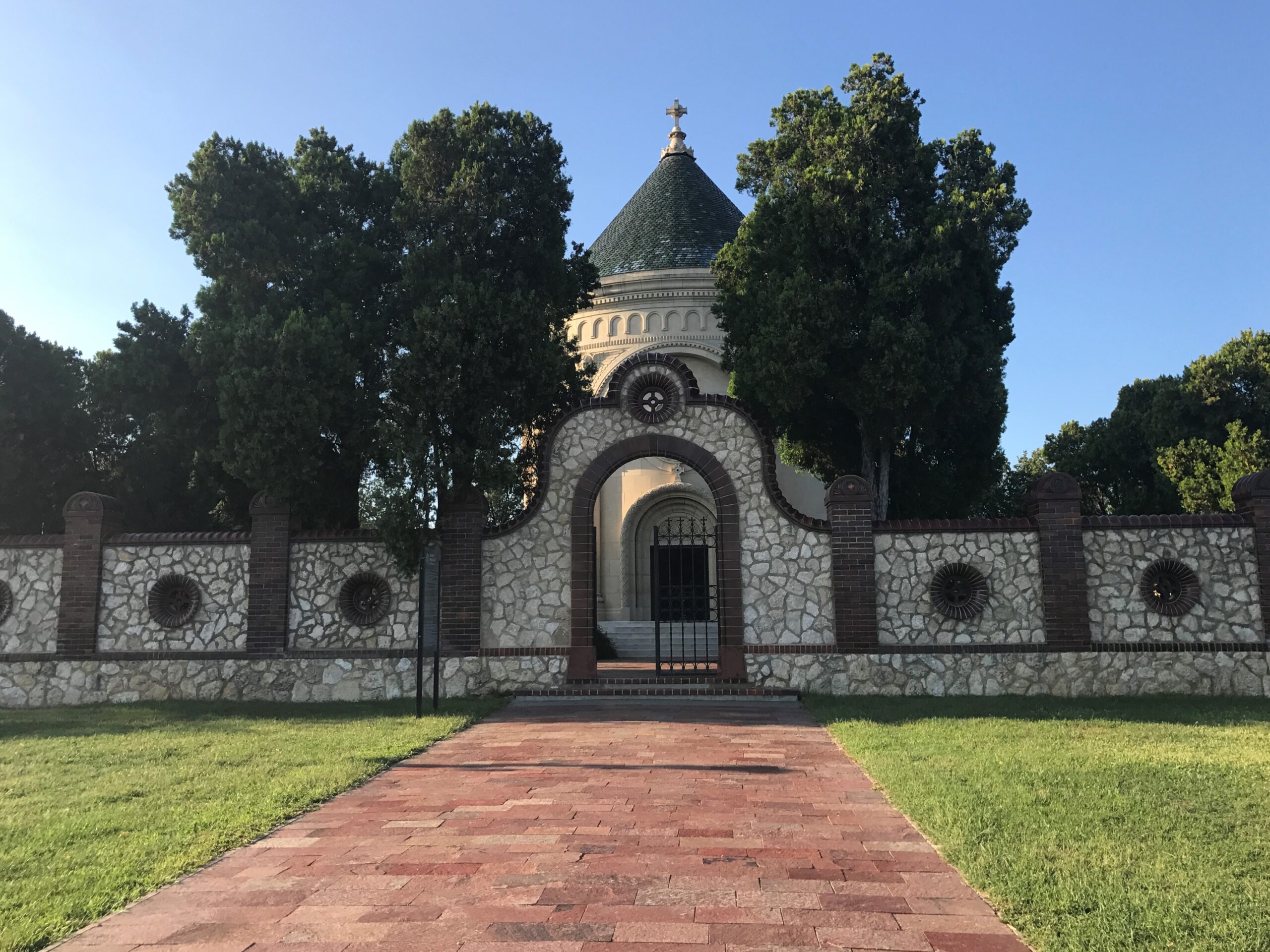
The Zsolnay project itself was a monumental industrial heritage reconstruction, transforming the original factory complex—spanning more than five hectares—into a vibrant cultural centre. Rather than creating a static museum, the goal was to reimagine the former industrial site as a living district, where culture, creativity, and production still coexist.

Today, the area feels open, inspiring, and surprisingly relaxed, with colourful buildings, decorative ceramic details, and a strong sense of continuity between past and present.

What You Can Discover There

Visitors can explore the Handicraft, Artisan, and Creative districts, where exhibitions and collections highlight both traditional craftsmanship and contemporary creativity. Families will also appreciate the Children and Family district, which adds a playful, interactive dimension to the experience.

My countryside tours are designed for travellers who want to go beyond Budapest and discover Hungary’s cultural heritage, small towns, and artisan traditions at a relaxed pace. The visit to the Zsolnay Quarter is part of my private Pécs and Villány countryside tour, which can be booked as a full-day experience from Budapest.

Whether you’re passionate about ceramics, architecture, or cultural history—or simply enjoy discovering lesser-known Hungarian destinations—the Zsolnay Quarter is a rewarding and memorable stop in Pécs. Don’t hesitate to contact me for more details.

Yes, Pécs is one of my favorite destinations so I’d like to encourage you to book a tour at your earliest convenience. Once you have a look at the pictures below I’m sure you’ll fall in love with the city, too.

Pécs is very unique because the entire Hungarian history is on display in the city’s architecture, spirit and charm. You can learn so much while just walking around the cobblestoned streets.

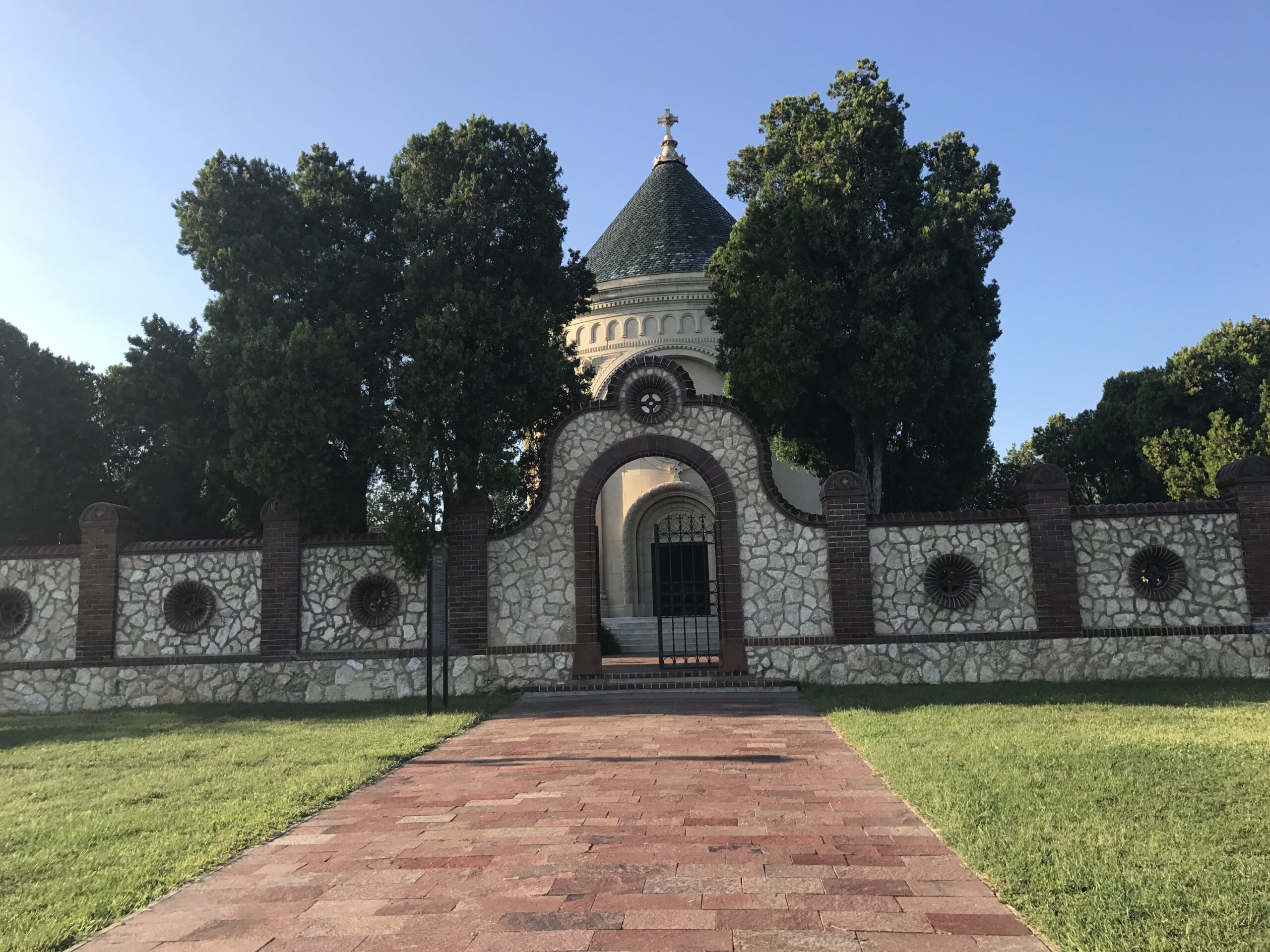
We start the tour discovering the 1700-year-old Early Christian Necropolis, the well preserved burial chambers of the Romans fron the 4th century. We continue in the 11th century Basilica on Dóm square, an important symbol of the continuous fight of the Hungarians for Christianity. We tour the ruins of the Turkish baths, the only Turkish age mosque in Hungary that has remained intact together with its minaret and the 13th century Catholic church converted into a mosque in the 1540’s and reconverted into a Catholic church in the 1680’s. I’m sure you’ll be surprised to notice the special combination of the Muslim crescent moon and the Christian cross topping the church, reminding us of the peaceful coexistence of different religions. We admire the harmonious Baroque architecture and also have a look at the Vasarely museum.

After the city tour I take you to the Zsolnay quarter, the completely renovated and restored Zsolnay factory buildings where the most beautiful Hungarian porcelain and ceramic products have been manufactured since 1853.


We visited this cute little village last week as it was part of a family research I was working on for my guests arriving from Australia. I’ve never been to Szentkút before but I’m very much impressed by this enormous pilgrimage site, it’s just too bad it was deserted this part of the year. I understand it’s much more crowded in August when open air masses are held for hundreds of thousands of people.

The fountains have been famous for their healing power for some 700 years now and is declared a National Shrine since 2006.


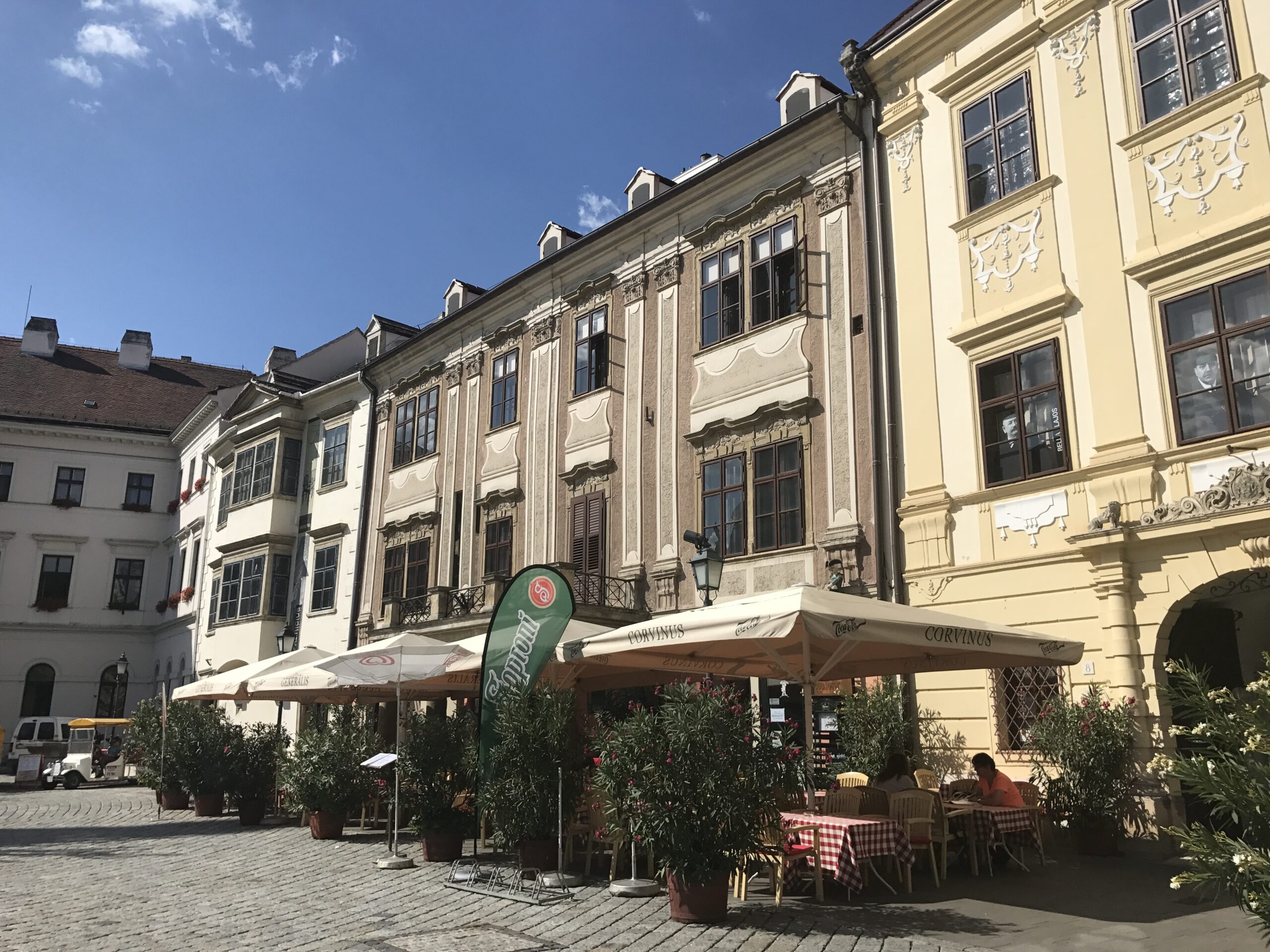
Located near the Austrian border, Sopron has quickly become one of my guests’ most loved day-trip destinations in western Hungary — and it’s easy to see why. Rich in medieval heritage and elegant Baroque architecture, Sopron is a beautifully preserved town that feels both intimate and historically layered.

After guiding several tours in northern Hungary, Sopron naturally became part of my Győr and Sopron private tour, combining two of the region’s most charming historic towns in one memorable itinerary.

Why Sopron Is Called “The Most Loyal Town”

Sopron is often referred to as Hungary’s “most loyal” town, a title earned after World War I. When two-thirds of Hungary’s territory were detached from the country, Sopron’s citizens were offered Austrian citizenship in a referendum.

In 1921, the people of Sopron voted to remain Hungarian — a decision that is still commemorated every year and remains a strong part of the town’s identity and local pride.

Medieval Churches and the Iconic Fire Tower

A guided walk through Sopron reveals architectural treasures from multiple eras. Highlights include:

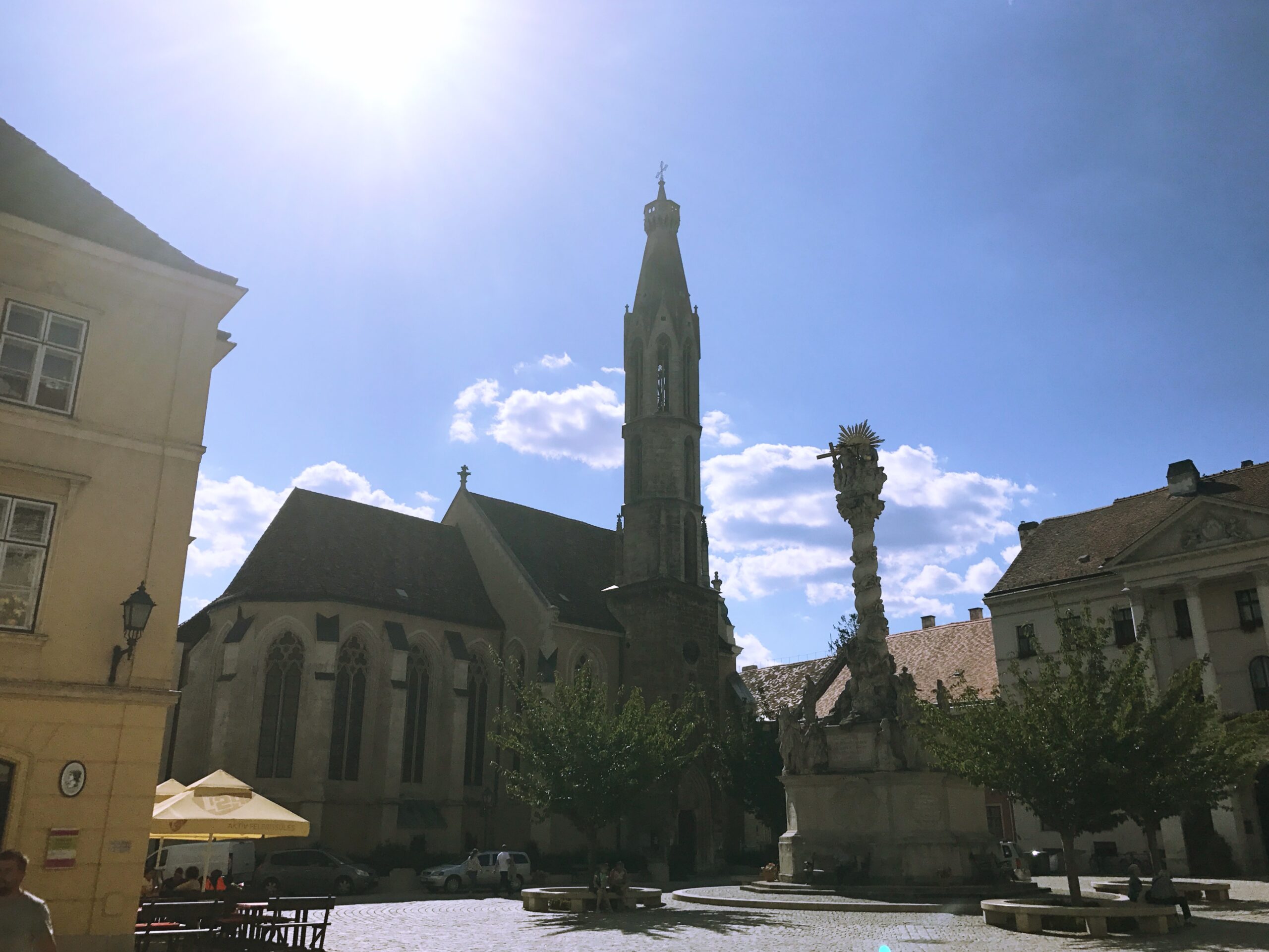
  • 13th-century churches featuring Romanesque and Gothic elements

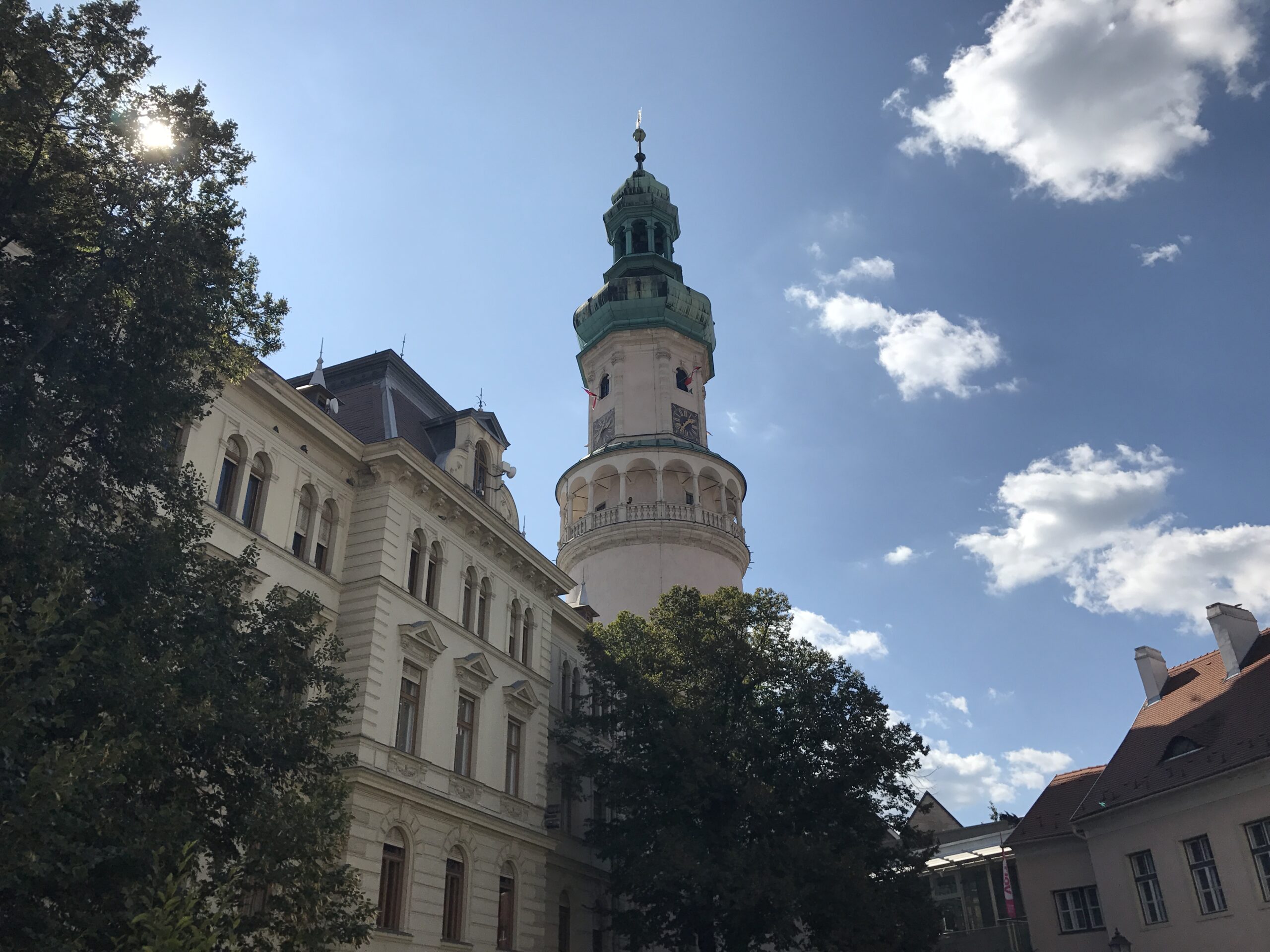
  • the iconic Fire Tower, the symbol of the town since the 17th century

  • elegant 18th-century Baroque townhouses lining narrow streets and hidden courtyards

From the top of the Fire Tower, visitors are rewarded with panoramic views over Sopron’s rooftops and the surrounding countryside.

Kings, Composers, and Roman Roots

Sopron’s streets have hosted remarkable historical figures. During the tour, you’ll see:

  • where Matthias Corvinus stayed while besieging Vienna in 1482

  • buildings associated with concerts given by Franz Liszt in the 19th century

Beneath the medieval and Baroque layers lie even older foundations. Sopron was built on the remains of a Roman settlement, and visitors can still see the ruins of the ancient Roman town hall and market, offering a fascinating glimpse into the city’s earliest past.

Visiting Sopron on a Private Tour

Sopron is an ideal destination for travelers interested in:

  • medieval and Baroque architecture

  • Hungarian history beyond Budapest

  • quiet, walkable historic towns

  • meaningful countryside experiences

It pairs perfectly with a visit to Győr, making the Győr and Sopron tour a well-balanced journey through western Hungary’s cultural highlights.