Hungarians have a well-known sweet tooth, and among the many beloved treats, marzipan holds a special place. This smooth almond paste appears not only in cakes and pastries, but also in something far more unexpected: tiny — and sometimes life-size — works of art. In Hungary, marzipan is not just something you eat. It’s something you admire.

When Michael Jackson Meets the Hungarian Parliament

So, what do Michael Jackson and the Hungarian Parliament building have in common? In Szentendre, the answer is simple: they can both be made of marzipan.

The Szentendre Marzipan Museum is one of the most unusual — and sweetest — museums in Hungary. Located in the heart of Szentendre, it displays dozens of marzipan sculptures ranging from famous Hungarian historical figures to international celebrities and iconic buildings.

Some of the figures are small and intricate, others surprisingly large — all made with astonishing detail and patience.

More Than a Museum: A Working Atelier

What makes the Szentendre Marzipan Museum especially engaging is that it’s not just a static exhibition. Visitors can also peek into the atelier, where new marzipan figures are still being created by hand.

Watching the process gives a new appreciation for the craft behind these playful sculptures — and for the amount of time and skill required to turn sugar and almonds into recognizable faces, buildings, and scenes.

A Small Museum with Big Personality

The Marzipan Museum is not large, but that’s part of its charm. It fits perfectly into a relaxed stroll through Szentendre, adding a lighthearted and slightly quirky stop between galleries, cafés, and cobblestoned streets.

And of course, no visit is complete without stepping into the small shop at the end, where you can buy beautifully made marzipan sweets — far too pretty to eat… at least at first.

The Marzipan Museum is one of those small surprises I’m always happy to include when showing guests around Szentendre. It’s also a delightful stop on my Danube Bend  and Szentendre tours, especially for travellers who enjoy local traditions with a playful twist.

If you’d like to explore Szentendre — from its art scene to its sweetest corners — feel free to get in touch, and we can shape a day that suits your interests and pace.


For many visitors, Hungarian food comes with a single, vivid image: red, hearty, and fiery hot.
There’s some truth in that — but it’s only a small part of the story.

Hungarian cuisine is deeply shaped by history, geography, and everyday life, and once you look beyond stereotypes, it reveals an unexpectedly rich and varied food culture.

Paprika: More Than Just Heat

Paprika is, without question, the defining spice of Hungarian cooking. Sweet, smoked, mild, or hot, it brings colour and depth rather than just heat — and it’s used with far more nuance than most people expect.

Interestingly, this essential ingredient only became central to Hungarian cuisine after the Ottoman period. What began as an imported spice gradually turned into a national symbol, shaping flavors that today feel inseparable from Hungarian identity.

A Cuisine Best Discovered Bite by Bite

Eating Hungarian isn’t about one iconic dish — it’s about many small, memorable tastes.

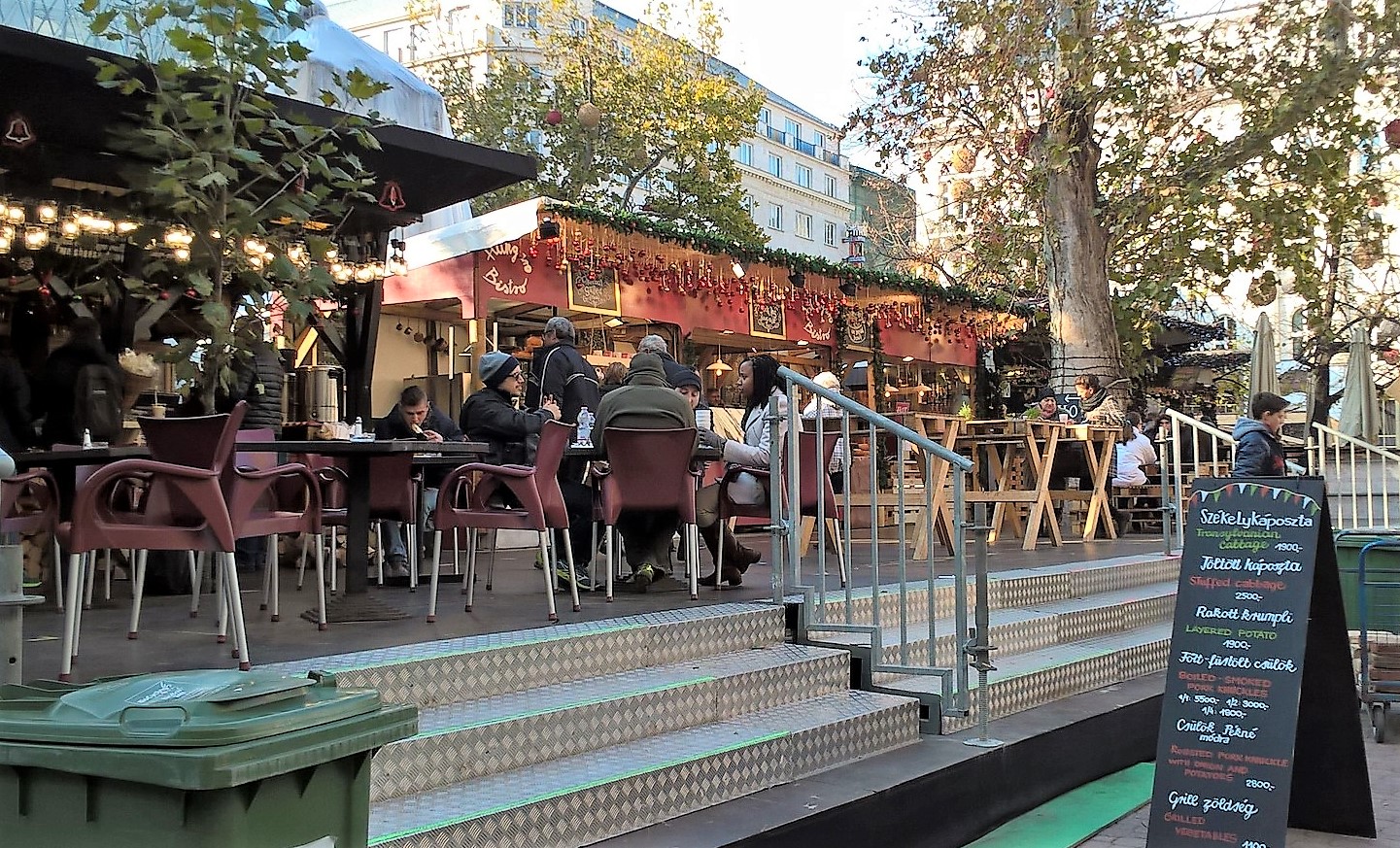
When visiting Hungary, some of the most authentic food experiences happen in everyday places:

  • Butcher shops, where fresh sausages and simple hot dogs are enjoyed standing at the counter

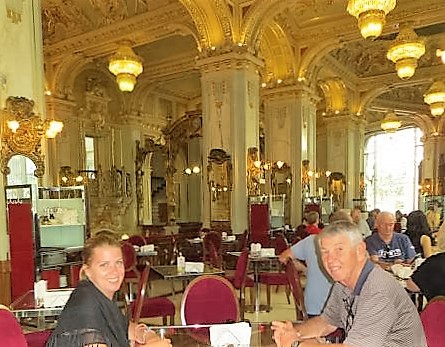
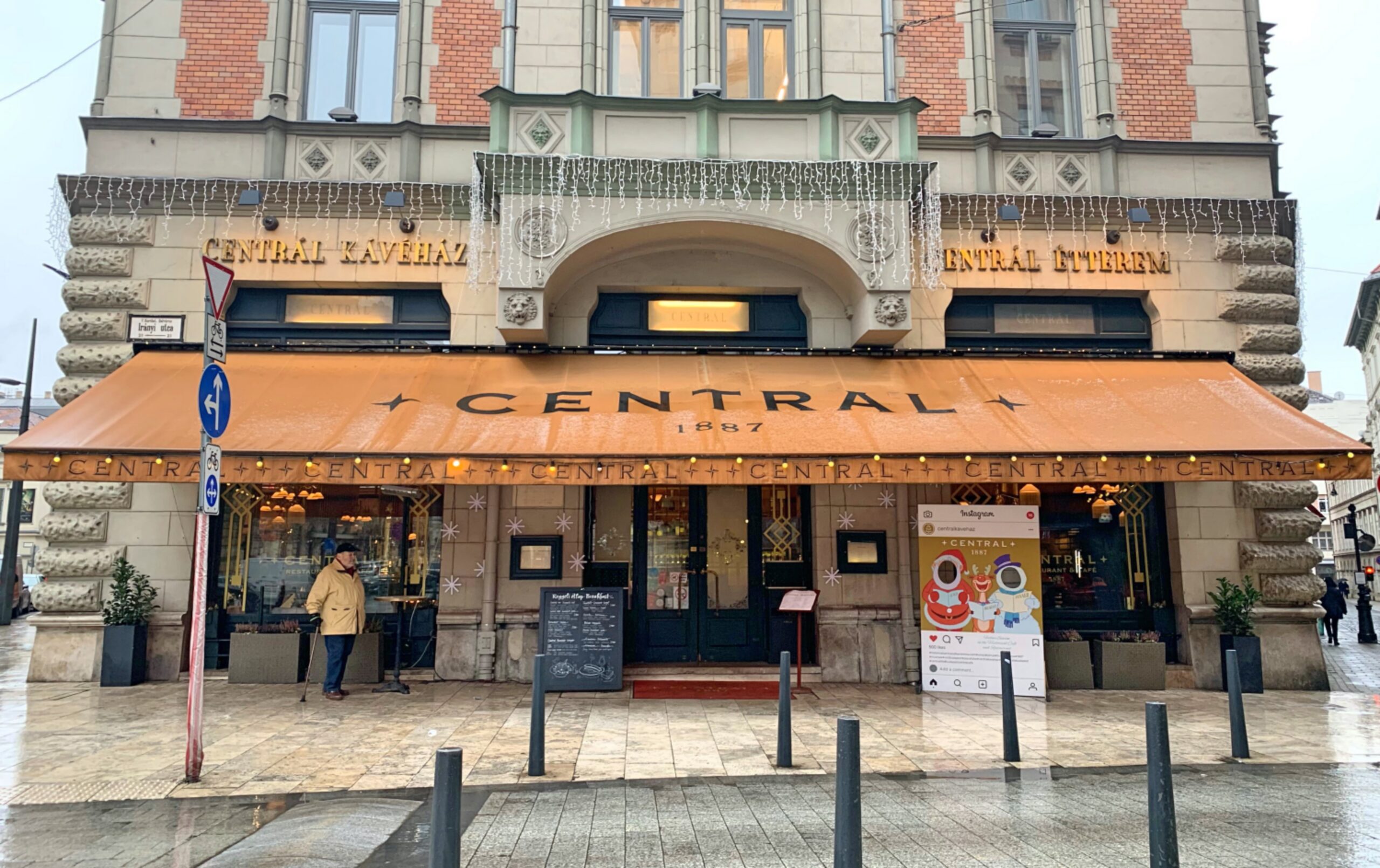
  • Traditional cafés, some over a century old, where cakes and pastries are as important as conversation

  • Bakeries, filled with the smell of warm dough early in the morning

  • Open-air cooking, where goulash simmers slowly in a cauldron over an open fire

  • Street food favorites, like lángos — golden, deep-fried, and endlessly customizable

  • Sweet stops, from artisan ice cream to handcrafted chocolate and strudel

  • Pickled vegetables, which balance rich dishes with acidity and crunch

Each bite reflects a mix of rural traditions, urban habits, and seasonal rhythms.

Eating Also Means Drinking

There’s an old Hungarian saying: those who eat must also drink — and food here is rarely separated from wine.

Hungary’s wine culture is as old as its cuisine, with styles ranging from light and refreshing to deep and complex. Sharing food without a glass of wine nearby would feel incomplete, whether at a festive table or a simple neighbourhood spot.

Why Hungarian Food Is Best Experienced with Context

What makes Hungarian cuisine truly memorable isn’t just flavour — it’s the stories behind the dishes, the traditions, and the places where locals actually eat.

Understanding why something is cooked a certain way, when it’s traditionally eaten, and how it fits into daily life transforms food from something you consume into something you experience.

If you’re curious to explore Hungarian food beyond the obvious dishes, I always enjoy introducing guests to local flavours during my Budapest Foodie Tour.

It’s not about rushing from one stop to the next, but about tasting, understanding, and enjoying Hungarian cuisine in a relaxed, authentic way. If that sounds like your kind of experience, feel free to get in touch — I’d be happy to help you discover Budapest through its food.


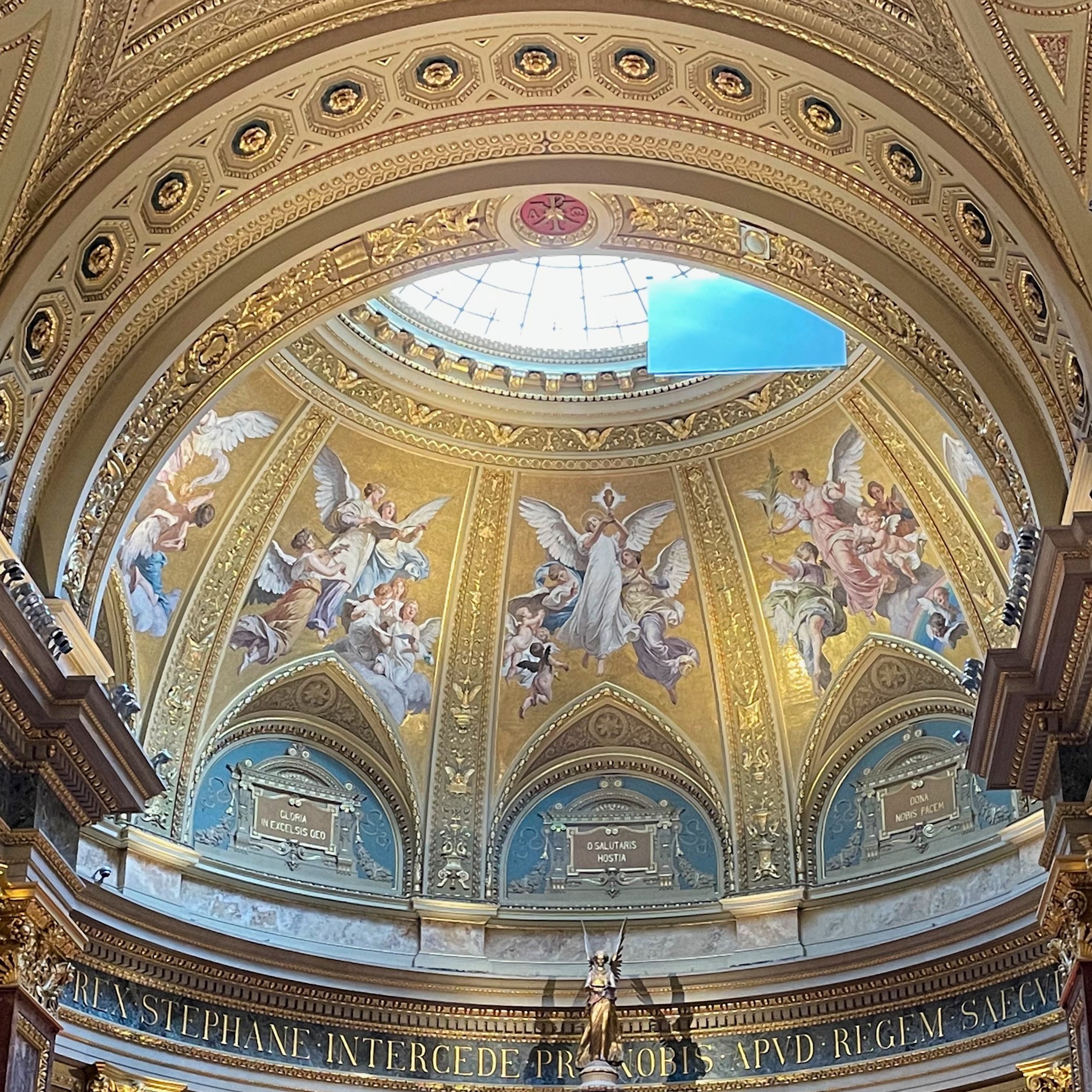
Perched high above the city in the heart of the Buda Castle District, Matthias Church is one of the most remarkable and layered monuments in Budapest. More than just one of the city’s oldest churches, it is a living witness to over a thousand years of Hungarian and European history — still functioning today as an active place of worship.

Walking through its doors is like stepping into a richly illustrated history book, where every wall, pattern, and symbol tells a story.

Where Sacred History Meets Power and Politics

The church stands on the highest point of Castle Hill, within the Buda Castle District, a location chosen deliberately. For centuries, this was the center of royal power, religious authority, and military strategy.

Although commonly called Matthias Church, its official name is the Church of Our Lady. The popular nickname comes from King Matthias Corvinus, one of Hungary’s most beloved rulers, who left a strong mark on the building’s history — including royal ceremonies and architectural additions.

A Rare Blend of Christian and Ottoman Heritage

One of the church’s most fascinating aspects is something many visitors miss at first glance:
the coexistence of Christian and Muslim decorative elements.

During the Ottoman occupation in the 16th century, the church was converted into a mosque. While later reconsecrated as a Christian church, traces of this period remain visible — a rare and tangible reminder of how cultures overlapped, clashed, and influenced one another in Central Europe.

Very few churches in Europe still preserve such visible layers of both traditions in one space.

A “New” Church with an Old Soul

At first glance, Matthias Church looks surprisingly fresh and colorful — almost too perfect to be medieval. That’s because much of what we see today dates from a major 19th-century restoration.

Rather than aiming for strict historical accuracy, the restorers created a romantic, idealized vision of the Middle Ages, rich in symbolism, patterns, and colour. The result is an interior that feels theatrical, immersive, and deeply atmospheric.

Look closely, and you’ll notice:

  • painted walls instead of bare stone

  • intricate motifs inspired by folk art and medieval manuscripts

  • a strong sense of storytelling rather than minimalism

The Roof That Became an Icon

One of the most photographed features of Matthias Church is its spectacular roof, covered with around 250,000 colorful ceramic tiles produced by the famous Zsolnay factory.

The geometric patterns shimmer differently depending on the light and weather, making the church a visual highlight of the skyline in every season — from bright summer sun to snowy winter days.

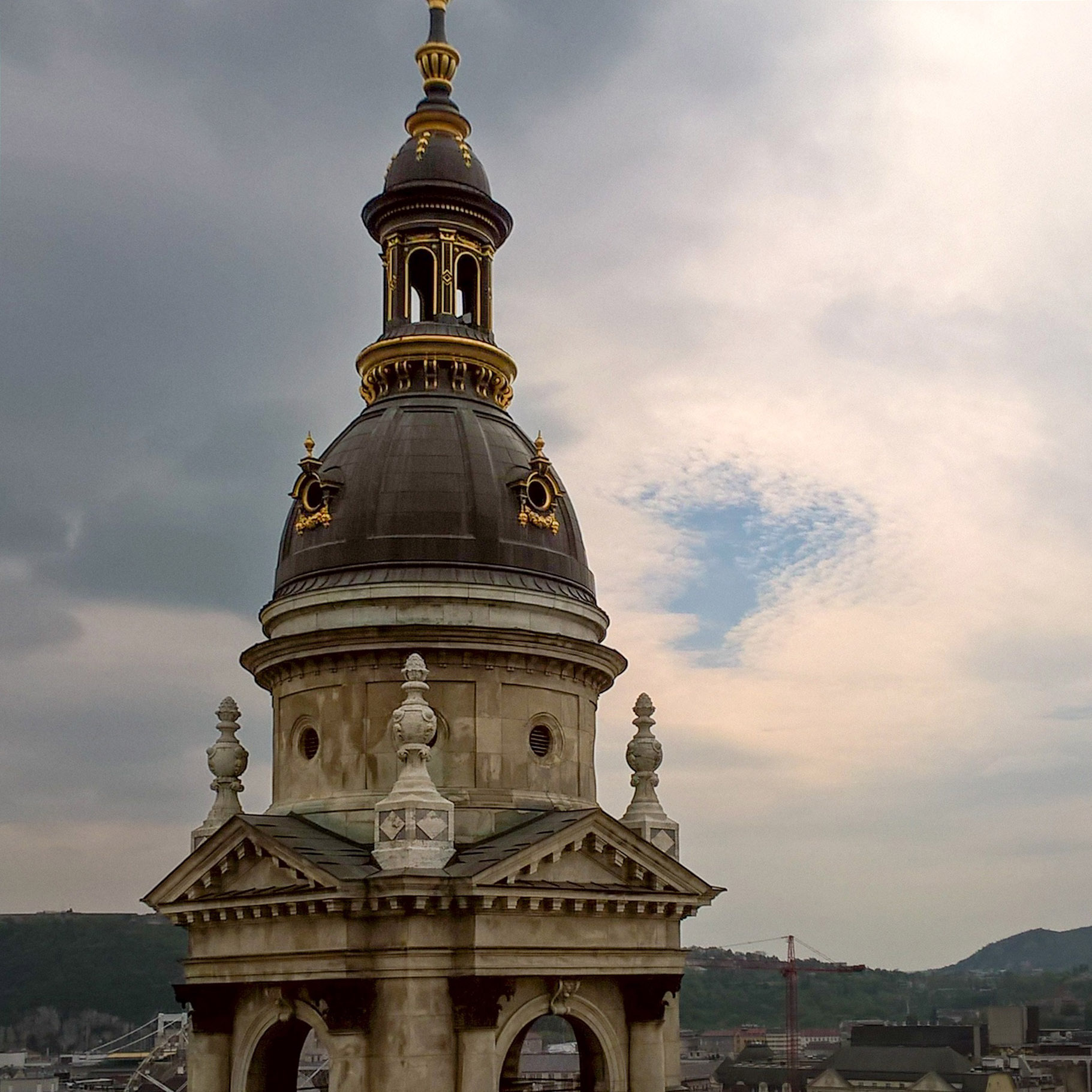
Climbing the Spire: A Different Perspective

For those willing to climb higher, the church’s spire offers a rewarding experience. On the way up, you can:

  • admire the roof structure from close range

  • see the church bells

  • gain a rare, elevated view over the rooftops of Buda and Pest

From the top, the city feels surprisingly quiet and distant — a contrast to the crowds below and a reminder of why this hill has always been such a strategic and symbolic location.

Why Matthias Church Is Worth More Than One Visit

Matthias Church is not just something to “tick off” a sightseeing list. It’s a place that reveals more the deeper you look — whether through its symbols, its hidden historical layers, or the stories connected to kings, invasions, restorations, and everyday faith.

It’s also one of the key stops on my Buda Castle walks, where these details come to life through stories — including a few darker and more unexpected chapters that most guidebooks leave out.

Timeless Visitor Tips

  • Visit once for the exterior views, and once for the interior — they feel like two different experiences

  • Look beyond the altar: side chapels and wall details often hold the most interesting stories

  • Even if you’re not usually drawn to churches, the colours and symbolism here make it unique in Europe

If you’d like to experience Matthias Church as part of a broader story rather than a rushed visit, I’m always happy to stop here during one of my Budapest walking tours.

Exploring the church in context — together with the Castle District, its viewpoints, and hidden details — often makes the experience much richer and more memorable.

If this sounds like your kind of travel, feel free to get in touch and we can shape a walk that suits your interests and pace.

Private Budapest tours are a wonderful way to experience the city in a truly personal and meaningful way and offer an exclusive and intimate way to explore Budapest . Unlike large group tours, these are designed exclusively for you and your partner, family, or friends — no strangers, no rushing, and no fixed routes.

You tell me what you’re interested in — whether it’s history, food, architecture, or just soaking in the atmosphere of local neighbourhoods — and I tailor the entire experience around your preferences. It’s a flexible, fully customisable way to see the best of Budapest.

Personal, Flexible, and Just for You

With private Budapest tours, you set the pace. Want to stop for a coffee? Prefer to linger at a hidden gem or explore a lesser-known museum? No problem at all. I’ll be your personal guide, sharing stories, answering your questions, and showing you not just the sights, but how locals truly live.

There’s no waiting for a group or following a rigid schedule. Whether you’re travelling as a couple, with young children, or with older family members, I adapt the tour to your comfort and energy level. That’s the beauty of private guiding — it’s all about you.

See Budapest Like a Local!

As someone who was born and raised in Budapest, I love showing people the city I call home. My tours go beyond landmarks — I include local stories, personal memories, and hidden places that don’t appear in typical guidebooks. Whether you want to discover iconic landmarks or hidden gems off the beaten path, I’m here to guide you through an authentic and enriching journey.

Many of my guests have told me they felt like they were exploring with a friend rather than a guide. And truthfully, I’ve made many wonderful friendships through these tours — that’s what makes this work so special to me.

Ready to Plan Your Custom Tour in Budapest?

If you’re looking for a relaxed, personal, and authentic way to explore Hungary’s capital, private Budapest tours are the perfect choice. Contact me to start planning your customised experience today. Let’s create your perfect Budapest adventure together!

For inspiration, check out my Budapest travel blog or visit Budapest Info for more about what the city has to offer.