Herend porcelain patterns are more than decorative motifs — they reflect centuries of aristocratic taste, royal patronage, and a deep understanding of colour, function, and craftsmanship. Visiting the Herend Porcelain Factory is not only about seeing how porcelain is made — it’s also about discovering a fascinating visual language shaped by aristocracy, royal taste, colour symbolism, and function. Over the years, Herend has created hundreds of patterns, each with its own story. Some were designed for royal courts, others for noble families, and many were adapted to different uses, from grand dining rooms to intimate tea rituals. Porcelain for Royalty and Aristocracy One of the most famous Herend designs is the Viktória pattern, created in the 19th century after Queen Victoria admired a richly decorated dinner service at an international exhibition. She ordered a full set for herself, and the pattern was named in her honour. The design is elaborate and colourful, featuring butterflies and floral motifs inspired by the Far East — a style that perfectly matched aristocratic taste at the time. These pieces were meant to impress: large dining tables, formal occasions, and prestigious interiors. Similarly, many early Herend patterns were created with noble households in mind, where porcelain was not only functional but also a symbol of status and refinement. Colour as Identity Colour plays a key role in Herend porcelain. Certain patterns are immediately recognisable by their palette: Rich greens and golds often reflect classical elegance Deep blues suggest formality and tradition Softer pastel tones create a lighter, more intimate feeling These colour choices weren’t random — they were carefully selected to suit interiors, table settings, and the expectations of high-society clients. Even today, visitors are often surprised by how modern some of these historic colour combinations feel. Patterns Designed for Function Not all Herend designs
Herend porcelain patterns are more than decorative motifs — they reflect centuries of aristocratic taste, royal patronage, and a deep understanding of colour, function, and craftsmanship.
Visiting the Herend Porcelain Factory is not only about seeing how porcelain is made — it’s also about discovering a fascinating visual language shaped by aristocracy, royal taste, colour symbolism, and function.
Over the years, Herend has created hundreds of patterns, each with its own story. Some were designed for royal courts, others for noble families, and many were adapted to different uses, from grand dining rooms to intimate tea rituals.
Porcelain for Royalty and Aristocracy
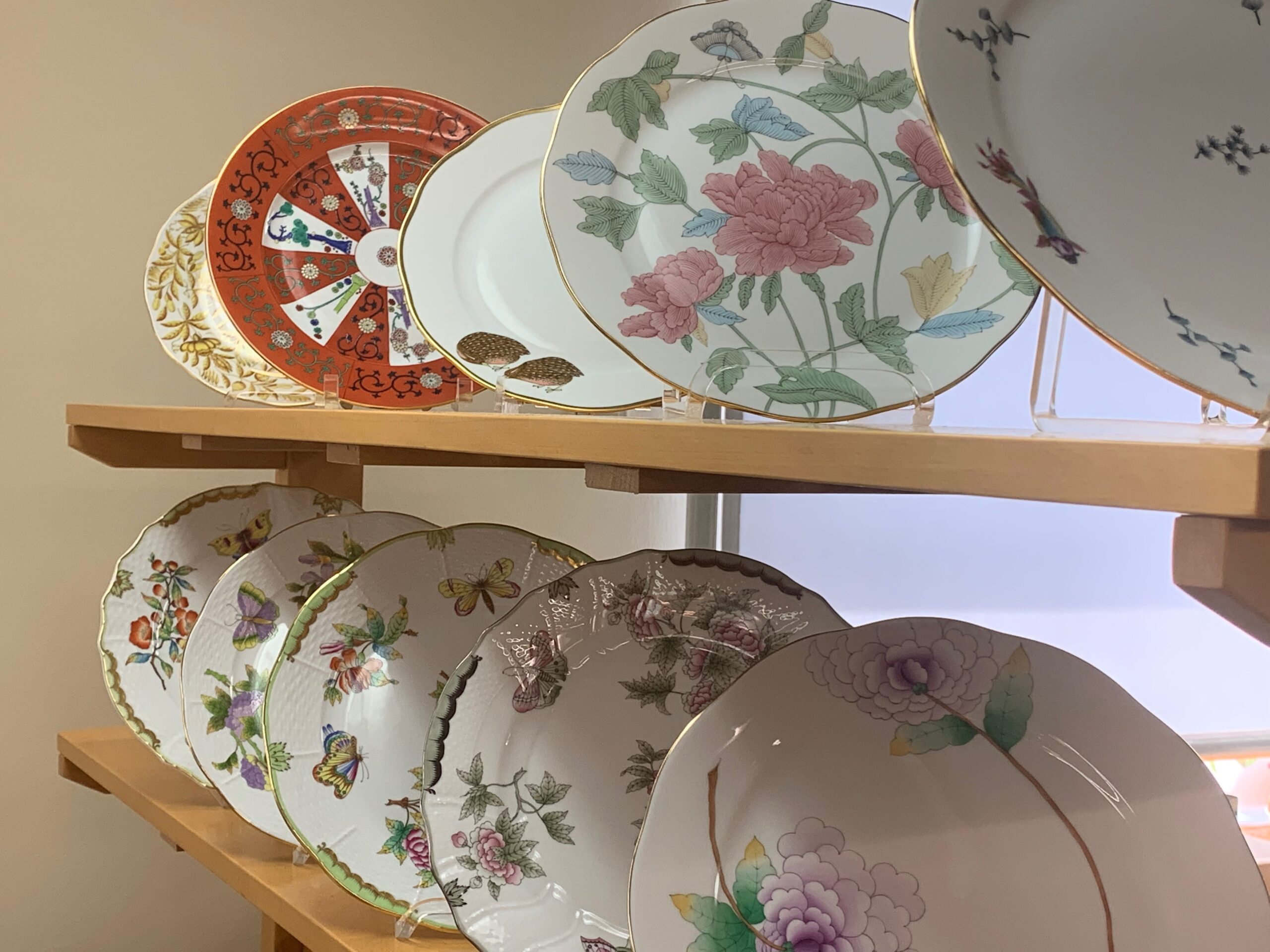
One of the most famous Herend designs is the Viktória pattern, created in the 19th century after Queen Victoria admired a richly decorated dinner service at an international exhibition. She ordered a full set for herself, and the pattern was named in her honour.
The design is elaborate and colourful, featuring butterflies and floral motifs inspired by the Far East — a style that perfectly matched aristocratic taste at the time. These pieces were meant to impress: large dining tables, formal occasions, and prestigious interiors.
Similarly, many early Herend patterns were created with noble households in mind, where porcelain was not only functional but also a symbol of status and refinement.
Colour as Identity
Colour plays a key role in Herend porcelain. Certain patterns are immediately recognisable by their palette:
-
Rich greens and golds often reflect classical elegance
-
Deep blues suggest formality and tradition
-
Softer pastel tones create a lighter, more intimate feeling
These colour choices weren’t random — they were carefully selected to suit interiors, table settings, and the expectations of high-society clients. Even today, visitors are often surprised by how modern some of these historic colour combinations feel.
Patterns Designed for Function
Not all Herend designs were created for grand banquets. Some patterns were developed specifically for tea and coffee sets, where smaller motifs and lighter decoration feel more appropriate.
A wonderful example is the Apponyi pattern, originally created as a simplified version of a more elaborate design. Its central floral motif makes it perfect for smaller items like cups, saucers, and dessert plates — elegant without being overwhelming.
This thoughtful relationship between decoration and function is one of the reasons Herend porcelain feels so timeless.
A Living Tradition
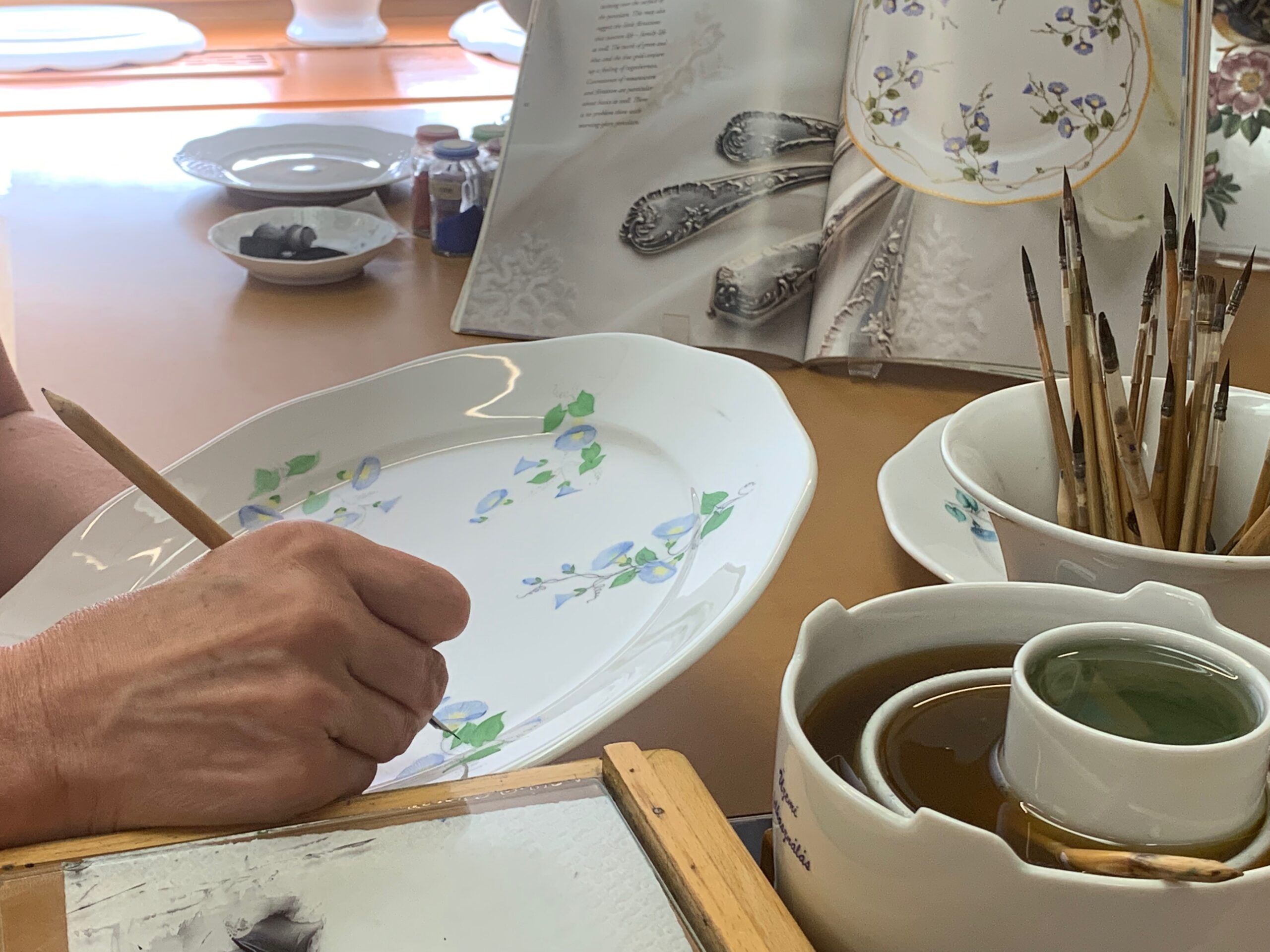
What makes Herend truly special is that these patterns are still hand-painted today, using techniques passed down through generations. While fashions change, the balance between beauty, symbolism, and usability remains the same.
Each piece tells a story — not only about craftsmanship, but also about the people and traditions that shaped it.
If you’re interested in Hungarian applied arts, design history, or simply beautiful objects with meaning, discovering Herend patterns adds a whole new layer to a factory visit. I often include Herend as part of a Lake Balaton or countryside private tour, where it fits beautifully alongside historic towns, landscapes, and regional gastronomy.