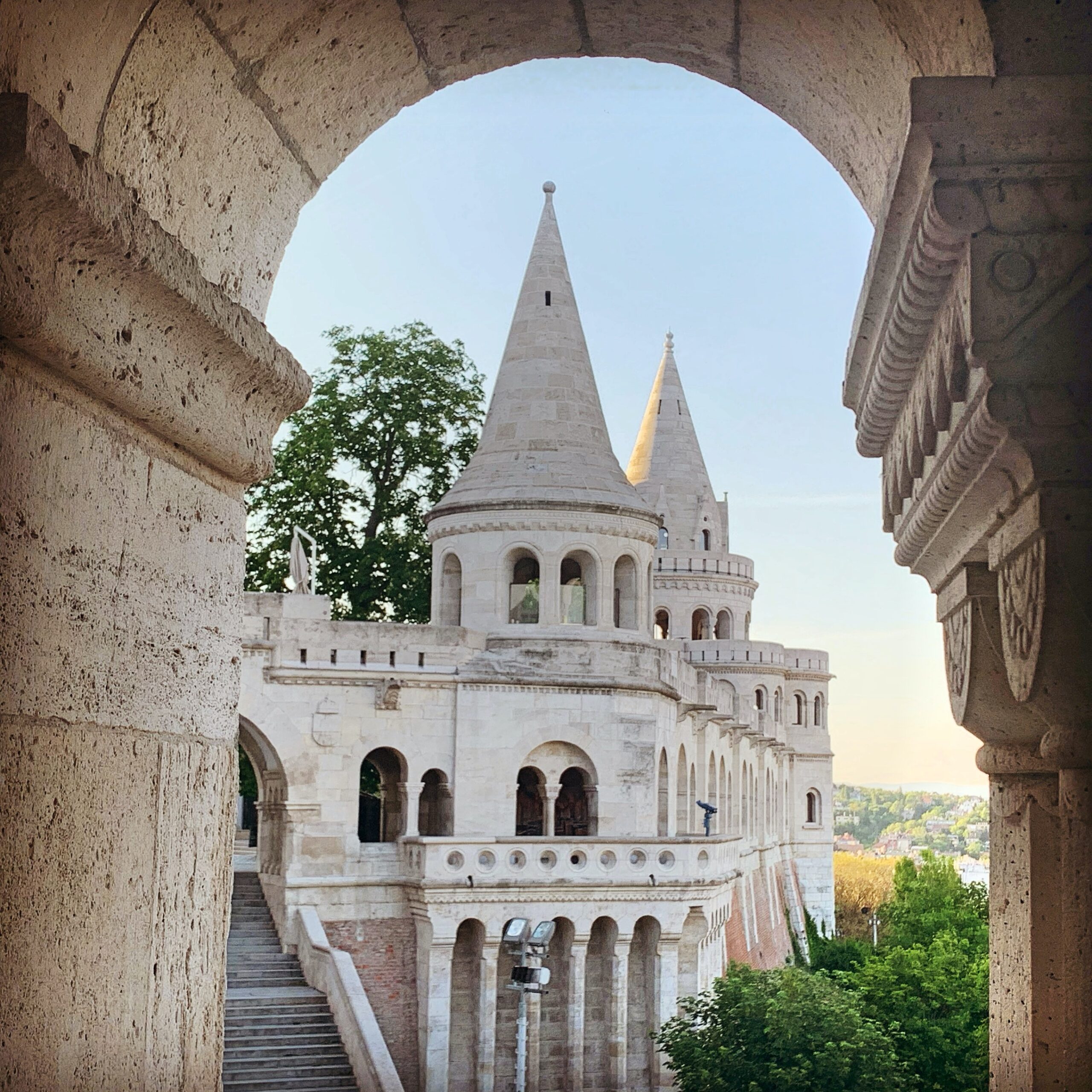
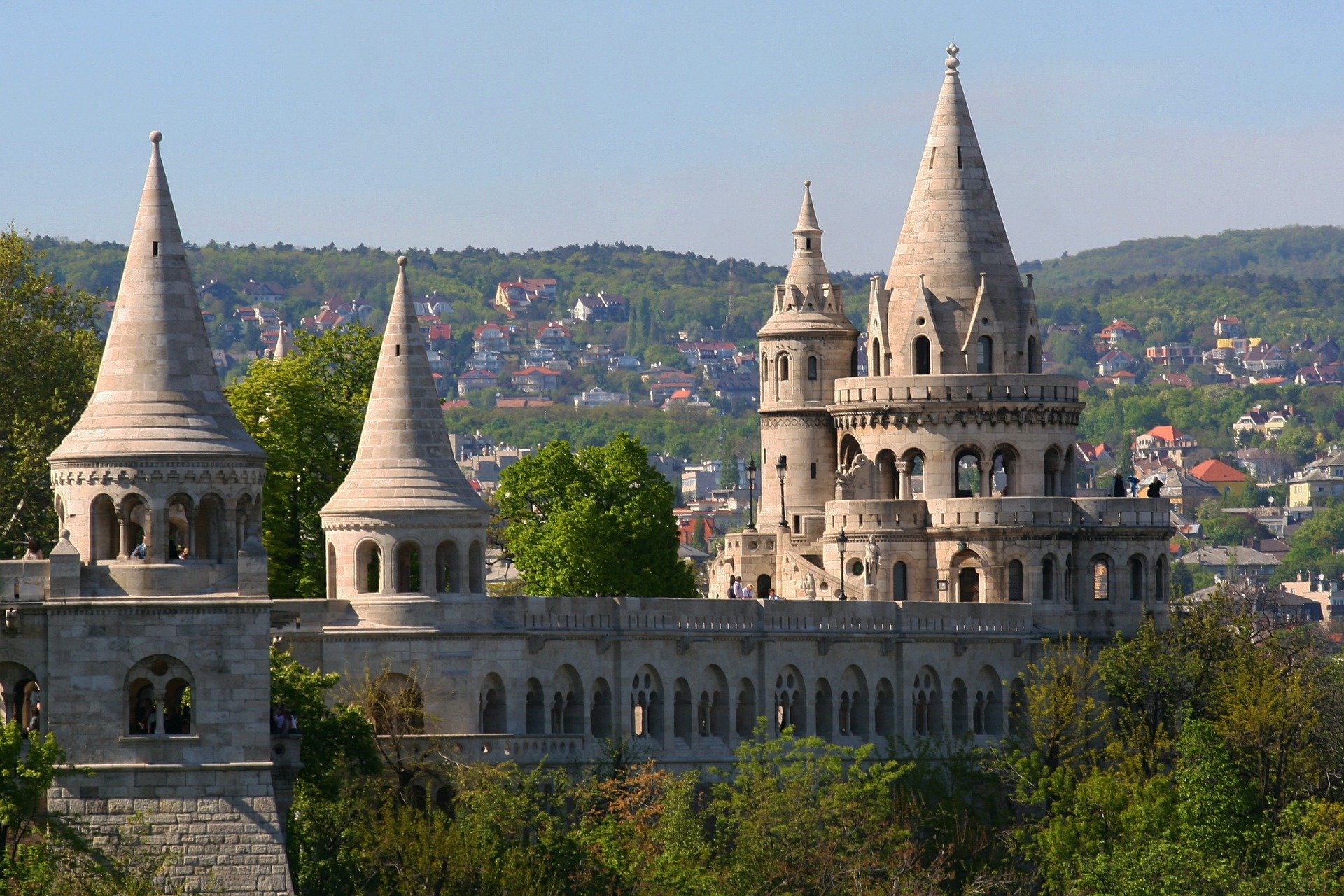
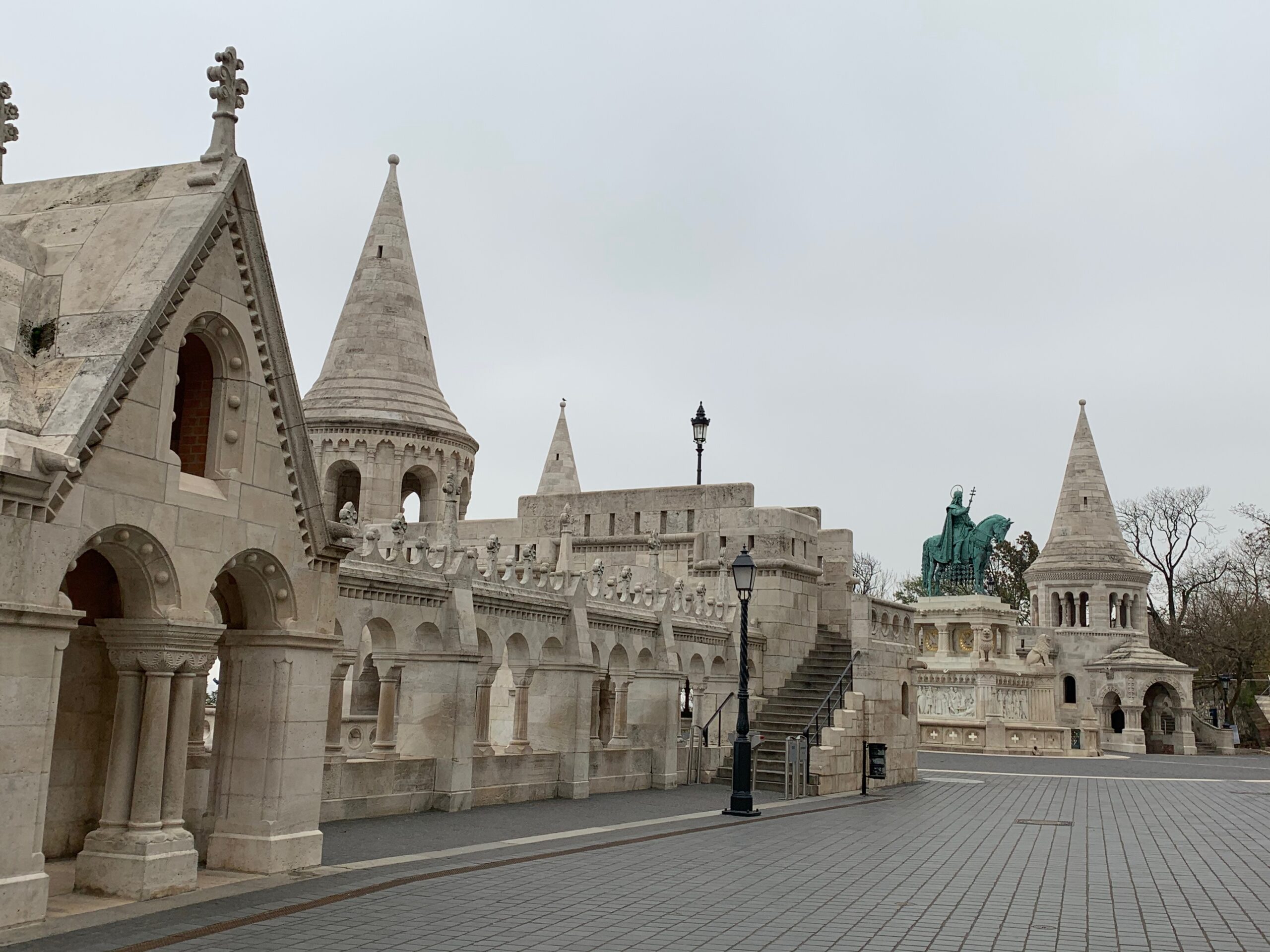
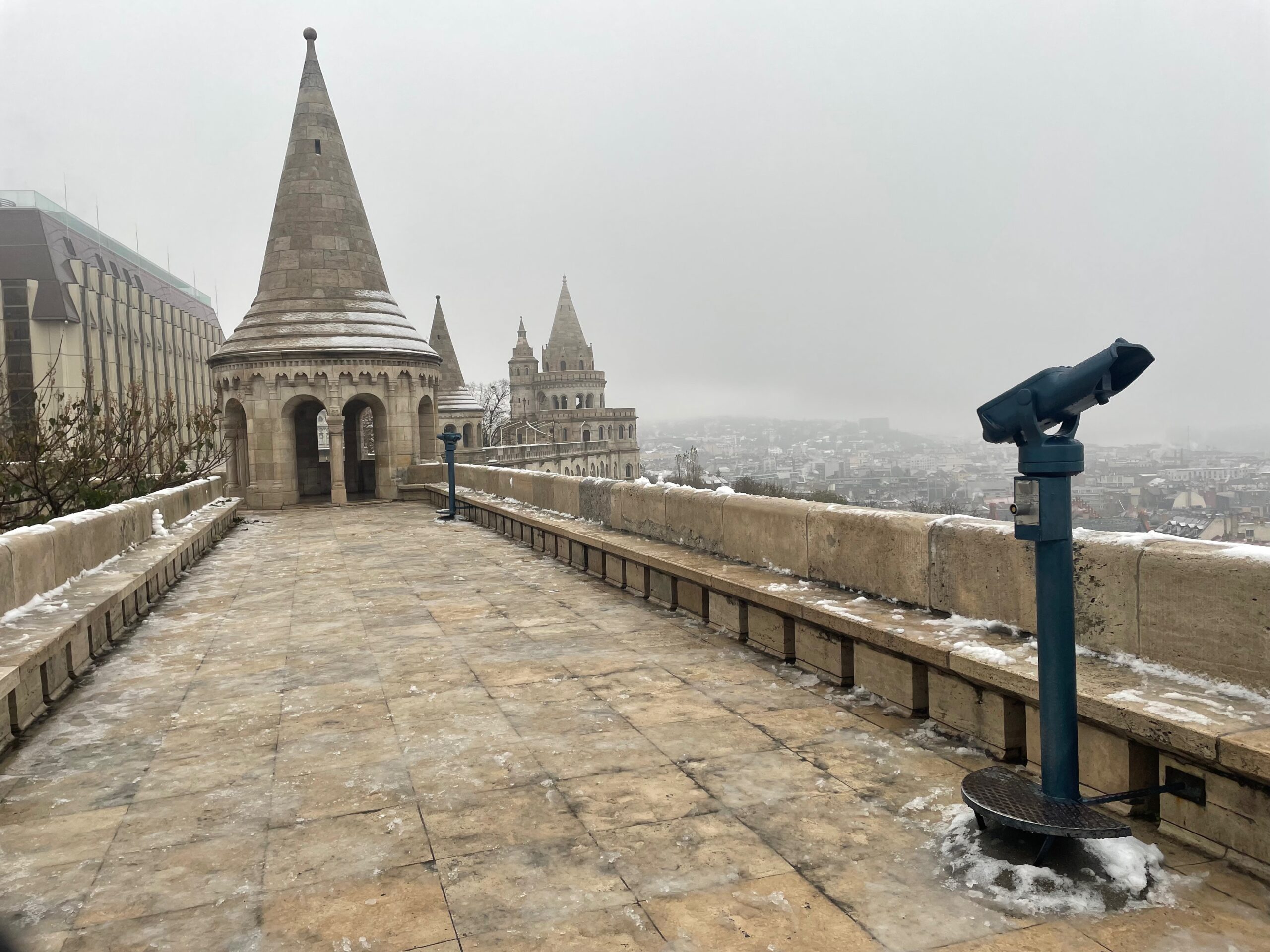
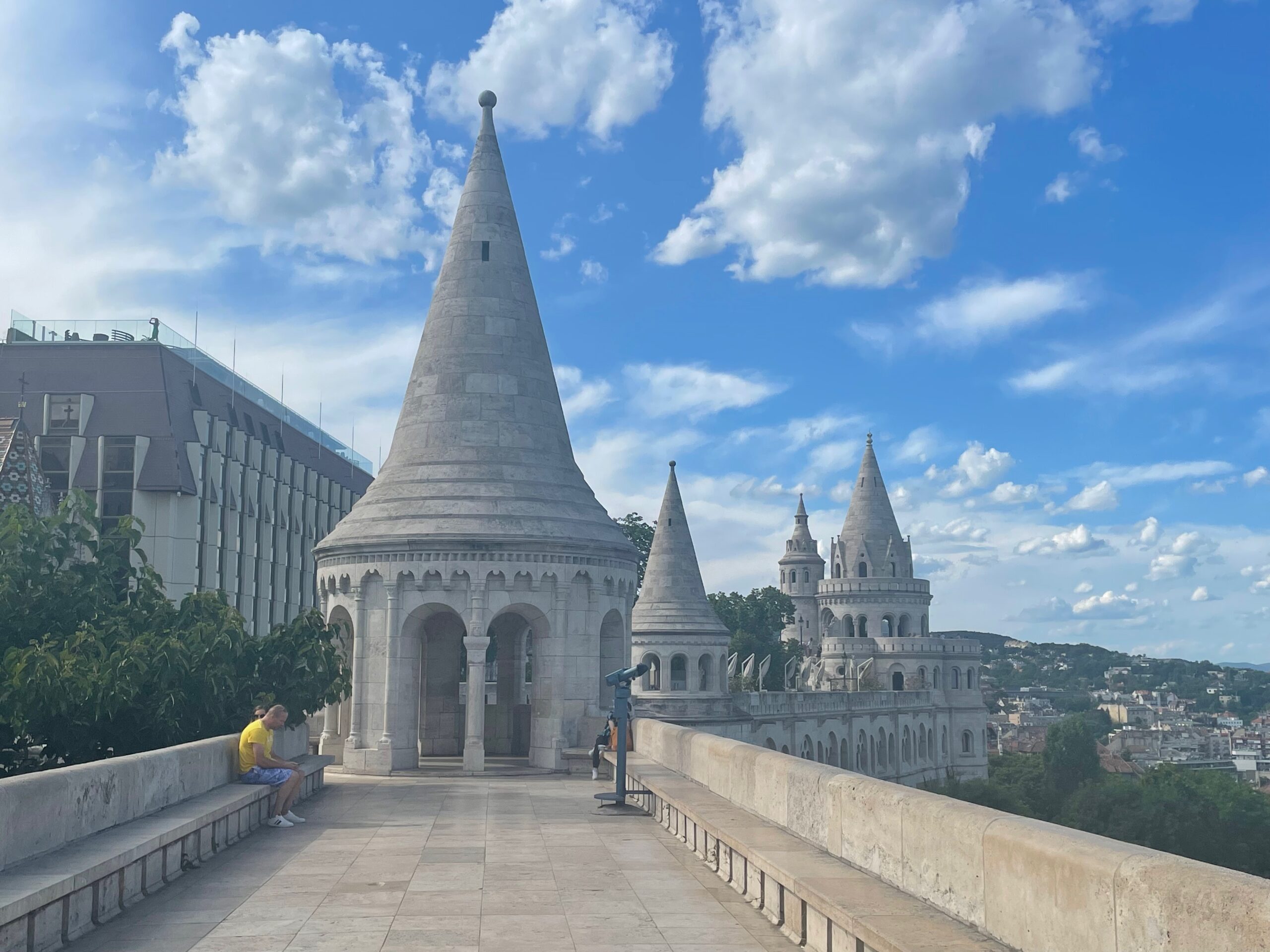
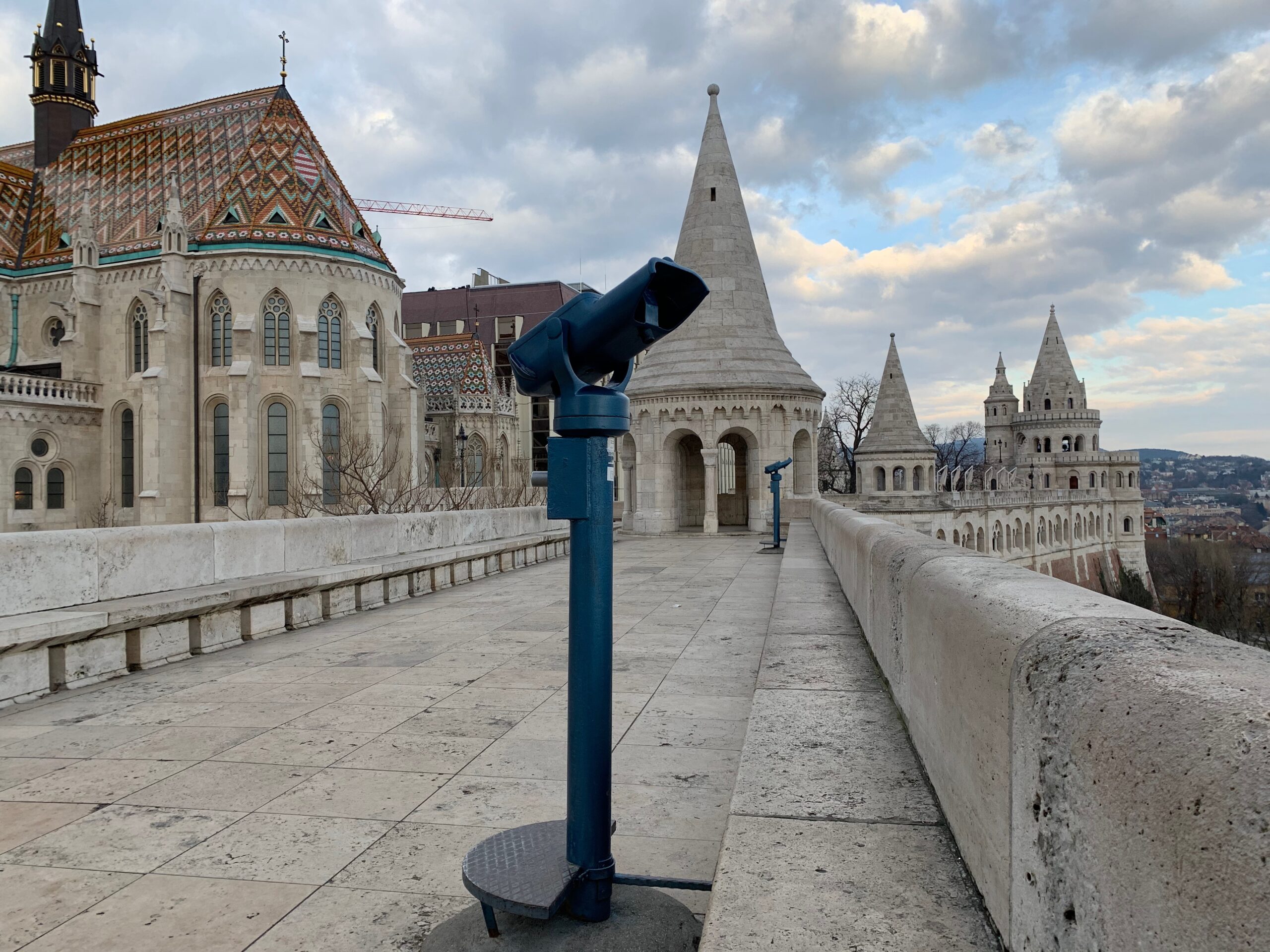
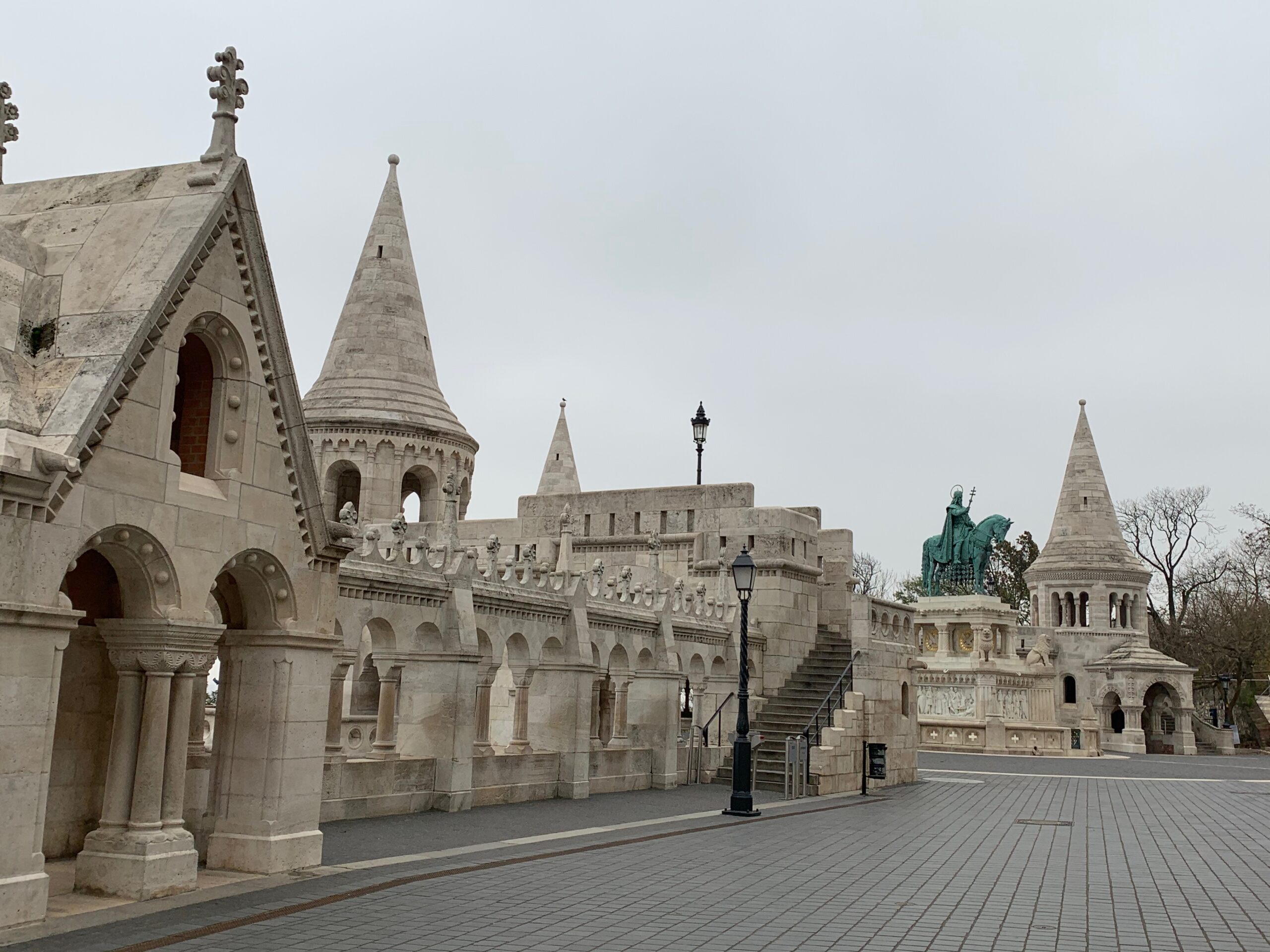
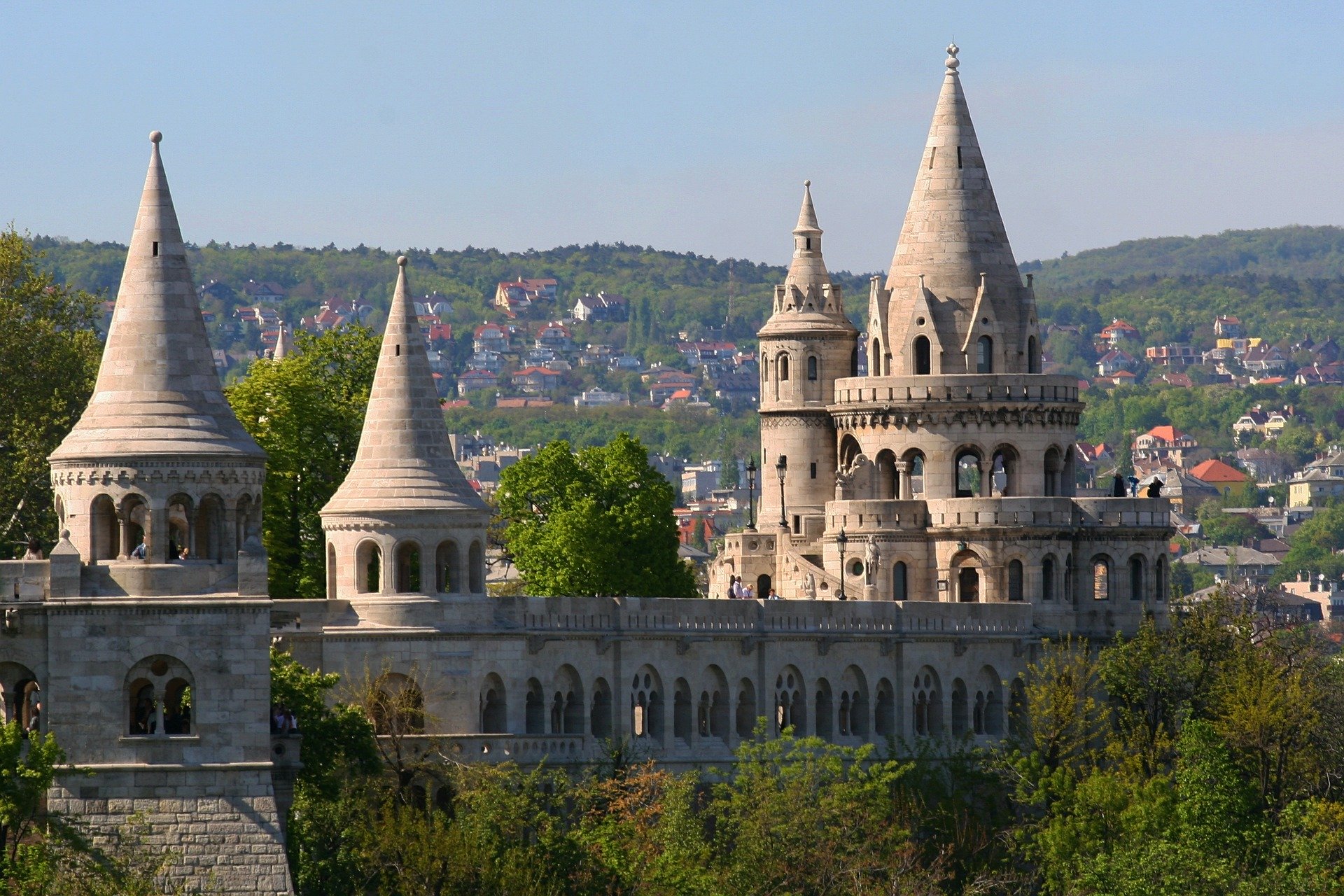
Fisherman’s Bastion is without a doubt one of the most photographed and iconic sights in Budapest. Perched high on Castle Hill, this fairytale-like terrace offers breathtaking panoramic views over the Danube, the Hungarian Parliament, and the entire Pest side of the city. Its whimsical turrets, staircases, and white-stone arches draw visitors from around the world — and once you see it, you’ll understand why.

What makes Fisherman’s Bastion truly special is how photogenic and inviting it is from every angle. Whether you’re capturing the early morning light, the towers framed by the neighbouring Matthias Church, or simply walking beneath its arches, each view offers something new. It’s one of those rare places that feels different every time you visit.

To fully experience this magical spot, I recommend joining my Buda Castle Walk — a private tour that explores the history, legends, and hidden corners of the castle district. If you prefer a broader look at the city that includes this highlight, my Full-Day Budapest Tour by Car also includes a scenic stop at Fisherman’s Bastion with plenty of time to explore. Don’t hesitate to contact me for more details or ideas!

Originally built in the late 1800s to celebrate 1,000 years of Hungary, the Bastion is more about beauty than battle — a tribute to the fishermen who once protected this stretch of the medieval walls. Today, it’s a peaceful, inspiring place to slow down and take in the soul of Budapest.

Personal tip: If you’d like to take photos like me, with no people in them, it’s best to visit early in the morning — it’s when the Bastion is at its quietest and most magical.

Curious about the Bastion’s story? This History Tools article dives deep into its medieval defense roots, the fishermen’s role, the Neo‑Romanesque design by Frigyes Schulek, and the significance of its seven symbolic towers.

Fisherman’s Bastion seasons reveal how this iconic Budapest landmark transforms from spring blossoms to winter calm throughout the year.

There are very few places in Budapest that feel completely different throughout the year — and Fisherman’s Bastion is one of them. Thanks to my private Budapest tours, I visit this iconic spot almost every day, in every season, and it never looks the same twice.

Whether you’re visiting in spring blossoms, summer sunshine, autumn colours, or winter snow, Fisherman’s Bastion always offers something special.

Spring Atmosphere

Spring brings fresh greenery, soft light, and a calm, hopeful atmosphere to the Buda Castle District. Trees begin to bloom around the Bastion, and the views over the Danube feel especially crisp and clear. It’s a wonderful time for relaxed walks, gentle light for photography, and fewer crowds than in high summer.

Summer Vibes

In summer, Fisherman’s Bastion is at its liveliest. Long daylight hours, blue skies, and warm evenings make it one of Budapest’s most popular viewpoints. The terraces buzz with visitors, musicians, and travellers soaking in the views — especially at sunset, when the city glows golden.

Early mornings or late evenings are ideal if you want to enjoy summer without the busiest crowds.

Autumn Colours

Autumn is one of my personal favourites. The surrounding hills turn shades of gold and rust, the air becomes cooler, and the light softens beautifully. It’s a peaceful, photogenic season that feels slower and more local — perfect for travellers who enjoy atmosphere as much as views.

Winter at Fisherman’s Bastion

Winter transforms Fisherman’s Bastion into something almost magical. On frosty mornings — or rare snowy days — the white stone towers blend into the winter landscape, creating a fairytale scene. There are fewer visitors, the air is crisp, and Budapest feels quieter and more intimate.

What’s the best season to visit Fisherman’s Bastion?

The beauty of Fisherman’s Bastion is that there is no bad season — only different moods. Each time of year offers:

  • changing light and colours

  • a different crowd level

  • a unique atmosphere

That’s why I always tell my guests: the best time to visit is when you’re here.

If you’d like to understand why this spot is considered one of Budapest’s highlights — and how to experience it for the first time — start with my main guide:
👉 A Must-See: Fisherman’s Bastion

And if you want to experience it at the right time of day, with local insight and hidden details, Fisherman’s Bastion is part of my Buda Castle Walk and can also be included in my private Budapest tours.

Seeing Fisherman’s Bastion empty is one of the rarest experiences in Budapest, a quiet moment when this iconic landmark reveals its most peaceful side. I often say that Fisherman’s Bastion is the most popular tourist attraction in Budapest — and it’s true. Thousands of visitors pass through here every single day, cameras in hand, chasing the same iconic view.

That’s why moments like this are so special.

A rare experience – Fisherman’s Bastion without crowds

Seeing Fisherman’s Bastion almost completely empty is incredibly rare. No lines. No crowds. Just the city waking up below, the Danube flowing quietly, and the silhouette of the Hungarian Parliament Building in the distance.

On this particular morning, I was lucky enough to have the upper terrace almost entirely to myself — something even locals rarely experience.

Why the upper level is worth it

Many visitors don’t realise that part of the Bastion is ticketed during the day. I always recommend going up when possible:

  • the view is higher and more open

  • the crowds thin out

  • the atmosphere is calmer and more intimate

You can skip the on-site queue by buying tickets online, and when time allows, I love taking my guests to the very top during my private tours.

Quiet Fisherman’s Bastion – More than a photo spot

Moments like this remind me why I return here again and again — not just as a guide, but as someone who genuinely loves Budapest. When the crowds disappear, Fisherman’s Bastion feels timeless, peaceful, and deeply moving.

If you’d like to understand why this place is so important — and why it’s a must-see for first-time visitors — start with my main guide:
A Must-See: Fisherman’s Bastion

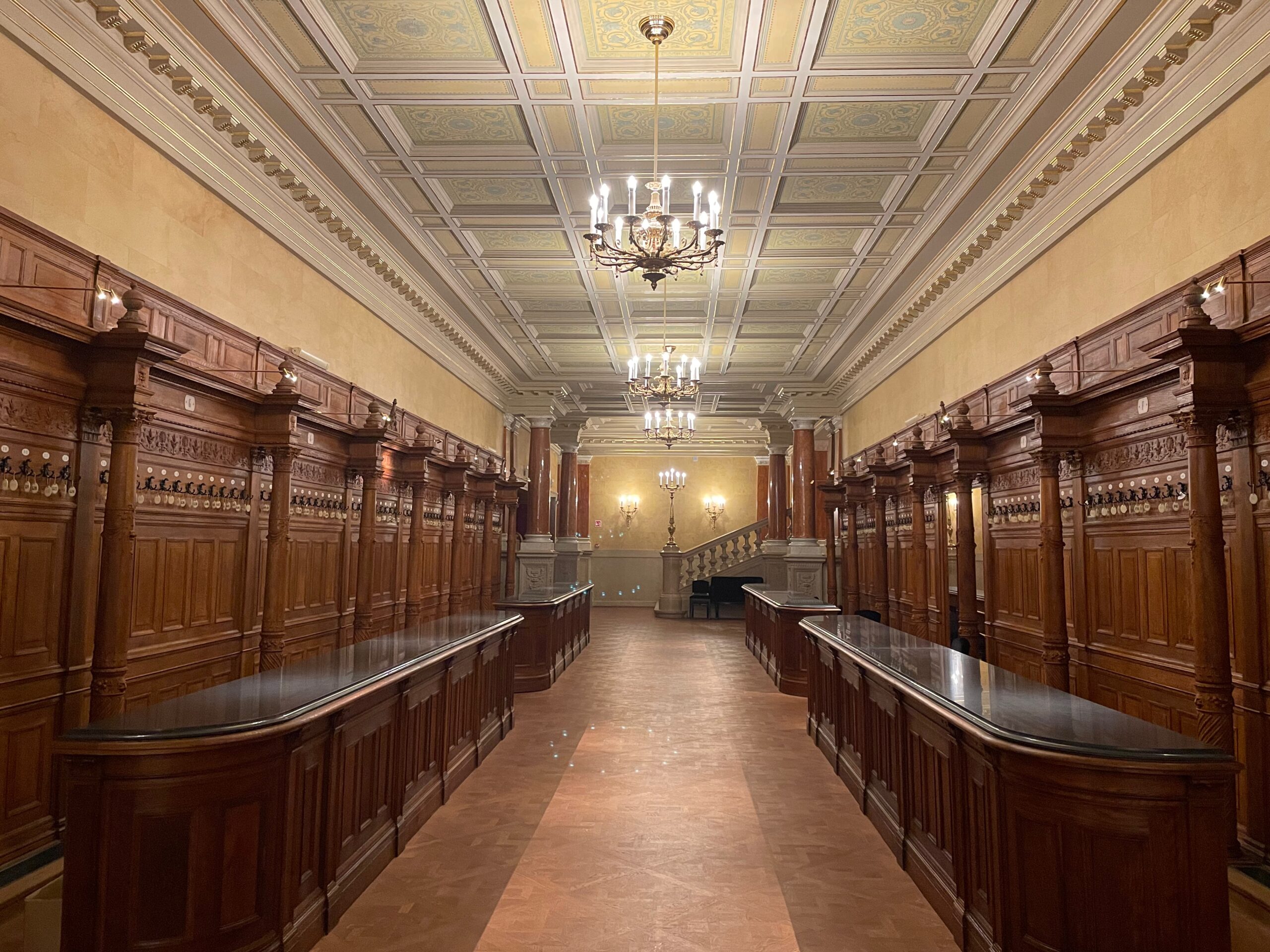
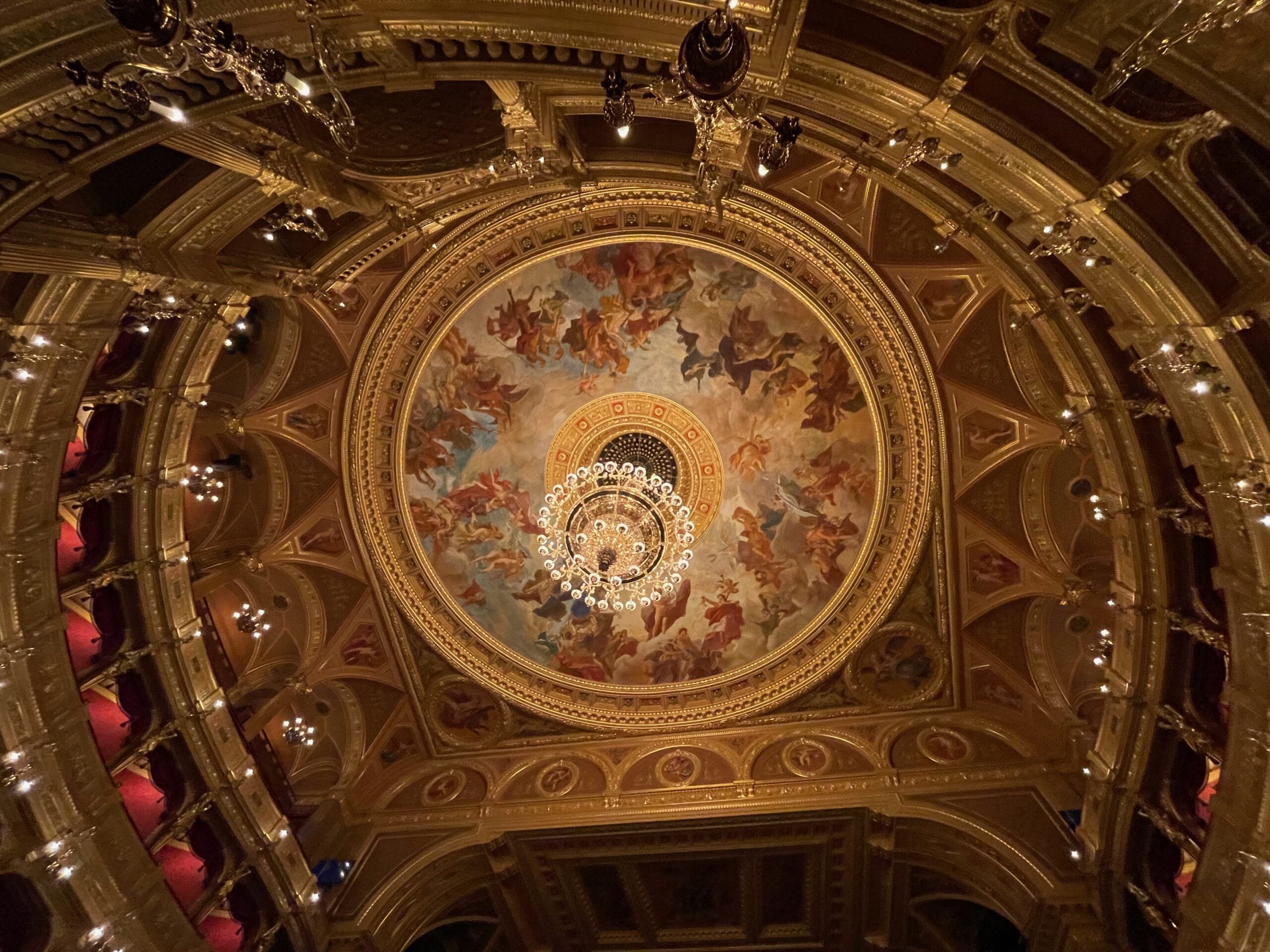
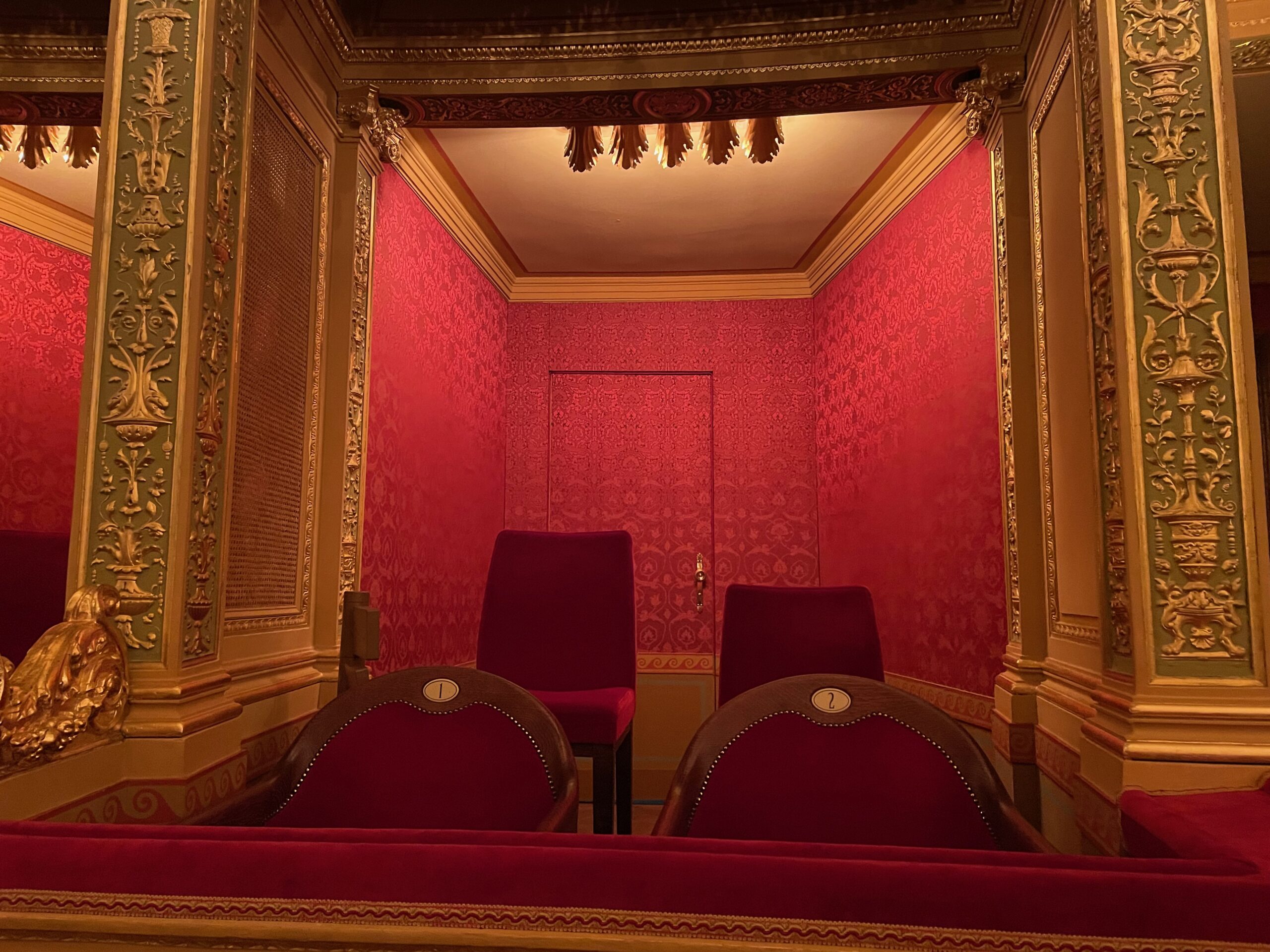
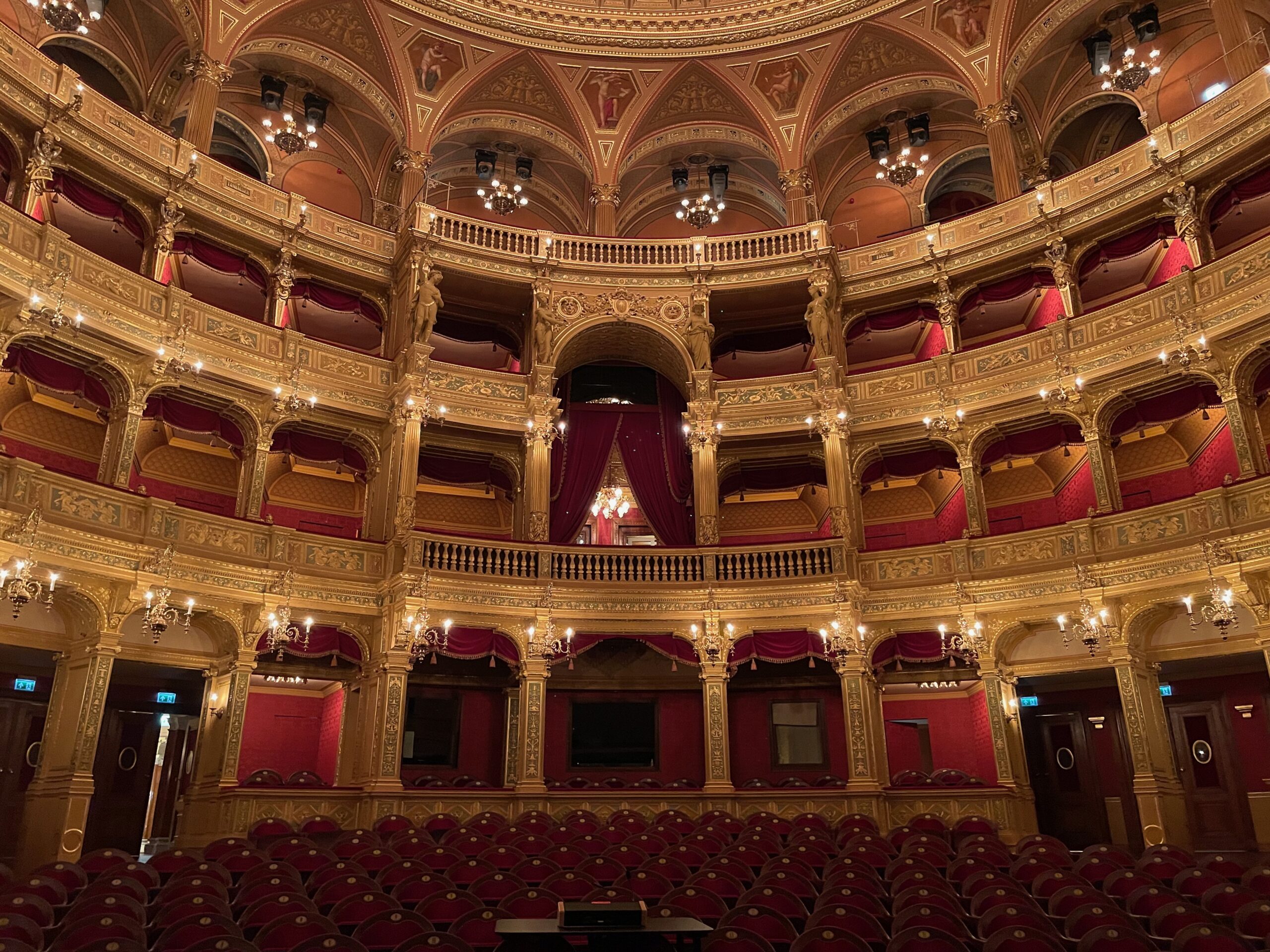
Shortly after the Hungarian State Opera House in Budapest reopened following several years of renovation, I finally had the chance to step inside again — and it was every bit as breathtaking as I had hoped.

I’ve always found the building overwhelming in the best possible way, and the renovation has only enhanced that feeling. The interior is simply magnificent. The colours are rich and harmonious, the decorative details are astonishing, and the Neo-Renaissance ornamentation feels as vibrant and alive as it must have been in the late 19th century.

Walking through the Opera House truly feels like time travel. The atmosphere, the soft lighting, even the familiar scents of the historic interior all contribute to the sensation of stepping back into the golden age of Budapest. Nothing feels over-restored or artificial — instead, the building feels carefully revived, respectful of its original spirit.

A masterpiece reborn

Designed by Miklós Ybl and opened in 1884, the Opera House has always been one of Budapest’s architectural crown jewels. The recent renovation has allowed visitors to experience Ybl’s vision with renewed clarity, revealing details that had faded or disappeared over time.

From the grand staircase to the richly decorated auditorium, every space invites you to slow down and look closer.

How to visit the Opera House

There are several wonderful ways to experience the Hungarian State Opera House:

  • Attend an evening performance – the most immersive option, combining architecture and music

  • Join a guided interior visit, which offers insight into both the building and its history

  • Private visits, which can be incorporated into a customised itinerary

The Opera House can easily be included in a walking or driving tour, especially when exploring Andrássy Avenue and the surrounding area.

If you’re interested in visiting the Opera House during your stay, feel free to contact me — I’m happy to help plan the visit and include it seamlessly in your Budapest itinerary.

An essential experience in Budapest

The renovated State Opera House is not just something to see — it’s something to feel. Elegant, atmospheric, and deeply connected to Budapest’s cultural identity, it remains one of the city’s most unforgettable interiors.

Whether you visit for a performance or simply to admire the architecture, this is a place that stays with you long after you leave.

Perched high above the Danube on Castle Hill, Fisherman’s Bastion is one of Budapest’s most iconic and enchanting landmarks. With its fairytale-like towers, sweeping terraces, and breathtaking views over the Pest side of the city, it’s a place that leaves a lasting impression on first-time visitors and returning travellers alike.

What is Fisherman’s Bastion?

Despite its castle-like appearance, Fisherman’s Bastion was never built for defense. Constructed between 1895 and 1902, it replaced part of the medieval town walls of Buda and was designed as a panoramic lookout terrace. Its Neo-Romanesque style was chosen to complement the neighbouring Matthias Church, creating one of the most beautiful architectural ensembles in the city.

The Bastion features seven ornate towers, symbolizing the seven Hungarian tribes who settled in the Carpathian Basin in 896 — a key moment in Hungarian history.

Why is it called Fisherman’s Bastion?

The name comes from the guild of fishermen who, in the Middle Ages, were responsible for defending this section of the city walls. Today, instead of guarding Budapest, the Bastion offers one of the best viewpoints in the city — especially towards the Hungarian Parliament Building across the river.

The views

From the terraces, you’ll enjoy a stunning panorama of:

  • the Danube River

  • the Pest skyline

  • Margaret Island

  • the Parliament building

  • bridges stretching across the city

It’s beautiful at any time of day, but the atmosphere changes constantly with the light, weather, and seasons — which is why I never get tired of visiting it.

Visiting tips from a local guide

  • Upper terrace: Part of the Bastion requires a small entrance fee, and I highly recommend going up — the view is worth it. Tickets can be bought on-site or online.

  • Best time to visit: Early morning is the quietest and most magical, especially if you love photography.

  • Accessibility: Easy to reach on foot within the Buda Castle District, or as part of a guided walk or driving tour.

How to experience it with me

Fisherman’s Bastion is a highlight of my Buda Castle Walk, where I share not only the history, but also the hidden details, legends, and best photo angles. It can also be included in my private Budapest city tours by car, making it an effortless and memorable stop.

If you’re visiting Budapest for the first time, Fisherman’s Bastion is truly a must-see — not just for the views, but for the atmosphere, history, and sense of timeless beauty it offers.