Walking along the Pest side of the Danube, just a few minutes from the Hungarian Parliament, you’ll come across one of the most powerful and moving memorials of Budapest: Shoes on the Danube Bank. At first glance, the bronze shoes lining the riverbank may seem quiet, almost understated. But their silence speaks volumes. A place of unimaginable loss During the winter of 1944–1945, thousands of Hungarian Jews were murdered on this very spot by members of the Arrow Cross Party, the Nazi-aligned regime that ruled Hungary toward the end of World War II. Victims were marched to the edge of the river, ordered to remove their shoes—valuable items at the time—and then shot. Their bodies fell into the icy Danube and were carried away by the current. The memorial, created by film director Can Togay and sculptor Gyula Pauer, consists of 60 pairs of bronze shoes: men’s, women’s, and children’s. Each pair represents a life cut short, a family torn apart, a future that never came. Why this memorial matters What makes the Shoes on the Danube Bank so striking is its simplicity. There are no towering statues or dramatic inscriptions—just everyday shoes left behind, as if their owners might return at any moment. Standing here, with the Danube flowing quietly beside you and the Hungarian Parliament Building in the background, history feels painfully close. It’s a place that invites reflection, remembrance, and empathy. Visitors often leave flowers, stones, or candles in the shoes—small gestures of respect in a place where words often feel insufficient. The memorial is also one of the most meaningful stops on my favourite walk in Budapest, which follows the Danube from Parliament before continuing through the streets and squares of central Pest. Even though the route includes some of the city's most beautiful landmarks, this
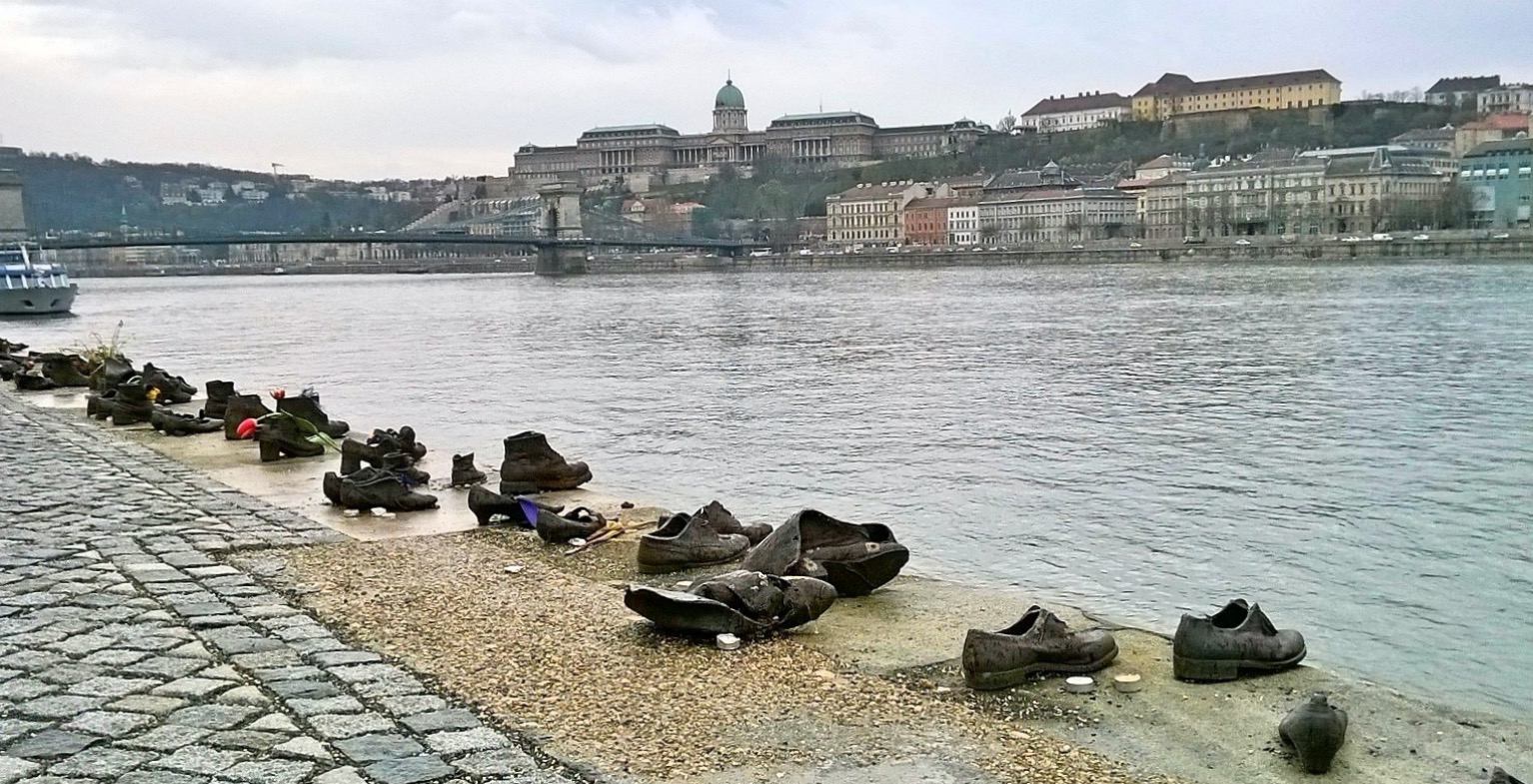
Walking along the Pest side of the Danube, just a few minutes from the Hungarian Parliament, you’ll come across one of the most powerful and moving memorials of Budapest: Shoes on the Danube Bank.
At first glance, the bronze shoes lining the riverbank may seem quiet, almost understated. But their silence speaks volumes.
A place of unimaginable loss
During the winter of 1944–1945, thousands of Hungarian Jews were murdered on this very spot by members of the Arrow Cross Party, the Nazi-aligned regime that ruled Hungary toward the end of World War II.
Victims were marched to the edge of the river, ordered to remove their shoes—valuable items at the time—and then shot. Their bodies fell into the icy Danube and were carried away by the current.
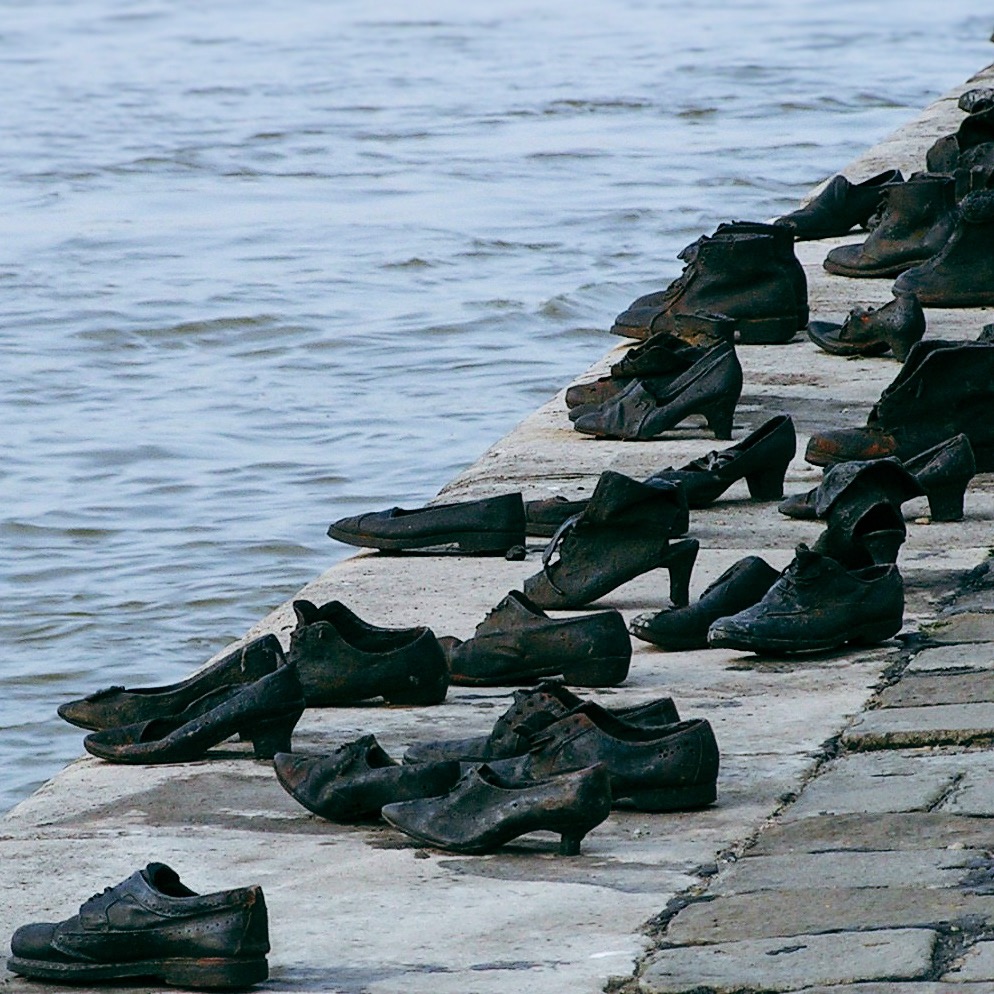
The memorial, created by film director Can Togay and sculptor Gyula Pauer, consists of 60 pairs of bronze shoes: men’s, women’s, and children’s. Each pair represents a life cut short, a family torn apart, a future that never came.
Why this memorial matters
What makes the Shoes on the Danube Bank so striking is its simplicity. There are no towering statues or dramatic inscriptions—just everyday shoes left behind, as if their owners might return at any moment.
Standing here, with the Danube flowing quietly beside you and the Hungarian Parliament Building in the background, history feels painfully close. It’s a place that invites reflection, remembrance, and empathy.
Visitors often leave flowers, stones, or candles in the shoes—small gestures of respect in a place where words often feel insufficient.
The memorial is also one of the most meaningful stops on my favourite walk in Budapest, which follows the Danube from Parliament before continuing through the streets and squares of central Pest. Even though the route includes some of the city’s most beautiful landmarks, this is a place where I always slow down and allow time for reflection.
Understanding the Memorial in the Context of Budapest’s Jewish History
I always recommend understanding this memorial as part of the broader story of Jewish Budapest. The events commemorated here are inseparable from the history of the city’s Jewish community and the persecution it endured during the Holocaust.
On my Jewish Budapest private walking tour, we explore this history through places, personal stories and the wider experience of Budapest’s Jewish community before, during and after the Holocaust.
If you want to understand Budapest beyond its beauty—its resilience, its scars, and its responsibility to remember—the Shoes on the Danube Bank is truly a must-see.