Every year around 20 August, on St. Stephen’s Day, the cobbled streets of the Buda Castle District fill with colours, textures, and the quiet magic of Hungarian folk art. This is the time when some of the country’s most talented folk artists and designers come together for the Summer Folk Art Festival, turning the historic castle area into an open-air celebration of tradition. What I love most about this festival is that it’s not staged or artificial. Many of the artists you meet are continuing techniques that have been passed down through generations—sometimes within the same family. Their work reflects regional styles from all over Hungary, each with its own patterns, colours, and stories. Hungarian Folk Art Up Close As you wander through the festival, you’ll find beautifully crafted pottery, ceramics, wooden objects, jewellery, embroidered textiles, and woven fabrics. These are not souvenirs made for tourists, but authentic pieces created with patience, skill, and deep respect for tradition. One of the highlights is that visitors can often try the crafts themselves. Whether it’s weaving, sewing, or embroidery, watching the process (and giving it a go) makes you appreciate just how much work and precision goes into each finished piece. More Than Just Crafts Of course, no Hungarian festival would be complete without food. Alongside the artisan stalls, you can taste traditional Hungarian treats, making this event just as enjoyable for food lovers as for art enthusiasts. Set against the backdrop of Buda Castle’s historic walls and panoramic views over Budapest, the Folk Art Festival is a wonderful way to experience Hungarian traditions in a relaxed, joyful atmosphere. Even if you’ve visited before, it feels slightly different every year—and that’s part of its charm.
Every year around 20 August, on St. Stephen’s Day, the cobbled streets of the Buda Castle District fill with colours, textures, and the quiet magic of Hungarian folk art. This is the time when some of the country’s most talented folk artists and designers come together for the Summer Folk Art Festival, turning the historic castle area into an open-air celebration of tradition.
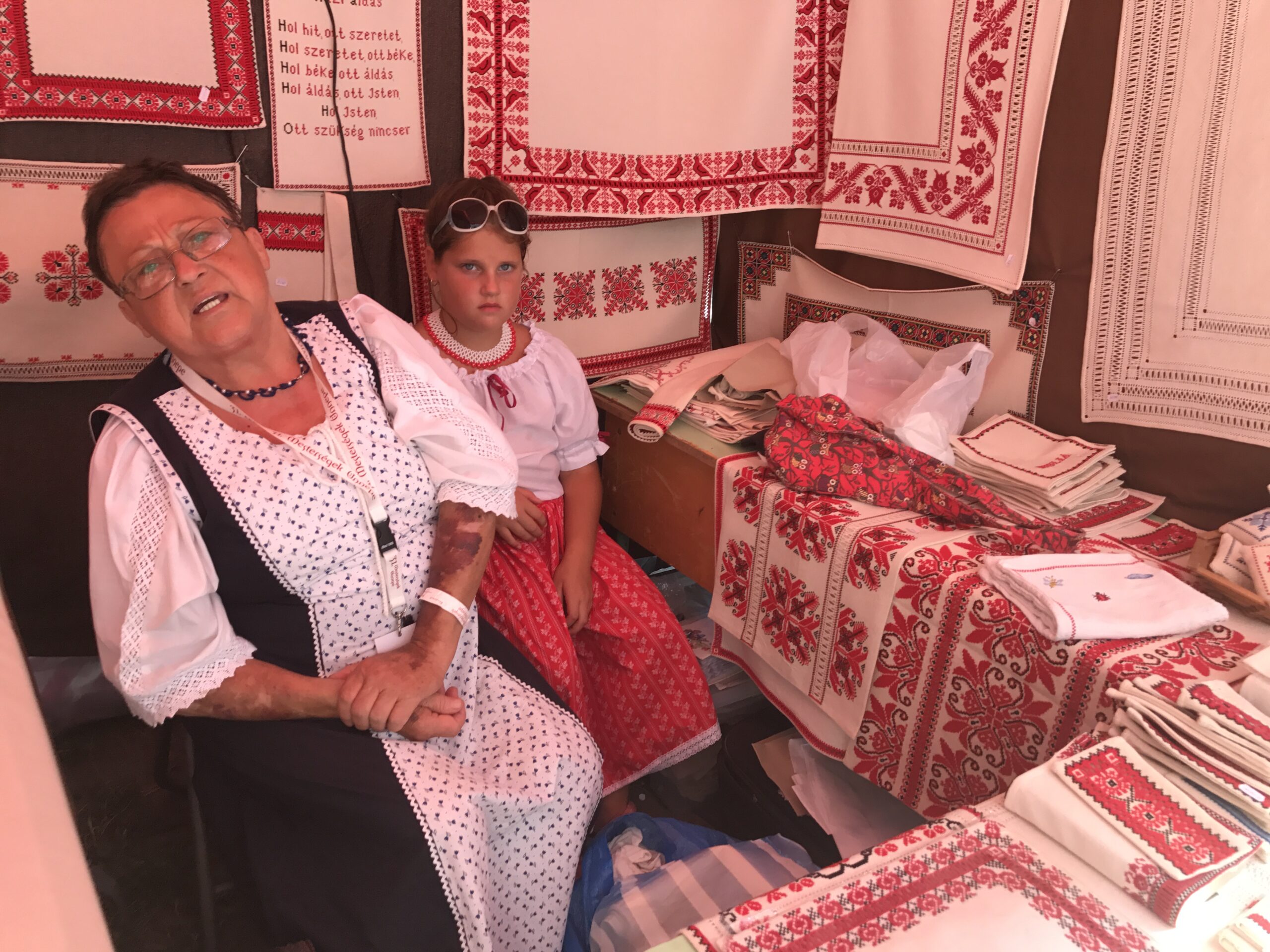
What I love most about this festival is that it’s not staged or artificial. Many of the artists you meet are continuing techniques that have been passed down through generations—sometimes within the same family. Their work reflects regional styles from all over Hungary, each with its own patterns, colours, and stories.
Hungarian Folk Art Up Close
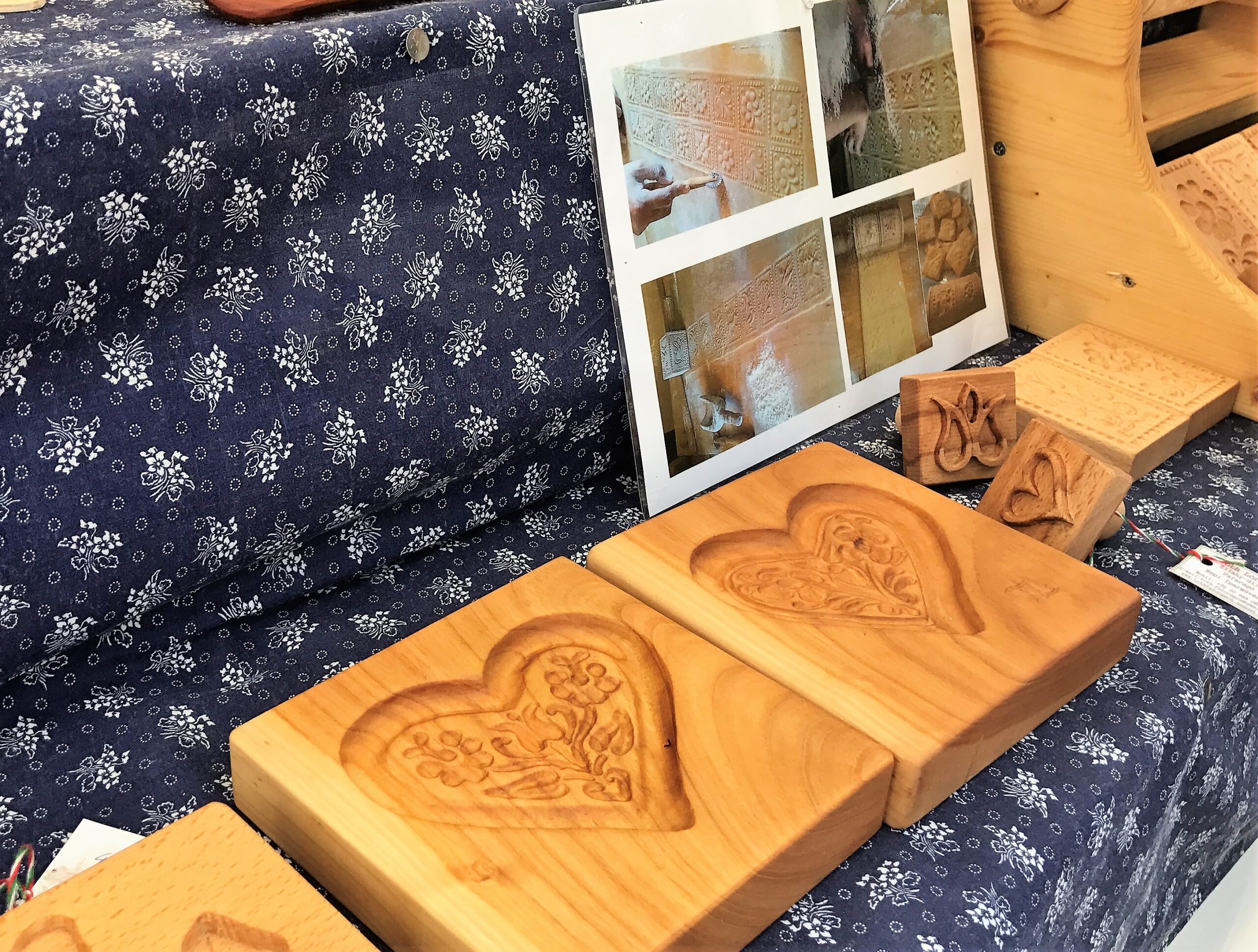
As you wander through the festival, you’ll find beautifully crafted pottery, ceramics, wooden objects, jewellery, embroidered textiles, and woven fabrics. These are not souvenirs made for tourists, but authentic pieces created with patience, skill, and deep respect for tradition.
One of the highlights is that visitors can often try the crafts themselves. Whether it’s weaving, sewing, or embroidery, watching the process (and giving it a go) makes you appreciate just how much work and precision goes into each finished piece.
More Than Just Crafts
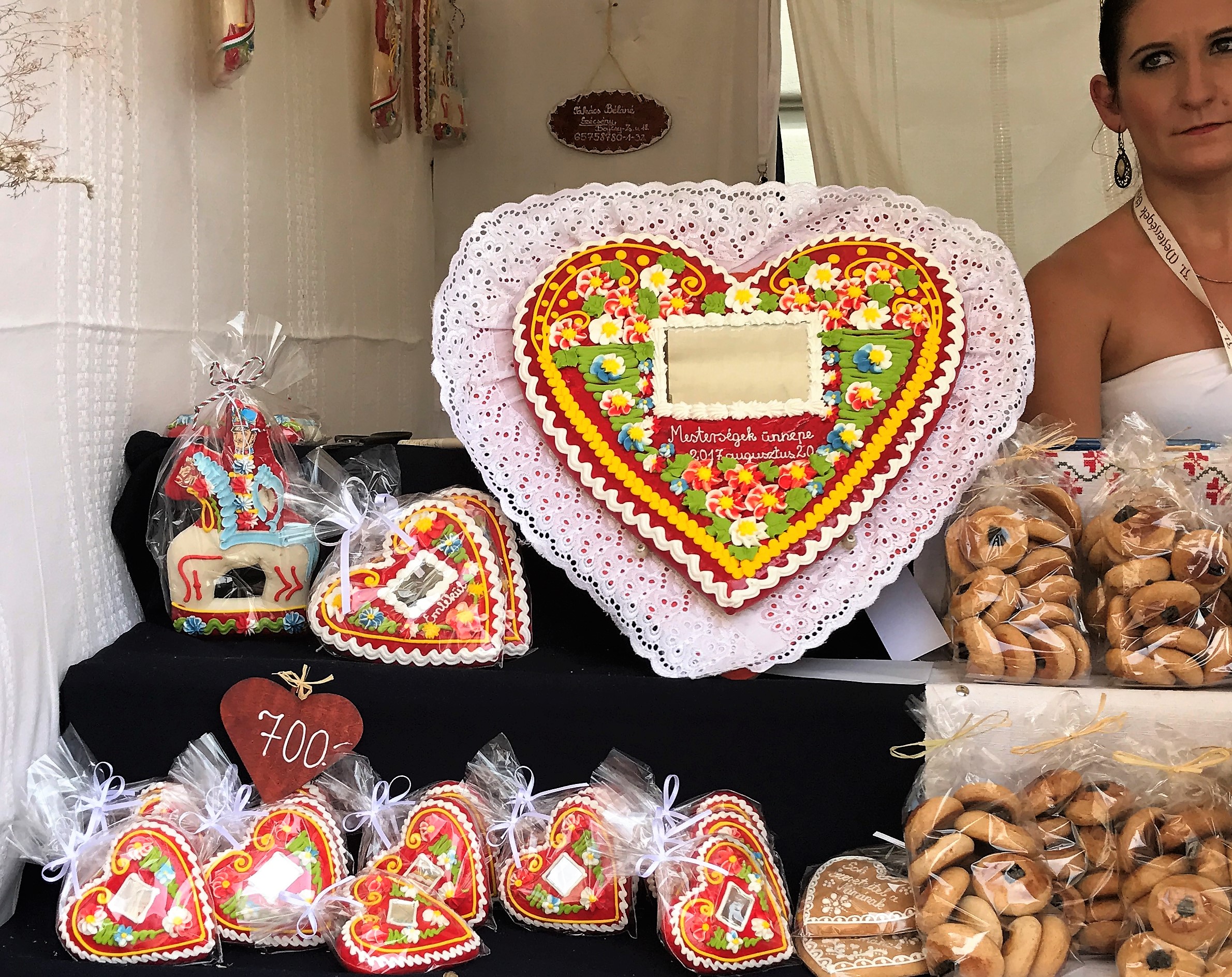
Of course, no Hungarian festival would be complete without food. Alongside the artisan stalls, you can taste traditional Hungarian treats, making this event just as enjoyable for food lovers as for art enthusiasts.
Set against the backdrop of Buda Castle’s historic walls and panoramic views over Budapest, the Folk Art Festival is a wonderful way to experience Hungarian traditions in a relaxed, joyful atmosphere. Even if you’ve visited before, it feels slightly different every year—and that’s part of its charm.