Hungarian Kids’ Favourite: the Dobos Cake

As a kid growing up in Budapest, I truly believed the Dobos cake (Dobos torta) was named after drummers—because that glossy caramel top is so crunchy, you could literally drum on it. Dobos means “drummer” in Hungarian, and in my world, it made perfect sense.

Little did I know at the time that József C. Dobos, the master confectioner and inventor of this iconic cake, simply lent his name to one of Hungary’s most famous pastries. His creation debuted in 1885, at the National Exhibition in Budapest, won over Emperor Franz Joseph I and Empress Elisabeth, and quickly became a symbol of elegance and innovation in confectionery.

What Makes the Dobos Cake So Special

In 1884, Dobos set out to create a cake that would last longer than most pastries, in a time before refrigeration. He layered six thin sponge cakes with rich chocolate buttercream, coated the sides with nuts, and crowned it with a shiny caramel crust. That hard top wasn’t just decorative—it sealed in freshness and made long‑distance shipping possible.

The final product was minimalistic yet elegant—a departure from the lacy pastries of the era. The unusual combination of sponge, buttercream, and caramel earned the cake a permanent place in European culinary history. In 1906, Dobos generously released the recipe to the local pastry guild, ensuring its legacy for generations.

Why Our Childhood Misbelief Was Perfect

That crunchy caramel top was so distinct, even adults joked that it looked—and sounded—like a drum. Tapping it with a finger gave a crisp, satisfying crack. I’ve heard many fellow locals say they once thought Dobos literally meant “drummer cake.” That childhood myth made every bite feel a bit like play, and I still smile thinking of those memories.

My Favourite Spot: Művész Kávéház

When I want to relive that sugary nostalgia, I head to Művész Kávéház, located on Andrássy Avenue—Budapest’s elegant boulevard, lined with neo‑Renaissance mansions and steeped in café culture. Founded in 1898, Művész was a beloved haunt for artists and intellectuals, and its interiors still reflect that bohemian grandeur.

There, the Dobos is served exactly as tradition intended: crisp caramel, tender sponge, rich buttercream—and you’re invited to tap it gently before diving in. The ambiance, the history, the taste—it’s one of those perfect moments I love creating with guests on my foodie tours of Budapest.

Why I Share This Story on My Tours

Whenever I bring guests to Művész not just for a cake, but for the story behind it:

  • The infamous childhood myth everyone laughed at.

  • The real history of József Dobos and the cake’s European fame.

  • The sensory experience: tap the caramel, taste the layers, feel its place in Budapest’s café legacy.

It’s these layered stories—much like the layers of the cake—that make Budapest feel alive and personal for visitors.

Final Thoughts

So next time you see a slice of Dobos cake glistening under café lights, you don’t just eat it—you drum it. It’s a small gesture that connects childhood wonder, historic pride, and Budapest’s irresistible sweetness. Also, have a look at my tours or reach out if you have questions!

Tag someone you’d tap it with… and keep the tradition going.

Hungarian strudel is one of those pastries that quietly wins everyone over — and it’s always a favourite on my Foodie tours in Budapest.

Many visitors arrive already knowing Apfelstrudel from Austria or Germany, but the Hungarian version has its own character. The dough is stretched paper-thin, the fillings are generous but never heavy, and the result is not too sweet, just perfectly balanced.

Whether filled with apples, cherries, poppy seeds, or cottage cheese, strudel is a wonderful example of our home-style baking. You can taste it in traditional pastry shops — or, if you’re curious, even try making it yourself and experience the magic of stretching the dough until it’s almost transparent.

This weekend’s Foodie Tour turned out to be a little unusual — and very memorable. Instead of moving between markets and small food shops across the city, we dedicated the day to one single event: a Pig Slaughtering Festival in Budapest, held on a bright, sunny autumn weekend.

It was intense in the best possible way.

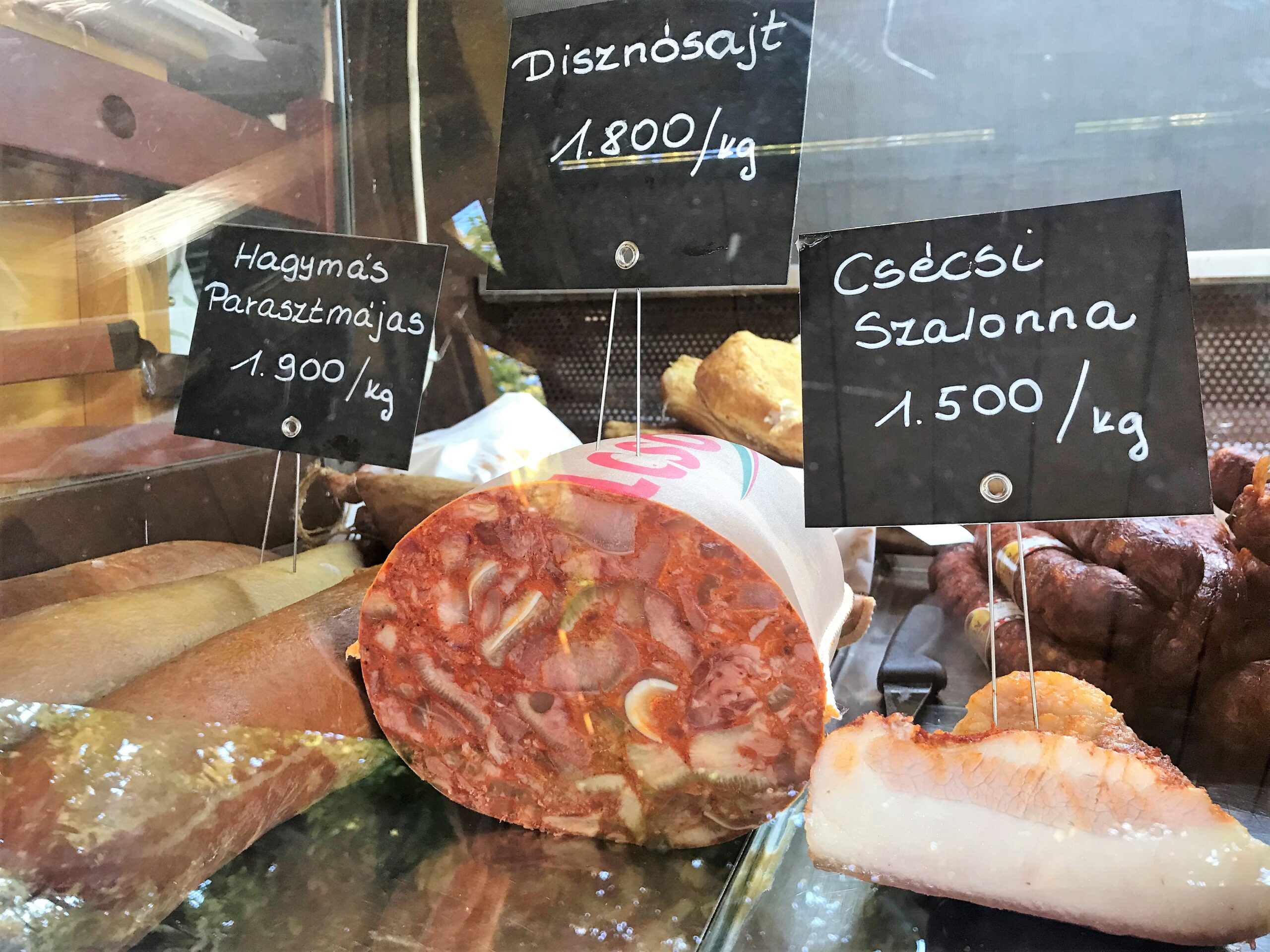
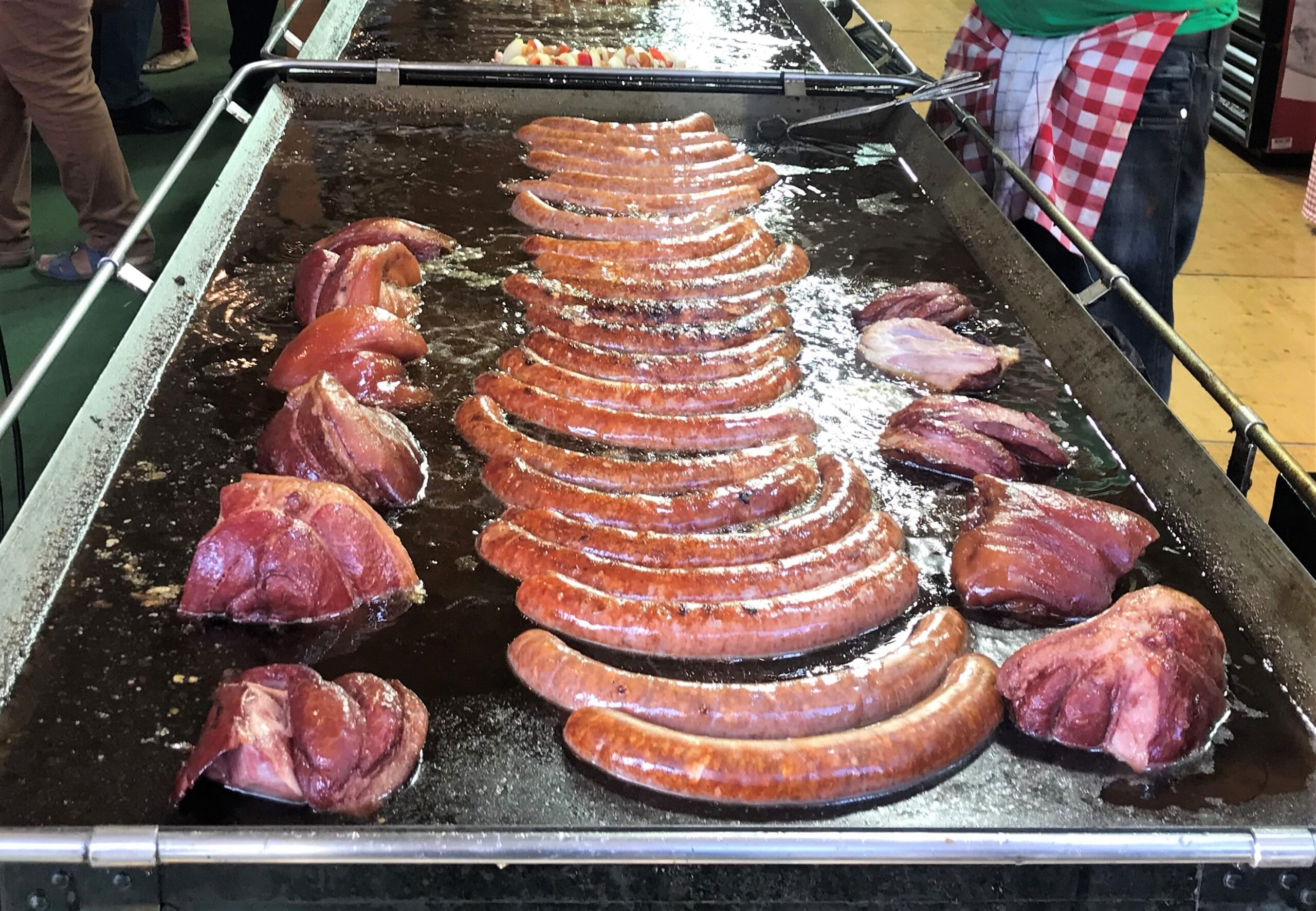
From the moment we arrived, we were surrounded by the unmistakable aromas of grilled meats, freshly made sausages, and slow-cooked Hungarian classics. Stalls lined up one after another, each offering its own version of traditional pork dishes, prepared with pride and confidence.

A true celebration of Hungarian meat traditions

Hungarian cuisine is deeply rooted in pork — and this festival was a perfect snapshot of that tradition. Over the course of just a few hours, we tasted an astonishing variety of sausages, cuts of meat, and rich, comforting flavours. By the end of the tour, I realised I had probably eaten as much in four hours as I normally would in an entire week.

And honestly? I had no regrets.

If there’s one thing I always recommend to visitors, it’s to try mangalica sausage. Made from Hungary’s famous curly-haired mangalica pig, it’s rich, flavourful, and truly in a league of its own — for me, it’s the absolute best of Hungarian sausage-making.

A different kind of Foodie Tour

Experiences like this are exactly why I love customising my Foodie Tours. Sometimes it’s about discovering hidden bakeries or wine bars; other times, it’s about diving headfirst into a local festival and embracing Hungarian food culture at its most authentic and unapologetic.

Food events like pig slaughtering festivals are not staged for tourists — they’re for locals, families, and producers who care deeply about tradition. Sharing this kind of experience with my travellers is always a highlight.

If you’re curious about Hungarian cuisine and want to explore it beyond restaurant menus, I’m always happy to tailor a custom Foodie Tour around seasonal events, markets, or local specialities.

Yes, I agree — the Central Market of Budapest has become a major tourist attraction over the years. And yet, it may come as a surprise that it is still one of the favourite shopping places of locals.

Despite the crowds, the market remains a living, breathing part of everyday Budapest life — and that’s exactly why it’s such a fascinating place to visit.

A Personal Memory of the Central Market

I first visited the market with my grandmother when I was around five years old. At that age, I couldn’t tell the difference between the “aisle of the rich” and the “aisle of the poor” — but I was completely captivated by the smells, colours, and endless variety of products.

That sensory overload is still very much part of the experience today.

The Great Market Hall: 120 Years of History

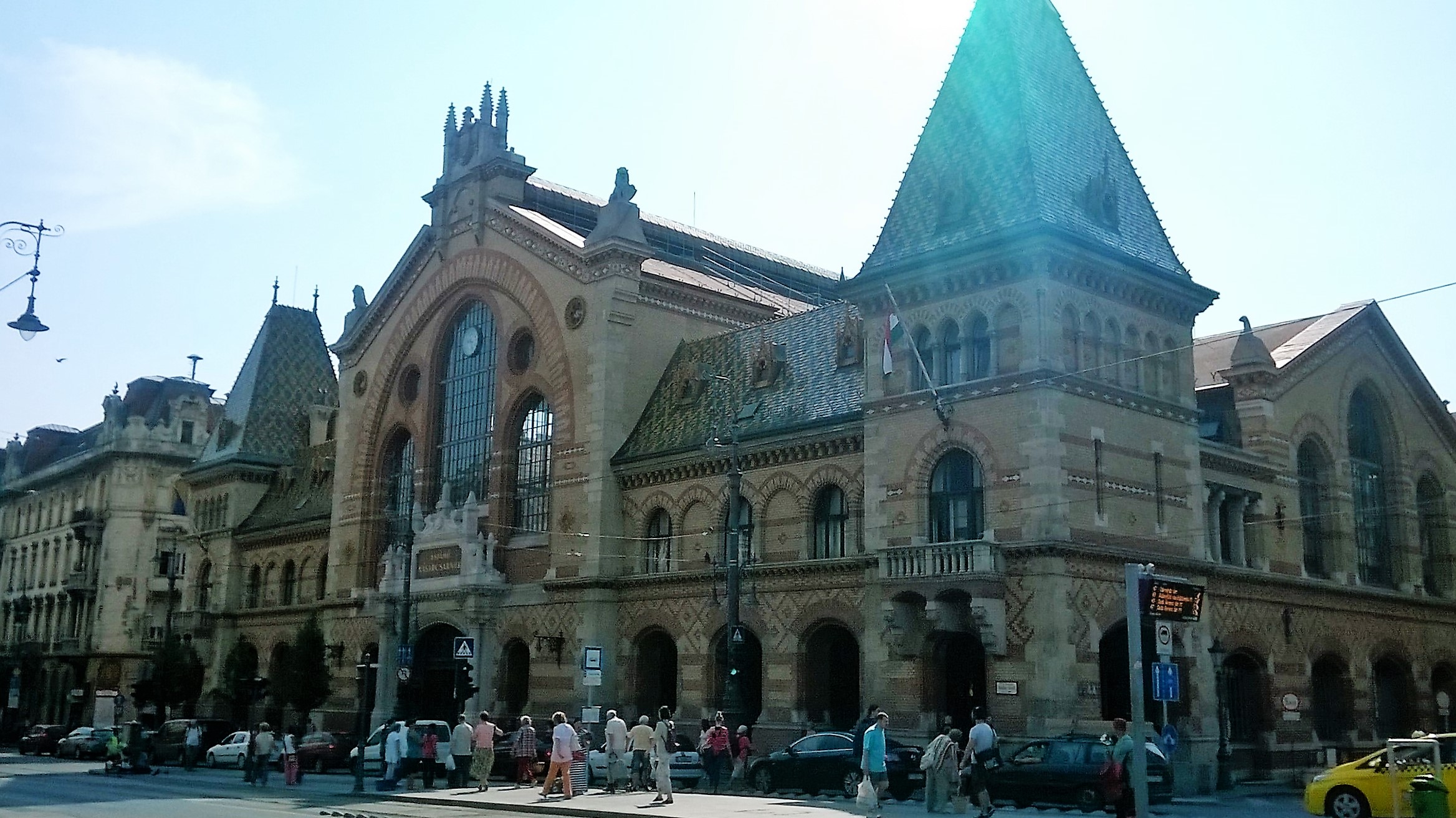
The Central Market, officially known as the Great Market Hall, opened more than 120 years ago and quickly became the heart of Budapest’s food trade.

The iron structure and glass roof often remind visitors of a 19th-century train station, while the colorful Zsolnay roof tiles make the building unmistakable from the outside.

Inside, you’ll find:

  • Fresh fruits and vegetables from across Hungary

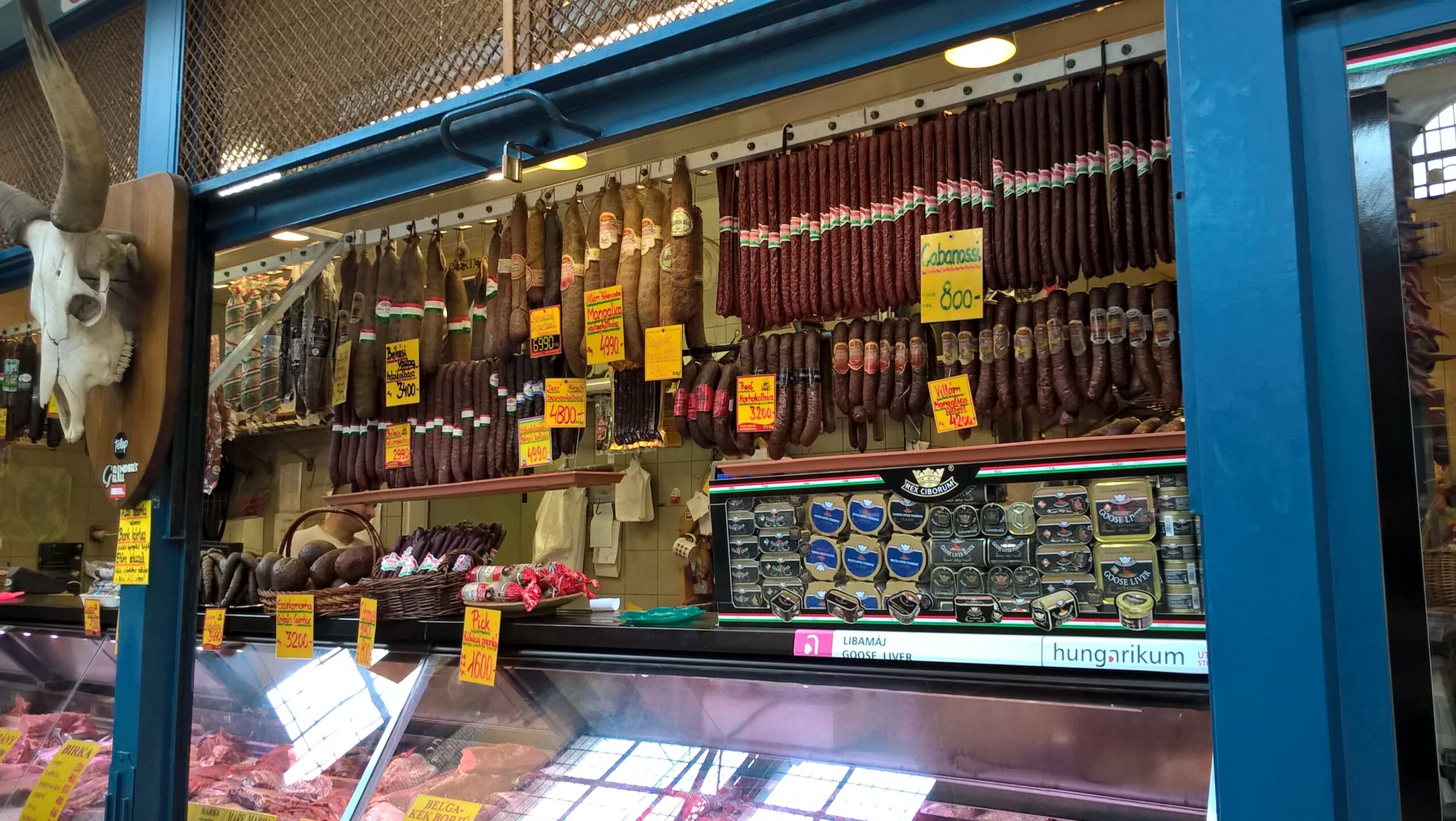
  • Hungarian sausages, salami, and cured meats

  • Paprika in every form imaginable

  • Local cheeses, honey, and preserves

  • Traditional Hungarian pastries and street food

Why the Central Market Is a Foodie Must-See

If you’re curious about Hungarian gastronomy, this market is one of the best places to understand it.

The Central Market showcases:

  • Seasonal Hungarian ingredients

  • Regional food traditions

  • Everyday eating habits of locals

  • The contrast between traditional stalls and modern food counters

It’s lively, noisy, sometimes chaotic — and absolutely authentic.

Visiting the Central Market on a Budapest Food Tour

A visit to the Central Market is part of my Budapest Food Tour (except on Sundays, when the market is closed).

During the tour, I’ll:

  • Help you navigate the market beyond the obvious tourist stalls

  • Explain what locals really buy and why

  • Introduce Hungarian food traditions and shopping habits

  • Make sure you taste one of the best sausages and a proper Hungarian strudel

The market is not just about food — it’s about culture, history, and everyday life.

Combine Market Visit with Wine Tasting

Many guests choose to combine their market experience with a food and wine-focused day, pairing the Budapest food tour with a countryside escape such as the Etyek Wine Tour, Hungary’s closest wine region to the capital.

It’s a wonderful way to connect Budapest’s culinary scene with local wines and rural traditions.

Planning Your Visit to the Central Market of Budapest

If you’d like to explore the Central Market of Budapest with a local guide and truly understand what you’re seeing — and tasting — I’d be happy to show you around as part of one of my private food tours.