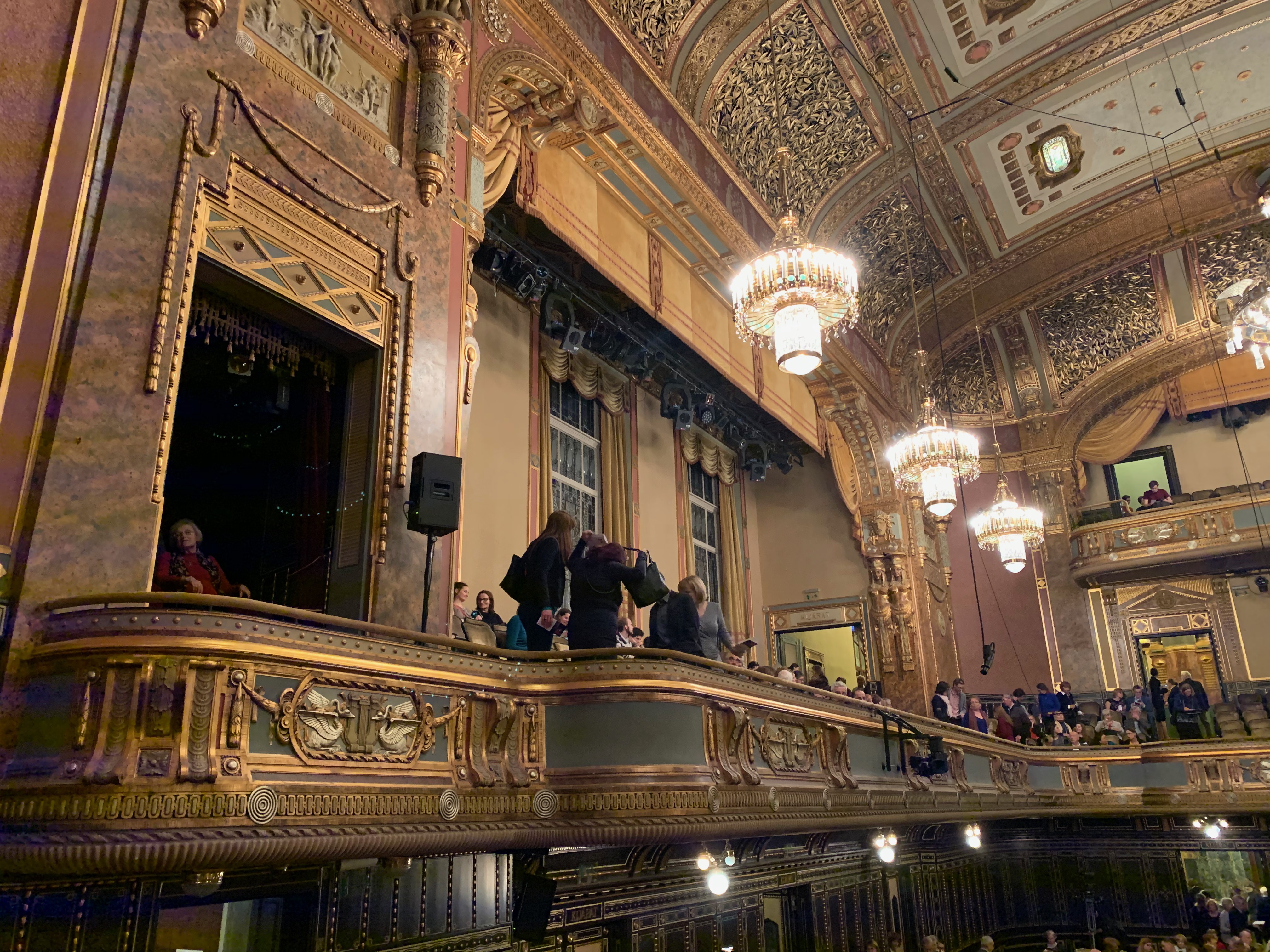
Located in the elegant 6th district of Budapest, the Academy of Music is one of those buildings that truly deserves the label hidden gem. From the outside, it already impresses — but stepping inside feels like entering a finely crafted jewellery box.

Officially known as the Liszt Ferenc Academy of Music, the building serves both as a music university and a world-class concert hall. It opened its doors in 1907 and has been a cornerstone of Hungarian musical life ever since.

Architecture worth slowing down for

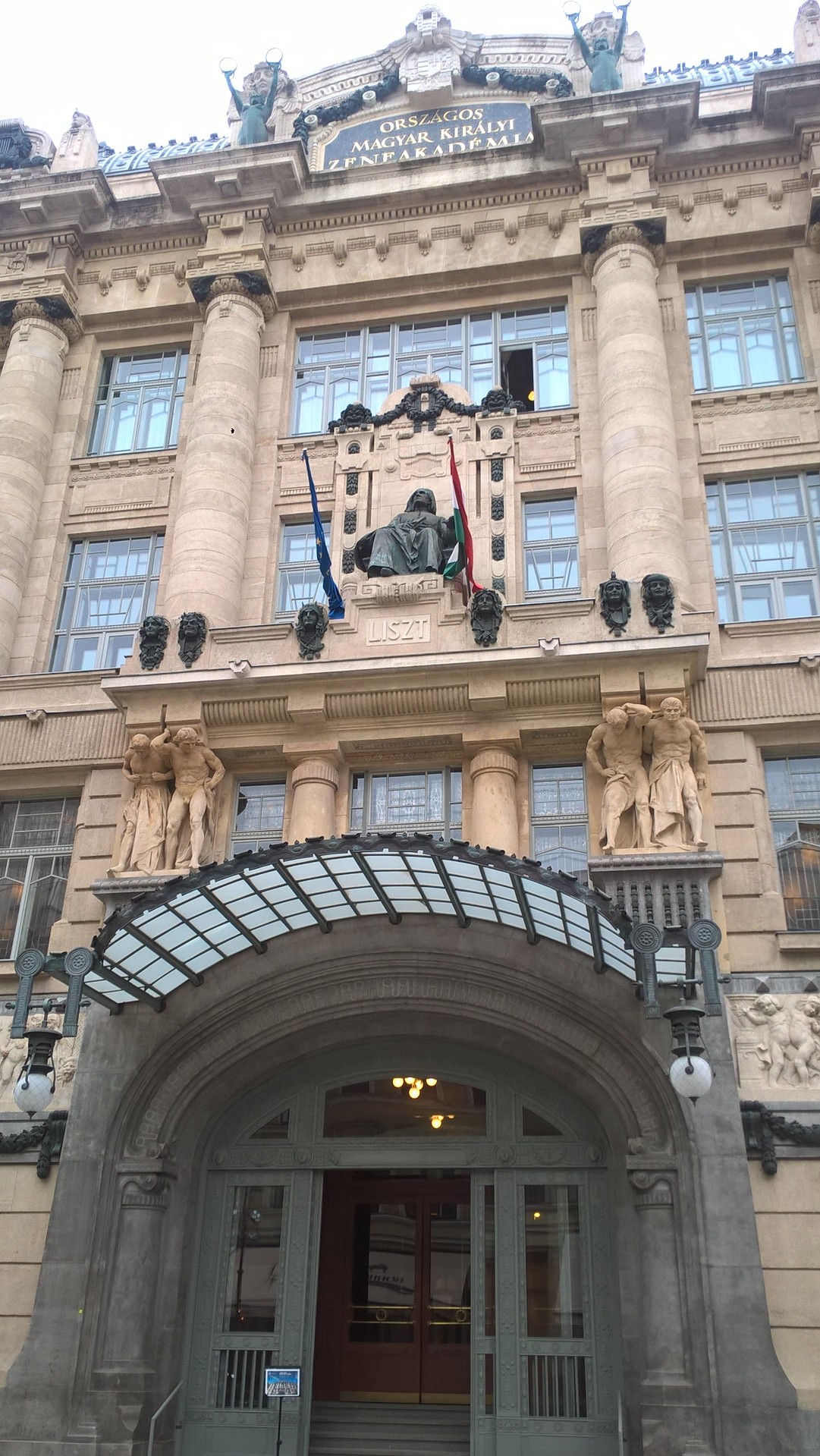
Architecturally, the Academy of Music is a fascinating blend. The dominant style is Art Nouveau, enriched with elements of Gothic and Classicism. The façade alone can keep you busy for several minutes: ornate details, symbolic figures, and rich decorative motifs appear everywhere you look.

Many visitors walk straight past the entrance without noticing the statue of Franz Liszt positioned above it — which is a pity, as Liszt’s presence here is far more than symbolic.

Liszt, Hungary’s most famous composer, founded the music academy in 1875 in his own home. The institution was later named after him in 1925, honouring his immense contribution to Hungarian and European musical culture.

Visiting the Academy of Music

The building can be visited, but access is limited.

  • There are guided tours available at certain times

  • Opening hours for visitors are restricted and subject to change

  • The Academy is still an active university and concert venue, so public access depends on rehearsals and events

If you’d like to include the Academy of Music in your Budapest itinerary, it’s best to plan ahead. I’m happy to check current visiting options and see whether a tour or concert visit fits into your stay.

The best way to experience it: a concert

While guided tours are fascinating, the most memorable way to experience the Academy of Music is undoubtedly attending a concert. Hearing live music in this acoustically perfect, richly decorated space is something truly special — architecture and music enhancing each other in the best possible way.

Concert programs range from classical masterpieces to contemporary performances, making this an excellent evening experience during a Budapest visit.

Part of an Art Nouveau or customised tour

The Academy of Music fits perfectly into a Budapest Art Nouveau walk, where we explore how this artistic movement shaped the city’s architecture at the turn of the 20th century.

It can also be included in:

  • Architecture-focused tours

  • Music and cultural heritage walks

  • Fully customised private itineraries, tailored to your interests and pace

If you enjoy discovering Budapest through its artistic and cultural layers — rather than ticking off landmarks — this stop adds real depth to your experience.

A cultural landmark not to miss

Whether you admire it from the outside, explore it on a guided visit, or attend a concert inside, the Academy of Music is one of Budapest’s true cultural treasures. Elegant, expressive, and deeply connected to Hungary’s musical soul, it’s a place that leaves a lasting impression.

If you’re planning a trip and would like help building an itinerary that includes the Academy of Music — along with Art Nouveau highlights or other specialty experiences — feel free to get in touch.
The golden age of Budapest’s famous coffeehouses was at the end of the 19th and the beginning of the 20th century. Today, we are witnessing a true renaissance of coffeehouse culture — and Budapest remains one of Europe’s most exciting cities for coffee and cake lovers.

Hungarians love their coffee, and visitors quickly fall in love with our historic cafés too. I wrote more about this passion in my main article, We Love Our Coffee – And Our Coffeehouses, Too, where I explore why cafés have always played such an important role in Budapest life.

On my Budapest Foodie Tour, we always try to visit different coffeehouses, giving travelers the chance to taste excellent Hungarian coffee and traditional cakes while learning about the stories behind these beautiful places.

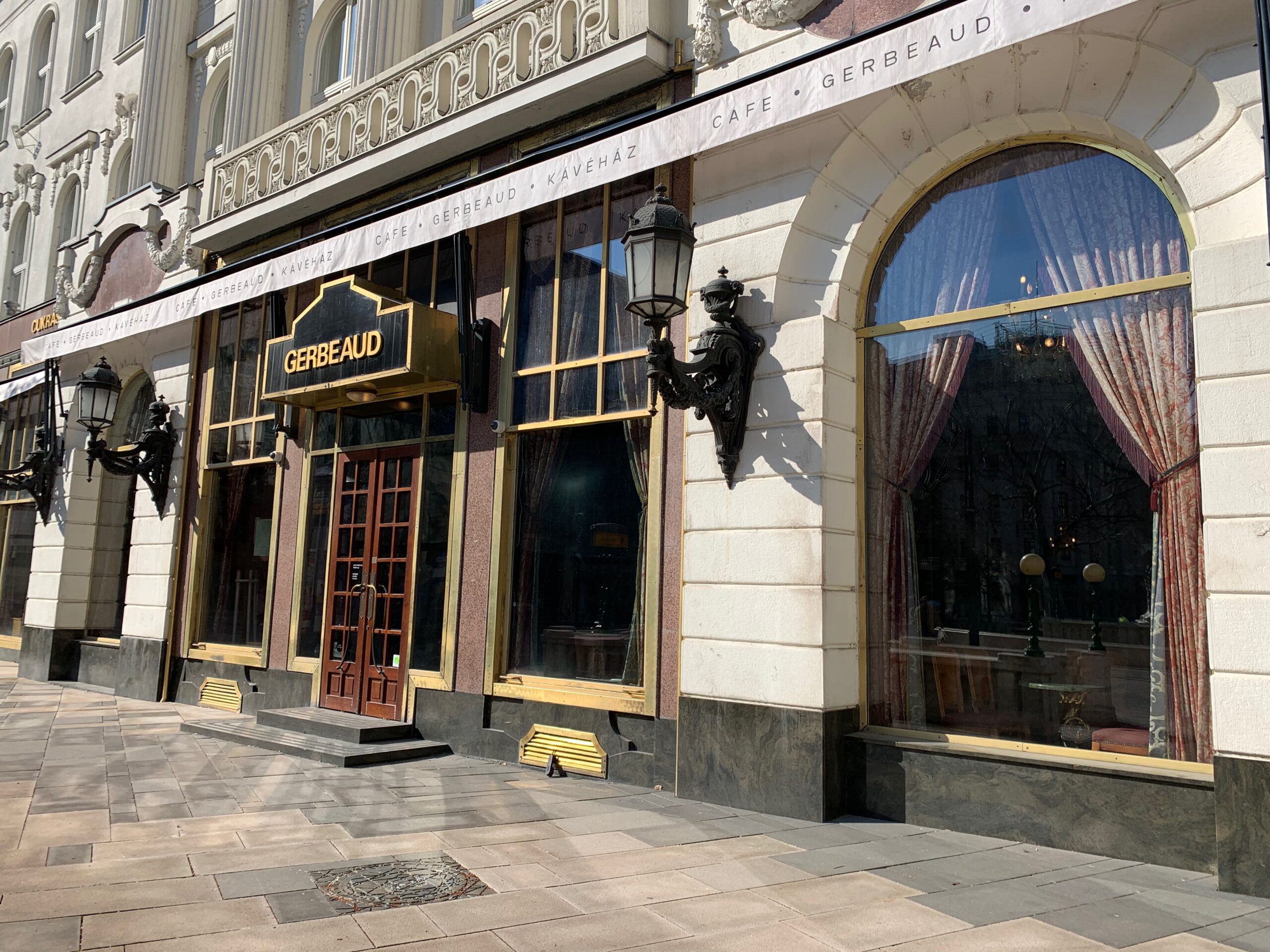
Among all Budapest cafés, Gerbeaud Café is probably the most famous — and with good reason. Although I have already written about Central Café and the Book Café, Gerbeaud truly deserves to be introduced first, as it has been a symbol of elegance and quality for over a century.

The Men Behind the Budapest Gerbeaud Café

The story of the café is closely linked to Emile Gerbeaud, a talented French bonbonnier who was invited to Budapest by Henrik Kugler, the owner of a very popular cake shop and coffeehouse on Vörösmarty Square. Emile Gerbeaud’s creativity transformed the business: he developed an exceptional range of bonbons that were produced and sold in the millions every year. When he eventually took over the café, the Gerbeaud name became a highly respected trademark — not only in Budapest, but throughout Europe.

At the end of the 19th and beginning of the 20th century, Gerbeaud was known as the ladies’ coffeehouse. Young women visited the café hoping to meet a wealthy and suitable husband. Even today, charming urban legends circulate about secret signs a lady could give if she was open to romance. These little stories add to the unique atmosphere of the place and are some of my favorite details to share on foodie tours.

Today, Gerbeaud Café is one of the most iconic historic cafés in Budapest, famous for its refined interior, elegant service, and outstanding selection of Hungarian cakes. Located on Vörösmarty Square, it is an ideal stop for anyone interested in classic coffeehouse culture and sweet Hungarian specialties.

Visiting the Café on a Food Tour

If you would like to experience Gerbeaud — and other historic cafés — in context, you might enjoy joining one of my Budapest Foodie Tours, where coffee, cake, history, and local stories come together in a relaxed and authentic way.


If you walk along the Danube in Pest, the area around the Hungarian Parliament is filled with symbols of Hungarian identity — and one of the most striking is the equestrian statue of Count Gyula Andrássy. This sculpture is part of my ongoing Statues of Budapest series, where I introduce both famous monuments and smaller details that add meaning to the city’s streetscape.

Where is the Count Gyula Andrássy statue?

The statue stands at the Hungarian Parliament building, in one of the most important public spaces in Budapest. Even if you’re only passing by for photos of the Parliament, it’s worth stopping for a minute: monuments here are carefully chosen, and Andrássy’s presence tells a very specific story about Hungary’s 19th-century political turning point.

Who was Count Gyula Andrássy?

Count Gyula Andrássy (1823–1890) was one of Hungary’s most influential politicians and statesmen. He played a key role in the events that led to the Austro–Hungarian Compromise of 1867, a major political agreement that created the Austro–Hungarian Monarchy. For visitors, this is where a statue becomes more than decoration: it highlights a moment when Hungary’s modern political structure took shape — and why this part of Budapest is so dense with national symbolism.

Why an equestrian statue?

Equestrian statues traditionally represent leadership, authority, and statehood. In Budapest, this visual language matters: statues around the Parliament are designed to communicate political continuity and historical legitimacy. Whether you love history or you simply enjoy reading the city through its monuments, Andrássy’s statue is a good example of how Budapest “speaks” in stone and bronze.

A quick tip for your visit

When you’re photographing the Parliament, try including the statue in the foreground for a stronger composition — it adds context and scale, and immediately signals that you’re not just capturing a building, but a piece of Hungarian history.

Explore more: If you enjoy noticing details like this, you might like my collection of Statues of Budapest, featuring famous monuments and hidden gems across Buda and Pest.

Equestrian statue of Count Gyula Andrássy at the Hungarian Parliament in Budapest

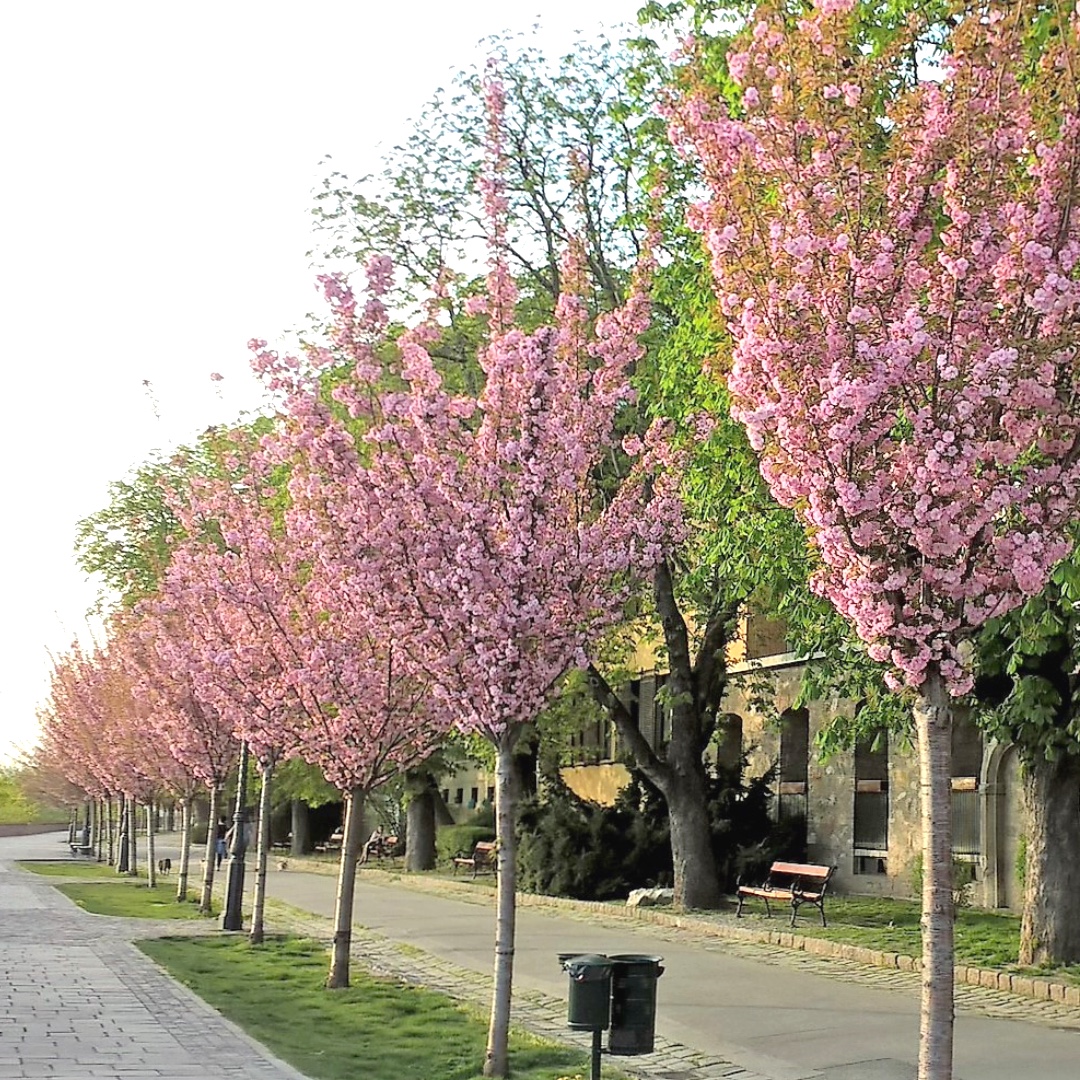
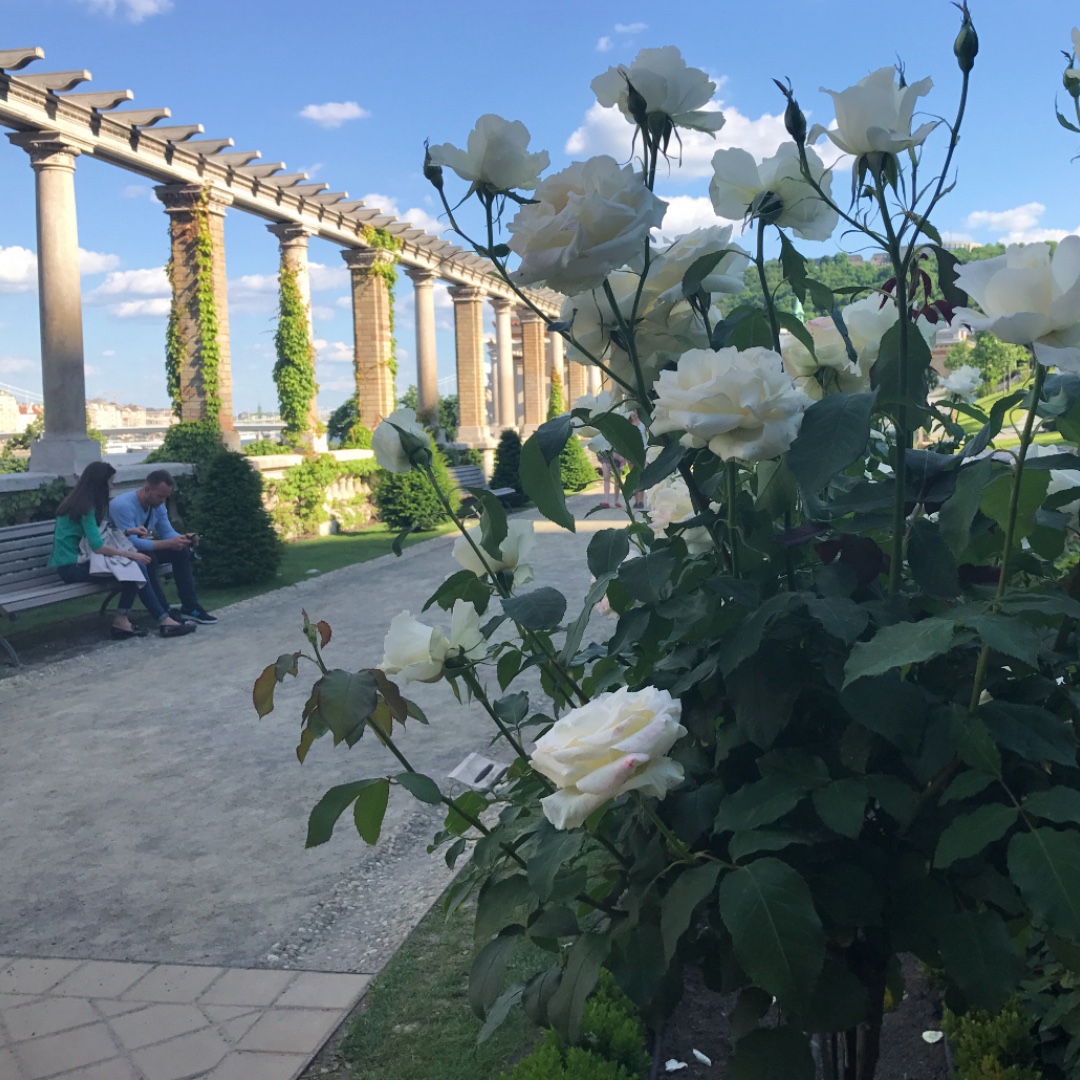
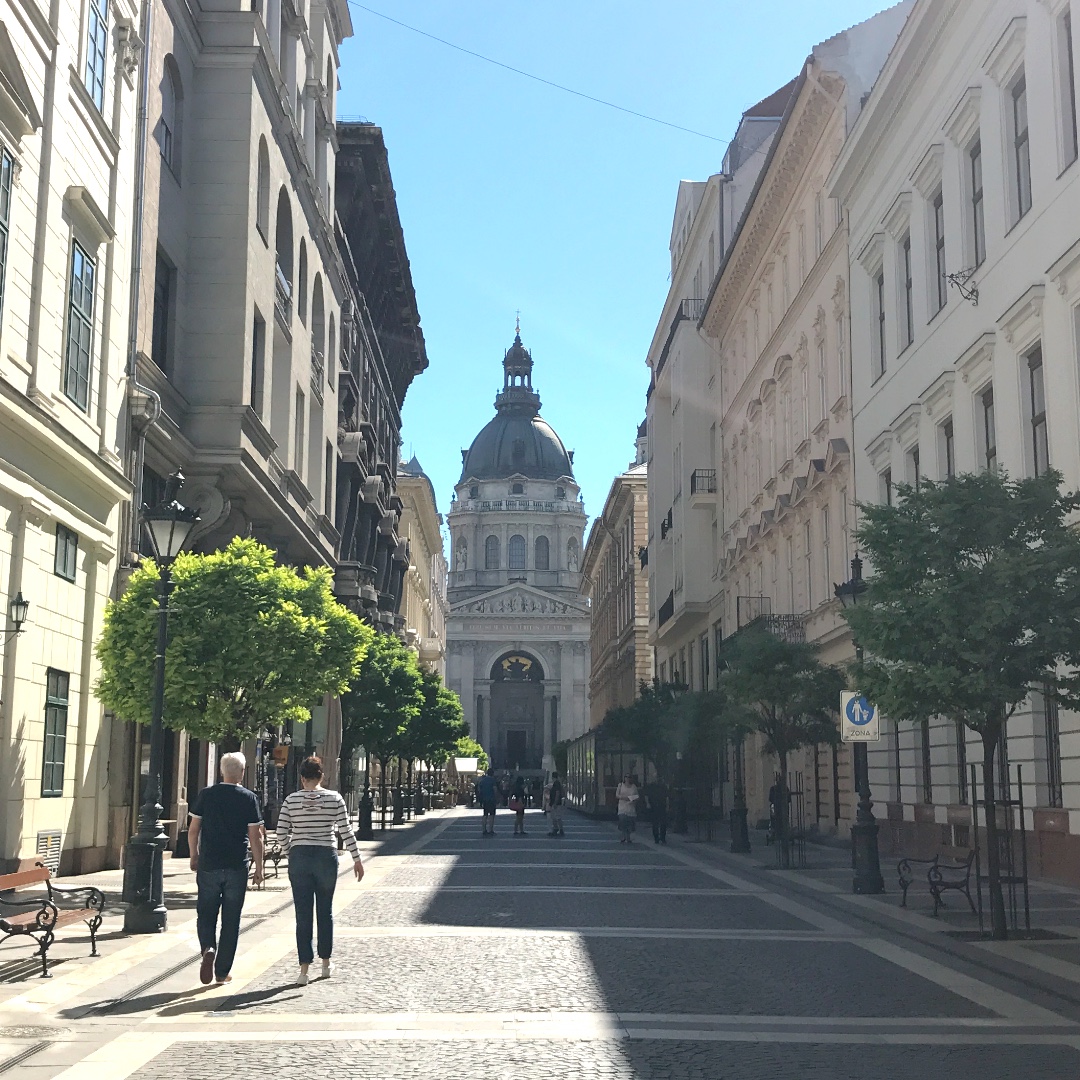
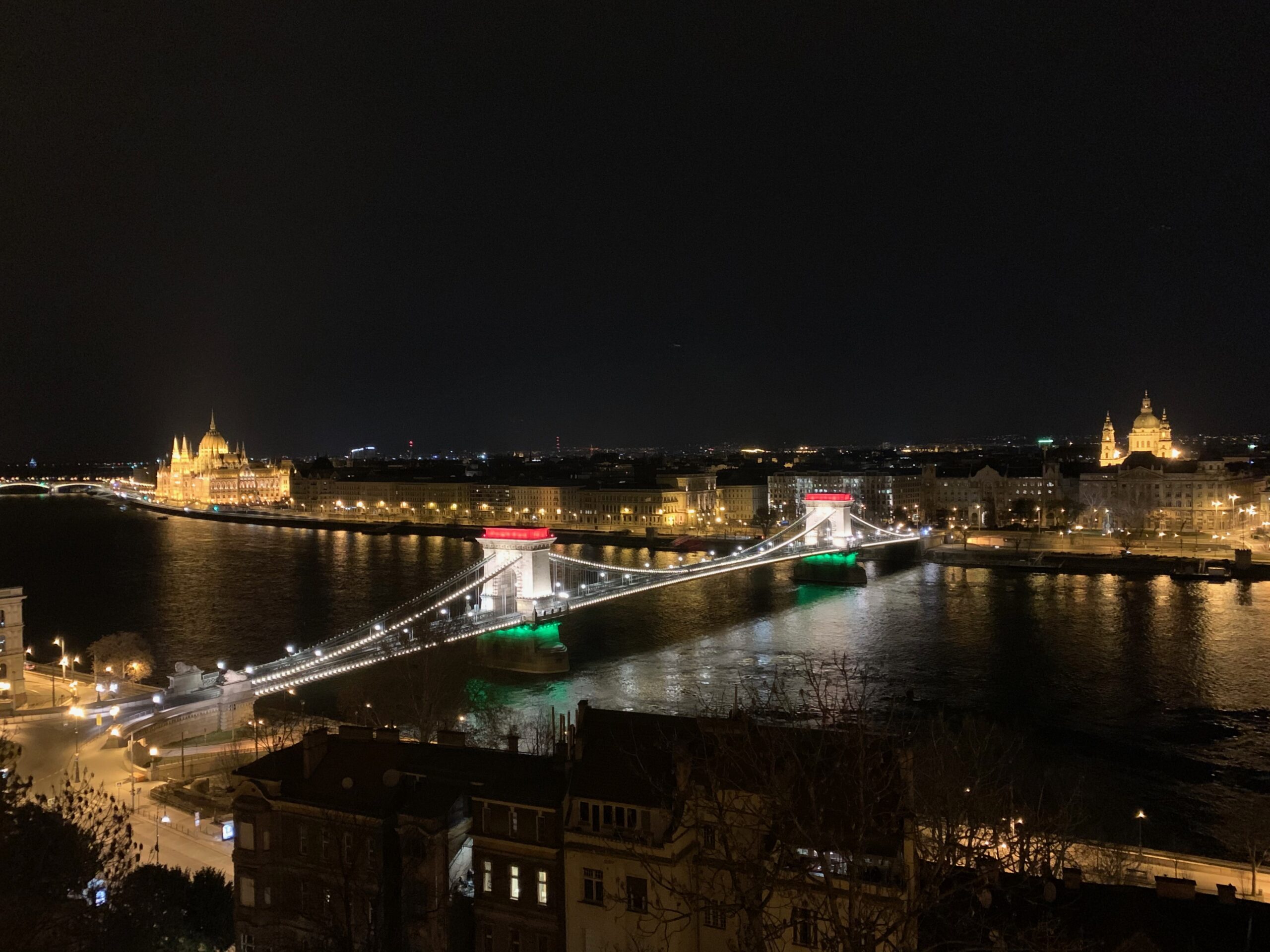
This is my favourite season and I can’t get enough of the spring colours, smells and lights. Here are a few pictures but they don’t do justice, I recommend you come and see for yourself in person or virtually!


One of my favourite moments of the day is when the street lights of Budapest are switched off just a few minutes before sunrise. Eventually the best place to film it from is the very top of the Fisherman’s Bastion.


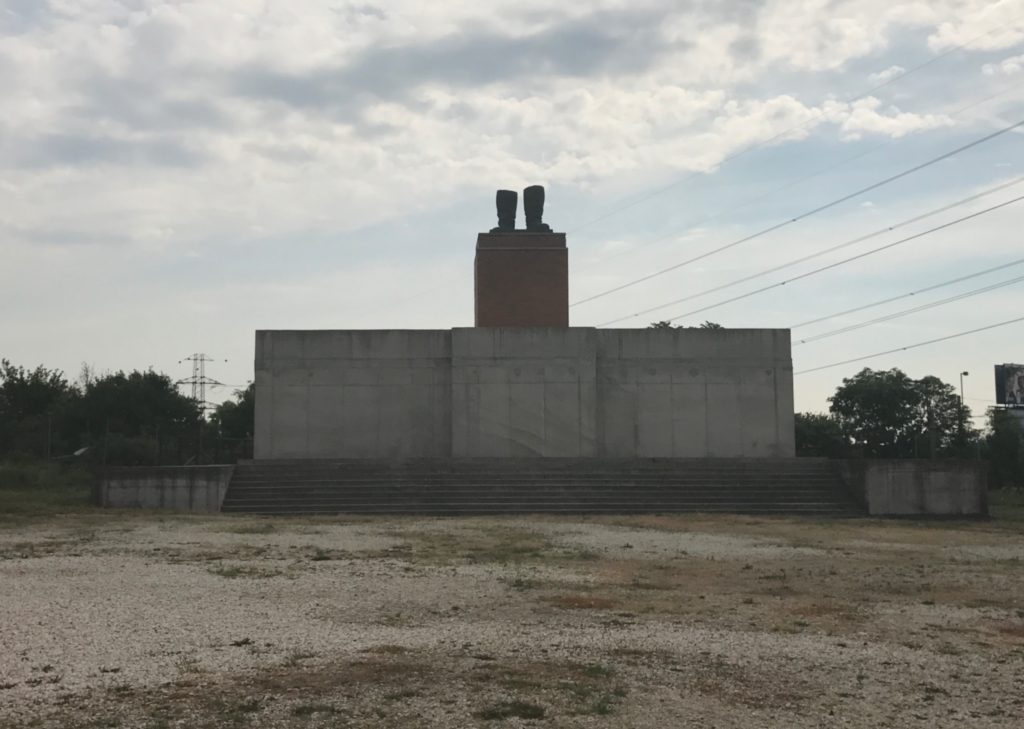
Among Budapest’s statues, few are as striking — or as symbolic — as Stalin’s Boots. What remains today is not a full monument, but a fragment, and that absence is exactly what gives it its power.

This statue is part of my ongoing Statues of Budapest series, which explores how monuments reflect the city’s history, memory, and identity.

The original Stalin statue

In 1951, a giant statue of Joseph Stalin, approximately eight meters high, was erected in Budapest to commemorate his 70th birthday. The monument was intended as a display of loyalty and political obedience during Hungary’s communist era.

Towering over its surroundings, the statue was meant to project authority and permanence.

What happened in 1956?

During the Hungarian Revolution of 1956, protesters tore down the Stalin statue as a powerful act of resistance. The figure itself was destroyed — but the boots remained standing.

This image quickly became iconic: the ruler was gone, but the empty boots were left behind, symbolizing the collapse of imposed power and the rejection of dictatorship.

Where can you see Stalin’s Boots today?

A replica of Stalin’s Boots can be seen today at the entrance of Memento Park in Buda. The park is dedicated to monuments from Hungary’s socialist period, preserving them as historical documents rather than political symbols.

Seeing the boots outside their original context helps visitors understand how Hungary chose to remember — rather than erase — this chapter of its past.

Why Stalin’s Boots still matter

Unlike traditional statues that glorify individuals, Stalin’s Boots represent absence, resistance, and memory. They tell the story of 1956 without words and remain one of Budapest’s most powerful visual reminders of the communist period.

Explore more: Stalin’s Boots are part of my broader Statues of Budapest collection, featuring monuments that reveal the city’s layered and often complex history.

Stalin’s Boots in Budapest – A Symbol of the 1956 Revolution


Today is a national holiday in Hungary, we celebrate the outbreak of the revolution of 1848-1849.

Today we celebrate our national independence, the freedom of speech, the freedom of press and we remember the heroism and the courage of the young Hungarians who became united to confront and fight the oppressors.

I hope that the spirit of the revolution lives on in the Hungarian soul and we never give up fighting for the values our ancestors had been fighting for 173 years ago.


A film directed by: Dániel Ács

Editor and Graphic Design: Bence Kiss; Directors of Photography: Tamás Botos, Máté Kőrösi, Zsófia Szász; Colorist: Balázs Budai; Sound engineer: Péter Terner; Production assistant: Veronika Kiss; FPV drone: Cinewhoop Hungary; Translation: Anna Klaniczay


Trianon Memorial Budapest – a delicate subject I’m happy to discuss privately

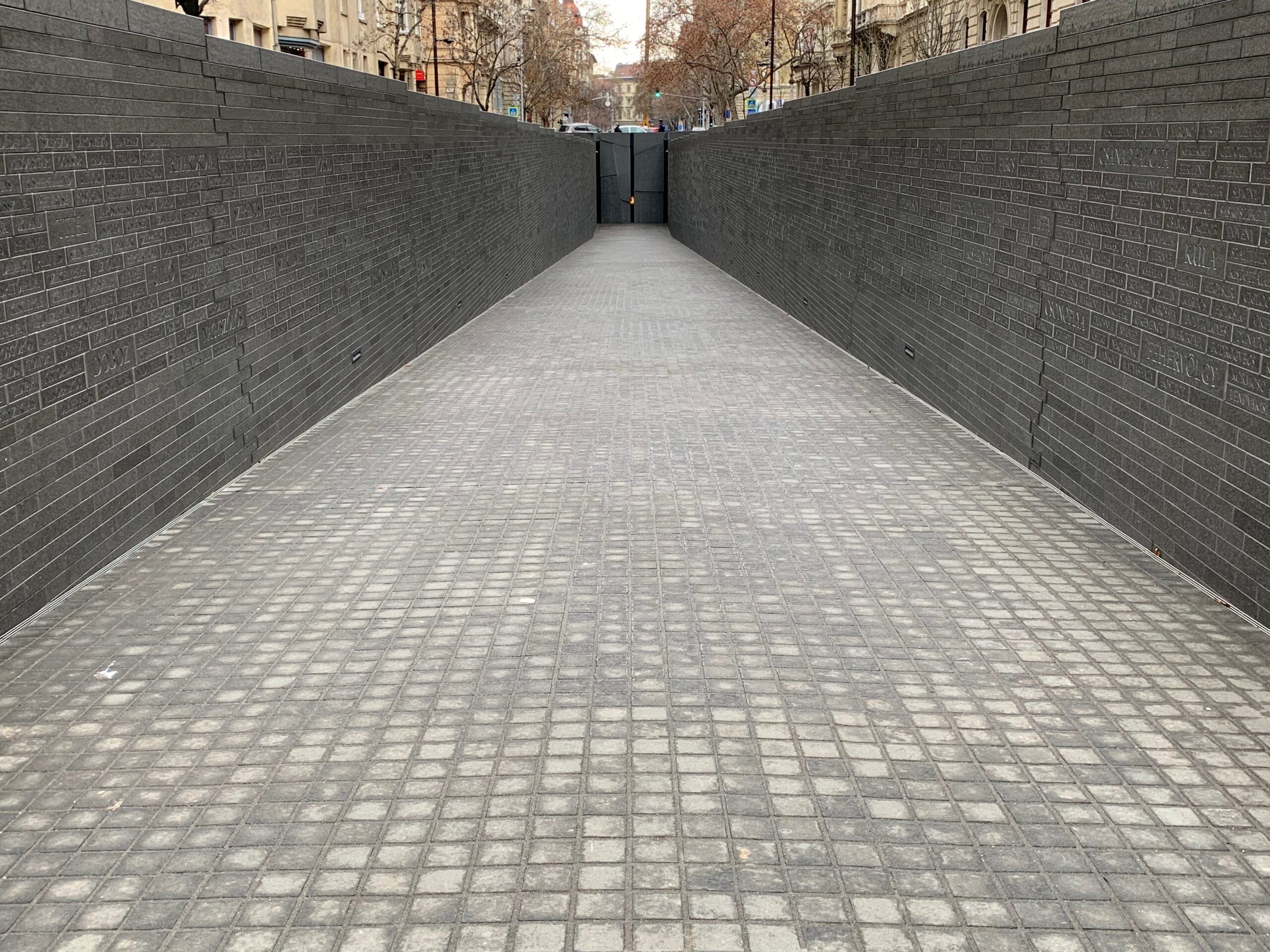
The Trianon Memorial of Budapest (also known as the Memorial of National Unity or Solidarity / Nemzeti Összetartozás Emlékhelye) was inaugurated in 2020 to mark the 100th anniversary of the treaty signed at the Grand Trianon Palace in Versailles on June 4, 1920. I’ve hesitated to write about it because it’s deeply personal for many—and it often comes up on my Communist Budapest private walking tours. This post shares my perspective and invites respectful conversation in a private tour setting.

Quick context: What the Treaty of Trianon meant for Hungary

After World War I, Hungary lost about two-thirds of its pre-war territory and a significant portion of its ethnic Hungarian population found themselves outside the new borders. From the early 1920s, Hungarian politics frequently pursued revision of the settlement—one of several factors that later aligned the country with the wrong side in World War II. Whether the treaty was “fair” is still passionately debated today; what’s clear is the enduring emotional impact.

Where it is and what you’ll see

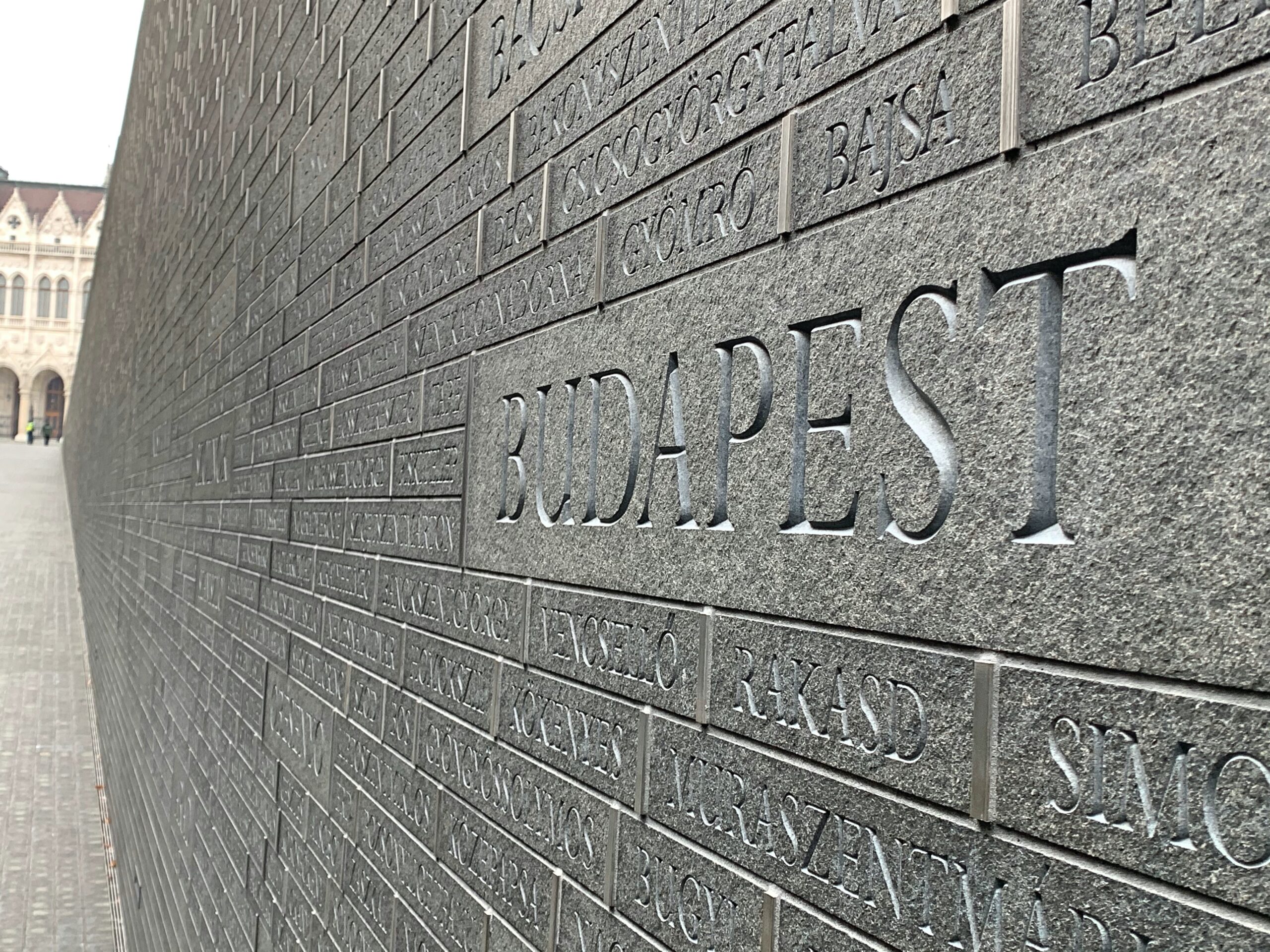
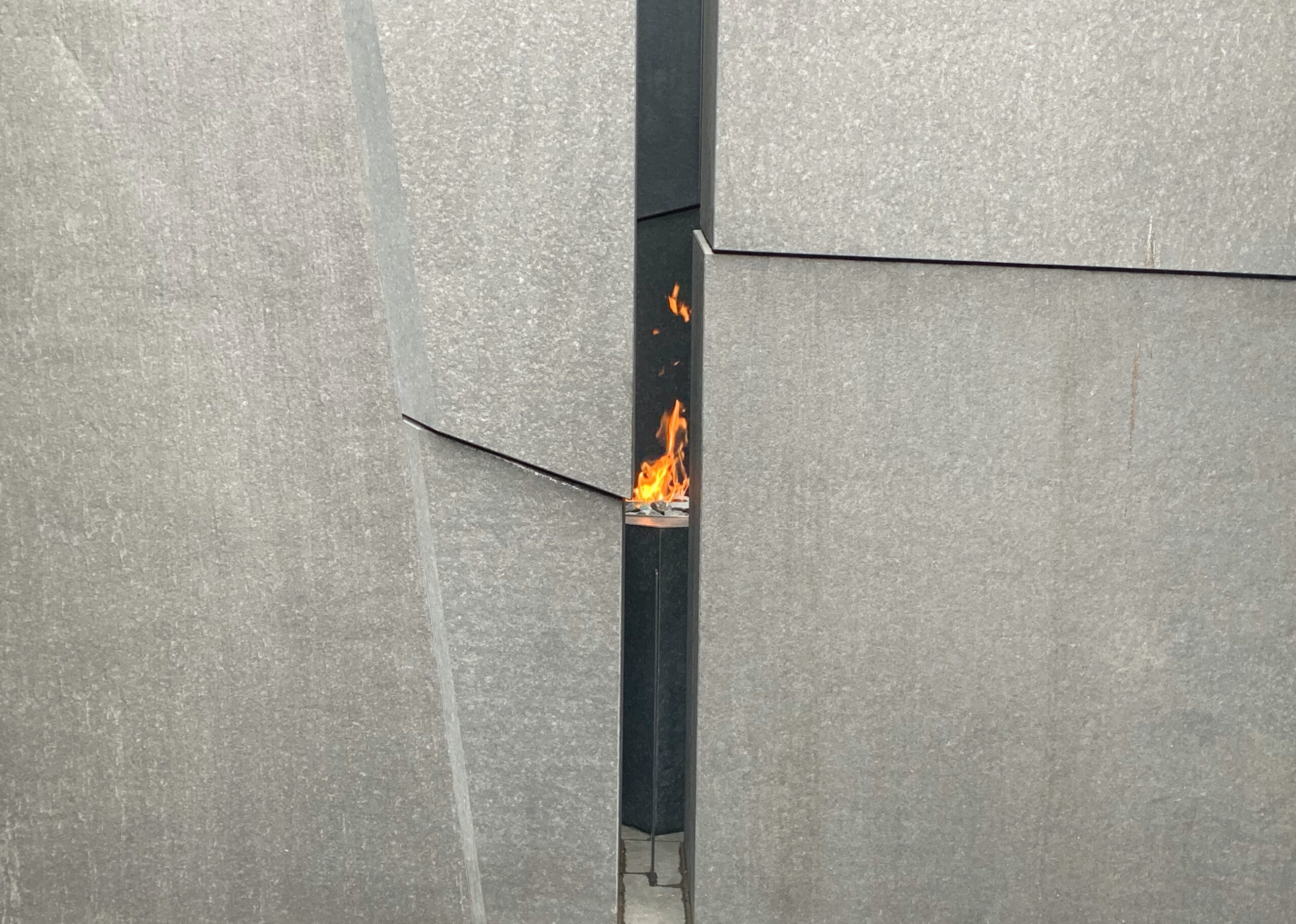
You’ll find the memorial on Kossuth Lajos Square, directly across from the Hungarian Parliament. The design is dark and somber: a roughly 100-meter descending passage with the names of thousands of Hungarian towns and villages that were once part of the country, engraved into metal panels. It’s intentionally austere and heavy—a place of mourning rather than celebration.

My take (with respect for all viewpoints)

  • What I value: The comprehensive roll call of place-names makes history tangible. It’s powerful to recognize communities by name rather than abstract numbers.

  • What I struggle with: The design ends in a dead end. As a guide and as a Hungarian, I believe our history is a continuum—we carry loss, but we also move forward. I miss a visual cue of continuity or hope. Our story did not end in 1920.

I share this not to settle the debate, but to explain why the memorial can feel emotionally closed to some visitors while profoundly validating to others.

Practical visiting tips

  • Location: Kossuth Lajos tér (M2 metro: Kossuth Lajos tér)

  • Cost: Free, open air

  • When to go: Early morning or at dusk for quieter reflection and softer light

  • Accessibility: The passage is gently sloped but still below street level; take care in wet weather

Want to unpack this topic with context and care?

This subject is complex and sensitive. On my private Communist Budapest walking tour, we create space for thoughtful questions about Trianon, interwar politics, memory culture, and how these narratives shaped the communist period and everyday life. If you’d like a respectful, nuanced discussion tailored to your interests, I’m happy to guide it.

Book a private tour

Send me your preferred date and interests, and I’ll suggest an itinerary starting from Kossuth Lajos Square or your hotel.

FAQs

Is the Trianon Memorial political?
It’s a site of memory, and like many memorials, it’s read through different political and personal lenses. That’s part of why it’s controversial.

Why “Trianon” if it happened in Versailles?
The treaty defining Hungary’s new borders was signed in the Grand Trianon Palace, part of the Versailles complex—hence “Treaty of Trianon.”

Is it suitable for children?
Yes, with context. The design and subject matter are somber; older children often engage well with the historical discussion.


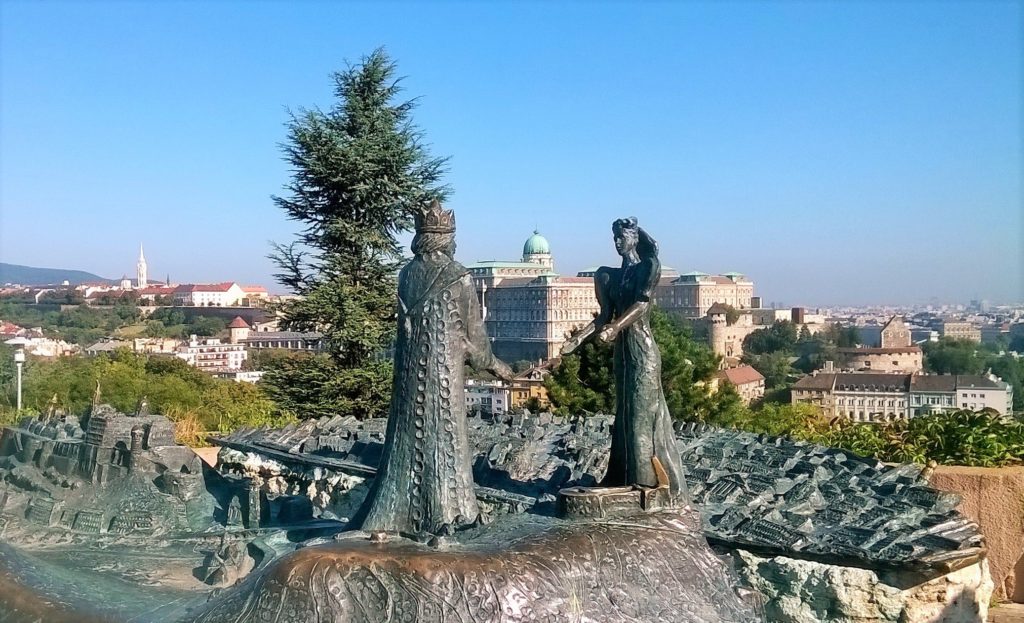
High above the Danube, on Gellért Hill, stands one of Budapest’s most poetic and quietly emotional statues: Prince Buda and Princess Pest. Unlike grand monuments celebrating power or victory, this sculpture tells a story of distance, longing, and separation.

This statue is part of my ongoing Statues of Budapest series, which explores how the city expresses its history and identity through symbolism rather than spectacle.

A love divided by the river

Prince Buda and Princess Pest represent the two historic halves of the city, once separated by the Danube River. In the statue, they face each other — close enough to see one another, yet permanently apart.

The story is often interpreted as a sad love tale, but it also reflects Budapest’s geography and history: two cities growing side by side, divided by water until their unification in the 19th century.

Where can you find the statue?

The sculpture is located on Gellért Hill, near the Garden of Philosophy, a peaceful and contemplative area overlooking the city. The setting adds to the statue’s emotional tone — quiet, reflective, and slightly removed from the bustle below.

Many visitors walk past without realizing the meaning behind the figures, yet once you know the story, it’s difficult to see them as anything other than symbols of the city itself.

Why this statue matters

Prince Buda and Princess Pest are not historical figures, but they express something deeply real: Budapest’s identity as a city shaped by division, connection, and eventual unity.

It’s a reminder that some of the city’s most meaningful statues are not the most famous ones — but those that quietly echo its soul.

Explore more: This statue is part of my Statues of Budapest collection, featuring famous monuments and hidden gems across Buda and Pest.

Prince Buda and Princess Pest statue on Gellért Hill overlooking the Danube in Budapest