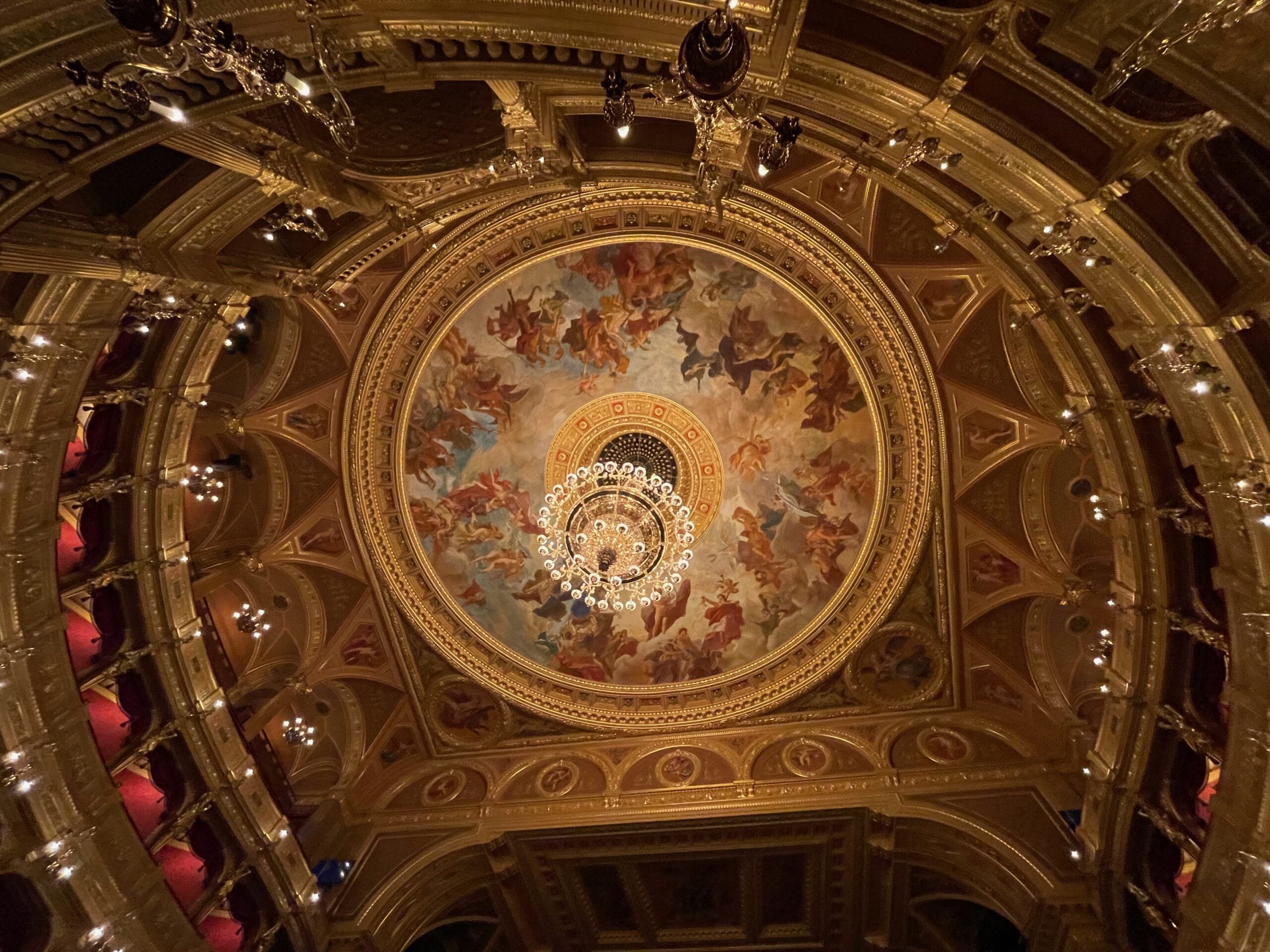
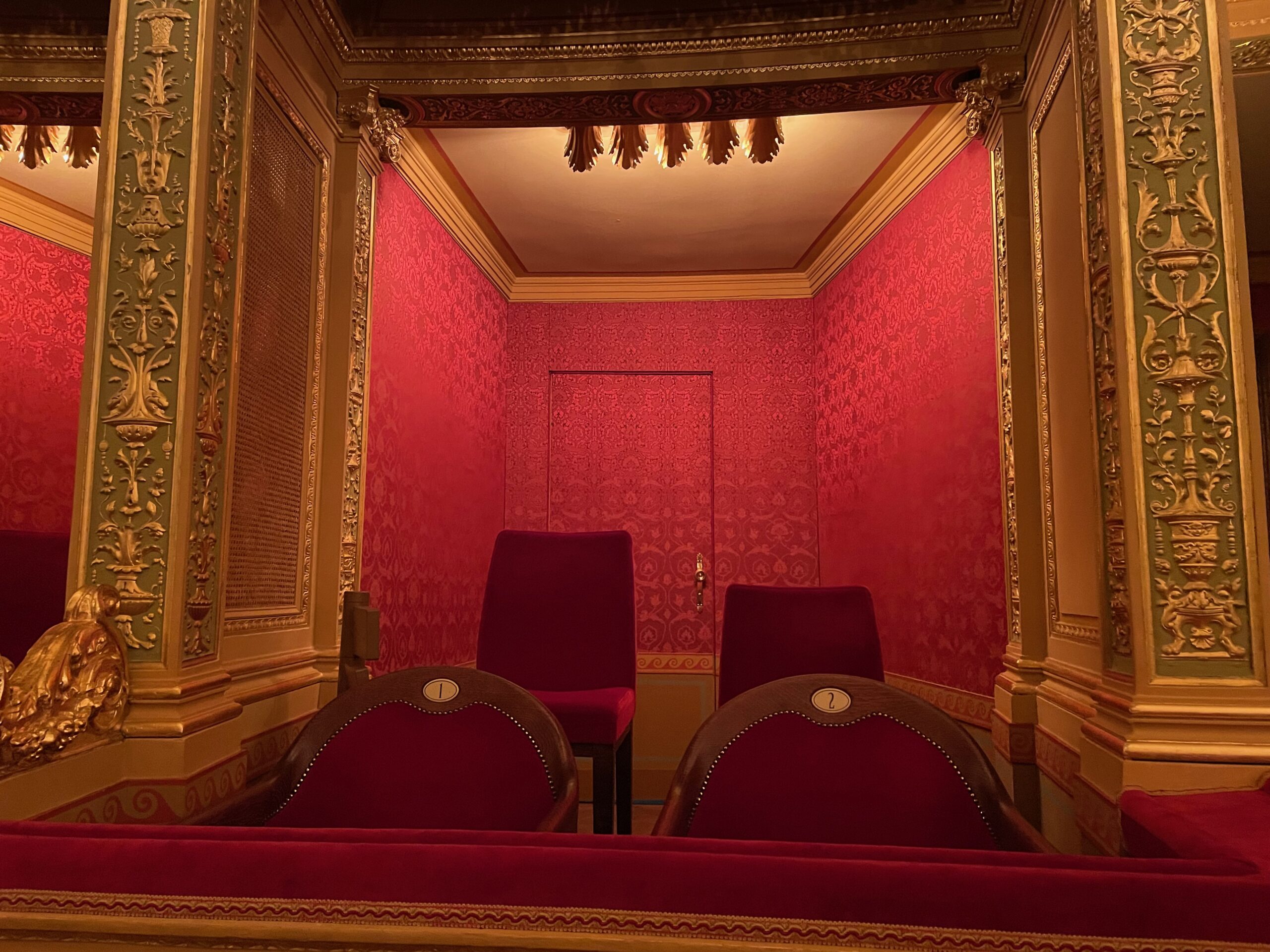
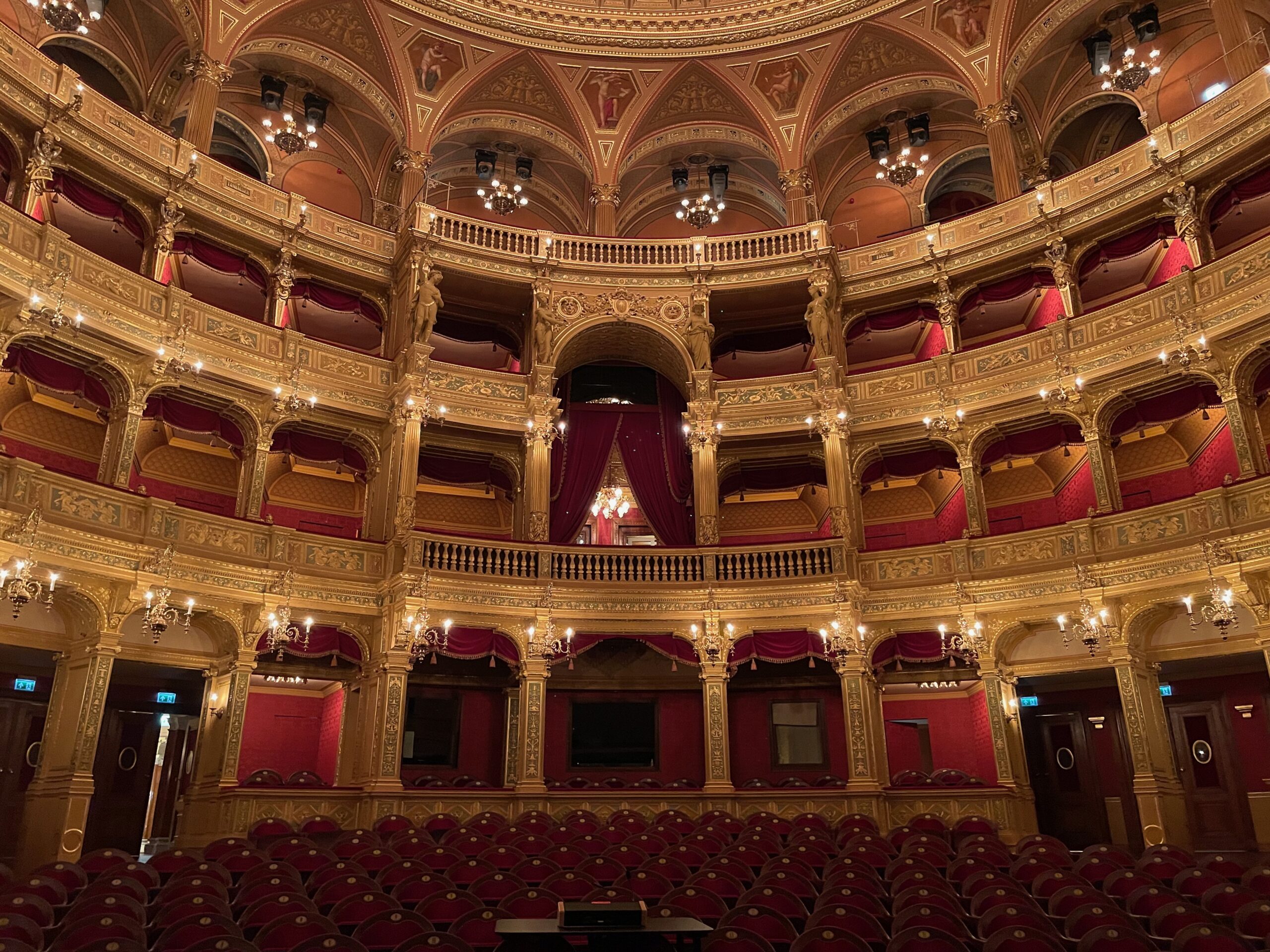
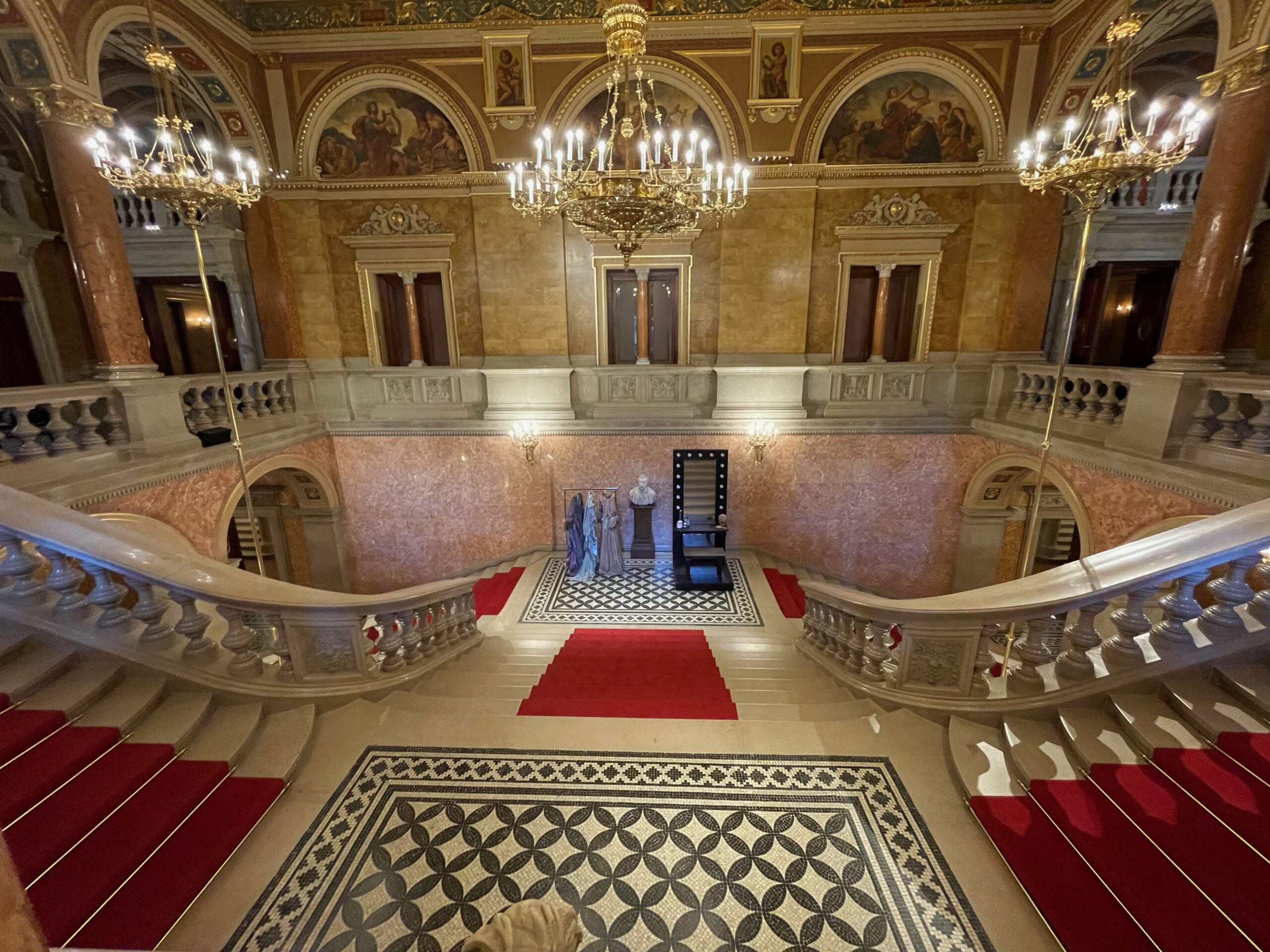
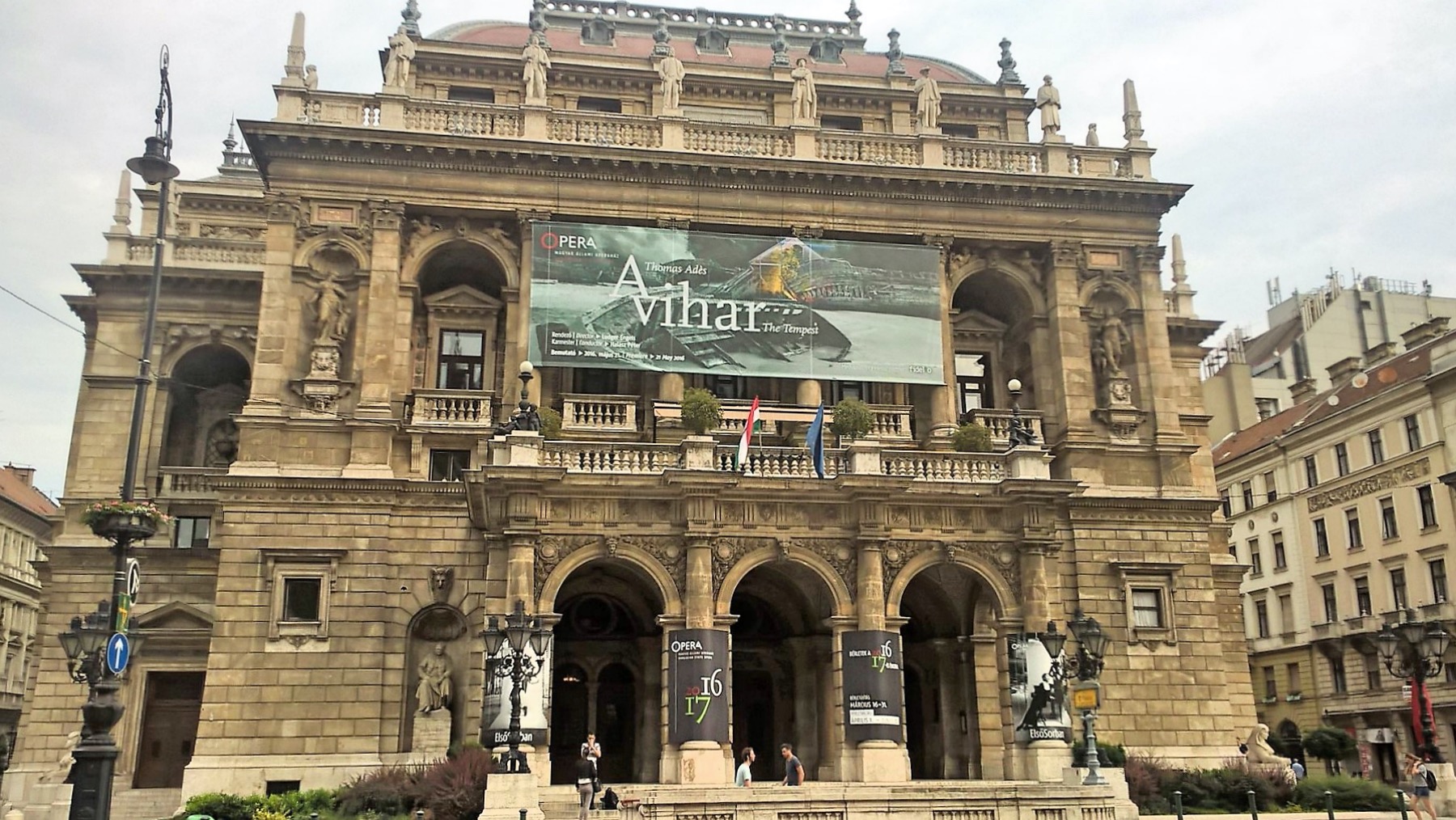
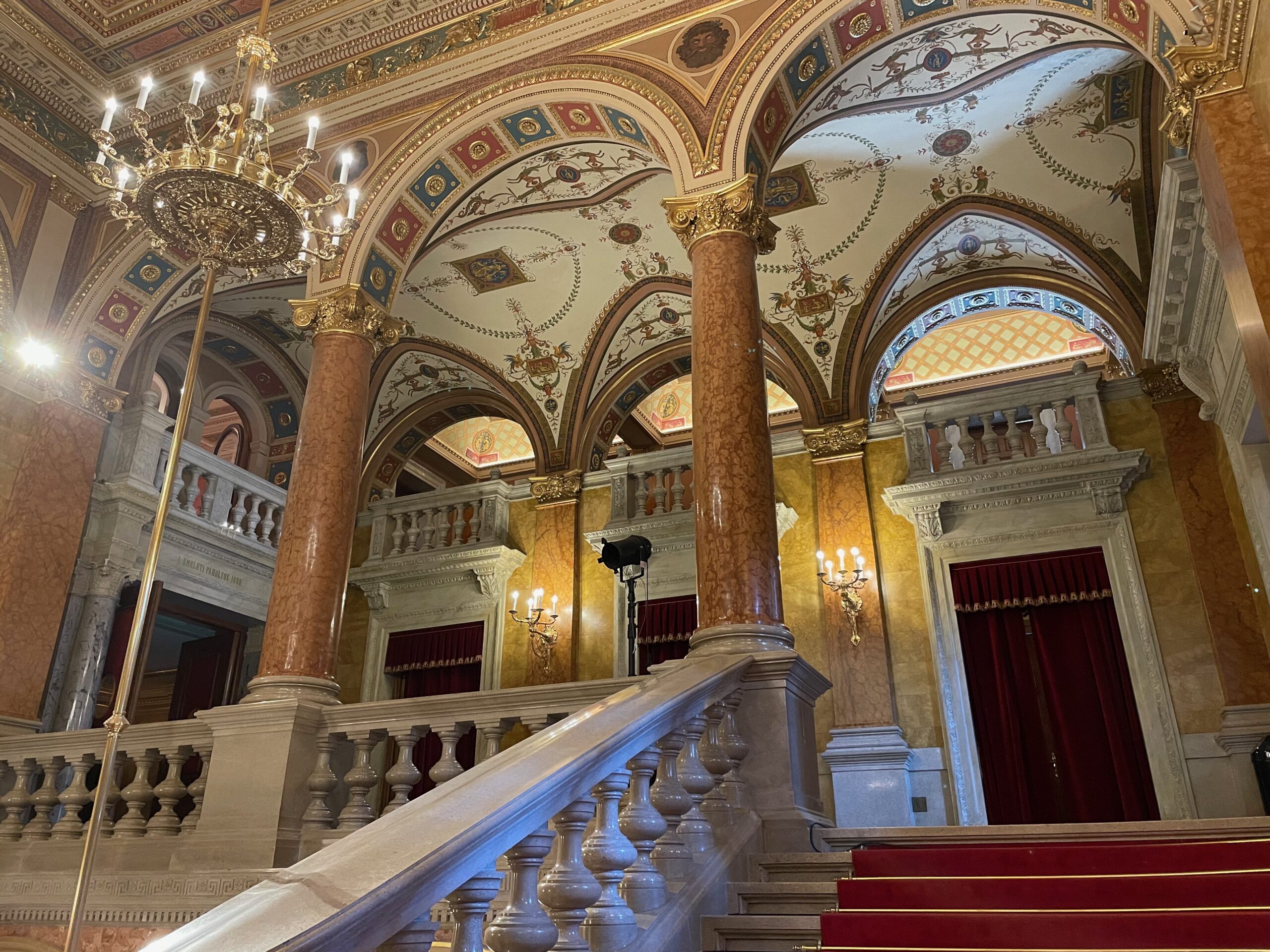
Shortly after the Hungarian State Opera House in Budapest reopened following several years of renovation, I finally had the chance to step inside again — and it was every bit as breathtaking as I had hoped.

I’ve always found the building overwhelming in the best possible way, and the renovation has only enhanced that feeling. The interior is simply magnificent. The colours are rich and harmonious, the decorative details are astonishing, and the Neo-Renaissance ornamentation feels as vibrant and alive as it must have been in the late 19th century.

Walking through the Opera House truly feels like time travel. The atmosphere, the soft lighting, even the familiar scents of the historic interior all contribute to the sensation of stepping back into the golden age of Budapest. Nothing feels over-restored or artificial — instead, the building feels carefully revived, respectful of its original spirit.

A masterpiece reborn

Designed by Miklós Ybl and opened in 1884, the Opera House has always been one of Budapest’s architectural crown jewels. The recent renovation has allowed visitors to experience Ybl’s vision with renewed clarity, revealing details that had faded or disappeared over time.

From the grand staircase to the richly decorated auditorium, every space invites you to slow down and look closer.

How to visit the Opera House

There are several wonderful ways to experience the Hungarian State Opera House:

  • Attend an evening performance – the most immersive option, combining architecture and music

  • Join a guided interior visit, which offers insight into both the building and its history

  • Private visits, which can be incorporated into a customised itinerary

The Opera House can easily be included in a walking or driving tour, especially when exploring Andrássy Avenue and the surrounding area.

If you’re interested in visiting the Opera House during your stay, feel free to contact me — I’m happy to help plan the visit and include it seamlessly in your Budapest itinerary.

An essential experience in Budapest

The renovated State Opera House is not just something to see — it’s something to feel. Elegant, atmospheric, and deeply connected to Budapest’s cultural identity, it remains one of the city’s most unforgettable interiors.

Whether you visit for a performance or simply to admire the architecture, this is a place that stays with you long after you leave.

There are a few buildings in Budapest that I genuinely love, and Mai Manó House is definitely one of them. Located just a short walk from Andrássy Avenue, this elegant and slightly whimsical building is full of small details — the kind that reward those who slow down and really look.

We often pass by it while exploring the Pest side of the city, and every time, it feels like discovering it all over again.

A house built for a photographer

Mai Manó House was designed in the 1890s for Mai Manó, the court photographer of Emperor Franz Joseph. As one of the most respected photographers of his time, Mai Manó made sure his profession was proudly reflected in the building itself.

Look closely at the façade and you’ll notice charming details: small angels holding cameras, allegorical figures representing the muses of photography, and richly coloured ceramic tiles that give the building its unique character. The architectural style is Neo-Renaissance, enhanced with floral and animal motifs that add warmth and playfulness to the design.

It’s a façade that doesn’t just decorate the street — it tells a story.

Inside the House of Hungarian Photography

Today, the building functions as the House of Hungarian Photography, hosting both permanent and temporary exhibitions. The exhibitions change regularly, making it a rewarding stop even for repeat visitors.

The interior is just as fascinating as the outside. Elegant staircases, decorative elements, and carefully restored spaces create a calm, inspiring atmosphere — the perfect setting for photography exhibitions that often reflect on history, identity, and contemporary visual culture.

Visiting Mai Manó House

Mai Manó House can be visited, but opening hours may vary depending on exhibitions and events. It’s not a large museum, which makes it ideal as a quiet cultural stop rather than a rushed sightseeing attraction.

It fits particularly well into:

  • Budapest Art Nouveau and turn-of-the-century walks

  • Photography- or art-focused itineraries

  • Customised private tours for visitors looking beyond the usual highlights

If you’d like to include Mai Manó House in your Budapest itinerary, I’m happy to advise on timing and how it can best be combined with nearby sights.

A hidden cultural gem

Mai Manó House may not be on every visitor’s list — and that’s exactly what makes it special. For those interested in architecture, photography, and the cultural layers of Budapest, it’s a place that quietly leaves a lasting impression.

If you enjoy discovering Budapest through its stories, details, and creative spaces, this is a stop well worth making.

Set in the City Park of Budapest, the House of Hungarian Music is one of the city’s most exciting contemporary cultural spaces. Both the building and the exhibitions inside are designed to surprise, inspire, and invite visitors to experience music in a completely new way.

From the moment you approach it through the trees, it’s clear that this is not a traditional museum.

A futuristic landmark in the park

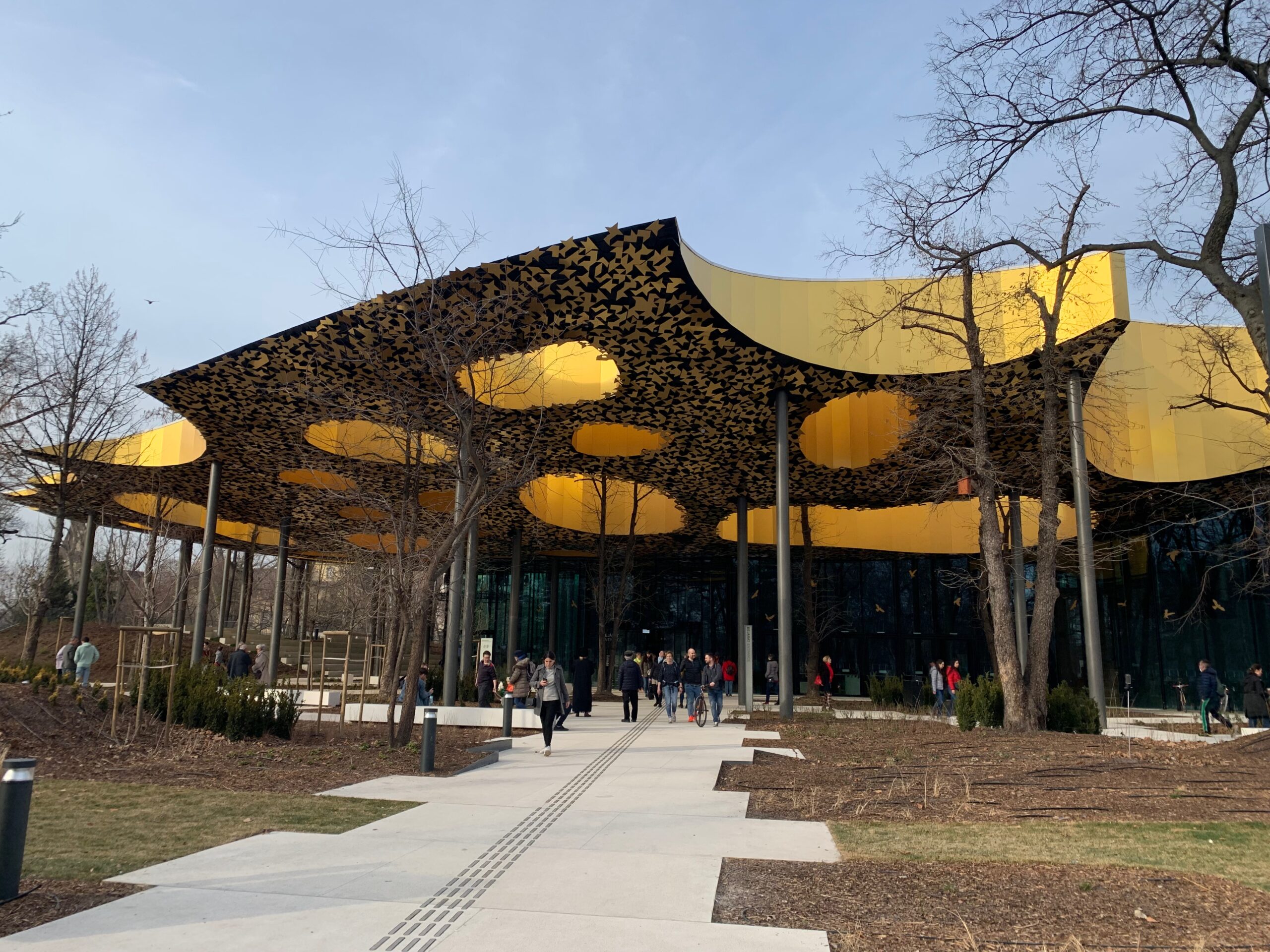
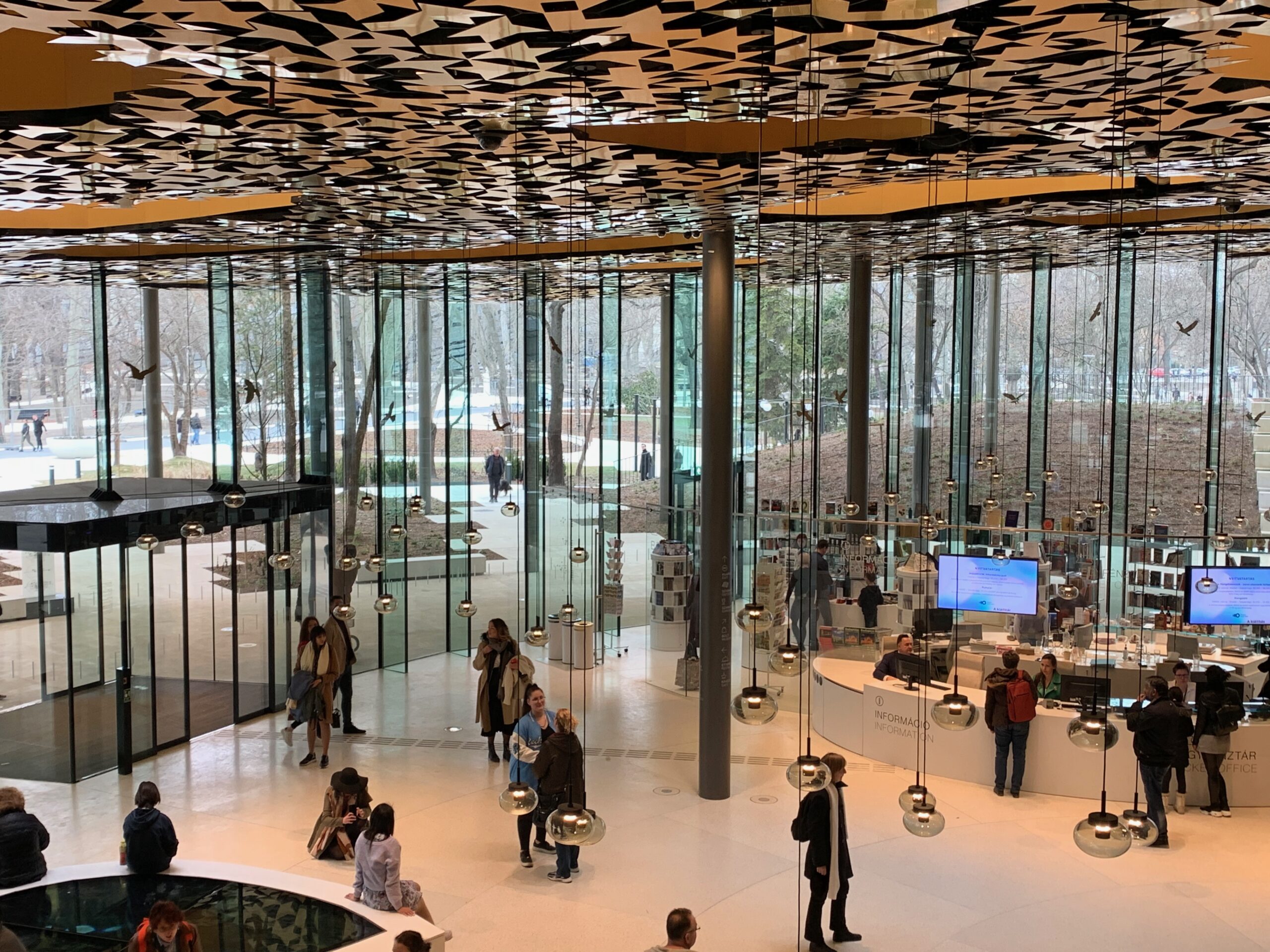
The building was designed by Japanese architect Sou Fujimoto, and its appearance is as bold as its concept. With its flowing forms and unusual silhouette, it almost feels like an ornate spaceship that has gently landed among the trees of City Park.

One of its most striking features is the series of 12-metre-high glass walls, which blur the boundary between inside and outside. Hundreds of golden, stylised leaf motifs decorate both the exterior and interior, creating the impression of a shimmering golden forest. On sunny days, the light reflects beautifully on each leaf, making the entire structure feel alive.

A building growing out of the park

What I love most about the House of Hungarian Music is how organic it feels. Despite its contemporary design, the building doesn’t dominate its surroundings — instead, it seems to grow out of the park itself.

The main architectural concept was to integrate the building into the natural environment of City Park, and this idea is present everywhere. The sweeping roofline echoes the movement of tree canopies, while the vast glass surfaces reflect the greenery around them. Trees, plants, and landscaped paths flow naturally around the structure, blurring the line between architecture and nature.

Even the everyday elements — paths, benches, and nearby walkways — feel intentionally woven into the setting. Walking around the building, it never feels isolated or imposing; rather, it becomes part of the park’s rhythm, changing character with the light, the seasons, and the movement of people around it.

This harmony between nature, movement, and music is what makes the House of Hungarian Music truly special — and it’s the detail that stays with me the longest.

An immersive musical experience

Inside, the museum invites visitors to experience music with all their senses.

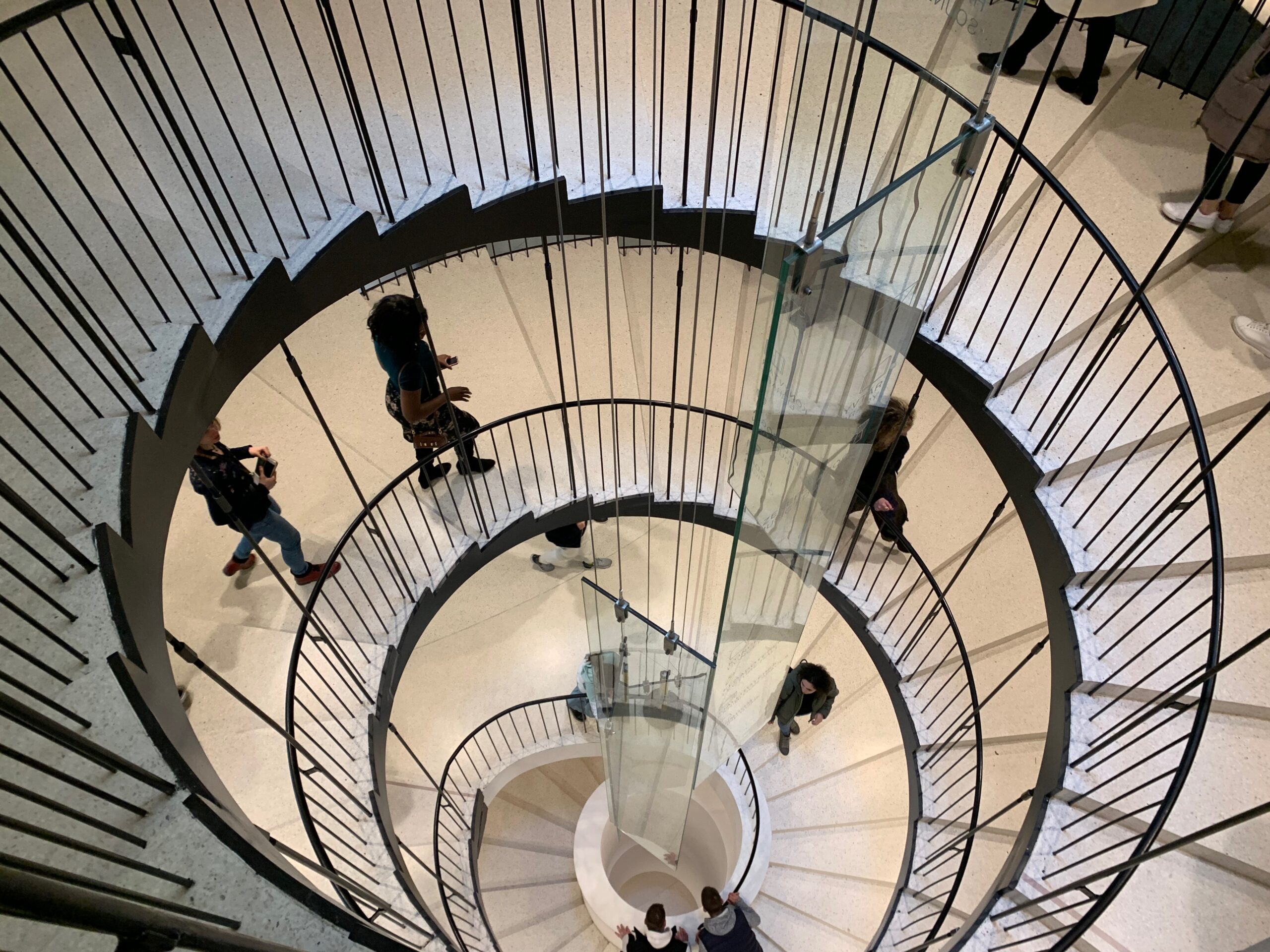
One of the highlights is the Sound Dome, where a unique audio-visual show surrounds you with music and sound coming from all directions. As the layers gradually come together, the experience feels almost experimental — like witnessing a carefully crafted musical reaction unfolding in real time.

Beyond the dome, the permanent exhibition takes visitors on a journey through Hungarian music across different periods and styles. This is not a museum you rush through: interactive elements, listening stations, and thematic spaces easily keep visitors engaged for hours.

Music lovers should plan to spend 2–3 hours exploring the exhibitions and installations.

Visiting the House of Hungarian Music

The House of Hungarian Music can be visited independently, and guided visits are sometimes available. As it is a very popular attraction, opening hours and ticket availability can vary, especially during weekends or school holidays.

If you’d like to include it in your Budapest itinerary, I recommend planning ahead. I’m happy to advise on timing and how best to combine it with nearby sights in City Park.

Part of a customised Budapest itinerary

The House of Hungarian Music fits beautifully into:

  • Cultural and contemporary architecture tours

  • Music-focused itineraries

  • Customised private tours that combine historic Budapest with modern highlights

It also pairs well with other City Park landmarks, making it an easy and rewarding stop during a relaxed day in this part of the city.

A modern must-see in Budapest

Innovative, immersive, and visually striking, the House of Hungarian Music offers a fresh perspective on Hungary’s rich musical heritage. Whether you are deeply passionate about music or simply curious to experience something different, this museum is one of Budapest’s most memorable modern attractions.

If you’d like help planning a visit or building a personalised itinerary that includes the House of Hungarian Music, feel free to get in touch.
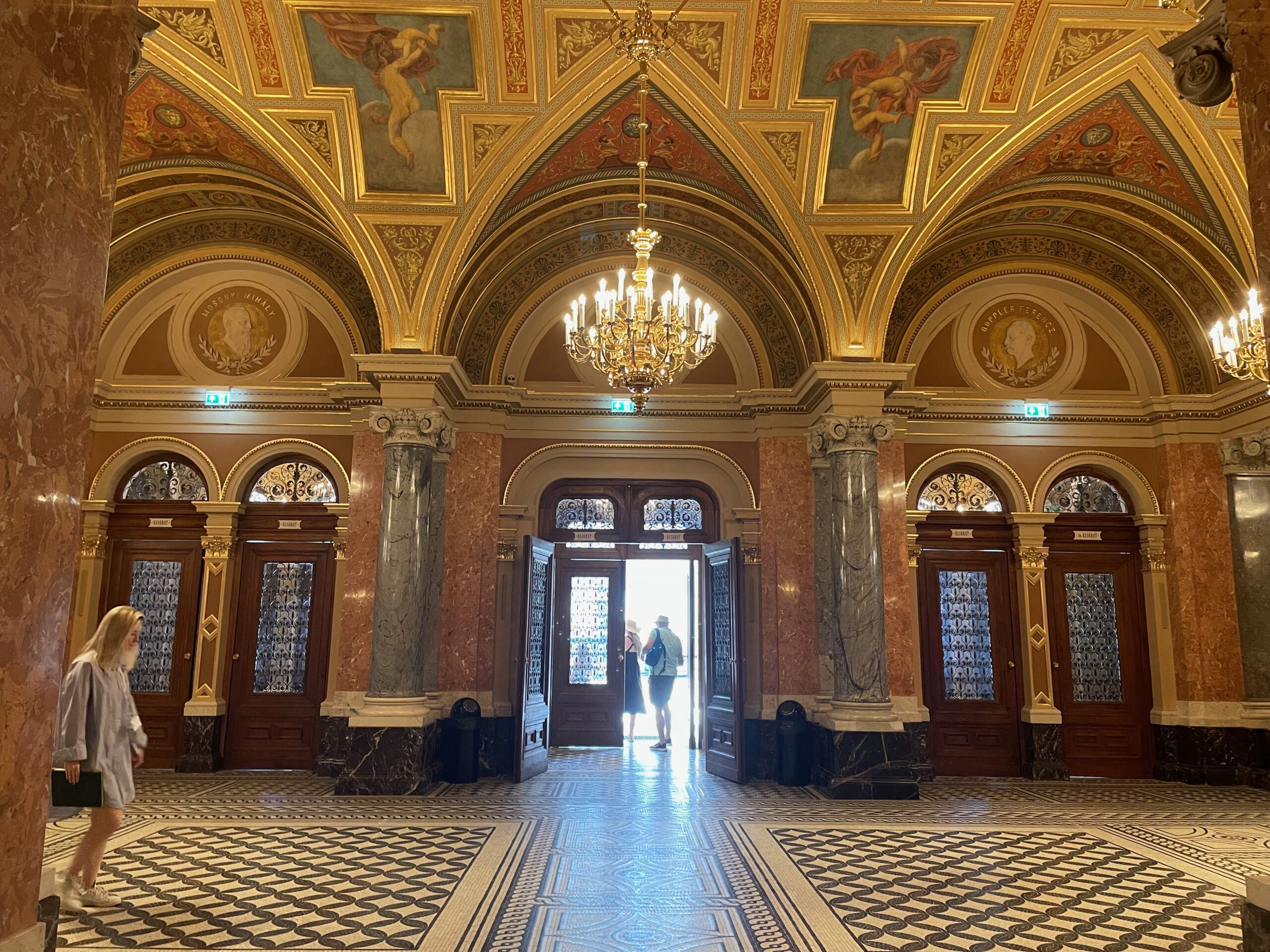
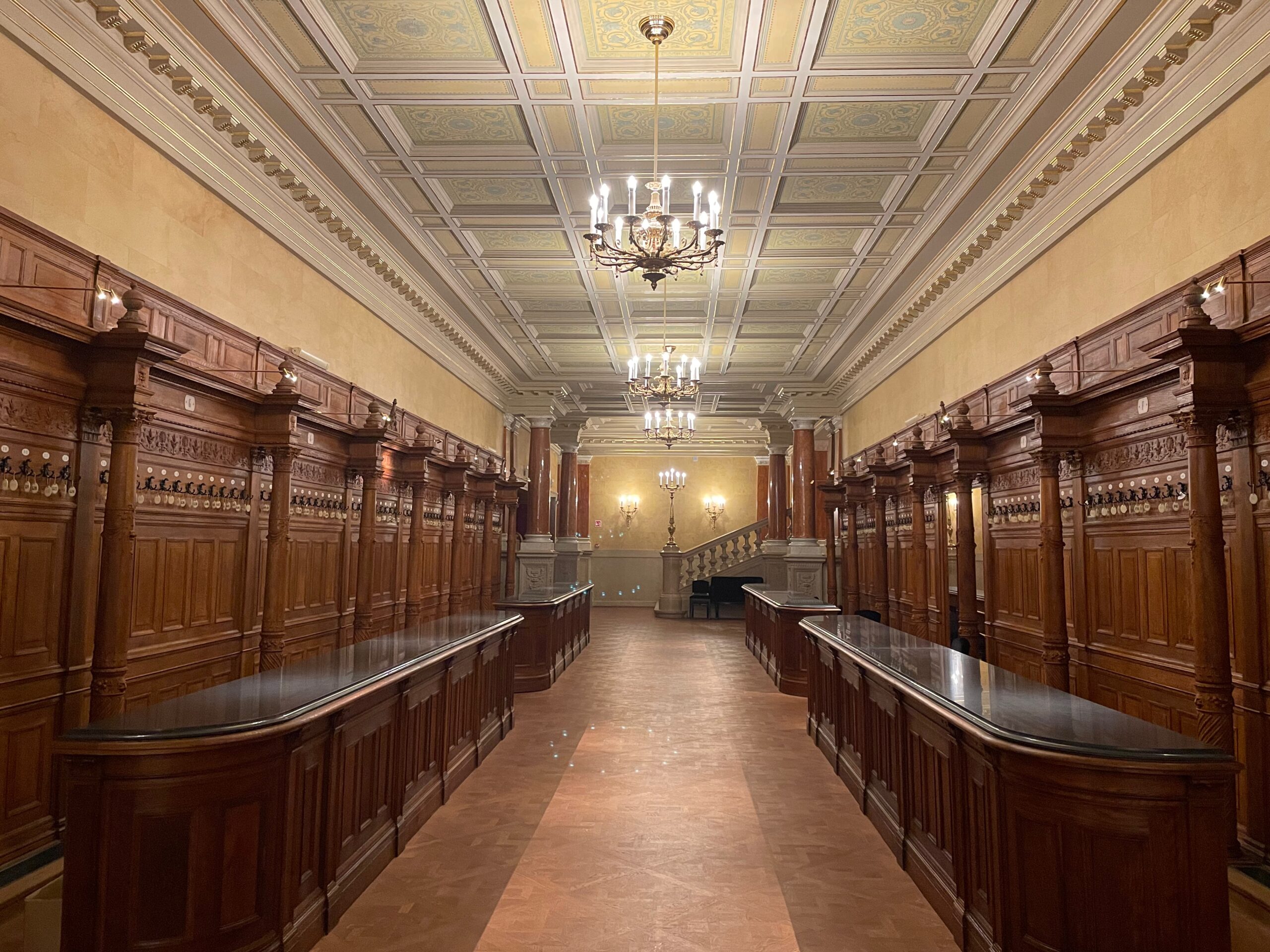
 

Located in the elegant 6th district of Budapest, the Academy of Music is one of those buildings that truly deserves the label hidden gem. From the outside, it already impresses — but stepping inside feels like entering a finely crafted jewellery box.

Officially known as the Liszt Ferenc Academy of Music, the building serves both as a music university and a world-class concert hall. It opened its doors in 1907 and has been a cornerstone of Hungarian musical life ever since.

Architecture worth slowing down for

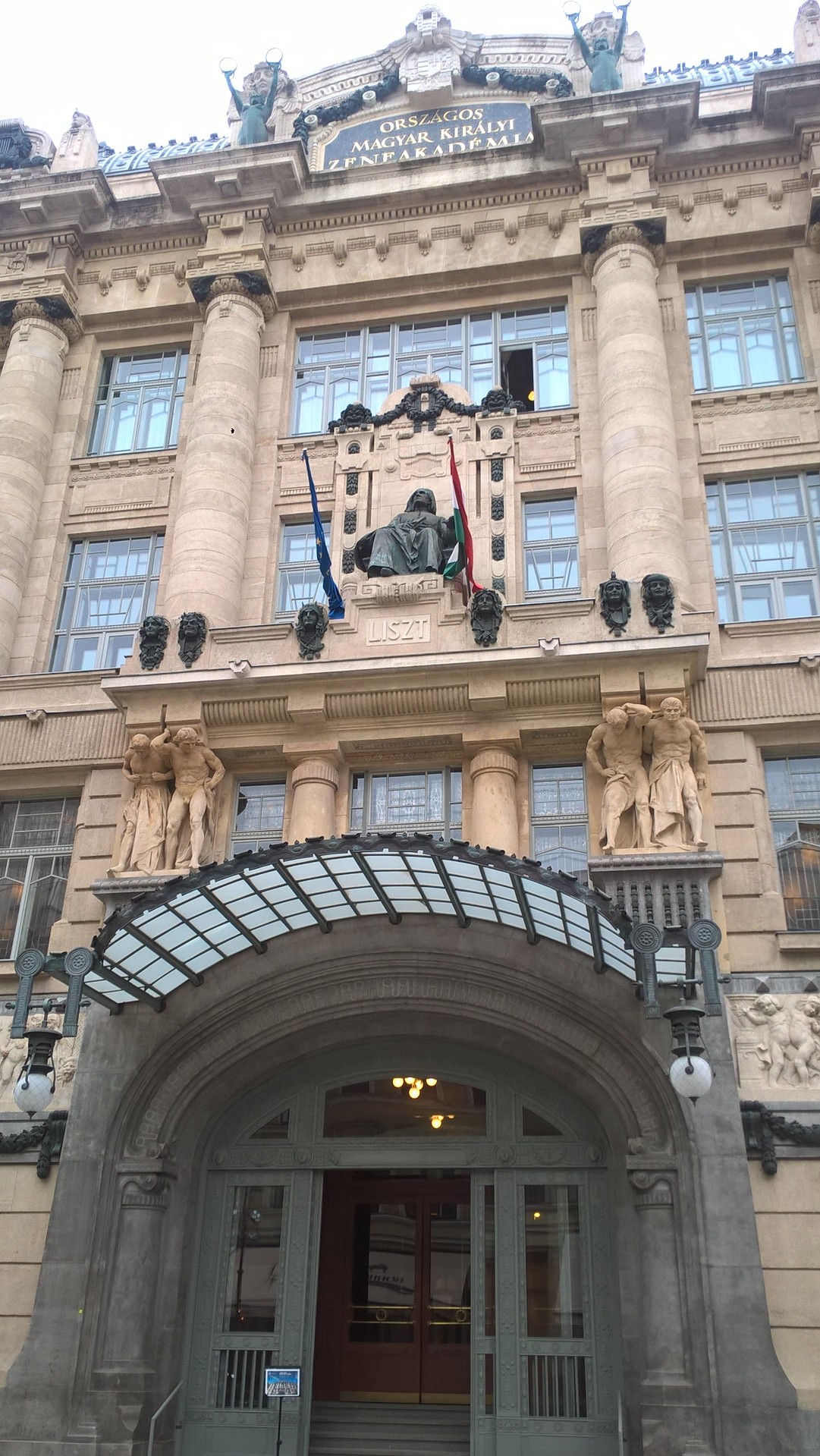
Architecturally, the Academy of Music is a fascinating blend. The dominant style is Art Nouveau, enriched with elements of Gothic and Classicism. The façade alone can keep you busy for several minutes: ornate details, symbolic figures, and rich decorative motifs appear everywhere you look.

Many visitors walk straight past the entrance without noticing the statue of Franz Liszt positioned above it — which is a pity, as Liszt’s presence here is far more than symbolic.

Liszt, Hungary’s most famous composer, founded the music academy in 1875 in his own home. The institution was later named after him in 1925, honouring his immense contribution to Hungarian and European musical culture.

Visiting the Academy of Music

The building can be visited, but access is limited.

  • There are guided tours available at certain times

  • Opening hours for visitors are restricted and subject to change

  • The Academy is still an active university and concert venue, so public access depends on rehearsals and events

If you’d like to include the Academy of Music in your Budapest itinerary, it’s best to plan ahead. I’m happy to check current visiting options and see whether a tour or concert visit fits into your stay.

The best way to experience it: a concert

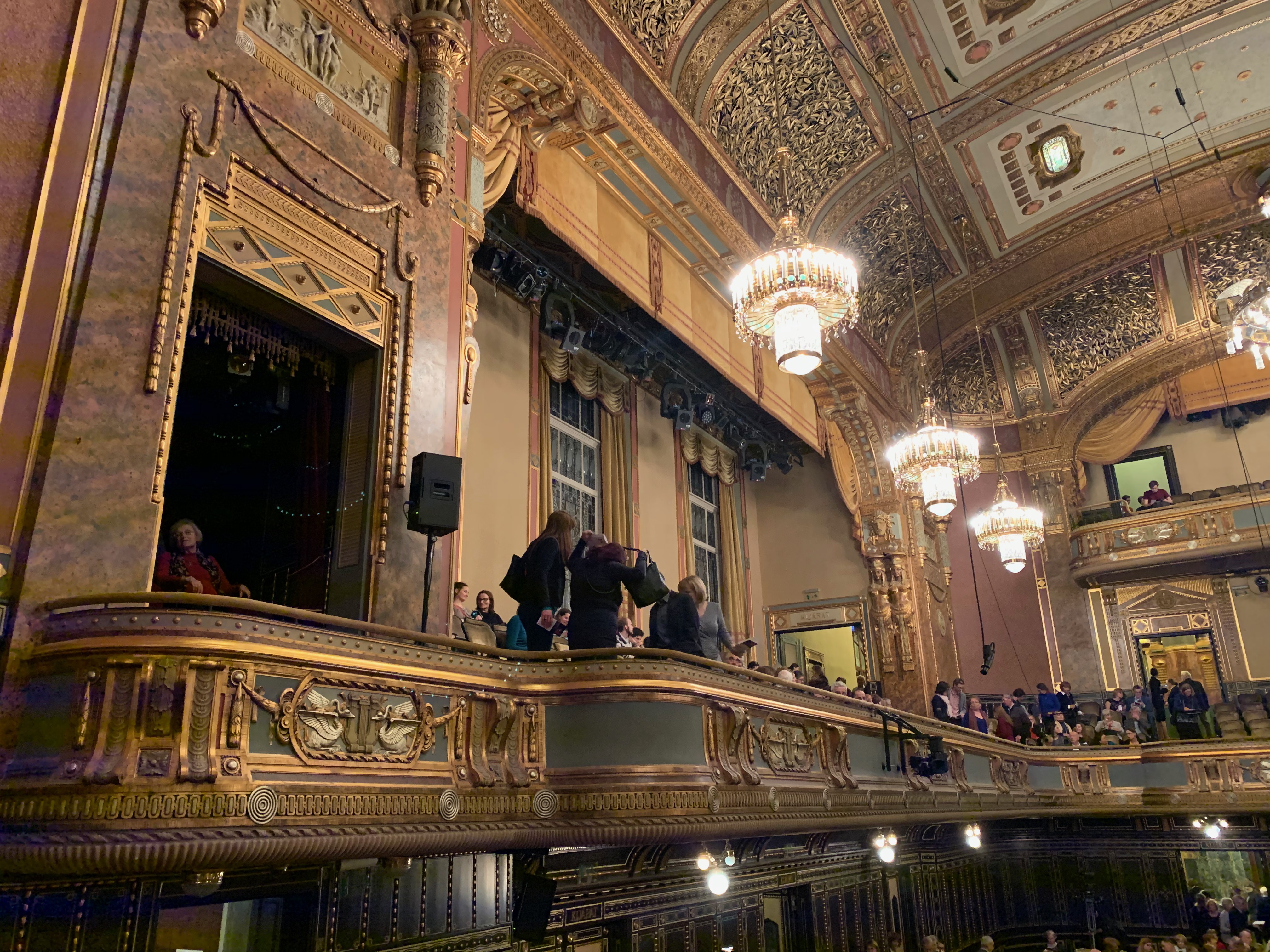
While guided tours are fascinating, the most memorable way to experience the Academy of Music is undoubtedly attending a concert. Hearing live music in this acoustically perfect, richly decorated space is something truly special — architecture and music enhancing each other in the best possible way.

Concert programs range from classical masterpieces to contemporary performances, making this an excellent evening experience during a Budapest visit.

Part of an Art Nouveau or customised tour

The Academy of Music fits perfectly into a Budapest Art Nouveau walk, where we explore how this artistic movement shaped the city’s architecture at the turn of the 20th century.

It can also be included in:

  • Architecture-focused tours

  • Music and cultural heritage walks

  • Fully customised private itineraries, tailored to your interests and pace

If you enjoy discovering Budapest through its artistic and cultural layers — rather than ticking off landmarks — this stop adds real depth to your experience.

A cultural landmark not to miss

Whether you admire it from the outside, explore it on a guided visit, or attend a concert inside, the Academy of Music is one of Budapest’s true cultural treasures. Elegant, expressive, and deeply connected to Hungary’s musical soul, it’s a place that leaves a lasting impression.

If you’re planning a trip and would like help building an itinerary that includes the Academy of Music — along with Art Nouveau highlights or other specialty experiences — feel free to get in touch.
Few buildings capture the spirit of Budapest as perfectly as the Hungarian State Opera House. Elegant, richly decorated, and steeped in history, it is one of the most impressive landmarks along Andrássy Avenue—Budapest’s grand boulevard, often compared to the Champs-Élysées.

At first glance, the Opera House impresses with its Neo-Renaissance façade, ornate statues, and monumental arched entrance. But as with many things in Budapest, the real magic begins once you step inside. Gilded staircases, frescoed ceilings, velvet-lined boxes, and glittering chandeliers create an atmosphere of old-world elegance that instantly transports you back to the golden age of the Austro-Hungarian Empire.

A Symbol of Budapest’s Cultural Ambition

The Opera House was designed by Miklós Ybl, one of Hungary’s most celebrated architects, and opened its doors in 1884. At the time, Budapest was eager to establish itself as a cultural capital equal to Vienna—and the Opera House was a bold statement of that ambition.

Legend has it that Franz Joseph I, the Austro-Hungarian Emperor himself, was both impressed and slightly irritated by the building. While he had light-heartedly supported its construction, he reportedly did not appreciate the fact that Budapest’s Opera House turned out to be even more richly decorated than the Vienna State Opera. True or not, the story perfectly captures the competitive spirit of the era—and the pride Budapest took in its cultural achievements.

More Than Just an Opera House

Today, the Hungarian State Opera House is not only a venue for world-class opera and ballet performances, but also a living museum of architecture, music, and history. Guided tours run regularly and are an excellent way to admire the interior while learning about the building’s design, symbolism, and everyday life behind the scenes.

If you have the chance, attending an evening performance is a truly unforgettable experience. Even for visitors who are not regular opera-goers, the setting alone makes it special—and it offers a rare opportunity to experience Budapest much like locals do.

Hidden Details, Stories & Urban Legends

One of the things I love most about the Opera House is that it rewards those who look closely. Statues, frescoes, and decorative elements are all carefully chosen, often carrying political messages, artistic ideals, or subtle jokes that reflect the mindset of 19th-century Hungary.

These are exactly the kinds of details that tend to go unnoticed without local context—and they come to life when you explore the city on foot. During my Pest walking tour, the Opera House is not just a beautiful stop, but part of a larger story about Budapest’s development, identity, and cultural self-confidence.

A Natural Stop on a Custom Budapest Tour

Because of its location on Andrássy Avenue, the Opera House fits seamlessly into many fully customisable Budapest tours. It pairs beautifully with nearby cafés, historic palaces, and other iconic sights of Pest, making it easy to adapt the visit to your interests—whether you love architecture, music, history, or simply want to understand the city beyond the surface.

Every private tour I offer is tailored to my guests, and the Opera House often becomes a highlight: sometimes as a short architectural stop, sometimes as a deeper historical discussion, and sometimes as the starting point for an evening of culture in Budapest.

Why the Opera House Belongs on Every First Visit

Whether you admire it from the outside, explore it on a guided tour, or attend a performance, the Hungarian State Opera House is one of those places that encapsulates Budapest in a single building: elegant but slightly dramatic, proud of its past, and full of stories waiting to be told.

If you’re planning your visit and would like to explore the Opera House as part of a custom private tour or a Pest walk designed around your interests, I’d be delighted to show you this iconic landmark—and the city around it—through a local’s eyes.